

الوجبات السريعة الرئيسية
-
تحويل بثق البلاستيك الكريات البلاستيكية الخام إلى المنتجات النهائية من خلال عملية خطوة بخطوة.
-
تشمل الوظائف الرئيسية لطارد البلاستيك التسخين, خلط, الضغط, تشكيل, وتبريد المادة.
-
اختيار اللدائن الحرارية المناسبة أمر بالغ الأهمية لتحقيق خصائص المنتج والتطبيقات المطلوبة.
-
المراقبة الصحيحة لدرجة الحرارة والضغط أثناء البثق تضمن جودة ثابتة وتمنع العيوب.
-
Cooling methods significantly affect the final product's strength and appearance; اختر الطريقة المناسبة لكل تطبيق.
-
تعمل خطوات المعالجة النهائية مثل القطع والتشكيل على تحسين قيمة المنتجات المبثوقة وسهولة استخدامها.
-
تعد الصيانة المنتظمة للمكونات مثل القالب والقادوس أمرًا ضروريًا للتشغيل الفعال وجودة المنتج.
-
فهم المزايا والتحديات قذف البلاستيك helps optimize production and meet industry demands.
Plastic Extruder Basics
ما هو الطارد البلاستيك
I rely on a الطارد البلاستيك every day in my manufacturing process. This machine plays a central role in transforming raw plastic into usable products. I feed plastic pellets into the extruder, which heats and melts them. The machine then pushes the molten plastic through a die, creating a continuous shape. This process allows me to produce pipes, أوراق, أفلام, and other items efficiently.
A plastic extruder stands out as a crucial piece of equipment in industrial manufacturing. It operates by forcing melted plastic through a fixed outlet, shaping it into a desired form. I see how this method ensures consistency and quality in every batch. The extrusion process uses high pressure to move the material, which then cools and solidifies. يسلط هذا النهج الضوء على كفاءة الطارد وعمليته في عملي اليومي.
نصيحة: أتحقق دائمًا من إعدادات درجة الحرارة والضغط في جهاز بثق البلاستيك الخاص بي للحفاظ على جودة المنتج.
الوظائف الرئيسية
أركز على العديد من الوظائف الرئيسية عندما أقوم بتشغيل آلة بثق البلاستيك. كل وظيفة مهمة للتطبيقات الصناعية لأنها تؤثر على جودة المنتج النهائي وأدائه.
-
التدفئة والذوبان: أستخدم الطارد لتسخين الكريات البلاستيكية حتى تذوب. هذه الخطوة ضرورية لإنشاء مادة موحدة.
-
خلط: تقوم الآلة بخلط البلاستيك المنصهر, ضمان التوزيع المتساوي للمواد المضافة والملونات.
-
الضغط: أنا أعتمد على الطارد لممارسة الضغط, مما يساعد على تشكيل المادة وإزالة فقاعات الهواء.
-
تشكيل: القالب يعطي البلاستيك شكله النهائي, سواء كنت بحاجة إلى الأنابيب, أفلام, الملفات الشخصية, أو أغلفة الكابلات.
-
تبريد: بعد التشكيل, أقوم بتبريد المنتج حتى يصلب ويثبت في شكله.
أستخدم مواد بلاستيكية حرارية مختلفة في جهاز الطارد الخاص بي, اعتمادا على التطبيق. على سبيل المثال, يعمل البولي إيثيلين جيدًا للأفلام والتغليف بسبب مرونته وقوته. يناسب مادة البولي بروبيلين قطع غيار السيارات بسبب نقطة انصهارها العالية. يعتبر كلوريد البوليفينيل مثاليًا لأنابيب البناء والمقاطع الجانبية لأنه متين. يعتبر البوليسترين مثاليًا للسلع الاستهلاكية لأنه جامد وواضح.
أرى تأثير هذه الوظائف في العديد من الصناعات:
-
بناء
-
التعبئة والتغليف
-
الالكترونيات والأجهزة الكهربائية
-
السيارات
-
الرعاية الطبية
أنا أنتج أ مجموعة متنوعة من المنتجات مع بلدي الطارد البلاستيك, مثل:
-
أنابيب
-
إطار الطارد الجملة بأكسيد الألومنيوم المبثوق أفلام
-
الملفات الشخصية
-
أغلفة الكابلات
-
مستهلكات طبية
أدرك أن إتقان هذه الوظائف يساعدني في تقديم نتائج موثوقة للعملاء الصناعيين. أقوم دائمًا بمراقبة كل مرحلة لضمان الكفاءة والاتساق.
كيف يعمل الطارد البلاستيك
مواد التغذية
أبدأ دائمًا عملية بثق البلاستيك عن طريق إدخال المواد الخام في جهاز البثق. أستخدم الكريات أو الحبيبات البلاستيكية, الذي أسكبه في القادوس الموجود أعلى الماكينة. يعمل القادوس بمثابة صندوق تخزين ويضمن التدفق المستمر للمواد إلى البرميل. أختار النوع المناسب من البلاستيك بناءً على المنتج الذي أرغب في تصنيعه. على سبيل المثال, قد أختار كلوريد البوليفينيل للأنابيب أو البولي ايثيلين للأفلام والأنابيب. يوضح الجدول أدناه بعض المواد الشائعة التي أستخدمها وخصائصها الرئيسية:
|
نوع المادة |
الخصائص والتطبيقات |
|---|---|
|
بولي فينيل كلوريد (بولي كلوريد الفينيل) |
قوي, متنوع القدرات, مقاومة للرطوبة, المواد الكيميائية, والأشعة فوق البنفسجية; المستخدمة في البناء والإعدادات الصناعية. |
|
البولي ايثيلين (بي) |
خفيف الوزن, مرن, مقاومة تأثير ممتازة; تستخدم للأفلام, أكياس بلاستيكية, حاويات, وأنابيب مرنة. |
|
آسا (أكريلونتريل ستايرين أكريليت) |
مقاومة فائقة للأشعة فوق البنفسجية والمواد الكيميائية; تستخدم في التطبيقات الخارجية مثل ألواح الأسقف والواجهات. |
|
خفيف الوزن, مرن; مناسبة لتغليف المواد الغذائية, المنتجات الطبية, وأنظمة القوالب المجوفة. |
أتأكد من أن المادة نظيفة وجافة قبل تحميلها. الرطوبة أو الملوثات يمكن أن تسبب عيوب في المنتج النهائي. بمجرد دخول الكريات إلى البرميل, تبدأ عملية بثق البلاستيك بشكل جدي.
ذوبان وخلط
بعد التغذية, أركز على إذابة البلاستيك وخلطه جيدًا. يحتوي البرميل على برغي دوار يدفع الكريات للأمام. كما تتحرك المادة, تعمل السخانات على طول البرميل على رفع درجة الحرارة. أراقب درجة الحرارة عن كثب لأن كل نوع من البلاستيك يذوب في نطاق مختلف. على سبيل المثال, لقد قمت بضبط البرميل على 160-200°ج للبولي إثيلين المنخفض الكثافة, 180-230°ج للHDPE, و150-185°ج للـ PVC. ويبين الجدول أدناه نموذجية درجات حرارة الانصهار لللدائن الحرارية الشائعة:
|
لدن بالحرارة |
درجة حرارة الانصهار (°ج) |
|---|---|
|
البولي إثيلين المنخفض الكثافة |
160-200 |
|
البولي إثيلين عالي الكثافة |
180-230 |
|
ص |
200-260 |
|
بولي كلوريد الفينيل |
150-185 |
|
نايلون |
230-290 |
كما يدور المسمار, فهو يضغط ويتجانس البلاستيك المنصهر. أنا أعتمد على عناصر الخلط داخل المسمار لتفكيك المجموعات وتوزيع المواد المضافة بالتساوي. تعتبر هذه الخطوة ضرورية لعملية بثق التشكيل الجانبي لأنها تضمن أن يكون للمنتج النهائي لون وملمس موحد. الخلط السليم يمنع أيضًا هدر المواد والعيوب. أتحقق دائمًا من بقاء درجة الحرارة والضغط ثابتين خلال هذه المرحلة. إذا كانت المادة لا تذوب بالتساوي, يمكن أن تنتج عملية البثق منتجات ضعيفة أو غير متناسقة.
نصيحة: أستخدم دائمًا تصميم اللولب المناسب وعناصر الخلط لكل مادة لتحقيق أفضل النتائج في عملية بثق البلاستيك.
التشكيل باستخدام القالب
بمجرد ذوبان البلاستيك بالكامل وخلطه, أنتقل إلى مرحلة التشكيل. The molten plastic passes through screens and breaker plates that filter out contaminants and create back pressure. This step helps me maintain a smooth and consistent flow. التالي, the material enters the die, which is the final shaping tool in the extrusion process.
The die determines the cross-sectional shape of the extruded product. I select the die based on the product I want to make. على سبيل المثال, I use flat or sheet dies for films and sheets, annular or ring dies for pipes and tubing, and custom profile dies for window frames or weatherstripping. The table below lists common die types and the products they create:
|
Die Type |
وصف |
Products Created |
|---|---|---|
|
Flat/sheet dies |
Coat-hanger design distributes melt across a wide slot. |
ملزمة, فيلم, and coating applications |
|
Annular/ring dies |
Melt flows around a mandrel, forming a hollow profile. |
Pipe and tubing |
|
يموت الملف الشخصي |
مصممة خصيصًا لمقاطع عرضية محددة. |
إطارات النوافذ, تجريد الطقس, تقليم الحافة |
|
يموت الفيلم المنفوخ |
يموت الحلقي مع حقن الهواء لتضخيم الذوبان في فقاعة. |
إنتاج الأفلام الرقيقة |
أولي اهتمامًا كبيرًا بتصميم القالب لأنه يؤثر على السُمك, عرض, وجودة سطح المنتج النهائي. في عملية البثق الشخصي, يجب أن يخلق القالب تدفقًا موحدًا لتجنب التشويه أو الضغوط الداخلية. غالبًا ما أقوم بضبط درجة حرارة القالب والضغط لضبط الشكل. عندما أرى البلاستيك المنصهر يخرج من القالب, أعلم أن المنتج يأخذ شكله النهائي.
مورد ماسترباتش الطارد ملحوظة: القالب هو قلب عملية بثق البلاستيك. يضمن القالب المصمم جيدًا جودة متسقة وأبعادًا دقيقة. الطارد يحافظ على التسخين
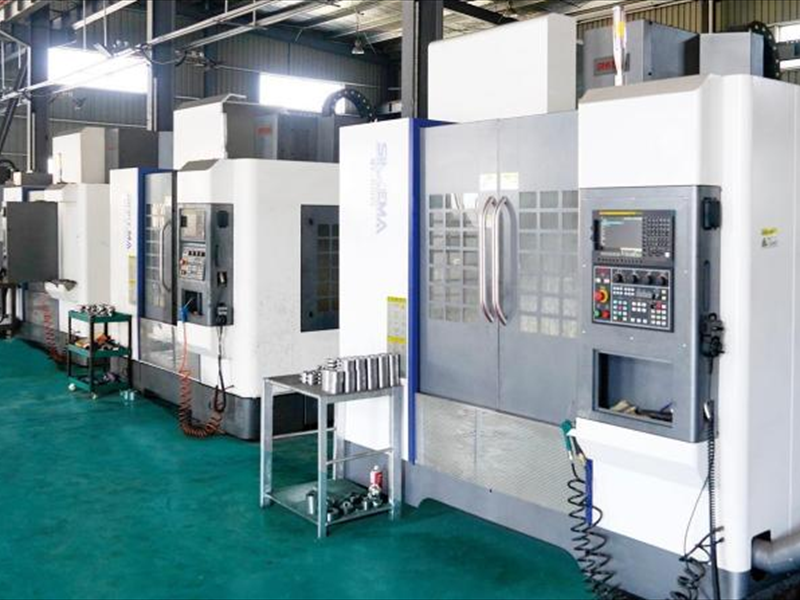
من خلال اتباع هذه الخطوات—مادة التغذية, ذوبان البلاستيك, خلط, والتشكيل—أقوم بتحويل الكريات الخام إلى منتجات نهائية. يسمح لي جهاز بثق البلاستيك بالتحكم في كل مرحلة من العملية, من اختيار المواد إلى التشكيل النهائي. يعد هذا النهج التدريجي ضروريًا لإنتاج سلع عالية الجودة في أي بيئة صناعية.
التبريد والتصلب
بعد أن يترك البلاستيك القالب, أركز على تبريد الطارد للحفاظ على شكله ومنع العيوب. تعتبر هذه المرحلة حاسمة لأن طريقة تبريد المنتج تؤثر على قوته ومظهره. أستخدم عدة طرق لتبريد البلاستيك وتصلبه, حسب المنتج وسرعة الإنتاج.
-
معايرة
-
تبريد الهواء
-
التبريد النهائي
-
تقنيات متقدمة (بكرات مبردة, تبريد الفراغ)
غالبًا ما أبدأ بالإخماد. تعمل هذه الطريقة على تبريد الطبقة الخارجية من البلاستيك بسرعة عند خروجها من رأس البثق. أستخدم بخاخات الهواء أو الماء لهذه الخطوة. يساعد التبريد السريع على ضبط الشكل الأولي ويمنع المنتج من الالتواء. للعديد من الملامح والأنابيب, أنا استخدم المعايرة. تعمل هذه الأجهزة على تثبيت الشكل وتتضمن خزانات مملوءة بالماء للتبريد المتحكم فيه. تساعدني أجهزة المعايرة في تجنب الضغوط الداخلية وضمان بقاء المنتج مستقيماً.
عندما أحتاج إلى التحكم الدقيق في درجة الحرارة, أنتقل إلى التقنيات المتقدمة. تمنحني الأسطوانات المبردة والتبريد الفراغي تبريدًا سريعًا ومتساويًا, وهو أمر مهم للإنتاج عالي السرعة أو التطبيقات الخاصة. أختار دائمًا الطريقة التي تتوافق مع متطلبات المنتج.
نصيحة: أراقب معدل التبريد عن كثب. إذا قمت بتبريد البلاستيك بسرعة كبيرة, أستطيع محاصرة الضغوط الداخلية. إذا قمت بتبريده ببطء شديد, أخاطر بالتزييف أو الأسطح غير المستوية.
تؤثر طريقة التبريد التي اخترتها على الخصائص النهائية للمنتج. الجدول أدناه يوضح كيف تغير معدلات التبريد المختلفة الخواص الميكانيكية:
|
طريقة التبريد |
التأثير على الخواص الميكانيكية |
|---|---|
|
تبريد سريع للمياه |
يمكن أن يحبس الضغوط الداخلية, إضعاف المنتجات السميكة بمرور الوقت. |
|
الهواء أبطأ مصنع المسمار الطارد تبريد مصنع اللولب المزدوج الموازي |
يعزز التبلور الموحد, تعزيز القوة وتقليل مخاطر التزييف. |
أقوم دائمًا بموازنة السرعة والجودة للحصول على أفضل النتائج لعملائي الصناعيين.
معالجة المصب
بمجرد أن يصبح المنتج صلبًا, أنتقل إلى المعالجة النهائية. تضيف هذه المرحلة قيمة وتجهز المنتج للاستخدام النهائي. أتبع سلسلة من الخطوات لإنهاء البلاستيك المبثوق:
-
قطع: أستخدم قاطعة عالية السرعة لتقطيع الشريط المتصل إلى أطوال محددة. القطع الدقيق مهم للتجميع والمظهر.
-
تشكيل: يمكنني تشغيل المنتج من خلال آلة التشكيل. تعمل هذه الخطوة على تحسين المظهر والتأكد من صحة الأبعاد.
-
تجفيف: أستخدم المجففات الصناعية, مثل مجففات الحزام متعددة الطبقات أو مجففات الميكروويف, لإزالة أي رطوبة من المنتج.
بعد هذه الخطوات الرئيسية, كثيرا ما أضيف اللمسات الأخيرة. قد أقوم بطباعة معلومات أو علامة تجارية على المنتج. أحيانا, أنا ثقب الثقوب, جرس النهايات, أو قم بلف المنتج لسهولة النقل. تساعدني هذه الخطوات الإضافية في تلبية احتياجات العملاء المحددة وجعل المنتج أكثر فائدة.
ملحوظة: العمليات النهائية مثل القطع والطباعة تعمل على تحسين قيمة المنتجات البلاستيكية المبثوقة. أنها تضمن الحجم الصحيح, مظهر أفضل, والجاهزية للسوق.
من خلال إدارة التبريد والمعالجة النهائية بعناية, أقوم بتقديم جودة عالية, منتجات موثوقة لمجموعة واسعة من التطبيقات الصناعية.
مكونات آلة بثق البلاستيك
هوبر
أبدأ دائمًا عملي في قادوس. This component sits at the top of the plastic extruder and stores the raw plastic pellets or granules. The hopper feeds material into the barrel at a steady rate. I check the hopper regularly to make sure it stays clean and dry. Some models include drying functions, which help me maintain the quality of the plastic. Moisture can cause defects, so I rely on the hopper to keep the material in good condition. I select the right hopper size based on the production volume. For high-output jobs, I use larger hoppers to avoid frequent refilling.
نصيحة: I inspect the hopper before every shift. Clean and dry material ensures smooth extrusion and prevents blockages.
Barrel and Screw
ال barrel and screw form the core of the extruder. The barrel provides a heated space for the plastic pellets. أراقب درجة حرارة البرميل لتتناسب مع نقطة انصهار المادة. يوجد المسمار داخل البرميل ويدور لتحريك البلاستيك للأمام. كما يتحول المسمار, ينقل, يذوب, ويخلط المادة. أقوم بضبط سرعة المسمار للتحكم في معدل الإخراج. تعمل السرعات الأعلى على زيادة الإنتاج ولكنها قد تسبب ارتفاع درجة الحرارة. أختار تصميم المسمار بناءً على نوع البلاستيك ومتطلبات المنتج.
يؤثر تصميم البرميل والمسمار على الكفاءة. ألقي نظرة على معلمات مثل نسبة L/D (الطول إلى القطر), نسبة الضغط, عمق الرحلة, وسرعة المسمار. بالنسبة لمعظم الوظائف, أستخدم المسمار مع 30:1 نسبة L/D. وهذا يمنحني الوقت الكافي للإنصهار والخلط. نسب الضغط بين 3:1 و 3.5:1 تعمل بشكل جيد للبولي ايثيلين. تسمح قنوات الطيران الأعمق بإنتاجية أعلى, لكنني أوازن هذا مع كفاءة الذوبان. أتجنب تشغيل المسمار بسرعة كبيرة, لأن السرعة المفرطة يمكن أن تؤدي إلى تحلل البوليمر.
|
عنصر |
وظيفة |
|---|---|
|
أفسد |
ينقل, يلدن, ويضغط على المواد الخام. |
|
برميل |
يوفر مساحة للتخزين والتدفئة, ضمان المتانة والاستقرار. |
أقوم باختيار مسامير حاجزة للوظائف التي تحتاج إلى تناسق ذوبان أفضل. يساعدني هذا الاختيار في تحقيق خلط موحد قبل وصول المادة إلى القالب.
سخانات
تلعب السخانات دورًا حيويًا في آلة بثق البلاستيك. أنا أعتمد عليهم لإذابة الكريات البلاستيكية أثناء تحركها عبر البرميل. تلتف السخانات حول البرميل وتوفر تحكمًا دقيقًا في درجة الحرارة. أضبط درجة الحرارة بناءً على نوع البلاستيك. على سبيل المثال, أستخدم درجات حرارة منخفضة للـ PVC وإعدادات أعلى للنايلون. التسخين المستمر يمنع العيوب ويضمن تلدينًا موحدًا.
أراقب السخانات طوال العملية. إذا كانت درجة الحرارة متقلبة, أنا أخاطر بالذوبان غير المتكافئ أو ارتفاع درجة الحرارة. I use temperature control systems to manage heating and cooling. These systems help me maintain the right balance, so the plastic flows smoothly toward the die. Proper heater management improves product quality and reduces waste.
ملحوظة: Reliable heaters and temperature control systems keep the extrusion process stable. I always check these components to avoid production issues.
يموت
I always pay close attention to the die when I operate my plastic extruder. The die shapes the molten plastic into the final product. I know that choosing the right die is essential for producing pipes, أوراق, الملفات الشخصية, or films with accurate dimensions.
I start by inspecting the die before every production run. I look for any signs of wear, buildup, or damage. A clean die ensures a smooth flow of plastic and prevents defects. I use specialized tools to clean the die channels and surfaces. If I see any scratches or blockages, I address them immediately.
When I set up the extruder, I align the die carefully with the barrel. Proper alignment prevents uneven flow and reduces the risk of warping. I tighten the bolts evenly to avoid leaks. I also check the die temperature settings. Each type of plastic requires a specific temperature range for optimal flow. I adjust the die heaters to match the material I am using.
During production, I monitor the pressure at the die. If the pressure rises too high, I know there may be a blockage or contamination. I stop the machine and inspect the die if I notice any irregularities in the extruded product. Consistent pressure helps me maintain uniform thickness and surface quality.
I often switch between different dies depending on the product. على سبيل المثال, I use a flat die for making sheets and a ring die for pipes. I store each die in a clean, dry place to prevent rust and damage. I label each die clearly so I can find the right one quickly.
نصيحة: I always preheat the die before starting production. This step prevents cold spots and ensures a steady flow of molten plastic.
Here is a quick checklist I follow for die maintenance:
-
Inspect for wear and buildup before each run.
-
Clean channels and surfaces with proper tools.
-
Align and secure the die to the barrel.
-
Set the correct temperature for the material.
-
Monitor pressure and product quality during operation.
-
Store dies properly after use.
من خلال اتباع هذه الخطوات, I keep my extrusion process efficient and my products consistent. يعد القالب عنصرًا حاسمًا يؤثر بشكل مباشر على جودة كل ما أقوم بإنتاجه.
أنواع طارد البلاستيك
الطارد برغي واحد
كثيرا ما أستخدم أ الطارد برغي واحد لوظائف معالجة البلاستيك المباشرة. تحتوي هذه الآلة على برغي دوار واحد داخل البرميل. أجد أنها موثوقة للذوبان, خلط, وتشكيل معظم اللدائن الحرارية. عندما أريد إنتاج الأنابيب, أفلام, أو صفائح ذات جودة متسقة, اخترت هذا النوع. أقوم بضبط سرعة المسمار ودرجة الحرارة لتتناسب مع المادة. يمنحني التصميم ذو المسمار الواحد خلطًا أساسيًا وإخراجًا ثابتًا. أستخدمه عندما لا أحتاج إلى مزج العديد من الإضافات أو التعامل مع الوصفات المعقدة.
الطارد المزدوج اللولب
عندما أحتاج إلى خلط أفضل ومزيد من التحكم, أتحول إلى أ الطارد المزدوج المسمار. تستخدم هذه الآلة برغيين يدوران معًا. يمكنني معالجة المواد باستخدام مواد الحشو, تلوينات, أو حتى المواد الكيميائية التفاعلية. تصميم المسمار المزدوج يتيح لي المزج, مُجَمَّع, and even carry out chemical reactions during extrusion. I use it for advanced applications, such as making specialty compounds or high-performance plastics. The table below shows how single-screw and twin-screw extruders compare in industrial performance:
|
ميزة |
بثق برغي واحد |
الطارد المزدوج اللولب |
|---|---|---|
|
Screw Diameter |
20 مم ل 300 مم |
16 مم ل 245 مم |
|
نسبة L/D |
20:1 ل 30:1 |
25:1 ل 48:1 |
|
سرعة المسمار |
20 ل 250 دورة في الدقيقة |
50 ل 1,200 دورة في الدقيقة |
|
معدل الإخراج |
10 كجم/ساعة إلى 1,000 كجم/ساعة |
1 كجم/ساعة إلى 15,000 كجم/ساعة |
|
Barrel Temperature |
20°C to 300°ج |
Ambient to 400°ج |
|
قدرات الخلط |
الخلط الأساسي |
خلط متفوق |
|
قدرة عزم الدوران |
لا يوجد |
200 Nm to 10,000 نانومتر |
|
التطبيقات |
Straightforward polymer processing |
يضاعف, مزج, قذف رد الفعل |
I look at this table when I decide which extruder to use for a project. If I need high output or advanced mixing, I pick the twin-screw model.
Specialty Extruders
أحيانا, my clients need unique shapes or special materials. I use specialty extruders for these jobs. These machines offer several advantages:
-
Design flexibility: I can create complex shapes and precise dimensions for custom applications.
-
Material versatility: I use different plastics and additives to improve durability and performance.
-
تعزيز الأداء: أقوم بتخصيص الماكينة لبيئات محددة لضمان أفضل النتائج.
-
كفاءة التكلفة: أقوم بتقليل النفايات وتجنب الآلات الإضافية, مما يقلل من تكاليف الإنتاج.
-
الخيارات الجمالية: أقوم بمطابقة الألوان والتشطيبات لتلبية احتياجات العلامة التجارية.
أختار آلة بثق متخصصة عندما لا تتمكن الأجهزة القياسية من تلبية المتطلبات. يساعدني هذا النهج في تقديم حلول مخصصة للمشاريع الصعبة.
مواد بثق البلاستيك
اللدائن الحرارية الشائعة
عندما أقوم باختيار المواد اللازمة لقذف البلاستيك, أبدأ دائمًا باللدائن الحرارية. تلين هذه المواد عند تسخينها وتتصلب عند تبريدها, مما يجعلها مثالية للمعالجة المتكررة. أختار اللدائن الحرارية المناسبة بناءً على متطلبات المنتج, مثل القوة, المرونة, أو المقاومة الكيميائية.
فيما يلي أكثر اللدائن الحرارية شيوعًا التي أستخدمها في البثق الصناعي وخصائصها الرئيسية:
-
بولي فينيل كلوريد (بولي كلوريد الفينيل): أنا أعتمد على PVC لقوته وتعدد استخداماته. يقاوم الرطوبة, المواد الكيميائية, والأشعة فوق البنفسجية, لذلك أستخدمه للأنابيب, ملفات تعريف النافذة, وعزل الكابلات.
-
البولي ايثيلين (بي): أختار PE عندما أحتاج إلى مادة خفيفة الوزن ومرنة. إنه يوفر مقاومة ممتازة للصدمات واستقرار كيميائي, مما يجعلها مثالية للأفلام, حاويات, والأنابيب.
-
مادة البولي بروبيلين (ص): أستخدم PP للمنتجات التي تحتاج إلى المتانة ومقاومة التعب. إنه يتحمل المواد الكيميائية والإجهاد, لذلك غالبًا ما أختاره لقطع غيار السيارات والحاويات القابلة لإعادة الاستخدام.
-
البوليسترين (ملاحظة:): أنتقل إلى PS لصلابته ووضوحه. إنها تتشكل بسهولة وتعمل بشكل جيد للتغليف, أدوات المائدة القابل للتصرف, وأدوات المختبرات.
-
نايلون: أختار النايلون عندما أحتاج إلى نسبة قوة إلى وزن عالية. إنه يعمل بشكل جيد في البيئات ذات درجات الحرارة العالية ويوفر مقاومة كيميائية عادلة. أنا استخدامها للتروس, محامل, والأجزاء الصناعية.
-
ABS (أكريلونتريل بوتادين ستايرين): اخترت ABS لصلابته ومقاومته للصدمات. إنه أصعب من البوليسترين النقي ويعمل بشكل جيد في تقليم السيارات, العبوات, والسلع الاستهلاكية.
-
جيش التحرير الشعبى الصينى (حمض البوليلاكتيك): أستخدم PLA للتطبيقات التي تتطلب خيارًا قابلاً للتحلل. يأتي من مصادر متجددة مثل نشا الذرة وله نقطة انصهار منخفضة, الذي يناسب التعبئة والتغليف والمنتجات القابل للتصرف.
-
بيتغ (البولي إيثيلين تيريفثالات جلايكول): أختار PETG عندما أحتاج إلى توازن القوة وسهولة المعالجة. يقاوم المواد الكيميائية والتزييف, لذلك أستخدمه للزجاجات, الأجهزة الطبية, وحاويات المواد الغذائية.
نصيحة: أقوم دائمًا بمطابقة خصائص اللدائن الحرارية مع الاستخدام النهائي للمنتج. تضمن هذه الخطوة المتانة والأداء.
المواد المضافة والحشو
غالبًا ما أحتاج إلى تعديل خصائص منتجاتي البلاستيكية المبثوقة. للقيام بذلك, أنا أندمج المواد المضافة والحشو أثناء عملية القذف. تساعدني هذه المكونات على تلبية معايير الصناعة المحددة ومتطلبات العملاء.
-
المثبتات: أقوم بإضافة مثبتات لتحسين مقاومة الحرارة والأشعة فوق البنفسجية. وهذا يمنع المنتجات من التدهور في البيئات القاسية.
-
Color Pigments: I use pigments to achieve the exact color my client wants. This step also helps with branding and product identification.
-
مثبطات اللهب: I include flame retardants for products that must meet fire safety regulations, such as electrical components or building materials.
-
الحشو: I add fillers like calcium carbonate or glass fibers to enhance mechanical strength, reduce cost, or change the product’s weight.
The careful blending of these additives and fillers lets me optimize the extrusion process. I can improve mechanical properties, adjust appearance, and ensure the final product meets all specifications.
ملحوظة: I always test new formulations before full-scale production. This practice helps me avoid defects and ensures consistent quality.
By understanding both the base thermoplastics and the role of additives, I can produce extruded products that perform reliably in any industrial application.
Extrusion Applications in Industry
Industrial Uses
أنا استخدم plastic extrusion every day to meet the demands of many industries. This process gives me the flexibility to create products that solve real-world problems. I start by selecting the right material and adjusting my machine for the job. I know that each application requires a specific approach, so I always match the extrusion process to the end use.
Here is a table that shows how I apply extrusion in different industrial sectors:
|
نوع التطبيق |
وصف |
|---|---|
|
Pipes and Tubing |
I produce water supply lines, sewage pipes, and irrigation tubing using materials like PVC and HDPE. |
|
Profiles and Structural Components |
I make window frames and door seals that improve energy efficiency and durability in construction. |
|
Plastic Films and Sheets |
I create packaging films and agricultural covers that offer flexibility and UV protection. |
|
Electrical and Automotive Components |
I manufacture wire coatings and automotive trims that enhance safety and fuel efficiency. |
|
Other Specialized Uses |
I extrude medical tubing and 3D printing filaments for specialized applications in healthcare and manufacturing. |
I always adjust the extrusion process to fit the requirements of each industry. على سبيل المثال, I use tighter tolerances for medical tubing and focus on durability for construction profiles. I monitor every step to ensure the final product meets strict standards.
نصيحة: I keep detailed records of each extrusion run. This helps me troubleshoot issues and improve quality for future projects.
المنتجات النموذجية
I see the results of plastic extrusion in many products I use and produce. The process allows me to create items with consistent quality and precise dimensions. Here are some of the most common products I make using extrusion:
-
Pipes and tubing for plumbing, irrigation, and industrial systems
-
Plastic films and sheets for packaging, زراعة, and protective covers
-
Electrical and automotive components such as wire insulation and dashboard trims
-
Medical tubing for fluid delivery and surgical devices
-
3D printing filaments for rapid prototyping and manufacturing
-
Furniture edges that protect surfaces and add style
-
Decorative strips for appliances, vehicles, and building interiors
I follow a step-by-step process for each product. I start by choosing the right thermoplastic and setting up the extruder. I monitor the temperature, ضغط, and speed throughout the extrusion. I use the correct die to shape the product and select the best cooling method to lock in the form. I finish with downstream processing, such as cutting, الطباعة, or coiling, to prepare the product for use.
Plastic extrusion gives me the ability to respond quickly to new market demands. I can switch between products by changing the die and adjusting the process parameters. This flexibility helps me serve a wide range of industries and deliver reliable solutions.
ملحوظة: I always test new products before full production. This ensures that the extrusion process produces consistent and high-quality results.
Advantages and Limitations
الفوائد الرئيسية
When I use plastic extrusion in my daily work, I see many advantages that help me deliver quality products efficiently. I rely on this process because it supports continuous and scalable production. I can run my extruder for long periods with minimal downtime, which is perfect for large orders. This approach keeps my workflow steady and predictable.
I also appreciate the cost efficiency of plastic extrusion. I recycle leftover materials and reduce waste, which lowers my production costs. I optimize the use of raw materials and keep expenses under control. Design flexibility stands out as another major benefit. I can create a wide range of shapes and sizes, من الأنابيب البسيطة إلى الملامح المعقدة. This flexibility lets me meet different customer needs without changing my core equipment.
Consistent quality is important in my work. The extrusion process gives me uniform material flow and precise dimensions. I can meet tight tolerances, which is essential for industries like automotive and medical. I also value the compatibility with many thermoplastics. I switch between materials like PVC, بي, and PP to match the requirements of each project. Modern extruders allow me to integrate automation and smart systems. I use sensors and controls to improve accuracy and efficiency.
Here is a table that summarizes the main benefits I experience with plastic extrusion:
|
فائدة |
وصف |
|---|---|
|
Continuous and Scalable Production |
High output rates with minimal downtime, ideal for large-volume jobs. |
|
Less waste and lower costs by recycling leftover materials. |
|
|
مرونة التصميم |
Wide range of shapes and dimensions for various needs. |
|
Consistent Quality and Repeatability |
Uniform material flow and exact specifications for tight tolerances. |
|
Compatibility with Many Materials |
Handles various thermoplastics for better performance and durability. |
|
Integration with Automation |
Improved accuracy and efficiency through smart technology. |
نصيحة: I always monitor my process parameters to maintain these benefits and avoid unexpected issues.
Common Challenges
While I enjoy many advantages, I also face challenges with plastic extrusion. Selecting the right material is critical. Each plastic has unique properties that affect how it melts and flows. If I choose the wrong material, I risk poor extrudability and product defects.
Quality control requires constant attention. I watch for variations in dimensions and surface defects, which can result from changes in temperature or pressure. Environmental concerns also play a role in my work. The extrusion process uses a lot of energy and can generate waste. I focus on recycling and energy efficiency to reduce my impact.
Achieving tight dimensional tolerances is not always easy. Plastics shrink as they cool, which can cause warping if I do not manage the cooling process carefully. Startup waste is another issue. When I begin a new run, I often produce scrap until the melt flow stabilizes and the die aligns properly.
Material compatibility can cause problems, especially when I blend different polymers. Some materials do not mix well, leading to weak spots or phase separation. Equipment maintenance is essential. Continuous operation wears down screws and dies, so I schedule regular checks to prevent contamination and buildup.
Die design affects the stability of the extrusion process. Uneven melt viscosity can lead to defects like die swell or rough surfaces. Thermoplastics are sensitive to temperature changes. I use precise thermal control to avoid degradation or poor flow.
Here are the main challenges I address in my daily work:
-
Material limitations: I must select plastics with the right properties for each job.
-
Quality control issues: I monitor for defects and adjust parameters as needed.
-
Environmental concerns: I recycle and use energy-efficient practices.
-
Dimensional tolerances: I manage cooling to prevent warping.
-
Startup waste: I minimize scrap during setup.
-
Material compatibility: I test blends before full production.
-
Equipment maintenance: I clean and inspect my extruder regularly.
-
Die design: I fine-tune the die for stable flow.
-
Thermal sensitivity: I control temperature to protect the material.
ملحوظة: I keep detailed records and follow a strict maintenance schedule to overcome these challenges and keep my extrusion line running smoothly.
I follow a clear process with my plastic extruder: يٌطعم, تذوب, شكل, رائع, والانتهاء. I check each component to keep production efficient. I know that choosing the right extruder and material impacts texture, تناسق, and product quality. Different materials interact with moisture, درجة حرارة, and mechanical shear in unique ways.
-
The choice of extruder and material affects product texture and quality.
-
Moisture levels, مناطق برميل, and screw RPM are key for desired results.
I see many benefits, but I always consider process parameters. For those ready to optimize extrusion, I recommend these steps:
|
وصف |
|
|---|---|
|
Start with sensor layer |
Retrofit extrusion lines with temperature and pressure monitoring for better operator response. |
|
Evaluate energy-efficient equipment |
Consider drive systems, monitoring, and maintenance as a unified capital decision. |
|
Engage suppliers early |
Discuss material testing and qualification before finalizing specifications for engineered polymers. |
التعليمات
What materials can I use in a plastic extruder?
I select thermoplastics like PVC, بي, ص, و ABS. I choose the material based on the product’s requirements. I always check compatibility and melting points before starting the extrusion process.
How do I maintain consistent product quality?
أراقب درجة الحرارة, ضغط, وسرعة المسمار. I inspect the die and clean the hopper regularly. I keep detailed records of each run. Consistent settings help me achieve reliable results.
Can I recycle leftover plastic during extrusion?
I recycle scrap material by feeding it back into the hopper. I check for contamination and dryness. Recycling helps me reduce waste and lower production costs.
What are the main steps in plastic extrusion?
أتبع هذه الخطوات: feed raw material, melt and mix, shape with the die, cool and solidify, and finish with downstream processing. Each step requires careful monitoring.
How do I choose the right extruder for my application?
I consider the material, product shape, and production volume. I select single-screw extruders for basic jobs and twin-screw models for advanced mixing. Specialty extruders suit custom shapes.
What should I look for in plastic extrusion services?
I look for expertise, reliable equipment, and quality control. I check if the provider offers material testing and custom die design. I value clear communication and support throughout the project.
How can I troubleshoot defects in extruded products?
I inspect the material for moisture or contamination. I adjust temperature and pressure settings. I check the die for blockages. I review process records to find the cause of defects.
Is plastic extrusion suitable for medical products?
I use plastic extrusion to make medical tubing and consumables. I select medical-grade materials and follow strict quality standards. I monitor every step to ensure safety and performance.


Filler Masterbatch Extruder Machine: Complete B2B Trade Guide for Manuf… · آلة بثق الحشو ماستر: Complete B2B Trade Guide for Manu… · ماكينات بثق الحشو ماسترباتش: دليل التجارة B2B الكامل للرجل…