

كيف تتراكم أنظمة البثق المختلفة للتصنيع
لقد رأيت أن اختيار نظام البثق يشكل عملية التصنيع بأكملها. تستخدم معظم الشركات المصنعة أنظمة ذات لولب واحد, التي تحمل أ 62% الحصة السوقية, بينما تمثل الأنظمة ذات اللولب المزدوج 38%.
| نوع نظام البثق | نسبة حصة السوق |
|---|---|
| برغي واحد | 62% |
| برغي مزدوج | 38% |
يؤثر الاختيار بين أنواع البراغي على الكفاءة, جودة المنتج, والتوافق المادي. عندما أقوم بمطابقة تكنولوجيا البثق مع أهداف التصنيع, لقد لاحظت تحسينات في فعالية التكلفة, براعة التصميم, والاستدامة.
| عامل | التأثير على كفاءة التصنيع | التأثير على جودة المنتج |
|---|---|---|
| المعلمات التي تسيطر عليها | يحافظ على جودة المنتج موحدة | يحقق التحمل ميكرومتر |
أعتمد على أنظمة البثق الكاملة لتقديم نتائج متسقة وأداء لولبي دقيق.
الوجبات السريعة الرئيسية
- اختر نظام البثق المناسب بناءً على أهداف التصنيع وخصائص المواد لضمان الأداء الأمثل.
- تعتبر آلات البثق أحادية اللولب مثالية لإنتاج كميات كبيرة من المواد البسيطة, بينما تتفوق الأنظمة ثنائية اللولب في خلط المواد المعقدة.
- الصيانة الدورية ومراقبة أنظمة البثق تمنع التوقف عن العمل وتعزز الكفاءة, ضمان جودة المنتج متسقة.
- ضع في اعتبارك قطر المسمار ونسبة L/D عند اختيار الطارد, لأن هذه العوامل تؤثر على الإنتاجية وكفاءة الخلط.
- استخدم البثق المشترك لإنشاء منتجات متعددة الطبقات تجمع بين مواد مختلفة, تعزيز الوظائف والأداء.
- تقييم مدى توافق المواد مع نظام البثق المختار لتجنب العيوب وضمان مخرجات عالية الجودة.
- كن على علم بالاتجاهات الناشئة في تكنولوجيا البثق, مثل إنترنت الأشياء والذكاء الاصطناعي, لتحسين الكفاءة والتكيف مع احتياجات الإنتاج المتغيرة.
- قم بإنشاء قائمة مرجعية بالعوامل الرئيسية قبل تحديد خيار ما آلة البثق لتجنب الأخطاء المكلفة والتأكد من أن النظام يلبي متطلبات التطبيق.
اختيار نظام البثق المناسب للتصنيع
العوامل الرئيسية في اختيار النظام
لم أجد عالمية أبدًا “أفضل” نظام البثق. تجربتي تقول لي أن الاختيار الأمثل يعتمد على أهداف التصنيع, خصائص المواد, ومتطلبات المنتج. عندما أقوم باختيار نظام البثق, أقوم دائمًا بمطابقة قدراته مع التطبيق المقصود. يضمن هذا النهج أن عملية البثق توفر جودة متسقة وأداء مثالي.
أنا أعتبر عدة العوامل الحاسمة قبل إجراء اختيار آلة البثق. أستخدم الجدول التالي لتوجيه قراري:
| عامل | وصف |
|---|---|
| هدف البحث | الغرض من الآلة (تعليم, التطور المادي, أو الإنتاج التجريبي التجاري) |
| نوع المادة | نوع البوليمرات المراد معالجتها (حساسة للحرارة, متقلب, أو رد الفعل) |
| سعة الإخراج المطلوبة | القدرة الإنتاجية (جرام أو كيلو جرام في الساعة) |
| متطلبات العملية المتقدمة | الحاجة لحقن الغاز, فراغ التفريغ, أو القدرة على البثق التفاعلي |
| الميزانية ومساحة المختبر | النظر في التوسع المعياري للترقيات المستقبلية |
| احتياجات التوسع المستقبلية | التوافق مع وحدات البثق الصناعية لزيادة الإنتاج |
أنا دائمًا أنتبه إلى قطر المسمار ونسبة L/D. تحدد هذه المعلمات سعة الإنتاجية وكفاءة الخلط. أقوم باختيار جهاز بثق يتمتع بقدرة الإخراج المناسبة, والتي يمكن أن تتراوح من 0.25 كجم/ساعة إلى 150 كجم/ساعة حسب الموديل. يتيح لي التصميم المعياري استبدال المكونات بسرعة, مما يعطي المرونة للبحث والتطوير. أعتمد على أنظمة التحكم المتقدمة, مثل PLC وHMI, لتحقيق التحكم الدقيق وتتبع البيانات.
عندما أقوم بتقييم أنواع آلات البثق, أنا أعتبر مدى تعقيد الملف الشخصي والتفاوتات المطلوبة. تتطلب التصميمات المعقدة أدوات دقيقة ويمكن أن تزيد التكاليف. أنا أيضا أنظر إلى كمية الطلب. تعمل الكميات الكبيرة على تقليل التكلفة لكل وحدة لأن تكاليف الإعداد تنتشر عبر المزيد من الوحدات. التشطيب والعمليات الثانوية, مثل أنودة أو التصنيع باستخدام الحاسب الآلي, إضافة القيمة والتكلفة.
نصيحة: أوصي بعمل قائمة مرجعية لهذه العوامل قبل البدء في عملية اختيار آلة البثق. تساعد هذه الممارسة على تجنب الأخطاء المكلفة وتضمن مطابقة النظام للتطبيقات المقصودة.
التأثير على كفاءة التصنيع
لاحظت أن نظام البثق الذي اخترته يؤثر بشكل مباشر على كفاءة التصنيع. تصميم المسمار, القدرة على الخلط, وتلعب تكنولوجيا البثق دورًا في مدى سلاسة سير العملية. على سبيل المثال, أ الطارد برغي واحد غالبًا ما يعمل بشكل جيد مع البوليمرات البسيطة والإنتاج بكميات كبيرة. تتعامل أجهزة البثق ثنائية اللولب مع المواد المعقدة والتطبيقات المتقدمة, مثل البثق التفاعلي أو الخلطات المتخصصة.
لقد رأيت أن اللزوجة العالية والمحتوى الصلب في المواد النشطة يمكن أن يسبب الانسداد, قذف غير مستقر, وارتداء الفوهة. تقلل هذه المشكلات من الكفاءة وتهدد السلامة. أتعامل مع هذه التحديات من خلال تحسين تصميم نظام العجن. يعمل تحسين تجانس الخلط ودقة البثق على تعزيز السلامة والكفاءة.
أستخدم نظام بثق مزدوج اللولب على مرحلتين عندما أحتاج إلى قدر أكبر من الاستقرار والقدرة على التكيف. تظهر عمليات المحاكاة أن هذا التصميم يعمل على تحسين خصائص التدفق ويحافظ على إخراج ثابت. أقوم دائمًا بمراقبة عملية البثق لضمان جودة موحدة وتقليل وقت التوقف عن العمل.
| نوع الأدلة | وصف |
|---|---|
| التحديات في التصنيع المضافة | تؤدي اللزوجة العالية والمحتوى الصلب للمواد النشطة إلى مشاكل مثل الانسداد, قذف غير مستقر, وارتداء الفوهة, مما يؤثر على الكفاءة والسلامة. |
| أداء نظام العجن | يؤثر تصميم نظام العجن على تجانس خلط المواد ودقة البثق, مع تحسينات محددة مقترحة لتعزيز السلامة والكفاءة. |
| تصميم نظام البثق | تم تصميم نظام البثق المزدوج اللولب على مرحلتين لتحسين الاستقرار والقدرة على التكيف في عملية البثق, مع عمليات المحاكاة التي تكشف عن خصائص التدفق للأنظمة المختلفة. |
أقوم دائمًا بمطابقة نظام البثق مع متطلبات الإنتاج. تضمن هذه الممارسة أن يقدم الطارد الجودة والأداء المطلوبين. أحدد تكوين المسمار بناءً على نوع المادة وتعقيد التطبيق. أعتمد على تكنولوجيا البثق المتقدمة لتحقيق أقصى قدر من الكفاءة والحفاظ على معايير عالية لجودة المنتج.
ملحوظة: أوصي بالصيانة المنتظمة ومراقبة العمليات للحفاظ على أعلى مستويات الكفاءة ومنع التوقف غير المتوقع.
أنواع أنظمة البثق الكاملة
عندما أقوم بتقييم أنظمة البثق الكاملة للتصنيع, أبدأ دائمًا بتحديد الرئيسي أنواع آلات البثق. تشمل الخيارات الأكثر شيوعًا آلات البثق ذات اللولب المفرد, آلات بثق المسمار المزدوج, وآلات بثق الكبش. يقدم كل نظام نقاط القوة والقيود الفريدة, لذلك أركز على مطابقة التكنولوجيا المناسبة للتطبيق.
| نوع آلة البثق |
|---|
| آلات بثق برغي واحد |
| ماكينات بثق اللولب المزدوج |
| ماكينات بثق رام |
بثق برغي واحد
غالبًا ما أستخدم آلة بثق لولبية واحدة لعمليات البثق المباشرة. تتميز هذه الآلة ببرغي دوار واحد داخل برميل ساخن. يقوم المسمار بدفع المواد إلى الأمام, يذوبه, ويشكلها من خلال قالب. أنا أعتمد على هذا النظام لإنتاج كميات كبيرة من اللدائن الحرارية, المنتجات الغذائية, والمركبات المطاطية. إن بساطة التصميم تجعل من السهل تشغيله وصيانته.
| صناعة | وصف التطبيق | توقعات نمو السوق |
|---|---|---|
| البلاستيك | ذوبان وتشكيل اللدائن الحرارية, مدفوعًا بارتفاع استخدام البولي إيثيلين والبولي بروبيلين. | معدل نمو سنوي مركب يبلغ حوالي 4-5% خلال 2030 |
| تجهيز الأغذية | إنتاج الأطعمة المصنعة مثل الوجبات الخفيفة والحبوب. | السوق للوصول إلى أكثر $75 مليار بواسطة 2026 |
| تركيب المطاط | خلط وتشكيل المطاط للإطارات وقطع غيار السيارات. | إنتاج الإطارات لتجاوز 2 مليار وحدة بحلول 2025 |
| الطبية الحيوية | إنتاج البوليمر الحيوي للتعبئة والتغليف والأجهزة الطبية. | الأسواق الناشئة مع تكنولوجيا البثق الجديدة |
لكن, أنا أدرك القيود المفروضة على قذف المسمار واحد. قد يكون تحقيق الخلط الموحد أمرًا صعبًا, خاصة عندما أقوم بإضافة مواد حشو أو إضافات. غالبًا ما يختلف اتساق الضغط مع تغيرات المواد الأولية, والمواد عالية اللزوجة قد لا تتدفق بشكل جيد, مما يؤدي إلى عيوب. ترشدني هذه التحديات في اختياري لآلة البثق عندما أحتاج إلى جودة أعلى أو معالجة أكثر تعقيدًا.
نصيحة: للبساطة, تطبيقات ذات حجم كبير, أوصي بالبدء باستخدام جهاز بثق برغي واحد. للخلط المتقدم أو المواد المتخصصة, النظر في خيارات أخرى.
بثق مزدوج اللولب
عندما أحتاج إلى معالجة متقدمة, أنتقل إلى الطارد برغي مزدوج تكنولوجيا. يستخدم هذا النظام برغيين يدوران معًا داخل البرميل. يمكن أن تتشابك البراغي أو تعمل بالتوازي, اعتمادا على التصميم. أجد أن آلات البثق ذات اللولب المزدوج توفر كفاءة خلط فائقة, تلدين أفضل للمواد عالية اللزوجة, وتعزيز السيطرة على درجة الحرارة والضغط. تعمل هذه الميزات على تحسين جودة المنتج واتساق العملية.
يتيح لي البثق المزدوج اللولب أيضًا تنفيذ خطوات معالجة متعددة في جهاز واحد. أستطيع أن مزيج, تذوب, تنفيس, وحتى التفاعل مع المواد خلال تمريرة واحدة. هذه المرونة تقلل من النفايات وتسرع الإنتاج. عند مقارنة الطارد المزدوج اللولب مقابل الطارد اللولبي المفرد, I see faster return on investment and more uniform results with twin screw systems, especially for complex blends or recycled plastics.
Twin-Screw Subtypes
I always consider the different types of extruder machines within the twin screw category. The screw configuration impacts performance, كفاءة, and the range of applications.
التشابك
Intermeshing twin screw extruders feature screws that overlap and mesh together. This design provides precise material transport and high shear forces. I use intermeshing systems for improved compounding and compatibilization, especially when I need to disperse additives or fillers evenly.
غير متشابكة
Non-intermeshing twin screw extruders have screws that rotate without overlapping. This setup offers gentler mixing and less shear. I choose non-intermeshing designs for sensitive materials that require minimal mechanical stress.
التناوب المشترك
Co-rotating twin screw extruders have screws that turn in the same direction. This subtype excels in mixing efficiency and material transport. I use co-rotating systems for reactive extrusion, التطاير, and high-performance polymer compounding. لكن, high shear rates can degrade heat-sensitive materials, so I monitor screw design and cooling closely.
| Subtype | Processing Capabilities and Advantages | Limitations and Considerations | أفضل التطبيقات |
|---|---|---|---|
| Co-Rotating Twin-Screw Extruder | كفاءة خلط عالية, suitable for reactive extrusion, high shear rates | Risk of material degradation, requires precise screw design | Polymer compounding, مركبات نانوية, lab-to-production workflows |
مكافحة الدورية
Counter-rotating twin screw extruders feature screws that turn in opposite directions. This configuration generates lower shear forces, which protects fragile materials. I rely on counter-rotating systems for ceramics, bio-polymers, and pharmaceutical formulations. يوفر التصميم أيضًا تراكمًا جيدًا للضغط وختمًا فعالاً, على الرغم من أن كثافة الخلط أقل من أنظمة الدوران المشترك.
| Subtype | Processing Capabilities and Advantages | Limitations and Considerations | أفضل التطبيقات |
|---|---|---|---|
| الطارد المزدوج اللولب المضاد للدوران | قوى القص السفلية, تراكم الضغط الجيد, الختم الفعال | انخفاض كثافة الخلط, تصميم أكثر تعقيدًا للختم والمحمل | سيراميك, bio-polymers, المستحضرات الصيدلانية |
عندما أحدد نظام البثق الكامل, أقوم دائمًا بمطابقة نوع المسمار والتكوين مع متطلبات المواد والعملية. هذا النهج يضمن جودة عالية, كفاءة, وأداء موثوق به عبر جميع التطبيقات.
رام النتوء
غالبًا ما أختار بثق الكبش عندما أحتاج إلى معالجة المواد التي تتطلب ضغطًا عاليًا وتشكيلًا دقيقًا. تستخدم هذه الطريقة مكبسًا هيدروليكيًا لدفع المواد عبر برميل ساخن ويموت, بدلاً من الاعتماد على المسمار الدوار. أجد أن آلات بثق الكبش مفيدة بشكل خاص لتشكيل المنتجات من البلاستيك المتصلد بالحرارة, السيراميك, و بتف. تسمح لي هذه العملية بإنشاء قضبان, أنابيب, وملفات تعريف ذات أبعاد متسقة.
تبرز آلة بثق رام بين أنواع آلات البثق لأنها تتعامل مع المواد التي لا تستطيع آلات البثق اللولبية التقليدية معالجتها بكفاءة. أستخدم هذه التكنولوجيا في الصناعات مثل البلاستيك, طعام, والمستحضرات الصيدلانية. على سبيل المثال, أقوم بإنتاج الوجبات الخفيفة والحبوب ذات الأشكال الفريدة, وأقوم بتصنيع أقراص وكبسولات بمواصفات دقيقة.
لقد لاحظت العديد من الفوائد والتحديات عند استخدام بثق الكبش:
- تتفوق آلات بثق رام في إنتاج منتجات عالية الجودة من مواد صعبة المعالجة.
- أنا أعتمد عليها في التطبيقات التي تكون فيها تقنية البثق اللولبي قصيرة, مثل PTFE وملامح السيراميك.
- توفر العملية جودة متسقة ودقة الأبعاد.
- يمكن أن تؤثر التكاليف التشغيلية المرتفعة على الكفاءة والأداء العام.
- تتطلب اللوائح الصارمة في تصنيع البلاستيك مراقبة دقيقة للعمليات.
- المنافسة من أنظمة البثق البديلة تدفعني إلى تحسين اختياري لآلة البثق.
أقوم دائمًا بوزن هذه العوامل قبل اختيار بثق الكبش لأنظمة البثق الكاملة. أراقب العملية عن كثب للحفاظ على الجودة والكفاءة, وخاصة عند العمل مع المواد المتخصصة.
البثق المشترك
يمكّنني البثق المشترك من دمج مواد متعددة في منتج واحد, إنشاء ملفات تعريف متعددة الطبقات مع خصائص محسنة. أستخدم تقنية البثق هذه لدمج اللدائن الحرارية المختلفة, كل طبقة تقدم خصائص فريدة من نوعها. تتضمن العملية دفع عدة مواد من خلال قالب واحد, مما يؤدي إلى ملف تعريف موحد يلبي متطلبات الإنتاج المعقدة.
أعتمد على البثق المشترك لتصنيع المنتجات التي تتطلب المتانة, المرونة, والجاذبية الجمالية. تسمح لي هذه الطريقة بتخصيص جودة كل طبقة, تحسين الأداء والوظائف. أرى أن البثق المشترك يمثل تقدمًا رئيسيًا في أنظمة البثق الكاملة, خاصة عندما أحتاج إلى إنتاج عناصر ذات ميزات متخصصة.
تستفيد الصناعات من البثق المشترك بعدة طرق:
- بناء: أنا أصنع عتبات النوافذ, إطارات, وتقليم القطع التي تجمع بين القوة والجاذبية البصرية.
- بيع بالتجزئة: أقوم ببناء أنظمة رفوف وعرض تتميز بالمتانة والجذابة.
- لافتات: أقوم بإنتاج لافتات وإطارات مضيئة بتشطيبات نظيفة وأداء موثوق.
يعمل البثق المشترك على توسيع نطاق تطبيقات تكنولوجيا البثق. I use it to meet demanding production goals and deliver products with superior quality. When I select an extruder for co-extrusion, I consider screw design, process control, والتوافق المادي. This approach ensures efficiency and consistent results.
نصيحة: I recommend co-extrusion for projects that require multi-layered profiles and enhanced product functionality. Careful extrusion machine selection and process monitoring are essential for achieving optimal quality.
Structure and Operation of Extrusion Systems
Screw and Barrel Design
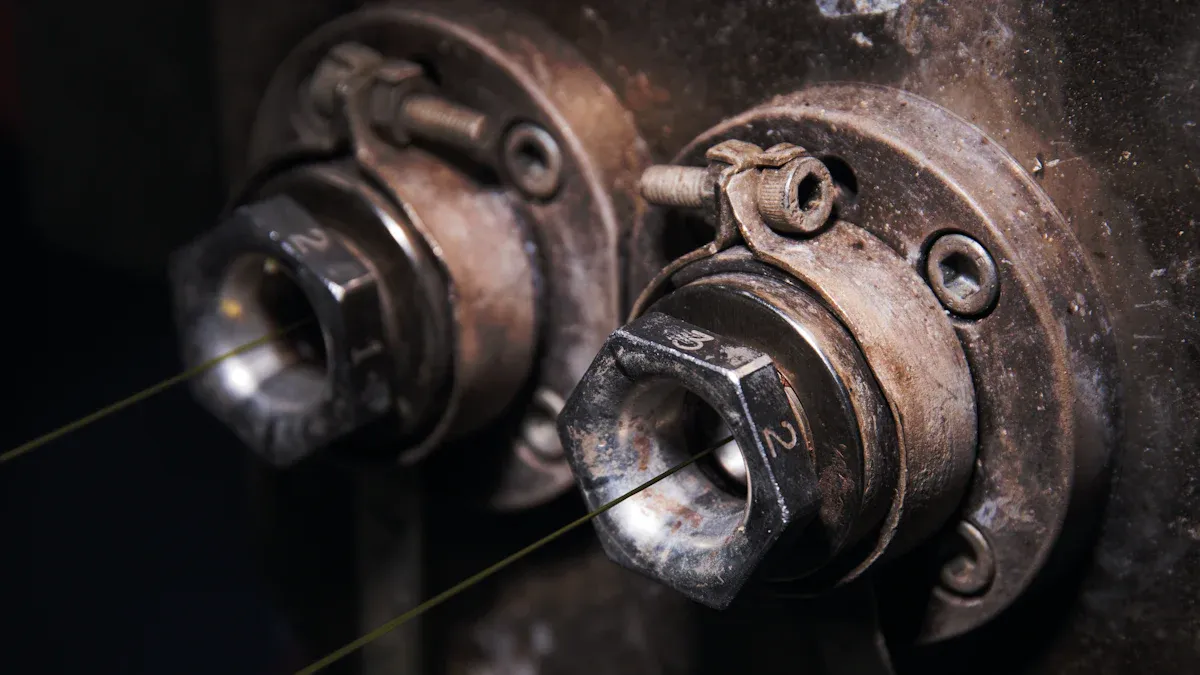
I always start my extrusion machine selection by examining the screw and barrel design. The geometry of the screw determines how efficiently the extruder melts, يمزج, and conveys material. I adjust the length-to-diameter (ل/د) ratio to control residence time and mixing. A higher L/D ratio allows the material to melt and blend more thoroughly, which is essential for achieving uniform quality in the final product. I rely on barrier designs in the screw barrel to maintain melt stability and prevent degradation, especially when I process sensitive materials. Parallel twin screw and barrel designs play a critical role in extrusion speed, جودة المنتج, وكفاءة الطاقة. I use zoning and precise temperature control to stabilize melt flow and avoid trapped gases, which improves density and consistency. The surface finish of the barrel and the geometry of the screw also influence energy efficiency and product consistency. I always match the screw design to the specific requirements of the application to maximize performance.
- A higher L/D ratio improves mixing and melt uniformity, وهو أمر ضروري للمنتجات عالية الجودة.
- تساعد تصميمات الحاجز في الحفاظ على ثبات الذوبان ومنع التدهور.
- تؤثر الهندسة اللولبية واللمسة النهائية لسطح البرميل على كفاءة استخدام الطاقة واتساق المنتج.
حركة المواد وخلطها
أركز على حركة المواد الفعالة وخلطها لضمان سير عملية البثق بسلاسة. أنا استخدم ناقلات هوائية أو ميكانيكية قوية لنقل المواد الخام بسرعة وبأقل قدر من الصيانة. تضمن تصميمات الخلاط المتقدمة تركيبًا شاملاً وموحدًا, مما يمنع الاختلافات في المنتجات النهائية. أقوم بدمج عناصر التحكم الآلية مع أنظمة PLC للمراقبة في الوقت الفعلي وإدارة الوصفات. يتيح لي هذا النهج الإشراف على الإنتاج بسلاسة وضبط المعلمات حسب الحاجة. أقوم باختيار تكوينات قابلة للتطوير لاستيعاب كل من ورش العمل الصغيرة والعمليات الصناعية الكبيرة. Enhanced dust control features keep the workplace clean and safe. ثابت, homogeneous blends reduce quality fluctuations and improve throughput. Automated systems minimize manual handling, which shortens production cycles and lowers labor costs. I always prioritize these features when I evaluate types of extrusion machines for new applications.
| ميزة | وصف |
|---|---|
| Efficient Material Transfer | Rapid, low-maintenance movement of raw materials |
| Precision Mixing | Thorough, uniform compounding for consistent quality |
| الضوابط الآلية | Real-time monitoring and recipe management |
| Scalable Configurations | Flexible layouts for any production capacity |
| Enhanced Dust Control | Cleaner, safer workplace |
| Improved Product Quality | Homogeneous blends, reduced fluctuations |
| Increased Throughput | Shorter production cycles, less manual handling |
| تقليل النفايات | Accurate measurement, lower costs |
| Lower Labor Costs | Automation frees staff for value-added tasks |
| بيئة عمل أكثر أمانًا | الخطوط المغلقة والتحكم في الغبار |
التحكم في العمليات وجودة المخرجات
أعتمد على تكنولوجيا التحكم في العمليات المتقدمة للحفاظ على جودة الإنتاج العالية في تصنيع البثق. أنا أختار اللدائن الحرارية عالية الجودة لضمان تلبية المنتجات النهائية للقوة, متانة, ومتطلبات المرونة. أقوم بمراقبة معلمات البثق عن كثب لتقليل التناقضات أثناء الإنتاج. تظل دقة الأبعاد أولوية قصوى بالنسبة لي, لأنه يضمن أن المكونات تناسب التطبيقات المقصودة. أستخدم فحص السطح لاكتشاف العيوب مثل الاعوجاج أو فقاعات الهواء, مما يساعدني في الحفاظ على جودة المنتج المتسقة. يؤدي الكشف المبكر عن المشكلات إلى تقليل الهدر وتوفير تكاليف الإنتاج. أتأكد دائمًا من أن عمليتي تتوافق مع المعايير التنظيمية, الذي يحمي عملي وعملائي. High-quality products enhance my brand reputation and increase customer satisfaction. Advanced monitoring systems allow me to increase production speed without sacrificing accuracy, which boosts overall efficiency in complete extrusion systems.
| Element/Advantage | وصف |
|---|---|
| اختيار المواد | Ensures strength, متانة, والمرونة |
| مراقبة العملية | Reduces discrepancies and maintains consistency |
| دقة الأبعاد | Guarantees proper fit for all applications |
| فحص السطح | Identifies defects early for better quality |
| جودة المنتج المتسقة | Every batch meets high standards |
| الحد من النفايات | Saves material and production costs |
| الامتثال التنظيمي | Meets legal and safety requirements |
| Customer Satisfaction | Builds reputation and loyalty |
| Process Efficiency | Increases speed while maintaining accuracy |
نصيحة: I recommend regular calibration and maintenance of all extrusion technology to sustain peak performance and consistent quality.
Comparing the Extrusion Process
برغي واحد مقابل. Twin-Screw Process
When I compare single-screw and twin-screw extruders, I focus on how each system handles the extrusion process. The screw design shapes the way material moves and mixes. A single-screw extruder uses one helical screw inside a simple, برميل أسطواني. في المقابل, a twin-screw extruder features two intermeshing screws and a more complex, في كثير من الأحيان برميل مجزأة. I see that temperature control in single-screw systems remains basic, while twin-screw machines offer advanced control with multiple heating and cooling zones. This difference impacts both throughput and energy efficiency.
| وجه | الطارد برغي واحد | التوأم برغي الطارد |
|---|---|---|
| تصميم المسمار | برغي حلزوني واحد | اثنين من البراغي المتداخلة |
| هيكل برميل | بسيط, أسطواني | أكثر تعقيدا, في كثير من الأحيان مجزأة |
| التحكم في درجة الحرارة | التدفئة / التبريد الأساسية | متقدم, multi-zone |
| سعة الإخراج | معتدل | عالي |
| استهلاك الطاقة | أعلى عموما | أكثر كفاءة |
| المرونة في الإنتاجية | محدود | عالي |
I rely on twin-screw extruders for higher output and better energy efficiency. When I need flexibility in throughput or advanced process control, I choose twin-screw systems. For straightforward applications, single-screw extruders still provide reliable performance.
توافق المواد في عملية البثق
يلعب توافق المواد دورًا حاسمًا في اختيار آلة البثق. أقوم دائمًا بمطابقة تكوين المسمار مع نوع المادة التي أخطط لمعالجتها. تتعامل أجهزة البثق أحادية اللولب مع اللدائن الحرارية القياسية بشكل جيد, لكنهم يعانون من المواد التي تتطلب خلطًا مكثفًا أو تحتوي على نسبة حشو عالية. تتميز آلات البثق ذات اللولب المزدوج بمركبات متخصصة, البلاستيك المعاد تدويره, والمواد المتفاعلة. أستخدم براغي مجزأة لضبط الخلط والقص لكل تطبيق.
عندما أعمل مع أنظمة البثق الكاملة, أفكر في كيفية تأثير كل تصميم لولبي على المنتج النهائي. تسمح لي أجهزة البثق ذات اللولب المزدوج بمعالجة مجموعة واسعة من المواد, بما في ذلك تلك التي تحتوي على إضافات أو خصائص حساسة. تدعم هذه المرونة المزيد من أنواع آلات البثق وتوسع نطاق التطبيقات الممكنة.
نصيحة: أوصي بتقييم الخصائص الكيميائية والفيزيائية للمواد الخام الخاصة بك قبل اختيار الطارد. تضمن هذه الخطوة التوافق وتقلل من مخاطر العيوب.
جودة المنتج والاتساق
أعلم أن عملية البثق تؤثر بشكل مباشر على جودة المنتج النهائي. خطوط البثق الحديثة تدمج الأتمتة ومنصات التحكم المتقدمة. تقوم هذه الأنظمة بتحليل متغيرات متعددة في وقت واحد, مما يساعدني في الحفاظ على جودة متسقة عبر كل دفعة.
اتساق الجودة هو مضاعف الإنتاجية. تقوم منصات التحكم المتقدمة بتحليل الأنماط عبر متغيرات متعددة في وقت واحد, ضمان الحفاظ على جودة المنتج طوال عملية البثق.
أقوم بمراقبة العوامل الرئيسية مثل ضغط الذوبان المستقر, معدل الانتاج, and surface finish. Stable melt pressure prevents warping and dimensional drift. Higher and more stable output reduces scrap rates and downtime. Better surface finish and precise dimensional control enhance the impact on the quality of the finished product.
| العوامل الرئيسية | Impact on Quality and Consistency |
|---|---|
| Stable melt pressure | Prevents dimensions from drifting or warping |
| Higher and more stable output | Reduces scrap rates and downtime |
| Better surface finish | Enhances overall product quality |
| التحكم في الأبعاد | Ensures precision in final product specifications |
| Faster ROI | Improves profitability for manufacturers |
عند مقارنة الطارد المزدوج اللولب مقابل الطارد اللولبي المفرد, I see that twin-screw systems deliver better consistency and lower operational cost. I achieve faster ROI and improved performance by investing in advanced extrusion technology. I always prioritize process monitoring and automation to ensure high quality and efficiency in production.
- Higher and more stable output
- Lower scrap and downtime
- Better surface finish and dimensional control
- Reduced operational cost
- Faster ROI
I rely on these strategies to maximize the benefits of extrusion and deliver products that meet strict manufacturing standards.
Performance Comparison Table
الإنتاجية والكفاءة
I always evaluate throughput and efficiency when I compare types of extrusion machines. Throughput measures how much material the extruder processes in a given time. Efficiency reflects how well the screw design converts raw material into finished products with minimal waste and energy use. I see that single-screw extruders often deliver steady throughput for standard polymers. بثق مزدوج اللولب, with their advanced screw geometry, handle higher output and maintain better energy efficiency, especially for complex blends.
| نوع الطارد | الإنتاجية (كجم/ساعة) | كفاءة الطاقة | أفضل حالات الاستخدام |
|---|---|---|---|
| برغي واحد | 50–500 | معتدل | حجم كبير, simple polymers |
| برغي مزدوج | 100–1000+ | عالي | Complex blends, specialty jobs |
| Ram Extruder | 10-100 | Low–Moderate | بتف, السيراميك, specialty |
| أنظمة البثق المشترك | يختلف | عالي | Multi-layered profiles |
I always match the screw configuration to the material and production requirements. This approach ensures the process delivers consistent quality and meets manufacturing goals. I rely on complete extrusion systems to maximize throughput and efficiency for every application.
نصيحة: I recommend monitoring energy consumption and output rates regularly. This practice helps optimize extrusion machine selection and reduces operational costs.
Maintenance and Reliability
I prioritize maintenance and reliability when I select an extruder. The screw and barrel experience constant wear from abrasive materials and high temperatures. I schedule routine inspections and replace worn components to prevent unexpected downtime. Single-screw extruders require less maintenance due to their simple design. بثق مزدوج اللولب, with more moving parts and segmented screws, need more frequent checks but offer greater flexibility.
| نوع الطارد | احتياجات الصيانة | Reliability Level | القضايا المشتركة |
|---|---|---|---|
| برغي واحد | Low–Moderate | عالي | Occasional screw wear |
| برغي مزدوج | Moderate–High | عالي | Segment wear, seal failure |
| Ram Extruder | معتدل | معتدل | Hydraulic leaks, die wear |
| أنظمة البثق المشترك | عالي (multi-screw) | عالي | Synchronization, screw wear |
I use advanced monitoring systems to track screw wear and process stability. This strategy improves reliability and extends the life of my extrusion technology. I always keep spare screws and barrels on hand to minimize downtime during maintenance.
Product Complexity and Flexibility
I value design flexibility في النتوء. The ability to customize the screw and die allows me to create complex profiles for a wide range of applications. I use extrusion to manufacture everything from simple plastic tubing to intricate window frames. I can add reinforcements or special features within the continuous material, which expands my product offerings.
| وجه | وصف |
|---|---|
| مرونة التصميم | Extrusion allows for significant design flexibility through die customization, enabling complex profiles. |
| التطبيقات | Suitable for various applications, including intricate window frames and simple plastic tubing. |
| التخصيص | Manufacturers can include reinforcements or additional features within the continuous material. |
- In MedTech, I must achieve tight tolerances for medical devices.
- I ensure biocompatibility for all medical extrusion products.
- I monitor wall thickness closely, since it affects flow rates and structural strength.
I select the screw configuration and extrusion machine based on the complexity of the design and the required tolerances. This approach guarantees high quality and supports advanced manufacturing needs.
ملحوظة: I recommend consulting with extrusion experts when planning new product designs. Their experience helps avoid costly mistakes and ensures the right screw and process configuration.
Application Suitability in Manufacturing
High-Volume Manufacturing
I always start my extrusion machine selection by considering the demands of high-volume manufacturing. When I need to produce thousands of units per day, I rely on single-screw extruders. These machines deliver steady throughput and maintain consistent quality. The screw design in single-screw extruders allows me to process standard polymers efficiently. I monitor the process closely to ensure uniform melt and minimize defects. I select the right screw diameter and length to match the production requirements. This approach helps me achieve high efficiency and reduce waste. I use automated controls to track output and maintain quality standards. High-volume applications benefit from robust types of extrusion machines that can operate continuously with minimal downtime. I always keep spare screws and barrels ready to avoid interruptions in production.
نصيحة: I recommend scheduling regular maintenance for extruders used in high-volume manufacturing. This practice extends the life of the screw and ensures reliable performance.
Complex Product Manufacturing
When I manufacture complex or multi-component products, I turn to advanced extrusion technology. Twin-screw extruders give me greater control over mixing and material distribution. I use segmented screws to adjust shear and optimize the process for each application. Co-extrusion technology enables me to combine different polymers into multi-layer films and pipes. This method improves barrier properties and enhances strength, المرونة, والمقاومة الكيميائية.
| تكنولوجيا | فوائد |
|---|---|
| البثق المشترك | Enables the creation of multi-layer films and pipes with improved barrier properties, combining different polymers for strength, المرونة, والمقاومة الكيميائية. |
I select the screw configuration based on the complexity of the product. For intricate designs, I rely on precise tooling and advanced process monitoring. I always test the extruder setup before full-scale production to ensure quality and performance. Complex applications require careful extrusion machine selection and attention to detail.
Specialty Materials and Customization
I often work with specialty materials that demand custom solutions. I use advanced shaping processes, such as sheet extrusion and thermoforming, to control material characteristics. Sheet extrusion gives me the ability to manage thickness and material distribution with high accuracy. Co-extrusion capabilities allow me to create multi-layer constructions that enhance material properties. I integrate downstream shaping processes to ensure consistent performance in finished components. Engineering services help me optimize component designs and select the best materials for specific applications.
- Advanced shaping processes, such as sheet extrusion and thermoforming, allow for precise control over material characteristics.
- Sheet extrusion provides a foundation for custom material solutions, enabling thickness control and material distribution accuracy.
- Co-extrusion capabilities facilitate the creation of multi-layer constructions, enhancing material properties.
- Integration with downstream shaping processes ensures consistent performance characteristics in finished components.
- Engineering services optimize component designs and material selection, ensuring suitability for specific applications.
I always match the screw design to the requirements of specialty materials. Customization in extrusion depends on selecting the right extruder and process parameters. I monitor quality at every stage to deliver products that meet strict standards. Specialty applications benefit from flexible types of extrusion machines and expert guidance.
ملحوظة: I recommend consulting with extrusion specialists when working with new materials or custom designs. Their expertise helps achieve the desired quality and performance.
Selection Criteria for Extrusion Systems
Product Design and Complexity
I always start my extrusion machine selection by analyzing the product design and complexity. The geometry of the profile influences the choice of extruder and screw configuration. Complex shapes increase tooling costs and create production challenges. I simplify profile geometry whenever possible to enhance material flow and reduce defects. Smooth transitions in the design prevent disruptions in material flow, which is crucial for consistent extrusion quality. I select the right material early in the process because material choice affects both the properties of the part and the ease of extrusion. This decision impacts manufacturability and overall performance.
- Simplifying profile geometry lowers tooling costs and reduces production challenges.
- Designing for material flow ensures consistent extrusion quality and minimizes defects.
- Choosing the right material early improves manufacturability and product performance.
I match the screw design to the complexity of the product. For intricate profiles, I use advanced screw configurations that optimize mixing and material transport. I rely on precise tooling and process monitoring to maintain high quality. When I work with complex applications, I consult with extrusion technology experts to avoid costly mistakes and ensure the best results.
نصيحة: I recommend reviewing the profile geometry and material flow before finalizing the extrusion machine selection. This step helps prevent production issues and supports efficient manufacturing.
Material Properties
Material properties play a critical role in selecting the right extruder and screw configuration. I identify application requirements such as temperature resistance, التعرض للأشعة فوق البنفسجية, and impact durability. I consider mechanical properties like flexibility, صلابة, and tensile strength for the intended use. Environmental conditions influence my material choice, especially when I need weathering resistance or flexibility in cold environments. I evaluate aesthetic and finish requirements, بما في ذلك اللون, gloss, and surface texture, based on project needs. Regulatory and compliance needs guide my selection to ensure materials meet industry-specific standards and certifications.
- Application requirements determine the need for temperature resistance, التعرض للأشعة فوق البنفسجية, and impact durability.
- Mechanical properties such as flexibility, صلابة, and tensile strength affect the choice of extruder and screw.
- Environmental conditions require materials that withstand weathering or remain flexible in cold climates.
- Aesthetic and finish requirements influence color, gloss, and surface texture.
- Regulatory and compliance needs ensure materials meet industry standards.
I select the screw design based on the material’s properties. For heat-sensitive materials, I use screws with gentle mixing zones and precise temperature control. When processing tough or abrasive compounds, I choose robust screw geometries that withstand wear and maintain efficiency. I always test materials in pilot runs to verify compatibility with the extruder and ensure consistent quality.
ملحوظة: I recommend consulting material datasheets and industry standards before choosing an extruder. This practice helps match material properties to the extrusion process and supports reliable performance.
Production Volume and Scale
Production volume and scale influence the cost-effectiveness of extrusion machine selection. Higher production volumes reduce unit costs because tooling expenses are spread over more parts. In the prototype stage, tooling costs are high compared to the quantity produced. In mass production, die costs are amortized over larger volumes, leading to lower costs per unit. على سبيل المثال, a die costing $2,000 with a lifetime of 40,000 kg results in a cost of $0.05 per kg when amortized.
- Higher production volumes lower unit costs by spreading tooling expenses.
- Prototype stages have high tooling costs relative to the number of parts produced.
- Mass production allows die costs to be distributed over larger volumes, reducing per-unit costs.
- Example: A die costing $2,000 with a lifetime of 40,000 kg results in a cost of $0.05 per kg.
I select the extruder and screw configuration based on the expected production volume. For high-volume manufacturing, I use robust types of extrusion machines that deliver steady throughput and maintain efficiency. In low-volume or prototype applications, I prioritize flexibility and rapid changeover. I monitor production rates and adjust screw parameters to optimize output and quality.
نصيحة: I recommend calculating the amortized tooling cost before committing to a production scale. This step helps determine the most cost-effective extrusion technology and supports long-term manufacturing goals.
Technical and Budget Considerations
I always approach extrusion machine selection with a clear focus on technical requirements and budget constraints. My experience tells me that investing in advanced extrusion technology demands careful planning. I evaluate every aspect of the system, from screw design to process control, to ensure cost-effectiveness and reliable performance.
I start by analyzing the technical specifications of the extruder. I look at screw geometry, barrel length, and compatibility with different types of extrusion machines. I select a screw that matches the material properties and the complexity of the applications. I check if the extruder can handle the desired throughput and maintain consistent quality. I also assess the integration of feeders, أجهزة التحكم في درجة الحرارة, والمعدات المصب. System integration plays a crucial role in maximizing efficiency and avoiding bottlenecks in production.
Budget considerations influence every decision I make. I break down the costs into several categories to understand the financial impact. I use the following table to guide my investment strategy:
| Budget Consideration | وصف | Financial Impact / Benefit Example |
|---|---|---|
| كفاءة الطاقة | Reducing energy consumption by upgrading control systems or screws | 33% energy reduction saves nearly $100,000 annually on $288,000 energy cost |
| Scrap Reduction | Lowering scrap rate from 15% ل 5% through data acquisition and process control | Saves $200,000 monthly or $2.4 million yearly in materials, تَعَب, and energy costs |
| Throughput Increase | Upgrading to twin-screw extruder increases throughput by 30% | Generates $600,000 additional monthly revenue with >50% incremental profit margin |
| Maintenance Cost Reduction | Predictive maintenance and condition monitoring reduce emergency repairs and downtime | Maintenance costs drop 20-30%, equipment availability increases |
| System Integration | Budgeting for compatible feeders, أجهزة التحكم في درجة الحرارة, والمعدات المصب | Partial upgrades capture only ~40% of potential benefits |
| Operator Training | Training on material characteristics, الآلات, instrumentation, والضوابط | Essential to fully realize technology benefits; lack wastes investment |
| Data Acquisition Infrastructure | Adequate sensors and analytics software needed for optimization | Insufficient infrastructure limits optimization; too many sensors without analytics causes overload |
| Downstream Constraints | Ensuring cutting, التعبئة والتغليف, and inspection keep pace with increased extruder output | Bottlenecks reduce overall system benefit |
I prioritize energy efficiency when selecting an extruder. Upgrading control systems or optimizing screw design can reduce energy consumption by up to 33%. This improvement saves nearly $100,000 each year on a typical $288,000 energy bill. I also focus on scrap reduction. By implementing advanced process control and data acquisition, I lower scrap rates from 15% ل 5%. This change saves $200,000 every month in materials, تَعَب, and energy costs.
Increasing throughput is another key goal. Upgrading to a twin-screw extruder boosts output by 30%. This increase generates $600,000 in additional monthly revenue, with more than a 50% incremental profit margin. I invest in predictive maintenance and condition monitoring to reduce emergency repairs and downtime. Maintenance costs drop by 20-30%, and equipment availability improves.
System integration is essential for maximizing the benefits of extrusion technology. I budget for compatible feeders, أجهزة التحكم في درجة الحرارة, والمعدات المصب. Partial upgrades capture only about 40% of the potential benefits. Operator training is critical. I ensure my team understands material characteristics, الآلات, instrumentation, والضوابط. Without proper training, the investment in advanced extrusion technology goes to waste.
I invest in data acquisition infrastructure. Adequate sensors and analytics software optimize the process. Insufficient infrastructure limits optimization, while too many sensors without analytics cause information overload. I address downstream constraints by ensuring cutting, التعبئة والتغليف, and inspection keep pace with increased extruder output. Bottlenecks in these areas reduce the overall benefit of the system.
I always balance technical requirements with budget limitations. I select a screw that delivers high quality and efficiency without exceeding my financial resources. I plan for future upgrades and modular expansion to support changing production needs. I monitor every aspect of the extrusion process to maintain cost-effectiveness and reliable performance.
نصيحة: I recommend creating a detailed budget plan before investing in new extrusion technology. Include energy costs, صيانة, تدريب المشغلين, and system integration. This approach ensures that the extruder delivers maximum value and supports long-term manufacturing goals.
Actionable Insights for Manufacturers
Matching System to Application
I always match the extrusion system to the specific application. أنا optimize material use to balance strength and lightweight design. I define critical dimensional tolerances early, which ensures parts fit and function as intended. I design for manufacturability, making sure shapes can be extruded consistently and cost-effectively. I select aluminum alloys based on application needs, such as strength and corrosion resistance. I simplify designs to reduce costs, avoiding unnecessary complexity in profiles. I prototype and test early, which helps me identify potential challenges before full production. تساعدني هذه الخطوات في تحقيق جودة عالية وأداء موثوق به في كل عملية بثق.
- تحسين استخدام المواد من أجل القوة والتصميم خفيف الوزن.
- تحديد التحمل الأبعاد الحرجة في وقت مبكر.
- تصميم قابل للتصنيع.
- اختيار سبائك الألومنيوم المناسبة لاحتياجات التطبيق.
- تبسيط التصاميم لخفض التكاليف.
- النموذج الأولي والاختبار المبكر.
أنا دائمًا أفكر في المكونات الرئيسية للطارد, مثل الهندسة اللولبية وتصميم البرميل, لضمان تلبية النظام لمتطلبات الإنتاج. أقوم بمراجعة أنواع مختلفة من آلات الطارد للعثور على أفضل ما يناسب تطبيقاتي قذف البلاستيك. يدعم هذا النهج قابلية التوسع ويحافظ على مراقبة الجودة في جميع أنحاء التصنيع.
أخطاء الاختيار الشائعة
لقد رأيت العديد من الشركات المصنعة ترتكب أخطاء أثناء اختيار آلة البثق. عدم كفاية مزج المواد often leads to product imperfections and increased costs from reprocessing. Outdated or incompatible control systems cause integration issues and inefficiencies. Inconsistent feed rates disrupt the extrusion process, resulting in product variabilities and higher scrap rates. Neglecting preventive maintenance allows minor mechanical issues to escalate into major production problems, affecting revenue. Ignoring operator training leads to misconfigurations and missed optimization opportunities.
- Inadequate material blending increases costs and reduces quality.
- Outdated control systems cause inefficiencies.
- Inconsistent feed rates disrupt the extrusion process.
- Neglecting preventive maintenance leads to major production problems.
- Ignoring operator training results in missed optimization.
I always monitor screw wear and maintain the extruder regularly. I invest in operator training to maximize efficiency and quality. I avoid these mistakes by focusing on process stability and performance.
Future Trends in Extrusion Technology
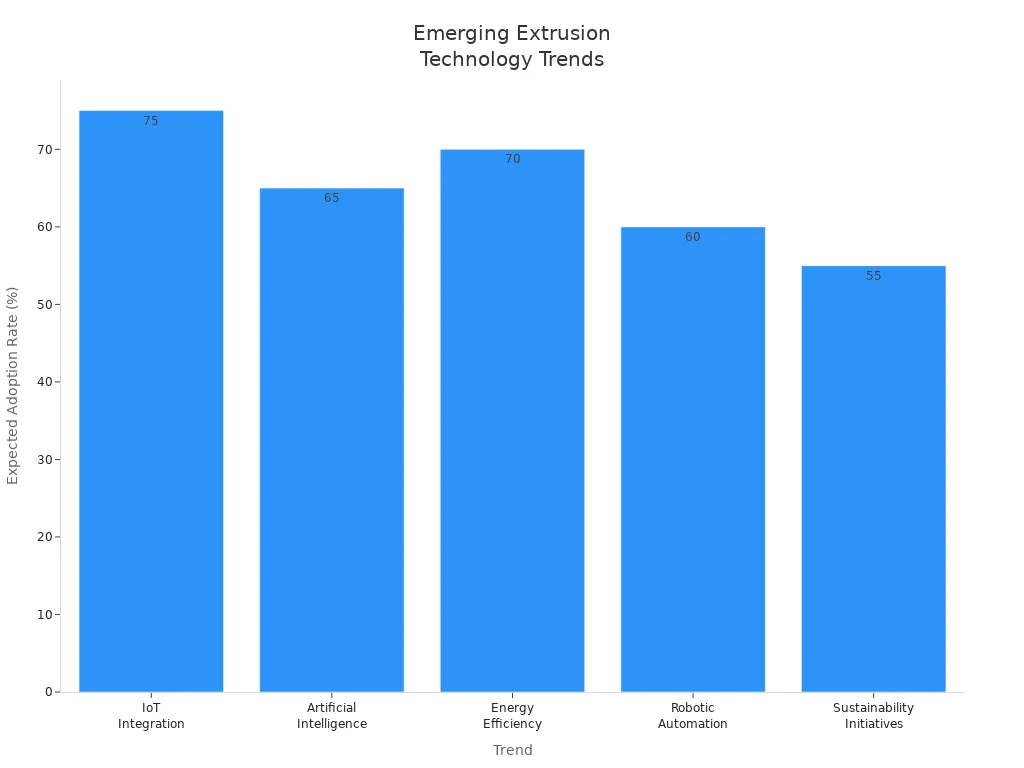
I see rapid changes in extrusion technology shaping the future of manufacturing. IoT integration allows real-time monitoring and analytics, تحسين الكفاءة. Artificial intelligence supports predictive maintenance and optimization, which boosts performance. Energy efficiency is a growing focus, with manufacturers seeking ways to reduce consumption in the extrusion process. Robotic automation streamlines material handling and quality control. Sustainability initiatives drive the use of recycled materials and eco-friendly processes.
| اتجاه | وصف | Impact on Efficiency | معدل التبني المتوقع (%) |
|---|---|---|---|
| تكامل إنترنت الأشياء | المراقبة والتحليلات في الوقت الحقيقي | عالي | 75% |
| الذكاء الاصطناعي | الصيانة التنبؤية والتحسين | عالية جدًا | 65% |
| كفاءة الطاقة | Reducing energy consumption | واسطة | 70% |
| الأتمتة الروبوتية | التعامل مع المواد ومراقبة الجودة | عالي | 60% |
| مبادرات الاستدامة | المواد المعاد تدويرها والعمليات الصديقة للبيئة | واسطة | 55% |
I notice advancements in material compatibility, especially with bioplastics, are transforming the extrusion industry. Many manufacturers now prioritize flexibility in equipment design, with modular systems allowing easy upgrades and modifications. Sustainability is essential, with most manufacturers focusing on energy-efficient equipment and waste reduction strategies. Smart extrusion machines reduce downtime by 20%, which improves overall efficiency and quality control. I always stay updated on these trends to maintain high performance and support new applications in plastic extrusion.
نصيحة: I recommend reviewing the overview of extruder machines in manufacturing regularly. Staying informed about new types of extrusion machines and screw designs helps me adapt to changing production needs and maintain scalability.
I recognize that each extrusion system offers unique advantages and limitations. My experience shows that single-screw extruders excel in high-volume production, while twin-screw systems provide superior mixing and flexibility. Ram and co-extrusion machines support specialty applications. I always use comparison tables and selection criteria to evaluate:
- Technical capabilities and long-term reliability
- Customer service and design assistance
- Quality standards and energy efficiency
I recommend manufacturers understand their application needs and consult extrusion experts for optimal results.
التعليمات
What is the main difference between single-screw and twin-screw extruders?
I see that single-screw extruders use one rotating screw for basic mixing. Twin-screw extruders use two screws for advanced mixing and better control. I choose twin-screw systems for complex materials and higher flexibility.
How do I decide which extrusion system fits my application?
I start by reviewing my material type, حجم الإنتاج, and product complexity. I match these needs to the strengths of each system. I consult with experts if I face unique requirements.
Can I process recycled materials with extrusion systems?
I process recycled materials using twin-screw extruders. These machines handle variable feedstocks and additives better than single-screw systems. I monitor quality closely to ensure consistent results.
How often should I perform maintenance on my extruder?
I schedule routine inspections every month. I check for screw wear, barrel condition, and control system performance. Regular maintenance prevents downtime and extends equipment life.
What are the most common extrusion defects I encounter?
I often see surface roughness, dimensional drift, and melt fractures. I address these by adjusting temperature, سرعة المسمار, and material feed. I use process monitoring to catch issues early.
Is co-extrusion suitable for all materials?
I use co-extrusion mainly for thermoplastics. Some materials may not bond well in multi-layer profiles. I test material compatibility before starting production.
How does automation improve extrusion quality?
I rely on automation for real-time monitoring and precise control. Automated systems reduce human error, maintain consistent output, and improve overall product quality.
What safety measures do I follow during extrusion?
I wear protective gear and follow lockout procedures. I keep the work area clean and check emergency stops regularly. I train my team on safe operation and emergency response.