

ماكينات بثق الحشو ماسترباتش: دليل التجارة B2B النهائي للمصنعين العالميين, الموردين & المشترين في
السوق العالمية ل آلات بثق الحشو ماستر تدخل مرحلة نمو محورية في, مدفوعًا بالطلب المتزايد على حلول تركيب البلاستيك الفعالة من حيث التكلفة عبر التغليف, بناء, السيارات, وقطاعات السلع الاستهلاكية. مثل كربونات الكالسيوم (كربونات الكالسيوم 3) تستمر مجموعة الحشو الرئيسية في استبدال الراتينج البكر في عمليات التصنيع في جميع أنحاء العالم, الآلات التي تنتج هذه الأصبغة — في المقام الأول آلات بثق مزدوجة اللولب وخطوط تركيب متخصصة — أصبح استثمارًا رأسماليًا بالغ الأهمية لمعالجات البلاستيك في كل قارة. يتناول هذا الدليل الشامل المشهد التجاري الحالي, بيئة السياسة, استراتيجيات المصادر, والتوقعات المستقبلية للمشترين B2B الذين يبحثون عن موثوقة الشركات المصنعة لآلات بثق الحشو ماستر, الموردين, و مصنع الجملة الشركاء عبر الممر التجاري الآسيوي.
آلة الطارد المركبة بالجملة 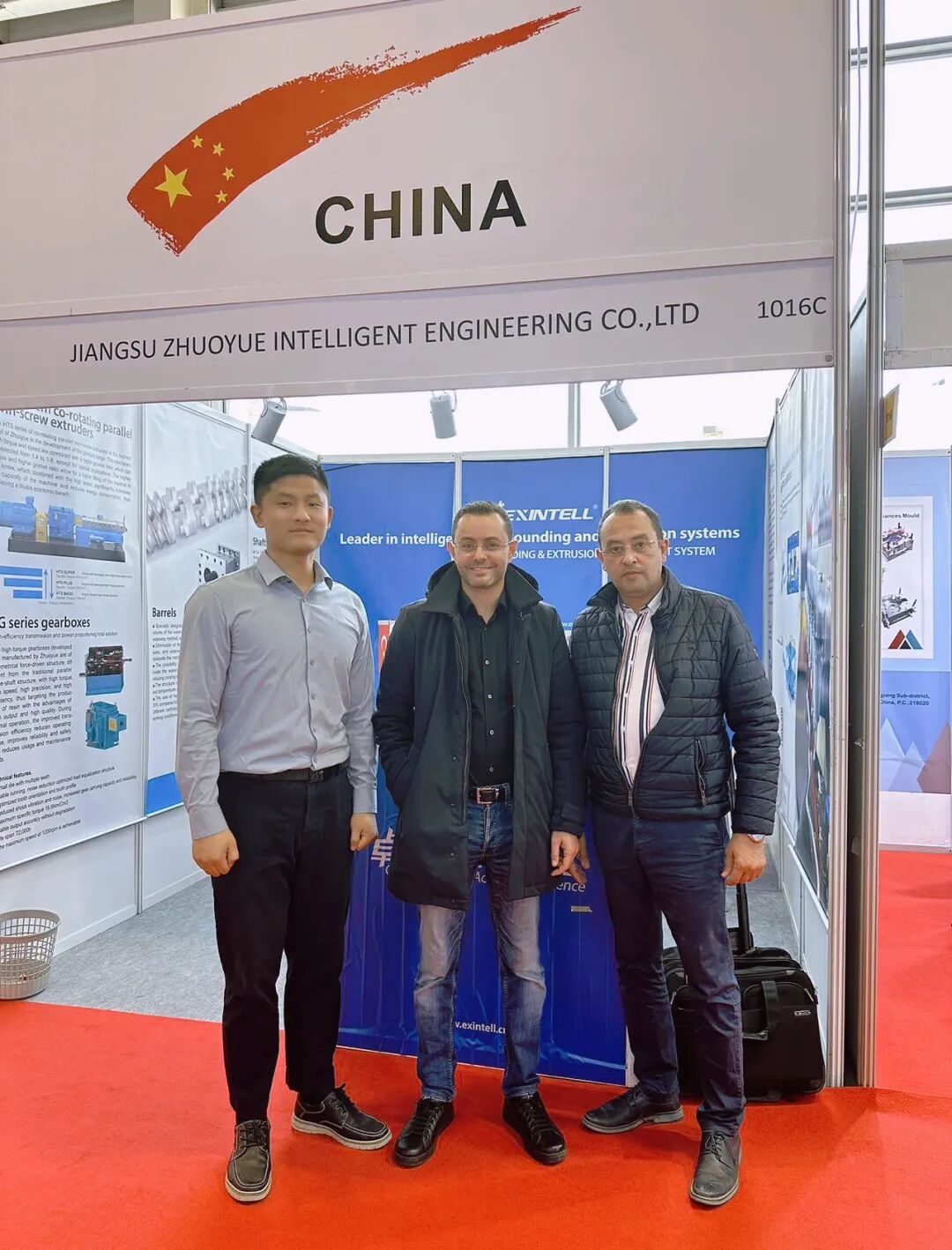 Extruded Aluminum Post
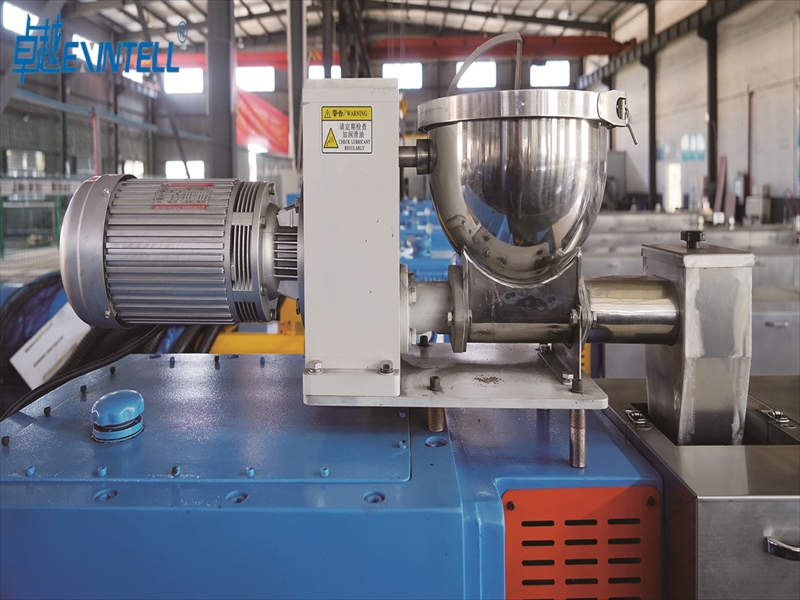
Industrial manufacturing facility with heavy machinery and extrusion production lines representing filler masterbatch extrusi
Understanding Filler Masterbatch Extrusion Machines: Core Technology and Applications
Filler masterbatch extrusion machines are specialized compounding systems designed to blend high concentrations of mineral fillers — most commonly calcium carbonate (كربونات الكالسيوم 3), التلك, or barium sulfate — with carrier resins such as polyethylene (بي), مادة البولي بروبيلين (ص), or polystyrene (ملاحظة:). The resulting filler masterbatch pellets are then used by downstream plastics processors to reduce raw material costs, improve dimensional stability, and enhance certain mechanical properties of finished products.
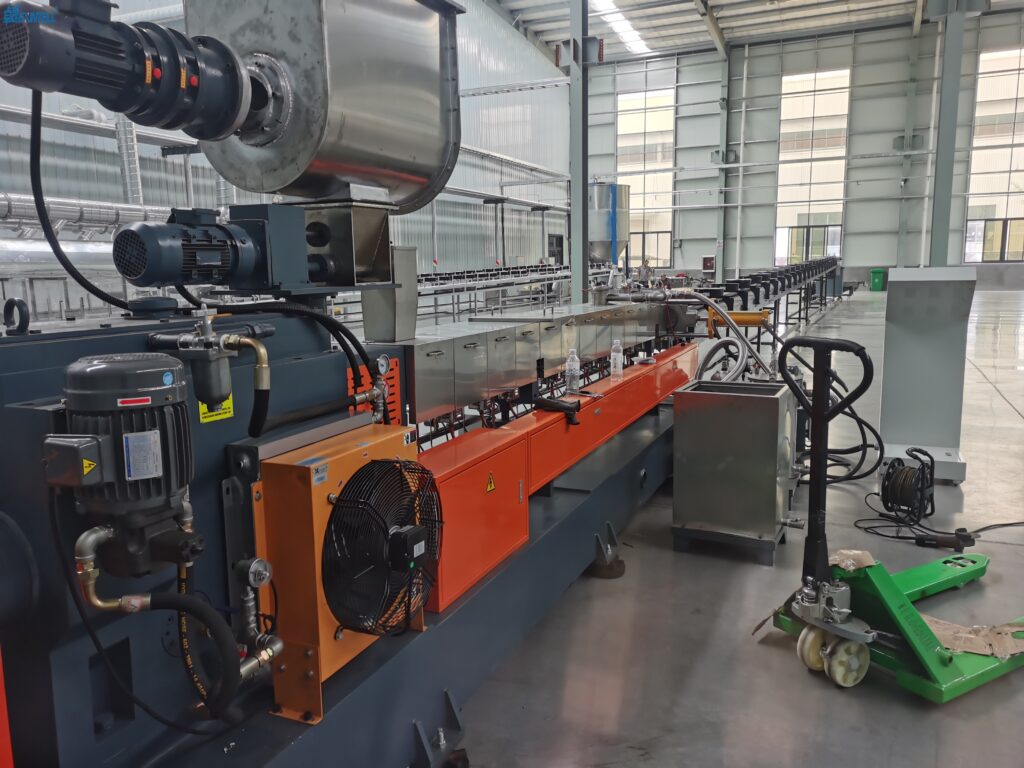
The dominant machine architecture for filler masterbatch production is the co-rotating twin-screw extruder, which offers superior mixing, dispersive capability, and throughput compared to single-screw alternatives. Modern filler masterbatch extrusion lines typically include:
- A co-rotating twin-screw extruder (screw diameter ranging from 50mm to 135mm for industrial-scale production)
- Gravimetric or volumetric feeding systems for precise filler-to-resin ratio control
- Side feeders for high-fill-ratio applications (typically 70–85% CaCO3 loading)
- أنظمة التكوير أو التكوير تحت الماء
- Cooling conveyors, vibrating screens, and storage silos
- PLC-based control systems with HMI interfaces for process monitoring
Production capacities for commercial filler masterbatch extrusion machines range from 300 kg/h for smaller lines up to 2,000+ kg/h for large-scale factory installations. The choice of machine configuration depends on target filler loading percentage, desired pellet quality, annual output requirements, and the specific downstream application — whether blown film, صب الحقن, pipe extrusion, or sheet production.
Global Market Overview: Filler Masterbatch Extrusion Machines in
The global masterbatch market was valued at approximately USD 13.67 مليار في 2024 ومن المتوقع أن يصل إلى الدولار الأمريكي 19.94 مليار بواسطة 2030, growing at a compound annual growth rate (معدل نمو سنوي مركب) of around 6.5%, according to industry research from استخبارات موردور و جراند فيو للأبحاث. Filler masterbatch represents one of the largest segments within this market, accounting for a significant share of total volume due to its cost-reduction benefits.
This growth directly fuels demand for filler masterbatch extrusion machines. Key market dynamics in include:
- Asia-Pacific dominance: الصين, الهند, فيتنام, and Indonesia remain the largest producers and consumers of filler masterbatch, with Chinese manufacturers like Nanjing Kerke, Nanjing Haisi, and Jiangsu Xinda leading in extrusion machine production and export.
- European reshoring: يستثمر المصنعون في الاتحاد الأوروبي في القدرة المركبة المحلية للحد من ضعف سلسلة التوريد, خلق الطلب على خطوط البثق عالية الكفاءة من كل من مصنعي المعدات الأصلية الأوروبيين (كوبيريون, كراوس مافي, ليستريتز) والموردين الآسيويين ذوي التكلفة التنافسية.
- التوسع في أمريكا الشمالية: تعمل شركات تصنيع البلاستيك في الولايات المتحدة والمكسيك على توسيع نطاق إنتاج الأصبغة الحشوية لتعويض ارتفاع تكاليف الراتينج البكر, مع نمو خاص في تطبيقات التعبئة والتغليف والبناء.
- محركات الاستدامة: الضغط التنظيمي لدمج المحتوى المعاد تدويره وتقليل النفايات البلاستيكية يدفع المعالجات نحو حشو الحشو كإستراتيجية استبدال جزئي للراتنج, مزيد من تعزيز الطلب على الآلات.
قطاع الآلات نفسه — تشمل بثق مزدوج اللولب, خطوط مركبة, والمعدات المساعدة — يمثل سوقًا عالميًا بمليارات الدولارات, with trade flows concentrated along the China-to-world export corridor and intra-European equipment trade, as reported by the إدارة التجارة الدولية (ITA).
Trade Policy Landscape Affecting Filler Masterbatch Extrusion Machines
The transatlantic trade environment in presents both opportunities and complexities for B2B buyers sourcing filler masterbatch extrusion machines. Understanding the current policy framework is essential for procurement planning. آلة بثق البلاستيك بالجملة
US Trade Policy: Tariffs and Industrial Strategy
The United States maintains a layered tariff structure on imported industrial machinery. اعتبارًا من منتصف, key considerations include:
- قسم 301 tariffs on Chinese machinery: Twin-screw extruders and compounding equipment imported from China face additional tariffs of 25% under Section 301, on top of standard MFN (Most Favored Nation) duty rates. وقد دفع هذا بعض الشركات الصينية المصنعة لآلات بثق الحشو الرئيسية إلى استكشاف عمليات التجميع في جنوب شرق آسيا أو الدخول في شراكة مع الموزعين المقيمين في الولايات المتحدة للتخفيف من آثار التكلفة., كما وثقه لجنة التجارة الدولية الأمريكية (USITC).
- البنية التحتية وحوافز التصنيع: قانون خفض التضخم (الجيش الجمهوري الايرلندي) وقانون رقائق البطاطس, بينما تستهدف في المقام الأول أشباه الموصلات والطاقة النظيفة, لقد خلقت مناخًا استثماريًا صناعيًا أوسع نطاقًا يفيد في توسيع القدرة المحلية على معالجة البلاستيك.
- شراء الأحكام الأمريكية: يمكن أن تؤثر تفضيلات الشراء الفيدرالية للمعدات المصنعة محليًا على قرارات الشراء لمشاريع البنية التحتية الممولة من الحكومة والتي تستخدم المكونات البلاستيكية.
السياسة التجارية للاتحاد الأوروبي: الصفقة الخضراء وتنظيم الآلات
The European Union's trade and industrial policy in is shaped by several intersecting frameworks:
- لائحة الآلات في الاتحاد الأوروبي 2023/1230: ساري المفعول اعتبارا من يناير 2027 (مع وجود أحكام انتقالية تؤثر بالفعل على المشتريات), تقوم هذه اللائحة بتحديث متطلبات السلامة والمطابقة للآلات الصناعية المباعة في الاتحاد الأوروبي. يجب على موردي آلات بثق الأصبغة الحشوية الذين يستهدفون المشترين الأوروبيين التأكد من الامتثال لعلامة CE, وثائق فنية شاملة, والالتزام بمعايير تقييم المخاطر المحدثة, لكل مديرية التجارة بالمفوضية الأوروبية.
- آلية تعديل حدود الكربون (كبام): بينما يستهدف CBAM في المقام الأول المواد كثيفة الكربون (فُولاَذ, أسمنت, الألومنيوم), its phased implementation signals the EU's direction toward embedding carbon costs in trade — وهو عامل قد يؤثر في النهاية على سلاسل توريد تصنيع الآلات.
- التوترات التجارية بين الاتحاد الأوروبي والصين: تؤدي التحقيقات المستمرة لمكافحة الدعم والرسوم التعويضية المحتملة على بعض السلع الصناعية الصينية إلى خلق حالة من عدم اليقين لدى المشترين الأوروبيين الذين يستوردون آلات بثق الحشو من المصانع الصينية.
ميناء شحن دولي مزدحم بسفن الحاويات ورافعات البضائع التي تمثل الخدمات اللوجستية التجارية العالمية بين الشركات للصناعة
ديناميات التجارة الثنائية
مجلس التجارة والتكنولوجيا (TTC) ويستمر المؤتمر في العمل كمنصة لمواءمة المعايير وتقليل الاحتكاك التجاري في القطاعات الصناعية. لآلات بثق الحشو ماستر, وتشمل الآثار العملية:
- مناقشات الاعتراف المتبادل بشأن معايير سلامة الآلات (إدارة السلامة والصحة المهنية الأمريكية/المعهد الأمريكي للمعايير (ANSI) مقابل. الاتحاد الأوروبي CE/EN) وهذا يمكن أن يبسط تجارة المعدات عبر المحيط الأطلسي
- الأساليب المنسقة لمرونة سلسلة التوريد التي قد تفضل التنويع بعيدًا عن التبعيات أحادية المصدر
- الاهتمام المشترك بتعزيز تقنيات التصنيع المتقدمة, بما في ذلك أنظمة البثق التي تدعم الصناعة 4.0
يجب على المشترين من الشركات الذين يتعاملون مع هذا المشهد العمل مع وسطاء جمركيين ذوي خبرة ومستشاري الامتثال التجاري لتحسين تكاليف البضائع وضمان التوافق التنظيمي., على النحو الموصى به من قبل الجمارك وحماية الحدود الأمريكية (الجمارك وحماية الحدود) و سلطات الاتحاد الجمركي للاتحاد الأوروبي. نوع المعدات خلاطة خرسانة
فرص التجارة بين الشركات في قطاع آلات بثق الحشو ماستر
تخلق بيئة السوق الحالية العديد من الفرص التجارية المتميزة بين الشركات للمصنعين, الموردين, والمشترين لآلات بثق الحشو ماستر:
فرصة 1: مصادر تنافسية من حيث التكلفة من الشركات المصنعة الآسيوية
تطبيقات الطارد برغي واحد يقدم مصنعو آلات بثق الحشو الرئيسي الصينية والتايوانية خطوط إنتاج كاملة بـ 40–60% انخفاض تكلفة رأس المال مقارنة مع مصنعي المعدات الأصلية الأوروبية, دون التضحية بالضرورة بمقاييس الأداء الأساسية. حشوة لولبية مزدوجة نموذجية مقاس 65 مم Extrusion Lines Plastics masterbatch line with 500–800 kg/h capacity from a reputable Chinese factory may be priced in the USD 80,000–150,000 range (فوب), compared to USD 250,000–500,000+ for comparable European-built systems. This price differential makes Asian-sourced equipment particularly attractive for:
- Emerging market processors scaling up filler masterbatch production
- Cost-sensitive B2B buyers in price-competitive end markets (commodity packaging, agricultural film)
- Companies establishing secondary or backup production lines
فرصة 2: European Premium Equipment for High-Specification Applications
European filler masterbatch extrusion machines manufacturers — including Coperion (ألمانيا), كراوس مافي (ألمانيا), and Leistritz (ألمانيا) — command premium pricing but deliver advantages in precision engineering, كفاءة الطاقة, التكامل الآلي, and long-term reliability. For B2B buyers producing high-quality masterbatch for demanding applications (مكونات السيارات, medical packaging, food-contact films), European-sourced equipment often delivers superior total cost of ownership over a 15–20 year operational lifespan.
فرصة 3: Turnkey Project Solutions and After-Sales Service Networks
A growing trend among filler masterbatch extrusion machines suppliers is the provision of turnkey project solutions — encompassing machine supply, factory layout design, installation supervision, operator training, and ongoing technical support. This model Wholesale Double Screw Extruder is particularly valuable for B2B buyers entering the filler masterbatch market for the first time or expanding into new geographic markets. Suppliers with established after-sales service networks in the buyer's region command a competitive advantage.
Engineers working with advanced industrial control systems and automation technology in a modern manufacturing plant
فرصة 4: Refurbished and Second-Hand Equipment Market
The secondary market for filler masterbatch extrusion machines is active, particularly in Europe and North America, where processors upgrading to newer technology release well-maintained used equipment. B2B buyers with limited capital budgets can acquire functional production lines at 30–50% من تكلفة المعدات الجديدة, though due diligence on machine condition, توفر قطع الغيار, and compliance with current safety standards is essential.
Key Challenges in B2B Trade for Filler Masterbatch Extrusion Machines
إلى جانب الفرص, B2B participants in this sector face several persistent challenges:
- Quality verification at distance: Assessing machine build quality, component sourcing (على سبيل المثال, علبة التروس, barrel, screw element metallurgy), and manufacturing standards from overseas suppliers requires either on-site factory audits or reliance on third-party inspection services such as SGS or Bureau Veritas.
- مخاوف الملكية الفكرية: Some lower-cost filler masterbatch extrusion machines may incorporate designs that closely replicate proprietary technologies from established OEMs, creating potential IP liability for buyers in jurisdictions with strong patent enforcement.
- Logistics and lead times: اضطرابات الشحن البحري, port congestion (particularly at major hubs like Rotterdam, لوس أنجلوس/ لونج بيتش, and Shanghai), and extended manufacturing lead times (typically 60–120 days for custom configurations) require careful procurement planning.
- Technical support gaps: Buyers sourcing filler masterbatch extrusion machines from distant suppliers may face challenges in obtaining timely spare parts, استكشاف الأخطاء وإصلاحها عن بعد, and on-site service — a critical consideration for production-critical equipment.
- Currency and payment risk: International B2B transactions for capital equipment typically involve significant payment milestones (30% إيداع, 70% before shipment is common), exposing both parties to currency fluctuation and counterparty risk. Letters of credit and trade finance instruments are standard risk mitigation tools.
Geographic and Policy Advantages Enabling B2B Trade in Filler Masterbatch Extrusion Machines
Several geographic and policy factors create structural advantages for B2B trade in this sector:
Free Trade Zones and Special Economic Zones: Buyers in countries with FTZs (على سبيل المثال, Jebel Ali in the UAE, various Chinese SEZs, EU free zones in Hamburg and Trieste) can import filler masterbatch extrusion machines with deferred or reduced duty obligations, خاصة عندما يتم استخدام المعدات لإنتاج سلع لإعادة التصدير. وهذا ما تم توثيقه من قبل منظمة التجارة العالمية (منظمة التجارة العالمية) أطر تيسير التجارة.
مصنع الطارد المزدوج اللولب المتوازي اتفاقيات التجارة الإقليمية: USMCA (اتفاقية الولايات المتحدة والمكسيك وكندا) يسهل التجارة المعفاة من الرسوم الجمركية أو التجارة التفضيلية في الآلات الصناعية بين الشركاء في أمريكا الشمالية. بصورة مماثلة, the EU's network of free trade agreements with countries including South Korea, اليابان (اتفاقية الشراكة الاقتصادية بين الاتحاد الأوروبي واليابان), وفيتنام (EVFTA) يمكن أن تقلل من الحواجز الجمركية على مكونات الآلات والمعدات النهائية.
البنية التحتية الاستراتيجية للموانئ: تستفيد الممرات التجارية الرئيسية لآلات بثق الأصبغة الرئيسية من مرافق الموانئ ذات المستوى العالمي — روتردام وهامبورغ في أوروبا, لوس أنجلوس/ لونج بيتش وسافانا في الولايات المتحدة, شنغهاي ونينغبو في الصين — التي توفر معالجة جمركية فعالة, التخزين المستعبدين, واتصالات النقل المتعدد الوسائط إلى مراكز التصنيع الداخلية.
Industry cluster effects: Concentrations of plastics processing expertise — such as the Guangdong and Jiangsu provinces in China, the Rhine-Ruhr region in Germany, and the Gulf Coast petrochemical corridor in the US — create ecosystems where filler masterbatch extrusion machines manufacturers, component suppliers, and technical service providers operate in close proximity, facilitating efficient B2B transactions.

Aerial view of a major international port with shipping containers and logistics infrastructure supporting global trade
Practical Case Studies Success in Filler Masterbatch Extrusion Machines Trade
دراسة الحالة 1: European Compounder Sources from Chinese Manufacturer
A mid-sized plastics compounding company based in Poland sought to expand its filler masterbatch production capacity to serve growing demand from the European packaging sector. After evaluating both European and Asian suppliers, the company selected a Chinese filler masterbatch extrusion machines manufacturer offering a complete 75mm twin-screw compounding line with 1,000 kg/h capacity for CaCO3 masterbatch at 80% filler loading.
3X3 Extruded Aluminum Cad Key success factors in this B2B transaction included:
- Pre-purchase factory audit conducted by a third-party inspection firm, verifying manufacturing capabilities and quality management systems
- Detailed technical specification agreement covering screw element configuration, barrel metallurgy (nitrided steel with bimetallic liners for abrasion resistance), gearbox specifications (verified torque rating), and control system requirements
- Structured payment terms using an irrevocable letter of credit, with final payment contingent on successful factory acceptance testing (سمين)
- Negotiated 2-year warranty with defined spare parts pricing and availability commitments
- CE marking and EU Machinery Directive compliance documentation provided by the manufacturer, verified by an EU-based notified body
إجمالي تكلفة الهبوط (including equipment, ocean freight, الرسوم الجمركية, تثبيت, والتكليف) كان تقريبا 55% of the quoted price for a comparable European-built line. The machine achieved target production parameters within 3 weeks of commissioning, and the company reported satisfactory performance after 12 أشهر من العملية.
دراسة الحالة 2: US Distributor Builds Wholesale Channel for Asian Equipment
A US-based industrial equipment distributor identified an opportunity to serve the growing North American filler masterbatch market by establishing a wholesale channel for competitively priced Asian-manufactured extrusion machines. The distributor partnered with two Taiwanese and one Chinese filler masterbatch extrusion machines factory to offer a curated range of production lines spanning 300–1,500 kg/h capacity.
The distributor's value proposition to B2B buyers included:
- US-based inventory of critical spare parts (عناصر المسمار, قطاعات برميل, عصابات سخان, drive components) for rapid delivery
- Factory-trained service technicians based in Texas and Ohio, capable of on-site installation, التكليف, and troubleshooting
- Equipment pre-configured to meet US electrical standards (480V/60Hz), OSHA safety requirements, and UL/CSA certifications
- Flexible financing options through partnerships with industrial equipment leasing companies
This model addressed the primary pain points of US B2B buyers — after-sales support, الامتثال التنظيمي, and spare parts availability — while preserving the cost advantage of Asian-manufactured equipment. أفاد الموزع 40% نمو سنوي في مبيعات آلات بثق الحشو الرئيسية خلال عام 2023– فترة.
دراسة الحالة 3: المصنع الهندي يستهدف الأسواق الأفريقية والشرق أوسطية
An Indian filler masterbatch extrusion machines manufacturer leveraged India's competitive manufacturing costs and favorable trade agreements to build a strong export business targeting B2B buyers in Africa and the Middle East. عرضت الشركة مشاريع إنتاج الأصبغة الرئيسية الكاملة الجاهزة للحشو, بما في ذلك تصميم المصنع, توريد المعدات, إرشادات مصادر المواد الخام, وبرامج تدريب المشغلين.
The manufacturer's approach to these emerging markets emphasized:
- قوي, تصميمات مبسطة للآلات مُحسّنة لبيئات التشغيل ذات جودة مصدر طاقة متغيرة وإمكانية وصول محدودة إلى فنيي الصيانة المتخصصين
- Competitive pricing enabled by India's lower labor and overhead costs compared to Chinese competitors
- Participation in regional trade exhibitions (على سبيل المثال, Plastivision Arabia, PPPEXPO Africa) to build direct relationships with B2B buyers
- Partnerships with local agents and service providers in key markets (نيجيريا, Kenya, المملكة العربية السعودية, الإمارات العربية المتحدة) to ensure ongoing customer support
International B2B trade exhibition hall with industrial machinery Extrusion Machine Manufacturers displays and business professionals networking Plastic Tube Extrusion Manufacturer
Selecting the Right Filler Masterbatch Extrusion Machines Supplier: A B2B Buyer's Framework
For B2B procurement professionals evaluating filler masterbatch extrusion machines suppliers, a structured assessment framework reduces risk and improves outcomes:
Technical Evaluation Criteria
- Screw and barrel technology: Assess screw element design (kneading block configuration, mixing element geometry), barrel metallurgy (bimetallic vs. nitrided), and the supplier's ability to customize screw profiles for specific filler types and loading ratios.
- Gearbox and drive system: The gearbox is the most critical and expensive component. Verify torque density rating (نانومتر / سم³), manufacturer origin, and warranty terms. Premium suppliers use gearboxes from established manufacturers like Flender, Zambello, or NANJING-branded equivalents with verified specifications.
- Control system sophistication: Evaluate PLC brand (Siemens, Allen-Bradley, Mitsubishi), HMI functionality, قدرات تسجيل البيانات, and Industry 4.0 readiness (OPC-UA connectivity, remote monitoring options).
- كفاءة الطاقة: Specific energy consumption (kWh/kg of output) varies significantly between machine designs. Request verified energy consumption data at target production parameters.
- Pelletizing system: Strand pelletizing is standard for filler masterbatch; underwater pelletizing offers advantages for high-throughput operations. Assess pellet quality (uniformity, dust generation, bulk density) from reference installations.
Commercial and Service Evaluation Criteria
- المنشآت المرجعية: Request and verify reference customer contacts operating similar filler masterbatch extrusion machines in comparable applications.
- Spare parts strategy: Evaluate spare parts pricing, availability (stock vs. made-to-order), and delivery timelines to the buyer's location.
- Training and commissioning: Confirm the scope and duration of operator training, commissioning support, and the availability of ongoing technical consultation.
- الاستقرار المالي: For capital equipment purchases with multi-year warranty and service implications, assess the supplier's financial health and market longevity.
- Trade compliance: Verify the supplier's ability to provide all required export documentation, certificates of origin, and regulatory compliance certifications for the destination market.
Future Trade Trends for Filler Masterbatch Extrusion Machines: يوليو–September Outlook
Based on current market signals, تطورات السياسة, وذكاء الصناعة, several trends are expected to shape B2B trade in filler masterbatch extrusion machines over the next 1–2 شهور:
Trend 1: Accelerated Procurement Ahead of Potential Tariff Escalation
Ongoing US-China trade tensions and the possibility of additional tariff actions on industrial machinery are prompting some B2B buyers to accelerate procurement timelines. Buyers who have been evaluating Chinese-manufactured filler masterbatch extrusion machines may move to place orders in Q3 to lock in current pricing and tariff rates before potential policy changes take effect. ال ITA tariff resource center provides updated guidance on applicable rates.
Trend 2: Growing Demand for Energy-Efficient and Automated Systems
Rising energy costs in Europe and sustainability reporting requirements (EU Corporate Sustainability Reporting Directive) are driving B2B buyers toward filler masterbatch extrusion machines with demonstrably lower specific energy consumption and higher automation levels. Suppliers offering verified energy performance data, variable-frequency drive integration, and smart process control features will have a competitive advantage in European and North American markets.
Trend 3: ظهور مركز التصنيع في جنوب شرق آسيا
فيتنام, تايلاند, وتظهر إندونيسيا كقواعد تصنيع بديلة لآلات بثق الحشو الرئيسية, حيث يقوم بعض المصنعين الصينيين بإنشاء مرافق إنتاج في هذه البلدان للتحايل على الحواجز الجمركية والحصول على مزايا التجارة الحرة لرابطة دول جنوب شرق آسيا. يجب على المشترين في مجال الأعمال التجارية (B2B) مراقبة هذه التطورات باعتبارها خيارات مصادر جديدة محتملة بشروط تجارية مواتية لكل من أسواق الولايات المتحدة والاتحاد الأوروبي.
Trend 4: منصات المشتريات الرقمية B2B تكتسب قوة جذب
منصات B2B عبر الإنترنت (علي بابا, صنع في الصين, المصادر العالمية, وأسواق المعدات الصناعية المتخصصة) تُستخدم بشكل متزايد في الاكتشاف الأولي للموردين وعمليات طلب عرض الأسعار (RFQ) لآلات بثق الأصبغة الرئيسية. لكن, ذات القيمة العالية, إن الطبيعة المعقدة تقنيًا لمشتريات المعدات الرأسمالية هذه تعني أن المنصات الرقمية تعمل في المقام الأول كأدوات لتوليد العملاء المحتملين — ولا تزال قرارات الشراء النهائية تتطلب المشاركة المباشرة للموردين, زيارات المصنع, والمفاوضات الفنية التفصيلية.
Trend 5: التكامل الاقتصادي الدائري
أصبح دمج إمكانات معالجة المحتوى المعاد تدويره في آلات بثق الحشو الرئيسية ميزة مميزة. الآلات المصممة للتعامل مع المعاد تدويرها بعد الاستهلاك (تفاعل البوليميراز المتسلسل) أو إعادة تدويرها بعد الصناعة (شرطة التدخل السريع) تعالج الراتنجات جنبًا إلى جنب مع الحشوات المعدنية الطلب التنظيمي والسوقي المتزايد على حلول الاقتصاد الدائري, وخاصة في سوق الاتحاد الأوروبي حيث استراتيجية البلاستيك في الاتحاد الأوروبي يضع أهدافًا طموحة للمحتوى المعاد تدويره.

تمثل الأتمتة الصناعية الحديثة وتكنولوجيا التصنيع الذكية مستقبل آلات بثق الحشوات الرئيسية
أحذية السلامة B2B في البيئات الصناعية: حماية العمال الذين يقومون بتشغيل آلات بثق الحشو ماسترباتش
ينطوي تشغيل آلات بثق الحشو الرئيسي على مخاطر كبيرة في مكان العمل — المكونات الميكانيكية الثقيلة, ذوبان البوليمر عند درجة حرارة عالية, المعدات الدوارة, والتعامل مع الحشوات المعدنية السائبة. في هذا السياق الصناعي, أحذية السلامة ليست مجرد شرط امتثال ولكنها عنصر حاسم في حماية العمال. للمشترين من الشركات ومشغلي المصانع في قطاع الأصبغة الحشوية, يعد فهم مزايا أحذية السلامة المناسبة أمرًا ضروريًا للحفاظ على بيئة عمل آمنة ومنتجة.
لماذا تعتبر أحذية السلامة مهمة في بيئات آلات البثق؟
مرافق إنتاج حشو ماستر مصنع شيتو اكسترودر تقديم مخاطر إصابة القدم المتعددة:
- مخاطر السحق: مكونات الآلة الثقيلة (عناصر المسمار, قطاعات برميل, جمعيات علبة التروس) وزنها 20–200+ يتم التعامل مع كجم بشكل روتيني أثناء عمليات الصيانة والتغيير. يمكن أن يتسبب سقوط جزء البرميل في حدوث إصابات خطيرة في القدم دون حماية كافية لأصابع القدم.
- المخاطر الحرارية: تعمل براميل الطارد عند درجات حرارة تصل إلى 150 درجة–280°ج. يمكن أن تسبب خيوط البوليمر المنصهرة والكريات الساخنة حروقًا عند ملامستها للأقدام غير المحمية. تعتبر أحذية السلامة المقاومة للحرارة ذات التصنيفات المناسبة للنعل أمرًا ضروريًا.
- التعرض الكيميائي: معالجة المواد المضافة, عوامل اقتران, ومذيبات التنظيف المستخدمة في إنتاج الحشوات الرئيسية يمكن أن تلحق الضرر بالأحذية القياسية وتسبب تهيج الجلد. توفر أحذية السلامة المقاومة للمواد الكيميائية الحماية اللازمة.
- مخاطر الانزلاق: مسحوق CaCO3 المنسكب, غبار البوليمر, ومياه التبريد تخلق ظروف أرضية زلقة. تقنية النعل المضادة للانزلاق تقلل بشكل كبير من خطر السقوط في هذه البيئات.
- مخاطر ثقب: شظايا معدنية من تآكل العناصر اللولبية, الأسلاك من مواد التعبئة والتغليف, وغيرها من الحطام الحاد الموجود على أرضيات المصنع يمكن أن يخترق نعال الأحذية القياسية.
Steel Toe and Composite Toe Protection: ال
ماكينة تصنيع حشو ماسترباتش: دليل التجارة B2B الكامل لـ Manufac… · آلة بثق الألوان ماستر: تحليل التجارة العالمية B2B, تصنيع… · آلة تحبيب الألوان ماستر: تحليل التجارة العالمية B2B, Manuf…