

I-Plastiki Extrusion noma Ukubunjwa komjovo Okunikeza Ukunemba Okungcono
I have found that injection molding delivers better precision and tighter tolerances than I-Plastiki Extrusion. Ngokwesibonelo, injection molding can achieve tolerances as tight as ±0.005 inches, while extrusion typically holds ±0.010 inches. Here is a process comparison based on typical applications and tolerances:
| Application Type | Process Used | Common Tolerances |
|---|---|---|
| Long, uniform parts (isib., tubes, rods) | I-Extrusion | ±0.010 inches |
| Complex or detailed parts | Injection Molding | ±0.005 inches or tighter |
| High-volume, high-precision | Injection Molding | Tighter than extrusion |
| Okuqhubekayo, simple shapes | I-Extrusion | Kuyavumelana, less precise |
When choosing a manufacturing process, I always consider geometry, required tolerances, umthamo wokukhiqiza, kanye nezindleko.
Okuthathwayo Okubalulekile
- Injection molding achieves tighter tolerances, often as precise as ±0.005 inches, making it ideal for complex parts.
- Plastic extrusion is best for long, uniform shapes like tubes and rods, with tolerances around ±0.010 inches.
- Consider production volume when choosing a process; injection molding is cost-effective for large runs, while extrusion suits high-volume continuous production.
- Material selection impacts precision; choose materials based on the specific requirements of your application.
- Evaluate part complexity; injection molding handles intricate designs better than extrusion, which is limited to simpler shapes.
- Surface finish quality is generally better in injection molding, leading to smoother parts without additional finishing steps.
- Plan for tooling costs; injection molding requires higher initial investment but offers long-term savings through repeatability.
- Always assess your project’s needs early; understanding geometry, tolerances, and budget helps in selecting the right manufacturing process.
Plastic Extrusion Overview
Process Basics
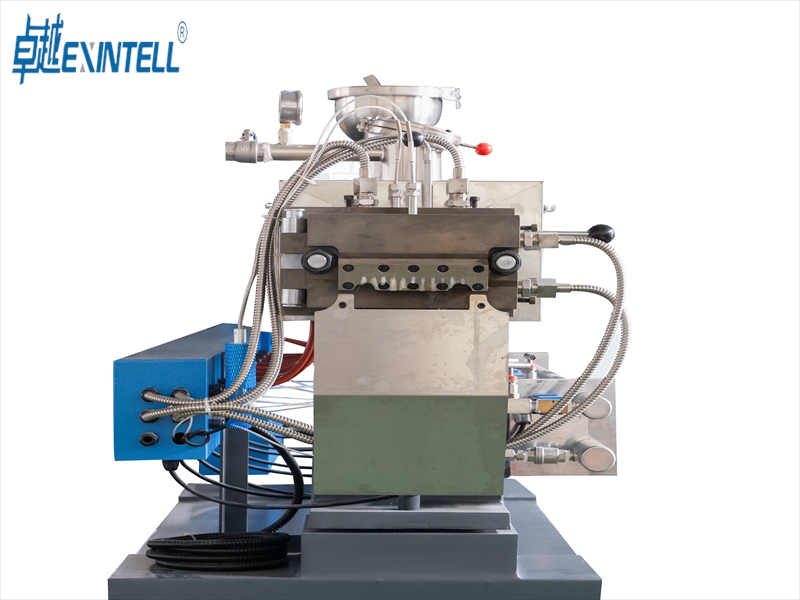
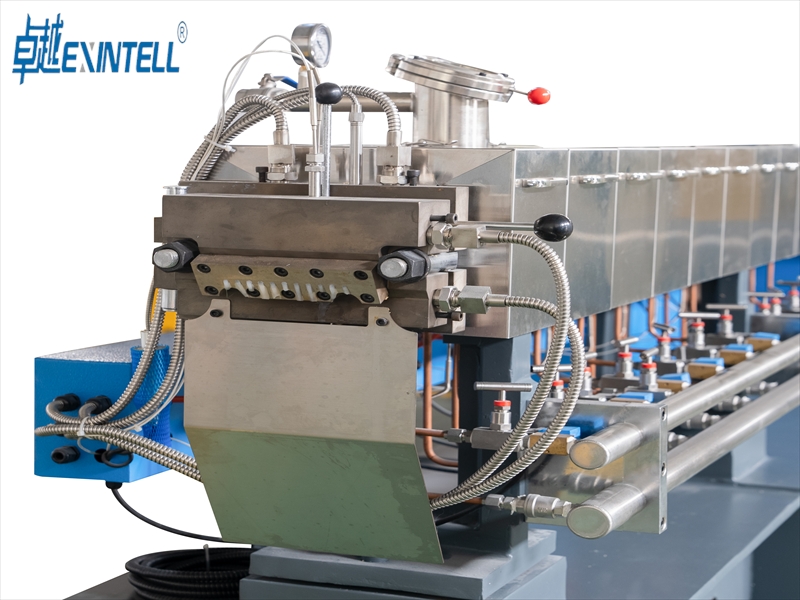
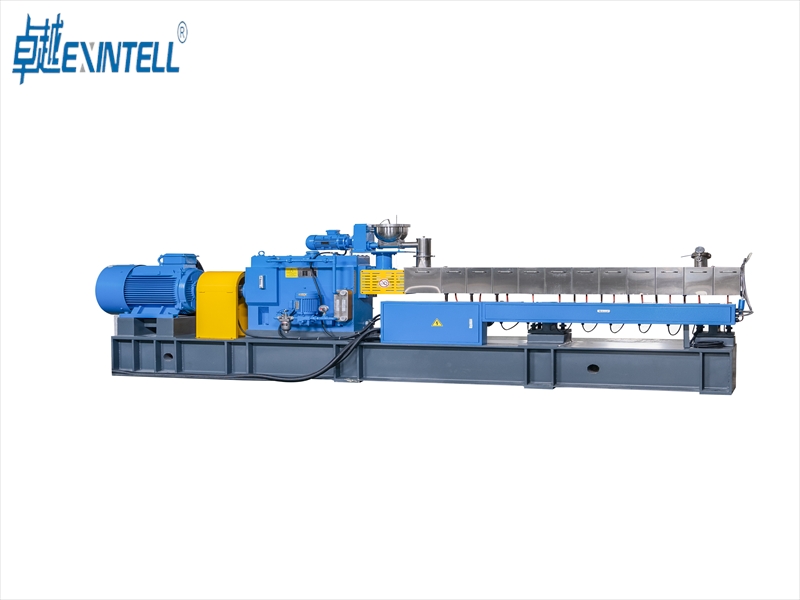
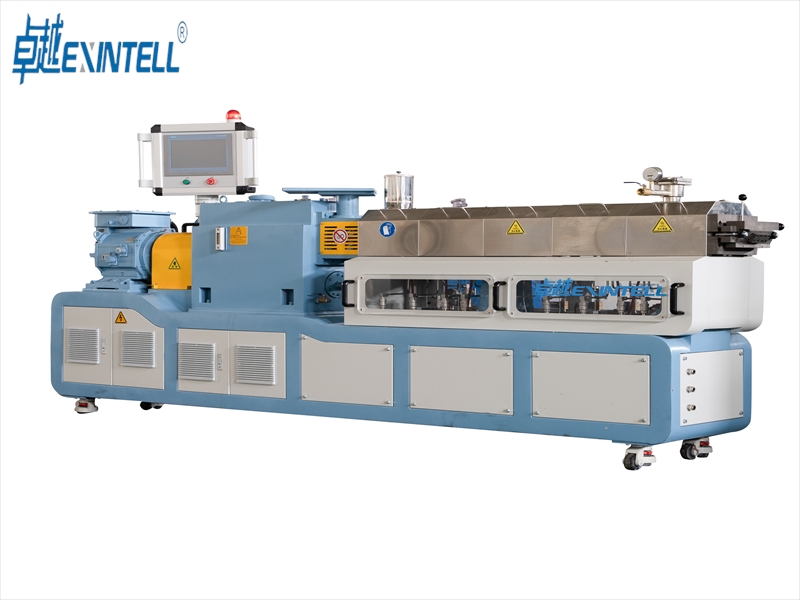
I have worked with ipulasitiki extrusion for years and have seen how this method shapes thermoplastic materials into continuous profiles. The extrusion process starts with material selection, which is critical for achieving the desired properties in the final product. I load plastic pellets or granules into a hopper above the extruder. The machine uses a rotating screw to move the material through a heated barrel. As the material travels, it melts due to friction and external heat. The molten plastic then passes through a precision-shaped die, which gives the product its profile. After forming, the extruded shape enters a cooling system, usually an air or water bath, to solidify and maintain dimensional accuracy. Finally, Ngisika noma ngigoqa umkhiqizo, kuye ngesicelo. Le ndlela yesinyathelo ngesinyathelo ingivumela ukuthi ngidale isikhathi eside, amajamo afanayo anezigaba ezinqamulayo ezingaguquki.
Izicelo Ezivamile
I-Plastic extrusion idlala indima ebalulekile izimboni eziningi. Ngivame ukuyibona isetshenziselwa ukupakisha, ezezimoto, ifenisha, kanye nezimpahla zabathengi. Inqubo ikhiqiza inhlobonhlobo yemikhiqizo, kusuka kumashubhu alula kuya kumaphrofayili ayinkimbinkimbi. Nali ithebula elifingqa ezinye izinhlelo zokusebenza ezivamile:
| Imboni | Imikhiqizo |
|---|---|
| Ukupakisha | Amafilimu, amashidi, izikhwama, ukugoqa, amathileyi, nezinkomishi |
| Ezezimoto | Izimpawu zesimo sezulu, amashubhu epulasitiki, nquma amaphrofayili |
| Ifenisha & Izimpahla Zabathengi | Ibhande lomphetho, amathrekhi amakhethini, amabhodi amagwebu e-PVC angasindi |
| Ikhaya Izinto zikagesi | Izibambo, izimpawu zamahhavini nama-microwave |
| Amapayipi amanzi & Ezokwelapha | Ishubhu, amapayipi |
Ngikutholile lokho inkambiso plastic extrusion ivumela abakhiqizi ukuthi baklame amaphrofayili ahlukile ngezidingo ezikhethekile. Lokhu kuvumelana nezimo kwenza i-extrusion ibe ukukhetha okudumile kokuqhubekayo, ukukhiqizwa kwevolumu ephezulu.
Materials Used
The choice of materials in plastic extrusion affects both the process and the final product’s precision. I frequently use i-polypropylene, polyethylene terephthalate, and polystyrene. These materials offer different properties, such as flexibility, amandla, and clarity. The way I prepare, melt, and cool the materials has a direct impact on the accuracy and consistency of the extruded parts. Here are some of the most common materials I use:
- I-Polypropylene (PP)
- I-Polyethylene terephthalate (I-PET)
- Polystyrene (PS)
- I-Polyvinyl chloride (I-PVC)
- High-density polyethylene (I-HDPE)
- Low-density polyethylene (LDPE)
- Acrylonitrile butadiene styrene (I-ABS)
- Thermoplastic elastomers (TPE)
- Nylon (PA)
- Polycarbonate (PC)
- Polymethyl methacrylate (PMMA)
When I work on custom plastic extrusion projects, I always match the material to the application’s requirements. Lokhu kukhetha ngokucophelela kuqinisekisa ukuthi umkhiqizo uhlangabezana kokubili namazinga okusebenza nokunemba.
Ubuhle nobubi
Lapho ngihlola i-plastic extrusion yephrojekthi, Ngihlale ngikala izinzuzo nezithiyo. Le nqubo inikeza amandla ayingqayizivele, kodwa futhi iza nemikhawulo ethinta ukunemba nokubekezelelana.
Nansi a ithebula elifingqa izinzuzo eziyinhloko kanye nokubi ngibhekile emsebenzini wami:
| Izinzuzo | Ukubi |
|---|---|
| Ukusebenza kahle okuphezulu nokuqina | Imikhawulo ekukhiqizeni izimo eziyinkimbinkimbi |
| Amavolumu aphezulu okukhiqiza | Izinselele zokufa ziyavuvukala ezithinta ukunemba |
| Ukusebenza kahle kwezindleko zevolumu ephakathi ukuya phezulu | Ukungapheleli okungaba khona okudinga ukuqedwa |
Izinzuzo
Ngivame ukukhetha i-plastic extrusion ngokusebenza kwayo okuphezulu. Inqubo iqhubeka ngokuqhubekayo, okusho ukuthi ngingakwazi ukukhiqiza izingxenye ezinde ngaphandle kokuphazamiseka. Lokhu scalability kuyenza ilungele ama-oda amakhulu. Lapho ngidinga ukukhiqiza izinkulungwane zezinyawo zamashubhu noma amaphrofayili, I-extrusion iletha imiphumela engaguquki. Izindleko zengxenye ngayinye ziyehla njengoba umthamo wokukhiqiza ukhula, ngakho-ke ngikuthola kubiza kakhulu kumaphrojekthi wevolumu ephakathi ukuya kwephezulu.
Enye inzuzo yikhono lokudala i-uniform cross-sections. Ngiyakwazi ukugcina ubukhulu obuzinzile ngobude bengxenye, okubalulekile ezinhlelweni ezinjengamapayipi noma amafreyimu ewindi. Inqubo futhi isekela anhlobonhlobo thermoplastics, ngakho-ke ngingakwazi ukukhetha izinto ezihambisana nezidingo zemishini nezamakhemikhali zomkhiqizo wokugcina.
Ukubi
Naphezu kwalawa mandla, i-plastic extrusion inezinkinga ezithile. Inqubo idonsa kanzima ngezimo eziyinkimbinkimbi. Uma ingxenye idinga imininingwane eyinkimbinkimbi noma amakhona acijile, Ngithola i-extrusion ingafaneleki. Ipulasitiki encibilikisiwe ivama ukuvuvuka lapho iphuma kufa, into eyaziwa ngokuthi i-die swell. Lo mphumela ungenza kube nzima ukufeza ukubekezelelana okuqinile, ikakhulukazi izingxenye ezidinga ubukhulu obunembile.
Ukuqedwa kobuso nakho kungaba yinkinga. Ngezinye izikhathi, izingxenye ezikhishiwe zibonisa imigqa noma amamaki avela edayini. Ngokuvamile ngidinga ukungeza izinyathelo zokuqeda zesibili, njengokugunda noma ukupholisha, ukuthuthukisa ukubukeka nokuhlangabezana nezindinganiso zekhwalithi. Lezi zinyathelo ezengeziwe zingandisa kokubili isikhathi nezindleko.
Ithiphu: Ngincoma njalo ukubukeza i-geometry yengxenye kanye nokubekezelelana okudingekayo ngaphambi kokukhetha i-extrusion. Uma umklamo ulula futhi umyalelo mkhulu, i-extrusion ngokuvamile inikeza inani elingcono kakhulu.
Ukubuka Kokubumba Umjovo
Process Basics
Ngichithe iminyaka ngisebenza ngokubumba umjovo, futhi ngithola inqubo ijabulisa futhi isebenza kahle. Indlela isebenzisa isikhunta, ebumba ipulasitiki encibilikisiwe ibe amafomu aqondile. Ngihlala ngilandela uchungechunge lwezinyathelo zokuqinisekisa ukuthi ingxenye ngayinye ihlangabezana nezindinganiso eziqinile zekhwalithi. Nansi indlela engisondela ngayo kwinqubo yokubumba umjovo:
- I-clamping: Ngivala isikhunta ngokuqinile ukuze ngilungiselele izinyathelo ezilandelayo.
- Umjovo: Ngijova kushisa, ipulasitiki encibilikisiwe ingene emgodini wesikhunta.
- Ukuhlala: Ngivumela ipulasitiki ihlale ngaphakathi kwesikhunta isikhathi esifushane ukuze igcwalise yonke indawo.
- Ukupholisa: Ipulasitiki iyaphola futhi iqine ngenkathi ingaphakathi kwesikhunta.
- Ukuvula Isikhunta: Ngivula isikhunta ngemva kokuba ingxenye isipholile.
- Ukukhishwa: Ngisusa ingxenye eqediwe esikhunjeni.
Lo mjikelezo uphinda ngokushesha, okungivumela ukuthi ngikhiqize inani elikhulu lezingxenye ezifanayo. Ngithembele ekubumbeni umjovo lapho ngidinga izimo eziyinkimbinkimbi, imininingwane emihle, kanye nokuqedwa kwekhwalithi ephezulu. The process gives me excellent control over dimensions and surface appearance.
Qaphela: I always monitor temperature and pressure closely during injection molding. These factors affect the final part’s precision and consistency.
Izicelo Ezivamile
Injection molding plays a vital role in many industries. I have used this process to create parts for automotive, ezokwelapha, consumer electronics, and packaging sectors. The versatility of injection molding allows me to produce both simple and highly complex components. Here is a table that summarizes some typical applications:
| Imboni | Products Produced |
|---|---|
| Ezezimoto | Various components and parts |
| Ezokwelapha | Device housings, surgical tools |
| Consumer Electronics | Cases, buttons, and other components |
| Ukupakisha | Bottle caps, containers |
I often make items like contact lens cases, bottle caps, and high-volume components with intricate geometries. Ukubumba umjovo kuyangisiza ukuthi ngilethe imiphumela engaguquki, ngisho namaphrojekthi anzima.
Materials Used
Ukukhetha okubalulekile kubalulekile ekubumbeni umjovo. Ngikhetha izinto ezisekelwe emandleni adingekayo, ukuguquguquka, nokunemba. Ngezingxenye ezinembayo eziphezulu, Ngincamela ama-polymers ukuncipha okuphansi nokufana okufanayo, ukugeleza kokuncibilika okuzinzile, nokumelana okuhle kokushisa. Okunye okuningi izinto ezivamile Ngisebenzisa zihlanganisa:
- I-ABS: Inikeza ukuqina, isiphetho esibushelelezi, kanye nokumelana nomthelela.
- I-Polypropylene: Inikeza ukumelana kwamakhemikhali, ukuguquguquka, kanye nokufinyeleleka.
- Polycarbonate: Iletha ukucaca okuphezulu, amandla, nokumelana nokushisa.
- I-polyethylene: Ilula futhi imelana nomswakama.
- Nylon: Kwaziwa ngamandla, ukumelana nokugqoka, kanye nokuzinza okushisayo.
- I-PEEK: Ikhethekile ekushiseni, amakhemikhali, nokumelana nokugqoka.
Lapho ngidinga ukubekezelelana okuqinile nakakhulu, Ngiphendukela kuma-polymers webanga lobunjiniyela. Izinto ezifana ne-liquid crystal polymer (I-LCP), i-polyether ether ketone (I-PEEK), kanye ne-acetal (I-POM) nginike ukuzinza okuhle kakhulu kwe-dimensional kanye nokuncipha okuncane. Ngokwesibonelo, Ngisebenzisa i-LCP kwizixhumi zikagesi nezingxenye zenzwa, kuyilapho i-PEEK isebenza kahle ekufakweni kwezokwelapha nezingxenye ze-aerospace. I-Polycarbonate iyisinqumo sami samalensi kanye nezingxenye ze-optical ngenxa yokucaca namandla ayo.
Ithiphu: Ngihlala ngifanisa okokusebenza nezidingo zohlelo lokusebenza. Ukukhetha okulungile kuqinisekisa inqubo yokubumba umjovo iletha kokubili ukunemba nokusebenza.
Ubuhle nobubi
Ngisebenze ngokubumba umjovo iminyaka eminingi. Le nqubo inikeza izinzuzo ezimbalwa ezenza kube ukukhetha kwami ezingxenyeni zepulasitiki ezinemba okuphezulu. Ngifuna ukuhlanganyela kokubili amandla kanye nokulinganiselwa engikubonile.
Izinzuzo Zokubumba Umjovo
- Ngingakwazi ukufeza ukunemba okuphezulu kakhulu ngokubumba umjovo. The process allows me to produce parts with tolerances as tight as ±0.005 inches. This level of accuracy is difficult to match with other plastic manufacturing methods.
- I appreciate the repeatability of injection molding. Once I set up the mold and process parameters, I can produce thousands or even millions of identical parts. Each part matches the original design closely.
- I often need to create parts with complex shapes and fine details. Injection molding handles intricate geometries well. I do not need to add extra steps or secondary processes to achieve these features.
- I find that injection molding delivers excellent surface finishes. The parts come out smooth and ready for use in most cases.
- I can use a wide range of thermoplastics and engineering polymers. Lokhu kuvumelana nezimo kungivumela ukuthi ngifanise izakhiwo zezinto ezibonakalayo nezidingo zohlelo lokusebenza.
Ububi bokubunjwa komjovo
- Kufanele ngitshale ezikhunjini zekhwalithi ephezulu ngaphambi kokuthi ngiqale ukukhiqiza. Izindleko zokuqala zokudala isikhunta zingabaluleka. Okwemidlalo emincane yokukhiqiza, lezi zindleko zingase zingathethelelwa.
- Ngifunde ukuthi ubunkimbinkimbi bomklamo bungaba nezinselele. Ngidinga ukuhlela isikhunta kanye nomklamo wengxenye ngokucophelela. Amaphutha esigabeni sokuklama angaholela ezinguqukweni ezibizayo kamuva.
- Kwesinye isikhathi ngibhekana nezikhathi ezinde zokuhola ekuqaleni kwephrojekthi. Ukuklama nokukhiqiza isikhunta kuthatha isikhathi, ikakhulukazi izingxenye eziyinkimbinkimbi.
- Ngiyaqaphela ukuthi ukukhethwa kwempahla nezilungiselelo zenqubo kudinga ukunakwa ngokucophelela. Uma ngingalawuli izinga lokushisa, ingcindezi, namazinga okupholisa, Ngizifaka engcupheni yokulimala noma amaphutha obukhulu.
Here is a table that summarizes the main pros and cons I have experienced with injection molding:
| Izinzuzo | Ububi |
|---|---|
| High precision and tight tolerances | High initial mold cost |
| Excellent repeatability for large volumes | Design complexity requires careful planning |
| Supports complex geometries and fine details | Longer lead times for mold development |
| Smooth surface finishes | Process control is critical |
| Wide material selection | Not cost-effective for low-volume runs |
Ithiphu: I always recommend injection molding when a project demands high precision, complex shapes, and large production volumes. For simple parts or small batches, I consider other methods to save on costs and lead time.
Precision and Tolerances
When I compare plastic extrusion and injection molding, I always focus on how each process handles precision and tolerances. Lezi zici zinquma ukuthi ingxenye izohlangabezana yini nezidingo zokubekezelela umklamo futhi isebenze njengoba kuhlosiwe. Ngiye ngafunda ukuthi ngisho nokwehluka okuncane ekubekezeleni kungaba nomthelela ekuhlanganiseni, ukusebenza, kanye nekhwalithi yomkhiqizo.
Ukubekezelela kwePlastiki Extrusion
Ukuvumelana Kobukhulu
Ngokuhlangenwe nakho kwami, I-plastic extrusion iletha ukuvumelana okuhle kwe-dimensional isikhathi eside, izimo eziqhubekayo. Ngivame ukubona ububanzi obujwayelekile bokubekezelelana nxazonke ±0.010 inches. Leli nani lisetha ibhentshimakhi yalokho engingakulindela kusukela ku-extrusion ngokuya ngokuhlukahluka kobukhulu. Inqubo isebenza kangcono ezingxenyeni ezineziphambano ezifanayo, njengamashubhu, rods, kanye namaphrofayili. Nokho, Ngiyaqaphela ukuthi ukugcina ukubekezelelana okuqinile kubo bonke ubude kungaba inselele. Izinto ezifana nokufa zivuvukala, ukuncipha kwezinto, futhi amazinga okupholisa angabangela ukuhluka okuncane. I always monitor these variables closely to keep the dimensions within acceptable limits.
Surface Finish
Surface finish in extrusion depends on the die quality and the cooling process. I often see minor lines or marks on extruded parts, which come from the die or from uneven cooling. These marks can affect the appearance and sometimes the fit of the part. When a smooth surface is critical, I may need to add secondary finishing steps. I have found that extrusion rarely achieves the same level of surface smoothness as injection molding. Noma kunjalo, for many applications, the finish is acceptable without extra work.
Injection Molding Tolerances
Dimensional Accuracy
Injection molding stands out for its ability to achieve very tight tolerances. I regularly work with tolerances as tight as ±0.005 inches, and sometimes even tighter for high-precision parts. This level of accuracy comes from the rigid mold and the controlled process parameters. I rely on standards like DIN EN ISO 20457 and ISO 2768-1/2 to guide my work. These standards define tolerance groups and classes for different part sizes and features. Ngokwesibonelo, DIN EN ISO 20457 specifies tolerance groups such as TG5, which allows about 0.23 mm for a 32 mm part. These guidelines help me ensure that every part meets strict dimensional requirements.
I pay close attention to injection pressure and holding pressure during molding. Proper tuning of these settings ensures the mold fills completely and minimizes defects. This control is essential for precision applications, where even a small deviation can cause problems in assembly or function.
Surface Finish
Surface finish in injection molding can be excellent. Ngiyakwazi ukukhiqiza izingxenye ezicwebezelayo, izindawo ezipholishiwe noma ezinokwakheka okuthuthukisa ukubamba nokufihla amaphutha amancane. Ukukhethwa kokuqeda kuthinta kokubili ukubukeka nokusebenza kwengxenye. Ngokwesibonelo:
- Isiphetho esipholishiwe sinikeza ukukhanya, ukubukeka okubushelelezi.
- Izingxenye zombhalo zingenza izingxenye ziphatheke kalula futhi mancane amathuba okuthi zibonise imihuzuko.
- Ukuqedwa okuhlukile nakho kungathonya ukuqina kanye nendlela ingxenye esebenzisana ngayo nezinye izingxenye.
Ngiphinde ngicabangele izindlela zokucubungula ngemuva kokucubungula, njenge i-anodizing, i-powder enamathela, noma i-electroplating, ingase ithinte ubukhulu bokugcina. Lezi zindlela zengeza impahla noma ziguqule indawo engaphezulu, ngakho-ke ngibala ngabo ekwakhiweni kwami ukuze ngigcine ukunemba.
Ithebula Lokuqhathanisa Lokubekezelelana
Ngivame ukusebenzisa itafula ukuqhathanisa ukubekezelelana okuvamile kwe-plastic extrusion kanye nokubunjwa komjovo. This summary helps me and my clients understand what to expect from each process:
| Process | Typical Tolerances | Surface Finish Quality | Repeatability |
|---|---|---|---|
| I-Plastiki Extrusion | ±0.010 inches | Kuphakathi | Good for long parts |
| Injection Molding | ±0.005 inches or tighter | Kuhle kakhulu | Very high |
Qaphela: Injection molding achieves tighter tolerances and better repeatability than plastic extrusion. I always recommend injection molding when a project demands high precision, complex shapes, or strict tolerance requirements.
I have found that choosing the right process depends on the part’s geometry, the required tolerances, and the application. Injection molding gives me the best results for detailed, high-precision parts. Plastic extrusion works well for simple, continuous shapes where slightly looser tolerances are acceptable.
Factors Affecting Precision
Material Choice
I always start by considering the material when I want to achieve high precision in plastic parts. Izici zepulasitiki zithonya indlela engingakwazi ngayo ukulawula ukubekezelelana phakathi kokubili kokubunjwa kwe-extrusion kanye nomjovo. Ngokwesibonelo, indlela impahla egeleza ngayo, ukuncipha kwawo, kanye nokuzinza kwayo okushisayo konke kunendima emphumeleni wokugcina.
Nali itafula lokho kufingqa ukuthi izakhiwo zezinto ezibonakalayo zithinta kanjani ukunemba nokubekezelelana:
| Impahla Ebalulekile | Ithonya Ngokunemba kanye Nokubekezelelana |
|---|---|
| Ukugeleza Ukuziphatha (I-MFI/MFR) | Izinto eziphezulu ze-MFI zigeleza kalula, esiza ukugcwalisa isikhunta esiyinkimbinkimbi noma esinezindonga ezincane. Nokho, bangase babe namandla aphansi. |
| Izinto eziphansi ze-MFI ziminyene futhi zilukhuni ukubumba kodwa ziphumela ekubeni ziqine, izingxenye eziningi ezimelana nomthelela. | |
| Ukuncipha | Amapulasitiki angama-amorphous afana ne-ABS ne-PC ashwabana kancane futhi ngokulinganayo, ukuze ngifinyelele ukubekezelelana okuqinile. |
| Amapulasitiki angama-semi-crystalline afana nenayiloni ne-POM ancipha kakhulu futhi kancane ngokubikezelwa, ukwenza ukunemba kube nzima ukulawula. | |
| Ukuzinza Okushisayo | Ukungaqini kahle kwe-thermal kungabangela izici ezifana nezimpawu zokusha noma i-warping, okunciphisa ukunemba kobukhulu. |
| Ukuzinza okuhle kokushisa kubalulekile ezingxenyeni ezincane noma eziyinkimbinkimbi lapho ukunemba kubaluleke kakhulu. |
Lapho ngikhetha impahla, Ngihlale ngifanisa izakhiwo zayo nezidingo zengxenye. Ngokwesibonelo, uma ngidinga ingxenye enokubekezelelana okuqinile, Ngikhetha ipulasitiki ye-amorphous ene-shrinkage ephansi kanye nokuzinza okuhle kokushisa.
Ingxenye Eyinkimbinkimbi
Ubunkimbinkimbi bengxenye bunomthelela oqondile ekunembeni engingakuzuza. Kulula ukulawula izimo ezilula, kuyilapho imiklamo eyinkimbinkimbi yethula izinselele ezengeziwe. Nginaka kakhulu izici ezifana nemigqa yokuhlukanisa, izindawo ezigobile, kanye nezilinganiso ezibucayi.
Nali ithebula elibonisa ukuthi ukucatshangelwa kwedizayini okuhlukile kukuthinta kanjani ukunemba:
| Ukucabangela | Umthelela ku-Precision |
|---|---|
| Ukubekwa Komugqa Wokuhlukanisa | Ithonya ubunzima besikhunta kanye nekhwalithi yomkhiqizo oqediwe. |
| Ukugwema Izindawo Ezibucayi | Isiza ukuvimbela izinguquko zobukhulu futhi iqinisekisa ukulingana okungcono. |
| Ukuma endaweni ejikajikayo | Idinga ukunemba okuphezulu kwesikhunta, okungase kwenyuse izindleko kanye nengozi yokukhubazeka. |
| Ukusetshenziswa Kwemigqa Yokuhlukaniswa Kwemvelo | Kwenza ukwakhiwa kwesikhunta kube lula futhi kuthuthukisa inqubo yokudiliza. |
Uma ngiklama ingxenye yokubumba umjovo, Ngizama ukubeka imigqa yokuhlukanisa ezindaweni ezingabonakali kakhulu futhi ngigweme ukuyibeka ezindaweni ezibucayi. Le ndlela ingisiza ukuthi ngigcine ukubekezelelana okungcono futhi nginciphise ingozi yokukhubazeka.
Umthamo Wokukhiqiza
Umthamo wokukhiqiza uphinda uthinte izinga lokunemba engingalifinyelela. Ngokukhiqizwa kwevolumu ephezulu, Ngitshala ezikhunjini zekhwalithi ephezulu kanye nezilawuli zenqubo ezinembile. This investment pays off because I can produce thousands or millions of identical parts with consistent tolerances. For smaller runs, I may use less expensive tooling, but I know that this can lead to more variation in the final parts.
Ithiphu: I always recommend using the best possible tooling and process controls for high-volume production. This strategy ensures that every part meets the required specifications and reduces waste.
Tooling Quality
I always pay close attention to tooling quality when I want to achieve high precision in plastic manufacturing. The tools I use, such as dies for extrusion and molds for injection molding, play a critical role in determining the final tolerances and surface finish of each part. Ngifunde ukuthi ngisho nokungapheleli okuncane ekusetshenzisweni kwamathuluzi kungaholela emaphutheni abalulekile kumkhiqizo oqediwe.
Ngokuhlangenwe nakho kwami, ukusebenza kwekhwalithi ephezulu kuqala ngokuklama ngokucophelela. Ngisebenza nonjiniyela ukwakha imidwebo enemininingwane namamodeli e-3D. Lawa mamodeli angisiza ukuthi ngibone ingxenye futhi ngikhombe izindawo lapho ukunemba kubaluleke khona kakhulu. Ngikhetha izinto zokusebenza ezimelana nokuguga futhi zigcine umumo wazo ngaphansi kwamazinga okushisa aphezulu nezingcindezi. Okokubumba umjovo, Ngivame ukusebenzisa insimbi eqinile noma i-aluminium yezinga eliphezulu. Ngoba i-extrusion iyafa, Ngincamela insimbi yamathuluzi enendawo epholishiwe.
Ngibonile ukuthi inqubo yokukhiqiza amathuluzi ithinta ikhwalithi yayo. Ukunemba kwemishini, njenge-CNC milling kanye ne-EDM, ingivumela ukuthi ngifinyelele ukubekezelelana okuqinile kusikhunta noma ngife. I inspect the tooling after each step to ensure there are no defects or inconsistencies. If I find any issues, I address them immediately. This attention to detail prevents problems during production.
Maintenance is another factor that influences tooling quality. I schedule regular inspections and cleaning for all my tools. I replace worn parts before they cause defects in the plastic parts. Proper maintenance extends the life of the tooling and keeps the production process running smoothly.
Here is a table that summarizes how tooling quality impacts precision in both processes:
| Tooling Aspect | Umthelela ku-Precision | My Approach |
|---|---|---|
| Material Selection | Reduces wear and deformation | Use hardened steel or aluminum |
| Machining Accuracy | Achieves tight tolerances | Employ CNC and EDM |
| Surface Finish | Improves part appearance | Polish dies and molds |
| Isondlo | Prevents defects | Hlela ukuhlola okuvamile |
Ithiphu: Ngihlala ngincoma ukutshala kumathuluzi ekhwalithi ephezulu kumaphrojekthi adinga ukubekezelelana okuqinile. Izindleko zangaphambili zingase zibe phezulu, kodwa izinzuzo zesikhathi eside zihlanganisa izici ezimbalwa, ukuphindaphinda okungcono, kanye nezindleko zokunakekela eziphansi.
Ngithole ukuthi ikhwalithi yamathuluzi ngokuvamile inquma impumelelo yephrojekthi yokukhiqiza. Lapho ngisebenzisa amathuluzi aklanywe kahle nanakekelwa kahle, Ngihlala ngikhiqiza izingxenye ezihlangabezana nezimfuneko eziqinile zokunemba. Le ndlela yakha ukwethenjwa kumakhasimende ami futhi ingisiza ukuthi ngilethe imiphumela ethembekile ngaso sonke isikhathi.
Izindleko vs. Ukunemba
Extrusion Cost Factors
Lapho ngihlola i-plastic extrusion yephrojekthi, Ngihlale ngicabanga ukuthi izindleko nokunemba kusebenzisana kanjani. Izinto ezimbalwa zithonya intengo yokugcina yezingxenye ezikhishiwe:
- Ngivame ukudinga izinto ze-premium ukuzuza ukunemba okuphezulu. Lezi zinto zibiza kakhulu kodwa zingisize ngihlangabezane nokubekezelela okuqinile.
- Custom tooling becomes necessary when I want unique profiles or tighter tolerances. This requirement increases the initial investment.
- If I focus on speed and low cost, I sometimes see a drop in precision. Parts may not meet the required tolerances, which can lead to quality issues.
- When I prioritize quality and precision, I spend more time on setup and inspection. This approach slows production but ensures better results.
I find that balancing these factors is key. If a project allows for looser tolerances, I can save money by using standard materials and tooling. For critical applications, I invest more to guarantee precision.
Injection Molding Cost Factors
Injection molding presents a different cost structure. I have learned that several elements drive the overall expense, especially when aiming for high precision. Ithebula elingezansi lifingqa izici zezindleko eziyinhloko kanye nobudlelwano babo nokunemba:
| I-Cost Factor | Ubudlelwano Precision |
|---|---|
| Izindleko Zokusebenza | Izibungu ezisezingeni eliphezulu zinzinza ukukhiqizwa futhi zigcine ukubekezelelana okuqinile ngokuhamba kwesikhathi. |
| Ukusetshenziswa Kwempahla | Izinto ze-Premium zithuthukisa ukunemba kodwa zikhuphule izindleko zokuqala. |
| Isikhathi somjikelezo | Imijikelezo emifushane inciphisa izindleko, kodwa ngezinye izikhathi ukunemba ukunemba. |
| Izinga Lomshini Wamathani | Imishini emikhulu ibamba ukubekezelelana okuqinile kodwa isebenzisa amandla amaningi. |
| Izinga Labasebenzi/Okuzenzakalelayo | I-Automation ikhulisa ukunemba futhi yehlisa izindleko zabasebenzi ngokuhamba kwesikhathi. |
| Izinga leScrap | Ukunemba okungalungile kwandisa izinsalela, okukhuphula izindleko zizonke. |
Ngihlale ngikala lezi zici ngaphambi kokuqala iphrojekthi entsha yokubumba umjovo. Okwemiqhudelwano emikhulu yokukhiqiza, ukutshala imali kumathuluzi angcono kanye ne-automation kuyakhokha. Ngibona amaphutha ambalwa nezingxenye ezingaguquki.
Izindleko Zokulinganisa Nokunemba
Choosing between extrusion and injection molding often comes down to finding the right balance. I look at the part’s geometry, the required tolerances, and the production volume. The table below helps me decide which process fits best:
| Process Type | Ideal For | Core Advantage | Trade-off |
|---|---|---|---|
| Injection Molding | Inkimbinkimbi, enclosed 3D parts | Extreme precision and consistency | Higher initial mold cost; best for large batches |
| I-Plastiki Extrusion | Okuqhubekayo, uniform profiles | Lower tooling cost, efficient output | Limited to linear shapes; less suitable for complex geometries |
If I need complex shapes and tight tolerances, I choose injection molding despite the higher upfront cost. For simple, continuous profiles, I rely on extrusion to keep costs low and production fast. I always match the process to the project’s needs, ensuring I deliver both value and quality.
Ithiphu: I recommend discussing your precision requirements early in the design phase. This step helps me select the most cost-effective process for your application.
Choosing the Right Process
Selecting the right process for manufacturing plastic parts can determine the success of a project. I always start by evaluating the part’s geometry, required tolerances, umthamo wokukhiqiza, and cost targets. My experience has shown that both plastic extrusion and injection molding offer unique strengths. The best choice depends on the specific needs of the application.
When to Use Plastic Extrusion
I turn to the plastic extrusion process when I need to produce long, continuous shapes with uniform cross-sections. This process excels at creating items like tubes, amapayipi, weather seals, and profiles for windows or furniture. Ngithola ukuthi i-extrusion isebenza kangcono ekuqhutshweni kwevolumu ephezulu lapho idizayini ingadingi izici eziyinkimbinkimbi ze-3D.
Ukuqinisekisa i-extrusion yepulasitiki ephumelelayo nesezingeni eliphezulu, eziningana izici ezibalulekile kufanele zihlolwe ngokucophelela phakathi nesigaba sokuklama: Izidingo Zokusebenza, Ukuhambisana Kwezinto ezibonakalayo, Ubunkimbinkimbi bephrofayela, Ukuqina Kwezindonga, Ukubekezelelana, Izingxenye Zokukhwelana, Ukusebenzisana kwamathuluzi, kanye Nokusebenza Kwezindleko.
Uma ngihlola ukuthi ngabe inqubo ye-extrusion ilingana kahle yini, ngiyacabanga:
- Izidingo zohlelo lokusebenza, njengokumelana nezinga lokushisa nokuchayeka kwe-UV.
- Izakhiwo zemishini, kuhlanganise nokuvumelana nezimo, ubulukhuni, namandla aqinile.
- Izimo zemvelo, njengokuguquguquka kwesimo sezulu nezinga lokushisa.
- Izidingo zobuhle nokuqeda, njengombala, isicwebezelisi, nokuthungwa kwendawo.
- Ukulawula nokuhambisana kudinga ukuhlangabezana namazinga omkhakha.
Ngiphinde ngilinganise izinzuzo zezindleko zenqubo ye-extrusion. Nansi indlela engithatha ngayo isinqumo:
- Hlola izindleko zempahla ngokuqhathanisa nemikhawulo yesabelomali.
- Cabangela ukonga isikhathi eside kusukela ekuqineni nasekulahlekeni kwemfucuza.
- Sebenza nozakwethu abanolwazi ukuze uthole ibhalansi engcono kakhulu yokusebenza kanye nentengo.
Amapulasitiki ahlukene aziphatha ngendlela ehlukile ngesikhathi senqubo ye-extrusion, okuthinta ukuma nokusebenza komkhiqizo wokugcina. I pay close attention to ukuzinza okushisayo namandla ancibilikayo, ikakhulukazi izicelo ezidinga ukubekezelelana okunembile. Lapho umklamo udinga lula, umumo womugqa kanye nenqubo kufanele ihlale ingabizi, i-extrusion ngokuvamile inikeza isisombululo esihle kakhulu.
Isibonelo Scenario:
Ngonyaka odlule, Ngasebenza neklayenti elalidinga izinkulungwane zezinyawo zamashubhu angokwezifiso ohlelweni lokunisela. Le nqubo yayidinga into ekwazi ukumelana nokukhanya kwelanga nokushintshashintsha kwezinga lokushisa. Ngincome inqubo yokukhipha usebenzisa i-UV-stabilized polyethylene. Inqubo isivumele ukuthi sigcine ukujiya kodonga olungaguquki futhi sihlangabezane nesabelomali seklayenti. Umphumela waba umkhiqizo oqinile owenza kahle ensimini.
Lapho Kufanele Usebenzise Ukubumba Umjovo
Ngikhetha inqubo yokubumba umjovo lapho ukwakheka kwengxenye kuhilela amajiyometri ayinkimbinkimbi, ukubekezelelana okuqinile, noma imininingwane eyinkimbinkimbi. Le nqubo ilungele ukukhiqiza izingxenye ezinemba okuphezulu, njengezindlu zemishini yezokwelapha, izixhumi zezimoto, noma ama-electronics ezivalekile. Inqubo isekela inhlobonhlobo yezinto zokwakha kanye nokuqedwa, okwenza isebenze ngezindlela eziningi ezimbonini eziningi.
Inqubo yokubumba umjovo igqama lapho:
- Ingxenye idinga umumo ovalelwe noma we-3D i-extrusion engakwazi ukuyifinyelela.
- Ukuphindaphinda okuphezulu nokungaguquguquki kubalulekile ekuhlanganiseni noma ekusebenzeni.
- The application demands a smooth surface finish or specific textures.
- The project involves large production volumes, justifying the investment in tooling.
I always consider the initial tooling cost and lead time for the injection molding process. For high-volume projects, the process delivers excellent value through low per-part costs and minimal variation between parts. I also rely on this process when regulatory compliance and material traceability are essential.
Isibonelo Scenario:
Recently, I partnered with a medical device manufacturer to produce a new type of handheld diagnostic tool. The process required a housing with complex internal features and a flawless surface finish. I recommended the injection molding process using medical-grade polycarbonate. The process allowed us to achieve the necessary tolerances and pass strict regulatory tests. The client appreciated the consistency and quality of every part.
Ucwaningo lwesigameko:
I have seen how companies use data-driven approaches to select the right process. Ngokwesibonelo, Amcor conducted a pilot test comparing emissions from different plastic sources and production sites. The process helped them make informed decisions about low-carbon procurement and supplier relationships. By analyzing the process at each step, they improved transparency and achieved their sustainability goals.
Ithiphu: I always advise clients to define their precision requirements, umthamo wokukhiqiza, and budget early in the design phase. This clarity helps me recommend the most suitable process and avoid costly changes later.
How I Decide Between Processes
I use a simple checklist to guide my decision:
- Does the part have a uniform cross-section and require long lengths? I choose the extrusion process.
- Does the part need complex shapes, ukubekezelelana okuqinile, or a high-quality finish? I select the injection molding process.
- Is the production volume high enough to justify tooling investment? I lean toward injection molding.
- Is cost efficiency for simple shapes the main goal? I recommend extrusion.
The process selection shapes the entire project, from design to final delivery. I always match the process to the application’s needs, ensuring the best balance of quality, ukunemba, kanye nezindleko.
Additional Considerations
Lead Time
I always pay close attention to lead time when planning a manufacturing project. Lead time refers to how long it takes to go from design approval to finished parts. Ngokuhlangenwe nakho kwami, plastic extrusion usually offers shorter lead times. The tooling for extrusion is simpler and faster to produce. I can start production quickly once the die is ready. This makes extrusion a good choice for projects with tight deadlines or urgent needs.
Injection molding requires more time upfront. The mold design is complex and demands careful engineering. I often spend weeks or even months creating and testing the mold. Once the mold is ready, production moves fast, but the initial setup slows the process. I recommend injection molding for projects where precision and volume matter more than speed.
Ithiphu: If you need parts quickly and the design is simple, extrusion can save valuable time.
Design Flexibility
Design flexibility shapes what I can achieve with each process. I have learned that extrusion limits my options. The process works best for simple, repeated shapes like tubes or profiles. I cannot create intricate features or complex geometries with extrusion.
Injection molding gives me much more freedom. I can design parts with fine details, undercuts, and complex shapes. The mold captures every feature, so I can meet strict requirements for accuracy and appearance.
Nansi a table that compares design flexibility between the two methods:
| Method | Design Flexibility | Complexity of Parts |
|---|---|---|
| Extrusion Molding | Limited design flexibility; best for simple, repeated shapes. | Not suitable for intricate features. |
| Injection Molding | High design flexibility; ideal for complex shapes with fine details and accuracy. | Capable of creating sophisticated designs. |
I always match the process to the part’s needs. If the design is simple and repeated, extrusion works well. For complex or detailed parts, injection molding is the clear winner.
Ukusimama
Sustainability has become a major concern in my work. I look for ways to reduce waste and use eco-friendly materials. Plastic extrusion stands out for its ability to incorporate recycled content and biodegradable materials. I can use these options without sacrificing performance or quality. This gives extrusion an advantage when clients want greener solutions.
Injection molding is less flexible in this area. The process does not always support recycled or biodegradable plastics. I must choose materials carefully to avoid defects or quality issues. When sustainability is a priority, I recommend extrusion for its environmental benefits.
🌱 I always encourage clients to consider recycled or biodegradable materials in extrusion projects. This choice supports sustainability goals and helps protect the environment.
I have seen that injection molding delivers better precision in plastic manufacturing, especially for small to medium-sized plastic parts. The process uses balanced clamping force and optimized resin viscosity to reduce defects. Multi-cavity molds and rigid frames help maintain consistent results. When I choose between plastic extrusion and injection molding, I always consider plastic geometry, tolerances, umthamo wokukhiqiza, kanye nezindleko. I recommend injection molding for complex plastic shapes and tight tolerances. Plastic extrusion works well for simple, continuous plastic profiles. My experience shows that careful planning in plastic manufacturing leads to reliable plastic products.
| Isici | Injection Molding | I-Plastiki Extrusion |
|---|---|---|
| Ukunemba | High for plastic parts | Moderate for plastic parts |
| Ukubekezelelana | Tight in plastic manufacturing | Looser in plastic manufacturing |
| Umthamo Wokukhiqiza | Best for large plastic runs | Best for continuous plastic runs |
| Izindleko | Higher for plastic molds | Lower for plastic dies |
I always advise clients to match the plastic manufacturing process to their specific plastic needs.
FAQ
What is the main advantage of plastic extrusion?
I find ipulasitiki extrusion ideal for creating continuous profiles. The process runs efficiently and produces long, uniform shapes. I can quickly manufacture parts like tubes and rods for many industries.
Can injection molding handle complex shapes?
I rely on injection molding when I need intricate designs or detailed features. The process allows me to produce parts with complex geometries and tight tolerances. I achieve high precision every time.
Which process is better for high volume production?
I choose injection molding for high volume production. The process delivers consistent quality and repeatability. I can produce thousands or millions of identical parts with minimal variation.
Are continuous profiles possible with injection molding?
I do not use injection molding for continuous profiles. The process works best for discrete, individual parts. I turn to i-extrusion when I need long, uninterrupted shapes.
What materials work best for extrusion?
I select materials like polypropylene, I-PVC, and HDPE for extrusion. These plastics help me create continuous profiles with reliable performance. I match the material to the application’s requirements.
How does surface finish compare between the two processes?
I notice that injection molding produces smoother surfaces. Extrusion sometimes leaves marks or lines on continuous profiles. I may add finishing steps to improve appearance when needed.
Is extrusion cost-effective for small batches?
I usually recommend extrusion for larger orders. The process becomes more cost-effective as I produce more continuous profiles. For small batches, setup costs may outweigh the benefits.
Can I use recycled materials in extrusion?
I often use recycled plastics in extrusion. The process supports sustainable manufacturing and lets me create continuous profiles with eco-friendly materials. I help clients meet their environmental goals.