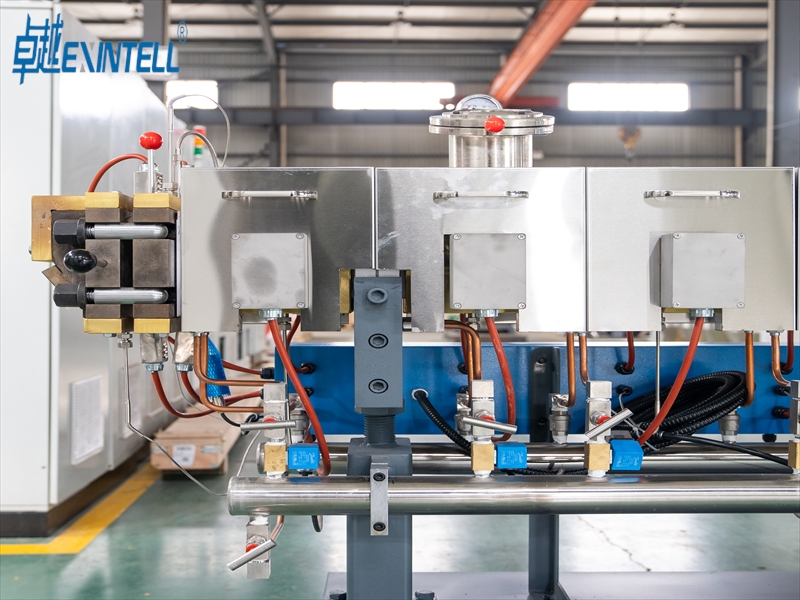
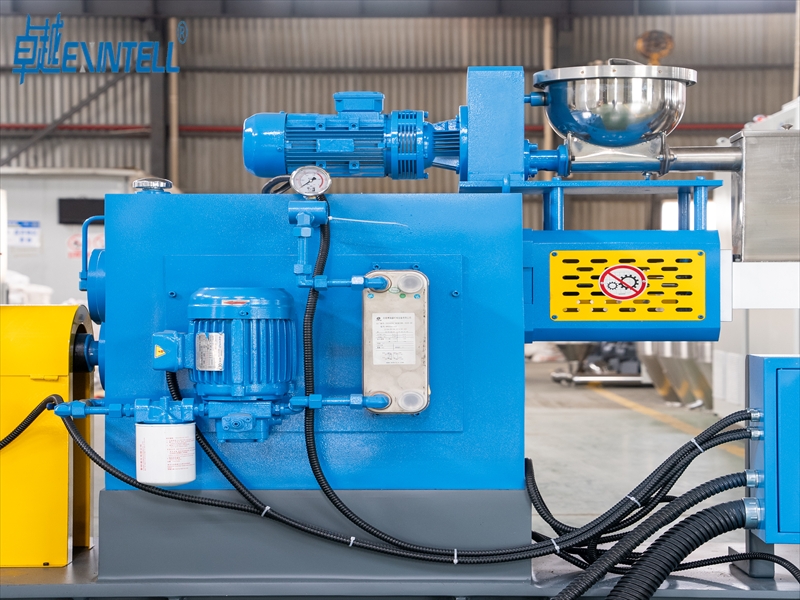
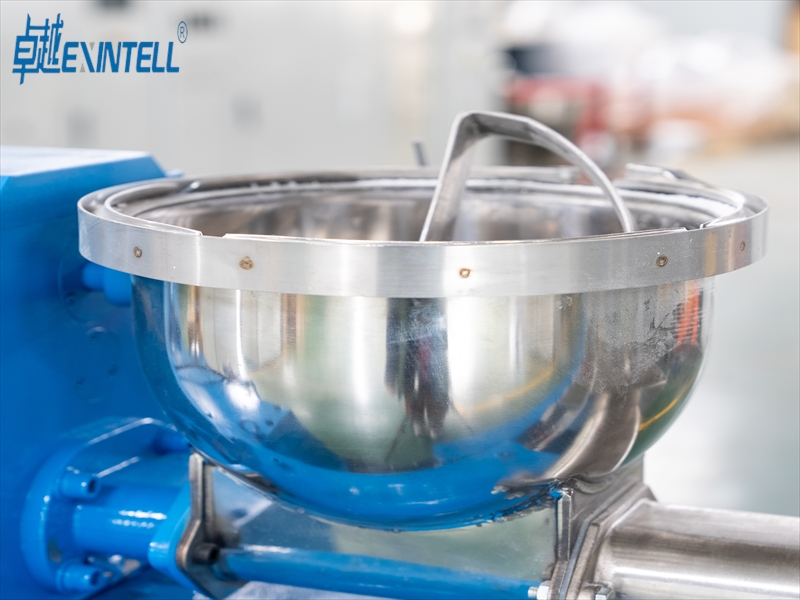
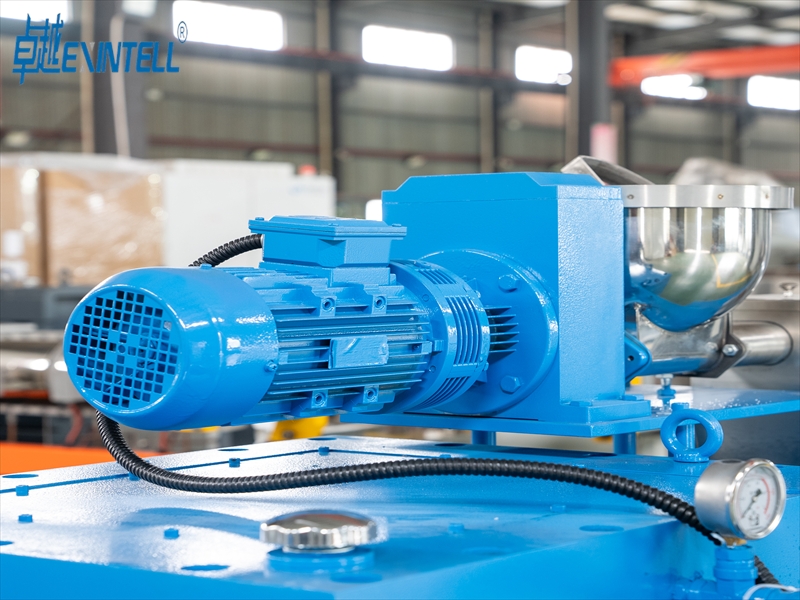
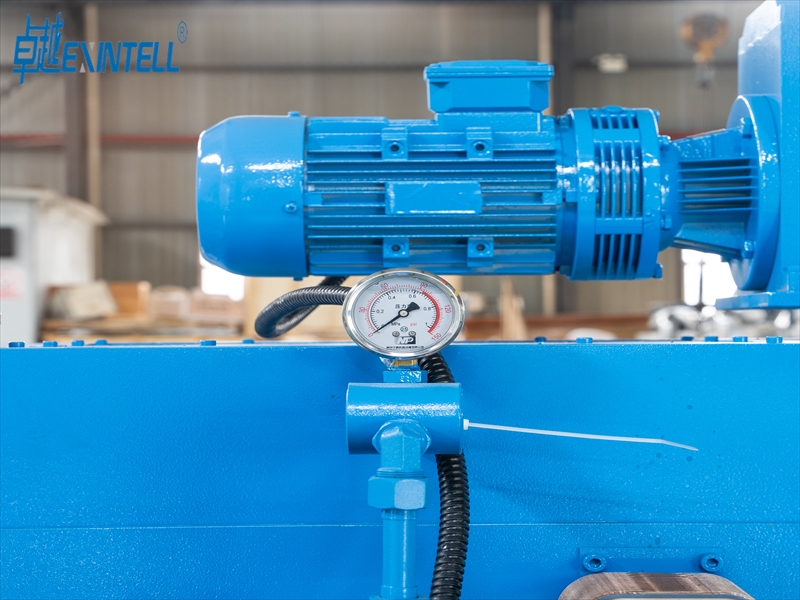
Uhlobo Lwezinto: I select machines with screw designs and barrel setups that suit the plastics I process. Temperature controls must match the material’s requirements.
Uhlobo Lomkhiqizo: I choose machines based on the products I manufacture. Amapayipi, amafilimu, amaphrofayili, and pellets each need unique dies and auxiliary equipment.
Amandla Okukhiqiza: I assess output rates and operating hours. I plan for future growth by ensuring the machine has enough torque and power.
Automation Level: I look for features like PLC controls, touch screens, kanye nokuqapha ngesikhathi sangempela. These features improve stability and reduce labor costs.
Selecting a machine using these criteria gives me optimal performance, izinga lomkhiqizo elingaguquki, kanye nokwethembeka kwesikhathi eside. I always consider the range of applications in plastic extrusion before making a final choice.
Key Questions Before Buying
I ask key questions before I invest in any extrusion equipment. Le mibuzo ingisiza ukuthi ngigweme amaphutha abizayo futhi ngiqinisekise ukuthi umshini uhambisana nezidingo zami. Ngisebenzisa itafula ukuhlela imicabango yami:
Central spindle with multiple planetary screws rotating around it; extraordinary mixing and heat exchange with low shear.
I choose these for high-end PVC sheet and film production. They process PVC at lower temperatures for better clarity but are expensive and complex. Not suited for standard pipe or profile production.
I always consider the types of extrusion machines and their primary uses. This approach ensures I select the right machine for my applications and production goals.
Types of Extrusion Machines
I-Single-Screw Extruders
How Single-Screw Works
I rely on single-screw extruders for straightforward processing tasks. The mechanismuses a single rotating screwinside a thermally insulated barrel. Ngilungisa izinga lokushisa, isivinini sesikulufa, and barrel pressure to match the material. This setup gives me precise control and consistent results. Ubulula be-single-screw benza kube ukukhetha okuthembekile kwezinhlobo eziningi zemishini ye-extrusion.
Ngivame ukukhiqiza amafilimu, amashidi, amapayipi, ishubhu, kanye namaphrofayili. These applications in plastic extrusion benefit from the reliability and simplicity of single-screw.
I-Twin-Screw Extruders
How Twin-Screw Works
Twin-screw extruders use two intermeshing screws. I control the process with advanced screw design and precise settings. This system gives me exceptional material homogeneity. I achieveconsistent dispersion and uniform product quality. Twin-screw handles both large-scale and specialized low-volume runs.
Types of Twin-Screw (Ukujikeleza ngokuhlanganyela, I-counter-rotation)
I select between co-rotating and counter-rotating twin screw extruders. Izikulufu ezijikelezayo zihamba ngendlela efanayo, improving mixing and throughput. Counter-rotating screws move in opposite directions, offering gentle processing for sensitive materials. I choose the type based on my product requirements.
Advantages of Twin-Screw
I value the benefits of using twin screw extruders. Bahlinzeka ngokuxuba okuthuthukile, phatha ukwakheka okuyinkimbinkimbi, futhi unike amandla ukukhiqizwa okungaguquki. Ngithuthukisa i-homogeneity ukuze nginciphise izindleko zekhwalithi futhi ngithuthukise ukwaneliseka kwamakhasimende. Ama-extruder angama-twin-screw ahlukahlukene futhi ayasebenza.
Ngiyakhiqiza impahla yasekhaya, izingxenye zefenisha, imishini yezemidlalo, umshini wokunquma, amafreyimu okuhlunga, ukuvala ama-gaskets, izinhlelo zokuphatha ikhebula, i-wire insulation, kanye nabakaki abafakayo ngama-co-extruder. These types of extrusion machines help me meet industry-specific needs and improve product performance.
Plastic Extrusion Equipment and Process Types
Film Extrusion
I use film extrusion to produce thin plastic sheets for packaging and industrial applications. This process relies on plastic extrusion equipment that melts the polymer and forms it into a continuous film. I monitor each step closely to ensure consistent quality. Inqubo iqala ngokuthi melting the polymer ku-extruder. The melted polymer moves through a die, forming a thick tube. I introduce air to expand the tube, creating a bubble. Cooling and flattening the film follows, then winding the finished film onto rolls.
Isinyathelo
Incazelo
1
Melting the Polymer: The polymer is heated to its melting point in an extruder.
Ngithembele kupulasitiki umshini we-extrusiontechnology to deliver consistent sheet quality and meet industry standards.
Ipayipi kanye ne-Tubing Extrusion
I rely on pipe and tubing extrusion when I need to produce long, continuous lengths of hollow plastic products. This process uses specialized plastic extrusion equipment that pushes molten polymer through a circular die. The result is a seamless pipe or tube with precise dimensions. I adjust the die and calibrator to control the wall thickness and diameter. This flexibility allows me to meet strict industry standards.
I select the right plastic extrusion equipment based on the material and application. Ngokwesibonelo, I use high-output extruders for large-diameter pipes. I choose smaller, precision machines for medical or laboratory tubing. Ngiqapha izinga lokushisa, ingcindezi, and cooling rates to ensure consistent quality. Ngiphinde ngihlole i-ovality ne-surface finish ngesikhathi sokukhiqiza.
I always pay close attention to cooling tanks in my extrusion line. Cooling tanks play a critical role in shaping and solidifying the extruded plastic. When I run my production, I rely on these tanks to ensure the product maintains its intended shape and dimensions. Uniform cooling prevents warping and surface irregularities. I monitor the cooling process to achieve smooth, dimensionally accurate products. Real-time temperature control and monitoring help me maintain consistent quality across all batches. Consistent cooling reduces the need for rework and improves production predictability. I see a direct impact on plant efficiency when cooling tanks operate properly.
I always inspect my cutters and winders for wear and alignment. Regular maintenance ensures reliable operation and high-quality finished products.
Umthelela Kwikhwalithi Yomkhiqizo
I always pay close attention to howimishini engezansishapes the final quality of my extruded products. Each piece of equipment—cooling tanks, amayunithi okudonsa, abasiki, and winders—plays a unique role in determining the consistency, appearance, and performance of the finished product.
When I set up my extrusion line, I focus on these key quality factors:
Ukunemba kweDimensional:Cooling tanks and haul-off units help me maintain tight tolerances. If I notice any variation in product dimensions, I check the water temperature in the cooling tank and the speed of the haul-off unit. Small adjustments often correct issues before they become costly defects.
I-Surface Qeda:I rely on proper cooling and precise cutting to achieve smooth, blemish-free surfaces. If I see scratches or marks, I inspect the rollers and blades for wear. Hlanza, sharp tools always give me the best results.
Izakhiwo Zemishini:Uniform cooling and controlled tension during haul-off preserve the strength and flexibility of the plastic. I avoid rapid cooling, which can cause internal stresses and brittleness.
Ukuvumelana:Automated winders and synchronized downstream equipment ensure every meter of product matches the last. I use real-time monitoring systems to catch deviations early.
Ithiphu: I always document process settings and product measurements for each run. This practice helps me identify trends and make data-driven improvements.
Here’s a quick table showing how each piece of downstream equipment impacts product quality:
Izisetshenziswa
Quality Aspect Affected
My Best Practice
Cooling Tank
Isimo, surface, izilinganiso
Monitor water temp and flow continuously
Haul-Off Unit
Ubukhulu, uniformity
Calibrate speed and tension each shift
Umsiki
Edge quality, ubude
Use sharp blades, check alignment
Winder
Roll consistency, tension
Adjust winding speed, monitor tension
I have learned that even small changes in downstream settings can make a big difference. Ngokwesibonelo, increasing the haul-off speed by just a few percent can thin out the product and cause it to fail quality checks. Regular maintenance and calibration keep my equipment performing at its best.
I always remind my team that quality starts at the extruder but finishes with the downstream equipment. By staying vigilant and proactive, I consistently deliver products that meet or exceed customer expectations.
Comparison of Types of Extrusion Machines
Features and Applications Table
Mina njalo compare the types of extrusion machinesbefore making a decision. I look at key features and the range of applications for each machine. This helps me match the right equipment to my production goals. Nansi a table that summarizeswhat I have learned:
Uhlobo Lomshini Wokukhipha
Izici Eziyinhloko
Izinhlelo zokusebenza
I-Plastiki Extrusion
Handles versatile materials like PVC and ABS
Ukupakisha, ukwakhiwa
Metal Extrusion
Offers strength and durability, but uses more energy
Ukwakha, ukukhiqiza
Food Extrusion
Controls temperature and pressure for uniformity
Ukukhiqiza ukudla okulula nokusanhlamvu
Automotive Extrusion
Produces lightweight parts for fuel efficiency
Manufacturing automotive components
I use this table to quickly identify which machine suits my needs. I focus on the features that matter most for my applications.
Pros and Cons by Machine Type
Mina njalo weigh the pros and consof each machine type. This step helps me avoid unexpected costs and production issues. I have found that single-screw, isikulufu esikabili, and co-extrusion machines each offer unique benefits and drawbacks. Nansi a comparison table:
Isici
I-Single Screw Extruder
I-Twin Screw Extruder
Izinzuzo
Kuqiza kahle, umklamo olula, ukugcinwa okuphansi
Excellent mixing, suitable for a wide range of materials, including those with additives
Ububi
Amandla okuhlanganisa alinganiselwe, not ideal for materials requiring precise blending
I choose single-screw machines when I want simple operation and lower maintenance. I select twin-screw machines for advanced mixing and complex formulations. Co-extrusion machines give me flexibility for multi-layer products, but require careful setup and control.
I always match the machine’s screw and barrel design to the material’s melting point and viscosity. When I process recycled plastics, I pay extra attention to contamination and blending requirements. Material compatibility influences my choice between single-screw and twin-screw machines. Single screw extruders handle basic thermoplastics well, while twin screw extruders excel with blends, izithasiselo, namapulasitiki agaywe kabusha.
Umthamo Wokukhiqiza
Production volume drives my machine selection. I calculate my expected output in kilograms per day or per shift. If my production volume falls between500 futhi 1,000 amakhilogremu, I consider investing in custom dies and specialized machines. This threshold often dictates whether I choose single-screw or twin-screw extruders. Single-screw machines suit low to medium volumes and offer the advantages of single screw extruders, such as simple operation and lower maintenance. Ngokukhiqizwa kwevolumu ephezulu, I rely on twin screw extruders. These machines deliver consistent quality and efficiency, especially when I need to process complex formulations or recycled plastics. The table below shows how production volume influences my decision:
Umthamo Wokukhiqiza (kg)
Implication for Machine Selection
500-1,000
Minimum order volume for custom die investment, influencing machine type selection.
I always plan for future growth. If my business expands, I upgrade to twin-screw machines to handle increased demand and more challenging materials.
Ubunzima boMkhiqizo
Product complexity shapes my approach to machine selection. I assess the geometry, layer structure, and additive requirements for each product. Simple shapes and single-layer products work well with single-screw machines. When I need multi-layer profiles or advanced mixing, I choose twin-screw extruders. The benefits of using twin screw extruders include superior mixing, precise additive incorporation, and flexibility for complex applications. I select twin-screw machines for products with demanding specifications, njengamashubhu ezokwelapha, izingxenye zezimoto, or specialty films. If my application requires intricate shapes or multiple material layers, I consider co-extrusion systems. I always match the machine type to the complexity of my products to ensure consistent quality and performance.
Ithiphu: I review my product designs and material requirements before finalizing my machine selection. This step prevents costly mistakes and ensures my extrusion line meets all production goals.
Maintenance and Costs
I always prioritize maintenance when selecting a plastic extrusion machine. Maintenance impacts both reliability and long-term costs. I have learned that regular upkeep prevents unexpected breakdowns and keeps production running smoothly. I rely on predictive maintenance to monitor my equipment in real time. This approach helps me anticipate faults and plan interventions before problems escalate.
I track several critical parameters on my extrusion machines:
Abnormal vibrations signal mechanical wear or misalignment.
Increased temperatures indicate possible overheating or friction.
Non-standard extrusion pressure points to blockages or material inconsistencies.
Abnormal energy consumption reveals inefficiencies or electrical issues.
By monitoring these factors, I reduce unplanned downtime. I address issues before they cause major failures. Predictive maintenance allows me to optimize planned maintenance. I act only when data shows a need, which saves time and resources. This strategy extends the life of my extruders. I monitor wear and mechanical stress closely, replacing parts only when necessary.
Ithiphu: I always keep a log of maintenance activities and machine performance. This record helps me spot trends and make informed decisions about repairs or upgrades.
Maintenance costs include routine inspections, izingxenye ezisele, umsebenzi, kanye nokusetshenziswa kwamandla. I budget for these expenses every year. I find that efficient spare parts management lowers emergency repair costs. I order parts based on usage data, not guesswork. This practice prevents overstocking and reduces waste.
Here is a table summarizing my maintenance approach and its impact on costs:
Maintenance Activity
Impact on Costs
My Best Practice
Predictive Monitoring
Reduces unplanned downtime
Use sensors for real-time alerts
Routine Inspections
Prevents major failures
Schedule monthly checks
Spare Parts Management
Controls inventory expenses
Order based on machine data
Energy Consumption Review
Identifies inefficiencies
Track power usage weekly
I always consider maintenance requirements when comparing machine types. Single-screw extruders usually need less maintenance. Twin-screw and co-extrusion machines require more attention due to their complexity. I factor these costs into my total cost of ownership calculations.
Maintenance is not just about fixing problems. It is about protecting my investment and ensuring consistent product quality. I invest in training my staff so they understand the importance of regular checks and predictive monitoring. This commitment pays off with fewer emergencies and better cost control.
Common Mistakes in Choosing Extrusion Machines
Overlooking Material Needs
I often see buyers overlook material needs when choosing extrusion machines. I always start by identifying the types of plastics I plan to process. If I ignore material compatibility, I risk poor product quality and wasted resources. Ngokwesibonelo, I select single-screw extruders when I work with basic thermoplastics. These machines handle materials like polyethylene and polypropylene with ease. When I need to process blends or recycled plastics, Ngithembele kuma-twin-screw extruder. Twin-screw machines offer superior mixing and dispersion. I never assume that one machine fits all materials. I check the melting point, i-viscosity, and additives for each polymer. This step prevents costly mistakes and ensures consistent results.
Ithiphu: I always ask suppliers about screw design and barrel setup for my specific materials. This practice helps me avoid downtime and defects.
Ignoring Future Growth
I learned that ignoring future growth can limit my production and profitability. I always plan for expansion when selecting extrusion machines. If I choose a single-screw machine for current needs, I consider whether it can handle increased volume later. I-Twin-screw extrudersprovide flexibility for scaling up production. I review my business goals and forecast demand before making a purchase. I also check if the machine supports upgrades or additional lines. Planning for growth saves me from expensive replacements and disruptions.
Here is a simple checklist I use:
Estimate future production volume.
Assess machine scalability.
Confirm compatibility with new materials or products.
Evaluate space for expansion.
I never underestimate the importance of future-proofing my extrusion line. This approach keeps my operations efficient and competitive.
Underestimating Maintenance
I see many buyers underestimate maintenance requirements. I always factor maintenance into my decision. Single screw extruders need less maintenance due to their simple design. Twin screw extruders require more attention because of their complexity. I track maintenance schedules, ukutholakala kwezingxenye ezisele, kanye nokuqeqeshwa kwabasebenzi. If I neglect maintenance, I face unexpected breakdowns and higher costs. I use predictive monitoring to catch issues early. Regular inspections and proper documentation keep my machines running smoothly.
Uhlobo Lomshini
Izinga Lokulungisa
Common Issues
Isikulufu esisodwa
Phansi
Gqoka, basic cleaning
I-Twin-screw
Phezulu
Alignment, mixing wear
Qaphela: I always invest in staff training and spare parts inventory. This strategy reduces downtime and protects my investment.
I avoid these mistakes by staying informed and proactive. I match machine types to material needs, plan for growth, and prioritize maintenance. This process helps me achieve reliable production and high-quality products.
Checklist for Selecting Plastic Extrusion Equipment
Step-by-Step Selection
I always follow a structured approach when I select plastic extrusion equipment. This method helps me avoid mistakes and ensures I get the best results for my production line. Here is my step-by-step process:
Ukukhetha Okubalulekile I start by identifying the right plastic material for my application. I consider the product’s end use, environmental exposure, and durability needs. I often choose between HDPE, i-polypropylene, I-PVC, noma i-polystyrene, depending on the project.
Equipment Choice I match the plastic extrusion equipment to my production requirements. For simple profiles and high-volume output, I rely on single-screw machines. When I need to blend or compound materials, I use twin-screw extruders. If my product requires multiple layers or enhanced features, I select co-extruders.
Izisetshenziswa Ezisizayo I include essential systems like cooling tanks, amaconveyors, and cutting machines. These components improve efficiency and help me maintain consistent quality throughout the extrusion process.
Production Volume Assessment I calculate my expected output and make sure the plastic extrusion equipment can handle the workload. I plan for future growth to avoid bottlenecks.
Quality Control Planning I set up systems for real-time monitoring and defect detection. This step ensures I maintain high standards and reduce waste.
Ithiphu: I always document each step in my selection process. This record helps me review decisions and improve future purchases.
Supplier Questions
When Ievaluate suppliersfor plastic extrusion equipment, I ask targeted questions to ensure I make an informed choice:
What experience do you have with my chosen material and product type?
Can you provide references from similar projects?
How do you support installation, ukuqeqeshwa, kanye nesevisi yangemuva kokuthengisa?
What is the lead time for delivery and setup?
Do you offer spare parts and maintenance packages?
How do you handle warranty claims and technical support?
I always request detailed specifications for single-screw, isikulufu esikabili, and co-extrusion machines. I ask for documentation on energy efficiency, izici zokuphepha, and compliance with industry standards.
Final Decision Tips
Before I finalize my investment in plastic extrusion equipment, I review these final tips:
I compare multiple quotes and check for hidden costs.
I visit the supplier’s facility if possible to see the equipment in action.
I verify the availability of spare parts for single-screw and other machines.
I confirm that the supplier offers training for my team.
I ensure the equipment can adapt to new materials or products in the future.
Qaphela: I never rush my decision. Taking time to follow this checklist helps me avoid costly errors and ensures long-term success with my plastic extrusion machine.
I always align my plastic extrusion machine choice with my production goals and application needs. I review single-screw, isikulufu esikabili, and co-extrusion machines to match each to its best use. My final checklist includes:
Confirm material compatibility
Assess production volume
Evaluate product complexity
Plan for maintenance
I recommend consulting suppliers or industry experts before making a purchase. Take time to research and make an informed decision.
FAQ
What is the most important factor when choosing a plastic extrusion machine?
I always focus on material compatibility first. The machine must process my chosen polymer efficiently. This step prevents defects and ensures consistent quality.
How do I calculate the right production capacity for my extrusion line?
I estimate my daily or weekly output needs. I check machine specifications and match them to my target volume. Planning for future growth helps me avoid bottlenecks.
Can I use one extrusion machine for different materials?
I can process multiple materials if the machine supports quick changeovers and has the right screw design. I always consult the manufacturer before switching materials.
What maintenance tasks should I perform regularly?
I schedule routine inspections, clean the barrel and screw, and check for wear. I monitor temperature and pressure sensors. Regular maintenance keeps my line running smoothly.
How do I reduce defects in extruded products?
Ngiqapha izinga lokushisa, isivinini sesikulufa, and cooling rates closely. I adjust settings based on product feedback. I document every change to track improvements.
Is automation necessary for small-scale extrusion?
I find automation helpful, even for small runs. Features like PLC controls and real-time monitoring improve consistency and reduce labor costs.
What should I ask my supplier before buying a machine?
I request references, technical support details, kanye nokutholakala kwezingxenye ezisele. I ask about training and warranty terms. I always verify compliance with industry standards.
How do I know if I need a twin-screw extruder?
I choose twin-screw extruders for complex mixing, izinto ezigaywe kabusha, or high-volume production. If my process needs advanced compounding, I select this type.