

Kini A Twin dabaru Extruder osunwon: Itọsọna Alagbasọ B2B Ijuwe fun Awọn olura Agbaye ni
Twin screw extruders ti di ẹhin ti igbalode pilasitik compounding, ounje processing, elegbogi iṣelọpọ, ati imọ-ẹrọ kemikali. Fun awọn olura B2B lilọ kiri ni ọja osunwon — boya orisun lati a ibeji dabaru extruder olupese ni Ilu China, a European OEM olupese, tabi a North American factory — agbọye ala-ilẹ osunwon jẹ pataki lati ni aabo idiyele ifigagbaga, gbẹkẹle didara, ati ọjo isowo ofin. Itọsọna yi fi opin si isalẹ awọn ibeji dabaru extruder osunwon ilolupo, ṣe ayẹwo iṣowo dainamiki mura igbankan ni, ati pe o pese oye itetisi orisun iṣẹ fun awọn ti onra ile-iṣẹ ni kariaye.
Ohun elo iṣelọpọ ile-iṣẹ pẹlu ẹrọ eru ati ohun elo extrusion ti a lo ninu awọn laini iṣelọpọ osunwon B2B
Oye Twin dabaru Extruders: Mojuto Technology Behind osunwon eletan
A twin screw extruder is an industrial machine featuring two intermeshing, co-rotating or counter-rotating screws housed within a closed barrel. The screws convey, dapọ, knead, ati apẹrẹ awọn ohun elo aise — polymers, ounje eroja, pharmaceutical compounds, or chemical feedstocks — under controlled temperature and pressure conditions. The result is a continuous, highly efficient processing method that outperforms single screw alternatives in mixing quality, throughput flexibility, and material versatility.
The wholesale market for twin screw extruders exists because industrial buyers rarely purchase a single unit. Compounding plants, food processing facilities, and contract manufacturers typically require multiple machines configured for different product lines, plus spare parts, awọn agba, dabaru eroja, and downstream equipment. This creates a natural wholesale dynamic where volume purchasing from a ibeji dabaru extruder factory or authorized distributor yields significant cost advantages.
Key specifications that wholesale buyers evaluate include:
- Skru opin (typically 20mm to 135mm for standard models, up to 300mm+ for large-scale production)
- Ipin L/D (length-to-diameter, commonly 32:1 si 52:1 depending on application)
- Torque rating and specific energy input capacity
- Barrel configuration (number of zones, heating/cooling capability)
- Throughput capacity (kg/hour), ranging from lab-scale 5 kg/h to industrial 20,000+ kg/h
- Material of construction (nitrided irin, bimetallic, tungsten carbide overlays)
Ni ibamu si data lati Grand Wo Iwadi (2024), ọja agbaye ibeji skru extruder ni idiyele ni isunmọ USD 1.2 bilionu ni 2023 ati pe o jẹ iṣẹ akanṣe lati dagba ni CAGR kan ti 5.8% nipasẹ 2030, driven by demand in plastics compounding, masterbatch gbóògì, and food extrusion applications.
The Wholesale Ecosystem: Awọn olupese, Awọn olupese, Awọn ile-iṣẹ & Distributors
Understanding the distinction between different wholesale channel participants is essential for B2B procurement teams:
A ibeji dabaru extruder olupese designs and builds machines from the ground up. These companies control R&D, ina-, component fabrication, ijọ, ati igbeyewo didara. Major manufacturers include Coperion (Jẹmánì), KraussMaffei (Jẹmánì), Leistritz (Jẹmánì), JSW (Japan), LILO (China), Nanjing Jieya (China), and Nanjing Chuangbo (China). Buying directly from a manufacturer typically offers the best pricing for large orders but may involve longer lead times and higher MOQs.
A Twin dabaru extruder olupese may or may not manufacture the equipment. Suppliers often serve as regional distributors, value-added resellers, or trading companies that aggregate products from multiple factories. They provide localized service, faster delivery from regional warehouses, and sometimes financing options. For buyers in the US and EU, working with a local supplier can simplify after-sales service and spare parts logistics.
A ibeji dabaru extruder factory refers specifically to the production facility. In B2B wholesale contexts, "factory direct" pricing is a key selling point, particularly for buyers sourcing from Chinese manufacturing hubs in Nanjing, Zhangjiagang, ati Guangzhou — cities that have become global centers for extrusion equipment production.
The wholesale tier adds another layer: bulk purchasing agreements, annual supply contracts, and fleet deals where a buyer commits to purchasing multiple units or a defined dollar volume over a set period in exchange for discounted unit pricing, priority production scheduling, and extended warranty terms.
Twin Screw Extruder Factory Global shipping containers at a major international port representing B2B wholesale trade logistics for industrial machinery Extruder Ender 3 Pro
Trade Policy Landscape Affecting Industrial Machinery Wholesale in
The transatlantic trade corridor between the United States and European Union remains one of the world's largest bilateral trade relationships, pẹlu awọn ẹru ati iṣowo iṣẹ ti o kọja USD 1.3 aimọye lododun ni ibamu si awọn U.S. International Trade Administration (ITA), 2024 data. For twin screw extruder wholesale buyers, orisirisi awọn idagbasoke eto imulo ni o wa taara ti o yẹ:
Ayika owo idiyele: AMẸRIKA ṣe itọju awọn owo-ori lori awọn ẹka kan ti awọn agbewọle agbewọle ẹrọ ile-iṣẹ. Labẹ Iṣeto Owo-ori Ibamupọ (HTS), Twin dabaru extruders gbogbo subu labẹ akori 8477 (ẹrọ fun ṣiṣẹ roba tabi pilasitik). Awọn oṣuwọn iṣẹ yatọ nipasẹ orilẹ-ede abinibi. Awọn extruders ti a ṣelọpọ EU ti nwọle si AMẸRIKA koju MFN (Julọ ojurere orilẹ-) awọn ošuwọn ojo melo laarin 3.1% ati 4.4%, nigba ti Chinese-ṣelọpọ ẹrọ le jẹ koko ọrọ si afikun Abala 301 ibode orisirisi lati 7.5% si 25%, da lori akọle HTS kan pato ati awọn imukuro eyikeyi ti o wulo.
Ṣiṣu Pipe extrusion osunwon Awọn European Commission's Directorate-General for Trade ti n ṣe idunadura pẹlu AMẸRIKA lori awọn ohun alumọni to ṣe pataki, irin ati aluminiomu owo awọn atunṣe, ati awọn ilana iṣowo imọ-ẹrọ jakejado tete. Nigba ti ibeji dabaru extruders ko ba wa ni taara ìfọkànsí nipasẹ awọn wọnyi idunadura, the broader tariff environment influences procurement decisions — particularly for US buyers evaluating whether to source from EU manufacturers (lower tariff, higher unit cost) versus Chinese factories (potentially higher tariff, lower unit cost).
Supply Chain Due Diligence: The EU's Corporate Sustainability Due Diligence Directive (CSDDD), which entered into force in 2024, requires large EU companies to identify and mitigate adverse human rights and environmental impacts in their supply chains. For EU-based wholesale buyers of twin screw extruders, this means increased scrutiny of manufacturing conditions at supplier factories, particularly those in developing economies. Compliance documentation, factory audits, and sustainability certifications are becoming standard requirements in wholesale procurement contracts.
Export Controls and Technology Transfer: While standard twin screw extruders are not subject to export controls, specialized configurations used in advanced materials processing (f.eks., certain polymer composites for aerospace or defense applications) may fall under dual-use technology regulations administered by the U.S. Bureau of Industry and Security (BIS) and the EU's Dual-Use Regulation. Wholesale buyers in sensitive industries should verify end-use compliance before placing bulk orders.
B2B Trade Opportunities in the Twin Screw Extruder Wholesale Market
The wholesale twin screw extruder market presents several compelling opportunities for B2B buyers in:
1. Plastics Recycling and Circular Economy Demand: Mejeeji AMẸRIKA ati EU ti ṣe imuse awọn ibi-atunlo ibinu. The EU's Packaging and Packaging Waste Regulation (PPWR), imudojuiwọn ni 2024, paṣẹ akoonu atunlo ti o kere ju ninu apoti ṣiṣu — 30% nipasẹ 2030 ati 65% nipasẹ 2040. Twin Screw Plastic Extruder Wholesale Twin screw extruders are essential for compounding recycled polymers, removing contaminants, ati ṣiṣe awọn pelleti ti a tunlo ti o ni ibamu pẹlu awọn iwuwọn didara didara wundia. Titari ilana yii n wa ibeere osunwon fun awọn atunto extruder atunlo pataki. Twin dabaru Extruder Machine Factory
Gẹgẹ bi Association of Plastic Recyclers (APR), Agbara atunlo pilasitik North America ni a nireti lati pọ si nipasẹ 40% laarin 2024 ati 2028, nilo idoko-owo pataki ni ohun elo extrusion.
Masterbatch Machine olupese 2. Ounje ati Pet Food Extrusion Growth: Ọja ounje ọsin agbaye, ni idiyele lori USD 150 bilionu ni 2024 fun Euromonitor International, gbekele darale lori ibeji dabaru extrusion fun a producing kibble, awọn itọju, ati ifojuri amuaradagba awọn ọja. Awọn olura osunwon ni eka yii — pẹlu awọn aṣelọpọ adehun ati awọn aṣelọpọ aami-ikọkọ — n pọ si agbara kọja awọn ọja AMẸRIKA ati EU.
3. Elegbogi ati Nutraceutical Awọn ohun elo: Gbona-yo extrusion (HME) lilo awọn extruders ibeji ti di imọ-ẹrọ iṣelọpọ elegbogi akọkọ fun imudarasi bioavailability oogun.. Awọn U.S. FDA ati Ile-iṣẹ Oogun Yuroopu (EMA) ti fọwọsi ọpọlọpọ awọn ọja oogun ti a ṣe ilana HME, ijẹrisi imọ-ẹrọ ati wiwakọ awọn rira ohun elo osunwon nipasẹ CDMOs (Idagbasoke Adehun ati Awọn ile-iṣẹ iṣelọpọ).
4. Awọn ohun elo Batiri ati Iyipada Agbara: Twin dabaru extruders ti wa ni increasingly lo ninu litiumu-dẹlẹ batiri ẹrọ elekiturodu — pataki fun awọn gbẹ elekiturodu processing ati cathode / anode slurry dapọ. Pẹlu mejeeji Ofin Idinku Idawọle AMẸRIKA (IRA) ati Ilana Batiri EU ti n ṣe iwuri fun iṣelọpọ batiri inu ile, Ibeere osunwon fun awọn atunto extruder pataki ni eka yii n yara ni iyara.
Ile-ipamọ ile-iṣẹ ode oni pẹlu akojo ẹrọ eleto ti o nsoju pinpin osunwon ti ẹrọ iṣelọpọ
Awọn italaya ti nkọju si Awọn olura Osunwon B2B ti Twin Screw Extruders
Pelu awọn ipilẹ ọja ti o lagbara, awọn olura osunwon koju ọpọlọpọ awọn italaya:
Iyipada owo ati Ewu Owo: Twin dabaru extruder ifowoleri yatọ bosipo nipa Oti. A boṣewa 65mm àjọ-yiyi ibeji dabaru extruder ila (pẹlu atokan, extruder, pelletizing eto, ati idari) le jẹ 80,000 USD–150,000 lati kan Chinese factory, 250.000 USD–500,000 lati a European olupese, ati USD 200,000–400,000 lati kan US-orisun Akole. Awọn iyipada owo laarin EUR, USD, ati CNY le yi iṣiro idiyele idiyele ni pataki lori akoko rira kan. Ninu Q1, iyipada oṣuwọn paṣipaarọ EUR/USD ti ṣafikun 3–5% aidaniloju si awọn rira ohun elo transatlantic.
Awọn akoko asiwaju ati Iṣeto iṣelọpọ: Iṣe deede pq ipese ajakale-arun ti ni ilọsiwaju awọn akoko asiwaju, ṣugbọn osunwon bibere (5+ awọn ẹya) tun nilo 4–8 osu lati ibere ìmúdájú to ifijiṣẹ fun julọ awọn olupese. Awọn ile-iṣẹ Kannada nigbagbogbo nfunni ni awọn akoko idari kukuru (3–5 osu) akawe si European OEMs (5–10 osu), a factor that influences wholesale sourcing decisions.
Quality Assurance and Standardization: The absence of a single global standard for twin screw extruder manufacturing creates quality variance across suppliers. European manufacturers typically build to CE marking requirements and often exceed them. Chinese factories vary widely — top-tier producers like USEON and Nanjing Jieya deliver equipment comparable to European quality, while lower-tier factories may cut corners on metallurgy, awọn ifarada ẹrọ, and control system integration. Wholesale buyers must implement robust supplier qualification processes including factory audits, reference checks, and acceptance testing protocols.
Lẹhin-Tita Service ati apoju Parts: For wholesale buyers operating fleets of extruders, after-sales service availability is critical. European and US manufacturers typically maintain regional service centers and spare parts inventories. Chinese manufacturers Screw Extruder Factory have been investing in overseas service capabilities but coverage remains uneven. A wholesale agreement should explicitly address spare parts pricing, ifijiṣẹ timelines, remote diagnostic support, and on-site service response times.
Awọn ifiyesi Ohun-ini Ọgbọn: The twin screw extruder market has seen IP disputes, particularly around screw element designs and barrel configurations. Wholesale buyers should ensure that their suppliers hold valid patents or licenses for the technology they sell, and that purchase agreements include IP indemnification clauses.
Geographic and Policy Advantages in Extruder Trade
The trade corridor offers specific advantages for twin screw extruder wholesale procurement:
Ilana titete: US and EU safety standards for industrial machinery share significant common ground. CE siṣamisi (EU) and OSHA/NFPA compliance (US) address similar hazard categories, making it relatively straightforward to deploy EU-manufactured extruders in US facilities and vice versa. This regulatory compatibility reduces the compliance burden for wholesale buyers operating on both sides of the Atlantic.
Logistics Infrastructure: Awọn ebute oko nla pẹlu Rotterdam, Hamburg, Antwerp (EU) and Los Angeles, Houston, Savannah (US) handle heavy industrial machinery efficiently. Established freight forwarding networks, customs brokerage services, and inland transportation systems support the movement of wholesale extruder shipments. Transit times for ocean freight between EU and US ports average 12–18 awọn ọjọ, with well-developed project cargo capabilities for oversized equipment.
Iṣowo Iṣowo ati iṣeduro: The corridor benefits from mature trade finance infrastructure. okeere gbese ajo — pẹlu awọn U.S. Okeere-Ikowọle Bank (EXIM) ati European deede bi Euler Hermes (Jẹmánì) ati BPI France — pese owo ati awọn ọja iṣeduro apẹrẹ pataki fun awọn iṣowo ohun elo olu. Awọn olura osunwon le lo awọn eto wọnyi lati mu ilọsiwaju sisan owo dara ati dinku eewu isanwo.
Awọn agbegbe Iṣowo Ọfẹ ati Awọn ile-iṣẹ Idemọ: Mejeeji US (Awọn agbegbe Iṣowo Ajeji) ati I (Awọn agbegbe Ọfẹ) pese idaduro iṣẹ ati awọn eto idinku ti o ṣe anfani awọn agbewọle osunwon ti awọn apanirun skru twin. Nipasẹ awọn ohun elo ipa-ọna nipasẹ awọn agbegbe ti a yan, awọn ti onra le daduro awọn sisanwo owo idiyele titi ti awọn ẹrọ yoo fi gbe lọ, din awọn iṣẹ lori tun-okeere ẹrọ, ati ki o fese awọn gbigbe fun iye owo ṣiṣe.
Ipade idunadura iṣowo kariaye laarin awọn alamọja iṣowo ti n jiroro awọn adehun osunwon B2B
Awọn Iwadi Ọran Ohun-ini Osunwon Extruder ni Iwaṣe
Ikẹkọ Ọran 1: European Compounder Scaling pẹlu Chinese osunwon Ipese
Olupilẹṣẹ pilasitik ara ilu Jamani ti aarin ti o amọja ni awọn thermoplastics ti ẹrọ nilo lati faagun agbara kọja awọn ohun elo EU mẹta ni nigbakannaa. Dipo ki o ra lati ọdọ olupese European OEM ti aṣa wọn (akoko asiwaju: 8 osu, iye owo kuro: EUR 420,000), Wọn ṣe igbelewọn orisun orisun agbaye ati ṣe idanimọ ile-iṣẹ twin screw extruder ti o da lori Nanjing ti o lagbara lati jiṣẹ awọn laini extruder 75mm afiwera ni EUR 135,000 fun kuro.
Awọn ile-idunadura a osunwon adehun fun 8 sipo pẹlu awọn wọnyi awọn ofin: igbeyewo gbigba factory (Ọra) jẹri nipasẹ wọn Enginners ni China, Ijẹrisi CE ati iwe-ẹri, 24-Atilẹyin ọja oṣu pẹlu wiwa awọn ohun elo ti o ni idaniloju lati ile-itaja Yuroopu kan, and installation supervision by the manufacturer's field service team. Lapapọ awọn ifowopamọ iṣẹ akanṣe kọja EUR 2 milionu akawe si European OEM aṣayan, pẹlu kan asiwaju akoko idinku ti 3 osu. Ohun pataki aṣeyọri ni idoko-owo ni pipeye olupese olupese — pẹlu meji factory ọdọọdun, itọkasi onibara ojukoju, ati idanwo irin-irin ominira ti awọn eroja dabaru ati awọn ila agba.
Ikẹkọ Ọran 2: US Pet Food olupese Ilé titun kan Production Campus
Ile-iṣẹ ounjẹ ọsin AMẸRIKA pataki kan ti n kọ ile iṣelọpọ alawọ ewe ni Agbedeiwoorun ti o nilo 12 ibeji dabaru extruder ila fun producing gbẹ kibble, awọn itọju, ati ifojuri Ewebe amuaradagba. Ẹgbẹ igbankan funni ni RFQ kan si awọn aṣelọpọ marun — meji European, Chinese meji, ati ọkan US-orisun. Lẹhin imọ imọ, nwọn ti yan a pipin-orisun nwon.Mirza: 8 awọn sipo lati ọdọ olupese Kannada fun iṣelọpọ kibble boṣewa (ibi ti awọn ọna ẹrọ ti wa ni daradara-mulẹ) ati 4 awọn sipo lati European OEM fun awọn laini itọju pataki ti o nilo awọn agbara àjọ-extrusion ilọsiwaju.
Adehun osunwon pẹlu olupese Kannada pẹlu kan 12% iwọn didun eni pa ifowoleri akojọ, staggered ifijiṣẹ lori 6 osu lati mö pẹlu ikole milestones, ati ẹri idiyele idiyele awọn ẹya 5-ọdun. European OEM pese atilẹyin idagbasoke ohun elo, pẹlu awọn idanwo iṣapeye ohunelo ni ile-iṣẹ idanwo wọn, gẹgẹ bi ara ti awọn osunwon package. Ọna wiwa arabara yii ni iwọntunwọnsi idiyele idiyele pẹlu awọn ibeere agbara imọ-ẹrọ.
Ikẹkọ Ọran 3: Adehun Pharmaceutical olupese Standardizing Equipment Fleet
CDMO ti Ilu Yuroopu kan ti n ṣiṣẹ awọn iṣẹ extrusion gbigbona fun awọn alabara elegbogi pinnu lati ṣe iwọn awọn ọkọ oju-omi ọkọ oju-omi kekere ohun elo wọn lori pẹpẹ iru ẹrọ skru skru twin kan lati jẹ ki afọwọsi di irọrun., ikẹkọ, ati spare awọn ẹya ara isakoso. Wọn ṣe adehun adehun ilana ilana ọdun 5 pẹlu olupese German kan fun ipese osunwon ti 16mm, 27mm, ati 40mm extruder si dede — ibora ti iwọn-laabu nipasẹ awọn ibeere iwọn iṣelọpọ.
Adehun ilana pese idiyele ti o wa titi fun iye akoko adehun naa (ni titunse lododun fun afikun), priority production scheduling, igbẹhin imọ support, ati idagbasoke ifowosowopo ti awọn ẹya elegbogi-pato. Ilana isọdọtun dinku awọn idiyele iyege wọn nipasẹ ifoju 35% fun fifi sori ẹrọ titun ati ilọsiwaju iṣẹ ikẹkọ agbelebu oniṣẹ kọja awọn ohun elo ni Germany, Ireland, ati United States.

Awọn alamọdaju iṣowo n ṣe itupalẹ data iṣowo ati awọn ilana rira lori awọn iboju oni-nọmba ni ọfiisi ode oni
Trade Trend Asọtẹlẹ: Twin dabaru Extruder osunwon Market — Aarin- Outlook
Da lori lọwọlọwọ oja ifi, imulo idagbasoke, ati oye ile ise, ọpọlọpọ awọn aṣa ni a nireti lati ṣe apẹrẹ ọja osunwon twin skru extruder ni atẹle 1–2 osu:
1. Tariff Uncertainty Will Drive Pre-Buying: With ongoing US trade policy reviews and potential tariff adjustments on Chinese industrial machinery, wholesale buyers are likely to accelerate purchase decisions in Q2 to lock in current duty rates. This "tariff front-loading" behavior was observed in 2018–2019 during the initial Section 301 tariff implementation and is already emerging in early order patterns reported by Chinese manufacturers.
2. Sustainability Specifications Will Become Standard in Wholesale RFQs: Driven by the EU's CSDDD and growing ESG reporting requirements, wholesale buyers will increasingly require manufacturers to provide carbon footprint data, agbara ṣiṣe-wonsi, and sustainability certifications as part of their quotations. Manufacturers who proactively develop this documentation will gain competitive advantage in wholesale tenders.
3. Consolidation Among Chinese Manufacturers: The Chinese twin screw extruder manufacturing sector — currently fragmented with over 100 producers — is expected to continue consolidating. Top-tier factories are acquiring smaller competitors, investing in automation, and expanding international sales teams. For wholesale buyers, this consolidation should improve average quality levels but may reduce the extreme low-cost options that have historically been available.
4. Digital Procurement Platforms Will Gain Traction: B2B platforms including Alibaba.com, Ṣe-in-China.com, and specialized industrial equipment marketplaces are improving their capabilities for complex capital equipment transactions. While wholesale twin screw extruder purchases still require significant offline negotiation and technical evaluation, digital platforms are increasingly used for initial supplier discovery, preliminary quotation, and market intelligence gathering.
5. Nearshoring and Regionalization: US buyers are showing increased interest in Mexican and Turkish manufacturing sources as alternatives to Chinese supply, driven by tariff avoidance, shorter supply chains, and trade agreement benefits (USMCA for Mexico, EU-Turkey Customs Union for European buyers). While twin screw extruder manufacturing capability in these countries is still developing, several Turkish and Mexican companies are investing in production capacity to serve this emerging demand.
6. Service-Inclusive Wholesale Models: The traditional wholesale model of "buy equipment, negotiate service separately" is evolving toward integrated packages that bundle equipment, fifi sori ẹrọ, ifiṣẹṣẹ, ikẹkọ, spare parts inventory, and multi-year service agreements into a single wholesale contract. Aṣa yii ṣe afihan yiyan ti olura fun idiyele lapapọ ti ohun-ini ti asọtẹlẹ ati idiju rira ti o dinku.
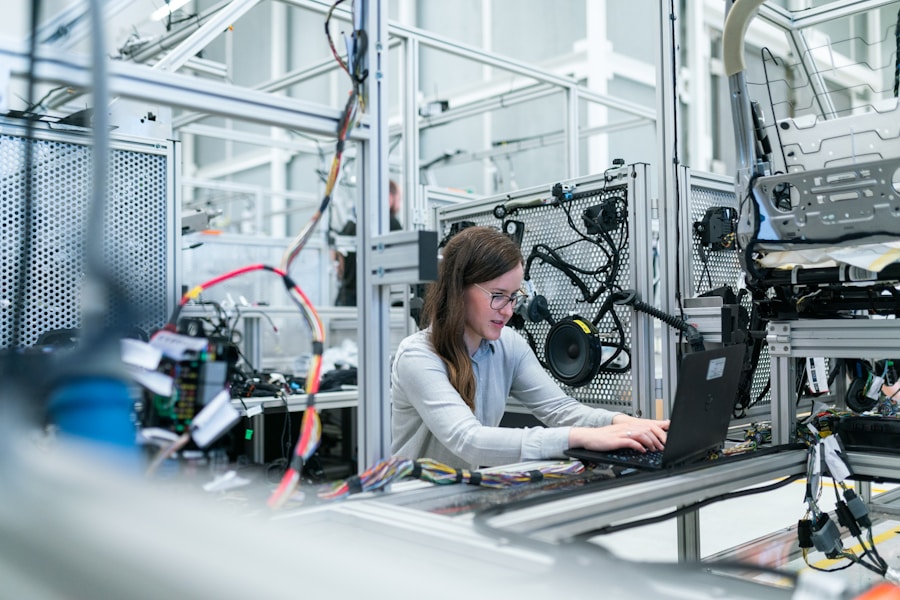
Imọ-ẹrọ iṣelọpọ ilọsiwaju ati awọn eto adaṣe ni agbegbe iṣelọpọ ile-iṣẹ ode oni
B2B Industrial Safety Footwear: Idabobo Awọn oṣiṣẹ ni Awọn agbegbe iṣelọpọ Extrusion
Twin dabaru extruder osunwon mosi — lati awọn ilẹ ipakà ile-iṣẹ nibiti awọn ẹrọ ti ṣajọpọ si awọn ohun elo iṣelọpọ nibiti wọn ti ṣiṣẹ — ṣafihan awọn eewu iṣẹ ṣiṣe pataki ti o beere ohun elo aabo ti ara ẹni to dara (PPE). Lara awọn pataki julọ sibẹsibẹ nigbagbogbo aṣemáṣe awọn ẹka PPE ni bata ailewu. Ni ipo ti iṣowo ile-iṣẹ B2B, ailewu bata ati orunkun apẹrẹ fun awọn agbegbe iṣelọpọ kii ṣe awọn ẹya ẹrọ iyan — wọn jẹ awọn ibeere ilana ati awọn iwulo iṣẹ. Plastic Extrusion Process Animation
Why Toe Protection Matters in Extrusion Environments:
Twin screw extruder facilities handle heavy components daily. A single screw element can weigh 5–15 kg, a barrel section 50–200 kg, and a complete gearbox 500–2,000 kg or more. During installation, itọju, and wholesale warehouse operations, these components are lifted, transported, and positioned — creating constant risk of crush injuries to feet and toes. Ni ibamu si awọn U.S. Bureau of Labor Statistics (BLS), 2024 data, Awọn ipalara ẹsẹ jẹ iroyin fun isunmọ 7% ti gbogbo awọn ipalara ibi iṣẹ ni iṣelọpọ, pẹlu apapọ ti 16 sọnu workdays fun isẹlẹ. Clear Extruded Acrylic Tubing
The financial impact is substantial. Awọn National Abo Council (NSC) estimates the average cost of a workplace foot injury at USD 9,600 ni taara egbogi owo, pẹlu lapapọ owo (pẹlu ti sọnu ise sise, osise' biinu, ati Isakoso inawo) reaching USD 42,000–58,000 fun isẹlẹ. For a wholesale extruder operation handling hundreds of heavy components monthly, even a single foot injury can exceed the annual cost of providing safety footwear to the entire workforce.
Awọn Ilana Footwear Aabo fun Awọn Ayika Iṣẹ:
Awọn olura B2B ti n ṣawari bata bata ailewu fun awọn agbegbe iṣelọpọ extrusion yẹ ki o loye awọn iṣedede to wulo:
- ASTM F2413 (US Standard): Ṣe alaye awọn ibeere iṣẹ ṣiṣe fun bata bata aabo pẹlu resistance ipa (I/75 = 75 ft-lbs Idaabobo ikolu), funmorawon resistance (C/75 = 2,500 lbs funmorawon Idaabobo), Idaabobo metatarsal, puncture resistance, itanna ewu Idaabobo, ati aimi dissipative-ini.
- NI ISO 20345 (EU Standard): Pin awọn bata ailewu sinu awọn ẹka — S1 nipasẹ S5 — da lori Idaabobo awọn ẹya ara ẹrọ. S3 jẹ sipesifikesonu ti o wọpọ julọ fun awọn agbegbe iṣelọpọ, ti o nilo fila ika ẹsẹ 200-joule, ilaluja-sooro midsole, omi-sooro oke, cleated outsole, ati gbigba agbara ni agbegbe igigirisẹ.
- Apapo vs. Irin Toe fila: Awọn bata ailewu ode oni nfunni ni irin ati apapo (gilaasi, erogba okun, tabi Kevlar) awọn aṣayan ika ẹsẹ. Awọn bọtini ika ẹsẹ apapo jẹ fẹẹrẹfẹ (30–40% idinku iwuwo), maṣe ṣe ooru tabi otutu, ati ki o jẹ ore onirin irin — anfani ni ounje-ite extrusion ohun elo. Awọn bọtini atampako irin nfunni ni resistance ikolu ti o ga diẹ ni idiyele kekere ati pe o jẹ yiyan boṣewa fun awọn agbegbe ile-iṣẹ eru.
Awọn eewu kan pato ni Awọn iṣẹ Twin Screw Extruder:
Ni ikọja ikolu ati awọn ewu funmorawon, awọn agbegbe iṣelọpọ extrusion ṣafihan awọn eewu ẹsẹ ni afikun ti awọn bata ailewu gbọdọ koju:
- Ifihan Ooru: Twin screw extruders ṣiṣẹ ni awọn iwọn otutu ti o wa lati 150°C si 400°C da lori awọn ohun elo ti wa ni ilọsiwaju. Didà polima idasonu, gbona agba roboto, ati kikan kú assemblies ṣẹda iná ewu. Awọn bata ẹsẹ ailewu pẹlu awọn ita ti o ni igbona (won won si 300°C olubasọrọ ooru fun EN ISO 20345) ati awọn midsoles ti o ni idaabobo ooru jẹ pataki fun awọn oniṣẹ ati awọn oṣiṣẹ itọju.
- Iṣafihan Kemikali: Awọn ilana extrusion le kan awọn olomi, pilasitik, lubricants, ati awọn kemikali mimọ. Awọn bata ẹsẹ ailewu pẹlu awọn oke-kemika-sooro (polyurethane tabi nitrile roba) ati edidi seams idilọwọ awọn kemikali ilaluja ti o le fa ara híhún tabi iná.
- Awọn ewu isokuso: Awọn pelleti polima, processing epo, ati omi lati awọn ọna itutu agbaiye ṣẹda awọn ipo ilẹ isokuso. Awọn bata ẹsẹ ailewu pẹlu awọn ita ti o ni idiyele SRC (yiyọ kuro lori seramiki mejeeji ati awọn oju irin pẹlu omi ati ọṣẹ) significantly din ewu isokuso-ati-isubu — Idi pataki ti awọn ipalara ibi iṣẹ ni gbogbo awọn apa iṣelọpọ.
- Awọn ewu Itanna: Extruder Iṣakoso paneli, wakọ Motors, ati alapapo awọn ọna šiše ṣiṣẹ ni ga foliteji. Ewu itanna (EH) Footwear ti o ni iwọn pese aabo keji lodi si olubasọrọ lairotẹlẹ pẹlu awọn iyika agbara, pẹlu idabobo won won si 18,000 volts labẹ awọn ipo gbigbẹ fun ASTM F2413.
- Awọn ewu Puncture: Awọn irun irin, ajẹkù waya, ati fasteners lori factory ipakà le penetrate boṣewa bata atẹlẹsẹ. Puncture-sooro midsoles — boya irin tabi aso (Kevlar) — dena ilaluja nosi. Awọn agbedemeji aṣọ n funni ni irọrun nla ati iwuwo fẹẹrẹ lakoko ipade kanna 1,100 Newton puncture resistance ibeere.
Extruder Ṣiṣe Ariwo B2B Yi Extruder Mattercontrol Osunwon Osunwon ti Ailewu Footwear:
Fun awọn ile-iṣẹ nṣiṣẹ ibeji skru extruder ohun elo, rira bata bata ailewu tẹle awọn agbara osunwon B2B ti o jọra gẹgẹbi rira ohun elo. Awọn ero pataki pẹlu:
- Ifowoleri iwọn didun: Awọn ibere bata ailewu osunwon (100+ orisii) deede ṣe aṣeyọri 20–35% eni akawe si soobu ifowoleri. Awọn adehun ipese ọdọọdun pẹlu wiwa iwọn idaniloju siwaju dinku awọn idiyele fun ẹyọkan.
- Ibamu iwe-ẹri: Rii daju pe gbogbo awọn bata bata ni ibamu pẹlu idiwọn iwulo fun aṣẹ iṣẹ rẹ — ASTM F2413 fun awọn ohun elo AMẸRIKA, NI ISO 20345 fun EU mosi. Awọn bata ti o ni ifọwọsi meji wa lati ọdọ awọn aṣelọpọ pataki ati ki o rọrun rira fun awọn ile-iṣẹ ti n ṣiṣẹ ni ẹgbẹ mejeeji ti Atlantic.
- Awọn eto ibamu: Leading safety footwear suppliers offer on-site fitting programs where trained representatives measure employees and recommend appropriate sizes and widths. Proper fit is critical — ill-fitting safety footwear causes blisters, rirẹ, and musculoskeletal issues that reduce productivity and increase injury risk.
- Replacement Schedules: Safety footwear in heavy manufacturing environments typically requires replacement every 6–12 awọn oṣu da lori iwọn lilo. Wholesale agreements should account for regular replacement cycles and include provisions for expedited delivery of replacement pairs.
- Lapapọ iye owo ti nini: Premium safety footwear (USD 120–200 per pair wholesale) typically lasts 2–3 times longer than economy options (USD 40–70 fun bata) while providing superior comfort and protection. B2B buyers should evaluate cost per wear-day rather than upfront unit cost when making wholesale purchasing decisions.
Ijọpọ ti rira bata bata ailewu sinu gbooro ise PPE eto ṣe afihan ọna ti ogbo si iṣakoso aabo ibi iṣẹ. Awọn ile-iṣẹ ti o ṣe idoko-owo ni aabo ẹsẹ to dara fun awọn oṣiṣẹ ile-iṣẹ extrusion wọn rii awọn ipadabọ wiwọn: dinku ipalara awọn ošuwọn, kekere osise' biinu owo, dara si abáni itelorun, ati ibamu pẹlu OSHA (US) ati awọn ibeere ilana EU-OSHA.

Ohun elo aabo ile-iṣẹ ati bata bata aabo ti o han fun rira osunwon B2B ni eka iṣelọpọ
Bii o ṣe le ṣe iṣiro Olupese Osunwon Twin Screw Extruder
Fun awọn ti onra B2B ti nwọle ọja osunwon, ilana igbelewọn olupese ti eleto jẹ pataki. Ilana atẹle ti jẹ ifọwọsi nipasẹ awọn alamọja rira ni gbogbo ile-iṣẹ extrusion:
Igbesẹ 1 — Imọ Agbara Igbelewọn: Request detailed technical specifications, engineering drawings, and material certificates for the specific extruder models under consideration. Evaluate the manufacturer's R&D capabilities, patent portfolio, and history of technical innovation. A credible Twin dabaru extruder olupese should be able to provide application-specific recommendations based on your processing requirements.
Igbesẹ 2 — Ayẹwo ile-iṣẹ: Conduct an on-site factory audit (or engage a third-party inspection firm) to verify manufacturing capabilities, quality management systems (ISO 9001 certification is baseline), machining equipment, assembly processes, and testing facilities. Pay particular attention to CNC machining precision for screw elements and barrels, heat treatment processes, and final assembly quality control procedures.
Igbesẹ 3 — Reference Verification: Request and contact at least 3–5 awọn onibara itọkasi ti o ti ra iru ẹrọ ni awọn iwọn osunwon. Beere nipa iṣẹ ṣiṣe ẹrọ, igbẹkẹle, lẹhin-tita responsiveness, ati boya olupese pade awọn adehun ifijiṣẹ.
Igbesẹ 4 — Iṣowo Awọn ofin Idunadura: Awọn adehun osunwon yẹ ki o koju idiyele (pẹlu iwọn didun eni tiers), sisan awọn ofin (ojo melo 30% idogo, 60% ṣaaju ki o to sowo, 10% lẹhin igbimọ), iṣeto ifijiṣẹ pẹlu awọn ijiya fun awọn idaduro, awọn ofin atilẹyin ọja (o kere ju 12 osu, pelu 24 osu), Ifowoleri awọn ẹya ara ẹrọ ati awọn iṣeduro wiwa, ati awọn adehun ipele iṣẹ fun atilẹyin imọ-ẹrọ. Manufactures Pari extrusion Systems
Igbesẹ 5 — Eekaderi ati agbewọle Planning: Fun awọn rira osunwon-aala, gbero pq eekaderi pẹlu gbigbe ẹru, iyanda kọsitọmu, gbe wọle ojuse ati ori, inland transportation, ati rigging / fifi sori ẹrọ ni ibi-afẹde ibi. Engage an experienced freight forwarder specializing in heavy industrial machinery to optimize costs and minimize transit damage risk.
Key Specifications Comparison: Wholesale Twin Screw Extruder Models
The following comparison provides representative wholesale pricing and specifications for commonly traded twin screw extruder configurations in (prices are indicative and subject to negotiation based on volume, configuration, and supplier):
| Specification | Chinese Factory (Tier 1) | European OEM | US Manufacturer |
|---|---|---|---|
| Model Class | 65mm co-rotating | 65mm co-rotating | 65mm co-rotating |
| L/D Ratio | 40:1 si 48:1 | 40:1 si 52:1 | 40:1 si 48:1 |
| Max Throughput | 800–1 |