

Awọn ẹrọ Masterbatch ṣe alaye fun awọn olubere
Ti o ba dabi mi ati pe o fẹ lati mọ bi awọn pilasitik ṣe gba awọ wọn tabi awọn ẹya pataki, iwọ yoo wa idahun ninu ẹrọ masterbatch kan. Ẹrọ yii dapọ awọn afikun agbara sinu ṣiṣu, ṣiṣe awọn ti o rọrun lati ṣẹda awọn ọja pẹlu awọn gangan wo tabi didara ti o nilo. Mo rii bi awọn ẹrọ wọnyi ṣe ṣe pataki nigbati mo rii bi ọja naa ti tobi to. Wo tabili yii:
|
Odun |
Market Iwon (bilionu USD) |
CAGR (%) |
|---|---|---|
|
2025 |
N/A |
|
|
2026 |
12.4 |
N/A |
|
2035 |
21.24 |
6.1 |
Iyẹn jẹ ile-iṣẹ nla kan! Ti o ba ni iyanilenu nipa iṣelọpọ tabi awọn pilasitik, oye awọn ẹrọ masterbatch le ṣe iranlọwọ fun ọ lati bẹrẹ lagbara.
Awọn gbigba bọtini
-
Awọn ẹrọ Masterbatch dapọ awọn afikun sinu awọn pilasitik, fifun wọn ni awọ ati awọn ẹya pataki.
-
Awọn ẹrọ wọnyi ṣe pataki fun didara ibamu ni awọn ọja ṣiṣu, aridaju ani pinpin pigments.
-
Lilo ẹrọ masterbatch le ṣafipamọ awọn idiyele nipasẹ idinku egbin ati imudarasi ṣiṣe ṣiṣe.
-
Isọdi rọrun; o le ṣẹda awọn awọ pato ati awọn ohun-ini ti a ṣe deede si awọn aini rẹ.
-
Awọn ẹrọ Masterbatch atilẹyin agbero nipa gbigba lilo awọn ohun elo ti a tunṣe laisi ibajẹ didara.
-
Agbọye awọn iyato laarin nikan-dabaru ati ibeji-dabaru extruders ṣe iranlọwọ ni yiyan ẹrọ ti o tọ fun awọn aini rẹ.
-
Mimojuto ilana idapọ jẹ pataki fun iyọrisi isokan ati awọn abajade didara ga.
-
Imọ-ẹrọ Masterbatch ṣii awọn ilẹkun si isọdọtun kọja awọn ile-iṣẹ lọpọlọpọ, lati apoti to Oko.
Kini Ẹrọ Masterbatch?
Itumọ ipilẹ
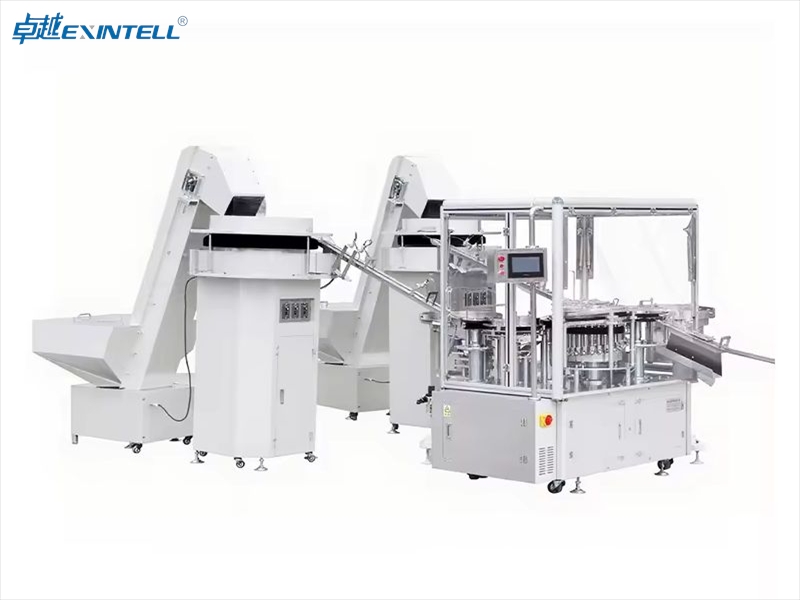
Nigbati mo akọkọ gbọ nipa a masterbatch ẹrọ, Mo ya aworan alapọpo nla kan ni ibi idana ounjẹ kan. Ni otito, o ṣiṣẹ diẹ bi iyẹn, ṣugbọn fun awọn pilasitik. A masterbatch ẹrọ ti a ṣe lati illa premixed granules ti a ogun polima pẹlu kan masterbatch. Ilana yii waye ninu ẹrọ naa, paapa ni dabaru ati extrusion apakan. Ibi-afẹde ni lati ṣẹda ogidi kan adalu pigments tabi awọn afikun pẹlu resini ti ngbe, bi epo-eti tabi ṣiṣu. Yi adalu, ti a npe ni masterbatch, yoo fun awọn pilasitik awọ wọn tabi awọn ẹya pataki. Mo rii pe o jẹ iyalẹnu bii ẹrọ yii ṣe le dapọ ohun gbogbo ni deede, rii daju pe gbogbo nkan ti ṣiṣu n wo ati ṣe kanna.
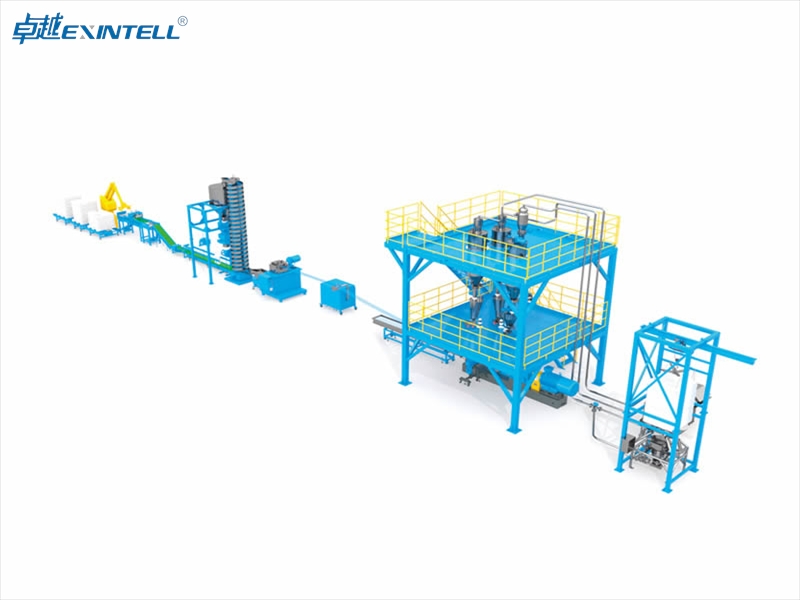
Eyi ni ohun ti o ṣẹlẹ ninu ẹrọ masterbatch kan:
-
O gba awọn granules ti ṣiṣu ati masterbatch.
-
O dapọ pigments tabi awọn afikun pẹlu ṣiṣu.
-
O nlo ooru ati titẹ lati dapọ ohun gbogbo papọ.
-
O ṣe awọn pellets kekere ti awọn aṣelọpọ le lo lati ṣe gbogbo iru awọn ọja ṣiṣu.
Mo nifẹ lati ronu rẹ bi Oluwanje asiri lẹhin awọn iṣẹlẹ, rii daju pe gbogbo ipele ti ṣiṣu n gba awọn eroja to tọ.
Idi ni iṣelọpọ
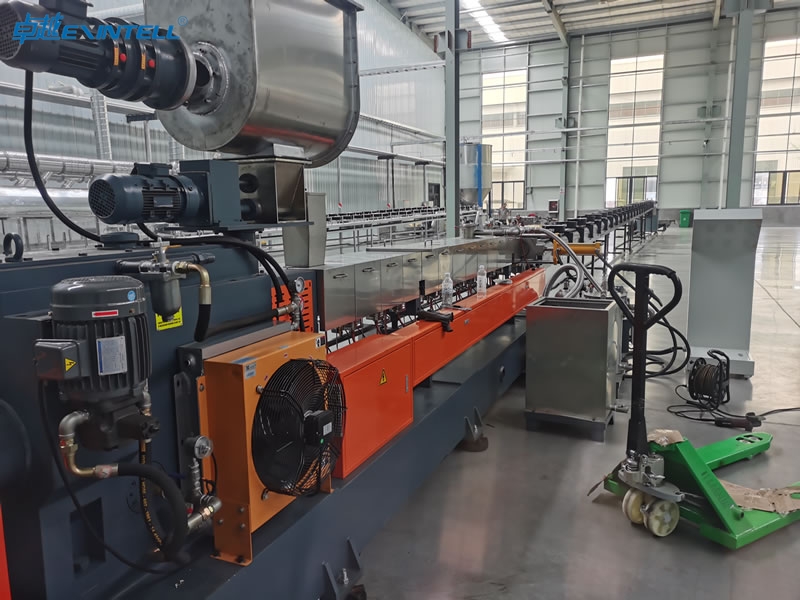
Mo rii ẹrọ masterbatch bi ẹrọ orin bọtini ni iṣelọpọ ode oni. O ṣe diẹ sii ju o kan dapọ awọn awọ. O ṣe iranlọwọ fun awọn ile-iṣelọpọ ṣẹda awọn pilasitik pẹlu awọn ohun-ini gangan, bi agbara, irọrun, tabi UV resistance. Ẹrọ yii ṣe idaniloju pe awọn pigments ati awọn afikun tan kaakiri, nitorinaa ko si ṣiṣan tabi awọn aaye ninu ọja ikẹhin.
Eyi ni idi ti awọn aṣelọpọ ṣe gbẹkẹle awọn ẹrọ masterbatch:
-
Wọn ṣe agbejade awọ ati awọn ifọkansi afikun ti o mu awọn ohun-ini ṣiṣu pọ si.
-
Wọn ṣe idaniloju aso pinpin pigments ati awọn afikun fun paapaa awọ.
-
Wọn ṣe ilọsiwaju ṣiṣe ṣiṣe nipasẹ gbigba iṣakoso kongẹ lori awọn ẹya ọja.
-
Wọn dinku egbin, eyiti o fi owo pamọ ati atilẹyin iduroṣinṣin.
-
Wọn jẹ ki o ṣee ṣe lati lo awọn ohun elo ti a tunṣe laisi sisọnu didara.
Imọran: Ti o ba fẹ ṣe awọn ọja ṣiṣu to gaju, o nilo a masterbatch ẹrọ. O fun ọ ni iṣakoso, aitasera, ati irọrun.
Mo ti kọ ẹkọ pe awọn ile-iṣẹ bii apoti, ọkọ ayọkẹlẹ, ati ikole gbogbo da lori awọn wọnyi ero. Wọn ṣe iranlọwọ fun awọn ile-iṣẹ lati pade awọn iṣedede ti o muna ati jiṣẹ awọn ọja ti o dabi ẹni nla ati ṣiṣe to gun.
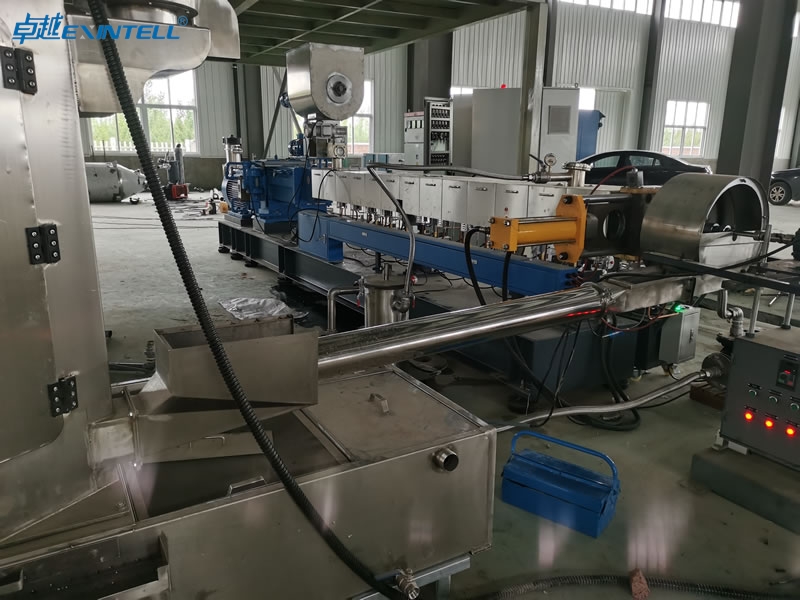
Bawo ni ẹrọ Masterbatch Ṣiṣẹ
Nigbati mo akọkọ ri a masterbatch ẹrọ ni igbese, Mo mọ iye awọn igbesẹ ti o lọ si ṣiṣe awọn pellets kekere wọnyẹn ti o fun awọn pilasitik awọ ati awọn ohun-ini wọn. Jẹ ki n rin ọ nipasẹ ilana naa, igbese nipa igbese.
Ono ati Dapọ
Aise Ohun elo Input
Mo bẹrẹ nigbagbogbo nipa ikojọpọ ẹrọ pẹlu awọn eroja to tọ. Eyi ni ohun ti n wọle:
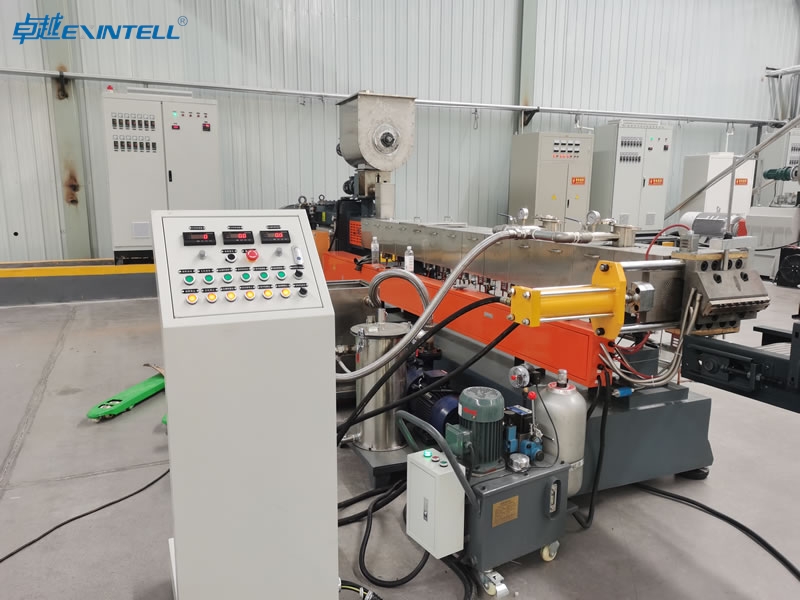
-
polima mimọ (ti ngbe resini) bi polyethylene tabi polypropylene. Eyi ṣe bi ohun elo akọkọ.
-
Pigments tabi awọn awọ. Iwọnyi fun ṣiṣu ni awọ rẹ.
-
Awọn afikun. Iwọnyi le jẹ ki ṣiṣu ni okun sii, dabobo o lati orun, tabi paapaa da awọn germs duro.
-
Awọn iranlọwọ pinpin. Awọn wọnyi ni iranlọwọ ohun gbogbo dapọ laisiyonu.
Ẹrọ naa nlo hopper lati ifunni awọn ohun elo wọnyi sinu. I make sure the flow stays steady so the mix stays consistent.
Homogenization and Dispersion
Once the materials enter the machine, the real magic begins. The rotating screws pull the ingredients forward, compressing and kneading them. Heat and mechanical action melt the materials, turning them into a thick, uniform blend. Specialized screw elements inside the machine ensure everything mixes thoroughly. I watch for even color and texture, because that means the pigments and additives have spread out perfectly.
Imọran: If you want a flawless batch, pay attention to the mixing stage. Uniformity here means quality later.
Here’s a quick look at the main steps in feeding and mixing:
-
Ifunni nkan elo: I introduce raw materials through the hopper.
-
Conveying and Compression: The screws move and compress the materials.
-
Plasticization and Melting: Ooru ati gbigbe yo adalu naa.
-
Aladanla Dapọ ati Homogenization: Ẹrọ naa dapọ ohun gbogbo titi ti o fi jẹ aṣọ.
Yo ati extrusion
Irẹrun dapọ
Lẹhin ti o dapọ, ẹrọ ramps soke ni titẹ. Awọn skru nyi yiyara, ti o npese diẹ ooru ati rirẹ-run. Eyi fọ eyikeyi awọn iṣupọ ati pe o ni idaniloju awọn awọ ati awọn afikun ti o tan kaakiri. Mo ṣayẹwo adalu fun didan ati aitasera.
Ooru Itọju
Ẹrọ naa tọju iwọn otutu ti o tọ. O gbona ju, ati awọn ohun elo le dinku. Tutu pupọ, ati pe wọn kii yoo yo daradara. Ipele itọju ooru yo idapọmọra sinu adalu isokan. Ipara didà naa yoo fa soke si ọna ku, nibiti o ti ṣe apẹrẹ si awọn okun tabi awọn pellets.
Eyi ni bii ilana yo ati extrusion ṣe n ṣii:
-
Ifunni nkan elo: Mo jẹ awọn ohun elo aise sinu ẹrọ naa.
-
Conveying and Compression: Skru yiyi, funmorawon, ati ki o knead awọn Mix.
-
Plasticization and Melting: Ooru ati darí igbese yo ohun gbogbo.
-
Aladanla Dapọ ati Homogenization: Ẹrọ naa n tuka pigments ati awọn afikun.
-
Yo fifa ati Kú Ibiyi: Ipara didà n gbe lọ si ku fun apẹrẹ.
-
Itutu ati odiwọn: Masterbatch tutu ati pe o ni iwọn deede.
Itutu ati Pelletizing
Ṣiṣe awọn granules
Ni kete ti awọn adalu fi oju awọn kú, o nilo lati tutu. Ẹrọ naa nlo o yatọ si itutu awọn ọna, da lori awọn ohun elo ati gbóògì aini. Nigba miiran Mo lo itutu afẹfẹ, igba miiran omi itutu, tabi paapa labeomi pelletizing. Ọna itutu agbaiye yoo ni ipa lori didara ati apẹrẹ ti awọn pellets.
Pelletizer Išė
Pelletizer ge awọn okun tutu tabi droplets sinu kekere, aṣọ pellets. Awọn pellets wọnyi rọrun lati mu ati lo ninu iṣelọpọ. Mo yan ọna pelletizing ti o da lori ohun elo ati apẹrẹ pellet ti o fẹ.
Eyi ni tabili ti o nfihan awọn ọna pelletizing akọkọ:
|
Ọna |
Apejuwe |
|---|---|
|
Extrudes ohun elo sinu lemọlemọfún strands, tutu wọn ninu omi, lẹhinna ge sinu awọn pellets. |
|
|
Pelletizing labẹ omi |
Ge polima didà bi o ti jade kuro ni oju kú nigba ti o wa ni inu omi, producing iyipo pellets. |
|
Omi-Oruka Pelletizing |
Itura ati gige awọn pellets ninu omi, mu awọn ohun elo alalepo daradara. |
Akiyesi: Yiyan ti itutu agbaiye ati pelletizing ọna le yi bi awọn pellets wo ki o si ṣe. Mo nigbagbogbo baramu ọna si ohun elo ati opin lilo.
Mo rii pe itutu agbaiye ati ipele pelletizing ni ibiti ẹrọ masterbatch ṣe afihan iyipada rẹ gaan. Boya Mo nilo awọn pellets yika, awọn okun, tabi nkan miran, ẹrọ adapts si awọn ise.
Ti o ba tẹle awọn igbesẹ wọnyi, iwọ yoo rii bi ẹrọ masterbatch ṣe yi awọn ohun elo aise pada si awọn pellets didara ti o ṣetan fun iṣelọpọ ṣiṣu. Mo ni ife bi kọọkan ipele duro lori awọn ti o kẹhin, rii daju pe ọja ikẹhin pade awọn iṣedede deede.
Awọn paati akọkọ ti Ẹrọ Masterbatch kan
Extruder
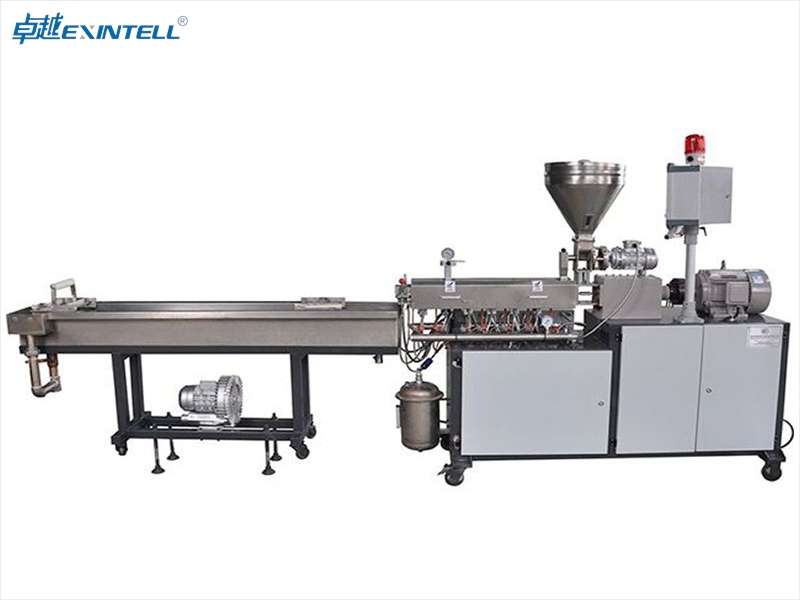
Nigbati mo wo ni a masterbatch ẹrọ, extruder nigbagbogbo duro jade bi okan ti ilana naa. Mo ro pe o jẹ ẹrọ ti o nmu ohun gbogbo siwaju. Extruder gba awọn ohun elo aise ati titari wọn nipasẹ lẹsẹsẹ awọn agbegbe, kọọkan pẹlu pataki ise. Eyi ni tabili iyara ti o fihan ohun ti o ṣẹlẹ ninu:
|
Apejuwe |
|
|---|---|
|
Agbegbe ifunni |
Gbigbe awọn ohun elo aise sinu ẹrọ naa. |
|
agbegbe funmorawon |
Awọn akopọ ati ki o rọ illa, pami jade eyikeyi idẹkùn afẹfẹ. |
|
Agbegbe yo |
Yo ohun elo naa nipa lilo ooru ati ija. |
|
Agbegbe idapọ |
Dapọ ohun gbogbo jọ, rii daju pe awọn pigments ati awọn afikun tan kaakiri. |
|
Agbegbe fentilesonu |
Yọ ọrinrin kuro ati awọn gaasi ti aifẹ, fifi awọn Mix funfun. |
|
Mita / homogenization agbegbe |
Yoo fun awọn ik illa a kẹhin parapo ati ki o kọ soke titẹ fun a dan sisan sinu kú. |
Mo ti ṣe akiyesi pe iru extruder ṣe iyatọ nla. Fun apere, extruder twin-skru ṣiṣẹ nipa pinpin ati tun awọn ohun elo yo. Eyi ṣe alekun iṣẹ ṣiṣe dapọ ati jẹ ki n ṣakoso iwọn otutu ni deede diẹ sii. Mo le lo o yatọ si dabaru awọn aṣa lati mu gbogbo iru awọn ohun elo, eyi ti o mu ki gbóògì diẹ rọ. Ti Mo ba fẹ idapọpọ pipe, Mo nigbagbogbo san sunmo ifojusi si extruder.
Imọran: Awọn extruder pinnu bi daradara awọn pigments ati additives illa. Ti o ba fẹ awọ deede ati didara, idojukọ lori yi apakan.
Ono System
Eto ifunni n ṣiṣẹ bi olutọju ẹnu-ọna fun gbogbo ilana. Mo gbẹkẹle rẹ lati fi iye to tọ ti eroja kọọkan ni akoko to tọ. Ti eto ifunni ko ba duro, gbogbo ipele le tan jade uneven. Eyi ni tabili ti o fọ ohun ti eto ifunni ṣe:
|
Apejuwe |
|
|---|---|
|
Ipa ti ono System |
Jeki igbewọle ohun elo duro dada, ki awọn ilana duro dan. |
|
Integration pẹlu Extruder |
Ṣiṣẹ pẹlu extruder fun iṣakoso kongẹ ati afikun awọn ohun elo. |
|
Ohun elo Gbigbe |
Gbigbe awọn ohun elo daradara, eyi ti o ṣe iranlọwọ pẹlu paapaa dapọ ati fi akoko pamọ. |
|
Ifunni Port Design |
Nlo ọpọ ebute oko fun fifi eroja ni orisirisi awọn ipele, idilọwọ awọn n jo. |
|
Abojuto titẹ |
Wiwo titẹ lati yẹ awọn iṣoro ni kutukutu. |
|
dabaru iṣeto ni |
Baramu awọn dabaru oniru si awọn ohunelo fun awọn ti o dara ju esi. |
Mo nigbagbogbo ṣayẹwo eto ifunni ṣaaju ki o to bẹrẹ ipele kan. Ti Mo ba rii eyikeyi awọn ọran pẹlu titẹ tabi ṣiṣan, Mo ṣe atunṣe wọn lẹsẹkẹsẹ. Iyẹn ọna, I know the masterbatch machine will run smoothly.
Mixers and Kneaders
Mixers and kneaders do the heavy lifting when it comes to blending. I think of them as the hands that knead dough, making sure everything comes together just right. These components break up clumps and spread pigments and additives throughout the melted plastic. I can adjust the speed and intensity to match the material I’m working with.
-
Mixers handle the first stage of blending, making sure the base resin and additives start to combine.
-
Kneaders step in for tougher jobs, working the mix until it’s completely uniform.
-
Both parts help prevent streaks or spots in the final pellets.
If I want a flawless finish, I pay close attention to how the mixers and kneaders are set up. Wọn ṣe iyatọ laarin ipele ti o dara ati ọkan nla kan.
Akiyesi: Awọn alapọpọ ti a ṣe atunṣe daradara ati awọn kneaders fi akoko pamọ ati dinku egbin. Mo nigbagbogbo ṣayẹwo awọn eto wọn lẹẹmeji ṣaaju ṣiṣe gbogbo.
Pelletizer
Nigbati mo de ipele pelletizer, Mo mọ pe Mo ti fẹrẹ to laini ipari. Pelletizer nigbagbogbo kan lara bi “ifọwọkan ikẹhin” ninu ilana masterbatch. Lẹhin ti extruder ti i jade ni gbona, ti idapọmọra ṣiṣu, awọn pelletizer igbesẹ ni lati ge ati ki o apẹrẹ awọn ohun elo sinu kekere, aṣọ pellets. Mo rii pe igbesẹ yii ṣe pataki nitori pe awọn pellet wọnyi jẹ ohun ti awọn aṣelọpọ lo gangan lati ṣe awọn ọja ṣiṣu.
Awọn pelletizer iyipada awọn extruded yo sinu afinju, dédé pellets. Aitasera yii ṣe pataki pupọ. Ti awọn pellets yatọ ni iwọn tabi apẹrẹ, ik ṣiṣu awọn ọja le tan jade uneven tabi ni awọn abawọn. Mo ti rii bi pelletizer ti o dara ṣe tọju ohun gbogbo lori ọna, rii daju pe gbogbo ipele pade ipele giga kanna. Awọn pelleti aṣọ yo boṣeyẹ ati dapọ daradara lakoko awọn igbesẹ iṣelọpọ atẹle, eyi ti o tumọ si awọn iṣoro diẹ ati awọn esi to dara julọ.
Eyi ni ohun ti Mo nigbagbogbo ṣe akiyesi nipa iṣẹ pelletizer:
-
O ge awọn okun ṣiṣu tutu tabi awọn droplets sinu awọn pellets.
-
O ṣe idaniloju pellet kọọkan jẹ iwọn kanna, eyiti o ṣe iranlọwọ pẹlu iṣakoso didara.
-
O mu ki awọn pellet rọrun lati mu, gbigbe, ati lo ninu awọn ẹrọ miiran.
Mo nigbagbogbo san ifojusi si awọn eto pelletizer. Ti mo ba fẹ pellets yika, Mo ṣatunṣe iyara gige ati ọna. Ti mo ba nilo awọn pellets iyipo, Mo tweak awọn abẹfẹlẹ ati itutu eto. Eto ti o tọ tumọ si egbin diẹ ati awọn ọja ti o gbẹkẹle diẹ sii.
Imọran: Ti o ba fẹ ki masterbatch rẹ ṣiṣẹ daradara ni eyikeyi ile-iṣẹ, fojusi lori gbigba awọn eto pelletizer ni deede. Iduroṣinṣin nibi fipamọ akoko ati owo nigbamii.
Ibi iwaju alabujuto
Igbimọ iṣakoso n ṣiṣẹ bi ile-iṣẹ aṣẹ mi. Mo lo lati tọju oju lori gbogbo apakan ti ẹrọ masterbatch ati ṣe awọn atunṣe ni iyara nigbati o nilo. Igbimọ iṣakoso ode oni jẹ ki iṣẹ mi rọrun pupọ ati iranlọwọ fun mi lati yago fun awọn aṣiṣe.
Eyi ni tabili ti o fihan awọn ẹya akọkọ Mo gbẹkẹle:
|
Ẹya ara ẹrọ |
Apejuwe |
|---|---|
|
Fọwọkan iboju Ifihan |
Mo gba a 10-15 inch awọ touchscreen pẹlu kan ti o rọrun, ayaworan ni wiwo. O rọrun lati lo. |
|
Abojuto ilana |
Mo le wo ati ṣatunṣe awọn iwọn otutu, dabaru iyara, ati awọn oṣuwọn ifunni ni akoko gidi. |
|
Ibi ipamọ ohunelo |
Mo ti fipamọ lori 200 gbóògì ilana, nitorinaa iyipada laarin awọn ipele jẹ iyara ati irọrun. |
|
Gbigbasilẹ Data |
Awọn nronu akqsilc gbogbo processing sile. Eyi ṣe iranlọwọ fun mi lati tọpinpin didara ati ilọsiwaju awọn abajade. |
|
Awọn iwifunni Itaniji |
I get alerts if something goes wrong, so I can fix issues before they cause problems. |
I love how the control panel puts everything at my fingertips. I can change settings with a few taps, check the status of each stage, and even look back at past runs to see what worked best. If something needs attention, the alarms let me know right away. This means I spend less time troubleshooting and more time making high-quality masterbatch.
Akiyesi: A good control panel doesn’t just make things easier—it helps me deliver consistent, top-notch results every time.
Types of Masterbatch Machines
When I started learning about masterbatch machines, I quickly realized that not all machines work the same way. The two main types—single-screw and twin-screw extruders—each have their own strengths. Mo tun rii pe awọn ohun elo miiran nigbagbogbo n ṣiṣẹ lẹgbẹẹ awọn ẹrọ wọnyi lati jẹ ki ilana naa rọ ati daradara siwaju sii.
Nikan-dabaru Extruder
Mo fẹ lati ro ti awọn nikan-skru extruder bi awọn "workhorse" ti o rọrun ṣiṣu processing. O nlo ọkan yiyi dabaru lati gbe ati yo ṣiṣu. Mo lo iru yii nigbati Mo fẹ lati tọju awọn nkan ni taara ati iye owo-doko.
Eyi ni idi ti MO le yan extruder kan-skru kan:
-
O n kapa awọn iṣẹ ṣiṣe ipilẹ bi yo ati fifa awọn thermoplastics.
-
O ṣiṣẹ julọ fun iṣelọpọ iwọn didun ti awọn paipu, awọn aṣọ-ikele, ati awọn profaili.
-
O jẹ ifarada ati rọrun lati ṣetọju, eyiti o ṣe iranlọwọ fun mi lati dinku awọn idiyele.
Imọran: Ti o ba kan bẹrẹ tabi ṣiṣẹ pẹlu awọn ilana ti o rọrun, a nikan-dabaru extruder le fi awọn ti o owo ati akoko.
Twin-dabaru Extruder
Nigbati Mo nilo iṣakoso diẹ sii ati dapọ dara julọ, Mo yipada si a ibeji-dabaru extruder. Ẹrọ yii nlo awọn skru intermeshing meji ti o dapọ, kún, ki o si Titari ohun elo siwaju. Mo rii pe o jẹ pipe fun awọn iṣẹ idiju nibiti Mo fẹ ki gbogbo eroja lati dapọ ni pipe.
Jẹ ki n fihan ọ bi awọn iru meji wọnyi ṣe ṣe afiwe:
|
Ẹya ara ẹrọ |
Nikan-dabaru Extruder |
Twin-dabaru Extruder |
|---|---|---|
|
Ohun elo Complexity |
Awọn iṣẹ-ṣiṣe ti o rọrun |
Complex dapọ ati compounding |
|
Iye owo |
Isalẹ ibẹrẹ ati awọn idiyele itọju |
Ti o ga ni iwaju, gun-igba iye |
|
Iṣẹ ṣiṣe |
O dara fun iwọn didun to gaju, ipilẹ dapọ |
Superior dapọ ati pipinka |
|
Irọrun |
Kere rọ |
Gíga rọ ati kongẹ |
|
Mimu ohun elo |
Awọn ohun elo ipilẹ |
Mu awọn ohun elo ti ko ni iyipada tabi tutu |
|
Apeere Lo Case |
Awọn paipu, awọn aṣọ-ikele, awọn profaili |
Ga pigmenti masterbatch, dédé awọ |
Mo nigbagbogbo de ọdọ fun extruder twin-skru nigbati Mo nilo lati ṣe awọn masterbatches pẹlu ikojọpọ pigment giga. Agbara idapọmọra ṣe idaniloju gbogbo pellet wo ati ṣe kanna. Mo tun nifẹ awọn ara-ninu ẹya-ara. O gba mi akoko nigbati mo yipada laarin awọn oriṣiriṣi awọn awọ tabi awọn afikun.
Akiyesi: Twin-screw extruders shine when I need top-quality mixing, especially for demanding jobs like high-concentration masterbatches.
Other Equipment Types
I’ve learned that a masterbatch machine rarely works alone. I often use extra equipment to get the best results. Here’s a quick look at what I use and why:
-
High-Speed Mixer: I blend carrier resin pellets with pigment powders and additives before feeding them into the extruder.
-
Awọn ọna itutu agbaiye: These keep the pellets from overheating and help them keep their shape.
-
Screen Changer and Filter: I use these to remove any contaminants from the melted plastic, which keeps the final product clean.
-
Automated Control System: This lets me monitor and adjust the whole process from one place, making my job much easier.
|
Ohun elo Iru |
Function/Description |
|---|---|
|
Filler Masterbatch Equipment |
Handles abrasive fillers with tough, wear-resistant parts. |
|
Additive Masterbatch Systems |
Processes additives like UV stabilizers at lower temperatures. |
|
High-Speed Mixer |
Prepares raw materials for smooth feeding. |
|
Awọn ọna itutu agbaiye |
Maintains pellet quality after extrusion. |
|
Screen Changer and Filter |
Removes contaminants, keeps production running. |
|
Automated Control System |
Integrates all equipment for easy operation. |
😊 I always say, the right combination of machines and tools makes my work faster, regede, and more reliable.
Bayi, whenever I set up a masterbatch line, I pick the equipment that matches my goals—whether I want speed, didara, or flexibility.
Benefits of Using a Masterbatch Machine
When I started working with plastics, I wanted to know what made some products look and perform better than others. I quickly learned that the right equipment makes all the difference. Let me share the main benefits I’ve seen from using a masterbatch ẹrọ.
Dédé Didara
I always want my products to look the same, batch after batch. A masterbatch machine helps me achieve that. It mixes pigments and additives so evenly that every pellet comes out with the same color and properties. I don’t have to worry about streaks or spots. Here’s a table that shows how the machine keeps quality consistent:
|
Ẹri Iru |
Apejuwe |
|---|---|
|
Uniform Distribution |
Ensures that additives and pigments are evenly mixed, leading to stable color uniformity. |
|
Precise Formulation |
Correct ratios of pigments and additives are crucial for consistency; small changes can affect quality. |
|
Controlled Extrusion |
High shear forces and heat in modern machines ensure thorough mixing of materials. |
|
Iṣakoso Didara lile |
Continuous checks on physical, kemikali, and visual properties maintain consistency throughout production. |
I’ve noticed a few big advantages:
-
No more defects from uneven color.
-
My production line runs smoother.
-
I waste less material, which saves money.
Imọran: If you want your products to stand out for their quality, focus on getting consistent results every time.
Efficiency and Cost Savings
Saving time and money matters to me. With a masterbatch machine, I use less pigment and additive because the mix is so concentrated. I don’t need special machines, and I can use my existing equipment. That means I spend less on setup and cleanup. Here’s a quick look at the main ways I save:
|
Anfani Apejuwe |
Awọn alaye |
|---|---|
|
No setup or cleanup fees required. |
|
|
Efficient Manufacturing |
Uses fewer materials, with masterbatch constituting only up to 5% of total weight. |
|
Existing Equipment Utilization |
No need for special machines; existing manufacturing machines can be used. |
|
Compliance with Standards |
Meets expected performance and manufacturing standards. |
|
Savings on Compounding Costs |
Reduces costs associated with compounding. |
|
Reduced Energy Consumption |
Uses less energy to create the final product. |
I also see higher productivity, especially when I use a twin-screw design. My team works faster, and we spend less on labor and overhead. Even though the machine costs more at first, I get my money back through better quality and lower costs over time.
Akiyesi: The right masterbatch machine pays for itself by making production faster, cheaper, and more reliable.
Awọn aṣayan isọdi
I love how flexible masterbatch machines are. I can create custom colors and add special features, like UV protection or anti-bacterial properties. The machine lets me blend exactly what I need into the plastic. Here’s how I make the most of this flexibility:
-
I choose the pigments and additives I want.
-
I set the dosing and mixing levels for each batch.
-
I get consistent results, even with custom recipes.
-
I avoid dust and contamination, which keeps my workspace clean.
-
I improve processing efficiency and reduce waste.
This means I can meet any customer request, from bright colors to special performance features. Masterbatch technology gives me the tools to make plastics that stand out in the market.
😊 Customization is easy when you have the right machine. I can turn any idea into a finished product with confidence.
Ninu iriri mi, a masterbatch machine is the best way to get dédé didara, fi owo, and offer unique products. If you want to succeed in plastics, this is the tool you need.
Applications of Masterbatch Machines
Iṣakojọpọ Industry
When I walk through a supermarket, I see packaging everywhere. I always notice the bright colors and clear branding on bottles, murasilẹ, ati awọn apoti. I learned that a masterbatch machine plays a huge role in making these packages stand out. It helps manufacturers create packaging that looks attractive and performs well. Mo lo awọ masterbatches to make sure every package matches the brand’s colors. Additive masterbatches give packaging extra features, like UV resistance or anti-static properties. These features help keep food fresh and protect products from damage.
Here’s a quick table that shows how masterbatch machines help in packaging:
|
Ohun elo Iru |
Awọn anfani |
|---|---|
|
Color Masterbatches |
Enhance visual appeal with vibrant designs. |
|
Additive Masterbatches |
Improve properties like UV resistance, anti-static features, ati iṣẹ idena. |
I often work with food-grade packaging, shrink wraps, ati awọn apoti. I want products that look good and last longer. Masterbatch machines make this possible. I also use additive masterbatches to improve durability and barrier resistance. This means packaging stays strong and keeps products safe.
Imọran: If you want packaging that grabs attention and protects what’s inside, masterbatch machines are the secret ingredient.
Ẹka ọkọ ayọkẹlẹ
I spend a lot of time around cars, so I know how important quality is in automotive parts. I use a masterbatch machine to produce components that are fẹẹrẹfẹ, ti o tọ, and visually appealing. When I make dashboards or bumpers, I rely on additive masterbatches to boost heat resistance and UV protection. These features help parts survive tough conditions and keep their color over time.
I see masterbatch machines used for interior trims, exterior panels, and even under-the-hood parts. Manufacturers want parts that look good and last. I make sure every batch meets strict standards for strength and appearance. The machine lets me control the mix, so every part comes out just right.
Akiyesi: Automotive companies trust masterbatch machines to deliver reliable, high-performance parts.
Awọn ọja onibara
I love seeing how masterbatch machines help create everyday products. I use them to make awọn nkan isere, kitchenware, paipu, awọn profaili, awọn aṣọ-ikele, awọn fiimu, and cables. Each product needs a different mix of color and additives. I adjust the machine to match the requirements for each item.
-
Toys need bright colors and safe materials.
-
Kitchenware must resist heat and stains.
-
Pipes and cables require strength and flexibility.
-
Films and sheets need clarity and durability.
I enjoy customizing batches for different consumer goods. The machine gives me the flexibility to meet any demand. I can switch recipes quickly and keep production moving.
😊 Masterbatch machines make it easy to create products that people use every day. I see the results in homes, awọn ọfiisi, ati awọn ile-iṣẹ.
Other Uses
When I think about masterbatch machines, I see them popping up in places you might not expect. Sure, they shine in packaging, awọn ọkọ ayọkẹlẹ, ati awọn ọja onibara, but their reach goes way beyond that. I’ve seen these machines make a real difference in industries that care about innovation and sustainability.
One area that excites me is recycling. I work with companies that use masterbatch machines to turn plastic waste into something valuable. Instead of sending old bottles or packaging to the landfill, we feed them into the machine. Esi ni? High-quality masterbatches that manufacturers can use just like new material. This process supports the circular economy, which means we keep materials in use for as long as possible. I love knowing that every batch I help create keeps plastic out of the environment.
Here’s a quick look at some less common but innovative uses I’ve come across:
-
I help construction teams create pipes and panels with special properties, like fire resistance or extra strength. Masterbatch machines let us add exactly what we need to the mix.
-
I see electronics manufacturers use these machines to add anti-static or flame-retardant features to their products. This keeps devices safer and more reliable.
-
I work with agriculture companies that want films and sheets with UV protection. These films last longer in the sun and protect crops better.
-
I’ve even seen masterbatch machines used in textiles. They add color and performance features to synthetic fibers for clothing, carpets, and sports gear.
-
I know some medical suppliers use masterbatch machines to create items with antibacterial properties. This helps keep hospitals and clinics safer.
Se o mo? Masterbatch machines play a big role in making products more sustainable. They help companies recycle, din egbin, and design materials that last longer.
I notice that every time I use a masterbatch machine for a new project, I find another way to solve a problem. Whether I want to boost product performance or support green initiatives, these machines give me the flexibility I need. I can adjust the recipe, try new additives, and see results fast.
If you’re curious about where plastics are headed, keep an eye on masterbatch technology. I believe it’s opening doors in industries that want to innovate and protect the planet at the same time. The possibilities keep growing, and I can’t wait to see what comes next.
I learned that mastering the basics of masterbatch machines opens up a world of possibilities in plastics. Here’s what I always keep in mind:
-
High-speed mixing shapes color quality.
-
Temperature and time matter for pigment wetting.
-
Watching the process helps spot issues early.
-
Environmental protection keeps the workspace safe.
If you want to get started, I suggest:
-
Define your performance needs.
-
Know your plastic substrate.
-
Work with additive experts.
-
Test your formulations in real production.
Masterbatch technology helps solve tough challenges. I encourage you to explore more and ask questions.
FAQ
What is a masterbatch machine used for?
I use a masterbatch machine to mix color pigments or additives into plastic. This helps me create plastics with specific colors or properties, like UV resistance or strength.
Can I use recycled materials in a masterbatch machine?
Bẹẹni, I often feed recycled plastics into the machine. It blends them with additives, so the final pellets look and perform like new. This supports sustainability.
How do I choose between single-screw and twin-screw extruders?
I pick a single-screw for simple jobs and a twin-screw for complex mixing. Twin-screw extruders give me better control and consistency, especially with high pigment loads.
Is it hard to clean a masterbatch machine?
I find cleaning easier with twin-screw extruders because they have self-cleaning features. I follow the manufacturer’s instructions and use proper tools to avoid contamination.
What types of additives can I use?
I add pigments for color, UV stabilizers for sunlight protection, anti-static agents, ina retardants, and antibacterial additives. The machine lets me customize each batch.
How do I control the quality of my masterbatch?
Mo bojuto iwọn otutu, dabaru iyara, and feed rates on the control panel. I check pellet color and shape. Consistent settings help me keep quality high.
Are masterbatch machines expensive?
The price depends on the type and features. I invest more in twin-screw models, but they save money over time with better mixing and less waste.
Can I make custom colors with a masterbatch machine?
Nitootọ! I select pigments and adjust the recipe. The machine blends everything evenly, so I get the exact color I want for each project.