

Twin Screw Compounder Showdown Ewo Awoṣe ti o yorisi sinu 2026
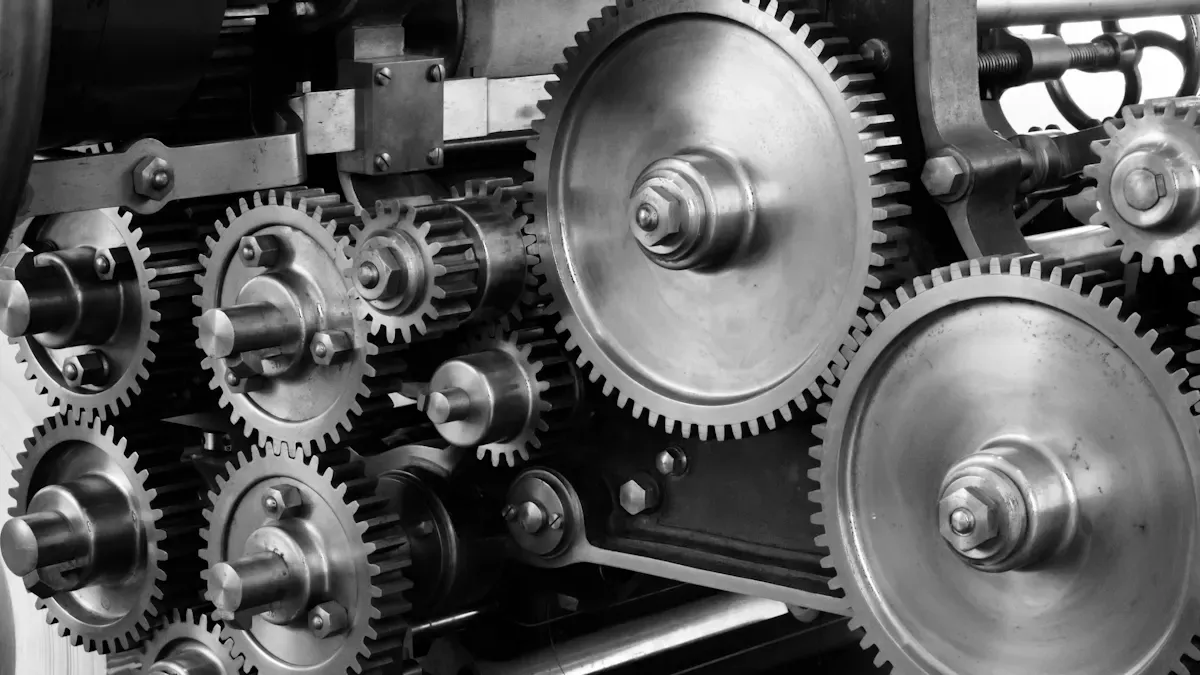
Mo ti ri àjọ-yiyi ibeji dabaru compounder bi awọn ko o olori ni 2026. Awoṣe yii ṣe ipinnu ọja ti o paṣẹ, nínàgà 71.0% ninu 2024, o ṣeun re exceptional dapọ, ara-ninu, ati degassing iṣẹ. Mo gbekele lori àjọ-yiyi oniru fun ga losi ati ni irọrun, paapaa nigbati o ba n ṣe awọn ohun elo ti o nipọn fun awọn pilasitik tabi ṣiṣe ounjẹ. Nigbati mo afiwe o si counter-yiyi ibeji dabaru compounder, Mo ṣe akiyesi iru iyipada ti o ni ibamu dara julọ si awọn iwulo ile-iṣẹ iyipada. Mo nigbagbogbo ro iṣẹ, iye owo, ati ohun elo versatility ṣaaju ki o to yan a ibeji dabaru compounder. Ninu iriri mi, ibamu ohun elo, agbara, ati ojo iwaju idagbasoke wakọ ipinnu mi. Bi ibeere ṣe n dagba fun iṣẹ ṣiṣe giga ati awọn ohun elo alagbero, Mo ti ri awọn ibeji dabaru compounder bi ohun awọn ibaraẹnisọrọ idoko fun eyikeyi igbalode olupese.
Awọn gbigba bọtini
- Awọn àjọ-yiyi ibeji dabaru compounder ni oke wun fun 2026, laimu superior dapọ ati irọrun fun orisirisi awọn ohun elo.
- Nigbati yiyan a ibeji dabaru compounder, ro išẹ, iye owo, ati ohun elo versatility lati baramu rẹ gbóògì aini.
- The Coperion ZSK Mc18 nyorisi ni išẹ, while the Kerke KTE-75 is the best for cost efficiency, providing strong returns over time.
- Customization is key; choose models with modular designs to adapt to different materials and processes easily.
- Automation enhances efficiency and reduces errors, making it essential for modern manufacturing operations.
- Ṣe iṣiro idiyele lapapọ ti nini, including energy savings and maintenance, kuku ju o kan ni ibẹrẹ rira owo.
- Always consult with manufacturers about customization options to ensure the compounder meets your current and future needs.
- Regular maintenance and monitoring are crucial to prevent downtime and extend the life of your twin screw compounder.
Quick Comparison of Top Twin Screw Compounders
When I evaluate the top twin screw compounders fun 2026, I focus on four standout models:
- Kerke KTE-75
- Coperion ZSK Mc18
- Leistritz ZSE MAXX
- JSW TEX jara
Each model brings unique strengths to the table. I see the Kerke KTE-75 as a cost-effective solution for general compounding. The Coperion ZSK Mc18 stands out for high-performance engineering plastics. Leistritz ZSE MAXX offers impressive flexibility for specialty applications. JSW TEX Series excels in large-scale, lemọlemọfún gbóògì. I always match the model to the processing needs of my operation.
Key Performance Metiriki
I compare these models using four main metrics:
| Awoṣe | Iṣẹ ṣiṣe | Iye owo | Application Versatility | Imọ Awọn ẹya ara ẹrọ |
|---|---|---|---|---|
| Kerke KTE-75 | Ga | Kekere | Alabọde | Standard L/D, basic controls |
| Coperion ZSK Mc18 | Giga pupọ | Ga | Ga | Advanced mixing, adaṣiṣẹ |
| Leistritz ZSE MAXX | Ga | Alabọde | Giga pupọ | Customizable, apọjuwọn oniru |
| JSW TEX jara | Ga | Alabọde-Giga | Ga | Logan, agbara daradara |
I find that Coperion leads in raw performance and automation. Leistritz offers the most versatility for custom jobs. Kerke provides value for standard tasks. JSW balances throughput and durability.
Co-Rotating vs Counter-Rotating
I always consider the screw configuration before making a final choice. Àjọ-yiyi ati counter-yiyi ibeji dabaru extruders sin yatọ si ìdí ni mi iriri. Eyi ni bi wọn ṣe ṣe afiwe:
| Ẹya ara ẹrọ | Àjọ-Yiyi Twin-dabaru Extruders | Counter-Yipo Twin-dabaru Extruders |
|---|---|---|
| Sisan Field Iduroṣinṣin | Iduroṣinṣin diẹ sii, apẹrẹ fun iṣakoso titẹ | Iduroṣinṣin diẹ |
| Dapọ Performance | Alagbara pinpin, ga uniformity | Superior dispersive dapọ, irẹrun lagbara |
| Ibugbe Time | Kukuru, ti o ga gbigbe ṣiṣe | Siwaju sii, dara fun o gbooro sii aati |
| Gbona ifamọ | Mu awọn ohun elo ti o ni itara gbona daradara | Kere dara fun awọn ohun elo ti o ni itara-ooru |
| Awọn ohun-ini fifẹ | Dara fifẹ-ini ni extrudates | Agbara ipa ti o ga julọ, kekere yo iki |
| Titẹ-Building Agbara | Déde | Ti o ga julọ |
Mo yan àjọ-yiyi extruders fun julọ pilasitik ati ounje elo. Wọn fun mi ni ṣiṣan iduroṣinṣin ati idapọ ti o dara julọ. Nigbati Mo nilo lati ṣe ilana PVC tabi awọn ohun elo ti o nilo titẹ giga, Mo yipada si awọn awoṣe yiyipo. Wọn pese irẹrun ti o lagbara ati titẹ ti o ga julọ, sugbon mo lo wọn kere igba nitori won ko ba ko mu ooru-kókó ohun elo bi daradara.
Imọran: Mo nigbagbogbo baramu iru dabaru si ohun elo ati awọn ibeere lilo ipari. Ọna yii ṣe idaniloju pe Mo gba iṣẹ ti o dara julọ ati didara ọja.
Nipa ifiwera awọn awoṣe ati awọn atunto, Mo ti le ni kiakia dín isalẹ awọn ti o dara ju ibeji dabaru compounder fun eyikeyi elo ni 2026.
Twin dabaru Compounder Yiyan àwárí mu
Ṣiṣẹ ohun elo & Dapọ
Gbigbe & Iṣẹ ṣiṣe
Nigbati mo yan a ibeji dabaru compounder, Mo nigbagbogbo bẹrẹ nipasẹ iṣiro igbejade ati ṣiṣe. Ilọjade giga tumọ si pe MO le ṣe ilana awọn ohun elo diẹ sii ni akoko diẹ, eyiti o ni ipa taara iṣelọpọ iṣelọpọ. Mo wa awọn awoṣe ti o ṣetọju iṣelọpọ deede laisi rubọ didara ọja. Awọn rere nipo siseto ni ibeji dabaru extruders fun mi kongẹ Iṣakoso lori eka kikọ sii. This feature proves essential for high-intensity mixing tasks, gẹgẹ bi awọn compounding ati atunlo. I also consider how the intermeshing screws divide and recombine the material stream. This action enhances mixing efficiency and ensures uniformity, even when I work with low additive concentrations. Consistent residence time distribution, which approximates plug flow, helps me achieve stable processing and high product quality.
Specialty Material Handling
Handling specialty materials requires more than just basic mixing. I often need modular screw configurations to tailor the compounder for specific tasks. This flexibility allows me to optimize performance for unique polymers and additives. Iṣakoso iwọn otutu deede ṣe idilọwọ awọn iyatọ iki, which can affect both efficiency and product quality. Awọn agbara ifasilẹ daradara ṣe iranlọwọ fun mi lati yọ ọrinrin kuro ati awọn iyipada ti o le bibẹẹkọ ṣẹda awọn idena si dapọ. Mo nigbagbogbo baramu awọn ẹya agbopọ si awọn ibeere ti awọn ohun elo ti Mo ṣe ilana, ni idaniloju pe Mo ṣetọju awọn iṣedede didara ti o ga julọ.
Iye owo & Idoko-owo
Iye owo ibẹrẹ
Iye owo ṣe ipa pataki ninu ilana ṣiṣe ipinnu mi. Mo ṣe afiwe awọn awoṣe ti o da lori idiyele ibẹrẹ wọn ati idiyele lapapọ ti nini. Eyi ni awọn ọna kan Akopọ ti aṣoju idoko awọn ipele:
| Iru Awoṣe | Ibiti idiyele | Lapapọ iye owo ti nini (TCO) Ipa |
|---|---|---|
| Lab-iwọn | $20,000 | Iye owo ibẹrẹ kekere, ṣugbọn TCO ti o ga julọ nitori awọn ọran agbara |
| Alabọde ile ise | $80,000 – $300,000 | Iwọntunwọnsi idiyele ibẹrẹ ati TCO, ti aipe fun julọ awọn olupese |
| Ile-iṣẹ nla | $800,000 | Iye owo ibẹrẹ giga, ṣugbọn o le dinku TCO pẹlu awọn awoṣe didara |
Mo rii pe idoko-owo ibẹrẹ ti o ga julọ nigbagbogbo nyorisi ṣiṣe to dara julọ ati dinku awọn idiyele igba pipẹ. Mo nigbagbogbo dọgbadọgba isuna mi pẹlu iwulo fun iṣẹ ti o gbẹkẹle ati didara ọja.
Ṣiṣẹ & Awọn idiyele itọju
Awọn iṣẹ ṣiṣe ati awọn idiyele itọju le ṣafikun ni iyara ti MO ba yan awoṣe ti ko tọ. Mo wa awọn agbopọ pẹlu awọn apẹrẹ ti o lagbara ati awọn paati ti o rọrun lati ṣetọju. Awọn awoṣe ti o munadoko dinku agbara agbara ati akoko idinku, eyiti o ṣe iranlọwọ fun mi lati ṣakoso awọn idiyele ati ṣetọju didara ọja giga. Mo tun ro wiwa ti awọn ẹya apoju ati atilẹyin imọ-ẹrọ, bi awọn okunfa wọnyi ṣe ni ipa ṣiṣe ṣiṣe igba pipẹ ati igbẹkẹle.
Imọ Awọn ẹya ara ẹrọ
Ipin L/D
Gigun-si-rọsẹ (L/D) ipin jẹ ẹya imọ-ẹrọ to ṣe pataki. Mo fẹ awọn awoṣe pẹlu ẹya Ipin L/D laarin 36 ati 68. Iwọn yii fun mi ni irọrun lati ṣe deede akoko ibugbe si awọn ohun elo oriṣiriṣi, eyiti o ṣe pataki fun mimu mejeeji ṣiṣe ati didara ọja.
Irẹrun & Dapọ Performance
Irẹrun ati iṣẹ ṣiṣe dapọ mọ bawo ni agbopọpọ ṣe n tuka awọn afikun daradara ati ṣaṣeyọri awọn idapọpọ aṣọ. Mo gbẹkẹle awọn aṣa skru ti ilọsiwaju lati mu iṣẹ ṣiṣe dapọ pọ si ati rii daju pe didara ọja ni ibamu. Agbara lati ṣatunṣe awọn ipele irẹwẹsi gba mi laaye lati ṣe ilana ọpọlọpọ awọn ohun elo laisi ibajẹ didara.
Adaṣiṣẹ & Awọn iṣakoso
Adaṣiṣẹ ati awọn eto iṣakoso ṣe iyatọ nla ninu awọn iṣẹ ojoojumọ mi. Mo wa awọn awoṣe ti o ni ipese pẹlu awọn eto iṣakoso Siemens PLC fun adaṣe ipilẹ. Awọn idari asefara fun mi ni konge giga ati atunṣe, eyi ti o mu ṣiṣe daradara ati didara ọja. Adaṣiṣẹ tun dinku eewu aṣiṣe eniyan ati mu iṣelọpọ ṣiṣẹ.
Application Versatility
Industry Adapability
Mo nigbagbogbo nwa fun ibeji dabaru compounders ti o orisirisi si si kan jakejado ibiti o ti ise. Versatility ṣe pataki julọ nigbati Mo nilo lati yipada laarin awọn laini iṣelọpọ oriṣiriṣi. Mo ti rii bii alapọpọ ti o tọ ṣe le mu awọn ṣiṣu, ounje, elegbogi, ati paapaa awọn kemikali pataki. Eleyi adaptability yoo fun mi a ifigagbaga eti. Mo afiwe ibeji dabaru compounders si awọn nikan dabaru extruder, eyi ti igba ifilelẹ awọn aṣayan mi. Awọn nikan dabaru extruder ṣiṣẹ daradara fun ipilẹ extrusion awọn iṣẹ-ṣiṣe, ṣugbọn ko le baramu ni irọrun ti ibeji dabaru awọn aṣa.
Mo gbarale awọn agbopọ skru twin nigbati Mo nilo lati ṣe ilana awọn ohun elo pẹlu awọn viscosities oriṣiriṣi tabi awọn agbekalẹ eka. Awọn nikan dabaru extruder sisegun pẹlu awọn wọnyi italaya. Mo ṣe akiyesi pe awọn agbo ogun skru twin tayọ ni awọn ile-iṣẹ nibiti didara ọja ati aitasera ṣe pataki. Fun apere, ni iṣelọpọ ẹrọ iṣoogun, Mo nilo iṣakoso kongẹ lori dapọ ati iwọn otutu. Awọn nikan dabaru extruder ko le fi kanna ipele ti išẹ. Mo yan awọn agbo ogun skru twin fun awọn ohun elo ti o beere awọn ayipada ohun elo loorekoore ati awọn iṣedede didara to muna.
Akiyesi: Mo nigbagbogbo ṣayẹwo boya agbopọ ṣe atilẹyin awọn iyipada iyara ati mimọ irọrun. Ẹya ara ẹrọ yii ṣafipamọ akoko mi ati dinku awọn eewu ibajẹ.
Isọdi
Isọdi-ara ṣe ipa pataki ninu ilana yiyan mi. Mo fẹran awọn agbopọ ti o funni ni awọn eroja skru modular ati awọn atunto agba. Irọrun yii jẹ ki n ṣe telo ẹrọ naa si awọn iwulo pato mi. Mo ti le je ki awọn compounder fun ga-rirun dapọ, idapọmọra onírẹlẹ, tabi ifọkansi ti ilọsiwaju. Awọn nikan dabaru extruder ṣọwọn pese yi ipele ti isọdi.
Mo ṣe iye awọn agbopọ ti o gba mi laaye lati ṣatunṣe profaili dabaru ati ṣafikun awọn agbegbe ifunni pataki. Agbara yii ṣe iranlọwọ fun mi lati ṣe ilana awọn ohun elo ti o nija, gẹgẹbi awọn pilasitik ti a tunlo tabi awọn polima ti o ni igbona. Awọn nikan dabaru extruder nigbagbogbo kuna lati mu awọn ohun elo daradara. Mo tun wa awọn agbopọ pẹlu awọn eto iṣakoso ilọsiwaju. Adaṣiṣẹ isọdi jẹ ki n jẹ ki n ṣatunṣe awọn paramita sisẹ daradara ati ṣetọju didara deede.
Mo lo atokọ ayẹwo nigbati o n ṣe iṣiro awọn aṣayan isọdi:
- Modulu dabaru ati agba design
- Ifunni pataki ati awọn agbegbe atẹgun
- To ti ni ilọsiwaju adaṣiṣẹ ati iṣakoso awọn ọna šiše
- Awọn paati iyipada iyara fun itọju iyara
Mo rii pe awọn agbo ogun skru twin ju ẹyọkan skru extruder lọ ni gbogbo abala ti isọdi. Anfani yii ṣe iranlọwọ fun mi lati pade awọn ibeere ile-iṣẹ idagbasoke ati jiṣẹ awọn ọja to gaju.
Imọran: Mo nigbagbogbo kan si alagbawo pẹlu awọn aṣelọpọ nipa awọn aṣayan isọdi ṣaaju ṣiṣe rira kan. Igbesẹ yii ṣe idaniloju agbopọ ni ibamu si awọn iwulo iṣelọpọ lọwọlọwọ ati ọjọ iwaju.
Top Twin dabaru Extruder Models Analysis
Awoṣe A Analysis
Awọn agbara
Nigbati Mo ṣiṣẹ pẹlu Awoṣe A, Mo ṣe akiyesi igbẹkẹle rẹ ni awọn iṣẹ ṣiṣe idapọmọra boṣewa. Eyi ibeji dabaru extruder kapa kan jakejado ibiti o ti polima ati additives. Mo dupẹ lọwọ iṣẹ ti o taara ati apẹrẹ ẹrọ ti o lagbara. Awọn ẹrọ nfun dédé losi, eyiti o ṣe iranlọwọ fun mi lati ṣetọju awọn iṣeto iṣelọpọ iduro. Mo rii awọn paati sooro-awọ fa awọn aaye arin iṣẹ pọ si, atehinwa downtime. Awoṣe A tun ṣe atilẹyin awọn atunto dabaru apọjuwọn, eyi ti o jẹ ki n ṣatunṣe ilana fun awọn ohun elo ti o yatọ. Mo iye olumulo ore-ni wiwo, bi o ṣe rọrun ikẹkọ fun awọn oniṣẹ tuntun. Iṣe ìwẹnu ara ẹni ti ibeji skru extruder dinku awọn ewu ibajẹ lakoko awọn iyipada ohun elo.
Awọn ailagbara
Pelu awọn agbara rẹ, Awoṣe A iloju orisirisi awọn idiwọn akawe si miiran asiwaju ibeji dabaru extruder si dede:
- Itumọ ati itumọ wa ni opin. Nigbagbogbo Mo nira lati ṣalaye ero lẹhin awọn atunṣe ilana, paapa ni eka awọn oju iṣẹlẹ.
- Eto naa nigbakan ṣe ipilẹṣẹ aipe tabi data ilana ti a ko rii daju, eyiti o le ni ipa lori ṣiṣe ipinnu ti Emi ko ba ṣakoso ni pẹkipẹki.
- Aṣiri data ati awọn ifiyesi aabo dide nigba mimu alaye iṣelọpọ ifura mu, eyi ti o le ni ipa ni ibamu pẹlu awọn ilana ile-iṣẹ.
Awoṣe B Analysis
Awọn agbara
Awoṣe B duro jade ni iriri mi fun ilojade iyasọtọ rẹ ati ṣiṣe agbara. Yi ibeji dabaru extruder àìyẹsẹ gbà ga o wu awọn ošuwọn, paapaa pẹlu awọn ohun elo ti o nija. Mo gbẹkẹle eto awakọ ilọsiwaju rẹ lati dinku lilo agbara, eyi ti o dinku awọn idiyele iṣẹ mi. Ibaramu ẹrọ naa pẹlu iwoye nla ti awọn polima ati awọn kikun n fun mi ni irọrun kọja awọn ohun elo lọpọlọpọ. Mo ti ṣe akopọ bọtini išẹ metiriki ni isalẹ:
| Metiriki | Awoṣe B (Litespark) | Ipilẹṣẹ (Llama) |
|---|---|---|
| IPANU (8 GPUs) | 89.35% | 44.70% |
| IPANU (128 GPUs) | 17.66% | 4.67% |
| Lapapọ TFLOPs | 2x–6x ga | N/A |
| Ifowopamọ Agbara (3B awoṣe) | 55%-70% | N/A |
| CO2eq (3B awoṣe) | 0.28-1,19 tonnu | 0.61-2,80 tonnu |
| Lilo Agbara (30B awoṣe, 256 GPUs) | 125.35 MWh | 732.08 MWh |
| CO2eq (30B awoṣe, 256 GPUs) | 43.87 toonu | 256.23 toonu |
Mo rii pe awọn ifowopamọ agbara awoṣe B ati awọn itujade kekere jẹ ki o jẹ yiyan alagbero. Ibamu ohun elo giga ti ibeji skru extruder gba mi laaye lati yipada laarin awọn laini ọja pẹlu awọn atunṣe to kere.. Mo tun ni anfani lati adaṣe ilọsiwaju rẹ, eyi ti o streamlines iṣakoso ilana ati ki o din Afowoyi intervention.
Awọn ailagbara
Lakoko ti Awoṣe B ṣe aṣeyọri ni ọpọlọpọ awọn agbegbe, Mo ti woye diẹ ninu awọn drawbacks. Awọn ni ibẹrẹ idoko fun yi ibeji dabaru extruder jẹ ti o ga ju apapọ, eyi ti o le koju awọn iṣẹ kekere. Mo tun rii pe adaṣe ilọsiwaju nilo awọn onimọ-ẹrọ oye fun iṣeto ati laasigbotitusita. Awọn ẹya apoju le jẹ gbowolori ati pe o le ni awọn akoko asiwaju to gun. Awọn ifosiwewe wọnyi le mu awọn idiyele itọju pọ si ati ni ipa akoko ipari lapapọ ti ko ba ṣakoso ni itara.
Awoṣe C Analysis
Awọn agbara
Awoṣe C nfunni ni isọdọtun iwunilori ni idapọpọ pataki. Mo lo yi ibeji dabaru extruder fun aṣa formulations ati onakan ohun elo. Agba modular ati apẹrẹ dabaru jẹ ki n ṣe deede ilana fun awọn idapọpọ ohun elo alailẹgbẹ. Mo dupẹ lọwọ iṣakoso iwọn otutu deede, eyi ti o ṣe iranlọwọ fun mi lati ṣe ilana awọn polima ti o ni agbara-ooru. Itumọ ti ẹrọ ti o lagbara ti ẹrọ ṣe idaniloju agbara igba pipẹ, ani labẹ demanding awọn ipo. Mo tun ṣe idiyele eto ifọkansi ti a ṣepọ, eyi ti o mu ọja ti nw ati aitasera.
Awọn ailagbara
Ni awọn iṣẹ gidi-aye, Awoṣe C koju ọpọlọpọ awọn italaya:
| Ipenija | Apejuwe |
|---|---|
| Clear Imaging of Complex Industrial Objects | Intricate geometries and various surface materials complicate imaging systems, affecting the resolution of fine details under inconsistent conditions. |
| Visibility of Defects Across Modalities | 2D modalities lack depth perception and are affected by lighting variations, while 3D modalities face issues like sparsity and occlusion. |
| Subtle, Varied, and Novel Defect Types | Defects can be subtle and diverse, making detection efforts more complex due to their unpredictability. |
I have encountered difficulties when inspecting finished products with Model C, especially when dealing with complex shapes or subtle defects. The twin screw extruder’s imaging and quality control systems sometimes struggle to detect all defect types, which can impact final product quality. Mo koju awọn ọran wọnyi nipa imuse awọn igbesẹ ayewo afikun ati awọn ilana isọdọtun.
Awoṣe D Analysis
Awọn agbara
Mo gbẹkẹle Awoṣe D nigbati Mo nilo agbara ailopin ati iṣakoso ilana ilọsiwaju. Yi ibeji dabaru extruder dúró jade fun awọn oniwe-exclusive yiya resistance, eyiti o ṣe afihan ti ko niye lakoko sisẹ ohun elo abrasive. Nigbagbogbo Mo yan Awoṣe D fun idapọ PVC ati awọn polima ti o kun ni erupe ile nitori agba ati awọn eroja skru lo awọn alloy giga-giga. Awọn ohun elo wọnyi fa igbesi aye iṣẹ pọ si ati dinku awọn idilọwọ itọju.
Mo riri lori awọn ese itutu eto. O ṣetọju awọn iwọn otutu iduroṣinṣin paapaa lakoko awọn iṣẹ irẹ-giga. Ẹya ara ẹrọ yii n gba mi laaye lati ṣe ilana awọn agbo ogun-ooru laisi ewu ibajẹ. Awoṣe D tun nfunni ni ipin L/D giga kan, eyi ti yoo fun mi ni irọrun lati je ki ibugbe akoko fun eka formulations. Mo ti le se aseyori kongẹ dapọ ati devolatilization, eyi ti o mu ọja ti nw.
Suite adaṣe ṣe iwunilori mi. Awoṣe D pẹlu awọn iṣakoso PLC ilọsiwaju ati ibojuwo akoko gidi. Mo le ṣatunṣe awọn ilana ilana ni kiakia ati dahun si awọn iyapa didara. Apẹrẹ apọjuwọn jẹ ki n tunto awọn eroja skru fun awọn iṣẹ ṣiṣe pataki. Nigbagbogbo Mo lo agbara yii lati yipada laarin PVC lile ati awọn laini iṣelọpọ TPE rọ.
Imọran: Mo ṣeduro Awoṣe D nigbagbogbo fun awọn aṣelọpọ ti o nilo iṣẹ ṣiṣe to lagbara ati akoko isunmi ti o kere ju. Itumọ ti o wọ ati awọn iṣakoso ilọsiwaju ṣe awọn abajade deede ni awọn agbegbe ti o nbeere.
Awọn ailagbara
Pelu awọn agbara rẹ, Awoṣe D ṣafihan ọpọlọpọ awọn italaya. Mo ṣe akiyesi pe idoko-owo akọkọ wa laarin awọn ti o ga julọ ninu kilasi rẹ. The specialized alloys and automation systems increase upfront costs. Smaller operations may struggle to justify this expense unless they process abrasive or high-value materials.
I find that Model D requires skilled technicians for maintenance and setup. The advanced cooling and control systems demand regular calibration. If I neglect these tasks, I risk inconsistent product quality or unexpected downtime. Spare parts for Model D often have longer lead times due to custom engineering. I must plan maintenance schedules carefully to avoid production delays.
| Ailagbara | Impact on Operations |
|---|---|
| High Initial Cost | Limits accessibility for small firms |
| Skilled Labor | Increases training and staffing needs |
| Spare Parts Lead Time | Requires proactive inventory management |
I sometimes encounter limitations in application versatility. Model D excels in PVC and mineral-filled compounding, but it lacks the flexibility of other models for rapid material changeovers. I must weigh these factors against the benefits when choosing Model D for my operation.
Specialized Twin Screw Compounders
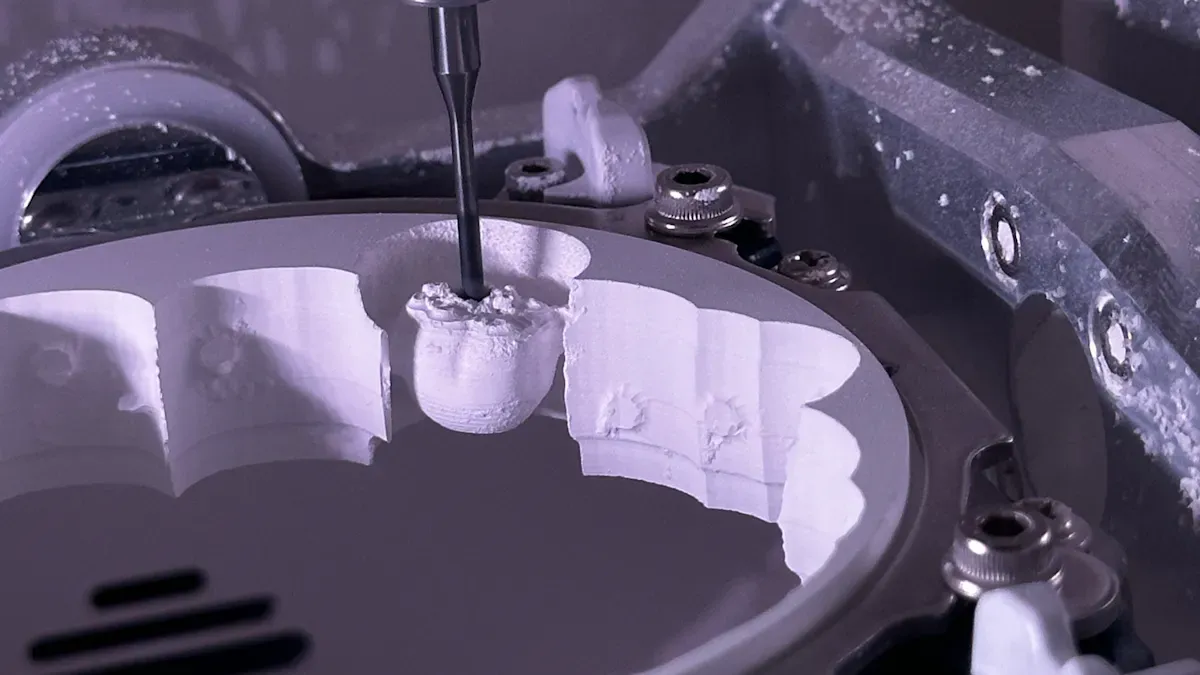
High-Performance Models
I always look for high-performance twin screw compounders when I need advanced processing capabilities. These machines deliver exceptional results for engineered plastics and demanding masterbatch production. I rely on models that combine high torque, adaṣiṣẹ, ati agbara ṣiṣe. The following table highlights two recognized leaders in 2026:
| Awoṣe | Awọn ẹya ara ẹrọ |
|---|---|
| ZSK 58 Mc18 | Yiyi ti o ga, kekere agbara agbara, automation for engineered plastics. |
| STS 35 Mc 11 | Optimized for masterbatches, enhanced cleaning, quick changeover features. |
I prefer the ZSK 58 Mc18 for its ability to handle tough polymers with minimal energy use. Awọn STS 35 Mc 11 stands out when I need rapid cleaning and fast changeovers. These features help me maintain productivity and reduce downtime. I often recommend these models to manufacturers who require consistent quality and efficient operation.
Imọran: I always match the compounder’s performance profile to the complexity of my materials. This approach ensures reliable results and maximizes throughput.
Cost-Optimized Models
Cost optimization remains a priority in my selection process. I focus on models that deliver long-term savings rather than just a low purchase price. Modern twin screw extruders, especially those from Kerke Extruder, use advanced nano-insulation materials to reduce heat loss. This technology saves about 5-8% on heater duty cycles. Optimized screw designs also minimize torque and pressure, which lowers power consumption. I have seen energy-efficient Kerke models save over $200,000 in energy costs throughout their lifespan. These savings make total cost of ownership a more important metric than initial price. I always calculate the long-term benefits before making a decision.
Akiyesi: I recommend evaluating energy efficiency and maintenance costs when comparing compounders. This strategy helps me avoid unexpected expenses and ensures sustainable operation.
Niche Application Models
Specialized industries require unique solutions. Mo gbẹkẹle Micro Conical Twin Screw Extruder models like the QualiMCTSE-15 and QualiMCTSE-40 for medical, ounje, and specialty material applications. These machines are designed for R&D labs and universities, where precise micro-scale compounding is essential. I appreciate their ability to blend trace materials and support high-temperature polymer processing. The temperature control reaches up to 350°C, with optional extension to 500°C. This capability allows me to work with high-temperature polymers and sensitive ingredients. I choose these models when accuracy and material purity matter most.
Iṣẹ pataki: I always consult with technical experts before selecting a niche compounder. This step ensures the machine meets my exact requirements for specialty applications.
Comparative Insights & Awọn iṣeduro
Overall Leader for 2026
I have tested and compared many twin screw compounders over the years. Ninu 2026, Mo ri awọn Coperion ZSK Mc18 as the clear overall leader. This model consistently delivers top-tier performance across a wide range of applications. I rely on its advanced mixing technology and automation features to achieve high throughput and product consistency. The ZSK Mc18 adapts well to changing industry demands, especially when I need to process engineered plastics or complex formulations. I value its robust construction and modular design, which allow me to customize the machine for specific tasks. The automation suite streamlines my workflow and reduces manual intervention. I trust the ZSK Mc18 to maintain stable operation even during challenging production runs.
Imọran: I always recommend the Coperion ZSK Mc18 to manufacturers who need a reliable, high-performance compounder for demanding environments.
Best for Performance
When I focus on pure performance, I look for models that deliver exceptional mixing, losi, and process control. Awọn Leistritz ZSE MAXX stands out in this category. I use this compounder when I need flexibility and precision for specialty applications. The ZSE MAXX features a modular barrel and screw design, which lets me tailor the machine for unique material blends. I appreciate its advanced temperature control and high L/D ratio. These features help me process heat-sensitive polymers and achieve uniform dispersion of additives. The ZSE MAXX also supports rapid changeovers, which keeps my production lines running efficiently.
| Awoṣe | Didara dapọ | Gbigbe | Iṣakoso ilana | Ibiti ohun elo |
|---|---|---|---|---|
| Leistritz ZSE MAXX | O tayọ | Ga | To ti ni ilọsiwaju | Pataki, Aṣa |
| Coperion ZSK Mc18 | Very Good | Giga pupọ | Aifọwọyi | Engineering Plastics |
| JSW TEX jara | O dara | Ga | Logan | Nla-asekale |
I choose the Leistritz ZSE MAXX when I need to handle specialty materials or switch between custom formulations. Its performance gives me confidence in the final product quality.
Best for Cost Efficiency
Cost efficiency matters to me, especially when I plan for long-term operation. I have compared initial investment, itọju owo, and energy savings across different models. Awọn Kerke KTE-75 offers the best balance of cost and efficiency. I notice that twin screw extruders require a ti o ga upfront idoko than single screw extruders. Sibẹsibẹ, I see that the Kerke KTE-75 delivers strong returns over time. This model reduces scrap rates and energy consumption, especially when I process complex formulations. I benefit from its robust design and easy maintenance, which lower my operating expenses.
- Twin screw extruders cost more at the start, but they save money in the long run.
- I see reduced waste and improved energy efficiency with the Kerke KTE-75.
- Specialized applications make the investment worthwhile, as I avoid costly production errors.
Akiyesi: I always calculate total cost of ownership before making a purchase. The Kerke KTE-75 proves its value through consistent savings and reliable performance.
I recommend the Kerke KTE-75 to manufacturers who want cost-effective compounding without sacrificing quality. This model helps me control expenses and maximize returns, especially in operations with complex material requirements.
Best for Application Versatility
When I evaluate application versatility, I look for a twin screw compounder that adapts to a wide range of materials and industries. Awọn Leistritz ZSE MAXX stands out as my top choice for versatility in 2026. I have used this model to process everything from engineering plastics to specialty compounds. The modular barrel and screw design allow me to reconfigure the machine quickly. I can switch between rigid PVC, thermoplastic elastomers, and even biodegradable polymers with minimal downtime.
I value the ZSE MAXX for its ability to handle frequent material changes. The quick-change screw elements and easy-clean barrel reduce contamination risks. I often need to move from one formulation to another in a single shift. This model supports that workflow without sacrificing quality or efficiency.
The advanced control system gives me precise command over temperature, titẹ, ati dabaru iyara. I can fine-tune the process for each material. This flexibility helps me meet the demands of industries like automotive, oogun, ati apoti. I have seen the ZSE MAXX excel in both high-volume production and small-batch specialty runs.
Here is a summary of why I consider the Leistritz ZSE MAXX the leader in application versatility:
| Ẹya ara ẹrọ | Leistritz ZSE MAXX Advantage |
|---|---|
| Apẹrẹ apọjuwọn | Fast adaptation to new materials |
| Quick Changeover | Minimal downtime between batches |
| Advanced Controls | Precise process tuning for each application |
| Industry Range | Awọn ṣiṣu, oogun, apoti, R&D |
| Ninu & Itoju | Easy access, reduced contamination risk |
Imọran: I always recommend the ZSE MAXX to manufacturers who need to serve multiple markets or develop new products. Its versatility protects my investment as industry trends shift.
Buyer Recommendations
I always advise buyers to take a strategic approach when selecting a twin screw compounder. The market in 2026 offers many advanced options, but not every model fits every operation. I use a checklist to guide my decision and help others make informed choices:
- Imọ ni pato: I review the machine’s ability to process a variety of materials. I check the throughput, dapọ ṣiṣe, and temperature control. These factors determine if the compounder can handle both standard and specialty tasks.
- Lẹhin-Tita Service: I choose manufacturers with strong support networks. Reliable maintenance and easy access to spare parts keep my production running smoothly.
- Iye owo-ṣiṣe: I calculate the total cost of ownership, kii ṣe iye owo rira nikan. I include energy consumption, itọju, and expected service life in my analysis.
- Iduroṣinṣin: I look for energy-efficient models and machines built with recyclable materials. These features help me meet environmental standards and reduce operating costs.
- Olokiki ile-iṣẹ: I trust suppliers with proven track records. I read testimonials and case studies to see how the equipment performs in real-world conditions.
Akiyesi: I always match the compounder’s strengths to my production goals. I consider future expansion and changing material trends before making a final decision.
I find that buyers who follow these steps select compounders that deliver reliable performance and long-term value. I encourage every manufacturer to invest time in research and consult with technical experts before purchasing. This approach ensures the chosen model supports both current needs and future growth.
I see the Coperion ZSK Mc18 as the top twin screw compounder for 2026. Its advanced mixing, agbara ṣiṣe, ati Industry 4.0 features set it apart. I recommend small manufacturers focus on operator training and process tuning, while large processors should invest in automation. I always weigh technical factors like versatility and product quality, along with economic factors such as total cost of ownership. Fun awọn esi to dara julọ, I suggest contacting trusted manufacturers and staying updated on trends like bioplastics and automation.
| Ẹya ara ẹrọ | Twin-Screw Extruder Highlights |
|---|---|
| Dapọ Agbara | O tayọ |
| Lilo Agbara | 0.18-0.28 kWh/kg |
| Mimo ara-ẹni | Bẹẹni |
| Oṣuwọn Ijade | 100-1,500+ kg / wakati |
| Mimu ohun elo | Direct dry-blend, iye owo ifowopamọ |
FAQ
What is the main advantage of a co-rotating twin screw compounder?
I find that co-rotating twin screw compounders deliver superior mixing and self-cleaning. These machines handle a wide range of materials and support high throughput. I rely on them for consistent product quality and efficient operation.
How do I choose the right L/D ratio for my application?
I select the L/D ratio based on the material and process requirements. For most plastics, I use a ratio between 36 ati 48. Specialty applications may need longer ratios for better mixing or devolatilization.
Can I process recycled materials with a twin screw compounder?
Bẹẹni, I process recycled materials regularly. Twin screw compounders excel at blending recycled polymers with additives. I adjust screw configuration and temperature zones to optimize quality and output.
What maintenance tasks should I perform regularly?
I check wear parts, clean barrels and screws, and inspect seals. I also monitor control systems for errors. Regular maintenance helps me prevent downtime and extend machine life.
Imọran: I keep a maintenance log to track service intervals and spot recurring issues early.
How does automation improve compounder performance?
Automation gives me precise control over temperature, dabaru iyara, ati ono. I see fewer errors and more consistent results. Automated systems also reduce labor costs and improve safety.
What should I consider when switching materials?
I always clean the machine thoroughly and check for residue. I adjust process parameters for the new material. Quick-change features and modular screws help me minimize downtime during changeovers.