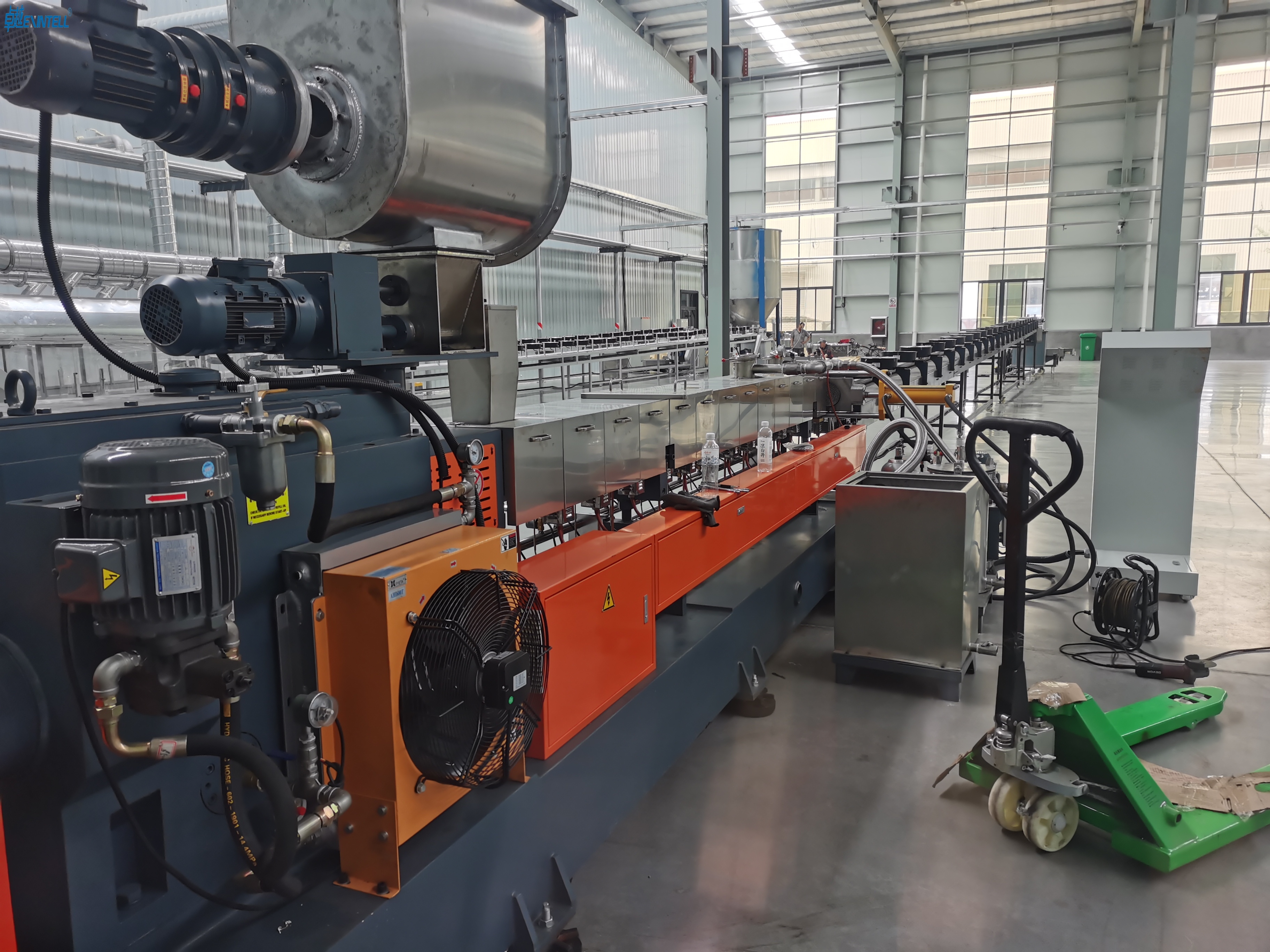
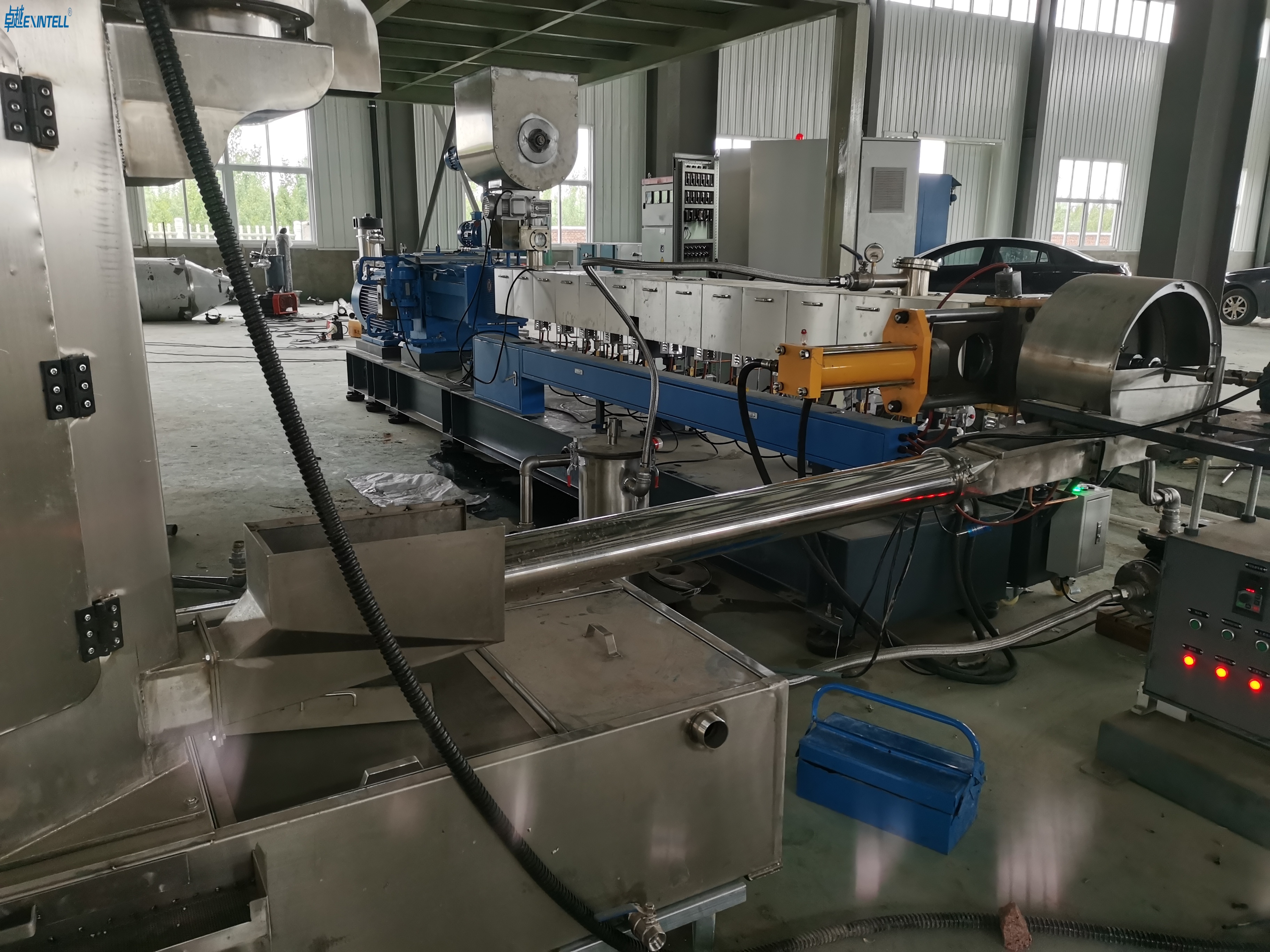
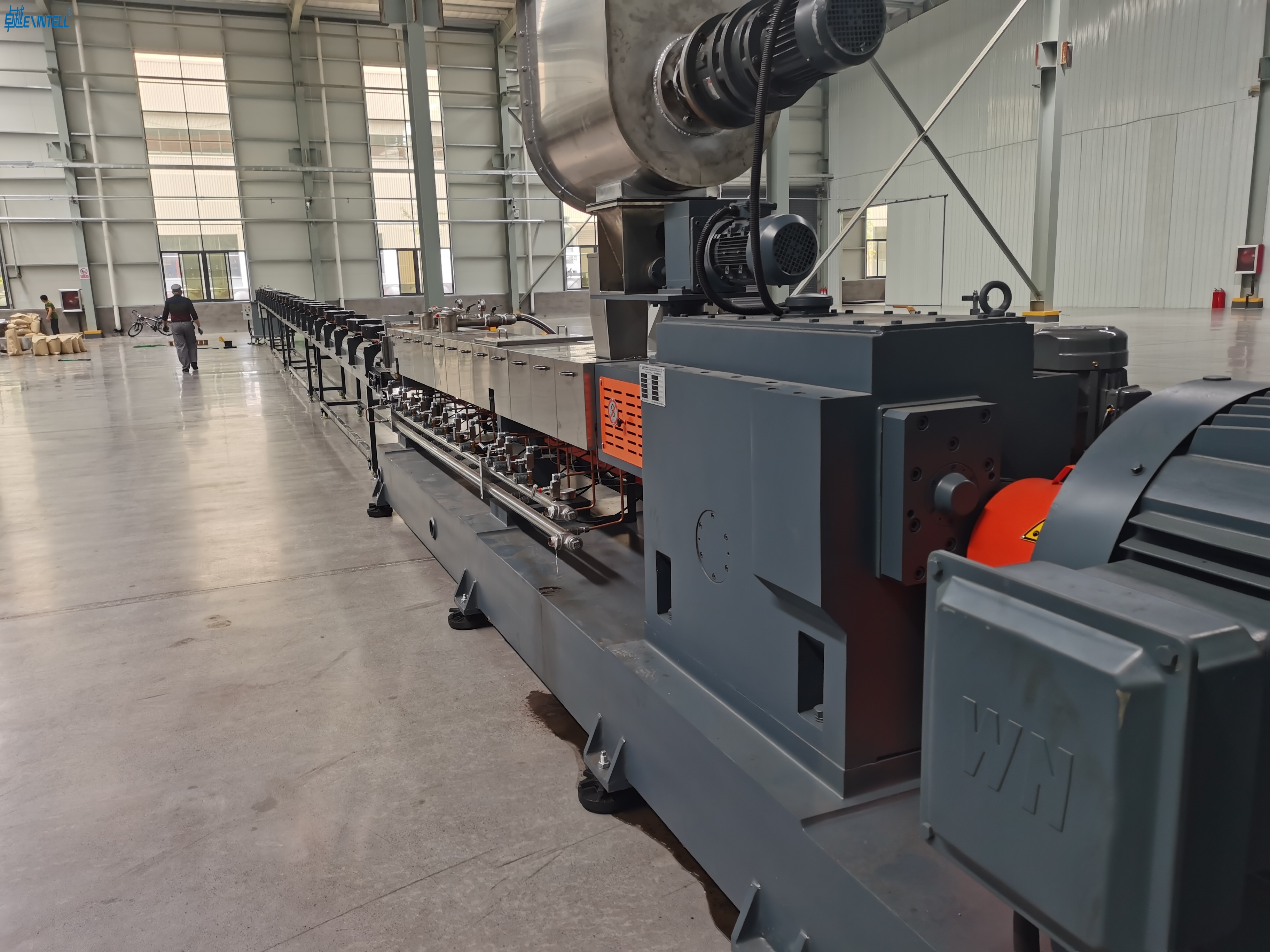
Plastic tube extrusionturns melted plastic into long tubes. These tubes have exact sizes. You can find these tubes in many everyday things. They are used for cable conduits and IV tubing. They are also used for window frames andtraffic barricades. Plastic extrusionmakes tubes that are strong and even. These tubes are used in homes, awọn ile iwosan, and building sites.
Plastic tube extrusion changes melted plastic into strong, hollow tubes. These tubes are used in many ways, like in medical tubing and building things. The extrusion process has three main steps. Ni akọkọ, thermoplastic pellets are melted. Itele, the plastic is shaped through a die. Lẹhinna, extra equipment checks the quality. Picking theright thermoplastic materialis very important. Different materials have special features. These features change the tube’s strength, irọrun, and price. Plastic tube extrusion works well. It makes even tubes with little waste. This makes it a green way to make things. These tubes are used in many daily products. They are found in things atileand in medical tools. This shows how useful and important they are.
What Is Plastic Tube Extrusion?
Basic Definition
Plastic tube extrusionis a way to make long, hollow shapes. It starts with small plastic pellets. Machines heat the pellets until they melt. The melted plastic gets pushed through a die. The die shapes the plastic into tubes with a set size. Air pressure can be used inside the tube. This keeps the tube round and smooth. Awọn amoye sọ pe ilana yii ṣe ọpọlọpọ awọn tubes ni ẹẹkan. Awọn tubes ti wa ni ṣe lati yo o polima. Awọn tubes ni apẹrẹ kanna ni gbogbo ọna nipasẹ. Wọn lagbara ati ki o wo kanna lati opin si opin.
Imọran: Awọn kú ṣiṣẹ bi a m. Ṣiṣu naa ko da gbigbe duro, nitorina o gba tube gigun ti ko ya.
Afiwera si Miiran ṣiṣu extrusion Awọn ọna
O le Iyanu bawo ni ṣiṣu tube extrusion ti o yatọ si lati ona miiran lati apẹrẹ ṣiṣu. Deede ṣiṣu extrusion le ṣe ọpọlọpọ awọn ni nitobi. Awọn apẹrẹ wọnyi le jẹ awọn iwe, awọn ọpá, tabi aṣa profaili. Iyatọ akọkọ jẹ apẹrẹ ti ku ati lilo titẹ afẹfẹ. Tube extrusion nlo a yika kú. Nigbagbogbo o ṣafikun afẹfẹ inu lati jẹ ki tube ṣofo. Awọn ọna miiran lo alapin tabi apẹrẹ ti o ku fun awọn ohun ti o lagbara.
O le rii pe extrusion tube ṣiṣu jẹ pataki. O ṣe awọn tubes ṣofo ni iye nla. Ọna yii fun ọ ni awọn ọja ti o jẹ paapaa ati ṣiṣẹ daradara fun ọpọlọpọ awọn lilo.
Igbese-nipasẹ-Igbese Ilana ti Ṣiṣu Extrusion
O le ni oye ilana extrusion tube ṣiṣu nipa fifọ si awọn igbesẹ akọkọ mẹta. Igbesẹ kọọkan nlo awọn ẹrọ pataki ati awọn idari lati rii daju pe o ni agbara, ani awọn tubes.
Yiyo Thermoplastic Ohun elo
O bẹrẹ pẹlu awọn pellets ṣiṣu kekere ti a npe ni thermoplastics. Awọn pellets wọnyi lọ sinu hopper ni oke ti extruder. Ẹrọ naa mu awọn pellets naa gbona titi wọn o fi yo. O gbọdọ lo iwọn otutu ti o tọ fun iru ṣiṣu kọọkan. Ti o ba lo iwọn otutu ti ko tọ, ṣiṣu le iná tabi ko yo to.
Awọn extruder nlo a dabaru inu kan kikan agba. Yi dabaru Titari awọn yo o ṣiṣu siwaju. O le ṣakoso iyara ati iwọn otutu lati jẹ ki ṣiṣu dan ati ṣetan fun apẹrẹ.
Imọran: Nigbagbogbo ṣayẹwo awọn eto iwọn otutu fun ohun elo rẹ. Eyi ṣe iranlọwọ lati yago fun awọn abawọn ati ki o jẹ ki ilana extrusion ṣiṣu nṣiṣẹ laisiyonu.
Muwon Nipasẹ a apẹrẹ kú
Lẹhin yo, pilasitik gbe si awọn kú. Awọn kú apẹrẹ awọn ṣiṣu sinu kan ṣofo tube. O le ronu ti kú bi apẹrẹ pataki ti o fun tube ni iwọn ati sisanra rẹ. Apẹrẹ ti kú jẹ pataki pupọ. It decides how thick the walls of the tube will be and how round the tube stays.
You will find two main types of extruders in this step:
Twin screw extrusion machines: These have two screws for better mixing. You use these for more complex plastics or when you need perfect mixing.
The extruder is the heart of the line. It melts the plastic and pushes it through the die. You must keep the flow steady to make sure the tube has even walls. If the flow changes, the tube can get thick in some spots and thin in others. The die’s shape and length also help cool and set the tube so it does not sag or warp.
Akiyesi: Apẹrẹ kú ti o dara ati ṣiṣan iduro ṣe iranlọwọ fun ọ lati yago fun awọn iṣoro ti o wọpọ bi ija tabi sisanra ti ko ni deede.
Awọn ohun elo Iranlọwọ ati Iṣakoso Didara
Ni kete ti tube kuro ni ku, o nilo awọn ẹrọ afikun lati pari iṣẹ naa ati ṣayẹwo didara. Awọn ẹrọ wọnyi ṣe iranlọwọ tutu, odiwọn, ki o si ge tube si ọtun ipari.
Aládàáṣiṣẹ Iṣakoso awọn ọna šiše: Iwọnyi jẹ ki ilana naa duro dada ati ṣe iranlọwọ fun ọ lati ṣe tube kanna ni gbogbo igba.
Awọn ẹrọ wiwọn: Awọn irinṣẹ wọnyi ṣayẹwo iwọn tube bi o ti nlọ ni ila.
Iṣakoso losiwajulosehin: Iwọnyi ṣatunṣe awọn nkan bii sisanra ogiri ati iyara itutu ni akoko gidi.
O tun nilo lati wo awọn iṣoro didara. O le ṣakoso iyara ti fifa lati tọju tube ni iwọn to tọ. O gbọdọ tutu tube pẹlu omi tabi afẹfẹ lati ṣeto apẹrẹ rẹ. Nigba miran, you use a vacuum to keep the tube round while it cools.
Here are some key quality control steps:
Adjust puller speed to control tube size.
Check cooling to make sure the tube does not shrink or warp.
Use vacuum to keep the tube round and smooth.
You can also use smart systems and sensors to watch the process. New machines use touchscreens and even connect to the internet for real-time checks. These advances help you make tubes faster and with less waste.
Imọran:Regular checks and good equipment help you avoid defects like bubbles, rough surfaces, or uneven color.
The step-by-step process of plastic extrusion gives you a clear path from raw pellets to finished tubes. By using the right machines, careful controls, and smart checks, you can make high-quality products for many uses.
Materials Used in Tubing Extrusion
Common Thermoplastics
Plastic tube extrusion uses different thermoplastics. Polyethylene (PE)is the most common one. You can pick high-density or low-densitypolyethylenefor different jobs. High-densitypolyethylenemakes strong tubes that do not get damaged by chemicals. Low-densitypolyethyleneis bendy and good for medical tubing and catheters. Polyethyleneis popular in medical plastics because it is safe, cheap, and can be used in many ways. You will also seepolyvinyl chloride (PVC) ati polypropylene (PP)in lots of industries. PVCis good for tubes in factories and for electrical work. PPis used when you need tubes that can handle more chemicals.
Imọran:Think about how you will use the tube before picking a thermoplastic. Some are better for medical things. Others work best for plumbing or electrical jobs.
Using thermoplastics in plastic extrusionsaves money. These materials cost less than metal. They are flexible, so you can make tubes for many uses. You also spend less to make them and they are easier to process. Picking the right materialhelps you make good tubes that meet rules.
Picking the right material makes sure your tubes are good quality.
The plastic extrusion process lets you pick from many materials. You can choose the best one for the job. This helps your tubes work well and not cost too much.
Benefits and Applications of Plastic Extrusion
Advantages for Tube Production
Plastic tube extrusion has manygood points when makinglots of tubes. This method helps you makehigh-quality tubes very fast. The tubes are always the same size. Awọn plastic extrusion processdoes not make much waste, so it is better for the earth. You can use many kinds of raw materials. This means you can pick what works best for your project. You can also make shapes that are hard to make with other ways.
Some main benefits of plastic tube extrusion are:
You can make many tubes that all look the same.
There is less waste, so it is better for nature.
You can make tubes in special shapes and sizes.
The process keeps going, so you save time and work faster.
You can use different materials for special needs.
You can add features while making the tube, so you do not need extra steps.
Akiyesi:This process uses less energy and lets you recycle materials. This helps the planet by making less pollution.
Uses in Everyday Life and Industry
You see things made by plastic tube extrusion almost everywhere. Many businesses use these tubes because they are strong and light. They are also easy to shape. At home, you might see them in your fridge or washing machine. Sports gear uses them for handles and edges. Awọn ohun ọgbin omi lo awọn ọpọn pataki lati jẹ ki omi di mimọ ati ailewu.
Eyi ni diẹ ninu awọn ọna ti eniyan lo awọn tubes wọnyi:
O tun le wa awọn tubes wọnyi ni apoti, ogbin, ati awọn iṣẹ agbara alawọ ewe. Ti o ba toju wọn, awọn tubes wọnyi le duro 10 si 20 odun ni awọn ile-iṣẹ. Pupọ ninu awọn ọpọn wọnyi le ṣee tunlo, eyi ti o dara fun aiye.
Imọran: Ṣiṣe awọn tubes ni awọn titobi pataki ati awọn apẹrẹ ṣe iranlọwọ lati pade awọn ofin ti o muna ni oogun ati ailewu ounje.
O mọ bayi bi ṣiṣu tube extrusion yipada awọn ohun elo aise sinu awọn tubes ti o lagbara. Awọn tubes wọnyi dabi kanna ati pe wọn lo ni ọpọlọpọ awọn ọna. Ilana naa rọrun ati ṣiṣẹ daradara, nitorina ṣiṣe awọn ọja wọnyi rọrun. O le wo awọn nkan ti a ṣe ni ọna yii ni gbogbo ọjọ. Awọn aṣa tuntun wa ti yoo yi extrusion ṣiṣu laipẹ:
Iṣakojọpọ Fancy fun atike ati itọju awọ yoo rii nigbagbogbo.
Awọn eniyan diẹ sii yoo mu irọrun ati apoti mimọ fun oogun ati itọju ara ẹni.
Bayi o le rii bi ilana yii ṣe ni ipa lori igbesi aye rẹ lojoojumọ.
FAQ
Kini idi akọkọ ti ṣiṣu tube extrusion?
O lo ṣiṣu tube extrusion lati ṣe gun, ṣofo Falopiani pẹlu ani Odi. Ilana yii ṣe iranlọwọ fun ọ lati ṣẹda awọn ọja fun awọn lilo pupọ, gẹgẹbi iwẹ iwosan, Plumbing, ati itanna conduits.
Bawo ni o ṣe pa tube yika nigba extrusion?
O lo titẹ afẹfẹ inu tube bi o ṣe n dagba. This keeps the tube round and smooth. Awọn ọna itutu ati awọn irinṣẹ igbale tun ṣe iranlọwọ mu apẹrẹ naa.
Ṣe o le tunlo tubes ṣe nipasẹ ṣiṣu extrusion?
Bẹẹni, o le atunlo ọpọlọpọ awọn tubes ṣe nipasẹ ṣiṣu extrusion. O yẹ ki o ṣayẹwo iru ṣiṣu ni akọkọ. Diẹ ninu awọn pilasitik tunlo ni irọrun ju awọn miiran lọ.
Awọn iṣoro wo ni o le ṣẹlẹ lakoko extrusion tube?
O le wo awọn odi ti ko ṣe deede, awọn nyoju, tabi ti o ni inira roboto. O le ṣe atunṣe iwọn otutu, Siṣàtúnṣe iwọn puller iyara, tabi nu awọn kú.