

Ṣiṣu Extrusion tabi abẹrẹ igbáti Eyi ti Nfun Dara konge
Mo ti rii pe idọgba abẹrẹ funni ni konge to dara julọ ati awọn ifarada tighter ju Ṣiṣu Extrusion. Fun apere, abẹrẹ igbáti le se aseyori tolerances bi ju bi ± 0.005 inches, nigba ti extrusion ojo melo Oun ni ± 0,010 inches. Eyi ni lafiwe ilana ti o da lori awọn ohun elo aṣoju ati awọn ifarada:
| Ohun elo Iru | Ilana ti a lo | Wọpọ Tolerances |
|---|---|---|
| Gigun, aṣọ awọn ẹya ara (f.eks., awọn tubes, awọn ọpá) | Extrusion | ± 0.010 inches |
| Complex tabi alaye awọn ẹya ara | Abẹrẹ Molding | ± 0.005 inches tabi tighter |
| Iwọn-giga, ga-konge | Abẹrẹ Molding | Mura ju extrusion |
| Tesiwaju, o rọrun ni nitobi | Extrusion | Dédédé, kere kongẹ |
Nigbati o ba yan ilana iṣelọpọ kan, Mo nigbagbogbo ro geometry, awọn ifarada ti a beere, gbóògì iwọn didun, ati iye owo.
Awọn gbigba bọtini
- Abẹrẹ igbáti se aseyori tighter tolerances, nigbagbogbo bi kongẹ bi ± 0,005 inches, ṣiṣe awọn ti o apẹrẹ fun eka awọn ẹya ara.
- Ṣiṣu extrusion jẹ dara julọ fun igba pipẹ, aṣọ ni nitobi bi ọpọn ati ọpá, pẹlu awọn ifarada ni ayika ± 0.010 inches.
- Wo iwọn iṣelọpọ nigbati o yan ilana kan; Ṣiṣe abẹrẹ jẹ iye owo-doko fun awọn ṣiṣe nla, nigba ti extrusion rorun ga-iwọn didun lemọlemọfún gbóògì.
- Aṣayan ohun elo ni ipa lori konge; yan awọn ohun elo ti o da lori awọn ibeere pataki ti ohun elo rẹ.
- Ṣe iṣiro idiju apakan; abẹrẹ igbáti kapa intricate awọn aṣa dara ju extrusion, eyi ti o ni opin si awọn apẹrẹ ti o rọrun.
- Didara ipari oju ni gbogbogbo dara julọ ni mimu abẹrẹ, yori si smoother awọn ẹya ara lai afikun finishing awọn igbesẹ.
- Gbero fun awọn idiyele irinṣẹ; Ṣiṣe abẹrẹ nilo idoko-owo ibẹrẹ ti o ga julọ ṣugbọn nfunni awọn ifowopamọ igba pipẹ nipasẹ atunṣe.
- Nigbagbogbo ṣe ayẹwo awọn iwulo iṣẹ akanṣe rẹ ni kutukutu; oye geometry, awọn ifarada, ati isuna ṣe iranlọwọ ni yiyan ilana iṣelọpọ ti o tọ.
Ṣiṣu Extrusion Akopọ
Awọn ipilẹ ilana
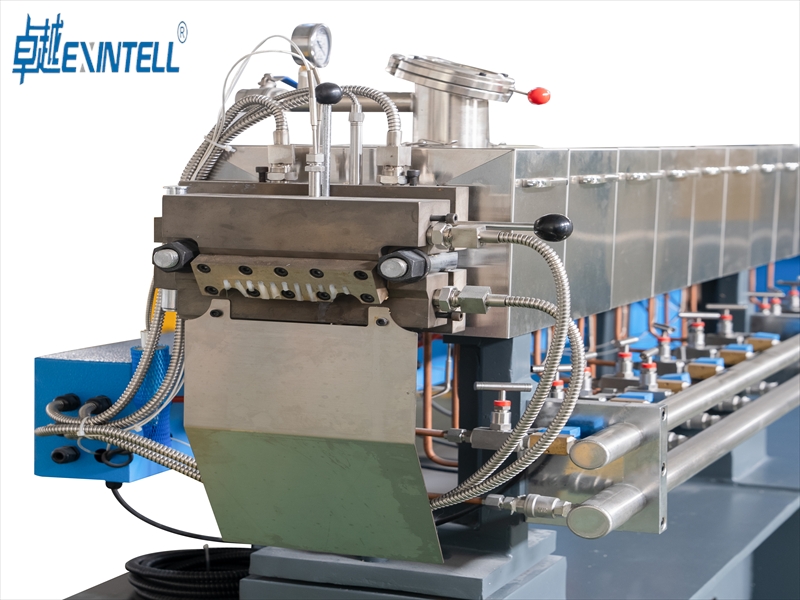
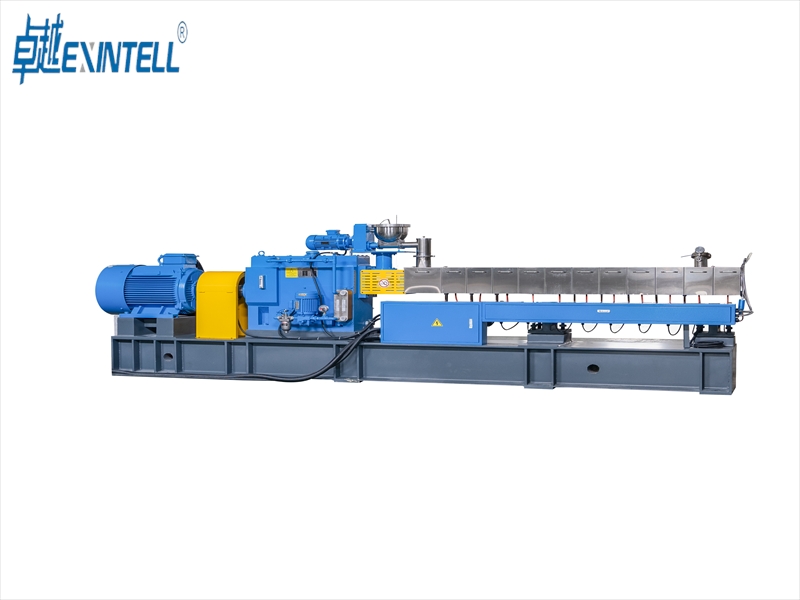
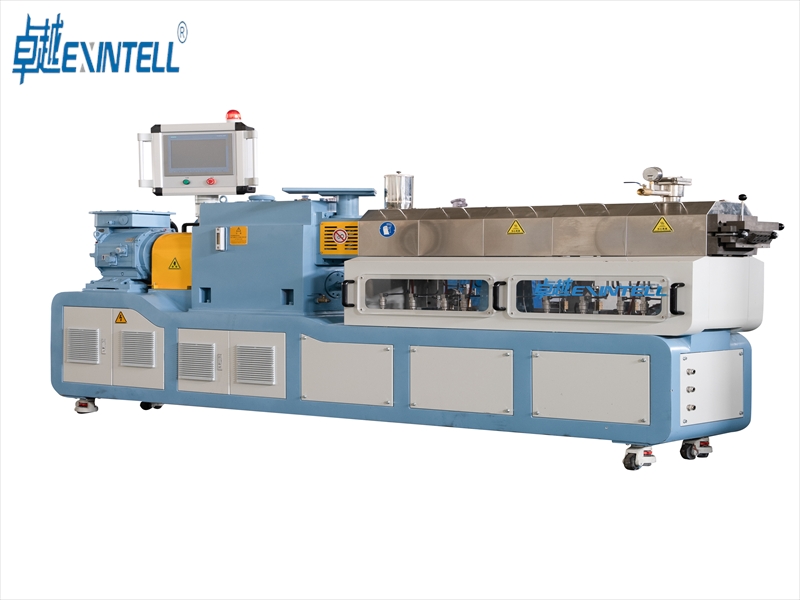
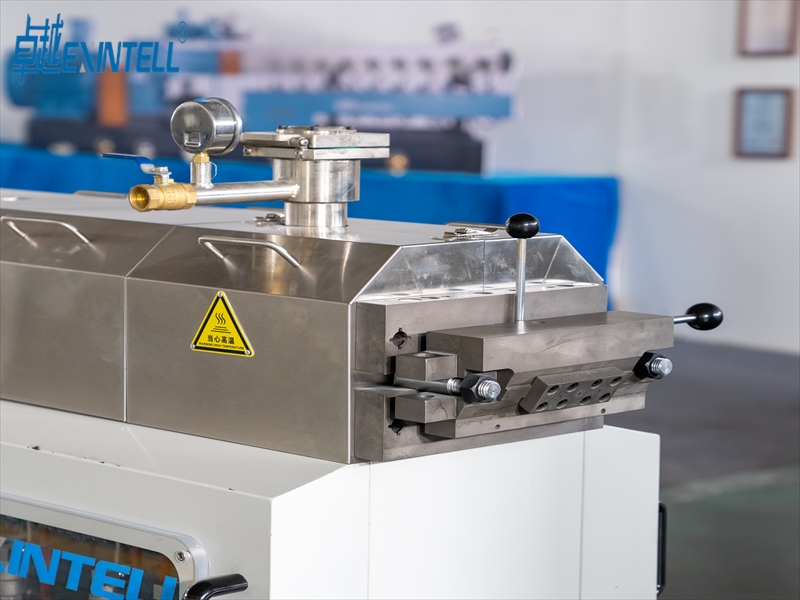
Mo ti ṣiṣẹ pẹlu ṣiṣu extrusion fun awọn ọdun ati pe o ti rii bii ọna yii ṣe ṣe awọn ohun elo thermoplastic sinu awọn profaili ilọsiwaju. Ilana extrusion bẹrẹ pẹlu yiyan ohun elo, eyiti o ṣe pataki fun iyọrisi awọn ohun-ini ti o fẹ ni ọja ikẹhin. Mo fifuye ṣiṣu pellets tabi granules sinu kan hopper loke awọn extruder. Ẹrọ naa nlo iyipo yiyi lati gbe ohun elo naa nipasẹ agba ti o gbona. Bi ohun elo ti nrin, o yo nitori ija ati ooru ita. Pilasi didà lẹhinna kọja nipasẹ ku ti o ni apẹrẹ ti konge, eyiti o fun ọja ni profaili rẹ. Lẹhin ti akoso, awọn extruded apẹrẹ ti nwọ a itutu eto, nigbagbogbo afẹfẹ tabi iwẹ omi, lati ṣinṣin ati ṣetọju išedede onisẹpo. Níkẹyìn, Mo ge tabi yi ọja naa pada, da lori ohun elo. Ọna-igbesẹ-igbesẹ yii gba mi laaye lati ṣẹda gigun, aṣọ ni nitobi pẹlu dédé agbelebu-ruju.
Awọn ohun elo ti o wọpọ
Ṣiṣu extrusion yoo kan pataki ipa ninu ọpọlọpọ awọn ile ise. Nigbagbogbo Mo rii pe o lo fun apoti, ọkọ ayọkẹlẹ, aga, ati awọn ọja onibara. Awọn ilana fun wa kan jakejado ibiti o ti ọja, lati awọn tubes ti o rọrun si awọn profaili eka. Eyi ni tabili ti o ṣe akopọ diẹ ninu awọn ohun elo ti o wọpọ:
| Ile-iṣẹ | Awọn ọja |
|---|---|
| Iṣakojọpọ | Awọn fiimu, awọn aṣọ-ikele, baagi, murasilẹ, awọn atẹ, ati awọn agolo |
| Ọkọ ayọkẹlẹ | Awọn edidi oju ojo, ṣiṣu ọpọn, gee awọn profaili |
| Awọn ohun-ọṣọ & Awọn ọja onibara | Ibandi eti, Aṣọ awọn orin, lightweight PVC foomu lọọgan |
| Ile Awọn ohun elo | Awọn imudani, edidi fun ovens ati microwaves |
| Plumbing & Iṣoogun | Fifọ, paipu |
Mo ti rii iyẹn aṣa ṣiṣu extrusion gba awọn aṣelọpọ laaye lati ṣe apẹrẹ awọn profaili alailẹgbẹ fun awọn iwulo pataki. Yi ni irọrun mu extrusion a gbajumo wun fun lemọlemọfún, iṣelọpọ iwọn didun giga.
Awọn ohun elo ti a lo
Yiyan awọn ohun elo ni extrusion ṣiṣu ni ipa lori ilana mejeeji ati iṣedede ọja ikẹhin. Mo nigbagbogbo lo polypropylene, terephthalate polyethylene, ati polystyrene. Awọn ohun elo wọnyi nfunni awọn ohun-ini oriṣiriṣi, gẹgẹbi irọrun, agbara, ati wípé. Awọn ọna ti mo mura, yo, ati ki o tutu awọn ohun elo naa ni ipa ti o taara lori deede ati aitasera ti awọn ẹya ti a ti jade. Eyi ni diẹ ninu awọn ohun elo ti o wọpọ julọ ti Mo lo:
- Polypropylene (PP)
- Polyethylene terephthalate (PET)
- Polystyrene (PS)
- Polyvinyl kiloraidi (PVC)
- Polyethylene iwuwo giga (HDPE)
- Polyethylene iwuwo kekere (LDPE)
- Acrylonitrile butadiene styrene (ABS)
- Thermoplastic elastomers (TPE)
- Ọra (PA)
- Polycarbonate (PC)
- Polymethyl methacrylate (PMMA)
Nigbati mo sise lori aṣa ṣiṣu extrusion ise agbese, Mo nigbagbogbo baramu ohun elo si awọn ibeere ohun elo naa. Aṣayan iṣọra yii ṣe idaniloju pe ọja ba pade iṣẹ mejeeji ati awọn iṣedede deede.
Aleebu ati awọn konsi
Nigbati mo akojopo ṣiṣu extrusion fun ise agbese kan, Mo nigbagbogbo ṣe iwọn awọn anfani ati awọn alailanfani. Ilana yii nfunni awọn agbara alailẹgbẹ, ṣugbọn o tun wa pẹlu awọn idiwọn ti o ni ipa titọ ati awọn ifarada.
Eyi ni a tabili ti o akopọ awọn akọkọ anfani ati alailanfani Mo ti ṣe akiyesi ni iṣẹ mi:
| Awọn anfani | Awọn alailanfani |
|---|---|
| Ga ṣiṣe ati scalability | Awọn idiwọn ni iṣelọpọ awọn apẹrẹ eka |
| Awọn iwọn iṣelọpọ giga | Awọn italaya pẹlu kú wú ti o ni ipa lori konge |
| Iye owo-ṣiṣe fun alabọde si awọn iwọn didun giga | Awọn ailagbara dada ti o pọju to nilo ipari |
Awọn anfani
Mo igba yan ṣiṣu extrusion fun awọn oniwe-ga ṣiṣe. Awọn ilana nṣiṣẹ continuously, eyiti o tumọ si pe MO le gbe awọn ẹya gigun laisi idilọwọ. Iwọn iwọn yii jẹ ki o jẹ apẹrẹ fun awọn aṣẹ nla. Nigbati Mo nilo lati ṣe awọn ẹgbẹẹgbẹrun ẹsẹ ti ọpọn tabi awọn profaili, extrusion gbà dédé esi. Iye idiyele fun apakan kan ṣubu bi iwọn iṣelọpọ pọ si, nitorinaa Mo rii pe o munadoko-doko fun alabọde si awọn iṣẹ akanṣe iwọn-giga.
Anfani miiran ni agbara lati ṣẹda awọn apakan agbelebu aṣọ. Mo le ṣetọju awọn iwọn iduro ni gigun ti apakan naa, eyiti o ṣe pataki fun awọn ohun elo bii fifi ọpa tabi awọn fireemu window. Awọn ilana tun ṣe atilẹyin kan jakejado ibiti o ti thermoplastics, nitorinaa MO le yan awọn ohun elo ti o baamu awọn ibeere ẹrọ ati kemikali ti ọja ikẹhin.
Awọn alailanfani
Pelu awọn agbara wọnyi, ṣiṣu extrusion ni o ni diẹ ninu awọn drawbacks. Awọn ilana sisegun pẹlu eka ni nitobi. Ti apakan kan ba nilo awọn alaye intricate tabi awọn igun didan, Mo ti ri extrusion kere dara. Ṣiṣu didà duro lati wú bi o ti njade jade ni kú, a lasan mọ bi kú wú. Yi ipa le ṣe awọn ti o soro lati se aseyori ju tolerances, paapa fun awọn ẹya ara ti o nilo kongẹ mefa.
Ipari dada tun le jẹ ọrọ kan. Nigba miran, awọn ẹya extruded fihan awọn ila tabi awọn ami lati kú. Nigbagbogbo Mo nilo lati ṣafikun awọn igbesẹ ipari keji, gẹgẹ bi awọn trimming tabi didan, lati mu irisi dara si ati pade awọn iṣedede didara. Awọn igbesẹ afikun wọnyi le pọ si akoko ati idiyele.
Imọran: Mo ṣeduro nigbagbogbo atunwo jiometirika apakan ati awọn ifarada ti o nilo ṣaaju yiyan extrusion. Ti apẹrẹ ba rọrun ati pe aṣẹ naa tobi, extrusion maa nfunni ni iye ti o dara julọ.
Abẹrẹ igbáti Akopọ
Awọn ipilẹ ilana
Mo ti lo awọn ọdun ṣiṣẹ pẹlu mimu abẹrẹ, ati pe Mo rii ilana mejeeji fanimọra ati daradara. Ọna naa nlo apẹrẹ kan, eyi ti o ṣe apẹrẹ ṣiṣu didà sinu awọn fọọmu gangan. Mo nigbagbogbo tẹle lẹsẹsẹ awọn igbesẹ lati rii daju pe apakan kọọkan pade awọn iṣedede didara to muna. Eyi ni bii MO ṣe sunmọ ilana mimu abẹrẹ naa:
- Dimole: Mo pa apẹrẹ naa ni wiwọ lati mura fun awọn igbesẹ atẹle.
- Abẹrẹ: Mo fun abẹrẹ gbona, yo o ṣiṣu sinu m iho.
- Ibugbe: Mo jẹ ki ṣiṣu joko inu apẹrẹ fun igba diẹ ki o kun gbogbo aaye.
- Itutu agbaiye: Awọn ṣiṣu cools ati ki o le nigba ti inu awọn m.
- Ṣiṣii mimu: Mo ṣii apẹrẹ lẹhin ti apakan ti tutu.
- Ilọkuro: Mo yọ apakan ti o ti pari kuro ninu apẹrẹ.
Yi ọmọ tun ni kiakia, eyiti o fun mi laaye lati gbe awọn titobi nla ti awọn ẹya kanna. Mo gbarale mimu abẹrẹ nigbati Mo nilo awọn apẹrẹ eka, itanran alaye, ati ki o ga-didara pari. Ilana naa fun mi ni iṣakoso ti o dara julọ lori awọn iwọn ati irisi dada.
Akiyesi: Mo nigbagbogbo ṣe abojuto iwọn otutu ati titẹ ni pẹkipẹki lakoko mimu abẹrẹ. Awọn ifosiwewe wọnyi ni ipa lori pipe ati aitasera apakan ikẹhin.
Awọn ohun elo ti o wọpọ
Ṣiṣẹda abẹrẹ ṣe ipa pataki ni ọpọlọpọ awọn ile-iṣẹ. Mo ti lo ilana yii lati ṣẹda awọn ẹya fun ọkọ ayọkẹlẹ, oogun, olumulo Electronics, ati awọn apa apoti. Iwapọ ti mimu abẹrẹ gba mi laaye lati ṣe agbejade mejeeji ti o rọrun ati awọn paati eka pupọ. Eyi ni tabili ti o ṣe akopọ diẹ ninu awọn ohun elo aṣoju:
| Ile-iṣẹ | Awọn ọja ti a Ṣejade |
|---|---|
| Ọkọ ayọkẹlẹ | Orisirisi irinše ati awọn ẹya ara |
| Iṣoogun | Awọn ibugbe ẹrọ, awọn irinṣẹ iṣẹ abẹ |
| Onibara Electronics | Awọn ọran, awọn bọtini, ati awọn miiran irinše |
| Iṣakojọpọ | Awọn bọtini igo, awọn apoti |
Nigbagbogbo Mo ṣe awọn nkan bii awọn ọran lẹnsi olubasọrọ, awọn fila igo, ati awọn paati iwọn didun giga pẹlu awọn geometries intricate. Ṣiṣatunṣe abẹrẹ ṣe iranlọwọ fun mi lati fi awọn abajade deede han, ani fun demanding ise agbese.
Awọn ohun elo ti a lo
Yiyan ohun elo jẹ pataki ni mimu abẹrẹ. Mo yan awọn ohun elo ti o da lori agbara ti a beere, irọrun, ati konge. Fun ga-konge awọn ẹya ara, Mo fẹ awọn polima pẹlu kekere ati isokan shrinkage, idurosinsin yo sisan, ati ki o dara gbona resistance. Diẹ ninu awọn julọ wọpọ ohun elo Mo lo pẹlu:
- ABS: Nfun toughness, a dan dada pari, ati resistance resistance.
- Polypropylene: Pese kemikali resistance, irọrun, ati ifarada.
- Polycarbonate: Pese ga wípé, agbara, ati ooru resistance.
- Polyethylene: Lightweight ati ki o koju ọrinrin.
- Ọra: Ti a mọ fun agbara, wọ resistance, ati ki o gbona iduroṣinṣin.
- WO: Iyatọ fun ooru, kemikali, ati ki o wọ resistance.
Nigbati mo nilo ani tighter tolerances, Mo yipada si awọn polima-ite-ẹrọ. Awọn ohun elo bii polima kirisita olomi (LCP), polyether ether ketone (WO), ati acetal (POM) fun mi ni iduroṣinṣin onisẹpo ti o dara julọ ati idinku kekere. Fun apere, Mo lo LCP fun itanna asopo ati sensọ irinše, nigba ti PEEK ṣiṣẹ daradara fun awọn aranmo iṣoogun ati awọn ẹya aerospace. Polycarbonate jẹ yiyan mi fun awọn lẹnsi ati awọn paati opiti nitori mimọ ati agbara rẹ.
Imọran: Mo nigbagbogbo baramu awọn ohun elo si awọn ohun elo ká aini. Yiyan ti o tọ ṣe idaniloju ilana imudọgba abẹrẹ n pese deede ati iṣẹ ṣiṣe.
Aleebu ati awọn konsi
Mo ti sise pẹlu abẹrẹ igbáti fun opolopo odun. Ilana yii nfunni ni ọpọlọpọ awọn anfani ti o jẹ ki o jẹ yiyan ayanfẹ mi fun awọn ẹya ṣiṣu to gaju. Mo fẹ lati pin mejeeji awọn agbara ati awọn idiwọn ti Mo ti ṣakiyesi.
Anfani ti abẹrẹ Molding
- Mo le ṣaṣeyọri pipe ti o ga pupọ pẹlu mimu abẹrẹ. Ilana naa gba mi laaye lati gbejade awọn ẹya pẹlu awọn ifarada bi ± 0.005 inches. Ipele deede yii nira lati baramu pẹlu awọn ọna iṣelọpọ ṣiṣu miiran.
- Mo riri lori awọn repeatability ti abẹrẹ igbáti. Ni kete ti mo ṣeto awọn apẹrẹ ati awọn ilana ilana, Mo ti le gbe awọn egbegberun tabi paapa milionu ti aami awọn ẹya ara. Apakan kọọkan baamu apẹrẹ atilẹba ni pẹkipẹki.
- Nigbagbogbo Mo nilo lati ṣẹda awọn ẹya pẹlu awọn apẹrẹ eka ati awọn alaye to dara. Ṣiṣatunṣe abẹrẹ ṣe itọju awọn geometries intricate daradara. Emi ko nilo lati ṣafikun awọn igbesẹ afikun tabi awọn ilana atẹle lati ṣaṣeyọri awọn ẹya wọnyi.
- Mo rii pe mimu abẹrẹ n pese awọn ipari dada ti o dara julọ. Awọn ẹya wa jade dan ati setan fun lilo ni ọpọlọpọ igba.
- Mo le lo ọpọlọpọ awọn thermoplastics ati awọn polima imọ-ẹrọ. Irọrun yii jẹ ki n ṣe ibamu awọn ohun-ini ohun elo si awọn iwulo ohun elo naa.
Alailanfani ti abẹrẹ Molding
- Mo gbọdọ ṣe idoko-owo ni awọn apẹrẹ didara-giga ṣaaju ki Mo to bẹrẹ iṣelọpọ. Iye owo akọkọ fun ẹda mimu le jẹ pataki. Fun awọn iṣẹ iṣelọpọ kekere, iye owo yii le ma ṣe idalare.
- Mo ti kẹkọọ pé oniru complexity le mu awọn italaya. Mo nilo lati gbero apẹrẹ ati apẹrẹ apakan ni pẹkipẹki. Awọn aṣiṣe ni ipele apẹrẹ le ja si awọn iyipada iye owo nigbamii.
- Nigba miiran Mo koju awọn akoko idari gigun ni ibẹrẹ iṣẹ akanṣe kan. Ṣiṣeto ati iṣelọpọ mimu naa gba akoko, paapa fun eka awọn ẹya ara.
- Mo ṣe akiyesi pe yiyan ohun elo ati awọn eto ilana nilo akiyesi iṣọra. Ti Emi ko ba ṣakoso iwọn otutu, titẹ, ati itutu awọn ošuwọn, Mo ṣe ewu awọn abawọn tabi awọn aṣiṣe onisẹpo.
Eyi ni tabili ti o ṣe akopọ awọn anfani ati alailanfani akọkọ ti Mo ti ni iriri pẹlu mimu abẹrẹ:
| Aleebu | Konsi |
|---|---|
| Ga konge ati ju tolerances | Ga ni ibẹrẹ m iye owo |
| O tayọ repeatability fun tobi ipele | Idiju oniru nbeere iṣeto iṣọra |
| Ṣe atilẹyin awọn geometries eka ati awọn alaye itanran | Longer lead times for mold development |
| Smooth surface finishes | Process control is critical |
| Wide material selection | Not cost-effective for low-volume runs |
Imọran: I always recommend injection molding when a project demands high precision, complex shapes, and large production volumes. For simple parts or small batches, I consider other methods to save on costs and lead time.
Precision and Tolerances
When I compare plastic extrusion and injection molding, I always focus on how each process handles precision and tolerances. These factors determine if a part will meet the design’s tolerance requirements and function as intended. I have learned that even small differences in tolerances can impact assembly, išẹ, and product quality.
Plastic Extrusion Tolerances
Dimensional Consistency
Ninu iriri mi, plastic extrusion delivers good dimensional consistency for long, lemọlemọfún ni nitobi. Nigbagbogbo Mo rii awọn sakani ifarada aṣoju ni ayika ± 0.010 inches. Iye yii ṣeto ipilẹ ala fun ohun ti Mo le nireti lati extrusion ni awọn ofin ti iyatọ onisẹpo. Ilana naa ṣiṣẹ dara julọ fun awọn ẹya pẹlu awọn apakan agbelebu aṣọ, gẹgẹbi awọn tubes, awọn ọpá, ati awọn profaili. Sibẹsibẹ, Mo ṣe akiyesi pe mimu awọn ifarada wiwọ pọ pẹlu gbogbo ipari le jẹ nija. Okunfa bi kú wú, ohun elo isunki, ati awọn oṣuwọn itutu agbaiye le fa awọn iyatọ diẹ. Mo nigbagbogbo ṣe abojuto awọn oniyipada wọnyi ni pẹkipẹki lati tọju awọn iwọn laarin awọn opin itẹwọgba.
Dada Ipari
Ipari dada ni extrusion da lori didara ku ati ilana itutu agbaiye. Nigbagbogbo Mo rii awọn laini kekere tabi awọn ami lori awọn ẹya ti o jade, eyi ti o wa lati awọn kú tabi lati uneven itutu. Awọn ami wọnyi le ni ipa lori hihan ati nigbakan ibamu ti apakan naa. Nigba ti a dan dada jẹ lominu ni, Mo le nilo lati ṣafikun awọn igbesẹ ipari keji. Mo ti rii pe extrusion ṣọwọn ṣaṣeyọri ipele kanna ti didan dada bi mimu abẹrẹ. Sibe, fun ọpọlọpọ awọn ohun elo, ipari jẹ itẹwọgba laisi iṣẹ afikun.
Awọn ifarada Abẹrẹ Abẹrẹ
Yiye Onisẹpo
Ṣiṣe abẹrẹ duro jade fun agbara rẹ lati ṣaṣeyọri awọn ifarada ti o muna pupọ. Mo nigbagbogbo ṣiṣẹ pẹlu awọn ifarada bi ju ± 0.005 inches, ati ki o ma ani tighter fun ga-konge awọn ẹya ara. Yi ipele ti deede ba wa ni lati kosemi m ati awọn ilana dari sile. Mo gbekele lori awọn ajohunše bi RẸ EN ISO 20457 ati ISO 2768-1/2 lati dari ise mi. Awọn iṣedede wọnyi ṣalaye awọn ẹgbẹ ifarada ati awọn kilasi fun awọn titobi apakan ati awọn ẹya oriṣiriṣi. Fun apere, RẸ EN ISO 20457 pato awọn ẹgbẹ ifarada gẹgẹbi TG5, eyiti ngbanilaaye nipa 0.23 mm fun a 32 mm apakan. Awọn itọnisọna wọnyi ṣe iranlọwọ fun mi lati rii daju pe gbogbo apakan pade awọn ibeere iwọn ilawọn to muna.
Mo san ifojusi si titẹ abẹrẹ ati titẹ idaduro nigba igbáti. Yiyi to dara ti awọn eto wọnyi ṣe idaniloju mimu naa kun patapata ati dinku awọn abawọn. Iṣakoso yii jẹ pataki fun awọn ohun elo deede, nibiti paapaa iyapa kekere le fa awọn iṣoro ni apejọ tabi iṣẹ.
Dada Ipari
Ipari dada ni mimu abẹrẹ le dara julọ. Mo le gbe awọn ẹya pẹlu didan, awọn ipele didan tabi pẹlu awọn awoara ti o mu imudara dara si ati tọju awọn abawọn kekere. Yiyan ipari yoo ni ipa lori iwo ati iṣẹ ti apakan naa. Fun apere:
- Ipari didan yoo fun didan, dan irisi.
- Ifojuri roboto le ṣe awọn ẹya rọrun lati mu ati ki o kere seese lati fi scratches.
- Awọn ipari oriṣiriṣi tun le ni agba agbara ati bii apakan ṣe n ṣe ajọṣepọ pẹlu awọn paati miiran.
Mo tun ṣe akiyesi bi awọn ọna ṣiṣe lẹhin-ifiweranṣẹ, bi eleyi anodizing, lulú ti a bo, tabi electroplating, le ni ipa awọn iwọn ipari. Awọn ọna wọnyi ṣafikun ohun elo tabi yi dada pada, nitorinaa Mo ṣe akọọlẹ fun wọn ni apẹrẹ mi lati ṣetọju deede.
Tabili afiwe ifarada
Nigbagbogbo Mo lo tabili lati ṣe afiwe awọn ifarada aṣoju fun extrusion ṣiṣu ati mimu abẹrẹ. Akopọ yii ṣe iranlọwọ fun mi ati awọn alabara mi ni oye kini lati nireti lati ilana kọọkan:
| Ilana | Awọn Ifarada Aṣoju | Dada Ipari Didara | Atunṣe |
|---|---|---|---|
| Ṣiṣu Extrusion | ± 0.010 inches | Déde | O dara fun awọn ẹya gigun |
| Abẹrẹ Molding | ± 0.005 inches tabi tighter | O tayọ | O ga pupọ |
Akiyesi: Abẹrẹ igbáti se aseyori tighter tolerances ati ki o dara repeatability ju ṣiṣu extrusion. I always recommend injection molding when a project demands high precision, complex shapes, tabi awọn ibeere ifarada ti o muna.
Mo ti rii pe yiyan ilana ti o tọ da lori jiometirika apakan, the required tolerances, and the application. Injection molding gives me the best results for detailed, high-precision parts. Ṣiṣu extrusion works well for simple, continuous shapes where slightly looser tolerances are acceptable.
Factors Affecting Precision
Material Choice
I always start by considering the material when I want to achieve high precision in plastic parts. The properties of the plastic influence how well I can control tolerances during both extrusion and injection molding. Fun apere, the way a material flows, its shrinkage, and its thermal stability all play a role in the final outcome.
Eyi ni tabili kan that summarizes how different material properties affect precision and tolerances:
| Material Property | Influence on Precision and Tolerances |
|---|---|
| Flow Behavior (MFI/MFR) | High MFI materials flow easily, which helps fill complex or thin-walled molds. Sibẹsibẹ, they may have lower strength. |
| Low MFI materials are thicker and harder to mold but result in stronger, more impact-resistant parts. | |
| Shrinkage | Amorphous plastics like ABS and PC shrink less and more evenly, so I can achieve tighter tolerances. |
| Semi-crystalline plastics such as Nylon and POM shrink more and less predictably, making precision harder to control. | |
| Gbona Iduroṣinṣin | Poor thermal stability can cause defects like burn marks or warping, which reduces dimensional accuracy. |
| Good thermal stability is important for thin or complex parts where precision matters most. |
When I select a material, I always match its properties to the needs of the part. Fun apere, if I need a part with very tight tolerances, I choose an amorphous plastic with low shrinkage and good thermal stability.
Part Complexity
The complexity of a part has a direct impact on the precision I can achieve. Simple shapes are easier to control, while complex designs introduce more challenges. I pay close attention to features like parting lines, curved surfaces, and critical dimensions.
Here is a table that shows how different design considerations affect precision:
| Consideration | Impact on Precision |
|---|---|
| Parting Line Placement | Influences mold complexity and the quality of the finished product. |
| Avoiding Critical Areas | Helps prevent dimensional changes and ensures a better fit. |
| Positioning on Curved Surfaces | Demands higher mold accuracy, which can increase costs and risk of defects. |
| Use of Natural Split Lines | Makes mold construction easier and improves the demolding process. |
When I design a part for injection molding, I try to place parting lines in less visible areas and avoid putting them on critical surfaces. This approach helps me maintain better tolerances and reduce the risk of defects.
Iwọn iṣelọpọ
Production volume also affects the level of precision I can achieve. Fun iṣelọpọ iwọn didun to gaju, I invest in high-quality molds and precise process controls. This investment pays off because I can produce thousands or millions of identical parts with consistent tolerances. For smaller runs, I may use less expensive tooling, but I know that this can lead to more variation in the final parts.
Imọran: I always recommend using the best possible tooling and process controls for high-volume production. This strategy ensures that every part meets the required specifications and reduces waste.
Tooling Quality
I always pay close attention to tooling quality when I want to achieve high precision in plastic manufacturing. The tools I use, such as dies for extrusion and molds for injection molding, play a critical role in determining the final tolerances and surface finish of each part. I have learned that even small imperfections in tooling can lead to significant errors in the finished product.
Ninu iriri mi, high-quality tooling starts with careful design. I work with engineers to create detailed drawings and 3D models. These models help me visualize the part and identify areas where precision matters most. I select materials for the tooling that resist wear and maintain their shape under high temperatures and pressures. For injection molding, I often use hardened steel or high-grade aluminum. For extrusion dies, I prefer tool steel with a polished surface.
I have seen that the manufacturing process for tooling affects its quality. Machining konge, such as CNC milling and EDM, allows me to achieve tight tolerances in the mold or die. I inspect the tooling after each step to ensure there are no defects or inconsistencies. If I find any issues, Mo koju wọn lẹsẹkẹsẹ. This attention to detail prevents problems during production.
Maintenance is another factor that influences tooling quality. I schedule regular inspections and cleaning for all my tools. I replace worn parts before they cause defects in the plastic parts. Proper maintenance extends the life of the tooling and keeps the production process running smoothly.
Here is a table that summarizes how tooling quality impacts precision in both processes:
| Tooling Aspect | Impact on Precision | My Approach |
|---|---|---|
| Aṣayan ohun elo | Reduces wear and deformation | Use hardened steel or aluminum |
| Machining Accuracy | Achieves tight tolerances | Employ CNC and EDM |
| Dada Ipari | Improves part appearance | Polish dies and molds |
| Itoju | Prevents defects | Schedule regular checks |
Imọran: I always recommend investing in high-quality tooling for projects that require tight tolerances. The upfront cost may be higher, but the long-term benefits include fewer defects, better repeatability, and lower maintenance costs.
I have found that tooling quality often determines the success of a manufacturing project. When I use well-designed and well-maintained tools, I consistently produce parts that meet strict precision requirements. This approach builds trust with my clients and helps me deliver reliable results every time.
Iye owo vs. Itọkasi
Extrusion Cost Factors
Nigbati mo akojopo ṣiṣu extrusion fun ise agbese kan, I always consider how cost and precision interact. Several factors influence the final price of extruded parts:
- I often need Ere ohun elo to achieve higher precision. These materials cost more but help me meet strict tolerances.
- Custom tooling becomes necessary when I want unique profiles or tighter tolerances. This requirement increases the initial investment.
- If I focus on speed and low cost, I sometimes see a drop in precision. Parts may not meet the required tolerances, which can lead to quality issues.
- When I prioritize quality and precision, I spend more time on setup and inspection. This approach slows production but ensures better results.
I find that balancing these factors is key. If a project allows for looser tolerances, I can save money by using standard materials and tooling. For critical applications, I invest more to guarantee precision.
Injection Molding Cost Factors
Injection molding presents a different cost structure. I have learned that several elements drive the overall expense, especially when aiming for high precision. The table below summarizes the main cost factors and their relationship to precision:
| Cost Factor | Relation to Precision |
|---|---|
| Tooling Costs | High-quality molds stabilize production and maintain tight tolerances over time. |
| Material Consumption | Premium materials improve accuracy but raise initial costs. |
| Cycle Time | Shorter cycles reduce costs, but sometimes compromise precision. |
| Machine Tonnage Rate | Larger machines hold tighter tolerances but use more energy. |
| Labor/Automation Level | Automation boosts precision and lowers labor costs in the long run. |
| Scrap Rate | Poor precision increases scrap, which drives up total costs. |
I always weigh these factors before starting a new injection molding project. For large production runs, investing in better tooling and automation pays off. I see fewer defects and more consistent parts.
Balancing Cost and Precision
Choosing between extrusion and injection molding often comes down to finding the right balance. I look at the part’s geometry, the required tolerances, and the production volume. The table below helps me decide which process fits best:
| Process Type | Apere Fun | Core Advantage | Trade-off |
|---|---|---|---|
| Abẹrẹ Molding | Epo, enclosed 3D parts | Extreme precision and consistency | Higher initial mold cost; best for large batches |
| Ṣiṣu Extrusion | Tesiwaju, uniform profiles | Lower tooling cost, efficient output | Limited to linear shapes; less suitable for complex geometries |
If I need complex shapes and tight tolerances, I choose injection molding despite the higher upfront cost. Fun rọrun, continuous profiles, I rely on extrusion to keep costs low and production fast. I always match the process to the project’s needs, ensuring I deliver both value and quality.
Imọran: I recommend discussing your precision requirements early in the design phase. This step helps me select the most cost-effective process for your application.
Yiyan awọn ọtun ilana
Selecting the right process for manufacturing plastic parts can determine the success of a project. I always start by evaluating the part’s geometry, awọn ifarada ti a beere, gbóògì iwọn didun, and cost targets. My experience has shown that both plastic extrusion and injection molding offer unique strengths. The best choice depends on the specific needs of the application.
When to Use Plastic Extrusion
I turn to the ṣiṣu extrusion ilana when I need to produce long, continuous shapes with uniform cross-sections. This process excels at creating items like tubes, paipu, oju ojo edidi, and profiles for windows or furniture. I find that extrusion works best for high-volume production runs where the design does not require complex 3D features.
To ensure a successful and high-quality plastic extrusion, several key factors must be carefully evaluated during the design phase: Functional Requirements, Ibamu ohun elo, Profile Complexity, Wall Thickness, Awọn ifarada, Mating Parts, Tooling Collaboration, and Cost Efficiency.
When I assess whether the extrusion process is the right fit, Mo ro:
- Application requirements, such as temperature resistance and UV exposure.
- Mechanical properties, pẹlu irọrun, lile, and tensile strength.
- Environmental conditions, like weather and temperature fluctuations.
- Aesthetic and finish requirements, such as color, gloss, and surface texture.
- Regulatory and compliance needs to meet industry standards.
I also weigh the cost benefits of the extrusion process. Here is how I approach the decision:
- Assess material costs against budget constraints.
- Consider long-term savings from durability and reduced waste.
- Work with experienced partners to find the best balance of performance and price.
Different plastics behave uniquely during the extrusion process, affecting the final product’s shape and performance. Mo san ifojusi si thermal stability and melt strength, especially for applications that require precise tolerances. When the design calls for simple, linear shapes and the process must remain cost-effective, extrusion often provides the best solution.
Example Scenario:
Last year, I worked with a client who needed thousands of feet of custom tubing for an irrigation system. The process required a material that could withstand sunlight and temperature swings. I recommended the extrusion process using UV-stabilized polyethylene. The process allowed us to maintain consistent wall thickness and meet the client’s budget. The result was a durable product that performed well in the field.
When to Use Injection Molding
I choose the injection molding process when the part design involves complex geometries, ju tolerances, or intricate details. This process is ideal for producing high-precision components, such as medical device housings, automotive connectors, or consumer electronics enclosures. The process supports a wide range of materials and finishes, making it versatile for many industries.
The injection molding process stands out when:
- The part requires enclosed or 3D shapes that extrusion cannot achieve.
- High repeatability and consistency are critical for assembly or function.
- The application demands a smooth surface finish or specific textures.
- The project involves large production volumes, justifying the investment in tooling.
I always consider the initial tooling cost and lead time for the injection molding process. For high-volume projects, the process delivers excellent value through low per-part costs and minimal variation between parts. I also rely on this process when regulatory compliance and material traceability are essential.
Example Scenario:
Recently, I partnered with a medical device manufacturer to produce a new type of handheld diagnostic tool. The process required a housing with complex internal features and a flawless surface finish. I recommended the injection molding process using medical-grade polycarbonate. The process allowed us to achieve the necessary tolerances and pass strict regulatory tests. The client appreciated the consistency and quality of every part.
Ikẹkọ Ọran:
I have seen how companies use data-driven approaches to select the right process. Fun apere, Amcor conducted a pilot test comparing emissions from different plastic sources and production sites. The process helped them make informed decisions about low-carbon procurement and supplier relationships. By analyzing the process at each step, they improved transparency and achieved their sustainability goals.
Imọran: I always advise clients to define their precision requirements, gbóògì iwọn didun, and budget early in the design phase. This clarity helps me recommend the most suitable process and avoid costly changes later.
How I Decide Between Processes
I use a simple checklist to guide my decision:
- Does the part have a uniform cross-section and require long lengths? I choose the extrusion process.
- Does the part need complex shapes, ju tolerances, or a high-quality finish? I select the injection molding process.
- Is the production volume high enough to justify tooling investment? I lean toward injection molding.
- Is cost efficiency for simple shapes the main goal? I recommend extrusion.
The process selection shapes the entire project, from design to final delivery. I always match the process to the application’s needs, ensuring the best balance of quality, konge, ati iye owo.
Additional Considerations
Lead Time
I always pay close attention to lead time when planning a manufacturing project. Lead time refers to how long it takes to go from design approval to finished parts. Ninu iriri mi, plastic extrusion usually offers shorter lead times. The tooling for extrusion is simpler and faster to produce. I can start production quickly once the die is ready. This makes extrusion a good choice for projects with tight deadlines or urgent needs.
Injection molding requires more time upfront. The mold design is complex and demands careful engineering. I often spend weeks or even months creating and testing the mold. Once the mold is ready, production moves fast, but the initial setup slows the process. I recommend injection molding for projects where precision and volume matter more than speed.
Imọran: If you need parts quickly and the design is simple, extrusion can save valuable time.
Irọrun oniru
Design flexibility shapes what I can achieve with each process. I have learned that extrusion limits my options. The process works best for simple, repeated shapes like tubes or profiles. I cannot create intricate features or complex geometries with extrusion.
Injection molding gives me much more freedom. I can design parts with fine details, undercuts, and complex shapes. The mold captures every feature, so I can meet strict requirements for accuracy and appearance.
Eyi ni a table that compares design flexibility between the two methods:
| Ọna | Irọrun oniru | Complexity of Parts |
|---|---|---|
| Extrusion Molding | Limited design flexibility; best for simple, repeated shapes. | Not suitable for intricate features. |
| Abẹrẹ Molding | High design flexibility; ideal for complex shapes with fine details and accuracy. | Capable of creating sophisticated designs. |
I always match the process to the part’s needs. If the design is simple and repeated, extrusion works well. For complex or detailed parts, injection molding is the clear winner.
Iduroṣinṣin
Sustainability has become a major concern in my work. I look for ways to reduce waste and use eco-friendly materials. Plastic extrusion stands out for its ability to incorporate recycled content ati awọn ohun elo biodegradable. I can use these options without sacrificing performance or quality. This gives extrusion an advantage when clients want greener solutions.
Injection molding is less flexible in this area. The process does not always support recycled or biodegradable plastics. I must choose materials carefully to avoid defects or quality issues. When sustainability is a priority, I recommend extrusion for its environmental benefits.
🌱 I always encourage clients to consider recycled or biodegradable materials in extrusion projects. This choice supports sustainability goals and helps protect the environment.
I have seen that injection molding delivers better precision in plastic manufacturing, especially for small to medium-sized plastic parts. The process uses balanced clamping force and optimized resin viscosity to reduce defects. Multi-cavity molds and rigid frames help maintain consistent results. When I choose between plastic extrusion and injection molding, I always consider plastic geometry, awọn ifarada, gbóògì iwọn didun, ati iye owo. I recommend injection molding for complex plastic shapes and tight tolerances. Plastic extrusion works well for simple, continuous plastic profiles. My experience shows that careful planning in plastic manufacturing leads to reliable plastic products.
| Okunfa | Abẹrẹ Molding | Ṣiṣu Extrusion |
|---|---|---|
| Itọkasi | High for plastic parts | Moderate for plastic parts |
| Awọn ifarada | Tight in plastic manufacturing | Looser in plastic manufacturing |
| Iwọn iṣelọpọ | Best for large plastic runs | Best for continuous plastic runs |
| Iye owo | Higher for plastic molds | Lower for plastic dies |
I always advise clients to match the plastic manufacturing process to their specific plastic needs.
FAQ
What is the main advantage of plastic extrusion?
Mo ri ṣiṣu extrusion ideal for creating continuous profiles. The process runs efficiently and produces long, aṣọ awọn fọọmu. I can quickly manufacture parts like tubes and rods for many industries.
Can injection molding handle complex shapes?
I rely on injection molding when I need intricate designs or detailed features. The process allows me to produce parts with complex geometries and tight tolerances. I achieve high precision every time.
Which process is better for high volume production?
I choose injection molding for high volume production. The process delivers consistent quality and repeatability. I can produce thousands or millions of identical parts with minimal variation.
Ṣe awọn profaili lemọlemọ ṣee ṣe pẹlu sisọ abẹrẹ?
Emi ko lo abẹrẹ igbáti fun lemọlemọfún profaili. Awọn ilana ṣiṣẹ ti o dara ju fun ọtọ, olukuluku awọn ẹya ara. Mo yipada si extrusion nigbati mo nilo gun, awọn apẹrẹ ti ko ni idilọwọ.
Awọn ohun elo wo ni o ṣiṣẹ julọ fun extrusion?
Mo yan awọn ohun elo bi polypropylene, PVC, ati HDPE fun extrusion. Awọn pilasitik wọnyi ṣe iranlọwọ fun mi lati ṣẹda awọn profaili lemọlemọfún pẹlu iṣẹ ṣiṣe igbẹkẹle. Mo baramu ohun elo naa si awọn ibeere ohun elo naa.
Bawo ni dada pari afiwe laarin awọn meji lakọkọ?
Mo ṣe akiyesi pe mimu abẹrẹ ṣe agbejade awọn oju didan. Extrusion ma fi awọn aami tabi ila lori lemọlemọfún profaili. Mo le ṣafikun awọn igbesẹ ipari lati mu irisi dara si nigbati o nilo.
Se extrusion iye owo-doko fun kekere batches?
Mo ṣeduro igbagbogbo extrusion fun awọn aṣẹ nla. The process becomes more cost-effective as I produce more continuous profiles. For small batches, setup costs may outweigh the benefits.
Can I use recycled materials in extrusion?
I often use recycled plastics in extrusion. The process supports sustainable manufacturing and lets me create continuous profiles with eco-friendly materials. I help clients meet their environmental goals.