

Masterbatch Machine Showdown Twin-Screw Extruders ati Kneader Machines
Awọn olupilẹṣẹ ni ile-iṣẹ masterbatch nigbagbogbo yan awọn agbẹru-ibeji-screw extruders fun agbara wọn lati ṣafihan idapọ ti o ga julọ ati awọn abajade deede. Wọn gbarale awọn ẹrọ kneader nigba mimu awọn ohun elo ifarabalẹ tabi iye-giga ti o beere sisẹ onírẹlẹ. Aṣayan ẹrọ ṣe ipa pataki ni gbogbo iṣẹ ẹrọ Masterbatch. Yiyan ti o tọ taara ni ipa lori didara iṣelọpọ ati ṣiṣe, bi awọn extruders ode oni ati awọn ohun elo ti n ṣe atilẹyin ṣiṣan ṣiṣan iṣelọpọ ati atilẹyin ifijiṣẹ igbẹkẹle.
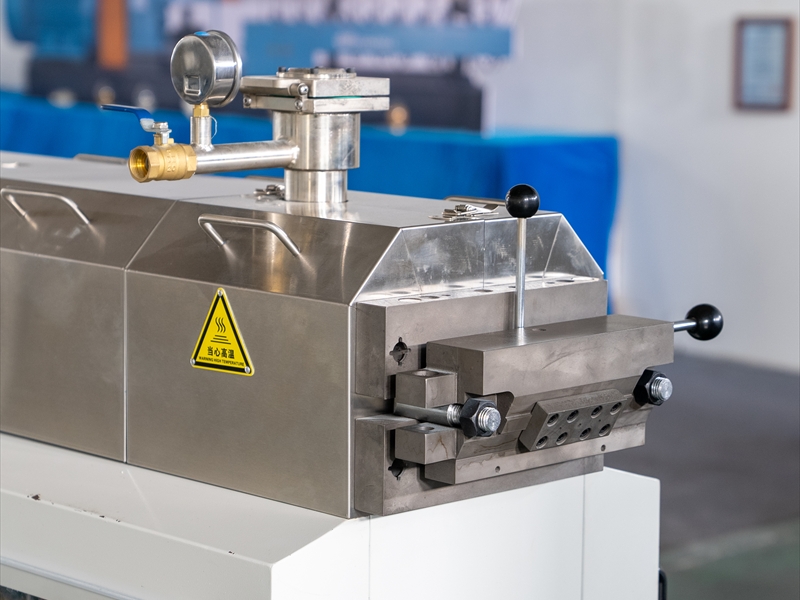
- Dara ẹrọ aṣayan ṣe iṣapeye didara ọja mejeeji ati ṣiṣe iṣelọpọ.
-
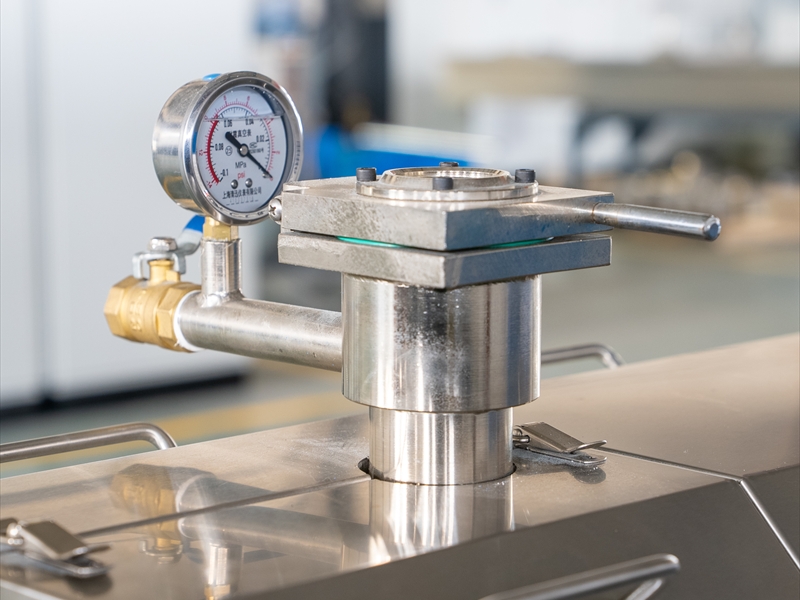
Awọn ẹrọ to ti ni ilọsiwaju dinku awọn idiyele iṣẹ ati awọn igo, aridaju ti o dara losi ati onibara itelorun.
- Yiyan ẹrọ aligning pẹlu agbara iṣelọpọ ati awọn pato ohun elo ṣe iṣeduro awọn abajade deede.
Awọn gbigba bọtini
- Yan ẹrọ ti o tọ fun aini rẹ. Twin-skru extruders tayọ ni dapọ ati losi, lakoko ti awọn ẹrọ kneader jẹ apẹrẹ fun awọn ohun elo ifura.
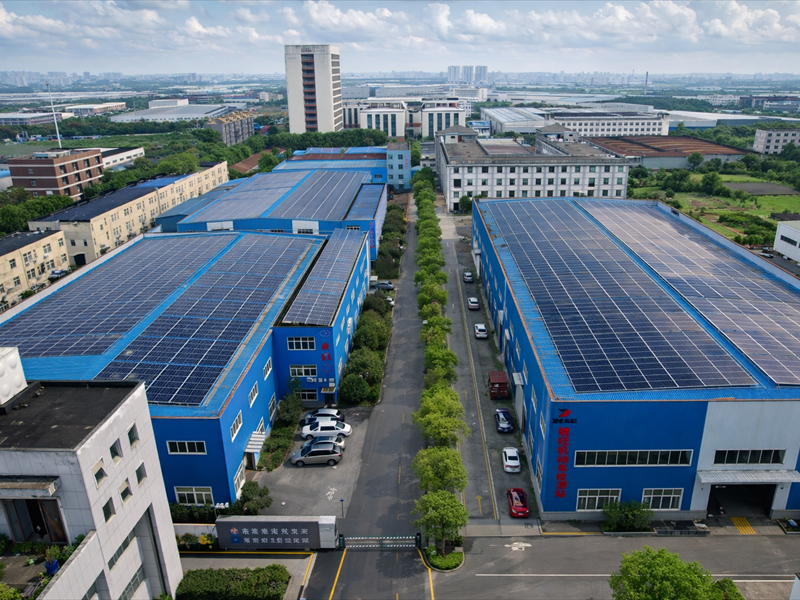
- Ṣe iṣaaju didara iṣelọpọ. Yiyan ohun elo to tọ taara ni ipa lori aitasera ati iṣẹ ti masterbatch rẹ.
-
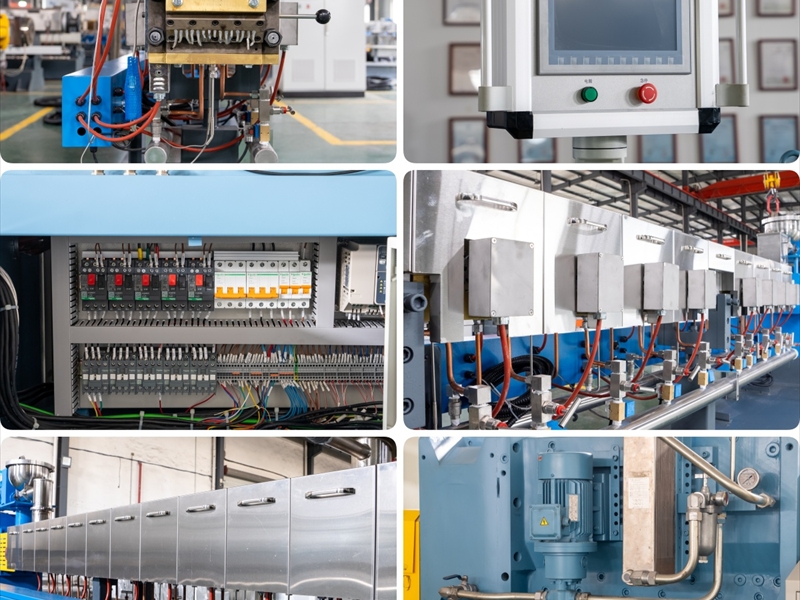
Mu iṣẹ ṣiṣe pọ si pẹlu ẹrọ to ti ni ilọsiwaju. Twin-dabaru extruders din operational owo ati ki o mu gbóògì sisan.
- Rii daju ibamu ohun elo. Ṣe idanwo lile lati jẹrisi pe awọn awọ ati awọn afikun parapo daradara fun awọn abajade to dara julọ.
- Fojusi lori aitasera pipinka. Apapo didara to gaju ṣe idilọwọ awọn abawọn ati idaniloju awọ aṣọ ni awọn ọja ṣiṣu.
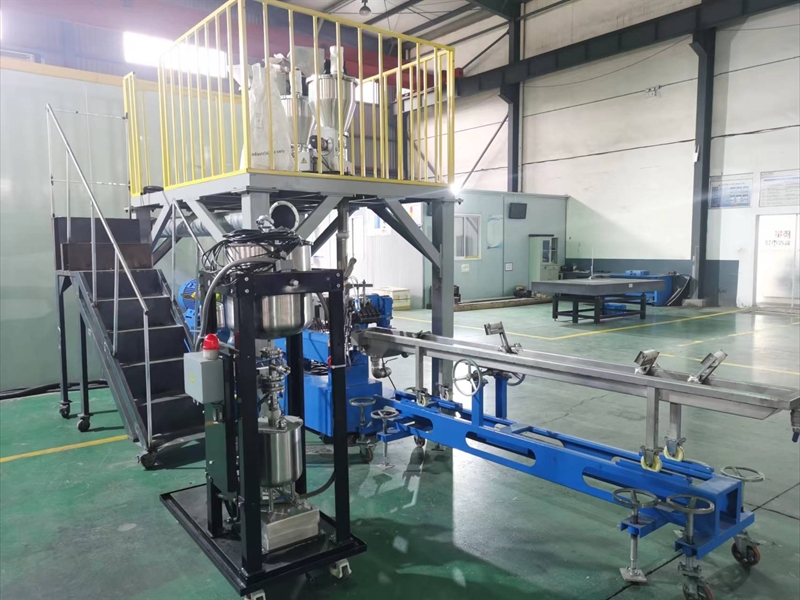
- Ro itoju aini. Twin-skru extruders nilo itọju diẹ sii, lakoko ti awọn ẹrọ kneader nfunni awọn ilana itọju ti o rọrun.
-
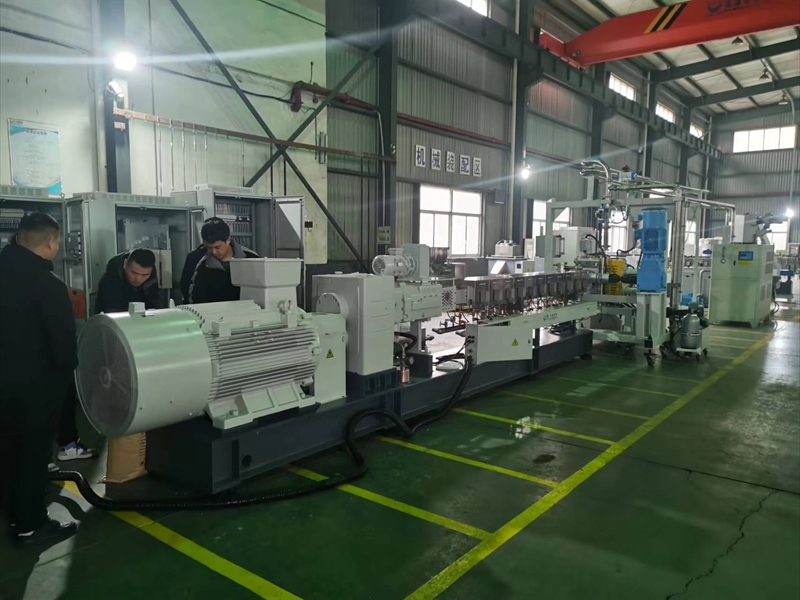
Ṣe ayẹwo isunawo rẹ daradara. Twin-skru extruders mudani ti o ga ni ibẹrẹ owo, ṣugbọn ṣiṣe wọn le ṣe aiṣedeede awọn inawo lori akoko.
- Gbero fun scalability. Twin-skru extruders le awọn iṣọrọ orisirisi si si pọ gbóògì wáà, nigba ti kneader ero le beere afikun sipo.
Masterbatch Manufacturing Akopọ
Kini Masterbatch
Ṣiṣẹda Masterbatch ṣẹda awọn akojọpọ ifọkansi ti awọn awọ, awọn afikun, ati awọn resini ti ngbe. Awọn akojọpọ wọnyi, ti a npe ni masterbatch, ti wa ni lo lati awọ tabi mu awọn ini ti ṣiṣu awọn ọja. Ilana naa pẹlu idapọ awọn ohun elo aise, compounding wọn nipasẹ extrusion, ati ṣiṣe awọn pellets fun irọrun mu. Awọn aṣelọpọ gbarale masterbatch lati ṣaṣeyọri awọ deede, dara si agbara, ati ki o specialized išẹ ni ṣiṣu awọn ohun elo. Ile-iṣẹ masterbatch ṣe atilẹyin ọpọlọpọ awọn apa, pẹlu apoti, ọkọ ayọkẹlẹ, ati awọn ọja onibara.
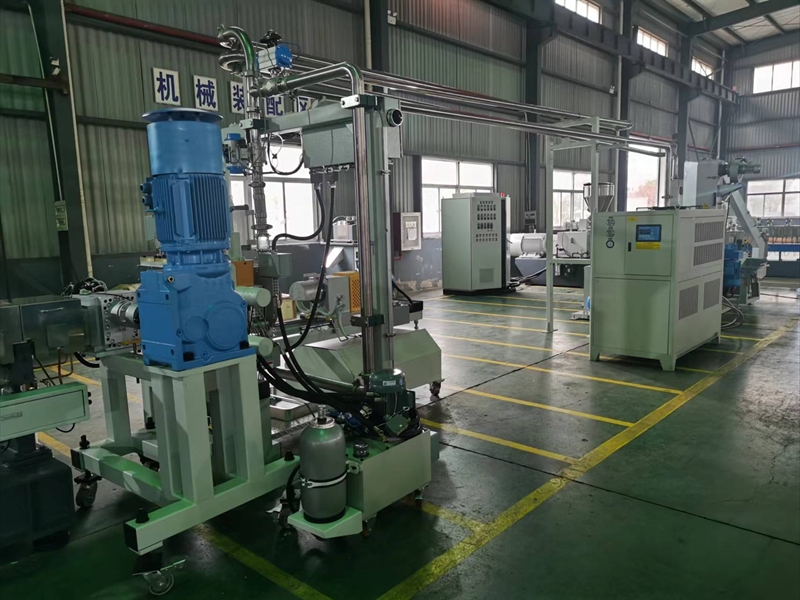
Ilana iṣelọpọ masterbatch nilo iṣakoso iṣọra ni gbogbo ipele. Igbesẹ kọọkan, lati yiyan ohun elo aise si apoti ikẹhin, ni ipa lori didara ati iṣẹ ti ọja ti pari. Awọn tabili ni isalẹ atoka awọn ifilelẹ ti awọn igbesẹ ati awọn won lominu ni awọn ibeere:
| Igbesẹ | Awọn ibeere pataki |
|---|---|
| Aṣayan Ohun elo Raw | Lo laisi eruku, kekere-ọrinrin, ati themally idurosinsin eroja fun dédé didara. |
| Idiwọn to peye ati Dapọ | Awọn ọna ṣiṣe adaṣe adaṣe fun deede; ga-iyara mixers fun aso-compound aso. |
| Extrusion ati Compounding | Ohun elo ooru ti iṣakoso ati idapọ-irẹ-giga fun pipinka pipe ti awọn afikun. |
| Itutu ati Pellet Ibiyi | Itutu agbaiye ni kiakia ati gige awọn okun extruded sinu awọn pellets aṣọ. |
| Ayẹwo Didara lile | Awọn idanwo didara lọpọlọpọ pẹlu isokan awọ ati awọn sọwedowo ibamu. |
| Iṣakojọpọ ati Ifijiṣẹ Akoko | Tọju ni mimọ, awọn ohun elo iṣakoso iwọn otutu ati idojukọ lori ifijiṣẹ akoko. |
Awọn ibeere iṣelọpọ bọtini
Aitasera pipinka
Aitasera pipinka duro bi ibeere pataki ni iṣelọpọ masterbatch. Pipinka aṣọ ti awọn awọ ati awọn afikun ṣe idaniloju pe gbogbo ọja ṣiṣu ṣe afihan awọ ti a pinnu ati awọn ohun-ini. Ga-didara yellowing idilọwọ awọn Ibiyi ti lile lumps tabi impurities, eyi ti o le fa abawọn ninu ik masterbatch. Awọn aṣelọpọ lo iṣakojọpọ ilọsiwaju ati awọn imọ-ẹrọ extrusion idapọ lati ṣaṣeyọri pipinka to dara julọ. Pipade igbagbogbo tun ṣe ilọsiwaju ipari dada ati dinku awọn ọran iṣelọpọ, ṣiṣe awọn ti o pataki fun gbẹkẹle masterbatch išẹ.
Gbigbe
Gbigbe ṣe iwọn iye masterbatch ti a ṣe laarin fireemu akoko kan pato. Iwajade giga ṣe atilẹyin iṣelọpọ iwọn-nla ati pade ibeere ọja daradara. Ilana idapọ gbọdọ dọgbadọgba iyara pẹlu didara, bi iṣelọpọ iyara ko yẹ ki o ṣe adehun pipinka tabi iṣọkan. Awọn laini iṣelọpọ masterbatch ode oni lo awọn eto adaṣe ati awọn extruders agbara-giga lati mu iwọn iṣelọpọ pọ si. Itutu agbaiye daradara ati awọn ọna ṣiṣe pelletizing siwaju si ilana ilana naa, ni idaniloju pe awọn ibi-afẹde iṣelọpọ ti pade laisi didara didara.
Ibamu ohun elo
Ibamu ohun elo ṣe ipa pataki ninu iṣelọpọ masterbatch. Awọn awọ ti o yan, awọn afikun, ati awọn resini ti ngbe gbọdọ dapọ daradara lakoko idapọ. Awọn ohun elo ti ko ni ibamu le ja si pipinka ti ko dara, awọ ṣiṣan, tabi iṣẹ ṣiṣu dinku. Awọn aṣelọpọ ṣe idanwo didara to muna, pẹlu ibamu awọ ati itupale pipinka, lati jẹrisi ibamu. Igbesẹ yii ṣe idaniloju pe masterbatch ṣepọ laisiyonu sinu ọpọlọpọ awọn ohun elo ṣiṣu, atilẹyin awọn abajade deede kọja awọn ṣiṣe iṣelọpọ oriṣiriṣi.
Akiyesi: Ṣiṣe iṣelọpọ masterbatch ti o ga julọ da lori iṣakoso kongẹ ti iṣakojọpọ, daradara dapọ, ati ki o ṣọra asayan ti ohun elo. Awọn ifosiwewe wọnyi ṣe iṣeduro pe masterbatch ikẹhin pade awọn iṣedede ile-iṣẹ fun awọ, agbara, ati ihuwasi processing.
Twin Screw Extruder in Masterbatch Machine
Twin Screw Extruder Types
Twin-screw extruders have become the backbone of modern masterbatch manufacturing. They offer unmatched flexibility and control compared to single screw designs. The table below highlights the operational differences between single and twin screw extruders, emphasizing why the twin configuration dominates masterbatch production:
| Ẹya ara ẹrọ | Nikan dabaru Extruder | Twin dabaru Extruder |
|---|---|---|
| Dapọ Agbara | Lopin | Imudara |
| Irọrun | Kekere | Ga |
| Control over Material Flow | Déde | Ga |
| Ideal for Complex Recipes | Rara | Bẹẹni |
| Application in Masterbatch | Lopin | Extensive |
Àjọ-Yíyi
Co-rotating twin screw extruders feature screws that rotate in the same direction. This design maximizes the mixing and compounding efficiency. The co-rotating action ensures that materials experience both dispersive and distributive mixing, which is essential for producing high-quality masterbatch. Awọn aṣelọpọ fẹran iru yii fun agbara rẹ lati mu awọn agbekalẹ eka ati ṣetọju iṣelọpọ deede.
Intermeshing vs Non-Intermeshing
Twin dabaru extruders le jẹ intermeshing tabi ti kii-intermeshing. Intermeshing awọn aṣa gba awọn skru lati ni lqkan, ṣiṣẹda ipa-wiping ti ara ẹni ti o dinku iṣelọpọ ohun elo ati imudara ti ara ẹni. Ẹya yii ṣe atilẹyin iṣẹ ṣiṣe ti nlọsiwaju ati dinku akoko idinku. Non-intermeshing orisi pa awọn skru lọtọ, eyiti o le baamu awọn iwulo idapọmọra kan pato ṣugbọn ni gbogbogbo nfunni ni idapọpọ aladanla ti o kere si.
Awọn ẹya ara ẹrọ ti Twin dabaru Extruder
Apẹrẹ apọjuwọn
Twin dabaru extruders lilo apọjuwọn dabaru eroja. Ẹya yii ngbanilaaye awọn oniṣẹ lati ṣe akanṣe eto extrusion fun oriṣiriṣi awọn ilana masterbatch. Apẹrẹ apọjuwọn ṣe atilẹyin gbigbe agbara ẹrọ to dara julọ ati mu awọn ayipada iyara ṣiṣẹ ninu iṣeto ilana. Manufacturers can adapt the extrusion system to new materials or product requirements without major downtime.
Irẹrun ati Iṣakoso Ipa
Precise control over shear and pressure defines the twin screw extruder’s effectiveness. Operators can adjust dabaru iyara, iṣeto ni, and barrel temperature to fine-tune the compounding process. This control ensures uniform dispersion of pigments and additives, resulting in consistent masterbatch quality. The extrusion system also maintains stable pressure, which protects sensitive ingredients and enhances the structural properties of the final product.
Awọn anfani
Superior Dapọ
Twin-dabaru extruders fi lagbara dispersive ati pinpin dapọ. This capability ensures that pigments and additives blend thoroughly during compounding. The result is a masterbatch with uniform color and performance.
Gbigbe giga
Manufacturers rely on twin screw extruders for high throughput. Awọn ẹrọ wọnyi ṣe ilana awọn iwọn nla ti masterbatch daradara, pade awọn ibeere ti iṣelọpọ iwọn ile-iṣẹ. Apẹrẹ ṣe atilẹyin ifunni iduroṣinṣin ti awọn pigments lulú ati awọn afikun, eyi ti boosts sise.
Mimo ara-ẹni
Awọn intermeshing igbese ni ọpọlọpọ awọn ibeji dabaru extruders pese kan ara-ninu ipa. Ẹya yii dinku ohun elo ti o ku, dinku awọn eewu ibajẹ, ati kikuru awọn akoko iyipada laarin oriṣiriṣi awọn agbekalẹ masterbatch.
Imọran: Awọn anfani ti ibeji skru extruder ọna ẹrọ fa kọja dapọ. Awọn ẹrọ wọnyi je ki lilo ohun elo ati atilẹyin iṣakoso kongẹ lori gbogbo ipele ti ilana idapọ.
Awọn alailanfani
Iye owo
Twin dabaru extruder awọn ọna šiše nilo kan significant ni ibẹrẹ idoko. Awọn aṣelọpọ nigbagbogbo koju awọn idiyele iwaju ti o ga julọ ni akawe si awọn ẹrọ dabaru ẹyọkan. Imọ-ẹrọ ilọsiwaju ati apẹrẹ modular ti awọn extruders twin ṣe alabapin si inawo yii. Ọpọlọpọ awọn ohun elo gbọdọ tun nawo ni amọja ohun elo iranlọwọ lati se atileyin twin dabaru extruder. Awọn idiyele wọnyi le koju awọn olupilẹṣẹ iwọn kekere tabi awọn ti o ni awọn isuna-inawo to lopin. Afikun asiko, awọn ṣiṣe ati wu ti ibeji dabaru extruder ọna ẹrọ le aiṣedeede awọn ni ibẹrẹ inawo, ṣugbọn idena si titẹsi si maa wa ga ju pẹlu awọn ẹrọ ti o rọrun.
Itoju
Itọju fun ohun elo twin dabaru extruder nbeere awọn onimọ-ẹrọ oye ati akiyesi deede. Awọn skru intermeshing ati awọn paati apọjuwọn ni iriri wọ lakoko iṣiṣẹ lilọsiwaju. Awọn oniṣẹ gbọdọ bojuto awọn ipo ti skru, awọn agba, ati edidi lati se downtime. Itọju eto ati rirọpo apakan ṣe iranlọwọ lati ṣetọju iṣẹ ṣiṣe deede, ṣugbọn wọn ṣafikun awọn idiyele iṣẹ. Awọn apejọ eka ni awọn ọna ṣiṣe twin skru extruder le ṣe alekun akoko ti o nilo fun mimọ ati atunṣe. Facilities that process abrasive or highly filled materials may see accelerated wear, requiring even more frequent maintenance.
Akiyesi: Regular maintenance ensures that twin screw extruder machines deliver reliable results and extend their service life. Neglecting upkeep can lead to inconsistent masterbatch quality and unexpected production stops.
Application of Twin Screw Extruder
Masterbatch awọ
Twin screw extruder technology plays a central role in color masterbatch production. The twin screws provide intensive mixing, which ensures pigments disperse evenly throughout the carrier resin. This process creates pellets with uniform color, essential for high-quality plastic products. Manufacturers rely on the twin screw extruder to handle a wide range of pigment types and concentrations. Irọrun ti apẹrẹ ibeji ngbanilaaye fun awọn iyipada iyara laarin awọn agbekalẹ awọ oriṣiriṣi, atilẹyin Oniruuru onibara ibeere.
Afikun Masterbatch
Awọn ohun elo ti ibeji dabaru extruder awọn ọna šiše pan si aropo masterbatch ẹrọ. Awọn ẹrọ wọnyi dapọ awọn afikun iṣẹ ṣiṣe-gẹgẹbi awọn amuduro UV, ina retardants, tabi awọn aṣoju antistatic-sinu polima matrix. Awọn skru twin ṣe idaniloju pipinka ni kikun, eyi ti o maximizes awọn ndin ti kọọkan aropo. Dapọ ni ibamu ṣe idilọwọ agglomeration ati awọn iṣeduro pe gbogbo pellet n pese iṣẹ ti a pinnu. Apẹrẹ apọjuwọn ti twin skru extruder gba awọn oniṣẹ laaye lati ṣatunṣe ilana fun awọn oriṣi afikun ati awọn ikojọpọ..
Awọn tabili ni isalẹ akopọ awọn agbegbe ohun elo akọkọ fun ibeji dabaru extruder awọn ọna šiše ni masterbatch gbóògì:
| Ohun elo | Apejuwe |
|---|---|
| Masterbatch iṣelọpọ | Ṣe idaniloju pipinka aṣọ ti pigments ati awọn afikun fun awọ ati iṣẹ-ṣiṣe masterbatches. |
| Masterbatch awọ | Pese pinpin awọ deede ati atilẹyin awọn ayipada igbekalẹ iyara. |
| Afikun Masterbatch | Pese isọdọkan kongẹ ti awọn afikun iṣẹ ṣiṣe fun imudara awọn ohun-ini ṣiṣu. |
Twin dabaru extruder ero atilẹyin kan jakejado ibiti o ti masterbatch ohun elo. Iwapọ ati iṣakoso wọn jẹ ki wọn fẹfẹ fun awọ mejeeji ati iṣelọpọ masterbatch afikun. Awọn ohun elo ti ibeji skru extruder ọna ẹrọ tẹsiwaju lati faagun bi awọn aṣelọpọ n wa didara ti o ga julọ ati ṣiṣe.
Kneader Machine fun Masterbatch Manufacturing
Kneader Machine Orisi
Awọn ẹrọ Kneader ṣe ipa pataki ni iṣelọpọ masterbatch, paapaa nigbati o ba n mu awọn ohun elo ti o ni iye-giga tabi awọn ohun elo ifura. Orisirisi awọn orisi ti kneader ero sin awọn ile ise, kọọkan apẹrẹ fun pato compounding aini:
- Banbury Mixers: Awọn ẹrọ wọnyi tayọ ni idapọ awọn polima ati awọn afikun, ṣiṣe awọn wọn a staple ni masterbatch gbóògì.
- Pipin Kneaders: Awọn aṣelọpọ lo iwọnyi fun iyọrisi pipinka aṣọ, eyi ti o jẹ pataki fun dédé masterbatch didara.
- Ti abẹnu Mixers: Awọn ile-iṣere nigbagbogbo gbarale awọn aladapọ inu fun iwadii iwọn-kekere ati idagbasoke. Awọn ẹrọ wọnyi ngbanilaaye iṣakoso kongẹ lori awọn paramita dapọ.
- Sigma Blade Kneaders: Ti a ṣe apẹrẹ fun awọn ohun elo iki-giga, Awọn kneaders abẹfẹlẹ sigma ṣe idaniloju idapọpọ daradara ati pe o jẹ apẹrẹ fun awọn iṣẹ ṣiṣe idapọmọra nija.
Awọn ẹrọ Kneader ṣiṣẹ nipasẹ awọn ohun elo dapọ labẹ iwọn otutu iṣakoso ati awọn ipo irẹrun. Ọna yii ṣe idaniloju pipinka aṣọ ati idapọ ti o munadoko, eyiti o ṣe pataki fun iṣelọpọ masterbatch didara giga.
Awọn ẹya ara ẹrọ ti Kneader Machine
Idapọ aladanla
Awọn ẹrọ Kneader pese idapọ aladanla, eyi ti o jeki kongẹ pipinka ati parapo ti pigments, awọn afikun, ati awọn resini. Ẹya yii jẹri pataki pataki ni iṣelọpọ masterbatch, nibiti kikun-giga ati awọn ohun elo iyipada ti o ga julọ nilo pinpin iṣọkan. Iṣe idapọpọ ti o lagbara ṣe idiwọ agglomeration ati rii daju pe gbogbo ipele ti masterbatch pade awọn iṣedede didara to muna.
Lilo Agbara
Agbara ṣiṣe duro jade bi anfani bọtini ti awọn ẹrọ kneader. Apẹrẹ wọn dinku agbara agbara lakoko idapọ, eyiti o ṣe iranlọwọ fun awọn aṣelọpọ dinku awọn idiyele iṣẹ. Awọn ẹrọ naa ṣetọju iṣelọpọ iduroṣinṣin lakoko ṣiṣe awọn ohun elo lọpọlọpọ, ṣiṣe wọn dara fun mejeeji titobi nla ati iṣelọpọ masterbatch pataki.
Batch Isẹ
Awọn ẹrọ Kneader nigbagbogbo nṣiṣẹ ni ipo ipele. Ọna yii ngbanilaaye fun awọn atunṣe paramita rọ, ni atilẹyin isejade ti Oniruuru masterbatch formulations. Iṣiṣẹ ipele tun pese iṣelọpọ iduroṣinṣin, eyiti o ṣe pataki fun mimu aitasera nigba ṣiṣe awọn ohun elo ifura tabi iye-giga. Awọn oniṣẹ le ṣe atẹle ni pẹkipẹki ipele kọọkan, ni idaniloju pe ilana idapọmọra pade awọn pato ti a beere.
Awọn anfani
Dapọ konge
Awọn ẹrọ Kneader nfunni ni idapo konge, eyiti o ṣe pataki fun iṣelọpọ masterbatch pẹlu eka tabi awọn eroja ifura. Awọn ẹrọ’ agbara lati ṣaṣeyọri pipinka aṣọ ni idaniloju pe awọn pigments ati awọn afikun ṣepọ laisiyonu sinu resini ti ngbe. Yi konge atilẹyin isejade ti masterbatch pẹlu dédé awọ ati iṣẹ.
Isalẹ Lilo Lilo
Awọn olupilẹṣẹ ṣe iye awọn ẹrọ kneader fun agbara kekere wọn ni akawe si ohun elo iṣakojọpọ miiran. Apẹrẹ daradara dinku iran ooru ati dinku ibajẹ ohun elo, eyi ti o ṣe anfani awọn agbekalẹ masterbatch ti o ni imọra-ooru. Lilo agbara kekere tun ṣe alabapin si ilana iṣelọpọ alagbero diẹ sii.
Agbara
Awọn ẹrọ Kneader ṣe afihan agbara alailẹgbẹ. Wọn ikole withstands awọn ibeere ti aladanla compounding, paapaa nigba ṣiṣe abrasive tabi awọn ohun elo ti o kun pupọ. Itọju yii ṣe idaniloju iṣẹ igbẹkẹle ati fa igbesi aye iṣẹ ti ẹrọ naa pọ si, ṣiṣe awọn ẹrọ kneader ni idoko-owo ohun fun awọn ohun elo iṣelọpọ masterbatch.
Akiyesi: Awọn ẹrọ Kneader darapọ dapọ aladanla, agbara ṣiṣe, ati ki o logan ikole, ṣiṣe wọn jẹ apẹrẹ fun iṣelọpọ masterbatch ti o nilo idapọ deede ati iṣelọpọ iduroṣinṣin.
Awọn alailanfani
Isalẹ Gbigbe
Awọn ẹrọ Kneader ṣiṣẹ ni ipo ipele, eyi ti o fi opin si wọn losi akawe si lemọlemọfún extrusion awọn ọna šiše. Awọn oniṣẹ gbọdọ fifuye, dapọ, ati gbejade ipele kọọkan ṣaaju ki o to bẹrẹ ọmọ ti o tẹle. Ilana yii ṣe ihamọ iwọn didun ti masterbatch ti a ṣe laarin akoko ti a fun. Awọn ohun elo ti o nilo awọn oṣuwọn iṣelọpọ giga nigbagbogbo rii awọn ẹrọ kneader ti ko dara fun iṣelọpọ iwọn-nla. Išišẹ ipele naa tun pọ si akoko isinmi laarin awọn iyipo, eyi ti o le ni ipa ni apapọ ṣiṣe. Awọn aṣelọpọ ti o ṣe pataki iyara ati iwọn didun le fẹ awọn extruders fun agbara wọn lati fi iṣelọpọ deede han laisi idilọwọ.
Lopin irọrun
Awọn ẹrọ Kneader nfunni ni irọrun diẹ sii nigbati o ba ni ibamu si awọn agbekalẹ tuntun tabi awọn iyipada ọja iyara. Ilana ipele nilo awọn atunṣe afọwọṣe fun ohunelo kọọkan, which slows response to shifting market demands. Operators must clean and prepare the machine between batches, especially when switching between different materials. This limitation makes kneader machines less ideal for facilities that handle frequent changes in masterbatch composition. The design suits stable production environments but presents challenges for manufacturers seeking versatility in their application range.
Akiyesi: Kneader machines excel in precision mixing and energy efficiency, but their lower throughput and limited flexibility can restrict their use in fast-paced or highly variable production settings.
Awọn ohun elo Aṣoju
Highly Filled Masterbatch
Kneader machines demonstrate exceptional performance in highly filled masterbatch production. These machines handle ultra-high loading awọn ipele, igba pupọ 85% kikun akoonu. Iṣe dapọ aladanla ṣe idaniloju awọn afikun-si-tuka awọn afikun ṣepọ daradara sinu resini ti ngbe. Awọn aṣelọpọ yan awọn ẹrọ kneader fun idapọ masterbatch kikun nitori wọn ṣetọju pipinka aṣọ ati ṣe idiwọ agglomeration, paapaa pẹlu awọn ohun elo ti o nija. Tabili ti o wa ni isalẹ ṣe afihan iru ohun elo akọkọ ati awọn abuda rẹ:
| Ohun elo Iru | Awọn abuda |
|---|---|
| Filler Masterbatch Compound | Ultra-High Loading, >85% àgbáye awọn ipele, soro-lati-tuka awọn afikun |
Ohun elo yii nilo idapọ ti o lagbara ati iṣelọpọ iduroṣinṣin, eyi ti kneader ero pese. Awọn oniṣẹ ṣe aṣeyọri didara ni ibamu ni awọn ipele pẹlu akoonu kikun giga, atilẹyin demanding ise awọn ibeere.
Awọn Agbo Roba
Iṣelọpọ idapọpọ roba duro fun ohun elo bọtini miiran fun awọn ẹrọ kneader. Awọn ẹrọ ilana elastomer, fillers, ati awọn afikun labẹ iwọn otutu iṣakoso ati awọn ipo rirẹ. Kneader machines deliver uniform dispersion, which enhances the physical properties of rubber products. Manufacturers rely on kneader machines for their ability to handle viscous materials and maintain batch-to-batch consistency. The process supports specialty rubber applications, including automotive parts, edidi, ati ise irinše.
Imọran: Facilities that produce highly filled masterbatch or rubber compounds benefit from the kneader machine’s robust mixing and stable batch operation. These applications demand precision and reliability, which kneader machines consistently deliver.
Iyato Laarin Single ati Twin dabaru Extruder
Didara dapọ
Didara dapọ stands as a critical factor in masterbatch manufacturing. The single screw extruder provides mainly distributive mixing. This means it spreads materials but does not break down agglomerates as effectively. Twin screw extruders deliver both dispersive and distributive mixing. They can break down pigment clusters and distribute additives evenly. This capability results in a more homogeneous masterbatch, which is essential for high-performance applications.
The table below highlights the main differences in dapọ agbara:
| Ẹya ara ẹrọ | Nikan dabaru Extruder | Twin dabaru Extruder |
|---|---|---|
| Dapọ Agbara | Kekere (o kun pinpin) | Ga (Tukakiri & Pinpin) |
Manufacturers often choose twin screw extruders for compounding tasks that require intensive mixing, such as blending glass fibers, ina retardants, or pigments into resins. The single screw extruder works best for simpler formulations where basic mixing suffices.
Imọran: For masterbatch products that demand uniform color and additive distribution, twin screw extruders offer a clear advantage.
Gbigbe
Throughput measures how much material a machine can process in a given time. The single screw extruder excels in continuous, straightforward processes. It handles large volumes efficiently when the formulation does not require complex mixing. Twin dabaru extruders, ti a ba tun wo lo, provide superior throughput for complex masterbatch production. Their design supports excellent material conveying, dapọ, and shear dispersion.
The following table compares throughput capabilities:
| Extruder Iru | Throughput Capability |
|---|---|
| Nikan dabaru | More efficient for simpler, continuous processes |
| Twin dabaru | Superior dapọ, ideal for complex masterbatch tasks |
- Nikan dabaru extruder: Best for high-volume, simple recipes.
- Twin dabaru extruder: Preferred for high-intensity mixing and advanced formulations.
Production lines that require both speed and advanced mixing often rely on twin screw extruders. Facilities focused on basic compounding may select the single screw extruder for its efficiency.
Ohun elo Dopin
The application scope defines where each machine performs best. The single screw extruder suits basic plastic processing, gẹgẹ bi awọn producing oniho, awọn fiimu, or simple compounds. It offers reliability for straightforward tasks. Twin dabaru extruders handle a broader range of applications. They excel in masterbatch production, especially when recipes involve multiple additives or require precise dispersion.
Key application areas include:
- Nikan dabaru extruder: Used for continuous processes with minimal mixing needs.
- Twin dabaru extruder: Essential for masterbatch, compounding with glass fibers, pigmenti, tabi ina retardants.
The difference between single and twin screw extruder technology shapes the choice for manufacturers. Those who need advanced mixing and flexibility select twin screw extruders. Those who prioritize simplicity and volume often choose the single screw extruder.
Akiyesi: Selecting the right extruder depends on the complexity of the formulation, ti o fẹ losi, and end-use requirements.
Masterbatch Machine Comparison
Iṣẹ ṣiṣe
Performance defines the core value of any masterbatch ẹrọ. Twin-screw extruders set the industry standard for high-performance compounding. These machines handle complex recipes with ease. Operators can adjust process parameters quickly, which supports consistent output. The twin design ensures stable feeding and precise temperature control. This leads to reliable production of masterbatch with uniform properties.
Kneader machines excel in specific scenarios. They deliver outstanding results when processing highly filled or sensitive materials. Their robust construction allows them to withstand demanding conditions. Sibẹsibẹ, batch operation limits their overall speed. Facilities that require continuous, high-volume production often prefer the twin screw extruder for its superior performance.
Single screw extruder systems offer reliable performance for basic tasks. They suit straightforward masterbatch formulations. These machines do not match the advanced capabilities of twin-screw extruders or kneader machines in complex compounding.
Akiyesi: Selecting the right masterbatch machine depends on the desired balance between speed, aitasera, and material requirements.
Didara dapọ
Mixing quality remains a critical factor in masterbatch manufacturing. Twin-screw extruders provide both dispersive and distributive mixing. This means they break down pigment clusters and distribute additives evenly. The result is a homogeneous masterbatch with consistent color and performance. Operators can fine-tune the extrusion system to match the needs of each recipe.
Kneader machines also deliver high mixing quality, especially for challenging materials. Their intensive mixing action ensures thorough dispersion. This proves essential for highly filled masterbatch or rubber compounds. Sibẹsibẹ, batch operation can introduce slight variations between cycles.
Single screw extruder machines offer basic distributive mixing. They work well for simple formulations but struggle with complex recipes. These machines cannot achieve the same level of pigment dispersion as twin-screw extruders or kneader machines.
The table below summarizes mixing quality across different masterbatch machine types:
| Ẹrọ Iru | Didara dapọ | Ti o dara ju Lo Case |
|---|---|---|
| Twin-dabaru extruders | Julọ (Tukakiri & Pinpin) | Complex masterbatch, awọ, awọn afikun |
| Awọn ẹrọ Kneader | Ga (lekoko) | Highly filled, sensitive materials |
| Nikan dabaru extruder | Ipilẹṣẹ (Pinpin) | Simple masterbatch |
Irọrun
Flexibility determines how well a masterbatch machine adapts to changing production needs. Twin dabaru extruder systems stand out for their versatility. They allow operators to modify screw configurations, adjust shear levels, and control residence time. This adaptability supports a wide range of masterbatch formulations. Manufacturers can switch between recipes with minimal downtime. Awọn strong mixing capabilities of twin-screw extruders enhance flexibility, making them essential for consistent color quality and efficient production.
Kneader machines offer moderate flexibility. They handle various materials and filler levels but require manual adjustments between batches. This process can slow response to new market demands. Batch operation also limits the speed of recipe changes.
Single screw extruder machines provide the least flexibility. They suit stable, high-volume production of simple masterbatch. These machines do not support rapid changes in formulation or advanced compounding tasks.
Imọran: Facilities that produce multiple masterbatch types benefit from the flexibility of twin screw extruder technology. This advantage supports innovation and quick adaptation to customer needs.
Gbigbe
Throughput measures the volume of material processed by a masterbatch machine within a set period. Twin screw extruders deliver high throughput, supporting large-scale production environments. Operators can achieve output rates from 30 kilograms per hour up to 4000 kilo fun wakati kan. This capacity enables manufacturers to meet demanding schedules and maintain consistent supply. Kneader machines operate at lower throughput levels, with maximum output reaching up to 1000 kilo fun wakati kan. Batch operation limits their speed, making them suitable for specialty or high-value masterbatch production.
The table below compares throughput capacity:
| Ohun elo Iru | Agbara Ijade |
|---|---|
| Twin dabaru Extruder | 30kg/h to 4000kg/h |
| Kneader Machine | Up to 1000kg/h |
Twin screw extruders dominate high-volume masterbatch manufacturing. Kneader machines excel in applications where precision and material sensitivity outweigh speed.
Itoju
Maintenance requirements differ significantly between twin screw extruders and kneader machines. Twin screw extruders demand regular attention due to their complex design and high operational loads. Operators must monitor screw wear, gearbox integrity, ati edidi. After-sales service contracts typically cost laarin 2% ati 5% of the machine’s value kọọkan odun. Fun a $200,000 extruder, annual maintenance expenses range from $4,000 si $10,000. Spare parts add to the cost, with screw sets priced from $15,000 si $25,000 and gearbox replacements costing $30,000 si $50,000. Preventive maintenance extends the interval between major overhauls from five years to seven years, reducing long-term expenses.
- Twin screw extruders require frequent inspections and specialized technicians.
- Kneader machines feature robust construction and simpler maintenance routines.
- Preventive maintenance increases reliability and reduces downtime for both machine types.
Facilities that operate twin screw extruders must budget for higher maintenance costs and plan for regular service intervals. Kneader machines offer easier upkeep, making them attractive for smaller operations or specialty production.
Iye owo
Cost plays a decisive role in masterbatch machine selection. Twin screw extruders involve substantial initial investment. Manufacturers pay for advanced engineering, modular components, and auxiliary equipment. Ongoing maintenance and spare parts further increase operational expenses. Kneader machines present lower upfront costs and reduced maintenance requirements. Their batch operation suits facilities with limited budgets or those focused on specialty masterbatch production.
Operators must weigh the benefits of high throughput and flexibility against the financial commitment required for twin screw extruders. Kneader machines provide a cost-effective solution for precision mixing and stable output, especially in applications where speed is not the primary concern.
Imọran: Careful cost analysis ensures that manufacturers select the masterbatch machine best suited to their production goals and financial resources.
Scalability
Scalability determines how well a masterbatch machine supports growth and adapts to increased production demands. Manufacturers often evaluate scalability when planning for expansion or responding to market changes. Twin screw extruders and kneader machines offer distinct advantages and limitations in this area.
Twin Screw Extruder Scalability
Twin screw extruders excel in scalable production environments. Operators can increase output by upgrading screw diameter, ipari, or motor power. Modular design allows for easy expansion and customization. Facilities can add auxiliary equipment, such as feeders or pelletizers, to boost capacity. Manufacturers often choose twin screw extruders for their ability to handle both small and large batch sizes without sacrificing quality.
- Modular configuration supports rapid adaptation.
- Upgrades enable higher throughput and advanced formulations.
- Integration with automated systems streamlines scaling.
Kneader Machine Scalability
Kneader machines present challenges in scalability. Batch operation limits continuous output. Operators must process each batch separately, which restricts overall capacity. Scaling up often requires purchasing additional machines rather than expanding a single unit. This approach increases floor space and operational complexity. Kneader machines suit specialty production where precision matters more than volume.
- Batch processing restricts seamless scaling.
- Expansion involves adding more units, not upgrading existing ones.
- Best suited for stable, low-to-medium volume production.
Akiyesi: Facilities planning for rapid growth or fluctuating demand benefit from the scalable design of twin screw extruders. Kneader machines fit environments with consistent, specialty production needs.
Scalability Comparison Table
| Ẹrọ Iru | Scalability Features | Expansion Method | Ideal Production Scale |
|---|---|---|---|
| Twin dabaru Extruder | Apọjuwọn, upgradeable, automation-ready | System upgrades, add-ons | Small to large-scale |
| Kneader Machine | Lopin, batch-based | Additional machines | Pataki, low-to-medium |
Manufacturers seeking flexible, high-volume production often select twin screw extruders. Kneader machines remain valuable for niche applications where batch consistency and precision outweigh the need for rapid scaling.
Imọran: Evaluate future production goals before investing in masterbatch machinery. Twin screw extruders offer a pathway to growth, while kneader machines deliver reliability for specialized operations.
Yiyan awọn ọtun Masterbatch Machine
Awọn Okunfa Ipinnu
Selecting the optimal masterbatch machine requires careful evaluation of several core factors. Each facility must align its equipment with operational goals and material demands.
Iwọn iṣelọpọ
Production volume determines the scale and speed of manufacturing. Facilities with high production capacity need machines that can sustain continuous output. Twin dabaru extruders excel in large-scale environments. They process significant quantities of masterbatch without frequent interruptions. Kneader machines suit smaller batches or specialty runs. Operators should match machine throughput to their target production levels.
Ohun elo Iru
Material type influences machine selection. Some masterbatch recipes use wood, bamboo, or straw fibers. Others require advanced additives for mechanics, degradability, or unique functionality. Twin screw extruders handle a wide range of plastic resins and complex formulations. Kneader machines perform well with sensitive or high-value materials. The choice depends on the compatibility of the machine with the raw materials and the desired properties of the final product.
Awọn ibeere Didara
Quality requirements shape the compounding process. Manufacturers producing masterbatch for high-performance plastic applications must ensure uniform dispersion and color consistency. Twin screw extruders deliver superior mixing and precise control. Kneader machines provide intensive blending for highly filled or specialty masterbatch. Facilities should assess the level of quality needed for their end-use products.
Isuna
Budget remains a decisive factor in equipment investment. Twin screw extruders require higher initial costs and ongoing maintenance. Kneader machines offer a lower entry point and reduced upkeep. Financial planning must consider both upfront expenses and long-term operational costs. The final decision should balance production goals with available resources.
Imọran: The selection process involves more than just machine specifications. Operators must consider the type of fiber, desired masterbatch performance, and financial constraints to make the best choice.
Twin screw extruders deliver high throughput and superior mixing, making them ideal for complex, large-scale masterbatch production. Kneader machines excel with sensitive or highly filled materials, offering precision and energy efficiency. Aligning machine choice with production goals and ibamu ohun elo ensures consistent quality, smooth processing, and fewer defects. Manufacturers who match machine capabilities with resin and polymer systems achieve better surface finish, idurosinsin o wu, and long-term success in masterbatch manufacturing.
FAQ
What is the main advantage of a twin-screw extruder in masterbatch production?
Twin-dabaru extruders provide superior mixing and high throughput. They handle complex formulations with ease. Manufacturers rely on them for consistent quality and efficient large-scale production.
When should a manufacturer choose a kneader machine?
A manufacturer should select a kneader machine for highly filled, sensitive, or specialty materials. Kneader machines offer precise mixing and energy efficiency, making them ideal for demanding or small-batch applications.
How does maintenance differ between twin-screw extruders and kneader machines?
Twin-screw extruders require frequent inspections and specialized technicians. Kneader machines have simpler maintenance routines and robust construction. Facilities with limited technical staff often prefer kneader machines for easier upkeep.
Can a single-screw extruder produce masterbatch?
A single-screw extruder can produce simple masterbatch formulations. It cannot achieve the same mixing quality or flexibility as twin-screw extruders. Manufacturers use single-screw machines for basic, high-volume tasks.
What factors affect the cost of a masterbatch machine?
Machine size, adaṣiṣẹ ipele, and auxiliary equipment impact cost. Twin-screw extruders have higher initial and maintenance expenses. Kneader machines offer lower entry costs but may require more units for scaling.
Which machine offers better scalability for growing production needs?
Twin-dabaru extruders offer modular upgrades and automation options. They scale easily for increased output. Kneader machines require additional units for expansion, which increases operational complexity.
Are kneader machines suitable for color masterbatch production?
Kneader machines can produce color masterbatch, especially for high-fill or specialty batches. Twin-screw extruders remain the preferred choice for high-volume, consistent color masterbatch production.