

Awọn gbigba bọtini
-
Ṣiṣu extruders yipada awọn pellets ṣiṣu aise sinu awọn ọja ti o pari nipasẹ ilana igbesẹ-nipasẹ-igbesẹ.
-
Awọn iṣẹ bọtini ti ṣiṣu extruder pẹlu alapapo, dapọ, titẹ, apẹrẹ, ati itutu ohun elo.
-
Yiyan awọn ọtun thermoplastic jẹ pataki fun iyọrisi awọn ohun-ini ọja ti o fẹ ati awọn ohun elo.
-
Abojuto deede ti iwọn otutu ati titẹ lakoko extrusion ṣe idaniloju didara deede ati idilọwọ awọn abawọn.
-
Cooling methods significantly affect the final product's strength and appearance; yan awọn ọtun ọna fun kọọkan ohun elo.
-
Awọn igbesẹ sisẹ isalẹ bi gige ati didimu ṣe alekun iye ati lilo ti awọn ọja extruded.
-
Itọju deede ti awọn paati bii ku ati hopper jẹ pataki fun iṣẹ ṣiṣe daradara ati didara ọja.
-
Agbọye awọn anfani ati awọn italaya ti ṣiṣu extrusion ṣe iranlọwọ lati mu iṣelọpọ pọ si ati pade awọn ibeere ile-iṣẹ.
Ṣiṣu Extruder Ipilẹ
Ohun ti Se a ṣiṣu Extruder
Mo gbekele lori a ṣiṣu extruder ni gbogbo ọjọ ni ilana iṣelọpọ mi. Ẹrọ yii ṣe ipa aringbungbun ni iyipada ṣiṣu aise sinu awọn ọja to wulo. Mo ifunni ṣiṣu pellets sinu extruder, eyi ti o gbona ati yo wọn. Awọn ẹrọ ki o si Titari didà ṣiṣu nipasẹ kan kú, ṣiṣẹda lemọlemọfún apẹrẹ. Ilana yii gba mi laaye lati ṣe awọn paipu, awọn aṣọ-ikele, awọn fiimu, ati awọn ohun miiran daradara.
Extruder ike kan duro jade bi nkan pataki ti ohun elo ni iṣelọpọ ile-iṣẹ. O nṣiṣẹ nipa fi agbara mu ṣiṣu yo nipasẹ iṣan ti o wa titi, sisọ rẹ sinu fọọmu ti o fẹ. Mo rii bi ọna yii ṣe ṣe idaniloju aitasera ati didara ni gbogbo ipele. Ilana extrusion nlo titẹ giga lati gbe ohun elo naa, eyi ti lẹhinna cools ati solidifies. Ọna yii ṣe afihan ṣiṣe ati ilowo ti extruder ni iṣẹ ojoojumọ mi.
Imọran: Mo nigbagbogbo ṣayẹwo iwọn otutu ati awọn eto titẹ lori ṣiṣu extruder mi lati ṣetọju didara ọja.
Awọn iṣẹ bọtini
Mo dojukọ awọn iṣẹ bọtini pupọ nigbati MO ṣiṣẹ extruder ṣiṣu kan. Iṣẹ kọọkan ṣe pataki fun awọn ohun elo ile-iṣẹ nitori pe o ni ipa lori didara ati iṣẹ ṣiṣe ti ọja ikẹhin.
-
Alapapo ati Yo: Mo lo extruder lati gbona awọn pellets ṣiṣu titi wọn yoo fi yo. Igbesẹ yii jẹ pataki fun ṣiṣẹda ohun elo aṣọ kan.
-
Dapọ: Ẹrọ naa dapọ pilasi didà, aridaju paapaa pinpin awọn afikun ati awọn awọ.
-
Titẹ: Mo gbekele lori extruder lati kan titẹ, eyi ti o ṣe iranlọwọ fun apẹrẹ awọn ohun elo ati ki o yọ awọn nyoju afẹfẹ kuro.
-
Apẹrẹ: Awọn kú yoo fun awọn ṣiṣu awọn oniwe-ase apẹrẹ, boya Mo nilo paipu, awọn fiimu, awọn profaili, tabi USB sheaths.
-
Itutu agbaiye: Lẹhin apẹrẹ, Mo tutu ọja naa lati fi idi rẹ mulẹ ati titiipa ni fọọmu rẹ.
Mo lo o yatọ si thermoplastics ninu mi extruder, da lori ohun elo. Fun apere, polyethylene ṣiṣẹ daradara fun awọn fiimu ati apoti nitori irọrun ati agbara rẹ. Polypropylene baamu awọn ẹya ọkọ ayọkẹlẹ nitori aaye yo giga rẹ. Polyvinyl kiloraidi jẹ apẹrẹ fun awọn paipu ikole ati awọn profaili nitori pe o tọ. Polystyrene jẹ pipe fun awọn ọja olumulo nitori o jẹ lile ati mimọ.
Mo rii ipa ti awọn iṣẹ wọnyi kọja ọpọlọpọ awọn ile-iṣẹ:
-
Ikole
-
Iṣakojọpọ
-
Awọn ẹrọ itanna ati awọn ẹrọ itanna
-
Ọkọ ayọkẹlẹ
-
Itoju iṣoogun
Mo gbejade a orisirisi awọn ọja pẹlu mi ṣiṣu extruder, bi eleyi:
-
Awọn paipu
-
Extruder fireemu Osunwon Anodized Extruded Aluminiomu Awọn fiimu
-
Awọn profaili
-
Awọn apofẹlẹfẹlẹ USB
-
Medical consumables
Mo loye pe iṣakoso awọn iṣẹ wọnyi ṣe iranlọwọ fun mi lati ṣafipamọ awọn abajade igbẹkẹle fun awọn alabara ile-iṣẹ. Mo nigbagbogbo ṣe atẹle ipele kọọkan lati rii daju ṣiṣe ati aitasera.
Bawo ni Ṣiṣu Extruder Ṣiṣẹ
Ohun elo ifunni
Mo ti nigbagbogbo bẹrẹ awọn ṣiṣu extrusion ilana nipa ono aise ohun elo sinu extruder. Mo lo awọn pellets ṣiṣu tabi awọn granules, eyi ti mo tú sinu hopper ni oke ti awọn ẹrọ. Hopper n ṣiṣẹ bi ibi ipamọ ati ṣe idaniloju sisan ohun elo ti o duro sinu agba. Mo yan iru ṣiṣu ti o tọ ti o da lori ọja ti Mo fẹ ṣe. Fun apere, Mo le yan polyvinyl kiloraidi fun awọn paipu tabi polyethylene fun awọn fiimu ati ọpọn. Tabili ti o wa ni isalẹ fihan diẹ ninu awọn ohun elo ti o wọpọ ti Mo lo ati awọn abuda akọkọ wọn:
|
Ohun elo Iru |
Awọn abuda ati Awọn ohun elo |
|---|---|
|
Polyvinyl kiloraidi (PVC) |
Alagbara, wapọ, sooro si ọrinrin, awọn kemikali, ati UV Ìtọjú; lo ninu ikole ati ise eto. |
|
Polyethylene (PE) |
Ìwúwo Fúyẹ́, rọ, o tayọ ikolu resistance; lo fun awọn fiimu, awọn baagi ṣiṣu, awọn apoti, ati rọ ọpọn. |
|
ASA (Acrylonitrile Styrene Acrylate) |
Superior UV ati kemikali resistance; ti a lo ninu awọn ohun elo ita bi orule ati awọn panẹli facade. |
|
Ìwúwo Fúyẹ́, rọ; o dara fun ounje apoti, egbogi awọn ọja, ati ṣofo formwork awọn ọna šiše. |
Mo rii daju pe ohun elo naa jẹ mimọ ati ki o gbẹ ṣaaju ki Mo to fifuye. Ọrinrin tabi idoti le fa awọn abawọn ninu ọja ikẹhin. Ni kete ti awọn pellets tẹ agba naa, ilana extrusion ṣiṣu bẹrẹ ni itara.
Yo ati Dapọ
Lẹhin ifunni, Mo fojusi lori yo ṣiṣu ati ki o dapọ daradara. Awọn agba ni a yiyi dabaru ti o titari awọn pellets siwaju. Bi ohun elo ti n lọ, awọn igbona pẹlu agba gbe iwọn otutu soke. Mo bojuto awọn iwọn otutu ni pẹkipẹki nitori kọọkan iru ti ṣiṣu yo ni kan yatọ si ibiti. Fun apere, Mo ṣeto agba si 160-200°C fun LDPE, 180-230°C fun HDPE, ati 150-185°C fun PVC. Awọn tabili ni isalẹ fihan aṣoju yo awọn iwọn otutu fun wọpọ thermoplastics:
|
Thermoplastic |
yo otutu (°C) |
|---|---|
|
LDPE |
160-200 |
|
HDPE |
180-230 |
|
PP |
200-260 |
|
PVC |
150-185 |
|
Ọra |
230-290 |
Bi dabaru yiyi, o compresses ati homogenizes awọn didà ṣiṣu. Mo gbẹkẹle dapọ eroja inu dabaru lati ya lulẹ awọn iṣupọ ati pinpin awọn afikun boṣeyẹ. Igbesẹ yii jẹ pataki fun ilana extrusion profaili nitori pe o ṣe idaniloju ọja ikẹhin ni awọ aṣọ ati awọ ara. Dapọ daradara tun ṣe idilọwọ egbin ohun elo ati awọn abawọn. Mo ṣayẹwo nigbagbogbo pe iwọn otutu ati titẹ wa ni iduroṣinṣin lakoko ipele yii. Ti ohun elo naa ko ba yo ni deede, ilana extrusion le gbe awọn ọja ti ko lagbara tabi ti ko ni ibamu.
Imọran: Mo nigbagbogbo lo apẹrẹ dabaru ọtun ati awọn eroja dapọ fun ohun elo kọọkan lati ṣaṣeyọri awọn abajade to dara julọ ninu ilana extrusion ṣiṣu.
Apẹrẹ pẹlu awọn Die
Ni kete ti ṣiṣu naa ti yo ni kikun ati dapọ, Mo gbe si ipele apẹrẹ. Ṣiṣu didà naa kọja nipasẹ awọn iboju ati awọn awo fifọ ti o ṣe àlẹmọ awọn eleti ati ṣẹda titẹ ẹhin. Igbesẹ yii ṣe iranlọwọ fun mi lati ṣetọju didan ati ṣiṣan deede. Itele, awọn ohun elo ti nwọ awọn kú, eyi ti o jẹ ọpa apẹrẹ ipari ni ilana extrusion.
Awọn kú ipinnu agbelebu-apakan apẹrẹ ti awọn extruded ọja. Mo yan kú ti o da lori ọja ti Mo fẹ ṣe. Fun apere, Mo ti lo alapin tabi dì kú fun fiimu ati sheets, annular tabi oruka ku fun paipu ati ọpọn, ati profaili aṣa ku fun awọn fireemu window tabi oju ojo. Tabili ti o wa ni isalẹ ṣe atokọ awọn iru ku ti o wọpọ ati awọn ọja ti wọn ṣẹda:
|
Ku Iru |
Apejuwe |
Awọn ọja ti a ṣẹda |
|---|---|---|
|
Alapin/dì kú |
Aso-hanger oniru pin yo kọja kan jakejado Iho. |
Dìde, fiimu, ati awọn ohun elo ti a bo |
|
Annular / oruka ku |
Yo óę ni ayika kan mandrel, lara kan ṣofo profaili. |
Paipu ati ọpọn |
|
Profaili ku |
Aṣa-apẹrẹ fun awọn apakan agbelebu pato. |
Awọn fireemu Window, oju ojo, gige eti |
|
Fiimu ti o fẹ ku |
Annular ku pẹlu abẹrẹ afẹfẹ lati fa yo sinu o ti nkuta. |
Tinrin fiimu gbóògì |
Mo ti san sunmo ifojusi si kú oniru nitori ti o ni ipa lori sisanra, igboro, ati dada didara ti ik ọja. Ninu ilana extrusion profaili, kú gbọdọ ṣẹda kan aṣọ sisan lati yago fun warping tabi ti abẹnu wahala. Nigbagbogbo Mo ṣatunṣe iwọn otutu ti o ku ati titẹ lati dara-tunse apẹrẹ naa. Nigbati mo ri didà ṣiṣu extruding nipasẹ awọn kú, Mo mọ pe ọja naa n gba fọọmu ikẹhin rẹ.
Masterbatch Extruder olupese Akiyesi: Awọn kú ni okan ti ṣiṣu extrusion ilana. Ku ti a ṣe apẹrẹ daradara ṣe idaniloju didara deede ati awọn iwọn to tọ. Extruder ntọju Alapapo
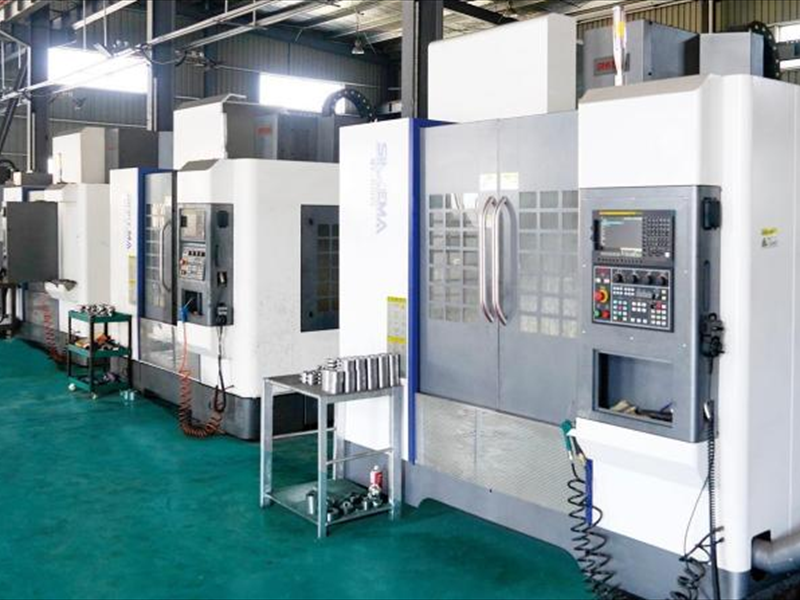
Nipa titẹle awọn igbesẹ wọnyi—ono ohun elo, yo ṣiṣu, dapọ, ati apẹrẹ—Mo yipada awọn pellet aise sinu awọn ọja ti o pari. Awọn ṣiṣu extruder faye gba mi lati sakoso gbogbo ipele ti awọn ilana, lati yiyan ohun elo si apẹrẹ ipari. Ọna-igbesẹ-igbesẹ yii jẹ pataki fun iṣelọpọ awọn ohun didara giga ni eyikeyi eto ile-iṣẹ.
Itutu ati Solidifying
Lẹhin ti awọn ṣiṣu fi oju awọn kú, Mo fojusi lori itutu extrudate lati tii ni apẹrẹ rẹ ati dena awọn abawọn. Ipele yii ṣe pataki nitori ọna ti Mo tutu ọja naa ni ipa lori agbara ati irisi rẹ. Mo lo awọn ọna pupọ lati tutu ati fidi ṣiṣu naa, da lori ọja ati iyara iṣelọpọ.
-
Iṣatunṣe
-
Itutu afẹfẹ
-
Itutu agbaiye
-
To ti ni ilọsiwaju imuposi (chilled rollers, igbale itutu)
Mo nigbagbogbo bẹrẹ pẹlu quenching. Ọna yii nyara tutu itutu ita ti ṣiṣu bi o ti n jade ni ori extrusion. Mo lo afẹfẹ tabi omi sprays fun igbesẹ yii. Itutu agbaiye yara ṣe iranlọwọ lati ṣeto apẹrẹ ibẹrẹ ati da ọja duro lati jija. Fun ọpọlọpọ awọn profaili ati awọn paipu, Mo lo calibrators. Awọn ẹrọ wọnyi ṣe iduro apẹrẹ ati pẹlu awọn tanki ti o kun omi fun itutu agbaiye iṣakoso. Calibrators ṣe iranlọwọ fun mi lati yago fun awọn aapọn inu ati rii daju pe ọja duro ni taara.
Nigbati Mo nilo iṣakoso iwọn otutu deede, Mo yipada si awọn ilana ilọsiwaju. Awọn rollers ti o tutu ati itutu agbaiye fun mi ni iyara ati paapaa itutu agbaiye, eyiti o ṣe pataki fun iṣelọpọ iyara giga tabi awọn ohun elo pataki. Mo nigbagbogbo yan ọna ti o baamu awọn ibeere ọja naa.
Imọran: Mo bojuto awọn itutu oṣuwọn ni pẹkipẹki. Ti MO ba tutu ṣiṣu naa yarayara, Mo le dẹkun awọn aapọn inu. Ti mo ba tutu o laiyara, Mo ni ewu warping tabi aidọgba roboto.
Ọna itutu agbaiye ti Mo yan yoo ni ipa lori awọn ohun-ini ikẹhin ti ọja naa. Awọn tabili ni isalẹ fihan bi o yatọ si itutu awọn ošuwọn yi awọn darí-ini:
|
Ọna Itutu |
Ipa lori Mechanical Properties |
|---|---|
|
Dekun Omi Itutu |
Le pakute ti abẹnu wahala, irẹwẹsi nipon awọn ọja lori akoko. |
|
Afẹfẹ ti o lọra Dabaru Extruder Factory Itutu agbaiye Ti o jọra Twin dabaru Factory |
Nse kristaliization aṣọ, imudara agbara ati idinku awọn eewu ija. |
Mo ṣe iwọntunwọnsi iyara ati didara nigbagbogbo lati gba awọn abajade to dara julọ fun awọn alabara ile-iṣẹ mi.
Sisale Processing
Ni kete ti ọja naa ba lagbara, Mo ti lọ si ibosile processing. Ipele yii ṣe afikun iye ati mura ọja naa fun lilo ikẹhin rẹ. Mo tẹle awọn igbesẹ kan lati pari ṣiṣu extruded naa:
-
Ige: Mo lo ojuomi iyara to ga lati ge okun ti o tẹsiwaju si awọn gigun ti a ṣeto. Ige deede jẹ pataki fun apejọ ati irisi.
-
Apẹrẹ: Mo le ṣiṣe ọja naa nipasẹ ẹrọ apẹrẹ. Igbesẹ yii mu iwo dara si ati rii daju pe awọn iwọn jẹ deede.
-
Gbigbe: Mo lo awọn ẹrọ gbigbẹ ile-iṣẹ, gẹgẹbi awọn gbigbẹ igbanu pupọ-Layer tabi awọn ẹrọ gbigbẹ makirowefu, lati yọ ọrinrin eyikeyi kuro ninu ọja naa.
Lẹhin awọn igbesẹ akọkọ wọnyi, Mo igba fi kun ipari fọwọkan. Mo le tẹjade alaye tabi iyasọtọ lori ọja naa. Nigba miran, Mo Punch ihò, Belii awọn opin, tabi ṣaja ọja naa fun gbigbe ti o rọrun. Awọn igbesẹ afikun wọnyi ṣe iranlọwọ fun mi lati pade awọn iwulo alabara kan pato ati jẹ ki ọja naa wulo diẹ sii.
Akiyesi: Sisale ilana bi gige ati titẹ sita mu awọn iye ti extruded ṣiṣu awọn ọja. Wọn ṣe idaniloju iwọn to tọ, dara irisi, ati imurasilẹ fun oja.
Nipa iṣakoso farabalẹ itutu agbaiye ati sisẹ isalẹ, Mo fi ga-didara, awọn ọja ti o gbẹkẹle fun ọpọlọpọ awọn ohun elo ile-iṣẹ.
Ṣiṣu Extruder irinše
Hopper
Mo ti nigbagbogbo bẹrẹ iṣẹ mi ni awọn hopper. Yi paati joko ni oke ti ṣiṣu extruder ati ki o tọjú awọn aise ṣiṣu pellets tabi granules. Awọn hopper kikọ sii ohun elo sinu agba ni kan duro. Mo ṣayẹwo hopper nigbagbogbo lati rii daju pe o wa ni mimọ ati ki o gbẹ. Diẹ ninu awọn awoṣe pẹlu awọn iṣẹ gbigbẹ, eyiti o ṣe iranlọwọ fun mi lati ṣetọju didara ṣiṣu naa. Ọrinrin le fa awọn abawọn, nitorina ni mo gbẹkẹle hopper lati tọju ohun elo ni ipo ti o dara. Mo yan iwọn hopper ọtun ti o da lori iwọn iṣelọpọ. Fun awọn iṣẹ iṣelọpọ giga, Mo lo awọn hoppers ti o tobi julọ lati yago fun atunṣe loorekoore.
Imọran: Mo ṣayẹwo hopper ṣaaju gbogbo iyipada. Awọn ohun elo ti o mọ ati ti o gbẹ ṣe idaniloju extrusion dan ati idilọwọ awọn idena.
Agba ati dabaru
Awọn agba ati dabaru dagba awọn mojuto ti extruder. Agba naa pese aaye ti o gbona fun awọn pellets ṣiṣu. Mo ṣe atẹle iwọn otutu agba lati baamu aaye yo ti ohun elo naa. Awọn dabaru joko inu awọn agba ati ki o n yi lati gbe awọn ike siwaju. Bi awọn dabaru yipada, o gbejade, yo, ati ki o dapọ ohun elo. Mo ṣatunṣe iyara dabaru lati ṣakoso oṣuwọn iṣelọpọ. Awọn iyara iyara pọ si iṣelọpọ ṣugbọn o le fa igbona pupọ. Mo yan apẹrẹ dabaru da lori iru ṣiṣu ati awọn ibeere ọja.
Apẹrẹ ti agba ati dabaru ni ipa lori ṣiṣe. Mo wo awọn paramita bi ipin L/D (ipari to iwọn ila opin), ratio funmorawon, ijinle ofurufu, ati dabaru iyara. Fun ọpọlọpọ awọn iṣẹ, Mo lo kan dabaru pẹlu kan 30:1 Ipin L/D. Eyi fun mi ni akoko ti o to fun yo ati dapọ. Awọn ipin funmorawon laarin 3:1 ati 3.5:1 ṣiṣẹ daradara fun polyethylene. Awọn ikanni ọkọ ofurufu ti o jinlẹ ngbanilaaye igbejade ti o ga julọ, sugbon mo dọgbadọgba yi pẹlu yo ṣiṣe. Mo yago fun ṣiṣe awọn dabaru ju sare, niwon nmu iyara le degrade awọn polima.
|
Ẹya ara ẹrọ |
Išẹ |
|---|---|
|
Dabaru |
Awọn ifihan, ṣiṣu, ati ki o pressurizes aise ohun elo. |
|
Agba |
Pese ipamọ ati alapapo aaye, aridaju agbara ati iduroṣinṣin. |
Mo yan awọn skru idena fun awọn iṣẹ ti o nilo aitasera yo to dara julọ. Yiyan yii ṣe iranlọwọ fun mi lati ṣaṣeyọri idapọ aṣọ ṣaaju ki ohun elo naa de iku.
Awọn igbona
Awọn igbona ṣe ipa pataki ninu extruder ṣiṣu. Mo gbẹkẹle wọn lati yo awọn pellets ṣiṣu bi wọn ti nlọ nipasẹ agba naa. Awọn igbona fi ipari si agba ati pese iṣakoso iwọn otutu deede. Mo ṣeto iwọn otutu ti o da lori iru ṣiṣu. Fun apere, Mo lo awọn iwọn otutu kekere fun PVC ati awọn eto ti o ga julọ fun ọra. Alapapo deede ṣe idilọwọ awọn abawọn ati idaniloju ṣiṣu ṣiṣu aṣọ.
Mo bojuto awọn igbona jakejado awọn ilana. Ti iwọn otutu ba yipada, Mo ni ewu aidọkan yo tabi overheating. Mo lo awọn ọna ṣiṣe iṣakoso iwọn otutu lati ṣakoso alapapo ati itutu agbaiye. Awọn ọna ṣiṣe wọnyi ṣe iranlọwọ fun mi lati ṣetọju iwọntunwọnsi to tọ, ki awọn ṣiṣu ṣàn laisiyonu si awọn kú. Isakoso igbona to dara mu didara ọja dara ati dinku egbin.
Akiyesi: Awọn igbona ti o gbẹkẹle ati awọn ọna iṣakoso iwọn otutu jẹ ki ilana extrusion jẹ iduroṣinṣin. Mo nigbagbogbo ṣayẹwo awọn paati wọnyi lati yago fun awọn ọran iṣelọpọ.
Ku
Mo nigbagbogbo san sunmo ifojusi si awọn kú nigbati mo ṣiṣẹ mi ṣiṣu extruder. Awọn kú apẹrẹ awọn didà ṣiṣu sinu ik ọja. Mo mọ pe yiyan ku ọtun jẹ pataki fun iṣelọpọ awọn paipu, awọn aṣọ-ikele, awọn profaili, tabi awọn fiimu pẹlu awọn iwọn deede.
Mo bẹrẹ nipasẹ ayewo iku ṣaaju ṣiṣe iṣelọpọ gbogbo. Mo wa eyikeyi ami ti wọ, kọ ni ṣisẹ n tẹle, tabi bibajẹ. Iku ti o mọ ni idaniloju ṣiṣan ṣiṣan ti ṣiṣu ati idilọwọ awọn abawọn. Mo lo awọn irinṣẹ amọja lati nu awọn ikanni ku ati awọn aaye. Ti o ba ti mo ti ri eyikeyi scratches tabi blockages, Mo koju wọn lẹsẹkẹsẹ.
Nigbati mo ṣeto soke extruder, Mo mö awọn kú fara pẹlu awọn agba. Titete deede ṣe idilọwọ ṣiṣan ti ko ni deede ati dinku eewu ti ija. Mo di awọn boluti boṣeyẹ lati yago fun jijo. Mo tun ṣayẹwo awọn eto iwọn otutu ku. Iru ṣiṣu kọọkan nilo iwọn otutu kan pato fun sisan ti o dara julọ. Mo ṣatunṣe awọn igbona ku lati baamu ohun elo ti Mo nlo.
Lakoko iṣelọpọ, Mo bojuto awọn titẹ ni kú. Ti titẹ ba ga ju, Mo mọ pe o le jẹ idena tabi idoti. I stop the machine and inspect the die if I notice any irregularities in the extruded product. Consistent pressure helps me maintain uniform thickness and surface quality.
I often switch between different dies depending on the product. Fun apere, I use a flat die for making sheets and a ring die for pipes. I store each die in a clean, dry place to prevent rust and damage. I label each die clearly so I can find the right one quickly.
Imọran: I always preheat the die before starting production. This step prevents cold spots and ensures a steady flow of molten plastic.
Here is a quick checklist I follow for die maintenance:
-
Inspect for wear and buildup before each run.
-
Clean channels and surfaces with proper tools.
-
Align and secure the die to the barrel.
-
Set the correct temperature for the material.
-
Monitor pressure and product quality during operation.
-
Store dies properly after use.
Nipa titẹle awọn igbesẹ wọnyi, I keep my extrusion process efficient and my products consistent. The die is a critical component that directly affects the quality of everything I produce.
Orisi ti ṣiṣu Extruders
Nikan-dabaru Extruder
I often use a single-screw extruder for straightforward plastic processing jobs. This machine has one rotating screw inside the barrel. I find it reliable for melting, dapọ, and shaping most thermoplastics. When I want to produce pipes, awọn fiimu, or sheets with consistent quality, I choose this type. I adjust the screw speed and temperature to match the material. The single-screw design gives me basic mixing and steady output. I use it when I do not need to blend many additives or handle complex recipes.
Twin-dabaru Extruder
When I need better mixing and more control, I switch to a ibeji-dabaru extruder. Ẹrọ yii nlo awọn skru meji ti o yiyi papọ. I can process materials with fillers, awọn awọ, or even reactive chemicals. The twin-screw design lets me blend, agbo, and even carry out chemical reactions during extrusion. I use it for advanced applications, such as making specialty compounds or high-performance plastics. The table below shows how single-screw and twin-screw extruders compare in industrial performance:
|
Ẹya ara ẹrọ |
Nikan-dabaru Extruders |
Twin-dabaru Extruders |
|---|---|---|
|
Dabaru Opin |
20 mm si 300 mm |
16 mm si 245 mm |
|
Ipin L/D |
20:1 si 30:1 |
25:1 si 48:1 |
|
Iyara dabaru |
20 si 250 RPM |
50 si 1,200 RPM |
|
Oṣuwọn Ijade |
10 kg/hr si 1,000 kg / wakati |
1 kg/hr si 15,000 kg / wakati |
|
Barrel Temperature |
20°C to 300°C |
Ambient to 400°C |
|
Dapọ Agbara |
Ipilẹ dapọ |
Superior dapọ |
|
Torque Agbara |
N/A |
200 Nm to 10,000 Nm |
|
Awọn ohun elo |
Straightforward polymer processing |
Apapo, idapọmọra, ifaseyin extrusion |
I look at this table when I decide which extruder to use for a project. If I need high output or advanced mixing, I pick the twin-screw model.
nigboro Extruders
Nigba miran, my clients need unique shapes or special materials. I use specialty extruders for these jobs. These machines offer several advantages:
-
Design flexibility: I can create complex shapes and precise dimensions for custom applications.
-
Iyipada ohun elo: I use different plastics and additives to improve durability and performance.
-
Enhanced performance: I tailor the machine for specific environments to ensure the best results.
-
Cost efficiency: I reduce waste and avoid extra machining, eyi ti o lowers gbóògì owo.
-
Aesthetic options: I match colors and finishes to meet branding needs.
I choose a specialty extruder when standard machines cannot meet the requirements. This approach helps me deliver custom solutions for challenging projects.
Plastic Extrusion Materials
Wọpọ Thermoplastics
When I select materials for plastic extrusion, I always start with thermoplastics. These materials soften when heated and harden when cooled, which makes them ideal for repeated processing. I choose the right thermoplastic based on the product’s requirements, such as strength, irọrun, tabi kemikali resistance.
Here are the most common thermoplastics I use in industrial extrusion and their key properties:
-
Polyvinyl kiloraidi (PVC): I rely on PVC for its strength and versatility. It resists moisture, awọn kemikali, ati UV Ìtọjú, so I use it for pipes, awọn profaili window, ati USB idabobo.
-
Polyethylene (PE): I choose PE when I need a lightweight and flexible material. It offers excellent impact resistance and chemical stability, making it perfect for films, awọn apoti, ati ọpọn.
-
Polypropylene (PP): I use PP for products that need toughness and fatigue resistance. It stands up to chemicals and stress, so I often select it for automotive parts and reusable containers.
-
Polystyrene (PS): I turn to PS for its rigidity and clarity. It molds easily and works well for packaging, isọnu cutlery, and laboratory ware.
-
Ọra: I pick nylon when I need a high strength-to-weight ratio. It performs well in high-temperature environments and offers fair chemical resistance. I use it for gears, bearings, and industrial parts.
-
ABS (Acrylonitrile Butadiene Styrene): I select ABS for its toughness and impact resistance. It is harder than pure polystyrene and works well for automotive trim, enclosures, ati awọn ọja onibara.
-
PLA (Polylactic Acid): I use PLA for applications that require a biodegradable option. It comes from renewable resources like corn starch and has a low melting point, which suits packaging and disposable products.
-
PETG (Polyethylene Terephthalate Glycol): I choose PETG when I need a balance of strength and ease of processing. It resists chemicals and warping, so I use it for bottles, egbogi awọn ẹrọ, and food containers.
Imọran: I always match the thermoplastic’s properties to the product’s end use. This step ensures durability and performance.
Additives ati Fillers
I often need to modify the properties of my extruded plastic products. To do this, I blend in additives and fillers during the extrusion process. These ingredients help me meet specific industry standards and customer requirements.
-
Awọn imuduro: I add stabilizers to improve heat and UV resistance. This keeps products from degrading in harsh environments.
-
Color Pigments: I use pigments to achieve the exact color my client wants. This step also helps with branding and product identification.
-
Ina Retardants: I include flame retardants for products that must meet fire safety regulations, such as electrical components or building materials.
-
Fillers: I add fillers like calcium carbonate or glass fibers to enhance mechanical strength, reduce cost, or change the product’s weight.
The careful blending of these additives and fillers lets me optimize the extrusion process. I can improve mechanical properties, adjust appearance, and ensure the final product meets all specifications.
Akiyesi: I always test new formulations before full-scale production. This practice helps me avoid defects and ensures consistent quality.
By understanding both the base thermoplastics and the role of additives, I can produce extruded products that perform reliably in any industrial application.
Extrusion Applications in Industry
Industrial Uses
Mo lo plastic extrusion every day to meet the demands of many industries. This process gives me the flexibility to create products that solve real-world problems. I start by selecting the right material and adjusting my machine for the job. I know that each application requires a specific approach, so I always match the extrusion process to the end use.
Here is a table that shows how I apply extrusion in different industrial sectors:
|
Ohun elo Iru |
Apejuwe |
|---|---|
|
Pipes and Tubing |
I produce water supply lines, sewage pipes, and irrigation tubing using materials like PVC and HDPE. |
|
Profiles and Structural Components |
I make window frames and door seals that improve energy efficiency and durability in construction. |
|
Plastic Films and Sheets |
I create packaging films and agricultural covers that offer flexibility and UV protection. |
|
Electrical and Automotive Components |
I manufacture wire coatings and automotive trims that enhance safety and fuel efficiency. |
|
Other Specialized Uses |
I extrude medical tubing and 3D printing filaments for specialized applications in healthcare and manufacturing. |
I always adjust the extrusion process to fit the requirements of each industry. Fun apere, I use tighter tolerances for medical tubing and focus on durability for construction profiles. I monitor every step to ensure the final product meets strict standards.
Imọran: I keep detailed records of each extrusion run. This helps me troubleshoot issues and improve quality for future projects.
Awọn ọja Aṣoju
I see the results of plastic extrusion in many products I use and produce. The process allows me to create items with consistent quality and precise dimensions. Here are some of the most common products I make using extrusion:
-
Pipes and tubing for plumbing, irigeson, and industrial systems
-
Plastic films and sheets for packaging, ogbin, and protective covers
-
Electrical and automotive components such as wire insulation and dashboard trims
-
Medical tubing for fluid delivery and surgical devices
-
3D printing filaments for rapid prototyping and manufacturing
-
Furniture edges that protect surfaces and add style
-
Decorative strips for appliances, vehicles, and building interiors
I follow a step-by-step process for each product. I start by choosing the right thermoplastic and setting up the extruder. I monitor the temperature, titẹ, and speed throughout the extrusion. I use the correct die to shape the product and select the best cooling method to lock in the form. I finish with downstream processing, bii gige, titẹ sita, or coiling, to prepare the product for use.
Plastic extrusion gives me the ability to respond quickly to new market demands. I can switch between products by changing the die and adjusting the process parameters. This flexibility helps me serve a wide range of industries and deliver reliable solutions.
Akiyesi: I always test new products before full production. This ensures that the extrusion process produces consistent and high-quality results.
Advantages and Limitations
Awọn anfani bọtini
When I use plastic extrusion in my daily work, I see many advantages that help me deliver quality products efficiently. I rely on this process because it supports continuous and scalable production. I can run my extruder for long periods with minimal downtime, which is perfect for large orders. This approach keeps my workflow steady and predictable.
I also appreciate the cost efficiency of plastic extrusion. I recycle leftover materials and reduce waste, which lowers my production costs. I optimize the use of raw materials and keep expenses under control. Design flexibility stands out as another major benefit. I can create a wide range of shapes and sizes, lati awọn tubes ti o rọrun si awọn profaili eka. This flexibility lets me meet different customer needs without changing my core equipment.
Consistent quality is important in my work. The extrusion process gives me uniform material flow and precise dimensions. I can meet tight tolerances, which is essential for industries like automotive and medical. I also value the compatibility with many thermoplastics. I switch between materials like PVC, PE, and PP to match the requirements of each project. Modern extruders allow me to integrate automation and smart systems. I use sensors and controls to improve accuracy and efficiency.
Here is a table that summarizes the main benefits I experience with plastic extrusion:
|
Anfani |
Apejuwe |
|---|---|
|
Continuous and Scalable Production |
High output rates with minimal downtime, ideal for large-volume jobs. |
|
Less waste and lower costs by recycling leftover materials. |
|
|
Irọrun oniru |
Wide range of shapes and dimensions for various needs. |
|
Consistent Quality and Repeatability |
Uniform material flow and exact specifications for tight tolerances. |
|
Compatibility with Many Materials |
Handles various thermoplastics for better performance and durability. |
|
Integration with Automation |
Improved accuracy and efficiency through smart technology. |
Imọran: I always monitor my process parameters to maintain these benefits and avoid unexpected issues.
Awọn italaya ti o wọpọ
While I enjoy many advantages, I also face challenges with plastic extrusion. Selecting the right material is critical. Each plastic has unique properties that affect how it melts and flows. If I choose the wrong material, I risk poor extrudability and product defects.
Quality control requires constant attention. I watch for variations in dimensions and surface defects, which can result from changes in temperature or pressure. Environmental concerns also play a role in my work. The extrusion process uses a lot of energy and can generate waste. I focus on recycling and energy efficiency to reduce my impact.
Achieving tight dimensional tolerances is not always easy. Plastics shrink as they cool, which can cause warping if I do not manage the cooling process carefully. Startup waste is another issue. When I begin a new run, I often produce scrap until the melt flow stabilizes and the die aligns properly.
Material compatibility can cause problems, especially when I blend different polymers. Some materials do not mix well, leading to weak spots or phase separation. Equipment maintenance is essential. Continuous operation wears down screws and dies, so I schedule regular checks to prevent contamination and buildup.
Die design affects the stability of the extrusion process. Uneven melt viscosity can lead to defects like die swell or rough surfaces. Thermoplastics are sensitive to temperature changes. I use precise thermal control to avoid degradation or poor flow.
Here are the main challenges I address in my daily work:
-
Material limitations: I must select plastics with the right properties for each job.
-
Quality control issues: I monitor for defects and adjust parameters as needed.
-
Environmental concerns: I recycle and use energy-efficient practices.
-
Awọn ifarada onisẹpo: I manage cooling to prevent warping.
-
Startup waste: I minimize scrap during setup.
-
Ibamu ohun elo: I test blends before full production.
-
Equipment maintenance: I clean and inspect my extruder regularly.
-
Die design: I fine-tune the die for stable flow.
-
Thermal sensitivity: I control temperature to protect the material.
Akiyesi: I keep detailed records and follow a strict maintenance schedule to overcome these challenges and keep my extrusion line running smoothly.
I follow a clear process with my plastic extruder: ifunni, yo, apẹrẹ, dara, and finish. I check each component to keep production efficient. I know that choosing the right extruder and material impacts texture, aitasera, and product quality. Different materials interact with moisture, otutu, and mechanical shear in unique ways.
-
The choice of extruder and material affects product texture and quality.
-
Moisture levels, awọn agbegbe agba, and screw RPM are key for desired results.
I see many benefits, but I always consider process parameters. For those ready to optimize extrusion, I recommend these steps:
|
Apejuwe |
|
|---|---|
|
Start with sensor layer |
Retrofit extrusion lines with temperature and pressure monitoring for better operator response. |
|
Evaluate energy-efficient equipment |
Consider drive systems, monitoring, and maintenance as a unified capital decision. |
|
Engage suppliers early |
Discuss material testing and qualification before finalizing specifications for engineered polymers. |
FAQ
What materials can I use in a plastic extruder?
I select thermoplastics like PVC, PE, PP, ati ABS. I choose the material based on the product’s requirements. I always check compatibility and melting points before starting the extrusion process.
How do I maintain consistent product quality?
Mo bojuto iwọn otutu, titẹ, ati dabaru iyara. I inspect the die and clean the hopper regularly. I keep detailed records of each run. Consistent settings help me achieve reliable results.
Can I recycle leftover plastic during extrusion?
I recycle scrap material by feeding it back into the hopper. I check for contamination and dryness. Recycling helps me reduce waste and lower production costs.
What are the main steps in plastic extrusion?
Mo tẹle awọn igbesẹ wọnyi: feed raw material, melt and mix, shape with the die, cool and solidify, and finish with downstream processing. Each step requires careful monitoring.
How do I choose the right extruder for my application?
I consider the material, product shape, and production volume. I select single-screw extruders for basic jobs and twin-screw models for advanced mixing. Specialty extruders suit custom shapes.
What should I look for in plastic extrusion services?
I look for expertise, reliable equipment, ati iṣakoso didara. I check if the provider offers material testing and custom die design. I value clear communication and support throughout the project.
How can I troubleshoot defects in extruded products?
I inspect the material for moisture or contamination. I adjust temperature and pressure settings. I check the die for blockages. I review process records to find the cause of defects.
Is plastic extrusion suitable for medical products?
I use plastic extrusion to make medical tubing and consumables. I select medical-grade materials and follow strict quality standards. I monitor every step to ensure safety and performance.


Filler Masterbatch Extruder Machine: Complete B2B Trade Guide for Manuf… · Filler Masterbatch Extrusion Machine: Complete B2B Trade Guide for Manu… · Filler Masterbatch Extrusion Machines: Pipe B2B Trade Itọsọna fun Eniyan…