

Filler Masterbatch Extruder Machine: Itọsọna Iṣowo B2B pataki fun Awọn aṣelọpọ Kariaye, Awọn olupese, ati Buyers ni
Ọja ẹrọ filler masterbatch extruder n ni iriri ipa pataki bi ibeere agbaye fun awọn solusan idapọmọra ṣiṣu ti o munadoko ni iyara kọja apoti, ikole, ati awọn apa ọkọ ayọkẹlẹ. Fun awọn ti onra B2B ti n ṣawari lati ọdọ awọn aṣelọpọ ati awọn olupese okeere, agbọye ala-ilẹ iṣowo lọwọlọwọ laarin awọn ibudo iṣelọpọ pataki ni Esia ati awọn ọja lilo bọtini ni Amẹrika ati European Union jẹ pataki. Itọsọna okeerẹ yii ṣe ayẹwo awọn idagbasoke eto imulo tuntun, oja anfani, ilowo irú-ẹrọ, ati awọn asọtẹlẹ iṣowo iwaju lati ṣe iranlọwọ fun awọn alamọja rira, factory onihun, ati awọn olupin osunwon ṣe awọn ipinnu alaye nigba idoko-owo ni ohun elo extrusion filler masterbatch. Boya o ti wa ni iṣiro a kikun masterbatch extruder ẹrọ išoogun tabi ṣe afiwe idiyele osunwon lati awọn ile-iṣelọpọ pupọ, orisun yii n pese awọn oye idari data ti o nilo.
Oye Filler Masterbatch Extruder Machines: Mojuto Technology ati Awọn ohun elo
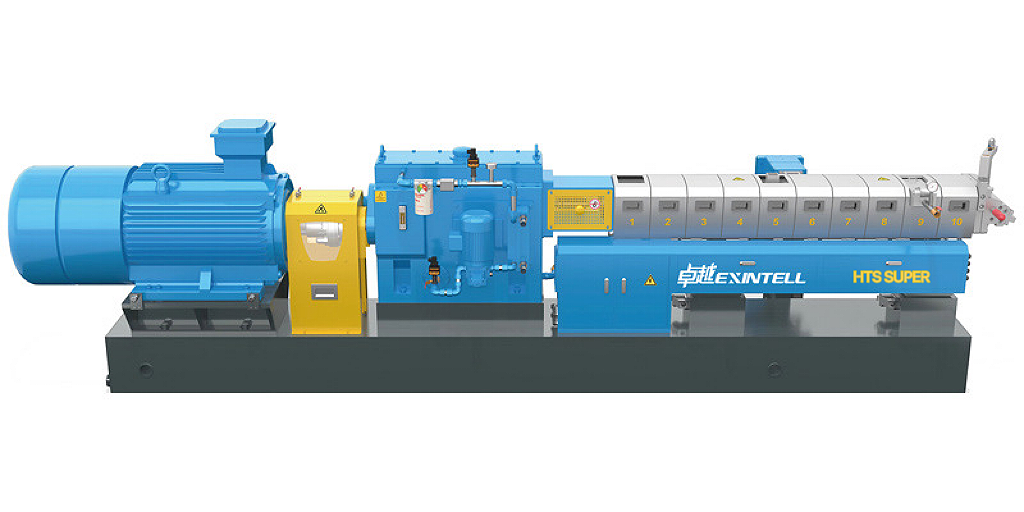
Ẹrọ extruder masterbatch kikun jẹ amọja-meji-amọja tabi eto extrusion iyipo ti a ṣe apẹrẹ lati ṣajọpọ awọn ifọkansi giga ti awọn ohun alumọni. — nipataki kalisiomu kaboneti (CaCO3), barium imi-ọjọ, tabi talc — pẹlu polyethylene (PE) tabi polypropylene (PP) ti ngbe resini. Abajade filler masterbatch pellets lẹhinna ni lilo nipasẹ awọn iṣelọpọ pilasitik isalẹ lati dinku awọn idiyele ohun elo aise, mu onisẹpo iduroṣinṣin, ati ki o mu diẹ ninu awọn ohun-ini ẹrọ ti awọn ọja ti pari.
Extruder Machine olupese olupese Modern kikun masterbatch extruder ero ojo melo ẹya-ara: X1C Extruder Disassembly
- Awọn agba-apapọ-yiyi-meji-skru extruder pẹlu awọn eroja skru apọjuwọn fun pipinka iṣapeye
- Awọn apoti jia ti o ga julọ ti o lagbara lati ṣiṣẹ awọn ikojọpọ kikun ti 70–85% nipa iwuwo
- Awọn ọna ṣiṣe ifunni gravimetric aladaaṣe fun awọn iwọn CaCO3-si-resini kongẹ
- Labẹ omi tabi okun pelletizing awọn ọna šiše fun aṣọ pellet geometry
- Awọn panẹli iṣakoso PLC/HMI pẹlu ibojuwo akoko gidi ti iwọn otutu, titẹ, ati losi
Awọn agbara iṣẹjade wa lati 300 kg / h fun iwapọ yàrá-iwọn ila si lori 2,000 kg / h fun ise-ite kikun masterbatch gbóògì ila. Awọn apa lilo ipari akọkọ pẹlu fiimu fifun fun apoti, awọn ọja olumulo ti a ṣe apẹrẹ abẹrẹ, hun àpo iṣelọpọ, ati paipu extrusion.
Ẹrọ extrusion ṣiṣu ile-iṣẹ ni ile iṣelọpọ igbalode ti n ṣe agbejade awọn pellets masterbatch kikun
Ilana Iṣowo Ajeji ati Ilẹ-ilẹ Ile-iṣẹ Ẹrọ Awọn pilasitiki ni
The transatlantic trade relationship between the United States and the European Union remains the world's largest bilateral commercial partnership, pẹlu awọn ẹru apapọ ati iṣowo iṣẹ lọpọlọpọ $1.3 aimọye lododun ni ibamu si awọn U.S. International Trade Administration (ITA). Fun eka ẹrọ pilasitik — pẹlu kikun masterbatch extruder ero — ọpọlọpọ awọn idagbasoke eto imulo ni idaji akọkọ ti n ṣe agbekalẹ awọn ilana rira:
US Trade Afihan awọn idagbasoke
Orilẹ Amẹrika n ṣetọju awọn iṣeto owo idiyele labẹ Iṣeto Owo-ori Ibaramu (HTS) ti o ṣe lẹtọ pilasitik processing ẹrọ labẹ Chapter 84. Bi ti Q2, Abala 301 awọn owo-ori lori ẹrọ orisun Kannada wa ni ipa ni 25%, eyiti o ti darí iwulo olura pataki si ọna orisun yiyan lati ọdọ awọn aṣelọpọ Guusu ila oorun Asia ati Awọn OEM European. Awọn U.S. Ẹka Iṣowo royin pe awọn agbewọle lati ilu okeere ti awọn pilasitik ati awọn ẹrọ ile-iṣẹ roba ti de $4.2 bilionu ni 2024, pẹlu Germany, Japan, ati Italy ni ipo laarin awọn oke mẹta ti kii ṣe awọn orilẹ-ede olupese ti Ilu Kannada.
Ofin Idinku Idinku ti Biden-akoko (IRA) ati itọkasi rẹ lori awọn iwuri iṣelọpọ inu ile tẹsiwaju lati ni agba awọn ipinnu rira ohun elo olu. Ọpọlọpọ awọn olupilẹṣẹ pilasitik ti o da lori AMẸRIKA ti royin idoko-owo isare ni awọn laini kikun masterbatch tuntun lati yẹ fun awọn kirẹditi owo-ori ti o so mọ imugboroja agbara iṣelọpọ ile.
Iṣowo EU ati Ilana Ilana
The European Union's trade policy under the Directorate-Gbogbogbo fun Trade ti tẹnumọ awọn igbelewọn iduroṣinṣin ni awọn agbewọle agbewọle ẹrọ. Eto Iṣatunṣe Aala Erogba EU (CBAM), eyiti o wọ ipele iyipada rẹ ni Oṣu Kẹwa 2023 ati ki o gbe si ọna imuse ni kikun nipa 2026, ti bẹrẹ lati ni ipa bi awọn olura ilu Yuroopu ṣe n ṣe iṣiro ifẹsẹtẹ erogba ti ohun elo olu ti o wọle, pẹlu extruder ero.
Ilana Awọn pilasitik EU ati Itọsọna Awọn pilasitiki Lilo Nikan tẹsiwaju lati wakọ ibeere fun masterbatch kikun bi ọna lati dinku agbara ṣiṣu wundia. Nipa iṣakojọpọ 70–80% nkan ti o wa ni erupe ile kikun, awọn aṣelọpọ le dinku ida polima ni pataki ni awọn ohun elo ti kii ṣe pataki, aligning pẹlu ipin aje afojusun ilana nipa awọn Ile asofin European.
Germany's VDMA (Darí Engineering Industry Association) royin pe awọn pilasitik Yuroopu ati iṣelọpọ ẹrọ roba ti de isunmọ €16.5 bilionu ni 2024, pẹlu yellowing ati extrusion ẹrọ nsoju idaran ti ipin. Italian ẹrọ tita, ni pataki awọn ti o ṣajọpọ ni awọn agbegbe Lombardy ati Veneto, wa ifigagbaga agbaye ni ibeji-skru extruder ọna ẹrọ. Lab Extruders olupese
Wiwo eriali ti ibudo Rotterdam pẹlu awọn ọkọ oju omi eiyan ati awọn amayederun eekaderi ti n ṣe atilẹyin iṣowo kariaye EU
Awọn aye Iṣowo B2B fun Awọn ẹrọ Filler Masterbatch Extruder ni AMẸRIKA ati Awọn ọja EU
Ijọpọ ti ọrọ-aje ohun elo aise, ilana ayika, ati awọn aṣa isọdọtun iṣelọpọ n ṣiṣẹda awọn anfani B2B nla fun awọn olupese ẹrọ filler masterbatch extruder ẹrọ ti o fojusi awọn ọja AMẸRIKA ati EU. Blender Extrude Pẹlú Ona
Market eletan Drivers
Idinku iye owo jẹ pataki: Pẹlu polyethylene ati awọn idiyele resini polypropylene ti o ku iyipada — PE iranran owo flucturated laarin $1,050 ati $1,280 fun toonu metric ni Q1 ni ibamu si ICIS data idiyele — awọn oluyipada ti o wa ni isalẹ n wa awọn ọna lati dinku agbara resini. Filler masterbatch gba awọn ilana laaye lati rọpo 20–40% ti wundia resini pẹlu kekere-iye owo CaCO3, jiṣẹ awọn ifowopamọ ohun elo taara ti 15–30% fun pupọ ti ọja ti pari.
Iṣakojọpọ eka idagbasoke: Ọja iṣakojọpọ rọ agbaye, wulo ni isunmọ $228 bilionu ni 2024 nipasẹ Smithers, tẹsiwaju lati faagun ni 3.5–4% CAGR. Idagba yii taara tumọ si ibeere ti o pọ si fun masterbatch kikun ati, nitori naa, awọn extrusion ẹrọ lati gbe awọn ti o.
Ikole ati amayederun: Both the US Infrastructure Investment and Jobs Act and the EU's NextGenerationEU recovery fund are channeling billions into construction projects that consume large volumes of plastic pipes, awọn profaili, ati sheets — gbogbo eyiti o ni anfani lati isọdọkan masterbatch kikun.
Awọn italaya bọtini fun Awọn olupese Kariaye
Awọn ibeere iwe-ẹri imọ-ẹrọ: Awọn olura AMẸRIKA nilo afikun ẹrọ lati ni ibamu pẹlu UL, NFPA 79, ati OSHA awọn ajohunše, lakoko ti rira EU paṣẹ fun isamisi CE, ifaramọ si Ilana ẹrọ 2006/42/EC, ati increasingly, Ibamu pẹlu Ilana Awọn ẹrọ EU tuntun (EU) 2023/1230 munadoko lati January 2027. Awọn aṣelọpọ ẹrọ filler masterbatch extruder gbọdọ ṣe idoko-owo ni awọn amayederun ijẹrisi lati wọle si awọn ọja wọnyi.
Ni afiwe Twin-dabaru Extruder Manufacturers Awọn ireti iṣẹ lẹhin-tita: Awọn olura B2B ni awọn ọja ti o dagbasoke nireti wiwa awọn ohun elo apoju iyara (deede 48–72 ifijiṣẹ wakati), latọna aisan agbara, ati atilẹyin ẹlẹrọ iṣẹ agbegbe tabi agbegbe. Ṣiṣeto awọn ajọṣepọ iṣẹ tabi awọn eto ibi ipamọ ni AMẸRIKA ati EU jẹ idena pataki fun awọn ti nwọle ọja tuntun.
Awọn eekaderi ati awọn akoko asiwaju: Ẹru omi okun lati awọn ibudo iṣelọpọ Asia pataki si awọn ebute oko oju omi Iwọ-oorun Iwọ-oorun AMẸRIKA (Los Angeles, Long Beach) tabi European ibudo (Rotterdam, Hamburg) deede nilo 25–40 awọn ọjọ. Akopọ pẹlu 8–12 Awọn akoko iṣaju iṣelọpọ ọsẹ fun awọn atunto extruder aṣa, lapapọ ibere-si-ifijiṣẹ iyika ti 4–6 osu jẹ wọpọ, to nilo ṣọra igbankan igbogun.
gbongan aranse iṣowo B2B pẹlu awọn ifihan ẹrọ ẹrọ ile-iṣẹ ati awọn alamọja iṣowo kariaye
Agbegbe ati Awọn anfani Eto imulo Ṣiṣe Iṣowo B2B Ajeji ni Ohun elo Masterbatch Filler
Several geographic and policy factors create natural advantages for B2B trade in filler masterbatch extruder machines between production centers and consumption markets:
Awọn adehun Iṣowo Ọfẹ: The EU maintains a network of FTAs covering over 70 awọn orilẹ-ede. For machinery suppliers based in countries with EU FTA coverage (f.eks., Koria ti o wa ni ile gusu, Vietnam, Japan via the EU-Japan EPA), preferential tariff rates on plastics machinery imports can reduce landed costs by 2–4 percentage points compared to MFN rates.
Awọn agbegbe Iṣowo Ajeji AMẸRIKA (Awọn FTZ): Pari 190 active FTZs across the United States allow importers to defer, dinku, tabi imukuro awọn iṣẹ aṣa lori awọn ẹrọ ti a ko wọle. A filler masterbatch extruder machine imported into an FTZ for assembly or integration with domestically sourced components can benefit from inverted tariff structures, where the duty on the finished production line is lower than on individual imported components.
Ilana ibudo amayederun: The Port of Rotterdam handles over 14 miliọnu TEUs lododun ati ṣiṣẹ bi ẹnu-ọna akọkọ fun awọn agbewọle agbewọle ẹrọ sinu continental Yuroopu. Ni apa AMẸRIKA, awọn Ports of Los Angeles ati Long Beach lapapo ilana to 40% ti gbogbo US containerized agbewọle, pẹlu igbẹhin eru-gbe ati awọn ohun elo ẹru akanṣe ti o baamu si awọn gbigbe extruder ti o tobi ju.
Awọn iṣupọ iṣelọpọ agbegbe: Isunmọ si awọn orisun ohun elo aise ṣe pataki. Awọn ọdẹdẹ petrochemical ni Gulf Coast US (Texas, Louisiana) ati awọn ibudo kemikali European (Antwerp, Ludwigshafen) pese awọn olupilẹṣẹ masterbatch kikun pẹlu iraye si ifigagbaga si awọn resini ti ngbe, idinku iye owo lapapọ ti nini fun awọn idoko-owo extruder ni awọn agbegbe wọnyi.
Ọkọ ẹru eiyan ni ibudo okeere pataki kan pẹlu awọn cranes ti n ṣajọpọ ohun elo ile-iṣẹ fun iṣowo B2B agbaye
Ikẹkọ Ọran: Bawo ni Awọn ile-iṣẹ B2B ṣe ṣaṣeyọri ni Ọja Ohun elo Masterbatch Filler
Ọran 1: Olupese Kannada Ṣe idasile Iwaju Ọja Yuroopu
Olupese ẹrọ kikun masterbatch extruder ti o da ni Nanjing, China, pẹlu lododun gbóògì agbara ti o pọju 200 extruder ila, lepa ilana titẹsi ọja eleto fun EU ti o bẹrẹ ni 2022. Ile-iṣẹ naa ṣe idoko-owo Extruder Machine Supplier Factory isunmọ $350,000 ni gbigba iwe-ẹri CE ni kikun fun flagship 75mm ati 95mm awọn awoṣe extruder twin-screw, pẹlu idanwo ẹni-kẹta nipasẹ TÜV Rheinland fun aabo itanna, ariwo ariwo, ati ibamu oluso ẹrọ. Twin dabaru Extruder ilana
Lati koju awọn ifiyesi iṣẹ lẹhin-tita, olupese ti iṣeto ile-ipamọ awọn ẹya ara ẹrọ ni Düsseldorf, Jẹmánì, ifipamọ lori 800 SKUs ti yiya awọn ẹya ara (dabaru eroja, agba liners, kú farahan) pẹlu iṣeduro 48-wakati ifijiṣẹ kọja awọn EU. Wọn ṣe ajọṣepọ pẹlu ile-iṣẹ iṣẹ imọ-ẹrọ German kan lati pese fifi sori aaye, ifiṣẹṣẹ, ati atilẹyin ikẹkọ ni Gẹẹsi, Jẹmánì, Faranse, ati Spanish.
Nipasẹ Q1, ile-iṣẹ ti fi sori ẹrọ 47 kikun masterbatch gbóògì ila kọja 12 EU omo egbe ipinle, pẹlu awọn ifọkansi bọtini ni Polandii (eka apoti), Tọki (ikole ohun elo), ati Spain (ogbin film). Wọn apapọ ta owo ti €185,000–€320,000 fun laini pipe ni ipo wọn to 35–45% ni isalẹ afiwera Italian ati German OEM ẹbọ, lakoko ti o nfi iṣẹ ṣiṣe igbejade afiwera ti 800–1,500 kg/h ni 80% CaCO3 ikojọpọ.
Ọran 2: A US Compounder's Vertical Integration Strategy
A aarin-won pilasitik compounding ile olú ni Houston, Texas, nṣiṣẹ awọn ohun elo iṣelọpọ mẹta kọja Guusu ila oorun AMẸRIKA, ṣe ipinnu ilana ni 2023 lati ṣepọ ni inaro iṣelọpọ masterbatch kikun kuku ju tẹsiwaju lati ra lati awọn olupese ita. Awọn ile-igbelewọn idu lati meje kikun masterbatch extruder ẹrọ awọn olupese kọja China, Jẹmánì, Italy, ati India.
Lẹhin ilana igbelewọn oṣu 6 pẹlu awọn abẹwo ile-iṣẹ ati awọn ifọrọwanilẹnuwo alabara, wọn yan atunto kan ti o ṣajọpọ extruder twin-screw extruder ti Ilu Ṣaina pẹlu ifunni ti ara ilu Jamani ati awọn ọna ṣiṣe pelletizing. Awọn arabara ona fi kan lapapọ fi sori ẹrọ iye owo ti $420,000 — isunmọ 40% kere ju kan ni kikun European-orisun ila — lakoko ipade gbogbo awọn ibeere koodu itanna OSHA ati NEC fun ohun elo wọn.
Ninu 18 osu Igbimo, awọn ile-royin lododun ohun elo iye owo ifowopamọ ti $1.2 million nipa producing filler masterbatch ni ile ni 75% CaCO3 ikojọpọ, displacing to 8,000 metric toonu ti ra masterbatch lododun. Akoko isanpada lori idoko-owo extruder ti waye ni labẹ 5 osu.
Ọran 3: Awọn ẹrọ European OEM fojusi Ọja AMẸRIKA nipasẹ Awọn iṣafihan Iṣowo
An Italian ibeji-dabaru extruder olupese pẹlu 40 awọn ọdun ti iní ni imọ-ẹrọ idapọmọra leveraged ikopa ninu NPE (awọn Plastics Show, waye ni Orlando, Florida) ati Chinaplas lati kọ awọn oniwe-US onibara opo gigun ti epo. Ilana wọn lojutu lori iyatọ nipasẹ ṣiṣe agbara — wọn titun-iran kikun kikun masterbatch extruder ero run 0.12–0.15 kWh/kg, isunmọ 20% kere ju ile ise apapọ — ati nipasẹ ese Industry 4.0 awọn agbara pẹlu OPC-UA Asopọmọra ati awọn algoridimu itọju asọtẹlẹ.
Ile-iṣẹ naa ṣeto oniranlọwọ AMẸRIKA kan ni Charlotte, North Carolina, pẹlu kan egbe ti mẹta iṣẹ Enginners ati ki o kan 5,000 sq ft apoju ohun elo. Ni aarin-, nwọn ti ni ifipamo 15 awọn fifi sori ẹrọ kọja awọn US ati Mexico, pẹlu apapọ ibere iye ti $450.000–$680,000 fun pipe turnkey kikun masterbatch awọn laini iṣelọpọ.
Inu inu ohun ọgbin iṣelọpọ ile-iṣẹ ode oni pẹlu ẹrọ laini iṣelọpọ adaṣe ati awọn eto iṣakoso didara
Trade Trend Asọtẹlẹ: Filler Masterbatch Extruder Machine Market Outlook fun Q3–Q4
Da lori lọwọlọwọ oja ifi, imulo trajectories, ati oye ile ise jọ lati ọpọ awọn orisun pẹlu awọn Ṣiṣu Industry Association, EURROMAP, ati isowo data lati ITC Iṣowo Map, Awọn aṣa atẹle wọnyi ni ifojusọna fun ẹrọ kikun masterbatch extruder ẹrọ ni atẹle 1–2 osu ati sinu idaji keji ti:
1. Tesiwaju idiyele-ìṣó ipese pq diversification: Pẹlu Abala AMẸRIKA 301 awọn owo-ori lori ẹrọ Kannada ti n fihan ko si awọn ami idinku, ati ki o pọju afikun owo išë labẹ fanfa fun, Awọn olura B2B yoo ṣe iṣiro awọn olupese ẹrọ filler masterbatch extruder ni India, Vietnam, ati Tọki gẹgẹbi awọn orisun orisun omi omiiran. Indian olupese, gegebi bi, ti fowosi darale ni ibeji-dabaru extruder agbara, pẹlu awọn ile-iṣẹ pupọ ti nfunni ni awọn awoṣe CE ati ifọwọsi UL ni awọn aaye idiyele 15–25% loke awọn deede Kannada ṣugbọn labẹ idiyele Yuroopu.
2. Imudara agbara bi ami-ẹri rira: Awọn idiyele ina ile-iṣẹ nyara ni AMẸRIKA mejeeji (apapọ $ 0.08–$0.12/kWh fun awọn olumulo ile-iṣẹ) ati I (€0.15–€0.25/kWh da lori ipinle omo egbe) ti wa ni ṣiṣe kan pato agbara agbara (kWh/kg) metiriki igbelewọn to ṣe pataki. Awọn aṣelọpọ Extruder nfunni awọn ọna ṣiṣe awakọ ti o ga julọ, iṣapeye dabaru awọn aṣa, ati awọn agbara imularada ooru yoo ni anfani ifigagbaga. Reti rira awọn RFQ lati ni ilọsiwaju pẹlu awọn iṣeduro iṣẹ ṣiṣe agbara.
3. Adaṣiṣẹ ati awọn ẹya idinku iṣẹ ni ibeere: Awọn aito iṣẹ ni iṣelọpọ kọja mejeeji AMẸRIKA ati EU n ṣe ibeere fun awọn laini iṣelọpọ kikun adaṣe adaṣe adaṣe giga ti o nilo ilowosi oniṣẹ pọọku. Awọn ẹya bii iṣakoso ohunelo adaṣe, ara-ninu awọn agbara, ati ibojuwo latọna jijin nipasẹ awọn iru ẹrọ ti o da lori awọsanma n yipada lati awọn aṣayan Ere si awọn ireti boṣewa.
4. Awọn ibeere iwe-iduroṣinṣin: Awọn olura EU yoo beere siwaju sii Awọn ikede Ọja Ayika (Awọn EPDs), erogba ifẹsẹtẹ isiro, ati awọn igbelewọn atunlo fun ẹrọ ti a ko wọle bi imuse CBAM ti nlọsiwaju. Awọn aṣelọpọ ẹrọ filler masterbatch extruder ti o ni itara idagbasoke iwe yii yoo ṣe iyatọ ara wọn ni awọn ifunmọ Yuroopu.
5. Iṣọkan laarin awọn olupese aarin-ipele: Titẹ idije lati ọdọ awọn aṣelọpọ Asia ti o ni idiyele kekere ati awọn OEM European ti o ni imọ-ẹrọ ni a nireti lati wakọ isọdọkan laarin awọn olupese ẹrọ filler Masterbatch extruder aarin-ipele.. Awọn ohun-ini ilana ati awọn ikede ajọṣepọ jẹ ifojusọna ni Q3–Q4, particularly involving companies seeking to combine Asian manufacturing cost advantages with European engineering expertise.
Business analytics dashboard showing international trade data trends and market forecast charts for industrial machinery
Workplace Safety in Filler Masterbatch Production: Protecting Operators with B2B Safety Footwear
Extruded Solutions Inc Operating a filler masterbatch extruder machine involves significant workplace hazards that demand rigorous personal protective equipment (PPE) awọn ilana — and safety footwear is among the most critical yet frequently underestimated Dual Extruder Printing elements of operator protection. For B2B procurement managers sourcing both machinery and associated safety equipment, agbọye awọn eewu kan pato ni agbegbe iṣelọpọ masterbatch kikun jẹ pataki fun ibamu ati aabo agbara iṣẹ.
Profaili ewu ti Awọn ohun elo Extrusion Filler Masterbatch
Laini iṣelọpọ masterbatch kikun kikun kan ṣafihan ọpọlọpọ awọn eewu ipalara ẹsẹ:
- Ipa nkan ti o wuwo: Dabaru eroja, agba àáyá, ati pe awọn apejọ ku ni igbagbogbo ṣe iwọn 15–80 kg. Lakoko awọn iṣẹ ṣiṣe itọju, Awọn paati wọnyi ni a mu pẹlu ọwọ tabi pẹlu awọn cranes ti oke, ṣiṣẹda fifun pa pataki ati awọn eewu ipa fun awọn ẹsẹ ati awọn ika ẹsẹ.
- Gbona ohun elo olubasọrọ: Awọn okun polima didà jade kuro ni ori kú ni 180–220°C, omi pellet gbona ni 60–80°C, ati awọn oju agba ti o gbona ju 250 lọ°C ṣe awọn eewu ina nla. Awọn didan ti masterbatch didà lakoko awọn fifọ okun tabi awọn iyipada ti o ku le fa awọn ipalara ẹsẹ to ṣe pataki ti awọn oniṣẹ ba wọ bata bata ti ko pe..
- Awọn ewu isokuso: Process water from underwater pelletizing systems, spilled CaCO3 powder (which becomes extremely slippery when wet), and lubricant residues create persistent slip-and-fall risks on production floors.
- Awọn ewu funmorawon: Filler masterbatch bags (ojo melo 25 kg kọọkan) and bulk bags (500–1,000 kg) stored and transported via forklifts in the production area create compression risks for feet.
- Awọn ewu itanna: High-voltage drive systems (deede 380–480V) powering extruder motors require ESD-rated footwear in designated electrical maintenance zones.
Safety Footwear Standards for Industrial Compliance
B2B safety footwear for filler masterbatch production environments must comply with recognized international standards:
Fun awọn iṣẹ AMẸRIKA: ASTM F2413-18 ṣalaye awọn ibeere iṣẹ ṣiṣe fun bata bata aabo, pẹlu ikolu resistance (I/75 — Idaabobo lodi si 75 ft-lbs ipa), funmorawon resistance (C/75 — Idaabobo lodi si 2,500 lbs funmorawon), ati iyan-wonsi fun metatarsal Idaabobo (Mt), itanna ewu (EH), aimi pipinka (SD), ati puncture resistance (PR).
Fun awọn iṣẹ EU: NI ISO 20345:2022 classifies safety footwear into categories S1 through S5, with S3 being the minimum recommended level for plastics processing environments. S3 footwear provides toe protection (200J ipa, 15kN funmorawon), pipade igigirisẹ, antistatic-ini, gbigba agbara ni igigirisẹ, omi-sooro oke, ati ilaluja-sooro atẹlẹsẹ.
Awọn Aabo Iṣẹ iṣe ati Isakoso Ilera (OSHA) in the US mandates that employers assess workplace hazards and provide appropriate foot protection under 29 CFR 1910.136. Bakanna, the EU Framework Directive 89/391/EEC requires employers to provide PPE, pẹlu ailewu bata, at no cost to workers when hazards cannot be eliminated through engineering controls.
Selecting the Right Safety Footwear for Extruder Operators
When procuring B2B ailewu bata for filler masterbatch production teams, consider these specifications:
- Irin tabi awọn bọtini ika ẹsẹ apapo: Both materials meet impact and compression requirements. Awọn bọtini ika ẹsẹ akojọpọ (gilaasi, erogba okun, tabi Kevlar) offer advantages in weight reduction (30–40% fẹẹrẹfẹ ju irin) and thermal insulation — important in environments with temperature extremes near extruder barrels.
- Ooru-sooro outsoles: Nitrile roba outsoles ti won won fun olubasọrọ ooru resistance to 300°C (Iwọn HRO fun EN ISO 20345) are essential for operators working near die heads and pelletizing systems.
- Anti-slip tread patterns: SRC-ti won won outsoles (idanwo lori mejeji seramiki tile pẹlu iṣuu soda lauryl sulfate ojutu ati irin pẹlu glycerol) provide the highest slip resistance classification, critical for wet production floors.
- Metatarsal olusona: For maintenance technicians who handle heavy screw elements and barrel components, internal or external metatarsal guards provide additional protection to the upper foot area beyond what toe caps alone offer.
- Atilẹyin kokosẹ: Mid-cut or high-cut boot designs provide superior ankle stability and protection against CaCO3 powder and pellet ingress, which can cause irritation and slip hazards inside low-cut shoes.
Ọran Iṣowo fun Footwear Aabo Didara ni Awọn iṣẹ B2B
Investing in high-quality safety footwear delivers measurable returns for filler masterbatch production operations:
Ni ibamu si awọn U.S. Bureau of Labor Statistics, Awọn ipalara ẹsẹ jẹ iroyin fun isunmọ 60,000 awọn ipalara ibi iṣẹ ni ọdun kọọkan ni AMẸRIKA, with an average direct cost of $9,000–$12,000 fun isẹlẹ (egbogi inawo plus osise' biinu). Awọn idiyele aiṣe-taara — pẹlu ti sọnu ise sise, iṣẹ rirọpo, and administrative burden — ni igbagbogbo isodipupo awọn idiyele taara nipasẹ ipin kan ti 3–5x.
For a filler masterbatch factory operating three shifts with 30 gbóògì osise, providing premium S3/ASTM-rated safety footwear at $80–$150 fun bata (rọpo lododun) represents an investment of $2,400–$4,500 fun odun. Preventing even a single moderate foot injury saves $27,000–$60,000 in total costs — delivering an ROI exceeding 600%.
Beyond financial considerations, safety footwear compliance is increasingly audited by major B2B customers as part of supplier qualification processes. European and American brand owners conducting factory audits for their supply chain due diligence routinely verify PPE programs, including safety footwear provision and condition. Non-compliance can result in order cancellations, supplier delistings, and reputational damage.
Chicago Extruded Metals Comfort and ergonomics also directly impact productivity. Modern safety footwear incorporating EVA midsoles, ọrinrin-wicking linings, and anatomically designed footbeds reduces operator fatigue during 8–12 wakati iṣinipo. Awọn iwadi ti a tẹjade ninu Annals of Work Exposures ati Health have demonstrated that comfortable safety footwear reduces self-reported fatigue by 20–30% and decreases minor slip incidents by up to 40% compared to basic compliance-only footwear.
Oṣiṣẹ ile-iṣẹ ti o wọ awọn bata orunkun ailewu ati ohun elo aabo ni agbegbe ohun elo iṣelọpọ
Key Specifications to Evaluate When Sourcing a Filler Masterbatch Extruder Machine
For B2B buyers preparing procurement specifications, the following technical parameters should be included in RFQs sent to filler masterbatch extruder machine manufacturers and suppliers:
| Paramita | Aṣoju Ibiti | Awọn akọsilẹ |
|---|---|---|
| Skru opin | 52–135 mm | Larger diameters = higher throughput |
| Ipin L/D | 32:1 – 44:1 | Higher L/D provides better dispersion for high-fill formulations |
| Maximum throughput | 300–2,000 kg/h | Depends on filler loading and formulation |
| Maximum filler loading | 70–85% nipa iwuwo | CaCO3 is most common; talc and BaSO4 also used |
| Agbara moto | 55–450 kW | High-efficiency IE3/IE4 motors preferred |
| Lilo agbara pato | 0.10–0.18 kWh/kg | Lower is better; request guaranteed values |
| Pelletizing eto | Strand cut / labẹ omi / omi oruka | Underwater preferred for high-volume operations |
| Eto iṣakoso | Siemens / ABB / Schneider PLC | Ensure compatibility with plant SCADA systems |
How to Verify a Filler Masterbatch Extruder Machine Factory Before Ordering
Due diligence is critical when selecting a filler masterbatch extruder machine factory, particularly for cross-border B2B transactions involving significant capital expenditure. Recommended verification steps include:
- Factory audit: Conduct an on-site or third-party audit (SGS, Ile-iṣẹ Veritas, TÜV) lati rii daju awọn agbara iṣelọpọ, didara isakoso awọn ọna šiše (ISO 9001:2015 o kere ju), ati agbara iṣelọpọ.
- Reference customer visits: Request and visit at least 2–3 reference installations operating similar configurations to your requirements. Verify actual throughput, uptime, and maintenance history.
- Trial run: Fun awọn aṣẹ ti o pọju $200,000, negotiate a factory acceptance test (Ọra) using your actual raw materials. Document throughput, agbara agbara, pellet didara, and filler dispersion results.
- Spare parts pricing and availability: Obtain a complete spare parts list with pricing before signing the purchase contract. Verify stock availability and delivery lead times for critical wear parts.
- Warranty and service terms: Standard industry warranty is 12 osu lati Igbimo tabi 18 osu lati sowo. Negotiate clear terms for response times, warranty part replacement, and service engineer availability.
Frequently Asked Questions About Filler Masterbatch Extruder Machines
- What is the typical MOQ when buying from a filler masterbatch extruder machine factory?
- Most manufacturers accept orders for a single complete production line. Sibẹsibẹ, pricing improves significantly for orders of 2+ awọn ila, with typical discounts of 5–12% for multi-unit purchases. Osunwon onra ibere 5+ units annually can negotiate framework agreements with further volume-based pricing.
- What certifications should a filler masterbatch extruder machine have for export to the EU and US?
- Fun awọn ọja EU, Aami CE jẹ dandan, covering the Machinery Directive 2006/42/EC, Ilana Foliteji Kekere 2014/35/EU, ati Ilana EMC 2014/30/EU. For US markets, UL kikojọ tabi idanimọ fun itanna irinše, NFPA 79 ibamu fun awọn ajohunše itanna ẹrọ ẹrọ, and OSHA-compliant machine guarding are expected. Request certification documentation during the quotation stage.
- How long does installation and commissioning take for a complete filler masterbatch production line?
- Typical installation and commissioning timelines range from 10–21 days depending on line complexity, site readiness, and whether the supplier provides turnkey installation. Budget an additional 5–7 days for operator training. Most reputable filler masterbatch extruder machine manufacturers include installation supervision and training in their standard scope of supply.
- What is the expected lifespan of a filler masterbatch extruder machine?
- With proper maintenance, a quality twin-screw extruder can operate for 15–25 odun. Wọ awọn ẹya ara (dabaru eroja, agba liners) typically require replacement every 3,000–8,000 operating hours depending on filler abrasiveness. Annual maintenance costs typically run 2–4% of the original equipment purchase price.
- Can a filler masterbatch extruder machine process recycled materials?
- Bẹẹni, many modern filler masterbatch extruder machines can process post-industrial and post-consumer recycled PE and PP as carrier resins. Sibẹsibẹ, recycled material processing may require additional upstream equipment (shredders, wash lines, melt filters) and screw configuration adjustments to handle contaminants and variable melt flow properties.
Ipari: Strategic Sourcing for Filler Masterbatch Extruder Machine Buyers
The filler masterbatch extruder machine market in presents compelling opportunities for B2B buyers willing to navigate the complexities of international trade, technical certification, and supply chain management. Whether sourcing from established Awọn ohun elo idapọmọra European OEMs for premium technology or from competitive Asian manufacturers for cost-optimized solutions, success depends on thorough due diligence, ko imọ ni pato, and robust after-sales service arrangements.
As trade policies continue to evolve — with sustainability requirements, owo idiyele ẹya, and reshoring incentives all influencing procurement decisions — buyers who stay informed Extruder Machine Pakistan and maintain diversified supplier relationships will be best positioned to secure reliable, high-performance filler masterbatch production equipment at competitive total cost of
Filler Masterbatch Extrusion Machine: Complete B2B Trade Guide for Manu… · Filler Masterbatch Extrusion Machines: Pipe B2B Trade Itọsọna fun Eniyan… · Filler Masterbatch Ṣiṣe ẹrọ: Pari B2B Trade Itọsọna fun Manufac…