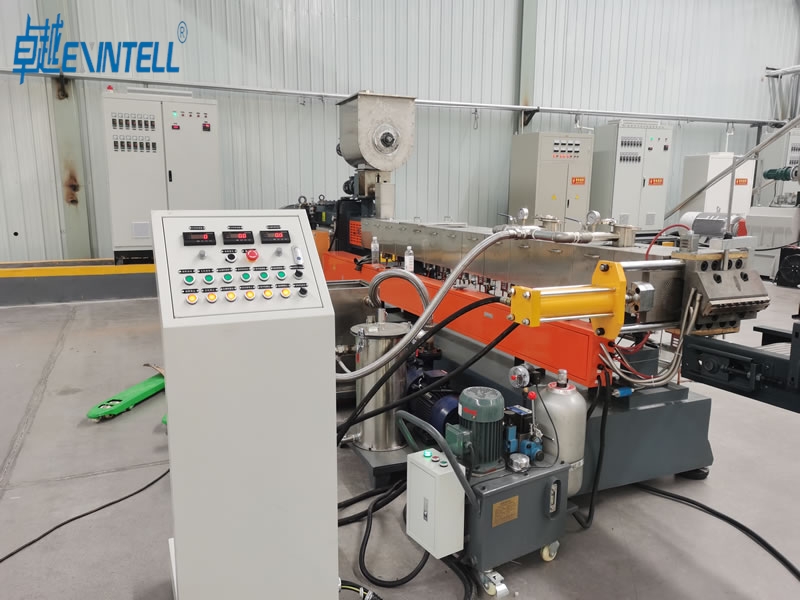
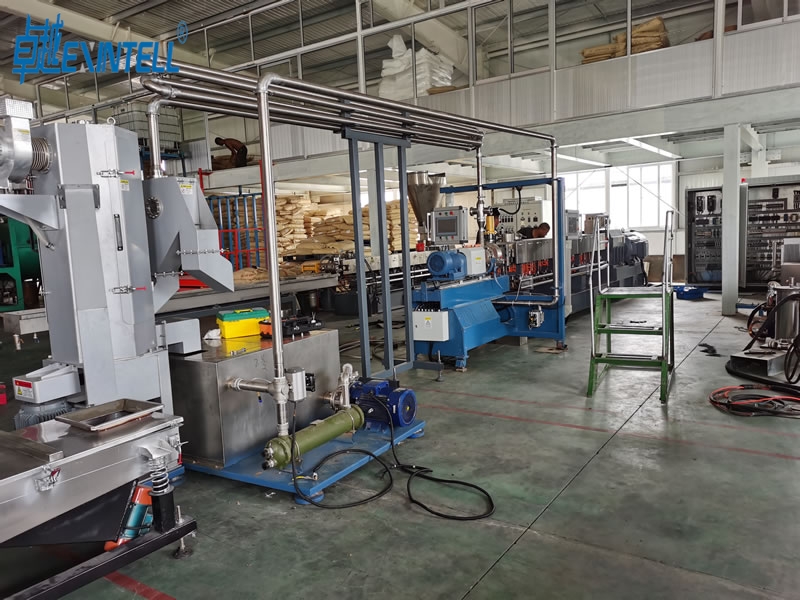
אָפּשאַצן די פּלאַץ און וישאַלט קייפּאַבילאַטיז פון דיין מעכירעס. וואַסער-רינג סיסטעמען דאַרפן מעסיק וישאַלט, אַנדערוואָטער סיסטעמען דאַרפֿן מער ופמערקזאַמקייַט, און ברעג סיסטעמען זענען גרינגער צו טייַנען.
גלייַכן די טרופּוט פון דיין פּעללעטיזער מיט דיין פּראָדוקציע דאַרף. פאַרזיכערן אַז די מאַשין קענען שעפּן דיין דערוואַרט רעזולטאַט צו ויסמיידן באַטאַלנעקס אין דיין פּראָצעס.
ניצן אַ זיפּונג מאַשין פֿאַר קאָנסיסטענט פּעלאַץ קוואַליטעט. די עקוויפּמענט העלפּס צו באַזייַטיקן ימפּיוראַטיז און ינשורז דיין לעצט פּראָדוקט טרעפן ינדאַסטרי סטאַנדאַרדס.
קאָר דיפפערענסעס פאַרגלייַך טשאַרט
ווען איר אָפּשאַצן פּעללעטיזער מאשינען פֿאַר פּלאַסטיק פּראַסעסינג, איר דאַרפֿן אַ קלאָר איבערבליק פון ווי יעדער סיסטעם פּערפאָרמז. די פאלגענדע האַרץ דיפעראַנסיז פאַרגלייַך טשאַרט גיט איר אַ זייַט-ביי-זייַט קוק אין וואַסער-רינג, אונטער וואַסער, און שטראַל פּעללעטיזערס. דער טשאַרט העלפּס איר געשווינד ידענטיפיצירן וואָס מאַשין אַליינז מיט דיין פּראָדוקציע גאָולז.
וואַסער-רינג ווס. אונטער וואַסער ווס. ברעג
שטריך
וואַסער-רינג פּעללעטיזער
אַנדערוואָטער פּעללעטיזער
Strand Pelletizer
אָפּעראַציע
שנייַדן אין די פּנים, קולד דורך ראָוטייטינג וואַסער רינג
שנייַדן אין וואַסער קאַמער, רעגע קאָאָלינג
עקסטרודעד סטראַנדז קולד אין וואַסער / לופט, דעמאָלט שנייַדן
איר מוזן באַשליסן צווישן איין-בינע און טאָפּל-בינע סיסטעמען ווען דיזיינינג אַ עפעקטיוו פּלאַסטיק ריפּראַסעסינג סיסטעם. איין-בינע סיסטעמען פאָרשלאָגן אַ קלענערער שפּור און נידעריקער ערשט ינוועסמאַנט. איר וועט געפֿינען זיי גרינגער צו ינסטאַלירן און טייַנען, especially if you process well-sorted materials. Double-stage systems provide superior mixing and independent temperature control for each stage. These systems handle diverse or contaminated materials, including those requiring pre-processing impurity removal. The following table highlights the main differences:
שטריך
Single-Stage Systems
טאָפּל-סטאַגע סיסטעמען
ערשט ינוועסטמענט
נידעריקער (40-60% ווייניקער)
העכער
וישאַלט
נידעריקער, simpler
העכער, more complex
Footprint
Smaller
Larger
מיקסינג פיייקייַט
לימיטעד
העכער
Throughput Efficiency
נידעריקער
העכער
פלעקסיביליטי
ווייניקער פלעקסאַבאַל
More flexible
If you need high-volume output and flexibility for various plastic types, double-stage systems deliver better results.
Process Control and Monitoring
Modern pelletizer machines use advanced process controls andפאַקטיש-צייט מאָניטאָרינג. You can adjust temperature, דרוק, and cutting speed automatically. This technology ensures consistent pellet size and shape, which is critical for downstream applications. Real-time data analysis helps you optimize production and reduce downtime. You gain higher operational efficiency and product quality. Advanced diagnostics also identify potential issues before they affect your process.
Price Range and Investment
You should consider both upfront and ongoing costs when investing in a pelletizer machine. The typicalprice rangevaries by machine type:
מאַשין טיפּ
פּרייַז ראַנגע
וואַסער-רינג פּעללעטיזער
$38,000
אַנדערוואָטער פּעללעטיזער
$95,000
Strand Pelletizer
$8,000 — $18,000
שליסל investment considerationsinclude maintenance costs, access to spare parts, פּראָדוקציע קאַפּאַציטעט, and material processing capabilities. You should also evaluate the potential return on investment to ensure long-term value for your operation.
Key Factors for Choosing a Pelletizer Machine Plastic
מאַטעריאַל קאָמפּאַטיביליטי
You must evaluate material compatibility before you select apelletizer machine plasticfor your operation. Each system handles different polymers and additives with varying efficiency. The following list shows themost common materials processedwith these machines:
PP
פּע
ליבלינג
טפּו
PA
ייוואַ
PLA
PBAT
PHA
קראָכמאַל-באזירט פּאָלימערס
ABS
TPE
ינזשעניעריע פּלאַסטיקס
הייס-צעשמעלצן אַדכיסיווז
עלאַסטאָמערס
ריאַקטיוו פּאָלימערס
מאַטעריאַל פּראָפּערטיעס אַזאַ ווי צעשמעלצן לויפן אינדעקס (MFI), קלעפּיק, ילאַסטיסאַטי, קרישלעניש, און טערמאַל סענסיטיוויטי גלייַך ווירקן דיין ברירה. איר קענען נוצן די טיש אונטן צו גלייַכן די MFI פון דיין מאַטעריאַל מיט די רעקאַמענדיד פּלאַסטיק טיפּ פּעללעטיזער מאַשין:
באַזייַטיקונג פון ימפּיוראַטיז אַזאַ ווי אָוווערסייזד מאַטעריאַלס און פינעס, פּרעווענטינג חסרונות אין לעצט פּראָדוקטן.
פאַרהיטונג פון ווערייישאַנז אין שאָס וואָג און דימענשאַנאַל ינגקאַנסיסטענסיז אין מאָולדיד טיילן.
שטיצן פֿאַר גיך זיפּונג פון פאַרנעם פּלאַסטיקס אין הויך-טראַפּוט ינווייראַנמאַנץ.
Enhanced screening accuracy for precision grading and particle size classification.
Selecting common plastic pellet screening machines for your line ensures that you maintain strict quality control. You can achieve consistent grading and size, which supports both recycling and new product manufacturing. Screening also enables you to meet regulatory requirements for medical and food-grade applications.
Maintenance and Space
Maintenance and space requirements influence your operational costs and facility layout. Each pelletizer machine plastic type has unique maintenance needs. The table below summarizes the main focus areas:
פּעללעטיזער טיפּ
Maintenance Focus
Special Notes
Water-ring Pelletizer
Maintain appropriate contact pressure between blades and die surface.
Check seal integrity of the water ring cover and ensure stable cooling water temperature.
טיפּ: ווען איר פּלאַן דיין פּראָדוקציע שורה, שטענדיק באַטראַכטן די ינאַגריישאַן פון גריידינג און זיפּונג ויסריכט. דער צוגאַנג ינשורז איר דערגרייכן די העכסטן קוואַליטעט פּעלאַץ און האַלטן עפעקטיוו ריסייקלינג אַפּעריישאַנז.
ניצן קאַסעס פֿאַר פּלאַסטיק פּעללעטיזער סיסטעם
וואַסער-רינג אַפּפּליקאַטיאָנס
איר וועט געפֿינען וואַסער-רינג פּעללעטיזער סיסטעמען אין פילע ינדאַסטרי ינווייראַנמאַנץ וואָס דאַרפן סטאַביל, קעסיידערדיק פּראָדוקציע. די מאשינען שעפּן אַ ברייט קייט פון פּלאַסטיק מאַטעריאַלס, ספּעציעל יענע מיט מיטל וויסקאָסיטי. וואַסער-רינג סיסטעמען פּאַסיק ריסייקלינג געוויקסן, קאַמפּאַונדינג פאַסילאַטיז, און מאַסטערבאַטש פּראָדוקציע שורות. אָפּערייטערז בעסער די מאשינען פֿאַר זייער גרינג אָפּעראַציע און פּשוט וישאַלט. די טיש אונטן כיילייץ די main advantages:
מייַלע
באַשרייַבונג
Easy to operate
Machine start-up is faster and requires less operator intervention.
Stable production
Continuous running without the risk of strand-breaking.
Simple maintenance
Replacement of pelletizing knife is easy and at a lower cost.
טיפּ: You can reduce downtime and training costs by choosing water-ring systems for large-scale plastic recycling.
Underwater Applications
Underwater pelletizer machines excel in industries that demand high-quality, מונדיר פּעלאַץ. You will see these systems in packaging, אָטאַמאָוטיוו, און מעדיציניש סעקטאָרס. Each industry values the precise pellet characteristics and consistent quality. The following table shows how different industries benefit:
Requires consistent pellet quality for production efficiency.
מעדיציניש
Needs precise pellet characteristics for medical-grade materials.
You should select underwater systems when you need instant cooling and minimal dust, especially for heat-sensitive or specialty plastic compounds.
Strand Applications
Strand pelletizer systems work best for rigid and semi-rigid plastic types. You will find these machines in general-purpose manufacturing, engineering plastics processing, and small to medium-sized production lines. Operators appreciate the straightforward design and low investment. You can easily maintain these systems, making them ideal for facilities with limited technical staff.
באַמערקונג: Choose strand pelletizers if you process clean, stable-melt plastics and want a cost-effective solution.
Matching System to Production Needs
You must match your pelletizer system to your production requirements for optimal results. Consider the following factors:
פאַקטאָר
באַשרייַבונג
מאַטעריאַל טיפּ
Consider the hardness, נעץ צופרידן, and temperature sensitivity.
פּראָדוקציע סקאַלע
Match the pelletizer’s capacity with your production needs.
Desired Pellet Size
Choose a machine that produces pellets suitable for your application.
Industry Requirements
Ensure compliance with industry-specific standards.
Understand the types of plastic materials you plan to recycle.
Calculate your output requirement.
Select the machine features, including cutting and feeding types.
Choose additional equipment options for your process.
You will achieve the best performance when you align your system choice with your material, capacity, and quality goals.
Decision Checklist for Pelletizer Machine Plastic
Essential Questions
Before you select a pelletizer machine, you should ask yourself several critical questions. These will help you clarify your requirements and avoid costly mistakes:
וואָס טיפּ פון פּלאַסטיק טאָן איר פּראָצעס רובֿ אָפט?
וואָס איז דיין ציל טרופּוט אין קילאָגראַמס פּער שעה?
ווי וויכטיק איז די יונאַפאָרמאַטי פון פּעלאַץ און ייבערפלאַך קוואַליטעט פֿאַר דיין סוף פּראָדוקט?
צי איר דאַרפֿן צו פּראָצעס קלעפּיק, גומע, אָדער היץ-שפּירעוודיק מאַטעריאַלס?
וואָס איז דיין פאַראַנען שטאָק פּלאַץ פֿאַר נייַ ויסריכט?
צי איר דאַרפֿן צו טרעפן ספּעציפיש ינדאַסטרי סטאַנדאַרדס אָדער סערטאַפאַקיישאַנז?
טיפּ: שרייב דיין ענטפֿערס צו די פֿראגן. דאָס וועט העלפֿן איר מער יפעקטיוולי פאַרגלייַכן פאַרשידענע פּעללעטיזער סיסטעמען.
לעצט סטעפּס
אַמאָל איר האָבן דיין ענטפֿערס, איר קענען פאָרויס מיט בטחון. גיי די סטעפּס צו פיינאַלייז דיין באַשלוס:
איבערבליק דיין מאַטעריאַל קאַמפּאַטאַבילאַטי און גלייַכן עס מיט די רעקאַמענדיד פּעללעטיזער טיפּ.
Compare the throughput of each system with your production goals.
Evaluate the quality requirements for your pellets and consider if you need a screening machine.
Check the maintenance needs and ensure your team can support the chosen system.
Assess your available space and plan for future expansion if needed.
Request quotes from reputable suppliers and ask for references or case studies.
Schedule a trial run or visit an existing installation if possible.
You should always align yourfinal choice with your long-termbusiness strategy. The right pelletizer machine will help you achieve consistent plastic quality, efficient production, און נידעריקער אַפּעריישאַנאַל קאָס.
You can see clear differences amongוואַסער-רינג, אונטער וואַסער, and strandpelletizer machine types. Water-ring systems balance automation and flexibility. Underwater machines deliver high-quality pellets for heat-sensitive plastic. Strand pelletizers offer cost-effective solutions for rigid plastic. די comparison chartbelow helps you match features and throughput to your needs:
פּעללעטיזער טיפּ
שליסל פֿעיִקייטן
אַפּפּליקאַטיאָנס
דורכפאָר (קג/ה)
Strand Pelletizers
Cuts extruded strands, פּרייַז-עפעקטיוו
PP, פּע
500–2,000
אַנדערוואָטער פּעללעטיזערס
Water cooling, היץ-שפּירעוודיק מאַטעריאַלס
ליבלינג, ניילאָן
1,000–5,000
Air-Cooled Strand Pelletizers
Air cooling, budget-friendly
HDPE
300–1,500
Die Face Pelletizers
Cuts at die face, water cooling
פּווק, viscous polymers
500–3,000
You should use the comparison chart and decision checklist to select the best system. טעגלעך, check knives and dies. וואכנשריפט, sharpen knives and calibrate settings. כוידעשלעך, clean the system and inspect cooling. Align your machine choice with your material, דורכפאָר, and pellet quality goals for efficient plastic production.
FAQ
What is the main advantage of an underwater pelletizer?
You achieve the highest pellet uniformity and quality withunderwater pelletizers. This system instantly cools pellets, which prevents sticking and deformation. You should choose this option for heat-sensitive or specialty plastics.
How do I know which pelletizer suits my material?
You must check your material’s melt flow index and sensitivity to heat. For sticky or elastic plastics, select underwater or water-ring systems. For rigid plastics, strand pelletizers work best.
Can I upgrade my pelletizer system later?
You can often upgrade with advanced controls or screening machines. אָבער, you should confirm compatibility with your current equipment. Consult your supplier for available options.
How much maintenance does each pelletizer type require?
וואַסער-רינג: מעסיק, focus on die and blade care.
אַנדערוואָטער: הויך, regular cleaning and water system checks.
ברעג: נידעריק, mainly knife sharpening.
טיפּ: Schedule preventive maintenance to avoid costly downtime.
Do I need a screening machine for my pellets?
You should use a screening machine if you require consistent pellet size and minimal dust. Screening improves product quality and supports strict industry standards.