

Strand Pelletizer or Underwater Pelletizer Which Is Right for Your Process
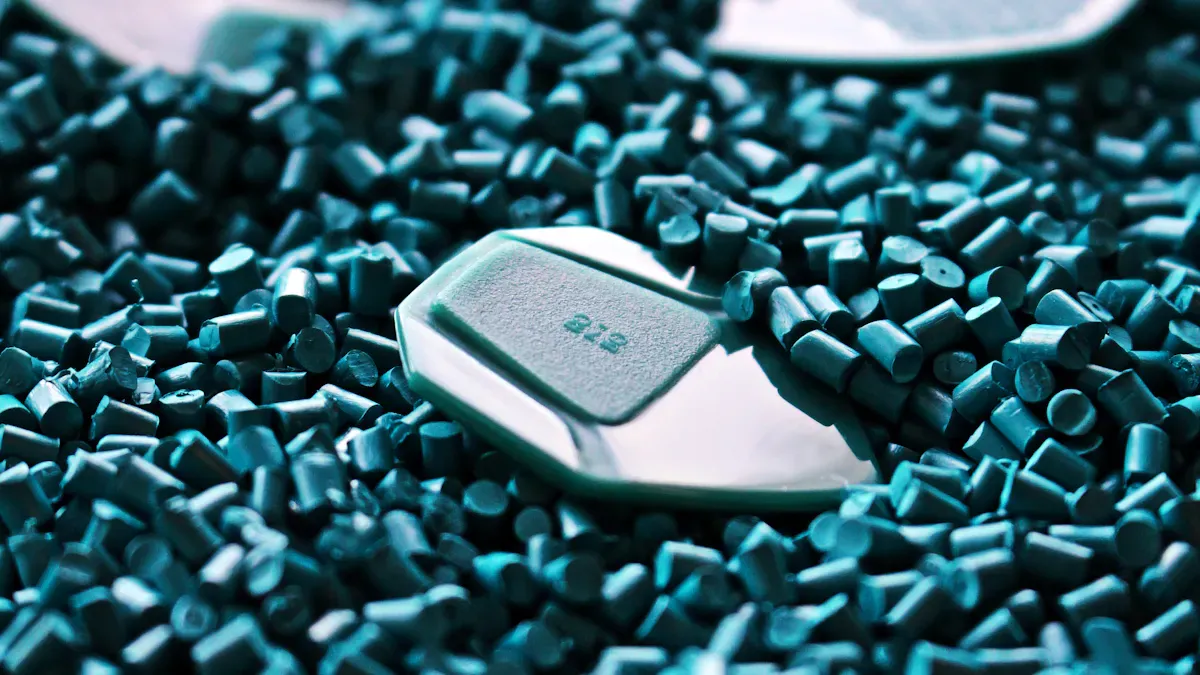
Strand and Underwater Pelletizer systems differ in cooling and cutting methods, פּראָדוקציע וואָג, און שרייטל קוואַליטעט. Strand pelletizers cool polymer strands in a water trough, while Underwater Pelletizer units cut pellets fully submerged, producing highly uniform pellets and handling higher throughputs.
For high-viscosity polymers, Underwater Pelletizer systems accommodate אַרויף צו 70,000 לב/hr and most polymer types, ווי געוויזן אונטן:
| System Type | פּראָדוקציע באַנד | מאַטעריאַל קאָמפּאַטיביליטי |
|---|---|---|
| Underwater Pelletizing | אַרויף צו 70,000 לב/hr | Most polymers |
| Strand Pelletizing | אַרויף צו 44,000 לב/hr | וואַריאַבלע, challenges with low-viscosity materials |
Consider material type, קאַנטאַמאַניישאַן, דורכפאָר, and pellet quality when choosing a pelletizer.
שליסל טייקאַווייַס
- Strand pelletizers cool polymer strands in water, while underwater pelletizers cut pellets submerged in water, affecting pellet quality and production scale.
- Underwater pelletizers can handle up to 70,000 לב/hr, making them ideal for high-viscosity polymers and large-scale production.
- Choose underwater pelletizers for applications needing uniform, spherical pellets with minimal dust; strand pelletizers produce cylindrical pellets but generate more dust.
- Maintenance is simpler for strand pelletizers due to their dry design, while underwater systems require more complex cleaning due to water exposure.
- Consider material compatibility: underwater systems work with a wider range of polymers, including high-viscosity and contaminated materials.
- Evaluate production needs: strand pelletizers are better for frequent material changes, while underwater systems excel in continuous, high-output operations.
- Assess costs carefully: underwater pelletizers have higher initial and operating expenses, but may offer long-term savings in high-volume environments.
- Use the selection checklist to align your pelletizer choice with your specific material, דורכפאָר, and budget requirements.
Pelletizer Comparison Overview
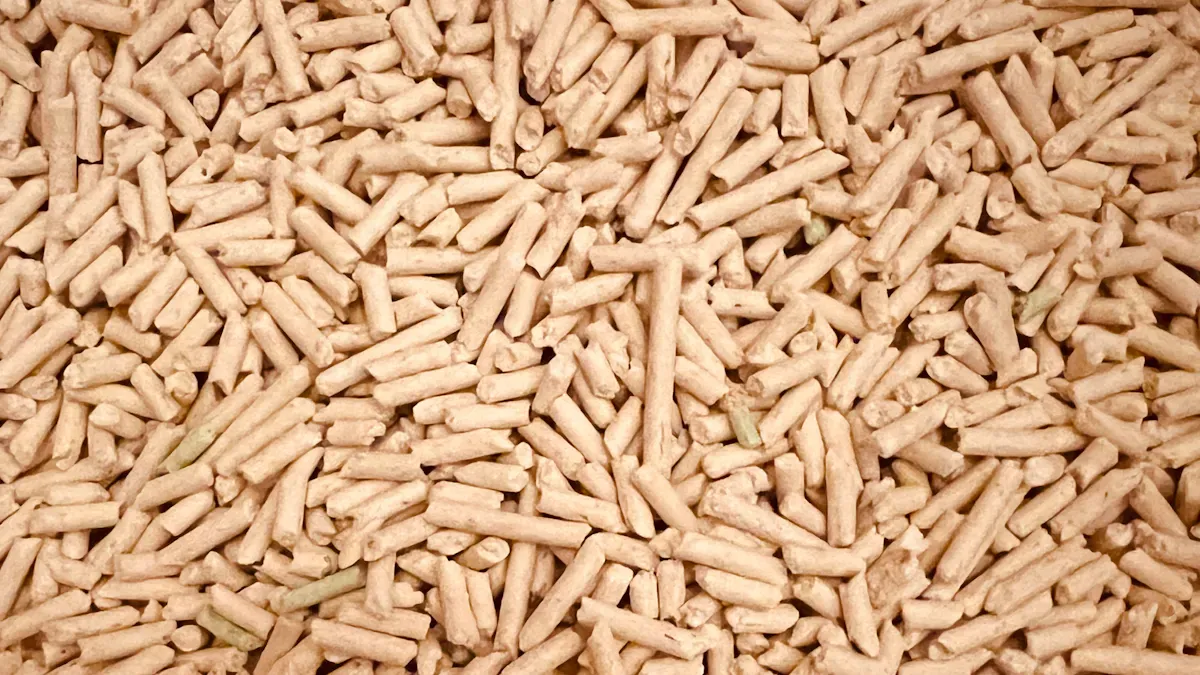
Strand vs Underwater Pelletizer Table
Selecting the right pelletizer for your process requires a clear understanding of how each system performs across critical metrics. The table below provides a side-by-side comparison of strand and underwater pelletizers, focusing on pellet shape, size variation, שטויב דור, פּראָדוקציע באַנד, and material compatibility.
| מעטריק | Underwater Pelletizing | Strand Pelletizing |
|---|---|---|
| Pellet Shape | Spherical | סילינדריקאַל |
| Size Variation | < ±5% | < ±10-15% |
| Dust Generation | Less | More |
| פּראָדוקציע באַנד | אַרויף צו 70,000 לב/hr | אַרויף צו 44,000 לב/hr |
| מאַטעריאַל קאָמפּאַטיביליטי | Most polymers | וואַריאַבלע, challenges with low-viscosity materials |
טיפּ: For applications demanding highly uniform pellets and minimal dust, underwater pelletizer systems often deliver superior results.
Key Metrics Compared
When evaluating pelletizer options, manufacturers should consider several key aspects:
- Pellet Quality: Underwater pelletizer units produce highly uniform, spherical pellets with minimal dust due to rapid water cooling. Strand pelletizer systems generate cylindrical pellets, but tend to create more dust and fines, which can impact downstream processing.
- Maintenance Requirements: Underwater pelletizer equipment involves more complex components and water exposure, leading to higher maintenance needs. Strand pelletizer machines feature a simpler, dry design, making them easier and faster to maintain.
- מאַטעריאַל קאָמפּאַטיביליטי: Underwater pelletizer technology handles a wide range of polymers, including high-viscosity and specialty materials. Strand pelletizer systems work well with most plastics, but may struggle with low-viscosity or sticky polymers.
- פּראָדוקציע עפעקטיווקייַט: Underwater pelletizer lines support continuous, high-output operation, making them ideal for large-scale production. Strand pelletizer setups often operate in batches and typically offer lower throughput.
- Cost Considerations: Underwater pelletizer systems require a higher initial investment and ongoing maintenance costs. Strand pelletizer solutions are generally more cost-effective for smaller operations or frequent material changes.
Manufacturers in industries such as automotive, פּאַקקאַגינג, and electronics should match their process requirements to the strengths of each pelletizer type. The right choice depends on the desired pellet quality, material type, פּראָדוקציע באַנד, and operational budget.
How Each Pelletizer Works
Strand Pelletizer Process
Cooling and Cutting
Strand pelletizer systems operate by transforming molten polymer into cylindrical pellets. The process begins with feeding material into the compactor using a belt conveyor. The feeding speed can be adjusted, און מעטאַל דיטעקשאַן איז אָפט אַרייַנגערעכנט צו פאַרמייַדן קאַנטאַמאַניישאַן. דריי בלאַדעס ין די קאָמפּאַקטאָר פּיצל און היץ די מאַטעריאַל, דענסינג עס איידער עס גייט אריין די עקסטרודער שרויף. די עקסטרודער מעלץ די פּאָלימער, און אַ וואַקוום סיסטעם רימוווז ימפּיוראַטיז. אַמאָל די פּאָלימער איז גאָר צעלאָזן, עס באוועגט זיך צו די שטאַרבן קאָפּ. דאָ, די מאָולטאַן סטראַנדז זענען שנייַדן און קולד אין אַ וואַסער רינג, וואָס ילימאַנייץ די נויט פֿאַר מאַנואַל שנירל האַנדלינג. די וואַסער רינג ינשורז גיך קאָאָלינג און העלפּס צו האַלטן די פּעללעט פאָרעם.
באַמערקונג: די וואַסער רינג קאָאָלינג אופֿן אין שטראַל פּעללעטיזער סיסטעמען איז עפעקטיוו פֿאַר רובֿ ינזשעניעריע פּלאַסטיקס, אָבער קען געראַנגל מיט קלעפּיק אָדער נידעריק-וויסקאָסיטי פּאָלימערס.
ויסריכט אויסלייג
די עקוויפּמענט אויסלייג פֿאַר אַ ברעג פּעללעטיזער טיפּיקלי כולל עטלעכע שליסל קאַמפּאָונאַנץ:
- קאָמפּאַקטאָר מיט אַדזשאַסטאַבאַל פידינג און מעטאַל דיטעקשאַן
- Single-screw extruder with vacuum degassing
- Die head for strand formation
- Water ring for cooling and pelletizing
- Conveyor system for pellet collection
This layout supports straightforward maintenance and quick material changeovers. The dry design reduces downtime and simplifies cleaning. Operators can easily access the compactor and extruder for routine inspections.
Underwater Pelletizer Process
In-Water Cutting and Cooling
The underwater pelletizer process is designed for high-volume and high-viscosity polymer production. The operation starts with sorting materials to separate recyclable plastics from non-recyclables. After sorting, the materials are washed to remove contaminants and then dried to prepare them for melting. The dried plastics are melted to form a homogeneous polymer melt. דער מאָולטאַן פּאָלימער איז דעמאָלט פאסטעכער גלייַך אין אַ וואַסער קאַמער. ין דעם קאַמער, די פּעללעטיזער שנייַדן די פּאָלימער אין פּעלאַץ בשעת גאָר סאַבמערדזשד. די אַנדערוואָטער סוויווע גיט גיך קאָאָלינג, ריזאַלטינג אין העכסט מונדיר, ספעריש פּעלאַץ. דעם אופֿן מינאַמייזאַז שטויב און פינעס, מאכן עס ידעאַל פֿאַר אַפּלאַקיישאַנז ריקוויירינג שטרענג פּעלאַץ קוואַליטעט.
טיפּ: אַנדערוואָטער פּעללעטיזער סיסטעמען יקסעליד אין פּראַסעסינג קאַנטאַמאַנייטאַד פידז און ספּעציאַליטעט פּאָלימערס רעכט צו זייער שטאַרק קאָאָלינג און קאַטינג קייפּאַבילאַטיז.
סיסטעם סעטאַפּ
די טיפּיש אַנדערוואָטער פּעללעטיזער סעטאַפּ כולל:
- סאָרטינג און וואַשינג וניץ פֿאַר מאַטעריאַל צוגרייטונג
- דריינג ויסריכט צו ענשור אָפּטימאַל צעשמעלצן קוואַליטעט
- עקסטרודער פֿאַר מעלטינג און האָמאָגענייזינג די פּאָלימער
- וואַסער קאַמער מיט ינאַגרייטיד קאַטינג קאָפּ
- פּעללעט זאַמלונג און דרייינג סיסטעם
This configuration supports continuous processing and high throughput. The underwater cutting head operates within the water chamber, allowing for precise pellet formation and rapid cooling. Maintenance is more complex due to water exposure and system integration, but the benefits in pellet quality and production volume are significant.
Key Differences in Pelletizer Selection
Process Suitability
Throughput and Flexibility
Pelletizer selection depends heavily on throughput requirements and operational flexibility. Manufacturers must evaluate the scale of their processing needs and the types of polymers involved. The following table summarizes throughput capacity for different pelletizer types:
| Pelletizer Type | Throughput Capacity |
|---|---|
| Strand Pelletizer | Low to Medium |
| Water-Ring Pelletizer | Medium to High |
| אַנדערוואָטער פּעללעטיזער | High to Very High |
Strand pelletizers handle low to medium throughput and offer versatility for various polymers, including heat-sensitive materials. Water-ring pelletizers support medium to high throughput, reaching וועגן 11,000 פונט פּער שעה. Underwater pelletizer systems excel in high to very high throughput scenarios, processing up to 70,000 פונט פּער שעה. These systems are ideal for challenging polymers such as PET, PA, טפּו, and bioplastics.
באַמערקונג: For large-scale production and demanding polymers, underwater pelletizer units provide unmatched throughput and continuous operation.
Material Changeover
Frequent material changeover is a critical consideration for many processors. Strand pelletizer systems feature a straightforward, dry design that allows for rapid cleaning and quick changeovers. Operators can switch between materials with minimal downtime, making strand pelletizers suitable for facilities that process multiple polymer types or require frequent batch changes.
Underwater pelletizer systems, while offering superior throughput, involve more complex cleaning procedures due to water exposure and integrated cutting heads. Material changeover takes longer, and specialized cleaning protocols are necessary to prevent contamination, especially when switching between polymers with different properties.
מאַטעריאַל קאָמפּאַטיביליטי
Viscosity and Contamination
Material compatibility influences pelletizer performance and maintenance. Strand pelletizers work well with most plastics but may struggle with sticky or low-viscosity polymers. Underwater pelletizer systems handle a broader range of viscosities, including high-viscosity and specialty polymers.
Contamination management is essential in both systems. געהעריק די-צו-בלייד אַליינמאַנט פּריווענץ קאַנטאַמאַניישאַן פון פינעס און שטויב. קאַנטאַמאַנייטאַד מאַטעריאַלס קענען דיגרייד שטאַרבן סערפאַסיז, ינקריסינג וישאַלט באדערפענישן. אַנדערוואָטער פּעללעטיזער וניץ זענען געזונט קעגן קאַנטאַמאַניישאַן, ספּעציעל ווען פּראַסעסינג ריסייקאַלד אָדער ספּעציאַליטעט פידסטאַקס. רייניקונג פּראָטאָקאָלס פֿאַר פּאָלימערס ווי פּווק און טפּע מוזן זיין נאכגעגאנגען צו טייַנען די קוואַליטעט פון פּעלאַץ און פאַרמייַדן דיגריישאַן פון די סיסטעם.
טייפּס פון פּאָלימערס
די קאַמפּאַטאַבילאַטי פון פּעללעטיזער סיסטעמען מיט פאַרשידן פּאָלימער טייפּס איז אַוטליינד אונטן:
| מאַטעריאַל טיפּ | קאַמפּאַטאַבילאַטי |
|---|---|
| פּאָליאָלעפינס | PP, פּע |
| אינזשעניריע פּלאַסטיקס | ABS, טפּו, TPE, PA |
| בייאָודאַגריידאַבאַל פּלאַסטיקס | PLA, PBAT, PHA, קראָכמאַל-באזירט פּאָלימערס |
| מאַסטערבאַטש פּראָדוקציע | קאָליר מאַסטערבאַטש, פיללער מאַסטערבאַטש, אַדאַטיווז |
| כעמישער און סמאָלע פּראָד. | הייס-צעשמעלצן אַדכיסיווז, עלאַסטאָמערס, ריאַקטיוו פּאָלימערס |
| הויך-מפי מאַטעריאַלס | פּאַסיק פֿאַר אַנדערוואָטער פּעללעטיזער סיסטעמען |
סטראַנד פּעללעטיזערס זענען ווערסאַטאַל פֿאַר פּאָליאָלעפינס און ינזשעניעריע פּלאַסטיקס. אַנדערוואָטער פּעללעטיזער סיסטעמען אַקאַמאַדייט אַ ברייט קייט, אַרייַנגערעכנט בייאָודאַגריידאַבאַל פּלאַסטיקס, מאַסטערבאַטש פּראָדוקציע, and high-MFI materials that cannot be pelletized using strand or water-ring systems.
Pellet Quality
Size and Shape Uniformity
Pellet quality impacts downstream processing and final product performance. Underwater pelletizer systems produce highly uniform, spherical pellets with size variation typically less than ±5%. Strand pelletizers generate cylindrical pellets with size variation up to ±10-15%. Uniformity is crucial for applications requiring consistent pellet flow and minimal dust.
טיפּ: Choose underwater pelletizer systems for applications demanding strict pellet size and shape uniformity.
Downstream Processing Impact
Pellet shape and quality affect downstream processing efficiency. Spherical pellets from underwater systems flow smoothly in pneumatic conveying and feeding equipment. Reduced dust generation minimizes contamination and wear in downstream machinery. Cylindrical pellets from strand pelletizers may produce more fines, impacting filtration and compounding processes.
Manufacturers must assess how pellet quality influences subsequent steps, such as extrusion, molding, or blending. Selecting the right pelletizer ensures optimal performance throughout the production chain.
Maintenance and Operation
Cleaning and Downtime
Routine cleaning and minimizing downtime are critical factors in pelletizer selection. Strand pelletizer systems feature a straightforward, dry design. Operators can access key components quickly, which allows for fast cleaning between production runs. This design reduces the risk of cross-contamination when switching materials. Most strand pelletizer units require only basic disassembly for cleaning, and the absence of water in the cutting area simplifies maintenance.
אַנדערוואָטער פּעללעטיזער סיסטעמען פאָרשטעלן אַ אַנדערש סצענאַר. די ינאַגריישאַן פון וואַסער אין די קאַטינג קאַמער ינטראַדוסיז נאָך רייניקונג באדערפענישן. וואַסער ויסשטעלן קענען פירן צו מינעראַל בויען, קעראָוזשאַן, אָדער מייקראָוביאַל וווּקס אויב ניט געראטן רעכט. אָפּערייטערז מוזן נאָכגיין שטרענג רייניקונג פּראָטאָקאָלס צו האַלטן סיסטעם היגיענע און פאַרמייַדן קאַנטאַמאַניישאַן פון פּעלאַץ. רייניקונג די אַנדערוואָטער קאַטינג קאָפּ און וואַסער סערקיאַליישאַן סיסטעם אָפט נעמט מער צייט און קען דאַרפן ספּעשאַלייזד מכשירים אָדער קעמיקאַלז. דאַונטיים פֿאַר וישאַלט איז טיפּיקלי מער מיט אַנדערוואָטער פּעללעטיזער ויסריכט, ספּעציעל בעשאַס מאַטעריאַל טשיינדזשערז אָדער ווען פּראַסעסינג קלעפּיק פּאָלימערס.
באַמערקונג: פאַסילאַטיז וואָס דאַרפן אָפט מאַטעריאַל ענדערונגען אָדער גיך רייניקונג סייקאַלז אָפט בעסער שטראַל פּעללעטיזער סיסטעמען רעכט צו זייער יז פון וישאַלט און רידוסט דאַונטיים.
System Complexity
System complexity directly impacts operator training, טראָובלעשאָאָטינג, און לאַנג-טערמין רילייאַבילאַטי. Strand pelletizer machines use a simple mechanical layout. Most operators can learn to run and maintain these systems with minimal training. Fewer moving parts and a dry environment reduce the likelihood of mechanical failure.
Underwater pelletizer systems are more complex. These units combine extrusion, water management, and in-water cutting in a single integrated process. Operators must monitor water temperature, flow rate, and pelletizer blade condition. Automated controls and sensors are common, but they add to the learning curve. Troubleshooting underwater pelletizer systems often requires specialized knowledge and technical support. The complexity of these systems can increase the risk of unplanned downtime if not managed by experienced personnel.
טיפּ: Simpler strand pelletizer systems are ideal for facilities with limited technical staff or where ease of operation is a priority.
פּרייַז סיבות
ערשט ינוועסטמענט
The initial investment for a pelletizer system varies significantly based on technology and production requirements. Strand pelletizer units generally have a lower upfront cost. Their simple design, fewer components, and minimal water management needs make them accessible for small to medium-sized operations. Installation is straightforward, and most facilities can integrate strand pelletizer equipment without major infrastructure changes.
Underwater pelletizer systems require a higher initial investment. These systems include advanced water handling, automated controls, and robust cutting mechanisms. The need for specialized installation and integration with existing processing lines can further increase costs. אָבער, די העכער ינוועסמאַנט אָפט פּייַס אַוועק אין גרויס-וואָג אַפּעריישאַנז ווו טרופּוט און פּעללעט קוואַליטעט זענען קריטיש.
| Pelletizer Type | טיפּיש ערשט ינוועסמאַנט | ייַנמאָנטירונג קאַמפּלעקסיטי |
|---|---|---|
| Strand Pelletizer | נידעריק צו מעסיק | פּשוט |
| אַנדערוואָטער פּעללעטיזער | הויך | קאָמפּלעקס |
באַמערקונג: באַטראַכטן ביידע קראַנט און צוקונפֿט פּראָדוקציע באדערפענישן ווען יוואַליוייטינג ערשט ינוועסמאַנט. א העכער אַפּפראַנט פּרייַז קען צושטעלן לאַנג-טערמין סייווינגז אין הויך-באַנד ינווייראַנמאַנץ.
אַפּערייטינג הוצאות
אַפּערייטינג הוצאות אַרייַננעמען וישאַלט, ענערגיע קאַנסאַמשאַן, וואַסער באַניץ, און ספּער טיילן. סטראַנד פּעללעטיזער סיסטעמען פאָרשלאָגן נידעריקער אָנגאָינג קאָס. זייער טרוקן אָפּעראַציע ראַדוסאַז וואַסער און ענערגיע קאַנסאַמשאַן. וישאַלט איז ווייניקער אינטענסיווע, און ספּער טיילן זענען טיפּיקלי ווייניקער טייַער.
אַנדערוואָטער פּעללעטיזער סיסטעמען האָבן העכער אַפּערייטינג הוצאות. קעסיידערדיק וואַסער סערקיאַליישאַן, פילטריישאַן, און דרייינג פאַרגרעסערן נוצן קאָס. וישאַלט איז מער אָפט רעכט צו וואַסער ויסשטעלן און די קאַמפּלעקסיטי פון די קאַטינג מעקאַניזאַם. Replacement parts for underwater pelletizer units can be costly, especially for specialized blades or seals. Facilities must also account for water treatment and disposal, which adds to the total cost of ownership.
טיפּ: Calculate total cost of ownership, not just initial price, when selecting a pelletizer. Higher operating expenses can offset the benefits of increased throughput if not managed carefully.
Underwater Pelletizer and Strand Pelletizer Applications
Strand Pelletizer Applications
Strand pelletizer systems serve a wide range of industries due to their versatility and straightforward operation. These machines are especially valuable in environments where frequent material changes and easy maintenance are priorities.
אינזשעניריע פּלאַסטיקס
Strand pelletizers are widely used for engineering plastics. They process materials such as polypropylene, פּאַליעטאַלין, און גלאז פיברע ריינפאָרסט קאַמפּאַונדז. די פּלאַסטיקס זענען פּראָסט אין אָטאַמאָוטיוו, עלעקטריקאַל, און קאַנסומער סכוירע מאַנופאַקטורינג.
| אינזשעניריע פּלאַסטיק טיפּ | באַשרייַבונג |
|---|---|
| פּאָליפּראָפּילענע (PP) | וויידלי געניצט אין טרוקן ברעג פּעללעטיזערס פֿאַר פּראַסעסינג. |
| פּאַליעטאַלין (פּע) | קאַמאַנלי פּראַסעסט ניצן שטראַל פּעללעטיזערס. |
| גלאז פיברע ריינפאָרסט | אָפט פּראַסעסט מיט שטראַל פּעללעטיזערס. |
סטראַנד פּעללעטיזערס האַלטן די קוואַליטעט פון די פּעלאַץ פֿאַר די מאַטעריאַלס, שטיצן קאָנסיסטענט דאַונסטרים פּראַסעסינג.
ריסייקאַלד מאַטעריאַלס
פּלאַסטיק ריסייקלינג געוויקסן פאַרלאָזנ זיך סטראַנד פּעללעטיזער סיסטעמען פֿאַר קאַנווערטינג פּאָסטן-קאַנסומער און פּאָסטן-אינדוסטריעלע וויסט אין ריוזאַבאַל פּעלאַץ. די סיסטעמען שעפּן אַ פאַרשיידנקייַט פון ריסייקאַלד פּלאַסטיקס, מאכן זיי יקערדיק פֿאַר וויסט ריסייקלינג אַפּעריישאַנז. די טרוקן פּלאַן פון שטראַל פּעללעטיזערס אַלאַוז עפעקטיוו רייניקונג, וואָס איז וויכטיק ווען באַשטימען צווישן פאַרשידענע ריסייקאַלד מאַטעריאַלס.
קאַמפּאַונדינג
Compounding facilities use strand pelletizers to blend polymers with additives, פילערז, אָדער קאָלאָראַנץ. The resulting pellets are used in film, בלאַט, and fiber processing, as well as in injection and blow molding operations.
| אַפּפּליקאַטיאָן טיפּ |
|---|
| פּלאַסטיק ריסייקלינג געוויקסן |
| Plastic compounding and manufacturing |
| Film, בלאַט, and fiber processing |
| Injection and blow molding operations |
Strand pelletizers offer flexibility for compounding lines that require frequent formulation changes.
Underwater Pelletizer Applications
Underwater pelletizer systems are designed for high-performance environments. These machines excel in applications where pellet uniformity, הויך טרופּוט, and the ability to handle challenging materials are critical.
High-Viscosity Polymers
Underwater pelletizer technology produces highly uniform pellets with minimal size and shape variation. This capability is especially important for high-viscosity polymers, where traditional strand pelletizing may struggle with consistency and strand breakage. The underwater cutting and cooling process ensures reliable pellet formation, even with demanding materials.
- Underwater pelletizing produces highly uniform pellets with minimal size and shape variation, making it advantageous for high-viscosity materials.
- Strand pelletizing may face challenges in maintaining consistency and quality when processing high-viscosity polymers due to its manual start-up process and potential for strand breakage.
Contaminated Feedstocks
Underwater pelletizer systems are robust against contamination. They process recycled and specialty feedstocks with high impurity levels. The integrated water chamber and cutting head help manage contaminants, reducing the risk of fines and improving pellet quality. דאָס מאכט אַנדערוואָטער פּעללעטיזערס פּאַסיק פֿאַר וויסט ריסייקלינג און בייאָודאַגריידאַבאַל פּלאַסטיק פּעללעטיזינג אַפּלאַקיישאַנז.
הויך-וואַליומע פּראָדוקציע
מאַניאַפאַקטשערערז קלייַבן אַנדערוואָטער פּעללעטיזער סיסטעמען פֿאַר הויך-באַנד פּראָדוקציע שורות. די מאשינען שטיצן קעסיידערדיק אָפּעראַציע און קענען פּראָצעס אַרויף צו 70,000 פונט פּער שעה. די אַנדערוואָטער סוויווע ינייבאַלז גיך קאָאָלינג, וואָס איז יקערדיק פֿאַר מיינטיינינג פּעללעט קוואַליטעט אין גרויס וואָג.
אינדוסטריע ביישפילן
די סעלעקציע פון פּעללעטיזער דעפּענדס אויף די ספּעציפיש באדערפענישן פון יעדער ינדאַסטרי. ביידע סטראַנדז און אַנדערוואָטער פּעללעטיזער סיסטעמען שפּילן וויכטיק ראָלעס אין מאָדערן מאַנופאַקטורינג.
אַוטאָמאָטיווע
אָטאַמאָוטיוו סאַפּלייערז נוצן שטראַל פּעללעטיזערס פֿאַר ינזשעניעריע פּלאַסטיקס און גלאז פיברע ריינפאָרסט קאַמפּאַונדז. די פּעלאַץ זענען געניצט אין ינלענדיש קאַמפּאָונאַנץ, אונטער די קאַפּטער טיילן, און יקסטיריער טרים. Underwater pelletizer systems support the production of specialty polymers and recycled materials for lightweight and sustainable automotive parts.
פּאַקקאַגינג
די packaging industry is the leading sector for underwater pelletizer systems. These machines produce high-quality, consistent pellets for both flexible and rigid packaging materials. Underwater pelletizers enable the recycling of plastics into uniform pellets, supporting sustainable packaging and circular economy initiatives. They are used to produce recycled plastic pellets for injection molding, יקסטרוזשאַן, and blow molding—processes that are crucial for creating new packaging products.
Recycled plastic pellets from underwater pelletizer systems are also used in the manufacturing of packaging materials, אָטאַמאָוטיוו טיילן, and everyday items. This versatility highlights the importance of underwater pelletizers in the packaging sector.
Electronics
Electronics manufacturers require precise pellet quality for components such as housings, קאַנעקטערז, and insulation. Strand pelletizers process engineering plastics for these applications. Underwater pelletizer systems handle specialty polymers and high-volume production, supporting the electronics industry’s demand for consistent and reliable materials.
באַמערקונג: The choice between strand and underwater pelletizer systems depends on material type, contamination level, and production scale. Manufacturers should evaluate their process requirements to select the most suitable pelletizer for their application.
Pelletizer Selection Guide
Choosing the right pelletizer for your operation requires a structured approach. This guide provides a practical checklist and a decision flowchart to help you align your equipment selection with your production goals.
Selection Checklist
A systematic evaluation ensures that your pelletizer matches your material and operational needs. Use the following checklist to guide your decision:
Material Assessment
- Identify the type of polymer you plan to process (ע.ג., ליבלינג, HDPE, LDPE, ינזשעניעריע פּלאַסטיקס).
- Assess contamination levels in your feedstock. High contamination may require robust cleaning or specialized configurations.
- Consider if your application involves specialty materials, such as those used in biodegradable plastic pelletizing.
פּראָדוקציע באַנד
- Estimate your required throughput. High-volume operations often benefit from underwater systems due to their continuous operation and capacity.
- Determine if your production is batch-based or continuous. Underwater pelletizers excel in continuous, large-scale environments.
Pellet Quality Needs
- Define the desired pellet shape and size uniformity. Spherical pellets from underwater systems offer superior consistency.
- Evaluate the importance of dust and fines control for your downstream processing.
- Review blade design and material, as sharp and durable blades improve cutting precision and pellet quality.
Budget
- Calculate your available budget for initial investment and ongoing operating expenses.
- Factor in maintenance, energy, and water usage. Underwater systems typically have higher costs but deliver greater throughput and pellet quality.
טיפּ: Maintenance and ease of use are critical for facilities with frequent material changes or limited technical staff.
Decision Flowchart
The following tables summarize the main decision points when selecting between strand and underwater pelletizer systems:
| Pelletizer Type | Best For | Pellet Shape | Relative Cost |
|---|---|---|---|
| סטראַנד פּעללעטיזער | פּע, PP, פּס - ריין פידז | סילינדריקאַל | נידעריק |
| אַנדערוואָטער פּעללעטיזער | ליבלינג, PA, ינזשעניעריע פּלאַסטיקס | Spherical | הויך |
| פאַקטאָר | באַשרייַבונג |
|---|---|
| מאַטעריאַל טיפּ | פאַרשידענע מאַטעריאַלס (ליבלינג, HDPE, LDPE) האָבן יינציק טשאַלאַנדזשיז און באדערפענישן וועגן פּראַסעסינג. |
| קאַנטאַמאַניישאַן מדרגה | קאַנטאַמאַניישאַן קאָנטראָל איז קריטיש פֿאַר מיינטיינינג פּראַסעסינג פעסטקייַט און קוואַליטעט פון פּעלאַץ. |
| קאָנפיגוראַטיאָן רעקווירעמענץ | ספּעציפיש קאַנפיגיעריישאַנז זענען דארף באזירט אויף די טיפּ פון מאַטעריאַל און קאַנטאַמאַניישאַן פאָרשטעלן. |
באַמערקונג: אַנדערוואָטער פּעללעטיזער סיסטעמען זענען בילכער פֿאַר פּאָלימערס מיט הויך וויסקאָסיטי, קאַנטאַמאַנייטאַד פידז, און אַפּלאַקיישאַנז וואָס דאַרפן שטרענג יונאַפאָרמאַטי פון פּעלאַץ. סטראַנד פּעללעטיזערס בלייַבן אַ פּרייַז-עפעקטיוו ברירה פֿאַר ריין, נאָרמאַל מאַטעריאַלס און אָפט טשיינדזשערז.
דורך נאָכפאָלגן דעם טשעקליסט און ריוויוינג די באַשלוס טישן, איר קענען קאַנפאַדאַנטלי אויסקלייַבן די פּעללעטיזער וואָס אַליינז מיט דיין פּראַסעסינג רעקווירעמענץ, צי איר פאָקוס אויף הויך-באַנד אַנדערוואָטער פּראָדוקציע אָדער פלעקסאַבאַל שנירל אַפּעריישאַנז.
די ברירה צווישן סטראַנדז און אַנדערוואָטער סיסטעמען דעפּענדס אויף דיין פּראָצעס באדערפענישן. אַנדערוואָטער סאַלושאַנז צושטעלן הויך טרופּוט, מונדיר פּעלאַץ, און שעפּן טשאַלאַנדזשינג מאַטעריאַלס. סטראַנדז סיסטעמען פאָרשלאָגן גרינגער וישאַלט און פאַסטער טשיינדזשאָוווערז. ניצן די פאַרגלייַך טיש ונטער צו אָפּשאַצן בראַנדז און קאַפּאַסאַטיז:
| סאָרט / מאָדעל | מאַקסימום קאַפּאַציטעט (קג/ה) | מאַכט (kW) | אָנווענדלעך מאַטעריאַלס | רעפערענץ פּרייַז (וסד) |
|---|---|---|---|---|
| קאָפּעריאָן זסק סעריע | 2000 | 250 | אינזשעניריע פּלאַסטיקס, פּע/פּפּ | 150,000-300,000 |
| ווינטעטש | 800 | 90 | אויף פילם, לאַנדווירטשאַפטלעך אָפּפאַל | 45,000-65,000 |
| דינער עקאָנאָמיש גראַנולאַטאָר | 300 | 55 | פּווק, ABS | 15,000-25,000 |
באַטראַכטן די סיבות:
- טיפּ פון פּלאַסטיק
- פארלאנגט טרופּוט
- געוואלט שרייטל קוואַליטעט
- אַפּעריישאַנאַל באדערפענישן
פֿאַר קאָמפּלעקס אַנדערוואָטער אַפּלאַקיישאַנז, באַראַטנ זיך סאַפּלייערז אָדער טעכניש עקספּערץ צו ענשור די רעכט ברירה פון פּעללעטיזער.
FAQ
וואָס איז דער הויפּט חילוק צווישן סטראַנדז און אַנדערוואָטער פּעללעטיזערס?
סטראַנד פּעללעטיזערס שנייַדן און קיל פּאָלימער סטראַנדז אַרויס די שטאַרבן, בשעת אַנדערוואָטער פּעללעטיזערס שנייַדן פּעלאַץ גלייַך אין וואַסער. אַנדערוואָטער סיסטעמען צושטעלן מער מונדיר פּעלאַץ און העכער טרופּוט.
וואָס פּעללעטיזער איז בעסער פֿאַר אָפט מאַטעריאַל ענדערונגען?
סטראַנד פּעללעטיזערס לאָזן פאַסטער רייניקונג און גרינגער פאַרבייַט פון מאַטעריאַל. זייער טרוקן פּלאַן ראַדוסאַז דאַונטיים, מאכן זיי ידעאַל פֿאַר אַפּעריישאַנז וואָס אָפט באַשטימען מאַטעריאַלס.
קענען אַנדערוואָטער פּעללעטיזערס שעפּן ריסייקאַלד אָדער קאַנטאַמאַנייטאַד מאַטעריאַלס?
יא. אַנדערוואָטער פּעללעטיזערס פּראָצעס קאַנטאַמאַנייטאַד אָדער ריסייקאַלד פידסטאַקס יפישאַנטלי. זייער געזונט וואַסער-באזירט סיסטעם מאַנידזשיז ימפּיוראַטיז און מיינטיינז פּעללעט קוואַליטעט.
ווי די שרייטל פאָרעם ווירקן דאַונסטרים פּראַסעסינג?
ספעריש פּעלאַץ פון אַנדערוואָטער סיסטעמען לויפן סמודלי אין פּנעוומאַטיש קאַנווייערז און פידערז. סילינדריקאַל פּעלאַץ פון שנירל סיסטעמען קען דזשענערייט מער שטויב, וואָס קענען ווירקן ויסריכט און פּראָדוקט קוואַליטעט.
זענען אַנדערוואָטער פּעללעטיזערס מער טייַער צו אַרבעטן?
Operating costs for underwater pelletizers are higher. These systems require more water, energy, און וישאַלט. Facilities must also manage water treatment and specialized spare parts.
What types of polymers work best with strand pelletizers?
Strand pelletizers perform well with polyolefins, ינזשעניעריע פּלאַסטיקס, and clean feedstocks. They may struggle with sticky or low-viscosity polymers.
How do I choose the right pelletizer for my process?
Assess your material type, required throughput, pellet quality needs, און בודזשעט. Use the selection checklist and consult with suppliers for complex requirements.