

Strand or Underwater Pelletizing System Which Is Right for Your Plastics Line
I often see plastics producers ask which pelletizing system fits their line best. When I compare strand and underwater pelletizing, I notice clear differences in pellet quality and cost. Take a look at this table:
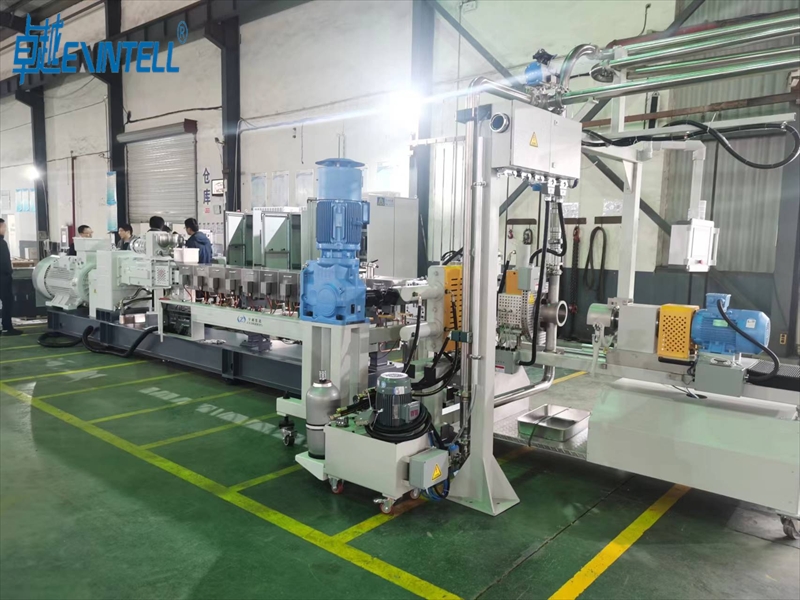
| Uphawu | Strand Pelletizing | Ngaphantsi kwamanzi Pelletizing (UWP) |
|---|---|---|
| Umgangatho wePellet | Good to Excellent, potential for fines | Excellent to Premium, highly uniform |
| Initial Cost | Ngasezantsi | Phezulu |
| Ideal For | General-purpose, cost-sensitive operations | High-end applications, perfect consistency |
I recommend strand pelletizing for cost-sensitive operations. I choose the Underwater Pelletizing System when I need premium, highly uniform pellets for demanding applications.
Izinto eziphambili zokuThatha
- Strand pelletizing is ideal for cost-sensitive operations, offering lower initial costs and simpler setups.
- Underwater pelletizing delivers premium pellet quality, producing highly uniform pellets suitable for demanding applications.
- Consider the type of polymer when choosing a system; strand works best for rigid materials, while underwater excels with complex or heat-sensitive polymers.
- Evaluate production volume needs; strand pelletizing suits small to medium runs, while underwater systems support high-volume operations efficiently.
- Regular maintenance is crucial; strand systems require basic skills, while underwater systems need advanced technical knowledge for upkeep.
- Space requirements differ; strand systems are compact, while underwater systems need more room for equipment and maintenance access.
- Always assess total costs, including initial investment, operating expenses, kunye nokugcina, to find the best fit for your budget.
- Consult with experts when facing complex decisions or new materials to ensure you choose the right pelletizing system for your needs.
Pelletizing Systems Overview
What Is Strand Pelletizing
I often use strand pelletizing when I want a straightforward pelletizing process. Kule ndlela, I extrude molten polymer through a die plate to form long strands. I guide these strands over a cooling trough, usually filled with water, to solidify them. Emva kokupholisa, I dry the strands and feed them into a cutter. The cutter chops the strands into uniform pellets. I find this pelletizing process works well for many general-purpose plastics. The strand pelletizing system offers a simple setup and allows me to adjust the pellet length easily. I can quickly change over to different materials or colors, which helps when I run smaller batches.
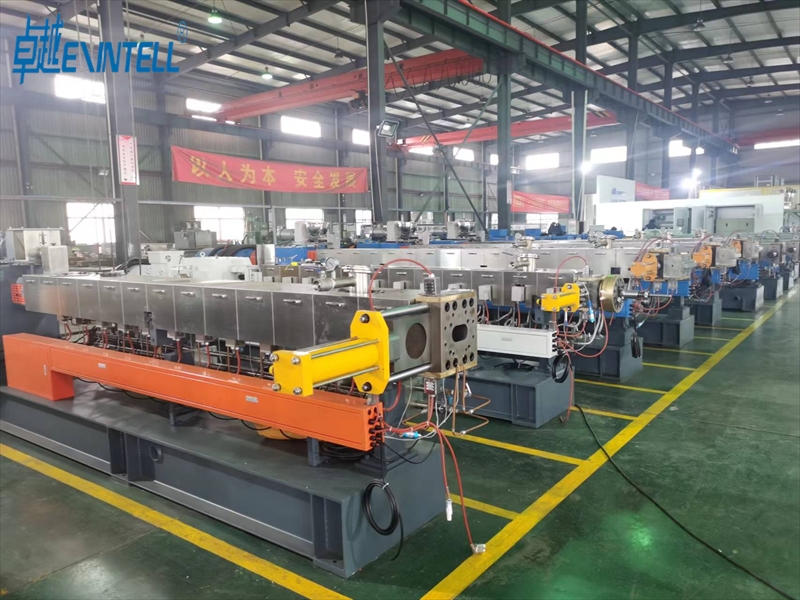
What Is Underwater Pelletizing
When I need highly uniform pellets, I turn to the underwater pelletizing system. In this pelletizing process, I extrude the molten polymer directly into a water chamber. Rotating knives cut the polymer at the die face while it is still hot. The water instantly cools and solidifies the pellets. I then separate the pellets from the water using a centrifugal dryer. This pelletizing process produces smooth, round pellets with minimal dust or fines. I rely on underwater pelletizing for demanding applications, such as medical or automotive compounds, where pellet consistency matters most. The underwater pelletizing system handles a wide range of polymers, including sticky or brittle materials that strand pelletizing cannot process efficiently.
Key Differences
I see several important differences between these two pelletizing methods. The strand pelletizing system uses a cooling trough and requires manual handling of strands before cutting. The underwater pelletizing system integrates cutting and cooling in one step, which reduces manual intervention. I notice that underwater pelletizing supports higher throughput and works better for complex materials. Recent technological advancements have made underwater pelletizing even more attractive. Umzekelo, i global push for sustainability encourages me to choose systems that support recycling. Underwater pelletizing provides ukusebenza kakuhle, which is essential for reprocessing diverse polymer streams. When I work with complex compounded materials, I need precise pellet geometry, and underwater pelletizing delivers that. Imimiselo yokusingqongileyo nayo inefuthe kukhetho lwam. I-pelletizing engaphantsi kwamanzi inciphisa uthuli kwaye isuse imiba emininzi endijongene nayo kunye ne-strand pelletizing.
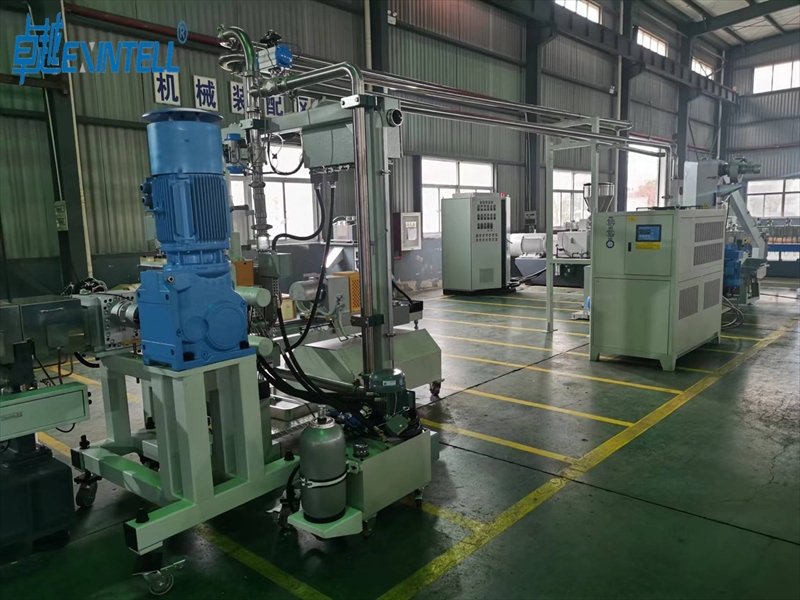
Nantsi itheyibhile eshwankathela indlela ezi zinto zisichaphazela ngayo isigqibo sam:
| Umba | Inkcazo |
|---|---|
| Uzinzo | Iphulo lehlabathi jikelele loqoqosho olujikelezayo luqhuba utyalo-mali kwiziseko ezingundoqo zokurisayikilisha, ukukhetha iinkqubo ezixhasa uzinzo. |
| Ukusebenza kakuhle | Iinkqubo zangaphantsi kwamanzi zibonelela ngezakhono zobuchule obuphezulu obuyimfuneko ekusetyenzweni ngokutsha kwemijelo eyahlukeneyo yeepolymer. |
| Ukuntsokotha kwezinto | Imfuno yemathiriyeli edityanisiweyo entsonkothileyo kumashishini afana neemoto kunye nezixhobo zonyango ifuna ijiyometri echanekileyo yepellet enokufezekiswa ngokusika ngaphantsi kwamanzi.. |
| Imithetho yokusingqongileyo | Imithetho engqongqo inyanzelela abavelisi ukuba bamkele isicoci, iindlela ezisebenzayo ngakumbi, ukunciphisa uthuli kunye nokuphelisa imiba ehambelana neenkqubo ze-strand zendabuko. |
Ingcebiso: Ukuba uqhuba inkqubo ephezulu yokugaywa kweebhotile zesilwanyana sasekhaya, uya kuxhamla ekusebenzeni kunye nokuhambelana kwe-pelletizing engaphantsi kwamanzi.
Ndihlala ndiqwalasela iimfuno ezithile zomgca wam wokuvelisa ngaphambi kokukhetha inkqubo ye-pelletizing. I-Strand pelletizing inikezela ngokulula kunye neendleko eziphantsi, ngelixa i-pelletizing ephantsi kwamanzi ibonelela ngekhwalithi ye-premium ye-pellet kwaye ixhasa iinjongo zozinzo lwangoku.
Umgangatho wePellet kunye nokuhambelana
Umgangatho weNkqubo yokuPelletizing ngaphantsi kwamanzi
Xa ndifuna umgangatho ophezulu wepellet, Ndithembele kwinkqubo yepelletizing engaphantsi kwamanzi. Le nkqubo isika ipholima ngelixa isathambile, emva koko ipholise i-pellet ngoko nangoko emanzini. Ndiqaphela ukuba le nkqubo idala iipellet ezinendawo egudileyo kunye nemilo engqukuva egqibeleleyo. Indlela efanayo ibalasele. Iipellet ezininzi zine ukwahluka kobungakanani obungaphantsi kwe ±5%. Ndibona eli nqanaba liphezulu lokuhambelana rhoqo xa ndihlola imveliso egqityiweyo.
Nantsi uthelekiso olukhawulezayo lokumila kwepellet kunye nokwahluka kobukhulu:
| Inkqubo yokuPelletizing | Ubume bePellet | Ukwahluka kobukhulu |
|---|---|---|
| Ngaphantsi kwamanzi | I-Spherical | < ±5% |
| Strand | Cylindrical | < ±10-15% |
Inkqubo yepelletizing engaphantsi kwamanzi ivelisa iipelisi ezinothuli oluncinci. Andifane ndifumane izohlwayo kwimveliso yokugqibela. Umphezulu ogudileyo kunye nolawulo lobungakanani obuqinile bundinceda ndifezekise umgangatho wepellet yeprimiyamu, eyimfuneko kwizicelo ezibangwayo. Ndisebenzisa le nkqubo xa ndifuna ukuhlangabezana nemigangatho engqongqo kumashishini afana neemoto okanye ezonyango.
Strand Pelletizing System Quality
Ndihlala ndisebenzisa inkqubo ye-strand pelletizing kwimveliso yenjongo jikelele. Le ndlela idala i-cylindrical pellets, kodwa ndibona ukuguquguquka okukhulu kubungakanani xa kuthelekiswa nepelletizing engaphantsi kwamanzi. Umahluko wesayizi unokufikelela ukuya kuthi ga kwi-±10-15%. Ndiyayazi lo nto ulungelelwaniso olululo lwe-die-to-blade lubalulekile. Nokuba ukungahambi kakuhle okuncinci kubangela imiba yomgangatho, njengokwanda kothuli okanye ubude obungalinganiyo.
Ukugcina umgangatho we-pellet ohambelanayo kunye ne-strand pelletizing, Ndilandela la manyathelo:
- Ndijonga ulungelelwaniso lokufa rhoqo.
- Ndilungisa isantya sokutsala ukuhambelana nokuhamba kwe-extruder.
- Ndibeka iliso kubushushu bamanzi kwindawo yokupholisa.
- Ndihlola ukuphuka kwe-strand kwaye ndilungise njengoko kufuneka.
Ukuba nditsiba la manyathelo, Ndibona uthuli oluninzi kunye neepellets ezincinci ezifanayo. Inkqubo ye-pelletizing ye-strand ifuna ukuqwalaselwa ngokucophelela kwiinkcukacha. Xa ndifumana yonke into ilungile, Ndiyakwazi ukuvelisa okulungileyo ukuya kumgangatho obalaseleyo wepellet, kodwa kufuna umgudu ongakumbi.
Impembelelo kwiNtsebenzo yeMveliso
Umgangatho wePellet uchaphazela ukusebenza kweemveliso zeplastiki ezigqityiweyo. Ndifunde ukuba i-extruder iguqula iplastiki ibe yimeko etyhidiweyo, ebeka inqanaba lokuhambelana kwepellet. Ukuhluzwa kunye nokucocwa kususa ukungcola, ukuqinisekisa ukuba kuphela iipellets ezikumgangatho ophezulu eziya phambili. Iyunithi ye-pelletizing ke yenza iipellet ezifanayo. Indlela yokusika, nokuba ngaphantsi kwamanzi okanye umsonto, igqiba ubungakanani bokugqibela kunye nokumila.
Xa ndisebenzisa iipellet ezinomgangatho ophezulu kunye neendawo ezigudileyo, Ndibona ukuhamba kakuhle koomatshini bokubumba. Iimveliso zokugqibela zibonisa iziphene ezimbalwa kunye neempawu ezihambelanayo. Ukuba umgangatho wepellet uyehla, Ndiqaphela imiba yokuqhubela phambili kunye nokusebenza okuphantsi kwemveliso. Ndihlala ndikhetha inkqubo ye-pelletizing ehambelana neenjongo zam zomgangatho.
Ukuntsonkotha kokuSebenza
Ukuseta kunye noTshintsho
Ndifumanisa ukuba ukuseta kunye nokutshintsha kudlala indima enkulu kwimisebenzi yam yemihla ngemihla. Xa ndisebenzisa inkqubo ye-strand pelletizing, Ndibamba amanyathelo amaninzi ngesandla. Ndidibanisa intambo nganye ukusuka kwintloko yokufa ngokusebenzisa ibhafu yamanzi nakwi-cutter. Le ndlela yokusebenza indinceda ndibone iingxaki kwangethuba, njengokuqhekeka komtya okanye ukupholisa okungalinganiyo. Ndiyakwazi ukulungisa le miba ngokukhawuleza. Ukutshintsha kwezinto ezintsha okanye imibala ngokuthe ngqo. Ndicoca umkhombe, lungisa umsiki, kwaye uqalise kwakhona inkqubo ngexesha elincinci lokuphumla.
Ngepelletizing ngaphantsi kwamanzi, Ndibona umfanekiso owahlukileyo. Inkqubo izenzela amanyathelo amaninzi. Ndibeka iiparameters kwi panel yolawulo, kwaye umatshini uphatha intsalela. I uyilo oluvaliweyo kuthetha ukuba andiyichukumisi imveliso ngexesha lokucwangcisa. Utshintsho luthatha ixesha elide kuba kufuneka ndilinde inkqubo izinze. I also need to flush the water loop and check the die face for any buildup. This process reduces human error but requires more planning.
Cleaning and Maintenance
Cleaning and maintenance routines differ between these two systems. Here is how I compare them:
- Ngaphantsi kwamanzi Pelletizing: I notice this system runs in a closed loop and uses automation. I do not need to intervene often during normal operation. Nangona kunjalo, the equipment is complex and sensitive. I must keep the extrusion process stable to avoid problems. Maintenance and start-up require advanced technical skills. I spend more time on preventive checks and calibrations.
- Strand Pelletizing: I handle cleaning and maintenance tasks manually. During start-up, I thread the strands myself. This hands-on method makes troubleshooting easier. The system is more forgiving if the melt viscosity changes. I can clean the trough and cutter with basic tools. I do not need advanced training for most tasks.
Ingcebiso: I always schedule regular checks for both systems. Preventive maintenance helps me avoid costly downtime.
Inqanaba leSakhono soMsebenzisi
Operator skill level matters when I choose a pelletizing system. With strand pelletizing, I rely on basic mechanical skills. I can train new operators quickly. They learn to thread strands, lungisa umsiki, and monitor the cooling bath. The process is forgiving, so small mistakes rarely cause big problems.
Underwater pelletizing demands more expertise. I need operators who understand automation and process control. They must know how to manage the closed-loop system and troubleshoot sensors or die face issues. Training takes longer. I invest in ongoing education to keep my team up to date.
| System | Setup Difficulty | Ukuntsonkotha kwesondlo | Izakhono zoMsebenzi ziyafuneka |
|---|---|---|---|
| Strand Pelletizing | Phantsi | Phantsi | Isiseko |
| Ngaphantsi kwamanzi Pelletizing | Phakathi-Phezulu | Phezulu | Ikwinqanaba eliphezulu |
Ndihlala ndifanisa inkqubo kwinqanaba lezakhono zeqela lam kunye nobunzima bomgca wam wokuvelisa.
Uthelekiso lweendleko
Utyalo-mali lokuqala
Xa ndicwangcisa umgca weplastiki omtsha, Ndihlala ndijonge utyalo-mali lokuqala kuqala. Iinkqubo ze-Strand pelletizing zihlala zibiza imali encinci ukuyithenga nokuyifaka. Ndiyakwazi ukuseta i-pelletizer ye-strand esisiseko kunye nesitya sokupholisa, imela yomoya, kunye nomsiki ngexabiso eliphantsi. Isixhobo silula kwaye asifuni i-automation eninzi. Ndiyifumana le nkqubo ingena kakuhle xa ndifuna ukugcina iindleko zam ezinkulu ziphantsi.
Iinkqubo zepelletizing zangaphantsi kwamanzi zifuna utyalo-mali oluphezulu lwangaphambili. Inkqubo ibandakanya ubuso bokufa obushushu, igumbi lamanzi, ipelletizer, iluphu yamanzi, kunye ne-centrifugal dryer. Ndikwafuna ulawulo oluphezulu kunye neempawu zokhuseleko. The installation process takes longer and often needs more space. I see this as a bigger commitment, but it pays off for high-end applications.
Here is a quick table to compare the initial investment:
| System | Typical Initial Cost | Installation Complexity |
|---|---|---|
| Strand Pelletizing | Phantsi | Elula |
| Ngaphantsi kwamanzi Pelletizing | Phezulu | Intsonkothile |
Phawula: I always factor in the long-term benefits before making a decision. Ngamaxesha athile, a higher initial cost leads to better returns.
Operating Costs
Operating costs play a big role in my daily budget. Strand pelletizing systems use less energy and water. The process is straightforward, and I do not need many operators. I can run the line with basic utilities and minimal supervision. This keeps my ongoing costs low.
Underwater pelletizing systems use more power and water. The closed-loop water system and die-face cutter need steady energy. I also need skilled operators to monitor the process. The system produces less waste, which saves money on material loss. Nangona kunjalo, the higher utility bills and labor costs add up over time.
I use this checklist to track operating costs:
- Power consumption
- Water usage
- Labor requirements
- Waste and reprocessing rates
I always compare these factors to see which system fits my production goals.
Iindleko zoLondolozo
Maintenance costs can surprise me if I do not plan ahead. Strand pelletizing systems have fewer moving parts. I can handle most repairs with basic tools. Spare parts are easy to find and affordable. I schedule routine checks and cleanings to keep the system running smoothly.
Underwater pelletizing systems need more specialized maintenance. The die face, iluphu yamanzi, and dryer require regular inspections. I sometimes need factory-trained technicians for complex repairs. Replacement parts cost more, and downtime can be longer if something breaks.
Here is a summary of maintenance needs:
| System | Maintenance Frequency | Skill Level Needed | Typical Cost |
|---|---|---|---|
| Strand Pelletizing | Phantsi | Isiseko | Phantsi |
| Ngaphantsi kwamanzi Pelletizing | Medium to High | Ikwinqanaba eliphezulu | Phezulu |
Ingcebiso: I always budget for preventive maintenance. This helps me avoid unexpected expenses and keeps my line running efficiently.
Space and Efficiency
Equipment Footprint
When I plan my production floor, I always measure the space each system needs. Iinkqubo ze-Pelletizing Strand take up less room. I can fit the cooling trough, imela yomoya, and cutter in a straight line. This layout works well in tight spaces. I often move or reconfigure strand systems without much trouble.
Underwater pelletizing systems need more space. The equipment includes a water chamber, die-face cutter, iluphu yamanzi, kunye ne-centrifugal dryer. I must allow extra room for maintenance access and safety zones. The system often requires a dedicated area, especially for larger lines.
Nalu uthelekiso olukhawulezayo:
| System | Typical Footprint | Ukuba bhetyebhetye | Space Needed |
|---|---|---|---|
| Strand Pelletizing | Compact | Phezulu | Phantsi |
| Ngaphantsi kwamanzi Pelletizing | Large | Phakathi | Phezulu |
Ingcebiso: I always check my available floor space before choosing a system. A compact line saves money on building costs.
Power and Water Use
I track utility usage closely. Strand pelletizing systems use less power. The main energy draw comes from the extruder and the cutter. Water use stays low because the cooling trough only needs a steady flow, not a closed-loop system.
Underwater pelletizing systems use more power and water. The die-face cutter, water pumps, and centrifugal dryer all require electricity. The closed-loop water system keeps the pellets cool and clean, but it increases water consumption. I see higher utility bills with underwater systems, especially at high production rates.
Here is a summary of utility needs:
- Strand Pelletizing: Low power, low water use, simple utilities.
- Ngaphantsi kwamanzi Pelletizing: High power, high water use, advanced utilities.
Phawula: Ndihlala ndibala iindleko zoncedo lwasekhaya. Amaxabiso aphezulu amandla okanye amanzi anokuchaphazela ukonga kwam ixesha elide.
Ukudityaniswa neMigca Ekhoyo
Ndihlala ndidinga ukongeza i-pelletizing kumgca we-extrusion okhoyo. Iinkqubo ze-Strand pelletizing zidibanisa ngokulula. Ndidibanisa i-extruder kwintloko yokufa, seta umkhombe wokupholisa, kwaye ulungelelanise umsiki. Ndiyakwazi ukuqala imveliso ngokukhawuleza kunye notshintsho oluncinci.
Iinkqubo zepelletizing zangaphantsi kwamanzi zifuna ukucwangciswa okungakumbi. Kufuneka ndiqinisekise ukuba i-extruder ihambelana ne-die-face cutter. Ilophu yamanzi kunye nesomisi zifuna imibhobho efanelekileyo kunye noqhagamshelo lombane. Ngamaxesha athile, Kufuneka ndiphucule ulawulo lwam okanye ndongeze iimpawu zokhuseleko. Ukudibanisa kuthatha ixesha elide, kodwa ndifumana inkqubo ezenzekelayo ngakumbi.
Nalu uluhlu lwam lokukhangela ukudibanisa:
- Jonga ukuhambelana kwe-extruder.
- Cwangcisa izinto eziluncedo kunye nokuhambisa amanzi.
- Qinisekisa indawo eyaneleyo yomgangatho.
- Hlaziya izilawuli ukuba ziyafuneka.
I always consult with my equipment supplier before making changes. Good planning prevents costly mistakes.
Material and Application Fit
Best for Strand Pelletizing
When I select a inkqubo yepelletizing, I always consider the type of polymer I plan to process. Strand pelletizing works best for certain materials and production goals. I often choose this method when I handle rigid or semi-crystalline polymers. These materials move smoothly through the cooling trough and rarely cause strand breakage. I also appreciate the lower investment and maintenance costs that come with strand systems. The operation stays simple, and I can switch between different polymers without much hassle.
Here are some plastics that perform well with strand pelletizing:
- Polypropylene (PP)
- Polyethylene (PE)
- Acrylonitrile Butadiene Styrene (ABS)
- Ipolystyrene (PS)
- Polyamide (PA, also known as Nylon)
- Polycarbonate (I-PC)
I find that strand pelletizing covers a wide range of general-purpose applications. I use it for compounding, imveliso ye-masterbatch, and recycling lines. The system handles most rigid and semi-crystalline polymers ngokulula. Nangona kunjalo, I avoid using strand pelletizing for brittle materials. Brittle strands tend to break during cooling, which interrupts production and lowers yield. I also need to plan for the space required by the cooling tank. If I have limited floor space, I must consider this factor before choosing strand pelletizing.
Ingcebiso: I always match the polymer type to the pelletizing system. This step helps me avoid unnecessary downtime and quality issues.
Best for Underwater Pelletizing
When I need to process complex or sensitive materials, I turn to underwater pelletizing. Le nkqubo igqwesa ngeepolymers ezifuna imilo yepellet echanekileyo kunye nobukhulu. Ndithembele kwipelletizing engaphantsi kwamanzi kuzo zombini izicelo ezithambileyo neziqinileyo. Inkqubo yamanzi evaliweyo ipholisa iipellets ngoko nangoko, ethintela ukunamathela kunye nokuqinisekisa ukufana.
Ndisebenzisa ipelletizing ngaphantsi kwamanzi kwezi izicelo:
- Soft PVC extrusion for tubhing bhetyebhetye
- Amacandelo eemoto afuna ukuhambelana okuphezulu
- Izinto zomgangatho apho umgangatho womphezulu ubalulekile
- Iimveliso eziqinileyo njengemibhobho kunye neeprofayili
Ndiqaphela ukuba iipelletizing zangaphantsi kwamanzi zibamba ezincangathi, brittle, okanye iipolymers ezinobushushu obungcono kuneenkqubo ze-strand. Inkqubo ivelisa egudileyo, iipellets ezingqukuva ezinothuli oluncinci. Ndihlala ndikhetha le nkqubo yexabiso eliphezulu okanye iimveliso ezizodwa. Xa abathengi bam belindele umgangatho weprimiyamu yepellet, Ndiyathemba ukuba i-pelletizing yangaphantsi kwamanzi iyakuzisa.
Phawula: Ndihlala ndijonga iimfuno zokusetyenziswa kokuphela phambi kokukhetha inkqubo yepelletizing. Izicelo ezisebenza kakuhle kakhulu zizuza kakhulu kukuhambelana kwepelletizing engaphantsi kwamanzi.
Ukuqwalaselwa komthamo weMveliso
Umthamo wokuvelisa udlala indima ebalulekileyo kwisigqibo sam. Ndifanisa inkqubo kwiinjongo zam zokukhupha ukwandisa ukusebenza kakuhle kunye nokulawula iindleko. I-Strand pelletizing isebenza kakuhle kwiimveliso ezincinci ukuya kweziphakathi. Inkqubo iqala ngokukhawuleza kwaye ivumela utshintsho rhoqo. Ndiyakwazi ukuqhuba iibhetshi ezininzi kwishifti enye ngaphandle kwexesha elikhulu lokuphumla. Oku bhetyebhetye kunceda xa ndivelisa iikhompawundi eziqhelekileyo okanye imibala ekhethekileyo.
I-pelletizing engaphantsi kwamanzi ikhanya kwimisebenzi ephezulu. Inkqubo isekela imveliso eqhubekayo kwaye iphethe i-throughputs enkulu ngokulula. Ndibona iziphazamiso ezimbalwa kunye nongenelelo oluncinci lwezandla. The automation reduces labor costs and improves consistency across long runs. When I need to scale up production, underwater pelletizing gives me the capacity I need.
Here is a quick table to help compare the fit for different production volumes:
| Umthamo weMveliso | Strand Pelletizing | Ngaphantsi kwamanzi Pelletizing |
|---|---|---|
| Low to Medium | Egqwesileyo | Good |
| Phezulu | Fair | Egqwesileyo |
I always balance my production targets with the strengths of each system. This approach helps me achieve the best results for my plastics line.
Pros and Cons Summary
Strand Pelletizing Pros and Cons
I often choose strand pelletizing when I want a straightforward process. The system gives me flexibility and keeps my costs low. I can train new operators quickly. I find that strand pelletizing works best for small and medium production runs. The equipment takes up less space and fits easily into most lines.
Here is a table that shows the main advantages and disadvantages:
| Iingenelo | Iingxaki |
|---|---|
| Lower cost | Challenges in managing high throughput |
| Simpler operation | Mixing efficiency issues |
| Best suited for lower throughputs | Less suitable for very large production lines |
I notice that strand pelletizing struggles with high-volume production. The system sometimes has trouble mixing materials evenly. I see that large lines need more advanced solutions. I always check my production goals before choosing strand pelletizing.
Ingcebiso: I recommend strand pelletizing for cost-sensitive projects and flexible operations. I avoid it for very large or complex lines.
Underwater Pelletizing Pros and Cons
Underwater pelletizing gives me premium pellet quality. The system produces smooth, round pellets with tight size control. I rely on underwater pelletizing for demanding applications. The automation reduces manual labor and improves consistency. I see fewer defects in the final product.
Here are the main pros and cons I have experienced:
IiPros:
- Delivers highly uniform pellets
- Handles sticky, brittle, or heat-sensitive polymers
- Supports high-volume production
- Reduces dust and fines
Ububi:
- Requires higher initial investment
- Needs advanced operator skills
- Uses more power and water
- Maintenance can be complex
I find that underwater pelletizing fits best in high-end or specialty lines. The system pays off when I need consistent quality and large output. I invest more up front, but I get reliable performance.
Phawula: I always match the pelletizing system to my material and production needs. Underwater pelletizing works best for premium products and continuous operations.
Decision Guide
Quick Checklist
When I choose between strand and underwater pelletizing, I always review a checklist. This helps me avoid missing important details. Ndigxininisa kwizinto ezichaphazela ukusebenza komgca wam, iindleko, kunye nokuthembeka. Nantsi itheyibhile endiyisebenzisayo ukukhokela isigqibo sam:
| Umba ongundoqo | Inkcazo |
|---|---|
| Ukuziphatha koxinzelelo ekufeni | Ndijonga ukuba inkqubo izinzisa uxinzelelo lwemicu efanayo kunye nokusetyenziswa kwamandla aphantsi. |
| Ukufikelela kwindawo yokusika | Ndijonge uyilo olundivumela ukuba ndifikelele kwindawo yokusika ngokukhawuleza ukuze ndigcinwe. |
| Ukuqalisa kwakhona kunye nomzamo wokulondoloza | Ndicinga ukuba ndingaphinda ndiqalise ngokukhawuleza kangakanani okanye ndigcine inkqubo yokunciphisa ixesha lokuphumla. |
| Uqoqosho olusebenzayo njengenkqubo | Ndithelekisa ukusetyenziswa kwamandla, iimfuno zenkonzo, kunye notyalo-mali ukuze ubone iindleko zokwenyani zokhetho ngalunye. |
Ndihlala ndifanisa le miba kwiinjongo zam zokuvelisa kunye nezakhono zeqela. Le ndlela indinceda ukuba ndikhethe isixokelelwano esifanelekileyo kwiimfuno zam.
Iimpazamo eziqhelekileyo
Ndibone abenzi abaninzi besenza iimpazamo ezifanayo xa ukhetha inkqubo ye-pelletizing. Ezi mpazamo zinokukhokelela kwinkcitho yexesha kunye nemali. Ndigcina uluhlu lwemigibe eqhelekileyo kunye neziphumo zayo:
| Inkcazo yempazamo | Intsingiselo |
|---|---|
| Ukukhetha umatshini osekelwe kuphela kumthamo wokuphuma | Ndifumanisa ukuba ukusebenza kuyehla ngezinto ezahlukeneyo, kubangela ukungasebenzi. |
| Ukucinga ukuba ii-blades ezinzima zihlala ixesha elide | Iincakuba eziqinileyo zinokuqhekeka ukuba zibethe izingcolisi, nto leyo ekhokelela kwixesha elininzi lokuphumla. |
| Ukufakela eyona mesh yesikrini incinci ukwenza imveliso entle | Izikrini ezincinci zicotha imveliso kwaye zinokuthambisa iiplastiki, ukulimaza umgangatho wepellet. |
Ndihlala ndizikhumbuza ukuba ndijonge ngaphaya kwamandla okanye ubunzima be-blade. Ndiqwalasela yonke inkqubo kunye nezixhobo endiceba ukuziqhuba.
Ingcebiso: Ndiphonononga iindidi zam zezinto, isicwangciso sokulondoloza, kunye nezakhono zomsebenzisi ngaphambi kokwenza ukhetho lokugqibela.
Nini Ukudibana Nengcaphephe
Ngamaxesha athile, Ndifikelela kwinqanaba apho ndifuna uncedo lwangaphandle. Ndicebisana nengcali xa:
- Ndicwangcisa ukucubungula iipolima ezintsha okanye ezingaqhelekanga.
- Umgca wam kufuneka uhlangabezane nemigangatho engqongqo okanye imigangatho yolawulo.
- Ndibona ixesha lokuphumla eliphindaphindiweyo okanye imiba yomgangatho andinakuyicombulula.
- Kufuneka ndonyuse imveliso okanye ndongeze i-automation.
Ingcali inokuhlalutya inkqubo yam kwaye ndicebise inkqubo efanelekileyo kwiinjongo zam. Ndifumanisa ukuba iingcebiso kwangethuba zindigcinela imali kwaye zithintela iimpazamo ezibiza imali eninzi. Ndihlala ndilungiselela idatha yam yokuvelisa kunye nemibuzo phambi kwentlanganiso. Oku kunceda ingcali ukuba indinike ngokucacileyo, impendulo enokwenzeka.
Phawula: Andilibazisi ukucela uncedo xa ii-stakes ziphezulu. Ingcebiso elungileyo inokwenza wonke umahluko kwimpumelelo yam yepelletizing.
Ndikhetha i-strand pelletizing ukuze ibe bhetyebhetye, imigca engabizi kakhulu kunye ne-pelletizing engaphantsi kwamanzi yomthamo ophezulu, iimfuno zomgangatho wepremium. Ndihlala ndiphonononga la manqaku ngaphambi kokuba ndithathe isigqibo:
- Qwalasela iipropati zezinto kunye nokugqiba.
- Tshatisa umgangatho wepellet ukuya ekupheleni kokusetyenziswa.
- Ukuvavanya izixhobo eziluncedo kunye neemfuno zolondolozo.
- Bala iindleko zizonke kunye ne-ROI.
Ndithethana nababoneleli kunye neenjineli ukuze ndilungelelanise inkqubo yam kwaye ndiqinisekise ukuqala okugudileyo kunye noqeqesho.
FAQ
Ziziphi iiplastiki ezisebenza kakuhle nge-strand pelletizing?
Ndisebenzisa i-strand pelletizing kwizinto ezifana ne-polypropylene, i-polyethylene, ABS, kunye ne-polystyrene. Ezi polima zihamba kakuhle kumkhombe wokupholisa kwaye azifane zophuke. Ndiyazinqanda iiplastiki ezinqabileyo okanye ezincangathi ngenxa yokuba zibangela ukuphuka kwentambo kunye nesivuno esisezantsi.
Ngaba ndingatshintsha izinto ngokulula phakathi kweebhetshi?
Ewe, Ndiyakwazi ukutshintsha izinto ngokukhawuleza nge-strand pelletizing. Ndicoca isitya kunye nesisiki, emva koko uqalise ibhetshi entsha. I-pelletizing engaphantsi kwamanzi ithatha ixesha elide ukutshintsha kuba kufuneka ndigungxule iluphu yamanzi kwaye ndijonge ubuso bokufa.
How do I reduce dust and fines in my pellets?
I check die alignment, adjust puller speed, and monitor cooling. Ngepelletizing ngaphantsi kwamanzi, I see less dust because the system cuts and cools pellets instantly. I always keep equipment clean to maintain pellet quality.
Is underwater pelletizing safe for heat-sensitive polymers?
Ewe, I trust underwater pelletizing for heat-sensitive materials. The water cools pellets instantly, which prevents sticking and thermal degradation. I use this system for soft PVC, TPE, and specialty compounds that need gentle handling.
What maintenance tasks should I schedule?
I schedule regular checks for die wear, cutter sharpness, and water quality. I clean the cooling trough or water loop weekly. I inspect sensors and controls monthly. Preventive maintenance helps me avoid downtime and keeps my line running smoothly.
Ngaba imilo yepellet iyayichaphazela imveliso yam yokugqibela?
Ewe, imiba yepellet. Ndibona ukuhamba kakuhle kunye neziphene ezimbalwa ezinomjikelezo, iipellet ezifanayo ezivela kwiinkqubo zangaphantsi kwamanzi. Iipellets ze-cylindrical ezivela kwiinkqubo ze-strand zisebenza kakuhle ukusetyenziswa ngokubanzi, kodwa ndikhetha iipellets ezingqukuva kwizicelo ezisebenza kakhulu.
Ndingenza njani isigqibo sokuba yeyiphi inkqubo ehambelana nohlahlo lwabiwo-mali lwam?
Ndithelekisa utyalo-mali lokuqala, iindleko zokusebenza, kunye nokugcina. I-Strand pelletizing ixabisa kancinci ngaphambili kwaye isebenzisa amandla amancinci. I-pelletizing engaphantsi kwamanzi ixabisa ngakumbi kodwa inika umgangatho we-premium kwaye ixhasa imveliso ephezulu. Ndifanisa inkqubo kwiinjongo zam kunye nezibonelelo.
Ngaba ndingazenza zombini iinkqubo zepelletizing?
Ndiyakwazi ukwenza zombini iinkqubo, kodwa i-pelletizing engaphantsi kwamanzi inikezela ngokuzenzekela okuphezulu. Uyilo oluvaliweyo lunciphisa amanyathelo okwenziwa ngesandla. I-Strand pelletizing ivumela usetyenziso olusisiseko, kodwa ndisaqhuba eminye imisebenzi ngesandla.