

Masterbatch Extruder Magic: Iiyantlukwano Ezimangalisayo Zityhiliwe
When I select a masterbatch extruder, I look at the main types: single-screw, twin-screw, and specialized extruders. Each extruder shapes the masterbatch process in unique ways. I notice that twin-screw models stand out with better mixing efficiency, ulawulo lobushushu oluchanekileyo, and reduced material waste. Here’s a quick comparison:
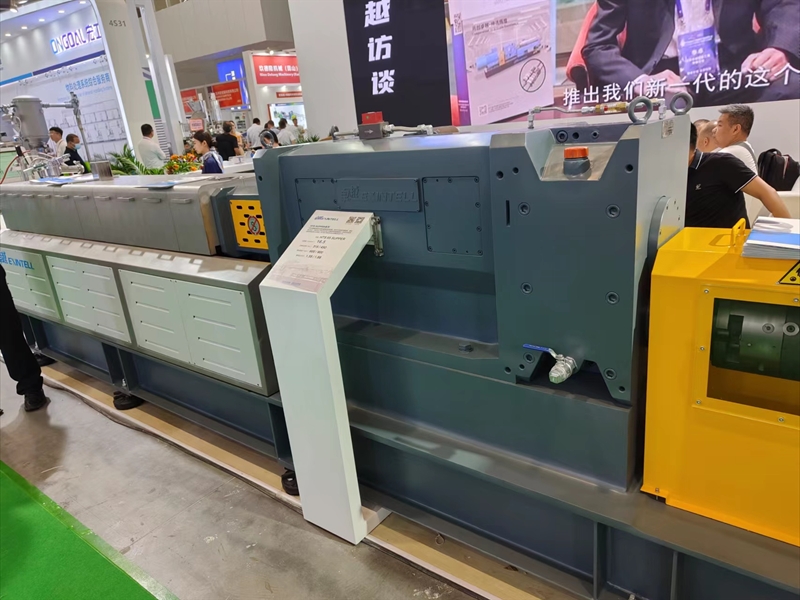
| Umba | Isikruru esiNye Extruder | |
|---|---|---|
| Ukudibanisa Ukusebenza | 30-50% better dispersion quality |
|
| Inkunkuma yezinto eziphathekayo | Reduces purge material waste by 40-60% | Higher purge material waste |
| Ulawulo lobushushu | Precise control prevents thermal degradation | Less precise control |
| Ventilation and Degassing | Effective removal of moisture and volatiles | Less effective ventilation |
I see how these differences change product consistency and quality. Better mixing, tighter temperature control, and cleaner processing often surprise those new to masterbatch production. I always consider these factors before choosing an extruder.
Izinto eziphambili zokuThatha
- Understand the main types of extruders: single-screw, twin-screw, and specialized. Each type has unique benefits that affect production.
- I-twin-screw extruders offer superior mixing efficiency and precise temperature control, reducing material waste significantly compared to single-screw models.
- Single-screw extruders are cost-effective and reliable for simple tasks but struggle with complex formulations and high filler loads.
- Choose twin-screw extruders for high-quality color and additive masterbatch production. Their design ensures uniform dispersion and consistent product quality.
- Consider throughput when selecting an extruder. Twin-screw models generally provide higher throughput, making them ideal for scaling up production.
- Evaluate maintenance needs and operational costs. Single-screw extruders require less maintenance, ngelixa iimodeli ze-twin-screw zinokuba neendleko eziphezulu kodwa zinika ukusebenza okungcono.
- Tshatisa i-extruder kwiimfuno zakho eziphathekayo. Iipolymers ezahlukeneyo kunye nezongezo zifuna ezithile izakhono ze-extruder kuqhubekeko olululo.
- Tyala imali kwii-extruders ezisebenza kakhulu kwizicelo ezifunayo. Iindleko zokuqala zihlawulwa kukuphucula ukusebenza kakuhle, inkunkuma encitshisiweyo, kunye nomgangatho wemveliso ophuculweyo.
Iintlobo ze-Masterbatch Extruder
Isikruru Esisodwa
Iimbonakalo
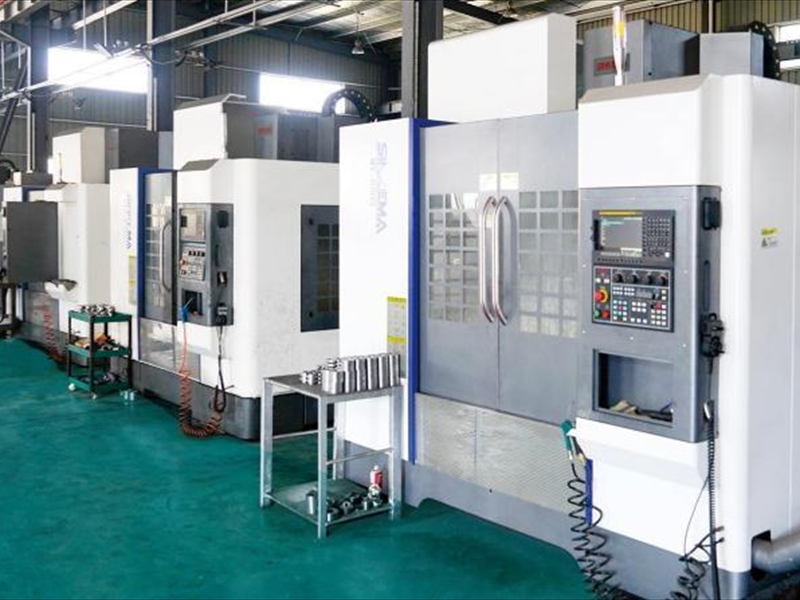
Ndihlala ndiqala nge-screw-screw extruders xa ndifuna ukulula kunye nokuthembeka. Aba matshini basebenzisa isikrufu esinye esijikelezayo ngaphakathi kumbhobho oshushu ukuhambisa, nyibilika, kunye nokubumba ipholima. Inkqubo ixhomekeke kakhulu kwiipropati zokukhuhlana kwezinto. Xa ndisebenza ngeepellets, ukusebenza kakuhle kokuhambisa kuhlala kuphezulu. Nangona kunjalo, kunye nomgubo, Ndibona ukwehla ekusebenzeni kakuhle. Ukufana kwePlasitiki akunamandla njengoomatshini abaphambili. Ndibona ukuhanjiswa kwexesha elibanzi lokuhlala, nto leyo ngamanye amaxesha ikhokelela ekuthotyweni kwe-thermal yezinto ezibuthathaka.
Itheyibhile: Ukuthelekisa i-Screw-Screw kunye ne-Twin-Screw Extruders
| Uphawu | Isikruru Esisodwa | I-Twin-Screw Extruder |
|---|---|---|
| Ukuhambisa Ubuchule | Kuxhomekeke kakhulu kwiipropathi zezinto eziphathekayo; ihla nge powders | Ukufuduswa okulungileyo kuqinisekisa ukuphakama, ezinzile, kunye nokuhambisa okuhambelanayo |
| I-Plasticizing Uniformity | Ukufaniswa kweplastikhi ehlwempuzekileyo | Ngaphezulu kokufana kunye nokusebenza kakuhle kweplastiki |
| Ukufaneleka kwesicelo | Ayifanelekanga kwi-homogenization ephezulu okanye i-high-filler loading | Ilungele ukudibanisa kunye nokuguqulwa ngokuxuba okugqwesileyo |
| Ukuhanjiswa kwexesha lokuHlala | Banzi; umngcipheko wokuthotywa kwe-thermal | Imxinwa; zonke imathiriyeli zingena kwimbali efanayo yokuqhubekeka |
| Ubuchule boQoqosho | Uqoqosho kunye nokuthembeka kwiipellets eziqhelekileyo | Ukukhokelela ekuqulunqweni okuyinkimbinkimbi kunye nokufana kwemveliso ephezulu |
| Iimeko zokusetyenziswa ezifanelekileyo | Ukunyibilika, i-homogenizing, ukubunjwa ngaphandle kokuxuba okunzima | Ukucutshungulwa komgubo, iipesenti zokugcwalisa eziphezulu, izixhobo ezinobushushu |
Iingenelo
Ndikhetha i-extruders ye-screw enye ngenxa yeendleko-ukusebenza kunye nokusebenza ngokuthe ngqo. Ugcino luhlala luphantsi, kwaye ndiyakwazi ukuqeqesha abasebenzi abatsha ngokukhawuleza. Ezi extruders zisebenza kakuhle kwizinto eziphantsi ukuya eziphakathi kwe-viscosity. Ndizifumana ziluncedo kakhulu kwimisebenzi emincinci apho uhlahlo lwabiwo-mali kunye nokulula kubaluleke kakhulu.
Ukulinganiselwa
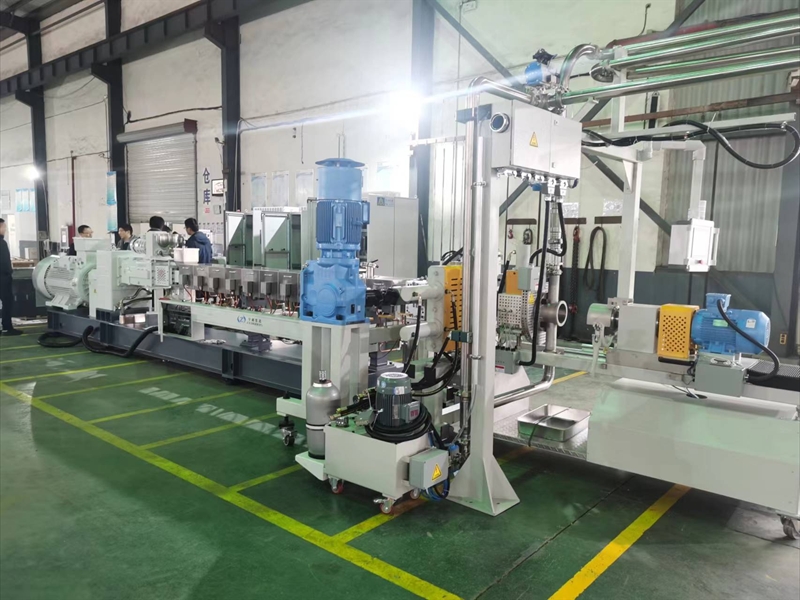
I-extruders ye-screw enye inzima kunye ne-homogenization ephezulu kunye nokulayisha okuphezulu. Xa ndifuna ukuxutywa okuchanekileyo okanye ndisebenze ngokwenziwa ngendlela entsonkothileyo, Ndiyayibona imida yabo. Ukwabiwa kwexesha elibanzi lokuhlala ngamanye amaxesha kubangela ukuthotywa kobushushu, echaphazela umgangatho wemveliso. Abayiphathi kakuhle i-powders okanye izinto ezingeva lubushushu njengezinye iintlobo.
Usetyenziso
Ndisebenzisa i-extruder-screw extruders ikakhulu ukunyibilika, i-homogenizing, kunye nokubumba iipeliti zeplastiki eziqhelekileyo. They dominate in smaller masterbatch production lines due to their simplicity and lower maintenance costs. Their market share remains significant, especially in operations that do not require advanced compounding or high filler content.
I-Twin-Screw Extruder
Intermeshing
When I need superior mixing and dispersion, I turn to twin screw extruders. The intermeshing design means the screws overlap, creating strong shear and kneading forces. This setup ensures high mixing efficiency and uniform dispersion of additives. I rely on this type for intensive compounding tasks.
Non-Intermeshing
Non-intermeshing twin screw extruders offer a gentler processing environment. The screws do not overlap, which enhances material exchange without excessive shear. I use this design when I want to avoid degrading sensitive polymers.
Co-Rotating
Co-rotating twin screw extruders have both screws turning in the same direction. This configuration delivers high mixing efficiency and is ideal for uniform dispersion of pigments and additives. I often choose co-rotating models for demanding masterbatch applications.
Counter-Rotating
Counter-rotating twin screw extruders have screws turning in opposite directions. This design generates strong conveying forces while applying lower shear. I use counter-rotating machines for shear-sensitive materials and high-pressure applications.
Two-Stage
Two-stage twin screw extruders combine different screw profiles or processing zones. I use these when I need to handle complex formulations or achieve specific product properties. The two-stage design allows me to optimize each stage for melting, ukuxuba, or venting.
Itheyibhile: Iindidi ze-Twin-Screw Extruders kunye neeNzuzo zazo eziZodwa
| Uhlobo lwe Extruder | IiNzuzo eziZodwa zeMveliso ye-Masterbatch |
|---|---|
| I-Intermeshing Co-Rotating | Ukusebenza kokuxuba okuphezulu, ilungele ukudibanisa okunzulu kunye nokusasazwa okufanayo |
| I-Intermeshing Counter-Rotation | Imikhosi eyomeleleyo yokucheba, ilungele izicelo zoxinzelelo oluphezulu |
| Non-Intermeshing | Ukuqhubekeka ngobumnene, kwandisa utshintshiselwano ngezinto |
| Ngokunxuseneyo | Ukuxuba okugqwesileyo kunye ne-homogenization, ilungele ukusasazwa okufanayo |
| I-Conical | Ulawulo olungcono kuxinzelelo kunye nokucheba, ifanelekile kwizixhobo eziphezulu ze-viscosity |
Indima ye-Filler Masterbatch
Ndithembele kwi-twin screw extruders imveliso ye-filler masterbatch. Ubuchule babo bokuxuba obuphezulu kunye nokusabalalisa buqinisekisa ukuba izihluzi zisasaza ngokulinganayo kuyo yonke i-polymer. Uyilo olujikelezayo lwe-intermeshing luyaphumelela ngaphaya 95% ukudibanisa ukufana, ebaluleke kakhulu kwi-filler masterbatch ekumgangatho ophezulu. Ndibone umthamo wemveliso ukhula ngo 40% kunye nokusetyenziswa kwamandla kuyehla 22% emva kokutshintshela kwi-extruders ye-screw ephezulu. Amathuba olondolozo ayandiswa, kwaye ndichitha ixesha kunye nemali encinci ekulungiseni.
Indima ye-PP Masterbatch
Xa ndivelisa iPP masterbatch, Ndisebenzisa i-twin screw extruders ukugcina ukusebenza okuzinzileyo kumaqondo obushushu aphezulu. Ulawulo oluchanekileyo lweqondo lokushisa luthintela ukuguquka kwebala kunye nokuhla. Ndihlangabezana nemigangatho yoshishino engqongqo, ngakumbi kwiimveliso zebakala lemoto. I-masterbatch endiyivelisayo idlula iziqinisekiso kwaye ihlangabezana neemfuno zabavelisi abakhulu.
Ingcebiso: I-twin screw extruders isebenza ngokuqhubekayo, leyo kunciphisa ixesha lokuphumla kunye nokwandisa ukusebenza kakuhle kwamandla. Ndikwasebenzisa iicompounders ezincinci kulingo lweebhetshi ezincinci, ukunciphisa inkunkuma yezinto kunye ne-R&D iindleko.
Extruder ekhethekileyo
Izikrufu ezininzi
Ngezicelo ezizodwa ze-masterbatch, Ngamanye amaxesha ndisebenzisa i-multi-screw extruders. Aba matshini banezikrufu ezingaphezulu kwezibini, okwandisa ukuxubana koxinzelelo kunye nokugqithisa. Ndizikhethela ukwakheka okuzaliswe kakhulu okanye okukhethekileyo kwe-masterbatch.
Iplanethi
I-extruders yeplanethi isebenzisa isikrufu esisembindini esijikelezwe zizikrufu ezininzi zeplanethi. Olu yilo ludala iipateni zokuxuba eziyinkimbinkimbi. Ndisebenzisa i-extruders yeplanethi xa ndifuna ukusasazwa okukhethekileyo kweepigments okanye izongezo kwi-masterbatch ekhethekileyo..
Co-Kneader
I-co-kneader extruders idibanisa iintshukumo ezijikelezayo kunye ne-oscillating screw. Ndizisebenzisela ukusetyenzwa ngobushushu okanye izixhobo ezingevani nobushushu. Isenzo sokuxova esithambileyo sithintela ukuthotywa kwaye siqinisekisa umgangatho wemveliso ongaguqukiyo.
Ukusetyenziswa kweNiche
Ii-extruders ezikhethekileyo zokusombulula iingxaki ezingenakho oomatshini abaqhelekileyo. Nangona kunjalo, Ndijongene nemicelimngeni efana nokungqubana okuphezulu kwangaphakathi, ukunyibilika okungahambelaniyo, kunye nokuguquguquka koxinzelelo. Poor dispersion can cause visual defects and inconsistent mechanical properties. Maintaining stable thermal conditions is essential to avoid degradation and process interruptions. I use specialized extruders for color masterbatch, specialty additives, and demanding applications where standard extruders fall short.
Masterbatch Production Differences
Ukusebenza
Umsebenzi
When I evaluate masterbatch production, throughput stands out as a key performance metric. Throughput measures how much material I can process in a given time. I notice that single-screw extruders usually deliver lower throughput. I-twin-screw extruders, kwelinye icala, achieve higher throughput due to their advanced screw design and positive displacement action. Specialized extruders, such as multi-screw or planetary models, can push throughput even further for demanding applications.
| Uhlobo lwe-Extruder | Umsebenzi | Mixing Quality |
|---|---|---|
| I-Screw enye | Ukusebenza okusezantsi | Ukudibanisa okulinganiselwe |
| I-Twin Screw | Ukuphumelela okuphezulu | Ukuxuba okuphezulu |
This table shows how the choice of extruder directly affects the speed and efficiency of masterbatch production. When I need to scale up, I always consider the throughput advantage of twin-screw and specialized extruders.
Mixing Quality
Mixing quality defines the uniformity of pigment and additive distribution in masterbatch. I find that single-screw extruders provide basic distributive mixing, which works for simple formulations. Nangona kunjalo, when I require high-quality dispersion, especially for color or additive masterbatch, I rely on twin-screw extruders. Their kneading blocks and reversing elements create superior mixing. Specialized extruders can further enhance mixing for niche applications.
Phawula: Superior mixing quality in twin-screw extruders leads to consistent color and property distribution, which is essential for high-performance masterbatch production.
Material Flexibility
Material flexibility refers to how well an extruder handles different polymers and additives. I often process a wide range of materials, from standard polyolefins to engineering plastics. I-twin-screw extruders, especially co-rotating types, offer the highest flexibility. They allow me to adjust screw design, ulawulo lobushushu, and rotational speed for each masterbatch production run.
| Uphawu | Inkcazo |
|---|---|
| Ulawulo lobushushu | High-precision systems ensure stable temperatures across heating sections for process requirements. |
| I-Screw Design | Good plasticization and uniform melt flow are essential; larger diameters handle more material but increase energy consumption. |
| Rotational Speed | Needs precise control; higher speeds improve efficiency but can lead to wear and excessive heating. |
| Uhlobo lwe-Extruder | I-twin screw extruders, especially co-rotating types, are preferred for PET masterbatch due to their mixing and plasticizing capabilities. |
| Special Configurations | For high-yield or specialized PET masterbatch, unique screw structures may be necessary. |
I adjust these parameters to optimize performance for each masterbatch production batch, ensuring the best results for both additive masterbatch and filler masterbatch.
Isondlo & Iindleko
Maintenance Needs
Maintenance requirements vary widely between extruder types. Single-screw extruders have lower maintenance costs, about 30% below the industry average. Their simple design means fewer parts to service. I-twin-screw extruders, with their complex screw assemblies and modular components, require more frequent and skilled maintenance. Specialized extruders may demand even more attention due to their unique configurations.
| Uphawu | Isikruru Esisodwa | I-Twin-Screw Extruder |
|---|---|---|
| Iindleko zoLondolozo | 30% below industry avg | Intsonkothile |
| Energy Use | 15% lower | Phezulu (Mechanical) |
| Initial Cost | Ngasezantsi | Phezulu |
I always factor in these maintenance needs when planning long-term masterbatch production.
Operational Cost
Operational cost includes energy use, labor, and consumables. Single-screw extruders use about 15% less energy than twin-screw models. Nangona kunjalo, twin-screw extruders offer higher mixing efficiency and process flexibility, which can offset their higher energy consumption by reducing waste and improving product quality. Specialized extruders often have the highest operational costs, but they deliver unmatched performance for challenging masterbatch production tasks.
Ukuthembeka
Reliability in masterbatch production depends on component quality, manufacturing precision, and mechanical design. I choose extruders with premium components, such as motors from Siemens or ABB and precision gearboxes. Rigorous manufacturing and quality control reduce wear and extend service life. Heavy-duty construction and conservative design margins ensure reliable operation, even under demanding conditions.
| Umba | Inkcazo |
|---|---|
| High-Quality Component Selection | Premium components from reputable manufacturers enhance reliability, reduce failure rates, and extend service life. Motors from Siemens or ABB and precision gearboxes are examples of high-quality selections. |
| Rigorous Manufacturing and Quality Control | Precision machining and strict quality control ensure components meet specifications, reducing wear and extending service life. Extended run-in testing identifies potential issues before shipment. |
| Robust Mechanical Design | Conservative design margins and heavy-duty construction minimize mechanical stress and ensure reliable operation under demanding conditions, contributing to the overall lifespan of the extruders. |
I have seen that investing in reliable extruders pays off with fewer breakdowns and longer service intervals, which is critical for continuous masterbatch production.
Production Impact
Color Dispersion
Color dispersion is a direct result of mixing quality. Single-screw extruders provide basic distributive mixing, which can limit color uniformity. I-twin-screw extruders, with their advanced screw geometry and shear zones, achieve superior color dispersion. This capability is vital for high-quality color masterbatch production, where even minor inconsistencies can lead to visible defects.
| Uhlobo lwe-Extruder | Ukuxuba Ukukwazi | Design Features |
|---|---|---|
| Single-screw | Basic distributive mixing, limited dispersive ability | Suitable for simple formulations with well-dispersed powders. |
| Twin-screw | Superior mixing due to kneading blocks and reversing elements | Preferred for high-quality dispersion of pigments and functional fillers. |
| Key Design Parameters | Influence on dispersion | Screw geometry, Umlinganiselo we-L/D, shear zones, and barrel temperature profile are critical for achieving uniform dispersion. |
I always pay close attention to these design parameters to maximize performance in masterbatch production.
Additive Distribution
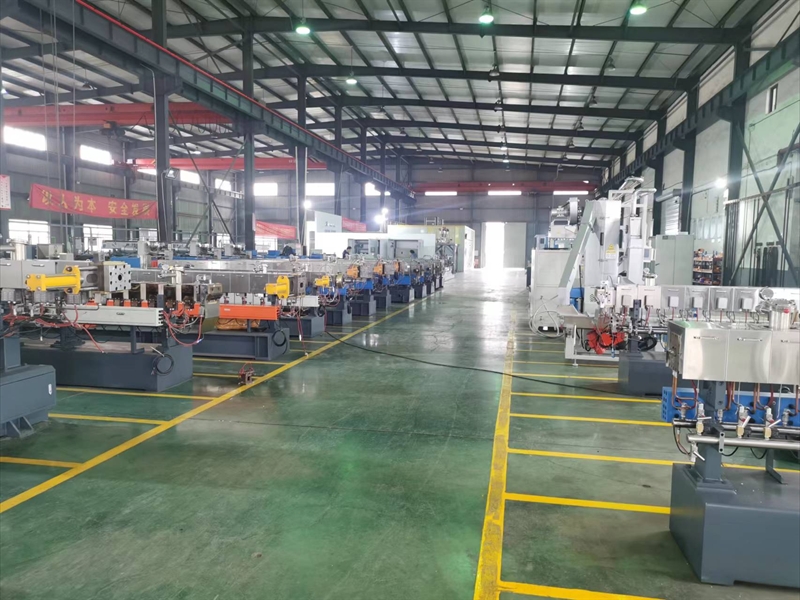
Additive distribution determines the effectiveness of functional masterbatch. Twin-screw extruders excel at dispersing additives evenly, thanks to their modular screw design and precise temperature control. This ensures that every pellet contains the right amount of additive, which is crucial for additive masterbatch performance. Single-screw extruders may struggle with complex formulations, leading to uneven distribution and inconsistent product properties.
Product Properties
The final properties of masterbatch depend on the performance of the extruder. Superior mixing and precise temperature control in twin-screw and specialized extruders result in masterbatch with consistent mechanical, thermal, and optical properties. I have found that these extruders help me meet strict industry standards, especially for automotive, ukupakishwa, and medical applications.
Ingcebiso: For demanding masterbatch production, I always recommend investing in high-performance extruders. The benefits in throughput, mixing quality, and product consistency far outweigh the initial cost.
Choosing Your Masterbatch Extruder
Material Needs
Polymer Types
When I select a masterbatch extruder, I always start by considering the types of polymers I plan to process. Each polymer has unique melt characteristics and viscosity. Umzekelo, high-viscosity filler masterbatches require higher torque and more robust extruders than standard color masterbatches. Ndifanisa izixhobo kwiimfuno zepolymer ukunqanda imiba yokucubungula.
| Umba | Inkcazo |
|---|---|
| Isakhono seMveliso | Ubungakanani besixhobo kufuneka buhambelane nemilinganiselo yomthamo wokuphuma kunye nemfuno elindelekileyo. |
| Iimpawu zeMathiriyeli | I-high-viscosity filler masterbatches ifuna i-torque extruders ephezulu kune-masterbatches yombala oqhelekileyo. |
| Iimfuno zoMgangatho | Amanqanaba achanekileyo afunekayo kuyo yonke isondlo, ukuxuba, kunye neenkqubo ze-pelletizing zimiselwa yimigangatho yomgangatho. |
| Imiqobo yohlahlo lwabiwo-mali | Ukulungelelanisa utyalo-mali lwenkunzi ngokuchasene nokusebenza kakuhle kubalulekile. |
| Izixhobo zeParameters | Izicwangciso zobushushu kunye neenkqubo zokutya kufuneka zilungiswe kwiindidi ezahlukeneyo ze-masterbatches. |
Ukuhambelana okongeziweyo
Ndihlala ndijonga ukuhambelana kwe-extruder kunye nezongezo endizisebenzisayo. I ukhetho lohlobo lwe-extruder ichaphazela ukuxuba, iplastiki, kunye nokusasazwa kwezongezo. Ezi zinto zibalulekile ekusebenzeni kunye nokuzinza kwe-additive masterbatch. I adjust temperature, isantya sokujija, and back pressure to achieve optimal results. Twin-screw extruders enhance mixing and plasticizing, ensuring better dispersion of additives and improving the overall quality of additive masterbatch.
- Quality stability depends on dispersion uniformity and particle size consistency.
- Performance compliance rate must meet industry standards.
- Production efficiency improves with the right extruder and process settings.
Isikali seMveliso
Small Batch
For small batch production or frequent testing, I use laboratory or micro extruders. These machines process between 0.25 kg/h and 150 kg/h. Micro extruders help me minimize waste, especially when working with costly additives or specialty polymers. Pilot-scale machines are ideal for sample production and pre-commercial trials.
Large Scale
When I scale up, I focus on output requirements, material characteristics, and process needs. Twin screw extruders handle large-scale additive masterbatch production efficiently. I match the specific mechanical energy (SME) input to ensure consistent product quality.
A key parameter used for scaling up TSEs is the specific mechanical energy (SME) input of the process. The SME provides the energy per unit mass transferred from the extruder drive motor through the screws and into the compound being processed. SME can also influence the properties of the final product, so matching SME can also help to ensure product quality.
Desired Properties
Color Consistency
I rely on additives to achieve consistent color in plastic products. Proper pigment dispersion prevents shade variations and enhances visual appeal. Twin-screw extruders give me the control I need for uniform color in additive masterbatch.
Mechanical Properties
Fillers like calcium carbonate modify mechanical properties such as stiffness and strength. I select the extruder that balances performance and cost while maintaining excellent processing characteristics in additive masterbatch.
ImiGangatho yoMgangatho
I always set quality requirements before choosing equipment. Precision in feeding, ukuxuba, and pelletizing ensures I meet industry standards for additive masterbatch and filler masterbatch. I avoid common mistakes by carefully controlling feeding section temperature, plasticizing and homogenizing temperatures, and feeding rate.
| Umba | Inkcazo |
|---|---|
| Isakhono seMveliso | Drives equipment sizing decisions to match throughput rate specifications with expected demand. |
| Iimpawu zeMathiriyeli | I-high-viscosity filler masterbatches ifuna i-torque extruders ephezulu kune-masterbatches yombala oqhelekileyo. |
| Iimfuno zoMgangatho | Determine precision levels needed across feeding, ukuxuba, and pelletizing systems. |
| Imiqobo yohlahlo lwabiwo-mali | Require balancing capital investment against operational efficiency. |
| Production Line Strategy | Ensures components work together efficiently, preventing bottlenecks and maximizing system performance. |
Ingcebiso: I always balance capital investment with operational efficiency. I make sure all production line components work together to prevent bottlenecks and maximize performance.
I see clear differences between extruder types that shape every masterbatch project. My choice depends on fiber characteristics, capacity needs, and environmental standards. Here’s a quick reference:
| Key Consideration | Inkcazo |
|---|---|
| Fiber Characteristic Matching | Long fibers require high shear dispersing equipment, while short fibers need reduced shear to minimize breakage. |
| Capacity Demand | Small experimental lines (5-50kg/h) use twin screw extruders, while industrial lines (500-2000kg/h) require larger twin-screw extruders. |
| Environmental Requirements | Equipment must comply with wastewater treatment and VOC emission standards. |
- Ndihlala ndijonga amanqanaba okuzenzekelayo ukulawula iindleko zabasebenzi kunye nokuhambelana kwemveliso.
- Ndibeka phambili ukusebenza kakuhle kwamandla kulondolozo lwexesha elide.
Ndincoma ukuhlola iteknoloji entsha okanye ukubonisana neengcali ngaphambi kokuba wenze isigqibo sokugqibela.
FAQ
Yintoni eyenza i-twin-screw extruders ibe ngcono kwimveliso ye-masterbatch?
ndiyakhetha i-twin-screw extruders ngenxa yokuxubana kwabo okuphezulu, higher throughput, kunye nokuguquguquka. Uyilo lwabo lundivumela ukuba ndifezekise umgangatho ohambelanayo, ngakumbi xa ndivelisa i-masterbatches yombala okanye i-filler masterbatches. Ndibona ukusebenza okuphuculweyo kunye nenkcitho encinci yempahla xa kuthelekiswa nemodeli ye-screw enye.
Ndingayikhetha njani i-extruder echanekileyo yokuvelisa umthamo ophezulu?
Ndihlala ndifanisa i-extruder kwiimfuno zam zemveliso. Kwimveliso ephezulu yomthamo, Ndithembele kwii-twin-screw extruders ezomeleleyo. Aba matshini baphatha amaxabiso emveliso anyanzelisayo kunye nokugcina umgangatho. Ndicinga uhlobo lwepolymer, ukuhambelana okongeziweyo, kwaye ndiqhube iimfuno phambi kokuba ndenze isigqibo sam.
Kutheni kubalulekile ukuxuba umgangatho kwimveliso ye-masterbatch?
Umgangatho wokuxuba umisela ukuba ii-pigments kunye nezongezo zisasazeka kangakanani na. Ndiyazi ukuba ukuxuba okungalunganga kukhokelela kumbala ongalinganiyo kunye neempawu ezingahambelaniyo. Umgangatho wokuxuba ophezulu uqinisekisa ukuba yonke ibhetshi ihlangabezana nemigangatho yam, ngakumbi kwii-masterbatches zombala kunye nezicelo ezizodwa.
Ngaba ndingasebenzisa i-extruder efanayo kuzo zombini ii-masterbatches zombala kunye ne-filler masterbatches?
Ndihlala ndisebenzisa i-twin-screw extruders kuzo zombini iindidi. Uyilo lwabo lweemodyuli lundivumela ukuba ndilungelelanise izinto ezisijiva kwiindlela ezahlukeneyo zokwakheka. Oku bhetyebhetye kundinceda ndigcine umgangatho kunye nokusebenza kakuhle, nokuba ndivelisa ii-masterbatches zombala okanye ii-masterbatches zokugcwalisa.
Yiyiphi indima eyenziwa yi-extruder design kwimveliso yeefilimu ezininzi?
Extruder design impacts layer uniformity and additive distribution. I use advanced extruders to ensure each layer in multilayer films receives the right masterbatch. This approach guarantees consistent performance and color across all layers.
How do co-rotating twin screw extruders improve efficiency?
Co-rotating twin screw extruders give me better mixing and higher throughput. Their design reduces downtime and energy use. I see greater efficiency and more reliable production, especially when I need to meet strict quality standards.
What challenges might I face with specialized extruders?
Specialized extruders can present challenges like higher maintenance and complex operation. I address these by following strict maintenance schedules and training my team. I use these machines for unique masterbatch production tasks that standard extruders cannot handle.
Are there tips for maintaining quality in high-volume production?
I monitor process parameters closely. I use automated systems to control feeding, ukuxuba, and pelletizing. Regular equipment checks help me maintain consistent quality, even during high-volume production runs.