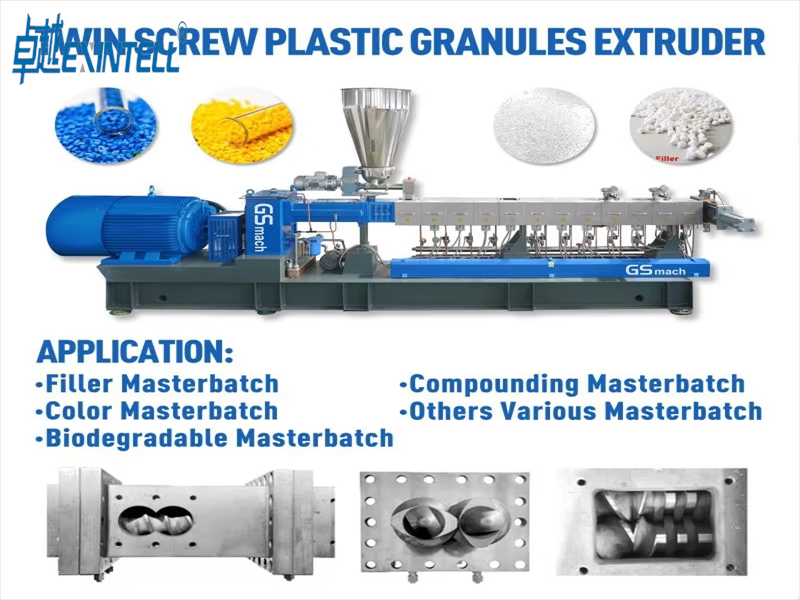
Nhà máy tạo viên nhựa là gì và nó hoạt động như thế nào
Mục lục
Nhà máy tạo viên nhựa là gì và nó hoạt động như thế nào
Một nhà máy sản xuất viên nhựa lấy nhựa thô hoặc nhựa tái chế. Nó biến nhựa thành nhỏ, thậm chí cả viên nhựa. Những viên nhựa này được sử dụng để làm ra nhiều thứ nhựa bạn sử dụng hàng ngày. Quy trình nhà máy giúp nhựa dễ dàng di chuyển và sử dụng lại. Làm viên giúp tái chế và làm cho các nhà máy hoạt động tốt hơn.
Bài học chính
Một nhà máy sản xuất viên nhựa biến nhựa thô hoặc nhựa tái chế thành những viên nhỏ. Những viên này đều có cùng kích thước. Điều này giúp việc tái sử dụng và tái chế nhựa dễ dàng hơn.
Quá trình tạo hạt có nhiều bước. Đầu tiên, công nhân làm sạch nhựa. Sau đó, họ làm tan chảy nó. Kế tiếp, họ đẩy nó qua một cái máy. Sau đó, họ làm mát nó. Cuối cùng, họ cắt nó thành từng viên. Điều này đảm bảo rằng các viên này tốt cho việc tạo ra những thứ mới.
Tái chế nhựa trong nhà máy ép viên giúp bảo vệ môi trường. Nó cũng tiết kiệm năng lượng. Điều này tốt cho cả thiên nhiên và kinh tế.
Mua những thứ làm từ viên tái chế giúp cắt giảm chất thải. Nó cũng hỗ trợ những thói quen tốt cho hành tinh. Điều này tạo ra sự khác biệt tốt cho Trái đất.
Biết về hệ thống tạo hạt khác nhau rất hữu ích. Tạo hạt dạng sợi và dưới nước là hai loại. Điều này giúp bạn chọn cách tốt nhất cho nhu cầu nhựa của bạn.
Tổng quan về nhà máy sản xuất viên nhựa
Nhà máy sản xuất viên nhựa là gì
MỘT nhà máy sản xuất hạt nhựa là nơi thay nhựa. Nó lấy rác thải nhựa hoặc nhựa thô và biến thành những viên nhỏ. Nhà máy thực hiện điều này bằng cách làm theo vài bước.
Đầu tiên, công nhân làm sạch nhựa. Sau đó phơi khô và nghiền thành từng miếng nhỏ.
Kế tiếp, nhựa đi vào buồng nóng chảy. Máy sưởi hoặc máy đùn làm tan chảy nhựa.
Nhựa nóng chảy được đẩy qua khuôn. Điều này làm cho các sợi dài.
Các sợi nguội và được cắt thành từng viên.
Các viên được làm nguội và sấy khô lại.
Cuối cùng, các viên được đóng gói để lưu trữ hoặc vận chuyển.
Các nhà máy cũng sử dụng những thứ tái chế như Màng PE/PP, vảy cứng, THÚ CƯNG, xốp xốp, và các sản phẩm không dệt tan chảy. Bạn cần rửa sạch và phân loại những thứ này trước khi cho vào máy.
Máy tạo hạt nhựa có phễu di chuyển nhựa vào buồng nấu chảy. Máy làm nóng nhựa cho đến khi tan chảy. Bạn sẽ thấy nhựa chuyển từ dạng cứng sang dạng lỏng đặc. Bước này giúp nhựa sẵn sàng cho phần tiếp theo của quy trình.
Ghi chú: Nhựa sạch và khô giúp bạn làm viên tốt hơn.
Đùn và làm mát
Sau khi nhựa tan chảy, bạn đẩy nó qua máy đùn. Máy đùn trộn và tạo hình nhựa nóng chảy. Một ốc vít bên trong thùng di chuyển nhựa về phía trước. Nhựa đi qua đầu khuôn và biến thành sợi dài.
Dưới đây là bảng hiển thị các máy chính được sử dụng để ép đùn và làm mát:
Loại máy móc
Sự miêu tả
Máy đùn
Làm nóng và trộn nhựa. Nó chuẩn bị sẵn nhựa để tạo hình và cắt. Nó có một hệ thống cho ăn, thùng, vít, đầu chết, và hệ thống làm mát.
Hệ thống làm mát
Giữ hình dạng của viên và loại bỏ nước. Điều này bảo vệ vật liệu trong quá trình tạo viên.
Hệ thống làm mát rất quan trọng. Bạn có thể sử dụng bồn tắm nước hoặc giường làm mát bằng không khí để làm mát các sợi tóc. Mô-đun làm mát có vỏ, cung cấp nước, và hệ thống xả. Làm mát ngăn các sợi dính vào nhau hoặc thay đổi hình dạng. Sau này, bạn trở nên khỏe mạnh và đều đặn.
Pelletizing và thu thập
Bạn cắt các sợi đã nguội thành từng viên nhỏ bằng hệ thống cắt. Máy ép viên cắt các sợi thành từng miếng đều nhau. Bạn thu thập các viên và sấy khô chúng để loại bỏ nước.
Bạn sử dụng những viên này để tạo ra sản phẩm mới. các quá trình tạo hạt giúp tái chế nhựa và làm nguyên liệu cho nhiều ngành công nghiệp. Máy ép viên nhựa cho phép bạn kiểm soát chất lượng và kích thước của viên. Bạn đảm bảo các viên đã sẵn sàng cho nhà máy và dễ dàng di chuyển.
Mẹo: Nếu bạn muốn viên tốt hơn, kiểm tra chặt chẽ các bước sấy khô và làm mát.
Tái chế trong các nhà máy tạo viên nhựa
Chuyển đổi chất thải thành viên
Bạn giúp tái chế khi bạn phân loại rác thải nhựa. Công nhân sử dụng một máy tái chế nhựa để tạo ra những viên mới từ chất thải này. Quy trình có nhiều bước để đảm bảo các viên được sạch và chắc chắn.
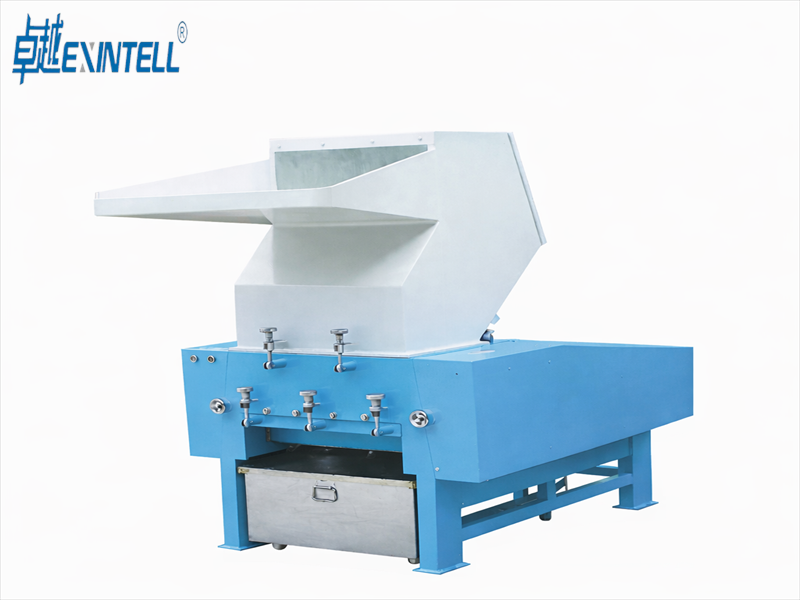
Đầu tiên, máy nghiền hoặc máy hủy rác thải nhựa thành từng mảnh nhỏ. Điều này làm cho nhựa dễ xử lý hơn.
Kế tiếp, dây chuyền giặt làm sạch nhựa vụn. Những máy này loại bỏ bụi bẩn và những thứ khác.
Bạn phân loại nhựa theo chủng loại và chất lượng. Một số nhà máy sử dụng máy có cảm biến để phân loại.
Nhựa đã được làm sạch đi vào hệ thống sấy khô. Nhựa khô làm viên tốt hơn.
Bạn cho nhựa khô vào máy tái chế nhựa, giống như một máy đùn trục vít đôi. Máy này làm tan chảy và trộn nhựa tốt.
Nhựa nóng chảy được đưa vào máy ép viên. Đây, bạn cắt nhựa thành từng miếng nhỏ, thậm chí cả viên.
Hệ thống làm mát, như tắm nước hoặc giường hơi, giúp các viên giữ được hình dạng của chúng. Chúng ngăn chặn các viên dính vào nhau.
Băng tải và các máy móc khác di chuyển các viên đến nơi lưu trữ hoặc đóng gói.
Ghi chú: Mỗi bước tái chế giúp bạn có được những viên thức ăn tốt, ngay cả khi rác thải nhựa đến từ những nơi khác nhau.
Các nhà máy kiểm tra viên với sự kiểm soát chất lượng. Họ phân loại và làm sạch nguyên liệu thô. Họ kiểm soát màu sắc và quan sát máy móc khi chúng hoạt động. Bạn có thể thấy các bước này ở nhiều nhà máy tái chế hiện đại.
Lợi ích môi trường
Tái chế trong các nhà máy sản xuất viên nhựa mang lại cho bạn nhiều lợi ích về môi trường:
Bạn hỗ trợ các công ty muốn bảo vệ môi trường và sử dụng tài nguyên một cách khôn ngoan.
Nhà sản xuất cũng thu được lợi ích kinh tế. Sử dụng viên tái chế chi phí thấp hơn so với mua nhựa mới. Nó giúp các công ty đạt được mục tiêu bền vững và cho thấy họ quan tâm đến hành tinh.
Lợi ích kinh tế
Sự miêu tả
Tiết kiệm chi phí
Bạn chi tiêu ít hơn cho vật liệu khi sử dụng viên tái chế.
Ưu điểm về môi trường
Bạn giúp giảm rác thải nhựa và hỗ trợ các hoạt động xanh.
Liên kết bền vững
Bạn ủng hộ các mục tiêu dài hạn cho một thế giới sạch hơn.
Mẹo: Khi bạn lựa chọn sản phẩm làm từ viên tái chế, bạn giúp tái chế và bảo vệ trái đất cho các thế hệ tương lai.
Các loại hệ thống tạo hạt nhựa
Pelletizing sợi
Tạo hạt sợi thường gặp ở các nhà máy nhựa. Hệ thống này sử dụng không khí để làm mát sợi nhựa trước khi cắt. Bạn đẩy nhựa nóng chảy qua khuôn. Các sợi nguội đi trong không khí. Sau đó, dùng dao cắt sợi thành sợi nhỏ, thậm chí cả viên. Máy ép viên có cả dao đứng yên và dao chuyển động. Các viên tròn và mịn. Công nghệ đặc biệt giữ nguyên kích thước viên. Nó cũng kiểm tra nhiệt độ để giúp tạo ra những viên thức ăn ngon.
Tạo hạt dạng sợi được sử dụng để sản xuất polyme và tái chế. Nó giúp tạo ra các viên đều từ nhựa nóng chảy. Hệ thống này hoạt động với cả máy tạo hạt nhựa và máy tạo hạt nhựa.
Dùng trong các nhà máy nhựa
Tạo ra polyme
Giúp tái chế
Pelletizing dưới nước
Tạo viên dưới nước tạo ra viên rất tốt. Nhựa được cắt dưới nước, giữ cho mọi thứ được xếp hàng. Phương pháp này hiệu quả với nhiều loại nhựa nóng chảy. Bạn có thể kiểm soát nhiệt độ, chảy, và dễ dàng bị áp lực. Máy ép viên có thể cắt theo nhiều cách khác nhau, vì vậy bạn có sự lựa chọn.
Bạn nhận được viên tốt hơn, ít lãng phí hơn, và làm việc nhanh hơn. Hệ thống này rất dễ sử dụng máy móc. Tạo hạt dưới nước tốt cho các nhà máy nhựa lớn.
Pelletizing khuôn mặt
Công nghệ tạo hạt khuôn mặt có tác dụng cho nhiều loại nhựa. Các viên được cắt ngay tại mặt khuôn, thường có vòng nước. Hệ thống này khởi động nhanh và không cần nhiều sự trợ giúp từ công nhân. Nó tiếp tục chạy mà không bị đứt sợi. Thật dễ dàng và rẻ tiền để sửa chữa.
Các nhà máy cân nhắc về chi phí và mức độ khó sử dụng của hệ thống. Tạo hạt vòng nước chi phí nhiều hơn lúc đầu, nhưng tạo ra nhiều viên và ít bụi. Việc tạo hạt dưới nước tốn kém hơn và tạo ra nhiều bụi hơn.
Công nghệ tạo hạt
Chi phí ban đầu
Độ phức tạp vận hành
Tính linh hoạt của vật liệu
Pelletizing sợi
Thấp hơn
Dễ
Hoạt động với nhiều
Pelletizing dưới nước
Cao hơn
Khó hơn
Hoạt động với một số
Pelletizing vòng nước
Cao hơn
Khó hơn
Hoạt động với một số
Mẹo: Chọn một hệ thống tạo hạt bằng cách xem xét loại nhựa, bạn muốn kiếm bao nhiêu, chất lượng viên, nơi bạn làm việc, thật dễ dàng để sửa chữa, và chi phí.
Bạn sử dụng máy ép viên nhựa phù hợp với nhu cầu. Mỗi hệ thống phù hợp với những công việc khác nhau. Biết cách hoạt động của máy tạo hạt nhựa giúp bạn chọn đúng máy.
Bạn có thể xem cách một nhà máy sản xuất hạt nhựa biến rác thải nhựa thành dạng viên hữu ích. Điều này giúp tái chế và giúp bạn bảo vệ môi trường. Những nhà máy này rất quan trọng vì chúng tạo ra nguyên liệu tốt cho những thứ mới. Máy móc trong các nhà máy này hoạt động nhanh và tạo ra ít chất thải hơn. Luật của chính phủ và giúp việc tái chế trở nên đơn giản và tốt hơn. Khi ngày càng có nhiều doanh nghiệp cần nhựa, những nhà máy này sẽ quan trọng hơn đối với một thế giới sạch hơn.
Câu hỏi thường gặp
Tạo hạt nhựa là gì?
Tạo hạt nhựa biến nhựa thành những viên nhỏ. Bạn có thể sử dụng nhựa thô hoặc tái chế cho việc này. Quá trình giúp việc di chuyển và tái sử dụng nhựa dễ dàng hơn. Pelletizing giúp các nhà máy hoạt động nhanh hơn. Nó cũng giúp tái chế.
Tại sao việc tạo hạt lại quan trọng trong tái chế?
Pelletization biến nhựa cũ thành viên mới. Bạn có thể sử dụng những viên này để tạo ra những thứ mới. Điều này giúp giữ nhựa được sử dụng và cắt giảm chất thải. Nó cũng giúp ngăn chặn ô nhiễm nhựa.
Nhà máy sản xuất viên nhựa hỗ trợ quy trình tái chế khép kín như thế nào?
Nhà máy sản xuất viên nhựa giúp quá trình tái chế diễn ra theo vòng lặp. Nhà máy lấy nhựa thải về làm sạch. Sau đó, nó biến nhựa thành dạng viên. Những viên này có thể được sử dụng nhiều lần. Điều này giúp nhựa không bị đưa vào bãi rác.
Bạn có thể sử dụng loại nhựa nào trong công nghệ tạo hạt?
Bạn có thể sử dụng nhiều loại nhựa trong công nghệ tạo hạt. Một số loại phổ biến là polyetylen, polypropylen, và PET. Sử dụng các loại nhựa khác nhau giúp tái chế nhiều hơn và tạo ra ít rác thải hơn.
Việc tạo hạt nhựa giúp ích gì cho môi trường?
Việc tạo hạt nhựa giúp tạo ra ít chất thải hơn. Nó tiết kiệm năng lượng và sử dụng ít nhựa mới hơn. Quá trình này làm giảm ô nhiễm và giúp thiên nhiên sạch sẽ hơn.