

Đùn nhựa hoặc ép phun mang lại độ chính xác tốt hơn
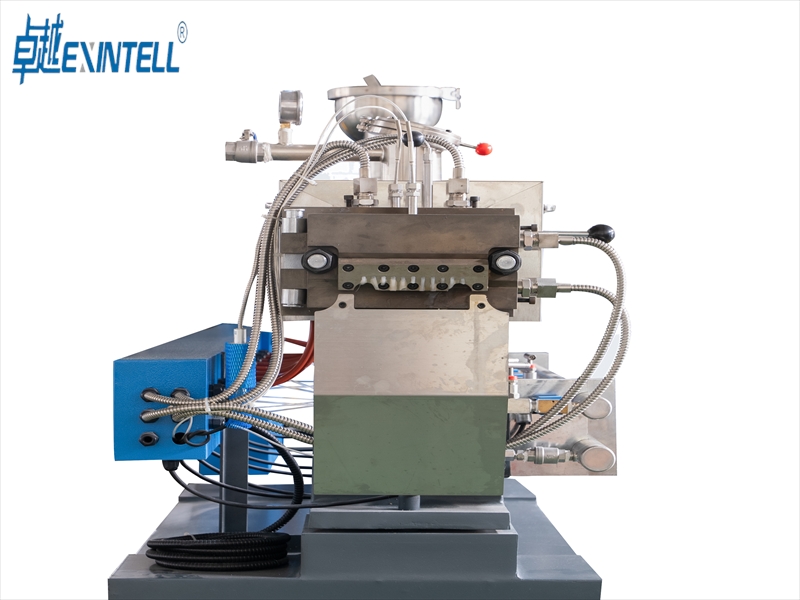
Tôi nhận thấy rằng ép phun mang lại độ chính xác tốt hơn và dung sai chặt chẽ hơn so với Đùn nhựa. Ví dụ, ép phun có thể đạt được dung sai chặt chẽ như ±0,005 inch, trong khi ép đùn thường giữ ± 0,010 inch. Dưới đây là so sánh quy trình dựa trên các ứng dụng và dung sai điển hình:
| Loại ứng dụng | Quy trình được sử dụng | Dung sai chung |
|---|---|---|
| Dài, bộ phận thống nhất (ví dụ., ống, que) | Phun ra | ±0,010 inch |
| Các bộ phận phức tạp hoặc chi tiết | ép phun | ±0,005 inch hoặc chặt hơn |
| Âm lượng lớn, độ chính xác cao | ép phun | Chặt hơn ép đùn |
| liên tục, hình dạng đơn giản | Phun ra | Nhất quán, kém chính xác hơn |
Khi lựa chọn quy trình sản xuất, Tôi luôn coi hình học, dung sai yêu cầu, khối lượng sản xuất, và chi phí.
Bài học chính
- Ép phun đạt được dung sai chặt chẽ hơn, thường chính xác đến ± 0,005 inch, làm cho nó trở nên lý tưởng cho các bộ phận phức tạp.
- Đùn nhựa tốt nhất là lâu dài, hình dạng đồng nhất như ống và thanh, với dung sai khoảng ± 0,010 inch.
- Xem xét khối lượng sản xuất khi lựa chọn một quy trình; ép phun có hiệu quả về mặt chi phí cho số lượng lớn, trong khi ép đùn phù hợp với sản xuất liên tục khối lượng lớn.
- Lựa chọn vật liệu tác động đến độ chính xác; chọn vật liệu dựa trên yêu cầu cụ thể của ứng dụng của bạn.
- Đánh giá độ phức tạp của phần; ép phun xử lý các thiết kế phức tạp tốt hơn so với ép đùn, được giới hạn ở những hình dạng đơn giản hơn.
- Chất lượng hoàn thiện bề mặt nói chung là tốt hơn trong quá trình ép phun, dẫn đến các bộ phận mượt mà hơn mà không cần thêm bước hoàn thiện nào.
- Kế hoạch chi phí dụng cụ; ép phun đòi hỏi đầu tư ban đầu cao hơn nhưng mang lại sự tiết kiệm lâu dài thông qua khả năng lặp lại.
- Luôn đánh giá sớm nhu cầu dự án của bạn; hiểu hình học, dung sai, và ngân sách giúp lựa chọn quy trình sản xuất phù hợp.
Tổng quan về đùn nhựa
Quy trình cơ bản
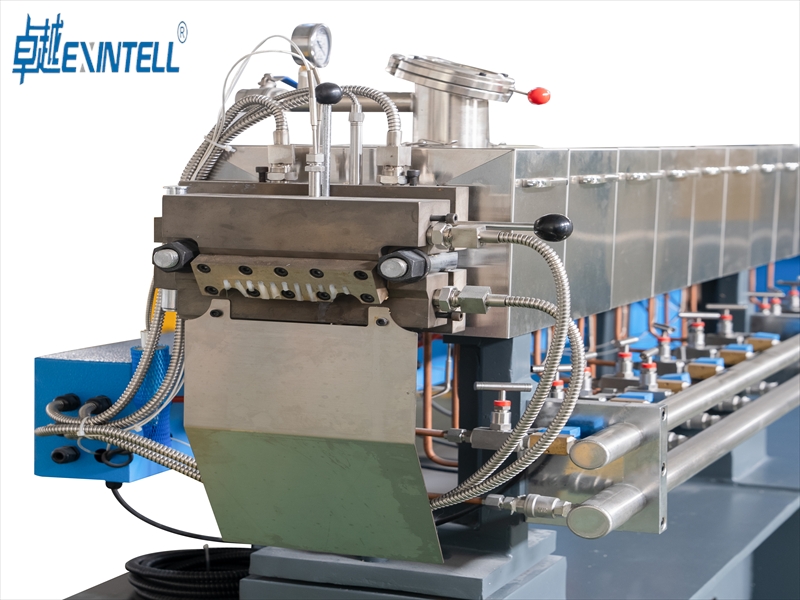
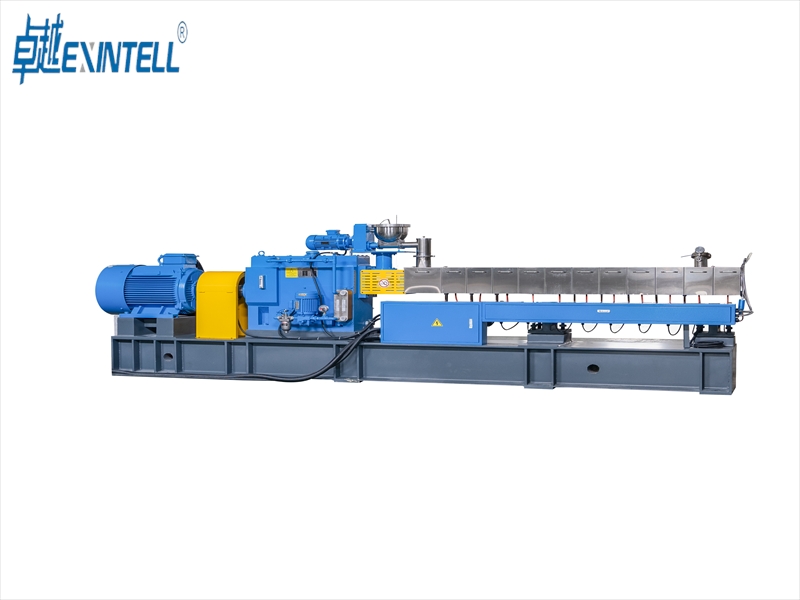
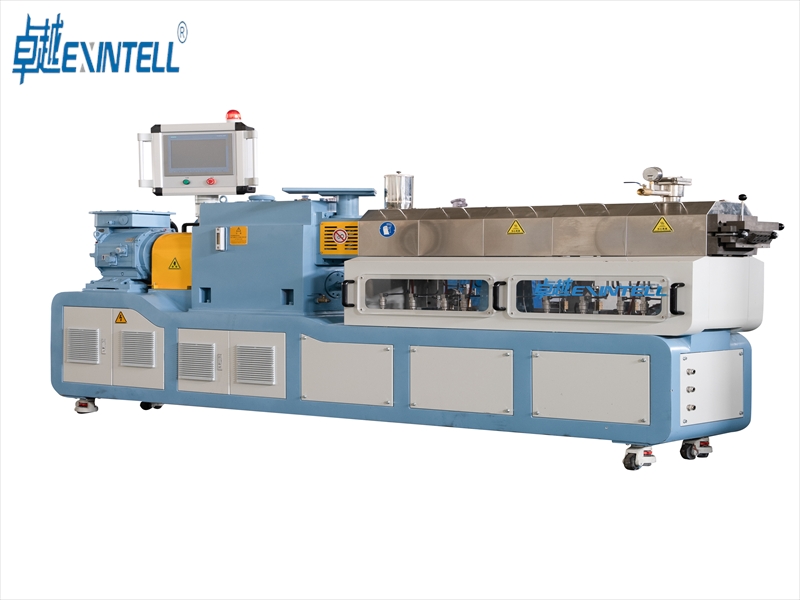
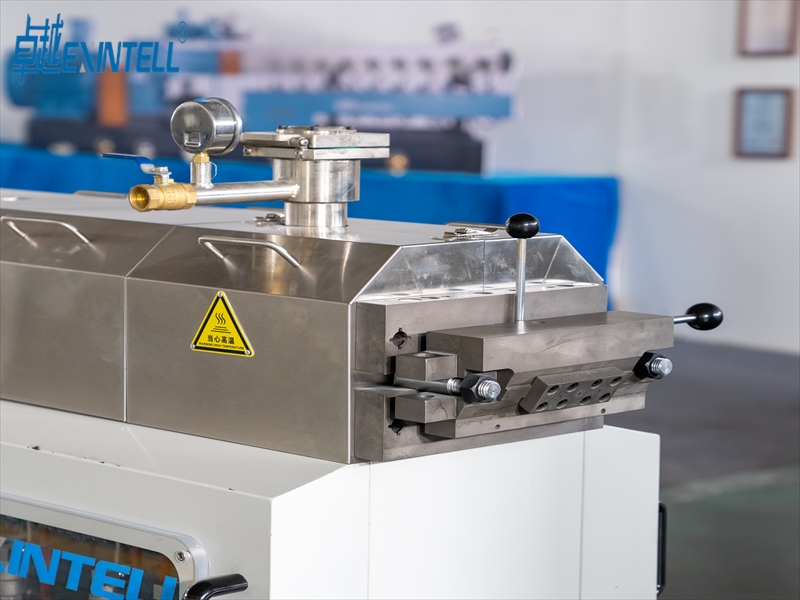
tôi đã làm việc với đùn nhựa trong nhiều năm và đã thấy phương pháp này định hình các vật liệu nhựa nhiệt dẻo thành các biên dạng liên tục như thế nào. Quá trình ép đùn bắt đầu với việc lựa chọn vật liệu, điều này rất quan trọng để đạt được các đặc tính mong muốn trong sản phẩm cuối cùng. Tôi nạp các viên hoặc hạt nhựa vào phễu phía trên máy đùn. Máy sử dụng trục vít quay để di chuyển vật liệu qua thùng được gia nhiệt. Khi vật chất di chuyển, nó tan chảy do ma sát và nhiệt bên ngoài. Nhựa nóng chảy sau đó đi qua khuôn có hình dạng chính xác, mang lại cho sản phẩm hồ sơ của nó. Sau khi hình thành, hình dạng ép đùn đi vào hệ thống làm mát, thường là tắm không khí hoặc nước, để củng cố và duy trì độ chính xác kích thước. Cuối cùng, Tôi cắt hoặc cuộn sản phẩm, tùy thuộc vào ứng dụng. Cách tiếp cận từng bước này cho phép tôi tạo ra, hình dạng đồng nhất với mặt cắt ngang nhất quán.
Ứng dụng phổ biến
Đùn nhựa đóng một vai trò quan trọng trong nhiều ngành công nghiệp. Tôi thường thấy nó được sử dụng để đóng gói, ô tô, nội thất, và hàng tiêu dùng. Quá trình này tạo ra nhiều loại sản phẩm, từ các ống đơn giản đến các cấu hình phức tạp. Dưới đây là bảng tóm tắt một số ứng dụng phổ biến:
| Ngành công nghiệp | Các sản phẩm |
|---|---|
| Bao bì | Phim, tấm, túi xách, kết thúc tốt đẹp, khay, và cốc |
| ô tô | Con dấu thời tiết, ống nhựa, cắt hồ sơ |
| Nội thất & Hàng tiêu dùng | Dán cạnh, bài hát rèm, tấm xốp PVC nhẹ |
| Trang chủ Thiết bị gia dụng | Tay cầm, con dấu cho lò nướng và lò vi sóng |
| Hệ thống nước & Thuộc về y học | Ống, đường ống |
Tôi đã tìm thấy điều đó đùn nhựa tùy chỉnh cho phép các nhà sản xuất thiết kế các cấu hình độc đáo cho các nhu cầu chuyên biệt. Tính linh hoạt này làm cho việc ép đùn trở thành một lựa chọn phổ biến cho các ứng dụng liên tục., sản xuất số lượng lớn.
Vật liệu được sử dụng
Việc lựa chọn vật liệu trong ép đùn nhựa ảnh hưởng đến cả quy trình và độ chính xác của sản phẩm cuối cùng. Tôi thường xuyên sử dụng polypropylen, polyetylen terephthalat, và polystyren. Những vật liệu này cung cấp các tính chất khác nhau, chẳng hạn như tính linh hoạt, sức mạnh, và sự rõ ràng. Cách tôi chuẩn bị, tan chảy, và làm mát vật liệu có tác động trực tiếp đến độ chính xác và tính nhất quán của các bộ phận ép đùn. Dưới đây là một số vật liệu phổ biến nhất tôi sử dụng:
- Polypropylen (PP)
- Polyetylen terephthalat (THÚ CƯNG)
- Polystyrene (Tái bút)
- Polyvinyl clorua (PVC)
- Polyetylen mật độ cao (HDPE)
- Polyetylen mật độ thấp (LDPE)
- Acrylonitrile butadien styren (ABS)
- Chất đàn hồi nhiệt dẻo (TPE)
- Nylon (PA)
- Polycarbonate (máy tính)
- Polymetyl methacrylat (PMMA)
Khi tôi làm việc trên các dự án ép đùn nhựa tùy chỉnh, Tôi luôn kết hợp tài liệu với yêu cầu của ứng dụng. Sự lựa chọn cẩn thận này đảm bảo sản phẩm đáp ứng cả tiêu chuẩn về hiệu suất và độ chính xác.
Ưu và nhược điểm
Khi tôi đánh giá việc ép đùn nhựa cho một dự án, Tôi luôn cân nhắc lợi ích và hạn chế. Quá trình này mang lại những điểm mạnh độc đáo, nhưng nó cũng đi kèm với những hạn chế ảnh hưởng đến độ chính xác và dung sai.
Đây là một bảng tóm tắt những ưu điểm và nhược điểm chính Tôi đã quan sát thấy trong công việc của tôi:
| Thuận lợi | Nhược điểm |
|---|---|
| Hiệu quả cao và khả năng mở rộng | Hạn chế trong việc tạo ra các hình dạng phức tạp |
| Khối lượng sản xuất cao | Những thách thức với độ phồng khuôn ảnh hưởng đến độ chính xác |
| Hiệu quả chi phí cho khối lượng trung bình đến cao | Những khiếm khuyết bề mặt tiềm ẩn cần được hoàn thiện |
Thuận lợi
Tôi thường chọn ép đùn nhựa vì hiệu quả cao. Quá trình diễn ra liên tục, điều đó có nghĩa là tôi có thể tạo ra những phần dài mà không bị gián đoạn. Khả năng mở rộng này làm cho nó trở nên lý tưởng cho các đơn hàng lớn. Khi tôi cần sản xuất ống hoặc thanh định hình dài hàng nghìn feet, đùn mang lại kết quả nhất quán. Chi phí cho mỗi bộ phận giảm khi khối lượng sản xuất tăng, vì vậy tôi thấy nó rất tiết kiệm chi phí cho các dự án có khối lượng trung bình đến cao.
Một ưu điểm khác là khả năng tạo mặt cắt đồng đều. Tôi có thể duy trì kích thước ổn định dọc theo chiều dài của bộ phận, điều này quan trọng đối với các ứng dụng như đường ống hoặc khung cửa sổ. Quá trình này cũng hỗ trợ nhiều loại nhựa nhiệt dẻo, để tôi có thể lựa chọn những vật liệu phù hợp với yêu cầu cơ học và hóa học của sản phẩm cuối cùng.
Nhược điểm
Bất chấp những điểm mạnh này, đùn nhựa có một số nhược điểm. Quá trình đấu tranh với các hình dạng phức tạp. Nếu một bộ phận yêu cầu chi tiết phức tạp hoặc góc nhọn, Tôi thấy ép đùn ít phù hợp hơn. Nhựa nóng chảy có xu hướng phồng lên khi thoát ra khỏi khuôn, một hiện tượng được gọi là chết sưng lên. Hiệu ứng này có thể gây khó khăn cho việc đạt được dung sai chặt chẽ, đặc biệt đối với các bộ phận cần kích thước chính xác.
Bề mặt hoàn thiện cũng có thể là một vấn đề. Thỉnh thoảng, các bộ phận ép đùn hiển thị các đường hoặc dấu từ khuôn. Tôi thường xuyên cần thêm các bước hoàn thiện phụ, chẳng hạn như cắt tỉa hoặc đánh bóng, để cải thiện sự xuất hiện và đáp ứng các tiêu chuẩn chất lượng. Những bước bổ sung này có thể làm tăng cả thời gian và chi phí.
Mẹo: Tôi luôn khuyên bạn nên xem lại hình dạng của bộ phận và dung sai cần thiết trước khi chọn ép đùn. Nếu thiết kế đơn giản và đơn hàng lớn, đùn thường mang lại giá trị tốt nhất.
Tổng quan về ép phun
Quy trình cơ bản
Tôi đã dành nhiều năm làm việc với lĩnh vực ép phun, và tôi thấy quá trình này vừa hấp dẫn vừa hiệu quả. Phương pháp sử dụng khuôn, định hình nhựa nóng chảy thành các hình dạng chính xác. Tôi luôn tuân theo một loạt các bước để đảm bảo từng bộ phận đều đáp ứng các tiêu chuẩn chất lượng nghiêm ngặt. Đây là cách tôi tiếp cận quá trình ép phun:
- Kẹp: Mình đóng khuôn thật chặt để chuẩn bị cho các bước tiếp theo.
- tiêm: Tôi tiêm nóng, nhựa nóng chảy vào khoang khuôn.
- Nhà ở: Tôi để nhựa ở bên trong khuôn một thời gian ngắn để nó lấp đầy mọi khoảng trống.
- làm mát: Nhựa nguội đi và cứng lại khi ở trong khuôn.
- Mở khuôn: Tôi mở khuôn sau khi bộ phận đã nguội.
- Phóng ra: Tôi lấy phần đã hoàn thiện ra khỏi khuôn.
Chu kỳ này lặp lại nhanh chóng, cho phép tôi sản xuất số lượng lớn các bộ phận giống hệt nhau. Tôi dựa vào ép phun khi tôi cần các hình dạng phức tạp, chi tiết đẹp, và hoàn thiện chất lượng cao. Quá trình này mang lại cho tôi khả năng kiểm soát tuyệt vời về kích thước và hình thức bề mặt.
Ghi chú: Tôi luôn theo dõi chặt chẽ nhiệt độ và áp suất trong quá trình ép phun. Những yếu tố này ảnh hưởng đến độ chính xác và tính nhất quán của phần cuối cùng.
Ứng dụng phổ biến
Ép phun đóng một vai trò quan trọng trong nhiều ngành công nghiệp. Tôi đã sử dụng quy trình này để tạo ra các bộ phận cho ô tô, thuộc về y học, điện tử tiêu dùng, và lĩnh vực bao bì. Tính linh hoạt của ép phun cho phép tôi sản xuất cả các bộ phận đơn giản và phức tạp. Dưới đây là bảng tóm tắt một số ứng dụng điển hình:
| Ngành công nghiệp | Sản phẩm được sản xuất |
|---|---|
| ô tô | Các thành phần và bộ phận khác nhau |
| Thuộc về y học | Vỏ thiết bị, dụng cụ phẫu thuật |
| Điện tử tiêu dùng | trường hợp, nút, và các thành phần khác |
| Bao bì | Nắp chai, thùng chứa |
Tôi thường làm những món đồ như hộp đựng kính áp tròng, nắp chai, và các thành phần khối lượng lớn với hình học phức tạp. Ép phun giúp tôi mang lại kết quả nhất quán, ngay cả đối với các dự án đòi hỏi khắt khe.
Vật liệu được sử dụng
Lựa chọn vật liệu là rất quan trọng trong ép phun. Tôi chọn vật liệu dựa trên độ bền cần thiết, tính linh hoạt, và độ chính xác. Đối với các bộ phận có độ chính xác cao, Tôi thích polyme với độ co thấp và đồng đều, dòng chảy ổn định, và khả năng chịu nhiệt tốt. Một số nhất vật liệu thông thường Tôi sử dụng bao gồm:
- ABS: Cung cấp độ dẻo dai, bề mặt mịn, và khả năng chống va đập.
- Polypropylen: Cung cấp khả năng kháng hóa chất, tính linh hoạt, và khả năng chi trả.
- Polycarbonate: Mang lại độ rõ nét cao, sức mạnh, và khả năng chịu nhiệt.
- Polyetylen: Nhẹ và chống ẩm.
- Nylon: Nổi tiếng với sức mạnh, chống mài mòn, và ổn định nhiệt.
- PEEK: Đặc biệt về nhiệt, hóa chất, và chống mài mòn.
Khi tôi cần dung sai chặt chẽ hơn nữa, Tôi chuyển sang sử dụng polyme cấp kỹ thuật. Vật liệu như polyme tinh thể lỏng (LCP), xeton polyether ether (PEEK), và acetal (POM) mang lại cho tôi độ ổn định kích thước tuyệt vời và độ co rút tối thiểu. Ví dụ, Tôi sử dụng LCP cho các đầu nối điện và linh kiện cảm biến, trong khi PEEK hoạt động tốt cho các thiết bị cấy ghép y tế và các bộ phận hàng không vũ trụ. Polycarbonate là lựa chọn của tôi cho thấu kính và các bộ phận quang học vì độ trong và độ bền của nó.
Mẹo: Tôi luôn kết hợp tài liệu với nhu cầu của ứng dụng. Sự lựa chọn đúng đắn đảm bảo quá trình ép phun mang lại cả độ chính xác và hiệu suất.
Ưu và nhược điểm
Tôi đã làm việc với khuôn ép phun trong nhiều năm. Quá trình này mang lại một số ưu điểm khiến nó trở thành lựa chọn ưa thích của tôi cho các bộ phận nhựa có độ chính xác cao. Tôi muốn chia sẻ cả những điểm mạnh và những hạn chế mà tôi đã quan sát được.
Ưu điểm của ép phun
- Tôi có thể đạt được độ chính xác rất cao bằng phương pháp ép phun. Quy trình này cho phép tôi sản xuất các bộ phận có dung sai chặt chẽ đến ± 0,005 inch. Mức độ chính xác này khó có thể sánh bằng các phương pháp sản xuất nhựa khác.
- Tôi đánh giá cao khả năng lặp lại của ép phun. Sau khi tôi thiết lập các thông số khuôn và quy trình, Tôi có thể sản xuất hàng nghìn, thậm chí hàng triệu bộ phận giống hệt nhau. Mỗi phần đều khớp với thiết kế ban đầu.
- Tôi thường cần tạo các bộ phận có hình dạng phức tạp và chi tiết đẹp. Ép phun xử lý tốt các hình học phức tạp. Tôi không cần thêm các bước bổ sung hoặc quy trình phụ để đạt được các tính năng này.
- Tôi thấy rằng ép phun mang lại bề mặt hoàn thiện tuyệt vời. Các bộ phận trở nên trơn tru và sẵn sàng để sử dụng trong hầu hết các trường hợp.
- Tôi có thể sử dụng nhiều loại nhựa nhiệt dẻo và polyme kỹ thuật. Tính linh hoạt này cho phép tôi kết hợp các thuộc tính vật liệu với nhu cầu của ứng dụng.
Nhược điểm của ép phun
- Tôi phải đầu tư vào khuôn mẫu chất lượng cao trước khi bắt đầu sản xuất. Chi phí ban đầu cho việc tạo khuôn có thể rất lớn. Đối với hoạt động sản xuất nhỏ, chi phí này có thể không hợp lý.
- Tôi đã học được rằng sự phức tạp trong thiết kế có thể đặt ra những thách thức. Tôi cần lên kế hoạch thiết kế khuôn và chi tiết một cách cẩn thận. Những sai sót trong giai đoạn thiết kế có thể dẫn đến những thay đổi tốn kém sau này.
- Đôi khi tôi phải đối mặt với thời gian thực hiện lâu hơn khi bắt đầu một dự án. Thiết kế và chế tạo khuôn mẫu cần có thời gian, đặc biệt đối với các bộ phận phức tạp.
- Tôi nhận thấy rằng việc lựa chọn vật liệu và cài đặt quy trình cần được chú ý cẩn thận. Nếu tôi không kiểm soát được nhiệt độ, áp lực , và tốc độ làm mát, Tôi có nguy cơ bị khiếm khuyết hoặc lỗi kích thước.
Đây là bảng tóm tắt những ưu và nhược điểm chính mà tôi đã trải qua khi ép phun:
| Ưu điểm | Nhược điểm |
|---|---|
| Độ chính xác cao và dung sai chặt chẽ | Chi phí khuôn ban đầu cao |
| Độ lặp lại tuyệt vời cho khối lượng lớn | Sự phức tạp của thiết kế đòi hỏi phải lập kế hoạch cẩn thận |
| Hỗ trợ hình học phức tạp và chi tiết đẹp | Thời gian thực hiện dài hơn để phát triển khuôn |
| Bề mặt hoàn thiện mịn | Kiểm soát quá trình là rất quan trọng |
| Lựa chọn vật liệu rộng | Không hiệu quả về mặt chi phí khi chạy với khối lượng thấp |
Mẹo: Tôi luôn khuyên bạn nên ép phun khi dự án yêu cầu độ chính xác cao, hình dạng phức tạp, và khối lượng sản xuất lớn. Đối với các bộ phận đơn giản hoặc lô nhỏ, Tôi xem xét các phương pháp khác để tiết kiệm chi phí và thời gian thực hiện.
Độ chính xác và dung sai
Khi tôi so sánh ép đùn nhựa và ép phun, Tôi luôn tập trung vào cách mỗi quy trình xử lý độ chính xác và dung sai. Các yếu tố này xác định xem một bộ phận có đáp ứng các yêu cầu về dung sai của thiết kế và hoạt động như dự kiến hay không.. Tôi đã học được rằng ngay cả những khác biệt nhỏ về dung sai cũng có thể ảnh hưởng đến việc lắp ráp, hiệu suất, và chất lượng sản phẩm.
Dung sai đùn nhựa
Tính nhất quán về chiều
Theo kinh nghiệm của tôi, ép đùn nhựa mang lại sự nhất quán về kích thước tốt trong thời gian dài, hình dạng liên tục. Tôi thường thấy phạm vi dung sai điển hình xung quanh ±0,010 inch. Giá trị này đặt ra điểm chuẩn cho những gì tôi có thể mong đợi từ quá trình ép đùn về mặt biến đổi kích thước. Quá trình này hoạt động tốt nhất đối với các bộ phận có mặt cắt đồng nhất, chẳng hạn như ống, que, và hồ sơ. Tuy nhiên, Tôi nhận thấy rằng việc duy trì dung sai chặt chẽ dọc theo toàn bộ chiều dài có thể là một thách thức. Các yếu tố như chết sưng lên, co rút vật liệu, và tốc độ làm mát có thể gây ra những thay đổi nhỏ. I always monitor these variables closely to keep the dimensions within acceptable limits.
Hoàn thiện bề mặt
Surface finish in extrusion depends on the die quality and the cooling process. I often see minor lines or marks on extruded parts, which come from the die or from uneven cooling. These marks can affect the appearance and sometimes the fit of the part. When a smooth surface is critical, I may need to add secondary finishing steps. I have found that extrusion rarely achieves the same level of surface smoothness as injection molding. Vẫn, for many applications, the finish is acceptable without extra work.
Injection Molding Tolerances
Độ chính xác kích thước
Injection molding stands out for its ability to achieve very tight tolerances. I regularly work with tolerances as tight as ±0.005 inches, và đôi khi thậm chí còn chặt chẽ hơn đối với các bộ phận có độ chính xác cao. Mức độ chính xác này đến từ khuôn cứng và các thông số quy trình được kiểm soát. Tôi dựa vào các tiêu chuẩn như EN ISO CỦA BẠN 20457 và ISO 2768-1/2 để hướng dẫn công việc của tôi. Các tiêu chuẩn này xác định các nhóm và cấp dung sai cho các kích cỡ và tính năng bộ phận khác nhau. Ví dụ, EN ISO CỦA BẠN 20457 chỉ định các nhóm dung sai như TG5, cho phép khoảng 0.23 mm cho một 32 phần mm. Những nguyên tắc này giúp tôi đảm bảo rằng mọi bộ phận đều đáp ứng các yêu cầu nghiêm ngặt về kích thước.
Tôi rất chú ý đến áp suất phun và áp suất giữ trong quá trình đúc. Việc điều chỉnh đúng các cài đặt này đảm bảo khuôn được lấp đầy hoàn toàn và giảm thiểu các khuyết tật. Kiểm soát này là cần thiết cho các ứng dụng chính xác, trong đó ngay cả một sai lệch nhỏ cũng có thể gây ra vấn đề trong lắp ráp hoặc vận hành.
Hoàn thiện bề mặt
Bề mặt hoàn thiện trong ép phun có thể rất tuyệt vời. Tôi có thể sản xuất các bộ phận có độ bóng, bề mặt được đánh bóng hoặc có kết cấu giúp cải thiện độ bám và che giấu các khuyết điểm nhỏ. Sự lựa chọn hoàn thiện ảnh hưởng đến cả hình thức và hiệu suất của bộ phận. Ví dụ:
- Lớp sơn bóng mang lại vẻ sáng bóng, vẻ ngoài mịn màng.
- Bề mặt có kết cấu có thể làm cho các bộ phận dễ xử lý hơn và ít có khả năng bị trầy xước hơn.
- Các lớp hoàn thiện khác nhau cũng có thể ảnh hưởng đến độ bền và cách bộ phận tương tác với các bộ phận khác.
Tôi cũng xem xét các phương pháp xử lý hậu kỳ, chẳng hạn như anod hóa, sơn tĩnh điện, hoặc mạ điện, có thể ảnh hưởng đến kích thước cuối cùng. Những phương pháp này thêm vật liệu hoặc thay đổi bề mặt, vì vậy tôi tính đến chúng trong thiết kế của mình để duy trì độ chính xác.
Bảng so sánh dung sai
Tôi thường sử dụng bảng để so sánh dung sai điển hình cho quá trình ép đùn và ép phun nhựa. This summary helps me and my clients understand what to expect from each process:
| Quá trình | Typical Tolerances | Surface Finish Quality | Repeatability |
|---|---|---|---|
| Đùn nhựa | ±0,010 inch | Vừa phải | Good for long parts |
| ép phun | ±0,005 inch hoặc chặt hơn | Xuất sắc | Rất cao |
Ghi chú: Injection molding achieves tighter tolerances and better repeatability than plastic extrusion. Tôi luôn khuyên bạn nên ép phun khi dự án yêu cầu độ chính xác cao, hình dạng phức tạp, or strict tolerance requirements.
I have found that choosing the right process depends on the part’s geometry, the required tolerances, and the application. Injection molding gives me the best results for detailed, high-precision parts. Đùn nhựa works well for simple, continuous shapes where slightly looser tolerances are acceptable.
Factors Affecting Precision
Material Choice
I always start by considering the material when I want to achieve high precision in plastic parts. Các đặc tính của nhựa ảnh hưởng đến mức độ tôi có thể kiểm soát dung sai trong cả quá trình ép đùn và ép phun. Ví dụ, cách vật chất chảy, sự co lại của nó, và độ ổn định nhiệt của nó đều đóng một vai trò trong kết quả cuối cùng.
Đây là một cái bàn tóm tắt các đặc tính vật liệu khác nhau ảnh hưởng như thế nào đến độ chính xác và dung sai:
| Tài sản vật chất | Ảnh hưởng đến độ chính xác và dung sai |
|---|---|
| Hành vi dòng chảy (MFI/MFR) | Vật liệu MFI cao chảy dễ dàng, giúp lấp đầy các khuôn phức tạp hoặc có thành mỏng. Tuy nhiên, họ có thể có sức mạnh thấp hơn. |
| Vật liệu có MFI thấp dày hơn và khó tạo khuôn hơn nhưng cho kết quả bền hơn, nhiều bộ phận chịu va đập hơn. | |
| co ngót | Nhựa vô định hình như ABS và PC co lại ít hơn và đồng đều hơn, để tôi có thể đạt được dung sai chặt chẽ hơn. |
| Các loại nhựa bán tinh thể như Nylon và POM co lại ngày càng khó lường, making precision harder to control. | |
| Ổn định nhiệt | Poor thermal stability can cause defects like burn marks or warping, which reduces dimensional accuracy. |
| Good thermal stability is important for thin or complex parts where precision matters most. |
When I select a material, I always match its properties to the needs of the part. Ví dụ, if I need a part with very tight tolerances, I choose an amorphous plastic with low shrinkage and good thermal stability.
Part Complexity
The complexity of a part has a direct impact on the precision I can achieve. Simple shapes are easier to control, while complex designs introduce more challenges. I pay close attention to features like parting lines, curved surfaces, and critical dimensions.
Here is a table that shows how different design considerations affect precision:
| Consideration | Impact on Precision |
|---|---|
| Parting Line Placement | Influences mold complexity and the quality of the finished product. |
| Avoiding Critical Areas | Helps prevent dimensional changes and ensures a better fit. |
| Positioning on Curved Surfaces | Demands higher mold accuracy, which can increase costs and risk of defects. |
| Use of Natural Split Lines | Makes mold construction easier and improves the demolding process. |
When I design a part for injection molding, I try to place parting lines in less visible areas and avoid putting them on critical surfaces. This approach helps me maintain better tolerances and reduce the risk of defects.
Khối lượng sản xuất
Production volume also affects the level of precision I can achieve. Để sản xuất số lượng lớn, I invest in high-quality molds and precise process controls. This investment pays off because I can produce thousands or millions of identical parts with consistent tolerances. For smaller runs, I may use less expensive tooling, but I know that this can lead to more variation in the final parts.
Mẹo: I always recommend using the best possible tooling and process controls for high-volume production. This strategy ensures that every part meets the required specifications and reduces waste.
Tooling Quality
I always pay close attention to tooling quality when I want to achieve high precision in plastic manufacturing. The tools I use, such as dies for extrusion and molds for injection molding, play a critical role in determining the final tolerances and surface finish of each part. I have learned that even small imperfections in tooling can lead to significant errors in the finished product.
Theo kinh nghiệm của tôi, high-quality tooling starts with careful design. I work with engineers to create detailed drawings and 3D models. These models help me visualize the part and identify areas where precision matters most. I select materials for the tooling that resist wear and maintain their shape under high temperatures and pressures. For injection molding, I often use hardened steel or high-grade aluminum. For extrusion dies, I prefer tool steel with a polished surface.
I have seen that the manufacturing process for tooling affects its quality. Gia công chính xác, such as CNC milling and EDM, allows me to achieve tight tolerances in the mold or die. I inspect the tooling after each step to ensure there are no defects or inconsistencies. If I find any issues, I address them immediately. This attention to detail prevents problems during production.
Maintenance is another factor that influences tooling quality. I schedule regular inspections and cleaning for all my tools. I replace worn parts before they cause defects in the plastic parts. Proper maintenance extends the life of the tooling and keeps the production process running smoothly.
Here is a table that summarizes how tooling quality impacts precision in both processes:
| Tooling Aspect | Impact on Precision | My Approach |
|---|---|---|
| Lựa chọn vật liệu | Reduces wear and deformation | Use hardened steel or aluminum |
| Machining Accuracy | Achieves tight tolerances | Employ CNC and EDM |
| Hoàn thiện bề mặt | Improves part appearance | Polish dies and molds |
| BẢO TRÌ | Prevents defects | Schedule regular checks |
Mẹo: I always recommend investing in high-quality tooling for projects that require tight tolerances. The upfront cost may be higher, but the long-term benefits include fewer defects, better repeatability, and lower maintenance costs.
I have found that tooling quality often determines the success of a manufacturing project. When I use well-designed and well-maintained tools, I consistently produce parts that meet strict precision requirements. This approach builds trust with my clients and helps me deliver reliable results every time.
Chi phí so với. Độ chính xác
Extrusion Cost Factors
Khi tôi đánh giá việc ép đùn nhựa cho một dự án, I always consider how cost and precision interact. Several factors influence the final price of extruded parts:
- I often need vật liệu cao cấp to achieve higher precision. These materials cost more but help me meet strict tolerances.
- Custom tooling becomes necessary when I want unique profiles or tighter tolerances. This requirement increases the initial investment.
- If I focus on speed and low cost, I sometimes see a drop in precision. Parts may not meet the required tolerances, which can lead to quality issues.
- When I prioritize quality and precision, I spend more time on setup and inspection. This approach slows production but ensures better results.
I find that balancing these factors is key. If a project allows for looser tolerances, I can save money by using standard materials and tooling. Đối với các ứng dụng quan trọng, I invest more to guarantee precision.
Injection Molding Cost Factors
Injection molding presents a different cost structure. I have learned that several elements drive the overall expense, especially when aiming for high precision. The table below summarizes the main cost factors and their relationship to precision:
| Cost Factor | Relation to Precision |
|---|---|
| Tooling Costs | High-quality molds stabilize production and maintain tight tolerances over time. |
| Material Consumption | Premium materials improve accuracy but raise initial costs. |
| Cycle Time | Shorter cycles reduce costs, but sometimes compromise precision. |
| Machine Tonnage Rate | Larger machines hold tighter tolerances but use more energy. |
| Labor/Automation Level | Automation boosts precision and lowers labor costs in the long run. |
| Tỷ lệ phế liệu | Poor precision increases scrap, which drives up total costs. |
I always weigh these factors before starting a new injection molding project. For large production runs, investing in better tooling and automation pays off. I see fewer defects and more consistent parts.
Balancing Cost and Precision
Choosing between extrusion and injection molding often comes down to finding the right balance. I look at the part’s geometry, the required tolerances, and the production volume. The table below helps me decide which process fits best:
| Process Type | Lý tưởng cho | Core Advantage | Trade-off |
|---|---|---|---|
| ép phun | Tổ hợp, enclosed 3D parts | Extreme precision and consistency | Higher initial mold cost; best for large batches |
| Đùn nhựa | liên tục, uniform profiles | Lower tooling cost, efficient output | Limited to linear shapes; less suitable for complex geometries |
If I need complex shapes and tight tolerances, I choose injection molding despite the higher upfront cost. Để đơn giản, continuous profiles, I rely on extrusion to keep costs low and production fast. I always match the process to the project’s needs, ensuring I deliver both value and quality.
Mẹo: I recommend discussing your precision requirements early in the design phase. This step helps me select the most cost-effective process for your application.
Chọn đúng quy trình
Selecting the right process for manufacturing plastic parts can determine the success of a project. I always start by evaluating the part’s geometry, dung sai yêu cầu, khối lượng sản xuất, and cost targets. My experience has shown that both plastic extrusion and injection molding offer unique strengths. The best choice depends on the specific needs of the application.
When to Use Plastic Extrusion
I turn to the quá trình ép đùn nhựa when I need to produce long, continuous shapes with uniform cross-sections. This process excels at creating items like tubes, đường ống, con dấu thời tiết, and profiles for windows or furniture. I find that extrusion works best for high-volume production runs where the design does not require complex 3D features.
To ensure a successful and high-quality plastic extrusion, several key factors must be carefully evaluated during the design phase: Functional Requirements, Khả năng tương thích vật liệu, Profile Complexity, Wall Thickness, Dung sai, Mating Parts, Tooling Collaboration, and Cost Efficiency.
When I assess whether the extrusion process is the right fit, tôi xem xét:
- Application requirements, such as temperature resistance and UV exposure.
- Mechanical properties, bao gồm cả tính linh hoạt, độ cứng, and tensile strength.
- Environmental conditions, like weather and temperature fluctuations.
- Aesthetic and finish requirements, such as color, độ bóng, and surface texture.
- Regulatory and compliance needs to meet industry standards.
I also weigh the cost benefits of the extrusion process. Here is how I approach the decision:
- Assess material costs against budget constraints.
- Consider long-term savings from durability and reduced waste.
- Work with experienced partners to find the best balance of performance and price.
Different plastics behave uniquely during the extrusion process, affecting the final product’s shape and performance. Tôi rất chú ý đến thermal stability and melt strength, especially for applications that require precise tolerances. When the design calls for simple, linear shapes and the process must remain cost-effective, extrusion often provides the best solution.
Example Scenario:
Last year, I worked with a client who needed thousands of feet of custom tubing for an irrigation system. The process required a material that could withstand sunlight and temperature swings. I recommended the extrusion process using UV-stabilized polyethylene. The process allowed us to maintain consistent wall thickness and meet the client’s budget. The result was a durable product that performed well in the field.
When to Use Injection Molding
I choose the injection molding process when the part design involves complex geometries, dung sai chặt chẽ, or intricate details. This process is ideal for producing high-precision components, such as medical device housings, automotive connectors, or consumer electronics enclosures. The process supports a wide range of materials and finishes, making it versatile for many industries.
The injection molding process stands out when:
- The part requires enclosed or 3D shapes that extrusion cannot achieve.
- High repeatability and consistency are critical for assembly or function.
- The application demands a smooth surface finish or specific textures.
- The project involves large production volumes, justifying the investment in tooling.
I always consider the initial tooling cost and lead time for the injection molding process. For high-volume projects, the process delivers excellent value through low per-part costs and minimal variation between parts. I also rely on this process when regulatory compliance and material traceability are essential.
Example Scenario:
Recently, I partnered with a medical device manufacturer to produce a new type of handheld diagnostic tool. The process required a housing with complex internal features and a flawless surface finish. I recommended the injection molding process using medical-grade polycarbonate. The process allowed us to achieve the necessary tolerances and pass strict regulatory tests. The client appreciated the consistency and quality of every part.
Nghiên cứu điển hình:
I have seen how companies use data-driven approaches to select the right process. Ví dụ, Amcor conducted a pilot test comparing emissions from different plastic sources and production sites. The process helped them make informed decisions about low-carbon procurement and supplier relationships. By analyzing the process at each step, they improved transparency and achieved their sustainability goals.
Mẹo: I always advise clients to define their precision requirements, khối lượng sản xuất, and budget early in the design phase. This clarity helps me recommend the most suitable process and avoid costly changes later.
How I Decide Between Processes
I use a simple checklist to guide my decision:
- Does the part have a uniform cross-section and require long lengths? I choose the extrusion process.
- Does the part need complex shapes, dung sai chặt chẽ, or a high-quality finish? I select the injection molding process.
- Is the production volume high enough to justify tooling investment? I lean toward injection molding.
- Is cost efficiency for simple shapes the main goal? I recommend extrusion.
The process selection shapes the entire project, from design to final delivery. I always match the process to the application’s needs, ensuring the best balance of quality, độ chính xác, và chi phí.
Additional Considerations
Thời gian dẫn
I always pay close attention to lead time when planning a manufacturing project. Lead time refers to how long it takes to go from design approval to finished parts. Theo kinh nghiệm của tôi, nhựa extrusion usually offers shorter lead times. The tooling for extrusion is simpler and faster to produce. I can start production quickly once the die is ready. This makes extrusion a good choice for projects with tight deadlines or urgent needs.
Injection molding requires more time upfront. The mold design is complex and demands careful engineering. I often spend weeks or even months creating and testing the mold. Once the mold is ready, production moves fast, but the initial setup slows the process. I recommend injection molding for projects where precision and volume matter more than speed.
Mẹo: If you need parts quickly and the design is simple, extrusion can save valuable time.
Thiết kế linh hoạt
Design flexibility shapes what I can achieve with each process. I have learned that extrusion limits my options. The process works best for simple, repeated shapes like tubes or profiles. I cannot create intricate features or complex geometries with extrusion.
Injection molding gives me much more freedom. I can design parts with fine details, sự cắt ngắn, and complex shapes. The mold captures every feature, so I can meet strict requirements for accuracy and appearance.
Đây là một table that compares design flexibility between the two methods:
| Phương pháp | Thiết kế linh hoạt | Complexity of Parts |
|---|---|---|
| Extrusion Molding | Limited design flexibility; best for simple, repeated shapes. | Not suitable for intricate features. |
| ép phun | High design flexibility; ideal for complex shapes with fine details and accuracy. | Capable of creating sophisticated designs. |
I always match the process to the part’s needs. If the design is simple and repeated, extrusion works well. For complex or detailed parts, injection molding is the clear winner.
Tính bền vững
Sustainability has become a major concern in my work. I look for ways to reduce waste and use eco-friendly materials. Plastic extrusion stands out for its ability to incorporate recycled content and biodegradable materials. I can use these options without sacrificing performance or quality. This gives extrusion an advantage when clients want greener solutions.
Injection molding is less flexible in this area. The process does not always support recycled or biodegradable plastics. I must choose materials carefully to avoid defects or quality issues. When sustainability is a priority, I recommend extrusion for its environmental benefits.
🌱 I always encourage clients to consider recycled or biodegradable materials in extrusion projects. This choice supports sustainability goals and helps protect the environment.
I have seen that injection molding delivers better precision in plastic manufacturing, especially for small to medium-sized plastic parts. The process uses balanced clamping force and optimized resin viscosity to reduce defects. Multi-cavity molds and rigid frames help maintain consistent results. When I choose between plastic extrusion and injection molding, I always consider plastic geometry, dung sai, khối lượng sản xuất, và chi phí. I recommend injection molding for complex plastic shapes and tight tolerances. Plastic extrusion works well for simple, continuous plastic profiles. My experience shows that careful planning in plastic manufacturing leads to reliable plastic products.
| Nhân tố | ép phun | Đùn nhựa |
|---|---|---|
| Độ chính xác | High for plastic parts | Moderate for plastic parts |
| Dung sai | Tight in plastic manufacturing | Looser in plastic manufacturing |
| Khối lượng sản xuất | Best for large plastic runs | Best for continuous plastic runs |
| Trị giá | Higher for plastic molds | Lower for plastic dies |
I always advise clients to match the plastic manufacturing process to their specific plastic needs.
Câu hỏi thường gặp
What is the main advantage of plastic extrusion?
tôi tìm thấy đùn nhựa ideal for creating continuous profiles. The process runs efficiently and produces long, hình dạng đồng nhất. I can quickly manufacture parts like tubes and rods for many industries.
Can injection molding handle complex shapes?
I rely on injection molding when I need intricate designs or detailed features. The process allows me to produce parts with complex geometries and tight tolerances. I achieve high precision every time.
Which process is better for high volume production?
I choose injection molding for high volume production. The process delivers consistent quality and repeatability. I can produce thousands or millions of identical parts with minimal variation.
Are continuous profiles possible with injection molding?
I do not use injection molding for continuous profiles. The process works best for discrete, individual parts. I turn to phun ra when I need long, uninterrupted shapes.
What materials work best for extrusion?
I select materials like polypropylene, PVC, and HDPE for extrusion. These plastics help me create continuous profiles with reliable performance. I match the material to the application’s requirements.
How does surface finish compare between the two processes?
I notice that injection molding produces smoother surfaces. Extrusion sometimes leaves marks or lines on continuous profiles. I may add finishing steps to improve appearance when needed.
Is extrusion cost-effective for small batches?
I usually recommend extrusion for larger orders. The process becomes more cost-effective as I produce more continuous profiles. For small batches, setup costs may outweigh the benefits.
Can I use recycled materials in extrusion?
I often use recycled plastics in extrusion. The process supports sustainable manufacturing and lets me create continuous profiles with eco-friendly materials. I help clients meet their environmental goals.