

Cách thức hoạt động của máy tạo viên dưới nước từng bước
Máy ép viên dưới nước cho phép bạn biến nhựa nóng chảy thành các viên đều nhau. Đầu tiên, bạn cho nguyên liệu thô vào. Những thứ này thường cần sấy khô để loại bỏ nước. Sấy khô giúp chúng tan chảy tốt hơn. Vật liệu tan chảy bên trong máy. Điều này làm cho nó đồng đều và loại bỏ bụi bẩn. Kế tiếp, máy đẩy nhựa nóng chảy ra. Bước này trộn đều nhựa và loại bỏ không khí bị mắc kẹt. Hệ thống tạo hạt dưới nước cắt nhựa nóng thành các viên nhỏ khi vẫn ở dưới nước. Nước làm nguội viên ngay lập tức. Điều này giúp chúng giữ được hình dạng và ngăn chúng dính vào nhau. Mỗi bước trong hệ thống tạo viên dưới nước đều quan trọng để có được viên tốt.
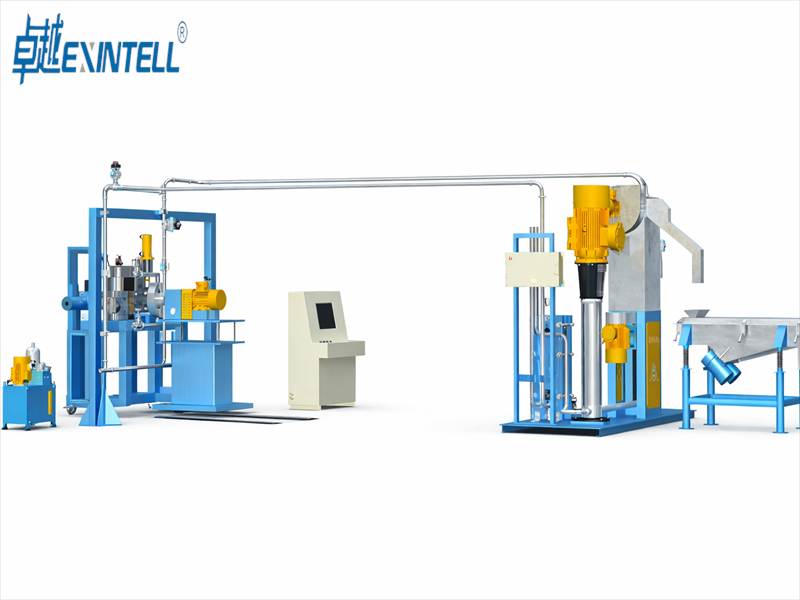
Bảng dưới đây cho thấy mỗi bước ảnh hưởng đến chất lượng viên như thế nào:
|
Sân khấu |
Đóng góp cho chất lượng viên |
|---|---|
|
cho ăn |
Lấy nước ra và làm cho vật liệu sẵn sàng tan chảy. |
|
tan chảy |
Làm tan chảy mọi thứ đều và loại bỏ bụi bẩn. |
|
Đùn |
Trộn và loại bỏ không khí, làm cho nhựa tốt hơn. |
|
Cắt |
Tạo ra các viên đều cho nhiều mục đích sử dụng. |
|
làm mát |
Ngăn chặn các viên dính và giữ hình dạng của chúng. |
Biết cách hoạt động của hệ thống tạo hạt dưới nước giúp bạn tạo ra những viên thức ăn tốt mọi lúc.
Bài học chính
-
Điều quan trọng là phải làm khô nguyên liệu trước. Sấy khô giúp chúng tan chảy tốt hơn. Điều này cũng ngăn chặn các vấn đề ở các viên cuối cùng.
-
Giữ dòng nguyên liệu ổn định trong quá trình tạo hạt. Dòng chảy ổn định làm cho viên bột đều hơn. Nó cũng làm giảm nguy cơ mắc sai lầm.
-
Xem nhiệt độ của tấm khuôn cẩn thận. Nhiệt độ phù hợp giúp tạo hình viên tốt. Nó cũng làm cho viên chất lượng cao.
-
Kiểm tra và thay đổi dao quay thường xuyên trong buồng cắt. Dao sắc bén tạo ra vết cắt sạch sẽ. Họ cũng giữ kích thước viên như nhau. Điều này làm cho chất lượng tốt hơn.
-
Kiểm soát nhiệt độ và lưu lượng nước trong buồng làm mát. Điều này giữ cho viên ở trạng thái tốt. Nó cũng ngăn chúng dính vào. Điều này giúp quá trình hoạt động tốt hơn.
Tổng quan về quá trình tạo hạt
Máy tạo viên dưới nước là gì?
MỘT máy ép viên dưới nước biến nhựa nóng chảy thành dạng viên nhỏ. Nó cắt các sợi polymer khi chúng ở dưới nước. Nước làm nguội viên ngay lập tức. Điều này giúp chúng giữ được hình dáng và chất lượng. Các phương pháp tạo hạt khác không cắt viên ở mặt khuôn. các Buồng cắt luôn đầy nước. Điều này làm cho mỗi viên tròn và mịn. Quá trình tạo hạt dưới nước ngăn chặn quá trình oxy hóa. Nó cũng giữ cho các viên không dính vào nhau.
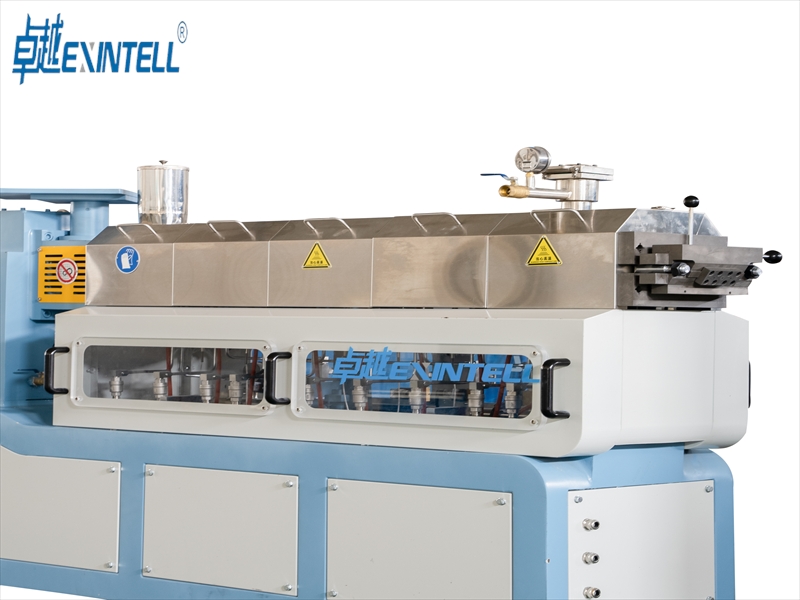
các các bộ phận chính của máy ép viên dưới nước là:
-
Một máy đùn nóng chảy và đẩy nhựa về phía trước.
-
Một tấm khuôn định hình polyme tan chảy thành các sợi.
-
Buồng cắt có lưỡi cắt sợi thành viên dưới nước.
Các bộ phận này phối hợp với nhau để tạo ra quá trình tạo hạt nhanh. Vật liệu di chuyển từ tấm khuôn. Nước chảy qua mặt khuôn. Máy ép viên bắt đầu theo trình tự thời gian. Điều này ngăn chặn các viên vón cục và làm cho chúng đồng nhất.
Quá trình Pelletizing hoạt động như thế nào
Bạn theo dõi các bước trong hệ thống tạo hạt dưới nước để tạo ra những viên thức ăn ngon. Đầu tiên, bạn chuẩn bị sẵn nhựa thô và đưa chúng vào hệ thống ép đùn. Máy đùn tan chảy, hỗn hợp, và làm cho vật liệu đồng đều. Kế tiếp, polyme nóng chảy đi qua tấm khuôn và tạo thành các sợi. Quá trình tạo hạt dưới nước tiếp tục diễn ra khi các sợi đi vào buồng cắt. Lưỡi quay cắt sợi thành viên dưới nước. Nước làm nguội viên ngay và giữ nguyên hình dạng.
các quá trình tạo hạt chạy mọi lúc. Điều này giúp các nhà máy sản xuất được nhiều viên hơn. Bạn nhận được sản lượng cao, máy móc bền lâu, và dễ sử dụng. Hệ thống tạo hạt dưới nước cần ít không gian và nước làm mát hơn. Điều này giúp tiết kiệm năng lượng và giúp ích cho môi trường. Quá trình ít gây tiếng ồn và giữ cho khu vực luôn sạch sẽ. Bạn cũng chi tiêu ít hơn vào lao động và bảo trì.
Bảng dưới đây cho thấy hệ thống tạo hạt liên tục dưới nước giúp ích như thế nào cho các nhà máy:
|
Lợi ích |
Sự miêu tả |
|---|---|
|
Hiệu quả |
Tạo ra nhiều viên hơn cho sản xuất nhựa lớn. |
|
Tiêu thụ năng lượng |
Sử dụng ít năng lượng hơn và giảm chi phí. |
|
Chất lượng viên |
Làm cho viên bột đều hơn và tốt hơn. |
|
Tính bền vững |
Xử lý nhiều loại nhựa, bao gồm cả những thứ tái chế. |
|
Tự động hóa |
Giảm thời gian ngừng hoạt động và cải thiện hiệu suất bằng các điều khiển thông minh. |
Bạn có thể làm lên tới 77,000 lb/giờ với hệ thống tạo hạt dưới nước. Điều này làm cho quá trình trở nên tuyệt vời đối với nhựa có chỉ số nóng chảy cao và vật liệu đặc biệt. Hệ thống giữ cho quá trình oxy hóa ở mức thấp và tạo ra các viên chất lượng cao cho nhiều mục đích sử dụng.
Cho ăn và nấu chảy nguyên liệu
Cho ăn nguyên liệu thô
Bạn bắt đầu quá trình tạo hạt bằng cách đưa nguyên liệu thô vào hệ thống. Hầu hết các hệ thống tạo hạt dưới nước đều hoạt động với nhiều loại nhựa. Chúng bao gồm polyme nhiệt dẻo thông thường chẳng hạn như:
-
LDPE
-
LLDPE
-
HDPE
-
PP
-
EVA
-
Tái bút
-
SAN
-
ABS
-
SB
-
PMMA
-
TPR
-
TPU
-
máy tính
-
TR
-
PVC
-
Polycarbonate
-
PBT
-
PB1
-
THÚ CƯNG
-
SBS
-
SEBS
-
PA6
-
PA6.6
Bạn phải đảm bảo nhựa thô sạch và khô trước khi bắt đầu. Độ ẩm có thể gây ra vấn đề trong quá trình. Sấy khô giúp bạn tránh được bong bóng và khuyết tật ở viên cuối cùng. Cho ăn đều đặn là chìa khóa cho chất lượng thức ăn viên tốt. Nếu dòng nguyên liệu thay đổi, bạn có thể thấy sự không nhất quán của viên. Điều này có thể xảy ra nếu khuôn không đúng hoặc nếu đầu ra thay đổi quá nhiều. Nguồn thức ăn ổn định giúp bạn có được thức ăn viên đồng đều mỗi lần.
Mẹo: Luôn kiểm tra của bạn hệ thống cho ăn để giữ cho quá trình ổn định và cải thiện tính nhất quán của viên.
Nóng chảy và đồng nhất
Một khi bạn cho nhựa ăn, vít máy đùn hoặc máy bơm tan chảy đảm nhận. Con vít di chuyển nhựa về phía trước và làm nóng chúng. Khi nhựa tan chảy, vít trộn chúng thành một hỗn hợp mịn, khối lượng chẵn. Bước này rất quan trọng đối với quy trình vì nó đảm bảo tất cả các polyme tan chảy theo cùng một cách. các Cơ chế Maddock cho thấy sự tan chảy xảy ra khi một màng mỏng hình thành và bị bong ra. Điều này giúp bạn có được một sự tan chảy đồng đều.
Thiết kế của vít ảnh hưởng đến việc trộn nhựa tốt như thế nào. Vít dài hơn giúp trộn tốt hơn và tan chảy đều hơn. Các nghiên cứu cho thấy thiết kế vít và khuôn kiểm soát dòng chảy và áp suất. Điều này rất quan trọng để đảm bảo quá trình tan chảy diễn ra như nhau trong suốt quá trình. Khi bạn có được sự pha trộn tốt, bạn cải thiện chất lượng viên và làm cho quy trình trở nên đáng tin cậy hơn.
|
Tính năng thiết kế trục vít |
Ảnh hưởng đến quy trình và chất lượng |
|---|---|
|
Tỷ lệ L/D dài hơn |
|
|
Cơ chế Maddock |
Dòng polymer tan chảy đều và mịn |
|
Thiết kế khuôn và máy bơm phù hợp |
Dòng chảy ổn định và tính nhất quán của viên được cải thiện |
Bạn cần một bước nấu chảy được thiết kế tốt để giữ cho quá trình tạo hạt diễn ra suôn sẻ. Điều này giúp bạn đáp ứng được nhu cầu chất lượng nghiêm ngặt của ngành nhựa.
Vận hành ép đùn và khuôn khuôn
Đùn Polymer nóng chảy
Sau khi nhựa tan chảy, bạn chuyển sang bước tiếp theo. các máy đùn đẩy nhựa nóng chảy về phía tấm khuôn. Điều này định hình vật liệu tan chảy thành các sợi mỏng. Đây là cách quá trình hoạt động:
-
Cho nhựa thô vào phễu cho ăn.
-
Cho nhựa vào máy đùn để chúng tan chảy.
-
Máy đùn đưa nhựa nóng chảy vào tấm khuôn.
-
Bơm bánh răng có thể giúp giữ dòng chảy ổn định.
-
Nhựa nóng chảy đi qua các lỗ trên tấm khuôn và tạo thành các sợi mỏng.
-
Lưỡi quay cắt sợi thành dạng viên.
-
Nước làm nguội viên ngay để chúng không bị dính.
Bạn phải giữ quá trình ổn định để có được những viên đều. Việc cắt sử dụng tốc độ cắt cao. Cạnh dao đẩy vào polyme và tạo thêm ứng suất. Khi căng thẳng đủ cao, sợi dây đứt sạch. Điều này làm cho viên tròn và mịn. Quá trình này áp dụng cho nhiều loại nhựa.
Chức năng tấm khuôn trong Pelletizing
Tấm khuôn rất quan trọng trong quá trình tạo hạt. Nó định hình nhựa nóng chảy và kiểm soát kích thước viên. Bạn phải giữ tấm khuôn ở nhiệt độ phù hợp. Nếu trời quá mát mẻ, viên có thể không hình thành tốt. Nếu trời quá nóng, viên có thể dính hoặc mất hình dạng. Tấm khuôn cũng giữ cho quá trình ổn định và làm cho viên nén đồng đều.
Mẹo: Sử dụng máy sưởi được tích hợp trong tấm khuôn để giữ nhiệt độ tốt nhất cho nhựa của bạn.
Bảng dưới đây cho thấy cách nhiệt độ tấm chết ảnh hưởng đến chất lượng viên:
|
Những phát hiện chính |
Sự miêu tả |
|---|---|
|
Ảnh hưởng nhiệt độ |
Nhiệt độ tấm khuôn thay đổi cách liên kết vật liệu và hình thành các viên. |
|
Sự biến đổi vật liệu |
Các loại nhựa khác nhau cần nhiệt độ khuôn khác nhau để có kết quả tốt nhất. |
|
Hiệu ứng nhiệt độ thấp |
Nhiệt độ khuôn thấp có thể gây ra các vấn đề về viên và máy móc. |
|
Chiến lược tối ưu hóa |
Bộ gia nhiệt trong tấm khuôn giúp tạo hạt tốt hơn. |
Bạn phải theo dõi nhiệt độ tấm khuôn trong quá trình. Điều này giúp bạn có được hình dạng và kích thước viên tốt nhất. Kiểm soát tốt tấm khuôn mang lại cho bạn những viên chất lượng cao mọi lúc. Mỗi bộ phận phải làm việc cùng nhau để quá trình tạo hạt thành công.
Hệ thống Pelletizing dưới nước: Cắt và làm mát
Lắp ráp dao quay
Bạn chạm tới trung tâm của hệ thống tạo hạt dưới nước khi nhìn thấy cụm dao quay đang hoạt động. Phần này của quy trình cắt nhựa nóng chảy thành những miếng nhỏ, thậm chí cả các viên khi vật liệu rời khỏi tấm khuôn. Những con dao quay nhanh và luôn ở dưới nước. Quá trình tạo hạt dưới nước này mang lại cho bạn một số lợi ích quan trọng:
-
Dao quay cắt nhựa thành từng viên ngay khi vừa vào khoang chứa nước.
-
Nước nguội và làm cứng viên ngay lập tức, giúp kiểm soát kích thước của chúng.
-
Cài đặt dưới nước giúp các viên không bị dính vào nhau và làm cho chúng tròn và mịn.
-
Những con dao luôn hoạt động dưới nước, nên mỗi viên đều được làm mát đều.
Bạn cần chú ý đến độ sắc bén và setup của dao. Dao sắc cắt nhựa sạch sẽ, cung cấp cho bạn những viên có cùng kích thước. Nếu dao bị cùn, bạn có thể thấy những viên có đuôi hoặc chuỗi, điều đó làm giảm chất lượng. Tốc độ dao quan trọng hơn độ sắc nét, nhưng bạn vẫn cần cân bằng tốc độ và áp lực để có kết quả tốt nhất. Khi bạn đặt điểm tiếp xúc dao-to-die vừa phải, bạn sẽ sạch sẽ, viên hình trụ. Bước này trong quy trình tạo hạt giúp bạn duy trì hiệu quả sản xuất và các viên của bạn luôn ổn định.
Mẹo: Kiểm tra dao của bạn thường xuyên và thay thế chúng khi chúng bị cùn. Điều này giữ cho hệ thống tạo hạt dưới nước của bạn hoạt động trơn tru và các viên của bạn đồng đều.
Buồng nước và làm mát dạng viên
Buồng chứa nước là một phần quan trọng của hệ thống tạo hạt dưới nước. Ngay khi dao quay cắt viên, chúng rơi vào khoang chứa nước. Nước làm nguội viên ngay lập tức, để chúng giữ nguyên hình dạng và không dính vào nhau. Bạn phải sử dụng sạch, nước khử khoáng để tránh để lại đốm hoặc vết trên viên. Nước cũng giúp mang các viên ra khỏi khu vực cắt.
Bảng dưới đây cho thấy cách thức hoạt động của buồng chứa nước trong quá trình tạo hạt dưới nước:
|
Bước chân |
Sự miêu tả |
|---|---|
|
Cắt |
Các lưỡi quay cắt các sợi thành từng viên khi chúng thoát ra khỏi khuôn. Điều này xảy ra dưới nước để làm mát và làm cứng các viên ngay lập tức.. |
|
làm mát & Chuyên chở |
Bể nước làm nguội các viên nhiều hơn và chuyển chúng sang giai đoạn tiếp theo để sấy khô và kiểm tra. |
Bạn cần kiểm soát nhiệt độ nước và tốc độ dòng chảy để làm mát tốt nhất. Hầu hết các hệ thống tạo hạt dưới nước đều giữ nước ở nhiệt độ từ 20°C đến 40°C. Phạm vi này hoạt động cho nhiều loại nhựa. Nếu bạn sử dụng polyme bán tinh thể, bạn có thể cần điều chỉnh tốc độ làm mát để có được cấu trúc tinh thể phù hợp. Nước phải di chuyển đủ nhanh để lấy đi nhiệt nhưng không nhanh đến mức làm hỏng các viên. Hầu hết các hệ thống cung cấp các viên 10 ĐẾN 30 giây trong bồn nước. Thời gian này đủ để làm nguội chúng mà không làm chúng giòn.
Ghi chú: Luôn kiểm tra nhiệt độ nước và dòng chảy trong hệ thống tạo hạt dưới nước của bạn. Kiểm soát tốt có nghĩa là chất lượng viên tốt hơn và ít vấn đề hơn sau này.
Vận chuyển viên trong nước
Sau khi làm mát, hệ thống tạo hạt dưới nước sử dụng nước để di chuyển các viên đến khu vực sấy khô. Nước mang các viên ở dạng bùn, nghĩa là các viên thuốc trôi nổi và di chuyển theo dòng nước. Phương pháp này giúp các viên không bị dính vào nhau hoặc bám bụi. Mặt khuôn và dao cắt quay ở dưới nước, để các viên di chuyển nhanh chóng và luôn mát.
Bạn thiết lập hệ thống nước trước khi bắt đầu quá trình tạo hạt. Bạn đảm bảo máy bơm nước và bộ lọc hoạt động tốt. Bạn cũng kiểm tra xem nước có trong và ở nhiệt độ phù hợp không. Người vận hành theo dõi hệ thống trong quá trình sản xuất để đảm bảo mọi thứ hoạt động trơn tru. Độ sâu của nước trong buồng giúp kiểm soát tốc độ di chuyển của viên. Nếu nước quá cạn, viên có thể không đủ mát. Nếu nó quá sâu, chúng có thể ở trong nước quá lâu và quá lạnh.
-
Nước đưa các viên đến công đoạn khử nước và sấy khô.
-
Bạn theo dõi dòng nước để đảm bảo viên di chuyển với tốc độ phù hợp.
-
Kiểm tra thường xuyên máy bơm và bộ lọc giúp nước sạch và quy trình hoạt động hiệu quả.
các hệ thống tạo hạt dưới nước cung cấp cho bạn một cách đáng tin cậy để tạo ra các viên chất lượng cao. Bạn thậm chí còn được làm mát, vận chuyển suôn sẻ, và ít có khả năng bị lỗi hơn. Quá trình này giúp bạn đáp ứng nhu cầu của nhiều ngành công nghiệp và giữ cho dây chuyền sản xuất của bạn hoạt động tốt.
Sấy khô, Bao bì, và tích hợp hệ thống
Quá trình sấy viên
Sau khi viên nguội trong hệ thống tạo viên dưới nước, bạn phải làm khô chúng. Quá trình sấy khô sẽ lấy đi lượng nước còn sót lại trên viên. Điều này giúp bạn đáp ứng các quy định về chất lượng và ngăn chặn các vấn đề sau này. Cách tốt nhất để làm khô viên là dùng không khí nóng. Không khí nóng hoạt động tốt hơn không khí lạnh hoặc chỉ để nước thoát ra. Bạn cũng có thể sử dụng phương pháp khử nước bằng nước nóng để làm khô viên nhanh hơn.
Nếu viên vẫn còn nước, bạn có thể nhận được nhiệt độ chuyển thủy tinh thấp hơn. Các viên có thể chảy khác nhau và có vấn đề về đóng gói. Luôn đảm bảo máy sấy của bạn hoạt động tốt để giữ chất lượng viên cao.
Đây là bảng cho thấy những gì có thể thay đổi quá trình sấy khô sau khi làm mát dưới nước:
|
Nhân tố |
Sự miêu tả |
|---|---|
|
Tiếp xúc dao-to-die |
Tiếp xúc không tốt có thể gây ra khuyết tật và để lại nhiều nước hơn. |
|
Lực dọc trục |
Thay đổi cách cắt viên và lượng nước còn lại. |
|
Tốc độ cắt |
Thay đổi kích thước viên và thời gian sấy khô. |
|
Số lượng dao |
Nhiều dao hơn có thể giúp giảm lượng nước trong viên. |
|
Tính đồng nhất của dòng chảy |
Dòng nước không đều có nghĩa là nhiều nước đọng lại trên viên. |
|
Kiểm soát nhiệt độ |
Kiểm soát tốt giúp viên khô tốt hơn. |
|
Hiệu suất máy sấy |
Máy sấy tốt hơn làm cho viên khô hơn. |
Đóng gói viên thành phẩm
Khi viên đã khô, bạn chuyển chúng đến bao bì. Hệ thống đóng gói tự động giúp bạn đóng gói viên nhanh chóng và an toàn. Những máy này nặng, đổ đầy, niêm phong, và xếp chồng các túi với một chút trợ giúp. Bạn chỉ cần một hoặc hai người để xem máy. Điều này giúp tiết kiệm tiền và giữ cho nhà máy của bạn hoạt động tốt. Bạn mất ít nguyên liệu hơn và giữ chất lượng viên cao.
Nếu bạn sử dụng vật liệu hút ẩm, bạn phải kiểm soát độ ẩm của không khí. Bạn cũng cần chọn bao bì phù hợp để ngăn nước lọt vào. Bước này giữ cho viên an toàn và sẵn sàng để sử dụng.
Tích hợp hệ thống và độ tin cậy
Bạn phải kết nối hệ thống tạo hạt dưới nước đến các máy khác trong nhà máy của bạn. Điều này có nghĩa là khớp tốc độ của máy ép viên với máy đùn và máy sấy. Bạn cũng cần kiểm tra chất lượng viên ở mỗi bước. Nếu bạn thấy bụi bẩn hoặc viên không đều, bạn có thể gặp vấn đề sau này. Những vấn đề này bao gồm máy sấy bị tắc hoặc gặp khó khăn khi cho ăn thức ăn viên.
Những điểm chính để thiết lập hệ thống tốt là:
-
Biết các đặc tính của vật liệu của bạn
-
Phù hợp với số tiền bạn kiếm được với các máy khác
-
Giữ nguyên kích thước và hình dạng viên
-
Lập kế hoạch sửa chữa dễ dàng và chi phí thấp
Khi bạn chăm sóc hệ thống tạo hạt dưới nước của mình, bạn sẽ có được chất lượng sản phẩm tốt hơn và nhiều viên hơn. Bạn cũng gặp ít lỗi hơn và tự động hóa tốt hơn so với tạo hạt dạng sợi.
Ứng dụng công nghiệp điển hình
Nhiều ngành công nghiệp sử dụng hệ thống tạo hạt dưới nước. các ngành công nghiệp ô tô sử dụng chúng cho các viên nhẹ và mạnh. Ngành xây dựng cần viên nén tốt để cách nhiệt và làm sàn. Ngành đóng gói sử dụng các hệ thống này cho thực phẩm và các hàng hóa khác. Ngành công nghiệp điện tử sử dụng chúng cho các bộ phận và vỏ bọc.
Bạn thấy lợi ích của máy ép viên dưới nước trong mọi ngành công nghiệp. Công nghệ tạo hạt dưới nước cho chất lượng tốt hơn, nhiều viên hơn, và sản xuất đáng tin cậy hơn. Những hệ thống này giúp bạn đáp ứng các quy tắc cứng rắn và luôn dẫn đầu trên thị trường.
Khi bạn sử dụng hệ thống tạo hạt dưới nước, bạn làm theo các bước đơn giản. Mỗi bước đều quan trọng để tạo ra những viên thức ăn ngon. Đầu tiên, bạn cho nhựa vào và làm tan chảy nó. Sau đó, bạn định hình nhựa nóng chảy thành sợi. Sau đó, Bạn cắt và làm nguội các viên trong nước. Kế tiếp, bạn làm khô các viên và chuẩn bị sẵn sàng để đóng gói. Những hệ thống này giúp bạn tạo ra những viên thức ăn viên tốt hơn, làm việc nhanh hơn, và xử lý nhiều loại nhựa. Bảng dưới đây giải thích lý do tại sao các nhà máy thích hệ thống tạo hạt dưới nước:
|
Lợi ích |
Sự miêu tả |
|---|---|
|
Tạo ra nhiều viên một cách nhanh chóng |
|
|
Tiết kiệm tiền trên mỗi viên |
|
|
Công nghệ mới nhất |
Làm cho quá trình tốt hơn và chất lượng viên cao hơn |
Các nhà máy có thể tin tưởng vào hệ thống tạo hạt dưới nước để luôn hoạt động tốt.
Câu hỏi thường gặp
Bạn có thể sử dụng loại nhựa nào trong máy ép viên dưới nước?
Bạn có thể sử dụng nhiều các loại nhựa, chẳng hạn như PE, PP, THÚ CƯNG, PVC, và ABS. Hầu hết các loại nhựa nhiệt dẻo hoạt động tốt trong các hệ thống này. Luôn kiểm tra đặc tính dòng chảy và điểm nóng chảy của vật liệu trước khi bắt đầu.
Làm thế nào để giữ cho các viên không dính vào nhau?
Bạn giữ cho viên không bị dính bằng cách cắt và làm nguội chúng dưới nước. Nước làm nguội các viên nhanh chóng. Bước này giúp mỗi viên giữ nguyên hình dạng và tách biệt nhau..
Tại sao sấy viên lại quan trọng?
Sấy khô loại bỏ nước khỏi bề mặt viên. Nếu bạn bỏ qua việc sấy khô, viên có thể vón cục hoặc gây ra vấn đề ở các bước sau. Viên khô lưu trữ và xử lý tốt hơn.
Bao lâu thì bạn nên kiểm tra bộ dao?
Bạn nên kiểm tra cụm dao vào mỗi ca hoặc sau một số giờ nhất định. Dao cùn làm viên không đều nhau. Kiểm tra thường xuyên giúp bạn duy trì chất lượng viên cao.