Axit polylactic (PLA), Chất đàn hồi nhiệt dẻo (TPE)
Được sử dụng làm bao bì thân thiện với môi trường và dụng cụ y tế
Nhựa biến tính
LSZH, XLPE, TPU
Dùng để bọc dây và cáp
Biết được cách thức hoạt động của máy và chức năng của từng bộ phận giúp bạn sử dụng máy tốt hơn. Nó cũng giúp bạn khắc phục vấn đề dễ dàng hơn.
Bài học chính
Máy ép đùn tạo hạt biến nhựa thô thành những hạt nhỏ viên. Các viên đều có cùng kích thước. Điều này làm cho chúng dễ sử dụng hơn theo nhiều cách.
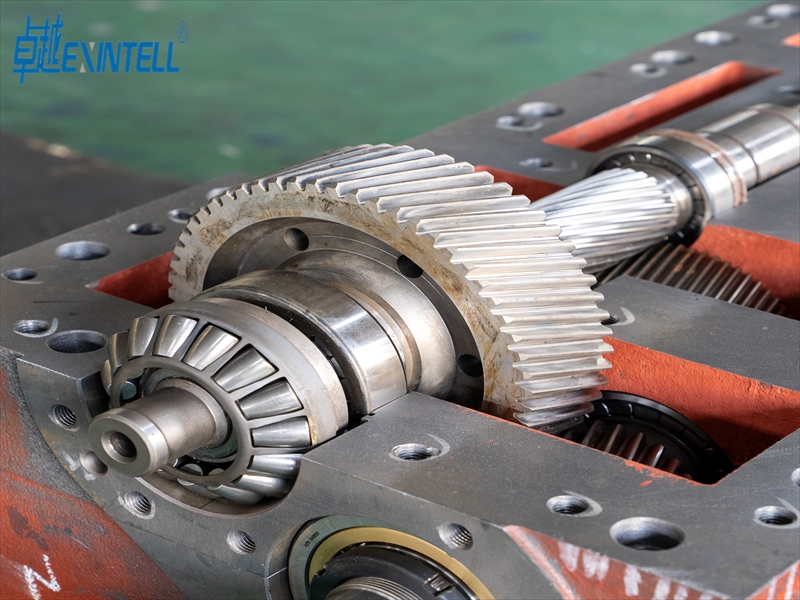
Biết bộ phận chính giúp tạo ra những viên thức ăn tốt hơn. Những bộ phận này là phễu, vít, thùng, chết, hệ thống làm mát, và hệ thống dao.
Giữ tốc độ cấp liệu ổn định là rất quan trọng. Tốc độ vít cũng phải giữ nguyên. Điều này giúp tạo ra các viên đều và ngăn chặn các sự cố của máy.
Cần làm mát tốt để làm cứng viên nhanh. Điều này giúp các viên giữ được hình dạng và chắc chắn.
Việc kiểm tra thường xuyên giúp máy đùn hoạt động tốt. Bạn nên kiểm tra ốc vít và vệ sinh khuôn thường xuyên. Điều này giúp máy luôn hoạt động và bền bỉ hơn.
Các bước quy trình máy đùn Pelletizing
MỘT máy ép viên biến nhựa thô thành dạng viên nhỏ. Nó thực hiện điều này bằng cách sử dụng một số bước chính. Bạn có thể làm theo các bước sau để xem máy hoạt động như thế nào.
Cho ăn và tan chảy
Đầu tiên, bạn cho nhựa thô vào phễu. Máy có vít di chuyển nhựa về phía trước. Khi nó di chuyển, vít đẩy nhựa và lấy không khí ra ngoài. Thùng nóng lên và làm chảy nhựa. Vít còn tạo nhiệt bằng cách cọ xát vào nhựa.
Mẹo: Nếu bạn cho nhựa ăn đều, bạn nhận được những viên trông giống nhau.
Vùng đo sáng tạo ra áp suất và giữ cho dòng chảy ổn định.
Máy đùn trục vít đôi trộn nhựa thậm chí còn tốt hơn. Chúng có hai ốc vít quay vào nhau. Điều này mang lại nhiệt đều hơn và trộn tốt hơn. Nó giúp tạo ra các viên giống nhau.
Nhiệt độ bạn cần phụ thuộc vào loại nhựa. Đây là bảng điểm nóng chảy của các loại nhựa thông thường:
Polyme nhựa
Điểm nóng chảy cơ bản (°C)
Phạm vi nhiệt độ nóng chảy thực tế (°C)
Ghi chú xử lý chính
ABS (Acrylonitrile Butadiene Styrene)
105 – 107 (Tg)
210 – 250
Tránh tiếp xúc kéo dài trên ~ 270 ° C để ngăn chặn sự xuống cấp.
Polycarbonate (máy tính)
155 – 160
280 – 320
Must be dried thoroughly to prevent hydrolysis; requires high mold temperatures (80-110°C).
Polypropylen (PP)
160 – 165
200 – 260
High volumetric shrinkage; requires sufficient pack/hold pressure.
Nylon 66 (PA66)
260 – 265
280 – 310
Extremely hygroscopic; requires immediate pre-drying and hot molds (70-100°C).
Polyetylen (HDPE)
130 – 135
210 – 260
High shrinkage; proper cooling design critical.
Polyoxymetylen (POM)
165 – 175
190 – 220
Prone to thermal degradation; avoid excessive temperatures and residence times.
Acrylic (PMMA)
160 – 170
220 – 250
hút ẩm; must be dried to prevent defects; high flow resistance.
Polybutylene Terephthalate (PBT)
225 – 230
240 – 270
hút ẩm; requires pre-drying; prone to warping.
Polyetheretherketone (PEEK)
340 – 380
370 – 400
Requires very high processing temperatures and drying.
Thermoplastic Polyurethane (TPU)
120 – 140 (Tg)
180 – 220
hút ẩm; sticky melt requires special gating.
Polyvinyl clorua (PVC)
160 – 180 (Tg)
170 – 210
Poor thermal stability; requires precise temperature control and corrosion-resistant equipment.
Đùn qua khuôn
When the plastic melts, cái máy ép viênpushes it through a die. The die shapes the melted plastic into long strands or other shapes. các die’s design controls the shapeand size of the plastic. If you use a round die, you get round strands. If you use a rectangle die, the corners might round off because of how the plastic moves.
Ghi chú:The die must be strong and last a long time. Many dies usetungsten carbide insertsfor tough plastics with glass fibers.
The die’s heat and how it heats up also matter. If the die heats unevenly, the plastic can come out the wrong shape.
Cooling the Extrudate
Sau khi nhựa rời khỏi khuôn, nó vẫn nóng và mềm. You need to cool it fast so it gets hard. các máy ép viêncan use different ways to cool:
Máy tạo viên dưới nước:The die and cutter are in water. Nước làm nguội viên ngay lập tức.
Máy tạo hạt dạng sợi:The plastic strands go in a water bath, then air dries them before cutting.
Máy tạo hạt khuôn mặt:The machine cuts the pellets at the die face. Air or water mist cools them, or they drop into a water bath.
If you cool the plastic too fast or too slow, the pellets can bend or shrink. This can make them the wrong size or shape. Good cooling helps you get pellets that are strong and all the same.
Cutting into Pellets
The last step is cutting the cooled plastic into small pellets. các máy ép viênusesdifferent cutting systems:
A method that influences the uniformity and quality of the granules.
Horizontal Water Ring Cutting
Uses water to cool and cut the extrudate into pellets.
Cắt dưới nước
Cuts the cooled strands underwater for uniform pellet size.
You can also find these cutting methods:
Gantry cutting
Horizontal water ring cutting
Underwater cutting
Mỗi cách giúp bạn có được những viên có cùng kích thước. Các viên giống nhau sẽ dễ xử lý hơn, cửa hàng, và sử dụng trong các máy khác.
Bản tóm tắt: Bạn cho nhựa thô vào máy ép viên, làm tan chảy nó, định hình nó bằng khuôn, mát mẻ đi, và cắt nó thành dạng viên. Mỗi bước biến nhựa từ nguyên liệu thô thành dạng viên thành phẩm bạn có thể sử dụng cho nhiều sản phẩm.
Các thành phần chính của máy đùn Pelletizing
Phễu và họng thức ăn
Bạn bắt đầu bằng việc cho nhựa thô vào phễu. Phễu lưu trữ và nạp nhựa. Nó giữ cho nhựa sạch sẽ và an toàn khỏi bụi bẩn. Đáy phễu khớp với họng cấp liệu. Cổ họng thức ăn kết nối với thùng máy đùn. Thiết lập này giúp nhựa di chuyển trơn tru.
Phễu kiểm soát lượng nhựa đi vào. Điều này ngăn chặn quá nhiều hoặc quá ít nhựa xâm nhập vào.
Mẹo:A good hopper and feed throat help your pelletizing extruder work well.
Design Strategy
Impact on Material Flow
Tapered interface in feeders
Gives even feeding and stops holes from forming
Rotary valves with spool piece
Stops clumps and keeps the plastic moving
Vibratory feeders with transition throat
Giúp nhựa chảy và giữ tốc độ ổn định
Vít và thùng
Bên trong máy ép viên, vít và thùng làm việc cùng nhau. Họ di chuyển, tan chảy, và trộn nhựa. Vít có ba phần chính:
Vùng thức ăn: Bộ phận này lấy nhựa và đẩy về phía trước.
Vùng nén: Đây, vít ép nhựa và loại bỏ không khí. Điều này làm cho nhựa tan chảy đều.
Vùng đo sáng: Bộ phận này tạo áp suất và giữ cho dòng chảy ổn định trước khi khuôn.
Thùng đi xung quanh vít. Nó làm nóng và làm mềm nhựa. Thùng còn giúp trộn nhựa cho tan mịn.
Nhân tố
Sự miêu tả
Hình học trục vít
Hình dạng và góc của vít thay đổi cách nhựa di chuyển và trộn. Các góc nhỏ trộn tốt hơn nhưng mòn nhanh hơn.
khối nhào
Những bộ phận này trộn nhựa nhiều hơn bằng cách làm cho nó cọ xát với nhau. More blocks or bigger angles mix more but use more energy and heat.
Temperature Profiles
You must control the heat in each part. Too much heat can hurt the plastic. Not enough heat leaves it unmelted.
Ghi chú:The right screw and barrel help you make good pellets and waste less.
Breaker Plate and Adapter
Sau khi tan chảy, the plastic goes through the breaker plate and adapter. The breaker plate is a metal disc with many small holes. It does several things:
The adapter, also called the feed pipe, links the barrel to the die. It guides the melted plastic to the die and keeps the flow steady.
Mẹo:A clean breaker plate and adapter help you make strong, thậm chí cả viên.
Hệ thống khuôn
The die system shapes the melted plastic before cutting. The die has some important parts:
Open Area:This is the size of the die’s hole. It changes the pressure and how thick the product is.
Land Area:This part shapes the plastic as it leaves the die. It helps make pellets that look and work the same.
Material of Construction:The die’s material changes how much rubbing and pressure the plastic gets.
You need to keep the die system in good shape. Cleaning and checking it often stops problems and keeps pellet quality high. If the die has problems, the pellets can change in size, sức mạnh, or shape.
Ghi chú:The die system is one of the most important parts of your pelletizing extruder.
Hệ thống làm mát
When the plastic leaves the die, it is still hot. The cooling system makes the plastic hard so you can cut it. There are different ways to cool:
Air-cooled systems:These use fans or blowers to cool the plastic.
Water-cooled systems:These drop the plastic into water tanks. Dryers then take off the water.
Fluidized bed dryers:These blow air through the pellets as they slide down a slope. You can change the slope to control how long the pellets stay in the dryer.
Some systems reuse water to save energy. Automatic controls can change cooling based on what you need, which also saves energy.
Điểm bằng chứng
Sự miêu tả
Optimizing Cooling Resources
Saves energy and helps the machine work better.
Điều khiển tự động
Uses just the right amount of cooling.
Closed-loop Systems
Uses water again and again, saving water and energy.
Mẹo:Good cooling keeps pellets strong and saves energy.
Hệ thống dao quay
The rotating knife system cuts the cooled plastic into pellets. This system has sharp, fast knives that slice the plastic as it comes out.
Sharp, well-set knives stop problems like tails or dust and keep the machine running.
You need to keep the knives sharp and at the right speed. If the knives get dull or slow, you get uneven pellets and more stops. If the knives are too fast or not lined up, you get problems or jams.
Ghi chú:The rotating knife system is very important for making good pellets and keeping your pelletizing extruder working well.
How Components Work Together
Material Flow and Homogenization
All the parts of the pelletizing extruder must work together. This helps the plastic move smoothly andmix well. The screw pushes the plastic forward and mixes it. You can change how fast the screw turns to mix more or less. Kneading blocks inside the screw help blend the plastic. Their shape and how you set them up help the plastic mix better.
You can change the speed to control mixing and keep flow steady.
Kneading Block Geometry
Special shapes help mix the plastic evenly.
Convective Mixing
The design moves plastic through mixing zones again and again.
Continuous Circulation
All plastic passes through strong mixing areas many times.
Thiết kế vít mô-đun
You can change the screw parts for different plastics.
Kneading Block Configurations
Different setups give strong mixing for the right pellet quality.
Thỉnh thoảng, mixing can be hard. If you mix too much, you can break fibers or make dust. Too much mixing can also make the plastic too hot. Gentle mixing is better for soft plastics. Một số loại nhựa, giống ultra-low melt flow HDPE, move slowly. These need more pressure to flow.
Pellets are made by cooling and cutting the plastic after it leaves the die. The cooling system makes the plastic hard so knives can cut it. Good cooling systemshelp keep pellet size and shape the same. Automatic controls can change the process as it runs. This helps you get better pellets and waste less.
Loại bằng chứng
Sự miêu tả
Advanced Cooling Systems
These cool pellets quickly and keep their shape.
Automated Control Systems
These adjust settings for better quality and less waste.
High-Efficiency Heaters
These heat the plastic evenly for smooth extrusion.
You need to collect and handle pellets carefully so you do not lose them or get them dirty. Use good tools and keep the area clean. Closed walkways and sealed pipes stop pellets from getting out. Teach workers to use spill guards and know what to do in an emergency.
Mẹo: When every step works together, you get strong, clean pellets and a safer place to work.
You turn raw plastic into even pellets by doing five steps: feeding, tan chảy, đùn, làm mát, và cắt. Each main part—hopper, vít, thùng, chết, làm mát, and knife system—has an important job. Chăm sóc máy đùn của bạn giúp nó hoạt động tốt:
Nhìn vào ốc vít và tay áo để xem chúng có bị hỏng không.
Đảm bảo nguyên liệu sạch sẽ để không có chất độc nào lọt vào.
Chú ý các bộ phận bị mòn và thay thế chúng trước khi chúng bị hỏng.
Nếu bạn biết về chất lượng viên và cách kiểm soát độ ẩm, bạn có thể làm việc nhanh hơn và mắc ít lỗi hơn. Hãy sử dụng những mẹo này để giữ cho máy của bạn hoạt động tốt và tạo ra những viên thức ăn ngon.
Câu hỏi thường gặp
Những loại nhựa nào bạn có thể sử dụng trong máy đùn dạng viên?
Bạn có thể sử dụng nhiều loại nhựa trong máy ép viên. Một số ví dụ là polyetylen, polypropylen, nylon, ABS, PLA, và TPU. Mỗi loại nhựa cần nhiệt độ và cài đặt riêng. Luôn kiểm tra xem vật liệu của bạn cần gì trước khi bắt đầu.
Làm thế nào để bạn giữ cho viên có kích thước đồng đều?
Bạn cần cho nguyên liệu vào với tốc độ ổn định. Keep the screw speed the same. Clean the die and knives often. Use automatic controls to help with cooling and cutting. This gives you the best results.
Why does the extruder need a cooling system?
The cooling system makes the melted plastic hard. If you do not cool it, the pellets stay soft and stick together. When you cool them fast and evenly, you get strong pellets. These pellets are easy to handle.
How often should you maintain the pelletizing extruder?
Check and oil the bearings every 500 giờ.
Look at the screws and knives every week.
Clean the hopper and die after each batch.
Doing these things helps your machine work well.
Can you use recycled plastics in a pelletizing extruder?
Loại vật liệu
Suitability
Ghi chú
Clean Recycled
Đúng
Dry and filter before use
Mixed Recycled
Thỉnh thoảng
May need sorting and cleaning
Bị ô nhiễm
KHÔNG
Can damage machine
Bạn có thể sử dụng nhựa tái chế nếu chúng sạch và được phân loại.