

Ua faaauhia te mau hu'ahu'a Twin e te hoê hu'ahu'a no te faaauraa i te mau tao'a
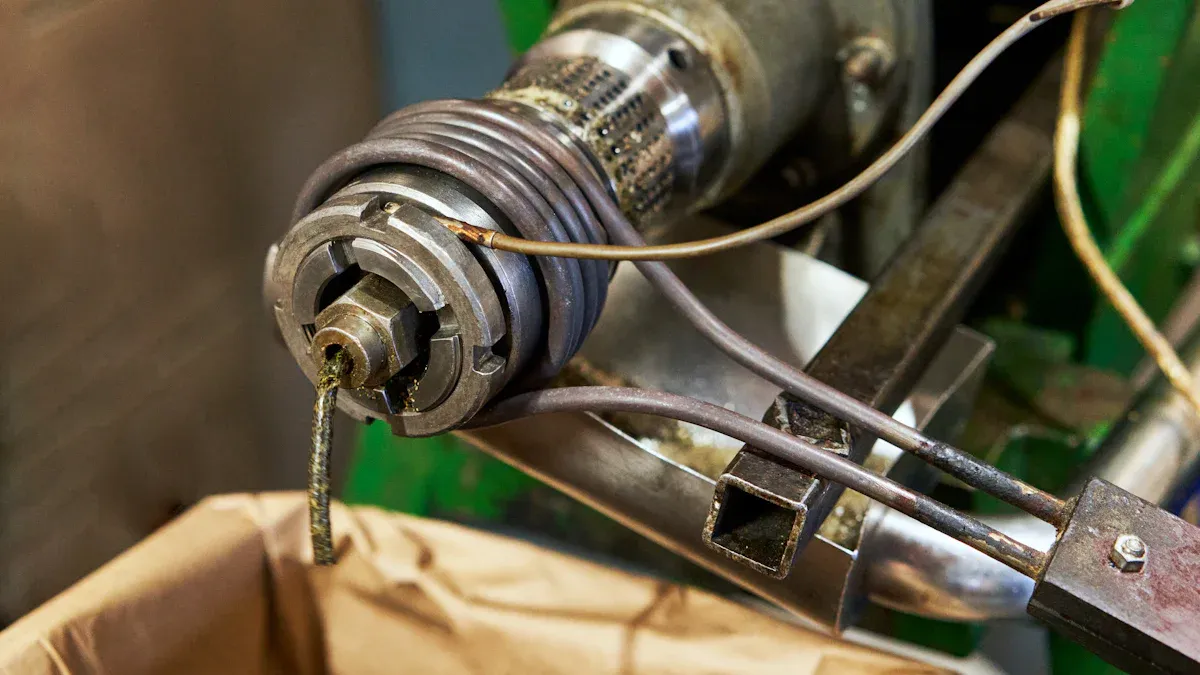
E pinepine au i te ite i te feia hamani tao'a e uiui ra e vai ra te mau mea maitai roa ' ' e no te faaauraa i te mau tao'a. E faataahia te pahonoraa i nia i te mau titauraa i te pae no te faatereraa i te matini, Te mau tapa'o ha'utiraa, e te mau fifi i te pae no te moni. I roto 2024, Te hi'opo'a nei te mau Twin Screw i te matete o te ao nei e te hoê 71% tuhaa moni no te mea e mea maitai roa ratou i te anoiraa, te tamâraa ia'na iho, e te faaoreraa. Mai te mea e, e hinaaro outou i te mau rave'a rahi aore râ, te mau tao'a fifi, E horoa te mau matini roro uira Twin Screw i te mau tauiraa e te aravihi. A faaau i te mau tuhaa tumu i roto i te tabula i raro nei no te tauturu ia outou ia faaoti:
| Ata | Hoê-hi'o Extruder | Twin-Screw Extruder |
|---|---|---|
| Te mau rave'a no te faahororaa | Te mârôraa / Te taheraa | Te tauiraa maitai |
| Te aravihi no te anoi | Iho | Teitei |
| Te tamâraa ia ' na iho | aita | Maitai roa |
| Te tuuraa moni matamua | Amu ($) | Teitei ($$$) |
Tāuru: Hou a ma'iti ai i te hoê rave'a hamaniraa tauihaa, a hi'opo'a i te fifi o ta outou mau tao'a materia e ta outou mau opuaraa no te hamaniraa.
Te mau rave'a faufaa
- E mea maitai roa te mau hu'ahu'a e piti i roto i te anoiraa, te tamâraa ia'na iho, e te faaohiparaa i te mau tao'a fifi, ma te faariro ia ratou ei mea maitai roa no te mau faaohiparaa aravihi.
- E mea ohie a'e e e mea moni ore te mau rave'a haaparareraa, e mea maitai roa a'e no te hamaniraa i te mau tao'a homogeneous.
- A hi'opoa i te huru o te mau tao'a e te fifi ia ma'iti ana'e outou i te hoê extruder; E mea maitai a'e te mau hi'o e piti i te mau hi'o hoê.
- Hi'opo'a i te mau hinaaro no te hamaniraa; E horoa te mau hi'o e piti i te mau tauiraa pinepine o te mau tao'a, Noa'tu e, e mea maitai te mau viti hoê no te mau hororaa tamau.
- E mea faufaa te mau fifi o te moni; E mea titauhia te moni rahi a'e i te omuaraa, tera râ, e nehenehe te reira e haamaitai i te huru e e faatitiaifaro i te mau hu'ahu'a i roto i te mau faaohiparaa fifi.
- No te hi'opoa i te ohipa hou a hoo mai ai i te hoê ravea, e mea faufaa roa ia hi'opoa i te pairati e te mau tao'a mau.
- No te haamaitai i te aravihi e no te faaiti i te mau haamâu'araa, a faaara noa i te mau huru o te ohipa tapihooraa mai te automation e te vai - tamau - raa.
- A paraparau i te feia hoo e a haaputuputu i te mau faahororaa o te ao nei no te haapapû e, te faaî nei te rave'a haaparareraa i ma'itihia i ta outou mau opuaraa taa ê no te hamaniraa.
Faaauraa i te pae no te rave'a aravihi
Te mau rave'a hi'opo'araa Twin
Te tauiraa maitai
Ia rave ana'e au i te ohipa e te hoê te mau hi'o, Te ite nei au e mea nahea te rave'a no te tauiraa maitai i te itehia. E huti amui na mau hi'o e piti, te haruraa e te faahaereraa i te mau tao'a i mua ma te faaterehia. E faatupu teie ohipa i te hoê taheraa tamau, to'na auraa ra, e nehenehe ta'u e tohu ehia maororaa te mau tao'a e vai noa ai i roto i te extruder. Te ite nei au i te reira ei tuhaa faufaa rahi no te faatereraa i te mau ohipa. Fatata te hoho'a o te mau hi'o e piti i te faaore i te anoiraa i muri, no reira, e farii te mau hu'ahu'a atoa i te hoê â rapaauraa. Te tauturu nei teie faito faatereraa ia ' u ia ape i te- e aore râ, te faaauraa rahi, o te nehenehe e faaino i te huru o te mau tao'a.
Te aravihi no te anoi
Te vahi e anaana mau ai te hi'o mahae, o te anoiraa ïa. E faataa ê te mau hi'o i te mau anavai materia e e faaho'i faahou mai i te mau hu'ahu'a. E pinepine au i te ite i te reira mai te faarahiraa o te mau hu'ahu'a. Te haapapu ra teie ohipa e te mau tao'a, te mau faaî, e aore râ, te mau tao'a tae, noa ' tu e mea iti roa te moni. E faatupu te ravea hi'o e piti i te hoê te mau mea e haaati ra ia'na, o te faufaa roa ïa no te mau faanahoraa fifi. Te ti'aturi nei au i te reira ia hinaaro ana'e au i te hoê â huru e te hoê â huru i roto i te hu'ahu'a hopea.
I ǒ nei, te vai ra te hoê tabula o te faataa ra i te mau taa-ê-raa o te mau ravea haaparareraa e te anoiraa:
| Fa'ahiti'ira'a | Te mau rave'a hi'opo'araa Twin | Hoho'a Screw Hoê |
|---|---|---|
| Te aravihi no te anoi | Faaterehia, te faahiti-faahou-raa, e te mau mea e haaati ra ia tatou | Te faatumu nei te arepurepuraa i ni'a i te arepurepuraa |
| Te faatereraa i te taime faaearaa | Te mau ‘ta'iraa plug’ Mea iti roa te faaôraa i muri | Te tufaaraa rahi o te taime no te faaearaa e arata'i atu i raro a'e i te- e te mau materia faaineine-hua-hia |
| Faarahoraa o te apa | Na te faarahiraa rahi o te mau apa e haapapu i te tufaraa hoê â o te mau tao'a faaî | Te aravihi iti no te faatupu i te hoê â huru, i te mau faito iti iho â râ |
| Te faatereraa i te anuvera | E faaore te faaûruraa tamau i te mau vahi tapearaa, te haapapûraa i te hoê â huru | E nehenehe te mau taa-ê-raa o te anuvera e faatupu i te ereraa i te pape e te ereraa i te anoiraa |
Ia hinaaro ana'e au ia faatere maitai i te anoiraa e te anuvera, e mea pinepine au i te faaitoito i te hoê rave'a haaparareraa. E arata'i teie taa-ê-raa i te pae no te rave'a aravihi i te ha'utiraa maitai a'e, no te mau materia aravihi iho â râ.
Hoho'a no te hoê hi'o Extruder
Te taheraa o te hutiraa e te hutiraa
TE hoê hi'o no te faataere i te mau tao'a, e faatumu te reira i nia i te mau hu'ahu'a e te mau tao'a. E huti te hi'o i roto i te hoê farii, te afairaa i te mau materia i mua. Ua ite au e e ohipa maitai teie ravea no te mau mea ohie, mau tao'a homogeneous. Āre'a, tei te taa-ê-raa i rotopu i te hi'o te huru tupuraa, te farii, e te mau materia iho. E nehenehe te reira e faatupu i te hoê taheraa taa ê e te hoê anoiraa eita e tohuhia. Ia faaapî ana'e au i te mau tao'a e titau i te haaparareraa ma te aravihi, Te ite nei au e mea fifi roa te hoê noa hi'o no te faaau i te aravihi o te hoê hi'o maha.
Te ohie e te moni
Te hoê tumu e faaohipa pinepine ai au i te hoê noa hi'o no te mau faaohiparaa tumu, o to ' na ïa huru ohie. E mea iti a'e te mau tuhaa o te hoho'a, te auraa ra te fifi o te paturaa e te haapa'oraa ohie a'e. E nehenehe ta ' u e faaineine oioi i te mau rave ohipa, e mea iti a'e ta ' u moni no te mau hu'ahu'a. E mea ha'iha'i roa te moni i tuuhia i roto i te omuaraa ia faaauhia i te hoê rave'a haaparareraa. Teie te hoê tabula e faaite ra i te mau taa-ê-raa i te pae no te paturaa e te haapaoraa:
| Ata | Te hoê noa hu'ahu'a | Twin Screw Extruder |
|---|---|---|
| Te fifi o te paturaa | Te hoê paturaa ohie a'e | Te mau rave'a fifi a'e |
| Te numera o te mau tuhaa | He iti noa nga waahanga | Te rahiraa o te mau tuhaa |
| Te moni-faahou-raa | Te mau haamau'araa ha'iha'i a'e e te faaohiparaa | Te mau tuuraa moni matamua rahi a'e |
| Te mau titauraa no te tape'araa | No te mea e mea iti a'e te mau tuhaa, mea iti a'e te moni no te haamaitai | No te rahiraa o te mau tuhaa, ua rahi a'e te mau haamâu'araa no te haamaitai |
Ia hinaaro ana'e au e faaapî i te mau buka rahi o te hoê, materia au noa, Ua riro te hoê noa hi'o ei ma'itiraa faufaa roa a'e e te papû roa a'e. E ohipa a'ena te mau taa-ê-raa i rotopu i te mau hoho'a maha e te hoê noa i nia i te fifi o te ohipa, Tāuru, e te aravihi rahi.
Parau: E mea pinepine au i te faaau i te huru o te extruder i te mau materia e te mau titauraa. No te hoê anoiraa fifi e te faatereraa papû, Ua ma'iti au i te hoê hi'o. No te parau afaro, Hamaniraa rahi, Te ti'aturi nei au i ni'a i te hoê noa hi'o.
Te ha'utiraa e te huru
Te faahopearaa e te aravihi
Te mau faito hopea
Ia faaau ana'e au i te mau faito o te mau faahopearaa, Te ite nei au e e horoa mai te mau ravea hamaniraa tauihaa e piti i te hoê aravihi rahi a'e, i te pae iho â râ o te mau tao'a tahi fifi. E haapapu te ohipa tauiraa tano a te mau hu'ahu'a e piti i te hoê faahopearaa ri'ari'a, noa ' tu e ua faaohipa vau i te mau faanahoraa fifi. Ia au i to'u iteraa, E mea maitai a'e te hoê noa hi'o extruder no te ti'amâ, mau tao'a homogeneous. E horoa mai te reira i te hoê faahopearaa tiaturihia, tera râ, te aro ra oia e te mau anoiraa aore ra te mau tao'a o te titau i te anoiraa rahi. Hou a rave ai i te hoê maitiraa, e hi'opoa noa vau i te huru o te mau materia e te huru o te faahopearaa e hinaarohia.
Te faaohiparaa i te ito
E tuhaa faufaa roa ta'u faaohiparaa i te ito i roto i to'u huru raveraa i te mau faaotiraa. Teie ta'u i ite:
- I te rahiraa o te taime, e piti mau hu'ahu'a Whakamahake hau atu i te ito hau atu i te hoê noa mau hu'ahu'a no te mea te faaohipa nei ratou i te mau rave'a faahororaa e piti.
- Te faarahi nei te hinaaro ia taui e piti viti i rotopu i te mau hinaaro o te uira, te faatupuraa i te mau puai kutikuti rahi a'e e te mau hinaaro torque.
- E mea maitai a'e te mau hu'ahu'a hoê noa i te ito, tera râ, eita ta ratou e nehenehe e faaohipa maitai i te mau tao'a fifi e aore râ, te mau tao'a teitei.
- E horoa mai te mau ravea hi'opoaraa e piti i te hoê anoiraa maitai a'e e te hoê faatereraa maitai a'e i nia i te mau tao'a materia, o te nehenehe e faatia i te faaohiparaa i te ito rahi a'e i roto i te mau faaohiparaa fifi.
- E mea pinepine au i te faaafaro i te faaohiparaa i te ito e te hinaaro i te tauiraa e te huru o te mau tao'a.
Noa ' tu te faaohiparaa rahi a'e i te ito, I roto e rave rahi tupuraa, e aufau te mau matini roro uira i te mau haamau'araa na roto i te faaitiraa mai i te mau hu'ahu'a e te haamaitairaa i te huru o te mau hu'ahu'a i roto i te mau hamaniraa rahi.
Te anoiraa e te homogeneity
Te purara
Na te ha'utiraa e faataa ê i te hi'o mahae. Te ti'aturi nei au i to'na aravihi no te haaparare i te mau mea, te mau faaî, e te mau tao'a tae, Noa ' tu te mau faito iti. E faatupu te rave'a hi'opo'araa e piti i te hoê vahi ano'ino'i puai roa, o te faufaa roa ïa no te mau faanahoraa aravihi. Ia faaohipa ana'e au i te hoê rave'a, Ua ite au e, eita te reira e nehenehe e faaauhia i te huru o te purara, i te mau faanahoraa ihoa râ.
Te mau tao'a
Ua ite au e, e maitai rahi te huru o te mau tao'a na roto i te hoê rave'a haaparareraa. Te haapapu ra te tabula i raro nei Te mau taa-ê-raa rahi i roto i te anoiraa e te hoê â huru:
| Ata | Te mau hu'ahu'a | Hoê mau hu'ahu'a |
|---|---|---|
| Te purara o te mau materia | Te parareraa rahi a'e o te mau PC e te ABS | Aita i navai te purara, o te arata'i i te faataaraa |
| Te vai - maitai - raa | Te maitai o te thermal | Te veavea rahi i roto i te mau tuhaa fenua teitei |
| Te huru maitai | Te huru rahi a'e o te hoê amuiraa | Te homogeneity re'are'a |
| Te mau huru matini | Te haamaitairaa i te roaraa i te taime faafaaearaa, puai rahi a'e | Te ha'utiraa matini iti a'e |
| Te faaineineraa i te mau hu'ahu'a | Te faaohiparaa i te mau hu'ahu'a aravihi (FME, AORE RĀ, DSE) | Te mau hu'ahu'a tumu no te faaiteraa e te tunuraa |
Ia hinaaro ana'e au i te hoê â huru e te mau anoiraa maitai roa, e ma'iti noa vau i te hoê hi'o maha. E faatupu teie maitiraa i te mau huru matini maitai a'e e te huru o te mau tao'a.
Te faatereraa i te ohipa
Te mau rave'a
Na te modularity e horo'a mai ia'u i te tauiraa i roto i te hoê opuaraa. Na te hoê rave'a hi'opo'araa e piti e faati'a ia'u ia faataa i te mau tuhaa o te hi'opo'araa e te mau tuhaa no te mau faaohiparaa tata'itahi. E nehenehe ta ' u e taui oioi i te mau materia apî aore ra i te mau tauiraa. I te tahi a'e pae, a single screw extruder has a fixed design, which limits adaptability.
Te papû
Precision in process control matters for advanced production. I benefit from the full channel mixing and controlled shear that a twin screw provides. This design minimizes pressure drop and enables high throughput with efficient mixing. I can create multiple high-shear zones without stressing the entire melt, which enhances material processing. The table below summarizes the differences:
| Ata | Twin-Screw Extruder | Hoê-hi'o Extruder |
|---|---|---|
| Te aravihi no te anoi | Te anoiraa maitai a'e, te purara, e te re'are'a | Hoho'a ohie a'e, less efficient mixing |
| Te mau rave'a | E faati'a te hoê hoho'a modular i te faaauraa | Fixed design, less adaptable |
| Process Control Precision | Enhanced control over complex formulations | Te faatereraa tumu, less precision |
| Te mau materia | Handles a broader range of materials | Limited to simpler materials |
| Faʻahou | Typically higher price | More cost-effective |
Ia au i to'u iteraa, the twin screw stands out for its versatility, te papû, e te aravihi no te faaohipa i te mau tao'a fifi. No te fana'o i te mea maitai roa ' ' e, e faaau noa vau i te extruder i te mau titauraa o te ohipa te ha'utiraa e te huru.
Te tano o te faaohiparaa
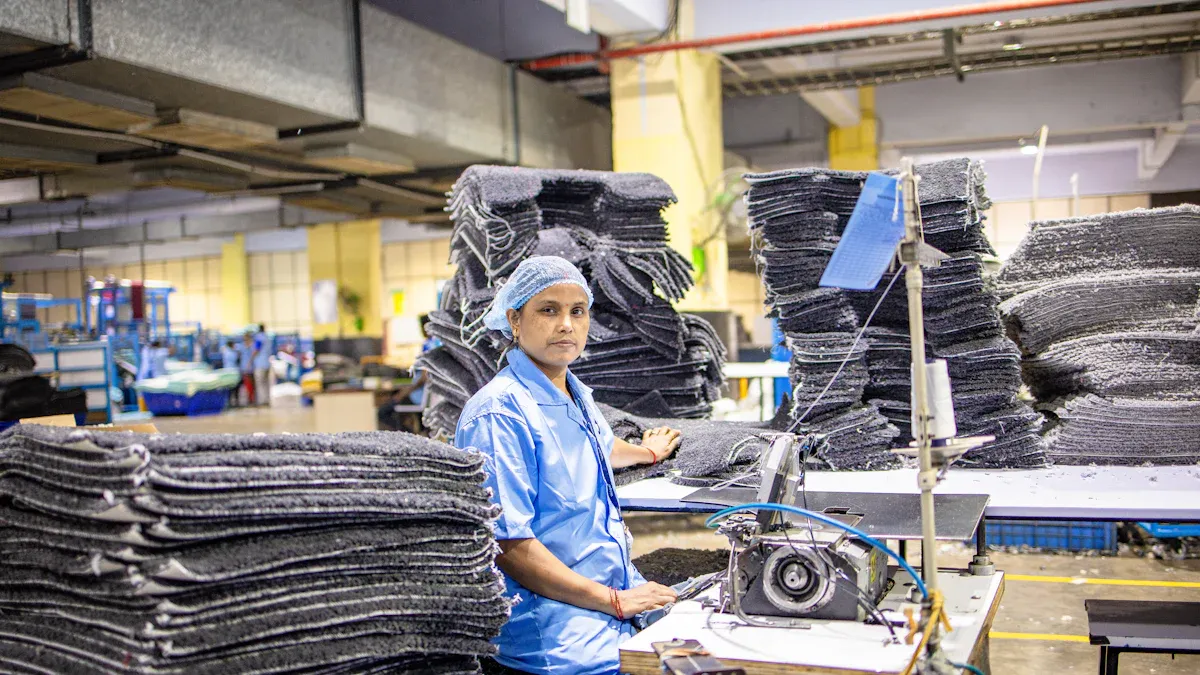
Te mau faaohiparaa Twin Screw
Te mau faanahoraa fifi
Ia rave ana'e au i te ohipa e te mau rave'a fifi, e faaohipa pinepine au i te hoê rave'a haaparareraa. Te horo'a nei te hoho'a o te hi'o e piti ia'u i te faatereraa papu i ni'a i te ano'iraa e te anuvera, o te faufaa roa ïa no te mau anoiraa aravihi. Te faatere nei au te mau tao'a tei niuhia i ni'a i te cereal e te starch, Snacks, te maa animala, e te mau tao'a tahi ma te faaohipa i teie ravea aravihi apî. Na te hoho'a modular e faati'a ia'u ia farii oioi i te mau rave'a hamaniraa maa apî aore ra te mau tauiraa o te mau mea. Te faaohipa atoa nei au i te mau ravea apî no te mau raau taero e te mau maa pape, i reira te hoê â huru e te faito ti'aturihia. I roto i te mau hu'ahu'a e te mau polymer, Te ti'aturi nei au i ni'a i te mau hi'o e piti no te tauiraa, te tauiraa ohipa, polymer, e te faaohiparaa faahou i te mau hu'ahu'a. The ability to disperse additives evenly makes twin screw the best applications choice for te hamaniraa masterbatch and laboratory trials.
- Cereal and starch-based products
- Snacks and pet food
- Confectionery
- Te mau raau taero
- Aquatic feed
- Polymer alloying and recycling
- Hamaniraa masterbatch
- Scientific research and formula development
High Precision Needs
I trust twin screw extruders for high precision needs. When I fabricate hybrid hydrogels, I need uniform crosslinking and exact reaction conditions. The twin screw mechanism lets me achieve these goals, which is crucial for biomedicine and advanced materials. Te fana'o atoa nei au i te throughput rates up to 40 kg/hora with the ZSK MEGAlab, which supports reliable scale-up and modular process design. The twin-screw extruder operates continuously, with optimized wear resistance, making it ideal for industries that demand stable production over long periods.
Hoê noa hi'o Extruder
Te mau tao'a Homogeneous
E maiti au i te hoê noa hi'o no te mau tao'a homogeneous. E ohipa maitai teie extruder no te mau anoiraa ohie o te ore e titau i te hoê anoiraa rahi. Te tata'i nei au i te mau hoho'a teata, mau api, e te mau farii no te tapo'i i te mau hu'ahu'a. E faaohipa atoa te hoê hi'o extruder i te mau tapao, mau hu'ahu'a, e te mau hoho'a i roto i te mau faaohiparaa pereoo. Te faaohipa nei au i te reira no te mau paipa, mau hoho'a matapihi, e te insulation i roto i te ohipa paturaa. Te mau pape pu'e e te mau catheters, e tae noa'tu i te mau tapo'i e te mau hu'ahu'a no roto mai no te mau rave'a roro uira, E hamani - maitai - hia atoa na roto i teie ravea aravihi apî.
- Te tapo'iraa hu'ahu'a: hoho'a teata, mau api, mau ipu
- Te pereoo: mau tapa'o, mau hu'ahu'a, tata'uraa i te mau hoho'a
- Aito: nga paipa, mau hoho'a matapihi, te tapo'iraa
- Fa'ahoro: tubing, catheters
- Te mau rave'a uira: casings, Nga hua o roto
Te hoê faanahoraa ohie
Te ti'aturi nei au i ni'a i te hoê noa hi'o no te mau ohipa faaauraa ohie. E faaiti te hoho'a afaro i te mau titauraa no te haapaoraa e no te faaineineraa. E nehenehe ta'u e hamani i te hoê hoho'a rahi ma te fifi ore. E tano teie huru raveraa no te mau taiete e mea faufaa a'e te mau tao'a materia e te mau faahopearaa i te anoiraa aravihi.
Te mau hi'oraa no te ohipa tapihooraa
Te tapo'iraa
Ia hinaaro ana'e au e faaô atu i te mau mea faaohipa-faahou-hia aore ra te mau tao'a taa ê, e faaohipa vau i te mau mea e piti no te tapo'i. No te mau hoho'a teata e te mau farii, No to ratou aravihi e to ratou ti'aturiraa, e mea au a'e na'u te mau hu'ahu'a.
Te pereoo
I roto i te pereoo, No te mau tao'a faaho'i-faahou-hia maitai roa e te mau hu'ahu'a polymer fifi, ua ma'iti au i te mau rave'a hi'opo'araa e piti. E vai noa â te hoê noa mau hu'ahu'a i roto i ta ' u maitiraa no te mau tapao, mau hu'ahu'a, e te mau hoho'a i reira te homogeneity materia e mea faufaa roa ' i.
Te rapaauraa ma'i e te maa
No te mau faaohiparaa i te pae rapaauraa e te maa, Ia hinaaro ana'e au i te hoê faatereraa papu e te hoê â huru, e faatumu vau i nia i te mau hu'ahu'a e piti, mai te mau ravea rapaauraa ma'i aore ra te mau poroteina huaai. Hoê noa mau hu'ahu'a e faaohipa ra i te tubing, catheters, e te faaineineraa i te maa ma te ohie.
Tāuru: E mea pinepine au i te faaau i te huru o te extruder i te fifi o te mau materia e te papû e titauhia e te faaohiparaa. E mea maitai roa te mau hi'o e piti i roto i te hamaniraa i te hoho'a teata e te teitei, area te hoê noa hu'ahu'a ra, e mea maitai a'e ïa no te mau mea ohie, mau tao'a homogeneous.
Te moni e te ROI
Te tuuraa moni matamua
Te moni no te mau mauhaa
Ia hi'opo'a ana'e au i te mau rave'a apî, E mea pinepine au i te faaau i te mau faito hoo no te mau huru extruder atoa. E tapo'i te mau hoho'a hi'o e piti i te mau huru rau, nō $20,000 no te mau pŭpŭ lab-scale $800,000 no te mau matini hamaniraa tauihaa rahi. Te rahiraa o te mau hu'ahu'a ma'i e topa ra i rotopu i te $80,000 e $300,000. I te rahiraa o te taime, e mea iti a'e te hoo o te mau extruders, e te mau hoo mai te $50,000 a $150,000. Ua ite au e, no te faito iti a'e o te hoo, e mea anaanatae roa te mau rave'a haaparareraa parau no te mau faaohiparaa ohie.
| Te huru o te Extruder | Te faito hoo (USD) |
|---|---|
| Te mau hi'o Twin | $20,000 – $800,000 |
| Screw hoê | $50,000 – $150,000 |
Faautaraa
E nehenehe te mau haamâu'araa no te faautaraa e faarahi i te moni i haamauhia matamua. No te mau hu'ahu'a, I roto e rave rahi tupuraa, e faarahi te faautaraa i te 10–30% i te hoo tumu, o te nehenehe e faaite i te hoê mea taa ê $5,000 a $60,000 ia au i te hi'oraa e te mau hinaaro o te fare. I te rahiraa o te taime, e mea iti a'e te moni no te faauta i te mau extruders, I te tahi mau taime, e faaôhia i roto i te hoo o te mau mauhaa.
Tāuru: No te ape i te mau mea huru ê, e faaô tamau noa vau i te mau haamâu'araa i roto i ta ' u faanahoraa i te moni.
Te mau haamâu'araa
Te ito e te tape'araa
E ohipa te faaohiparaa e te tape'araa i te ito i ni'a i ta'u mau haamâu'araa maoro. E mea titauhia te ito rahi a'e no te mea e faaohipa ratou i te mau rave'a faahororaa e piti e te faatupu nei ratou i te mau puai kutikuti rahi a'e. Te ite nei au i te reira i roto i ta ' u mau parau faatiani, i roto ihoa râ i te hamaniraa i te mau buka rahi. Te mau hi'opo'araa tamau, te mau monoraa i te taime au, e te hinu tano, e tauturu ïa ia'u ia tape'a i te aravihi e ia faaroa i te oraraa o te mau rave'a. No te rahiraa o te mau hu'ahu'a, e mea fifi a'e e e mea moni rahi a'e te haapa'oraa i te mau hu'ahu'a. E mea moni rahi a'e no te faaohipa e no te tapea i te hoê noa mau hu'ahu'a, o te tu'ati i te mau hinaaro no te hamaniraa hoho'a ohie a'e.
Fana'au
E taa ê atoa te mau hoo o te ohipa. Te hinaaro nei au i te mau taata faatere aravihi no te mau matini roro uira e piti no to ratou hoho'a modular e te mau rave'a no te faatere i te mau rave'a. E mea titauhia te taime rahi a'e no te faaineineraa, e te faatitiaifaroraa i te mau fifi, e titauhia te ite i te pae no te ravea apî. E mea ohie a'e ia faaohipa i te hoê noa mau hu'ahu'a, no reira, e nehenehe ta ' u e faaineine oioi i te mau rave ohipa e e faaiti i te moni o te ohipa.
Faufaa no te hoê tau maoro
Te hotu
Ia hi'opo'a ana'e au i te faufaaraa no te hoê tau maoro, e faatumu vau i ni'a i te hotu e te faahopearaa. E horoa te mau hu'ahu'a e piti i te mau faahopearaa rii e e faaohipa i te mau tao'a huru rau. Na to ratou hoho'a modular e faati'a ia'u ia taui i te mau tao'a e rave rahi, o te faarahi i to ' u aravihi no te hamani. E ohipa maitai a'e te hoê noa mau hu'ahu'a no te mau hoho'a teitei o te mau hoho'a, mau tao'a homogeneous.
Te mau faahopearaa o te huru
E mea faufaa roa te huru o te mau tao'a i roto i te mau ohipa atoa. Twin screw extruders give me superior te aravihi no te anoi and process flexibility. This leads to better product quality and less waste. I see faster returns on investment with twin screw extruders in complex or high-value applications. Single screw extruders provide reliable quality for basic products at a lower cost.
| Ata | Twin Screw Extruder | Te hoê noa hu'ahu'a |
|---|---|---|
| Te aravihi no te anoi | Teitei (Te purara) | Fa'ata'ere (Mārō'iro'i) |
| Te tauiraa o te rave'a | Teitei (Modular) | Iho (Tiaturi) |
| Te aravihi no te pâmu | 100% (Pāpū) | 40–60% (Te faaheporaa) |
| Te moni matamua | Teitei | Amu |
| Tāuru | Ha'api'ira'a | Mārō'iro'i |
Parau: I always match my extruder choice to my production goals, material complexity, e te moni. This approach ensures I maximize both quality and return on investment.
Choosing the Right Extruder
Te mau mea faufaa
Momo tao'a
I always start by evaluating the material I plan to process. Material properties determine the extruder configuration and influence the final product quality. Moekara, materials that require thorough melting and stable shear, mai te polypropylene (PP) e aore râ, te polyethylene (PE), benefit from longer L/D ratios. Moisture-sensitive materials like PET and PA need degassing sections to prevent defects. Recycled plastics often require extended melting zones for uniformity. When I work with PVC, I avoid overheating by selecting moderate L/D ratios. ABS demands gentle mixing to prevent yellowing.
Twin screw extruders excel when I process complex or contaminated feedstocks. Their superior mixing and process stability allow me to handle multiple resins, te mau tao'a, and colorants. I rely on twin screw for blends, mau masterbatches, and materials that require uniform dispersion. I te tahi a'e pae, a single screw extruder is ideal for clean, mau tao'a papû. I use it for melting and pelletizing single resins, especially when the process is straightforward and does not require extensive mixing.
Buka hamaniraa
Production volume shapes my extruder choice. I assess how much material I need to process daily or monthly. Twin screw extruders offer flexibility and high throughput, making them suitable for large-scale operations or frequent product changes. I can adjust screw configurations and barrel sections to match production demands. When I run high-volume batches of homogeneous materials, I prefer a single-screw extruder. Its simple design and reliable output make it efficient for continuous production.
Moni here
Budget constraints guide my decision. Te faaau nei au i te tuuraa moni matamua, faautaraa, e te mau haamâu'araa. Twin screw extruders require higher upfront spending, but deliver superior mixing and process control. They justify their cost in complex or high-value applications. Single screw extruders cost less and are easier to maintain. I choose them for basic products and when my budget is limited.
E mea pinepine au i te feruri i te mau opuaraa no te faarahi i te mau tao'a no a muri a'e aore ra no te mau tao'a atoa. Mai te mea e, e mana'o vau e faaohipa i te mau tao'a apî aore ra e faarahi i te aravihi, Te tuu nei au i te moni i roto i te mau rave'a haaparareraa o te paturu i te mau haamaitairaa.
Teie te hoê tabula no te faataa i te mau mea faufaa:
| Fa'ahoro'ā | Twin Screw Extruder | Te hoê noa hu'ahu'a |
|---|---|---|
| Te fifi o te mau materia | Te mau rave'a, te mau tao'a | Mea maitai roa a'e no te mau resin hoê |
| Buka hamaniraa | Parau parau, teitei | E mea maitai no te mau pǔpǔ rahi |
| Moni here | Te tuuraa moni rahi a'e, modular | Hau atu i te moni, hoê hoho'a ohie |
| Te mau rave'a no te faarahi | Te mau haamaitairaa | Te mau tauiraa iti |
Afea e faaohipa ' i i te mau hi'o Twin
Ia hinaaro ana'e au i te hoê anoiraa aravihi, e maiti au i te mau hu'ahu'a e piti, te faanahoraa, e aore râ, te tauiraa. E mea ohie roa na ratou ia faaohipa i te mau maa pohe e aore râ, te mau hu'ahu'a rau. Te ti'aturi nei au i ni'a i te mau hi'o e piti no te mau faaohiparaa e titau i te parareraa hoê â huru, mai te mau masterbatches tae, polymer, e te mau tao'a faaohipa-faahou-hia. Ia faaohipa ana'e au i te mau tao'a haumi e aore râ, te mau tao'a teitei, twin screw extruders provide stable operation and consistent quality. Their modular design allows me to adapt quickly to new formulations or production requirements.
- Complex formulations with multiple additives
- Processing recycled or contaminated materials
- Applications requiring precise mixing and temperature control
- Frequent product changes or expansion plans
Twin screw extruders deliver superior performance in demanding environments. I recommend them for manufacturers seeking versatility and high-quality output.
When to Use Single Screw Extruder
I select a single screw extruder for straightforward processing tasks. It works best with clean, homogeneous materials and single resins. I use it for melting, te mau hu'ahu'a, and shaping products where advanced mixing is not required. The simple design reduces maintenance and training needs. When I run high-volume production of basic items, a single screw extruder offers reliable performance and cost efficiency.
- Processing virgin or recycled single resins
- High-volume production of simple products
- Applications with minimal mixing requirements
- Projects with limited budget or technical complexity
I rely on single screw extruders for consistent output and low operating costs. They suit industries where material consistency and throughput matter most.
Mau mana'o tauturu
Vendor Consultation
I always start my extruder selection process by consulting with reputable vendors. This step helps me avoid costly mistakes and ensures I get the right machine for my needs. I define my output requirements with precision. I specify the product type, Te mau faito, target output, vitiviti o te reni, e te mau opuaraa hamaniraa. I add 20–30% capacity headroom to my calculations. This practice prevents overloading and gives me flexibility for future growth.
I match the screw configuration to the material I plan to process. For rigid PVC, Ua maiti au i te hoê hi'o. For flexible PVC or pre-compounded materials, I select a single screw extruder. I prioritize energy efficiency by looking for machines with servo motor drives, efficient gearboxes, and insulated barrels. These features help me reduce operating costs over time.
When I evaluate gearboxes, I consider the manufacturer’s reputation, faito torque, bearing type, and lubrication system. Gearbox failure can lead to expensive downtime, so I never overlook this detail. I also make sure that all downstream equipment is compatible with the extruder. I prefer to purchase the complete extrusion line from one supplier. This approach minimizes integration issues and streamlines installation.
I always check real-world references before making a final decision. I contact existing users to verify machine performance, uptime, and service responsiveness. I ask about after-sales support and spare parts availability. I prefer suppliers with regional warehouses and quick shipping capabilities. This ensures I can resolve issues quickly and keep my production running smoothly.
Tāuru: I recommend building a strong relationship with your vendor. Open communication leads to better support and long-term success.
Pilot Testing
Before I commit to a major investment, I arrange pilot testing with the taata hoo tao'a. This step allows me to validate machine performance with my actual materials and formulations. I bring sample batches and run them under real production conditions. I observe the mixing quality, throughput, and energy consumption. I also check for any processing challenges or unexpected results.
Pilot testing gives me confidence in my equipment choice. I can fine-tune process parameters and identify potential bottlenecks before full-scale production. I involve my technical team in the testing process. Their feedback helps me make informed decisions and ensures a smooth transition to commercial operation.
I document all test results and compare them to my production targets. If the extruder meets or exceeds my expectations, I proceed with the purchase. If not, I discuss adjustments or alternative configurations with the vendor. This hands-on approach reduces risk and maximizes my return on investment.
Parau: I never skip pilot testing, especially for new materials or complex formulations. It is the best way to ensure the extruder will deliver the results I need.
By following these practical steps, I make confident, data-driven decisions when selecting an extruder. I secure reliable performance, efficient operation, and long-term value for my production line.
Te mau huru o te ohipa tapihooraa
Hybrid Solutions
Emerging Technologies
I see a wave of innovation transforming extruder systems. Manufacturers now invest heavily in research and development. I notice new machines equipped with advanced sensors and data analytics. These features allow me to monitor the extrusion process in real time. Artificial intelligence integration makes the process more predictive and efficient. I can adjust parameters quickly, which aligns with Industry 4.0 mau parau tumu. Smart technology helps me reduce downtime by up to 20%. This improvement boosts overall performance and keeps my production line running smoothly.
- Advanced sensors detect anomalies early, preventing costly failures.
- Data-driven insights help me maintain consistent quality.
- Next-generation machines adapt to changing materials and recipes.
Automation Integration
Automation has changed how I manage extrusion lines. I rely on automated systems to boost efficiency and reduce manual intervention. Real-time monitoring lets me spot issues before they become problems. Predictive maintenance schedules repairs at the right time, which cuts unexpected downtime. I find that automation brings a steep learning curve for my team. Āre'a, the long-term gains in productivity and quality make the investment worthwhile.
- Automated controls optimize energy use and material flow.
- Integration with smart factory systems supports seamless production.
- Training and upskilling my staff ensures we get the most from new technology.
Fa’ahei
Te aravihi o te ito
Sustainability drives many of my decisions. Te ma'iti nei au i te mau extruders Te mau motu'a teitei and advanced heating systems. These features lower power demand and reduce my energy bills. Te faaohipa nei au induction heating coils for faster, targeted heating. Intelligent automation adjusts energy input in real time, minimizing idle consumption. I also upgrade to AC vector drives for better speed control and energy savings. Direct-drive extruders eliminate inefficient gearboxes, further cutting energy use.
| Improvement Type | Tuʻaroʻa |
|---|---|
| High-Efficiency Motors | Reduce overall power demand |
| Advanced Heating Systems | Ceramic or induction heaters for better heat distribution |
| Intelligent Automation | Real-time monitoring and adjustments to optimize energy input |
| Mechanical Design Enhancements | Lightweight parts and optimized screws to lower resistance and energy usage |
| Waste Heat Recovery | Capture and recycle heat to preheat incoming feedstock |
Te faaitiraa i te mau hu'ahu'a
I focus on reducing waste at every stage. Twin screw extruders help me recycle Te mau hu'ahu'a, even those with contaminants. This capability supports a circular economy by turning waste into valuable products. I use smart process controls that adjust settings automatically to minimize scrap. Predictive maintenance keeps my equipment running efficiently, which reduces material loss. I also implement waste heat recovery systems to capture hot exhaust and preheat feedstock, saving both energy and resources.
- Twin screw extruders enable advanced recycling and material reuse.
- Optimized cooling systems prevent overcooling and unnecessary waste.
- Smart controls and predictive maintenance improve yield and lower environmental impact.
I believe that embracing these trends positions my operation for long-term success and sustainability.
I always match my extruder choice to the material, Te mau opuaraa hamaniraa, e te moni. Teie te hoê hi'opo'araa vitiviti comparison:
| Ata | Screw hoê | Te mau hi'o Twin |
|---|---|---|
| Faʻahou | Amu | Teitei |
| Te aravihi no te anoi | Adequate | Tauraa |
| Te tauiraa | Taotiahia | Mea tauiui roa |
| Ha'amata'ihia | Simple materials | Complex formulations |
To ensure the best outcome, au consult with vendors, request trial reports, and arrange pilot testing. This approach helps me confirm equipment compatibility and long-term value.
FAQ
What is the main advantage of a twin screw extruder?
I find that twin screw extruders offer superior mixing and process control. They handle complex materials and additives with ease. This makes them ideal for advanced formulations and high-precision applications.
When should I choose a single screw extruder?
I choose a single screw extruder for simple, mau tao'a homogeneous. It works best for high-volume production where advanced mixing is not required. The lower cost and easy maintenance make it a practical choice.
How do energy costs compare between the two types?
Twin screw extruders use more energy due to dual drives and higher shear. Single screw extruders consume less power. I always balance energy use with the need for product quality and process flexibility.
Can I process recycled materials with both extruders?
I process recycled materials more efficiently with twin screw extruders. Their design handles contaminants and variable feedstocks better. Single screw extruders work for clean, consistent recycled resins.
What maintenance challenges should I expect?
Twin screw extruders require more frequent and skilled maintenance. The complex design means more parts to inspect and replace. Single screw extruders have fewer components, no reira, mea iti a'e to ' u taime e te moni no te tapea.
How do I decide which extruder fits my needs?
I start by evaluating my material type, buka hamaniraa, e te moni. I consult with vendors and arrange pilot testing. This approach ensures I select the right extruder for my process.
Are twin screw extruders harder to operate?
ae, I find twin screw extruders require more training and technical knowledge. Their modular design and process controls add complexity. Single screw extruders are easier to operate and train staff on.
What industries benefit most from twin screw extruders?
Industries like plastics, te mau raau, and food processing benefit most. I use twin screw extruders for applications needing advanced mixing, te faatereraa papû, and flexibility with different materials.