

Ua faataahia te mau matini Masterbatch no te feia haamata
Mai te mea e, e au outou ia'u e te hinaaro ra outou e ite e mea nahea te mau hu'ahu'a ia farii i to ratou tae aore ra to ratou mau huru taa ê, E ite outou i te pahonoraa i roto i te hoê mītini masterbatch. E anoi teie matini i te mau tao'a tahi puai i roto i te hu'ahu'a, no te faaohie i te hamaniraa i te mau tao'a e te hoho'a aore ra te huru mau ta outou e hinaaro. I to'u iteraa i te rahi o te matete, ua ite au i te faufaaraa o teie mau matini. Hi'o i teie tabula:
|
Matahiti |
Te rahi o te matete (USD miria dala marite) |
CAGR (%) |
|---|---|---|
|
2025 |
N/A |
|
|
2026 |
12.4 |
N/A |
|
2035 |
21.24 |
6.1 |
E ohipa rahi te reira! Mai te mea e, te anaanatae ra outou i te ite no ni'a i te hamaniraa tauihaa aore ra te mau hu'ahu'a, E nehenehe te iteraa i te mau matini masterbatch e tauturu ia outou ia haamata i te puai.
Te mau rave'a faufaa
-
E faaô te mau matini Masterbatch i te mau tao'a tahi i roto i te mau hu'ahu'a, ma te horo'a ia ratou i te mau tae e te mau huru taa ê.
-
E mea faufaa roa teie mau matini no te hoê huru maitai o te mau tao'a hu'ahu'a, te haapapuraa i te tufaraa atoa o te mau pigments.
-
Ma te faaiti i te mau hu'ahu'a e ma te haamaitai i te aravihi no te faaapî i te mau haamau'araa, e nehenehe te hoê ravea masterbatch e faaiti i te moni.
-
E mea ohie roa ia faaapî; E nehenehe ta outou e hamani i te mau tae e te mau huru taa ê ia au i to outou mau hinaaro.
-
Te mau mītini Masterbatch paturu i te oraraa tamau na roto i te vaiihoraa te faaohiparaa i te mau tao'a faaohipa-faahou-hia ma te faaino ore i te huru.
-
Te iteraa i te mau taa-ê-raa i rotopu i te Te mau hu'ahu'a hoê e te mau hu'ahu'a te tauturu ra ia outou ia ma'iti i te rave'a tano no to outou mau hinaaro.
-
No te fana'o i te hoê â huru e te mau faahopearaa maitai roa ' ' e, e mea faufaa roa ia hi'opoa i te huru no te anoiraa.
-
Te iriti nei te mau rave'a aravihi apî i te mau uputa no te mau rave'a apî i roto i te mau pu hamaniraa tauihaa e rave rahi, mai te tapo'iraa e tae atu i te pereoo.
Eaha te hoê mītini Masterbatch?
Te auraa tumu
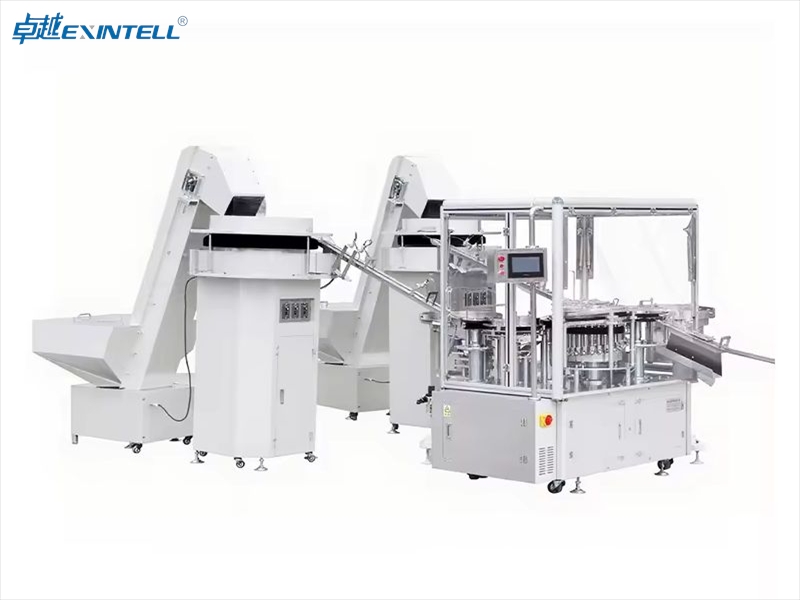
I to ' u faarooraa no te taime matamua no nia i te hoê te mǎshini masterbatch, Ua hoho'a vau i te hoê farii rahi i roto i te hoê piha amuiraa. Te parau mau, mai te reira te huru, no te mau hu'ahu'a râ. Ua hamanihia mai te hoê mītini masterbatch no te faaî i te mau hu'ahu'a o te hoê polymer e te hoê masterbatch. E tupu teie ohipa i roto i te matini, i roto iho â râ i te tuhaa hi'o e te extrusion. Te opuaraa, o te faatupuraa ïa i te hoê te hoê anoiraa o te mau pigment e aore râ, te mau tao'a tahi e te hoê resin amo, mai te mou'a e aore râ, te hu'ahu'a. Teie anoiraa, masterbatch, e horoa i te mau hu'ahu'a i to ratou tae aore ra to ratou mau huru taa ê. Te maere nei au e mea nafea teie matini e nehenehe ai e faaohipa i te mau mea atoa, te haapapuraa e hoê â te huru e te ohipa o te mau hu'ahu'a atoa.
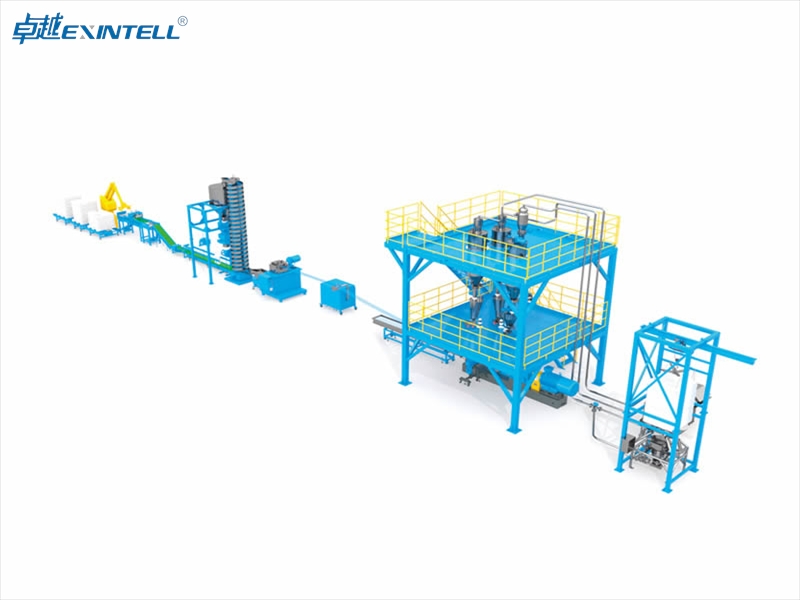
Eaha te tupu i roto i te hoê mītini masterbatch:
-
Oia e rave i te mau hu'ahu'a hu'ahu'a e te masterbatch.
-
E anoi te reira i te mau pigment aore ra te mau tao'a faaî i te hu'ahu'a.
-
E faaohipa te reira i te veavea e te faaheporaa no te anoi i te mau mea atoa.
-
E hamani oia i te mau hu'ahu'a nainai o ta te feia hamani e nehenehe e faaohipa no te hamani i te mau huru tao'a hu'ahu'a atoa.
Te au nei au i te feruri i te reira mai te taata tunu maa huna i muri mai i te mau hoho'a, ia haapapû e, te vai ra te mau mea tano i roto i te mau pǔpǔ hu'ahu'a atoa.
Te opuaraa i roto i te hamaniraa
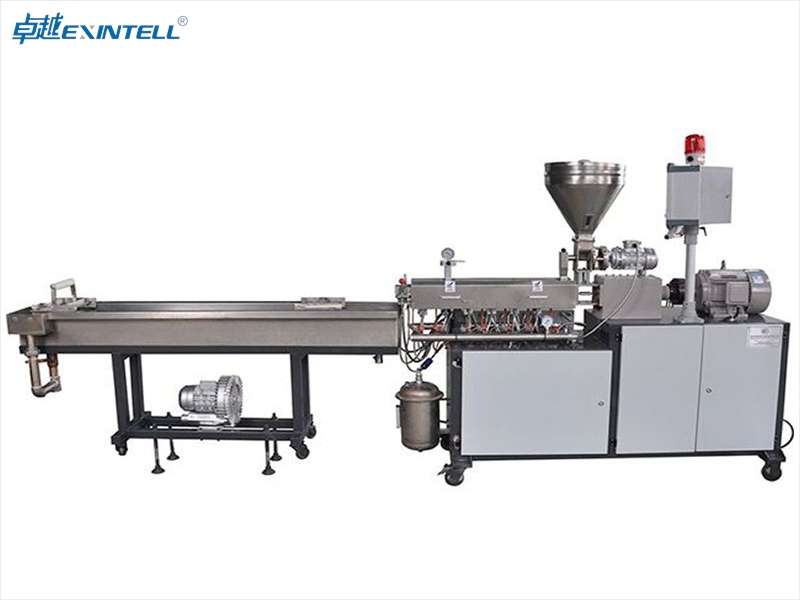
Te faariro nei au i te matini masterbatch ei mea faufaa roa i roto i te hamaniraa tauihaa no teie tau. Hau atu i te faaôraa ' tu i te mau tao'a tae. E tauturu te reira i te mau fare hamaniraa tauihaa ia hamani i te mau hu'ahu'a e mau huru mau to ratou, mai te puai, te tauiraa, e aore râ, te pato'iraa UV. Te haapapu ra teie matini e e parare hoê â te mau pigment e te mau tao'a faaî, no reira, aita e vahi aore ra e vahi i roto i te tao'a hopea.
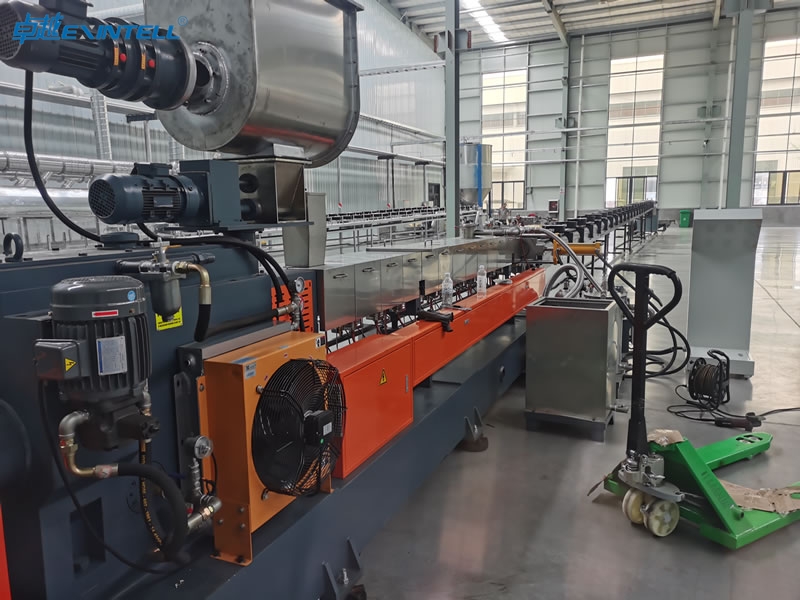
Teie te tumu e tiaturi ai te feia hamani i te mau matini masterbatch:
-
E hamani ratou i te mau tao'a tae e te mau tao'a tahi o te haamaitai i te mau huru hu'ahu'a.
-
Te haapapu nei ratou te tufaraa hoê â huru o te mau pigments e te mau tao'a tahi no te faanehenehe atoa.
-
E haamaitai ratou i te aravihi o te faanahoraa na roto i te vaiihoraa i te faatereraa papu i nia i te mau huru o te tao'a.
-
E faaiti ratou i te mau hu'ahu'a, o te faaherehere i te moni e o te turu i te oraraa tamau.
-
Na ratou e nehenehe e faaohipa i te mau tao'a faaohipa - faahou - hia ma te ere ore i te huru.
Tāuru: Mai te mea e, e hinaaro outou e hamani i te mau tao'a hu'ahu'a maitai roa, E mea titauhia te hoê mītini masterbatch. E horo'a te reira ia outou i te mana, matamata'i, e te tauiraa.
Ua ite au e, mai te mau fare hamaniraa tauihaa mai te mau tao'a, pereoo, e te faatumuhia ra te ohipa paturaa i nia i teie mau matini. Te tauturu nei ratou i te mau taiete ia faaî i te mau titauraa etaeta e ia horoa i te mau tao'a nehenehe roa e te vai maoro a'e.
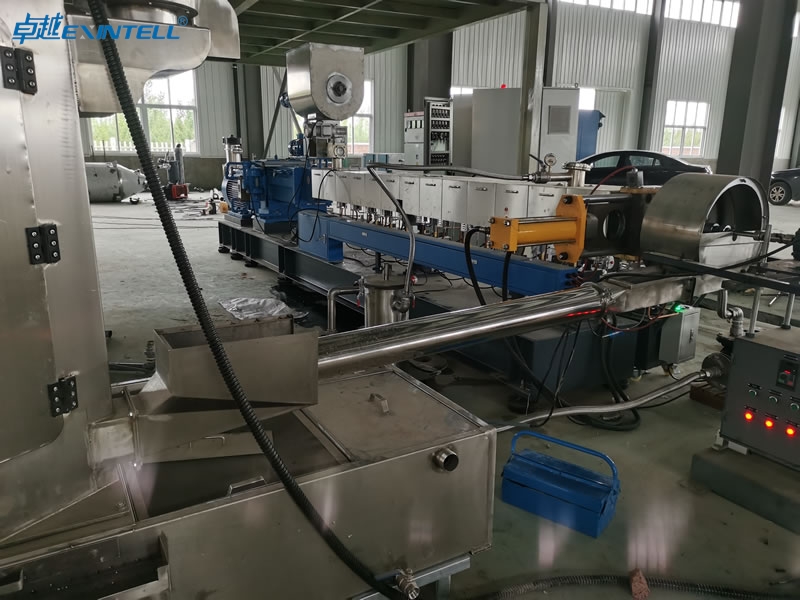
Nahea te hoê mītini Masterbatch e ohipa ai
I to ' u iteraa matamua i te hoê te mǎshini masterbatch i roto i te ohipa, Ua ite au ehia taahiraa avae no te hamani i taua mau hu'ahu'a rii ra o te horoa i te mau hu'ahu'a i to ratou tae e to ratou mau huru. A vaiiho mai ia'u ia arata'i ia outou na roto i te reira, taahiraa i te taahiraa.
Te faaamuraa e te anoiraa
Te mau tao'a mata
E haamata vau i te mau taime atoa na roto i te faautaraa i te mau mea tano i nia i te matini. Eaha te tupu i roto:
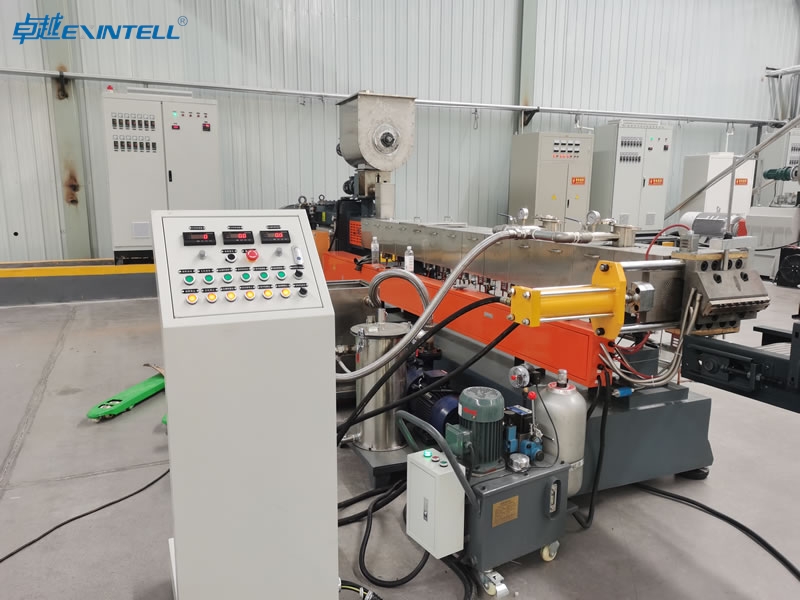
-
Niu polymer (resin amo) mai te polyethylene e aore râ, te polypropylene. Ua riro te reira ei materia rahi.
-
Te mau pigment aore ra te mau tao'a tani. E horoa te reira i te ahu i to ' na tae.
-
Te mau mea taa ê. E nehenehe te reira e haapuai i te hu'ahu'a, paruru ia ' na i te maramarama o te mahana, e aore râ, ia tapea i te mau manumanu.
-
Te mau tauturu no te purara. Te tauturu nei te reira i te mau mea atoa ia anoi maitai.
E faaohipa te matini i te hoê hopper no te faaamu i teie mau tao'a. Te haapapu nei au e e vai tamau noa te taheraa ia vai tamau noa te anoiraa.
Te homogenization e te parareraa
Ia tomo ana'e te mau tao'a i roto i te matini, e haamata te ohipa maere mau. E huti te mau viti i te mau mea i mua, te tata'uraa e te tunuraa ia ratou. E reva te veavea e te ohipa matini i te mau tao'a, te faariroraa ia ratou ei mea matotoru, hoê amuiraa. No te mau hu'ahu'a hi'o taa ê i roto i te mǎshini, e nehenehe te mau mea atoa e anoi - maitai - hia. Te hi'opoa nei au i te tae e te huru, no te mea te auraa ra, ua parare maitai te mau pigments e te mau tao'a tahi.
Tāuru: Mai te mea e, te hinaaro ra outou i te hoê pŭpŭ hapa ore, A haapao maitai i te tuhaa o te anoiraa. Te auraa o te hoê â huru i ô nei, o te huru ïa i muri iho.
Teie te hoê hi'oraa oioi no nia i te mau taahiraa faufaa roa o te faaamuraa e te anoiraa:
-
Te faaamuraa i te mau materia: Te faaô nei au i te mau tao'a mata na roto i te hopper.
-
Te faaiteraa e te faaheporaa: E faahoro te mau viti i te mau tao'a e e haafifi i te reira.
-
Te hu'ahu'a e te re'are'a: E reva te veavea e te tereraa i te anoiraa.
-
Te anoiraa rahi e te homogenization: E anoi te matini i te mau mea atoa e tae roa ' tu i te taime ua au i te reira.
Te re'are'a e te hutiraa
Hear teitei
I muri a'e i te anoiraa, E faarahi te matini i te faaheporaa. E vitiviti a'e te mau viti, te faatupu i te veavea rahi a'e e te kutikuti. E vavahi te reira i te mau hu'ahu'a atoa e e haapapu e e parare noa te mau pigment e te mau tao'a tahi. Te hi'opoa nei au i te anoiraa no te maeneene e te papû.
Te rapaauraa i te veavea
E tapea te matini i te anuvera ia vai noa. Veavea roa, e e nehenehe te mau tao'a e ino. To'eto'e roa, e eita ratou e rewa maitai. E faarehu te tuhaa o te rapaauraa i te veavea i te anoiraa ei anoiraa homogeneous. E pâmuhia te anoiraa rehu i nia i te pohe, i reira te reira e faahoho'ahia ai ei mau hu'ahu'a aore ra ei mau hu'ahu'a.
E nafea te ohipa re'are'a e te hutiraa e tupu ai:
-
Te faaamuraa i te mau materia: Te tuu nei au i te mau tao'a mata i roto i te matini.
-
Te faaiteraa e te faaheporaa: E taui te mau hi'o, tata'i, e a tunu i te faraoa.
-
Te hu'ahu'a e te re'are'a: E reva te veavea e te ohipa matini i te mau mea atoa.
-
Te anoiraa rahi e te homogenization: E haaparare te matini i te mau pigment e te mau tao'a faaî.
-
Te faaineineraa i te pâmuraa e te poheraa: E haere te anoiraa re'are'a i te pohe no te faahoho'a.
-
Te haamâmâraa e te faaauraa: E to'eto'e te masterbatch e e rahi roa te reira.
Te toetoe e te pelletizing
Te hamaniraa i te mau hu'ahu'a
Ia faarue ana'e te anoiraa i te pohe, E tia ia toetoe. E faaohipa te mǎshini mau rave'a toetoe taa ê, ia au i te mau materia e te mau hinaaro no te hamaniraa. I te tahi mau taime, e faaohipa vau i te hau, i te tahi atu mau taime, te toetoe o te pape, e aore râ, i raro a'e i te pape. E ohipa te ravea haamâmâ i nia i te huru e te huru o te mau hu'ahu'a.
Te ohipa a te Pelletizer
E tâpû te pelletizer i te mau hu'ahu'a toetoe aore ra te mau pata pata ei mau hu'ahu'a iti, pellets ahu. E mea ohie roa ia faaohipa e ia faaohipa i teie mau hu'ahu'a. Ia au i te mau tao'a e te hoho'a o te pellet e hinaarohia, e maiti au i te rave'a pelletizing.
Teie te hoê tabula e faaite ra i te mau ravea rahi no te pelletizing:
|
Āna'ana |
Tuʻaroʻa |
|---|---|
|
Te huti nei i te mau tao'a i roto i te mau hu'ahu'a tamau, faatoetoe ia ratou i roto i te pape, i muri iho, e tapaohia ei mau hu'ahu'a. |
|
|
Te pelletizing i raro i te pape |
E tâpû te reira i te polymer rehu a faarue ai oia i te mata o te pohe a tomo ai oia i roto i te pape, te hamaniraa i te mau pellets. |
|
Te pelletizing i te pape |
E faatoetoe e e tâpû i te mau hu'ahu'a i roto i te pape, E faaohipa maitai oia i te mau tao'a pipiri. |
Parau: E nehenehe te maitiraa i te ravea haamâmâraa e te pelletizing e taui i te hoho'a e te ohipa o te mau hu'ahu'a. E mea pinepine au i te faaau i te ravea i te mau materia e te faaohiparaa hopea.
Ua ite au e, i roto i te tuhaa no te toetoe e te pelletizing, te vahi i reira te matini masterbatch e faaite ai i to'na aravihi. Te hinaaro ra anei au i te mau pellets, mau aho, e aore râ, te tahi atu mea, E taui te matini i te ohipa.
Mai te mea e, e pee outou i teie mau taahiraa avae, E ite outou e mea nafea te hoê mǎshini masterbatch ia faariro i te mau tao'a mata ei mau hu'ahu'a maitai roa no te hamani i te mau hu'ahu'a. Te au nei au i te huru o te mau taahiraa atoa i ni'a i te hopea, te haapapuraa e te tuea ra te tao'a hopea i te mau titauraa mau.
Te mau tuhaa rahi o te hoê mītini Masterbatch
Extruder
Ia hi'o ana'e au i te hoê mītini masterbatch, E vai noa te extruder ei mafatu o te ohipa. Te faariro nei au i te reira mai te matini o te faatere i te mau mea atoa i mua. E rave te extruder i te mau tao'a mata e e afai atu i te reira na roto i te mau tuhaa fenua e rave rahi, E ohipa taa ê ta ratou tata'itahi. Teie te hoê tabula vitiviti o te faaite ra i te mea e tupu ra i roto:
|
Tuʻaroʻa |
|
|---|---|
|
Tuhaa fenua tamaaraa |
Te afai nei i te mau tao'a mata i roto i te mītini. |
|
Tuhaa fenua no te tata'uraa |
E faaî e e haamâmâ i te anoiraa, te faaîraa i te hau atoa i mau. |
|
Tuhaa fenua re'are'a |
E faarehu i te mau tao'a ma te faaohipa i te veavea e te hutiraa. |
|
Tuhaa fenua anoi |
Te ano'i nei i te mau mea atoa, ma te haapapû e, ua parare-maitai-hia te mau pigments e te mau tao'a faaî. |
|
Tuhaa fenua ventilation |
E faaore i te haumi e te mau mǎhu hinaaro-ore-hia, te tape'araa i te anoiraa ia mâ. |
|
Tuhaa fenua/homogenization |
E horoa te reira i te anoiraa hopea i te hoê anoiraa hopea e e faatupu i te faaheporaa no te hoê taheraa maitai i roto i te pohe. |
Ua ite au e e faatupu te huru o te extruder i te hoê taa - ê - raa rahi. Moekara, E ohipa te hoê rave'a haaparareraa ma'i na roto i te tata'uraa e te faaho'i-faahou-raa mai i te mau tao'a rewa. E faarahi te reira i te aravihi no te anoi e e faati'a ia'u ia haapa'o maitai i te anuvera. E nehenehe ta ' u e faaohipa i te mau hoho'a hi'o e rave rau no te faaohipa i te mau huru tao'a atoa, o te faariro i te hamaniraa ei mea ohie a'e. Mai te mea e, te hinaaro nei au i te hoê amuiraa ti'a roa, E mea pinepine au i te haapao maitai i te extruder.
Tāuru: E faataa te extruder i te maitai o te mau pigments e te mau tao'a faaî. Mai te mea e, te hinaaro ra outou i te hoê tae e te huru maitai, A faatumu i nia i teie tuhaa.
Faanahoraa tamaaraa
E ohipa te faanahoraa tamaaraa mai te tiai uputa no te taatoaraa o te ohipa. Te tiaturi nei au i te reira no te horoa i te rahiraa o te mau mea atoa i te taime tano. Mai te peu e e ere te faanahoraa tamaaraa i te mea papû, E nehenehe te taatoaraa o te pǔpǔ e riro ei mea au ore. Teie te hoê tabula o te faataa ra i te ohipa ta te faanahoraa tamaaraa e rave:
|
Tuʻaroʻa |
|
|---|---|
|
Te ti'araa o te faanahoraa no te faaamuraa |
Te tape'a nei i te mau tao'a materia ia vai tamau noa, no reira, e vai maitai noa te ohipa. |
|
Te faaôraa i roto i te Extruder |
Te rave nei te reira i te ohipa e te extruder no te faatere maitai e no te faarahi i te mau tao'a. |
|
Te mau tao'a |
E faahoro maitai i te mau tao'a, o te tauturu i te anoiraa e te faaherehereraa i te taime. |
|
Hoho'a tauraa manureva |
E faaohipa oia i te mau tauraa manureva e rave rahi no te faaô atu i te mau mea i roto i te mau taime atoa, te arairaa i te mau totoma. |
|
Te hi'opo'araa i te faaheporaa |
Te hi'opoa ra oia i te faaheporaa ia ite oioi i te mau fifi. |
|
Taho'araa Screw |
No te mau faahopearaa maitai roa ' ' e, a faaau i te hoho'a o te hi'o i te ravea faaineineraa maa. |
Hou a haamata ' i i te hoê pǔpǔ, e hi'opoa pinepine au i te faanahoraa o te faaamuraa. Mai te mea e, e ite au i te tahi mau fifi i te pae no te faaheporaa aore ra te taheraa, Ua tata'i oioi au i te reira. I taua huru ra, Ua ite au e, e ohipa maitai te matini masterbatch.
Te mau mea anoi e te mau Kneaders
I te pae no te anoiraa, e rave te mau mixers e te mau kneaders i te ohipa teimaha. Te faariro nei au ia ratou mai te mau rima o te tunu i te faraoa, te haapapûraa e, ua tano te mau mea atoa. E vavahi teie mau hu'ahu'a i te mau pǔpǔ e e haaparare i te mau pigment e te mau tao'a tahi i roto i te hu'ahu'a rehu. E nehenehe ta ' u e taui i te vitiviti e te rahi ia au i te mau materia ta ' u e faaohipa ra.
-
E faatere te mau mixers i te tuhaa matamua o te faafariuraa, ia haapapû e, e haamata te hu'ahu'a niu e te mau tao'a faaî i te amui.
-
E rave te mau kneaders i te mau ohipa fifi a'e, te faaohiparaa i te anoiraa e tae roa ' tu i te taime ua au roa te reira.
-
E tauturu na tuhaa e piti ia arai i te mau vahi aore ra te mau vahi i roto i te mau hu'ahu'a hopea.
Mai te mea e, te hinaaro nei au i te hoê faaotiraa parau-ti'a, Te haapao maitai nei au i te huru no te faanahoraa i te mau ravea anoi e te mau ravea tunu. E faatupu ratou i te taa-ê-raa i rotopu i te hoê pǔpǔ maitai e te hoê pǔpǔ rahi.
Parau: E haamâu'a te mau rave'a ano'i e te mau kneader i te taime e e faatitiaifaro i te mau hu'ahu'a. E hi'opo'a tamau noa vau i ta ratou mau faanahoraa hou te mau hororaa atoa.
Pelletizer
Ia tae ana'e au i te vahi pelletizer, Ua ite au e, ua fatata vau i te re hopea. E mana'o noa te pelletizer mai te " tapa'o hopea " i roto i te ohipa masterbatch. I muri a'e i to te extruder faarueraa i te veavea, hu'ahu'a, E tomo te pelletizer no te tâpû e no te hamani i te mau tao'a i roto i te hoê vahi iti, pellets ahu. Te mana'o nei au e mea faufaa roa teie taahiraa avae no te mea teie mau hu'ahu'a e faaohipa nei te feia hamani no te hamani i te mau tao'a hu'ahu'a.
E taui te pelletizer i te re'are'a i roto i te maitai, pellets tamau. E mea faufaa rahi teie huru. Mai te mea e, e taui te rahi aore ra te huru o te mau pellets, E nehenehe te mau tao'a hu'ahu'a hopea e riro ei mea ino aore ra ei mea hape. Ua ite au e mea nafea te hoê pelletizer maitai ia tapea i te mau mea atoa, te haapapuraa e te fana'o nei te mau pǔpǔ atoa i te hoê â faito teitei. I roto i te mau taahiraa hamaniraa i muri iho, e rewa te mau pellets hoê â huru e e anoi maitai, e mea iti a'e te mau fifi e te mau faahopearaa maitai a'e.
Teie ta ' u e ite pinepine nei no nia i te ohipa a te pelletizer:
-
E tâpû oia i te mau hu'ahu'a hu'ahu'a toetoe aore ra te mau pata pata ei mau hu'ahu'a.
-
Te haapapu ra te reira e hoê â rahi o te mau hu'ahu'a atoa, o te tauturu i te hi'opo'a i te huru.
-
E mea ohie roa ia faaohipa i te mau pellets, Āti'a, e te faaohiparaa i roto i te tahi atu mau matini.
E mea pinepine au i te haapao i te mau faanahoraa pelletizer. Mai te mea e, te hinaaro nei au i te mau pellets, Te taui nei au i te vitiviti e te ravea. If I need cylindrical pellets, I tweak the blade and cooling system. The right setup means less waste and more reliable products.
Tāuru: If you want your masterbatch to perform well in any industry, focus on getting the pelletizer settings just right. E faaora te tamau noa i ô nei i te taime e te moni i muri iho.
Te pŭpŭ faatere
The control panel acts as my command center. I use it to keep an eye on every part of the masterbatch machine and make quick adjustments when needed. A modern control panel makes my job much easier and helps me avoid mistakes.
Here’s a table that shows the main features Te ti'aturi nei au i:
|
Ata |
Tuʻaroʻa |
|---|---|
|
Touch Screen Display |
I get a 10-15 inch color touchscreen with a simple, graphical interface. It’s easy to use. |
|
Te hi'opo'araa i te ohipa |
I can watch and adjust temperatures, te vitiviti, and feed rates in real time. |
|
Recipe Storage |
I store over 200 production recipes, so switching between batches is fast and simple. |
|
Te mau haamaramaramaraa |
The panel records all processing parameters. This helps me track quality and improve results. |
|
Alarm Notifications |
I get alerts if something goes wrong, so I can fix issues before they cause problems. |
I love how the control panel puts everything at my fingertips. I can change settings with a few taps, check the status of each stage, and even look back at past runs to see what worked best. If something needs attention, the alarms let me know right away. This means I spend less time troubleshooting and more time making high-quality masterbatch.
Parau: A good control panel doesn’t just make things easier—it helps me deliver consistent, top-notch results every time.
Types of Masterbatch Machines
When I started learning about masterbatch machines, Ua ite oioi au e e ere te mau matini atoa i te ohipa hoê â. E mau puai taa ê to na huru rahi e piti—te hoê hi'o e te mau hi'o e piti—. Ua ite atoa vau e, e pinepine te tahi atu mau rave'a i te ohipa i piha'i iho i teie mau matini no te faaamâmâ e no te haamaitai i te ohipa.
Hoê-hi'o Extruder
Te au nei au i te feruri i te rave'a haaparareraa hoê mai te " puaahorofenua " no te mau rave'a hamaniraa hu'ahu'a ohie. E faaohipa oia i te hoê hi'o hu'ahu'a no te faahoro e no te faarehu i te hu'ahu'a. Te faaohipa nei au i teie huru ia hinaaro ana'e au ia tape'a i te mau mea ia vai noa e ia au i te moni.
Teie te tumu e ti'a ai ia'u ia ma'iti i te hoê rave'a haaparareraa:
-
E faatere oia i te mau ohipa ohie mai te re'are'a e te pâmuraa i te mau thermoplastics.
-
E ohipa maitai roa te reira no te hamaniraa i te mau paipa rahi, mau api, e te mau hoho'a.
-
E mea hoona e e mea ohie ia tape'a, o te tauturu ra ia ' u ia faaiti i te mau haamâu'araa.
Tāuru: Mai te mea e, te haamata ra outou aore ra te rave ra outou i te mau rave'a hamaniraa maa ohie, E nehenehe te hoê rave'a haaparareraa parau e faaora ia outou i te moni e te taime.
Twin-Screw Extruder
Ia hinaaro ana'e au i te faatereraa hau atu â e te anoiraa maitai a'e, Te fariu nei au i te hoê te mau hi'o. E faaohipa teie matini e piti viti o te anoi, knead, e a afa'i i te mau materia i mua. Te ite nei au e, e mea maitai roa te reira no te mau ohipa fifi i reira vau e hinaaro ai ia ano'i maitai te mau mea atoa.
E faaite atu vau ia outou e mea nafea teie na huru e piti ia faaauhia:
|
Ata |
Hoê-hi'o Extruder |
Twin-Screw Extruder |
|---|---|---|
|
Te fifi o te faaohiparaa |
Te mau ohipa ohie |
Te anoiraa e te faanahoraa fifi |
|
Faʻahou |
Haamau'araa i te mau haamâu'araa matamua e te haamau'araa |
Teitei a'e i ni'a, te faufaa no te hoê tau maoro |
|
Hōʻailona |
Mea maitai no te buka teitei, te anoiraa tumu |
Te anoiraa e te parareraa maitai a'e |
|
Te tauiraa |
Mea iti a'e te tauiraa |
E mea papû roa e e mea papû roa |
|
Te faaohiparaa i te mau materia |
Te mau tao'a tumu |
E tape'a i te mau tao'a veve e aore râ, te haumi |
|
Hi'oraa |
Nga paipa, mau api, Te mau hoho'a |
Te mau pigment teitei, tae ri'ari'a |
I always reach for a twin-screw extruder when I need to make masterbatches with high pigment loading. The mixing power ensures every pellet looks and performs the same. I also love the self-cleaning feature. It saves me time when I switch between different colors or additives.
Parau: Twin-screw extruders shine when I need top-quality mixing, especially for demanding jobs like high-concentration masterbatches.
Other Equipment Types
I’ve learned that a masterbatch machine rarely works alone. I often use extra equipment to get the best results. Here’s a quick look at what I use and why:
-
High-Speed Mixer: I blend carrier resin pellets with pigment powders and additives before feeding them into the extruder.
-
Cooling Systems: These keep the pellets from overheating and help them keep their shape.
-
Screen Changer and Filter: I use these to remove any contaminants from the melted plastic, which keeps the final product clean.
-
Automated Control System: This lets me monitor and adjust the whole process from one place, making my job much easier.
|
Te huru o te mau rave'a |
Function/Description |
|---|---|
|
Filler Masterbatch Equipment |
Handles abrasive fillers with tough, wear-resistant parts. |
|
Additive Masterbatch Systems |
Processes additives like UV stabilizers at lower temperatures. |
|
High-Speed Mixer |
Prepares raw materials for smooth feeding. |
|
Cooling Systems |
Maintains pellet quality after extrusion. |
|
Screen Changer and Filter |
Removes contaminants, keeps production running. |
|
Automated Control System |
Integrates all equipment for easy operation. |
😊 I always say, the right combination of machines and tools makes my work faster, te tamâ, and more reliable.
I teie nei, whenever I set up a masterbatch line, I pick the equipment that matches my goals—whether I want speed, mati'āra'a, or flexibility.
Benefits of Using a Masterbatch Machine
When I started working with plastics, I wanted to know what made some products look and perform better than others. I quickly learned that the right equipment makes all the difference. Let me share the main benefits I’ve seen from using a te mǎshini masterbatch.
Te huru maitai
I always want my products to look the same, batch after batch. A masterbatch machine helps me achieve that. It mixes pigments and additives so evenly that every pellet comes out with the same color and properties. I don’t have to worry about streaks or spots. Here’s a table that shows how the machine keeps quality consistent:
|
Faahanahanaraa |
Tuʻaroʻa |
|---|---|
|
Uniform Distribution |
Ensures that additives and pigments are evenly mixed, leading to stable color uniformity. |
|
Precise Formulation |
Correct ratios of pigments and additives are crucial for consistency; small changes can affect quality. |
|
Controlled Extrusion |
High shear forces and heat in modern machines ensure thorough mixing of materials. |
|
Te hi'opo'araa i te huru maitai |
Continuous checks on physical, chemical, and visual properties maintain consistency throughout production. |
I’ve noticed a few big advantages:
-
No more defects from uneven color.
-
My production line runs smoother.
-
I waste less material, which saves money.
Tāuru: If you want your products to stand out for their quality, focus on getting consistent results every time.
Efficiency and Cost Savings
Saving time and money matters to me. With a masterbatch machine, I use less pigment and additive because the mix is so concentrated. I don’t need special machines, and I can use my existing equipment. That means I spend less on setup and cleanup. Here’s a quick look at the main ways I save:
|
Faataaraa i te mau maitai |
Nō teie |
|---|---|
|
No setup or cleanup fees required. |
|
|
Efficient Manufacturing |
Uses fewer materials, with masterbatch constituting only up to 5% of total weight. |
|
Existing Equipment Utilization |
No need for special machines; existing manufacturing machines can be used. |
|
Compliance with Standards |
Meets expected performance and manufacturing standards. |
|
Savings on Compounding Costs |
Reduces costs associated with compounding. |
|
Reduced Energy Consumption |
Uses less energy to create the final product. |
I also see higher productivity, especially when I use a twin-screw design. My team works faster, and we spend less on labor and overhead. Even though the machine costs more at first, I get my money back through better quality and lower costs over time.
Parau: The right masterbatch machine pays for itself by making production faster, cheaper, and more reliable.
Ngā ma'itiraa
I love how flexible masterbatch machines are. I can create custom colors and add special features, like UV protection or anti-bacterial properties. The machine lets me blend exactly what I need into the plastic. Here’s how I make the most of this flexibility:
-
I choose the pigments and additives I want.
-
I set the dosing and mixing levels for each batch.
-
I get consistent results, even with custom recipes.
-
I avoid dust and contamination, which keeps my workspace clean.
-
I improve processing efficiency and reduce waste.
This means I can meet any customer request, from bright colors to special performance features. Te horo'a mai nei te mau rave'a aravihi apî ia'u i te mau rave'a no te hamani i te mau hu'ahu'a o te itehia i ni'a i te matete.
😊 E mea ohie roa ia faaapî ia vai ana'e ta outou te rave'a ti'a. Ma te ti'aturi, e nehenehe ta'u e fariu i te mau mana'o atoa ei tao'a hope.
Ia au i to'u iteraa, o te hoê ïa mītini masterbatch te ravea maitai roa ' ' e no te farii huru maitai, haaputu i te moni, e te horoaraa i te mau tao'a otahi. Mai te mea e, e hinaaro outou e manuïa i roto i te mau hu'ahu'a, Teie te mauhaa ta outou e hinaaro.
Te mau faaohiparaa i te mau matini Masterbatch
Te ohipa tapihooraa tauihaa
Ia haere ana'e au na roto i te hoê fare toa rarahi, Te ite nei au i te mau vahi atoa. E mea pinepine au i te ite i te mau tae anaana e te mau tapao maramarama i nia i te mau poti, Te mau tapo'i, e te mau ipu. Ua ite au e e ohipa faufaa roa ta te hoê mǎshini masterbatch no te faataa i teie mau tao'a. E tauturu te reira i te feia hamani ia hamani i te mau tao'a nehenehe e te ohipa maitai. Te faaohipa nei au mau masterbatches tae no te haapapu e e au te mau tao'a atoa i te mau tae o te tapao. Additive masterbatches give packaging extra features, like UV resistance or anti-static properties. These features help keep food fresh and protect products from damage.
Here’s a quick table that shows how masterbatch machines help in packaging:
|
Momo tono |
Fa'atoro |
|---|---|
|
Color Masterbatches |
Enhance visual appeal with vibrant designs. |
|
Additive Masterbatches |
Improve properties like UV resistance, anti-static features, e te ha'utiraa. |
I often work with food-grade packaging, shrink wraps, e te mau ipu. I want products that look good and last longer. Masterbatch machines make this possible. I also use additive masterbatches to improve durability and barrier resistance. This means packaging stays strong and keeps products safe.
Tāuru: If you want packaging that grabs attention and protects what’s inside, masterbatch machines are the secret ingredient.
Te tuhaa fenua no te mau pereoo
I spend a lot of time around cars, so I know how important quality is in automotive parts. I use a masterbatch machine to produce components that are mâmâ, paari, and visually appealing. When I make dashboards or bumpers, I rely on additive masterbatches to boost heat resistance and UV protection. These features help parts survive tough conditions and keep their color over time.
I see masterbatch machines used for interior trims, exterior panels, and even under-the-hood parts. Manufacturers want parts that look good and last. I make sure every batch meets strict standards for strength and appearance. The machine lets me control the mix, so every part comes out just right.
Parau: Automotive companies trust masterbatch machines to deliver reliable, high-performance parts.
Te mau tao'a hoo
I love seeing how masterbatch machines help create everyday products. I use them to make mau tao'a ha'uti, kitchenware, nga paipa, Te mau hoho'a, mau api, hoho'a teata, and cables. Each product needs a different mix of color and additives. I adjust the machine to match the requirements for each item.
-
Toys need bright colors and safe materials.
-
Kitchenware must resist heat and stains.
-
Pipes and cables require strength and flexibility.
-
Films and sheets need clarity and durability.
I enjoy customizing batches for different consumer goods. The machine gives me the flexibility to meet any demand. I can switch recipes quickly and keep production moving.
😊 Masterbatch machines make it easy to create products that people use every day. I see the results in homes, mau piha toro'a, e te mau fare hamaniraa tauihaa.
Other Uses
When I think about masterbatch machines, I see them popping up in places you might not expect. Sure, they shine in packaging, mau pereoo, e te mau tao'a hoo, but their reach goes way beyond that. I’ve seen these machines make a real difference in industries that care about innovation and sustainability.
One area that excites me is recycling. I work with companies that use masterbatch machines to turn plastic waste into something valuable. Instead of sending old bottles or packaging to the landfill, we feed them into the machine. Te faahopearaa? High-quality masterbatches that manufacturers can use just like new material. This process supports the circular economy, which means we keep materials in use for as long as possible. I love knowing that every batch I help create keeps plastic out of the environment.
Here’s a quick look at some less common but innovative uses I’ve come across:
-
I help construction teams create pipes and panels with special properties, like fire resistance or extra strength. Masterbatch machines let us add exactly what we need to the mix.
-
I see electronics manufacturers use these machines to add anti-static or flame-retardant features to their products. This keeps devices safer and more reliable.
-
I work with agriculture companies that want films and sheets with UV protection. These films last longer in the sun and protect crops better.
-
I’ve even seen masterbatch machines used in textiles. They add color and performance features to synthetic fibers for clothing, carpets, and sports gear.
-
I know some medical suppliers use masterbatch machines to create items with antibacterial properties. This helps keep hospitals and clinics safer.
Ua ite anei oe? Masterbatch machines play a big role in making products more sustainable. They help companies recycle, faaiti i te mau hu'ahu'a, and design materials that last longer.
I notice that every time I use a masterbatch machine for a new project, I find another way to solve a problem. Whether I want to boost product performance or support green initiatives, these machines give me the flexibility I need. I can adjust the recipe, try new additives, and see results fast.
If you’re curious about where plastics are headed, keep an eye on masterbatch technology. I believe it’s opening doors in industries that want to innovate and protect the planet at the same time. The possibilities keep growing, and I can’t wait to see what comes next.
I learned that mastering the basics of masterbatch machines opens up a world of possibilities in plastics. Here’s what I always keep in mind:
-
High-speed mixing shapes color quality.
-
Temperature and time matter for pigment wetting.
-
Watching the process helps spot issues early.
-
Environmental protection keeps the workspace safe.
If you want to get started, I suggest:
-
Define your performance needs.
-
Know your plastic substrate.
-
Work with additive experts.
-
Test your formulations in real production.
Masterbatch technology helps solve tough challenges. I encourage you to explore more and ask questions.
FAQ
What is a masterbatch machine used for?
I use a masterbatch machine to mix color pigments or additives into plastic. This helps me create plastics with specific colors or properties, like UV resistance or strength.
Can I use recycled materials in a masterbatch machine?
ae, I often feed recycled plastics into the machine. It blends them with additives, so the final pellets look and perform like new. This supports sustainability.
How do I choose between single-screw and twin-screw extruders?
I pick a single-screw for simple jobs and a twin-screw for complex mixing. Twin-screw extruders give me better control and consistency, especially with high pigment loads.
Is it hard to clean a masterbatch machine?
I find cleaning easier with twin-screw extruders because they have self-cleaning features. I follow the manufacturer’s instructions and use proper tools to avoid contamination.
What types of additives can I use?
I add pigments for color, UV stabilizers for sunlight protection, anti-static agents, mau tao'a tamǎrû i te auahi, and antibacterial additives. The machine lets me customize each batch.
How do I control the quality of my masterbatch?
Te hi'opoa nei au i te anuvera, te vitiviti, and feed rates on the control panel. I check pellet color and shape. Consistent settings help me keep quality high.
Are masterbatch machines expensive?
The price depends on the type and features. I invest more in twin-screw models, but they save money over time with better mixing and less waste.
Can I make custom colors with a masterbatch machine?
Mā'ohi roa! I select pigments and adjust the recipe. The machine blends everything evenly, so I get the exact color I want for each project.