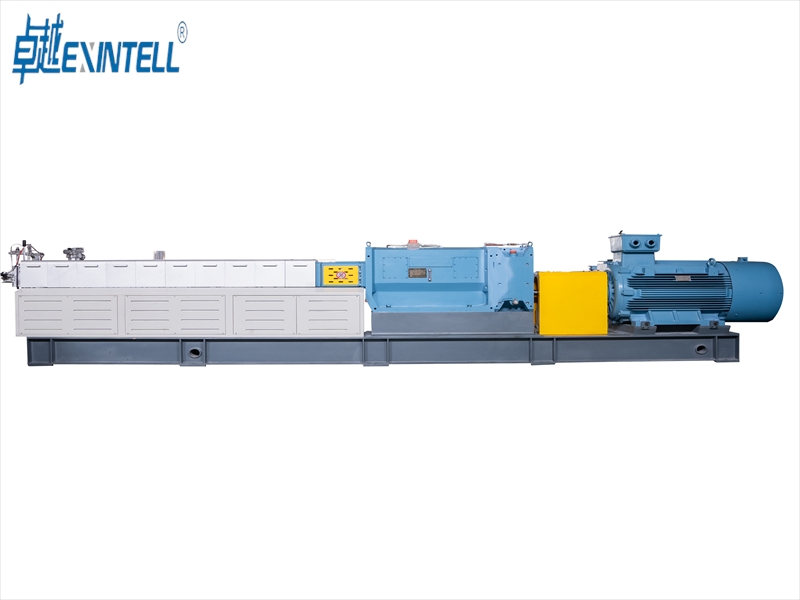
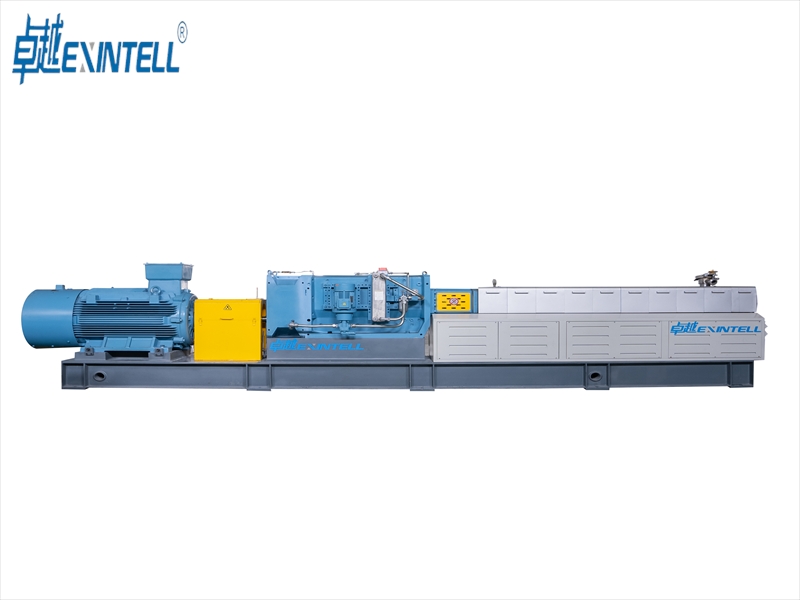
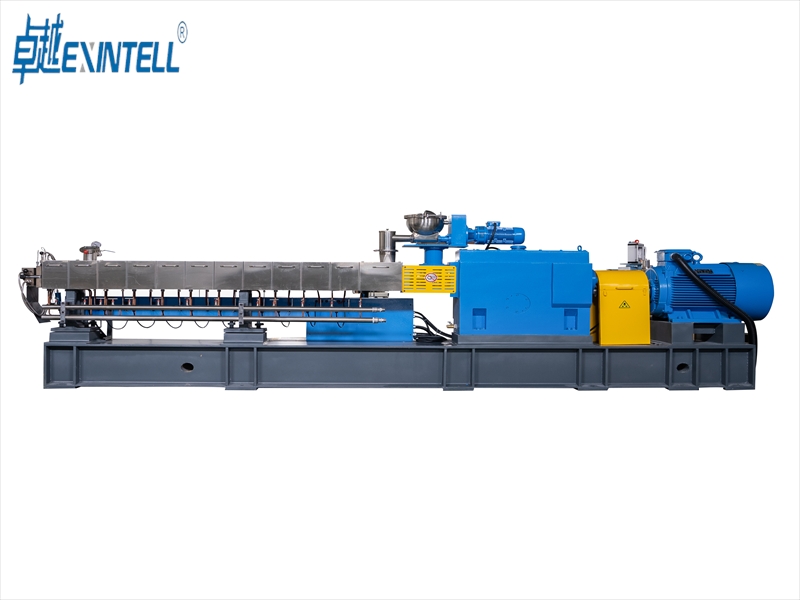
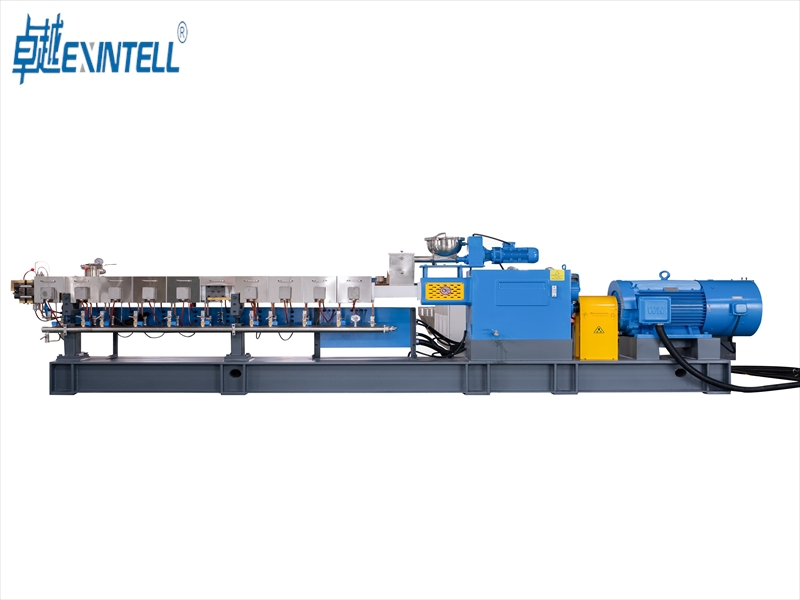
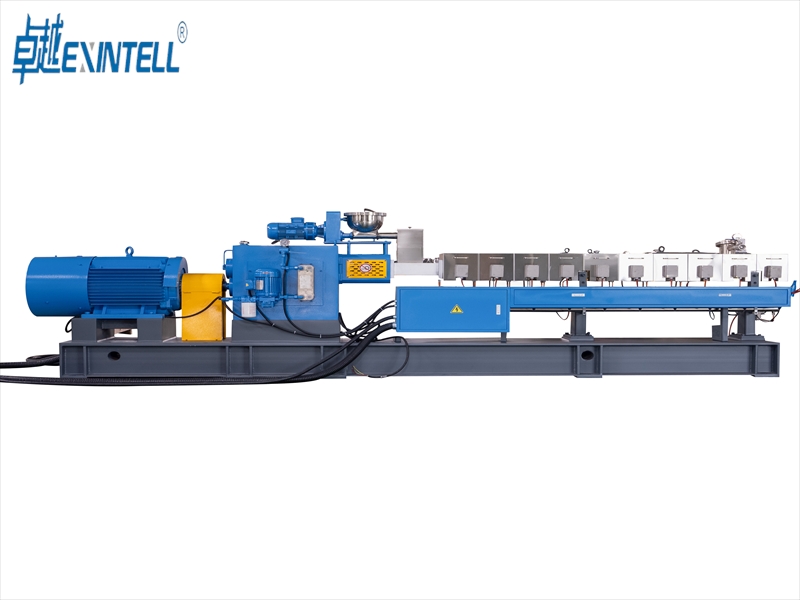
When you use aпеллетизацияләүче экструдер, you change raw material into pellets by following clear steps. You put material into the extruder. The machine melts and mixes it. Аннары, it pushes the material through a die to make pellets. Each step is important for making strong and even pellets. If you know how pelletizing works, you can make your extruder better and fix problems faster.
Check the material’s properties to make the pelletizing process work best for different plastics.
What Is A Pelletizing Extruder
Main Function
А. пеллетизацияләүче экструдерturns raw plastic or polymer into small pellets. The machine lets you control how big and round each pellet is. Manufacturers usepellet extrudersto make products that meet strict rules. Сез калдык кисәкләрен яки яңа резинаны яхшы агучы һәм башка машиналарда эшли торган гранатларга үзгәртә аласыз.
Shapes melted plastic, controls pellet thickness and pressure
Суыту системасы
Makes pellets hard, stops them from changing shape
Пычак системасы әйләнү
Cuts cooled pellets into the same size and shape
You can change the design of these parts to fit your needs. Automation systems help you control heat and warn you about problems. Cooling and drying systems keep pellets strong and protect their quality.
Pelletizing Extruder Process
The pelletizing extruder works in steps. Each step changes raw material into pellets that look the same. You need to know every stage to getяхшы гелец.
Material Feeding
Башта, you put raw material into the extruder. The hopper holds the material. This material can be plastic flakes, granules, or powders. Some common materials are polyethylene, полипропилен, ABS, нейлон, and PLA. Сез күпме материал керүен контрольдә тоту өчен махсус тукландыргычлар куллана аласыз. Кайвакыт, башта материалны киптерергә кирәк. Су алган пластмасса өчен киптерү мөһим. Киптерү күпчелекне һәм гранаттагы башка проблемаларны туктата.
Сез һәр пластик өчен тиешле җылылык куярга тиеш. Мәсәлән, polypropylene melts between 200°C and 260°C. ABS melts between 210°C and 250°C. The table below shows melt temperatures for different plastics:
Plastic Polymer
Practical Melt Temperature Range (° C.)
ABS (Акрилонитрил Бутадиен Стирол)
210 – 250
Поликарбонат (Компьютер)
280 – 320
Полипропилен (PP)
200 – 260
Нейлон 66 (PA66)
280 – 310
Полиэтилен (HDPE)
210 – 260
Полиоксиметилен (POM)
190 – 220
Good melting and mixing make the melted plastic smooth. This step removes air bubbles and mixes everything together. Now the melted plastic is ready for the next step.
Dieл аша экструзия
The melted plastic moves to the die system. The die shapes the plastic into strands or other forms. The die works like a mold. It controls the size and shape of the pellets. The shape of the die is important. It decides how thick and wide the pellets are. A good die gives you pellets that all look the same.
Су асты пелетизациясе: Тиз суыту өчен суда кисегез.
Eachәрбер юл пластмасса һәм эш өчен иң яхшы эшли.
Коллекция һәм сыйфат контроле
Ахырда әзер гранатларны җыясыз. Кайвакыт, you need to dry them to remove water. This is where you check the pellets for size, формасы, and purity. You test the pellets and remove any bad ones. Some companies use special tests for plastics that need to be very pure.
You must follow world rules to make sure your pellets are good. Good checks mean your pellets will work well in other machines.
Киңәш: Check the pellets often when you collect them. This helps you find problems early and keeps your machine working well.
If you follow each step, you turn raw material into good pellets. Every stage is important for making the final product.
Factors Affecting Pelletizing
When you use a pelletizing extruder, you must control some things. These things help you get strong and even pellets. You need to watch temperature, screw speed, and your material’s properties. Eachәрберсе сезнең гранатларның тышкы кыяфәтен үзгәртә ала. Алар шулай ук сезнең машинаның яхшы эшләвенә тәэсир итәләр.
Температура белән идарә итү
Сез температураны гел тикшерергә тиеш. Дөрес температура гранатларны яхшы ябыштырырга ярдәм итә. Температура махсус нокта янында булганда Т *, үлем вакыты мөһим. Бу юлы сезнең гранатларның нинди каты булуын үзгәртә. Т * аша үтсәгез, гранатлар тизрәк ябышалар, ләкин зәгыйфьләнәләр. Яхшы температураны контрольдә тоту шакмакларны озаграк ясый һәм өзелми. Ул шулай ук гранатларыгызны яхшы саклый һәм калдыкларны туктата.
Киңәш: Температураны еш тикшерү өчен сенсорлар кулланыгыз. Бу сезгә проблемаларны тиз чишәргә ярдәм итә.
Винт тизлеге
Винтның тизлеге гранат ясау тизлеген үзгәртә. Винт бик тиз китсә, гелецлар хәтта күренмәскә дә мөмкин. Алар шулай ук һава күбекләрен ала ала. Винт бик әкрен булса, сез азрак гранат ясыйсыз. You need to find the best speed for your material and machine. Try different speeds and look at your pellets often. This helps you keep pellet quality the same and stop problems.
Материаль үзенчәлекләр
The kind of material you use is important too. You should think about moisture and viscosity. Here is how these things change your pellets:
More water makes pellets wetter and stronger, but they look darker.
Игезәкләр, өчлек, пычак бик тиз булса яки продукт бик кайнар булса, чылбырлар барлыкка килә.
Пычаклар тузган булса яки материал җитәрлек калын булмаса, эт сөякләре һәм дөмбелллар барлыкка килә.
Tails form if the gap between the knife and die is too big or the die is not flat.
Longs and elbows happen if the knife is too slow or the extrusion rate is high.
Internal voids and popcorn can show up if the polymer has water or cools too fast.
Dimples and dust appear if the product shrinks too fast or is brittle.
Surface or melt fracture and trash or shavings happen if the extrusion rate is high or the knife is not adjusted often.
Pellets that do not look the same can come from temperature changes or uneven die heating.
You can use tools like theIshikawa fishbone diagramor the 5 Whys technique to find out what is wrong. These tools help you list causes and look deeper into the problem.
Mechanical And Process Problems
Mechanical and process problems can also hurt pelletizing. You might see uneven output, low production, or bad pellets. Here are some problems and ways to fix them:
If pellet size and shape are not right, change the die temperature, keep blades sharp, and check the blade gap.
If you see less output or jams, look for blocked die holes and make sure material moves well in the hopper.
If the extruder or motor gets too hot, check the cooling system and look for friction or a motor working too hard.
If pellets are not good, check the temperature, handle materials with care, and dry materials that take in water.
You should also check for screw wear, strange sounds, and shaking. These signs can mean parts are worn or there is something in the material that should not be there. Checking and fixing things often keeps your pelletizing smooth and your pellets the same.
Киңәш: Write down problems and how you fix them. This helps you see patterns and fix things faster next time.
You can learn each step of the pelletizing extruder process. Controlling temperature and cooling helps make strong, uniform pellets. Improving how you run your machine reduces waste and saves money. When pellets flow smoothly, jams are less likely, and work stays steady. Proper melting and mixing create pellets that meet high standards. This also helps cut material loss and makes production faster. Whether you’re new or experienced, keep practicing to make the best pellets every time.
Ни өчен гранатлар кайвакыт тигез булмаган формаларга ия?
Пелецлар тигез булмаса, үлгән яки кисүче проблемалар булса. Пычакларның тузганын яки үлгән тишекләр блокланганын тикшерегез. Wrong screw speed can also cause this. Fix these things to make pellets even.
How often should you clean your pelletizing extruder?
Clean your extruder after every time you finish making pellets.
Take out leftover material and look for any buildup.
Cleaning often keeps your pellets good and your machine working well.