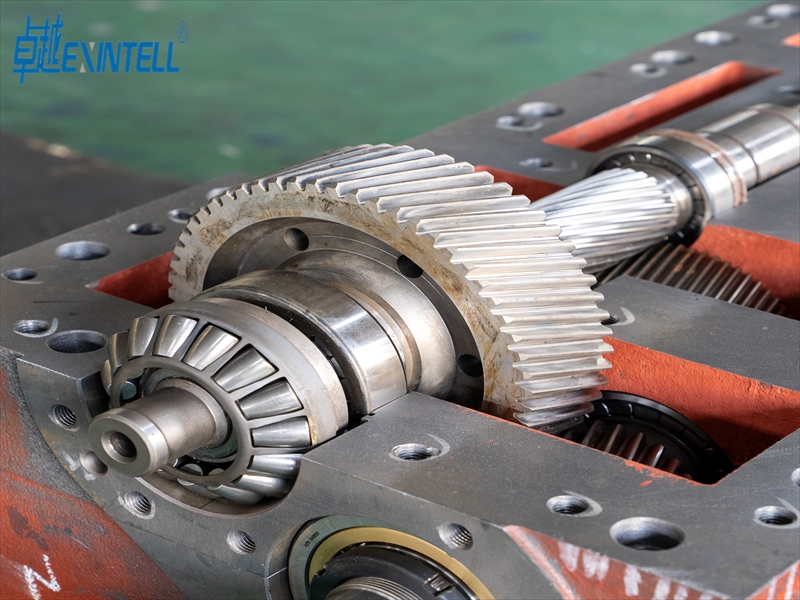
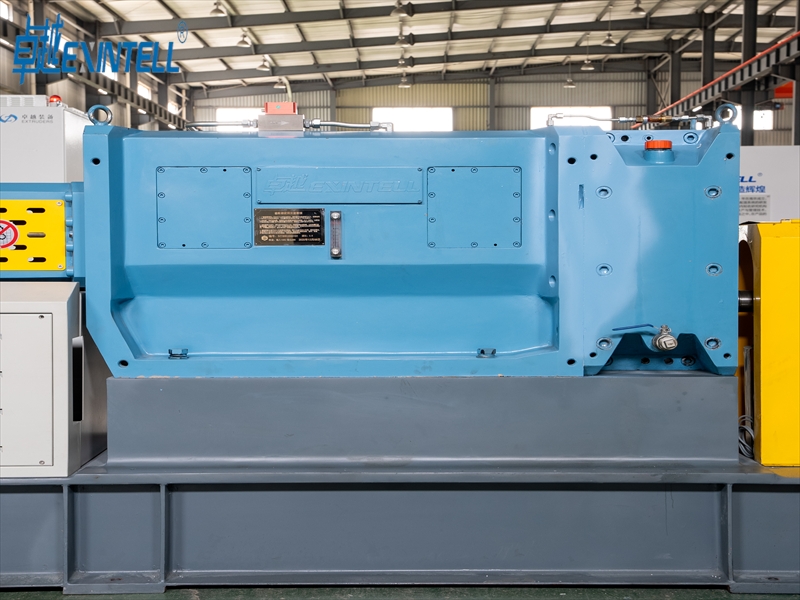
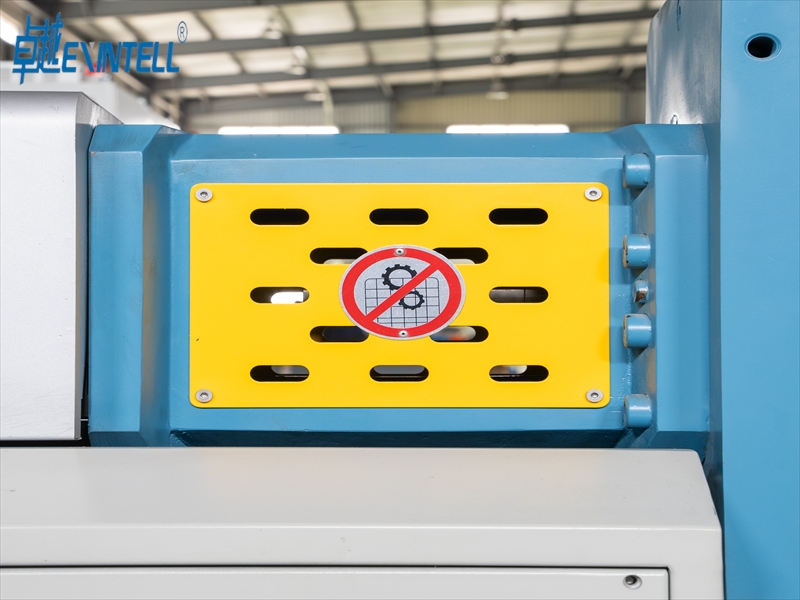
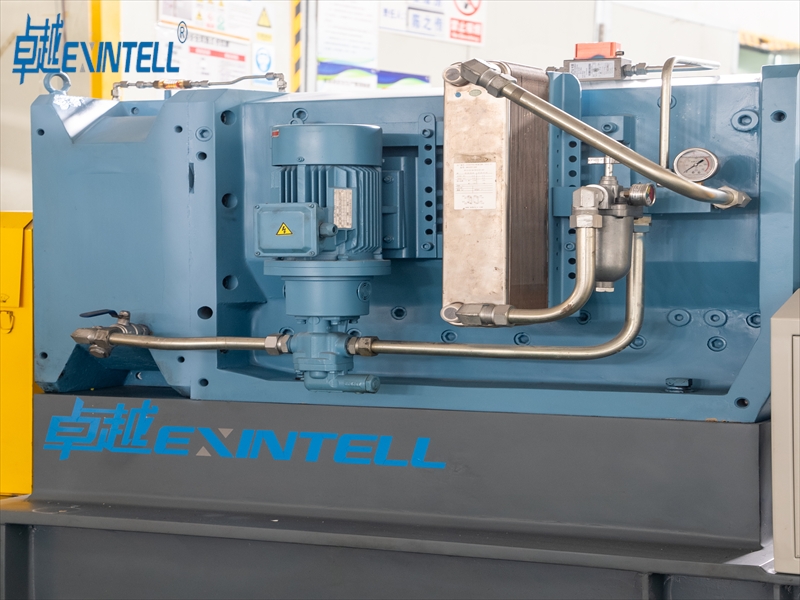
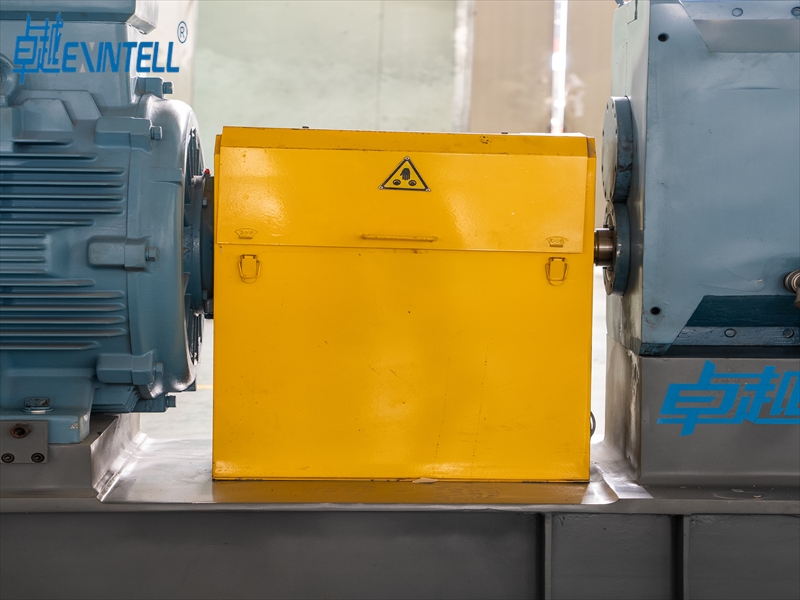
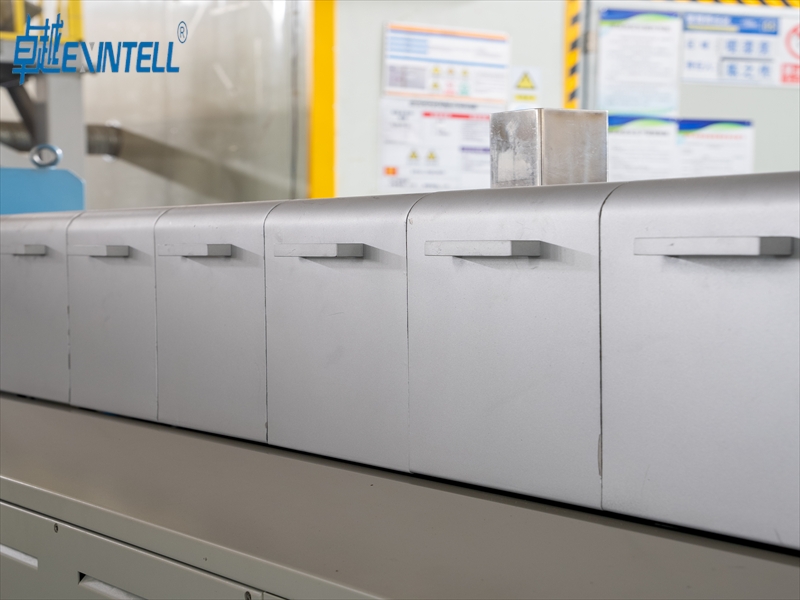
Белү төп өлешләрhelps make better pellets. These parts are the hopper, винт, баррель, үлә, cooling system, and knife system.
Keeping the feed rate steady is very important. The screw speed must also stay the same. This helps make even pellets and stops machine problems.
Good cooling is needed to harden the pellets fast. This helps the pellets keep their shape and stay strong.
Doing regular checks helps the extruder work well. You should check screws and clean the die often. This keeps the machine running and makes it last longer.
Pelletizing Extruder Process Steps
А. пеллетизацияләүче экструдерturns raw plastic into small pellets. It does this by using a few main steps. You can follow these steps to see how the machine works.
Feeding and Melting
Башта, you put raw plastic into the hopper. The machine has a screw that moves the plastic forward. As it moves, the screw pushes the plastic and takes out air. Баррель кызып, пластикны эретә. The screw also makes heat by rubbing the plastic.
Киңәш:If you feed the plastic evenly, you get pellets that look the same.
The screw inside theпеллетизацияләүче экструдерhasthree parts:
The feeding zone pushes the plastic forward.
The compression zone melts the plastic and removes air.
The metering zone builds pressure and keeps the flow steady.
Игезәк винт экструдерларmix the plastic even better. They have two screws that turn together. This gives more even heat and better mixing. It helps make pellets that are all the same.
The temperature you need depends on the plastic type. Here is a table with melting points for common plastics:
Plastic Polymer
Fundamental Melting Point (° C.)
Practical Melt Temperature Range (° C.)
Key Processing Notes
ABS (Акрилонитрил Бутадиен Стирол)
105 – 107 (Tg)
210 – 250
Avoid prolonged exposure above ~270°C to prevent degradation.
Бердәм пелет зурлыгы өчен су астында суытылган чыбыкларны кисә.
Сез шулай ук бу кисү ысулларын таба аласыз:
Гантри кисү
Горизонталь су боҗрасын кисү
Су асты кисү
Eachәрбер юл бер үк зурлыктагы гелец алырга ярдәм итә. Pellets that are all the same are easier to handle, store, and use in other machines.
Summary:You feed raw plastic into theпеллетизацияләүче экструдер, melt it, shape it with a die, cool it, and cut it into pellets. Each step changes the plastic from raw material into finished pellets you can use for many products.
Main Components of a Pelletizing Extruder
Hopper and Feed Throat
You begin by putting raw plastic into the hopper. The hopper stores and feeds the plastic. It keeps the plastic clean and safe from dirt. The bottom of the hopper fits with the feed throat. The feed throat connects to the extruder barrel. This setup helps the plastic move smoothly.
The hopper controls how much plastic goes in. This stops too much or too little plastic from entering.
Киңәш:A good hopper and feed throat help your pelletizing extruder work well.
Design Strategy
Impact on Material Flow
Tapered interface in feeders
Gives even feeding and stops holes from forming
Rotary valves with spool piece
Stops clumps and keeps the plastic moving
Vibratory feeders with transition throat
Helps the plastic flow and keeps the speed steady
Screw and Barrel
Inside the pelletizing extruder, the screw and barrel work together. They move, melt, and mix the plastic. The screw has three main parts:
Feed Zone:This part grabs the plastic and pushes it forward.
Compression Zone:Here, the screw squeezes the plastic and removes air. This makes the plastic melt evenly.
Metering Zone:This part builds pressure and keeps the flow steady before the die.
The barrel goes around the screw. It heats and softens the plastic. The barrel also helps mix the plastic for a smooth melt.
Фактор
Тасвирлау
Screw Geometry
The screw’s shape and angle change how the plastic moves and mixes. Small angles mix better but wear out faster.
Kneading Blocks
These parts mix the plastic more by making it rub together. More blocks or bigger angles mix more but use more energy and heat.
Temperature Profiles
You must control the heat in each part. Too much heat can hurt the plastic. Not enough heat leaves it unmelted.
Искәрмә:The right screw and barrel help you make good pellets and waste less.
Breaker Plate and Adapter
After melting, the plastic goes through the breaker plate and adapter. The breaker plate is a metal disc with many small holes. It does several things:
The adapter, also called the feed pipe, links the barrel to the die. It guides the melted plastic to the die and keeps the flow steady.
Киңәш:A clean breaker plate and adapter help you make strong, хәтта гелец.
Система
The die system shapes the melted plastic before cutting. The die has some important parts:
Open Area:This is the size of the die’s hole. It changes the pressure and how thick the product is.
Land Area:This part shapes the plastic as it leaves the die. It helps make pellets that look and work the same.
Material of Construction:The die’s material changes how much rubbing and pressure the plastic gets.
You need to keep the die system in good shape. Cleaning and checking it often stops problems and keeps pellet quality high. If the die has problems, the pellets can change in size, strength, or shape.
Искәрмә:The die system is one of the most important parts of your pelletizing extruder.
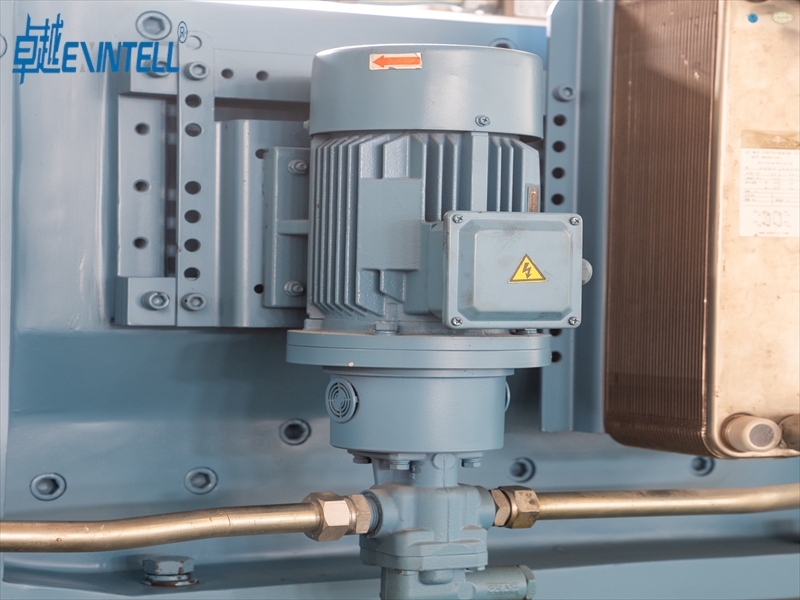
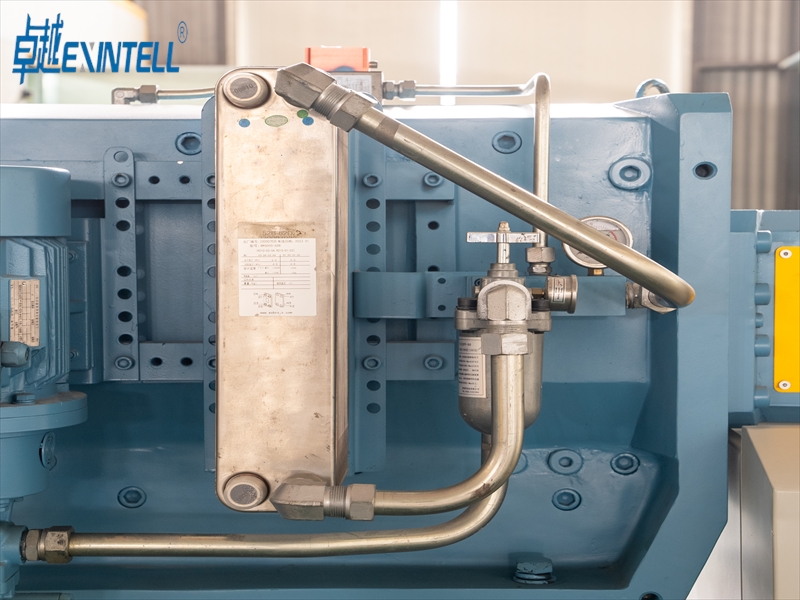
Суыту системасы
When the plastic leaves the die, it is still hot. The cooling system makes the plastic hard so you can cut it. There are different ways to cool:
Air-cooled systems:These use fans or blowers to cool the plastic.
Water-cooled systems:These drop the plastic into water tanks. Dryers then take off the water.
Fluidized bed dryers:These blow air through the pellets as they slide down a slope. You can change the slope to control how long the pellets stay in the dryer.
Some systems reuse water to save energy. Automatic controls can change cooling based on what you need, which also saves energy.
Evidence Point
Тасвирлау
Optimizing Cooling Resources
Saves energy and helps the machine work better.
Automated Controls
Uses just the right amount of cooling.
Closed-loop Systems
Uses water again and again, saving water and energy.
Киңәш:Good cooling keeps pellets strong and saves energy.
Пычак системасы әйләнү
The rotating knife system cuts the cooled plastic into pellets. This system has sharp, fast knives that slice the plastic as it comes out.
Sharp, well-set knives stop problems like tails or dust and keep the machine running.
You need to keep the knives sharp and at the right speed. If the knives get dull or slow, you get uneven pellets and more stops. If the knives are too fast or not lined up, you get problems or jams.
Искәрмә:The rotating knife system is very important for making good pellets and keeping your pelletizing extruder working well.
How Components Work Together
Material Flow and Homogenization
All the parts of the pelletizing extruder must work together. This helps the plastic move smoothly andmix well. The screw pushes the plastic forward and mixes it. You can change how fast the screw turns to mix more or less. Kneading blocks inside the screw help blend the plastic. Their shape and how you set them up help the plastic mix better.
You can change the speed to control mixing and keep flow steady.
Kneading Block Geometry
Special shapes help mix the plastic evenly.
Convective Mixing
The design moves plastic through mixing zones again and again.
Continuous Circulation
All plastic passes through strong mixing areas many times.
Modular Screw Design
You can change the screw parts for different plastics.
Kneading Block Configurations
Different setups give strong mixing for the right pellet quality.
Кайвакыт, mixing can be hard. If you mix too much, you can break fibers or make dust. Too much mixing can also make the plastic too hot. Gentle mixing is better for soft plastics. Some plastics, likeultra-low melt flow HDPE, move slowly. These need more pressure to flow.
Pellets are made by cooling and cutting the plastic after it leaves the die. The cooling system makes the plastic hard so knives can cut it. Good cooling systemshelp keep pellet size and shape the same. Automatic controls can change the process as it runs. This helps you get better pellets and waste less.
Evidence Type
Тасвирлау
Advanced Cooling Systems
These cool pellets quickly and keep their shape.
Automated Control Systems
These adjust settings for better quality and less waste.
High-Efficiency Heaters
These heat the plastic evenly for smooth extrusion.
You need to collect and handle pellets carefully so you do not lose them or get them dirty. Use good tools and keep the area clean. Closed walkways and sealed pipes stop pellets from getting out. Teach workers to use spill guards and know what to do in an emergency.
Киңәш: When every step works together, you get strong, clean pellets and a safer place to work.
You turn raw plastic into even pellets by doing five steps: тукландыру, эрү, extruding, суыту, and cutting. Each main part—hopper, винт, баррель, үлә, суыту, and knife system—has an important job. Taking care of your extruder helps it work well:
Look at screws and sleeves to see if they are damaged.
Make sure raw materials are clean so nothing bad gets in.
Watch for worn parts and change them before they break.
If you know about pellet quality and how tocontrol moisture, you can work faster and make fewer mistakes. Use these tips to keep your machine working well and making good pellets.
Сораулар
What types of plastics can you use in a pelletizing extruder?
You can use many plastics in a pelletizing extruder. Кайбер мисаллар полиэтилен, полипропилен, нейлон, ABS, PLA, and TPU. Each plastic needs its own temperature and settings. Always check what your material needs before you start.
How do you keep pellets uniform in size?
You need to feed the material at a steady rate. Keep the screw speed the same. Clean the die and knives often. Суыту һәм кисүдә булышу өчен автоматик контроль кулланыгыз. Бу сезгә иң яхшы нәтиҗәләр бирә.
Ни өчен экструдерга суыту системасы кирәк?
Суыту системасы эретелгән пластикны каты итә. Әгәр дә сез суытмасагыз, гранатлар йомшак кала һәм бергә ябышалар. Аларны тиз һәм тигез суытканда, сез көчле гелец аласыз. Бу гелецларны эшкәртү җиңел.