

Ekstrusi Plastik atanapi Molding Injeksi Anu Nawiskeun Precision Langkung Saé
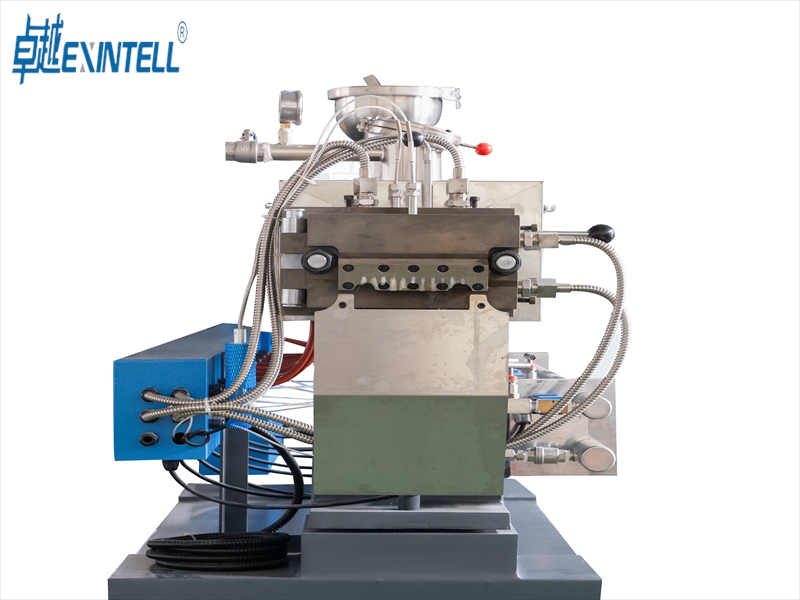
Kuring geus kapanggih yén suntik molding delivers precision hadé tur tolerances tighter ti Palastik Extrusion. Salaku conto, suntik molding bisa ngahontal tolerances sakumaha ketat sakumaha ± 0,005 inci, bari Tonjolan ilaharna nahan ± 0,010 inci. Ieu mangrupikeun perbandingan prosés dumasar kana aplikasi sareng kasabaran khas:
| Jenis Aplikasi | Prosés Dipaké | Toleransi umum |
|---|---|---|
| Panjang, bagian seragam (misalna., tabung, rod) | Ekstrusi | ± 0,010 inci |
| Bagian kompléks atanapi rinci | Molding suntik | ± 0,005 inci atawa tighter |
| Polumeu luhur, precision tinggi | Molding suntik | Langkung caket tibatan ékstrusi |
| Terus-terusan, wangun basajan | Ekstrusi | Konsisten, kirang tepat |
Nalika milih prosés manufaktur, Kuring salawasna mertimbangkeun géométri, tolerances diperlukeun, volume produksi, jeung ongkos.
Takeaways konci
- Molding suntik ngahontal tolerances tighter, sering pas sakumaha ± 0,005 inci, sahingga idéal pikeun bagian kompléks.
- Tonjolan plastik pangalusna pikeun lila, bentuk seragam kawas tabung na rod, kalawan tolerances sabudeureun ± 0,010 inci.
- Pertimbangkeun volume produksi nalika milih prosés; suntik molding nyaeta ongkos-éféktif pikeun ngalir badag, bari Tonjolan cocog produksi kontinyu-volume tinggi.
- Pilihan bahan dampak precision; milih bahan dumasar kana sarat husus tina aplikasi Anjeun.
- Evaluate pajeulitna bagian; suntik molding handles desain intricate hadé ti Tonjolan, nu diwatesan ku wangun basajan.
- Kualitas permukaan permukaan umumna langkung saé dina molding suntik, ngarah kana bagian smoother tanpa léngkah pagawean tambahan.
- Rencanana pikeun biaya alat; injection molding merlukeun investasi awal luhur tapi nawarkeun tabungan jangka panjang ngaliwatan repeatability.
- Salawasna assess pangabutuh proyék anjeun mimiti; pamahaman géométri, tolerances, jeung anggaran mantuan dina milih prosés manufaktur katuhu.
Palastik Extrusion Ihtisar
Dasar prosés
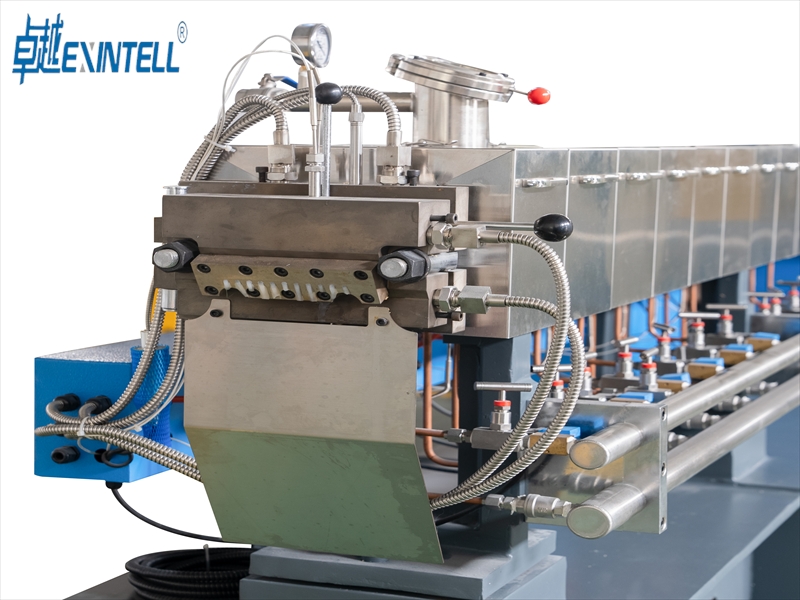
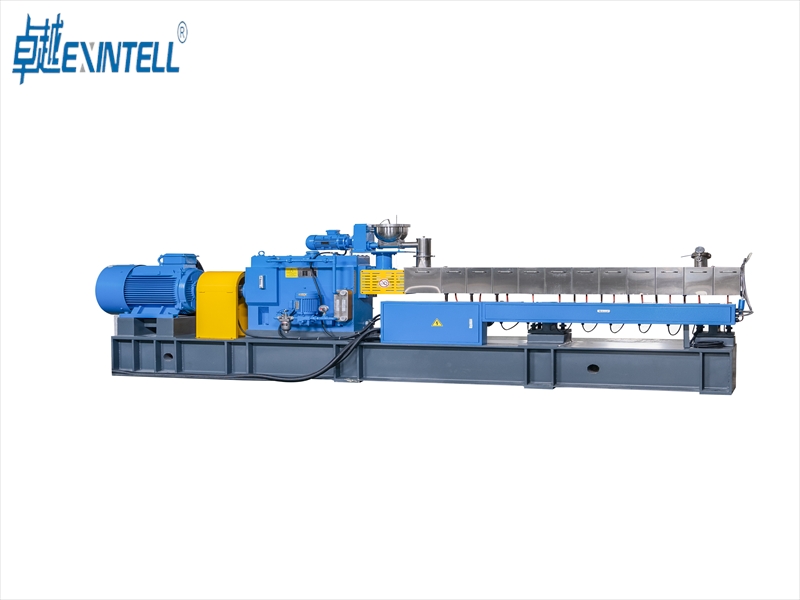
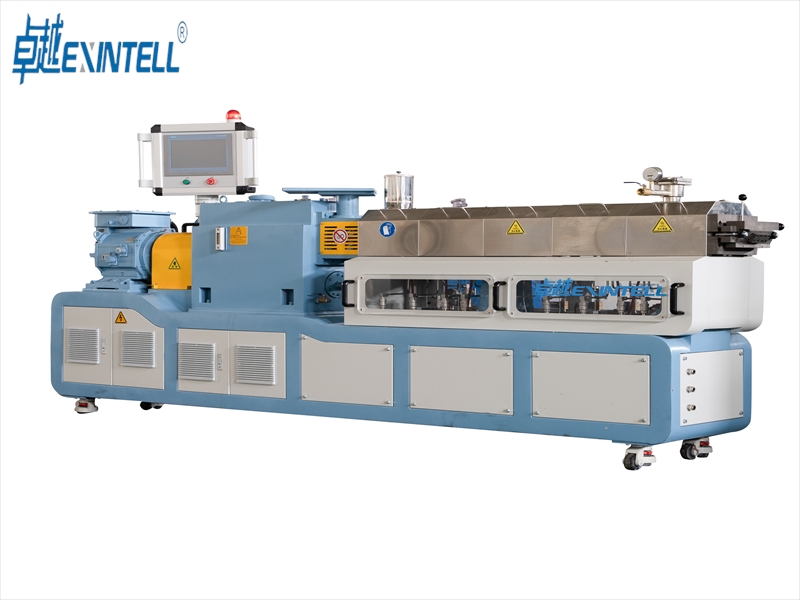
Kuring geus digarap kalawan ékstrusi palastik mangtaun-taun sareng parantos ningali kumaha metode ieu ngabentuk bahan termoplastik kana profil kontinyu. Prosés ékstrusi dimimitian ku pilihan bahan, nu kritis pikeun achieving sipat nu dipikahoyong dina produk ahir. Kuring muka pellets palastik atawa granules kana Hopper luhureun extruder nu. Mesin ngagunakeun screw puteran pikeun mindahkeun bahan ngaliwatan tong dipanaskeun. Salaku bahan ngarambat, éta lebur alatan gesekan jeung panas luar. Plastik lebur lajeng ngaliwatan paeh ngawangun precision, anu masihan produk profil na. Sanggeus ngawujud, bentuk extruded asup kana sistem cooling, biasana hawa atawa cai mandi, pikeun solidify jeung ngajaga akurasi dimensi. Tungtungna, Kuring motong atawa gulung produk, gumantung kana aplikasi. Pendekatan step-by-step ieu ngamungkinkeun kuring nyieun panjang, bentuk seragam jeung cross-bagian konsisten.
Aplikasi umum
Tonjolan plastik maénkeun peran penting dina loba industri. Kuring sering ningali éta dipaké pikeun bungkusan, otomotif, parabotan, jeung barang konsumén. Prosésna ngahasilkeun rupa-rupa produk, ti tabung basajan ka profil kompléks. Ieu tabel anu nyimpulkeun sababaraha aplikasi umum:
| Industri | Produk |
|---|---|
| Bungkusan | Pilem, lambaran, kantong, ngabungkus, baki, jeung cangkir |
| Otomotif | Segel cuaca, pipah palastik, motong propil |
| jati & Barang Konsumsi | Banding tepi, lagu curtain, papan busa PVC lightweight |
| Imah Parabot | Nanganan, segel pikeun oven na microwaves |
| Pilem & Médis | Tubing, pipa-pipa |
Kuring geus manggihan éta Tonjolan palastik custom ngamungkinkeun produsén mendesain propil unik pikeun kaperluan husus. Kalenturan ieu ngajadikeun Tonjolan pilihan populér pikeun kontinyu, produksi volume luhur.
Bahan Dipaké
Pilihan bahan dina Tonjolan plastik mangaruhan duanana prosés jeung precision produk ahir urang. Kuring remen make polipropilén, poliétilén terephthalate, jeung polystyrene. Bahan ieu nawiskeun sipat anu béda, kayaning kalenturan, kakuatan, jeung kajelasan. Cara kuring nyiapkeun, ngalembereh, sarta niiskeun bahan boga dampak langsung kana akurasi sarta konsistensi bagian extruded. Ieu sababaraha bahan anu paling umum anu kuring anggo:
- Polipropilén (PP)
- Poliétilén terephthalate (PET)
- Polystyrene (PS)
- Polivinil klorida (PVC)
- Poliétilén kapadetan luhur (HDPE)
- Poliétilén low-dénsitas (LDPE)
- Acrylonitrile butadiena stirena (ABS)
- Thermoplastic elastomers (TPE)
- Nilon (PA)
- Polikarbonat (PC)
- Polimétil métakrilat (PMMA)
Nalika kuring dianggo dina proyék Tonjolan plastik custom, Kuring salawasna cocog bahan pikeun sarat aplikasi urang. Pilihan ati-ati ieu ngajamin yén produk nyumponan standar kinerja sareng presisi.
Pro jeung kontra
When I evaluate plastic extrusion for a project, I always weigh the benefits and drawbacks. This process offers unique strengths, but it also comes with limitations that affect precision and tolerances.
Here is a table that summarizes the main advantages and disadvantages I have observed in my work:
| Kaunggulan | Kakurangan |
|---|---|
| High efficiency and scalability | Limitations in producing complex shapes |
| High production volumes | Challenges with die swell affecting precision |
| Cost-effectiveness for medium to high volumes | Potential surface imperfections requiring finishing |
Kaunggulan
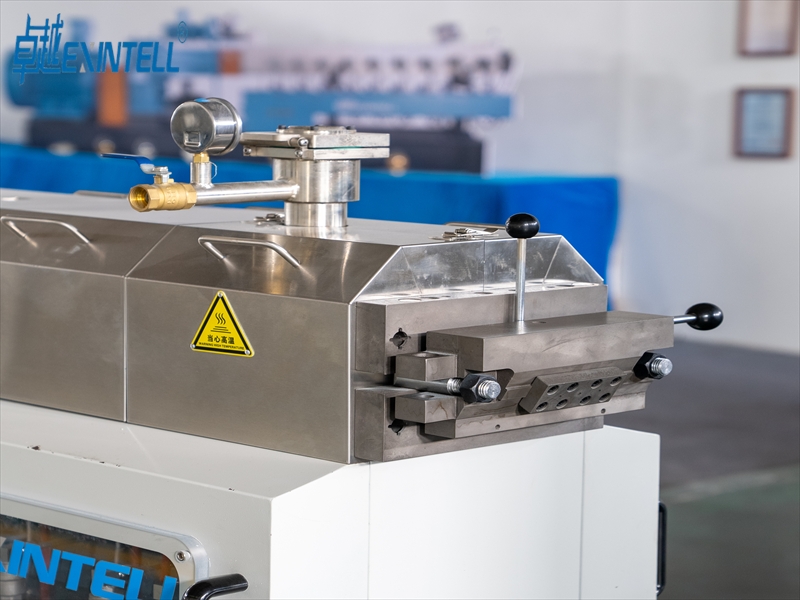
I often choose plastic extrusion for its high efficiency. The process runs continuously, which means I can produce long parts without interruption. This scalability makes it ideal for large orders. When I need to manufacture thousands of feet of tubing or profiles, extrusion delivers consistent results. The cost per part drops as production volume increases, so I find it very cost-effective for medium to high-volume projects.
Another advantage is the ability to create uniform cross-sections. I can maintain steady dimensions along the length of the part, which is important for applications like piping or window frames. The process also supports a wide range of thermoplastics, so I can select materials that match the mechanical and chemical requirements of the final product.
Kakurangan
Despite these strengths, plastic extrusion has some drawbacks. The process struggles with complex shapes. If a part requires intricate details or sharp corners, I find extrusion less suitable. The molten plastic tends to swell as it exits the die, a phenomenon known as die swell. Épék ieu tiasa ngajantenkeun hésé ngahontal kasabaran anu ketat, khususna pikeun bagian anu peryogi diménsi anu tepat.
Permukaan permukaan ogé tiasa janten masalah. Sakapeung, bagian extruded nembongkeun garis atawa tanda ti paeh. Kuring mindeng perlu nambahkeun léngkah pagawean sekundér, kayaning trimming atawa polishing, pikeun ngaronjatkeun penampilan sarta minuhan standar kualitas. Léngkah tambahan ieu tiasa ningkatkeun waktos sareng biaya.
Tip: Kuring sok nyarankeun marios géométri bagian sareng kasabaran anu diperyogikeun sateuacan milih ékstrusi. Lamun desain basajan tur urutan badag, Tonjolan biasana nawarkeun nilai pangalusna.
Suntik Molding Ihtisar
Dasar prosés
Kuring parantos mangtaun-taun damel sareng cetakan suntikan, sareng kuring mendakan prosés éta pikaresepeun sareng éfisién. Metoda ngagunakeun kapang a, anu ngabentuk plastik lebur kana bentuk anu tepat. I always follow a series of steps to ensure each part meets strict quality standards. Here is how I approach the injection molding process:
- Clamping: I close the mold tightly to prepare for the next steps.
- Injection: I inject hot, melted plastic into the mold cavity.
- Dwelling: I let the plastic sit inside the mold for a short time so it fills every space.
- Niiskeun: The plastic cools and hardens while inside the mold.
- Mold Opening: I open the mold after the part has cooled.
- Ejection: I remove the finished part from the mold.
This cycle repeats quickly, which allows me to produce large quantities of identical parts. I rely on injection molding when I need complex shapes, fine details, and high-quality finishes. The process gives me excellent control over dimensions and surface appearance.
Catetan: Kuring salawasna ngawas suhu sarta tekanan raket salila suntik molding. Faktor ieu mangaruhan katepatan sareng konsistensi bagian ahir.
Aplikasi umum
Molding suntik maénkeun peran penting dina seueur industri. Kuring geus dipaké prosés ieu nyieun bagian pikeun otomotif, médis, éléktronika konsumén, jeung séktor bungkusan. The versatility of suntik molding ngamungkinkeun kuring pikeun ngahasilkeun duanana komponén basajan tur kacida kompleks. Di handap ieu tabel nu summarizes sababaraha aplikasi has:
| Industri | Produk Dihasilkeun |
|---|---|
| Otomotif | Rupa-rupa komponén sareng bagian |
| Médis | Perumahan paranti, parabot bedah |
| Éléktronik Konsumén | Kasus, kancing, jeung komponén séjén |
| Bungkusan | tutup botol, wadahna |
Abdi sering ngadamel barang sapertos kasus lensa kontak, tutup botol, jeung komponén-volume tinggi kalawan geometries intricate. Molding suntik ngabantosan kuring nganteurkeun hasil anu konsisten, malah keur nungtut proyék.
Bahan Dipaké
Pilihan bahan penting dina molding suntik. Kuring milih bahan dumasar kana kakuatan anu diperyogikeun, kalenturan, jeung precision. Pikeun bagian-precision tinggi, Kuring resep polimér kalawan shrinkage lemah sareng seragam, aliran ngalembereh stabil, sarta lalawanan termal alus. Sababaraha paling bahan umum Kuring make kaasup:
- ABS: Nawarkeun kateguhan, finish permukaan lemes, sarta lalawanan dampak.
- Polipropilén: Nyadiakeun résistansi kimiawi, kalenturan, jeung affordability.
- Polikarbonat: Delivers kajelasan tinggi, kakuatan, sarta lalawanan panas.
- Poliétilén: Lightweight sarta resists Uap.
- Nilon: Dipikawanoh pikeun kakuatan, ngagem lalawanan, jeung stabilitas termal.
- ngintip: Luar biasa pikeun panas, kimiawi, sarta ngagem lalawanan.
Nalika kuring peryogi toleransi anu langkung ketat, Kuring giliran polimér rékayasa-grade. Bahan sapertos polimér kristal cair (LCP), poliéter éter keton (ngintip), jeung asetal (POM) masihan kuring stabilitas dimensi alus teuing jeung shrinkage minimal. Salaku conto, Kuring make LCP pikeun konektor listrik sareng komponenana sensor, bari ngintip jalan ogé pikeun implants médis sarta bagian aerospace. Polikarbonat mangrupikeun pilihan kuring pikeun lénsa sareng komponén optik kusabab kajelasan sareng kakuatanana.
Tip: Kuring salawasna cocog bahan pikeun kaperluan aplikasi urang. Pilihan katuhu ensures prosés suntik molding delivers duanana precision jeung kinerja.
Pro jeung kontra
Kuring geus digarap kalawan suntik molding salila sababaraha taun. Prosés ieu nawiskeun sababaraha kaunggulan anu ngajantenkeun pilihan kuring pikeun bagian plastik precision tinggi. Abdi hoyong bagikeun duanana kaunggulan jeung watesan Kuring geus observasi.
Kaunggulan tina Injection Molding
- Abdi tiasa ngahontal precision pisan tinggi kalawan suntik molding. Prosésna ngamungkinkeun kuring pikeun ngahasilkeun bagian kalawan tolerances sakumaha ketat sakumaha ± 0,005 inci. Tingkat akurasi ieu hese cocog sareng metode manufaktur plastik anu sanés.
- Kuring ngahargaan repeatability of suntik molding. Sakali kuring nyetél kapang jeung prosés parameter, Kuring bisa ngahasilkeun rébuan atawa malah jutaan bagian idéntik. Unggal bagian cocog rarancang aslina.
- Kuring mindeng kudu nyieun bagian kalawan wangun kompléks jeung detil rupa. molding suntik handles geometries intricate ogé. Abdi henteu kedah nambihan léngkah tambahan atanapi prosés sekundér pikeun ngahontal fitur ieu.
- Kuring manggihan yén suntik molding delivers permukaan alus teuing. Bagian kaluar lancar sareng siap dianggo dina kalolobaan kasus.
- Abdi tiasa nganggo rupa-rupa termoplastik sareng polimér rékayasa. Kalenturan ieu ngamungkinkeun kuring cocog sipat bahan sareng kabutuhan aplikasi.
Karugian tina Injection Molding
- Kuring kudu investasi di molds kualitas luhur saméméh kuring ngamimitian produksi. Biaya awal pikeun nyieun kapang tiasa signifikan. Pikeun produksi leutik ngajalankeun, biaya ieu bisa jadi teu diyakinkeun.
- Kuring geus diajar yén pajeulitna desain bisa nampilkeun tantangan. Kuring kudu rencanana kapang jeung bagian design taliti. Kasalahan dina fase desain bisa ngakibatkeun parobahan ongkosna mahal engké.
- Kuring kadang nyanghareupan waktos kalungguhan anu langkung panjang dina ngamimitian proyek. Ngarancang jeung manufaktur kapang butuh waktu, utamana pikeun bagian kompléks.
- Kuring perhatikeun yén pilihan bahan sareng setélan prosés butuh perhatian anu ati-ati. Upami kuring henteu ngontrol suhu, tekanan, jeung ongkos cooling, Kuring résiko defects atanapi kasalahan dimensi.
Di handap ieu tabel nu summarizes nu pro jeung kontra utama Kuring geus ngalaman kalawan suntik molding:
| Naros | Kontra |
|---|---|
| precision tinggi na tolerances ketat | Biaya kapang awal tinggi |
| Kaulangan anu saé pikeun volume ageung | Pajeulitna desain merlukeun perencanaan ati |
| Ngarojong geometries rumit sarta detil rupa | waktos kalungguhan panjang pikeun ngembangkeun kapang |
| permukaan lemes rengse | Kontrol prosés kritis |
| Pilihan bahan lega | Teu ongkos-éféktif pikeun low-volume ngalir |
Tip: Kuring salawasna nyarankeun suntik molding lamun proyek tungtutan precision tinggi, wangun kompléks, jeung volume produksi badag. Pikeun bagian basajan atawa bets leutik, Kuring nganggap metodeu séjén pikeun ngahemat biaya sareng waktos kalungguhan.
Precision sarta Toleransi
Nalika kuring ngabandingkeun Tonjolan plastik sarta suntik molding, Kuring salawasna difokuskeun kumaha unggal prosés handles precision na tolerances. Faktor ieu nangtukeun lamun bagian bakal minuhan sarat kasabaran desain urang jeung fungsi sakumaha dimaksud. Kuring geus diajar yén sanajan béda leutik dina tolerances bisa dampak assembly, kinerja, jeung kualitas produk.
Tolerances Toléransi palastik
Konsistensi dimensi
Dina pangalaman kuring, Tonjolan palastik delivers konsistensi dimensi alus keur lila, wangun kontinyu. Kuring mindeng ningali rentang toleransi has sabudeureun ± 0,010 inci. Nilai ieu netepkeun patokan pikeun naon anu kuring ngarepkeun tina ékstrusi dina hal variasi dimensi. Prosésna jalan pangalusna pikeun bagian kalawan cross-bagian seragam, kayaning tabung, rod, jeung propil. Sanajan kitu, Kuring perhatikeun yén ngajaga tolerances ketat sapanjang sakabéh panjang tiasa nangtang. Faktor kawas maot ngabareuhan, shrinkage bahan, sarta laju cooling bisa ngabalukarkeun slight variasi. Kuring salawasna ngawas variabel ieu raket ngajaga dimensi dina wates ditarima.
Surface Finish
Permukaan permukaan dina Tonjolan gumantung kana kualitas paeh jeung prosés cooling. Kuring mindeng ningali garis minor atawa tanda dina bagian extruded, nu asalna ti paeh atawa ti cooling henteu rata. Tanda ieu tiasa mangaruhan penampilan sareng kadang pas bagian éta. Nalika permukaan lemes kritis, Kuring bisa jadi kudu nambahan léngkah pagawean sekundér. Kuring geus manggihan yén Tonjolan jarang ngahontal tingkat sarua smoothness permukaan sakumaha suntik molding. Leungit, keur loba aplikasi, finish bisa ditarima tanpa gawé tambahan.
Tolerances Molding suntik
Akurasi diménsi
Molding suntik nangtung pikeun kamampuan pikeun ngahontal kasabaran anu ketat. Kuring rutin dianggo kalayan tolerances sakumaha ketat sakumaha ± 0,005 inci, sarta kadangkala malah tighter pikeun bagian-precision tinggi. Tingkat akurasi ieu asalna tina kapang kaku sareng parameter prosés anu dikontrol. Kuring ngandelkeun standar kawas EN ISO Anjeun 20457 jeung ISO 2768-1/2 pikeun nungtun padamelan abdi. Standar ieu nangtukeun grup kasabaran sareng kelas pikeun ukuran sareng fitur anu béda. Salaku conto, EN ISO Anjeun 20457 nangtukeun grup toleransi kayaning TG5, nu ngamungkinkeun ngeunaan 0.23 mm keur a 32 bagian mm. Tungtunan ieu mantuan kuring mastikeun yén unggal bagian minuhan sarat dimensi ketat.
Kuring nengetan deukeut tekanan injeksi jeung tekanan nahan salila molding. Tuning ditangtoskeun tina setelan ieu ensures kapang ngeusi lengkep jeung ngaminimalkeun defects. Kontrol ieu penting pikeun aplikasi precision, dimana malah simpangan leutik bisa ngabalukarkeun masalah dina assembly atawa fungsi.
Surface Finish
Surface finish di suntik molding tiasa alus teuing. Abdi tiasa ngahasilkeun bagian kalawan herang, surfaces digosok atanapi kalawan textures nu ngaronjatkeun cekelan sarta nyumputkeun defects minor. Pilihan finish mangaruhan duanana katingal sarta kinerja bagian. Salaku conto:
- A finish digosok méré ngagurilap, penampilan lemes.
- Permukaan bertekstur tiasa ngajantenkeun bagian-bagian anu langkung gampang dicekel sareng kamungkinan henteu nunjukkeun goresan.
- Selesai anu béda ogé tiasa mangaruhan daya tahan sareng kumaha bagian éta berinteraksi sareng komponén anu sanés.
Kuring ogé mertimbangkeun kumaha pos-processing métode, sapertos anodizing, palapis bubuk, atanapi electroplating, bisa mangaruhan dimensi ahir. Métode ieu nambihan bahan atanapi ngarobih permukaan, jadi kuring akun aranjeunna dina rarancang kuring pikeun ngajaga precision.
Toléransi Table Babandingan
Kuring mindeng ngagunakeun tabel pikeun ngabandingkeun tolerances has pikeun Tonjolan plastik sarta suntik molding. Ringkesan ieu ngabantosan kuring sareng klien kuring ngartos naon anu bakal diarepkeun tina unggal prosés:
| Prosés | Toleransi has | Kualitas finish permukaan | Repeatability |
|---|---|---|---|
| Palastik Extrusion | ± 0,010 inci | Sedeng | Alus pikeun bagian panjang |
| Molding suntik | ± 0,005 inci atawa tighter | alus teuing | Tinggi pisan |
Catetan: Molding suntik ngahontal kasabaran anu langkung ketat sareng kaulangan anu langkung saé tibatan ékstrusi plastik. Kuring salawasna nyarankeun suntik molding lamun proyek tungtutan precision tinggi, wangun kompléks, atawa sarat toleransi ketat.
Kuring geus manggihan yén milih prosés katuhu gumantung kana géométri bagian urang, tolerances diperlukeun, jeung aplikasi. Molding suntik méré kuring hasil pangalusna pikeun detil, bagian-precision tinggi. Tonjolan plastik jalan ogé pikeun basajan, bentuk kontinyu dimana tolerances rada looser nu bisa ditarima.
Faktor mangaruhan Precision
Pilihan Bahan
Kuring salawasna mimitian ku tempo dina bahan nalika abdi hoyong ngahontal precision tinggi dina bagian plastik. Sipat tina plastik pangaruh kumaha ogé kuring bisa ngadalikeun tolerances salila duanana Tonjolan jeung suntik molding. Salaku conto, cara hiji bahan ngalir, shrinkage nya, jeung stabilitas termal na sadayana maénkeun peran dina hasil ahir.
Ieu méja nu summarizes kumaha béda sipat bahan mangaruhan precision na tolerances:
| Harta Bahan | Influence on Precision and Tolerances |
|---|---|
| Flow Behavior (MFI/MFR) | High MFI materials flow easily, which helps fill complex or thin-walled molds. Sanajan kitu, they may have lower strength. |
| Low MFI materials are thicker and harder to mold but result in stronger, more impact-resistant parts. | |
| Shrinkage | Amorphous plastics like ABS and PC shrink less and more evenly, so I can achieve tighter tolerances. |
| Semi-crystalline plastics such as Nylon and POM shrink more and less predictably, making precision harder to control. | |
| Stabilitas termal | Poor thermal stability can cause defects like burn marks or warping, which reduces dimensional accuracy. |
| Good thermal stability is important for thin or complex parts where precision matters most. |
When I select a material, I always match its properties to the needs of the part. Salaku conto, lamun Abdi peryogi bagian kalawan tolerances pisan kedap, Kuring milih hiji palastik amorf kalawan shrinkage lemah sareng stabilitas termal alus.
Bagian Kompleksitas
Pajeulitna bagian boga dampak langsung kana precision abdi tiasa ngahontal. Bentuk basajan leuwih gampang pikeun ngadalikeun, bari desain kompléks ngenalkeun leuwih tantangan. Kuring nengetan deukeut fitur kawas garis parting, surfaces melengkung, jeung dimensi kritis.
Ieu tabel anu nunjukkeun kumaha pertimbangan desain anu béda mangaruhan akurasi:
| Pertimbangan | Dampak dina Precision |
|---|---|
| Patempatan Line Parting | Pangaruh pajeulitna kapang jeung kualitas produk rengse. |
| Ngahindarkeun Wewengkon Kritis | Ngabantosan nyegah parobahan dimensi sareng ngajamin pas anu langkung saé. |
| Positioning on Surfaces melengkung | Nungtukeun akurasi kapang luhur, nu bisa ningkatkeun waragad sarta résiko defects. |
| Pamakéan garis pamisah alam | Ngajadikeun konstruksi kapang gampang jeung ngaronjatkeun prosés demolding. |
Nalika kuring ngarancang bagian pikeun suntik molding, Kuring nyoba nempatkeun garis parting di wewengkon kirang katempo tur ulah nempatkeun aranjeunna dina surfaces kritis. Pendekatan ieu ngabantosan kuring ngajaga kasabaran anu langkung saé sareng ngirangan résiko cacad.
Volume Produksi
Volume produksi ogé mangaruhan tingkat precision abdi tiasa ngahontal. Pikeun produksi volume tinggi, Kuring investasi dina kapang kualitas luhur sareng kadali prosés anu tepat. Investasi ieu bayaran kaluar sabab kuring bisa ngahasilkeun rébuan atawa jutaan bagian idéntik jeung tolerances konsisten. Pikeun ngajalankeun leutik, Abdi tiasa nganggo alat anu langkung mirah, tapi kuring nyaho yén ieu bisa ngakibatkeun leuwih variasi dina bagian ahir.
Tip: Kuring salawasna nyarankeun ngagunakeun tooling pangalusna sarta kadali prosés pikeun produksi-volume tinggi. Strategi ieu mastikeun yén unggal bagian nyumponan spésifikasi anu diperyogikeun sareng ngirangan runtah.
Kualitas Alat
Kuring sok nengetan kualitas alat nalika kuring hoyong ngahontal presisi anu luhur dina manufaktur plastik. Parabot anu ku kuring dianggo, kayaning paeh pikeun Tonjolan jeung molds pikeun suntik molding, maénkeun peran kritis dina nangtukeun tolerances final sarta finish permukaan unggal bagian. Kuring geus diajar yén sanajan imperfections leutik dina tooling bisa ngakibatkeun kasalahan signifikan dina produk rengse.
Dina pangalaman kuring, parabot kualitas luhur dimimitian ku desain ati. Kuring damel sareng insinyur pikeun nyiptakeun gambar lengkep sareng modél 3D. Modél ieu ngabantosan kuring ngabayangkeun bagian sareng ngaidentipikasi daérah anu paling penting pikeun akurasi. I select materials for the tooling that resist wear and maintain their shape under high temperatures and pressures. For injection molding, I often use hardened steel or high-grade aluminum. For extrusion dies, I prefer tool steel with a polished surface.
I have seen that the manufacturing process for tooling affects its quality. Precision machining, such as CNC milling and EDM, allows me to achieve tight tolerances in the mold or die. I inspect the tooling after each step to ensure there are no defects or inconsistencies. If I find any issues, Kuring alamat aranjeunna langsung. This attention to detail prevents problems during production.
Maintenance is another factor that influences tooling quality. I schedule regular inspections and cleaning for all my tools. Abdi ngagentos bagian-bagian anu tos lami sateuacan nyababkeun cacad dina bagian plastik. Pangropéa anu leres manjangkeun umur alat sareng ngajaga prosés produksina lancar.
Ieu tabel anu nyimpulkeun kumaha kualitas alat mangaruhan akurasi dina duanana prosés:
| Aspék Alat | Dampak dina Precision | Pendekatan abdi |
|---|---|---|
| Pamilihan Bahan | Ngurangan maké jeung deformasi | Paké baja hardened atawa aluminium |
| Akurasi Mesin | Ngahontal tolerances ketat | Employ CNC na EDM |
| Surface Finish | Ningkatkeun penampilan bagian | Polandia paeh jeung molds |
| Pangropéa | Nyegah cacad | Ngajadwalkeun cék rutin |
Tip: Kuring salawasna nyarankeun investasi dina parabot kualitas luhur pikeun proyék-proyék anu merlukeun tolerances ketat. Biaya upfront bisa jadi leuwih luhur, tapi kauntungan jangka panjang kaasup defects pangsaeutikna, repeatability hadé, jeung waragad perawatan handap.
Kuring geus manggihan yén kualitas tooling mindeng nangtukeun kasuksésan hiji proyék manufaktur. Nalika kuring nganggo alat anu dirarancang sareng dijaga, Kuring konsistén ngahasilkeun bagian nu minuhan sarat precision ketat. Pendekatan ieu ngawangun kapercayaan sareng klien kuring sareng ngabantosan kuring nganteurkeun hasil anu dipercaya unggal waktos.
Biaya vs. Precision
Faktor Biaya ékstrusi
When I evaluate plastic extrusion for a project, Kuring salawasna mertimbangkeun kumaha ongkos na precision interaksi. Sababaraha faktor mangaruhan harga ahir bagian extruded:
- Abdi sering peryogi bahan premium pikeun ngahontal precision luhur. Bahan ieu langkung mahal tapi ngabantosan abdi nyumponan kasabaran anu ketat.
- Perkakas khusus janten diperyogikeun nalika kuring hoyong profil unik atanapi kasabaran anu langkung ketat. Sarat ieu ngaronjatkeun investasi awal.
- Lamun kuring difokuskeun speed na low ongkos, Kuring kadang ningali serelek di precision. Bagian bisa jadi teu minuhan tolerances diperlukeun, nu bisa ngakibatkeun masalah kualitas.
- Nalika kuring prioritas kualitas sarta precision, Kuring nyéépkeun waktos langkung seueur pikeun pangaturan sareng pamariksaan. Pendekatan ieu ngalambatkeun produksi tapi mastikeun hasil anu langkung saé.
Kuring manggihan yén balancing faktor ieu konci. Lamun proyek ngamungkinkeun pikeun tolerances looser, Abdi tiasa nyimpen duit ku ngagunakeun bahan baku sarta tooling. Pikeun aplikasi kritis, Kuring investasi deui pikeun ngajamin precision.
Suntikan Molding Cost Faktor
Molding suntik nampilkeun struktur biaya anu béda. Kuring geus diajar yén sababaraha elemen ngajalankeun expense sakabéh, utamana lamun dimaksudkeun pikeun precision tinggi. Tabel di handap nyimpulkeun faktor biaya utama jeung hubungan maranéhna pikeun precision:
| Faktor Biaya | Patali jeung Precision |
|---|---|
| Biaya Alat | Molds kualitas luhur nyaimbangkeun produksi jeung ngajaga tolerances ketat kana waktu. |
| Konsumsi Bahan | Bahan premium ningkatkeun akurasi tapi ningkatkeun biaya awal. |
| Waktu Siklus | Siklus anu langkung pondok ngirangan biaya, but sometimes compromise precision. |
| Machine Tonnage Rate | Larger machines hold tighter tolerances but use more energy. |
| Labor/Automation Level | Automation boosts precision and lowers labor costs in the long run. |
| Scrap Rate | Poor precision increases scrap, which drives up total costs. |
I always weigh these factors before starting a new injection molding project. For large production runs, investing in better tooling and automation pays off. I see fewer defects and more consistent parts.
Balancing Cost and Precision
Choosing between extrusion and injection molding often comes down to finding the right balance. I look at the part’s geometry, tolerances diperlukeun, and the production volume. The table below helps me decide which process fits best:
| Process Type | Ideal For | Core Advantage | Trade-off |
|---|---|---|---|
| Molding suntik | Kompléks, enclosed 3D parts | Extreme precision and consistency | Higher initial mold cost; best for large batches |
| Palastik Extrusion | Terus-terusan, uniform profiles | Lower tooling cost, efficient output | Limited to linear shapes; less suitable for complex geometries |
If I need complex shapes and tight tolerances, I choose injection molding despite the higher upfront cost. Pikeun basajan, continuous profiles, I rely on extrusion to keep costs low and production fast. I always match the process to the project’s needs, ensuring I deliver both value and quality.
Tip: I recommend discussing your precision requirements early in the design phase. This step helps me select the most cost-effective process for your application.
Milih Prosés Katuhu
Selecting the right process for manufacturing plastic parts can determine the success of a project. I always start by evaluating the part’s geometry, tolerances diperlukeun, volume produksi, and cost targets. My experience has shown that both plastic extrusion and injection molding offer unique strengths. The best choice depends on the specific needs of the application.
When to Use Plastic Extrusion
I turn to the prosés extrusion palastik when I need to produce long, continuous shapes with uniform cross-sections. This process excels at creating items like tubes, pipa-pipa, weather seals, and profiles for windows or furniture. I find that extrusion works best for high-volume production runs where the design does not require complex 3D features.
To ensure a successful and high-quality plastic extrusion, several key factors must be carefully evaluated during the design phase: Functional Requirements, Kasaluyuan bahan, Profile Complexity, Wall Thickness, Toleransi, Mating Parts, Tooling Collaboration, and Cost Efficiency.
When I assess whether the extrusion process is the right fit, I consider:
- Application requirements, such as temperature resistance and UV exposure.
- Mechanical properties, including flexibility, karasa, and tensile strength.
- Environmental conditions, like weather and temperature fluctuations.
- Aesthetic and finish requirements, such as color, gloss, and surface texture.
- Regulatory and compliance needs to meet industry standards.
I also weigh the cost benefits of the extrusion process. Here is how I approach the decision:
- Assess material costs against budget constraints.
- Consider long-term savings from durability and reduced waste.
- Work with experienced partners to find the best balance of performance and price.
Different plastics behave uniquely during the extrusion process, affecting the final product’s shape and performance. Kuring nengetan deukeut thermal stability and melt strength, especially for applications that require precise tolerances. When the design calls for simple, linear shapes and the process must remain cost-effective, extrusion often provides the best solution.
Example Scenario:
Last year, I worked with a client who needed thousands of feet of custom tubing for an irrigation system. The process required a material that could withstand sunlight and temperature swings. I recommended the extrusion process using UV-stabilized polyethylene. The process allowed us to maintain consistent wall thickness and meet the client’s budget. The result was a durable product that performed well in the field.
When to Use Injection Molding
I choose the injection molding process when the part design involves complex geometries, tolerances ketat, or intricate details. This process is ideal for producing high-precision components, such as medical device housings, automotive connectors, or consumer electronics enclosures. The process supports a wide range of materials and finishes, making it versatile for many industries.
The injection molding process stands out when:
- The part requires enclosed or 3D shapes that extrusion cannot achieve.
- High repeatability and consistency are critical for assembly or function.
- The application demands a smooth surface finish or specific textures.
- The project involves large production volumes, justifying the investment in tooling.
I always consider the initial tooling cost and lead time for the injection molding process. For high-volume projects, the process delivers excellent value through low per-part costs and minimal variation between parts. I also rely on this process when regulatory compliance and material traceability are essential.
Example Scenario:
Recently, I partnered with a medical device manufacturer to produce a new type of handheld diagnostic tool. The process required a housing with complex internal features and a flawless surface finish. I recommended the injection molding process using medical-grade polycarbonate. The process allowed us to achieve the necessary tolerances and pass strict regulatory tests. The client appreciated the consistency and quality of every part.
Studi Kasus:
I have seen how companies use data-driven approaches to select the right process. Salaku conto, Amcor conducted a pilot test comparing emissions from different plastic sources and production sites. The process helped them make informed decisions about low-carbon procurement and supplier relationships. By analyzing the process at each step, they improved transparency and achieved their sustainability goals.
Tip: I always advise clients to define their precision requirements, volume produksi, and budget early in the design phase. This clarity helps me recommend the most suitable process and avoid costly changes later.
How I Decide Between Processes
I use a simple checklist to guide my decision:
- Does the part have a uniform cross-section and require long lengths? I choose the extrusion process.
- Does the part need complex shapes, tolerances ketat, or a high-quality finish? I select the injection molding process.
- Is the production volume high enough to justify tooling investment? I lean toward injection molding.
- Is cost efficiency for simple shapes the main goal? I recommend extrusion.
The process selection shapes the entire project, from design to final delivery. I always match the process to the application’s needs, ensuring the best balance of quality, precision, jeung ongkos.
Additional Considerations
Waktos prosés
I always pay close attention to lead time when planning a manufacturing project. Lead time refers to how long it takes to go from design approval to finished parts. Dina pangalaman kuring, plastic extrusion usually offers shorter lead times. The tooling for extrusion is simpler and faster to produce. I can start production quickly once the die is ready. This makes extrusion a good choice for projects with tight deadlines or urgent needs.
Injection molding requires more time upfront. The mold design is complex and demands careful engineering. I often spend weeks or even months creating and testing the mold. Once the mold is ready, production moves fast, but the initial setup slows the process. I recommend injection molding for projects where precision and volume matter more than speed.
Tip: If you need parts quickly and the design is simple, extrusion can save valuable time.
Design Flexibility
Design flexibility shapes what I can achieve with each process. I have learned that extrusion limits my options. The process works best for simple, repeated shapes like tubes or profiles. I cannot create intricate features or complex geometries with extrusion.
Injection molding gives me much more freedom. I can design parts with fine details, undercuts, and complex shapes. The mold captures every feature, so I can meet strict requirements for accuracy and appearance.
Here is a table that compares design flexibility between the two methods:
| Métode | Design Flexibility | Complexity of Parts |
|---|---|---|
| Extrusion Molding | Limited design flexibility; best for simple, repeated shapes. | Not suitable for intricate features. |
| Molding suntik | High design flexibility; ideal for complex shapes with fine details and accuracy. | Capable of creating sophisticated designs. |
I always match the process to the part’s needs. If the design is simple and repeated, extrusion works well. For complex or detailed parts, injection molding is the clear winner.
Kelestarian
Sustainability has become a major concern in my work. I look for ways to reduce waste and use eco-friendly materials. Plastic extrusion stands out for its ability to incorporate recycled content jeung bahan biodegradable. I can use these options without sacrificing performance or quality. This gives extrusion an advantage when clients want greener solutions.
Injection molding is less flexible in this area. The process does not always support recycled or biodegradable plastics. I must choose materials carefully to avoid defects or quality issues. When sustainability is a priority, I recommend extrusion for its environmental benefits.
🌱 I always encourage clients to consider recycled or biodegradable materials in extrusion projects. This choice supports sustainability goals and helps protect the environment.
I have seen that injection molding delivers better precision in plastic manufacturing, especially for small to medium-sized plastic parts. The process uses balanced clamping force and optimized resin viscosity to reduce defects. Multi-cavity molds and rigid frames help maintain consistent results. When I choose between plastic extrusion and injection molding, I always consider plastic geometry, tolerances, volume produksi, jeung ongkos. I recommend injection molding for complex plastic shapes and tight tolerances. Plastic extrusion works well for simple, continuous plastic profiles. My experience shows that careful planning in plastic manufacturing leads to reliable plastic products.
| Faktor | Molding suntik | Palastik Extrusion |
|---|---|---|
| Precision | High for plastic parts | Moderate for plastic parts |
| Toleransi | Tight in plastic manufacturing | Looser in plastic manufacturing |
| Volume Produksi | Best for large plastic runs | Best for continuous plastic runs |
| Ongkos | Higher for plastic molds | Lower for plastic dies |
I always advise clients to match the plastic manufacturing process to their specific plastic needs.
FAQ
What is the main advantage of plastic extrusion?
I find ékstrusi palastik ideal for creating continuous profiles. The process runs efficiently and produces long, wangun seragam. I can quickly manufacture parts like tubes and rods for many industries.
Can injection molding handle complex shapes?
I rely on injection molding when I need intricate designs or detailed features. The process allows me to produce parts with complex geometries and tight tolerances. I achieve high precision every time.
Which process is better for high volume production?
I choose injection molding for high volume production. The process delivers consistent quality and repeatability. I can produce thousands or millions of identical parts with minimal variation.
Are continuous profiles possible with injection molding?
I do not use injection molding for continuous profiles. The process works best for discrete, individual parts. Kuring ngalieuk ka ékstrusi when I need long, uninterrupted shapes.
What materials work best for extrusion?
I select materials like polypropylene, PVC, and HDPE for extrusion. These plastics help me create continuous profiles with reliable performance. I match the material to the application’s requirements.
How does surface finish compare between the two processes?
I notice that injection molding produces smoother surfaces. Extrusion sometimes leaves marks or lines on continuous profiles. I may add finishing steps to improve appearance when needed.
Is extrusion cost-effective for small batches?
I usually recommend extrusion for larger orders. The process becomes more cost-effective as I produce more continuous profiles. For small batches, setup costs may outweigh the benefits.
Can I use recycled materials in extrusion?
I often use recycled plastics in extrusion. The process supports sustainable manufacturing and lets me create continuous profiles with eco-friendly materials. I help clients meet their environmental goals.