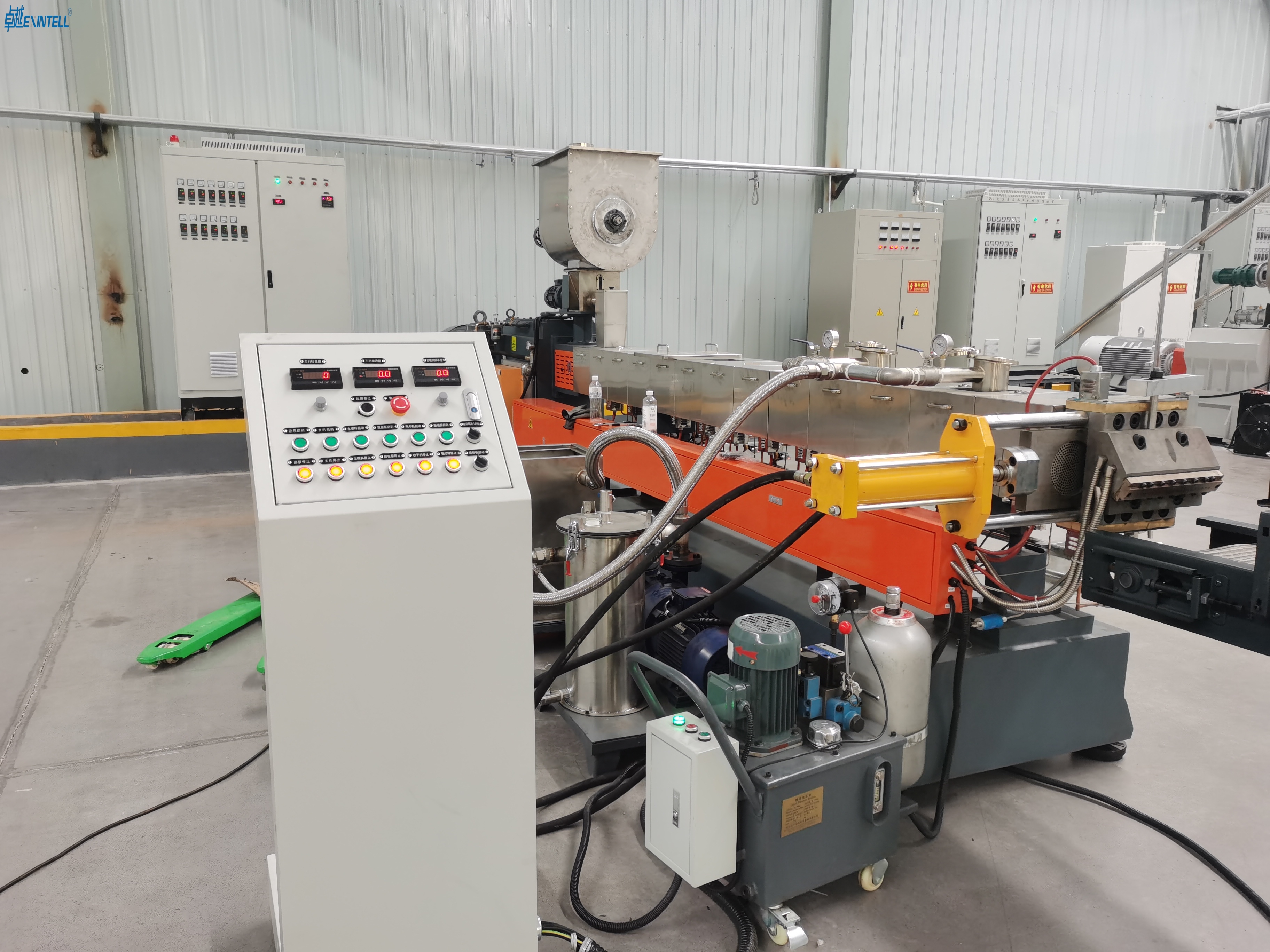
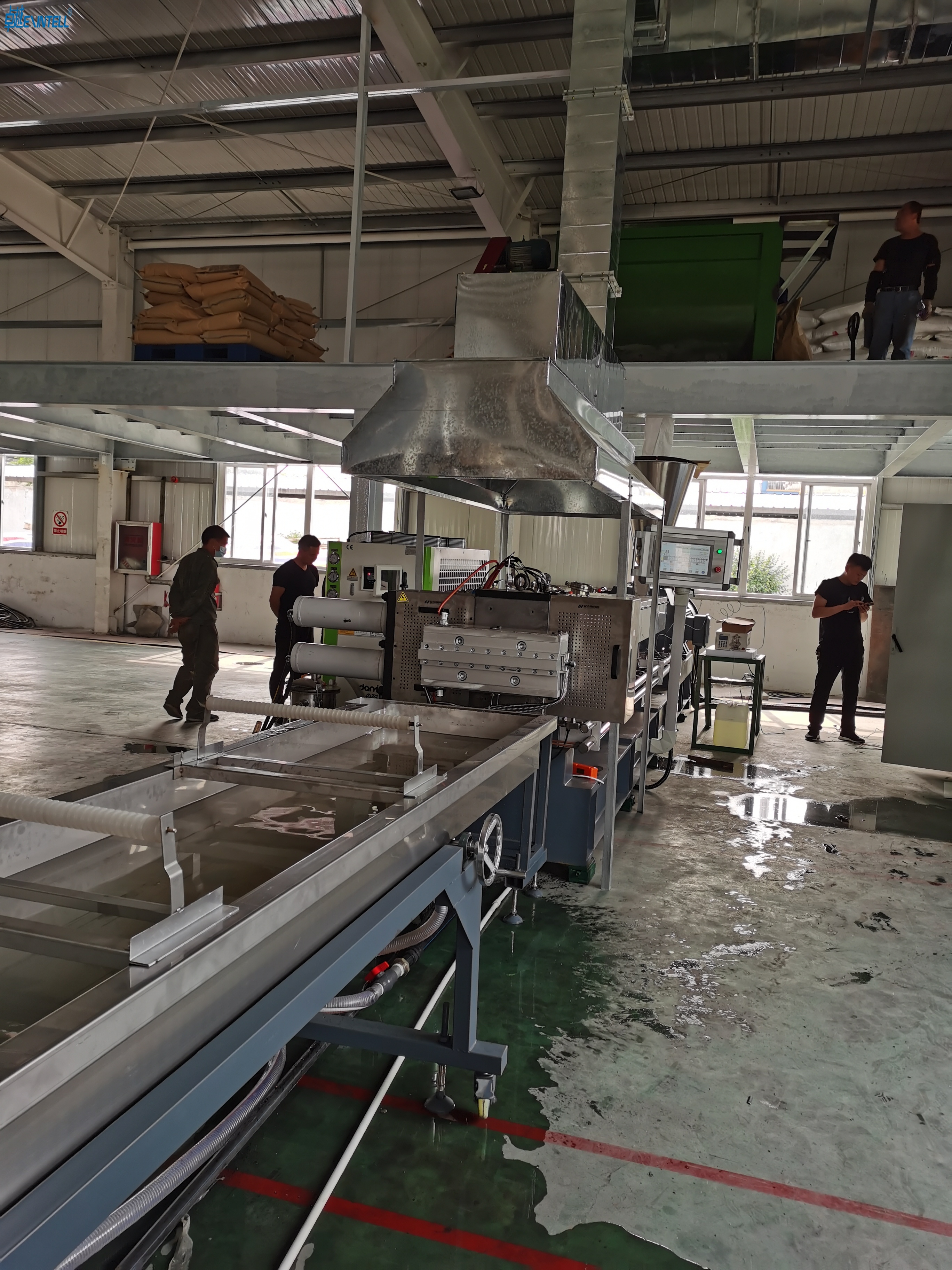
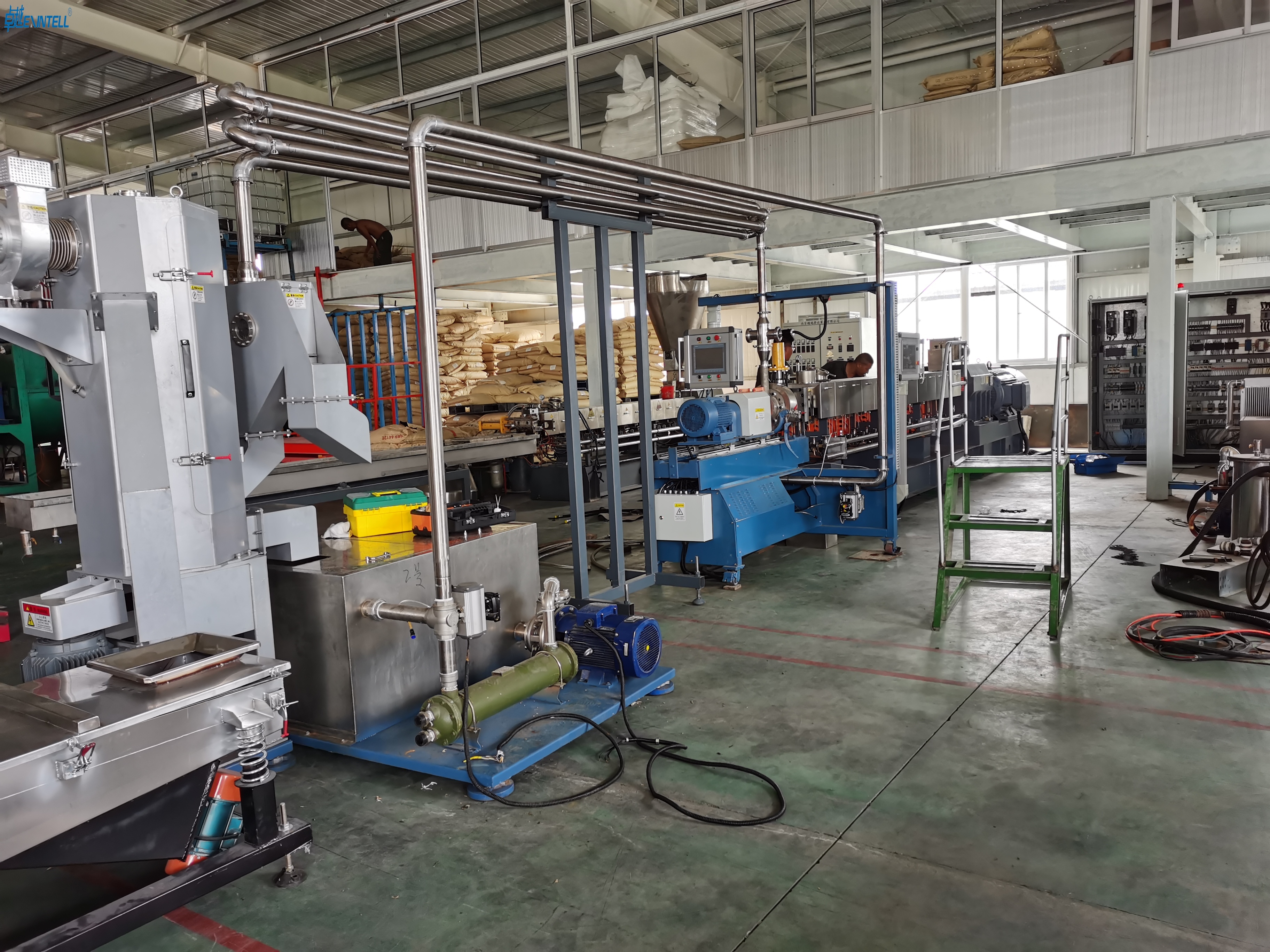
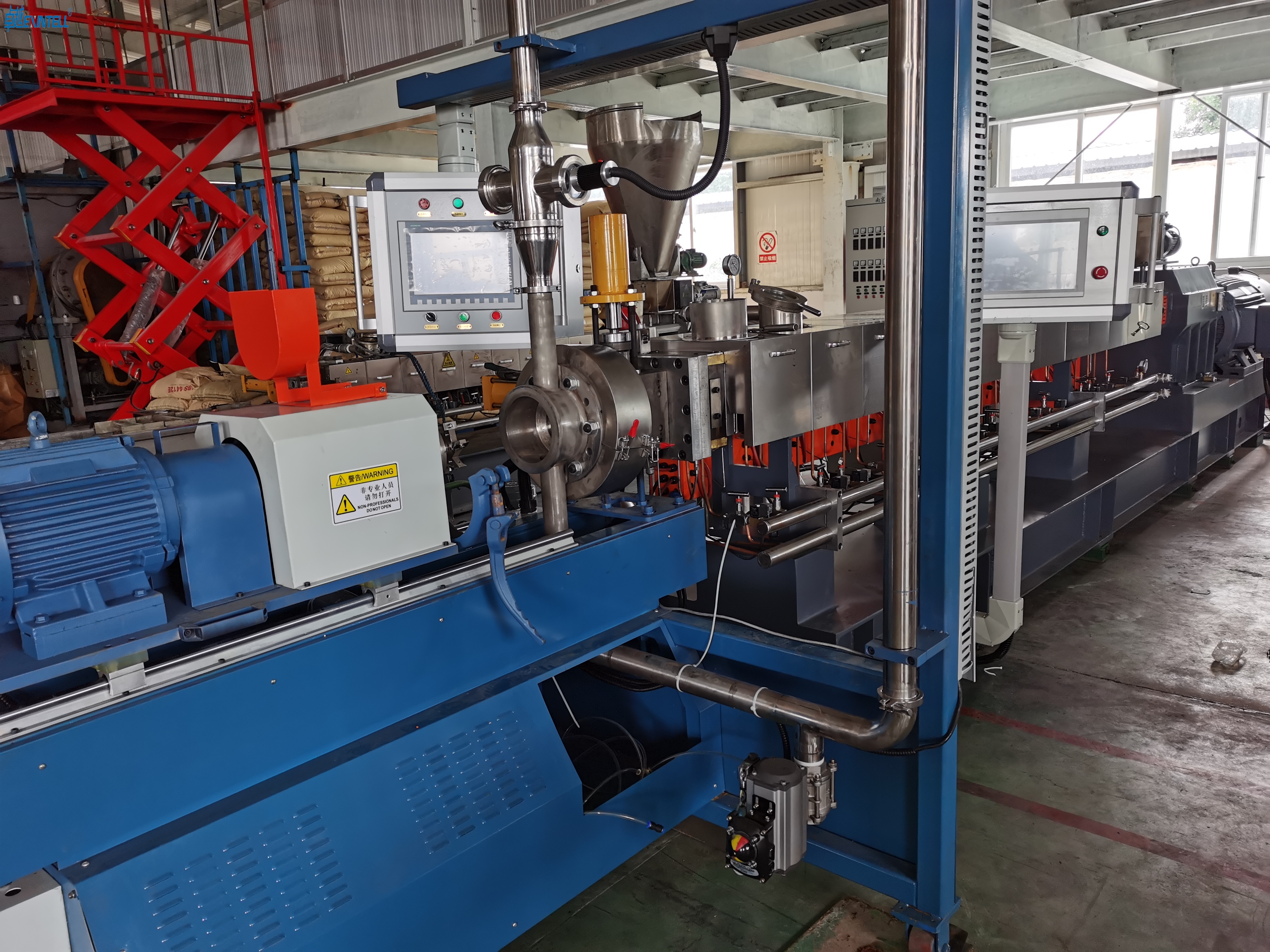
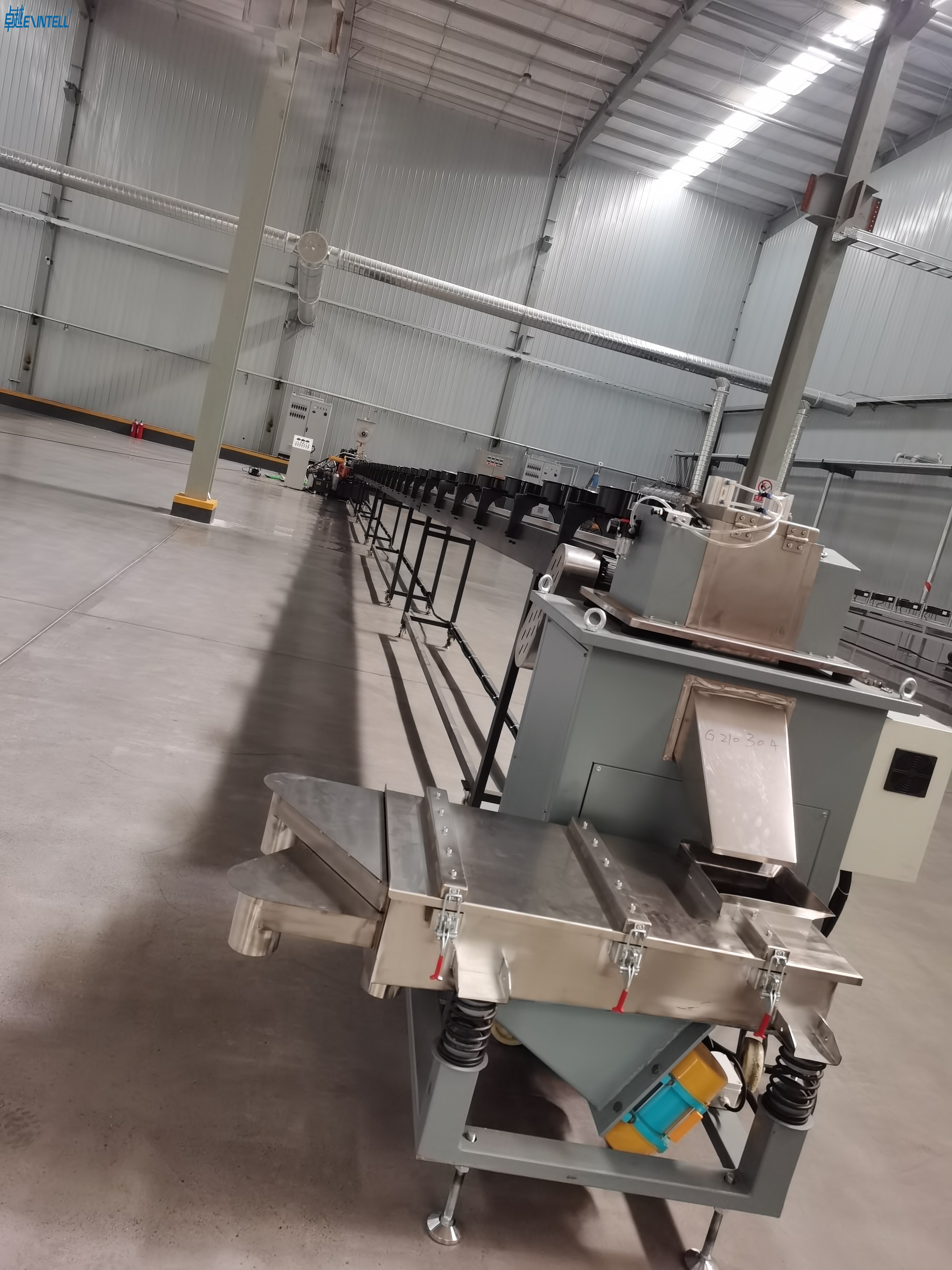
Oh kitu ékstrusi palastik salaku prosés anu ngarobah pellets plastik atah kana wangun mangpaat kawas pipa atawa lambar. Pikeun gambar eta, Jigana squeezing odol tina tube-iwal tinimbang némpelkeun, Abdi nganggo plastik lebur, jeung tinimbang tube a, Kuring boga kapang husus. Metoda ieu ngahasilkeun leuwih 140 juta métrik ton produk plastik sacara global unggal taun:
Wewengkon
Volume Produksi (métrik ton)
Asia-Pasifik
71 jutaan
Amérika Kalér
29 jutaan
Éropa
25 jutaan
Total
142 jutaan
Takeaways konci
Tonjolan palastik transforms pellets palastik atah kana wangun mangpaat kawas pipa na lambar ngaliwatan prosés kontinyu.
Kontrol suhu sareng tekanan penting pikeun mastikeun kualitas produk ahir nalika ékstrusi.
Produk umum anu didamel tina ékstrusi plastik kalebet bungkusan, bahan wangunan, sareng pipa médis.
Daur ulang palastik sésa salila Tonjolan mantuan ngurangan runtah sarta ngarojong prakték manufaktur sustainable.
Ngartos prosés ékstrusi ngamungkinkeun produsén nyiptakeun bentuk khusus sareng nyumponan kabutuhan industri khusus.
Naon Dupi Plastik Extrusion?
Katerangan basajan
Nalika kuring mikir ngeunaan Tonjolan plastik, Kuring ningali éta salaku prosés manufaktur anu lugas tapi kuat. Kuring mimitian ku plastik atah, biasana dina bentuk pellets atanapi granules leutik. Kuring eupan pellets ieu kana mesin nu heats aranjeunna dugi aranjeunna ngalembereh. Sakali palastik ngahontal suhu anu pas, Kuring maksakeun ngaliwatan hiji lawang ngawangun husus disebut paeh. Paéh ieu nangtukeun bentuk ahir produk. Prosésna diteruskeun nalika palastik anu anyar kabentuk tiis sareng hardens, na kuring motong kana panjangna dipikahoyong.
Kuring resep ngabandingkeun Tonjolan plastik pikeun nyieun pasta. Kuring nyorong adonan ngaliwatan maker pasta pikeun meunangkeun spaghetti atanapi penne. Dina cara nu sarua, Kuring nyorong plastik dilebur ngaliwatan paeh pikeun nyieun pipa, lambaran, atawa wangun séjén.
Tonjolan plastik nangtung kaluar sabab kontinyu. Abdi tiasa tetep nyoco pellets plastik kana mesin, sarta terus ngahasilkeun panjang, wangun seragam. Kontrol suhu sareng tekanan anu tepat dina unggal tahapan-nyoco, lebur, extruding, tiiseun, sarta motong-assures kualitas produk ahir.
Éta ngarobih plastik atah janten bentuk anu tiasa dianggo ku cara ngalebur sareng maksakeun kana paeh.
Kontrol suhu sareng tekanan anu tepat penting dina unggal tahapan.
Produk umum
Kuring ningali hasil tina Tonjolan plastik madhab dina kahirupan sapopoé jeung industri. Seueur produk anu kuring anggo atanapi sapatemon ngandelkeun prosés ieu pikeun bentuk sareng fungsina. Sababaraha barang anu paling umum dilakukeun ku ékstrusi plastik kalebet:
saluran plastik sarta trims dipaké dina konstruksi jeung jati
Propil pikeun jandéla jeung panto nu nyadiakeun struktur jeung sealing
Diffusers lampu LED nu nyebarkeun lampu merata
komponén tampilan ritel pikeun showcasing produk
Barricades jalan jeung delineators lalulintas keur kaamanan
Panel surya komponén ningkatna pikeun sistem énergi renewable
Sisipan bungkusan khusus anu ngajaga produk aman
Tonjolan plastik ngamungkinkeun kuring pikeun nyiptakeun produk ieu sacara éfisién sareng konsistén. Kuring ngandelkeun prosés ieu pikeun minuhan tungtutan manufaktur modern, ti tabung basajan ka profil kompléks. The versatility of Tonjolan hartina kuring bisa adaptasi jeung loba aplikasi béda, ngajadikeun eta hiji cornerstone industri plastik.
Léngkah Prosés Tonjolan Plastik
Nalika kuring nungtun batur ngaliwatan prosés extrusion palastik, Kuring sok ngarecah jadi jelas, léngkah manageable. Ieu prosés hambalan-demi-hambalan transforms pellets palastik atah kana produk rengse kalayan precision jeung efisiensi. Ieu kumaha kuring ngadeukeutan unggal tahap:
Dahar Pelet
Kuring ngamimitian prosés Tonjolan plastik ku milih nu tipe katuhu pellets palastik. Pilihan bahan penting sabab unggal jinis mawa sipat unik kana produk ahir. Salaku conto, Kuring sering nganggo poliétilén pikeun résistansi anu hampang sareng kimia, polystyrene pikeun rigidity sarta kajelasan, atawa polipropilén pikeun kakuatan sarta titik lebur tinggi. Kuring tuang pellets ieu kana hopper a, nu eupan aranjeunna kana extruder nu. Hopper mastikeun aliran ajeg, jadi prosésna tetep kontinyu jeung éfisién.
Tip: Kuring salawasna pariksa purity sarta kualitas palastik atah saméméh dimimitian. Kualitas bahan anu konsisten ngabantosan kuring ngahindarkeun cacad engké dina ékstrusi.
Enteng, résistansi dampak tinggi, lalawanan kimiawi alus teuing
Bungkusan, wadahna, barang konsumén
Polystyrene
Kaku, transparan, gampang kapang
Tanda-tanda, kasus tampilan, barang-barang rumah tangga
Polipropilén
Titik lebur luhur, lalawanan kimiawi, kakuatan
Bagian otomotif, tékstil, bungkusan
Lebur Plastik
Sakali pellets asupkeun extruder nu, Kuring ngaléngkah ka lengkah salajengna - ngalebur plastik. Laras extruder dipanaskeun nepi ka suhu antara 200°C jeung 275°C, gumantung kana bahan. Kuring ngawas suhu raket sabab unggal plastik boga titik lebur sorangan. Contona, poliétilén ngalembereh sabudeureun 105 ° C nepi ka 115 ° C, bari polystyrene merlukeun 210 ° C nepi ka 240 ° C. Screw puteran di jero tong compresses jeung mixes pellets, mastikeun aranjeunna ngalembereh merata sarta jadi lemes, massa homogen.
Bahan Plastik
Rentang Suhu
Titik lebur
Poliétilén (PE)
-50°C nepi ka 80°C
105°C – 115°C
Polipropilén (PP)
0°C nepi ka 120°C
130°C – 171°C
Polystyrene (PS)
-20°C nepi ka 70°C
210°C – 240°C
Kuring terang yén kontrol suhu anu tepat penting. Lamun palastik overheat, eta bisa ngaruksak tur leungit sipat na. Lamun tetep tiis teuing, eta moal ngalir leres ngaliwatan paeh. Kuring ngandelkeun sistem ngawaskeun canggih pikeun ngajaga prosés stabil sareng éfisién.
Ngabentuk kalawan maot
Sanggeus lebur, Kuring nyorong plastik molten ngaliwatan paeh. The paeh tindakan minangka kapang a, méré palastik bentuk ahir na. Kuring milih géométri paeh dumasar kana profil Abdi hoyong-naha éta tube a, lambaran, atawa profil custom. Panjang lahan paeh mangaruhan kaseragaman sareng kualitas ékstrusi. Lamun kuring milih panjang salah, Kuring résiko defects kawas sagging atanapi warping.
géométri maot nangtukeun cross-bagian produk urang.
Panjang taneuh mangaruhan kaseragaman sareng kualitas permukaan.
Mékanisme cooling dina paeh mantuan ngajaga bentuk.
Kuring ogé nengetan deukeut suhu sareng distribusi tekanan jero paeh. Faktor ieu mangaruhan kumaha palastik ngalir sareng padet. Pikeun wangun kompléks, Kuring nguji desain paeh tuntas saméméh produksi pinuh.
Cooling sarta motong
Sakali palastik ninggalkeun paeh, Abdi kedah gancang niiskeun pikeun ngonci bentukna. Kuring ngagunakeun métode cooling béda gumantung kana produk jeung speed produksi. Sistem cai-tiis ngiderkeun cai tiis sabudeureun Tonjolan nu, nu duanana ongkos-éféktif jeung efisien. Pikeun volume handap, Kuring kadang ngagunakeun sistem hawa-cooled. Dina setélan industri, Kuring ngandelkeun chillers pikeun kontrol hawa tepat.
Métode Cooling
Katerangan
Éféktivitas
Systems Cai-tiis
Sirkulasi cai tiis ngaliwatan extrusion paeh atawa tong.
Biaya-éféktif jeung efisien.
Systems Hawa-tiis
Paké hawa pikeun dissipate panas, cocog pikeun volume produksi handap.
Kurang éféktif batan sistem cai.
Chillers
Nyadiakeun kadali hawa tepat pikeun aliran bahan lemes.
Populér pikeun pamakéan industri.
abdi terang éta cooling tiasa nyandak nepi ka 70% tina total waktu siklus dina sababaraha prosés. Manajemén cooling anu épéktip ngamungkinkeun kuring ningkatkeun kagancangan produksi sareng ngajaga kaluaran anu luhur. Sanggeus tiis, Kuring motong palastik extruded kana panjangna diperlukeun atawa angin eta onto spools pikeun pamakéan salajengna.
Catetan: Kuring salawasna ngalaksanakeun cék kadali kualitas dina tahap ieu. Kuring mariksa diménsi sarta finish permukaan pikeun mastikeun unggal produk meets standar industri.
Ieu kasimpulan léngkah-léngkah utama dina prosés ékstrusi plastik:
Lengkah
Katerangan
1
pellets palastik atah anu fed kana Hopper sarta asupkeun extruder nu
2
Bahan ngarambat ngaliwatan tong dipanaskeun dimana eta lebur (200-275°C)
3
A screw puteran compresses na homogenizes palastik molten
4
Layar sareng pelat pemutus ngaleungitkeun rereged sareng nyiptakeun tekanan deui
5
Plastik molten dipaksa ngaliwatan paeh pikeun nyieun profil nu dipikahoyong
6
Produk extruded ieu leuwih tiis pikeun solidify bentukna
7
Produk dipotong kana panjangna atanapi tatu kana spools.
Ku nuturkeun prosés léngkah-léngkah ieu, Kuring ngarobih pélét palastik saderhana janten kualitas luhur, produk rengse. Kaahlian kuring dina ngatur unggal tahapan mastikeun efisiensi, konsistensi, jeung reliabilitas dina unggal proyék Tonjolan.
Jenis Extrusion Plastik
Nalika kuring damel dina prosés manufaktur plastik, Kuring mindeng milih ti sababaraha jenis Tonjolan plastik. Unggal metode ngabentuk plastik dina cara anu unik sareng ngalayanan industri anu béda. Abdi hoyong bagikeun kumaha kuring ngagunakeun téknik ieu pikeun nyiptakeun produk anu anjeun tingali unggal dinten.
Tubing
Kuring make Tubing extrusion nalika kuring kedah ngadamel kerung, produk cylindrical. Prosés ieu nyorong plastik lebur ngaliwatan paeh buleud, ngabentuk tabung kontinyu. Kuring ngandelkeun metoda ieu pikeun rupa-rupa aplikasi:
Tubing Tonjolan méré kuring kontrol leuwih diaméter sarta ketebalan témbok. Abdi tiasa nyaluyukeun prosés pikeun nyumponan standar industri anu ketat, utamana pikeun alat médis.
Niup Film
Tonjolan pilem niup nangtung kaluar salaku prosés nu nyiptakeun ipis, pilem palastik fléksibel. Kuring extrude plastik molten ngaliwatan paeh sirkular, lajeng inflate eta kalawan hawa pikeun ngabentuk gelembung. gelembung ieu manjang tur cools, ngahasilkeun pilem seragam. Kuring make metoda ieu nyieun:
Kantong balanjaan sareng balanjaan
Bungkus bungkusan dahareun
Liners pikeun wadahna
Tonjolan pilem niup ngamungkinkeun kuring ngadalikeun ketebalan sareng kakuatan pilem. Prosésna ogé ngalipetkeun pilem di tepi, nu ngajadikeun produksi kantong leuwih efisien.
Lembar Pilem
Nalika kuring peryogi datar, lambaran plastik lega, Kuring giliran extrusion lambar film. Kuring nyorong plastik dilebur ngaliwatan paeh datar, lajeng tiis tur gulung kana lambaran. Lambaran ieu ngagaduhan seueur tujuan:
Jenis Aplikasi
Katerangan
Bungkusan
Dulang, wadahna, jeung wraps
Laminasi
Lapisan awét pikeun produk
Labeling
Label pikeun botol sareng bungkusan
Palapis pelindung
Shields pikeun surfaces
Panel interior otomotif
Dasbor mobil sareng panél panto
Témbongkeun Iklan
Tanda jeung bahan promosi
Bahan Wangunan
Panel konstruksi sareng insulasi
Tonjolan pilem lambar ngamungkinkeun kuring pikeun ngahasilkeun bahan kalayan ketebalan konsisten sareng kualitas permukaan.
Leuwih Jaket
Leuwih jaket ékstrusi mantuan kuring jas kawat jeung kabel ku lapisan palastik pelindung. Kuring narik kawat ngaliwatan puseur paeh bari nerapkeun palastik molten sabudeureun eta. Proses ieu penting dina industri sapertos:
Aspék
Katerangan
Harti
Palapis kawat ku palastik pikeun panangtayungan
Industri umum
Wiring listrik, telekomunikasi
Upami abdi peryogi palapis ka lengket pageuh, Abdi nganggo alat tekanan. Pikeun pas leupas, Kuring nerapkeun alat jaket nalika kawat kaluar tina paeh. Leuwih jaket ékstrusi ensures kawat tetep aman tina Uap, bahan kimia, jeung abrasion.
Tip: Kuring salawasna milih metodeu Tonjolan katuhu dumasar kana fungsi produk urang jeung sarat industri urang. Ngartos jinis ékstrusi plastik ngabantosan kuring nganteurkeun dipercaya, hasil kualitas luhur.
Kauntungan tina Extrusion Plastik
Efisiensi
Kuring ngandelkeun Tonjolan plastik sabab delivers efisiensi unmatched dina manufaktur. Prosésna ngamungkinkeun kuring pikeun nyiptakeun produk kalayan bagian-bagian silang anu konsisten, nu hartina kuring bisa ngahasilkeun wangun kompléks tanpa sacrificing kualitas. Kuring beroperasi mesin terus, jadi kuring ngaleutikan downtime sarta ulah kakirangan inventory. Metoda ieu ngagunakeun thermoplastics na granules nu abdi tiasa make deui, nu lowers bahan baku sarta waragad pembuangan.
Kuring ngahontal versatility ku shaping plastik kana pipa, lambaran, sareng profil pikeun seueur industri.
Kuring nyimpen duit ku ngadaur mulangkeunana bahan leftover na ngurangan runtah.
Kuring ngajaga produksi ajeg, nu ngarojong manufaktur skala badag.
Tonjolan plastik nangtung kaluar pikeun tabungan ongkos. Kuring perhatikeun éta Extrusion maot hargana kirang sarta nyandak kirang waktos pikeun ngahasilkeun ti molds suntik. Kuring ningkatkeun kaluaran ku ngajalankeun mesin di speeds tinggi, nu ngurangan biaya tanaga gawé. Éfisiensi énergi ogé penting. I use less energy per unit compared to other methods, which lowers operational expenses.
Aspék
Katerangan
Lower Tooling and Setup Costs
Extrusion dies are less expensive and quicker to produce than injection molds, reducing initial costs.
High Production Speed
Extrusion allows for continuous production at high speeds, decreasing labor costs and increasing output.
Énergi Énergi
Requires less energy per unit compared to other methods, leading to lower operational expenses.
When I compare energy consumption, extrusion uses a steady amount of energy because it operates continuously. Injection molding and blow molding require more energy due to repeated heating and cooling cycles.
Prosés
Energy Consumption Description
Ekstrusi
Energy consumption is relatively low due to continuous production and efficient heating systems.
Molding suntik
Consumes more energy due to repeated heating and cooling, gumantung kana intricacy produk.
Niup Molding
Merlukeun alat niupan tambahan sarta sistem cooling, ngarah kana konsumsi énergi anu langkung luhur.
Kuring ngarojong kelestarian ku daur ulang runtah plastik. Kuring ngumpulkeun bahan sésa, ngalembereh aranjeunna handap, sareng dianggo deui dina produk anu bakal datang. Prakték ieu ngirangan tekanan TPA sareng ngahémat énergi.
Mangpaat Sapopoé
Tonjolan plastik ngabentuk seueur produk anu kuring anggo sapopoé. Kuring ningali dampak na dina bungkusan, pangwangunan, palayanan Kaséhatan, jeung barang-barang rumah tangga. Prosés nyiptakeun pipa PVC, pigura jandela, cuaca-stripping, peti gudang, jeung rak plastik. Kuring ogé ngandelkeun Tonjolan pikeun gaskets panto kulkas, hoses vacuum cleaner, segel panto, saluran jandela, komponén bemper, saluran kabel, jalur IV, katéter, bahan bungkusan, jeung stand tampilan.
Propil jandela
Pigura panto
Cuaca stripping
Motong
Anjing laut
Gaskets
Tubing
Parabot rumah tangga
Barang olah raga
Komponén jati
Kaulinan
Selang taman
Kuring ngakuan yén aplikasi pikeun Tonjolan plastik ngalegaan ka bungkusan, nyieun produk ieu indispensable dina kahirupan sapopoé. palastik pamakéan tunggal nawarkeun genah, tapi aranjeunna ogé ningkatkeun runtah sareng nampilkeun tantangan lingkungan. Kuring ngungkulan masalah ieu ku cara ngadaur ulang sareng ngamajukeun prakték sustainable.
Produksi plastik konvensional ngagaduhan pangaruh anu teu tiasa dipungkir dina lingkungan urang. Utamana, prosés manufaktur ngagunakeun jumlah vast énergi jeung bahan baku, ngarah kana émisi CO2. Sumawona, durability bahan plastik sarta degradasi slow bisa ngakibatkeun ngarugikeun lingkungan jangka panjang lamun teu disposed of responsibly.
Kuring ningali yén ékstrusi plastik ngadukung kelestarian ku ngirangan kabutuhan palastik parawan, conserving sumberdaya, sarta promosi ékonomi sirkular. Seueur garis ékstrusi ngagunakeun plastik daur ulang, nu mantuan ngurangan runtah sarta ngarojong tujuan lingkungan. Kuring yakin yén pamahaman mangpaat sarta aplikasi pikeun Tonjolan plastik mantuan kuring nyieun pilihan informed salaku produsén sarta konsumen.
Kuring ningali Tonjolan plastik salaku prosés kontinyu nu transforms plastik atah kana wangun mangpaat. Pilihan bahan jeung kontrol suhu maénkeun peran konci dina achieving hasil kualitas. Aditif ningkatkeun sipat plastik, sareng kapang anu dirarancang saé ngabantosan abdi nyiptakeun bentuk anu dipikahoyong. Ngartos watesan ékstrusi, kayaning tantangan jeung wangun kompléks jeung kasaluyuan bahan, penting pisan.
Aspék
pentingna
Kualitas Produk
Pangaweruh ngeunaan ékstrusi ningkatkeun kualitas produk plastik.
Kustomisasi
Abdi tiasa nyaluyukeun prosés pikeun nyumponan kabutuhan khusus.
Kelestarian
Ngagunakeun plastik daur ulang ngarojong usaha lingkungan.
Kuring ajak pamiarsa kasampak sabudeureun tur perhatikeun sabaraha barang sapopoé ngandelkeun Tonjolan plastik. Ngenalkeun produk ieu ngabantosan kuring ngahargaan peran plastik dina kahirupan modern sareng ngadukung pilihan anu terang pikeun kelestarian..
FAQ
Naon ngajadikeun Tonjolan plastik béda ti métode manufaktur lianna?
Oh kitu ékstrusi palastik salaku prosés kontinyu. Abdi tiasa ngahasilkeun panjang, bentuk seragam jeung kirang runtah. Métode séjén, kawas injection molding, nyieun bagian individu. Extrusion dianggo pangalusna pikeun pipa, lambaran, jeung propil. Kuring milih éta pikeun efisiensi sareng kualitas konsisten.
Dupi abdi tiasa ngadaur mulangkeunana plastik dina prosés Tonjolan?
Kuring mindeng daur ulang plastik salila extrusion. Kuring ngumpulkeun bahan sésana, ngalembereh, jeung eupan deui kana mesin. Prakték ieu ngirangan runtah sareng ngadukung kelestarian. Kuring salawasna pariksa kualitas palastik didaur pikeun mastikeun kuat, produk dipercaya.
Jenis plastik naon anu paling cocog pikeun ékstrusi?
Kuring make loba jenis plastik pikeun Tonjolan. Poliétilén, polipropilén, sareng polystyrene berpungsi saé. Kuring milih bahan dumasar kana kabutuhan produk. Sababaraha plastik nawiskeun kalenturan, sedengkeun nu sejenna nyadiakeun kakuatan atawa kajelasan. Kuring salawasna cocog palastik jeung aplikasi.
Kumaha kuring ngadalikeun kualitas produk extruded?
Kuring ngawas suhu, tekanan, jeung purity bahan sapanjang prosés Tonjolan plastik. Kuring mariksa finish permukaan jeung dimensi sanggeus cooling. Kuring ngagunakeun cék kualitas dina unggal tahapan. Pendekatan ieu ngabantosan kuring nganteurkeun dipercaya, produk ékstrusi kualitas luhur.
Nyaeta Tonjolan plastik cocog pikeun wangun custom?
Kuring make Tonjolan plastik pikeun nyieun profil custom ku ngarancang maot husus. Abdi tiasa nyaluyukeun prosés pikeun bentuk sareng ukuran anu unik. Kalenturan ieu ngamungkinkeun kuring pikeun nyumponan sarat khusus dina konstruksi, otomotif, jeung industri bungkusan.