

Masterbatch Mesin Showdown Kembar-Screw Extruders na Kneader Mesin
Pabrikan di industri masterbatch sering milih co-rotating twin-screw extruders pikeun kamampuanana pikeun nganteurkeun campuran anu unggul sareng hasil anu konsisten.. Aranjeunna ngandelkeun mesin kneader nalika nanganan bahan anu sénsitip atanapi luhur anu nungtut pamrosesan anu lembut. Pilihan mesin maénkeun peran pivotal dina unggal operasi Mesin Masterbatch. Pilihan anu leres langsung mangaruhan kualitas produksi sareng efisiensi, salaku extruders modern jeung alat ngarojong streamline aliran produksi jeung ngarojong pangiriman dipercaya.
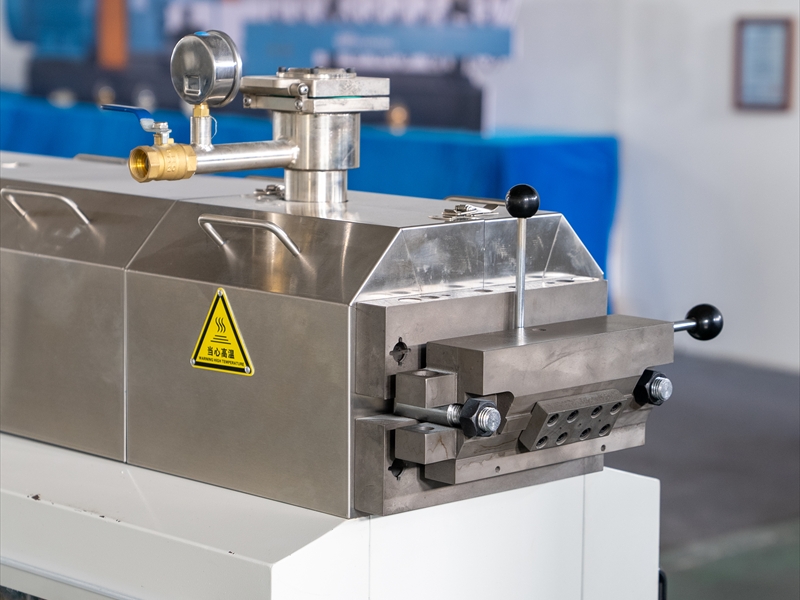
- Pilihan alat anu leres ngaoptimalkeun kualitas produk sareng efisiensi produksi.
-
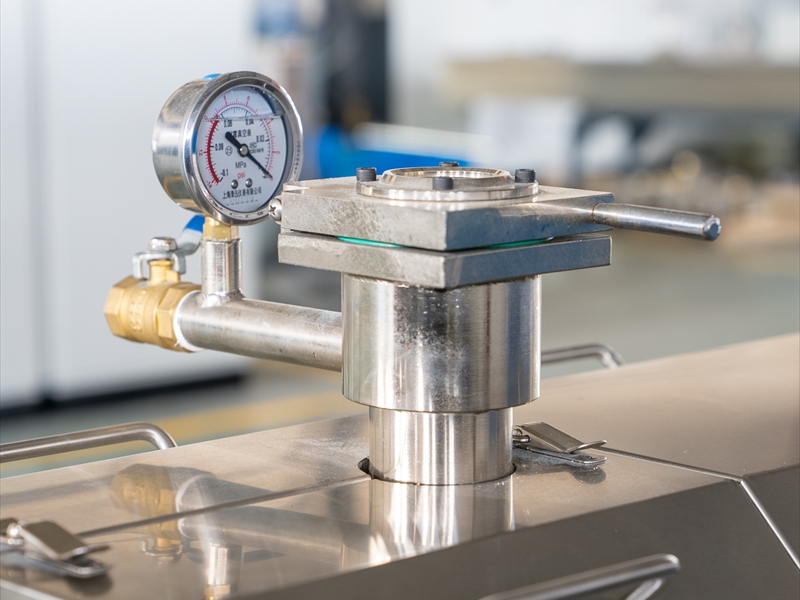
Mesin canggih ngirangan biaya operasional jeung bottlenecks, mastikeun throughput hadé tur kapuasan customer.
- aligning pilihan mesin jeung kapasitas produksi jeung spésifikasi bahan jaminan hasil konsisten.
Takeaways konci
- Milih mesin katuhu pikeun kaperluan anjeun. Extruders kembar-screw unggul dina pergaulan jeung throughput, bari mesin kneader anu idéal pikeun bahan sénsitip.
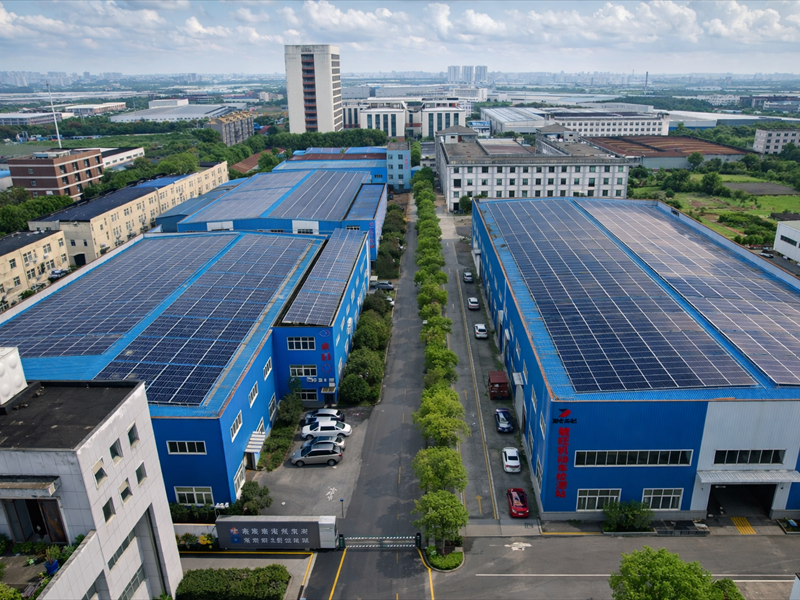
- Utamakeun kualitas produksi. Pilihan alat anu leres langsung mangaruhan konsistensi sareng kinerja masterbatch anjeun.
-
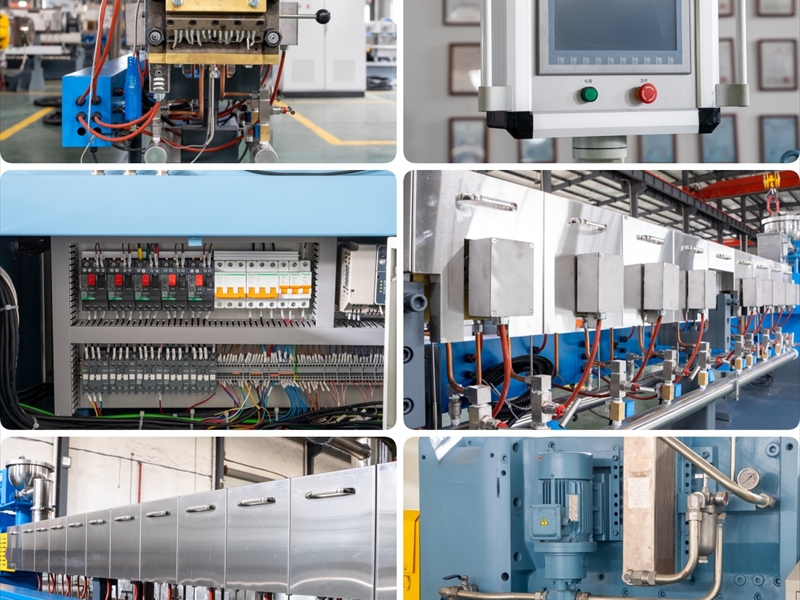
Maksimalkeun efisiensi sareng mesin canggih. Extruders kembar-screw ngirangan biaya operasional sareng ningkatkeun aliran produksi.
- Pastikeun kasaluyuan bahan. Ngalaksanakeun tés anu ketat pikeun mastikeun yén pigmén sareng aditif nyampur saé pikeun hasil anu optimal.
- Fokus kana konsistensi dispersi. Campuran kualitas luhur nyegah cacad sareng ngajamin warna seragam dina produk plastik.
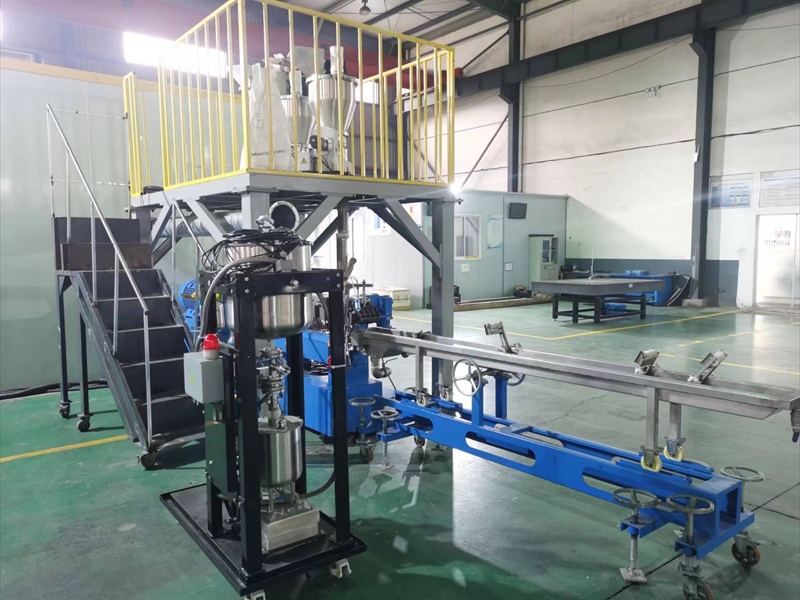
- Mertimbangkeun kabutuhan pangropéa. Extruders kembar-screw merlukeun leuwih upkeep, bari mesin kneader nawiskeun rutin pangropéa basajan.
-
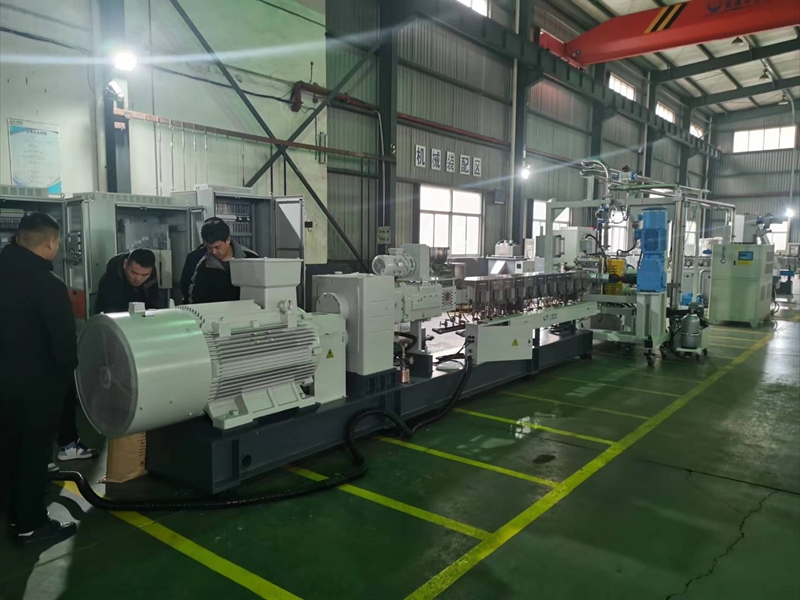
Evaluate anggaran Anjeun taliti. Extruders kembar-screw ngalibetkeun waragad awal luhur, tapi efisiensi maranéhanana bisa offset expenses kana waktu.
- Rencana pikeun skalabilitas. Extruders kembar-screw bisa gampang adaptasi jeung ngaronjat tungtutan produksi, bari mesin kneader bisa merlukeun unit tambahan.
Ihtisar Manufaktur Masterbatch
Naon Dupi Masterbatch
Manufaktur Masterbatch nyiptakeun campuran kentel pigmén, aditif, sarta résin carrier. Campuran ieu, disebut masterbatch, dipaké pikeun ngawarnaan atawa ningkatkeun sipat produk plastik. Prosésna ngalibatkeun campuran bahan baku, compounding aranjeunna ngaliwatan extrusion, sarta ngabentuk pellets pikeun penanganan gampang. Pabrikan ngandelkeun masterbatch pikeun ngahontal warna anu konsisten, ningkat durability, jeung kinerja husus dina aplikasi plastik. Industri masterbatch ngadukung rupa-rupa séktor, kaasup bungkusan, otomotif, jeung barang konsumén.
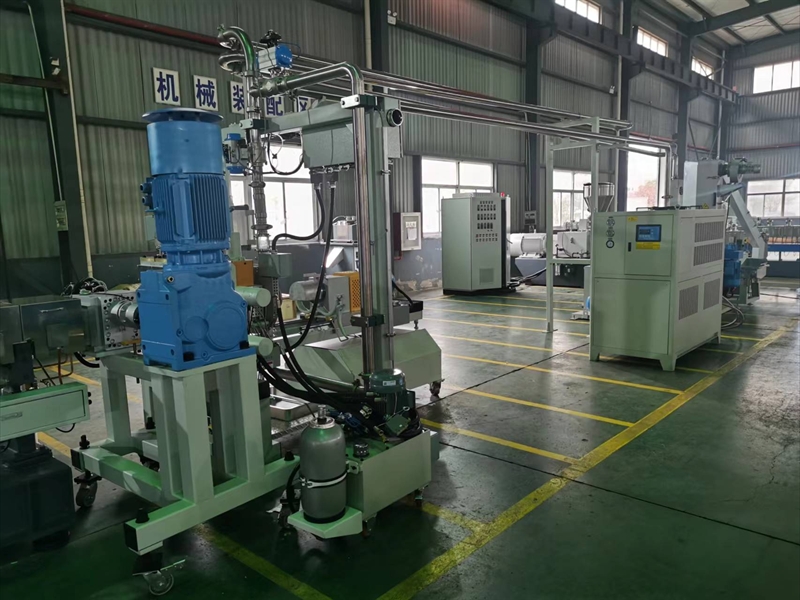
Prosés manufaktur masterbatch merlukeun kontrol ati dina unggal tahap. Unggal léngkah, tina pilihan bahan baku nepi ka bungkusan ahir, mangaruhan kualitas jeung kinerja produk rengse. tabél di handap outlines léngkah utama jeung maranéhna syarat kritis:
| Lengkah | Syarat Kritis |
|---|---|
| Pamilihan Bahan Baku | Paké bébas lebu, low-beueus, jeung bahan thermally stabil pikeun kualitas konsisten. |
| Timbangan tepat sareng Campuran | Sistem dosis otomatis pikeun akurasi; mixers-speed tinggi pikeun seragam pre-sanyawa. |
| Extrusion jeung Compounding | Aplikasi panas dikontrol sareng campuran geser tinggi pikeun dispersi aditif sacara saksama. |
| Cooling na Pellet Formasi | Cooling gancang sarta motong untaian extruded kana pellets seragam. |
| Inspeksi Kualitas anu ketat | Multiple quality tests including color uniformity and compatibility checks. |
| Packaging and Timely Delivery | Store in clean, temperature-controlled facilities and focus on on-time delivery. |
Key Production Needs
Dispersion Consistency
Dispersion consistency stands as a core requirement in masterbatch manufacturing. Uniform dispersion of pigments and additives ensures that every plastic product displays the intended color and properties. High-quality compounding prevents the formation of hard lumps or impurities, which can cause defects in the final masterbatch. Manufacturers use advanced mixing and compounding extrusion technologies to achieve excellent dispersion. Consistent dispersion also improves surface finish and reduces production issues, making it essential for reliable masterbatch performance.
Throughput
Throughput ngukur jumlah masterbatch anu dihasilkeun dina jangka waktu anu khusus. throughput tinggi ngarojong produksi skala badag tur minuhan paménta pasar éfisién. Prosés compounding kudu saimbang speed jeung kualitas, sakumaha produksi gancang teu kudu kompromi dispersi atawa uniformity. Jalur manufaktur masterbatch modéren nganggo sistem otomatis sareng extruders kapasitas luhur pikeun maksimalkeun throughput. Sistem cooling sareng pelletizing efisien langkung ngagampangkeun prosésna, mastikeun yén targét produksi dicumponan tanpa ngorbankeun kualitas.
Kasaluyuan bahan
Kasaluyuan bahan maénkeun peran penting dina manufaktur masterbatch. Pigmén anu dipilih, aditif, sarta résin carrier kudu nyampur ogé salila compounding. Bahan anu teu cocog tiasa nyababkeun dispersi anu goréng, coretan warna, atawa ngurangan kinerja palastik. Pabrikan ngalaksanakeun uji kualitas anu ketat, kaasup warna cocog jeung analisis dispersi, pikeun mastikeun kasaluyuan. Léngkah ieu mastikeun yén masterbatch ngahijikeun lancar kana sababaraha aplikasi plastik, ngarojong hasil konsisten sakuliah ngajalankeun produksi béda.
Catetan: Manufaktur masterbatch-kualitas luhur gumantung kana kontrol tepat compounding, nyampur tuntas, jeung taliti milih bahan. Faktor ieu ngajamin yén masterbatch ahir nyumponan standar industri pikeun warna, durability, jeung paripolah ngolah.
Kembar Screw Extruder dina Mesin Masterbatch
Kembar Screw Extruder Tipe
Extruders kembar-screw geus jadi tulang tonggong manufaktur masterbatch modern. Aranjeunna nawiskeun kalenturan sareng kontrol anu teu cocog dibandingkeun sareng desain screw tunggal. tabél di handap highlights nu bédana operasional antara extruders screw tunggal jeung kembar, emphasizing naha konfigurasi kembar ngadominasi produksi masterbatch:
| Fitur | Tunggal Screw Extruder | Kembar Screw Extruder |
|---|---|---|
| Kamampuhan Pergaulan | kawates | ditingkatkeun |
| Kalenturan | Lemah | Luhur |
| Control over Material Flow | Sedeng | Luhur |
| Ideal for Complex Recipes | No | Sumuhun |
| Application in Masterbatch | kawates | Extensive |
Co-Rotasi
Co-rotating twin screw extruders feature screws that rotate in the same direction. This design maximizes the mixing and compounding efficiency. The co-rotating action ensures that materials experience both dispersive and distributive mixing, which is essential for producing high-quality masterbatch. Manufacturers prefer this type for its ability to handle complex formulations and maintain consistent output.
Intermeshing vs Non-Intermeshing
Twin screw extruders can be intermeshing or non-intermeshing. Intermeshing designs allow the screws to overlap, creating a self-wiping effect that reduces material build-up and improves self-cleaning. This feature supports continuous operation and minimizes downtime. Jenis non-intermeshing ngajaga screws misah, nu bisa nyocogkeun ka kabutuhan compounding husus tapi umumna nawarkeun pergaulan kirang intensif.
Fitur Twin Screw Extruder
Desain Modular
kembar screw extruders ngagunakeun elemen screw modular. Fitur ieu ngamungkinkeun operator ngarobih sistem ekstrusi pikeun resep masterbatch anu béda. Desain modular ngarojong mindahkeun énergi mékanis optimal tur ngamungkinkeun parobahan gancang dina setelan prosés. Pabrikan tiasa adaptasi sistem ékstrusi kana bahan atanapi syarat produk énggal tanpa waktos downtime.
Geser jeung Kontrol Tekanan
Kontrol anu tepat dina geser sareng tekanan ngahartikeun efektivitas extruder screw kembar. Operator tiasa nyaluyukeun speed screw, konfigurasi, jeung suhu tong pikeun nyampurnakeun prosés gabungan. Kontrol ieu mastikeun dispersi seragam tina pigmén sareng aditif, hasilna kualitas masterbatch konsisten. Sistem ékstrusi ogé ngajaga tekanan stabil, nu ngajaga bahan sénsitip sarta ngaronjatkeun sipat struktural produk ahir.
Kaunggulan
Punjul Pergaulan
Extruders kembar-screw nganteurkeun pergaulan dispersive jeung distributive kuat. Kamampuhan ieu ngajamin yén pigmén sareng aditif nyampur tuntas salami panyusun. Hasilna nyaéta masterbatch kalayan warna seragam sareng kinerja.
Throughput Tinggi
Produsén ngandelkeun extruders screw kembar pikeun throughput tinggi. Mesin ieu ngolah volume masterbatch anu ageung sacara éfisién, minuhan tungtutan produksi skala industri. Desain ngarojong nyoco stabil tina pigmén bubuk jeung aditif, nu boosts produktivitas.
Ngabersihan diri
Peta intermeshing dina loba extruders screw kembar nyadiakeun éfék timer beberesih. Fitur ieu ngirangan résidu bahan, ngaminimalkeun résiko kontaminasi, sarta shortens kali changeover antara formulasi masterbatch béda.
Tip: Kaunggulan tina téhnologi twin screw extruder ngalegaan saluareun Pergaulan. mesin ieu ngaoptimalkeun utilization bahan sareng ngadukung kontrol anu tepat dina unggal tahapan prosés panyusun.
Kakurangan
Ongkos
Sistem extruder screw kembar merlukeun investasi awal signifikan. Pabrikan sering nyanghareupan biaya upfront anu langkung luhur dibandingkeun mesin screw tunggal. Rékayasa canggih sareng desain modular tina extruders kembar nyumbang kana biaya ieu. Loba fasilitas ogé kudu investasi di husus alat bantu pikeun ngarojong extruder screw kembar. Biaya ieu tiasa nangtang produsén skala leutik atanapi anu gaduh anggaran terbatas. Langkungna waktos, efisiensi sarta kaluaran téhnologi extruder screw kembar bisa offset expense awal, but the barrier to entry remains higher than with simpler machines.
Pangropéa
Maintenance for twin screw extruder equipment demands skilled technicians and regular attention. The intermeshing screws and modular components experience wear during continuous operation. Operators must monitor the condition of screws, tong, and seals to prevent downtime. Scheduled maintenance and part replacement help maintain consistent performance, but they add to operational costs. Complex assemblies in twin screw extruder systems can increase the time required for cleaning and repairs. Facilities that process abrasive or highly filled materials may see accelerated wear, requiring even more frequent maintenance.
Catetan: Regular maintenance ensures that twin screw extruder machines deliver reliable results and extend their service life. Neglecting upkeep can lead to inconsistent masterbatch quality and unexpected production stops.
Application of Twin Screw Extruder
Warna Masterbatch
Twin screw extruder technology plays a central role in color masterbatch production. The twin screws provide intensive mixing, which ensures pigments disperse evenly throughout the carrier resin. This process creates pellets with uniform color, essential for high-quality plastic products. Manufacturers rely on the twin screw extruder to handle a wide range of pigment types and concentrations. The flexibility of the twin design allows for quick changeovers between different color formulations, supporting diverse customer requirements.
Additive Masterbatch
The application of twin screw extruder systems extends to additive masterbatch manufacturing. These machines blend functional additives—such as UV stabilizers, retardants seuneu, or antistatic agents—into the polymer matrix. The twin screws ensure thorough dispersion, which maximizes the effectiveness of each additive. Consistent mixing prevents agglomeration and guarantees that every pellet delivers the intended performance. The modular design of the twin screw extruder allows operators to adjust the process for different additive types and loadings.
The table below summarizes the main application areas for twin screw extruder systems in masterbatch production:
| Aplikasi | Katerangan |
|---|---|
| Masterbatch Production | Ensures uniform dispersion of pigments and additives for color and functional masterbatches. |
| Warna Masterbatch | Provides consistent color distribution and supports rapid formulation changes. |
| Additive Masterbatch | Delivers incorporation tepat aditif fungsional pikeun sipat plastik ditingkatkeun. |
mesin extruder screw kembar ngarojong rupa-rupa aplikasi masterbatch. Versatility sareng kontrolna ngajantenkeun aranjeunna janten pilihan anu dipikaresep pikeun produksi masterbatch warna sareng aditif. Aplikasi téknologi extruder screw kembar terus dilegakeun nalika produsén milarian kualitas sareng efisiensi anu langkung luhur.
Mesin Kneader pikeun Masterbatch Manufaktur
Jinis Mesin Kneader
Mesin Kneader maénkeun peran penting dina manufaktur masterbatch, utamana lamun nanganan-nilai luhur atawa bahan sénsitip. Sababaraha jinis mesin kneader ngalayanan industri, unggal dirancang pikeun kaperluan compounding husus:
- Banbury Mixers: Mesin ieu unggul dina nyampur polimér sareng aditif, ngajadikeun aranjeunna pokok dina produksi masterbatch.
- Dispersi Kneaders: Manufacturers use these for achieving uniform dispersion, which is essential for consistent masterbatch quality.
- Internal Mixers: Laboratories often rely on internal mixers for small-scale research and development. These machines allow precise control over mixing parameters.
- Sigma Blade Kneaders: Designed for high-viscosity materials, sigma blade kneaders ensure thorough mixing and are ideal for challenging compounding tasks.
Kneader machines operate by mixing materials under controlled temperature and shear conditions. This approach ensures uniform dispersion and effective compounding, which are critical for producing high-quality masterbatch.
Features of Kneader Machine
Intensive Mixing
Kneader machines deliver intensive mixing, which enables precise dispersion and blending of pigments, aditif, and resins. Fitur ieu ngabuktikeun penting pisan dina manufaktur masterbatch, dimana bahan-bahan anu dirobih eusian luhur sareng paménta tinggi ngabutuhkeun distribusi seragam. Aksi campuran anu kuat nyegah aglomerasi sareng mastikeun yén unggal bets masterbatch nyumponan standar kualitas anu ketat..
Énergi Énergi
Énergi efisiensi nangtung kaluar salaku kaunggulan konci mesin kneader. Desain maranéhanana ngaminimalkeun konsumsi énergi salila compounding, nu mantuan pabrik ngurangan biaya operasional. Mesin ngajaga kaluaran stabil bari ngolah rupa-rupa bahan, ngajantenkeun aranjeunna cocog pikeun manufaktur masterbatch skala ageung sareng khusus.
Operasi angkatan
Mesin Kneader biasana beroperasi dina modeu angkatan. Metoda ieu ngamungkinkeun pikeun adjustment parameter fléksibel, ngarojong produksi rupa-rupa formulasi masterbatch. Operasi bets ogé nyadiakeun kaluaran stabil, anu penting pisan pikeun ngajaga konsistensi nalika ngolah bahan anu sensitip atanapi luhur. Operator raket tiasa ngawas unggal bets, mastikeun yén prosés compounding minuhan spésifikasi diperlukeun.
Kaunggulan
Precision Pergaulan
mesin Kneader nawiskeun precision campur kode, nu penting pisan pikeun manufaktur masterbatch ngalibetkeun bahan kompléks atawa sénsitip. Mesin-mesin’ kamampuan pikeun ngahontal dispersi seragam ensures yén pigmén jeung aditif ngahijikeun seamlessly kana résin carrier. Precision ieu ngarojong produksi masterbatch kalawan warna konsisten tur kinerja.
Konsumsi Énergi Handap
Pabrikan ngahargaan mesin kneader pikeun konsumsi énergi anu langkung handap dibandingkeun sareng alat-alat panyusun anu sanés. Desain efisien ngurangan generasi panas sarta ngaminimalkeun degradasi bahan, nu pedah formulasi masterbatch sénsitip panas. Pamakéan énérgi anu handap ogé nyumbang kana prosés produksi anu langkung sustainable.
Kakuatan
Mesin Kneader nunjukkeun kakuatan anu luar biasa. Konstruksi maranéhanana tahan tungtutan compounding intensif, sanajan ngolah bahan abrasive atawa kacida kaeusi. durability Ieu ensures operasi dipercaya jeung manjangkeun umur jasa pakakas, ngajadikeun mesin kneader investasi sora pikeun fasilitas manufaktur masterbatch.
Catetan: Mesin Kneader ngagabungkeun pergaulan intensif, efisiensi énergi, jeung konstruksi mantap, ngajadikeun eta idéal pikeun manufaktur masterbatch anu merlukeun compounding tepat jeung output stabil.
Kakurangan
Throughput handap
Mesin Kneader beroperasi dina modeu bets, nu ngawatesan throughput maranéhanana dibandingkeun sistem ékstrusi kontinyu. Operator kedah ngamuat, nyampur, sarta ngurangan unggal bets saméméh dimimitian siklus salajengna. Prosés ieu ngabatesan volume masterbatch anu diproduksi dina jangka waktu anu ditangtukeun. Fasilitas anu merlukeun ongkos produksi tinggi mindeng manggihan mesin kneader kirang cocog pikeun manufaktur skala badag. Operasi bets ogé ningkatkeun downtime antara siklus, nu bisa mangaruhan efisiensi sakabéh. Pabrikan anu prioritas laju sareng volume tiasa langkung milih extruders pikeun kamampuanana pikeun nganteurkeun kaluaran anu konsisten tanpa gangguan..
Kalenturan kawates
Mesin Kneader nawiskeun kirang kalenturan nalika adaptasi kana formulasi énggal atanapi parobihan produk gancang. Prosés bets merlukeun pangaluyuan manual pikeun tiap resep, nu slows respon kana tungtutan pasar shifting. Operator kudu ngabersihan jeung nyiapkeun mesin antara bets, utamana lamun pindah antara bahan béda. This limitation makes kneader machines less ideal for facilities that handle frequent changes in masterbatch composition. The design suits stable production environments but presents challenges for manufacturers seeking versatility in their application range.
Catetan: Kneader machines excel in precision mixing and energy efficiency, but their lower throughput and limited flexibility can restrict their use in fast-paced or highly variable production settings.
Aplikasi Biasa
Highly Filled Masterbatch
Kneader machines demonstrate exceptional performance in highly filled masterbatch production. These machines handle ultra-high loading tingkatan, mindeng ngaleuwihan 85% eusi pangeusi. The intensive mixing action ensures difficult-to-disperse additives integrate thoroughly into the carrier resin. Manufacturers select kneader machines for filler masterbatch compounding because they maintain uniform dispersion and prevent agglomeration, malah ku bahan nangtang. The table below highlights the primary application type and its characteristics:
| Jenis Aplikasi | Ciri |
|---|---|
| Filler Masterbatch Compounding | Ultra-High Loading, >85% filling levels, difficult-to-disperse additives |
This application requires robust mixing and stable output, which kneader machines provide. Operators achieve consistent quality in batches with high filler content, supporting demanding industrial requirements.
Rubber Compounds
Rubber compound production represents another key application for kneader machines. The equipment processes elastomers, pangeusi, and additives under controlled temperature and shear conditions. Kneader machines deliver uniform dispersion, nu ngaronjatkeun sipat fisik produk karét. Pabrikan ngandelkeun mesin kneader pikeun kamampuan pikeun nanganan bahan kentel sareng ngajaga konsistensi bets-to-batch.. Prosésna ngadukung aplikasi karét khusus, kaasup suku cadang otomotif, anjing laut, jeung komponén industri.
Tip: Fasilitas anu ngahasilkeun masterbatch atanapi sanyawa karét anu pinuh ku kauntungan tina campuran anu kuat sareng operasi bets anu stabil dina mesin kneader.. Aplikasi ieu nungtut presisi sareng reliabilitas, nu mesin kneader konsistén nganteurkeun.
Beda Antara Tunggal jeung Kembar Screw Extruder
Kualitas Pergaulan
Kualitas nyampur nangtung salaku faktor kritis dina manufaktur masterbatch. The extruder screw tunggal nyadiakeun utamana distributive campur kode. Ieu hartosna nyebarkeun bahan tapi henteu ngarecah aglomerat sacara efektif. Twin screw extruders deliver both dispersive and distributive mixing. They can break down pigment clusters and distribute additives evenly. This capability results in a more homogeneous masterbatch, which is essential for high-performance applications.
The table below highlights the main differences in kamampuan nyampur:
| Fitur | Tunggal Screw Extruder | Kembar Screw Extruder |
|---|---|---|
| Kamampuhan Pergaulan | Lemah (mainly distributive) | Luhur (Dispersive & Distributive) |
Manufacturers often choose twin screw extruders for compounding tasks that require intensive mixing, such as blending glass fibers, retardants seuneu, or pigments into resins. The single screw extruder works best for simpler formulations where basic mixing suffices.
Tip: For masterbatch products that demand uniform color and additive distribution, twin screw extruders offer a clear advantage.
Throughput
Throughput measures how much material a machine can process in a given time. The single screw extruder excels in continuous, straightforward processes. It handles large volumes efficiently when the formulation does not require complex mixing. Extruders screw kembar, di sisi anu sanésna, provide superior throughput for complex masterbatch production. Their design supports excellent material conveying, campur gaul, and shear dispersion.
The following table compares throughput capabilities:
| Tipe Extruder | Throughput Capability |
|---|---|
| Screw Tunggal | More efficient for simpler, continuous processes |
| Screw kembar | Pergaulan punjul, ideal for complex masterbatch tasks |
- Single screw extruder: Best for high-volume, simple recipes.
- Twin screw extruder: Preferred for high-intensity mixing and advanced formulations.
Production lines that require both speed and advanced mixing often rely on twin screw extruders. Facilities focused on basic compounding may select the single screw extruder for its efficiency.
Application Scope
The application scope defines where each machine performs best. The single screw extruder suits basic plastic processing, such as producing pipes, pilem, or simple compounds. It offers reliability for straightforward tasks. Extruders screw kembar handle a broader range of applications. They excel in masterbatch production, especially when recipes involve multiple additives or require precise dispersion.
Key application areas include:
- Single screw extruder: Used for continuous processes with minimal mixing needs.
- Twin screw extruder: Essential for masterbatch, compounding with glass fibers, pigmén, or flame retardants.
The difference between single and twin screw extruder technology shapes the choice for manufacturers. Those who need advanced mixing and flexibility select twin screw extruders. Those who prioritize simplicity and volume often choose the single screw extruder.
Catetan: Selecting the right extruder depends on the complexity of the formulation, desired throughput, and end-use requirements.
Masterbatch Machine Comparison
Performance
Performance defines the core value of any mesin masterbatch. Twin-screw extruders set the industry standard for high-performance compounding. These machines handle complex recipes with ease. Operators can adjust process parameters quickly, which supports consistent output. The twin design ensures stable feeding and precise temperature control. This leads to reliable production of masterbatch with uniform properties.
Kneader machines excel in specific scenarios. They deliver outstanding results when processing highly filled or sensitive materials. Their robust construction allows them to withstand demanding conditions. Sanajan kitu, batch operation limits their overall speed. Facilities that require continuous, high-volume production often prefer the twin screw extruder for its superior performance.
Single screw extruder systems offer reliable performance for basic tasks. They suit straightforward masterbatch formulations. These machines do not match the advanced capabilities of twin-screw extruders or kneader machines in complex compounding.
Catetan: Selecting the right masterbatch machine depends on the desired balance between speed, konsistensi, and material requirements.
Kualitas Pergaulan
Mixing quality remains a critical factor in masterbatch manufacturing. Twin-screw extruders provide both dispersive and distributive mixing. This means they break down pigment clusters and distribute additives evenly. The result is a homogeneous masterbatch with consistent color and performance. Operators can fine-tune the extrusion system to match the needs of each recipe.
Kneader machines also deliver high mixing quality, especially for challenging materials. Their intensive mixing action ensures thorough dispersion. This proves essential for highly filled masterbatch or rubber compounds. Sanajan kitu, batch operation can introduce slight variations between cycles.
Single screw extruder machines offer basic distributive mixing. They work well for simple formulations but struggle with complex recipes. These machines cannot achieve the same level of pigment dispersion as twin-screw extruders or kneader machines.
The table below summarizes mixing quality across different masterbatch machine types:
| Tipe Mesin | Kualitas Pergaulan | Best Use Case |
|---|---|---|
| Extruders kembar-screw | Punjul (Dispersive & Distributive) | Complex masterbatch, warna, aditif |
| Mesin Kneader | Luhur (Intensif) | Highly filled, sensitive materials |
| Single screw extruder | Dasar (Distributive) | Simple masterbatch |
Kalenturan
Flexibility determines how well a masterbatch machine adapts to changing production needs. Twin screw extruder systems stand out for their versatility. Aranjeunna ngidinan operator pikeun ngarobah konfigurasi screw, nyaluyukeun tingkat geser, jeung ngadalikeun waktu tinggal. Adaptasi ieu ngadukung rupa-rupa formulasi masterbatch. Pabrikan tiasa ngalih antara resep kalayan downtime minimal. The kamampuan nyampur kuat tina extruders kembar-screw ningkatkeun kalenturan, ngajadikeun aranjeunna penting pikeun kualitas warna konsisten jeung produksi efisien.
Mesin Kneader nawiskeun kalenturan sedeng. Aranjeunna nanganan rupa-rupa bahan sareng tingkat pangisi tapi peryogi panyesuaian manual antara bets. Proses ieu tiasa ngalambatkeun réspon kana tungtutan pasar anyar. Operasi bets ogé ngawatesan laju parobahan resep.
Mesin extruder screw tunggal nyadiakeun kalenturan pangsaeutikna. Aranjeunna cocog stabil, produksi volume luhur masterbatch basajan. Mesin ieu henteu ngadukung parobahan gancang dina rumusan atanapi tugas panyusun canggih.
Tip: Facilities that produce multiple masterbatch types benefit from the flexibility of twin screw extruder technology. This advantage supports innovation and quick adaptation to customer needs.
Throughput
Throughput measures the volume of material processed by a masterbatch machine within a set period. Twin screw extruders deliver high throughput, supporting large-scale production environments. Operators can achieve output rates from 30 kilograms per hour up to 4000 kilogram per jam. This capacity enables manufacturers to meet demanding schedules and maintain consistent supply. Kneader machines operate at lower throughput levels, with maximum output reaching up to 1000 kilogram per jam. Batch operation limits their speed, making them suitable for specialty or high-value masterbatch production.
The table below compares throughput capacity:
| Equipment Type | Kamampuh kaluaran |
|---|---|
| Kembar Screw Extruder | 30kg/h to 4000kg/h |
| Kneader Machine | Up to 1000kg/h |
Twin screw extruders dominate high-volume masterbatch manufacturing. Kneader machines excel in applications where precision and material sensitivity outweigh speed.
Pangropéa
Maintenance requirements differ significantly between twin screw extruders and kneader machines. Twin screw extruders demand regular attention due to their complex design and high operational loads. Operators must monitor screw wear, gearbox integrity, jeung anjing laut. After-sales service contracts typically cost antara 2% jeung 5% of the machine’s value each year. For a $200,000 extruder, annual maintenance expenses range from $4,000 ka $10,000. Spare parts add to the cost, with screw sets priced from $15,000 ka $25,000 and gearbox replacements costing $30,000 ka $50,000. Preventive maintenance extends the interval between major overhauls from five years to seven years, reducing long-term expenses.
- Twin screw extruders require frequent inspections and specialized technicians.
- Kneader machines feature robust construction and simpler maintenance routines.
- Preventive maintenance increases reliability and reduces downtime for both machine types.
Facilities that operate twin screw extruders must budget for higher maintenance costs and plan for regular service intervals. Kneader machines offer easier upkeep, making them attractive for smaller operations or specialty production.
Ongkos
Cost plays a decisive role in masterbatch machine selection. Twin screw extruders involve substantial initial investment. Manufacturers pay for advanced engineering, modular components, jeung alat bantu. Ongoing maintenance and spare parts further increase operational expenses. Kneader machines present lower upfront costs and reduced maintenance requirements. Their batch operation suits facilities with limited budgets or those focused on specialty masterbatch production.
Operators must weigh the benefits of high throughput and flexibility against the financial commitment required for twin screw extruders. Kneader machines provide a cost-effective solution for precision mixing and stable output, especially in applications where speed is not the primary concern.
Tip: Careful cost analysis ensures that manufacturers select the masterbatch machine best suited to their production goals and financial resources.
Skalabilitas
Scalability determines how well a masterbatch machine supports growth and adapts to increased production demands. Manufacturers often evaluate scalability when planning for expansion or responding to market changes. Twin screw extruders and kneader machines offer distinct advantages and limitations in this area.
Twin Screw Extruder Scalability
Twin screw extruders excel in scalable production environments. Operators can increase output by upgrading screw diameter, panjangna, or motor power. Modular design allows for easy expansion and customization. Facilities can add auxiliary equipment, such as feeders or pelletizers, to boost capacity. Manufacturers often choose twin screw extruders for their ability to handle both small and large batch sizes without sacrificing quality.
- Modular configuration supports rapid adaptation.
- Upgrades enable higher throughput and advanced formulations.
- Integration with automated systems streamlines scaling.
Kneader Machine Scalability
Kneader machines present challenges in scalability. Batch operation limits continuous output. Operators must process each batch separately, which restricts overall capacity. Scaling up often requires purchasing additional machines rather than expanding a single unit. This approach increases floor space and operational complexity. Kneader machines suit specialty production where precision matters more than volume.
- Batch processing restricts seamless scaling.
- Expansion involves adding more units, not upgrading existing ones.
- Best suited for stable, low-to-medium volume production.
Catetan: Facilities planning for rapid growth or fluctuating demand benefit from the scalable design of twin screw extruders. Kneader machines fit environments with consistent, specialty production needs.
Scalability Comparison Table
| Tipe Mesin | Scalability Features | Expansion Method | Ideal Production Scale |
|---|---|---|---|
| Kembar Screw Extruder | Modular, upgradeable, automation-ready | System upgrades, add-ons | Small to large-scale |
| Kneader Machine | kawates, batch-based | Additional machines | Husus, low-to-medium |
Manufacturers seeking flexible, high-volume production often select twin screw extruders. Kneader machines remain valuable for niche applications where batch consistency and precision outweigh the need for rapid scaling.
Tip: Evaluate future production goals before investing in masterbatch machinery. Twin screw extruders offer a pathway to growth, while kneader machines deliver reliability for specialized operations.
Choosing the Right Masterbatch Machine
Faktor Kaputusan
Selecting the optimal masterbatch machine requires careful evaluation of several core factors. Each facility must align its equipment with operational goals and material demands.
Volume Produksi
Production volume determines the scale and speed of manufacturing. Facilities with high production capacity need machines that can sustain continuous output. Extruders screw kembar excel in large-scale environments. They process significant quantities of masterbatch without frequent interruptions. Kneader machines suit smaller batches or specialty runs. Operators should match machine throughput to their target production levels.
Jenis Bahan
Material type influences machine selection. Some masterbatch recipes use wood, bamboo, or straw fibers. Others require advanced additives for mechanics, degradability, or unique functionality. Twin screw extruders handle a wide range of plastic resins and complex formulations. Kneader machines perform well with sensitive or high-value materials. The choice depends on the compatibility of the machine with the raw materials and the desired properties of the final product.
Quality Requirements
Quality requirements shape the compounding process. Manufacturers producing masterbatch for high-performance plastic applications must ensure uniform dispersion and color consistency. Twin screw extruders deliver superior mixing and precise control. Kneader machines provide intensive blending for highly filled or specialty masterbatch. Facilities should assess the level of quality needed for their end-use products.
Anggaran
Budget remains a decisive factor in equipment investment. Twin screw extruders require higher initial costs and ongoing maintenance. Kneader machines offer a lower entry point and reduced upkeep. Financial planning must consider both upfront expenses and long-term operational costs. The final decision should balance production goals with available resources.
Tip: The selection process involves more than just machine specifications. Operators must consider the type of fiber, desired masterbatch performance, and financial constraints to make the best choice.
Twin screw extruders deliver high throughput and superior mixing, making them ideal for complex, large-scale masterbatch production. Kneader machines excel with sensitive or highly filled materials, offering precision and energy efficiency. Aligning machine choice with production goals and kasaluyuan bahan ensures consistent quality, smooth processing, and fewer defects. Manufacturers who match machine capabilities with resin and polymer systems achieve better surface finish, stable output, and long-term success in masterbatch manufacturing.
FAQ
What is the main advantage of a twin-screw extruder in masterbatch production?
Extruders kembar-screw provide superior mixing and high throughput. They handle complex formulations with ease. Manufacturers rely on them for consistent quality and efficient large-scale production.
When should a manufacturer choose a kneader machine?
A manufacturer should select a kneader machine for highly filled, sensitive, or specialty materials. Kneader machines offer precise mixing and energy efficiency, making them ideal for demanding or small-batch applications.
How does maintenance differ between twin-screw extruders and kneader machines?
Twin-screw extruders require frequent inspections and specialized technicians. Kneader machines have simpler maintenance routines and robust construction. Facilities with limited technical staff often prefer kneader machines for easier upkeep.
Can a single-screw extruder produce masterbatch?
A single-screw extruder can produce simple masterbatch formulations. It cannot achieve the same mixing quality or flexibility as twin-screw extruders. Manufacturers use single-screw machines for basic, high-volume tasks.
What factors affect the cost of a masterbatch machine?
Machine size, tingkat automation, and auxiliary equipment impact cost. Twin-screw extruders have higher initial and maintenance expenses. Kneader machines offer lower entry costs but may require more units for scaling.
Which machine offers better scalability for growing production needs?
Extruders kembar-screw offer modular upgrades and automation options. They scale easily for increased output. Kneader machines require additional units for expansion, which increases operational complexity.
Are kneader machines suitable for color masterbatch production?
Kneader machines can produce color masterbatch, especially for high-fill or specialty batches. Twin-screw extruders remain the preferred choice for high-volume, consistent color masterbatch production.