Plastic tube extrusion e fetola polasetiki e qhibilihisitsoeng hore e be liphaephe tse telele. Li-tubes tsena li na le boholo bo nepahetseng. U ka fumana li-tubes tsena linthong tse ngata tsa letsatsi le letsatsi. Li sebelisetsoa li-conduits tsa cable le li-tubing tsa IV. Li boetse li sebelisoa bakeng sa liforeimi tsa lifensetere le mekoallo ea sephethephethe. Plastiki extrusion e etsa liphaephe tse matla le tse lekaneng. Li-tubes tsena li sebelisoa malapeng, lipetlele, le libaka tsa kaho.
Lithibelo tsa litsela le matšoao a sephethephethe
Likarolo tsa li-solar panel mounts
Li-tubing tsa bongaka bakeng sa IV mela le li-catheters
Lintho tsa lapeng tse kang li-vacuum cleaner hoses
Likoahelo tsa terata le likotopo
Lintlha tsa bohlokoa
Plastic tube extrusion e fetola polasetiki e qhibilihisitsoeng hore e be matla, li-tubes tse se nang letho. Li-tubes tsena li sebelisoa ka litsela tse ngata, joalo ka li-tubing tsa bongaka le lintho tsa moaho. Ts'ebetso ea extrusion e na le mehato e meraro e meholo. Ea pele, li-pellets tsa thermoplastic lia qhibiliha. E 'ngoe, polasetiki e bōpiloe ka lesira. Joale, thepa e eketsehileng e hlahloba boleng. Ho khetha thepa e nepahetseng ea thermoplastic e bohlokoa haholo. Lisebelisoa tse fapaneng li na le likarolo tse khethehileng. Lintlha tsena li fetola matla a tube, tenyetseha, le theko. Plastic tube extrusion e sebetsa hantle. E etsa esita le li-tubes tse nang le litšila tse nyane. Sena se etsa hore e be mokhoa o motala oa ho etsa lintho. Li-tubes tsena li sebelisoa lihlahisoa tse ngata tsa letsatsi le letsatsi. Li fumaneha linthong ho hae le lisebelisoa tsa bongaka. Sena se bontša kamoo li leng molemo le kamoo li leng bohlokoa kateng.
Plastic Tube Extrusion ke Eng?
Tlhaloso ea Motheo
Plastic tube extrusion ke mokhoa oa ho etsa nako e telele, libopeho tse sekoti. E qala ka li-pellets tse nyenyane tsa polasetiki. Mechine e futhumatsa li-pellets ho fihlela li qhibiliha. Plastiki e qhibilihisitsoeng e phunyeletsoa ka lesela. The die e bopa polasetiki hore e be li-tubes tse nang le boholo bo behiloeng. Khatello ea moea e ka sebelisoa ka har'a tube. This keeps the tube round and smooth. Experts say this process makes a lot of tubes at once. The tubes are made from melted polymer. The tubes have the same shape all the way through. They are strong and look the same from end to end.
Keletso:The die works like a mold. The plastic does not stop moving, so you get a long tube that does not break.
Comparison to Other Plastic Extrusion Methods
You may wonder how plastic tube extrusion is different from other ways to shape plastic. Regular plastic extrusion can make many shapes. These shapes can be sheets, rods, or custom profiles. The main difference is the die’s shape and using air pressure. Tube extrusion uses a round die. It often adds air inside to keep the tube hollow. Other methods use flat or shaped dies for solid things.
You can see that plastic tube extrusion is special. It makes hollow tubes in large amounts. This method gives you products that are even and work well for many uses.
Step-by-Step Process of Plastic Extrusion
You can understand the plastic tube extrusion process by breaking it into three main steps. Each step uses special machines and controls to make sure you get strong, even tubes.
Melting Thermoplastic Material
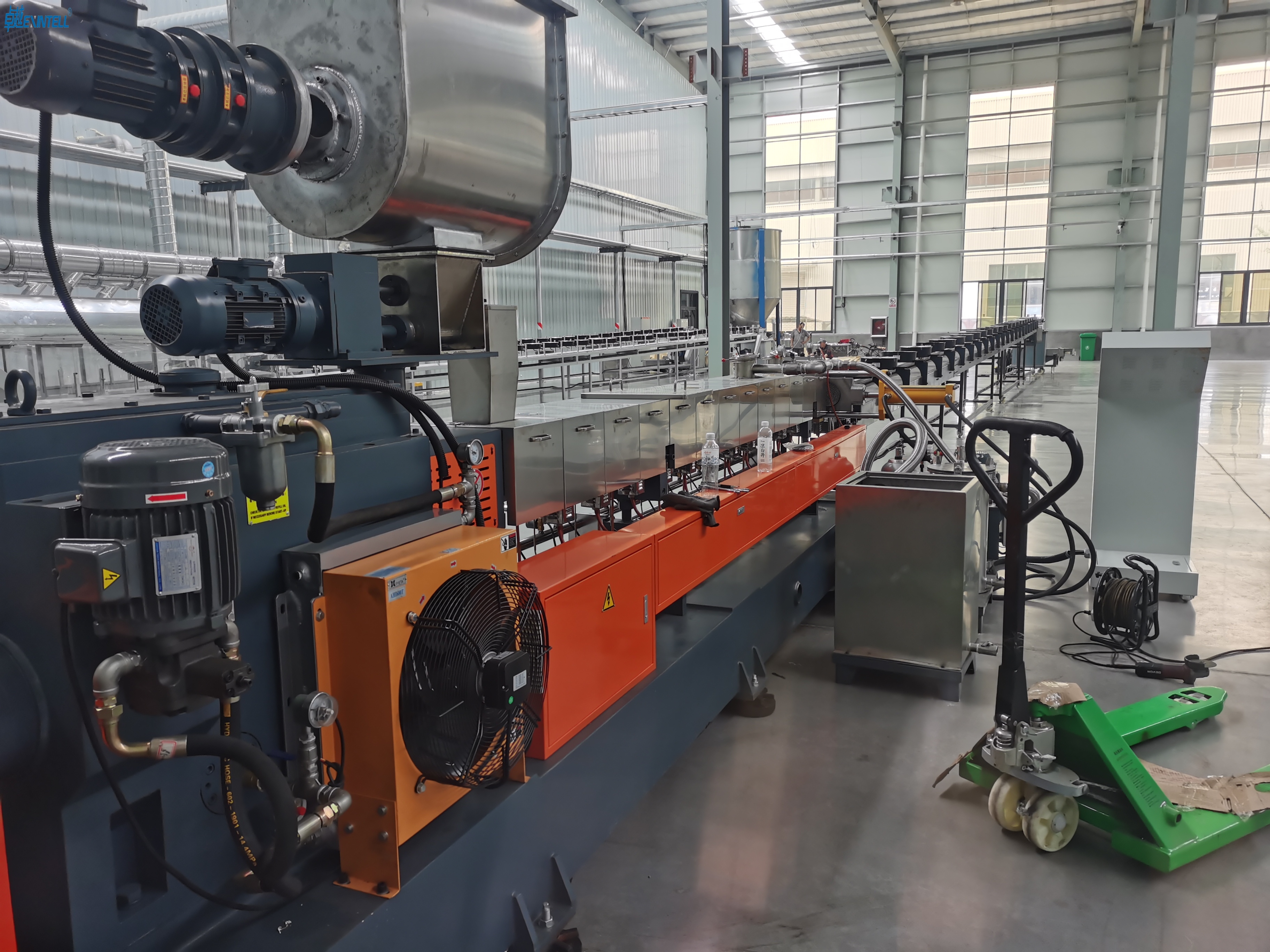
You start with small plastic pellets called thermoplastics. These pellets go into a hopper at the top of the extruder. The machine heats the pellets until they melt. You must use the right temperature for each type of plastic. If you use the wrong temperature, the plastic can burn or not melt enough.
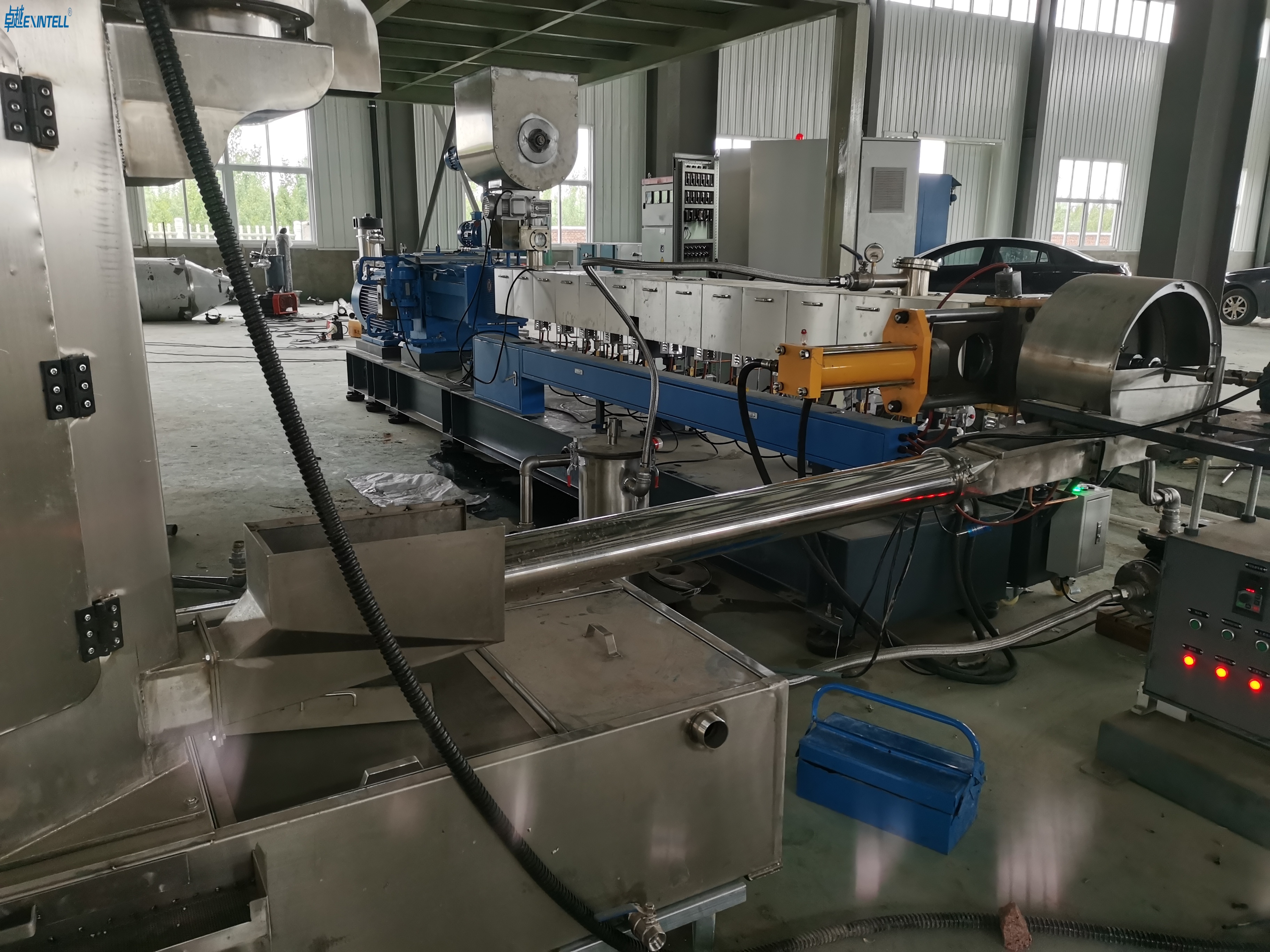
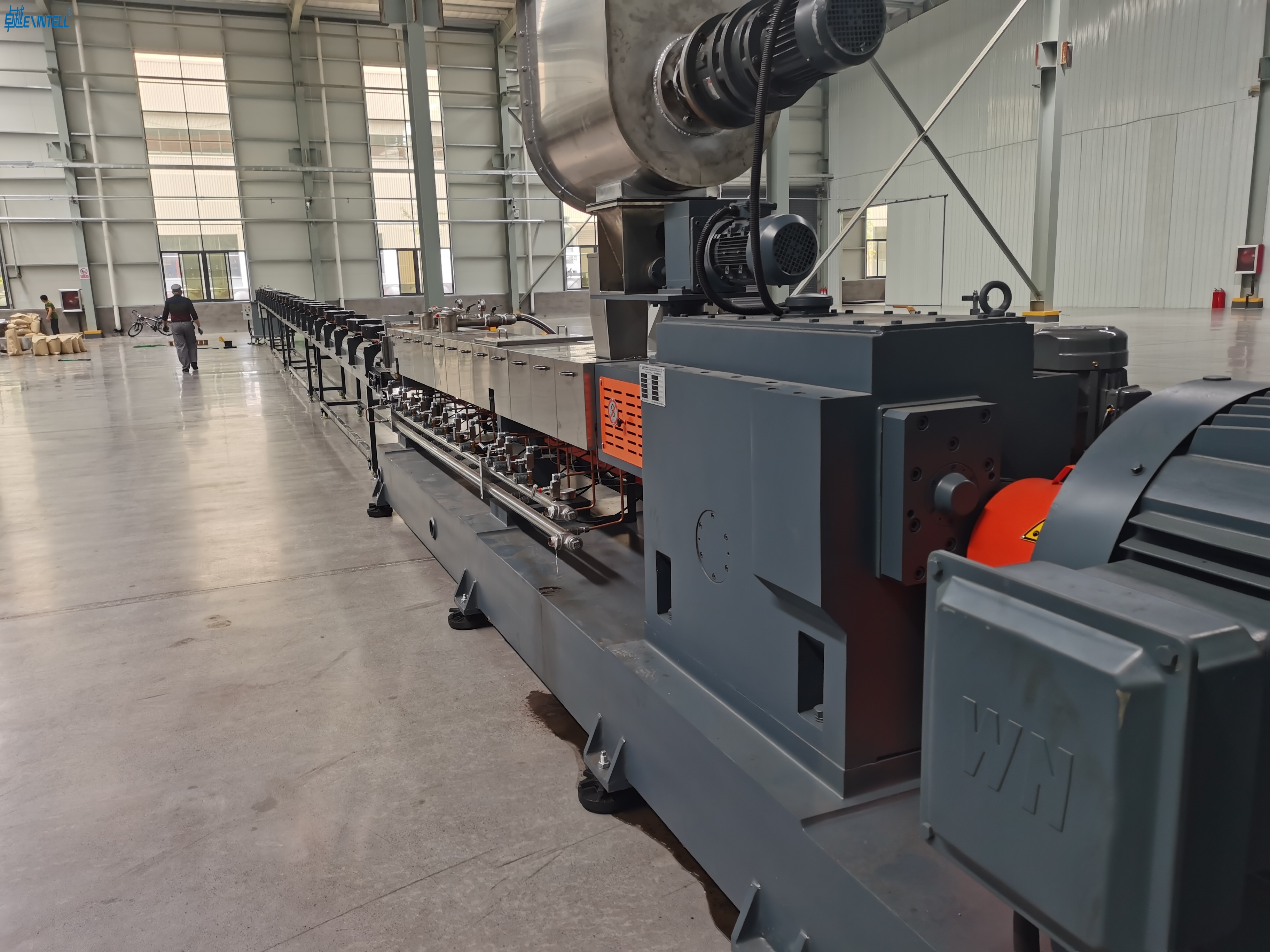
The extruder uses a screw inside a heated barrel. This screw pushes the melted plastic forward. You can control the speed and temperature to keep the plastic smooth and ready for shaping.
Keletso:Always check the temperature settings for your material. This helps prevent defects and keeps the plastic extrusion process running smoothly.
Forcing Through a Shaped Die
After melting, the plastic moves toward the die. The die shapes the plastic into a hollow tube. You can think of the die as a special mold that gives the tube its size and thickness. Moralo oa lefu lena o bohlokoa haholo. E etsa qeto ea hore na marako a tube a tla ba boima hakae le hore na tube e lula e pota-potile hakae.
U tla fumana mefuta e 'meli e meholo ea li-extruders mohatong ona:
Mechini e le 'ngoe ea screw extrusion: Tsena li sebelisa sekoti se le seng ho kopanya le ho sututsa polasetiki. Ba sebetsa hantle bakeng sa mesebetsi e bonolo.
Mechini e menyenyane ea "twin screw extrusion".: Tsena li na le li-screw tse peli tsa ho kopanya hantle. U sebelisa tsena bakeng sa li-plastiki tse rarahaneng haholoanyane kapa ha u hloka ho kopanya ho phethahetseng.
The extruder ke pelo ea mola. E qhibilihisa polasetiki ebe e e sutumelletsa ka lefing. U tlameha ho boloka phallo e tsitsitse ho etsa bonnete ba hore tube e na le marako a lekanang. Haeba phallo e fetoha, tube e ka teteana libakeng tse ling 'me e tšesaane ho tse ling. Sebopeho le bolelele ba lefu lena le tsona li thusa ho pholile le ho beha tube hore e se ke ea sisinyeha kapa ea sotheha.
Hlokomela: Moralo o motle oa lefu le phallo e tsitsitseng li u thusa ho qoba mathata a tloaelehileng joalo ka ho soahlamana kapa botenya bo sa lekanang.
Thepa e Thusang le Taolo ea Boleng
Hang ha tube e tloha lefung, o hloka mechini e eketsehileng ho qeta mosebetsi le ho hlahloba boleng. Mechini ena e thusa ho folisa, lekanya, 'me u khaole tube ka bolelele bo nepahetseng.
Mekhoa ea ho laola e ikemetseng: Tsena li boloka ts'ebetso e tsitsitse 'me li u thusa ho etsa tube e tšoanang nako le nako.
Lisebelisoa tsa ho lekanya: Lisebelisoa tsena li hlahloba boholo ba tube ha e ntse e tsamaea moleng.
Laola loops: Tsena li lokisa lintho tse kang botenya ba lebota le lebelo la ho pholisa ka nako ea nnete.
U boetse u hloka ho shebella mathata a boleng. U ka laola lebelo la se hulang ho boloka tube ka boholo bo nepahetseng. U tlameha ho pholisa tube ka metsi kapa moea ho beha sebopeho sa eona. Ka linako tse ling, u sebelisa vacuum ho boloka tube e pota-potile ha e ntse e pholile.
Mehato e meng ea bohlokoa ea taolo ea boleng ke ena:
Fetola lebelo la ho hula ho laola boholo ba tube.
Sheba ho pholile ho etsa bonnete ba hore tube ha e honyele kapa ha e sothe.
Sebelisa vacuum ho boloka tube e pota-potile ebile e boreleli.
U ka sebelisa lisebelisoa tse bohlale le li-sensor ho shebella ts'ebetso. Mechini e mecha e sebelisa li-touchscreens esita le ho hokela marang-rang bakeng sa licheke tsa nako ea nnete. Likhatelo-pele tsena li u thusa ho etsa li-tubes kapele le ka litšila tse fokolang.
Keletso: Licheke tsa kamehla le lisebelisoa tse ntle li u thusa ho qoba liphoso tse kang lipudula, bokaholimo bo mahoashe, kapa mmala o sa lekaneng.
Ts'ebetso ea mohato ka mohato ea extrusion ea polasetiki e u fa tsela e hlakileng ho tloha ho li-pellets tse tala ho ea ho li-tubes tse felileng. Ka ho sebelisa mechine e nepahetseng, ditaolo tse hlokolosi, le licheke tse bohlale, o ka etsa lihlahisoa tsa boleng bo holimo bakeng sa lisebelisoa tse ngata.
Lisebelisoa tse Sebelisitsoeng ho Tubing Extrusion
Thermoplastics e tloaelehileng
Plastic tube extrusion e sebelisa thermoplastics tse fapaneng. Polyethylene (PE) ke eona e atileng haholo. U ka khetha boima bo phahameng kapa bo tlase polyethylene bakeng sa mesebetsi e fapaneng. Boima bo phahameng polyethylene e etsa liphaephe tse matla tse sa senngoeng ke lik'hemik'hale. Boima bo tlase polyethylene e kobehile 'me e molemo bakeng sa li-tubing tsa bongaka le li-catheters. Polyethylene e tumme ka lipolasetiki tsa bongaka hobane e bolokehile, theko e tlase, 'me e ka sebelisoa ka litsela tse ngata. Le uena u tla bona polyvinyl chloride (PVC) le polypropylene (PP) liindastering tse ngata. PVC e molemo bakeng sa li-tubes lifekthering le mosebetsing oa motlakase. PP e sebelisoa ha o hloka li-tubes tse khonang ho sebetsana le lik'hemik'hale tse ngata.
Keletso: Nahana ka hore na u tla sebelisa tube joang pele u khetha thermoplastic. Tse ling li molemo bakeng sa lintho tsa bongaka. Ba bang ba sebetsa hantle bakeng sa mesebetsi ea lipeipi tsa metsi kapa ea motlakase.
Using thermoplastics in plastic extrusione boloka chelete. These materials cost less than metal. They are flexible, so you can make tubes for many uses. You also spend less to make them and they are easier to process. Picking the right materialhelps you make good tubes that meet rules.
Picking the right material makes sure your tubes are good quality.
The plastic extrusion process lets you pick from many materials. You can choose the best one for the job. This helps your tubes work well and not cost too much.
Benefits and Applications of Plastic Extrusion
Advantages for Tube Production
Plastic tube extrusion has manygood points when makinglots of tubes. This method helps you makehigh-quality tubes very fast. The tubes are always the same size. The plastic extrusion processdoes not make much waste, so it is better for the earth. You can use many kinds of raw materials. This means you can pick what works best for your project. You can also make shapes that are hard to make with other ways.
Some main benefits of plastic tube extrusion are:
U ka etsa li-tubes tse ngata tse shebahalang li tšoana.
Ho na le litšila tse fokolang, kahoo ho molemo bakeng sa tlhaho.
U ka etsa li-tubes ka libopeho le boholo bo khethehileng.
Ts'ebetso e ntse e tsoela pele, kahoo u boloka nako le ho sebetsa kapele.
U ka sebelisa lisebelisoa tse fapaneng bakeng sa litlhoko tse khethehileng.
U ka eketsa likarolo ha u ntse u etsa tube, kahoo ha u hloke mehato e eketsehileng.
Hlokomela: Ts'ebetso ena e sebelisa matla a fokolang 'me e u lumella ho sebelisa lisebelisoa hape. Sena se thusa polanete ka ho etsa hore tšilafalo e fokotsehe.
E sebelisoa Bophelong ba Letsatsi le Letsatsi le Indasteri
U bona lintho tse entsoeng ka polasetiki ea li-tube extrusion hoo e ka bang hohle. Likhoebo tse ngata li sebelisa li-tubes tsena hobane li matla ebile li bobebe. Li boetse li bonolo ho li bōpa. Lapeng, u ka li bona ka sehatsetsing kapa mochining oa ho hlatsoa liaparo. Lisebelisuoa tsa lipapali li li sebelisa bakeng sa ho tšoara le mathōko. Limela tsa metsi li sebelisa li-tubes tse khethehileng ho boloka metsi a hloekile a bile a sireletsehile.
Mona ke litsela tse ling tseo batho ba sebelisang li-tubes tsena ka tsona:
U ka boela ua fumana li-tubes tsena ka har'a liphutheloana, temothuo, le mesebetsi ea matla a tala. Haeba u ba hlokomela, li-tubes tsena li ka tšoarella 10 ho 20 lilemo lifemeng. Tse ngata tsa li-tubes tsena li ka sebelisoa hape, e molemo bakeng sa lefatshe.
Keletso: Ho etsa li-tubes ka boholo bo ikhethang le libopeho ho thusa ho fihlela melao e thata ea bongaka le polokeho ea lijo.
Hona joale o tseba kamoo extrusion ea polasetiki e fetolang thepa e tala hore e be li-tubes tse matla. Li-tubes tsena li shebahala li tšoana 'me li sebelisoa ka litsela tse ngata. Mokhoa ona o bonolo ebile o sebetsa hantle, kahoo ho etsa lihlahisoa tsena ho bonolo. U ka bona lintho li etsoa ka tsela ena letsatsi le leng le le leng. Ho na le mekhoa e mecha e tla fetola extrusion ea polasetiki haufinyane:
Liphutheloana tse majabajaba bakeng sa litlolo le tlhokomelo ea letlalo li tla bonoa hangata.
Batho ba bangata ba tla khetha liphutheloana tse bonolo le tse hloekileng bakeng sa meriana le tlhokomelo ea botho.
Joale u ka bona kamoo mokhoa ona o amang bophelo ba hao letsatsi le leng le le leng kateng.
LBH
Sepheo se seholo sa extrusion ea tube ea polasetiki ke efe?
U sebelisa extrusion ea polasetiki ho etsa nako e telele, li-tubes tse sekoti tse nang le mabota a lekanang. Ts'ebetso ena e u thusa ho theha lihlahisoa bakeng sa lisebelisoa tse ngata, joalo ka li-tubing tsa bongaka, lipeipi tsa metsi, le likotopo tsa motlakase.
U boloka tube e pota-potile joang nakong ea extrusion?
You use air pressure inside the tube as it forms. This keeps the tube round and smooth. Cooling systems and vacuum tools also help hold the shape.
Can you recycle tubes made by plastic extrusion?
Ee, you canrecycle many tubesmade by plastic extrusion. You should check the type of plastic first. Some plastics recycle more easily than others.
What problems can happen during tube extrusion?
You might see uneven walls, bubble, or rough surfaces. You can fix these by checking the temperature, adjusting the puller speed, or cleaning the die.