

Plastiki Extrusion kapa Ente Molding E fanang ka ho nepahala ho Betere
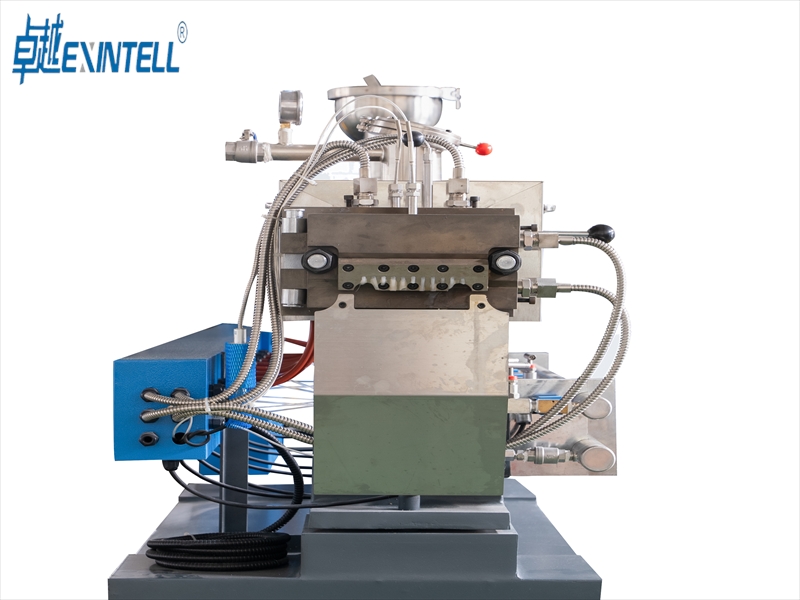
Ke fumane hore ho bopa ente ho fana ka ho nepahala ho betere le mamello e matla ho feta Plastiki Extrusion. Ka mohlala, ente molding ka finyella tolerances ka thata joalo ka ± 0.005 lisenthimithara, ha extrusion hangata e tšoara ± 0.010 inches. Mona ke papiso ea ts'ebetso e ipapisitseng le likopo tse tloaelehileng le mamello:
| Mofuta oa Kopo | Mokhoa o sebelisitsoeng | Mamello e Tloaelehileng |
|---|---|---|
| Nako e telele, likarolo tse tšoanang (mohlala, methapo, melamu) | Extrusion | ± 0.010 lisenthimithara |
| Likarolo tse rarahaneng kapa tse qaqileng | Ho Bopa ka Ente | ± 0.005 inch kapa ho feta |
| Bophahamo bo phahameng, boleng bo phahameng | Ho Bopa ka Ente | E thata hofeta extrusion |
| Tsoelang pele, dibopeho tse bonolo | Extrusion | E tsitsitseng, e nepahetseng hanyane |
Ha u khetha mokhoa oa ho etsa lintho, Kamehla ke nahana ka geometry, ho hloka mamello, bophahamo ba tlhahiso, le litšenyehelo.
Lintlha tsa bohlokoa
- Ho etsa ente ho finyella mamello e matla, hangata e nepile joalo ka ± 0.005 inches, ho etsa hore e be boemong bo loketseng bakeng sa dikarolo tse rarahaneng.
- Plastiki extrusion molemo ka nako e telele, libopeho tse ts'oanang joalo ka li-tubes le lithupa, ka mamello ho pota ± 0.010 lisenthimithara.
- Nahana ka bophahamo ba tlhahiso ha u khetha mokhoa; ente molding e na le litšenyehelo tse ngata bakeng sa matha a maholo, ha extrusion e lumellana le tlhahiso e tsoelang pele ea molumo o phahameng.
- Khetho ea lintho tse bonahalang e ama ho nepahala; khetha lisebelisoa ho latela litlhoko tse ikhethileng tsa kopo ea hau.
- Lekola karolo e rarahaneng; ente molding e sebetsana le meralo e rarahaneng ho feta extrusion, e lekanyelitsoeng ho dibopeho tse bonolo.
- Boleng ba ho qeta bokaholimo hangata bo betere ha ho etsoa ente, e lebisang likarolong tse boreleli ntle le mehato e eketsehileng ea ho qetela.
- Etsa moralo oa litšenyehelo tsa lisebelisoa; ho etsa ente ho hloka matsete a holimo empa ho fana ka poloko ea nako e telele ka ho pheta-pheta.
- Kamehla hlahloba litlhoko tsa projeke ea hau esale pele; ho utloisisa geometry, mamello, le tekanyetso e thusa ho khetha mokhoa o nepahetseng oa tlhahiso.
Polasetiki Extrusion Overview
Mekhoa ea Motheo ea Ts'ebetso
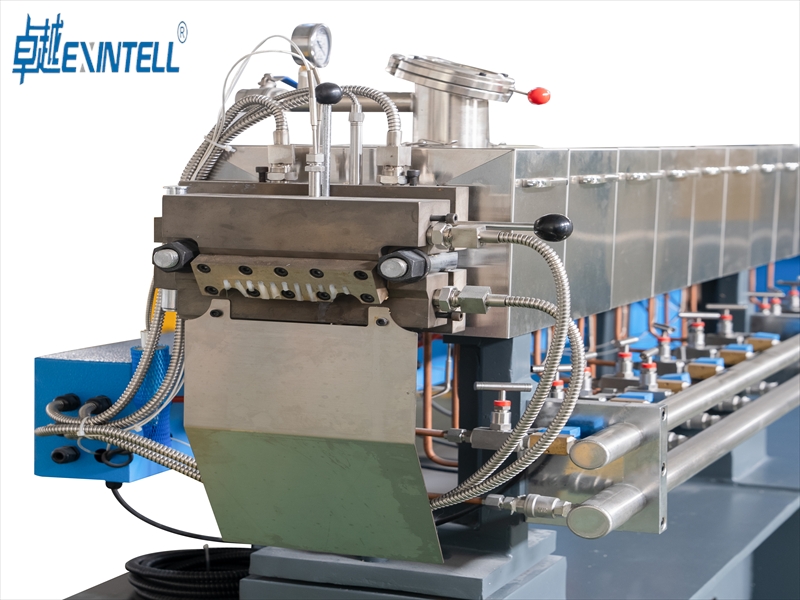
Ke sebelitse le extrusion ea polasetiki ka lilemo tse ngata mme re bone kamoo mokhoa ona o bōpang lisebelisoa tsa thermoplastic hore e be li-profiles tse tsoelang pele. Ts'ebetso ea extrusion e qala ka khetho ea thepa, which is critical for achieving the desired properties in the final product. I load plastic pellets or granules into a hopper above the extruder. The machine uses a rotating screw to move the material through a heated barrel. As the material travels, it melts due to friction and external heat. The molten plastic then passes through a precision-shaped die, which gives the product its profile. After forming, the extruded shape enters a cooling system, usually an air or water bath, to solidify and maintain dimensional accuracy. Qetellong, I cut or roll the product, ho itšetlehile ka kopo. This step-by-step approach allows me to create long, uniform shapes with consistent cross-sections.
Likopo tse Tloaelehileng
Plastic extrusion plays a vital role in many industries. I often see it used for packaging, koloi, thepa ea ka tlung, le thepa ea bareki. The process produces a wide range of products, ho tloha ho li-tubes tse bonolo ho ea ho litlaleho tse rarahaneng. Mona ke tafole e akaretsang lits'ebetso tse ling tse tloaelehileng:
| Indasteri | Lihlahisoa |
|---|---|
| Sephutheloana | Lifilimi, maqephe, mekotlana, phuthela, literei, le linoelo |
| Tsa makoloi | Litiiso tsa leholimo, li-tubing tsa polasetiki, fokotsa profil |
| Thepa ea ka tlung & Thepa ea bareki | Banding ea moeli, lesira lipina, mapolanka a foam a PVC a bobebe |
| Lehae Lisebelisoa | Li-handle, litiiso tsa ontong le li-microwave |
| Liphaephe tsa metsi & Bongaka | Tubing, liphaephe |
Ke fumane seo tloaelo ea polasetiki extrusion e lumella bahlahisi ho etsa li-profiles tse ikhethang bakeng sa litlhoko tse ikhethang. Ho feto-fetoha ha maemo ho etsa hore extrusion e be khetho e tsebahalang bakeng sa ho tsoela pele, tlhahiso e phahameng haholo.
Lintho Tse Sebelisitsoeng
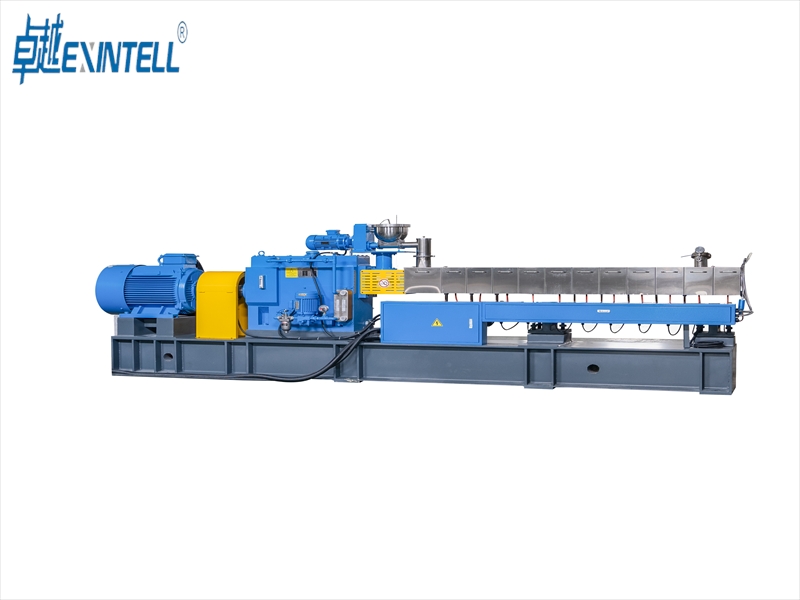
Khetho ea lisebelisoa ka extrusion ea polasetiki e ama ts'ebetso le ho nepahala ha sehlahisoa sa ho qetela. Ke sebelisa khafetsa polypropylene, polyethylene terephthalate, le polystyrene. Lisebelisoa tsena li fana ka thepa e fapaneng, joalo ka ho tenyetseha, matla, le ho hlaka. Tsela eo ke lokisetsang, qhibilihisa, le ho pholile thepa e na le tšusumetso e tobileng ho nepahala le ho tsitsa ha likarolo tse extruded. Mona ke tse ling tsa lisebelisoa tse tloaelehileng tseo ke li sebelisang:
- Polypropylene (PP)
- Polyethylene terephthalate (PET)
- Polystyrene (PS)
- Polyvinyl chloride (PVC)
- Polyethylene e phahameng haholo (HDPE)
- Polyethylene ea boleng bo tlase (LDPE)
- Acrylonitrile butadiene styrene (ABS)
- Thermoplastic elastomers (TPE)
- Nylon (PA)
- Polycarbonate (PC)
- Polymethyl methacrylate (PMMA)
Ha ke sebetsa mererong ea tloaelo ea polasetiki ea extrusion, Kamehla ke bapisa thepa le litlhoko tsa kopo. Khetho ena e hlokolosi e netefatsa hore sehlahisoa se kopana le maemo a ts'ebetso le ho nepahala.
Melemo le Melemo
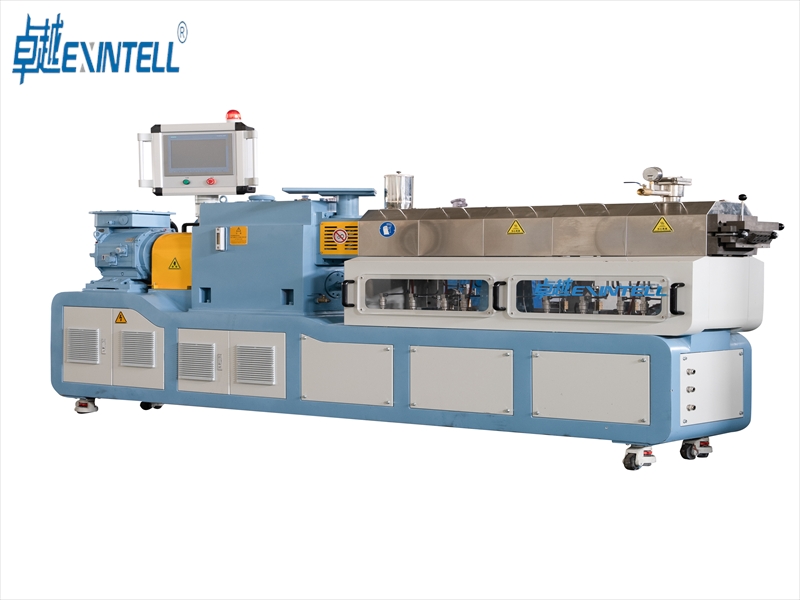
Ha ke lekola extrusion ea polasetiki bakeng sa morero, Ke lula ke lekanya melemo le mathata. Ts'ebetso ena e fana ka matla a ikhethang, empa e boetse e tla le mefokolo e amang ho nepahala le mamello.
Mona ke a tafole e akaretsang melemo le mathata a mantlha Ke hlokometse mosebetsing oa ka:
| Melemo | Mefokolo |
|---|---|
| Ho sebetsa ka mokhoa o phahameng le scalability | Mefokolo ea ho hlahisa libopeho tse rarahaneng |
| Mefuta e phahameng ea tlhahiso | Mathata a amanang le lefu a eketseha a amang ho nepahala |
| Tšebeliso e ntle ea litšenyehelo bakeng sa meqolo e mahareng ho isa holimo | Mefokolo e ka bang teng ea bokaholimo e hlokang ho phethoa |
Melemo
Hangata ke khetha extrusion ea polasetiki bakeng sa katleho ea eona e phahameng. Mokhoa ona o tsoela pele, ho bolelang hore nka hlahisa dikarolo tse telele ntle le tshitiso. Scalability ena e etsa hore e loketse liodara tse kholo. Ha ke hloka ho etsa likete tsa maoto a li-tubing kapa profiles, extrusion e fana ka liphetho tse tsitsitseng. Litsenyehelo tsa karolo ka 'ngoe lia theoha ha palo ea tlhahiso e ntse e eketseha, kahoo ke fumana e le chelete e ngata haholo bakeng sa merero e mahareng ho isa ho e phahameng.
Molemo o mong ke bokhoni ba ho etsa li-cross-sections tse tšoanang. Ke khona ho boloka litekanyo tse tsitsitseng ho latela bolelele ba karolo, e bohlokoa bakeng sa lits'ebetso tse joalo ka liphaephe kapa liforeimi tsa lifensetere. Ts'ebetso e boetse e tšehetsa mefuta e mengata ea thermoplastics, kahoo nka khetha thepa e lumellanang le litlhoko tsa mochine le tsa lik'hemik'hale tsa sehlahisoa sa ho qetela.
Mefokolo
Ho sa tsotellehe matla ana, extrusion ea polasetiki e na le mefokolo e itseng. Mokhoa ona o loantšana le libopeho tse rarahaneng. Haeba karolo e hloka lintlha tse rarahaneng kapa likhutlo tse bohale, Ke fumana extrusion e sa tšoanelehe. Polasitiki e qhibilihisitsoeng e atisa ho ruruha ha e tsoa lefing, ketsahalo e tsejoang ka hore ke lefu la ho ruruha. Phello ena e ka etsa hore ho be thata ho finyella mamello e thata, haholo bakeng sa likarolo tse hlokang litekanyo tse nepahetseng.
Qetello ea bokaholimo le eona e ka ba bothata. Ka linako tse ling, dikarolo tse phatlohileng di bontsha mela kapa matshwao a tsoang shoing. Hangata ke hloka ho eketsa mehato ea bobeli ea ho qetela, joalo ka ho poma kapa ho bentša, ho ntlafatsa ponahalo le ho fihlella maemo a boleng. Mehato ena e eketsehileng e ka eketsa nako le litšenyehelo.
Keletso: Kamehla ke khothaletsa ho hlahloba geometry ea karolo le mamello e hlokahalang pele u khetha extrusion. Haeba moralo o bonolo mme taelo e kholo, extrusion hangata e fana ka boleng bo holimo.
Ente Molding Overview
Mekhoa ea Motheo ea Ts'ebetso
Ke qetile lilemo ke sebetsa ka ho etsa ente, mme ke fumana ts'ebetso ena e khahla ebile e sebetsa hantle. Mokhoa o sebelisa hlobo, e bopang polasetiki e qhibidihileng hore e be dibopeho tse nepahetseng. Kamehla ke latela letoto la mehato ho netefatsa hore karolo ka 'ngoe e kopana le litekanyetso tse thata tsa boleng. Mona ke kamoo ke atamelang mokhoa oa ho bopa ente:
- Ho kokota: Ke koala hlobo ka thata ho itokisetsa mehato e latelang.
- Ente: Ke enta ho chesa, polasetiki e qhibilihisitsoeng ka mokoting oa hlobo.
- Bolulo: Ke tlohella polasetiki hore e lule ka har'a hlobo ka nako e khuts'oane kahoo e tlatsa sebaka se seng le se seng.
- Ho phodisa: Plastiki e ea pholile ebe e thatafala ha e ntse e le ka har'a hlobo.
- Ho bula hlobo: Ke bula hlobo ka mor'a hore karolo e pholile.
- Ejection: Ke tlosa karolo e phethiloeng ka hlobo.
Potoloho ena e ipheta ka potlako, e ntumellang ho hlahisa bongata ba likarolo tse ts'oanang. Ke itšetlehile ka ho etsa ente ha ke hloka libopeho tse rarahaneng, lintlha tse ntle, le li-finish tsa boleng bo holimo. Tshebetso ena e mpha taolo e babatsehang holim'a litekanyo le ponahalo ea bokaholimo.
Hlokomela: Ke lula ke lekola mocheso le khatello haufi-ufi nakong ea ho bōptjoa ha ente. Lintlha tsena li ama ho nepahala le ho tsitsa ha karolo ea ho qetela.
Likopo tse Tloaelehileng
Ho etsa ente ho phetha karolo ea bohlokoa liindastering tse ngata. Ke sebelisitse mokhoa ona ho theha likarolo tsa likoloi, tsa bongaka, lisebelisoa tsa elektronike tsa bareki, le mafapha a ho paka. Ho feto-fetoha ha ente ho etsa hore ke khone ho hlahisa likarolo tse bonolo le tse rarahaneng haholo. Mona ke tafole e akaretsang lits'ebetso tse ling tse tloaelehileng:
| Indasteri | Lihlahisoa tse hlahisitsoeng |
|---|---|
| Tsa makoloi | Likarolo tse fapaneng le likarolo |
| Bongaka | Matlo a lisebelisoa, lisebelisoa tsa ho buoa |
| Electronics ea bareki | Linyeoe, likonopo, le likarolo tse ling |
| Sephutheloana | Likatiba tsa botlolo, lijana |
Hangata ke etsa lintho tse kang li-contact lens case, likatiba tsa botlolo, le likarolo tse phahameng tse nang le lijeometri tse rarahaneng. Ho etsa ente ho nthusa ho fana ka liphetho tse tsitsitseng, esita le bakeng sa merero e boima.
Lintho Tse Sebelisitsoeng
Khetho ea thepa ke ea bohlokoa ha ho etsoa ente. Ke khetha lisebelisoa tse thehiloeng ho matla a hlokahalang, tenyetseha, le ho nepahala. Bakeng sa likarolo tse phahameng tse nepahetseng, Ke khetha li-polymer tse nang le ho fokotseha ho tlase le ho ts'oanang, ho phalla ho tsitsitseng, le khanyetso e ntle ea mocheso. Tse ling tsa tse ngata lisebelisoa tse tloaelehileng Ke sebelisa kenyeletsa:
- ABS: E fana ka toughness, pheletso e boreledi, le ho hanyetsa tšusumetso.
- Polypropylene: E fana ka khanyetso ea lik'hemik'hale, tenyetseha, le ho kgona ho reka.
- Polycarbonate: E fana ka leseli le phahameng, matla, le ho hanyetsa mocheso.
- Polyethylene: E bobebe ebile e hanela mongobo.
- Nylon: E tsebahala ka matla, apara khanyetso, le botsitso ba mocheso.
- PEKE: E ikhethang bakeng sa mocheso, khemikhale, le ho apara ho hanyetsa.
Ha ke hloka mamello le ho feta, Ke fetohela ho lipolima tsa boemo ba boenjiniere. Lisebelisoa tse kang polymer ea kristale ea metsi (LCP), polyether ether ketone (PEKE), le acetal (POM) mphe botsitso bo boholo le ho honyela ho honyenyane. Ka mohlala, Ke sebelisa LCP bakeng sa likhokahanyo tsa motlakase le likarolo tsa sensor, ha PEEK e sebetsa hantle bakeng sa li-implants tsa bongaka le likarolo tsa sefofane. Polycarbonate ke khetho ea ka bakeng sa lilense le likarolo tsa optical ka lebaka la ho hlaka le matla a eona.
Keletso: Kamehla ke bapisa thepa le litlhoko tsa kopo. Khetho e nepahetseng e tiisa hore mokhoa oa ho bopa ente o fana ka ho nepahala le ho sebetsa hantle.
Melemo le Melemo
Ke sebelitse ka ho etsa ente ka lilemo tse ngata. Ts'ebetso ena e fana ka melemo e 'maloa e etsang hore e be khetho eo ke e ratang bakeng sa likarolo tsa polasetiki tse nepahetseng haholo. Ke batla ho arolelana matla le mefokolo eo ke e boneng.
Melemo ea Ente Molding
- Ke khona ho finyella ho nepahala ho phahameng haholo ka ho bōpa ente. Ts'ebetso e ntumella ho hlahisa likarolo tse nang le mamello e thata joalo ka ± 0.005 inches. Boemo bona ba ho nepahala bo thata ho bapisa le mekhoa e meng ea ho etsa polasetiki.
- Ke ananela ho pheta-pheta ha ente e bōpa. Hang ha ke theha hlobo le li-parameter tsa ts'ebetso, Ke khona ho hlahisa likete kapa esita le limilione tsa likarolo tse tšoanang. Karolo ka 'ngoe e lumellana hantle le moralo oa pele.
- Hangata ke hloka ho etsa likarolo tse nang le libopeho tse rarahaneng le lintlha tse ntle. Ente ea ho bopa e sebetsana le li-geometri tse rarahaneng hantle. Ha ho hlokahale hore ke kenye mehato e meng kapa mekhoa ea bobeli ho fihlela likarolo tsena.
- Ke fumana hore mochini oa ente o fana ka lisebelisoa tse ntle haholo. Likarolo li tsoa hantle 'me li loketse ho sebelisoa maemong a mangata.
- Ke khona ho sebelisa mefuta e mengata ea thermoplastic le lipolymer tsa boenjiniere. This flexibility lets me match material properties to the application’s needs.
Disadvantages of Injection Molding
- I must invest in high-quality molds before I start production. The initial cost for mold creation can be significant. For small production runs, this cost may not be justified.
- I have learned that design complexity can present challenges. I need to plan the mold and part design carefully. Mistakes in the design phase can lead to costly changes later.
- I sometimes face longer lead times at the start of a project. Designing and manufacturing the mold takes time, especially for complex parts.
- I notice that material selection and process settings require careful attention. If I do not control temperature, khatello, and cooling rates, I risk defects or dimensional errors.
Tafole ke ena e akaretsang melemo le likotsi tsa mantlha tseo ke bileng le tsona ka ho bopa ente:
| Melemo | Mebe |
|---|---|
| Ho nepahala ho phahameng le mamello e thata | Theko e phahameng ea pele ea hlobo |
| Ho pheta-pheta hantle bakeng sa meqolo e meholo | Ho rarahana ha moralo ho hloka moralo o hlokolosi |
| E tšehetsa li-geometri tse rarahaneng le lintlha tse ntle | Linako tse telele tse etellang pele bakeng sa nts'etsopele ea hlobo |
| Liqeto tse boreleli | Taolo ea ts'ebetso e bohlokoa |
| Khetho e pharaletseng ea lisebelisoa | Ha e na litšenyehelo bakeng sa ho matha ka molumo o tlase |
Keletso: Ke lula ke khothaletsa ho bōptjoa ha ente ha morero o batla ho nepahala ho phahameng, dibopeho tse rarahaneng, le meqolo e meholo ea tlhahiso. Bakeng sa likarolo tse bonolo kapa lihlopha tse nyenyane, Ke nahana ka mekhoa e meng ea ho boloka litšenyehelo le nako ea ho etella pele.
Nepahetseng le Mamello
Ha ke bapisa extrusion polasetiki le ente molding, Ke lula ke tsepamisitse maikutlo mabapi le kamoo mokhoa o mong le o mong o sebetsanang ka nepo le mamello. Lintlha tsena li etsa qeto ea hore na karolo e tla finyella litlhoko tsa mamello ea moralo le ho sebetsa kamoo ho reriloeng kateng. Ke ithutile hore le liphapang tse nyane tsa ho mamellana li ka ama kopano, tshebetso, le boleng ba sehlahisoa.
Mamello ea Plastiki Extrusion
Dimensional Consistency
Boiphihlelong ba ka, extrusion ea polasetiki e fana ka botsitso bo botle ba nako e telele, dibopeho tse tswellang. Hangata ke bona mefuta e tloaelehileng ea mamello ho potoloha ± 0.010 lisenthimithara. Boleng bona bo beha benchmark bakeng sa seo nka se lebellang ho tsoa ho extrusion ho latela phapang ea boholo. Mokhoa ona o sebetsa hantle bakeng sa likarolo tse nang le li-cross-sections tse tšoanang, joalo ka li-tubes, melamu, le profiles. Leha ho le joalo, Kea hlokomela hore ho boloka mamello e tiileng ka bolelele bohle ho ka ba phephetso. Lintlha tse kang lefu le ruruha, ho honyela ha dintho, 'me litefiso tsa ho pholisa li ka baka phapang e nyane. Ke lula ke lekola mefuta ena ka hloko ho boloka litekanyo li le ka har'a meeli e amohelehang.
Surface Finish
Qetello ea bokaholimo ho extrusion e ipapisitse le boleng ba lefu le ts'ebetso ea ho pholisa. Hangata ke bona mela e menyenyane kapa matshwao likarolong tse extruded, e tsoang ho lefu kapa ho tsoa ho phodiso e sa leka-lekaneng. Matšoao ana a ka ama ponahalo le ka linako tse ling ho lekana ha karolo. Ha sebaka se boreleli se bohlokoa, Ho ka 'na ha hlokahala hore ke kenye mehato ea bobeli ea ho qetela. Ke fumane hore extrusion ha se hangata e fihlelang boemo bo ts'oanang ba boreleli joalo ka ho bopa ente. Leha ho le joalo, bakeng sa lisebelisoa tse ngata, qetello e amoheleha ntle le mosebetsi o eketsehileng.
Ente Molding Tolerances
Ho Nepaha ha Dimensional
Ente molding e hlahella ka lebaka la bokhoni ba eona ba ho fumana mamello e thata haholo. Ke sebetsa khafetsa ka mamello e thata joalo ka ± 0.005 inches, 'me ka linako tse ling le ho feta bakeng sa likarolo tse nepahetseng haholo. Boemo bona ba ho nepahala bo tsoa ho hlobo e thata le mekhoa e laoloang ea ts'ebetso. Ke itšetlehile ka litekanyetso tse kang HAO EN ISO 20457 le ISO 2768-1/2 ho ntataisa mosebetsing. Litekanyetso tsena li hlalosa lihlopha tsa mamello le lihlopha bakeng sa boholo bo fapaneng ba likarolo le likarolo. Ka mohlala, HAO EN ISO 20457 e totobatsa lihlopha tsa mamello tse kang TG5, e lumellang ka 0.23 mm ho a 32 mm karolo. Litaelo tsena li nthusa ho etsa bonnete ba hore karolo e 'ngoe le e' ngoe e fihlela litlhoko tse tiileng tsa tekanyo.
Ke ela hloko haholo khatello ea ente le khatello ea ho ts'oara nakong ya ho bopa. Tokiso e nepahetseng ea litlhophiso tsena e netefatsa hore hlobo e tlale ka botlalo mme e fokotsa liphoso. Taolo ena e bohlokoa bakeng sa lits'ebetso tse nepahetseng, moo le ho kgeloha ho honyane ho ka bakang mathata kopanong kapa tshebetsong.
Surface Finish
Qetello ea bokaholimo ha ho etsoa ente e ka ba ntle haholo. Ke khona ho hlahisa likarolo tse benyang, bokahodimo bo bentshitsweng kapa bo nang le mekgabiso e ntlafatsang ho tshoara le ho pata mefokolo e menyane. Khetho ea ho qetela e ama ponahalo le ts'ebetso ea karolo. Ka mohlala:
- Qetello e bentšitsoeng e fana ka ho benya, ponahalo e boreledi.
- Likarolo tse entsoeng ka mongolo li ka etsa hore likarolo li be bonolo ho li tšoara, 'me ho se be bonolo ho bonts'a mengoapo.
- Liqeto tse fapaneng li ka boela tsa susumetsa ho tšoarella le hore na karolo e sebelisana joang le likarolo tse ling.
Ke boetse ke nahana ka mekhoa ea post-processing, joalo ka anodizing, ho roala ka phofo, kapa electroplating, e ka ama litekanyo tsa ho qetela. Mekhoa ena e eketsa thepa kapa e fetola bokaholimo, kahoo ke ikarabella bakeng sa bona moralong oa ka ho boloka ho nepahala.
Tolerance Comparison Table
Ke atisa ho sebelisa tafole ho bapisa mamello e tloaelehileng bakeng sa extrusion ea polasetiki le molding ea ente. Kakaretso ena e thusa 'na le bareki ba ka ho utloisisa seo re ka se lebellang ts'ebetsong e' ngoe le e 'ngoe:
| Tshebetso | Mamello e Tloaelehileng | Boleng bo Felisa Boleng | Pheta-pheta |
|---|---|---|---|
| Plastiki Extrusion | ± 0.010 lisenthimithara | E itekanetseng | E ntle bakeng sa likarolo tse telele |
| Ho Bopa ka Ente | ± 0.005 inch kapa ho feta | E kgabane | Holimo haholo |
Hlokomela: Ho etsa ente ho fihlela mamello e matla le ho pheta-pheta hantle ho feta extrusion ea polasetiki. Ke lula ke khothaletsa ho bōptjoa ha ente ha morero o batla ho nepahala ho phahameng, dibopeho tse rarahaneng, kapa litlhoko tse thata tsa mamello.
Ke fumane hore ho khetha mokhoa o nepahetseng ho itšetlehile ka geometry ea karolo, mamello e hlokahalang, le kopo. Ho etsa ente ho mpha liphetho tse ntle bakeng sa lintlha tse qaqileng, likarolo tse phahameng tse nepahetseng. Plastiki extrusion e sebetsa hantle bakeng sa bonolo, dibopeho tse tswellang moo mamello e fokolang hanyane e amohelehang.
Lintlha tse Amang ho Nepaha
Khetho ea Lintho
Kamehla ke qala ka ho nahana ka lintho tse bonahalang ha ke batla ho finyella ho nepahala ho phahameng likarolong tsa polasetiki. Thepa ea polasetiki e susumetsa hore na nka khona ho laola mamello hantle hakae nakong ea extrusion le ho bopa ente. Ka mohlala, the way a material flows, its shrinkage, and its thermal stability all play a role in the final outcome.
Tafole ke ena that summarizes how different material properties affect precision and tolerances:
| Material Property | Influence on Precision and Tolerances |
|---|---|
| Flow Behavior (MFI/MFR) | High MFI materials flow easily, which helps fill complex or thin-walled molds. Leha ho le joalo, they may have lower strength. |
| Low MFI materials are thicker and harder to mold but result in stronger, more impact-resistant parts. | |
| Shrinkage | Amorphous plastics like ABS and PC shrink less and more evenly, so I can achieve tighter tolerances. |
| Semi-crystalline plastics such as Nylon and POM shrink more and less predictably, making precision harder to control. | |
| Thermal Stability | Poor thermal stability can cause defects like burn marks or warping, which reduces dimensional accuracy. |
| Good thermal stability is important for thin or complex parts where precision matters most. |
When I select a material, I always match its properties to the needs of the part. Ka mohlala, if I need a part with very tight tolerances, I choose an amorphous plastic with low shrinkage and good thermal stability.
Part Complexity
The complexity of a part has a direct impact on the precision I can achieve. Simple shapes are easier to control, while complex designs introduce more challenges. I pay close attention to features like parting lines, curved surfaces, and critical dimensions.
Here is a table that shows how different design considerations affect precision:
| Consideration | Impact on Precision |
|---|---|
| Parting Line Placement | Influences mold complexity and the quality of the finished product. |
| Avoiding Critical Areas | E thusa ho thibela liphetoho tsa dimensional le ho netefatsa ho lekana hantle. |
| Ho ema holim'a Libaka tse Kobehileng | E batla ho nepahala ha hlobo e phahameng, e ka eketsang ditjeho le kotsi ya ho ba le sekodi. |
| Tšebeliso ea Mehala ea Tlhaho ea Tlhaho | E etsa hore ho be bonolo ho haha hlobo le ho ntlafatsa mokhoa oa ho senya. |
Ha ke rala karolo ea ho etsa ente, Ke leka ho beha mela ea karohano libakeng tse sa bonahaleng haholo le ho qoba ho e beha libakeng tse mahlonoko. Mokhoa ona o nthusa ho boloka mamello e betere le ho fokotsa kotsi ea mefokolo.
Bolumo ba Tlhahiso
Bophahamo ba tlhahiso bo boetse bo ama boemo ba ho nepahala boo nka bo fihlelang. Bakeng sa tlhahiso e phahameng, Ke tsetela ho liforomo tsa boleng bo holimo le taolong e nepahetseng ea tšebetso. Letsete lena lea lefa hobane ke khona ho hlahisa likete kapa limilione tsa likarolo tse tšoanang ka mamello e tsitsitseng. Bakeng sa matha a manyane, Nka sebelisa lisebelisoa tse theko e tlaase, empa kea tseba hore sena se ka lebisa ho phapano e eketsehileng likarolong tsa ho qetela.
Keletso: Kamehla ke khothaletsa ho sebelisa lisebelisoa tse ntle ka ho fetisisa tse ka khonehang le taolo ea ts'ebetso bakeng sa tlhahiso e phahameng ea molumo. Leano lena le netefatsa hore karolo e 'ngoe le e' ngoe e kopana le litlhaloso tse hlokahalang le ho fokotsa litšila.
Tooling Quality
Ke lula ke ela hloko boleng ba lisebelisoa ha ke batla ho finyella ho nepahala ho phahameng ho etsoa ka polasetiki. Lisebelisoa tseo ke li sebelisang, joalo ka dies for extrusion le hlobo bakeng sa ho bopa ente, bapala karolo ea bohlokoa mabapi le ho fumana mamello ea ho qetela le pheletso ea karolo ka 'ngoe. Ke ithutile hore esita le ho se phethahale ho fokolang ha lisebelisoa ho ka lebisa liphoso tse kholo sehlahisoa se felileng.
Boiphihlelong ba ka, lisebelisoa tsa boleng bo holimo li qala ka moralo o hlokolosi. Ke sebetsa le baenjiniere ho etsa litšoantšo tse qaqileng le mefuta ea 3D. These models help me visualize the part and identify areas where precision matters most. I select materials for the tooling that resist wear and maintain their shape under high temperatures and pressures. For injection molding, I often use hardened steel or high-grade aluminum. For extrusion dies, I prefer tool steel with a polished surface.
I have seen that the manufacturing process for tooling affects its quality. Ho sebetsa ka nepo, such as CNC milling and EDM, allows me to achieve tight tolerances in the mold or die. I inspect the tooling after each step to ensure there are no defects or inconsistencies. If I find any issues, Ke bua le tsona hang-hang. This attention to detail prevents problems during production.
Maintenance is another factor that influences tooling quality. I schedule regular inspections and cleaning for all my tools. I replace worn parts before they cause defects in the plastic parts. Proper maintenance extends the life of the tooling and keeps the production process running smoothly.
Here is a table that summarizes how tooling quality impacts precision in both processes:
| Tooling Aspect | Impact on Precision | My Approach |
|---|---|---|
| Khetho ea Lintho | Reduces wear and deformation | Use hardened steel or aluminum |
| Machining Accuracy | Achieves tight tolerances | Employ CNC and EDM |
| Surface Finish | Improves part appearance | Polish dies and molds |
| Tlhokomelo | Prevents defects | Schedule regular checks |
Keletso: I always recommend investing in high-quality tooling for projects that require tight tolerances. The upfront cost may be higher, but the long-term benefits include fewer defects, better repeatability, and lower maintenance costs.
I have found that tooling quality often determines the success of a manufacturing project. When I use well-designed and well-maintained tools, I consistently produce parts that meet strict precision requirements. This approach builds trust with my clients and helps me deliver reliable results every time.
Litšenyehelo vs. Nepahalo
Extrusion Cost Factors
Ha ke lekola extrusion ea polasetiki bakeng sa morero, I always consider how cost and precision interact. Several factors influence the final price of extruded parts:
- I often need lisebelisoa tsa premium to achieve higher precision. These materials cost more but help me meet strict tolerances.
- Custom tooling becomes necessary when I want unique profiles or tighter tolerances. This requirement increases the initial investment.
- If I focus on speed and low cost, I sometimes see a drop in precision. Parts may not meet the required tolerances, which can lead to quality issues.
- When I prioritize quality and precision, I spend more time on setup and inspection. This approach slows production but ensures better results.
I find that balancing these factors is key. If a project allows for looser tolerances, I can save money by using standard materials and tooling. Bakeng sa lisebelisoa tsa bohlokoa, I invest more to guarantee precision.
Injection Molding Cost Factors
Injection molding presents a different cost structure. I have learned that several elements drive the overall expense, especially when aiming for high precision. The table below summarizes the main cost factors and their relationship to precision:
| Cost Factor | Relation to Precision |
|---|---|
| Tooling Costs | High-quality molds stabilize production and maintain tight tolerances over time. |
| Material Consumption | Premium materials improve accuracy but raise initial costs. |
| Cycle Time | Shorter cycles reduce costs, but sometimes compromise precision. |
| Machine Tonnage Rate | Larger machines hold tighter tolerances but use more energy. |
| Labor/Automation Level | Automation boosts precision and lowers labor costs in the long run. |
| Scrap Rate | Poor precision increases scrap, which drives up total costs. |
I always weigh these factors before starting a new injection molding project. For large production runs, investing in better tooling and automation pays off. I see fewer defects and more consistent parts.
Balancing Cost and Precision
Choosing between extrusion and injection molding often comes down to finding the right balance. I look at the part’s geometry, mamello e hlokahalang, and the production volume. The table below helps me decide which process fits best:
| Process Type | E loketseng Bakeng sa | Core Advantage | Trade-off |
|---|---|---|---|
| Ho Bopa ka Ente | Rara, enclosed 3D parts | Extreme precision and consistency | Higher initial mold cost; best for large batches |
| Plastiki Extrusion | Tsoelang pele, uniform profiles | Lower tooling cost, efficient output | Limited to linear shapes; less suitable for complex geometries |
If I need complex shapes and tight tolerances, I choose injection molding despite the higher upfront cost. Bakeng sa bonolo, continuous profiles, I rely on extrusion to keep costs low and production fast. I always match the process to the project’s needs, ensuring I deliver both value and quality.
Keletso: I recommend discussing your precision requirements early in the design phase. This step helps me select the most cost-effective process for your application.
Ho Khetha Mokhoa o Nepahetseng
Selecting the right process for manufacturing plastic parts can determine the success of a project. I always start by evaluating the part’s geometry, ho hloka mamello, bophahamo ba tlhahiso, and cost targets. My experience has shown that both plastic extrusion and injection molding offer unique strengths. The best choice depends on the specific needs of the application.
When to Use Plastic Extrusion
I turn to the mokhoa oa polasetiki oa extrusion when I need to produce long, continuous shapes with uniform cross-sections. This process excels at creating items like tubes, liphaephe, meteo liqibi, and profiles for windows or furniture. I find that extrusion works best for high-volume production runs where the design does not require complex 3D features.
To ensure a successful and high-quality plastic extrusion, several key factors must be carefully evaluated during the design phase: Functional Requirements, Ho lumellana ha Lintho, Profile Complexity, Wall Thickness, Mamello, Mating Parts, Tooling Collaboration, and Cost Efficiency.
When I assess whether the extrusion process is the right fit, ke nahana:
- Application requirements, such as temperature resistance and UV exposure.
- Mechanical properties, including flexibility, thatafalo, and tensile strength.
- Environmental conditions, like weather and temperature fluctuations.
- Aesthetic and finish requirements, such as color, gloss, and surface texture.
- Regulatory and compliance needs to meet industry standards.
I also weigh the cost benefits of the extrusion process. Here is how I approach the decision:
- Assess material costs against budget constraints.
- Consider long-term savings from durability and reduced waste.
- Work with experienced partners to find the best balance of performance and price.
Different plastics behave uniquely during the extrusion process, affecting the final product’s shape and performance. Ke ela hloko haholo thermal stability and melt strength, especially for applications that require precise tolerances. When the design calls for simple, linear shapes and the process must remain cost-effective, extrusion often provides the best solution.
Example Scenario:
Last year, I worked with a client who needed thousands of feet of custom tubing for an irrigation system. The process required a material that could withstand sunlight and temperature swings. I recommended the extrusion process using UV-stabilized polyethylene. The process allowed us to maintain consistent wall thickness and meet the client’s budget. The result was a durable product that performed well in the field.
When to Use Injection Molding
I choose the injection molding process when the part design involves complex geometries, mamello e thata, or intricate details. This process is ideal for producing high-precision components, such as medical device housings, automotive connectors, or consumer electronics enclosures. The process supports a wide range of materials and finishes, making it versatile for many industries.
The injection molding process stands out when:
- The part requires enclosed or 3D shapes that extrusion cannot achieve.
- High repeatability and consistency are critical for assembly or function.
- The application demands a smooth surface finish or specific textures.
- The project involves large production volumes, justifying the investment in tooling.
I always consider the initial tooling cost and lead time for the injection molding process. For high-volume projects, the process delivers excellent value through low per-part costs and minimal variation between parts. I also rely on this process when regulatory compliance and material traceability are essential.
Example Scenario:
Recently, I partnered with a medical device manufacturer to produce a new type of handheld diagnostic tool. The process required a housing with complex internal features and a flawless surface finish. I recommended the injection molding process using medical-grade polycarbonate. The process allowed us to achieve the necessary tolerances and pass strict regulatory tests. The client appreciated the consistency and quality of every part.
Thuto-pale:
I have seen how companies use data-driven approaches to select the right process. Ka mohlala, Amcor conducted a pilot test comparing emissions from different plastic sources and production sites. The process helped them make informed decisions about low-carbon procurement and supplier relationships. By analyzing the process at each step, they improved transparency and achieved their sustainability goals.
Keletso: I always advise clients to define their precision requirements, bophahamo ba tlhahiso, and budget early in the design phase. This clarity helps me recommend the most suitable process and avoid costly changes later.
How I Decide Between Processes
I use a simple checklist to guide my decision:
- Does the part have a uniform cross-section and require long lengths? I choose the extrusion process.
- Does the part need complex shapes, mamello e thata, or a high-quality finish? I select the injection molding process.
- Is the production volume high enough to justify tooling investment? I lean toward injection molding.
- Is cost efficiency for simple shapes the main goal? I recommend extrusion.
The process selection shapes the entire project, from design to final delivery. I always match the process to the application’s needs, ensuring the best balance of quality, nepahalo, le litšenyehelo.
Lintlha Tse Eketsehileng
Lead time
I always pay close attention to lead time when planning a manufacturing project. Lead time refers to how long it takes to go from design approval to finished parts. Boiphihlelong ba ka, plastic extrusion usually offers shorter lead times. The tooling for extrusion is simpler and faster to produce. I can start production quickly once the die is ready. This makes extrusion a good choice for projects with tight deadlines or urgent needs.
Injection molding requires more time upfront. The mold design is complex and demands careful engineering. I often spend weeks or even months creating and testing the mold. Once the mold is ready, production moves fast, but the initial setup slows the process. I recommend injection molding for projects where precision and volume matter more than speed.
Keletso: If you need parts quickly and the design is simple, extrusion can save valuable time.
Moqapi oa Fetola
Design flexibility shapes what I can achieve with each process. I have learned that extrusion limits my options. The process works best for simple, repeated shapes like tubes or profiles. I cannot create intricate features or complex geometries with extrusion.
Injection molding gives me much more freedom. I can design parts with fine details, methinya, and complex shapes. The mold captures every feature, so I can meet strict requirements for accuracy and appearance.
Mona ke a table that compares design flexibility between the two methods:
| Mokhoa | Moqapi oa Fetola | Complexity of Parts |
|---|---|---|
| Extrusion Molding | Limited design flexibility; best for simple, repeated shapes. | Not suitable for intricate features. |
| Ho Bopa ka Ente | High design flexibility; ideal for complex shapes with fine details and accuracy. | Capable of creating sophisticated designs. |
I always match the process to the part’s needs. If the design is simple and repeated, extrusion works well. For complex or detailed parts, injection molding is the clear winner.
Moshoelella
Sustainability has become a major concern in my work. I look for ways to reduce waste and use eco-friendly materials. Plastic extrusion stands out for its ability to incorporate recycled content le lisebelisoa tse ka senyehang. I can use these options without sacrificing performance or quality. This gives extrusion an advantage when clients want greener solutions.
Injection molding is less flexible in this area. The process does not always support recycled or biodegradable plastics. I must choose materials carefully to avoid defects or quality issues. When sustainability is a priority, I recommend extrusion for its environmental benefits.
🌱 I always encourage clients to consider recycled or biodegradable materials in extrusion projects. This choice supports sustainability goals and helps protect the environment.
I have seen that injection molding delivers better precision tlhahisong ea polasetiki, especially for small to medium-sized plastic parts. The process uses balanced clamping force and optimized resin viscosity to reduce defects. Multi-cavity molds and rigid frames help maintain consistent results. When I choose between plastic extrusion and injection molding, I always consider plastic geometry, mamello, bophahamo ba tlhahiso, le litšenyehelo. I recommend injection molding for complex plastic shapes and tight tolerances. Plastic extrusion works well for simple, continuous plastic profiles. My experience shows that careful planning in plastic manufacturing leads to reliable plastic products.
| Ntlha | Ho Bopa ka Ente | Plastiki Extrusion |
|---|---|---|
| Nepahalo | High for plastic parts | Moderate for plastic parts |
| Mamello | Tight in plastic manufacturing | Looser in plastic manufacturing |
| Bolumo ba Tlhahiso | Best for large plastic runs | Best for continuous plastic runs |
| Litšenyehelo | Higher for plastic molds | Lower for plastic dies |
I always advise clients to match the plastic manufacturing process to their specific plastic needs.
LBH
What is the main advantage of plastic extrusion?
Kea fumana extrusion ea polasetiki ideal for creating continuous profiles. The process runs efficiently and produces long, libopeho tse ts'oanang. I can quickly manufacture parts like tubes and rods for many industries.
Can injection molding handle complex shapes?
I rely on injection molding when I need intricate designs or detailed features. The process allows me to produce parts with complex geometries and tight tolerances. I achieve high precision every time.
Which process is better for high volume production?
I choose injection molding for high volume production. The process delivers consistent quality and repeatability. I can produce thousands or millions of identical parts with minimal variation.
Are continuous profiles possible with injection molding?
I do not use injection molding for continuous profiles. The process works best for discrete, individual parts. Ke retelehela ho extrusion when I need long, uninterrupted shapes.
What materials work best for extrusion?
I select materials like polypropylene, PVC, and HDPE for extrusion. These plastics help me create continuous profiles with reliable performance. I match the material to the application’s requirements.
How does surface finish compare between the two processes?
I notice that injection molding produces smoother surfaces. Extrusion sometimes leaves marks or lines on continuous profiles. I may add finishing steps to improve appearance when needed.
Is extrusion cost-effective for small batches?
I usually recommend extrusion for larger orders. The process becomes more cost-effective as I produce more continuous profiles. For small batches, setup costs may outweigh the benefits.
Can I use recycled materials in extrusion?
I often use recycled plastics in extrusion. The process supports sustainable manufacturing and lets me create continuous profiles with eco-friendly materials. I help clients meet their environmental goals.