

Pontšo ea Mochini oa Motsoako oa Plastiki Ke Eng e Behang Baetapele
Mmaraka oa mechini ea mochini oa polasetiki o ntse o tsoela pele ho hola ka boqapi le katoloso. Bahlahlobisisi ba indasteri ba rera sekhahla sa kholo ea selemo le selemo se kopaneng sa 11.9% ho tloha 2026 ho 2033. Asia-Pacific e ikhethile, lebeletsoe ho tšoara hoo e ka bang 40% ea karolo ea 'maraka oa lefats'e, ha Amerika Leboea le Europe li latela ka 25% le 20%, ka ho latellana. Likhamphani joale li qothisana lehlokoa ka ho ntlafatsa tsebo, mefuta e sebetsang haholoanyane ea mochini oa polasetiki o kopantsoeng. Boiketsetso, lisebelisoa tse bohlale, 'me ho sebetsa hantle ha matla ho fetohile lintlha tsa bohlokoa bakeng sa bareki ba batlang monyetla oa tlholisano.
Lintlha tsa bohlokoa
- Mechini e etellang pele ea polasetiki e sebelisa othomathike e tsoetseng pele ho matlafatsa lebelo la tlhahiso le ho boloka boleng bo sa fetoheng ka taolo e bohlale le litsamaiso tse kopaneng..
- Moshoelella ke senotlolo; Mechini e holimo e ts'ehetsa li-resin tse bonolo tsa tikoloho le ho fokotsa litšila ka ho sebetsana le lisebelisoa tse nepahetseng le likarolo tsa ho li sebelisa hape.
- Ho sebetsa hantle ha matla ho theola litšenyehelo ka ho sebelisa mocheso o ntlafalitsoeng, lisebelisoa tsa motlakase, le ho hlaphoheloa mocheso, ho etsa hore metjhini e be bonolo ho feta tikoloho le ho sebetsa ka theko e tlase.
- Likhokahano tse bonolo tsa basebelisi tse nang le li-touchscreens le li-control tse hlakileng li fokotsa liphoso le nako ea boikoetliso, ha tšehetso e matla le koetliso li boloka mechine e sebetsa hantle.
- Mefuta e fapaneng ea mochini joalo ka ho bopa ha moea, thermoforming, PVC extrusion, le mechini ea ho recycle e fana ka likarolo tse ikhethang ho fihlela litlhoko tse fapaneng tsa indasteri.
- Indasteri, koloi, le basebelisi ba likhoebo tse nyane ba lokela ho khetha mechine e thehiloeng ka litlhoko tsa bona tse khethehileng bakeng sa scalability, nepahalo, boiketlo ba tšebeliso, le tlhokomelo.
- Ho hlahloba mechine ho kenyelletsa ho hlahloba tshebetso, tsepahala, maemo a indasteri, maikutlo a basebelisi, le kakaretso ea litšenyehelo tsa botho bakeng sa boleng bo botle ba nako e telele.
- Innovation le R&D rua molemo ka ho tenyetseha, Mechini ea modular e nang le taolo e tsoetseng pele le ts'ehetso e matla ea tekheniki ho potlakisa nts'etsopele le liteko.
Ke Eng e Behang Mechini ea Motsoako oa Plastiki e Hlollang
Advanced Automation
Smart Controls
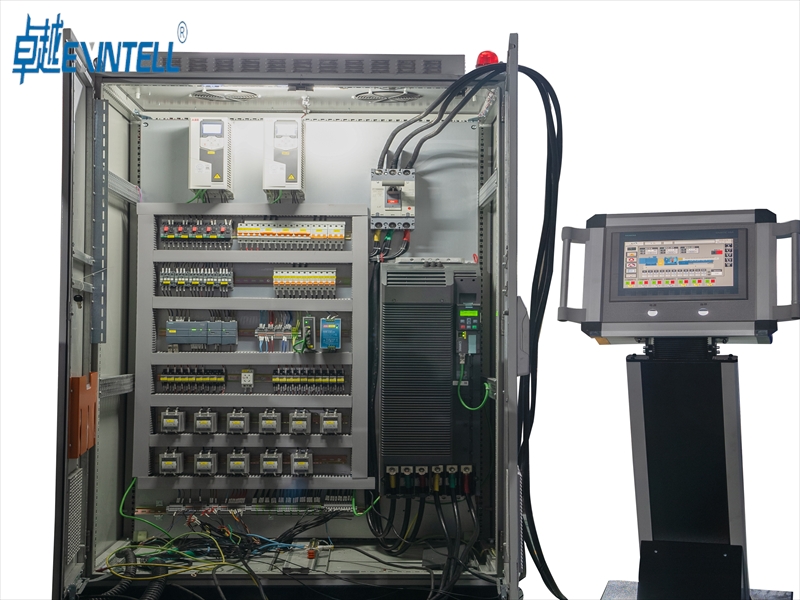
Baetsi ba entse tsoelo-pele e kholo ho automation bakeng sa mechini ea komporo ea polasetiki. Litaolo tse bohlale joale li bapala karolo ea mantlha ho ntlafatseng tlhahiso. Litsamaiso tsena li sebelisa li-algorithms tse bohlale ho beha leihlo le ho lokisa liparamente tsa ts'ebetso ka nako ea nnete. Basebelisi ba rua molemo ho litaolo tse bonolo tsa basebelisi tse nolofatsang ho seta le ho fokotsa kotsi ea liphoso tsa batho. Ho kopanngoa ha IoT le AI-powered process optimization e lumella mechini hore e itokise le ho boloka boleng bo tsitsitseng.. Likhatelo-pele tsena li tšehetsa mokhoa o ntseng o hola oa ho iketsetsa li-automation ho pholletsa le indasteri ea polasetiki.
Mekhoa e Kopanetsoeng
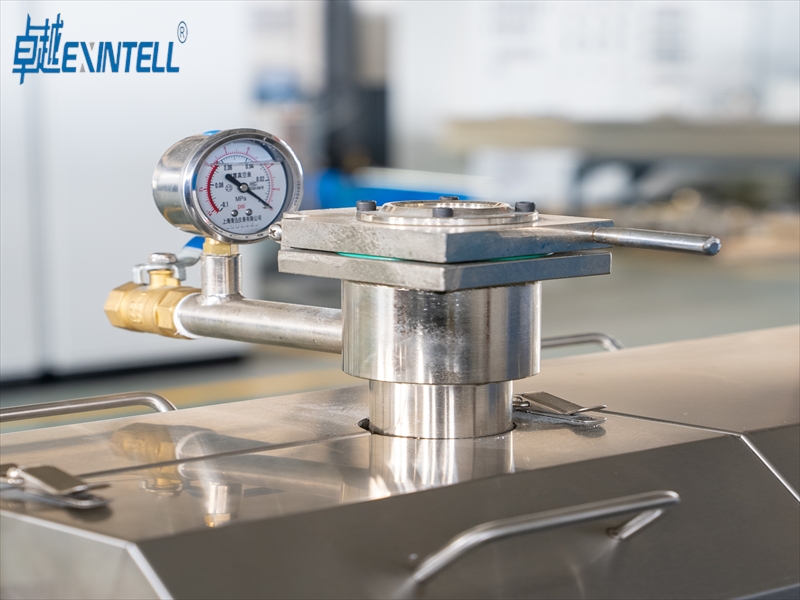
Mechini e etellang pele ea metsoako ea polasetiki e na le litsamaiso tse kopaneng tse tsamaisang tšebetso eohle ea tlhahiso. Boitokisetso ba othomathiki bo nolofalletsa khokahano e se nang moeli le li-conveyors, liroboto, le tse ding lisebelisoa tse thusang. Meetso ea mochini e feto-fetohang e tšehetsa mefuta e mengata ea lihlahisoa le lisebelisoa, ho etsa hore ho be bonolo ho bahlahisi ho ikamahanya le maemo a fetohang a mmaraka. Lintlha tse latelang li khetholla mechine e holimo ho bahlolisani:
- Litsamaiso tse tsamaisoang ke servo bakeng sa taolo e nepahetseng ea motsamao
- Litsamaiso tse bohlale tsa taolo bakeng sa tlhahlobo ea nako ea nnete
- Theknoloji e baballang matla e fokotsang litšenyehelo tsa ts'ebetso
- Ho kopanya le IoT bakeng sa ho etsa liqeto tse tsamaisoang ke data
- Khokahano ea boiketsetso bakeng sa mela ea tlhahiso ea ho qetela
Likhatelo-pele tsena li thusa lik'hamphani ho arabela ka potlako ho liphetoho tse hlokahalang le ho boloka maemo a phahameng a ts'ebetso.
Thepa e tsitsitseng
Li-resin tsa Eco-Friendly
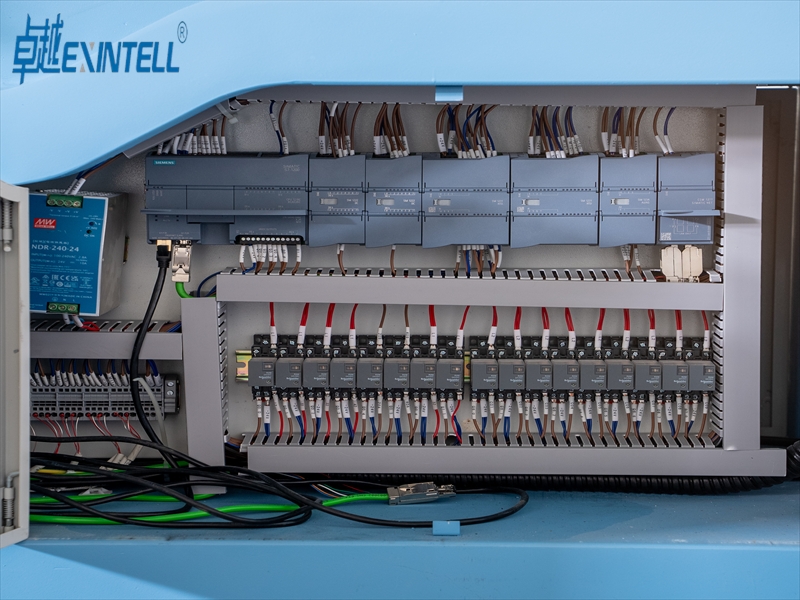
Tšebeliso ea thepa e tšoarellang e fetohile ntlha e hlalosang bakeng sa metjhini e kopanyang ya polasetiki. Hona joale bahlahisi ba etelletsa pele lipolasetiki tse bolokang tikoloho le li-resin tse ka senyehang hore li sebetsane le tsona mathata a tikoloho. Phetoho ena e ikamahanya le maemo a taolo 'me e kopana le litebello tsa bareki bakeng sa botsitso. Mechini e etselitsoeng ho lumellana le thepa e tsitsitseng e fana ka monyetla oa tlhōlisano 'marakeng. Ho amoheloa ha lisebelisoa tsena ho boetse ho tšehetsa mekhoa e pharaletseng ea indasteri ea polasetiki, joalo ka ho phahama ha bioplastic le ho sutumelletsa mekhoa ea tlhahiso e tala.
Phokotso ea litšila
Phokotso ea litšila e ntse e le taba ea bohlokoa bakeng sa lik'hamphani tse batlang ho ntlafatsa ts'ebetso. Mechini e tsoetseng pele e kenyelletsa likarolo tse fokotsang matlakala le ho ntlafatsa tšebeliso ea thepa. Automation e etsa bonnete ba hore dosing e nepahetseng le ho kopanya, e fokotsang tshenyo e feteletseng. Ts'ebetso e sebetsang hantle ha e fokotse litšenyehelo tsa tlhahiso feela empa hape e ntlafatsa boemo ba tikoloho ea sehlahisoa se felileng. Ha ts'ebetso e ntse e le bohlokoa ho bareki, mechine e tšehetsang phokotso ea litšila e fumana boipiletso bo boholo ba 'maraka.
Matla a Matla
Tšebeliso e tlase ea Matla
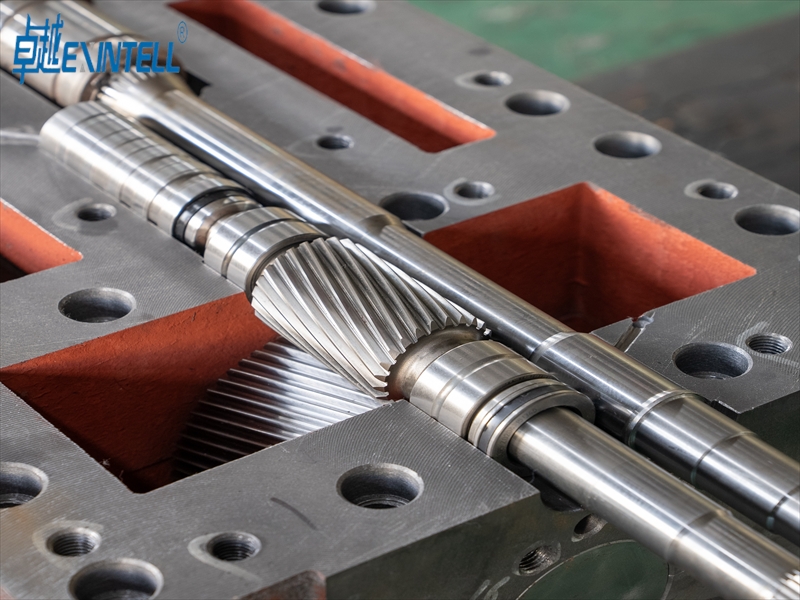
Ho sebetsa hantle ha matla ho hlahella e le phapang ea bohlokoa har'a mechini e kopantsoeng ea polasetiki. Baetsi ba hlahisitse lintlafatso tse 'maloa ho fokotsa tšebeliso ea matla le ho ntlafatsa ts'ebetso e akaretsang. Tafole e latelang e totobatsa libaka tsa bohlokoa tse sebelisang matla a matla le phello ea tsona tšebelisong ea matla a feme:
| Sebaka sa Matla a Matla | Tlhaloso | Tšusumetso ea Tšebeliso ea Matla |
|---|---|---|
| Extrusion / Ho Phahamisa Filimi | E kenyelletsa lihitara tsa barrel, makoloi, le ho shoa ho futhumatsa. | Ho fihlela ho 50% ea matla a feme kaofela |
| Ho phodisa | E sebelisa li-chillers, li-compressor tsa moea, le barati. | Tšebeliso e kholo ea matla |
| Ho Tšoara Lintho | E kenyelletsa li-vacuum loaders, metsoako, le liomisa. | E kenya letsoho tšebelisong ea matla ka kakaretso |
| Ho tiisa & Ho poma | E kenyelletsa lintho tse futhumatsang le mechine ea khatiso. | E ama matla a matla |
| Lebone & HVAC | Tšebeliso ea matla sebakeng sa setsi e ama ts'ebetso e akaretsang. | Bohlokoa bakeng sa tšebeliso ea matla ka kakaretso |
Bahlahisi ba arabetse liqholotso tsena ka likhatelopele tse 'maloa:
- Lintlafatso tsa ho futhumatsa ha moqomo, joalo ka li-heaters tsa ceramic infrared, e ka fokotsa tšebeliso ea matla ka ho fihlela 40%.
- Moralo o tsoetseng pele oa screw o ntlafatsa ts'ebetso ea ho qhibiliha le ho theola boima ba enjene.
- Li-frequency drives li fetola lebelo la enjine ho latela tlhoko, ho qoba ho hula matla ho sa hlokahaleng.
Sehlahisoa se Sebetsang
Tlhahiso e sebetsang e bohlokoa bakeng sa ho boloka tlholisano indastering ea polasetiki. Likhamphani li sebelisa li-compressor tse feto-fetohang le ho potoloha ha metsi a koalehileng ho tsitsisa mocheso oa filimi. Lisensara tsa khatello le ho lemoha ho lutla ha motlakase ho fokotsa tahlehelo ea matla. Mechini e meng e hapa le ho sebelisa mocheso hape ho tsoa ho li-extruder le li-compressor ho futhumatsa lisebelisoa tse tala. Lintlafatso tsena li thusa ho theola litšenyehelo tsa ts'ebetso le ho ts'ehetsa mokhoa oa tlhahiso e baballang matla.
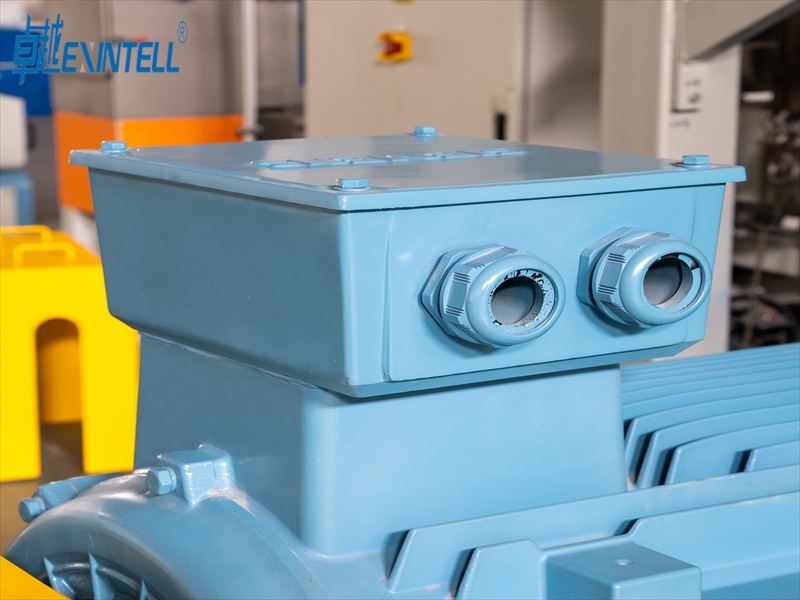
Hlokomela: The ho eketseha ha tlhoko ea lipolasetiki tse sebetsoeng ka koloing, phutheloana, mme thepa ya bareki e tsamaisa tlhokeho ya metjhini e kopanyang boiketsetso, botsitso, le bokgoni. Baetsi ba tsetelang tsoelopeleng ena ba ipeha e le baetapele 'marakeng o ntseng o tsoela pele.
Boiphihlelo ba Mosebedisi
Moralo oa Interface
Baetsi ba metjhini e kaholimo ea polasetiki ba tsetela haholo ho moralo oa sebopeho. Ba utloisisa hore sebopeho se hlakileng le se hlakileng se fokotsa liphoso le ho eketsa tlhahiso. Basebelisi ba sebelisana le li-touchscreens tse bonts'ang data ea nako ea nnete, boemo ba mochini, le malebela a ho rarolla mathata. Hangata li-skrini tsena li sebelisa li-coding tsa mebala le litšoantšo tse bonolo ho tataisa basebelisi mohatong o mong le o mong.
Mechini ea sejoale-joale e na le li-dashboard tseo u ka li khethang. Basebelisi ba ka fetola lipehelo ho bonts'a tlhahisoleseling e nepahetseng bakeng sa mesebetsi ea bona. Ho feto-fetoha ha maemo ho thusa basebelisi ba bacha le ba nang le boiphihlelo ho sebetsa hantle. Litsamaiso tse ling li fana ka tšehetso ea lipuo tse ngata, e thusang lihlopha tsa lefatše.
Keletso: Sebopeho se entsoeng hantle se ka fokotsa nako ea koetliso ka halofo le ho fokotsa liphoso tse theko e boima mokatong oa tlhahiso.
Baetsi ba boetse ba tsepamisa maikutlo ho phihlello. Likonopo tse kholo, li-control tse arabelang, le mekhoa ea menu e utloahalang e etsa hore ho tsamaea ho be bonolo. Likarolo tsena li netefatsa hore basebelisi ba maemo ohle a litsebo ba khona ho laola lits'ebetso tse rarahaneng ka boitšepo.
Tšehetso le Koetliso
Tšehetso le koetliso li bapala karolo ea bohlokoa boiphihlelong ba basebelisi. Li-brand tse etellang pele li fana ka lisebelisoa tse felletseng ho thusa basebelisi ho fumana se molemohali ho tsoa mecheng ea bona. Lisebelisoa tsena li kenyelletsa:
- Lithupelo tse sebetsang inthaneteng le litataiso tsa livideo
- Litaelo tse hatisitsoeng ka mehato
- Lithupelo tsa setšeng tse etelletsoeng pele ke litsebi tse netefalitsoeng
- 24/7 tšehetso ea tekheniki ka fono, qoqa, kapa imeile
Lik'hamphani tse ngata li fana ka litlhahlobo tse hole. Litheknishine li khona ho kena mecheng ka Marang-rang ho rarolla mathata le ho ntlafatsa software. Ts'ebeletso ena e fokotsa nako ea ho theoha 'me e boloka tlhahiso e sebetsa hantle.
Sistimi e matla ea tšehetso e boetse e kenyelletsa liapdeite tsa kamehla tsa software. Lintlafatso tsena li eketsa likarolo tse ncha, ntlafatsa tshireletso, le ho lokisa liphoso. Baetsi ba etelletsang pele koetliso le tšehetso e tsoelang pele ba thusa basebelisi ho ikamahanya le mahlale a macha le ho boloka tlhahiso e phahameng..
Hlokomela: Likhamphani tse tsetelang ho li-interfaces tse bonolo tsa basebelisi le lits'ebetso tse matla tsa ts'ehetso li ipeha ka thoko 'marakeng oa tlholisano oa mochini oa polasetiki.. Ba matlafatsa basebetsi, fokotsa liphoso, le ho eketsa nako ea ho sebetsa ha mochini.
Papiso ea Mehlala e ka Sehloohong: Mefuta ea Mechini ea Motsoako oa Plastiki
Fokotsa Mechini ea ho Bopa
Automation Features
Mechini ea ho bopa e pharalletseng e bile teng ka potlako lilemong tsa morao tjena. Mehlala e etellang pele hona joale e na le e tsoetseng pele ea ho iketsetsa e eketsang katleho ea tlhahiso le ho fokotsa ho kenella ka letsoho. Phetoho ea hlobo e ikemetseng, tlhokomelo ea nako ea sebele, le li-adaptive process controls li lumella basebelisi ho boloka lihlahisoa tse tsitsitseng le lihlahisoa tsa boleng bo phahameng. Hangata mechine ena e kenyelletsa mekhoa e tsamaisoang ke servo e ntlafatsang lebelo le ho nepahala. Mefuta e mengata e holimo e boetse e tšehetsa ho kopanngoa le mekhoa e bohlale ea fektheri, ho nolofalletsa phapanyetsano ea data e se nang moeli le tlhahlobo ea hole. Boemo bona ba boiketsetso bo thusa bahlahisi ho arabela ka potlako litlhokong tse fetohang tsa tlhahiso le ho boloka ts'ebetso e nepahetseng ea mochini.
Tšebelisano e tsitsitseng ea Resin
Sustainability e se e le ntho e ka sehloohong ho bahlahisi ba mochini oa ho bopa. Mefuta ea morao-rao e tšehetsa mefuta e mengata ea li-resin tse bonolo tsa eco-friendly, ho kenyelletsa le PET e nchafalitsoeng, li-plastiki tse thehiloeng ho bio, le lisebelisoa tse ka senyehang. Khokahano ena e lumella lik'hamphani ho fihlela litlhoko tsa taolo le litebello tsa bareki bakeng sa lihlahisoa tse tala. Machines with advanced resin handling systems ensure precise dosing and mixing, which minimizes waste and supports high-quality output. By choosing models that handle sustainable resins efficiently, manufacturers can reduce their environmental impact while maintaining strong performance.
Plastic Thermoforming Machine
Best Plastic Thermoforming Machine for 2026
The search for the best plastic thermoforming machine for 2026 centers on several critical factors. Top manufacturers of plastic thermoforming machines focus on delivering high-speed production, taolo e nepahetseng ea mocheso, and robust forming pressure. The best plastic thermoforming machine combines rapid cycle times with energy-efficient heating systems. These models often feature modular tooling platforms, allowing quick changeovers and flexible production runs. In a comparison of leading models, mochine o motle ka ho fetisisa oa polasetiki oa thermoforming o hlahella ka bokhoni ba oona ba ho sebetsana le mefuta e mengata ea thepa, ho kenyeletsoa le lipolasetiki tse tsosolositsoeng le tsa bio-based. Tekanyetso ena e tšehetsa mekhoa le mekhoa e mecha ea thermoforming, joalo ka liphutheloana tse bobebe le meralo ea lihlahisoa tse ikhethileng.
Baetsi ba boetse ba etelletsa pele likhokahano tse bonolo tsa basebelisi le likarolo tse tsoetseng pele tsa polokeho. Mochini o motle ka ho fetisisa oa polasetiki oa thermoforming bakeng sa 2026 e fana ka li-control tse hlakileng tsa "touchscreen"., tlhahlobo ea nako ea sebele, le matla a ho beha leihlo a hole. Likarolo tsena li thusa basebelisi ho boloka ts'ebetso e tsitsitseng ea mochini le ho fokotsa nako ea ho theoha. Ka hoo, lik'hamphani li ka fihlela katleho e phahameng ea tlhahiso le ho fihlela tlhoko e ntseng e hola ea litharollo tsa liphutheloana tse tšoarellang.
Lisebelisoa tsa Smart Tooling
Lisebelisoa tse bohlale li emela tsoelo-pele e kholo theknolojing ea thermoforming ea polasetiki. Mefuta e etellang pele hona joale e kenyelletsa li-sensor le li-actuator tse hlokomelang khatello ea ho theha, mocheso, le botenya ba thepa ka nako ea sebele. Litlhahiso tsena li nolofalletsa taolo e nepahetseng holim'a ts'ebetso ea thermoforming, ho fella ka boleng bo tsitsitseng ba sehlahisoa le litheko tse fokotsehileng tsa lihlahisoa. Mekhoa le mekhoa e mecha ea thermoforming e boetse e kenyelletsa mekhoa ea ho fetola lisebelisoa ka potlako, e lumellang basebelisi ho fetoha lipakeng tsa meralo ea lihlahisoa ka nako e fokolang.
Baetsi ba kaholimo ba mechini ea thermoforming ea polasetiki ba tsetela ho theknoloji ea mafahla ea dijithale le lisebelisoa tsa ho lokisa esale pele. Litsamaiso tsena li sebelisa li-analytics tsa data ho bolela esale pele hore na li tla khathala joang le ho ntlafatsa linako tsa tlhokomelo, ho netefatsa ts'ebetso ea mochini e tšepahalang. Lisebelisoa tse bohlale ha li ntlafatse ts'ebetso feela empa hape li ts'ehetsa tlhahiso ea libopeho tse rarahaneng le libopeho tse qaqileng. Ha 'maraka o ntse o fetoha, mochine o motle ka ho fetisisa oa polasetiki oa thermoforming o tla tsoela pele ho sebelisa mekhoa ena e mecha ho fana ka liphello tse phahameng.
Mechini ea Extrusion ea PVC
Lintho Tse Fetohang
Mechini ea extrusion ea PVC e bonts'a ho feto-fetoha ha lintho tse ikhethang le ho ikamahanya le maemo. Baetsi ba sebelisa mechine ena ho pholletsa le liindasteri tse ngata ka lebaka la bokhoni ba bona ba ho hlahisa profiles tse tloaelehileng ka mebala e fapaneng, boholo, le metsoako. Lethathamo le latelang le totobatsa lits'ebetso tse fapaneng tsa mochini oa PVC extrusion:
- Kaho: Liforeimi tsa lifensetere, litiiso tsa monyako, 'me siding e rua molemo ho boemo ba leholimo bo hanyetsanang le thepa ea ho pata.
- Liphaephe le ho nosetsa: Liphaephe le lisebelisoa tse tšoarellang bakeng sa phepelo ea metsi le nosetso ea temo li itšetlehile ka khanyetso ea kutu ea PVC..
- Tsa makoloi: Liprofaele tsa PVC tse feto-fetohang li theha litiiso, likhase, le trim, e fanang ka nako e telele ea ho tšoarella ha likoloi.
- Motlakase: Li-conduits tsa lithapo le likanale tse sireletsang likhoele li sireletsa likhoele, ho sebelisa thepa e thibelang mollo.
- Bongaka: Li-tubing tse sterilizer bakeng sa phetiso ea mokelikeli li kopana le litlhoko tse thata tsa FDA.
- Mabenkele le Lipontšo: Liprofaele tse ikhethileng bakeng sa liforeimi tse bonts'ang le meaho ea thekiso, e matlafalitsoe ke khetho ea 'mala le sebopeho sa tloaelo.
Bokhoni ba ho hlahisa li-profiles tsa tloaelo bo netefatsa hore mechini ea extrusion ea PVC e ka fihlela litlhoko tse ikhethang tsa indasteri ka 'ngoe. Ho ikamahanya le maemo hona ho ba etsa khetho e holimo bakeng sa bahlahisi ba batlang ho feto-fetoha ha tlhahiso.
Katleho ea Sephetho
Katleho ea tlhahiso e sebetsa e le letšoao la bohlokoa ho papiso ea mehlala e ka sehloohong ea mechini ea PVC extrusion. Baetsi ba lekola metrics e mengata ea ts'ebetso ea mechini ea PVC extrusion ho fumana hore na PVC e ntle ka ho fetisisa. mochini oa extrusion bakeng sa litlhoko tsa bona.
| Mofuta oa Benchmark | Tlhaloso |
|---|---|
| Sekhahla sa sephetho | E lekanya boholo ba PVC e hlahisoang ka nako ea yuniti, e bontshang maemo a tlhahiso. |
| Matla a Matla | E lekola tšebeliso ea matla e amanang le tlhahiso, ea bohlokoa bakeng sa tlhahlobo ea litšenyehelo tsa ts'ebetso. |
| Qhibiliha Boleng | Lekola boleng ba PVC e qhibilihisang, e amang litšobotsi tsa sehlahisoa sa ho qetela. |
| Ts'ebetso ea botsitso | E hlahloba ho lumellana ha mokhoa oa extrusion, e amang botshepehi le tshebetso ka kakaretso. |
Matla a ikarabella bakeng sa 60-70% ea litšenyehelo tsa ts'ebetso, ntle le lisebelisoa tse tala. Mochine o nang le litšenyehelo tse tlase tsa pele empa tšebeliso e phahameng ea matla e ka lebisa litšenyehelong tse kholo ha nako e ntse e ea. Mochini o motle ka ho fetisisa oa PVC oa extrusion o fihlella tšebeliso e khethehileng ea matla ka tlase 0.20 kWh/kg bakeng sa tlhahiso e thata ea liphaephe tsa PVC. Baetsi ba shebaneng le tlhahiso ea boleng bo holimo le maemo a tsitsitseng a ts'ebetso ba fumana monyetla oa tlholisano 'marakeng..
Keletso: Ha ho bapisoa mehlala, nahana ka bobeli sekhahla sa tlhahiso le matla a matla ho holisa poloko ea nako e telele le katleho ea tlhahiso.
Mechini ea extrusion ea PVC e ntse e tsoela pele ho beha maemo a indasteri bakeng sa lebelo, tsepahala, le ho ikamahanya le maemo. Their ability to deliver consistent output and meet diverse production requirements makes them essential in modern manufacturing.
Plastic Recycling Machines
Shredding and Washing Capabilities
Plastic recycling machines play a vital role in the circular economy. They transform waste into valuable resources for new products. Leading machines stand out because they combine robust shredding and advanced washing systems. These features ensure that recycled materials meet strict quality standards for reuse in industries like packaging, koloi, and construction.
Operators use shredders to break down large plastic items into smaller flakes. This step prepares the material for further processing. Specialized shredders handle a variety of plastics, including drums, lifilimi, and pipes. Some advanced models, such as Vecoplan’s VDZ, kopanya shredding le ho sila ka yuniti e le 'ngoe. Ho kopanya hona ho eketsa katleho le ho fokotsa nako ea ho theoha nakong ea tlhahiso.
Lithapo tsa ho hlatsoa li tlosa litšila ho polasetiki e pshatlehileng. Lintho tse hloekileng li lebisa lihlahisoa tsa boleng bo holimo tse nchafalitsoeng. Mekhoa ea morao-rao ea ho hlatsoa e sebelisa mabanta a conveyor ho tsamaisa polasetiki ka mekhahlelo e mengata ea ho hloekisa. Li-washer tsa likhohlano, li-washer tse chesang, 'me litanka tse phaphametseng, e 'ngoe le e 'ngoe e shebane le mefuta e fapaneng ea litšila le masala. Baetsi ba bang hona joale ba fana ka mekhoa ea ho hlatsoa e se nang metsi. Litlhahiso tsena li thusa ho fokotsa tšebeliso ea metsi le ho fokotsa litšenyehelo tsa ho sebetsa.
Tafole e ka tlase e totobatsa likarolo tse kholo tsa tsamaiso ea ho senya le ho hlatsoa ka metjhini e hodimo ya ho recycle:
| Sebopeho | Tlhaloso | Morero |
|---|---|---|
| Li-shredders | Senya lintho tse kholo tsa polasetiki hore e be li-flakes tse laolehang. | E lokisa polasetiki bakeng sa mekhahlelo e latelang ea ho sebelisoa hape. |
| Mehala ea ho Hlatsoa | Hloekisa polasetiki e sebelisoang hape ho tlosa litšila u sebelisa mabanta a conveyor. | E netefatsa lihlahisoa tsa boleng bo holimo tse recycled. |
Keletso: Lits'ebetso tse felletseng tsa ho hlatsoa le ho seha li thusa bahlahisi ho fihlela tlhoko e ntseng e eketseha ea bohloeki, lisebelisoa tsa boleng bo holimo tsa mochini oa pvc extrusion le lits'ebetso tsa thermoforming.
Likhetho tsa Pelletizing
Pelletizing ke mohato oa ho qetela ts'ebetsong ea ho tsosolosa. E fetola li-flakes tsa polasetiki tse hloekileng hore e be li-pellets tse tšoanang. Li-pellets tsena li sebetsa e le lisebelisoa tse tala bakeng sa mechini ea pvc extrusion, mela ea extrusion, le lisebelisoa tsa thermoforming. Boleng ba pelletizing ka ho toba ama boleng le tshebediso ya recycled polasetiki.
Baetsi ba khetha lisebelisoa tsa pelletizing ho latela litlhoko tsa bona tsa tlhahiso. Methapo e ntlafalitsoeng ea pelletizing e ntlafatsa bohloeki ba lintho tse bonahalang. Bohloeki bo phahameng bo lebisa ho theko e ntle ea thekiso le phaello e potlakileng ea matsete. Integrated pelletizing systems also boost energy efficiency and support outputs from 500 ho 3,000 kg ka hora. This range meets the needs of both small and large-scale production facilities.
The choice of pelletizing system impacts initial investment costs. Prices can range from $25,000 ho $150,000. Operators must balance cost with performance. Integrated systems often provide better energy savings and higher throughput. These benefits make them popular in industries that rely on pvc extrusion machines and extrusion processes.
Key advantages of advanced pelletizing options include:
- Enhanced material purity for use in pvc extrusion machines and thermoforming lines.
- Improved energy efficiency, reducing overall production costs.
- Flexible output rates to match different production scales.
- Compatibility with a wide range of plastics, including pvc and specialty materials.
Hlokomela: High-quality pellets from advanced recycling machines support sustainable manufacturing. They enable the use of recycled content in new pvc extrusion machines, mela ea extrusion, and thermoforming products.
Use Case Analysis: Indasteri, Tsa makoloi, Lehae
Industrial Applications
Heavy-Duty Performance
Industrial environments demand plastic compound machines that deliver robust performance and reliability. Manufacturers often select extrusion and thermoforming equipment for their ability to handle high-volume production needs. These machines process large quantities of pvc and other plastics, producing consistent results even under continuous operation. Heavy-duty extrusion lines support the creation of complex profiles and sheets, while advanced thermoforming systems shape durable components for packaging and construction. High-speed production and repeatable quality remain essential for meeting the demands of industrial clients.
Scalability
Scalability plays a critical role in industrial settings. Companies require machines that can adapt to changing production needs and market growth. The following features enable plastic compound machines to scale effectively:
- Injection molding supports the creation of complex geometries with tight tolerances, which is vital for robotics and automation.
- The process remains highly repeatable, ensuring consistent quality across large production runs.
- High-speed production allows thousands of identical parts to be manufactured quickly, meeting increased demand.
- Optimized mold design reduces tooling costs through simulation and prototyping.
- Expertise in material selection ensures the right plastics or composites are used for each application.
- Manufacturing capabilities in multiple regions support high-quality production for global markets.
Extrusion and thermoforming machines with modular designs allow manufacturers to expand capacity as needed. This flexibility ensures that production lines can grow alongside business requirements.
Automotive Sector
Precision and Consistency
The automotive industry relies on machines that deliver precise and consistent results. Thermoforming and extrusion equipment produce interior panels, fokotsa, and under-the-hood components with exact specifications. Consistency in production ensures that every part meets safety and quality standards. Automated controls and real-time monitoring help maintain tight tolerances, reducing the risk of defects.
Ho lumellana ha Lintho
Material compatibility influences machine selection for automotive production. Engineers evaluate which machines can process specific materials, such as pvc, metsoako, and specialty plastics. They consider mechanical properties like strength and stiffness, as well as environmental resistance to chemicals and heat. Manufacturability and supply chain stability also guide decisions. Selecting the right extrusion or thermoforming machine ensures optimal product performance, ho baballa litšenyehelo, le ho latela melao ea indasteri.
Home and Small Business
Bonolo ba Tšebeliso
Lehae users and small businesses prioritize machines that are easy to operate and maintain. Compact extrusion and thermoforming machines offer simple controls and quick setup. These models often feature intuitive touchscreens and clear instructions, making them accessible to operators with limited technical experience. Bokhoni ba ho chencha lipakeng tsa pvc le lisebelisoa tse ling bo tšehetsa litlhoko tse fapaneng tsa tlhahiso, ho tloha ho liphutheloana tse tloaelehileng ho ea ho tlhahiso ea lihlopha tse nyenyane.
Litlhoko tsa Tlhokomelo
Litlhoko tsa tlhokomelo li ama haholo ts'ebeliso ea likhoebo tse nyane. Lethathamo le ka tlase le hlalosa lintlha tsa bohlokoa:
| Karolo | Bohlokoa |
|---|---|
| Tlhokomelo ea Kamehla | E etsa bonnete ba hore mechini e sebetsa hantle le ka botshepehi. |
| Litšebeletso le Likarolo tse Ikemetseng | E fokotsa nako ea ho theoha 'me e boloka tlhahiso e tsoelang pele. |
| Reliable Service Network | E fana ka lipuisano tsa litsebi le phepelo e potlakileng ea likarolo tse ling, bohlokoa bakeng sa likhoebo tse nyane. |
Marang-rang a ts'ebeletso a tšepahalang le phihlello e bonolo ea likarolo tse ling li thusa likhoebo tse nyane ho boloka ts'ebetso e phahameng. Tlhokomelo ea kamehla e boloka mochini oa extrusion le thermoforming o sebetsa hantle, ho tshehetsa ditlhoko tse tswellang tsa tlhahiso ntle le tshitiso e bitsang chelete e ngata.
Keletso: Small businesses should choose machines with straightforward maintenance routines and strong manufacturer support to maximize uptime and efficiency.
Key Criteria for Evaluating Plastic Compound Machines
Technology and Automation
Smart Controls
Smart controls have become a standard in modern plastic compound machines. These systems use artificial intelligence to manage extrusion, thermoforming, and pvc processing. Operators can monitor every stage of production with real-time data. Smart controls suggest automatic corrections when they detect process deviations. This technology improves efficiency and reduces waste. Many machines now feature touchscreens that display key metrics for extrusion and thermoforming. These controls help operators maintain consistent quality in pvc products. Smart controls also support remote monitoring, which allows technicians to troubleshoot extrusion and thermoforming lines from anywhere.
Integration Capabilities
Integration capabilities set leading machines apart. Manufacturers design their equipment to connect with other systems on the factory floor. Ka mohlala, extrusion and thermoforming machines can link with robotics, conveyors, and quality inspection tools. This integration streamlines pvc production and reduces manual handling. Companies often form strategic partnerships to enhance their technology offerings. They invest in research and development to improve extrusion and thermoforming integration. A strong market presence and customer focus drive these innovations. Integration capabilities ensure that extrusion, thermoforming, and pvc machines work together for maximum efficiency.
Efficiency and Sustainability
Tšebeliso ea Matla
Energy consumption remains a top concern for manufacturers. Advanced extrusion and thermoforming machines use energy-saving motors and optimized heating systems. These features lower the power needed for pvc processing. Efficient machines reduce operating costs and support sustainability goals. Many extrusion and thermoforming lines now include sensors that adjust energy use based on production needs. This approach prevents energy waste during low-demand periods. Companies that invest in energy-efficient extrusion and thermoforming equipment gain a competitive edge.
Phokotso ea litšila
Waste reduction plays a vital role in sustainable manufacturing. Modern extrusion and thermoforming machines minimize scrap by using precise dosing and mixing systems. These machines process pvc and other materials with high accuracy. Automation ensures that only the required amount of material enters the production line. This reduces excess pvc and improves overall efficiency. Some extrusion and thermoforming systems recycle scrap directly back into the process. This closed-loop approach supports zero-waste goals and lowers raw material costs.
Keletso: Choosing machines with advanced waste reduction features helps companies meet environmental regulations and improve their public image.
Versatility and Adaptability
Material Range
Versatility in material range increases the value of plastic compound machines. Leading extrusion and thermoforming equipment can process a wide variety of materials, including pvc, lipolasetiki tse nchafalitsoeng, le metsoako e khethehileng. This flexibility allows manufacturers to switch between different products without major retooling. Ka mohlala, an extrusion line might produce pvc pipes in the morning and switch to custom profiles in the afternoon. Thermoforming machines can handle both rigid and flexible sheets, expanding their use in packaging and automotive applications.
Dikgetho tsa ho itlhophisa
Customization options enhance adaptability. Manufacturers can configure extrusion and thermoforming machines with different injection units, clamping mechanisms, and tooling setups. This adaptability supports unique production requirements for pvc and other materials. Flexible machines allow companies to respond quickly to market changes. They can explore new product designs and enter new markets with minimal investment. Customization leads to improved productivity, higher efficiency, and cost savings.
Hlokomela: Versatile and adaptable machines help manufacturers stay competitive by meeting diverse customer needs and adjusting to industry trends.
Litšenyehelo le Boleng
Matsete a Pele
Buyers of plastic compound machines face a wide range of initial investment costs. The price of a single machine can start at $5,000 for basic models and reach $150,000 bakeng sa litsamaiso tse tsoetseng pele. Complete recycling lines often exceed $500,000. The cost of extrusion equipment for pvc depends on automation features, filtration quality, and the country of manufacture. Li-shredders, which play a key role in pvc recycling, ho tloha ho $10,000 ho $80,000. When evaluating extrusion or pvc machines, buyers should look beyond the sticker price.
A table helps clarify the additional costs involved:
| Cost Item | Estimated Range |
|---|---|
| Lipalangoang | $240 – $2,400 |
| Ho kenya | $180 – $1,200 |
| Refurbishment | $12 – $6,000 |
| Koetliso ea Basebetsi | $120 – $600 |
These expenses add to the total investment for extrusion and pvc machinery. Buyers should focus on the total cost per ton of clamping force and expected production capacity. A reliable extrusion or pvc machine often delivers better value than a cheaper, less dependable option.
Keletso: Buyers should compare multiple suppliers and models, request detailed inspection reports, and negotiate warranty terms alongside price.
ROI ea nako e telele
Long-term return on investment (ROI) matters as much as the initial price. Reliable extrusion and pvc machines reduce downtime and maintenance costs. High-quality machines support consistent production, which leads to higher profits over time. Automation in extrusion and pvc systems can lower labor costs and improve energy efficiency. Buyers should consider the total cost of ownership, ho kenyeletsoa likarolo tse ling, service contracts, and energy use.
A structured approach helps buyers maximize value:
- Focus on machines that offer strong after-sales support.
- Evaluate the expected lifespan of extrusion and pvc equipment.
- Consider resale value when upgrading to newer models.
A reliable extrusion or pvc machine may cost more upfront but often pays off through lower operating costs and higher output.
Boiphihlelo ba Mosebedisi
Moralo oa Interface
User experience shapes the effectiveness of extrusion and pvc machines. Leading manufacturers design interfaces that are easy to understand and operate. Touchscreen controls display real-time data for extrusion and pvc processes. Operators can monitor temperature, khatello, and speed during production. Customizable dashboards allow users to focus on the most important metrics for their extrusion or pvc application.
A well-designed interface reduces training time and minimizes errors. Color-coded alerts and simple icons guide operators through each step. Multi-language support ensures that global teams can use extrusion and pvc machines efficiently.
Tšehetso le Koetliso
Tšehetso le koetliso li bapala karolo ea bohlokoa khethong ea lisebelisoa tsa extrusion le pvc. Bareki ba lokela ho sebelisa lethathamo le hlophisitsoeng la ho lekola bokhoni ba mofani oa thepa botekgeniki le thepa. Ho botsa lipotso tse nepahetseng ho senola mekhoa le botsebi ba morekisi. Ho leka boikemisetso ba mofani oa ho sebelisana le eena, eseng feela ho fana ka likarolo, e ntlafatsa boiphihlelo ba mosebelisi mme e theha likamano tsa nako e telele.
Baetsi ba fanang ka koetliso e felletseng le tšehetso e arabelang ba thusa bareki ho fumana molemo ka ho fetisisa mecheng ea bona ea extrusion le ea pvc.. Koetliso ea setšeng, lithuto tsa inthaneteng, le 24/7 thuso ea tekheniki e boloka tlhahiso e sebetsa hantle. Lintlafatso tsa khafetsa tsa software le tlhahlobo e hole le ho feta ho ntlafatsa boleng ba lisebelisoa tsa extrusion le pvc.
Hlokomela: A strong focus on user experience ensures that extrusion and pvc machines deliver reliable performance and long-term satisfaction.
Testing and Selection Process for Leading Models
Evaluation Methodology
Performance Testing
Manufacturers use a structured approach to evaluate plastic compound machines. They focus on how each machine handles extrusion and pvc processing. Mechanical property testing forms the foundation of this process. Engineers measure tensile strength, flexural properties, khanyetso ea tšusumetso, khatello, and hardness. These tests reveal how well a machine can process pvc and other materials under different conditions.
Advanced material characterization also plays a key role. Teams assess hyperelastic behavior, fatigue life, creep resistance, and environmental stress response. Specialized testing for composite materials includes fiber-matrix adhesion and interlaminar shear strength. These steps ensure that extrusion and pvc machines can handle complex materials and demanding applications.
Temperature control accuracy and dispersion uniformity receive close attention. Engineers monitor torque and energy consumption during extrusion. They check operational ease and maintenance costs. Ho lumellana ha lintho, including filling rate, viscosity, and fiber content, helps determine if a machine can adapt to a wide range of pvc formulations.
Reliability Assessment
Reliability assessment ensures that extrusion and pvc machines deliver consistent results over time. Teams run machines through extended cycles to observe performance under continuous operation. They evaluate machine adaptability to complex materials and changing production needs. Modular design and screw customization allow for quick adjustments and repairs. Precision temperature control supports stable extrusion and pvc processing.
Production capacity and delivery time also factor into reliability. Machines must meet deadlines without sacrificing quality. Cost performance, or the balance between price and output, helps buyers choose the best extrusion and pvc equipment for their needs.
Selection Criteria
Maemo a Indasteri
Industry standards guide the selection of leading extrusion and pvc machines. Certifications from recognized organizations confirm that machines meet safety and quality requirements. Engineers look for machines with proven track records in extrusion and pvc processing. Modular design and screw customization support compliance with evolving standards. Precision temperature control and high production capacity ensure that machines can handle large-scale extrusion and pvc projects.
A table summarizes key selection criteria:
| Litekanyetso | Bohlokoa |
|---|---|
| Setifikeiti | Confirms compliance with industry standards |
| Moqapi oa Modular | Supports flexibility and upgrades |
| Screw Customization | Enhances material compatibility |
| Precision Temperature | Ensures consistent extrusion and pvc output |
| Bokhoni ba Tlhahiso | Meets project demands |
User Feedback
User feedback provides valuable insights during the selection process. Customer testimonials highlight real-world experiences with extrusion and pvc machines. Buyers consider after-sales support, including training and technical assistance. Operational ease and maintenance costs influence long-term satisfaction. Companies that offer strong support and responsive service stand out in the extrusion and pvc market.
Keletso: Listening to user feedback helps manufacturers improve machine design and address common challenges in extrusion and pvc processing.
Recommendations for Different User Needs
Best for Large-Scale Manufacturing
Large-scale manufacturers require machines that deliver tlhahiso e phahameng, tsepahala, le ho tenyetseha. They often operate in industries such as packaging, kaho, le thepa ea bareki. These companies benefit from machines with advanced automation and integrated quality control. High-capacity blow molding and extrusion lines support continuous production. Modular designs allow for easy expansion as demand grows.
Key features to consider include:
- Automated material handling systems
- Real-time process monitoring
- Energy-efficient heating and cooling
- Remote diagnostics and predictive maintenance
A table below summarizes the top priorities for large-scale manufacturing:
| Priority | Molemo |
|---|---|
| Phaello e Phahameng | Meets large order volumes |
| Automation Integration | Reduces labor costs |
| Matla a Matla | Lowers operational expenses |
| Scalability | Supports business growth |
Keletso: Companies should choose suppliers with strong after-sales support and global service networks to minimize downtime.
Best for Automotive Production
Automotive manufacturers need machines that deliver precision, tsitsinyeho, le ho feto-fetoha ha lintho tse bonahalang. They produce parts that must meet strict safety and quality standards. Thermoforming and extrusion machines play a major role in creating interior panels, fokotsa, and under-the-hood components. Mechini e nang le advanced controls ensure tight tolerances and repeatable results.
Important considerations for automotive applications:
- Compatibility with engineering plastics and composites
- Advanced process controls for consistent quality
- Quick-change tooling for flexible production
- Compliance with industry certifications
Automotive companies often select machines that support both prototyping and mass production. This approach allows them to innovate while maintaining efficiency.
Hlokomela: Manufacturers should evaluate machine suppliers based on their experience with automotive projects and their ability to provide technical support.
Best for Small Businesses
Small businesses and startups look for machines that are easy to use, theko e tlaase, and require minimal maintenance. Compact extrusion and thermoforming machines fit well in limited spaces. User-friendly interfaces and clear instructions help operators with little technical experience. Machines with quick setup and changeover features allow small businesses to produce a variety of products without long delays.
Key factors for small business buyers:
- Low initial investment
- Simple maintenance routines
- Reliable service and spare parts availability
- Flexibility to handle different materials
A checklist for small business machine selection:
- Is the machine easy to operate?
- Does it fit the available space?
- Are spare parts and support accessible?
- Can it process multiple materials?
Keletso: Small businesses should prioritize machines with strong warranties and responsive customer service to ensure smooth operations.
Best for Innovation and R&D
Research and development teams drive progress in the plastics industry. They need machines that support experimentation, prototyping e potlakileng, and advanced material testing. Leading manufacturers design plastic compound machines with features that help engineers and scientists explore new ideas and improve product performance.
Innovation labs often select machines with modular designs. These machines allow users to swap out components, adjust processing parameters, and test different materials. Modular tooling platforms make it easy to change molds or dies. This flexibility speeds up the development process and reduces downtime. Engineers can quickly move from concept to prototype without waiting for custom parts.
Advanced control systems play a key role in R&D environments. Machines with real-time monitoring and data logging help researchers track every step of the process. These systems record temperature, khatello, and material flow. Teams use this data to analyze results and refine their experiments. Digital twin technology lets users simulate production runs before making physical changes. This approach saves time and resources.
Material versatility is essential for innovation. R&D teams often work with specialty plastics, metsoako, le thepa e sebelisoang hape. Machines that handle a wide range of polymers support creative projects. Ka mohlala, extrusion equipment allows researchers to test new blends and additives. They can produce custom profiles and sheets for testing mechanical properties.
Quick-change tooling and automated calibration help researchers maintain accuracy. These features ensure that every prototype meets exact specifications. Automated calibration reduces human error and improves repeatability. High-precision sensors detect small changes in material behavior. This information helps teams optimize their designs.
Support and training matter in R&D settings. Manufacturers offer technical guidance, software updates, and troubleshooting assistance. Many companies provide remote diagnostics and online tutorials. These resources help researchers solve problems and learn new techniques.
Keletso: R&D teams should choose machines with open architecture and strong software integration. This setup allows easy customization and supports advanced analytics.
A table below summarizes key features for innovation and R&D:
| Sebopeho | Molemo |
|---|---|
| Moqapi oa Modular | Supports rapid prototyping |
| Litaolo tse tsoetseng pele | Enables detailed data analysis |
| Lintho Tse Fetohang | Allows testing of new polymers |
| Quick-Change Tooling | Reduces setup time |
| Tšehetso ea tekheniki | Helps solve complex challenges |
Innovation le R&D require machines that adapt to new demands. Flexible designs, ditaolo tse tsoetseng pele, and strong support systems help teams push the boundaries of plastic technology.
Leading models in the plastic compound machine market demonstrate advanced automation, lisebelisoa tse tsitsitseng, le matla a matla. Manufacturers deliver user-friendly interfaces and strong support systems. Buyers should match machine types to their specific needs.
- Industrial users benefit from scalable, high-output machines.
- Automotive producers require precision and material compatibility.
- Small businesses need easy operation and reliable maintenance.
Smart evaluation helps buyers make informed decisions. Industry professionals can explore further resources for deeper insights.
LBH
What is the main advantage of advanced automation in plastic compound machines?
Advanced automation increases production speed and consistency. Operators can monitor processes in real time. Machines adjust settings automatically to maintain quality. This reduces human error and improves overall efficiency.
How do plastic compound machines support sustainability goals?
Manufacturers design these machines to use eco-friendly resins and minimize waste. Many models recycle scrap material during production. This approach helps companies reduce their environmental impact and meet regulatory standards.
What factors affect the energy efficiency of these machines?
Key factors include motor type, heating system, and process controls. Machines with variable frequency drives and optimized heaters use less power. Efficient designs lower operating costs and support sustainable manufacturing.
Are plastic compound machines difficult to maintain?
Most leading models feature user-friendly interfaces and modular components. Regular maintenance involves cleaning, tlotsa, and part replacement. Manufacturers often provide clear instructions and support to help operators keep machines running smoothly.
Can small businesses afford plastic compound machines?
Entry-level machines cost less and require minimal setup. Many suppliers offer financing options. Small businesses can start with compact models and upgrade as production needs grow.
What kind of training and support do manufacturers provide?
Manufacturers offer on-site training, lithuto tsa inthaneteng, and detailed manuals. Many provide 24/7 technical support and remote diagnostics. This ensures operators can solve problems quickly and maintain high productivity.
How do users choose the right machine for their needs?
Users should consider production volume, ho lumellana ha lintho, automation features, le tekanyetso. Comparing models and reading user reviews helps buyers make informed decisions.
Keletso: Always request a demonstration or trial run before purchasing a machine.