

Mechini ea Masterbatch e Hlalositsoeng Bakeng sa Ba qalang
Haeba u tšoana le 'na' me u batla ho tseba hore na li-plastiki li fumana 'mala oa tsona kapa likarolo tse khethehileng joang, o tla fumana karabo mochining oa masterbatch. Mochine ona o kopanya li-additives tse matla ka polasetiki, ho etsa hore ho be bonolo ho etsa dihlahiswa ka chebahalo kapa boleng boo o bo hlokang. Ke ile ka hlokomela hore na mechini ena e bohlokoa hakae ha ke bona hore na 'maraka o moholo hakae. Sheba tafole ena:
|
Selemo |
Boholo ba 'Maraka (USD limilione tse likete) |
CAGR (%) |
|---|---|---|
|
2025 |
N/A |
|
|
2026 |
12.4 |
N/A |
|
2035 |
21.24 |
6.1 |
Eo ke indasteri e kholo! Haeba u labalabela ho tseba ka tlhahiso kapa polasetiki, ho utloisisa mechini ea masterbatch ho ka u thusa ho qala ka matla.
Lintlha tsa bohlokoa
-
Mechini ea Masterbatch e kopanya li-additives ho li-plastiki, ho ba fa mebala le likarolo tse khethehileng.
-
Mechini ena e bohlokoa bakeng sa boleng bo tsitsitseng ba lihlahisoa tsa polasetiki, ho netefatsa ho ajoa ha mebala.
-
Ho sebelisa mochini oa masterbatch ho ka boloka litšenyehelo ka ho fokotsa litšila le ho ntlafatsa ts'ebetso ea ts'ebetso.
-
Ho itlhophisa ho bonolo; o ka etsa mebala e khethehileng le thepa e lumellanang le litlhoko tsa hau.
-
Mechini ea Masterbatch tšehetsa moshoelella ka ho lumella tshebediso ya disebediswa tse tsosolositsoeng ntle le ho senya boleng.
-
Ho utloisisa phapang pakeng tsa li-extruders tse nang le sekoere se le seng le li-twin-screw e thusa ho khetha mochini o nepahetseng bakeng sa litlhoko tsa hau.
-
Ho beha leihlo ts'ebetso ea ho kopanya ho bohlokoa bakeng sa ho fumana ho ts'oana le liphetho tsa boleng bo holimo.
-
Theknoloji ea Masterbatch e bula mamati a boqapi ho liindasteri tse fapaneng, ho tloha ho paka ho isa ho koloi.
Mochini oa Masterbatch ke Eng?
Tlhaloso ea Motheo
Ha ke qala ho utloa ka a mochini oa masterbatch, Ke ile ka etsa setšoantšo sa motsoako o moholo ka kichineng. Ka nnete, e sebetsa hanyane joalo, empa bakeng sa polasetiki. Mochini oa masterbatch o etselitsoe ho kopanya li-granules tse kopantsoeng ea polymer e amohelang e nang le masterbatch. Ts'ebetso ena e etsahala ka har'a mochini, haholo-holo karolong ea screw le extrusion. Sepheo ke ho bopa e tsepamisitsoeng motsoako oa li-pigments kapa li-additives tse nang le resin e tsamaisang thepa, joalo ka boka kapa polasetiki. Motsoako ona, e bitsoang masterbatch, e fana ka lipolasetiki 'mala oa tsona kapa likarolo tse ikhethang. Ke fumana ho makatsa kamoo mochine ona o ka kopanyang ntho e 'ngoe le e' ngoe ka tsela e lekanang, ho etsa bonnete ba hore karolo e 'ngoe le e' ngoe ea polasetiki e shebahala ebile e sebetsa joalo.
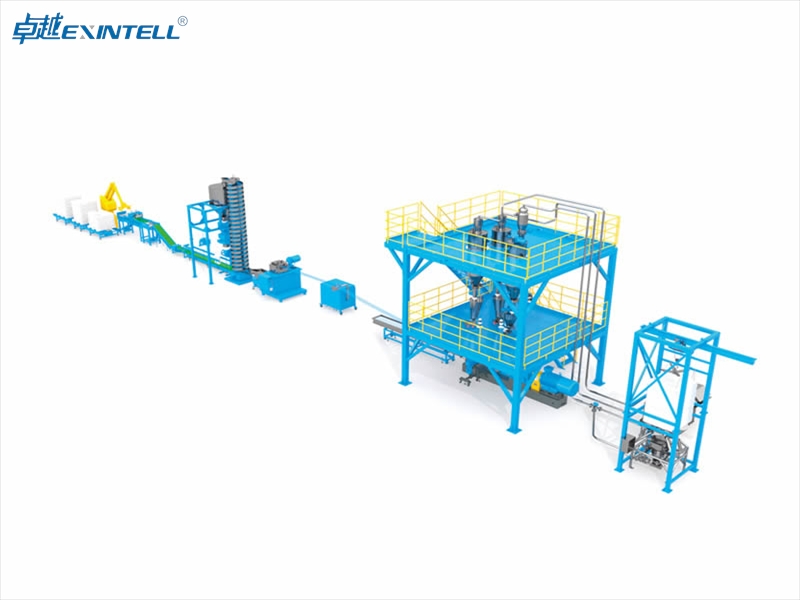
Mona ke se etsahalang ka har'a mochini oa masterbatch:
-
Eona e nka ka granules ea polasetiki le masterbatch.
-
E kopanya li-pigments kapa li-additives le polasetiki.
-
E sebelisa mocheso le khatello ho kopanya ntho e 'ngoe le e' ngoe hammoho.
-
E etsa li-pellets tse nyane tseo bahlahisi ba ka li sebelisang ho etsa mefuta eohle ea lihlahisoa tsa polasetiki.
Ke rata ho nahana ka eona e le moapehi oa lekunutu ka mor'a liketsahalo, ho etsa bonnete ba hore sehlopha se seng le se seng sa polasetiki se fumana metsoako e nepahetseng.
Morero oa Tlhahiso
Ke bona mochini oa masterbatch e le karolo ea bohlokoa tlhahisong ea sejoale-joale. E etsa ho fetang ho kopanya mebala feela. E thusa lifeme ho etsa lipolasetiki tse nang le thepa e nepahetseng, joalo ka matla, tenyetseha, kapa ho hanyetsa UV. Mochine ona o etsa bonnete ba hore li-pigments le li-additives li hasana ka ho lekana, kahoo ha ho na streaks kapa matheba sehlahisoa sa ho qetela.
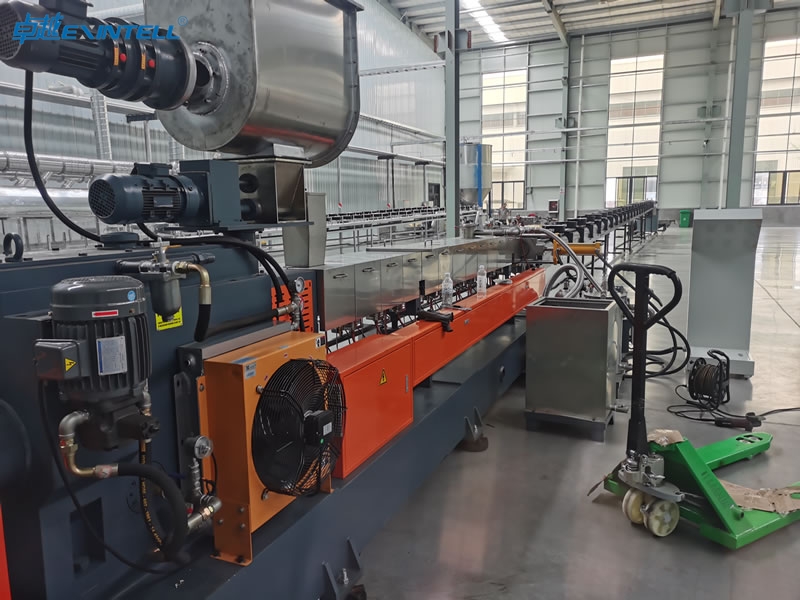
Ke ka lebaka lena bahlahisi ba itšetlehileng ka mechine ea masterbatch:
-
Li hlahisa mebala le li-concentrate tsa tlatsetso tse ntlafatsang thepa ea polasetiki.
-
Ba netefatsa kabo e tšoanang ea mebala le additives bakeng sa esita le colouring.
-
Ba ntlafatsa ts'ebetso ea ts'ebetso ka ho lumella taolo e nepahetseng holim'a likarolo tsa sehlahisoa.
-
Ba fokotsa litšila, e baballang chelete le ho tshehetsa moshoelella.
-
Ba etsa hore ho khonehe ho sebelisa thepa e tsosolositsoeng ntle le ho lahleheloa ke boleng.
Keletso: Haeba u batla ho etsa lihlahisoa tsa polasetiki tsa boleng bo holimo, o hloka mochini oa masterbatch. E o fa taolo, tsitsinyeho, le ho tenyetseha.
Ke ithutile hore liindasteri li rata ho paka, koloi, 'me kaho kaofela e itšetlehile ka mechine ena. Ba thusa lik'hamphani ho fihlela litekanyetso tse thata le ho fana ka lihlahisoa tse shebahalang li le ntle ebile li tšoarella nako e telele.
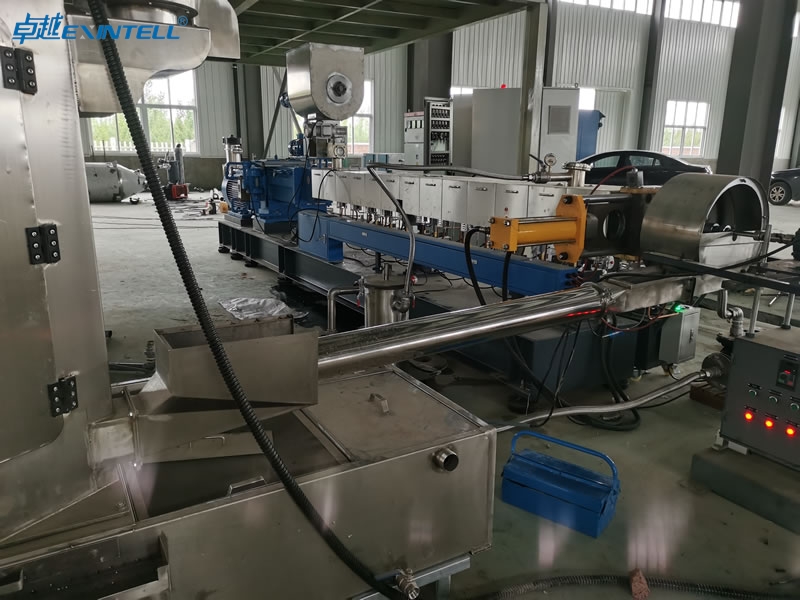
Mochini oa Masterbatch o Sebetsa Joang
Ha ke qala ho bona a mochini oa masterbatch ka ketso, Ke ile ka hlokomela hore na ke mehato e mekae e etsoang ho etsa li-pellets tse nyenyane tse fanang ka polasetiki 'mala le thepa ea tsona. E re ke u tsamaise ka mokhoa oo, kgato ka kgato.
Ho fepa le ho Kopanya
Kenyelletso ea Lintho tse tala
Kamehla ke qala ka ho kenya mochine ka metsoako e nepahetseng. Mona ke se kenang:
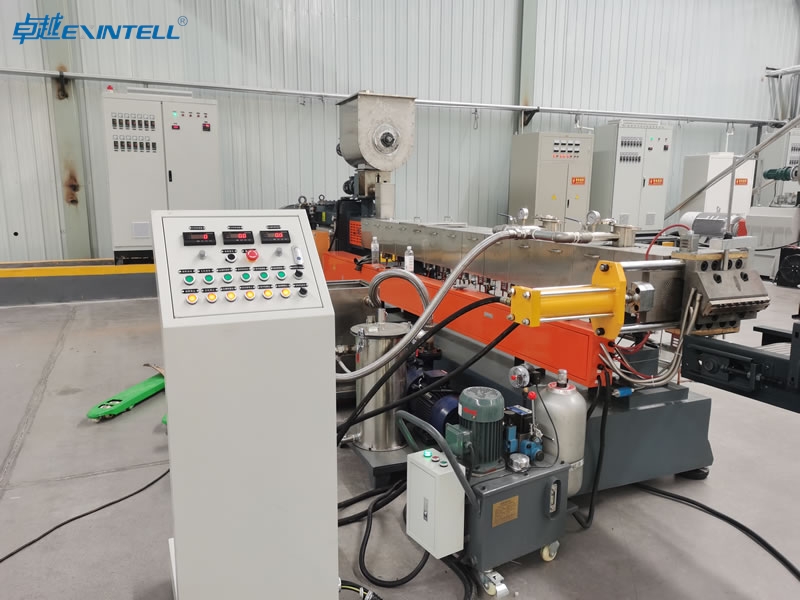
-
Polymer ea motheo (resin ea thepa) joalo ka polyethylene kapa polypropylene. Sena se sebetsa e le thepa ea mantlha.
-
Li-pigments kapa dae. Tsena li fa polasetiki 'mala oa eona.
-
Tlatsetso. Tsena li ka etsa hore polasetiki e be matla, e sireletse kganyeng ya letsatsi, kapa esita le ho emisa likokoana-hloko.
-
Lithuso tsa ho hasana. Tsena li thusa tsohle ho kopanya hantle.
Mochini o sebelisa sekoti ho fepa lisebelisoa tsena. Ke etsa bonnete ba hore phallo e lula e tsitsitse e le hore motsoako o lule o tsitsitse.
Homogenization le Phatlalatso
Hang ha lisebelisoa li kena mochine, boselamose ba sebele bo qala. Li-screws tse potolohang li hulela metsoako pele, ho di hatella le ho di duba. Mocheso le ts'ebetso ea mochini e qhibilihisa lisebelisoa, ho di fetola botenya, motsoako o tšoanang. Likarolo tse khethehileng tsa screw ka har'a mochini li netefatsa hore tsohle li tsoakana hantle. Ke shebella 'mala o tšoanang le sebopeho, hobane seo se bolela hore li-pigments le li-additives li hasane hantle.
Keletso: Haeba u batla batch e se nang sekoli, ela hloko sethala sa ho kopanya. Ho tšoana mona ho bolela boleng hamorao.
Mona ho sheba ka potlako mehato ea mantlha ea ho fepa le ho kopanya:
-
Ho Fepa Lintho Tse Molemo: Ke hlahisa lisebelisoa tse tala ka hopper.
-
Ho tsamaisa le ho hatella: Li-screws li tsamaisa le ho hatella lisebelisoa.
-
Plasticization le ho qhibiliha: Mocheso le motsamao qhibilihisa motsoako.
-
Ho kopanya ho matla le Homogenization: Mochine o kopanya ntho e 'ngoe le e' ngoe ho fihlela o lekana.
Ho qhibiliha le Extrusion
Motsoako o Phahameng oa Shear
Ka mor'a ho kopanya, mochini o phahamisa khatello. Likurufu li bilika kapele, ho baka mocheso o mongata le ho kuta. Sena se senya li-clumps leha e le life 'me se etsa bonnete ba hore li-pigments le li-additive li hasana ka ho lekana. Ke hlahloba motsoako bakeng sa boreleli le ho tsitsa.
Kalafo ea Mocheso
Mochine o boloka mocheso o nepahetse. Ho chesa haholo, 'me thepa e ka' na ea senyeha. Ho bata haholo, 'me li ke ke tsa qhibiliha hantle. Mokhahlelo oa phekolo ea mocheso o qhibilihisa motsoako hore e be motsoako oa homogeneous. Motsoako o qhibilihisitsoeng o pompeloa ho lebitleng, moo e bopehileng teng ka dikgwele kapa pela.
Mona ke kamoo ts'ebetso ea ho qhibiliha le extrusion e etsahalang:
-
Ho Fepa Lintho Tse Molemo: Ke fepa lisebelisoa tse tala ka mochine.
-
Ho tsamaisa le ho hatella: Likokoana-hloko lia potoloha, hatella, mme o dube motswako.
-
Plasticization le ho qhibiliha: Mocheso le ketso ea mochini e qhibilihisa tsohle.
-
Ho kopanya ho matla le Homogenization: Mochine o hasanya li-pigments le li-additives.
-
Qhibiliha Pumping le Die Formation: Motsoako o entsoeng ka ho qhibilihisoa o suthela sefubeng bakeng sa ho bopa.
-
Ho pholisa le ho lekanya: Masterbatch ea pholile 'me e hola hantle.
Ho pholisa le Pelletizing
Ho theha Granules
Hang ha motsoako o tlohela lefu, e hloka ho pholile. Mochine o sebetsa mekhoa e fapaneng ea ho pholisa, ho itšetlehile ka litlhoko tsa thepa le tlhahiso. Ka linako tse ling ke sebelisa moea o pholileng, ka linako tse ling ho pholile metsi, kapa esita le pelletizing ka tlasa metsi. Mokhoa oa ho pholisa o ama boleng le sebōpeho sa li-pellets.
Mosebetsi oa Pelletizer
The pelletizer cuts the cooled strands or droplets into small, li-pellets tse tšoanang. These pellets are easy to handle and use in manufacturing. I choose the pelletizing method based on the material and the desired pellet shape.
Here’s a table showing the main pelletizing methods:
|
Mokhoa |
Tlhaloso |
|---|---|
|
Extrudes material into continuous strands, cools them in water, ebe e khaola ka li-pellets. |
|
|
Pelletizing ka tlas'a metsi |
Cuts molten polymer as it exits the die face while submerged, producing spherical pellets. |
|
Metsi-ring Pelletizing |
Cools and cuts pellets in water, handles sticky materials well. |
Hlokomela: The choice of cooling and pelletizing method can change how the pellets look and perform. I always match the method to the material and the end use.
I find that the cooling and pelletizing stage is where the masterbatch machine really shows its versatility. Whether I need round pellets, strands, or something else, the machine adapts to the job.
Haeba u latela mehato ena, you’ll see how a masterbatch machine turns raw materials into high-quality pellets ready for plastic manufacturing. I love how each stage builds on the last, making sure the final product meets exact standards.
Main Components of a Masterbatch Machine
Extruder
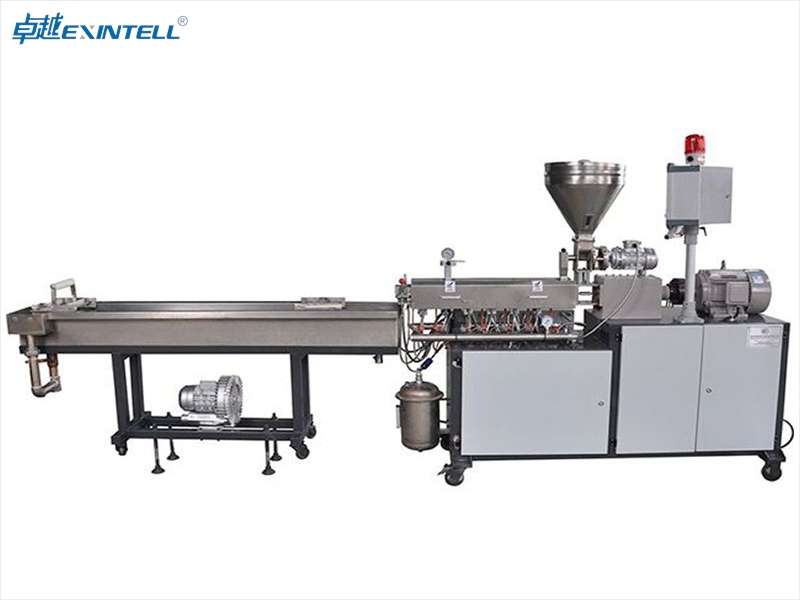
When I look at a masterbatch machine, the extruder always stands out as the heart of the process. I think of it as the engine that drives everything forward. The extruder takes in the raw materials and pushes them through a series of zones, each with a special job. Here’s a quick table that shows what happens inside:
|
Tlhaloso |
|
|---|---|
|
Feeding zone |
Moves raw materials into the machine. |
|
Sebaka sa khatello |
Packs and softens the mix, squeezing out any trapped air. |
|
Melting zone |
Melts the material using heat and friction. |
|
Mixing zone |
E kopanya tsohle hammoho, ho etsa bonnete ba hore dipigment le di-additives di phatlalla ka ho lekana. |
|
Sebaka sa moea |
E tlosa mongobo le likhase tse sa batleheng, ho boloka motsoako o hlwekile. |
|
Sebaka sa metering/homogenization |
E fana ka motsoako oa ho qetela motsoako oa ho qetela 'me e haha khatello bakeng sa phallo e boreleli ka har'a dae. |
Ke hlokometse hore mofuta oa extruder o etsa phapang e kholo. Ka mohlala, mafahla-screw extruder e sebetsa ka ho arola le ho kopanya lintho tse qhibilihisitsoeng. Sena se eketsa katleho ea ho kopanya 'me se ntumella ho laola mocheso ka nepo. Ke khona ho sebelisa meralo e fapaneng ea screw ho sebetsana le mefuta eohle ea thepa, e etsang hore tlhahiso e be bonolo. Haeba ke batla motsoako o phethahetseng, Kamehla ke ela hloko ka ho fetisisa ho extruder.
Keletso: Extruder e etsa qeto ea hore na li-pigments le li-additive li kopane hantle hakae. Haeba u batla 'mala o tsitsitseng le boleng, tsepamisa maikutlo karolong ena.
Mokhoa oa ho fepa
Tsamaiso ea phepelo e sebetsa joalo ka molebeli oa heke bakeng sa ts'ebetso eohle. Ke itšetlehile ka eona ho fana ka palo e nepahetseng ea motsoako ka mong ka nako e nepahetseng. Haeba tsamaiso ea lijo e sa tsitsa, sehlopha sohle se ka fetoha se sa lekana. Mona ke tafole e hlalosang seo tsamaiso ea lijo e se etsang:
|
Tlhaloso |
|
|---|---|
|
Karolo ea Tsamaiso ea Lijo |
E boloka boitsebiso bo tsitsitse, kahoo ts'ebetso e lula e le bonolo. |
|
Ho kopanya le Extruder |
E sebetsa le extruder bakeng sa taolo e nepahetseng le tlatsetso e hlophisitsoeng ea lisebelisoa. |
|
Phetisetso ea Lintho |
E tsamaisa thepa hantle, e thusang ka ho kopanya le ho boloka nako. |
|
Moralo oa Boema-kepe ba Fepa |
E sebelisa likou tse ngata ho kenyelletsa metsoako ka mekhahlelo e fapaneng, ho thibela ho dutla. |
|
Tlhokomelo ea Khatello |
E shebella khatello ea ho tšoara mathata pele ho nako. |
|
Screw Configuration |
E tsamaisana le moralo oa screw ho risepe bakeng sa liphetho tse ntlehali. |
Ke lula ke hlahloba mokhoa oa ho fepa pele ke qala sehlopha. Haeba ke bona mathata leha e le afe ka khatello kapa phallo, Ke li lokisa hang-hang. Ka tsela ejwalo, Kea tseba hore mochini oa masterbatch o tla sebetsa hantle.
Li-mixer le li-kneaders
Li-mixer le li-kneader li phahamisa boima ha ho tluoa tabeng ea ho kopanya. Ke li nka e le matsoho a lubang hlama, ho etsa bonnete ba hore tsohle li kopana hantle. Likarolo tsena li qhaqha li-clumps le ho jala li-pigments le li-additives ho pholletsa le polasetiki e qhibilihisitsoeng. Ke khona ho fetola lebelo le matla ho tsamaisana le thepa eo ke sebetsang ka eona.
-
Li-mixer li sebetsana le mohato oa pele oa ho kopanya, ho etsa bonnete ba hore resin ea motheo le li-additives li qala ho kopana.
-
Li-kneader li kenella bakeng sa mesebetsi e boima, ho sebetsa motsoako ho fihlela o lekana ka ho feletseng.
-
Likarolo tsena ka bobeli li thusa ho thibela li-streaks kapa matheba a li-pellets tsa ho qetela.
Haeba ke batla qetello e se nang sekoli, Ke ela hloko haholo hore na li-mixer le li-kneader li thehoa joang. Ba etsa phapang pakeng tsa batch e ntle le e kholo.
Hlokomela: Li-mixer le likneader tse hlophisitsoeng hantle li boloka nako le ho fokotsa litšila. Ke lula ke hlahloba litlhophiso tsa bona habeli pele ke matha.
Pelletizer
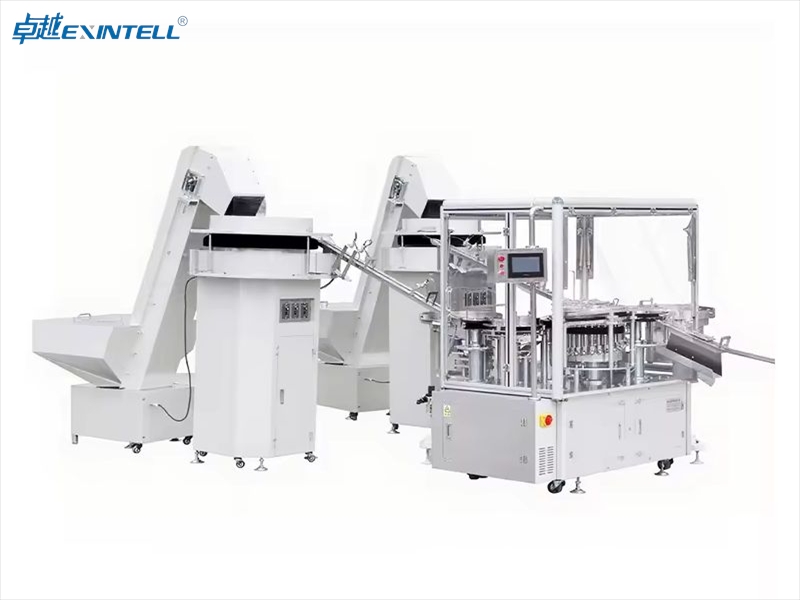
Ha ke fihla sethaleng sa pelletizer, Kea tseba hore ke se ke le mothating oa ho qetela. Pelletizer e lula e ikutloa e le "final touch" ts'ebetsong ea masterbatch. Ka mor'a hore extruder e sututse ho chesa, polasetiki e kopaneng, pelletizer e kenella ho seha le ho bopa ntho hore e be nyane, li-pellets tse tšoanang. Ke fumana mohato ona o le bohlokoa hobane li-pellets tsena ke tseo baetsi ba tsona ba hlileng ba li sebelisang ho etsa lihlahisoa tsa polasetiki.
Pelletizer e fetola ho qhibiliha ha extruded ho ba makhethe, li-pellets tse tsitsitseng. Ho lumellana hona ho bohlokoa haholo. Haeba li-pellets li fapana ka boholo kapa sebopeho, lihlahisoa tsa ho qetela tsa polasetiki li ka fetoha tse sa tsitsang kapa tsa e-ba le liphoso. Ke bone kamoo pelletizer e ntle e bolokang ntho e 'ngoe le e' ngoe tseleng, ho etsa bonnete ba hore sehlopha se seng le se seng se kopana le maemo a holimo. Li-pellets tse tšoanang li qhibiliha ka ho lekana 'me li kopane hantle nakong ea mehato e latelang ea tlhahiso, e bolelang mathata a fokolang le liphello tse molemo.
Mona ke seo ke atisang ho se hlokomela mabapi le mosebetsi oa pelletizer:
-
E khaola likhoele tsa polasetiki tse pholileng kapa marotholi hore e be li-pellets.
-
E etsa bonnete ba hore pellet e 'ngoe le e' ngoe e lekana ka boholo, e thusang ka taolo ya boleng.
-
E etsa hore ho be bonolo ho sebetsana le li-pellets, sepalangoang, le ho sebelisoa mecheng e meng.
Ke lula ke ela hloko litlhophiso tsa pelletizer. Haeba ke batla li-pellets tse chitja, Ke fetola lebelo le mokhoa oa ho itšeha. Haeba ke hloka li-pellets tsa cylindrical, Ke lokisa lehare le sistimi ea pholileng. Ho seta ho nepahetseng ho bolela litšila tse fokolang le lihlahisoa tse tšepahalang haholoanyane.
Keletso: Haeba u batla hore masterbatch ea hau e sebetse hantle indastering efe kapa efe, tsepamisa maikutlo tabeng ea ho fumana litlhophiso tsa pelletizer hantle. Ho lumellana mona ho boloka nako le chelete hamorao.
Lekhotla la taolo
Phanele ea taolo e sebetsa joalo ka setsi sa ka sa litaelo. Ke e sebelisa ho beha leihlo karolong e 'ngoe le e 'ngoe ea mochini oa masterbatch le ho etsa liphetoho tse potlakileng ha ho hlokahala. Sehlopha sa morao-rao sa taolo se nolofatsa mosebetsi oa ka le ho nthusa ho qoba liphoso.
Mona ke tafole e bonts'ang likarolo tsa mantlha Ke itšetlehile ka:
|
Sebopeho |
Tlhaloso |
|---|---|
|
Pontšo ea skrine ea Touch |
Ke fumana a 10-15 inch color touchscreen with e bonolo, segokanyimmediamentsi sa sebolokigolo. Ho bonolo ho e sebelisa. |
|
Tlhokomelo ea Ts'ebetso |
Ke khona ho shebella le ho fetola mocheso, lebelo la sekoti, le litefiso tsa lijo ka nako ea nnete. |
|
Recipe Storage |
Ke boloka ho feta 200 diresepe tlhahiso, kahoo ho fetola pakeng tsa lihlopha ho potlakile ebile ho bonolo. |
|
Ho Rekoa ha Lintlha |
Phanele e tlaleha liparamente tsohle tsa ts'ebetso. This helps me track quality and improve results. |
|
Alarm Notifications |
I get alerts if something goes wrong, so I can fix issues before they cause problems. |
I love how the control panel puts everything at my fingertips. I can change settings with a few taps, check the status of each stage, and even look back at past runs to see what worked best. If something needs attention, the alarms let me know right away. This means I spend less time troubleshooting and more time making high-quality masterbatch.
Hlokomela: A good control panel doesn’t just make things easier—it helps me deliver consistent, top-notch results every time.
Types of Masterbatch Machines
When I started learning about masterbatch machines, I quickly realized that not all machines work the same way. The two main types—single-screw and twin-screw extruders—each have their own strengths. I also found out that other equipment often works alongside these machines to make the process smoother and more efficient.
Mokokotlo o le Mong oa Mokokotlo
I like to think of the single-screw extruder as the “workhorse” of simple plastic processing. It uses one rotating screw to move and melt the plastic. I use this type when I want to keep things straightforward and cost-effective.
Here’s why I might choose a single-screw extruder:
-
It handles basic tasks like melting and pumping thermoplastics.
-
It works best for high-volume production of pipes, maqephe, le profiles.
-
It’s affordable and easy to maintain, which helps me keep costs down.
Keletso: If you’re just starting out or working with simple recipes, e 'ngoe-screw extruder ka u bolokela chelete le nako.
Twin-Screw Extruder
Ha ke hloka taolo e eketsehileng le ho kopanya hamolemo, Ke retelehela ho a mafahla a hlabang extruder. Mochine ona o sebelisa li-screw tse peli tse kopanyang tse kopanyang, kneha, le ho sutumelletsa boitsebiso pele. Ke fumana e nepahetse bakeng sa mesebetsi e rarahaneng moo ke batlang hore motsoako o mong le o mong o kopane hantle.
E-re ke u bontše hore na mefuta ena e 'meli e bapisoa joang:
|
Sebopeho |
Mokokotlo o le Mong oa Mokokotlo |
Twin-Screw Extruder |
|---|---|---|
|
Mathata a Kopo |
Mesebetsi e bonolo |
Ho kopanya ho rarahaneng le ho kopanya |
|
Litšenyehelo |
Litsenyehelo tse tlase tsa pele le tsa tlhokomelo |
E phahameng ka pele, boleng ba nako e telele |
|
Tshebetso |
E ntle bakeng sa molumo o phahameng, motsoako oa motheo |
Ho kopanya ho holimo le ho hasana |
|
Ho tenyetseha |
Ha u tenyetsehe |
E feto-fetoha haholo ebile e nepahetse |
|
Ho Tšoara Lintho |
Lisebelisoa tsa motheo |
E sebetsana le lintho tse fetohang kapa tse mongobo |
|
Mohlala oa ho Sebelisa Mohlala |
Liphaephe, maqephe, litlaleho |
Pigment masterbatch e phahameng, mmala o tsitsitseng |
Ke lula ke fumana "twin-screw extruder" ha ke hloka ho etsa li-masterbatches tse nang le pigment e phahameng.. Matla a ho kopanya a netefatsa hore pellet e 'ngoe le e' ngoe e shebahala ebile e etsa se tšoanang. Ke boetse ke rata sebopeho sa ho itlhoekisa. It saves me time when I switch between different colors or additives.
Hlokomela: Twin-screw extruders shine when I need top-quality mixing, especially for demanding jobs like high-concentration masterbatches.
Other Equipment Types
I’ve learned that a masterbatch machine rarely works alone. I often use extra equipment to get the best results. Here’s a quick look at what I use and why:
-
High-Speed Mixer: I blend carrier resin pellets with pigment powders and additives before feeding them into the extruder.
-
Mekhoa ea ho Pholisa: These keep the pellets from overheating and help them keep their shape.
-
Screen Changer and Filter: I use these to remove any contaminants from the melted plastic, which keeps the final product clean.
-
Automated Control System: This lets me monitor and adjust the whole process from one place, ho nolofatsa mosebetsi oa ka haholo.
|
Mofuta oa Thepa |
Mosebetsi/Tlhaloso |
|---|---|
|
Lisebelisoa tsa Filler Masterbatch |
E sebetsana le li-filler tse hlabang ka thata, likarolo tse manganga. |
|
Litsamaiso tse eketsehileng tsa Masterbatch |
E sebetsana le li-additives joalo ka li-stabilizer tsa UV maemong a tlase a mocheso. |
|
High-Speed Mixer |
E lokisa lisebelisoa tse tala bakeng sa ho fepa ka boreleli. |
|
Mekhoa ea ho Pholisa |
E boloka boleng ba pellet ka mor'a extrusion. |
|
Screen Changer and Filter |
E tlosa litšila, e boloka tlhahiso e ntse e sebetsa. |
|
Automated Control System |
E kopanya lisebelisoa tsohle bakeng sa ts'ebetso e bonolo. |
😊 Ke bua kamehla, motsoako o nepahetseng oa mechini le lisebelisoa o etsa hore mosebetsi oa ka o potlake, mohloeki, le e ka tšeptjoang haholoanyane.
Jwale, neng kapa neng ha ke theha mohala oa masterbatch, Ke khetha thepa e lumellanang le lipakane tsa ka—ebang ke batla lebelo, boleng, kapa ho tenyetseha.
Melemo ea ho Sebelisa Mochini oa Masterbatch
Ha ke qala ho sebetsa ka polasetiki, Ke ne ke batla ho tseba hore na ke eng e etsang hore lihlahisoa tse ling li shebahale hantle le ho sebetsa hantle ho feta tse ling. I quickly learned that the right equipment makes all the difference. Let me share the main benefits I’ve seen from using a mochini oa masterbatch.
Boleng bo Tletseng
I always want my products to look the same, batch after batch. A masterbatch machine helps me achieve that. It mixes pigments and additives so evenly that every pellet comes out with the same color and properties. I don’t have to worry about streaks or spots. Here’s a table that shows how the machine keeps quality consistent:
|
Mofuta oa Bopaki |
Tlhaloso |
|---|---|
|
Uniform Distribution |
Ensures that additives and pigments are evenly mixed, leading to stable color uniformity. |
|
Precise Formulation |
Correct ratios of pigments and additives are crucial for consistency; small changes can affect quality. |
|
Controlled Extrusion |
High shear forces and heat in modern machines ensure thorough mixing of materials. |
|
Taolo ea Boleng e Tiileng |
Continuous checks on physical, khemikhale, and visual properties maintain consistency throughout production. |
I’ve noticed a few big advantages:
-
No more defects from uneven color.
-
My production line runs smoother.
-
I waste less material, which saves money.
Keletso: If you want your products to stand out for their quality, focus on getting consistent results every time.
Efficiency and Cost Savings
Saving time and money matters to me. With a masterbatch machine, I use less pigment and additive because the mix is so concentrated. I don’t need special machines, and I can use my existing equipment. That means I spend less on setup and cleanup. Here’s a quick look at the main ways I save:
|
Benefit Description |
Lintlha |
|---|---|
|
No setup or cleanup fees required. |
|
|
Efficient Manufacturing |
Uses fewer materials, with masterbatch constituting only up to 5% of total weight. |
|
Existing Equipment Utilization |
No need for special machines; existing manufacturing machines can be used. |
|
Compliance with Standards |
Meets expected performance and manufacturing standards. |
|
Savings on Compounding Costs |
Reduces costs associated with compounding. |
|
Reduced Energy Consumption |
Uses less energy to create the final product. |
I also see higher productivity, especially when I use a twin-screw design. My team works faster, and we spend less on labor and overhead. Even though the machine costs more at first, I get my money back through better quality and lower costs over time.
Hlokomela: The right masterbatch machine pays for itself by making production faster, cheaper, le e ka tšeptjoang haholoanyane.
Dikgetho tsa ho itlhophisa
I love how flexible masterbatch machines are. I can create custom colors and add special features, like UV protection or anti-bacterial properties. The machine lets me blend exactly what I need into the plastic. Here’s how I make the most of this flexibility:
-
I choose the pigments and additives I want.
-
I set the dosing and mixing levels for each batch.
-
I get consistent results, even with custom recipes.
-
I avoid dust and contamination, which keeps my workspace clean.
-
I improve processing efficiency and reduce waste.
This means I can meet any customer request, from bright colors to special performance features. Masterbatch technology gives me the tools to make plastics that stand out in the market.
😊 Customization is easy when you have the right machine. I can turn any idea into a finished product with confidence.
Boiphihlelong ba ka, a masterbatch machine is the best way to get boleng bo tsitsitseng, save money, le ho fana ka lihlahisoa tse ikhethang. Haeba u batla ho atleha ka polasetiki, sena ke sesebelisoa seo u se hlokang.
Lisebelisoa tsa Mechini ea Masterbatch
Indasteri ea ho paka
Ha ke tsamaea ka supermarket, Ke bona liphutheloana hohle. Ke lula ke hlokomela mebala e khanyang le letšoao le hlakileng la libotlolo, wrappers, le lijana. Ke ithutile hore mochini oa masterbatch o bapala karolo e kholo ho etsa hore liphutheloana tsena li hlahelle. E thusa bahlahisi ho etsa liphutheloana tse shebahalang li khahla ebile li sebetsa hantle. Ke sebelisa mebala masterbatches ho etsa bonnete ba hore sephutheloana se seng le se seng se lumellana le mebala ea brand. Li-masterbatches tse ekelitsoeng li fa sephutheloana likarolo tse ling, joalo ka ho hanyetsa UV kapa thepa ea anti-static. Lintho tsena li thusa ho boloka lijo li le ncha le ho sireletsa lihlahisoa hore li se ke tsa senyeha.
Mona ke tafole e potlakileng e bonts'ang hore na mechini ea masterbatch e thusa joang ho paka:
|
Mofuta oa Kopo |
Melemo |
|---|---|
|
Mebala Masterbatches |
Ntlafatsa boipiletso ba pono ka meralo e hlakileng. |
|
Additive Masterbatches |
Improve properties like UV resistance, anti-static features, and barrier performance. |
I often work with food-grade packaging, shrink wraps, le lijana. I want products that look good and last longer. Masterbatch machines make this possible. I also use additive masterbatches to improve durability and barrier resistance. This means packaging stays strong and keeps products safe.
Keletso: If you want packaging that grabs attention and protects what’s inside, masterbatch machines are the secret ingredient.
Automotive Sector
I spend a lot of time around cars, so I know how important quality is in automotive parts. I use a masterbatch machine to produce components that are e bobebe, e tšoarellang, and visually appealing. When I make dashboards or bumpers, I rely on additive masterbatches to boost heat resistance and UV protection. These features help parts survive tough conditions and keep their color over time.
I see masterbatch machines used for interior trims, exterior panels, and even under-the-hood parts. Manufacturers want parts that look good and last. I make sure every batch meets strict standards for strength and appearance. The machine lets me control the mix, so every part comes out just right.
Hlokomela: Automotive companies trust masterbatch machines to deliver reliable, high-performance parts.
Thepa ea bareki
I love seeing how masterbatch machines help create everyday products. I use them to make libapalisoa, kitchenware, liphaephe, litlaleho, maqephe, lifilimi, and cables. Each product needs a different mix of color and additives. I adjust the machine to match the requirements for each item.
-
Toys need bright colors and safe materials.
-
Kitchenware must resist heat and stains.
-
Pipes and cables require strength and flexibility.
-
Films and sheets need clarity and durability.
I enjoy customizing batches for different consumer goods. The machine gives me the flexibility to meet any demand. I can switch recipes quickly and keep production moving.
😊 Masterbatch machines make it easy to create products that people use every day. I see the results in homes, liofisi, le lifeme.
Other Uses
When I think about masterbatch machines, I see them popping up in places you might not expect. Sure, they shine in packaging, likoloi, le thepa ea bareki, but their reach goes way beyond that. I’ve seen these machines make a real difference in industries that care about innovation and sustainability.
One area that excites me is recycling. I work with companies that use masterbatch machines to turn plastic waste into something valuable. Instead of sending old bottles or packaging to the landfill, we feed them into the machine. Sephetho? High-quality masterbatches that manufacturers can use just like new material. This process supports the circular economy, which means we keep materials in use for as long as possible. I love knowing that every batch I help create keeps plastic out of the environment.
Here’s a quick look at some less common but innovative uses I’ve come across:
-
I help construction teams create pipes and panels with special properties, like fire resistance or extra strength. Masterbatch machines let us add exactly what we need to the mix.
-
I see electronics manufacturers use these machines to add anti-static or flame-retardant features to their products. This keeps devices safer and more reliable.
-
I work with agriculture companies that want films and sheets with UV protection. These films last longer in the sun and protect crops better.
-
I’ve even seen masterbatch machines used in textiles. They add color and performance features to synthetic fibers for clothing, carpets, and sports gear.
-
I know some medical suppliers use masterbatch machines to create items with antibacterial properties. This helps keep hospitals and clinics safer.
Na u ne u tseba? Masterbatch machines play a big role in making products more sustainable. They help companies recycle, fokotsa litšila, and design materials that last longer.
I notice that every time I use a masterbatch machine for a new project, I find another way to solve a problem. Whether I want to boost product performance or support green initiatives, these machines give me the flexibility I need. I can adjust the recipe, try new additives, and see results fast.
If you’re curious about where plastics are headed, keep an eye on masterbatch technology. I believe it’s opening doors in industries that want to innovate and protect the planet at the same time. The possibilities keep growing, and I can’t wait to see what comes next.
I learned that mastering the basics of masterbatch machines opens up a world of possibilities in plastics. Here’s what I always keep in mind:
-
High-speed mixing shapes color quality.
-
Temperature and time matter for pigment wetting.
-
Watching the process helps spot issues early.
-
Environmental protection keeps the workspace safe.
If you want to get started, I suggest:
-
Define your performance needs.
-
Know your plastic substrate.
-
Work with additive experts.
-
Test your formulations in real production.
Masterbatch technology helps solve tough challenges. I encourage you to explore more and ask questions.
LBH
What is a masterbatch machine used for?
I use a masterbatch machine to mix color pigments or additives into plastic. This helps me create plastics with specific colors or properties, like UV resistance or strength.
Can I use recycled materials in a masterbatch machine?
Ee, I often feed recycled plastics into the machine. It blends them with additives, so the final pellets look and perform like new. This supports sustainability.
How do I choose between single-screw and twin-screw extruders?
I pick a single-screw for simple jobs and a twin-screw for complex mixing. Twin-screw extruders give me better control and consistency, especially with high pigment loads.
Is it hard to clean a masterbatch machine?
I find cleaning easier with twin-screw extruders because they have self-cleaning features. I follow the manufacturer’s instructions and use proper tools to avoid contamination.
What types of additives can I use?
I add pigments for color, UV stabilizers for sunlight protection, anti-static agents, tse thibelang malakabe, and antibacterial additives. The machine lets me customize each batch.
How do I control the quality of my masterbatch?
Ke hlokomela mocheso, lebelo la sekoti, and feed rates on the control panel. I check pellet color and shape. Consistent settings help me keep quality high.
Are masterbatch machines expensive?
The price depends on the type and features. I invest more in twin-screw models, but they save money over time with better mixing and less waste.
Can I make custom colors with a masterbatch machine?
Ruri! I select pigments and adjust the recipe. The machine blends everything evenly, so I get the exact color I want for each project.