

Masterbatch Machine Showdown Twin-Screw Extruders le Kneader Machines
Baetsi ba indasteri ea masterbatch hangata ba khetha li-extruder tse kopanyang mafahla bakeng sa bokhoni ba bona ba ho fana ka motsoako o phahameng le liphetho tse tsitsitseng.. Ba itšetlehile ka mechine ea kneader ha ba sebetsana le thepa ea bohlokoa kapa ea boleng bo phahameng e hlokang ho sebetsa ka bonolo. Khetho ea mochini e bapala karolo ea bohlokoa ts'ebetsong e 'ngoe le e 'ngoe ea Mochini oa Masterbatch. Khetho e nepahetseng e ama ka ho toba boleng ba tlhahiso le katleho, joalo ka li-extruder tsa morao-rao le lisebelisoa tse tšehetsang li tsamaisa phallo ea tlhahiso le ho ts'ehetsa phepelo e tšepahalang.
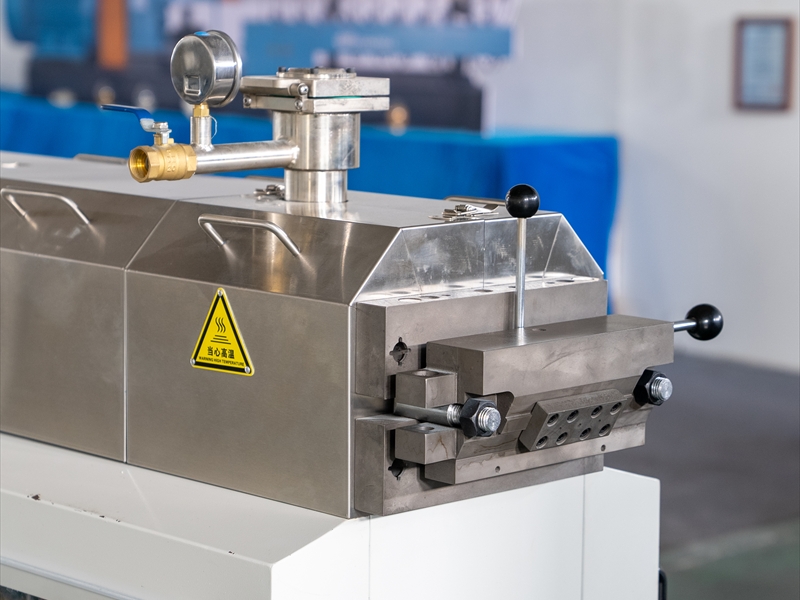
- Khetho e nepahetseng ea lisebelisoa e ntlafatsa boleng ba sehlahisoa le katleho ea tlhahiso.
-
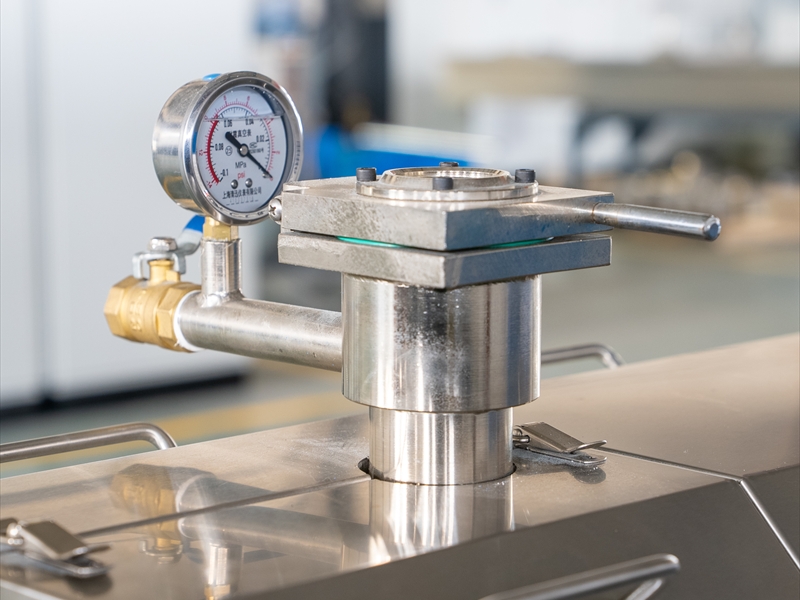
Mechini e tsoetseng pele e fokotsa litšenyehelo tsa ts'ebetso le lithibelo, ho netefatsa tlhahiso e betere le kgotsofalo ya bareki.
- Khetho ea mochini o tsamaisanang le bokhoni ba tlhahiso le litlhaloso tsa thepa e tiisa sephetho se ts'oanang.
Lintlha tsa bohlokoa
- Khetha mochine o nepahetseng bakeng sa litlhoko tsa hau. Li-extruder tse nang le li-twin-screw li ipabola ka ho kopanya le ho hlahisa, ha mechine ea kneader e loketse lisebelisoa tse bonolo.
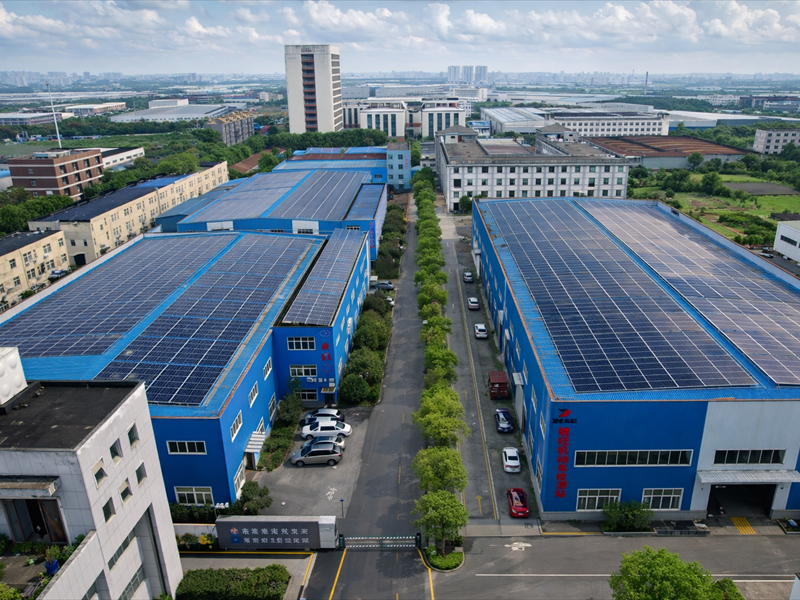
- Bea pele boleng ba tlhahiso. Khetho e nepahetseng ea lisebelisoa e ama ka kotloloho botsitso le ts'ebetso ea masterbatch ea hau.
-
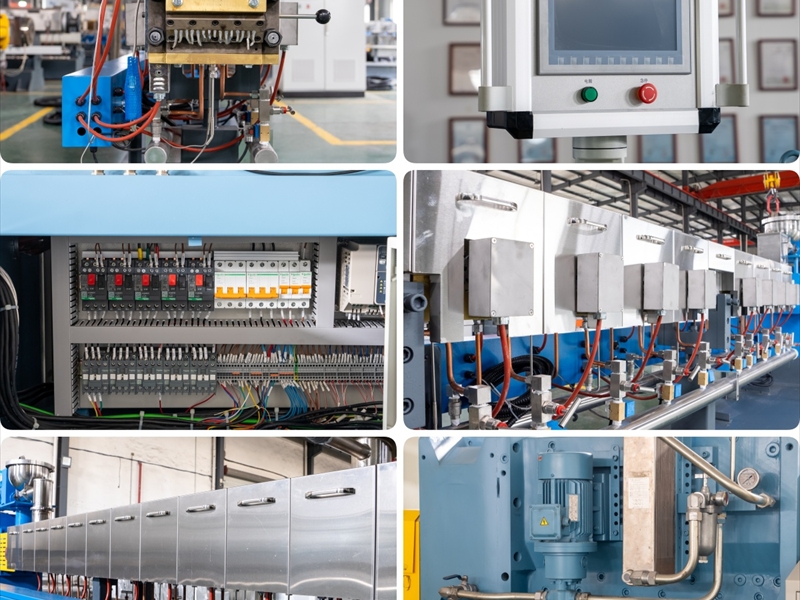
Eketsa ts'ebetso e phahameng ka mechini e tsoetseng pele. Li-extruder tse peli-screw li fokotsa litšenyehelo tsa ts'ebetso le ho ntlafatsa phallo ea tlhahiso.
- Netefatsa tshebedisano ya thepa. Etsa liteko tse matla ho netefatsa hore li-pigments le li-additives li kopana hantle bakeng sa liphetho tse nepahetseng.
- Tsepamisa maikutlo ho tsitsipano ea ho hasana. Ho kopanya boleng bo phahameng ho thibela liphoso le ho netefatsa 'mala o ts'oanang lihlahisoa tsa polasetiki.
- Nahana ka litlhoko tsa tlhokomelo. Li-extruder tsa Twin-screw li hloka tlhokomelo e eketsehileng, ha mechine ea kneader e fana ka mekhoa e bonolo ea tlhokomelo.
-
Sekaseka tekanyetsokabo ya gago ka kelotlhoko. Li-extruder tse peli-screw li kenyelletsa litšenyehelo tse phahameng tsa pele, empa katleho ea bona e ka fokotsa litšenyehelo ha nako e ntse e ea.
- Rera bakeng sa scalability. Li-extruder tse peli-screw li ka ikamahanya habonolo le litlhoko tse eketsehileng tsa tlhahiso, ha mechine ea kneader e ka hloka likarolo tse eketsehileng.
Kakaretso ea Tlhahiso ea Masterbatch
Masterbatch ke Eng
Ho etsoa ha Masterbatch ho theha motsoako o kopaneng oa li-pigment, tlatsetso, le li-resin tse tsamaisang thepa. Metsoako ena, e bitsoang masterbatch, di sebedisoa ho etsa mmala kapa ho ntlafatsa boleng ba dihlahiswa tsa polasetiki. Mokhoa ona o kenyelletsa ho kopanya lisebelisoa tse tala, ho kopanya tsona ka extrusion, le ho etsa li-pellets bakeng sa ho tšoara habonolo. Baetsi ba itšetlehile ka masterbatch ho fumana mebala e tsitsitseng, durability e ntlafalitsoeng, le ts'ebetso e khethehileng lits'ebetsong tsa polasetiki. Indasteri ea masterbatch e tšehetsa likarolo tse ngata tse fapaneng, ho kenyeletsa le ho paka, koloi, le thepa ea bareki.
Mokhoa oa ho etsa masterbatch o hloka taolo e hlokolosi mohatong o mong le o mong. Mohato ka mong, ho tloha ho khetho ea thepa e tala ho ea ho sephutheloana sa ho qetela, e susumetsa boleng le ts'ebetso ea sehlahisoa se felileng. Tafole e ka tlase e hlalosa mehato e ka sehloohong le ea bona ditlhoko tse bohlokwa:
| Mohato | Litlhoko Tse Bohlokoa |
|---|---|
| Khetho ea Lintho tse tala | Sebelisa e se nang lerōle, mongobo o tlase, le metsoako e tsitsitseng ea mocheso bakeng sa boleng bo tsitsitseng. |
| Boima bo Nepahetseng le Ho Kopanya | Litsamaiso tse ikemetseng tsa dosing bakeng sa ho nepahala; li-mixers tsa lebelo le phahameng bakeng sa motsoako oa pele oa junifomo. |
| Extrusion le ho kopanya | Tšebeliso ea mocheso e laoloang le ho kopanya ho kuta haholo bakeng sa ho hasana ka ho feletseng ha li-additives. |
| Ho Pholisa le Ho Etsa Pellet | Pholiso e potlakileng le ho seha likhoele tse fetisitsoeng ka har'a li-pellets tse tšoanang. |
| Tlhahlobo e Matla ea Boleng | Liteko tse ngata tsa boleng tse kenyelletsang ho lumellana ha mebala le licheke tsa ho lumellana. |
| Ho paka le ho Romela ka Nako | Boloka ka bohloeki, lisebelisoa tse laoloang ke mocheso le ho tsepamisa maikutlo ho fana ka nako. |
Litlhoko tsa Tlhahiso ea Bohlokoa
Khasano e tsitsitseng
Phetoho ea ho tsitsa e eme e le tlhokahalo ea mantlha tlhahisong ea masterbatch. Phatlalatso e tšoanang ea li-pigments le li-additives li netefatsa hore sehlahisoa se seng le se seng sa polasetiki se bontša 'mala le thepa e reriloeng. Ho kopanya boleng bo phahameng ho thibela ho thehoa ha makumane a thata kapa ditshila, e ka bakang mefokolo ho masterbatch ea ho qetela. Baetsi ba sebelisa mekhoa e tsoetseng pele ea ho kopanya le ho kopanya theknoloji ea extrusion ho finyella phallo e babatsehang. Phatlalatso e tsitsitseng e boetse e ntlafatsa ho qeta holimo le ho fokotsa litaba tsa tlhahiso, ho etsa hore e be ea bohlokoa bakeng sa ts'ebetso e tšepahalang ea masterbatch.
Phello
Phallo e lekanya palo ea masterbatch e hlahisoang ka nako e itseng. Phano e phahameng e ts'ehetsa tlhahiso e kholo 'me e fihlela tlhoko ea 'maraka ka katleho. Mokhoa oa ho kopanya o tlameha ho leka-lekanya lebelo le boleng, kaha tlhahiso e potlakileng ha ea lokela ho senya ho hasana kapa ho tšoana. Mehala ea sejoale-joale ea masterbatch e sebelisa lisebelisoa tse ikemetseng le li-extruder tse nang le bokhoni bo phahameng ho eketsa tlhahiso.. Mekhoa e metle ea ho pholisa le ea pelletizing e ntse e tsoela pele ho nolofatsa ts'ebetso, ho netefatsa hore lipehelo tsa tlhahiso li fihlelleha ntle le ho itima boleng.
Ho lumellana ha Lintho
Kamano ea thepa e phetha karolo ea bohlokoa tlhahisong ea masterbatch. Li-pigments tse khethiloeng, tlatsetso, 'me li-resin tsa carrier li tlameha ho kopana hantle nakong ea ho kopanya. Lisebelisoa tse sa lumellaneng li ka lebisa ho hasane ho fokolang, mebala-bala, kapa ts'ebetso e fokotsehileng ea polasetiki. Baetsi ba etsa tlhahlobo e matla ea boleng, ho kenyeletsoa ho bapisa mebala le tlhahlobo ea ho hasana, ho netefatsa ho tsamaellana. Mohato ona o netefatsa hore masterbatch e hokahane hantle le lits'ebetso tse fapaneng tsa polasetiki, e ts'ehetsa liphetho tse ts'oanang ho pholletsa le mefuta e fapaneng ea tlhahiso.
Hlokomela: Tlhahiso ea boleng bo holimo ea masterbatch e itšetlehile ka taolo e nepahetseng ea ho kopanya, ho kopanya hantle, and careful selection of materials. These factors guarantee that the final masterbatch meets industry standards for color, durability, and processing behavior.
Twin Screw Extruder in Masterbatch Machine
Twin Screw Extruder Types
Twin-screw extruders have become the backbone of modern masterbatch manufacturing. They offer unmatched flexibility and control compared to single screw designs. The table below highlights the operational differences between single and twin screw extruders, emphasizing why the twin configuration dominates masterbatch production:
| Sebopeho | Single Screw Extruder | Twin Screw Extruder |
|---|---|---|
| Ho Kopanya Bokgoni | Moedi | E ntlafalitsoe |
| Ho tenyetseha | Tlase | Phahameng |
| Control over Material Flow | E itekanetseng | Phahameng |
| Ideal for Complex Recipes | Che | Ee |
| Application in Masterbatch | Moedi | Extensive |
Ho potoloha hammoho
Co-rotating twin screw extruders feature screws that rotate in the same direction. This design maximizes the mixing and compounding efficiency. Ketso ea ho potoloha e tiisa hore lisebelisoa li na le ho kopana ho qhalana le ho arolelana, e leng bohlokoa bakeng sa ho hlahisa masterbatch ea boleng bo holimo. Baetsi ba khetha mofuta ona ka lebaka la bokhoni ba oona ba ho sebetsana le mekhoa e rarahaneng le ho boloka tlhahiso e tsitsitseng.
Intermeshing vs Non-Intermeshing
Li-extruder tse peli tsa li-screw li ka kopanya kapa tsa se ke tsa kopanya. Meetso ea intermeshing e lumella li-screws hore li kopane, ho theha phello ea ho itlhakola e fokotsang ho haha matlotlo le ho ntlafatsa ho itlhoekisa. Karolo ena e tšehetsa ts'ebetso e tsoelang pele mme e fokotsa nako ea ho theoha. Mefuta e sa kopanngoeng e boloka li-screws li arohane, e ka dumellanang le ditlhoko tse itseng tsa motswako empa ka kakaretso e fana ka motswako o fokolang haholo.
Likarolo tsa Twin Screw Extruder
Moqapi oa Modular
Sebelisa li-extruder tse peli tsa screw modular screw elements. This feature allows operators to customize the extrusion system for different masterbatch recipes. Modular design supports optimal mechanical energy transfer and enables quick changes in the process setup. Manufacturers can adapt the extrusion system to new materials or product requirements without major downtime.
Ho kuta le ho Laola Khatello
Precise control over shear and pressure defines the twin screw extruder’s effectiveness. Operators can adjust lebelo la sekoti, configuration, and barrel temperature to fine-tune the compounding process. This control ensures uniform dispersion of pigments and additives, resulting in consistent masterbatch quality. The extrusion system also maintains stable pressure, which protects sensitive ingredients and enhances the structural properties of the final product.
Melemo
Motsoako o Phahameng
Twin-screw extruders deliver motsoako o matla wa ho qhalakanya le ho aba. Bokhoni bona bo tiisa hore li-pigments le li-additives li kopana hantle nakong ea ho kopanya. Sephetho ke masterbatch e nang le 'mala o ts'oanang le ts'ebetso.
Phaello e Phahameng
Baetsi ba itšetlehile ka li-scruder tse peli bakeng sa lisebelisoa tse phahameng. Mechini ena e sebetsa hantle ka bongata ba masterbatch, ho fihlela litlhoko tsa tlhahiso ea boemo ba indasteri. Moqapi o tšehetsa ho fepa ka mokhoa o tsitsitseng oa li-pigments tsa phofo le li-additives, e matlafatsang tlhahiso.
Boiketsi ba ho Itlhoekisa
The intermeshing action in many twin screw extruders e fana ka phello ea ho itlhoekisa. Karolo ena e fokotsa masala a lintho tse bonahalang, e fokotsa likotsi tsa tšoaetso, mme e khutsufatsa linako tsa phetoho lipakeng tsa li-formulation tse fapaneng tsa masterbatch.
Keletso: Melemo ea theknoloji ea "twin screw extruder" e fetela ho feta ho kopanya. Mechini ena ntlafatsa tšebeliso ea lintho tse bonahalang le ho tšehetsa taolo e nepahetseng holim'a mohato o mong le o mong oa ts'ebetso ea motsoako.
Mefokolo
Litšenyehelo
Sistimi ea "twin screw extruder" e hloka matsete a bohlokoa a pele. Hangata bahlahisi ba tobana le litšenyehelo tse phahameng tsa pele ha li bapisoa le mochini o le mong oa screw. Boenjiniere bo tsoetseng pele le moralo oa modular oa li-extruder tse mafahla li kenya letsoho litšenyehelong tsena. Litsi tse ngata le tsona li tlameha ho tsetela ho tse khethehileng lisebelisoa tse thusang ho tshehetsa sekgoqetsane sa mafahla. Litšenyehelo tsena li ka qholotsa bahlahisi ba banyenyane kapa ba nang le litekanyetso tse fokolang tsa lichelete. Ka mor'a nako e itseng, katleho le tlhahiso ea theknoloji ea twin screw extruder e ka fokotsa litšenyehelo tsa pele, empa tšitiso ea ho kena e lula e phahame ho feta ka mechine e bonolo.
Tlhokomelo
Tlhokomelo ea lisebelisoa tsa "twin screw extruder" e hloka litsebi tse nang le tsebo le tlhokomelo ea kamehla. Li-screws tsa intermeshing le likarolo tsa modular li sebetsa nakong ea ts'ebetso e tsoelang pele. Basebelisi ba tlameha ho beha leihlo boemo ba li-screw, meqomo, le litiiso ho thibela ho theoha ha nako. Tlhokomelo e hlophisitsoeng le karolo e ncha e thusa ho boloka ts'ebetso e tsitsitseng, empa li eketsa litšenyehelo tsa ts'ebetso. Likopano tse rarahaneng tsa li-twin screw extruder li ka eketsa nako e hlokahalang bakeng sa ho hloekisa le ho lokisa. Lisebelisoa tse sebetsanang le li-abrasive kapa tse tlatsitsoeng haholo li ka 'na tsa bona ho senyeha ho potlakileng, e hlokang ho hlokomeloa khafetsa le ho feta.
Hlokomela: Tlhokomelo ea kamehla e tiisa hore mechini ea twin screw extruder e fana ka liphetho tse tšepahalang le ho lelefatsa bophelo ba bona ba ts'ebeletso. Ho hlokomoloha tlhokomelo ho ka lebisa ho boleng bo sa tsitsang ba masterbatch le ho emisoa ho sa lebelloang ha tlhahiso.
Tšebeliso ea Twin Screw Extruder
Colour Masterbatch
Theknoloji ea twin screw extruder e bapala karolo ea mantlha tlhahisong ea masterbatch ea mebala. Li-screws tse peli li fana ka motsoako o matla, e etsang bonnete ba hore li-pigments li hasana ka ho lekana ho pholletsa le resin ea carrier. Ts'ebetso ena e etsa li-pellets tse nang le 'mala o ts'oanang, bohlokoa bakeng sa lihlahisoa tsa polasetiki tsa boleng bo holimo. Baetsi ba itšetleha ka "twin screw extruder" ho sebetsana le mefuta e mengata e fapaneng ea mebala le likhahla.. Ho feto-fetoha ha sebopeho sa mafahla ho lumella liphetoho tse potlakileng lipakeng tsa mefuta e fapaneng ea mebala, ho tšehetsa litlhoko tse fapaneng tsa bareki.
Additive Masterbatch
Ts'ebeliso ea li-twin screw extruder system e fetela molemong oa ho etsa li-additive masterbatch. Mechini ena e kopanya li-additives tse sebetsang - joalo ka li-stabilizer tsa UV, tse thibelang malakabe, kapa li-antistatic agents-ka har'a matrix a polymer. Li-screws tse peli li netefatsa ho hasana ka botlalo, e eketsang katleho ya sehlomathiso se seng le se seng. Ho kopanya ho tsitsitseng ho thibela agglomeration le ho tiisa hore pellet e 'ngoe le e' ngoe e fana ka ts'ebetso e reriloeng. Moralo oa modular oa twin screw extruder o lumella basebelisi ho fetola ts'ebetso bakeng sa mefuta e fapaneng ea tlatsetso le ho jara..
Tafole e ka tlase e akaretsa libaka tsa ts'ebeliso ea mantlha bakeng sa litsamaiso tsa "twin screw extruder" tlhahiso ea masterbatch:
| Kopo | Tlhaloso |
|---|---|
| Tlhahiso ea Masterbatch | E netefatsa phallo e tšoanang ea li-pigments le li-additives bakeng sa mebala le li-masterbatches tse sebetsang. |
| Colour Masterbatch | E fana ka kabo e tsitsitseng ea mebala mme e ts'ehetsa liphetoho tse potlakileng tsa sebopeho. |
| Additive Masterbatch | E fana ka kenyelletso e nepahetseng ea li-additives tse sebetsang bakeng sa thepa e ntlafalitsoeng ea polasetiki. |
Mechini ea Twin screw extruder e ts'ehetsa mefuta e mengata ea likopo tsa masterbatch. Ho feto-fetoha ha tsona le taolo ea tsona li li etsa khetho e ratoang bakeng sa tlhahiso ea masterbatch ea 'mala le ea tlatsetso. Ts'ebeliso ea theknoloji ea "twin screw extruder" e ntse e tsoela pele ho hola ha bahlahisi ba batla boleng bo holimo le katleho.
Mochini oa Kneader bakeng sa Tlhahiso ea Masterbatch
Mefuta ea Mechini ea Kneader
Mechini ea kneader bapala karolo ea bohlokoa tlhahisong ea masterbatch, haholo ha o sebetsana le disebediswa tsa boleng bo hodimo kapa tse hlokolosi. Mefuta e mengata ea mechine ea kneader e sebeletsa indastering, e 'ngoe le e' ngoe e etselitsoe litlhoko tse khethehileng tsa ho kopanya:
- Banbury Mixers: Mechini ena e sebetsa hantle ka ho kopanya li-polymer le li-additives, ho etsa hore e be setsi sa tlhahiso ea masterbatch.
- Dispersion Kneaders: Baetsi ba sebelisa tsena ho fihlela phallo e tšoanang, e leng bohlokoa bakeng sa boleng bo tsitsitseng ba masterbatch.
- Li-Mixers tsa ka hare: Hangata li-laboratories li itšetleha ka li-mixers tse ka hare bakeng sa lipatlisiso tse nyenyane le nts'etsopele. Mechini ena e lumella taolo e nepahetseng holim'a mekhahlelo ea ho kopanya.
- Sigma Blade Kneaders: E etselitsoe lisebelisoa tse phahameng tsa viscosity, Sigma blade kneaders e netefatsa ho kopanya hantle 'me e loketse mesebetsi e thata ea ho kopanya.
Mechine ea kneader e sebetsa ka ho kopanya lisebelisoa tlas'a mocheso o laoloang le maemo a ho kuta. Mokhoa ona o tiisa ho hasana ho tšoanang le ho kopanya ka katleho, tse bohlokoa bakeng sa ho hlahisa masterbatch ea boleng bo holimo.
Likarolo tsa Mochini oa Kneader
Ho Kopanya ka Matla
Mechini ea kneader e fana ka motsoako o matla, e kgontshang khasano e nepahetseng le ho kopanya ea mebala, tlatsetso, le li-resin. Tšobotsi ena e ipaka e le ea bohlokoa ka ho khetheha tlhahisong ea masterbatch, moo lisebelisoa tse fetotsoeng tse tlatsitsoeng haholo le tse batloang haholo li hloka ho ajoa ka mokhoa o ts'oanang. Ketso e matla ea ho kopanya e thibela ho kopana le ho netefatsa hore sehlopha se seng le se seng sa masterbatch se kopana le maemo a thata a boleng..
Matla a Matla
Matla a matla e hlahella e le molemo o ka sehloohong oa mechine ea kneader. Moqapi oa bona o fokotsa tšebeliso ea matla nakong ea ho kopanya, e thusang bahlahisi ho fokotsa litšenyehelo tsa ts'ebetso. The machines maintain stable output while processing a wide range of materials, making them suitable for both large-scale and specialty masterbatch manufacturing.
Batch Operation
Kneader machines typically operate in batch mode. This method allows for flexible parameter adjustments, supporting the production of diverse masterbatch formulations. Batch operation also provides stable output, which is crucial for maintaining consistency when processing sensitive or high-value materials. Operators can closely monitor each batch, ensuring that the compounding process meets the required specifications.
Melemo
Precision Mixing
Kneader machines offer precision mixing, which is essential for masterbatch manufacturing involving complex or sensitive ingredients. The machines’ ability to achieve uniform dispersion ensures that pigments and additives integrate seamlessly into the carrier resin. This precision supports the production of masterbatch with consistent color and performance.
Lower Energy Consumption
Manufacturers value kneader machines for their lower energy consumption compared to other compounding equipment. The efficient design reduces heat generation and minimizes material degradation, which benefits heat-sensitive masterbatch formulations. Lower energy use also contributes to a more sustainable production process.
Robustness
Kneader machines demonstrate exceptional robustness. Their construction withstands the demands of intensive compounding, even when processing abrasive or highly filled materials. This durability ensures reliable operation and extends the service life of the equipment, ho etsa mechini ea kneader matsete a utloahalang bakeng sa meaho ea tlhahiso ea masterbatch.
Hlokomela: Mechine ea kneader e kopanya ho kopanya ho matla, matla a matla, le kaho e matla, ho etsa hore e be tse loketseng bakeng sa tlhahiso ea masterbatch e hlokang ho kopanya hantle le tlhahiso e tsitsitseng.
Mefokolo
Phaello e Tlase
Mechini ea kneader e sebetsa ka mokhoa oa batch, e fokotsang tlhahiso ea bona ha e bapisoa le mekhoa e tsoelang pele ea extrusion. Basebelisi ba tlameha ho kenya, kopanya, 'me u ntše sehlopha ka seng pele u qala potoloho e latelang. Ts'ebetso ena e thibela boholo ba masterbatch e hlahisoang ka nako e behiloeng. Lisebelisoa tse hlokang litekanyetso tse phahameng tsa tlhahiso hangata li fumana mechine ea kneader e sa tšoanelehe bakeng sa tlhahiso e kholo. Ts'ebetso ea batch e boetse e eketsa nako ea ho theoha lipakeng tsa lipotoloho, e ka amang katleho ka kakaretso. Baetsi ba etelletsang lebelo le molumo pele ba ka khetha li-extruder bakeng sa bokhoni ba bona ba ho fana ka tlhahiso e tsitsitseng ntle le tšitiso..
Tenyetseha e Lekanyelitsoeng
Mechini ea kneader e fana ka phetoho e fokolang ha e ikamahanya le mekhoa e mecha kapa liphetoho tse potlakileng tsa sehlahisoa. Ts'ebetso ea batch e hloka liphetoho tsa letsoho bakeng sa risepe ka 'ngoe, e liehisang karabelo ho litlhoko tsa mebaraka tse fetohang. Basebelisi ba tlameha ho hloekisa le ho lokisa mochini pakeng tsa lihlopha, haholo ha o chencha pakeng tsa lisebelisoa tse fapaneng. Khaello ena e etsa hore mechini ea kneader e se be ea loketseng bakeng sa lisebelisoa tse sebetsanang le liphetoho khafetsa sebopehong sa masterbatch. Moralo o lumellana le maemo a tsitsitseng a tlhahiso empa o fana ka liphephetso bakeng sa bahlahisi ba batlang ho feto-fetoha ha maemo molemong oa ts'ebeliso ea bona.
Hlokomela: Mechini ea kneader e ipabola ka ho kopanya ka nepo le ho sebetsa hantle ha matla, but their lower throughput and limited flexibility can restrict their use in fast-paced or highly variable production settings.
Lisebelisoa tse Tloaelehileng
Highly Filled Masterbatch
Kneader machines demonstrate exceptional performance in highly filled masterbatch production. These machines handle ultra-high loading maemo, hangata e fetelletseng 85% litaba tsa ho tlatsa. The intensive mixing action ensures difficult-to-disperse additives integrate thoroughly into the carrier resin. Manufacturers select kneader machines for filler masterbatch compounding because they maintain uniform dispersion and prevent agglomeration, esita le ka thepa e phephetsang. The table below highlights the primary application type and its characteristics:
| Mofuta oa Kopo | Litšobotsi |
|---|---|
| Filler Masterbatch Compounding | Ultra-High Loading, >85% filling levels, difficult-to-disperse additives |
This application requires robust mixing and stable output, which kneader machines provide. Operators achieve consistent quality in batches with high filler content, supporting demanding industrial requirements.
Rubber Compounds
Rubber compound production represents another key application for kneader machines. The equipment processes elastomers, fillers, and additives under controlled temperature and shear conditions. Kneader machines deliver uniform dispersion, which enhances the physical properties of rubber products. Manufacturers rely on kneader machines for their ability to handle viscous materials and maintain batch-to-batch consistency. The process supports specialty rubber applications, including automotive parts, litiiso, le likarolo tsa indasteri.
Keletso: Facilities that produce highly filled masterbatch or rubber compounds benefit from the kneader machine’s robust mixing and stable batch operation. These applications demand precision and reliability, which kneader machines consistently deliver.
Phapang lipakeng tsa Single le Twin Screw Extruder
Ho Kopanya Boleng
Ho kopanya boleng stands as a critical factor in masterbatch manufacturing. The single screw extruder provides mainly distributive mixing. This means it spreads materials but does not break down agglomerates as effectively. Twin screw extruders deliver both dispersive and distributive mixing. They can break down pigment clusters and distribute additives evenly. This capability results in a more homogeneous masterbatch, which is essential for high-performance applications.
The table below highlights the main differences in bokgoni ba ho kopanya:
| Sebopeho | Single Screw Extruder | Twin Screw Extruder |
|---|---|---|
| Ho Kopanya Bokgoni | Tlase (haholo kabo) | Phahameng (Ea qhalaneng & Phatlalatso) |
Manufacturers often choose twin screw extruders for compounding tasks that require intensive mixing, such as blending glass fibers, tse thibelang malakabe, or pigments into resins. The single screw extruder works best for simpler formulations where basic mixing suffices.
Keletso: For masterbatch products that demand uniform color and additive distribution, twin screw extruders offer a clear advantage.
Phello
Throughput measures how much material a machine can process in a given time. The single screw extruder excels in continuous, straightforward processes. It handles large volumes efficiently when the formulation does not require complex mixing. Li-fin screw extruders, ka hlakoreng le leng, provide superior throughput for complex masterbatch production. Their design supports excellent material conveying, ho kopanya, and shear dispersion.
The following table compares throughput capabilities:
| Mofuta oa Extruder | Bokhoni ba ho fetisa |
|---|---|
| Screw e le 'Ngoe | More efficient for simpler, continuous processes |
| Twin Screw | Ho kopanya ho holimo, ideal for complex masterbatch tasks |
- Sesebelisoa se le seng sa screw extruder: Best for high-volume, simple recipes.
- Sehlahisoa sa "twin screw".: Preferred for high-intensity mixing and advanced formulations.
Production lines that require both speed and advanced mixing often rely on twin screw extruders. Facilities focused on basic compounding may select the single screw extruder for its efficiency.
Sebaka sa Kopo
The application scope defines where each machine performs best. The single screw extruder suits basic plastic processing, joalo ka liphaephe tse hlahisang, lifilimi, or simple compounds. It offers reliability for straightforward tasks. Li-fin screw extruders handle a broader range of applications. They excel in masterbatch production, especially when recipes involve multiple additives or require precise dispersion.
Key application areas include:
- Sesebelisoa se le seng sa screw extruder: Used for continuous processes with minimal mixing needs.
- Sehlahisoa sa "twin screw".: Essential for masterbatch, compounding with glass fibers, mebala, kapa tse thibelang malakabe.
The difference between single and twin screw extruder technology shapes the choice for manufacturers. Those who need advanced mixing and flexibility select twin screw extruders. Those who prioritize simplicity and volume often choose the single screw extruder.
Hlokomela: Selecting the right extruder depends on the complexity of the formulation, desired throughput, and end-use requirements.
Masterbatch Machine Comparison
Tshebetso
Performance defines the core value of any mochini oa masterbatch. Twin-screw extruders set the industry standard for high-performance compounding. These machines handle complex recipes with ease. Operators can adjust process parameters quickly, which supports consistent output. The twin design ensures stable feeding and precise temperature control. This leads to reliable production of masterbatch with uniform properties.
Kneader machines excel in specific scenarios. They deliver outstanding results when processing highly filled or sensitive materials. Their robust construction allows them to withstand demanding conditions. Leha ho le joalo, batch operation limits their overall speed. Facilities that require continuous, high-volume production often prefer the twin screw extruder for its superior performance.
Single screw extruder systems offer reliable performance for basic tasks. They suit straightforward masterbatch formulations. These machines do not match the advanced capabilities of twin-screw extruders or kneader machines in complex compounding.
Hlokomela: Selecting the right masterbatch machine depends on the desired balance between speed, tsitsinyeho, and material requirements.
Ho Kopanya Boleng
Mixing quality remains a critical factor in masterbatch manufacturing. Twin-screw extruders provide both dispersive and distributive mixing. This means they break down pigment clusters and distribute additives evenly. The result is a homogeneous masterbatch with consistent color and performance. Operators can fine-tune the extrusion system to match the needs of each recipe.
Kneader machines also deliver high mixing quality, especially for challenging materials. Their intensive mixing action ensures thorough dispersion. This proves essential for highly filled masterbatch or rubber compounds. Leha ho le joalo, batch operation can introduce slight variations between cycles.
Single screw extruder machines offer basic distributive mixing. They work well for simple formulations but struggle with complex recipes. These machines cannot achieve the same level of pigment dispersion as twin-screw extruders or kneader machines.
The table below summarizes mixing quality across different masterbatch machine types:
| Mofuta oa Mochini | Ho Kopanya Boleng | Molemo ka ho fetisisa Sebelisa Nyeoe |
|---|---|---|
| Li-extruders tsa li-twin-screw | E phahameng (Ea qhalaneng & Phatlalatso) | Complex masterbatch, mmala, tlatsetso |
| Mechini ea kneader | Phahameng (E matla) | Highly filled, sensitive materials |
| Sesebelisoa se le seng sa screw extruder | Motheo (Phatlalatso) | Simple masterbatch |
Ho tenyetseha
Flexibility determines how well a masterbatch machine adapts to changing production needs. Sehlahisoa sa "twin screw". systems stand out for their versatility. They allow operators to modify screw configurations, adjust shear levels, and control residence time. This adaptability supports a wide range of masterbatch formulations. Manufacturers can switch between recipes with minimal downtime. The strong mixing capabilities of twin-screw extruders enhance flexibility, making them essential for consistent color quality and efficient production.
Kneader machines offer moderate flexibility. They handle various materials and filler levels but require manual adjustments between batches. This process can slow response to new market demands. Batch operation also limits the speed of recipe changes.
Single screw extruder machines provide the least flexibility. They suit stable, high-volume production of simple masterbatch. These machines do not support rapid changes in formulation or advanced compounding tasks.
Keletso: Facilities that produce multiple masterbatch types benefit from the flexibility of twin screw extruder technology. This advantage supports innovation and quick adaptation to customer needs.
Phello
Throughput measures the volume of material processed by a masterbatch machine within a set period. Twin screw extruders deliver high throughput, supporting large-scale production environments. Operators can achieve output rates from 30 kilograms per hour up to 4000 lik'hilograma ka hora. This capacity enables manufacturers to meet demanding schedules and maintain consistent supply. Kneader machines operate at lower throughput levels, with maximum output reaching up to 1000 lik'hilograma ka hora. Batch operation limits their speed, making them suitable for specialty or high-value masterbatch production.
The table below compares throughput capacity:
| Mofuta oa Thepa | Bokhoni ba Tlhahiso |
|---|---|
| Twin Screw Extruder | 30kg/h to 4000kg/h |
| Kneader Machine | Up to 1000kg/h |
Twin screw extruders dominate high-volume masterbatch manufacturing. Kneader machines excel in applications where precision and material sensitivity outweigh speed.
Tlhokomelo
Maintenance requirements differ significantly between twin screw extruders and kneader machines. Twin screw extruders demand regular attention due to their complex design and high operational loads. Operators must monitor screw wear, gearbox integrity, le litiiso. After-sales service contracts typically cost pakeng tsa 2% le 5% of the machine’s value selemo le selemo. Bakeng sa a $200,000 extruder, annual maintenance expenses range from $4,000 ho $10,000. Spare parts add to the cost, with screw sets priced from $15,000 ho $25,000 and gearbox replacements costing $30,000 ho $50,000. Preventive maintenance extends the interval between major overhauls from five years to seven years, reducing long-term expenses.
- Twin screw extruders require frequent inspections and specialized technicians.
- Kneader machines feature robust construction and simpler maintenance routines.
- Preventive maintenance increases reliability and reduces downtime for both machine types.
Facilities that operate twin screw extruders must budget for higher maintenance costs and plan for regular service intervals. Kneader machines offer easier upkeep, making them attractive for smaller operations or specialty production.
Litšenyehelo
Cost plays a decisive role in masterbatch machine selection. Twin screw extruders involve substantial initial investment. Manufacturers pay for advanced engineering, modular components, le lisebelisoa tse thusang. Ongoing maintenance and spare parts further increase operational expenses. Kneader machines present lower upfront costs and reduced maintenance requirements. Their batch operation suits facilities with limited budgets or those focused on specialty masterbatch production.
Operators must weigh the benefits of high throughput and flexibility against the financial commitment required for twin screw extruders. Kneader machines provide a cost-effective solution for precision mixing and stable output, especially in applications where speed is not the primary concern.
Keletso: Careful cost analysis ensures that manufacturers select the masterbatch machine best suited to their production goals and financial resources.
Scalability
Scalability determines how well a masterbatch machine supports growth and adapts to increased production demands. Manufacturers often evaluate scalability when planning for expansion or responding to market changes. Twin screw extruders and kneader machines offer distinct advantages and limitations in this area.
Twin Screw Extruder Scalability
Twin screw extruders excel in scalable production environments. Operators can increase output by upgrading screw diameter, bolelele, or motor power. Modular design allows for easy expansion and customization. Facilities can add auxiliary equipment, such as feeders or pelletizers, to boost capacity. Manufacturers often choose twin screw extruders for their ability to handle both small and large batch sizes without sacrificing quality.
- Modular configuration supports rapid adaptation.
- Upgrades enable higher throughput and advanced formulations.
- Integration with automated systems streamlines scaling.
Kneader Machine Scalability
Kneader machines present challenges in scalability. Batch operation limits continuous output. Operators must process each batch separately, which restricts overall capacity. Scaling up often requires purchasing additional machines rather than expanding a single unit. This approach increases floor space and operational complexity. Kneader machines suit specialty production where precision matters more than volume.
- Batch processing restricts seamless scaling.
- Expansion involves adding more units, not upgrading existing ones.
- Best suited for stable, low-to-medium volume production.
Hlokomela: Facilities planning for rapid growth or fluctuating demand benefit from the scalable design of twin screw extruders. Kneader machines fit environments with consistent, specialty production needs.
Scalability Comparison Table
| Mofuta oa Mochini | Scalability Features | Expansion Method | Ideal Production Scale |
|---|---|---|---|
| Twin Screw Extruder | Modular, upgradeable, automation-ready | System upgrades, add-ons | Small to large-scale |
| Kneader Machine | Moedi, batch-based | Additional machines | Specialty, low-to-medium |
Manufacturers seeking flexible, high-volume production often select twin screw extruders. Kneader machines remain valuable for niche applications where batch consistency and precision outweigh the need for rapid scaling.
Keletso: Evaluate future production goals before investing in masterbatch machinery. Twin screw extruders offer a pathway to growth, while kneader machines deliver reliability for specialized operations.
Ho Khetha Mochini o nepahetseng oa Masterbatch
Lintlha tsa Qeto
Selecting the optimal masterbatch machine requires careful evaluation of several core factors. Each facility must align its equipment with operational goals and material demands.
Bolumo ba Tlhahiso
Production volume determines the scale and speed of manufacturing. Facilities with high production capacity need machines that can sustain continuous output. Li-fin screw extruders excel in large-scale environments. They process significant quantities of masterbatch without frequent interruptions. Kneader machines suit smaller batches or specialty runs. Operators should match machine throughput to their target production levels.
Mofuta oa Boitsebiso
Material type influences machine selection. Some masterbatch recipes use wood, bamboo, or straw fibers. Others require advanced additives for mechanics, degradability, or unique functionality. Twin screw extruders handle a wide range of plastic resins and complex formulations. Kneader machines perform well with sensitive or high-value materials. The choice depends on the compatibility of the machine with the raw materials and the desired properties of the final product.
Litlhoko tsa Boleng
Quality requirements shape the compounding process. Manufacturers producing masterbatch for high-performance plastic applications must ensure uniform dispersion and color consistency. Twin screw extruders deliver superior mixing and precise control. Kneader machines provide intensive blending for highly filled or specialty masterbatch. Facilities should assess the level of quality needed for their end-use products.
Tekanyetso
Budget remains a decisive factor in equipment investment. Twin screw extruders require higher initial costs and ongoing maintenance. Kneader machines offer a lower entry point and reduced upkeep. Financial planning must consider both upfront expenses and long-term operational costs. The final decision should balance production goals with available resources.
Keletso: The selection process involves more than just machine specifications. Operators must consider the type of fiber, desired masterbatch performance, and financial constraints to make the best choice.
Twin screw extruders deliver high throughput and superior mixing, making them ideal for complex, large-scale masterbatch production. Kneader machines excel with sensitive or highly filled materials, offering precision and energy efficiency. Aligning machine choice with production goals and ho lumellana ha lintho ensures consistent quality, smooth processing, and fewer defects. Manufacturers who match machine capabilities with resin and polymer systems achieve better surface finish, stable output, and long-term success in masterbatch manufacturing.
LBH
What is the main advantage of a twin-screw extruder in masterbatch production?
Li-extruders tsa li-twin-screw provide superior mixing and high throughput. They handle complex formulations with ease. Manufacturers rely on them for consistent quality and efficient large-scale production.
When should a manufacturer choose a kneader machine?
A manufacturer should select a kneader machine for highly filled, sensitive, or specialty materials. Kneader machines offer precise mixing and energy efficiency, making them ideal for demanding or small-batch applications.
How does maintenance differ between twin-screw extruders and kneader machines?
Twin-screw extruders require frequent inspections and specialized technicians. Kneader machines have simpler maintenance routines and robust construction. Facilities with limited technical staff often prefer kneader machines for easier upkeep.
Can a single-screw extruder produce masterbatch?
A single-screw extruder can produce simple masterbatch formulations. It cannot achieve the same mixing quality or flexibility as twin-screw extruders. Manufacturers use single-screw machines for basic, high-volume tasks.
What factors affect the cost of a masterbatch machine?
Machine size, boemo ba boiketsetso, and auxiliary equipment impact cost. Twin-screw extruders have higher initial and maintenance expenses. Kneader machines offer lower entry costs but may require more units for scaling.
Which machine offers better scalability for growing production needs?
Li-extruders tsa li-twin-screw offer modular upgrades and automation options. They scale easily for increased output. Kneader machines require additional units for expansion, which increases operational complexity.
Are kneader machines suitable for color masterbatch production?
Kneader machines can produce color masterbatch, especially for high-fill or specialty batches. Twin-screw extruders remain the preferred choice for high-volume, consistent color masterbatch production.