

Si funksionon një peletizues plastik 2026
Një peletizues plastik transformon mbetjet plastike ose lëndën e parë në pelet uniforme përmes një sërë hapash të mirëpërcaktuar. Ju filloni me të ushqyerit, ku plastika hyn në makinë. Sistemi shkrin materialin, filtron papastërtitë, dhe e shtyn atë përmes një koke për të formuar fije të vazhdueshme. Ftohja ngurtëson fillesat, dhe më pas një thikë rrotulluese i pret në fishekë të saktë. Çdo fazë formon cilësinë dhe konsistencën përfundimtare.
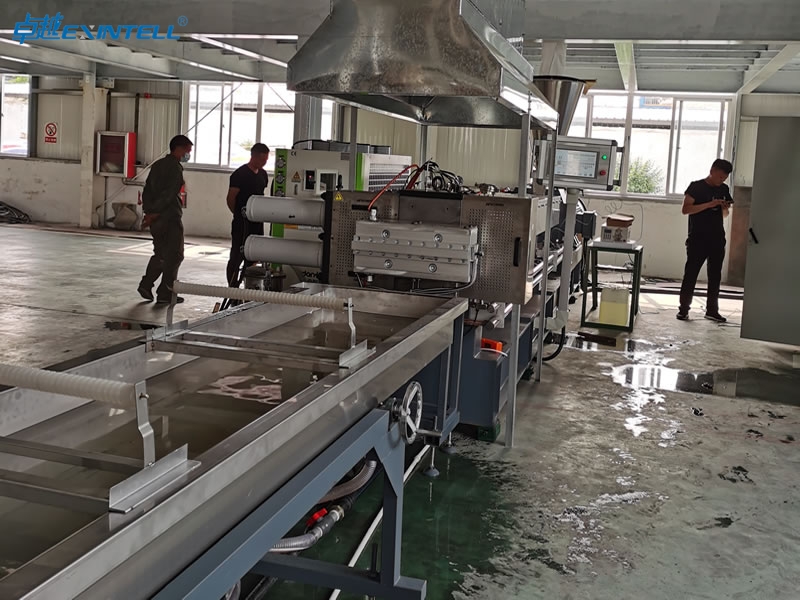
|
Hapi |
Përshkrimi |
|---|---|
|
Të ushqyerit |
Mbetjet plastike futen në makinë nëpërmjet një pleshti, e cila përfshin lloje të ndryshme të plastikës. |
|
Shkrirja |
Plastika nxehet dhe shkrihet në mënyrë uniforme në ekstruder, duke e përgatitur atë për fazën tjetër. |
|
Ekstrudimi |
Plastika e shkrirë është e detyruar përmes një kërpudhe për të krijuar fije, përcaktimi i formës dhe madhësisë së peletit. |
|
Ftohja |
Fijet ftohen, duke i ngurtësuar për prerje. |
|
Prerja |
Cooled strands are cut into uniform pellets by a rotating knife, adjustable for specific applications. |
Marrëveshje kryesore
-
Plastic pelletizers transform waste into uniform pellets through a series of steps: të ushqyerit, shkrirja, filtering, ekstrudues, ftohje, dhe prerja.
-
Consistent feeding and precise temperature control are crucial for achieving high-quality pellets and preventing defects.
-
Different types of pelletizers, such as strand and underwater, cater to various materials and production needs, impacting pellet shape and quality.
-
Effective filtration of molten plastic removes impurities, ensuring smooth and uniform pellets while protecting equipment.
-
Cooling methods, including water ring and underwater cooling, significantly affect pellet quality and production efficiency.
-
Mirëmbajtja dhe monitorimi i rregullt i pajisjeve ndihmojnë në parandalimin e problemeve të zakonshme si ushqimi i pabarabartë dhe filtrat e bllokuar.
-
Masat e kontrollit të cilësisë, duke përfshirë marrjen e mostrave dhe ekzaminimin e duhur, sigurohuni që fishekët të takohen standardet e industrisë dhe ruajnë konsistencën.
-
Paketimi dhe ruajtja e duhur e peletit i mbron ato nga lagështia dhe kontaminimi, duke siguruar që ato të mbeten me cilësi të lartë për përdorim në të ardhmen.
Përmbledhje e procesit të peletizuesit të plastikës
Çfarë është një peletizues plastik
Ju përdorni një peletizues plastik për të transformuar plastikë të papërpunuar ose material të ricikluar në granula me madhësi dhe forma të sakta. Kjo makinë kontrollon temperaturën, presioni, dhe shpejtësinë e rrotullimit për të prodhuar rezultate të qëndrueshme. Makina peletizuese e plastikës prenë plastikën e ekstruduar në granula individuale, duke siguruar një madhësi të standardizuar për përpunim të mëtejshëm. Ju mbështeteni në këtë pajisje për të menaxhuar integritetin, karakteristikat e sipërfaqes, dhe madhësinë e secilës grimcë. Parimi i punës së granulatorit plastik përfshin shkrirjen e plastikës, filtrimi i papastërtive, dhe formimin e peletave uniforme nëpërmjet menaxhimit të kujdesshëm të kushteve brenda njësisë.
-
Prit plastikën e ekstruduar në granula individuale.
-
Ofron një madhësi të qëndrueshme për përpunim të mëtejshëm në prodhim.
-
Shndërron fijet e vazhdueshme të plastikës së shkrirë në granula me përmasa uniforme.
-
Shërben si lëndë e parë e standardizuar për formimin me injeksion dhe nxjerrjen e filmit.
Hapat kryesorë të peletizimit
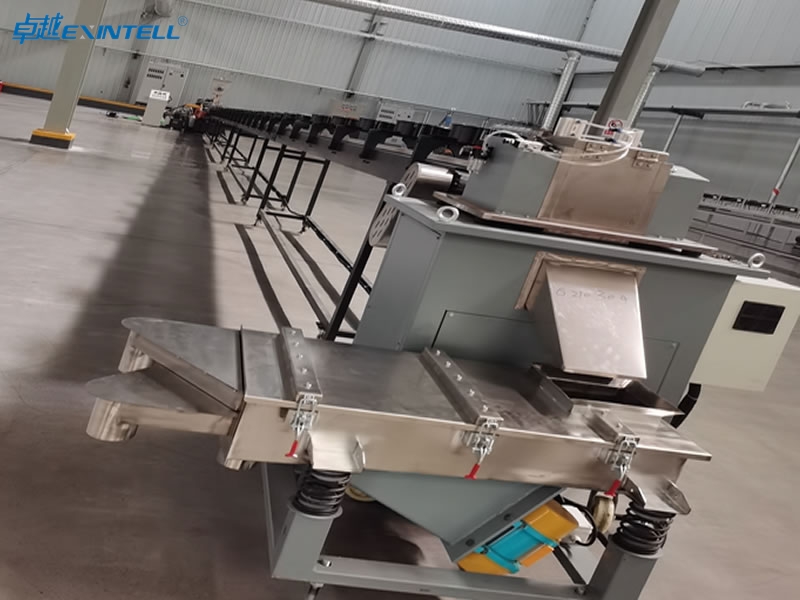
Ju ndiqni një seri të hapat kur përdorni një peletizues plastik. Çdo fazë formon cilësinë dhe qëndrueshmërinë e produktit përfundimtar. Këtu është një rrjedhë tipike e punës:
-
Të ushqyerit & para-trajtimi: Ju futni lëndët e para përmes një pleshti ose ushqyesi. Trajtimi paraprak rrit densitetin e masës dhe përgatit materialin për shkrirje.
-
Shkrirja & plastic forming: You apply heat and shear using an extruder. This step achieves a uniform flux and prepares the plastic for filtration.
-
Melt filters: You filter the molten plastic to remove contaminants. Clean material ensures high-quality pellets.
-
Die extrusion & prerje: You form the filtered melt into pellets using a die and cutting mechanism.
-
Ftohja & feed: You cool the pellets and then dry or store them for future use.
Këshillë: Consistent feeding and precise temperature control help you achieve uniform pellet size and prevent defects.
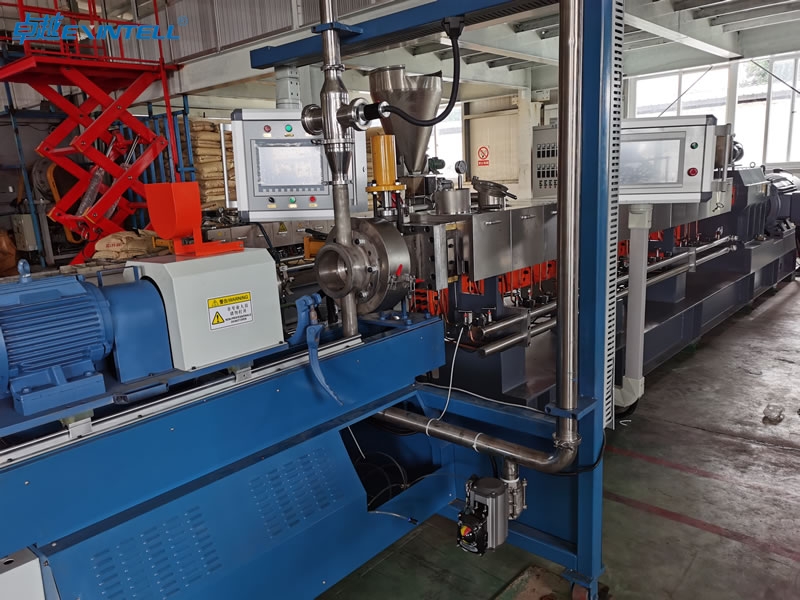
You can select from several types of pelletizing equipment, each suited for different materials and shapes. The table below shows common options:
|
Pelletizer Type |
Best For |
Forma e peletit |
Relative Cost |
|---|---|---|---|
|
PE, PP, PS — clean feedstock |
Cilindrike |
E ulët |
|
|
PET, PA, plastika inxhinierike |
Sferike |
Lartë |
|
|
Water-ring pelletizer |
PE, PP — moderate contamination |
Lenticular/spherical |
Medium |
Why Pelletizing Matters
Pelletizing plays a critical role in recycling and manufacturing. You convert molten recycled plastic into uniform pellets, which you can store, transport, and reprocess like virgin resin. This transformation allows recycled materials to re-enter the manufacturing cycle efficiently. You benefit from easier handling and improved mixing during production. The end product supports the circular economy for plastics by supplying reclaimed material.
-
Pelletization makes plastic feedstocks easier and more efficient to handle.
-
It ensures consistent results during mixing and forming.
-
The process supplies the entire circular economy for plastics with reclaimed material.
You face several challenges during pelletizing. Përmbajtja e lartë e lagështisë në pelet mund të çojë në performancë të dobët mekanike dhe humbje të materialit. Keni nevojë për sisteme efikase tharjeje dhe përzgjedhje të duhur të pajisjeve për të minimizuar lagështinë. Madhësia e paqëndrueshme e peletit shpesh rezulton nga mekanizmat e gabuar të ushqyerjes. Ju e zgjidhni këtë duke përdorur sisteme të sakta të ushqyerjes. Zgjedhja e makinerive, të tilla si një granulator me tehe të projektuara me saktësi, ndikon drejtpërdrejt në cilësinë e peletit të prodhuar.
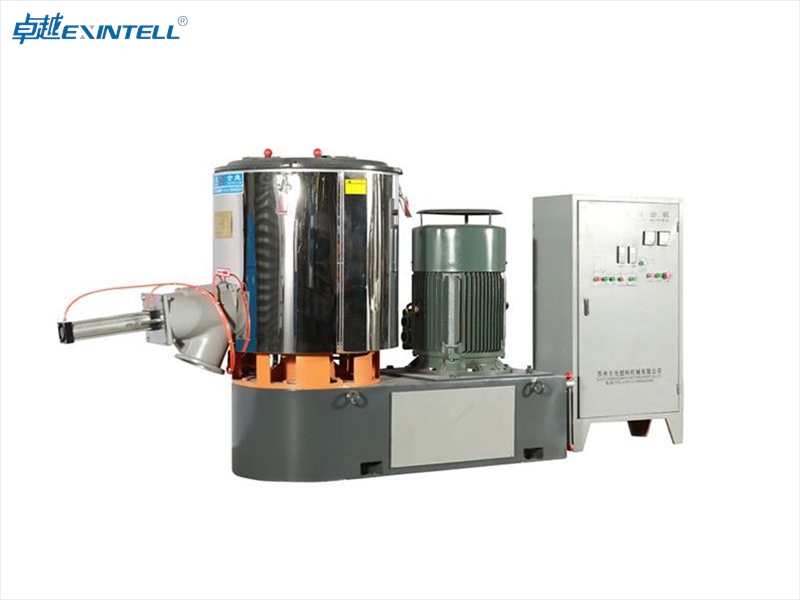
Ju gjithashtu shihni përparime teknologjike në 2026. Ekstruderët me një vidë me raporte L/D ndërmjet 32:1 dhe 38:1 janë të zakonshme. Konfigurimet tandem maksimizojnë degazimin dhe filtrimin. Ndryshuesit e vazhdueshëm të ekranit lejojnë ndryshimet e filtrit pa ndërprerë prodhimin. Teknologjia bimetalike rrit qëndrueshmërinë, dhe ekstruderët paralelë me vida me dy vida bashkë-rrotulluese ofrojnë heqje efikase të ndotësve. Peletizuesit nënujorë prodhojnë uniformë, dust-free pellets and command higher resale prices.
|
Teknologjia |
Përshkrimi |
Përfitimet |
|---|---|---|
|
Bimetallic Technology |
Advanced materials enhance durability |
Increases durability by 3-5 times |
|
Co-rotating Parallel Twin Screw |
Positive displacement, self-cleaning functions |
Efficient removal of contaminants |
|
Peletizues nënujor |
Produces uniform, dust-free pellets |
Higher resale price, ideal for engineering plastics |
You can achieve throughput capacities ranging from 80 kg/hr to over 1,000 kg/orë, depending on the machine type and configuration. Energy-efficient lines save between $30,000-$80,000 per year compared to less efficient models. Në 2026, specific energy consumption for plastic pelletizers ranges from 0.25-0.35 kWh/kg, with best-in-class configurations achieving as low as 0.20-0.30 kWh/kg.
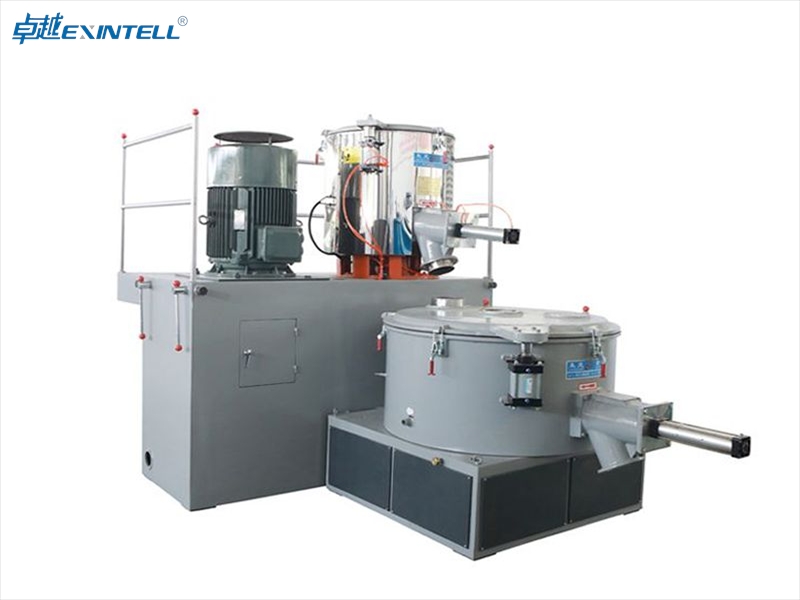
Shënim: Multi-layer standardization and new screw designs help you process bio-plastics and non-critical profiles more effectively.
Ju mbështeteni në teknologjinë e granulatorit dhe granulatorit plastik për të prodhuar peleta uniforme që plotësojnë standardet e industrisë. Procesi siguron që ju të keni lëndë ushqyese të besueshme për prodhim dhe riciklim, duke mbështetur efikasitetin dhe qëndrueshmërinë.
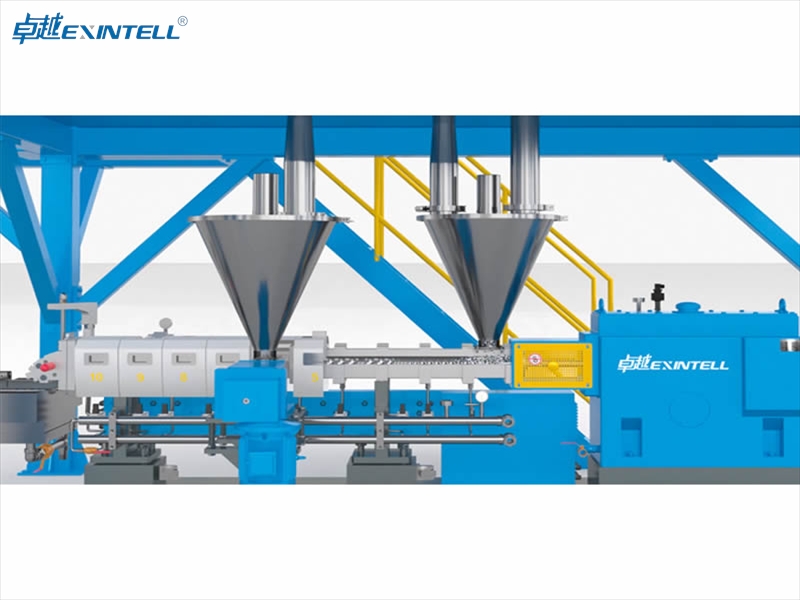
Ushqimi plastik
Materialet hyrëse
Ju filloni procesi i peletizimit duke zgjedhur materialet e duhura hyrëse. Ju mund të përdorni mbetje plastike, plastikë e virgjër, ose një përzierje e të dyjave. Përpara se t'i futni këto materiale në peletizuesin plastik, duhet t'i përgatisni me kujdes. Këtu është një rrjedhë tipike e punës përgatitore:
-
Përgatitja Plastike: Ju lani dhe copëtoni plastikën e ricikluar për të hequr papastërtitë dhe ndotësit. Ju gjithashtu mund ta shkrini materialin nëse është e nevojshme. Plastika e virgjër shpesh vjen si thekon ose granula, gati për përpunim.
-
Shkrirja dhe ekstrudimi: Plastikën e përgatitur e ngrohni në makinën e peletizimit të plastikës. The extruder melts the material and pushes it forward.
-
Prerja: You use rotating blades or a granulator to cut the molten plastic into small pieces.
-
Ftohja: You cool the pellets using air, ujë, or both.
-
Drying and Screening: You dry the cooled pellets and screen them to ensure uniform size and quality.
You must pay attention to the cleanliness and size of the input materials. Clean, well-prepared plastic waste helps you avoid defects and improves the quality of the pellets.
Feeding Mechanisms
You rely on efficient feeding mechanisms to move plastic into the pelletizing system. Two main methods help you achieve steady and controlled feeding.
Hopper
You use a hopper to load plastic waste or virgin material into the plastic pelletizer. The hopper holds the material and releases it at a controlled rate. You can adjust the flow to match the capacity of the plastic pelletizing machine. Hoppers often include sensors that monitor material levels and prevent blockages.
Conveyors
You use conveyors to transport plastic from storage to the hopper or directly into the pelletizer. Conveyors provide a steady stream of material and reduce manual handling. You can choose belt, vidhos, or vibrating conveyors based on the type and size of plastic. Conveyors help you maintain a consistent feed rate and minimize interruptions.
Këshillë: You should check the feeding system regularly to prevent jams and ensure smooth operation.
Consistent Feeding Importance
You need consistent feeding to produce high-quality pellets. Steady feeding ensures uniform size, shape, dhe përmbajtjen e lagështisë. If you allow variations in feeding, you risk creating pellets with surface defects or voids. Moisture fluctuations can cause loss of mechanical strength and even equipment failures. Unstable pellet quality makes it harder for you to sell or use the pellets in commercial applications.
-
Inconsistent pellet size can lead to surface defects and voids.
-
Variations in moisture content can cause loss of mechanical strength and equipment failures.
-
Unstable pellet quality can hinder acceptance in commercial applications.
You control moisture content by maintaining steady feeding. This step is essential for achieving maximum product quality. If you ignore feeding consistency, you may face downstream processing problems, such as surface defects and structural deficiencies. You rely on the plastic granulator and granulator technology to help you achieve uniform feeding and pellet quality.
Melting and Filtration
Extruder Barrel and Screw
You rely on the extruder barrel and screw to transform plastic waste or raw material into a smooth, uniform melt. The screw rotates inside the heated barrel, pushing the plastic forward. As the screw turns, it creates mechanical action and shear heat. This process melts the plastic efficiently. External heaters on the barrel add more heat, ensuring the material reaches the right temperature for pelletizing. Shear heat from the screw often supplies a significant part of the energy needed for melting.
Here is a quick overview of how these components work together:
|
Komponenti |
Funksioni |
|---|---|
|
Vidhos |
Transforms plastic into a uniform melt through mechanical action and shear heat. |
|
Fuçi |
Ngroh dhe kompakton plastikën, sigurimin e shkrirjes dhe ushqyerjes së plotë të kokës së mitrës. |
Ju nevojiten edhe vidhosja edhe tyta për të punuar në harmoni. Nëse secila pjesë dështon, peletizuesi plastik nuk mund të prodhojë pelet të qëndrueshëm.
Kontrolli i temperaturës
Ju duhet të kontrolloni me kujdes temperaturën gjatë fazës së shkrirjes. Temperatura ndikon drejtpërdrejt në atë se sa mirë shkrihet plastika dhe rrjedh nëpër sistemin e nxjerrjes. Cilësimet e duhura të temperaturës ju ndihmojnë të arrini rrjedhje të qetë dhe të qëndrueshme të materialit, nxjerrje me rendiment të lartë. Nëse e vendosni temperaturën shumë të ulët, plastika mund të mos shkrihet në mënyrë të barabartë. Kjo çon në viskozitet të tepërt dhe plastifikimin e dobët. Nëse e vendosni temperaturën shumë të lartë, plastika mund të degradohet. Kjo shkakton pelet të brishtë dhe zvogëlon forcën e tyre mekanike.
-
Temperatura ndikon në plastifikimin e plastikës, rrjedhshmëria, dhe vetitë e peletave përfundimtare.
-
Correct temperature ensures stable operation and high-quality output.
-
Low temperatures cause uneven melting and high viscosity.
-
High temperatures risk thermal degradation and weak pellets.
Këshillë: Always monitor the temperature zones along the barrel to maintain optimal melting conditions.
Filtration Before Pelletizing
Before you move to the extrusion stage, you must filter the molten plastic. Filtration removes impurities such as dirt, fragmente metalike, or unmelted particles. Clean melt is essential for producing high-quality pellets. You use fine mesh screens or filter packs in the plastic pelletizing machine to trap contaminants. This step protects the die and cutting system from damage. It also ensures that the pellets have a smooth surface and uniform structure.
You should check and replace filters regularly. Clogged filters can reduce flow and cause pressure build-up in the extrusion system. Consistent filtration supports the overall efficiency of the pelletizing process. You get better results and fewer defects in your finished pellets.
Shënim: Effective filtration extends the lifespan of your plastic granulator and granulator blades.
Extrusion Through Die Plate
Die Plate Function
You reach a critical stage in the plastic pelletizer process when the molten plastic arrives at the die plate. The die plate acts as a precision tool that shapes the melted material into strands. You rely on this component to define the initial size and shape of each strand, which later becomes a pellet. The design of the die plate directly affects the quality and consistency of your output.
Here is a quick overview of karakteristikat kryesore të pllakës së diapazonit:
|
Veçori |
Përshkrimi |
|---|---|
|
Funksioni |
Ekstrudon polimerin e shkrirë nëpër vrima për të përcaktuar dimensionet e peletit |
|
Gama e madhësisë së vrimës |
Zakonisht varion nga 2.5 te 4 mm në diametër |
|
Numri i vrimave |
Zakonisht ndërmjet 200 te 800 vrima |
|
Ndikimi në Cilësi |
Dizajni ndikon në karakteristikat përfundimtare të peletit, duke përfshirë madhësinë dhe formën |
Ju mund të rregulloni diametrin dhe konfigurimin e vrimës për të kontrolluar trashësinë e fillesë. Vrimat më të vogla prodhojnë fije më të holla dhe fishekë më të vegjël. Vrimat më të mëdha japin fije më të trasha dhe fishekë më të mëdhenj. Pllaka e mbulimit siguron që çdo fije që largohet nga sistemi i nxjerrjes përputhet me specifikimet tuaja të dëshiruara.
Presioni dhe forma e peletit
Ju duhet të ruani presionin e duhur ndërsa plastika e shkrirë kalon nëpër pllakën e prerjes. Sistemi i nxjerrjes përdor presion për të shtyrë materialin në mënyrë të barabartë nëpër secilën vrimë. Consistent pressure prevents irregularities in strand thickness and helps you achieve uniform pellet size. If the pressure drops or spikes, you may see defects such as uneven shapes or air pockets in the pellets.
The shape of each pellet depends on the die plate design and the pressure applied during extrusion. You can select different hole shapes and arrangements to create cylindrical, spherical, or lenticular pellets. The right combination of pressure and die plate design gives you control over the final appearance and performance of your product.
Shaping the Strands
You have several methods for shaping plastic strands before cutting them into pellets. Each method offers unique benefits for different applications. The choice of method affects the quality, kosto, and consistency of your pellets.
|
Metoda |
Përshkrimi |
Ndikimi në cilësinë e peletit |
|---|---|---|
|
Nxjerr plastikën në fije, pastaj i pret në fishekë. |
Me kosto efektive për tufa më të vogla, por mund të ndryshojnë në cilësi. |
|
|
Pret fijet nën ujë, që ftohet dhe ruan cilësinë. |
Prodhon pelet me cilësi të lartë për shkak të ftohjes efektive. |
|
|
Sistemet e unazës së ujit |
Përdor një unazë uji për të ftohur dhe për të prerë fijet. |
Siguron cilësi të mirë ndërkohë që është me kosto efektive. |
Ju mund të përdorni peletizimin e fijeve për tufa të vogla mbetjesh plastike, pasi ofron një qasje të thjeshtë dhe të përballueshme. Prerja nënujore me fytyrë të nxehtë funksionon mirë kur keni nevojë për pelet të cilësisë së lartë me sipërfaqe të lëmuara. Sistemet e unazës së ujit balancojnë koston dhe cilësinë, duke i bërë ato të përshtatshme për shumë lloje të plastikës.
Ju vareni nga teknologjia e granulatorit plastik dhe granulatorit për të përfunduar procesin. Pas formësimit dhe ftohjes, sistemi i pret fijet në fishekë uniformë. Ky hap përfundon transformimin nga shkrirja në produkt të përfunduar, gati për paketim ose përpunim të mëtejshëm.
Këshillë: Monitoroni gjithmonë sistemin e nxjerrjes për presion dhe temperaturë të qëndrueshme. Kjo ju ndihmon të ruani cilësinë e qëndrueshme të peletit dhe redukton kohën e ndërprerjes.
Metodat e Ftohjes
Pas fazës së nxjerrjes, you must ftohni fillesat e nxehta shpejt për të formuar fishekë të fortë. Metoda e ftohjes që zgjidhni ndikon në cilësinë e peletit, përdorimin e energjisë, dhe shpejtësinë e prodhimit. Mund të zgjidhni nga ftohja me unazë uji, ftohje nënujore, ose ftohje e ajrit, në varësi të nevojave tuaja materiale dhe të prodhimit.
Ftohje me unazë uji
Ju shpesh përdorni ftohje me unazë uji për poliolefinat dhe polistirenin. Në këtë metodë, ju drejtoni një unazë uji rreth fytyrës. Uji ftohet dhe ngurtëson fijet kur dalin, then a cutter chops them into pellets. This system works well for many standard plastics and offers a compact design.
Here is a summary of the main advantages and disadvantages:
|
Avantazhet |
Disadvantages |
|---|---|
|
Not suitable for sticky or thick materials |
|
|
Produces visually appealing pellets |
Requires close monitoring of water |
|
Compact system with lower costs |
Limited material compatibility |
|
Handles changes in melt temperature and pressure well |
Lower production capacity compared to underwater systems |
|
Space-efficient and easy to control |
Limited to specific materials |
|
Cost-effective for budget-conscious companies |
Not effective for materials that heat up or stick together |
|
Cannot handle high production demands |
|
|
Good for budget management |
Limited to certain materials like polyolefins and polystyrene |
You should choose water ring cooling if you want a space-saving, budget-friendly solution for standard materials. You must monitor the water system closely to prevent issues with sticky or thick plastics.
Underwater Cooling
You can achieve high-quality pellets with underwater cooling. Në këtë metodë, you cut the strands directly in a water chamber. The water cools and solidifies the pellets instantly, which leads to a smooth surface and uniform size. You benefit from continuous operation and high output rates.
-
Underwater pelletizers produce uniform pellets with minimal fines and dust.
-
The rapid solidification process ensures consistent shape and size.
-
You can reach high production rates due to efficient cooling and solidification.
-
Compared to air-cooled systems, underwater cooling uses less energy because water transfers heat more efficiently.
Ju duhet të konsideroni ftohjen nënujore nëse keni nevojë për pelet me cilësi të lartë dhe kapacitet të lartë prodhimi. Kjo metodë funksionon mirë për aplikacione kërkuese dhe materiale të avancuara.
Ftohja me ajër
Ju mund të zgjidhni ftohjen e ajrit për materialet që reagojnë dobët ndaj lagështirës, të tilla si plastika e biodegradueshme si PLA ose PBAT. Ftohja e ajrit përdor ventilatorë ose ventilatorë për të ftohur fijet kur dalin nga mbulesa. Kjo metodë eliminon nevojën për sisteme tharjeje, të cilat mund të thjeshtojnë procesin tuaj.
|
Aplikacionet |
Kufizimet |
|---|---|
|
Jo i përshtatshëm për të gjitha llojet e materialeve |
|
|
Përdoret për materiale të biodegradueshme (PLA, PBAT) |
Efikasitet i kufizuar i ftohjes në krahasim me ftohjen me ujë |
|
Eliminon nevojën për sisteme tharjeje |
Kosto potencialisht më të larta të energjisë |
Ju duhet të përdorni ftohjen e ajrit nëse përpunoni materiale të ndjeshme ndaj lagështirës ose dëshironi të shmangni hapat shtesë të tharjes. Mund të përballeni me kosto më të larta të energjisë dhe ftohje më të ngadaltë në krahasim me metodat me bazë uji.
Këshillë: Përputhni gjithmonë metodën tuaj të ftohjes me qëllimet tuaja të materialit dhe prodhimit. Zgjedhja e duhur ju ndihmon të shmangni defektet dhe të ruani cilësinë e peletit tuaj.
Ju mbështeteni te granulatori për të përfunduar procesin pas ftohjes. Granulatori i pret fijet e ngurtësuara në fishekë uniformë, gati për paketim ose përdorim të mëtejshëm. Ftohja efikase siguron që fazat e shkrirjes dhe prerjes të prodhojnë pelet me cilësi të lartë nga mbetjet tuaja plastike.
Peletizimi dhe Prerja
Mekanizmi i prerjes së thikës
Ju mbështeteni në mekanizmin e prerjes së thikës për të transformuar fijet plastike të ftohura në fishekë të përfunduar. Sistemi vendos thikat e specializuara afër faqes së kërpudhave, ku dalin fillesat. Të Dritarja e shkrirë në prerje luan një rol vendimtar këtu. Nëse lini shumë pak kohë ndërmjet mbulesës dhe tehut, ju mund të shihni fishekë të paformuar. Koha e tepërt mund të shkaktojë fraktura dhe gjoba, gjë që ul cilësinë e përgjithshme. Thikat peletizuese vijnë në forma të ndryshme, të tilla si drejt, i pjerrët, ose në formë V, dhe secili i përshtatet një lloji specifik të peletizuesit. Prodhuesit përdorin çelik me karbon të lartë ose çelik veglash për këto thika, gjë që rrit qëndrueshmërinë. Saktësia në prerje është thelbësore, kaq shumë thika janë të përpunuara me CNC për toleranca të ngushta. Trajtimet termike dhe veshjet zgjasin më tej jetën e tehut dhe përmirësojnë performancën.
-
Dritarja Melt-to-Cut përcakton formën dhe cilësinë e peletit.
-
Materiali dhe forma e thikës ndikojnë në qëndrueshmërinë dhe saktësinë e prerjes.
-
Koha e duhur parandalon defektet dhe siguron rezultate të qëndrueshme.
Arritja e peletave uniforme
Ju dëshironi që çdo topth të ketë të njëjtën madhësi dhe formë. Për të arritur këtë, ju duhet të kontrolloni disa variabla të procesit gjatë prerjes. Rregullimi i shkallës së furnizimit, këndi i diskut, dhe shpejtësia e diskut ju lejon të rregulloni mirë madhësinë e peletit. Për pelet më të vegjël, ju rritni shpejtësinë e furnizimit dhe këndin e diskut, ushqeni më afër pozicionit të orës tre ose katër, dhe rrisni shpejtësinë e diskut. Për pelet më të mëdhenj, ju ulni shpejtësinë e furnizimit dhe këndin e diskut, ushqehu më afër pozicionit të orës shtatë, dhe ulni shpejtësinë e diskut. Këto rregullime ju ndihmojnë të ruani uniformitetin dhe të shmangni defektet.
Këshillë: Monitoroni nga afër kontrollet e procesit tuaj. Ndryshimet e vogla në ushqim ose shpejtësi mund të bëjnë një ndryshim të madh në cilësinë e peletit.
Ju gjithashtu duhet të siguroheni që granulatori të funksionojë pa probleme. Funksionimi i vazhdueshëm ju ndihmon të prerë në pelet me variacion minimal, mbështetja e prodhimit me cilësi të lartë.
Llojet e Prerësve Peletizues
Ju mund të zgjidhni nga disa llojet e prerësve peletizues, secili i projektuar për materiale specifike dhe nevoja prodhimi. Lloji i prerësit ndikon në formën e peletit, xhiros, dhe përmbajtjen e lagështisë. Këtu është një krahasimi:
|
Lloji |
Forma e peletit |
Materialet e Përshtatshme |
Performanca (kg/orë) |
Lagështia e mbetur (%) |
|---|---|---|---|---|
|
Fillesa |
Cilindrike |
Termoplastikë (PP, PE, ABS, PS) |
100– 2000 |
<1% |
|
Nën ujë |
Sferike |
Të gjithë polimerët |
500– 3000+ |
<0.05% |
|
Unaza e ujit |
Thjerrëzore |
PE, PP, PC, PS |
200– 1500 |
<0.5% |
Peletizimi i fijeve përdor një banjë uji për ftohje dhe funksionon mirë për fijet e vazhdueshme. Peletizuesit nënujorë presin plastikën e shkrirë drejtpërdrejt në pelet me ftohje të shpejtë, duke ju dhënë kontroll më të mirë mbi madhësinë dhe formën. Sistemet unazore të ujit ofrojnë një ekuilibër midis kostos dhe cilësisë, prodhimin e peletave thjerrëz të përshtatshëm për shumë aplikime.
Ju zgjidhni prerësin e duhur bazuar në materialin tuaj, karakteristikat e dëshiruara të peletit, dhe qëllimet e prodhimit. Kjo zgjedhje siguron që peletët tuaj të përmbushin standardet e industrisë dhe kërkesat e klientëve.
Mbledhja dhe përfundimi i peletit
Drying and Screening
You must ensure that pellets are dry and free from unwanted materials before packaging. Moisture control is critical because wet pellets can lead to product degradation and issues during storage. Pas ftohjes, you monitor moisture content to optimize the process. You use screening equipment to separate well-formed pellets from fines and debris. Screening also removes stones, plastikës, metals, and other hard materials that could damage your equipment. A stone trap helps you eliminate hard materials, while magnets pick up metals. You rely on these steps to maintain pellet quality and protect your machinery.
-
Monitor moisture content after cooling.
-
Use screening equipment to remove fines and debris.
-
Employ stone traps and magnets to eliminate hard materials and metals.
-
Separate well-formed pellets from defective ones before packaging.
Këshillë: Regular screening and drying help you avoid packaging low-quality products and extend the lifespan of your granulator.
Kontrolli i cilësisë
You need to implement quality control measures to ensure product consistency. Sampling plays a crucial role in achieving good pellet quality. You must use proper procedures and equipment to minimize sampling errors. Samples should represent the entire batch, so you avoid skewed results. You process samples correctly before laboratory analysis to get accurate data.
Here is a step-by-step checklist for quality control:
-
Verify assay accuracy by rechecking with the lab.
-
Ensure the sample taken is representative.
-
Investigate if multiple nutrient levels are out of control.
-
Confirm the regular crew operated the mill during production.
-
Check for discrepancies in inventory records.
-
Ensure scales and metering devices are correctly adjusted.
-
Inspect ingredient and finished-feed bins for issues.
-
Reassess mixing times for correctness.
-
Review ingredient assay values for deficiencies.
Finished-feed assays provide a final assessment of how well you controlled quality during production. You should sample regularly, such as once per week or per 100 tons of production, to maintain consistent quality.
Shënim: Consistent sampling and accurate processing help you deliver pellets that meet industry standards.
Paketimi
You prepare pellets for shipment or storage by packaging them efficiently. You use automated systems to fill bags, bins, or containers. Packaging protects pellets from moisture, contamination, and mechanical damage. You label each package with batch information, production date, and quality data. Ky hap ju ndihmon të gjurmoni inventarin dhe siguron gjurmueshmëri. Ju i ruani peletat e paketuara në një vend të thatë, zonë të pastër për të ruajtur cilësinë e tyre deri në përdorim.
-
Përdorni sisteme të automatizuara paketimi për efikasitet.
-
Etiketa paketash për gjurmueshmërinë dhe sigurimin e cilësisë.
-
Ruani peletët në të thatë, kushte të pastra për të parandaluar degradimin.
Callout: Paketimi dhe ruajtja e duhur garantojnë që peletët tuaj të mbeten me cilësi të lartë dhe të gatshëm për prodhim ose riciklim.
Ju e transformoni plastikën në pelet duke ndjekur çdo fazë: të ushqyerit, shkrirja, filtering, ekstrudues, ftohje, dhe prerja. Ky proces ju jep pelet uniforme për prodhim dhe riciklim.
-
Ju ndihmojnë peletizuesit modernë kurseni deri në 30% mbi materialet dhe zvogëloni nevojën për plastikë të re.
-
Ju mbështesni një ekonomi rrethore duke përdorur një granulator për të ricikluar mbetjet dhe për të mbajtur plastikën jashtë vendgrumbullimit.
-
Këto makina ndikim më të ulët mjedisor and conserve resources for the future.
Appreciate how this technology makes plastics more sustainable and efficient for everyone.
FAQ
What types of plastics can you process in a pelletizer?
You can process most thermoplastics, including polyethylene (PE), polipropileni (PP), polistiren (PS), and PET. Some machines also handle engineering plastics and biodegradable materials. Always check your pelletizer’s compatibility before starting.
How do you maintain pellet size consistency?
You control pellet size by adjusting feed rate, die plate design, dhe shpejtësia e prerjes. Regular monitoring and equipment calibration help you achieve uniform pellets. Consistent input material also improves results.
Why do you need to filter the melted plastic?
Filtration removes contaminants like dirt, metal, or unmelted particles. Clean melt protects your equipment and ensures high-quality pellets. Ju duhet të zëvendësoni filtrat rregullisht në ruajnë efikasitetin.
Cili është ndryshimi midis peletizimit me fillesë dhe nënujore?
Peletizimi i fillesës i pret fijet e ftohta pasi ato dalin nga mbulesa. Peletizimi nënujor pret plastikën e shkrirë direkt në ujë, duke prodhuar më të lëmuara, pelet më uniforme. Sistemet nënujore i përshtaten plastikës me prodhim të lartë dhe të specializuar.
Si të zvogëloni lagështinë në peletat e përfunduara?
Ju përdorni sisteme tharjeje pas ftohjes. Thika ajri, tharëse centrifugale, ose tharëset e shtratit të lëngshëm heqin lagështinë e sipërfaqes. Tharja e duhur parandalon degradimin e peletit dhe përmirëson jetëgjatësinë e ruajtjes.
A mund të ricikloni mbetjet plastike të përziera në një peletizues?
Ju mund të përpunoni plastikë të përzier, por mund të shihni cilësi më të ulët të peletit. Renditja dhe para-trajtimi i materialeve përmirësojnë rezultatet. Disa peletizues të avancuar trajtojnë përzierjet më mirë se të tjerët.
Si të zgjidhni problemet e zakonshme të peletizuesit?
Këshillë: Kontrolloni për ushqyerje të pabarabartë, filtra të bllokuar, ose cilësime të gabuara të temperaturës. Inspektoni thikat për konsum. Mirëmbajtja dhe monitorimi i rregullt ju ndihmojnë të zgjidhni shpejt shumicën e problemeve.