

Çfarë është një sistem peletizimi nënujor dhe si funksionon
You use an underwater pelletizing system to make small pellets from melted polymers. Kjo teknologji shkurton dhe ftoh plastikën në të njëjtën kohë. Kjo e bën procesin të shpejtë dhe të lehtë. Nëse punoni me prodhimin e polimerit, është mirë të dini se si funksionon peletizimi. It helps you make better materials. The market for these systems is getting bigger. It is growing in Asia-Pacific, Amerikën e Veriut, dhe Evropës. Here is a quick look at the market:
|
Attribute |
Detajet |
|---|---|
|
Estimated Market Value in 2026 |
|
|
Forecasted Market Value by 2032 |
USD 335.6 milion |
|
Compound Annual Growth Rate |
10.3% |
Marrëveshje kryesore
-
Një sistemi i peletizimit nënujor cuts and cools melted plastic fast. It makes small pellets that look the same. Many industries use these pellets.
-
The system has important parts like the die plate, dhoma e ujit, and rotating knife. These parts help shape, i ftohtë, and cut pellets exactly.
-
This technology makes pellets smooth and round. It also saves energy and reduces waste.
-
Regular maintenance and careful control keep pellet quality high. They also stop common problems from happening.
-
Idetë e reja si kontrollet inteligjente dhe dizajnet më të mira e bëjnë më të shpejtë peletizimin nën ujë, pastrues, dhe më efikase.
Përmbledhje e sistemit të peletizimit nënujor
Çfarë Është
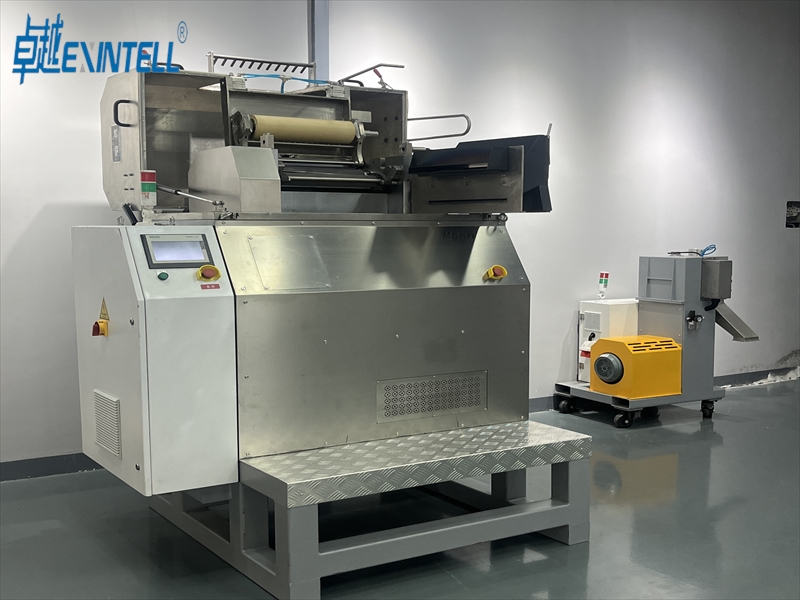
Një sistem peletizimi nënujor ndryshon plastikën e shkrirë në fishekë të vegjël. Ky sistem shkurton dhe ftoh plastikën në të njëjtën kohë. Qëllimi kryesor është që të bëhet peletizimi i shpejtë dhe i lehtë. Secila pjesë e sistemit funksionon së bashku në hapa:
-
Një vidë shkrin dhe përzien mirë polimerin.
-
Polimeri i shkrirë lëviz nëpër një pllakë të prerë nën ujë.
-
Tehet rrotulluese i presin fillesat në fishekë nën ujë.
-
Uji i ftoh peletat shpejt dhe i çon përpara.
-
Peletët thahen dhe kontrollohen për madhësinë para paketimit.
Ky proces bën pelet me cilësi të lartë për shumë produkte. Peletizimi nënujor i ndihmon fabrikat të punojnë më shpejt dhe të prodhojnë pelet më të mirë.
Aplikacionet kryesore
Shumë industri përdorin sistemin e peletizimit nënujor. Funksionon më së miri me plastikë si polietileni, polipropileni, dhe polistiren. Kjo teknologji ndihmon në prodhimin e shumë peletave për fusha të ndryshme. Këtu është një tabelë që tregon se ku e përdorni këtë sistem dhe cilët polimerë janë të zakonshëm:
|
Industria |
Llojet e polimereve |
|---|---|
|
Paketimi |
Polietileni, Polipropileni, Polistireni |
|
Automobilistikë |
Polietileni, Polipropileni, Polistireni |
|
Ndërtimi |
Polietileni, Polipropileni, Polistireni |
Peletizimi është i rëndësishëm për të bërë gjëra për paketim, makina, dhe ndërtesat. Sistemi i peletizimit nënujor i ndihmon këto industri duke i bërë peletat të shpejtë dhe me cilësi të mirë.
Procesi i peletizimit dhe komponentët kryesorë
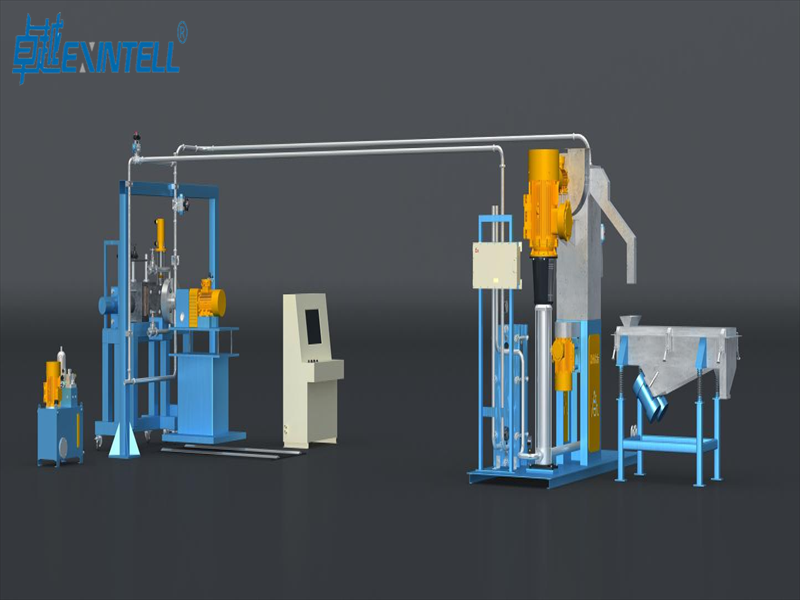
Të procesi i peletizimit në një sistem peletizimi nënujor e ndryshon polimerin e shkrirë në të vogël, madje edhe pelet. Kjo teknologji ndihmon në prodhimin e peletave të mira plastike për shumë përdorime. Njohja e secilit hap dhe pjesëve kryesore të një peletizuesi nënujor ju ndihmon të merrni rezultatet më të mira.
Procesi hap pas hapi
Ju ndiqni disa hapa për të përfunduar procesin e peletizimit. Çdo hap nevojitet për t'u siguruar që peletat të kenë madhësinë dhe formën e duhur. Ja si funksionon:
-
Filloni sistemin e ujit. Ndizni pompën dhe kontrolloni nxehtësinë dhe presionin e ujit.
-
Filloni ekstruderin. Ngrohni ekstruderin, vendosni në polimer, dhe shikoni presionin.
-
Filloni peletizuesin. Ndizni motorin, vendosni hendekun e prerjes, dhe kontrolloni cilësinë e peletit.
-
Kontrolli i cilësisë. Merrni mostra, kontrolloni vetitë e tyre, dhe ndryshoni procesin nëse është e nevojshme.
Ju i bëni këto hapa sa herë që kryeni procesin e peletizimit. Në këtë mënyrë, ju mund të kontrolloni cilësinë dhe pamjen e peletit.
Pjatë dhe Dhoma e Ujit
Të pjatë dhe dhoma e ujit are two main parts of an underwater pelletizer. They work together to shape and cool the pellets during the process.
Këshillë: The way the die plate is made and how water moves in the chamber both change how good your pellets are.
|
Aspekti |
Përshkrimi |
|---|---|
|
Role of Die Plate |
The die plate shapes melted polymer into strands. It controls the size, formë, and sameness of each pellet. |
|
Geometry of Die Holes |
Special hole patterns in the die plate help the polymer flow evenly. This keeps pellet size the same and stops pressure problems. |
|
Temperature Management |
You must keep the die plate at the right heat. This keeps the polymer thick enough and stops it from getting hard too soon. |
|
Ndikimi në cilësinë e peletit |
A good die plate gives you even pellets, faster work, and less waste. This makes your final product better. |
The water chamber goes around the die plate and cools the pellets as soon as they are cut. How water moves in the chamber is important for the pelletizing process.
|
Faktori |
Përshkrimi |
|---|---|
|
Flow Rate and Directionality |
Water moves in a spiral. This cools the pellets fast and moves them away from the die plate. |
|
Kontrolli i temperaturës |
You must keep the water at the right heat. This stops problems like chaining or tails, which can make pellets worse. |
|
Air Management |
Getting rid of air pockets helps water cool the pellets the same way. This makes the pelletizing process work better. |
Asambleja e thikës rrotulluese
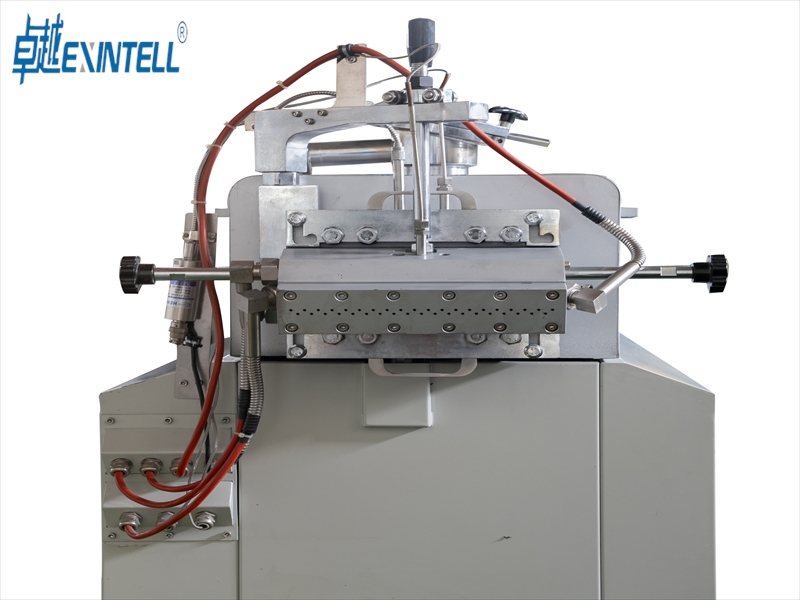
Të rotating knife assembly is another key part of the underwater pelletizing system. This part cuts the melted polymer strands into pellets right after they leave the die plate. How you set up the knife assembly changes the pelletizing process and the quality of the pellets.
The knife must touch the die plate at the right angle and speed. If the knife is too far or too slow, you get pellets with tails or odd shapes. If it is too close or too fast, you may get fines or hurt the die plate. By changing the knife-to-die contact and cutting speed, you make sure the pellets are the right size and shape every time.
You can see how the main parts of an underwater pelletizer work together in the pelletizing process. The die plate shapes the polymer, the water chamber cools and moves the pellets, and the rotating knife assembly cuts them to size. When you control each part, you get good pellets for any use.
Benefits of Underwater Pelletizers
Pellet Quality and Uniformity
You need good pellets for your products. The underwater pelletizing system helps you do this. Ajo cuts and cools the polymer në të njëjtën kohë. You get pellets that are smooth and round. They are all the same size. This makes it easier to improve your product quality. If you check the die alignment often, you keep pellet size steady. Even a small gap in the die can change the pellets. Regular checks help you avoid dust and weird shapes. Uji ftoh peletat menjëherë. This gives them a shiny surface and no cracks. You can count on this system to make good pellets every time.
Efficiency and Scale
Underwater pelletizers do more than just make good pellets. Ju mundeni run your production line faster. You also waste less material. The system cools and cuts pellets quickly. This saves you time. Ju mundeni kurseni deri në 20% energji krahasuar me metodat e tjera. Kjo do të thotë që ju shpenzoni më pak para për pushtet. Ndihmon edhe mjedisin. Sistemi mund të trajtojë shumë polimere. Ju mund të bëni më shumë pelet në më pak kohë. Ju gjithashtu mbeturinave deri në 15% më pak material. Kjo ul kostot tuaja dhe ju ndihmon të fitoni më shumë fitime. Nëse dëshironi të bëni më shumë pelet, ky sistem ju jep atë që ju nevojitet.
Krahasimi me metodat e tjera
Ju mund të pyesni veten se si peletizimi nënujor është më i mirë se peletizimi me fije. Përfitimet bien në sy kur i krahasoni ato. Këtu është një tabelë për të treguar dallimet:
|
Veçori |
Peletizimi nënujor |
Peletizimi i fillesës |
|---|---|---|
|
Forma e peletit |
Sferike, e lëmuar, uniforme |
Cilindrike, skajet e sheshta |
|
Cilësia e sipërfaqes |
Shkëlqim i lartë, të qëndrueshme |
Më pak uniforme, më shumë pluhur |
|
Metoda e Ftohjes |
Shuarje e menjëhershme me ujë |
Ajri ose uji para prerjes |
|
Parandalimi i oksidimit |
po |
Nr |
|
Gjenerimi i pluhurit dhe çipave |
Asnjë |
po |
Ju merrni pelet më të mirë dhe më pak pluhur me peletizimin nënujor. Ftohja e shpejtë ndalon oksidimin. This keeps your pellets clean. Underwater pelletizers help you make better products and work more efficiently. You can trust this method for good pellets and great results.
Teknologjia, Mirëmbajtja, and Innovations
Essential Maintenance
You need to take care of an underwater pelletizing system. This keeps it working well and making good pellets. Good care also helps your equipment last longer. Here are some tips:
-
Always use cooling fluid when you sharpen the blades. This keeps them from getting too hot.
-
Keep the same blade angles when sharpening. This helps the blades cut better.
-
Make the tooth depth a little deeper each time you sharpen. This helps you make more pellets.
-
Pick strong blade materials like tungsten carbide or PM high-vanadium tool steels. These last longer and keep pellet quality high.
-
Përdorni tehun dhe pjatën e duhur së bashku. Kjo ndalon formimin e gjobave dhe bishtave.
-
Kontrolloni shpesh se si funksionon sistemi. Kjo ju ndihmon të gjeni problemet herët dhe t'i mbani peletët mirë.
Sfidat e Përbashkëta
Ndonjëherë, do të keni probleme me linjën e peletizimit. Nëse e dini se çfarë mund të shkojë keq, mund ta rregulloni shpejt. Kjo ju ndihmon të vazhdoni të bëni pelet të mirë. Këtu është një tabelë që tregon disa probleme të zakonshme, pse ndodhin, dhe si t'i rregulloni ato:
|
Sfida |
Shkaqet e mundshme |
Zgjidhjet |
|---|---|---|
|
Cilësi joadekuate e peletit |
Vrimat e copëtuara, cilësimet e gabuara të prerësit |
Pastroni vrimat e vezëve, rregulloni prestarin, riorganizoj pjatën e ngurtësimit |
|
Bllokimi i filtrimit |
Papastërtitë e polimerit, filtra të dëmtuar |
Pastroni filtrat, përdorni filtrat e duhur, mirëmbajnë sistemin |
|
Ndryshueshmëria e diametrit të peletit |
Shpejtësi e paqëndrueshme e prerjes, tehe të shurdhër |
Mprehni tehet, mbani ushqimin të qëndrueshëm, kontrolloni shpejtësinë |
|
Shkrirja e Komponentëve |
Ftohje e ulët, temperaturë të lartë, lubrifikimi i dobët |
Përmirësoni ftohjen, lubrifikoj, monitoroni temperaturën |
Nëse kujdeseni për sistemin tuaj dhe shikoni për këto probleme, ju mund të ndaloni shumicën e dështimeve.
Përparimet e fundit
Teknologjia e re ka bërë më të mirë sistemet e peletizimit nënujor. Këto ndryshime ju ndihmojnë të punoni më shpejt dhe të bëni pelet më të mirë. Ju mund t'i shihni këto përmirësime në shumë mënyra:
-
Hapat më të mirë të peletizimit dhe dizajne të reja të kësteve ju ndihmon të bëni më shumë pelet dhe të lëvizni më mirë ujin.
-
Pompat dhe motorët e rinj përdorin më pak energji dhe kursejnë energji.
-
Automatizimi dhe kontrollet inteligjente përdorin sensorë dhe AI. Ata shikojnë dhe ndryshojnë procesin ndërsa punoni.
-
Disa sisteme të reja mund të trajtojnë plastikë të trashë dhe të veçantë.
-
Prerja dhe rrjedhja më e mirë e ujit bëjnë më pak pluhur dhe më pak gjobë. Kjo i bën peletët edhe më të mirë.
Mjetet inteligjente të fabrikës dhe IoT ju ndihmojnë të shikoni se si funksionon sistemi juaj. They also help you know when to do maintenance. These new ideas help you make pellets in a way that is good for the environment and meets high quality rules.
You can trust an underwater pelletizing system to make good pellets. This technology lets you make lots of pellets quickly. It works for many kinds of polymers. You can control the process well. This means every batch has the same quality. If you take care of the system often, it keeps working well. It also keeps the pellets good. Factories are using more robots and green ideas now. This makes pellet quality and speed even better. If you want to make more pellets and meet tough rules, this system is a smart pick.
FAQ
What is the main purpose of an underwater pelletizing system?
You use an underwater pelletizing system to make small pellets from melted polymers. This system lets you control how big and what shape the pellets are. You get good pellets for many kinds of products.
How does pelletizing improve product quality?
Pelletizing makes pellets that look smooth and are all the same size. You can trust each batch to be good. This helps you make better things. You waste less and keep your machines working well.
Which materials can you process with this technology?
You can use this technology for many polymers. Polietileni, polipropileni, and polystyrene are common. The underwater pelletizing system works with these materials and keeps pellets good.
How do you keep pellet quality consistent?
You need to check the die plate and knife often. Clean the system and change settings if needed. This keeps pellet size and shape the same. You get good pellets every time you make them.
Why do factories choose underwater pelletizing for production?
Factories use this system because it is fast and makes good pellets. You save energy and waste less. The underwater pelletizing system helps you follow strict quality rules.