

Twin Screw Extruder Elements Factory: Tilmaamaha Ganacsiga ee B2B ee Saxda ah ee Warshadaha, Alaab-qeybiyeyaal & Jumlo iibsada gudaha
The global twin screw extruder elements market is experiencing significant momentum as plastics compounding, habaynta cuntada, dawooyinka, and chemical industries expand across North America and Europe. Iibsadayaasha B2B ee raadinaya wax la isku halayn karo twin screw extruder walxaha warshad, understanding the manufacturing landscape, trade policies, marinnada saadka, and sourcing best practices is essential. This guide delivers an in-depth analysis of the twin screw extruder elements factory ecosystem—covering leading manufacturers, wholesale supplier evaluation, trade dynamics, tixgelin tacriifada, and actionable forecasts for Q3–Q4. Whether you are a compounder in Germany, a plastics processor in Ohio, or a trading company sourcing screw elements at scale, this resource equips you with the intelligence to make confident procurement decisions.
Understanding Twin Screw Extruder Elements: Core Components and Industrial Applications
Twin screw extruder elements are the modular building blocks inserted onto the shafts of co-rotating or counter-rotating twin screw extruders. These elements—including conveying elements, blocks cajiin, walxaha isku dhafan, and reverse-flight elements—determine the shear, wakhtiga degenaanshaha, and throughput characteristics of the extrusion process. A specialized twin screw extruder walxaha warshad produces these components from tool steels (tusaale., W6Mo5Cr4V2, 38CrMoAlA) or powder-metallurgy alloys with tight tolerances, caadi ahaan ±0.01 mm on the involute profile.
Key application sectors driving demand include:
- Plastics compounding: Masterbatch production, polymer blending, filled and reinforced compounds (fiber galaas, fiber carbon, mineral fillers).
- Habaynta cuntada: Extrusion cunto fudud, cuntada xayawaanka, textured vegetable protein (TVP), and cereal production.
- Daawooyinka: Diidmo-kulul kulul oo loogu talagalay hababka gaarsiinta daroogada—a rapidly growing segment in the EU and US.
- Chemical processing: Diidmada falcelinta, cibaadaysi, and continuous mixing of adhesives, sealants, and coatings.
- Dib u warshadaynta: Mechanical recycling of post-consumer plastics, a sector boosted by EU Circular Economy regulations and US EPA initiatives.
Double-Screw Extruder Sida xogta laga helay Cilmi-baarista Grand View (2024), suuqa kala iibsiga mataanaha ee caalamiga ah waxaa lagu qiimeeyay ku dhawaad USD 1.2 billion and is projected to grow at a CAGR of 5.2% iyada oo loo marayo 2030. The replacement and upgrade cycle for screw elements—which are wear parts—generates a recurring aftermarket estimated at 30–40% of the total extruder market value, making the twin screw extruder elements factory segment a critical supply chain node. Qalabka Isku-dhafka ah ee Alaabta

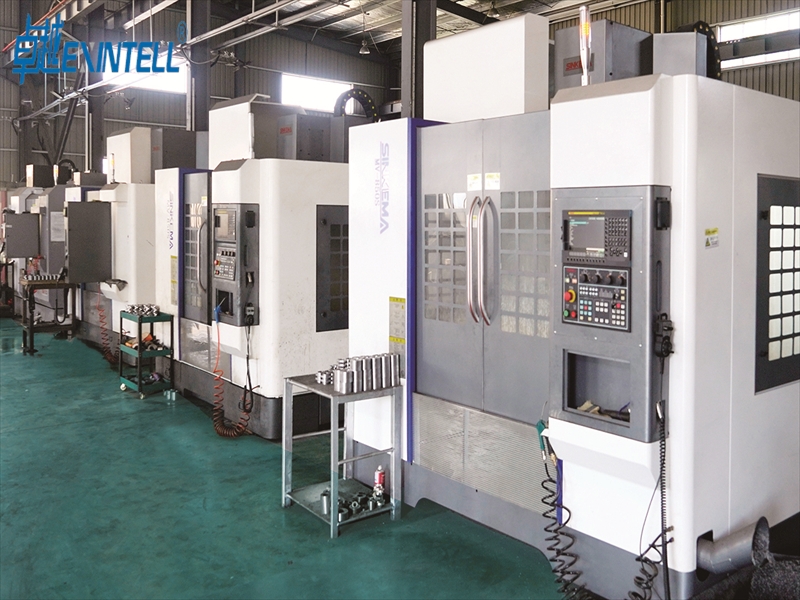
Industrial manufacturing facility with CNC machinery producing precision metal components for extrusion equipment
The Global Twin Screw Extruder Elements Factory Landscape: Who Makes What and Where
The manufacturing base for twin screw extruder elements is concentrated in several key regions, mid kasta oo leh faa'iidooyin tartan oo kala duwan:
Shiinaha: The Volume Leader
China hosts the largest number of twin screw extruder elements factories, primarily clustered in Nanjing (Gobolka Jiangsu), which is often called the "Extruder Capital" of the world. Nanjing-based factories such as Nanjing Jieya Extrusion Equipment Co., Nanjing Haisi Extrusion Equipment Co., and Nanjing Kerke Extrusion Equipment Co. supply screw elements globally. Chinese factories offer competitive pricing—inta badan 40–60% below European OEM equivalents—while increasingly matching quality through investments in CNC grinding centers (tusaale., Kapp Niles, Reishauer) and metallurgical testing labs. Iibsadayaasha jumlada, China remains the primary sourcing origin for cost-effective, high-volume orders.
Jarmalka: The Precision Benchmark
Pince A Extruder Germany is home to the original twin screw extruder OEMs—Coperion (Stuttgart), KraussMaffei Extrusion (Hannover), iyo Leistritz (Nuremberg). These companies manufacture proprietary screw elements with the tightest tolerances and premium metallurgy. German-made elements command price premiums of 2–4× over Chinese equivalents but are preferred for critical applications in pharmaceuticals, high-performance polymers, and food-contact extrusion where traceability and certification (FDA, EU 1935/2004) are mandatory.
Maraykanka: Growing Domestic Capacity
Soosaarayaasha fadhigoodu yahay Mareykanka sida Entek (Lubnaan, Oregon), Century Extrusion (Traverse City, Michigan), and CPM Extrusion Group supply both OEM and aftermarket screw elements. The reshoring trend, amplified by Section 301 tariffs on Chinese machinery components and the CHIPS and Science Act's broader manufacturing incentives, is encouraging domestic capacity expansion. Si kastaba ha ahaatee, US factories still represent a small fraction of global output.
Browse our complete catalog of twin screw extruder elements engineered for Coperion, Leistritz, JSW, and Berstorff shaft profiles. Twin Screw Extruder Machine Manufacturer
Trade Policy and Its Impact on Twin Screw Extruder Elements Sourcing
The transatlantic trade relationship between the United States and the European Union is the world's largest bilateral commercial partnership, iyadoo badeecooyinka iyo adeegyada ganacsigu dhaafo USD 1.3 trillion sanadkiiba sida uu qabo Xafiiska Wakiilka Ganacsiga ee Maraykanka (USTR) (2024 xogta). For B2B buyers of twin screw extruder elements, several policy dimensions are directly relevant:
Tariff Structure
Twin screw extruder elements typically fall under HS Code 8477.90 (qaybo ka mid ah mishiinada loogu talagalay caag ama caagadaha shaqada). The US MFN (Umadda Ugu Fadliga Badan) tariff rate for HS 8477.90 waa 3.1% for imports from EU member states. EU imports from the US face a comparable rate of 2.7% under the EU Common Customs Tariff. These relatively low tariff rates facilitate bilateral trade in extruder components.
Si kastaba ha ahaatee, when sourcing from China, US importers face an additional 25% Qaybta 301 tariff on HS 8477.90 goods, imposed since 2018 and maintained through. This tariff differential has reshaped sourcing strategies: some Jumlada Extruder US compounders now source screw elements from EU factories (particularly Germany and Italy) to avoid the China tariff, while others absorb the cost due to the significant base-price advantage of Chinese elements. Wholesale Lab Extruders
Habka Hagaajinta Xuduudka Kaarboon ee Midowga Yurub (CBAM)
The EU's CBAM, kaasoo galay wajigii kala guurka bishii Oktoobar 2023 oo si buuxda u shaqayn doona 2026, applies to imports of steel and aluminum—key raw materials for screw element production. A twin screw extruder elements factory exporting to the EU will need to report embedded carbon emissions, and eventually purchase CBAM certificates. This regulation, documented by the Komishanka Yurub – Taxation and Customs Union, adds compliance complexity and potential cost for non-EU manufacturers, particularly those in regions with carbon-intensive steel production.
Golaha Ganacsiga iyo Tignoolajiyada (TTC)
Tusmada ugu hooseysa ee TTC, lagu aasaasay 2021, has working groups on supply chain resilience and standards alignment. For industrial machinery components like screw elements, the TTC's efforts to harmonize technical standards (tusaale., shahaadooyinka alaabta, dulqaad cabbir) could reduce non-tariff barriers and facilitate cross-border procurement. The Maamulka Ganacsiga Caalamiga ah (ITA) provides regular updates on TTC progress.

Aerial view of a major European port with container ships and logistics infrastructure supporting international B2B trade
B2B Trade Opportunities for Twin Screw Extruder Elements in US and EU Markets
The convergence of several macro trends is creating substantial B2B opportunities for twin screw extruder elements factories serving the US and EU:
Fursad 1: Plastics Recycling Mandates
Dispermat Mixer The EU's Packaging and Packaging Waste Regulation (PPWR), lagu korsaday 2024, amraya waxa ugu yar ee dib loo warshadeeyay ee bacaha balaastiga ah—30% by 2030 iyo 65% by 2040. Gudaha Maraykanka, states like California (SB 54), New Jersey, and Oregon have enacted extended producer responsibility (EPR) laws with recycled content requirements. Mechanical recycling Single Screw Extruder Slideshare relies heavily on twin screw extruders for recompounding, and the wear rate on screw elements processing recycled feedstock (which contains contaminants, buuxinta, and mixed polymers) is 2–3× higher than virgin material processing. This accelerates the replacement cycle and increases demand for wear-resistant screw elements from specialized factories.
Fursad 2: Soo Bixinta Kulul-Dhalaal ee Dawooyinka
FDA iyo EMA waxay ansixiyeen tirada sii kordheysa ee alaabta dawooyinka ee lagu soo saaray bacriminta-kulul-kulul (HME). According to a 2024 review in the International Journal of Pharmaceutics, dhaaftay 30 commercial drug products now use HME technology. Pharmaceutical-grade screw elements require specialized surface treatments (tusaale., electropolishing to Ra ≤ 0.4 µm), shahaadooyinka alaabta (316L stainless steel or Hastelloy), and full traceability documentation. This high-margin niche favors factories with ISO 13485 or equivalent quality systems.
Fursad 3: Gaadhiga Korontada (EV) Battery Materials
Twin screw extruders are increasingly used for continuous mixing of cathode and anode slurries in lithium-ion battery production—a process called "dry electrode" wax soo saarka. With the EU Battery Regulation (2023) and the US Inflation Reduction Act (IRA) driving massive investments in domestic battery production, demand for specialized screw elements (corrosion-resistant, high-torque designs) is emerging as a new growth vector. Blender Extrude A Curve
Loolan 1: Xaqiijinta tayada ee Miisaanka
B2B buyers sourcing from overseas twin screw extruder elements factories face quality verification challenges. Dimensional accuracy, metallurgical composition, and heat treatment consistency can vary between batches. Mitigation strategies include requiring material test certificates (IN 10204 3.1), conducting pre-shipment inspections via third-party agencies (SGS, Xafiiska Veritas), and requesting sample elements for fit-testing before committing to volume orders.
Loolan 2: Welwelka Hantida Caqliga
OEM screw element designs are often proprietary, with specific involute profiles, tip angles, and flight geometries. Aftermarket factories that reverse-engineer these designs operate in a legal gray area. B2B buyers should ensure their supplier has legitimate design rights or is producing to openly published specifications to avoid IP infringement risks, particularly when importing into the US (where ITC Section 337 investigations can block infringing goods at the border).
Learn more about our quality inspection process for twin screw extruder elements and how we ensure batch-to-batch consistency.
Geographic and Policy Advantages Enabling B2B Trade in Extruder Components
The US and EU benefit from several structural advantages that facilitate B2B trade in industrial components like twin screw extruder elements:
Kaabayaasha saadka: The transatlantic shipping corridor is among the world's most efficient. Dekadaha waaweyn—Rotterdam (Europe's largest), Hamburg, Antwerp-Bruges on the EU side; Los Angeles/Long Beach, Savannah, and Newark on the US side—Bixi badmaaxyo joogto ah oo leh 10 waqti oo ku-meel-gaar ah–18 maalmo. Containerized shipping costs for machinery parts have normalized post-pandemic, with spot rates on the Asia-Europe and Asia-US routes declining 70–80% ka 2022 peaks according to the Drewry World Container Index (May ).
Is waafajinta sharciyeed: Both the US and EU maintain robust industrial standards ecosystems. Screw elements manufactured to DIN, ISO, or ASTM standards are broadly interchangeable in specification language, reducing technical barriers. The mutual recognition of calibration certificates (ILAC MRA) and testing laboratory accreditations (ISO/IEC 17025) further streamlines cross-border quality assurance.
Trade finance and payment security: wax kala iibsigu waxay ka faa'iidaystaan agabka maaliyadeed ee ganacsiga ee qaan gaarka ah—waraaqaha credit, ururin dukumeenti ah, iyo caymiska daynta ganacsiga (Euler Hermes, Coface, Markuu ogaaday)—that reduce counterparty risk. This is a significant advantage compared to sourcing from regions with less developed financial infrastructure.
Free Trade Zones and bonded warehousing: Labada Maraykan (Foreign Trade Zones program, administered by the ITA) iyo Midowga Yurub (Free Zones under the Union Customs Code) allow importers to defer or reduce duties on components held in inventory, improving cash flow for distributors who stock screw elements for rapid delivery.
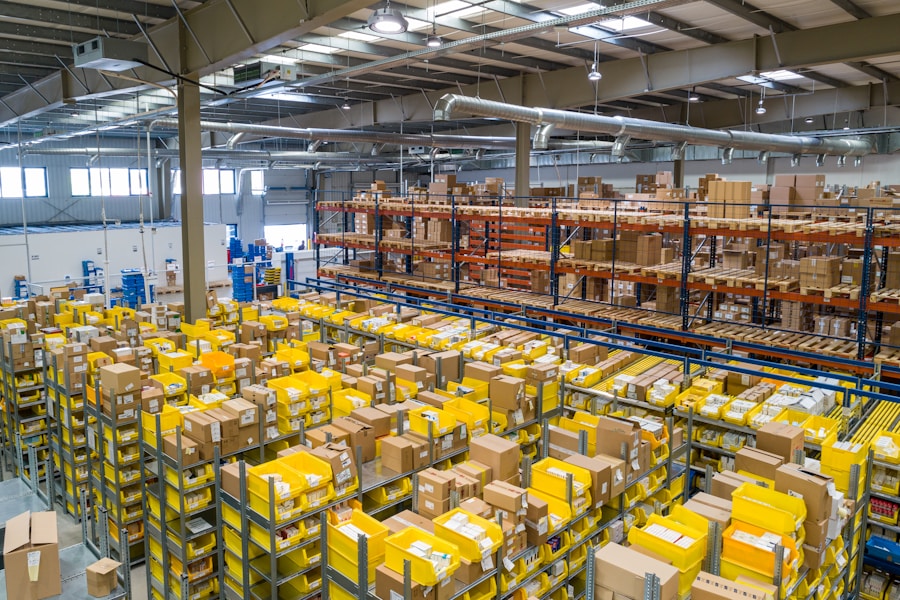
Modern warehouse logistics center with organized inventory shelving for industrial B2B component distribution
Daraasad Kiis: How B2B Enterprises Succeed in the Twin Screw Extruder Elements Market
Kiis 1: A Nanjing-Based Factory Expanding into the EU Aftermarket
A mid-sized twin screw extruder elements factory in Nanjing, employing approximately 120 workers and operating 15 CNC profile grinding machines, recognized that its domestic market was becoming saturated with price competition. Gudaha 2023, the company pivoted to target the European aftermarket by:
- Obtaining ISO 9001:2015 certification and investing in a coordinate measuring machine (CMM) waayo 100% kormeer cabbir.
- Developing screw element profiles compatible with Coperion ZSK, Leistritz ZSE, and Berstorff ZE series extruders—the three most common platforms in European compounding plants.
- Partnering with a logistics provider to offer DDP (Waajibka la Bixiyay) pricing to EU customers, simplifying the procurement process.
- Attending K Fair (Düsseldorf, October cycle) and Chinaplas to build direct relationships with European compounders.
Gudaha 18 bilo, the factory grew its EU revenue from near-zero to approximately 25% ee wadarta iibka, with key accounts in Germany, Poland, and Italy. The company's success hinged on matching OEM dimensional accuracy while offering 45–55% cost savings and 4-week lead times (vs. 8–12 weeks from OEMs).
Kiis 2: A US Distributor Building a Dual-Source Supply Chain
A specialty industrial distributor based in Houston, Texas, serving the US Gulf Coast petrochemical corridor, historically sourced screw elements exclusively from a single German OEM. When lead times extended to 16 weeks during the 2021–2022 supply chain crisis, the distributor nearly lost key accounts. In response, the company:
- Qualified a second source—a Chinese twin screw extruder elements factory—for standard conveying and kneading elements (qiyaastii 70% of demand by volume).
- Maintained the German OEM relationship for specialized elements (tusaale., pharmaceutical-grade, high-alloy compositions) where certification and traceability justified the premium.
- Established a bonded warehouse in a US Foreign Trade Zone near the Port of Houston, holding 90-day safety stock of fast-moving element sizes.
- Implemented a digital inventory management system allowing customers to check stock availability and place orders online.
This dual-source strategy reduced average lead times to 3–5 days for stocked items and 4–6 weeks for custom orders, while reducing procurement costs by approximately 30% on standard elements. The distributor's revenue grew 40% sanadba sanadka ka dambeeya 2024, according to the company's published case study.
Kiis 3: An Italian Manufacturer Leveraging Niche Expertise
A family-owned precision machining company near Brescia, Talyaaniga—a region renowned for metalworking—transitioned from general CNC machining to specialized twin screw extruder element production in 2019. The company differentiated by:
- Focusing exclusively on high-performance alloys: PM (powder metallurgy) biraha qalabka, tungsten carbide composites, and nickel-based superalloys for corrosive applications.
- Offering in-house PVD (Physical Vapor Deposition) coating services (TiAlN, CrN) to extend element wear life by 3–5×.
- Providing engineering consultation—analyzing customers' extrusion processes and recommending optimized screw configurations.
By 2024, the company had built a client base spanning 14 EU countries and was exporting to the US, commanding prices comparable to German OEMs but with faster turnaround (3–4 weeks vs. 8–12 toddobaadyo). This case illustrates how a twin screw extruder elements factory can compete on value rather than price.
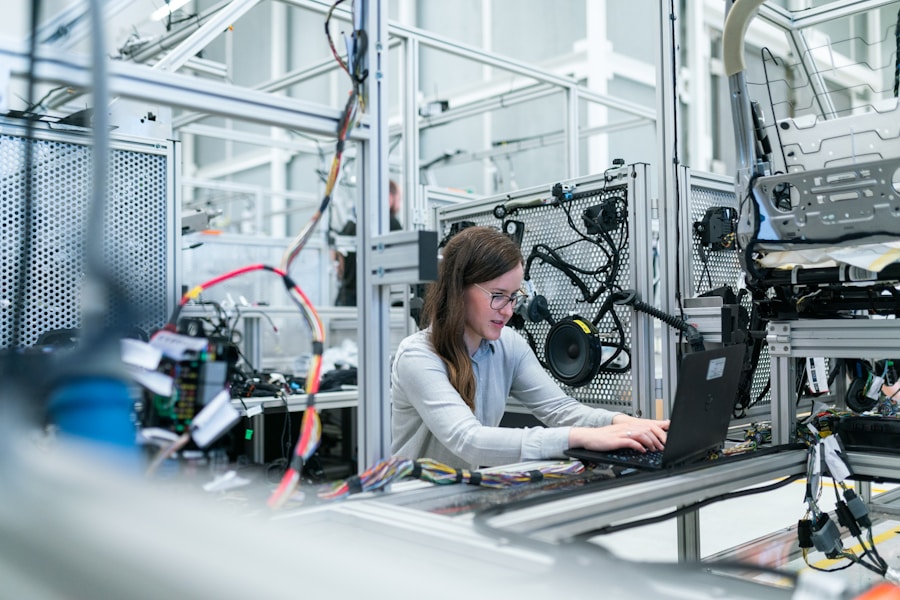
Engineer inspecting precision-machined metal components in a modern manufacturing facility with quality control equipment
Trade Forecasts for Twin Screw Extruder Elements: Q3–Q4 Muuqaalka
Iyada oo ku saleysan calaamadaha suuqa ee hadda jira, horumarinta siyaasadda, iyo xogta warshadaha, the following trends are expected to shape the twin screw extruder elements factory sector over the next 1–2 bilo iyo soo daahay:
Forecast 1: Tariff Volatility Will Persist
Deegaanka siyaasadda ganacsiga ee Maraykanku waa mid firfircoon. Laga bilaabo bartamihii-, Qaybta 301 tariffs on Chinese machinery components (25%) remain in effect, and there is no indication of imminent reduction. Intaa waxaa dheer, the US administration has signaled potential adjustments to tariff rates on EU steel and aluminum under Section 232, which could indirectly affect screw element pricing if raw material costs shift. B2B buyers should build tariff scenario planning into their procurement models. The Kastamka Maraykanka iyo Ilaalinta Xuduudaha (CBP) CROSS rulings database is the authoritative source for HS classification guidance.
Forecast 2: EU CBAM Compliance Will Become a Competitive Differentiator
As the EU CBAM transitions from reporting-only to certificate-purchase requirements (2026), twin screw extruder elements factories that can demonstrate low-carbon steel sourcing and provide verified emissions data will gain a competitive edge in the EU market. Factories in countries with clean electricity grids (tusaale., Scandinavia, Faransiiska) or those using electric arc furnace (EAF) steel will be advantaged. Chinese factories relying on blast furnace steel may face CBAM surcharges equivalent to 5–15% of product value, partially eroding their price advantage.
Forecast 3: Consolidation in the Aftermarket Segment
The twin screw extruder elements aftermarket is fragmented, with hundreds of small factories globally. Industry analysts expect consolidation through M&A activity, as larger players (tusaale., Coperion/Hillenbrand, CPM/IDEX) seek to capture aftermarket revenue and smaller factories face margin pressure. B2B buyers should monitor supplier financial stability and consider long-term supply agreements with well-capitalized factories.
Forecast 4: Digital Procurement Will Accelerate
B2B e-commerce platforms (Alibaba, ThomasNet, Europeges) are increasingly used for initial supplier discovery in the screw elements space. Si kastaba ha ahaatee, the trend is moving toward configurator-based ordering—where buyers select extruder model, shaft diameter, element type, and material online, receive instant pricing, and place orders digitally. Factories that invest in digital sales infrastructure will capture a growing share of the market, particularly among mid-sized compounders who lack dedicated procurement teams.
Forecast 5: Recycling-Driven Demand Surge
With the EU PPWR implementation timeline accelerating and major brand owners (Nestlé, Unilever, P&G) committing to recycled content targets, the installed base of recycling extruders in Europe is expected to grow 15–20% annually through 2027, per Dib u warshadaynta caagagga Yurub qiyaasaha. Each new extruder installation represents a recurring screw element replacement opportunity, and the abrasive nature of recycled feedstock ensures high replacement frequency.

Industrial plastics recycling facility with extrusion machinery processing post-consumer materials
Material Science and Wear Protection: Safeguarding Performance and Operator Safety
The performance and longevity of twin screw extruder elements are fundamentally determined by material selection and surface engineering. Iibsadayaasha B2B, understanding these factors is critical to optimizing total cost of ownership and ensuring safe, reliable operations. Twin-Screw Extruders Factory
Base Material Options
A professional twin screw extruder elements factory typically offers multiple material grades:
- Birta Nitrided (38CrMoAlA): The workhorse material for general-purpose compounding. Nitriding creates a hard surface layer (900–1100 HV) while maintaining a tough core. Cost-effective for non-abrasive applications.
- Tool steel (W6Mo5Cr4V2 / AISI M2): High-speed steel offering superior wear resistance for moderately abrasive compounds (carbonate calcium, talc-filled polymers). Hardness after heat treatment: 62–65 HRC.
- Biraha budada (PM) bir (CPM 9V, CPM 10V): Produced by hot isostatic pressing, PM steels offer uniform carbide distribution and exceptional abrasion resistance—3–5× the wear life of conventional tool steels. Preferred for glass fiber-reinforced compounds.
- Nickel-based alloys (Hastelloy C-276, Inconel 625): For corrosive applications—processing fluoropolymers, PVC with aggressive stabilizer packages, or reactive extrusion with acidic byproducts.
- Tungsten carbide composites (HIP-clad): The ultimate wear solution for highly abrasive applications. Tungsten carbide particles in a metallic matrix provide hardness exceeding 1500 HV. Used in recycling applications where contaminated feedstock causes extreme wear.
Surface Treatment Technologies
Beyond base material selection, surface treatments extend element life and improve process performance:
- PVD coatings (TiN, TiAlN, CrN): Thin-film coatings (2–5 µm) applied at low temperatures, preserving substrate properties. TiAlN coatings offer oxidation resistance to 800°C, suitable for high-temperature engineering polymer processing.
- Plasma nitriding: A controlled nitriding process producing a uniform, deep hardened layer without the "white layer" defects common in gas nitriding. Preferred for food-contact applications where surface integrity is critical.
- Chrome plating (hard chrome): Traditional surface treatment offering good corrosion resistance and moderate wear protection. Being phased out in the EU due to REACH restrictions on hexavalent chromium (Cr6+), with HVOF (High Velocity Oxy-Fuel) thermal spray coatings emerging as the replacement.
- Laser cladding: Additive manufacturing technique depositing wear-resistant alloy layers (Stellites, Colmonoy) on element surfaces. Enables localized reinforcement of high-wear zones (tusaale., kneading block tips) without treating the entire element.
Operator Safety Considerations
While twin screw extruder elements themselves are internal components, their condition directly impacts operational safety:
- Worn elements increase energy consumption: Degraded screw profiles reduce pumping efficiency, requiring higher motor torque and increasing energy costs by 10–25%. Monitoring specific energy consumption (kWh/kg) is a key indicator for element replacement timing.
- Metal contamination risk: Severely worn elements can shed metal particles into the product stream—a critical concern in food and pharmaceutical applications. Regular element inspection and proactive replacement prevent contamination events that could trigger product recalls.
- Shaft damage prevention: Worn elements with loose fits on the shaft can cause fretting corrosion and shaft damage. Shaft replacement costs 10–50× the cost of a single element, making timely element replacement a cost-effective maintenance strategy.
- Process stability: Consistent element geometry ensures stable melt temperature, cadaadis, and output rate. Worn elements cause process variability, leading to off-spec product and potential safety issues in downstream operations (tusaale., inconsistent wall thickness in extruded pipe).
A responsible twin screw extruder elements factory provides detailed wear guidelines, recommended replacement intervals based on application type, and technical support for screw configuration Extruded Pvc Type A optimization. B2B buyers should evaluate suppliers not just on element price, but on the total value proposition including technical service, wear data, and application engineering support.
Plastic Extrusion Companies Manufacturer Access our screw element wear and replacement guide for detailed maintenance recommendations by application type.

Close-up of precision-engineered metal components showing surface treatment and quality finishing for industrial applications
Selecting the Right Twin Screw Extruder Elements Factory: A B2B Buyer's Checklist
For procurement professionals evaluating a twin screw extruder elements factory, Shuruudaha soo socdaa waa inay hagaan xulashada alaab-qeybiyaha:
- Profile compatibility: Confirm the factory can produce elements matching your specific extruder shaft profile (spline geometry, OD/ID dimensions). Request sample elements for fit-testing.
- Material certifications: Require EN 10204 Nooca 3.1 material test certificates for every batch. Codsiyada xiriirka cuntada, verify FDA 21 CFR or EU 1935/2004 u hoggaansanaanta.
- Dimensional inspection capability: The factory should operate calibrated CMMs (isku xidhka mishiinada cabbiraadda) and provide inspection reports with each shipment. Request Cpk data for critical dimensions.
- Heat treatment control: Verify the factory has in-house or certified heat treatment facilities with temperature uniformity surveys (per AMS 2750 ama u dhigma).
- Tirada dalabka ugu yar (MOQ) dabacsanaan: Wholesale buyers need volume pricing, but also the ability to order small quantities of specialized elements. Evaluate the factory's MOQ policy across its product range.
- Lead time reliability: Request historical on-time delivery data. A factory with 95%+ OTD (on-time delivery) performance demonstrates operational discipline.
- Technical support: The best factories offer screw design consultation, xidhashada falanqaynta, and process optimization support—not just component supply.
- U hoggaansanaanta ganacsiga: For cross-border procurement, verify the factory's experience with export documentation, HS classification, and destination-country regulatory requirements.
Request a quote from our factory and receive a detailed proposal including material options, waqtiyada hogaanka, and volume pricing within 24 saacadood.
Logistics and Shipping Best Practices for Twin Screw Extruder Elements
Twin screw extruder elements are dense, precision-machined metal components that require careful handling during international shipping:
- Baakadaha: Individual elements should be wrapped in VCI (Vapor Corrosion Inhibitor) paper or film, then placed in compartmentalized wooden crates. Kneading blocks and mixing elements with protruding features require custom foam inserts to prevent contact damage.
- Shipping mode: For standard orders, LCL (In ka yar rarka konteenarada) ocean freight is cost-effective. For urgent orders or high-value pharmaceutical-grade elements, air freight is justified. A typical set of screw elements for a 40mm–90mm extruder weighs 50–300 kg, making air freight feasible.
- Incoterms: B2B buyers should negotiate FOB (Boodhka oo bilaash ah) ama CIF (Qiimaha, Caymiska, Xamuulka) terms for ocean shipments. DDP (Waajibka la Bixiyay) simplifies the process for buyers unfamiliar with import procedures but typically costs 5–10% more.
- Caymiska: Marine cargo insurance (Institute Cargo Clauses A—all risks) is recommended for precision components. The cost is typically 0.3–0.5% of declared value.
- Customs documentation: Ensure the commercial invoice includes accurate HS codes (8477.90.XX), material composition, country of origin, and unit values. Incorrect documentation causes customs delays and potential penalty assessments.
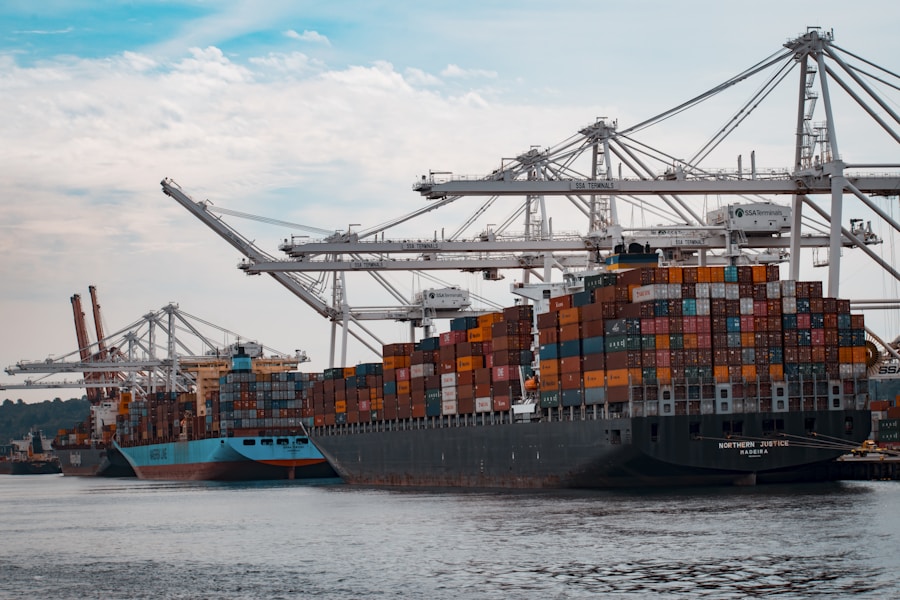
Container port with cargo ships and cranes facilitating global B2B trade logistics for industrial components
Industry Standards and Certifications Relevant to Twin Screw Extruder Elements
Twin Screw Extruder Elements Wholesale: Buuxi Hagaha Isha ee B2B… · Twin Screw Extruder Gearbox Falanqaynta Ganacsiga Soo Saaraha, Isbeddellada Suuqa… · Twin Screw Extruder Gearbox Supplier: Complete B2B Sourcing Guide for T…