

Soo saarista caaga ah ama qaabaynta duritaanka taasoo bixisa saxnaan ka wanaagsan
Waxaan ogaaday in qaabaynta cirbaddu ay keenayso saxsanaan ka wanaagsan iyo dulqaad ka adag Soo saarista caaga ah. Tusaale ahaan, qaabeynta duritaanka waxay gaari kartaa dulqaad si aad u adag sida ± 0.005 inji, halka extrusion caadi ahaan uu hayo ± 0.010 inches. Halkan waxaa ah isbarbardhigga habraaca ku salaysan codsiyada caadiga ah iyo dulqaadka:
| Nooca Codsiga | Habka loo Isticmaalay | Dulqaadyada Guud |
|---|---|---|
| Dheer, qaybo lebbisan (tusaale., tuubooyinka, ulo) | Soo saarid | ± 0.010 inji |
| Qaybo adag ama faahfaahsan | Qaabaynta Durida | ± 0.005 inji ama ka sii adag |
| Mugga sare, saxnaanta sare | Qaabaynta Durida | Ka sii adag ka saarista |
| Sii socota, qaabab fudud | Soo saarid | Joogta ah, sax yar |
Markaad dooranayso habka wax soo saarka, Had iyo jeer waxaan tixgelinayaa joomatari, dulqaad loo baahan yahay, mugga wax soo saarka, iyo kharashka.
Qaadashada Furaha
- Qaabaynta cirbadeynta waxay gaartaa dulqaad adag, inta badan sida saxda ah ± 0.005 inches, taasoo ka dhigaysa mid ku habboon qaybo kakan.
- Ka saarista caaga ah ayaa ugu fiican muddo dheer, qaababka isku midka ah sida tuubooyinka iyo ulo, oo leh dulqaad ku dhawaad ± 0.010 inji.
- Tixgeli mugga wax-soo-saarka markaad dooranayso habka; qaabaynta cirbada waa kharash-ku-ool ah orodyada waaweyn, halka extrusion ku habboon tahay wax soo saarka joogtada ah mugga sare.
- Xulashada alaabta waxay saamaysaa saxnaanta; dooro alaabta ku salaysan shuruudaha gaarka ah ee codsigaaga.
- Qiimee kakanaanta qaybta; qaabaynta cirbaddu waxay gacanta ku haysaa naqshado adag oo ka fiican extrusion, kaas oo ku kooban qaababka fudud.
- Tayada dhamaystirka dusha sare ayaa guud ahaan ku fiican qaabaynta duritaanka, taasoo horseedaysa qaybo siman oo aan lahayn tillaabooyin dhammaystiran oo dheeri ah.
- Qorshayso kharashyada qalabaynta; qaabeynta cirbaddu waxay u baahan tahay maalgashi bilaw ah oo sarreeya laakiin waxay bixisaa kayd waqti-dheer iyada oo loo marayo dib-u-celin.
- Had iyo goor hore u qiimee baahiyaha mashruucaaga; fahamka joomatari, dulqaadasho, iyo miisaaniyadu waxay ka caawisaa xulashada habka saxda ah ee wax soo saarka.
Dulmarka Balaastigga
Aasaaska Habraaca
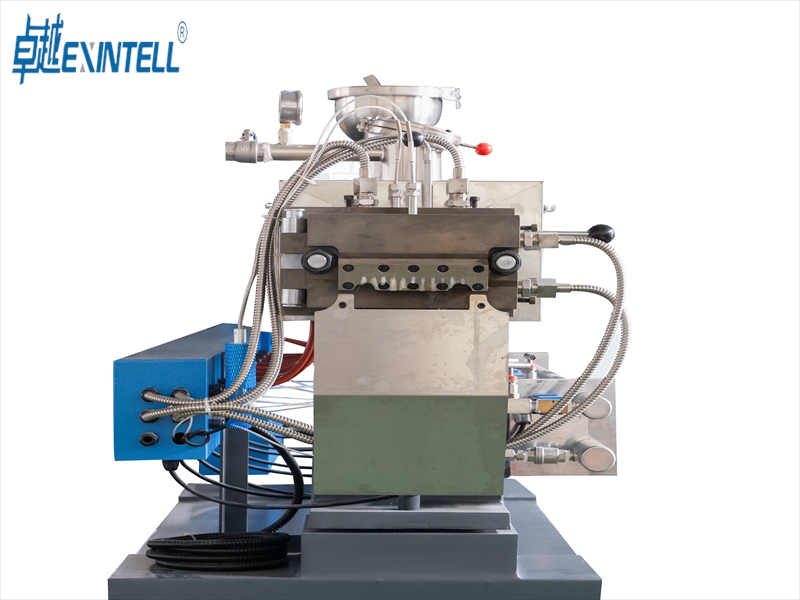
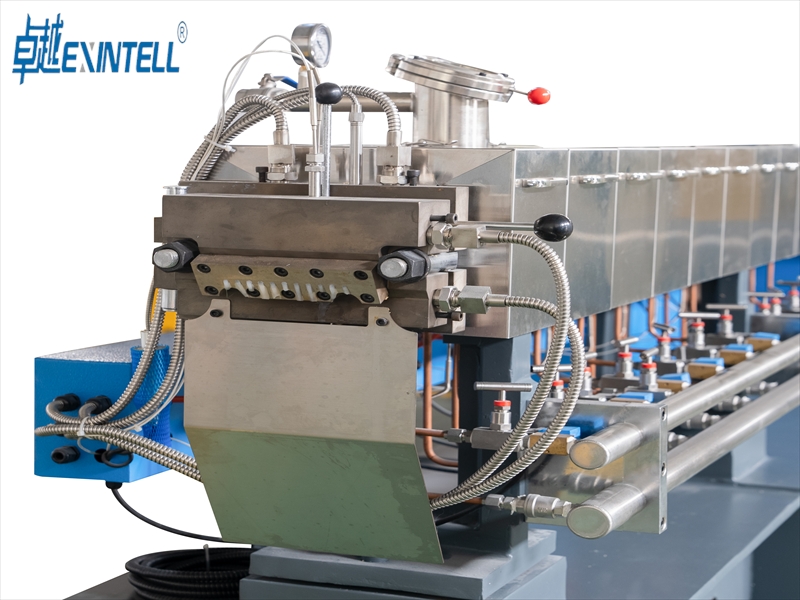
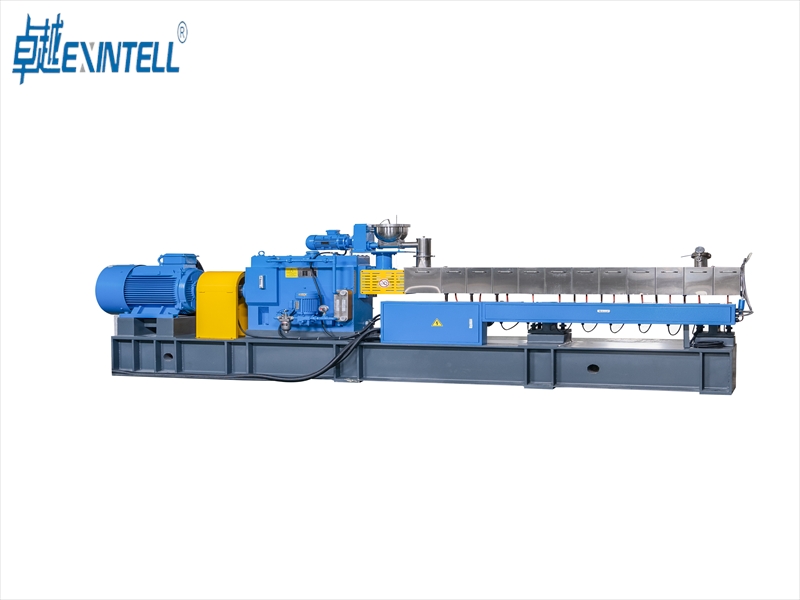
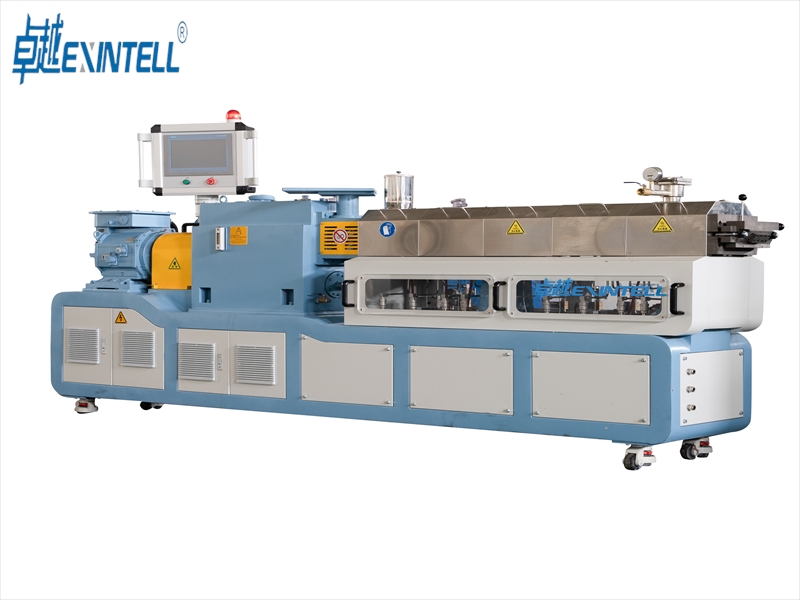
waan la shaqeeyay extrusion caag ah muddo sanado ah oo ay arkeen sida habkani u qaabeeyo qalabka thermoplastic galay profiles joogto ah. Habka extrusion wuxuu ka bilaabmaa xulashada alaabta, taas oo muhiim u ah gaaritaanka hantida la rabo ee alaabta kama dambaysta ah. Waxaan ku shubaa pellets balaastiig ah ama granules gasha hopper ka kor saaraysa. Mashiinku waxa uu isticmaalaa fur-wareejin si uu alaabta u dhex mariyo foosto kulul. Sida maaddadu u socoto, waxay ku dhalaashaa is jiid jiid iyo kulayl dibadda ah awgeed. Caagga dhalaalay ayaa markaas maraaya dhinta qaabaysan oo sax ah, kaas oo siinaya badeecada muuqaalkeeda. Ka dib markii la sameeyo, qaabka extruded galay nidaamka qaboojinta, badiyaa hawo ama biyo lagu qubeysto, si loo adkeeyo loona ilaaliyo saxnaanta cabbirka. Ugu dambeyntii, Waan gooyay ama rogrogay alaabta, iyadoo ku xiran codsiga. Habkan tallaabo-tallaabo ah ayaa ii ogolaanaya inaan abuuro muddo dheer, qaabab isku mid ah oo leh qaybo isdhaaf ah oo joogto ah.
Codsiyada caadiga ah
Soo saarista balaastikada ayaa door muhiim ah ka ciyaarta warshado badan. Inta badan waxaan arkaa in loo isticmaalo baakadaha, baabuur, alaabta guriga, iyo alaabta la isticmaalo. Nidaamku wuxuu soo saaraa noocyo kala duwan oo badeecooyin ah, laga bilaabo tuubooyinka fudud ilaa profiles adag. Halkan waxaa ah shax soo koobaya qaar ka mid ah codsiyada caadiga ah:
| Warshadaha | Alaabta |
|---|---|
| Baakadaha | Filimada, go'yaal, bacaha, duubto, saxaarad, iyo koobab |
| Baabuur | Xirmooyinka cimilada, tuubo caag ah, jar profiles |
| Alaabta guriga & Alaabta Macmiilka | cirifka cirifka, daahyada, looxyada xumbo ee PVC fudud |
| Guriga Qalabka | Qabashada, xirmooyinka foornooyinka iyo microwaves |
| Tuubooyinka & Caafimaad | Tuubooyinka, tuubooyinka |
Waan helay taas extrusion caag caadadii Waxay u ogolaataa soosaarayaasha inay naqshadeeyaan muuqaallo gaar ah oo loogu talagalay baahiyaha gaarka ah. Dabacsanaantu waxay ka dhigaysaa extrusion doorasho caan ah oo joogto ah, wax soo saarka mugga sare.
Agabka la isticmaalo
Doorashada alaabta ku jirta balaastigga caagga ah waxay saameyneysaa labadaba habka iyo saxnaanta alaabta ugu dambeysa. Inta badan waan isticmaalaa polypropylene, terephthalate polyetylen, iyo polystyrene. Qalabkani waxay bixiyaan sifooyin kala duwan, sida dabacsanaanta, xoog, iyo hufnaan. Sida aan u diyaariyo, dhalaali, oo qaboojiso alaabtu waxay saameyn toos ah ku leedahay saxnaanta iyo joogtaynta qaybaha la soo saaray. Waa kuwan qaar ka mid ah qalabka ugu caansan ee aan isticmaalo:
- Polypropylene (PP)
- Polyethylene terephthalate (PET)
- Polystyrene (PS)
- Polyvinyl chloride (PVC)
- Cufnaanta sare ee polyetylen (HDPE)
- Cufnaanta hoose ee polyetylen (LDPE)
- Acrylonitrile butadiene styrene (ABS)
- Elastomers Thermoplastic (TPE)
- Nayloon (PA)
- Polycarbonate (PC)
- Polymethyl methacrylate (PMMA)
Marka aan ka shaqeeyo mashaariicda extrusion caag ah oo caado ah, Had iyo jeer waxaan u dhigmaa agabka shuruudaha codsiga. Xulashadan taxaddar leh waxay hubisaa in alaabtu ay la kulanto labadaba waxqabadka iyo heerarka saxda ah.
Faa'iidooyinka iyo khasaaraha
Marka aan qiimeeyo extrusion balaastikada mashruuca, Had iyo jeer waxaan miisaamaa faa'iidooyinka iyo khasaaraha. Habkani wuxuu bixiyaa awoodo gaar ah, laakiin sidoo kale waxay la timaadaa xaddidaadyo saameeya saxnaanta iyo dulqaadka.
Waa kan a shaxda soo koobaysa faa'iidooyinka iyo khasaaraha ugu waaweyn Waxaan u fiirsaday shaqadayda:
| Faa'iidooyinka | Khasaaro |
|---|---|
| Waxtarka sare iyo miisaanka | Xaddidaadda soo saarista qaabab adag |
| Mugga wax soo saarka sare | Caqabadaha leh bararka dhimashada ee saameeya saxnaanta |
| Qiimaha-wax-ku-oolnimada ee mugga dhexdhexaadka ah iyo kuwa sarreeya | Cilladaha dusha sare ee suurtagalka ah ee u baahan dhamaystir |
Faa'iidooyinka
Waxaan inta badan doortaa extrusion caag ah waxtarkeeda sare. Nidaamku si joogto ah ayuu u socdaa, taas oo macnaheedu yahay in aan soo saari karo qaybo dhaadheer oo aan kala go 'lahayn. Miisaankani wuxuu ka dhigayaa mid ku habboon dalabaadka waaweyn. Marka aan u baahdo in aan sameeyo kumanaan cagood oo tuubo ah ama profiles, extrusion waxay keenaysaa natiijooyin joogto ah. Qiimaha qayb kasta ayaa hoos u dhacaya marka mugga wax soo saarka uu kordho, sidaas darteed waxaan u arkaa inay tahay mid aad u kharash-ool ah mashaariicda dhexdhexaadka ah iyo kuwa sarreeya.
Faa'iido kale ayaa ah awoodda lagu abuurayo qaybo isku dhafan. Waxaan ilaalin karaa cabbirada joogtada ah ee dhererka qaybta, taas oo muhiim u ah codsiyada sida tuubooyinka ama daaqadaha. Nidaamku waxa kale oo uu taageeraa heerar kala duwan oo heerkulbeeg ah, markaa waxaan dooran karaa maaddooyinka u dhigma shuruudaha makaanikada iyo kiimikaadka ee sheyga kama dambaysta ah.
Khasaaro
Iyadoo ay taasi jirto, balaastiggu wuxuu leeyahay cillado. Nidaamku wuxuu la halgamayaa qaabab adag. Haddii qayb u baahan tahay tafaasiil adag ama geeso fiiqan, Waxaan u arkaa extrusion ku habboonayn. Balaastii dhalaalay waxay u egtahay inay bararto marka ay ka baxdo dhinta, dhacdo loo yaqaan geeri barar. Saamayntani waxay adkeyn kartaa in la gaaro dulqaad adag, gaar ahaan qaybaha u baahan cabbir sax ah.
Dhammaystirka dusha sare sidoo kale wuxuu noqon karaa arrin. Mararka qaarkood, Qaybaha la soo saaray waxay muujinayaan khadadka ama calaamadaha dhimashada. Waxaan badiyaa u baahanahay inaan ku daro tillaabooyin dhammayneed oo labaad, sida jarista ama turxaan bixinta, si loo hagaajiyo muuqaalka iyo la kulmo heerarka tayada. Talaabooyinkan dheeriga ah waxay kordhin karaan wakhtiga iyo kharashka labadaba.
Talo: Waxaan had iyo jeer ku talinayaa in dib loo eego joomatari qaybta iyo dulqaadka loo baahan yahay ka hor inta aan la dooran extrusion. Haddii nashqaduhu fudud yahay oo amarku weyn yahay, extrusion caadi ahaan waxay bixisaa qiimaha ugu fiican.
Dulmarka Qaabaynta Durida
Aasaaska Habraaca
Waxaan sanado ku qaatay ka shaqaynta cirbadaynta, waxaanan u arkaa habka mid soo jiidasho leh oo hufan. Habka wuxuu isticmaalaa caaryada, Kaas oo u qaabeeya balaastiig dhalaalaysa qaabab sax ah. Had iyo jeer waxaan raacaa tillaabooyin taxane ah si aan u hubiyo in qayb kastaa buuxisay heerarka tayada adag. Waa kan sida aan u wajahayo habka qaabaynta duritaanka:
- Isku dhufashada: Waxaan si adag u xiraa caaryada si aan isugu diyaariyo tallaabooyinka xiga.
- Duritaan: Waxaan isku duraa kulayl, balaastiig dhalaalay godka caaryada.
- Hoyga: Waxaan u daayay balaastiiggu inay fariisato gudaha caaryada muddo gaaban si ay u buuxiso meel kasta.
- Qaboojin: Caagtu way qaboojisaa wayna adkaataa marka ay gudaha caaryada ku jirto.
- Furitaanka caaryada: Waxaan furayaa caaryada ka dib marka qaybtu qaboojiso.
- Ka saarid: Waxaan ka saarayaa qaybta dhammaatay ee caaryada.
Wareeggani si dhakhso ah ayuu u soo noqnoqdaa, taas oo ii ogolaanaysa in aan soo saaro tiro badan oo qaybo isku mid ah. Waxaan ku tiirsanahay qaabaynta cirbadeynta markaan u baahdo qaabab adag, faahfaahin fiican, iyo dhamaystir tayo sare leh. Nidaamku wuxuu i siinayaa xakameyn heer sare ah oo ku saabsan cabbirka iyo muuqaalka kore.
Ogow: Had iyo jeer waxaan si dhow ula socdaa heerkulka iyo cadaadiska inta lagu jiro qaabaynta cirbadeynta. Qodobbadani waxay saameeyaan saxnaanta iyo joogteynta qaybta ugu dambeysa.
Codsiyada caadiga ah
Qaabaynta cirbaddu waxay door muhiim ah ka ciyaartaa warshado badan. Waxa aan u isticmaalay habkan si aan u abuuro qaybo baabuurta, caafimaad, qalabka elektarooniga ah ee macaamiisha, iyo qaybaha baakadaha. Kala duwanaanshaha qaabaynta duritaanka waxay ii ogolaataa inaan soo saaro qaybo fudud oo aadka u adag labadaba. Halkan waxaa ah shax soo koobaya qaar ka mid ah codsiyada caadiga ah:
| Warshadaha | Alaabooyinka La Soo Saaray |
|---|---|
| Baabuur | Qaybo iyo qaybo kala duwan |
| Caafimaad | Guryaha aaladaha, qalabka qalliinka |
| Macmiilka Elektarooniga ah | Kiisaska, badhamada, iyo qaybo kale |
| Baakadaha | Koofiyadaha dhalada, weelasha |
Inta badan waxaan sameeyaa alaabta sida muraayadaha indhaha, koofiyadaha dhalada, iyo qaybo mug sare leh oo leh joomateriyo adag. Qaabaynta cirbaddu waxay iga caawisaa inaan keeno natiijooyin joogto ah, xataa mashaariicda dalbanaya.
Agabka la isticmaalo
Xulashada maadada ayaa muhiim u ah qaabeynta duritaanka. Waxaan doortaa alaabta ku saleysan xoogga loo baahan yahay, dabacsanaan, iyo saxnaanta. Qaybaha saxda ah ee saxda ah, Waxaan doorbidayaa polymers leh hoos u dhac iyo lebis, socodka dhalaalka deggan, iyo caabbinta kulaylka wanaagsan. Qaar ka mid ah kuwa ugu alaabta caadiga ah Waxaan isticmaalaa ka mid ah:
- ABS: Waxay bixisaa adkeysi, dusha sare oo siman, iyo iska caabbinta saamaynta.
- Polypropylene: Waxay bixisaa iska caabin kiimikaad, dabacsanaan, iyo in la awoodi karo.
- Polycarbonate: Waxay keentaa caddayn sare, xoog, iyo iska caabinta kulaylka.
- Polyethylene: Fududeeya oo u adkaysta qoyaanka.
- Nayloon: Xoog lagu yaqaan, xidho iska caabin, iyo xasiloonida kulaylka.
- DAAWO: Kuleyl gaar ah, kiimiko, oo xidho iska caabin.
Marka aan u baahanahay xitaa dulqaad adag, Waxaan u jeestay polymers-fasalka injineernimada. Qalabka sida dareeraha crystal polymer (LCP), Polyether ketone (DAAWO), iyo acetal (POM) i sii xasillooni cabbir heersare ah iyo hoos u dhac yar. Tusaale ahaan, Waxaan u isticmaalaa LCP xirayaasha korantada iyo qaybaha dareemayaasha, halka PEEK ay si fiican ugu shaqeyso beeraleyda caafimaadka iyo qaybaha hawada sare. Polycarbonate waa doorashadayda muraayadaha iyo qaybaha indhaha sababtoo ah caddaynteeda iyo xooggeeda.
Talo: Had iyo jeer waxaan u dhigmaa agabka baahida codsiga. Doorashada saxda ah waxay hubisaa in habka qaabaynta duritaanka uu keeno saxnaanta iyo waxqabadka labadaba.
Faa'iidooyinka iyo khasaaraha
Waxaan ka shaqeeyay qaabaynta cirbadeynta sanado badan. Nidaamkani wuxuu bixiyaa faa'iidooyin dhowr ah oo ka dhigaya doorashadayda aan doorbido qaybaha balaastiga ah ee saxda ah. Waxaan rabaa inaan wadaago labada awoodood iyo xaddidaadyada aan arkay.
Faa'iidooyinka Dubitaanka Durida
- Waxaan ku gaari karaa saxnaanta aad u sareysa marka la isku duro qaabeynta. Nidaamku wuxuu ii ogolaanayaa inaan soo saaro qaybo leh dulqaad sida cidhiidhi ah ± 0.005 inji. Heerkan saxsanaanta ah way adagtahay in lala barbardhigo hababka kale ee wax soo saarka caagga ah.
- Waxaan ka mahad celinayaa ku celcelinta qaabaynta duritaanka. Marka aan dejiyo caaryada iyo cabbirrada habka, Waxaan soo saari karaa kumanaan ama xitaa malaayiin qaybo isku mid ah. Qayb kastaa waxay u dhigantaa naqshadda asalka ah si dhow.
- Inta badan waxaan u baahanahay inaan abuuro qaybo leh qaabab adag iyo faahfaahin fiican. Duridu waxay si fiican u qabataa joomatariyada qallafsan. Uma baahni inaan ku daro tillaabooyin dheeri ah ama habab labaad si aan u gaaro sifooyinkan.
- Waxaan ogaaday in qaabaynta duritaanku ay keenayso dhammayn heer sare ah oo dusha sare ah. Qaybuhu waxay u soo baxaan si siman oo diyaar u ah in la isticmaalo inta badan.
- Waxaan isticmaali karaa tiro balaadhan oo ah thermoplastics iyo polymers injineernimada. Dabacsanaantu waxay ii ogolaanaysaa in aan iswaafajiyo sifooyinka maaddooyinka baahida codsiga.
Faa'iido darrada Dubitaanka Duritaannada
- Waa inaan maalgashadaa caaryada tayada sare leh ka hor inta aanan bilaabin wax soo saarka. Qiimaha bilowga ah ee abuuritaanka caaryada ayaa noqon kara mid weyn. Wax soo saarka yar yar, kharashkaan waxaa laga yaabaa in aan la sababeyn.
- Waxaan bartay in kakanaanta naqshadeynta ay keeni karto caqabado. Waxaan u baahanahay inaan si taxadar leh u qorsheeyo caaryada iyo qaybta naqshadeynta. Qaladaadka marxaladda naqshadeynta waxay keeni kartaa isbeddelo qaali ah hadhow.
- Mararka qaarkood waxaan la kulmaa waqtiyo hogaanka dheereeya bilowga mashruuca. Naqshadeynta iyo soo saarista caaryada waxay qaadataa waqti, gaar ahaan qaybaha adag.
- Waxaan ogaaday in xulashada walxaha iyo habaynta habraaca ay u baahan yihiin taxadar taxaddar leh. Haddii aan xakameyn waayo heerkulka, cadaadis, iyo heerarka qaboojinta, Waxaan halis ugu jiraa cillado ama qalad xagga cabbirka ah.
Halkan waxaa ah miis soo koobaya faa'iidooyinka iyo qasaarooyinka ugu waaweyn ee aan la kulmay qaabeynta cirbadeynta:
| Faa'iidooyinka | Qasaarooyinka |
|---|---|
| Saxnimo sare iyo dulqaad adag | Qiimaha caaryada bilowga ah ee sarreeya |
| Ku celcelin heer sare ah oo mug weyn | Kakanaanta naqshadeynta waxay u baahan tahay qorshe taxaddar leh |
| Waxay taageertaa joomatariyada adag iyo faahfaahinta wanaagsan | Waqtiyada hogaanka dheer ee horumarinta caaryada |
| Oogada siman ayaa dhammaatay | Xakamaynta habsocodka waa muhiim |
| Xulasho qalab ballaaran | Aan kharash-ku-ool ahayn orodyada mugga yar |
Talo: Waxaan had iyo jeer ku talinayaa in la isku duro qaabaynta marka mashruuc u baahan yahay saxnaanta sare, qaabab adag, iyo xaddi badan oo wax soo saarka. Qaybaha fudud ama qaybo yaryar, Waxaan tixgelinayaa habab kale oo lagu badbaadiyo kharashyada iyo waqtiga hogaanka.
Saxnaanta iyo Dulqaadashada
Markaan isbarbardhigo extrusion caag ah iyo qaabaynta duritaanka, Waxaan had iyo jeer diiradda saaraa sida hab-socodka kastaa u maareeyo saxnaanta iyo dulqaadka. Qodobbadani waxay go'aamiyaan haddii qayb ay buuxin doonto shuruudaha dulqaadka naqshadeynta oo ay u shaqeyso sidii loogu talagalay. Waxaan bartay in xitaa kala duwanaanshaha yar ee dulqaadku ay saameyn ku yeelan karaan isu imaatinka, waxqabadka, iyo tayada alaabta.
Dulqaadyada Ka-baxa Caagagga
Joogteynta cabbirka
Waayo-aragnimadayda, extrusion caag ah waxay bixisaa joogtayn cabbir wanaagsan muddo dheer, qaabab joogto ah. Waxaan inta badan arkaa dulqaadka caadiga ah agagaarka ± 0.010 inji. Qiimahani wuxuu dhigayaa halbeeg u ah waxa aan ka fili karo extrusion marka loo eego kala duwanaanshaha cabbirka. Nidaamku wuxuu si fiican ugu shaqeeyaa qaybo leh qaybo isku-dhafan oo isku mid ah, sida tuubooyinka, ulo, iyo profiles. Si kastaba ha ahaatee, Waxaan ogaaday in ilaalinta dulqaadka adag ee dhererka oo dhan ay noqon karto mid adag. Sababaha sida dhimashadu way bararaan, maaddada oo yaraada, iyo heerarka qaboojinta waxay keeni kartaa kala duwanaansho yar. Had iyo jeer waxaan si dhow ula socdaa doorsoomayaashan si aan cabbirrada ugu ilaaliyo xad la aqbali karo.
Dhamaystir dusha sare
Dhammaadka dusha sare ee extrusion waxay kuxirantahay tayada dhinta iyo habka qaboojinta. Waxaan inta badan ku arkaa khadadka yaryar ama calaamado ku yaal qaybaha bannaanka, Kaas oo ka yimaada dhinta ama qaboojinta aan sinnayn. Calaamadahani waxay saameyn karaan muuqaalka iyo mararka qaarkood ku habboonaanta qaybta. Marka dusha siman ay muhiim tahay, Waxa laga yaabaa in aan u baahdo in aan ku daro tillaabooyin dhamaystirka labaad. Waxaan ogaaday in extrusion naadir ah uu gaaro heer la mid ah simanaanta dusha sare sida qaabeynta duritaanka. Weli, codsiyo badan, dhamaadka waa la aqbali karaa iyada oo aan shaqo dheeraad ah.
Dulqaadyada Wax-qabashada Durida
Saxnaanta cabbirka
Qaabaynta cirbaddu waxay u taagan tahay awoodda ay u leedahay inay ku gaadho dulqaad aad u adag. Waxaan si joogto ah ula shaqeeyaa dulqaadashada si adag sida ± 0.005 inji, iyo mararka qaarkood xitaa aad u sii adkeeya qaybo sax ah oo sarreeya. Heerkan saxsanaantu wuxuu ka yimaadaa caaryada adag iyo cabbirada habka la xakameeyey. Waxaan ku tiirsanahay heerarka sida EN ISO kaaga 20457 iyo ISO 2768-1/2 si aan u hago shaqadayda. Heerarkan ayaa qeexaya kooxaha dulqaadka iyo fasalada cabbirrada iyo sifooyinka kala duwan. Tusaale ahaan, EN ISO kaaga 20457 wuxuu qeexayaa kooxaha dulqaadka sida TG5, kaas oo ogolaanaya ku saabsan 0.23 mm loogu talagalay a 32 qayb mm. Tilmaamahani waxay iga caawinayaan inaan hubiyo in qayb kasta ay buuxiso shuruudaha cabbirka adag.
Fiiro gaar ah ayaan siinayaa cadaadiska cirbadeynta iyo cadaadiska inta lagu guda jiro qaabaynta. Hagaajinta saxda ah ee goobahan waxay hubisaa in caaryada ay si buuxda u buuxiso oo ay yarayso cilladaha. Xakamayntani waxay lama huraan u tahay codsiyada saxda ah, halkaas oo xitaa weecasho yar ay sababi karto dhibaatooyin xagga isu imaatinka ama shaqada.
Dhamaystir dusha sare
Dhammaadka dusha sare ee qaabaynta duritaanka waxay noqon kartaa mid aad u fiican. Waxaan soo saari karaa qaybo dhalaalaya, sagxadaha la silcay ama leh muuqaalo hagaajinaya qabsashada oo qarinaya cilladaha yaryar. Doorashada dhamaadka waxay saamaysaa muuqaalka iyo waxqabadka qaybta labadaba. Tusaale ahaan:
- Dhamaystir la sifeeyay wuxuu bixiyaa dhalaal, muuqaal siman.
- Dusha sare ee qoraalka ah ayaa ka dhigi kara qaybo fudud in la maareeyo oo ay yaraato inay muujiyaan xagashada.
- Dhammaystirka kala duwan ayaa sidoo kale saameyn kara adkeysiga iyo sida qaybtu ula falgasho qaybaha kale.
Waxaan sidoo kale tixgelinayaa sida hababka ka-hortagga ka-hortagga, sida anodizing, daahan budo, ama electroplating, waxay saamayn kartaa cabbirada ugu dambeeya. Hababkani waxay ku daraan walxo ama beddelaan dusha sare, markaa waxaan iyaga ugu xisaabtamayaa naqshadayda si aan u ilaaliyo saxnaanta.
Tolerance Comparison Table
I often use a table to compare the typical tolerances for plastic extrusion and injection molding. This summary helps me and my clients understand what to expect from each process:
| Habka | Typical Tolerances | Surface Finish Quality | Repeatability |
|---|---|---|---|
| Soo saarista caaga ah | ± 0.010 inji | Dhexdhexaad | Good for long parts |
| Qaabaynta Durida | ± 0.005 inji ama ka sii adag | Aad u fiican | Aad u sarreeya |
Ogow: Injection molding achieves tighter tolerances and better repeatability than plastic extrusion. Waxaan had iyo jeer ku talinayaa in la isku duro qaabaynta marka mashruuc u baahan yahay saxnaanta sare, qaabab adag, or strict tolerance requirements.
I have found that choosing the right process depends on the part’s geometry, the required tolerances, and the application. Injection molding gives me the best results for detailed, high-precision parts. Ka saarista caaga ah works well for simple, continuous shapes where slightly looser tolerances are acceptable.
Factors Affecting Precision
Material Choice
Had iyo jeer waxaan ku bilaabaa tixgelinta maadada markaan rabo inaan gaaro saxsanaan sare qaybo caag ah. Astaamaha caagadu waxay saameeyaan sida ugu wanaagsan ee aan u xakameyn karo dulqaadka inta lagu jiro qaabaynta iyo duridda labadaba. Tusaale ahaan, habka maaddadu u socoto, yaraanteeda, iyo xasiloonida kulaylkeeda ayaa dhamaantood door ka ciyaara natiijada kama dambaysta ah.
Waa kan miis taas oo soo koobaysa sida alaabada kala duwan ay u saameeyaan saxnaanta iyo dulqaadka:
| Hantida Alaabta | Saamaynta Saxnaanta iyo Dulqaadashada |
|---|---|
| Habdhaqanka socodka (MFI/MFR) | Qalabka MFI-ga sare ayaa si fudud u socda, kaas oo ka caawiya buuxinta caaryada adag ama dhuuban. Si kastaba ha ahaatee, waxaa laga yaabaa inay leeyihiin awood hoose. |
| Maaddooyinka MFI-ga hooseeya way ka dhumuc weyn yihiin wayna adag tahay in la qaabeeyo laakiin waxay keenaan xoog badan, qaybo badan oo saamayn u adkaysta. | |
| Yaraanta | Balaastigga Amorphous sida ABS iyo PC si siman ayey u yareeyaan, si aan u gaaro dulqaad adag. |
| Balaastigyada Semi-crystalline sida Nylon iyo POM ayaa sii yaraanaya si aan la saadaalin karin, samaynta saxda ah oo adag in la xakameeyo. | |
| Deganaanshaha kulaylka | Deganaanshaha kulaylka liidata waxay sababi kartaa cillado sida calaamado gubasho ama gariir, taasoo yaraynaysa saxnaanta cabbirka. |
| Deganaanshaha kulaylka wanaagsan ayaa muhiim u ah qaybaha khafiifka ah ama kakan ee saxda ah ee muhiimka ah. |
Marka aan doorto alaab, Had iyo jeer waxaan u dhigmaa hantideeda baahida qaybta. Tusaale ahaan, haddii aan u baahdo qayb leh dulqaad aad u adag, Waxaan doortaa caag amorphous leh hoos u dhac yar iyo xasilloonida kulaylka wanaagsan.
Kakanaanta Qaybta
Kakanaanta qaybtu waxay saameyn toos ah ku leedahay saxnaanta aan gaari karo. Qaababka fudud way fududahay in la xakameeyo, halka naqshadaha adagi ay soo bandhigayaan caqabado badan. Aad ayaan ugu fiirsadaa sifooyinka sida khadadka kala taga, dusha qaloocan, iyo cabbirrada muhiimka ah.
Here is a table that shows how different design considerations affect precision:
| Tixgelinta | Saamaynta Saxnaanta |
|---|---|
| Meelaynta Khadka Kala-baxa | Waxay saamaysaa kakanaanta caaryada iyo tayada alaabta la dhammeeyey. |
| Ka fogaanshaha meelaha halista ah | Waxay ka caawisaa ka hortagga isbeddellada cabbirka waxayna hubisaa ku habboonaanta. |
| Ku dhejinta dusha sare ee qaloocan | Waxay dalbanaysaa saxnaanta caaryada sare, taasoo kordhin karta kharashaadka iyo khatarta cilladaha. |
| Isticmaalka Khadadka Dabiiciga ah | Waxay ka dhigtaa dhismaha caaryada mid sahlan waxayna wanaajisaa habka dumintu. |
Marka aan naqshadeeyo qayb ka mid ah qaabaynta duritaanka, Waxaan isku dayaa in aan dhigo khadadka kala goynta meelaha aan muuqan oo aan iska ilaaliyo in aan dhigo meelaha muhiimka ah. Habkani wuxuu iga caawiyaa inaan sii wado dulqaadka wanaagsan iyo inaan yareeyo khatarta cilladaha.
Mugga Wax-soo-saarka
Mugga wax soo saarku wuxuu sidoo kale saameeyaa heerka saxda ah ee aan gaari karo. Wax soo saarka mugga sare, Waxaan maalgashadaa caaryada tayada sare leh iyo kontaroolada hab-socodka saxda ah. Maalgelintan ayaa bixisa sababtoo ah waxaan soo saari karaa kumanaan ama malaayiin qaybo isku mid ah oo leh dulqaad joogto ah. Orodka yaryar, Waxaa laga yaabaa inaan isticmaalo qalab aan qaali ahayn, laakiin waxaan ogahay in tani ay keeni karto kala duwanaansho badan oo qaybaha ugu dambeeya.
Talo: Waxaan had iyo jeer ku talinayaa in la isticmaalo qalabka ugu wanaagsan ee suurtogalka ah iyo kontaroolada habka wax soo saarka mugga sare. Istaraatiijiyadani waxay hubinaysaa in qayb kastaa ay buuxiso shuruudaha loo baahan yahay waxayna yaraynaysaa qashinka.
Tayada Qalabaynta
Had iyo jeer waxaan fiiro gaar ah u yeeshaa tayada qalabka marka aan rabo inaan gaaro saxnaanta sare ee wax soo saarka caagga ah. Qalabka aan isticmaalo, sida u dhinta extrusion iyo caaryada loogu talagalay qaabaynta cirbadeynta, door muhiim ah ka ciyaara go'aaminta dulqaadka ugu dambeeya iyo dhammaadka dusha sare ee qayb kasta. Waxaan bartay in xitaa cilladaha yaryar ee qalabaynta ay u horseedi karto khaladaad muhiim ah alaabta la dhammeeyey.
Waayo-aragnimadayda, Qalabka tayada sare leh wuxuu ku bilaabmaa naqshad taxaddar leh. Waxaan la shaqeeyaa injineerada si aan u abuuro sawiro faahfaahsan iyo moodooyinka 3D. Moodooyinkani waxay iga caawinayaan in aan sawiro qaybta oo aan ogaado meelaha ay saxnaanta ugu muhiimsan tahay. Waxaan u xushay agabka qalabaynta iska caabiya xirashada oo ku ilaaliya qaabkooda heerkul sare iyo cadaadis. Qaabaynta duritaanka, Inta badan waxaan isticmaalaa bir adag ama aluminium heer sare ah. Extrusion wuu dhimanayaa, Waxaan door bidayaa birta birta ah ee dusha sare leh.
Waxaan arkay in habka wax soo saarka ee qalabaynta ay saameynayso tayada. Mashiinka saxda ah, sida milling CNC iyo EDM, Waxay ii ogolaataa inaan gaaro dulqaad adag ee caaryada ama aan dhinto. Waxaan kormeeraa qalabaynta ka dib tilaabo kasta si aan u hubiyo inaysan jirin cillado ama iswaafaqayn. Haddii aan helo wax arrimo ah, Isla markiiba waan la hadlayaa. Fiiro gaar ah si faahfaahsan ayaa ka hortagaysa dhibaatooyinka inta lagu jiro wax soo saarka.
Dayactirka waa qodob kale oo saameeya tayada qalabaynta. Waxaan qorsheeyaa kormeero joogto ah iyo nadiifinta dhammaan qalabkayga. Waxaan beddelaa qaybaha xiran ka hor inta aysan cillad ku keenin qaybaha caagga ah. Dayactirka saxda ah wuxuu kordhiyaa nolosha qalabaynta waxayna ilaalisaa habka wax soo saarka si habsami leh.
Halkan waxaa ah shax kooban oo soo koobaya sida tayada qalabayntu u saamayso saxnaanta labada habraac:
| Dhinaca Qalabka | Saamaynta Saxnaanta | Habkayga |
|---|---|---|
| Xulashada agabka | Waxay yaraysaa xidhashada iyo qallooca | Isticmaal bir adag ama aluminium |
| Saxnimada Mashiinka | Wuxuu gaaraa dulqaad adag | Shaqaalayso CNC iyo EDM |
| Dhamaystir dusha sare | Waxay hagaajisaa muuqaalka qaybta | Polishku wuu dhintaa oo wuu dhalaa |
| Dayactirka | Waxay ka hortagtaa cilladaha | Jadwal u samee jeegag joogto ah |
Talo: Waxaan had iyo jeer ku talinayaa in la maalgeliyo qalabaynta tayada sare leh ee mashaariicda u baahan dulqaad adag. Qiimaha hore ayaa laga yaabaa inuu sarreeyo, laakiin faa'iidooyinka mustaqbalka fog waxaa ka mid ah cillado yar, ku celcelin fiican, iyo kharashka dayactirka oo hooseeya.
Waxaan ogaaday in tayada qalabaynta ay inta badan go'aamiso guusha mashruuca wax soo saarka. Marka aan isticmaalo qalab si fiican loo nashqadeeyay oo si wanaagsan loo dayactiray, Waxaan si joogto ah u soo saaraa qaybo buuxiya shuruudaha saxda ah ee adag. Habkani wuxuu dhisaa kalsoonida macaamiishayda wuxuuna iga caawiyaa inaan keeno natiijooyin la isku halayn karo mar kasta.
Qiimaha vs. Saxnaanta
Qodobbada Qiimaha Bixinta
Marka aan qiimeeyo extrusion balaastikada mashruuca, Had iyo jeer waxaan tixgelinayaa sida qiimaha iyo saxnaanta ay u falgalaan. Dhowr arrimood ayaa saameeya qiimaha ugu dambeeya ee qaybaha la saaray:
- Inta badan waan u baahanahay alaabta premium si loo gaaro saxsanaan sare. Agabkani waa qaali laakiin waxay iga caawiyaan inaan la kulmo dulqaad adag.
- Custom tooling becomes necessary when I want unique profiles or tighter tolerances. This requirement increases the initial investment.
- If I focus on speed and low cost, I sometimes see a drop in precision. Parts may not meet the required tolerances, which can lead to quality issues.
- When I prioritize quality and precision, I spend more time on setup and inspection. This approach slows production but ensures better results.
I find that balancing these factors is key. If a project allows for looser tolerances, I can save money by using standard materials and tooling. Codsiyada muhiimka ah, I invest more to guarantee precision.
Injection Molding Cost Factors
Injection molding presents a different cost structure. I have learned that several elements drive the overall expense, especially when aiming for high precision. Shaxda hoose ayaa soo koobaysa qodobbada qiimaha ugu muhiimsan iyo xiriirkooda saxda ah:
| Qodobka Qiimaha | Xidhiidhka Saxnimada |
|---|---|
| Qiimaha Qalabka | Caaryada tayada sare leh waxay dejiyaan wax soo saarka waxayna ilaaliyaan dulqaad adag waqti ka dib. |
| Isticmaalka Alaabta | Alaabta qaaliga ah waxay hagaajiyaan saxnaanta laakiin waxay kordhiyaan kharashyada bilowga ah. |
| Waqtiga Wareegga | Wareegyada gaaban waxay yareeyaan kharashka, laakiin mararka qaarkood waxay wax u dhimaan saxnaanta. |
| Heerka Tonnage Machine | Mashiinnada waaweyn waxay hayaan dulqaad adag laakiin waxay isticmaalaan tamar badan. |
| Heerka Shaqada/Automation-ka | Automation-ku wuxuu kor u qaadaa saxnaanta wuxuuna hoos u dhigayaa kharashka shaqada mustaqbalka fog. |
| Heerka xoqitaanka | Saxnaanta liidata waxay kordhisaa qashinka, kaas oo kor u qaada wadarta kharashka. |
Had iyo jeer waxaan miisaamaa arrimahan ka hor intaanan bilaabin mashruuca qaabaynta duritaanka cusub. Wax soo saarka ballaaran, Maalgelinta qalabaynta wanaagsan iyo otomaatiga ayaa faa'iido leh. Waxaan arkaa cillado yar iyo qaybo badan oo joogto ah.
Isku dheelitirka Qiimaha iyo Saxnaanta
Doorashada inta u dhaxaysa extrusion iyo qaabeynta duritaanka inta badan waxay hoos ugu dhacdaa helitaanka dheelitirka saxda ah. Waxaan eegayaa joomatari qaybta, the required tolerances, iyo mugga wax soo saarka. Jadwalka hoose wuxuu iga caawinayaa inaan go'aan ka gaaro habka ugu habboon:
| Nooca Habka | Ku habboon | Faa'iidada Muhiimka ah | Ganacsi-off |
|---|---|---|---|
| Qaabaynta Durida | Kakan, qaybo 3D ah oo xidhan | Saxnaanta xad dhaafka ah iyo joogtaynta | Qiimaha caaryada bilowga ah ee sarreeya; ugu fiican ee dufcadaha waaweyn |
| Soo saarista caaga ah | Sii socota, profiles lebbiska | Qiimaha qalabaynta hoose, wax soo saar hufan | Ku xaddidan qaababka toosan; ku yar ku habboon joomatariyada adag |
Haddii aan u baahdo qaabab adag iyo dulqaad adag, Waxaan doortay qaabeynta cirbadeynta inkastoo qiimaha hore uu sareeyo. Si fudud, profiles joogto ah, Waxaan ku tiirsanahay extrusion si aan u ilaaliyo kharashaadka hooseeya iyo wax soo saarka si degdeg ah. Had iyo jeer waxaan la jaanqaadaa habka baahida mashruuca, hubinta inaan bixiyo qiimaha iyo tayada labadaba.
Talo: Waxaan kugula talinayaa inaad ka hadasho shuruudahaaga saxda ah horaantii wajiga naqshadeynta. Talaabadani waxay iga caawinaysaa inaan doorto habka ugu kharash-oolsan codsigaaga.
Doorashada Habka Saxda ah
Doorashada habka saxda ah ee wax soo saarka qaybaha balaastikada ayaa go'aamin kara guusha mashruuca. Had iyo jeer waxaan ku bilaabaa qiimaynta joomatari qaybta, dulqaad loo baahan yahay, mugga wax soo saarka, iyo bartilmaameedyada qiimaha. Waayo-aragnimadaydu waxay muujisay in balaastigga caaga ah iyo qaabaynta duritaanka labaduba ay bixiyaan awoodo gaar ah. Doorashada ugu fiican waxay kuxirantahay baahida gaarka ah ee codsiga.
Goorta La Isticmaali Karo Bixinta Caaga
Waxaan u jeedaa habka extrusion caag ah markaan u baahanahay inaan soo saaro muddo dheer, qaabab joogto ah oo leh qaybo isku dhafan oo isku dhafan. Habkani wuxuu ku fiican yahay abuurista walxaha sida tuubooyinka, tuubooyinka, xidhmooyin cimilo, iyo profiles for daaqadaha ama alaabta guriga. Waxaan ogaaday in extrusion-ku uu si fiican ugu shaqeeyo wax soo saarka mugga sare halkaas oo nashqaduhu aanu u baahnayn sifooyinka 3D ee adag.
Si loo hubiyo guul iyo tayo sare leh extrusion caag ah, dhowr Qodobbada muhiimka ah waa in si taxadar leh loo qiimeeyaa inta lagu jiro marxaladda naqshadeynta: Shuruudaha Waxqabadka, Waafaqsanaanta Shayga, Kakanaanta Xogta, Dhumucda darbiga, Dulqaadka, Qaybaha Galmada, Wadashaqeynta Qalabka, iyo Waxtarka Kharashka.
Markaan qiimeeyo in habka extrusion-ka uu yahay mid ku haboon, Waxaan tixgelinayaa:
- Shuruudaha codsiga, sida caabbinta heerkulka iyo soo-gaadhista UV.
- Guryaha makaanikada, oo ay ku jirto dabacsanaan, qallafsanaan, iyo xoog xajin.
- Xaaladaha deegaanka, sida cimilada iyo isbedbedelka heerkulka.
- Shuruudaha bilicda iyo dhamaystirka, sida midabka, dhalaalid, iyo texture dusha.
- Nidaaminta iyo u hoggaansanaanta waxay u baahan yihiin inay la kulmaan heerarka warshadaha.
Waxaan sidoo kale miisaamaa faa'iidooyinka kharashka habka extrusion. Here is how I approach the decision:
- Assess material costs against budget constraints.
- Consider long-term savings from durability and reduced waste.
- Work with experienced partners to find the best balance of performance and price.
Different plastics behave uniquely during the extrusion process, affecting the final product’s shape and performance. Fiiro gaar ah ayaan siinayaa thermal stability and melt strength, especially for applications that require precise tolerances. When the design calls for simple, linear shapes and the process must remain cost-effective, extrusion often provides the best solution.
Example Scenario:
Last year, I worked with a client who needed thousands of feet of custom tubing for an irrigation system. The process required a material that could withstand sunlight and temperature swings. Waxaan ku taliyay habka extrusion iyadoo la isticmaalayo polyetylen UV-degan. Nidaamku wuxuu noo oggolaaday inaan ilaalino dhumucda gidaarka oo aan la kulanno miisaaniyadda macmiilka. Natiijadu waxay ahayd badeeco waara oo si fiican uga soo baxday goobta.
Goorta La Isticmaalayo Qaabaynta Cirridka
Waxaan doortaa habka qaabeynta duritaanka marka naqshadeynta qaybtu ay ku lug leedahay joomatariyo adag, dulqaad adag, ama faahfaahin adag. Habkani wuxuu ku habboon yahay soo saarista qaybo sax ah oo sarreeya, sida guryaha qalabka caafimaadka, xirayaasha baabuurta, ama xirmooyinka elektiroonigga ee macaamiisha. Nidaamku wuxuu taageeraa noocyo kala duwan oo qalab ah iyo dhamaystirid, taasoo ka dhigaysa mid wax ku ool u ah warshado badan.
Habka qaabaynta cirbaddu waxay taagan tahay marka:
- Qaybtu waxay u baahan tahay qaabab xidhan ama 3D oo aan extrusion-ku gaadhi karin.
- Ku celcelinta sare iyo joogteynta ayaa muhiim u ah isu imaatinka ama shaqada.
- Codsigu wuxuu u baahan yahay dhammayn siman oo dusha sare ah ama muuqaalo gaar ah.
- Mashruucu waxa uu ku lug leeyahay wax soo saar ballaaran, caddaynta maalgashiga qalabaynta.
Waxaan had iyo jeer tixgelinayaa qiimaha bilowga ah ee qalabaynta iyo wakhtiga hogaanka ee habka qaabaynta duritaanka. Mashaariicda mugga sare leh, Nidaamku wuxuu bixiyaa qiimo aad u fiican iyada oo loo marayo kharashyada qayb kasta oo hooseeya iyo kala duwanaanshaha ugu yar ee qaybaha. Waxa kale oo aan ku tiirsanahay habkan marka u hoggaansanaanta sharciyeynta iyo raadinta walxaha ay lama huraan yihiin.
Example Scenario:
Dhawaan, Waxaan iskaashi la sameeyay soo saaraha aaladaha caafimaadka si aan u soo saaro nooc cusub oo ah qalabka lagu baaro gacanta. Nidaamku wuxuu u baahday guri leh sifooyin gudaha ah oo adag iyo dhammayn dusha oo aan cillad lahayn. Waxaan ku taliyay habka qaabaynta duritaanka iyadoo la isticmaalayo polycarbonate-caafimaad. Nidaamku wuxuu noo oggolaaday inaan gaarno dulqaadka lagama maarmaanka ah oo aan ka gudubno imtixaanno sharciyeed adag. Macmiilku waxa uu qaddariyay joogtaynta iyo tayada qayb kasta.
Daraasad Kiis:
Waxaan arkay sida shirkaduhu u adeegsadaan habab xogta ku salaysan si ay u doortaan habka saxda ah. Tusaale ahaan, Amcor wuxuu qabtay a tijaabada tijaabada isbarbardhigga qiiqa ka imanaya ilo caag ah oo kala duwan iyo goobaha wax soo saarka. Nidaamku wuxuu ka caawiyay inay gaaraan go'aamo xog ogaal ah oo ku saabsan soo iibsiga kaarboon-yar iyo xiriirka alaab-qeybiyaha. Iyadoo la falanqeynayo habka tallaabo kasta, waxay hagaajiyeen daah-furnaanta waxayna gaareen hadafkooda sii jiritaankooda.
Talo: Had iyo jeer waxaan kula talinayaa macaamiisha inay qeexaan shuruudahooda saxda ah, mugga wax soo saarka, iyo miisaaniyada horaanta wejiga naqshadaynta. Caddayntu waxay iga caawisaa inaan ku taliyo habka ugu habboon oo aan ka fogaado isbeddellada qaaliga ah hadhow.
Sida aan u Go'aamiyo Inta u dhaxaysa Habraaca
Waxaan isticmaalaa liis hubin fudud si aan u hago go'aankayga:
- Qaybtu miyay leedahay isgoys isku mid ah oo u baahan dherer dheer? I choose the extrusion process.
- Does the part need complex shapes, dulqaad adag, or a high-quality finish? I select the injection molding process.
- Is the production volume high enough to justify tooling investment? I lean toward injection molding.
- Is cost efficiency for simple shapes the main goal? I recommend extrusion.
The process selection shapes the entire project, from design to final delivery. I always match the process to the application’s needs, ensuring the best balance of quality, saxsanaan, iyo kharashka.
Additional Considerations
Waqtiga Hogaaminta
I always pay close attention to lead time when planning a manufacturing project. Lead time refers to how long it takes to go from design approval to finished parts. Waayo-aragnimadayda, plastic extrusion usually offers shorter lead times. The tooling for extrusion is simpler and faster to produce. I can start production quickly once the die is ready. This makes extrusion a good choice for projects with tight deadlines or urgent needs.
Injection molding requires more time upfront. The mold design is complex and demands careful engineering. I often spend weeks or even months creating and testing the mold. Once the mold is ready, production moves fast, but the initial setup slows the process. I recommend injection molding for projects where precision and volume matter more than speed.
Talo: If you need parts quickly and the design is simple, extrusion can save valuable time.
Dabacsanaanta Naqshadeynta
Design flexibility shapes what I can achieve with each process. I have learned that extrusion limits my options. The process works best for simple, qaababka soo noqnoqda sida tuubooyinka ama profiles. Ma abuuri karo astaamo qalafsan ama joomatariyo adag oo leh extrusion.
Qaabaynta cirbaddu waxay i siinaysaa xoriyad dheeraad ah. Waxaan naqshadeyn karaa qaybo leh tafaasiil wanaagsan, gooyn, iyo qaabab adag. Caaryada ayaa qabta muuqaal kasta, si aan u buuxiyo shuruudaha adag ee saxnaanta iyo muuqaalka.
Waa kan a miiska oo isbarbar dhigaya dabacsanaanta naqshadeynta inta u dhaxaysa labada hab:
| Habka | Dabacsanaanta Naqshadeynta | Kakanaanta Qaybaha |
|---|---|---|
| Qalabaynta Extrusion | Dabacsanaanta naqshadeynta xaddidan; ugu fiican ee fudud, qaababka soo noqnoqda. | Aan ku habboonayn sifooyin adag. |
| Qaabaynta Durida | Dabacsanaanta naqshadeynta sare; ku habboon qaababka adag oo leh tafaasiil wanaagsan iyo saxsanaan. | Awood u leh abuurista naqshado casri ah. |
Had iyo jeer waan waafajiyaa habka iyo baahiyaha qaybta. Haddii nashqaduhu fudud yahay oo soo noqnoqda, extrusion si fiican u shaqeeyaa. Wixii qaybo adag ama faahfaahsan, qaabaynta cirbadeynta ayaa ah guusha cad.
Waarta
Joogteynta ayaa noqotay welwelka ugu weyn ee shaqadayda. Waxaan raadiyaa habab aan ku dhimo qashinka oo aan isticmaalo agabka deegaanka u fiican. Extrusion caag ah ayaa u taagan awooda lagu daro waxyaabaha dib loo warshadeeyay iyo walxo biodegradable ah. Waxaan isticmaali karaa xulashooyinkan anoo aan hurayn waxqabadka ama tayada. Tani waxay siinaysaa extrusion faa'iido marka macaamiishu rabaan xalal cagaaran.
Naqshadeynta cirbadeynta ayaa ah mid dabacsan meeshan. Nidaamku had iyo jeer ma taageerayo balaastiig dib loo warshadeeyey ama la nooleeyey. Waa inaan si taxadar leh u doortaa alaabta si aan uga fogaado cilladaha ama arrimaha tayada. Marka waaritaanka waa mudnaanta, Waxaan ku talinayaa extrusion faa'iidooyinka deegaanka.
🌱 Waxaan had iyo jeer ku dhiirigeliyaa macaamiisha inay ka fiirsadaan agabka dib loo warshadeeyay ama noolaha ee mashaariicda dib u warshadaynta. Doorashadani waxay taageertaa yoolalka waara waxayna caawisaa ilaalinta deegaanka.
I have seen that injection molding delivers better precision in plastic manufacturing, gaar ahaan qaybo yaryar iyo kuwo dhexdhexaad ah oo caag ah. Nidaamku wuxuu isticmaalaa xoog isku dheeli tiran oo isku dheeli tiran iyo viscosity resin oo la wanaajiyey si loo yareeyo cilladaha. Caaryada godadka badan iyo fiimyada adag waxay caawiyaan sii wadista natiijooyinka joogtada ah. Marka aan kala doorto balaastigga caaga ah iyo qaabaynta cirbadeynta, Had iyo jeer waxaan tixgeliyaa joomatari caag ah, dulqaadasho, mugga wax soo saarka, iyo kharashka. Waxaan ku talinayaa in la isku duro qaabaynta qaababka balaastigga adag iyo dulqaad adag. Extrusion caag ah ayaa si fiican u shaqeeya fudud, profiles caag joogto ah. Waayo-aragnimadaydu waxay muujinaysaa in qorshaynta taxaddarka leh ee wax-soo-saarka caagga ah ay horseeddo badeecooyin caag ah oo la isku halayn karo.
| Qodob | Qaabaynta Durida | Soo saarista caaga ah |
|---|---|---|
| Saxnaanta | Sare u leh qaybaha caagagga ah | Dhexdhexaad u ah qaybaha balaastikada ah |
| Dulqaadka | Ku dheggan wax-soo-saarka caagga ah | Dabacsan in wax soo saarka caag ah |
| Mugga Wax-soo-saarka | Waxa ugu fiican orodyada balaastikada waaweyn | Waxa ugu fiican orodyada balaastikada ee joogtada ah |
| Qiimaha | Ka sarreeya caagadaha caagga ah | Hoos u dhig balaastigga |
I always advise clients to match the plastic manufacturing process to their specific plastic needs.
FAQ
What is the main advantage of plastic extrusion?
waan helaa extrusion caag ah ideal for creating continuous profiles. The process runs efficiently and produces long, qaababka labbiska. I can quickly manufacture parts like tubes and rods for many industries.
Can injection molding handle complex shapes?
I rely on injection molding when I need intricate designs or detailed features. The process allows me to produce parts with complex geometries and tight tolerances. I achieve high precision every time.
Which process is better for high volume production?
I choose injection molding for high volume production. The process delivers consistent quality and repeatability. Waxaan soo saari karaa kumanaan ama malaayiin qaybo isku mid ah oo leh kala duwanaansho yar.
Ma yihiin muuqaallo joogto ah oo suurtogal ah iyadoo la isku duro qaabaynta?
Uma isticmaalo qaabaynta duritaanka muuqaalada joogtada ah. Nidaamku wuxuu u shaqeeyaa sida ugu fiican ee gaarka ah, qaybo gaar ah. Waxaan u jeedaa extrusion markaan u baahdo waqti dheer, qaabab aan kala go' lahayn.
Waa maxay maaddooyinka ugu fiican ee u shaqeeya extrusion?
Waxaan doortaa alaabta sida polypropylene, PVC, iyo HDPE si ay u soo baxaan. Balaastikadani waxay iga caawiyaan inaan abuuro muuqaallo joogto ah oo leh waxqabad la isku halleyn karo. Waxaan agabka ku waafajiyaa shuruudaha codsiga.
Sidee dhammaystirka dusha sare u barbar dhigayaa labada habraac?
Waxaan ogaaday in qaabaynta duritaanku ay soo saarto meelo siman. Diidmada marmarka qaarkood waxay ka tagtaa calaamado ama khadadka profiles joogto ah. Waxa laga yaabaa inaan ku daro talaabooyinka dhamaystirka si aan u wanaajiyo muuqaalka marka loo baahdo.
Extrusion ma kharash-ool bay u tahay dufcadaha yaryar?
I usually recommend extrusion for larger orders. Nidaamku wuxuu noqdaa mid kharash-ool ah marka aan soo saaro muuqaallo joogto ah. Dufcooyin yaryar, Kharashaadka dejinta ayaa laga yaabaa inay ka miisaan badnaadaan faa'iidooyinka.
Ma u isticmaali karaa walxaha dib loo warshadeeyay marka la iska saaro?
Badana waxaan u isticmaalaa balaastiig dib loo warshadeeyay marka aan extrusion ku jiro. Nidaamku wuxuu taageeraa wax soo saar waara wuxuuna ii ogolaanayaa inaan abuuro muuqaallo joogto ah oo wata agab deegaan-saaxiibtinimo. Waxaan ka caawiyaa macaamiisha inay gaadhaan hadafkooda deegaanka.