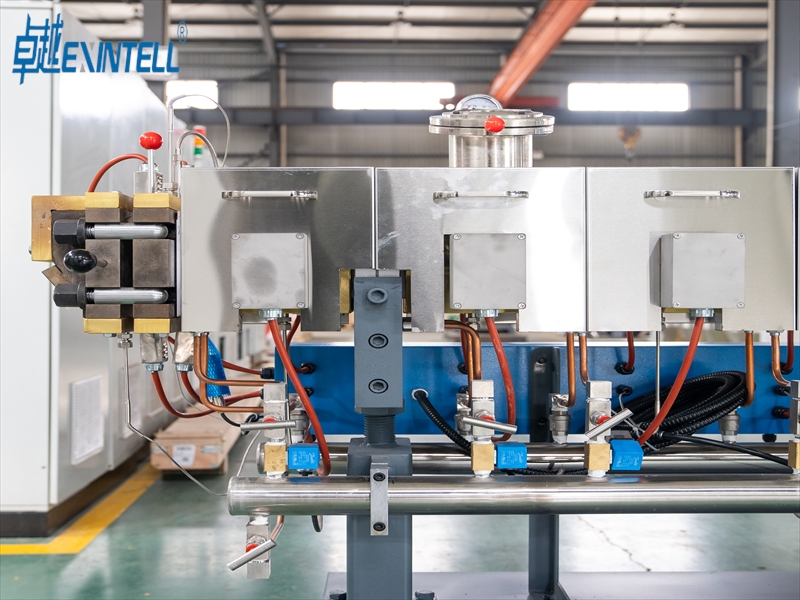
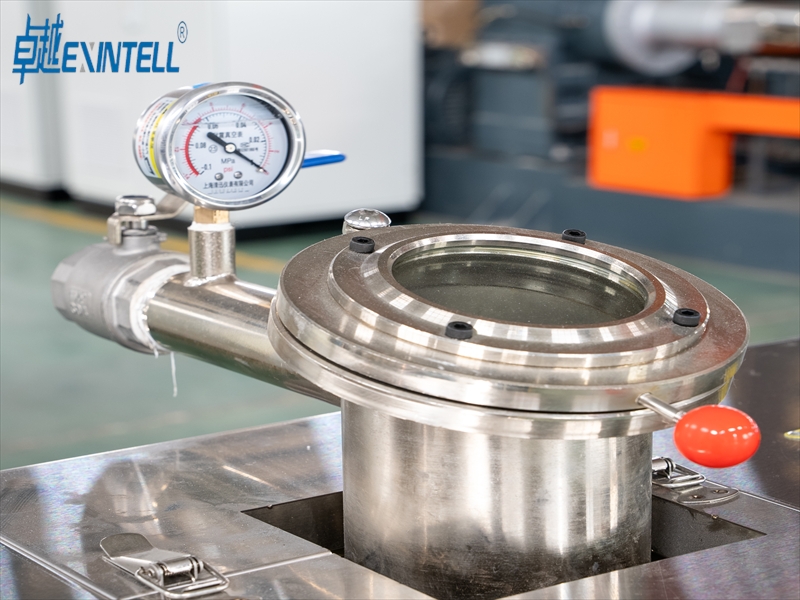
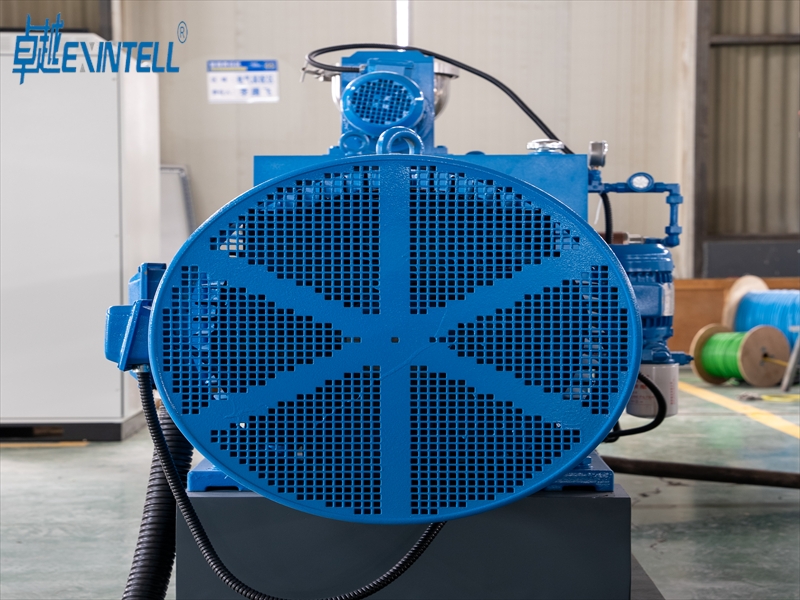
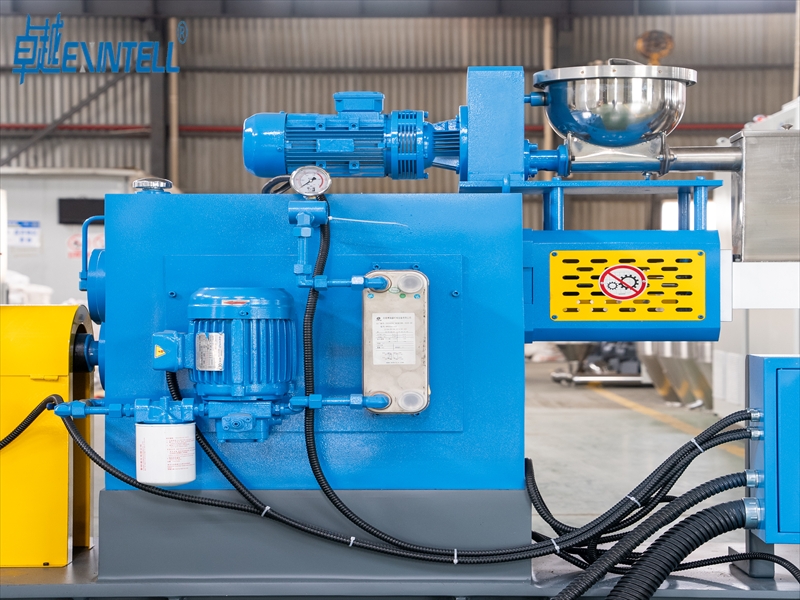
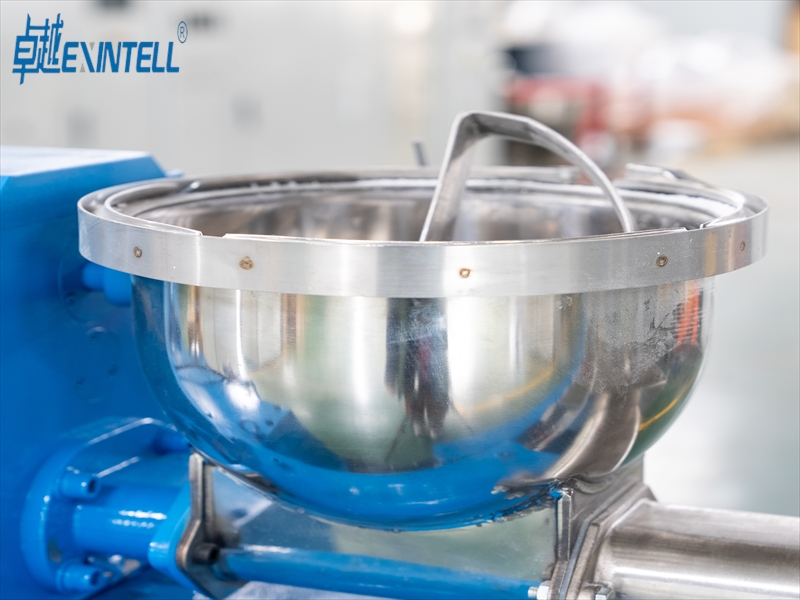
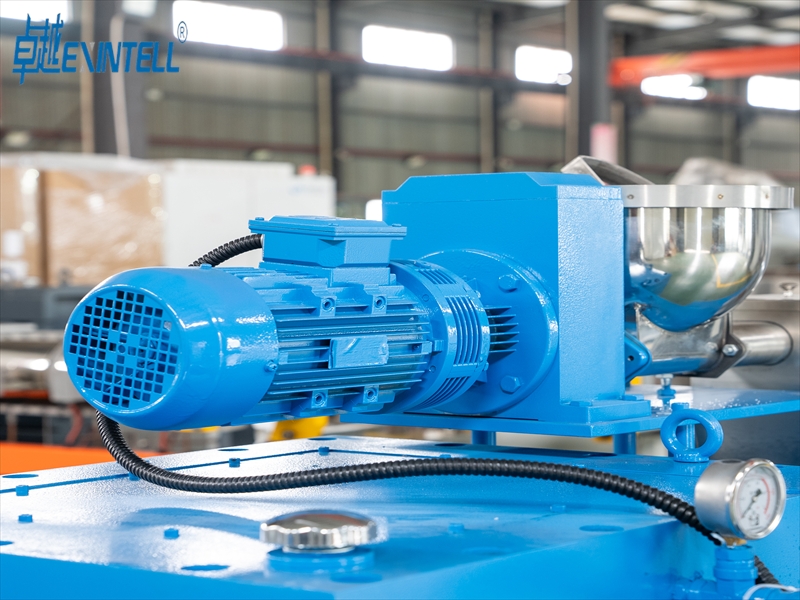
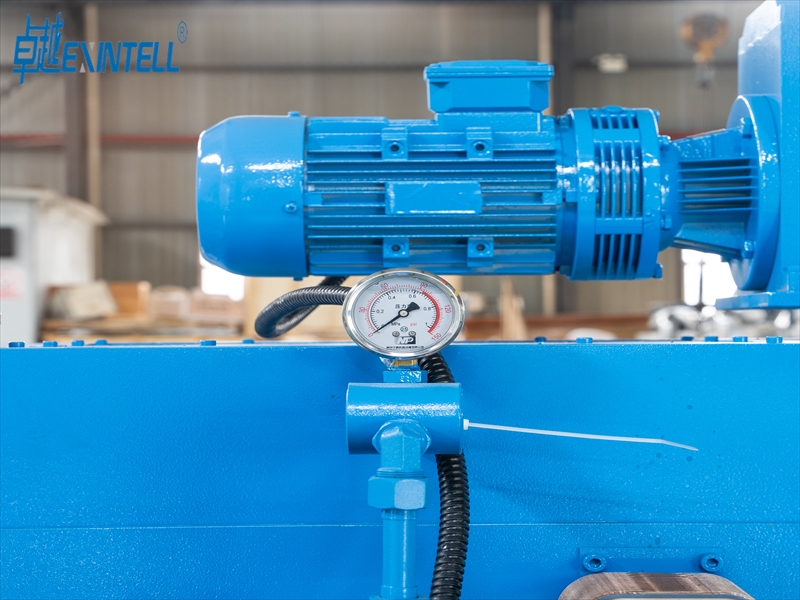
Ku dar qalabka caawinta sida haamaha qaboojinta iyo cutubyada rarida si kor loogu qaado waxtarka wax soo saarka loona ilaaliyo tayada alaabta.
Mudnaanta sii dayactirka joogtada ah iyo kormeerka saadaalinta si aad uga hortagto burburka oo aad u hubiso in uu si joogto ah u shaqeeyo khadkaaga extrusion.
Qor habka doorashadaada iyo go'aamadaada. Dhaqankani wuxuu kaa caawinayaa inaad wax ka barato waayo-aragnimadii hore iyo hagaajinta doorashooyinka mashiinka mustaqbalka.
Nooca Qalabka: Waxaan doortaa mashiino leh nashqadaha birta iyo foosto ku habboon bacaha aan farsameeyo. Xakamaynta heerkulku waa in ay la jaanqaadaan shuruudaha walxaha.
Nooca Alaabta: Mashiinnada waxaan ku doortaa alaabta aan soo saaro. Dhuumaha, filimada, profiles, iyo pellets mid kastaa wuxuu u baahan yahay bakhti gaar ah iyo qalab caawiye ah.
Awood-soo-saarka: Waxaan qiimeeyaa heerka wax soo saarka iyo saacadaha shaqada. Waxaan qorsheynayaa koritaanka mustaqbalka aniga oo hubinaya in mashiinku leeyahay qulqulo iyo awood ku filan.
Doorashada mishiinka iyadoo la adeegsanayo shuruudahan ayaa i siinaya waxqabadka ugu fiican, tayada alaabta joogto ah, iyo kalsoonida muddada-dheer. Had iyo jeer waxaan tixgeliyaa kala duwanaanta codsiyada ee extrusion caag ah ka hor inta aan la samayn doorashada kama dambaysta ah.
Su'aalaha Muhiimka ah Kahor Iibsashada
Waxaan weydiiyaa su'aalo muhiim ah ka hor inta aanan maalgelin qalab kasta oo extrusion ah. Su'aalahani waxay iga caawiyaan inaan iska ilaaliyo khaladaadka qaaliga ah iyo inaan hubiyo in mishiinku ku habboon yahay baahiyahayga. Waxaan isticmaalaa miis si aan u habeeyo fikradahayga:
Su'aal
Sharaxaada
Tayada Qalabka
Waxaan hubiyaa in qalabku uu buuxiyo heerarka warshadaha oo uu keeno waxqabad la isku halayn karo.
Awood-soo-saarka
Waxaan xaqiijinayaa wax-soo-saarka mishiinku inuu la mid yahay yoolalkayga wax-soo-saarka.
Waxaan tixgelinayaa dayactirka iyo kharashka hawlgalka, ma aha oo kaliya qiimaha iibka.
Shahaadooyinka
Waxaan codsanayaa shahaadooyinka ISO iyo dukumentiyada u hoggaansanaanta si loo xaqiijiyo tayada.
Waxaan sidoo kale waydiiyaa soo saaraha qorshahooda ballaarinta, booska khadadka dheeraadka ah, Maalgelintii ugu dambeysay ee qalab cusub, iyo tababarka shaqaalaha. Su'aalahani waxay muujinayaan ka go'naanta alaab-qeybiyaha ee koritaanka iyo tayada.
Soo-saare aan i tusi karin xogta cilladaysan, shahaadooyinka tayada, iyo kontaroolada habsocodka ayaa wax qarinaya. Mar walba dalbo hufnaan ka hor inta aanad wax iibsan.
Dulmarka Noocyada Mashiinnada Ugu Weyn
Waxaan dib u eegayaa noocyada ugu muhiimsan ee mishiinada extrusion si ay u fahmaan awoodooda iyo codsiyada ugu habboon. Dulmar guud ee mishiinnada extruder-ka ayaa iga caawiya inaan doorto qalabka saxda ah ee khadka wax soo saarka. Waxaan isticmaalaa miis si aan u barbardhigo noocyada ugu caansan:
Nooca Extruder
Sharaxaada
Isticmaalka iyo Faa'iidooyinka aasaasiga ah
Extruders-kaliya
Hal baaldi gudaha hal foosto; fudud, la isku halayn karo, la awoodi karo; awoodda isku dhafka xaddidan haddii aan wax laga beddelin.
Waxaan kuwan u isticmaalayaa diyaarinta pellets-ka PVC ee hore loo isku daray, dahaarka fiilada PVC dabacsan, tuubo fudud, iyo filim.
Laba boolal oo isdhexgal ah; barakicin togan; isku dhafka heer sare ah iyo habayn dabacsan.
Waxaan kuwan ugu tiirsanahay tuubooyinka PVC ee adag iyo soo saarista astaanta. Twin-screw Conical waxay si fiican ugu shaqeysaa kulaylka PVC, halka isku midka ah ee mataanaha ah ee isku midka ah ay ku habboon yihiin isku-darka iyo alwaax-caag isku dhafan.
Planetary Roller Extruders
Cirifka dhexe oo leh boolal meereyaal badan oo ku wareegsan; isku dhafka aan caadiga ahayn iyo kulaylka isweydaarsiga leh xiirid hoose.
Waxaan kuwan u doortay xaashida sare ee PVC iyo soo saarista filimada. Waxay ku farsameeyaan PVC heerkul hoose si ay u caddeeyaan laakiin waa qaali oo adag. Aan ku habboonayn tuubada caadiga ah ama soosaarka astaanta.
Had iyo jeer waxaan tixgeliyaa noocyada mashiinnada extrusion iyo isticmaalkooda aasaasiga ah. Habkani wuxuu xaqiijinayaa inaan dooranayo mashiinka saxda ah ee codsiyadayda iyo yoolalka wax soo saarka.
Noocyada Mashiinnada wax-soo-saarka
Extruders-kaliya
Sida Single-Screw u shaqeeyo
Waxaan ku tiirsanahay daba-bixiyaasha hal-boolaha ah ee hawlaha habaynta tooska ah. Farsamaynta wuxuu isticmaalaa hal wareeg oo wareeg ahinside a thermally insulated barrel. Waxaan hagaajiyaa heerkulka, xawaarihii xawaaruhu, and barrel pressure to match the material. This setup gives me precise control and consistent results. The simplicity of single-screw makes it a reliable choice for many types of extrusion machines.
Advantages of Single-Screw
I appreciate the advantages of single screw extruders. They offer simple operation, affordable manufacturing, iyo dayactirka fudud. I use them for basic plastic extrusion and simple compounding. The design suits thermoplastics, rubbers, iyo buuxinta. I find them ideal when I need predictable behavior and minimal mixing.
Talo: I choose single-screw when I want lower throughput and cost-effective production.
Co-extruders-ku waxay isku daraan maaddooyin badan hal nidaam. Waxaan isticmaalaa nidaamyada isku-dhafka ah si aan u soo saaro alaabooyin lakabyo badan leh. Qalab kastaa wuxuu quudiyaa polymer ka duwan, samaynta lakabyo leh sifooyin gaar ah. Habkani wuxuu wanaajiyaa waxtarka wuxuuna yareeyaa tallaabooyinka isku-ururinta.
Faa'iidooyinka Iskaashatada
Waxaan uga faa'iideystaa nidaamyada wadajirka ah dhowr siyaabood:
Faa'iidada
Sharaxaada
Waxqabadka La Habeeyay
Ku tola sifooyinka alaabta adoo isticmaalaya polymers kala duwan doorar gaar ah.
Kordhinta Qiimaha
Waxay u isticmaashaa polymers-dhamaadka sare ee lakabyada dibadda, resins kharash-ku-ool ah gudaha.
Tallaabooyinka Golaha oo la dhimay
Isku darka lakabyada hal nidaam, hagaajinta waxtarka.
Quruxda Alaabta La xoojiyey
Oggolow lakabyo midabyo badan ama translucent ah si ay u soo jiidato si fiican.
Warshadaha-gaar ah
Xalka warshadaha kala duwan, kor u qaadida waxqabadka.
Waxa kale oo aan isticmaalaa alaab dib loo warshadeeyey ama qiimo jaban lakabka xudunta u ah si loo yareeyo kharashyada. Xakamaynta saxda ah ee dhumucda lakabka ayaa yaraynaysa qashinka.
Waxaan isticmaalaa extrusion filim si aan u soo saaro baco khafiif ah oo loogu talagalay baakadaha iyo codsiyada warshadaha. Habkani wuxuu ku tiirsan yahay qalabka balaastigga ah ee dhalaaliya polymerka oo u sameeya filim joogto ah. Waxaan si dhow ula socdaa tallaabo kasta si aan u xaqiijiyo tayada joogtada ah. Nidaamku wuxuu ku bilaabmayaa dhalaalida polymerka in extruder ah. polymerka dhalaalay wuxuu dhex maraa dhinta, samaynta tuubo qaro weyn. Waxaan soo saaraa hawo si aan u ballaariyo tuubada, abuurista xumbo. Qaboojinta iyo fiditaanka filimka ayaa raacaya, ka dibna ku duub filimka la dhammeeyey duub duub.
Talaabada
Sharaxaada
1
Dhalalinta Polymer-ka: Polymer-ka waxaa lagu kululeeyaa barta dhalaalka ee dibadda.
2
Soo Bixinta Tubbo Adag: Polymer-ka dhalaalay waxaa lagu qasbay in la dhex mariyo dhinta wareeg ah si ay u sameeyaan tuubo qaro weyn.
3
Balaadhinta Tube-ka: Hawo ayaa la geliyaa tuubada si ay xumbo u abuurto, fidinta iyo khafiifinta filimka.
4
Qaboojinta iyo Faafinta Filimka: Filimku waa la qaboojiyey oo la fidiyey iyadoo la isticmaalayo rollers naaska.
5
Dabaylaha Filimka: Filimka la fidiyay ayaa ku dul dhaawacmay duubabka si loo kaydiyo loona sii habeeyo.
Had iyo jeer waxaan eegaa heerkulka iyo habaynta cadaadiska hawada eeyga qalabka extrusion caag ah si looga fogaado cilladaha sida dhumucda aan sinnayn ama xumbo.
Soo Bixinta Filimka la qarxiyay
Fikirka filimka la afuufay wuxuu u taagan yahay habka gaarka ah ee qalabka balaastigga ah. Waxaan doorbidayaa habkan marka aan u baahdo filimo leh awood dheellitiran iyo dabacsanaan. Nidaamku wuxuu ku buufiyaa polymerka dhalaalay ee xumbo, kaas oo siinaya filimka jihada biaxial iyo crystallinity sare. Tani waxay keenaysaa in filimada ka xoog badan oo dabacsan marka loo eego filimada jilitaanka. Waxaan u isticmaalaa extrusion filim la afuufay alaabooyinka sida bacaha qashinka iyo duubabka fidsan.
Debecsanaan badan oo leh koontarool dhumucdiisu aad u sarreyso
Qaab-dhismeedka Molecular
Jihaynta Biaxial iyo crystallinity sare
Hanuuninta ugu yar, qaboojin degdeg ah
Dulqaadashada Dhumucda
Dulqaad ballaadhan (ilaa ± 10%)
Xakamaynta sare (± 3% dulqaad)
Codsiyada
Ku haboon alaabta raagaya sida bacaha qashinka
Ku habboon filimada cad cad
Waxaan doortaa extrusion filimka la afuufay marka adkeysiga iyo fiditaanka ay muhiim tahay. Filitaanka filimka fidsan, sidoo kale loo yaqaan extrusion filimka, waxay soo saartaa filimo leh hufnaan sare iyo dhumuc labis ah. Habkan waxaan u doortay codsiyada halka muuqaalka iyo dhumucda saxda ah ay muhiim tahay.
Soo saarida xaashida
Extrusion xaashida waxay isticmaashaa qalab balaastig ah si ay u abuurto dhumuc weyn, go'yaal fidsan oo heerkulbeeg ah, dhismo, iyo calaamadaha. Waxaan doortaa alaabta ku salaysan shuruudaha isticmaalka dhamaadka. Qalabka caadiga ah waxaa ku jira PET, PP, PVC, PS, iyo ABS. Qalab kastaa wuxuu bixiyaa sifooyin u gaar ah codsiyada kala duwan.
PET: Caddayn sare iyo xoog
PP: Kiimikada caabbinta iyo dabacsanaanta
PVC: Adag iyo iska caabinta cimilada
PS: Habayn fudud iyo kharash-oolnimo
ABS: Saamaynta iska caabinta iyo adkaanta
Waxaan hagaajiyaa habaynta qalabkayga caagga ah ee balaastigga ah si ay u dhigmaan walxaha iyo dhumucda xaashida ee la rabo. Waxaan la socdaa heerarka qaboojinta iyo xawaaraha rullaluistuyada si aan uga hortago cilado dusha sare leh. Extrusion xaashida waxay i siinaysaa kala duwanaansho si loo soo saaro qaabab iyo cabbirro gaar ah.
Waxaan ku tiirsanahay caag mishiinka extrusion tignoolajiyada si loo bixiyo tayada xaashida oo joogto ah oo ay la kulmaan heerarka warshadaha.
Dhuumaha iyo Tubooyinka Soo Bixinta
Waxaan ku tiirsanahay tuubooyinka iyo tuubooyinka dibadda marka aan u baahdo inaan soo saaro muddo dheer, dhererka joogtada ah ee alaabta balaastikada ah ee godan. Habkani waxa uu isticmaalaa qalab khaas ah oo caag ah oo ku riixaya polymer dhalada ah iyada oo loo marayo dhimasho wareeg ah. Natiijadu waa tuubo ama tuubo aan xidhnayn oo leh cabbir sax ah. Waxaan hagaajiyaa dhinta iyo calibratarka si aan u xakameeyo dhumucda derbiga iyo dhexroorka. Dabacsanaantani waxay ii ogolaanaysaa inaan la kulmo heerarka adag ee warshadaha.
Waxaan doortaa qalabka saxda ah ee balaastigga ah ee ku salaysan alaabta iyo codsiga. Tusaale ahaan, Waxaan u adeegsadaa tuubooyinka dhexroorka ah ee wax soo saarka sare leh. Waxaan doortaa mid ka yar, mashiinada saxda ah ee tuubooyinka caafimaadka ama shaybaadhka. Waxaan la socdaa heerkulka, cadaadis, iyo heerarka qaboojinta si loo hubiyo tayada joogtada ah. Waxaan sidoo kale fiiriyaa ugxan-sidaha iyo dhammaadka dusha sare inta lagu jiro wax soo saarka.
Codsiyada tuubooyinka iyo tuubooyinka extrusion waxay daboolayaan warshado badan oo kala duwan. Inta badan waxaan isticmaalaa qalab balaastig ah si aan u soo saaro:
Fudud, tuubooyinka waraabka u adkaysta kiimikaad ee beeraha.
Tuubooyinka cadaadiska sare leh ee ka yimaada biraha birta ah ee loogu talagalay qaadista saliidda iyo gaaska dabiiciga ah ee qaybta tamarta.
Tuubooyinka gaarka ah ee habaynta kiimikada iyo maareynta qashinka ee goobaha warshadaha.
I find that each application requires different materials and process settings. Tusaale ahaan, I use PVC for plumbing because it resists corrosion and handles pressure well. I select polyethylene for irrigation pipes due to its flexibility and chemical resistance. In oil and gas, I rely on reinforced thermoplastics or metal alloys for strength and durability.
I always pay close attention to downstreamqalabka extrusion caag ah. Calibrators, haamaha qaboojinta, unug-qaadid, and cutters play a critical role in shaping and finishing the pipe. I adjust the speed of the haul-off unit to prevent stretching or deformation. I use advanced sensors to monitor wall thickness and detect defects in real time.
Talo: I always keep my plastic extrusion equipment well-maintained. Regular cleaning and calibration reduce downtime and improve product quality.
I document every production run. Dhaqankani wuxuu iga caawiyaa inaan raadiyo arrimaha oo aan wanaajiyo dufcadaha mustaqbalka. Waxaan sidoo kale si dhow ula shaqeeyaa alaab-qeybiyeyaashayda si aan u doorto mashiinka balaastigga ugu fiican ee mashruuc kasta. Khibraddoodu waxay iga caawisaa inaan ka hor maro isbeddellada warshadaha iyo isbeddellada sharciyeed.
Qalabka Hoos-u-socodka ee Khadadka Extrusion
Haamaha qaboojinta
Had iyo jeer waxaan fiiro gaar ah u yeeshaa taangiyada qaboojinta ee khadkayga extrusion. Taangiyada qaboojinta waxay door muhiim ah ka ciyaaraan qaabeynta iyo adkeynta caagga la soo saaray. Marka aan wado wax soo saarkayga, Waxaan ku tiirsanahay taangiyadan si aan u hubiyo in alaabtu ilaaliso qaabka iyo cabbirka loogu talagalay. Qaboojinta labbiska ah waxay ka hortagtaa qulqulka iyo khaladaadka dusha sare. Waxaan la socdaa habka qaboojinta si aan u gaaro siman, alaabo cabbir ahaan sax ah. Xakamaynta heerkulka waqtiga-dhabta ah iyo la socodka waxay iga caawisaa in aan ilaaliyo tayada joogtada ah ee dhammaan qaybaha. Consistent cooling reduces the need for rework and improves production predictability. I see a direct impact on plant efficiency when cooling tanks operate properly.
Uniform cooling prevents defects such as warping and surface irregularities, resulting in smooth and dimensionally accurate products.
The cooling system allows real-time temperature control and monitoring, ensuring consistent quality across all production batches.
Consistent cooling reduces the need for rework, improves production predictability, and enhances overall plant efficiency.
Talo: I always check the water temperature and flow rate in my cooling tanks. Proper settings prevent defects and keep my production line running smoothly.
Unugyada Dajinta
Haul-off units help me control the speed and tension at which the extruded material is pulled. I synchronize the haul-off unit with the extruder and cooling system to match the extrusion rate. This prevents defects like uneven thickness or deformation. Advanced haul-off machines offer variable speed control, high traction force, and precision rollers. These features maintain uniform pulling force and ensure consistent thickness, diameter, and uniformity. I adjust the speed of the haul-off unit to control product thickness. Slower speeds yield thicker products, while faster speeds produce thinner ones. Precision rollers and adjustable tension help me maintain uniform pulling force across the product width.
They synchronize with the extruder and cooling system to match extrusion rate, preventing defects like uneven thickness or deformation.
Advanced haul-off machines feature variable speed control, high traction force, and precision rollers to maintain uniform pulling force.
These features directly impact product quality and production efficiency in pipe extrusion.
Ogow: I always calibrate my haul-off unit before each production run. This step keeps my product dimensions consistent and reduces waste.
Cutters and Winders
Cutters and winders finish the extrusion process. I use cutters to trim the extruded product to the desired length. Winders collect the finished product, such as film or sheet, onto rolls for easy storage and transport. I select cutters based on the material and thickness of the product. Rotary cutters work well for continuous lines, while guillotine cutters suit thicker profiles. Winders must operate smoothly to avoid stretching or deforming the product. I monitor winding tension and speed to prevent defects. Properly set cutters and winders help me deliver products with clean edges and uniform rolls.
Equipment
Shaqada
Faa'iidada Muhiimka ah
Cutters
Trim product to desired length
Clean edges, precise sizing
Winders
Collect product onto rolls
Easy storage, prevents deformation
I always inspect my cutters and winders for wear and alignment. Regular maintenance ensures reliable operation and high-quality finished products.
Saamaynta tayada badeecada
I always pay close attention to howqalabka hooseshapes the final quality of my extruded products. Each piece of equipment—cooling tanks, unug-qaadid, gooyaa, and winders—plays a unique role in determining the consistency, appearance, and performance of the finished product.
When I set up my extrusion line, I focus on these key quality factors:
Saxnaanta cabbirka:Cooling tanks and haul-off units help me maintain tight tolerances. If I notice any variation in product dimensions, I check the water temperature in the cooling tank and the speed of the haul-off unit. Small adjustments often correct issues before they become costly defects.
Dhamaystir dusha sare:I rely on proper cooling and precise cutting to achieve smooth, blemish-free surfaces. If I see scratches or marks, I inspect the rollers and blades for wear. Nadiifi, sharp tools always give me the best results.
Guryaha Makaanikada:Uniform cooling and controlled tension during haul-off preserve the strength and flexibility of the plastic. I avoid rapid cooling, which can cause internal stresses and brittleness.
Joogteynta:Automated winders and synchronized downstream equipment ensure every meter of product matches the last. I use real-time monitoring systems to catch deviations early.
Talo: I always document process settings and product measurements for each run. This practice helps me identify trends and make data-driven improvements.
Here’s a quick table showing how each piece of downstream equipment impacts product quality:
Equipment
Quality Aspect Affected
My Best Practice
Cooling Tank
Qaabka, surface, cabbirrada
Monitor water temp and flow continuously
Haul-Off Unit
Dhumucda, isku midnimo
Calibrate speed and tension each shift
Gooye
Edge quality, dhererka
Use sharp blades, check alignment
Winder
Roll consistency, tension
Adjust winding speed, monitor tension
I have learned that even small changes in downstream settings can make a big difference. Tusaale ahaan, increasing the haul-off speed by just a few percent can thin out the product and cause it to fail quality checks. Regular maintenance and calibration keep my equipment performing at its best.
I always remind my team that quality starts at the extruder but finishes with the downstream equipment. By staying vigilant and proactive, I consistently deliver products that meet or exceed customer expectations.
Comparison of Types of Extrusion Machines
Features and Applications Table
Mar walba compare the types of extrusion machinesbefore making a decision. I look at key features and the range of applications for each machine. This helps me match the right equipment to my production goals. Waa kan a table that summarizeswhat I have learned:
Nooca Mashiinka Soo saarista
Astaamaha Muhiimka ah
Codsiyada
Soo saarista caaga ah
Handles versatile materials like PVC and ABS
Baakadaha, dhismo
Metal Extrusion
Offers strength and durability, but uses more energy
Dhismaha, wax soo saarka
Food Extrusion
Controls temperature and pressure for uniformity
Soo saarista cunto fudud iyo badarka
Automotive Extrusion
Produces lightweight parts for fuel efficiency
Manufacturing automotive components
I use this table to quickly identify which machine suits my needs. I focus on the features that matter most for my applications.
Pros and Cons by Machine Type
Mar walba weigh the pros and consof each machine type. This step helps me avoid unexpected costs and production issues. I have found that single-screw, maro-mataan, and co-extrusion machines each offer unique benefits and drawbacks. Waa kan a comparison table:
Excellent mixing, suitable for a wide range of materials, including those with additives
Qasaarooyinka
Awoodda isku dhafka xaddidan, not ideal for materials requiring precise blending
Qiimaha bilowga ah ee sarreeya, qalliin aad u adag, iyo dayactirka
I choose single-screw machines when I want simple operation and lower maintenance. I select twin-screw machines for advanced mixing and complex formulations. Co-extrusion machines give me flexibility for multi-layer products, but require careful setup and control.
Talo: I always consider the complexity of my applications before choosing a machine. This approach prevents costly mistakes.
Quick Selection Chart
I use a quick selection chart to guide my decision. This chart helps me match machine types to my production needs and applications.
If I need basic extrusion for packaging or construction, I choose plastic extrusion machines.
For high-strength parts in manufacturing, I select metal extrusion machines.
When producing snacks or cereals, I rely on food extrusion machines.
For lightweight automotive parts, I use automotive extrusion machines.
I always review my production goals and material requirements before making a final choice. This process ensures I select the right machine for my applications and achieve consistent results.
Key Factors for Machine Selection
Waafaqsanaanta Shayga
I always start my selection process by evaluating material compatibility. The plastic extrusion machine must handle the specific polymers I plan to process. Each material brings unique requirements for temperature, screw design, and barrel setup. I check the properties and intended applications before making a decision. Tusaale ahaan, polyvinyl chloride works well for pipes and films because it offers excellent formability and durability. Polyethylene and polypropylene suit packaging and consumer goods due to their versatility and ease of processing. Polycarbonate provides impact resistance and optical clarity, making it ideal for eyewear lenses and safety equipment. Nylon stands out for strength and heat resistance in industrial applications. I use the following table to comparematerial types and their key properties:
Nooca Qalabka
Codsiyada
Guryaha Furaha
Polyvinyl chloride (PVC)
Dhuumaha, filimada, electrical wire insulation
Excellent formability, adkeysiga
Polyethylene terephthalate (PET)
Not specified
Unique benefits
Acrylonitrile butadiene styrene (ABS)
Baabuur, alaabta macaamiisha
Xoog, dabacsanaan
Polyethylene (PE)
Baakadaha, alaabta macaamiisha
Kala duwanaansho, ease of processing
Polypropylene
Baakadaha, alaabta macaamiisha
Kala duwanaansho, ease of processing
Polycarbonate
Eyewear lenses, safety equipment
Iska caabbinta saamaynta, optical clarity
Nayloon (polyamide)
Industrial applications
Xoog, caabbinta kulaylka
I always match the machine’s screw and barrel design to the material’s melting point and viscosity. When I process recycled plastics, I pay extra attention to contamination and blending requirements. Material compatibility influences my choice between single-screw and twin-screw machines. Single screw extruders handle basic thermoplastics well, while twin screw extruders excel with blends, wax lagu daro, iyo balaastiig dib loo warshadeeyay.
Mugga Wax-soo-saarka
Production volume drives my machine selection. I calculate my expected output in kilograms per day or per shift. If my production volume falls between500 iyo 1,000 kiiloogaraam, I consider investing in custom dies and specialized machines. This threshold often dictates whether I choose single-screw or twin-screw extruders. Single-screw machines suit low to medium volumes and offer the advantages of single screw extruders, such as simple operation and lower maintenance. Wax soo saarka mugga sare, Waxaan ku tiirsanahay kaaliyeyaasha mataanaha ah. These machines deliver consistent quality and efficiency, especially when I need to process complex formulations or recycled plastics. The table below shows how production volume influences my decision:
Mugga Wax-soo-saarka (kg)
Implication for Machine Selection
500-1,000
Minimum order volume for custom die investment, influencing machine type selection.
I always plan for future growth. If my business expands, I upgrade to twin-screw machines to handle increased demand and more challenging materials.
Product Complexity
Product complexity shapes my approach to machine selection. I assess the geometry, layer structure, and additive requirements for each product. Simple shapes and single-layer products work well with single-screw machines. When I need multi-layer profiles or advanced mixing, I choose twin-screw extruders. The benefits of using twin screw extruders include superior mixing, precise additive incorporation, and flexibility for complex applications. I select twin-screw machines for products with demanding specifications, sida tuubooyinka caafimaadka, qaybaha baabuurta, or specialty films. If my application requires intricate shapes or multiple material layers, I consider co-extrusion systems. I always match the machine type to the complexity of my products to ensure consistent quality and performance.
Talo: I review my product designs and material requirements before finalizing my machine selection. This step prevents costly mistakes and ensures my extrusion line meets all production goals.
Maintenance and Costs
I always prioritize maintenance when selecting a plastic extrusion machine. Maintenance impacts both reliability and long-term costs. I have learned that regular upkeep prevents unexpected breakdowns and keeps production running smoothly. I rely on predictive maintenance to monitor my equipment in real time. This approach helps me anticipate faults and plan interventions before problems escalate.
I track several critical parameters on my extrusion machines:
Abnormal vibrations signal mechanical wear or misalignment.
Increased temperatures indicate possible overheating or friction.
Non-standard extrusion pressure points to blockages or material inconsistencies.
Abnormal energy consumption reveals inefficiencies or electrical issues.
By monitoring these factors, I reduce unplanned downtime. I address issues before they cause major failures. Predictive maintenance allows me to optimize planned maintenance. I act only when data shows a need, which saves time and resources. This strategy extends the life of my extruders. I monitor wear and mechanical stress closely, replacing parts only when necessary.
Talo: I always keep a log of maintenance activities and machine performance. This record helps me spot trends and make informed decisions about repairs or upgrades.
Maintenance costs include routine inspections, qaybaha spare, foosha, iyo isticmaalka tamarta. I budget for these expenses every year. I find that efficient spare parts management lowers emergency repair costs. I order parts based on usage data, not guesswork. This practice prevents overstocking and reduces waste.
Here is a table summarizing my maintenance approach and its impact on costs:
Maintenance Activity
Impact on Costs
My Best Practice
Predictive Monitoring
Reduces unplanned downtime
Use sensors for real-time alerts
Routine Inspections
Prevents major failures
Schedule monthly checks
Spare Parts Management
Controls inventory expenses
Order based on machine data
Energy Consumption Review
Identifies inefficiencies
Track power usage weekly
I always consider maintenance requirements when comparing machine types. Single-screw extruders usually need less maintenance. Twin-screw and co-extrusion machines require more attention due to their complexity. I factor these costs into my total cost of ownership calculations.
Maintenance is not just about fixing problems. It is about protecting my investment and ensuring consistent product quality. I invest in training my staff so they understand the importance of regular checks and predictive monitoring. This commitment pays off with fewer emergencies and better cost control.
Common Mistakes in Choosing Extrusion Machines
Overlooking Material Needs
I often see buyers overlook material needs when choosing extrusion machines. I always start by identifying the types of plastics I plan to process. If I ignore material compatibility, I risk poor product quality and wasted resources. Tusaale ahaan, I select single-screw extruders when I work with basic thermoplastics. These machines handle materials like polyethylene and polypropylene with ease. When I need to process blends or recycled plastics, Waxaan ku tiirsanahay duuliyeyaasha mataanaha ah. Twin-screw machines offer superior mixing and dispersion. I never assume that one machine fits all materials. I check the melting point, viscosity, and additives for each polymer. This step prevents costly mistakes and ensures consistent results.
Talo: I always ask suppliers about screw design and barrel setup for my specific materials. This practice helps me avoid downtime and defects.
Ignoring Future Growth
I learned that ignoring future growth can limit my production and profitability. I always plan for expansion when selecting extrusion machines. If I choose a single-screw machine for current needs, I consider whether it can handle increased volume later. Twin-screw extrudersprovide flexibility for scaling up production. I review my business goals and forecast demand before making a purchase. I also check if the machine supports upgrades or additional lines. Planning for growth saves me from expensive replacements and disruptions.
Here is a simple checklist I use:
Estimate future production volume.
Assess machine scalability.
Confirm compatibility with new materials or products.
Evaluate space for expansion.
I never underestimate the importance of future-proofing my extrusion line. This approach keeps my operations efficient and competitive.
Underestimating Maintenance
I see many buyers underestimate maintenance requirements. I always factor maintenance into my decision. Single screw extruders need less maintenance due to their simple design. Twin screw extruders require more attention because of their complexity. I track maintenance schedules, helitaan qaybo dayactir ah, iyo tababarka shaqaalaha. If I neglect maintenance, I face unexpected breakdowns and higher costs. I use predictive monitoring to catch issues early. Regular inspections and proper documentation keep my machines running smoothly.
Nooca Mashiinka
Maintenance Level
Arrimaha Guud
Hal-dhalaalid
Hoose
Xiro, basic cleaning
Twin-screw
Sare
Alignment, mixing wear
Ogow: I always invest in staff training and spare parts inventory. This strategy reduces downtime and protects my investment.
I avoid these mistakes by staying informed and proactive. I match machine types to material needs, plan for growth, and prioritize maintenance. This process helps me achieve reliable production and high-quality products.
Checklist for Selecting Plastic Extrusion Equipment
Step-by-Step Selection
I always follow a structured approach when I select plastic extrusion equipment. This method helps me avoid mistakes and ensures I get the best results for my production line. Here is my step-by-step process:
Xulashada agabka I start by identifying the right plastic material for my application. I consider the product’s end use, soo-gaadhista deegaanka, and durability needs. I often choose between HDPE, polypropylene, PVC, ama polystyrene, depending on the project.
Equipment Choice I match the plastic extrusion equipment to my production requirements. For simple profiles and high-volume output, I rely on single-screw machines. When I need to blend or compound materials, I use twin-screw extruders. If my product requires multiple layers or enhanced features, I select co-extruders.
Qalabka Kaalmada I include essential systems like cooling tanks, Gaadiidleyda, and cutting machines. These components improve efficiency and help me maintain consistent quality throughout the extrusion process.
Production Volume Assessment I calculate my expected output and make sure the plastic extrusion equipment can handle the workload. I plan for future growth to avoid bottlenecks.
Quality Control Planning I set up systems for real-time monitoring and defect detection. This step ensures I maintain high standards and reduce waste.
Talo: I always document each step in my selection process. This record helps me review decisions and improve future purchases.
Supplier Questions
When Ievaluate suppliersfor plastic extrusion equipment, I ask targeted questions to ensure I make an informed choice:
What experience do you have with my chosen material and product type?
Can you provide references from similar projects?
How do you support installation, tababarka, iyo adeega iibka kadib?
What is the lead time for delivery and setup?
Do you offer spare parts and maintenance packages?
How do you handle warranty claims and technical support?
I always request detailed specifications for single-screw, maro-mataan, and co-extrusion machines. I ask for documentation on energy efficiency, sifooyinka badbaadada, and compliance with industry standards.
Final Decision Tips
Before I finalize my investment in plastic extrusion equipment, I review these final tips:
I compare multiple quotes and check for hidden costs.
I visit the supplier’s facility if possible to see the equipment in action.
I verify the availability of spare parts for single-screw and other machines.
I confirm that the supplier offers training for my team.
I ensure the equipment can adapt to new materials or products in the future.
Ogow: I never rush my decision. Taking time to follow this checklist helps me avoid costly errors and ensures long-term success with my plastic extrusion machine.
I always align my plastic extrusion machine choice with my production goals and application needs. I review single-screw, maro-mataan, and co-extrusion machines to match each to its best use. My final checklist includes:
Confirm material compatibility
Assess production volume
Evaluate product complexity
Plan for maintenance
I recommend consulting suppliers or industry experts before making a purchase. Take time to research and make an informed decision.
FAQ
What is the most important factor when choosing a plastic extrusion machine?
I always focus on material compatibility first. The machine must process my chosen polymer efficiently. This step prevents defects and ensures consistent quality.
How do I calculate the right production capacity for my extrusion line?
I estimate my daily or weekly output needs. I check machine specifications and match them to my target volume. Planning for future growth helps me avoid bottlenecks.
Can I use one extrusion machine for different materials?
I can process multiple materials if the machine supports quick changeovers and has the right screw design. I always consult the manufacturer before switching materials.
Waa maxay hawlaha dayactirka aan si joogto ah u qabto?
I schedule routine inspections, clean the barrel and screw, and check for wear. I monitor temperature and pressure sensors. Regular maintenance keeps my line running smoothly.
How do I reduce defects in extruded products?
Waxaan la socdaa heerkulka, xawaarihii xawaaruhu, and cooling rates closely. I adjust settings based on product feedback. I document every change to track improvements.
Is automation necessary for small-scale extrusion?
I find automation helpful, even for small runs. Features like PLC controls and real-time monitoring improve consistency and reduce labor costs.
What should I ask my supplier before buying a machine?
I request references, technical support details, iyo helida alaabta spare parts. I ask about training and warranty terms. I always verify compliance with industry standards.
How do I know if I need a twin-screw extruder?
I choose twin-screw extruders for complex mixing, alaabta dib loo warshadeeyay, or high-volume production. If my process needs advanced compounding, I select this type.