

Plastic Pelletizer එකක් ක්රියා කරන්නේ කෙසේද? 2026
A plastic pelletizer transforms plastic waste or raw material into ඒකාකාර පෙති through a series of well-defined steps. ඔබ පෝෂණය කිරීම ආරම්භ කරන්න, එහිදී ප්ලාස්ටික් යන්ත්රයට ඇතුල් වේ. පද්ධතිය ද්රව්යය උණු කරයි, අපද්රව්ය පෙරීම සිදු කරයි, සහ අඛණ්ඩ කෙඳි සෑදීමට ඩයි හරහා එය තල්ලු කරයි. Cooling solidifies the strands, and then a rotating knife cuts them into precise pellets. Each stage shapes the final quality and consistency.
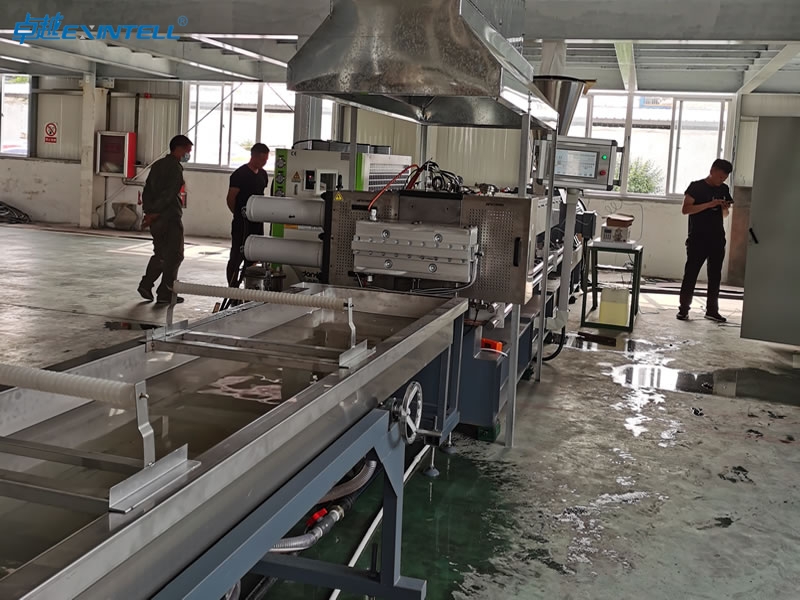
|
පියවර |
විස්තරය |
|---|---|
|
පෝෂණය කිරීම |
Plastic waste is introduced into the machine via a hopper, which includes various types of plastics. |
|
දියවීම |
The plastic is heated and melted uniformly in the extruder, preparing it for the next stage. |
|
නිස්සාරණය කිරීම |
The molten plastic is forced through a die to create strands, determining the pellet shape and size. |
|
සිසිලනය |
The strands are cooled, solidifying them for cutting. |
|
කැපීම |
Cooled strands are cut into uniform pellets by a rotating knife, adjustable for specific applications. |
ප්රධාන රැගෙන යාම
-
Plastic pelletizers transform waste into uniform pellets through a series of steps: පෝෂණය කිරීම, දියවීම, filtering, නිස්සාරණය, සිසිලනය, සහ කැපීම.
-
උසස් තත්ත්වයේ පෙති සාක්ෂාත් කර ගැනීම සහ දෝෂ වළක්වා ගැනීම සඳහා අඛණ්ඩ පෝෂණය සහ නිශ්චිත උෂ්ණත්ව පාලනය ඉතා වැදගත් වේ..
-
විවිධ වර්ගයේ පෙති, නූල් සහ දිය යට වැනි, විවිධ ද්රව්ය සහ නිෂ්පාදන අවශ්යතා සපුරාලීම, පෙති වල හැඩය සහ ගුණාත්මකභාවය කෙරෙහි බලපායි.
-
උණු කළ ප්ලාස්ටික් ඵලදායී ලෙස පෙරීම අපිරිසිදුකම ඉවත් කරයි, උපකරණ ආරක්ෂා කරන අතරම සුමට හා ඒකාකාර පෙති සහතික කිරීම.
-
සිසිලන ක්රම, ජල වළල්ල සහ දිය යට සිසිලනය ඇතුළුව, පෙතිවල ගුණාත්මකභාවය සහ නිෂ්පාදන කාර්යක්ෂමතාවයට සැලකිය යුතු ලෙස බලපායි.
-
උපකරණ නිතිපතා නඩත්තු කිරීම සහ අධීක්ෂණය කිරීම අසමාන පෝෂණය සහ අවහිර වූ පෙරහන් වැනි පොදු ගැටළු වළක්වා ගැනීමට උපකාරී වේ.
-
තත්ත්ව පාලන පියවර, නිසි නියැදීම සහ පරීක්ෂා කිරීම ඇතුළුව, පෙති හමුවීමට වග බලා ගන්න කර්මාන්ත ප්රමිතීන් සහ අනුකූලතාව පවත්වා ගැනීම.
-
පෙති නිසි ලෙස ඇසුරුම් කිරීම සහ ගබඩා කිරීම තෙතමනය හා දූෂණයෙන් ආරක්ෂා කරයි, අනාගත භාවිතය සඳහා ඒවා උසස් තත්ත්වයේ පවතින බව සහතික කිරීම.
ප්ලාස්ටික් Pelletizer ක්රියාවලිය දළ විශ්ලේෂණය
ප්ලාස්ටික් පෙතිකාරකයක් යනු කුමක්ද?
අමු ප්ලාස්ටික් හෝ ප්රතිචක්රීකරණය කරන ලද ද්රව්ය නිශ්චිත ප්රමාණ සහ හැඩයන් සහිත කැට බවට පරිවර්තනය කිරීමට ඔබ ප්ලාස්ටික් පෙතිකාරකයක් භාවිතා කරයි.. මෙම යන්ත්රය උෂ්ණත්වය පාලනය කරයි, පීඩනය, සහ ස්ථාවර ප්රතිඵල ලබා ගැනීම සඳහා භ්රමණ වේගය. ප්ලාස්ටික් පෙති කපන යන්ත්රය නිස්සාරණය කරන ලද ප්ලාස්ටික් තනි කැටිති වලට කපා දමයි, තවදුරටත් සැකසීම සඳහා සම්මත ප්රමාණය ලබා දීම. අඛණ්ඩතාව කළමනාකරණය කිරීමට ඔබ මෙම උපකරණ මත රඳා පවතී, මතුපිට ලක්ෂණ, සහ එක් එක් අංශු ප්රමාණය. ප්ලාස්ටික් කැටිති වැඩ කිරීමේ මූලධර්මය ප්ලාස්ටික් උණු කිරීම ඇතුළත් වේ, අපද්රව්ය පෙරීම, සහ ඒකකය තුළ තත්ත්වයන් ප්රවේශමෙන් කළමනාකරණය කිරීම තුළින් ඒකාකාර පෙති සෑදීම.
-
නිස්සාරණය කරන ලද ප්ලාස්ටික් තනි කැටිති වලට කපා.
-
නිෂ්පාදනයේ තවදුරටත් සැකසීම සඳහා ස්ථාවර ප්රමාණය සපයයි.
-
උණු කරන ලද ප්ලාස්ටික් අඛණ්ඩ නූල් කැටිති බවට පරිවර්තනය කරයි ඒකාකාර ප්රමාණයේ.
-
ඉන්ජෙක්ෂන් මෝල්ඩින් සහ චිත්රපට නිස්සාරණය සඳහා ප්රමිතිගත අමුද්රව්යයක් ලෙස සේවය කරයි.
Pelletizing ප්රධාන පියවර
ඔබ මාලාවක් අනුගමනය කරයි ප්ලාස්ටික් pelletizer ක්රියාත්මක කිරීමේදී පියවර. සෑම අදියරක්ම අවසාන නිෂ්පාදනයේ ගුණාත්මකභාවය සහ අනුකූලතාව හැඩගස්වයි. මෙන්න සාමාන්ය වැඩ ප්රවාහයක්:
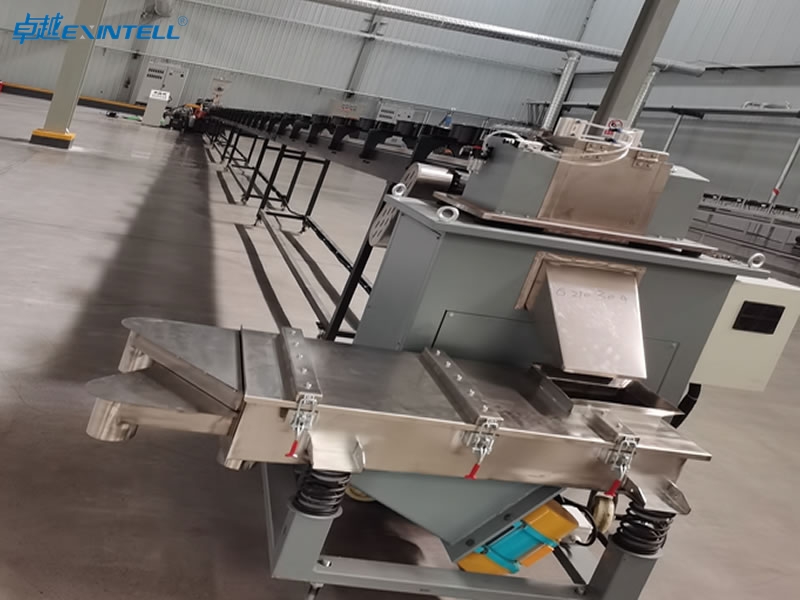
-
පෝෂණය කිරීම & පූර්ව-ප්රතිකාර: ඔබ ආප්පයක් හෝ පෝෂකයක් හරහා අමුද්රව්ය හඳුන්වා දෙයි. පූර්ව-ප්රතිකාර තොග ඝනත්වය වැඩි වන අතර ද්රවාංකය සඳහා ද්රව්ය සකස් කරයි.
-
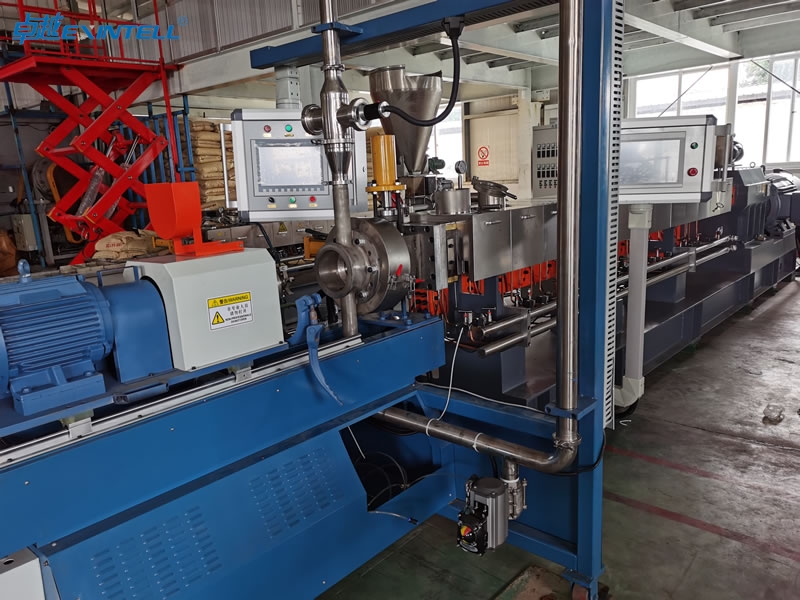
දියවීම & ප්ලාස්ටික් සෑදීම: ඔබ extruder භාවිතා කරමින් තාපය සහ කැපුම යොදන්න. මෙම පියවර ඒකාකාර ප්රවාහයක් ලබා ගන්නා අතර පෙරීම සඳහා ප්ලාස්ටික් සූදානම් කරයි.
-
පෙරහන් උණු කරන්න: අපිරිසිදු ද්රව්ය ඉවත් කිරීම සඳහා ඔබ උණු කළ ප්ලාස්ටික් පෙරීම. පිරිසිදු ද්රව්ය උසස් තත්ත්වයේ පෙති සහතික කරයි.
-
ඩයි extrusion & කැපීම: ඔබ ඩයි සහ කැපුම් යාන්ත්රණයක් භාවිතයෙන් පෙරන ලද උණු කිරීම පෙති බවට පත් කරයි.
-
සිසිලනය & පෝෂණය: ඔබ පෙති සිසිල් කර වියළා හෝ අනාගත භාවිතය සඳහා ගබඩා කරන්න.
ඉඟිය: අඛණ්ඩ පෝෂණය සහ නිශ්චිත උෂ්ණත්ව පාලනය ඔබට ඒකාකාර පෙති ප්රමාණය ලබා ගැනීමට සහ දෝෂ වළක්වා ගැනීමට උපකාරී වේ.
ඔබට pelletizing උපකරණ වර්ග කිහිපයකින් තෝරා ගත හැකිය, එක් එක් විවිධ ද්රව්ය සහ හැඩයන් සඳහා සුදුසු වේ. පහත වගුවේ පොදු විකල්ප පෙන්වයි:
|
Pelletizer වර්ගය |
සඳහා හොඳම |
පෙති හැඩය |
සාපේක්ෂ පිරිවැය |
|---|---|---|---|
|
PE, පීපී, PS - පිරිසිදු පෝෂක |
සිලින්ඩරාකාර |
අඩුයි |
|
|
PET, PA, ඉංජිනේරු ප්ලාස්ටික් |
ගෝලාකාර |
ඉහළ |
|
|
ජල වළලු පෙතිකාරකය |
PE, PP - මධ්යස්ථ දූෂණය |
වාචික/ගෝලාකාර |
මධ්යම |
Pelletizing Matters ඇයි
ප්රතිචක්රීකරණය සහ නිෂ්පාදනය කිරීමේදී පෙතිකරණය තීරණාත්මක කාර්යභාරයක් ඉටු කරයි. ඔබ උණු කළ ප්රතිචක්රීකරණය කළ ප්ලාස්ටික් ඒකාකාර පෙති බවට පරිවර්තනය කරයි, ඔබට ගබඩා කළ හැකි, ප්රවාහනය, සහ වර්ජින් ෙරසින් වැනි නැවත සැකසීම. මෙම පරිවර්තනය මඟින් ප්රතිචක්රීකරණය කරන ලද ද්රව්ය කාර්යක්ෂමව නිෂ්පාදන චක්රයට නැවත ඇතුල් වීමට ඉඩ සලසයි. නිෂ්පාදනයේදී පහසු හැසිරවීම සහ වැඩිදියුණු කළ මිශ්ර කිරීම ඔබට ප්රතිලාභ ලැබේ. ප්රතිචක්රීකරණය කරන ලද ද්රව්ය සැපයීම මගින් අවසාන නිෂ්පාදනය ප්ලාස්ටික් සඳහා චක්රලේඛ ආර්ථිකයට සහාය වේ.
-
පෙතිකරණය ප්ලාස්ටික් ආහාර ද්රව්ය හැසිරවීමට පහසු සහ කාර්යක්ෂම කරයි.
-
එය මිශ්ර කිරීම සහ සෑදීමේදී ස්ථාවර ප්රතිඵල සහතික කරයි.
-
මෙම ක්රියාවලිය මගින් ප්රතිචක්රීකරණය කරන ලද ද්රව්ය සහිත ප්ලාස්ටික් සඳහා සමස්ත චක්ර ආර්ථිකයම සපයයි.
පෙති සෑදීමේදී ඔබට අභියෝග කිහිපයකට මුහුණ දීමට සිදුවේ. පෙති වල ඇති අධික තෙතමනය දුර්වල යාන්ත්රික ක්රියාකාරිත්වය සහ ද්රව්ය අලාභයට හේතු විය හැක. තෙතමනය අවම කිරීම සඳහා ඔබට ඵලදායී වියළුම් පද්ධති සහ නිසි උපකරණ තෝරාගැනීම අවශ්ය වේ. නොගැලපෙන පෙති ප්රමාණය බොහෝ විට සිදුවන්නේ නුසුදුසු පෝෂණ යාන්ත්රණයන් හේතුවෙනි. නිවැරදි පෝෂණ පද්ධති භාවිතා කිරීමෙන් ඔබ මෙය විසඳයි. යන්ත්රෝපකරණ තෝරාගැනීම, නිරවද්ය-ඉංජිනේරු තල සහිත granulator වැනි, නිෂ්පාදනය කරන ලද පෙති වල ගුණාත්මක භාවයට සෘජුවම බලපායි.
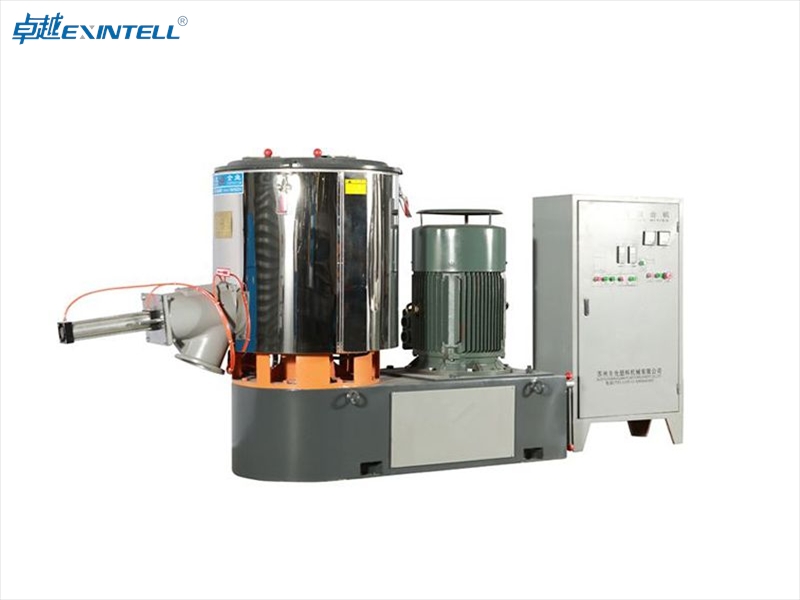
තාක්ෂණික දියුණුවත් ඔබ දකිනවා 2026. අතර L/D අනුපාත සහිත තනි ඉස්කුරුප්පු නිස්සාරක 32:1 සහ 38:1 පොදු වේ. ටැන්ඩම් වින්යාසයන් වායු ඉවත් කිරීම සහ පෙරීම උපරිම කරයි. අඛණ්ඩ තිර වෙනස් කරන්නන් නිෂ්පාදනය නතර නොකර පෙරහන් වෙනස් කිරීමට ඉඩ දෙයි. Bimetallic තාක්ෂණය කල්පැවැත්ම වැඩි කරයි, සහ සම-භ්රමණය වන සමාන්තර නිවුන් ඉස්කුරුප්පු නිස්සාරණ කාර්යක්ෂම අපවිත්ර ඉවත් කිරීම ලබා දෙයි. දිය යට පෙලෙටයිසර් නිල ඇඳුම නිපදවයි, දූවිලි රහිත පෙති සහ ඉහළ නැවත විකුණුම් මිල නියම කරයි.
|
තාක්ෂණය |
විස්තරය |
ප්රතිලාභ |
|---|---|---|
|
Bimetallic තාක්ෂණය |
උසස් ද්රව්ය කල්පැවැත්ම වැඩි දියුණු කරයි |
මගින් කල්පැවැත්ම වැඩි කරයි 3-5 වාර |
|
සම-භ්රමණය වන සමාන්තර නිවුන් ඉස්කුරුප්පු ඇණ |
ධනාත්මක විස්ථාපනය, ස්වයං පිරිසිදු කිරීමේ කාර්යයන් |
දූෂිත ද්රව්ය කාර්යක්ෂමව ඉවත් කිරීම |
|
දිය යට පෙලෙටයිසර් |
නිල ඇඳුම නිෂ්පාදනය කරයි, දූවිලි රහිත පෙති |
වැඩි නැවත විකුණුම් මිල, ඉංජිනේරු ප්ලාස්ටික් සඳහා වඩාත් සුදුසුය |
ඔබට ප්රතිදාන ධාරිතා ලබා ගත හැක 80 kg/hr සිට වැඩි 1,000 kg/hr, යන්ත්රයේ වර්ගය සහ වින්යාසය මත පදනම්ව. බලශක්ති කාර්යක්ෂම රේඛා අතර ඉතිරි වේ $30,000-$80,000 අඩු කාර්යක්ෂම මාදිලිවලට සාපේක්ෂව වසරකට. තුළ 2026, ප්ලාස්ටික් පෙති සඳහා නිශ්චිත බලශක්ති පරිභෝජනය පරාසයක පවතී 0.25-0.35 kWh/kg, හොඳම පන්තියේ වින්යාසයන් සමඟ අඩු මට්ටමින් ළඟා වේ 0.20-0.30 kWh/kg.
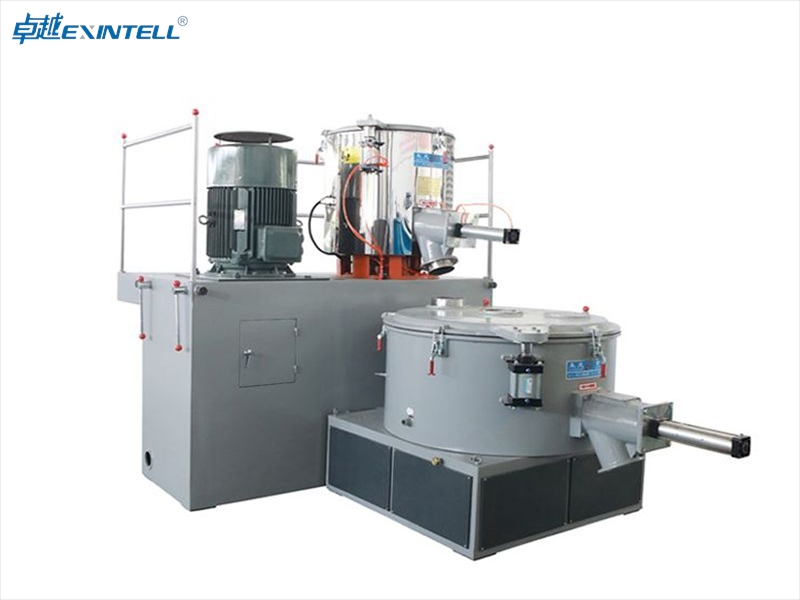
සටහන: බහු ස්ථර ප්රමිතිකරණය සහ නව ඉස්කුරුප්පු මෝස්තර ඔබට ජෛව ප්ලාස්ටික් සහ විවේචනාත්මක නොවන පැතිකඩ වඩාත් ඵලදායී ලෙස සැකසීමට උපකාරී වේ..
කර්මාන්ත ප්රමිතීන්ට අනුකූලව ඒකාකාර පෙති නිෂ්පාදනය කිරීමට ඔබ ප්ලාස්ටික් කැටිති සහ කැටිති තාක්ෂණය මත විශ්වාසය තබයි.. ක්රියාවලිය මඟින් ඔබට නිෂ්පාදනය සහ ප්රතිචක්රීකරණය සඳහා විශ්වාසදායක ආහාර ද්රව්ය ඇති බව සහතික කරයි, කාර්යක්ෂමතාව සහ තිරසාරත්වය යන දෙකටම සහාය වීම.
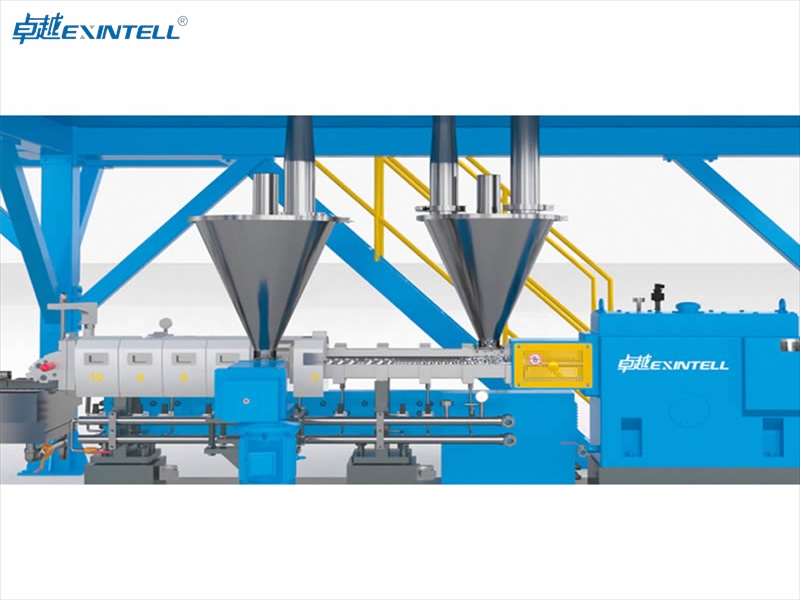
ප්ලාස්ටික් පෝෂණය
ආදාන ද්රව්ය
ඔබ ආරම්භ කරන්න pelletizing ක්රියාවලිය නිවැරදි ආදාන ද්රව්ය තෝරාගැනීමෙන්. ඔබට ප්ලාස්ටික් අපද්රව්ය භාවිතා කළ හැකිය, වර්ජින් ප්ලාස්ටික්, හෝ දෙකම මිශ්ර. ඔබ මෙම ද්රව්ය ප්ලාස්ටික් pelletizer බවට පෝෂණය කිරීමට පෙර, ඔබ ඒවා ප්රවේශමෙන් සකස් කළ යුතුය. මෙන්න සාමාන්ය සූදානම් කිරීමේ කාර්ය ප්රවාහයක්:
-
ප්ලාස්ටික් සකස් කිරීම: අපිරිසිදු හා දූෂිත ද්රව්ය ඉවත් කිරීම සඳහා ඔබ ප්රතිචක්රීකරණය කරන ලද ප්ලාස්ටික් සෝදා ඉරා දමන්න. අවශ්ය නම්, ඔබට ද්රව්ය උණු කළ හැකිය. වර්ජින් ප්ලාස්ටික් බොහෝ විට පෙති හෝ කැටිති ලෙස පැමිණේ, සැකසීමට සූදානම්.
-
උණු කිරීම සහ නිස්සාරණය: ඔබ ප්ලාස්ටික් පෙති කපන යන්ත්රය තුළ සකස් කළ ප්ලාස්ටික් උණුසුම් කරන්න. Extruder ද්රව්යය උණු කර එය ඉදිරියට තල්ලු කරයි.
-
කැපීම: උණු කළ ප්ලාස්ටික් කුඩා කැබලිවලට කපා ගැනීමට ඔබ කැරකෙන තල හෝ කැටිති භාවිතා කරයි.
-
සිසිලනය: ඔබ වාතය භාවිතයෙන් පෙති සිසිල් කරයි, ජලය, හෝ දෙකම.
-
වියළීම සහ තිරගත කිරීම: ඔබ සිසිල් කළ පෙති වියළා ඒකාකාර ප්රමාණය සහ ගුණාත්මකභාවය සහතික කිරීම සඳහා ඒවා තිරගත කරන්න.
ආදාන ද්රව්යවල පිරිසිදුකම සහ ප්රමාණය පිළිබඳව ඔබ අවධානය යොමු කළ යුතුය. පිරිසිදුයි, හොඳින් සකස් කරන ලද ප්ලාස්ටික් අපද්රව්ය ඔබට දෝෂ මඟහරවා ගැනීමට සහ පෙතිවල ගුණාත්මකභාවය වැඩි දියුණු කිරීමට උපකාරී වේ.
පෝෂණ යාන්ත්රණ
ප්ලාස්ටික් pelletizing පද්ධතියට ගෙනයාමට ඔබ කාර්යක්ෂම පෝෂණ යාන්ත්රණයන් මත විශ්වාසය තබයි. ප්රධාන ක්රම දෙකක් ඔබට ස්ථාවර සහ පාලිත පෝෂණය ලබා ගැනීමට උපකාරී වේ.
ආප්ප
ප්ලාස්ටික් අපද්රව්ය හෝ වර්ජින් ද්රව්ය ප්ලාස්ටික් පෙතිකාරකයට පැටවීමට ඔබ ආප්පයක් භාවිතා කරයි. ආප්ප ද්රව්ය රඳවා තබාගෙන එය පාලනය කළ වේගයකින් නිකුත් කරයි. ප්ලාස්ටික් pelletizing යන්ත්රයේ ධාරිතාවයට ගැලපෙන පරිදි ප්රවාහය සකස් කළ හැකිය. ආප්පවල බොහෝ විට ද්රව්ය මට්ටම් නිරීක්ෂණය කරන සහ අවහිරතා වළක්වන සංවේදක ඇතුළත් වේ.
වාහක
ගබඩාවේ සිට ආප්පයට හෝ කෙලින්ම පෙතිකාරකයට ප්ලාස්ටික් ප්රවාහනය කිරීමට ඔබ වාහක භාවිතා කරයි. වාහක ද්රව්ය ස්ථාවර ප්රවාහයක් සපයන අතර අතින් හැසිරවීම අඩු කරයි. ඔබට පටිය තෝරා ගත හැකිය, ඉස්කුරුප්පු ඇණ, හෝ ප්ලාස්ටික් වර්ගය සහ ප්රමාණය මත පදනම්ව කම්පන වාහක. වාහකයන් ඔබට ස්ථාවර ආහාර අනුපාතයක් පවත්වා ගැනීමට සහ බාධා කිරීම් අවම කිරීමට උදවු කරයි.
ඉඟිය: ජෑම් වැළැක්වීම සහ සුමට ක්රියාකාරීත්වය සහතික කිරීම සඳහා ඔබ නිතරම පෝෂණ පද්ධතිය පරීක්ෂා කළ යුතුය.
අඛණ්ඩ පෝෂණය වැදගත්කම
ඔබට අවශ්යයි ස්ථාවර පෝෂණය උසස් තත්ත්වයේ පෙති නිෂ්පාදනය කිරීමට. ස්ථාවර පෝෂණය ඒකාකාර ප්රමාණය සහතික කරයි, හැඩය, සහ තෙතමනය අන්තර්ගතය. ඔබ පෝෂණය කිරීමේ වෙනස්කම් වලට ඉඩ දෙන්නේ නම්, ඔබ මතුපිට දෝෂ හෝ හිස් තැන් සහිත පෙති සෑදීමේ අවදානමක් ඇත. තෙතමනය උච්චාවචනයන් යාන්ත්රික ශක්තිය අහිමි වීම සහ උපකරණ අසාර්ථක වීමට පවා හේතු විය හැක. අස්ථායී pellet ගුණාත්මක භාවය ඔබට වාණිජ යෙදුම්වල පෙති විකිණීම හෝ භාවිතා කිරීම අපහසු කරයි.
-
නොගැලපෙන පෙති ප්රමාණය හේතු විය හැක මතුපිට දෝෂ සහ හිස් තැන්.
-
තෙතමනය අන්තර්ගතයේ වෙනස්කම් යාන්ත්රික ශක්තිය අහිමි වීම සහ උපකරණ අසමත් වීම හේතු විය හැක.
-
අස්ථායී පෙති ගුණාත්මකභාවය වාණිජ යෙදුම්වල පිළිගැනීමට බාධාවක් විය හැකිය.
ස්ථාවර පෝෂණය පවත්වා ගැනීමෙන් ඔබ තෙතමනය පාලනය කරයි. සාක්ෂාත් කර ගැනීම සඳහා මෙම පියවර අත්යවශ්ය වේ උපරිම නිෂ්පාදන ගුණාත්මකභාවය. ඔබ ආහාර අනුකූලතාව නොසලකා හරින්නේ නම්, ඔබට පහල සැකසුම් ගැටළු වලට මුහුණ දිය හැක, මතුපිට දෝෂ සහ ව්යුහාත්මක අඩුපාඩු වැනි. ඔබට ඒකාකාර පෝෂණය සහ පෙති වල ගුණාත්මක භාවය ලබා ගැනීමට උපකාර කිරීම සඳහා ඔබ ප්ලාස්ටික් කැටිති සහ කැටිති තාක්ෂණය මත විශ්වාසය තබයි..
උණු කිරීම සහ පෙරීම
Extruder බැරල් සහ ඉස්කුරුප්පු ඇණ
ප්ලාස්ටික් අපද්රව්ය හෝ අමුද්රව්ය සුමට බවට පරිවර්තනය කිරීමට ඔබ එක්ස්ට්රූඩර් බැරලය සහ ඉස්කුරුප්පුව මත විශ්වාසය තබයි, නිල ඇඳුම උණු කිරීම. රත් වූ බැරලය ඇතුළත ඉස්කුරුප්පු ඇණ භ්රමණය වේ, ප්ලාස්ටික් ඉදිරියට තල්ලු කිරීම. ඉස්කුරුප්පු ඇණ හැරෙන විට, එය යාන්ත්රික ක්රියාව සහ කැපුම් තාපය නිර්මාණය කරයි. මෙම ක්රියාවලිය ප්ලාස්ටික් කාර්යක්ෂමව දිය වේ. බැරලයේ බාහිර හීටර් වැඩි තාපයක් එකතු කරයි, ද්රව්යය පෙතිකරණය සඳහා නියම උෂ්ණත්වයට ළඟා වන බව සහතික කිරීම. ඉස්කුරුප්පු ඇණෙහි තාපය බොහෝ විට උණු කිරීම සඳහා අවශ්ය ශක්තියෙන් සැලකිය යුතු කොටසක් සපයයි.
මෙම සංරචක එකට වැඩ කරන ආකාරය පිළිබඳ ඉක්මන් දළ විශ්ලේෂණයක් මෙන්න:
|
සංරචකය |
කාර්යය |
|---|---|
|
ඉස්කුරුප්පු ඇණ |
යාන්ත්රික ක්රියාව සහ කැපුම් තාපය හරහා ප්ලාස්ටික් ඒකාකාර දියවීමක් බවට පරිවර්තනය කරයි. |
|
බැරල් |
ප්ලාස්ටික් රත් කර සංයුක්ත කරයි, සම්පූර්ණ දියවීම සහතික කිරීම සහ මිය යන හිසට පෝෂණය කිරීම. |
සමගියෙන් වැඩ කිරීමට ඔබට ඉස්කුරුප්පු ඇණ සහ බැරල් දෙකම අවශ්ය වේ. එක් කොටසක් අසමත් වුවහොත්, ප්ලාස්ටික් pelletizer හට ස්ථාවර පෙති නිපදවිය නොහැක.
උෂ්ණත්ව පාලනය
දියවන අවධියේදී ඔබ ප්රවේශමෙන් උෂ්ණත්වය පාලනය කළ යුතුය. ප්ලාස්ටික් දියවන ආකාරය උෂ්ණත්වය සෘජුවම බලපායි සහ නිස්සාරණ පද්ධතිය හරහා ගලා යයි. නිසි උෂ්ණත්ව සැකසුම් ඔබට සුමට ද්රව්ය ප්රවාහයක් සහ ස්ථාවරත්වයක් ලබා ගැනීමට උපකාරී වේ, ඉහළ අස්වැන්න නෙලීම. ඔබ උෂ්ණත්වය ඉතා අඩු නම්, ප්ලාස්ටික් ඒකාකාරව දිය නොවිය හැක. මෙය අධික දුස්ස්රාවීතාවය සහ දුර්වල ප්ලාස්ටික්කරණයට හේතු වේ. ඔබ උෂ්ණත්වය අධික ලෙස සකසා ඇත්නම්, ප්ලාස්ටික් දිරාපත් විය හැක. මෙය බිඳෙනසුලු පෙති ඇති කරන අතර ඒවායේ යාන්ත්රික ශක්තිය අඩු කරයි.
-
උෂ්ණත්වය ප්ලාස්ටික් ප්ලාස්ටික්කරණයට බලපායි, ගලා යාමේ හැකියාව, සහ අවසාන පෙති වල ගුණාංග.
-
නිවැරදි උෂ්ණත්වය ස්ථාවර ක්රියාකාරීත්වය සහ උසස් තත්ත්වයේ ප්රතිදානය සහතික කරයි.
-
අඩු උෂ්ණත්වයන් අසමාන දියවීම හා අධික දුස්ස්රාවීතාවය ඇති කරයි.
-
අධික උෂ්ණත්වය තාප පිරිහීම හා දුර්වල පෙති වල අවදානමක් ඇත.
ඉඟිය: ප්රශස්ත ද්රවාංක තත්ත්වයන් පවත්වා ගැනීම සඳහා සෑම විටම බැරලය දිගේ උෂ්ණත්ව කලාප නිරීක්ෂණය කරන්න.
Pelletizing පෙර පෙරීම
ඔබ නිස්සාරණ වේදිකාවට යාමට පෙර, ඔයා කළ යුතුයි උණු කළ ප්ලාස්ටික් පෙරීම. පෙරීම කුණු වැනි අපිරිසිදු දේ ඉවත් කරයි, ලෝහ කොටස්, හෝ උණු නොකළ අංශු. උසස් තත්ත්වයේ පෙති නිෂ්පාදනය සඳහා පිරිසිදු උණු කිරීම අත්යවශ්ය වේ. අපවිත්ර ද්රව්ය හසු කර ගැනීම සඳහා ඔබ ප්ලාස්ටික් පෙතිකරණ යන්ත්රයේ සිහින් දැල් තිර හෝ පෙරහන් ඇසුරුම් භාවිතා කරයි. මෙම පියවර හානිවලින් මියයාම සහ කැපුම් පද්ධතිය ආරක්ෂා කරයි. පෙතිවල සුමට මතුපිටක් සහ ඒකාකාර ව්යුහයක් ඇති බව ද එය සහතික කරයි.
ඔබ නිතරම පෙරහන් පරීක්ෂා කර ප්රතිස්ථාපනය කළ යුතුය. අවහිර වූ ෆිල්ටර ගලායාම අඩු කර නිස්සාරණ පද්ධතියේ පීඩනය වැඩි කිරීමට හේතු වේ. අඛණ්ඩ පෙරීම pelletizing ක්රියාවලියේ සමස්ත කාර්යක්ෂමතාවයට සහාය වේ. ඔබේ නිමි පෙතිවල වඩා හොඳ ප්රතිඵල සහ අඩු දෝෂ ඔබට ලැබේ.
සටහන: ඵලදායී පෙරීම ඔබේ ප්ලාස්ටික් කැටිති සහ කැටිති තලවල ආයු කාලය දීර්ඝ කරයි.
ඩයි ප්ලේට් හරහා නිස්සාරණය
ඩයි ප්ලේට් ක්රියාකාරිත්වය
උණු කළ ප්ලාස්ටික් ඩයි ප්ලේට් වෙත පැමිණෙන විට ඔබ ප්ලාස්ටික් පෙතිකාරක ක්රියාවලියේ තීරණාත්මක අවධියකට ළඟා වේ. ඩයි ප්ලේට් උණු කළ ද්රව්ය කෙඳි බවට හැඩගස්වන නිරවද්ය මෙවලමක් ලෙස ක්රියා කරයි. එක් එක් නූල් වල ආරම්භක ප්රමාණය සහ හැඩය නිර්වචනය කිරීමට ඔබ මෙම සංරචකය මත රඳා පවතී, පසුව පෙති බවට පත් වේ. ඩයි ප්ලේට් නිර්මාණය ඔබේ නිමැවුමේ ගුණාත්මකභාවය සහ අනුකූලතාවයට සෘජුවම බලපායි.
මෙහි ඉක්මන් දළ විශ්ලේෂණයකි යතුරු ඩයි ප්ලේට් විශේෂාංග:
|
විශේෂාංගය |
විස්තරය |
|---|---|
|
කාර්යය |
උණු කරන ලද බහු අවයවීය නෙරා යයි පෙති මානයන් නිර්වචනය කිරීමට සිදුරු හරහා |
|
සිදුරු ප්රමාණය පරාසය |
සාමාන්යයෙන් පරාසයක පවතී 2.5 දක්වා 4 විෂ්කම්භය මි.මී |
|
සිදුරු ගණන |
සාමාන්යයෙන් අතර 200 දක්වා 800 සිදුරු |
|
ගුණාත්මකභාවය කෙරෙහි බලපෑම් |
සැලසුම අවසාන පෙති ලක්ෂණ වලට බලපායි, ප්රමාණය සහ හැඩය ඇතුළුව |
නූල් ඝණකම පාලනය කිරීම සඳහා ඔබට සිදුරු විෂ්කම්භය සහ වින්යාසය සකස් කළ හැකිය. කුඩා සිදුරු තුනී කෙඳි සහ කුඩා පෙති නිපදවයි. විශාල සිදුරු ඝන කෙඳි සහ විශාල පෙති ලබා දෙයි. ඩයි ප්ලේට් නිස්සාරණ පද්ධතියෙන් පිටවන සෑම නූල් එකක්ම ඔබ කැමති පිරිවිතරයන්ට ගැලපෙන බව සහතික කරයි.
පීඩනය සහ පෙති හැඩය
උණු කළ ප්ලාස්ටික් ඩයි ප්ලේට් හරහා ගමන් කරන විට ඔබ නිවැරදි පීඩනය පවත්වා ගත යුතුය. එක් එක් සිදුර හරහා ඒකාකාරව ද්රව්ය තල්ලු කිරීම සඳහා නිස්සාරණ පද්ධතිය පීඩනය භාවිතා කරයි. අඛණ්ඩ පීඩනය නූල් ඝනකමේ අක්රමිකතා වළක්වන අතර ඒකාකාර පෙති ප්රමාණය ලබා ගැනීමට ඔබට උපකාරී වේ. පීඩනය පහත වැටේ නම් හෝ උල් වේ නම්, ඔබ පෙති වල අසමාන හැඩයන් හෝ වායු සාක්කු වැනි දෝෂ දැකිය හැක.
එක් එක් පෙති වල හැඩය ඩයි ප්ලේට් සැලසුම සහ නිස්සාරණයේදී යොදන පීඩනය මත රඳා පවතී. සිලින්ඩරාකාර නිර්මාණය කිරීම සඳහා ඔබට විවිධ සිදුරු හැඩතල සහ විධිවිධාන තෝරාගත හැක, ගෝලාකාර, හෝ ලෙන්ටිකල් පෙති. පීඩනය සහ ඩයි ප්ලේට් නිර්මාණයේ නිවැරදි සංයෝජනය ඔබේ නිෂ්පාදනයේ අවසාන පෙනුම සහ ක්රියාකාරීත්වය පාලනය කරයි.
නූල් හැඩගැන්වීම
පෙති වලට කැපීමට පෙර ප්ලාස්ටික් කෙඳි හැඩගැන්වීම සඳහා ඔබට ක්රම කිහිපයක් තිබේ. සෑම ක්රමයක්ම විවිධ යෙදුම් සඳහා අද්විතීය ප්රතිලාභ ලබා දෙයි. ක්රමය තෝරා ගැනීම ගුණාත්මක භාවයට බලපායි, පිරිවැය, සහ ඔබේ පෙති වල අනුකූලතාව.
|
ක්රමය |
විස්තරය |
පෙතිවල ගුණාත්මකභාවය කෙරෙහි බලපෑම |
|---|---|---|
|
ප්ලාස්ටික් නූල් වලට නෙරා යයි, ඉන්පසු ඒවා පෙති වලට කපා දමයි. |
කුඩා කණ්ඩායම් සඳහා පිරිවැය-ඵලදායී වේ, නමුත් ගුණාත්මක භාවයෙන් වෙනස් විය හැක. |
|
|
දිය යට කෙඳි කපයි, එය සිසිල් කර ගුණාත්මක භාවය පවත්වා ගනී. |
ඵලදායී සිසිලනය හේතුවෙන් උසස් තත්ත්වයේ පෙති නිෂ්පාදනය කරයි. |
|
|
ජල-මුදු පද්ධති |
සිසිලනය සහ කෙඳි කැපීම සඳහා ජල වළල්ලක් භාවිතා කරයි. |
පිරිවැය-කාර්යක්ෂම වන අතරම හොඳ ගුණාත්මකභාවය සහතික කරයි. |
ප්ලාස්ටික් අපද්රව්ය කුඩා කාණ්ඩ සඳහා ඔබට නූල් පෙති භාවිතා කළ හැකිය, as it offers a simple and affordable approach. Underwater hot-face cutting works well when you need high-quality pellets with smooth surfaces. Water-ring systems balance cost and quality, making them suitable for many types of plastics.
You depend on the plastic granulator and granulator technology to finish the process. After shaping and cooling, the system cuts the strands into uniform pellets. This step completes the transformation from melting to finished product, ready for packaging or further processing.
ඉඟිය: Always monitor the extrusion system for stable pressure and temperature. This helps you maintain consistent pellet quality and reduces downtime.
සිසිලන ක්රම
After the extrusion stage, ඔයා කළ යුතුයි cool the hot strands quickly to form solid pellets. The cooling method you choose affects pellet quality, බලශක්ති භාවිතය, and production speed. You can select from water ring cooling, underwater cooling, or air cooling, depending on your material and production needs.
Water Ring Cooling
You often use water ring cooling for polyolefins and polystyrene. මෙම ක්රමය තුළ, you direct a ring of water around the die face. The water cools and solidifies the strands as they exit, then a cutter chops them into pellets. This system works well for many standard plastics and offers a compact design.
Here is a summary of the main advantages and disadvantages:
|
වාසි |
අවාසි |
|---|---|
|
Not suitable for sticky or thick materials |
|
|
Produces visually appealing pellets |
Requires close monitoring of water |
|
Compact system with lower costs |
Limited material compatibility |
|
Handles changes in melt temperature and pressure well |
Lower production capacity compared to underwater systems |
|
Space-efficient and easy to control |
Limited to specific materials |
|
Cost-effective for budget-conscious companies |
Not effective for materials that heat up or stick together |
|
Cannot handle high production demands |
|
|
Good for budget management |
Limited to certain materials like polyolefins and polystyrene |
You should choose water ring cooling if you want a space-saving, budget-friendly solution for standard materials. You must monitor the water system closely to prevent issues with sticky or thick plastics.
Underwater Cooling
You can achieve high-quality pellets with underwater cooling. මෙම ක්රමය තුළ, you cut the strands directly in a water chamber. The water cools and solidifies the pellets instantly, which leads to a smooth surface and uniform size. You benefit from continuous operation and high output rates.
-
Underwater pelletizers produce uniform pellets with minimal fines and dust.
-
The rapid solidification process ensures consistent shape and size.
-
You can reach high production rates due to efficient cooling and solidification.
-
Compared to air-cooled systems, underwater cooling uses less energy because water transfers heat more efficiently.
You should consider underwater cooling if you need top-quality pellets and high production capacity. This method works well for demanding applications and advanced materials.
Air Cooling
You may select air cooling for materials that react poorly to moisture, such as biodegradable plastics like PLA or PBAT. Air cooling uses fans or blowers to cool the strands as they exit the die. This method eliminates the need for drying systems, which can simplify your process.
|
යෙදුම් |
සීමාවන් |
|---|---|
|
Not suitable for all types of materials |
|
|
Used for biodegradable materials (PLA, PBAT) |
Limited cooling efficiency compared to water cooling |
|
Eliminates the need for drying systems |
Potentially higher energy costs |
You should use air cooling if you process moisture-sensitive materials or want to avoid extra drying steps. You may face higher energy costs and slower cooling compared to water-based methods.
ඉඟිය: Always match your cooling method to your material and production goals. The right choice helps you avoid defects and maintain the quality of your pellets.
You rely on the granulator to complete the process after cooling. The granulator cuts the solidified strands into uniform pellets, ready for packaging or further use. Efficient cooling ensures that the melting and cutting stages produce high-quality pellets from your plastic waste.
Pelletizing and Cutting
Knife Cutting Mechanism
You rely on the knife cutting mechanism to transform cooled plastic strands into finished pellets. The system positions specialized knives close to the die face, where the strands exit. ද Melt-to-Cut window plays a crucial role here. If you allow too little time between the die and the blade, you may see misshapen pellets. Too much time can cause fractures and fines, which lowers overall quality. Pelletizing knives come in different shapes, such as straight, slanted, or V-shaped, and each suits a specific type of pelletizer. Manufacturers use high-carbon steel or tool steel for these knives, which increases durability. Precision in cutting is essential, so many knives are CNC-machined for tight tolerances. Heat treatments and coatings further extend blade life and improve performance.
-
The Melt-to-Cut window determines pellet shape and quality.
-
Knife material and shape affect durability and cutting precision.
-
Proper timing prevents defects and ensures consistent results.
Achieving Uniform Pellets
You want every pellet to have the same size and shape. To achieve this, you must control several process variables during cutting. Adjusting the feed rate, disc angle, and disc speed lets you fine-tune pellet size. For smaller pellets, you increase the feed rate and disc angle, feed closer to the three or four o’clock position, and raise the disc speed. For larger pellets, you decrease the feed rate and disc angle, feed closer to the seven o’clock position, and lower the disc speed. These adjustments help you maintain uniformity and avoid defects.
ඉඟිය: Monitor your process controls closely. Small changes in feed or speed can make a big difference in pellet quality.
You also need to ensure that the granulator operates smoothly. Consistent operation helps you cut into pellets with minimal variation, supporting high-quality output.
Types of Pelletizer Cutters
You can choose from several types of pelletizer cutters, each designed for specific materials and production needs. The cutter type affects pellet shape, හරහා, සහ තෙතමනය අන්තර්ගතය. මෙන්න අ comparison:
|
ටයිප් කරන්න |
පෙති හැඩය |
Suitable Materials |
ප්රතිදානය (kg/hr) |
Residual Moisture (%) |
|---|---|---|---|---|
|
නූල් |
සිලින්ඩරාකාර |
තාප ප්ලාස්ටික් (පීපී, PE, ABS, PS) |
100–2,000 |
<1% |
|
දිය යට |
ගෝලාකාර |
All Polymers |
500–3,000+ |
<0.05% |
|
ජල වළල්ල |
Lenticular |
PE, පීපී, පී.සී, PS |
200-1,500 |
<0.5% |
Strand pelletizing uses a water bath for cooling and works well for continuous strands. Underwater pelletizers cut molten plastic directly into pellets with rapid cooling, giving you better control over size and shape. Water ring systems offer a balance between cost and quality, producing lenticular pellets suitable for many applications.
You select the right cutter based on your material, desired pellet characteristics, සහ නිෂ්පාදන ඉලක්ක. This choice ensures your pellets meet industry standards and customer requirements.
Pellet Collection and Finishing
වියළීම සහ තිරගත කිරීම
You must ensure that pellets are dry and free from unwanted materials before packaging. Moisture control is critical because wet pellets can lead to product degradation and issues during storage. සිසිලනයෙන් පසු, you monitor moisture content to optimize the process. You use screening equipment to separate well-formed pellets from fines and debris. Screening also removes stones, ප්ලාස්ටික්, ලෝහ, and other hard materials that could damage your equipment. A stone trap helps you eliminate hard materials, while magnets pick up metals. You rely on these steps to maintain pellet quality and protect your machinery.
-
Monitor moisture content after cooling.
-
Use screening equipment to remove fines and debris.
-
Employ stone traps and magnets to eliminate hard materials and metals.
-
Separate well-formed pellets from defective ones before packaging.
ඉඟිය: Regular screening and drying help you avoid packaging low-quality products and extend the lifespan of your granulator.
තත්ත්ව පාලනය
You need to implement quality control measures to ensure product consistency. Sampling plays a crucial role in achieving good pellet quality. You must use proper procedures and equipment to minimize sampling errors. Samples should represent the entire batch, so you avoid skewed results. You process samples correctly before laboratory analysis to get accurate data.
Here is a step-by-step checklist for quality control:
-
Verify assay accuracy by rechecking with the lab.
-
Ensure the sample taken is representative.
-
Investigate if multiple nutrient levels are out of control.
-
Confirm the regular crew operated the mill during production.
-
Check for discrepancies in inventory records.
-
Ensure scales and metering devices are correctly adjusted.
-
Inspect ingredient and finished-feed bins for issues.
-
Reassess mixing times for correctness.
-
Review ingredient assay values for deficiencies.
Finished-feed assays provide a final assessment of how well you controlled quality during production. You should sample regularly, such as once per week or per 100 tons of production, to maintain consistent quality.
සටහන: Consistent sampling and accurate processing help you deliver pellets that meet industry standards.
ඇසුරුම්කරණය
You prepare pellets for shipment or storage by packaging them efficiently. You use automated systems to fill bags, bins, or containers. Packaging protects pellets from moisture, දූෂණය වීම, and mechanical damage. You label each package with batch information, production date, and quality data. This step helps you track inventory and ensures traceability. You store packaged pellets in a dry, clean area to preserve their quality until use.
-
Use automated packaging systems for efficiency.
-
Label packages for traceability and quality assurance.
-
Store pellets in dry, clean conditions to prevent degradation.
කෑගසන්න: Proper packaging and storage guarantee that your pellets remain high-quality and ready for manufacturing or recycling.
You transform plastic into pellets by following each stage: පෝෂණය කිරීම, දියවීම, filtering, නිස්සාරණය, සිසිලනය, සහ කැපීම. This process gives you uniform pellets for manufacturing and recycling.
-
Modern pelletizers help you දක්වා ඉතිරි කරන්න 30% on materials and reduce the need for new plastic.
-
You support a circular economy by using a granulator to recycle waste and keep plastics out of landfills.
-
මෙම යන්ත්ර lower environmental impact and conserve resources for the future.
Appreciate how this technology makes plastics more sustainable and efficient for everyone.
නිති අසන පැණ
What types of plastics can you process in a pelletizer?
You can process most thermoplastics, ෙපොලිඑතිලීන් ඇතුළුව (PE), පොලිප්රොපිලීන් (පීපී), ෙපොලිස්ටිරින් (PS), සහ PET. Some machines also handle engineering plastics and biodegradable materials. Always check your pelletizer’s compatibility before starting.
How do you maintain pellet size consistency?
You control pellet size by adjusting feed rate, die plate design, සහ කැපුම් වේගය. Regular monitoring and equipment calibration help you achieve uniform pellets. Consistent input material also improves results.
Why do you need to filter the melted plastic?
Filtration removes contaminants like dirt, metal, හෝ උණු නොකළ අංශු. Clean melt protects your equipment and ensures high-quality pellets. You should replace filters regularly to maintain efficiency.
What is the difference between strand and underwater pelletizing?
Strand pelletizing cuts cooled strands after they exit the die. Underwater pelletizing cuts molten plastic directly in water, producing smoother, more uniform pellets. Underwater systems suit high-output and specialty plastics.
How do you reduce moisture in finished pellets?
You use drying systems after cooling. Air knives, centrifugal dryers, or fluidized bed dryers remove surface moisture. Proper drying prevents pellet degradation and improves storage life.
Can you recycle mixed plastic waste in a pelletizer?
You can process mixed plastics, but you may see lower pellet quality. Sorting and pre-treating materials improve results. Some advanced pelletizers handle blends better than others.
How do you troubleshoot common pelletizer problems?
ඉඟිය: Check for uneven feeding, clogged filters, or incorrect temperature settings. Inspect knives for wear. Regular maintenance and monitoring help you solve most issues quickly.