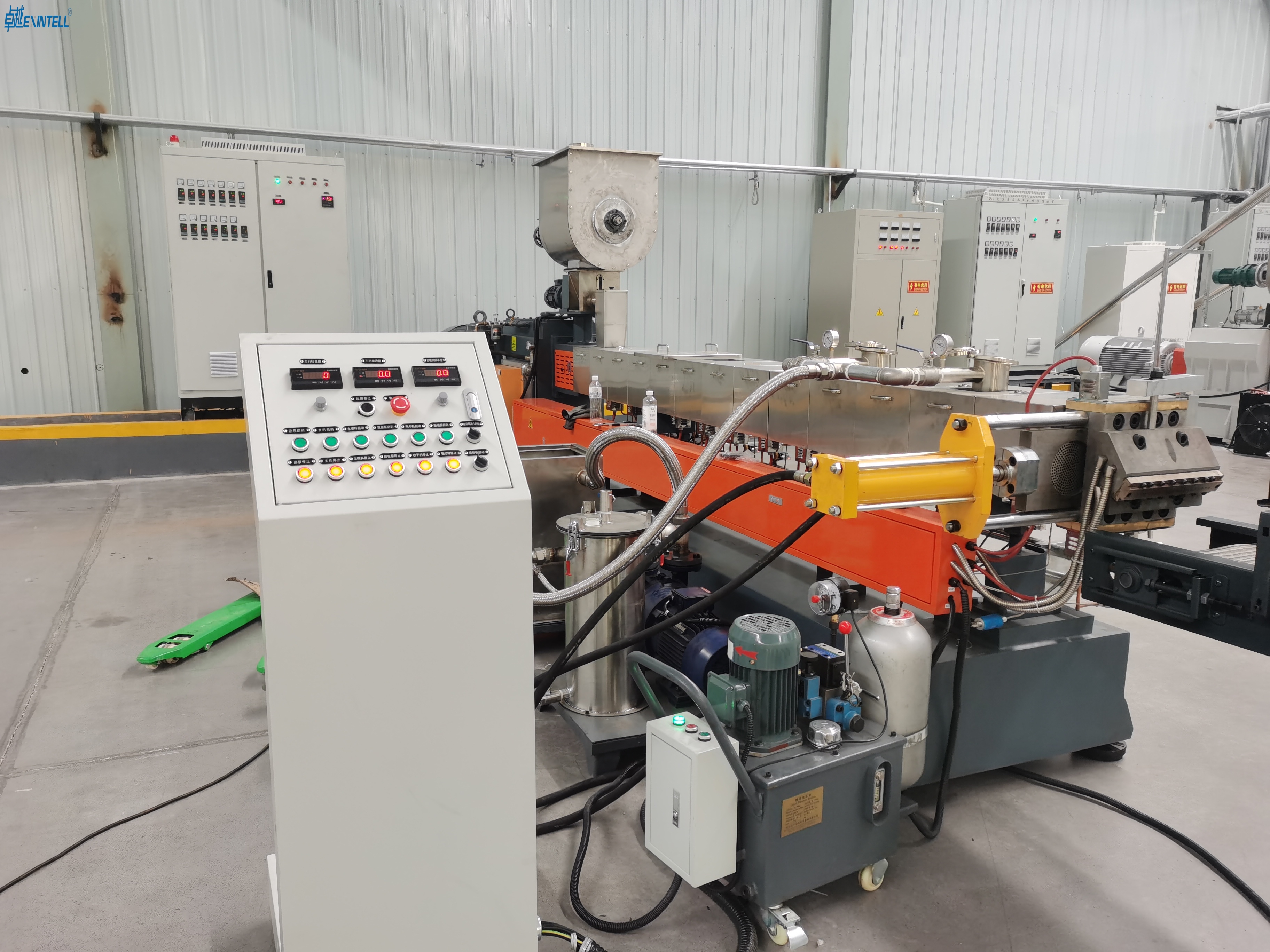
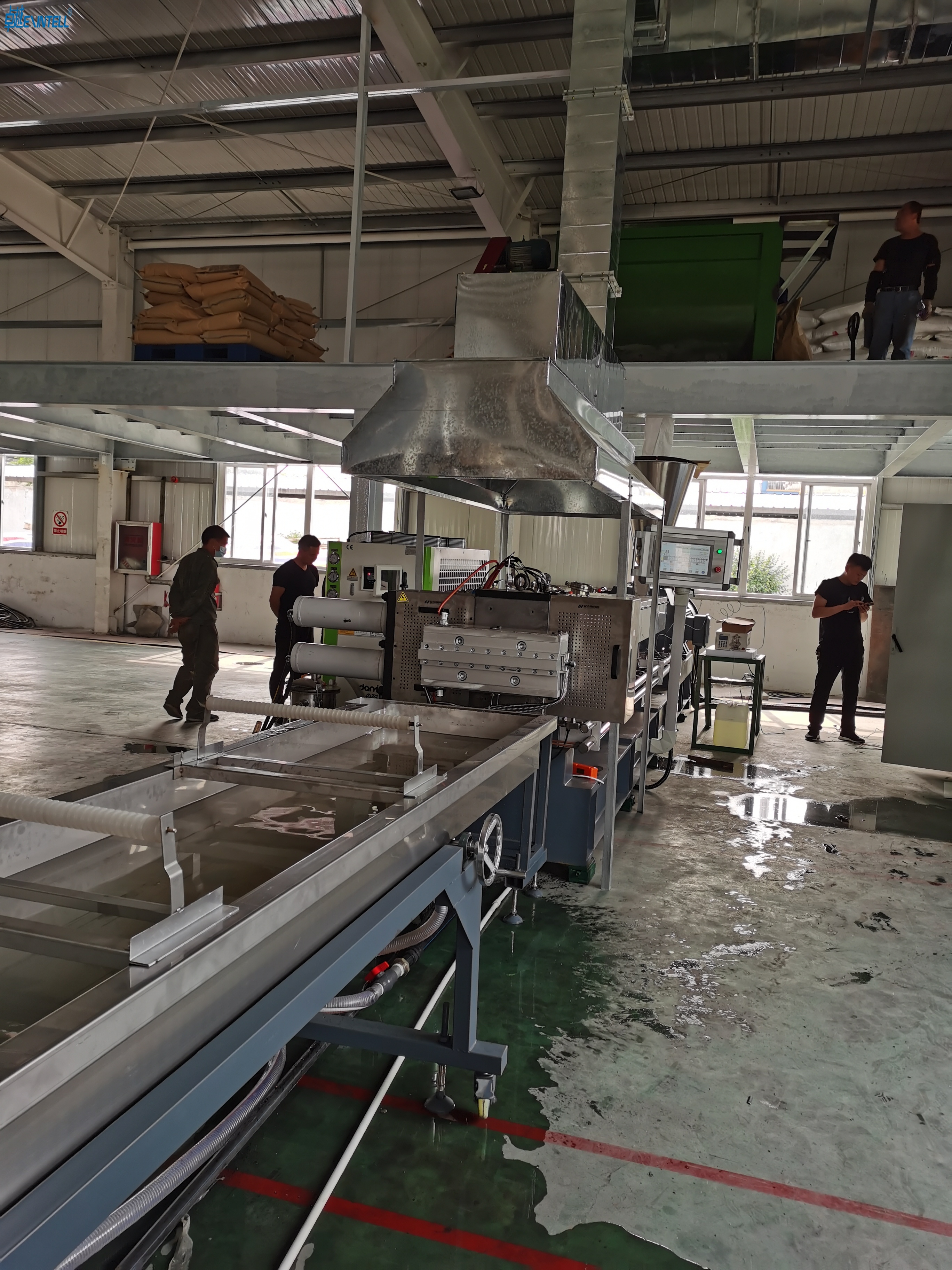
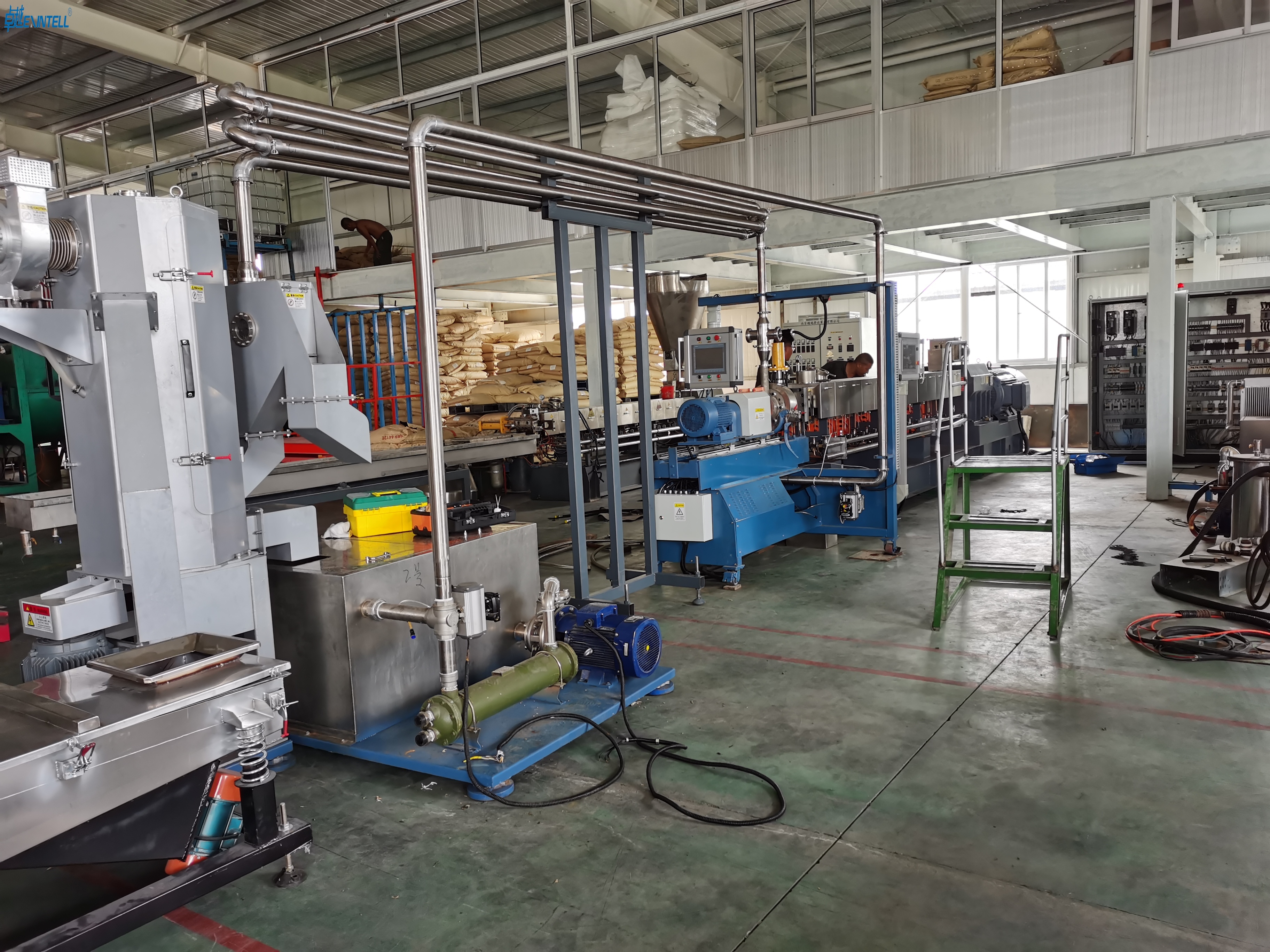
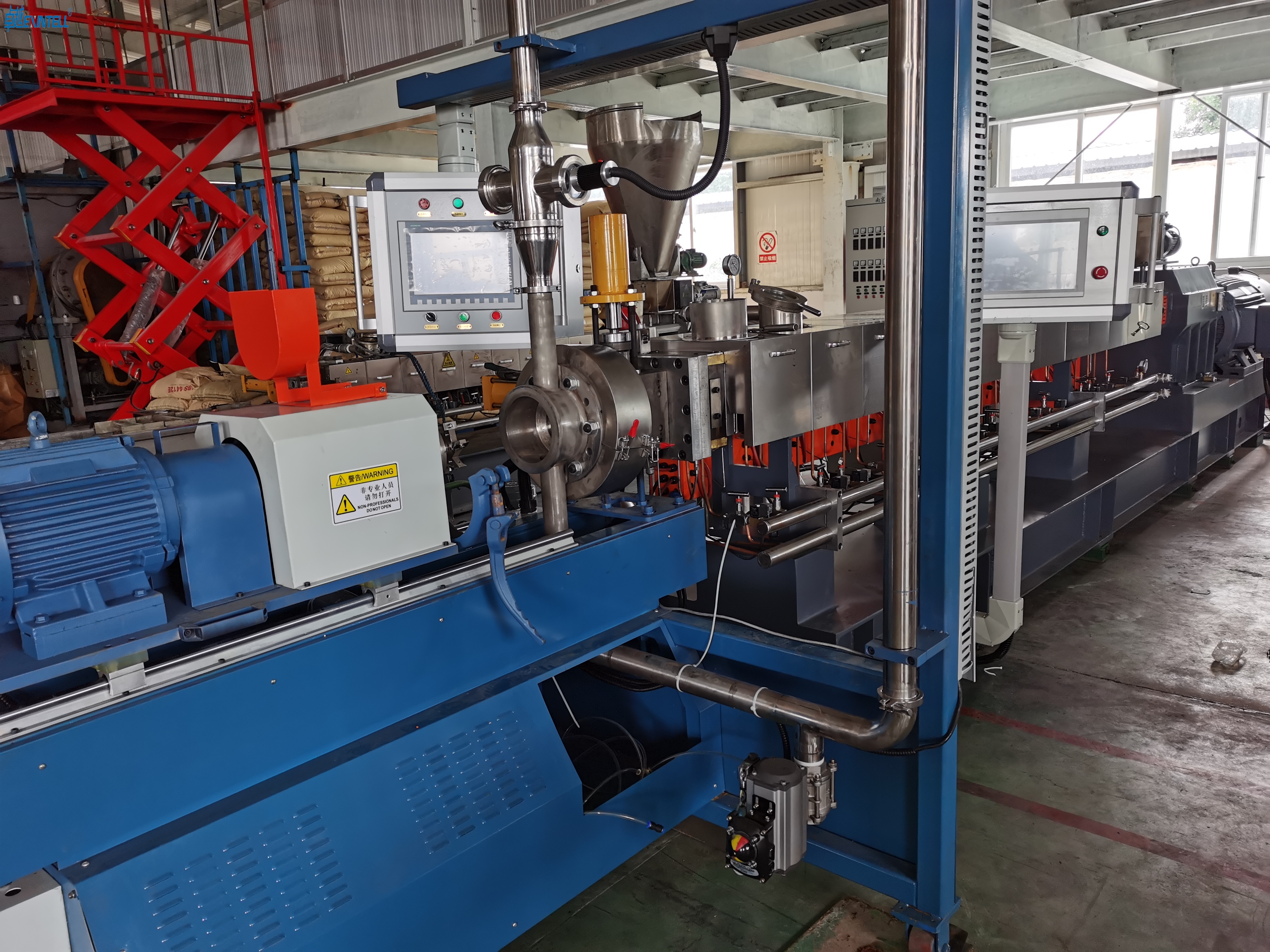
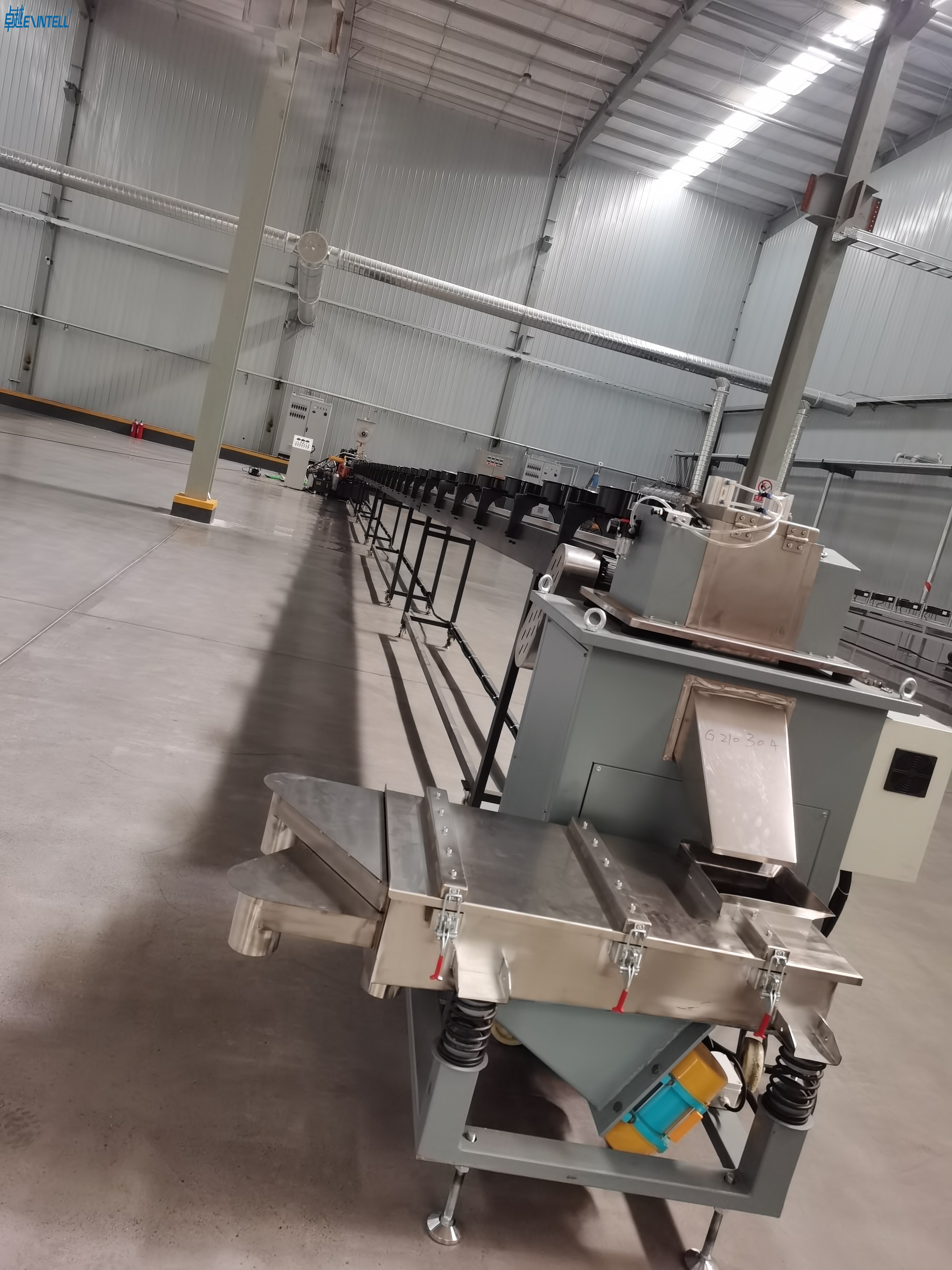
Eu vejo extrusão de plástico como um processo que transforma pellets de plástico bruto em formas úteis, como tubos ou folhas. Para imaginar isso, Penso em espremer pasta de dente de um tubo – só que em vez de pasta, Eu uso plástico derretido, e em vez de um tubo, Eu tenho um molde especial. Este método produz sobre 140 milhões de toneladas métricas de produtos plásticos em todo o mundo a cada ano:
O controle de temperatura e pressão são cruciais para garantir a qualidade do produto final durante a extrusão.
Produtos comuns feitos de extrusão de plástico incluem embalagens, materiais de construção, e tubos médicos.
Reciclando restos de plástico durante a extrusão ajuda a reduzir o desperdício e apoia práticas de fabricação sustentáveis.
Compreender o processo de extrusão permite que os fabricantes criem formas personalizadas e atendam às necessidades específicas da indústria.
O que é extrusão de plástico?
Explicação Simples
Quando penso em extrusão de plástico, Eu vejo isso como um processo de fabricação simples, mas poderoso. Eu começo com plástico bruto, geralmente na forma de pequenos pellets ou grânulos. Eu coloco esses pellets em uma máquina que os aquece até derreterem. Assim que o plástico atingir a temperatura certa, Eu forço-o através de uma abertura de formato especial chamada matriz. Esta matriz determina a forma final do produto. O processo continua enquanto o plástico recém-formado esfria e endurece, e cortei no comprimento desejado.
Gosto de comparar a extrusão de plástico com a fabricação de macarrão. Eu passo a massa em uma máquina de fazer macarrão para obter espaguete ou penne. Da mesma forma, Eu empurro o plástico derretido através de uma matriz para criar tubos, folhas, ou outras formas.
A extrusão de plástico se destaca por ser contínua. Posso continuar alimentando pellets de plástico na máquina, e continua produzindo por muito tempo, formas uniformes. Controle preciso de temperatura e pressão em todas as fases – alimentação, fusão, extrusão, resfriamento, e corte – garante a qualidade do produto final.
Ele transforma o plástico bruto em formas utilizáveis, derretendo-o e forçando-o através de uma matriz.
O controle preciso de temperatura e pressão é crucial durante cada estágio.
Produtos Comuns
Vejo os resultados da extrusão de plástico em todos os lugares da vida diária e da indústria. Muitos produtos que utilizo ou encontro dependem deste processo para a sua forma e função. Alguns dos itens mais comuns feitos com extrusão de plástico incluem:
Canais e guarnições de plástico utilizados na construção e no mobiliário
Perfis para janelas e portas que proporcionam estrutura e vedação
Difusores de luz LED que distribuem a luz uniformemente
Componentes de exibição de varejo para exposição de produtos
Barricadas rodoviárias e delineadores de tráfego para segurança
Componentes de montagem de painéis solares para sistemas de energia renovável
Inserções de embalagens personalizadas que mantêm os produtos seguros
A extrusão de plástico me permite criar esses produtos de forma eficiente e consistente. Confio neste processo para atender às demandas da fabricação moderna, desde tubos simples até perfis complexos. The versatility of extrusion means I can adapt it to many different applications, making it a cornerstone of the plastic industry.
Plastic Extrusion Process Steps
When I guide someone through theprocesso de extrusão de plástico, I always break it down into clear, manageable steps. Esse step-by-step processtransforms raw plastic pellets into finished products with precision and efficiency. Here’s how I approach each stage:
Feeding Pellets
I begin the plastic extrusion process by selecting theright type of plastic pellets. The choice of material matters because each type brings unique properties to the final product. Por exemplo, I often use polyethylene for its lightweight and chemical resistance, polystyrene for its rigidity and clarity, or polypropylene for its strength and high melting point. I pour these pellets into a hopper, que os alimenta na extrusora. A tremonha garante um fluxo constante, para que o processo permaneça contínuo e eficiente.
Dica: Sempre verifico a pureza e a qualidade do plástico bruto antes de começar. A qualidade consistente do material me ajuda a evitar defeitos posteriormente na extrusão.
Leve, alta resistência ao impacto, excelente resistência química
Embalagem, recipientes, bens de consumo
Poliestireno
Rígido, transparente, fácil de moldar
Sinais, vitrines, utensílios domésticos
Polipropileno
Alto ponto de fusão, resistência química, força
Peças automotivas, têxteis, embalagem
Derretimento de plástico
Uma vez que os pellets entram na extrusora, Passo para a próxima etapa: derreter o plástico. O tambor da extrusora aquece até temperaturas entre 200°C e 275°C, dependendo do material. Monitoro a temperatura de perto porque cada plástico tem seu próprio ponto de fusão. Por exemplo, polyethylene melts around 105°C to 115°C, while polystyrene requires 210°C to 240°C. The rotating screw inside the barrel compresses and mixes the pellets, ensuring they melt evenly and become a smooth, homogeneous mass.
Plastic Material
Temperature Range
Ponto de fusão
Polietileno (Educação Física)
-50°C to 80°C
105°C – 115°C
Polipropileno (PP)
0°C to 120°C
130°C – 171°C
Poliestireno (PS)
-20°C to 70°C
210°C – 240°C
I know that precise temperature control is essential. If the plastic overheats, it can degrade and lose its properties. If it stays too cool, it won’t flow properly through the die. I rely on advanced monitoring systems to keep the process stable and efficient.
Shaping with a Die
Depois de derreter, I push the molten plastic through a die. The die acts as a mold, giving the plastic its final shape. I select the die geometry based on the profile I want—whether it’s a tube, folha, or custom profile. The land length of the die affects the uniformity and quality of the extrusion. If I choose the wrong length, I risk defects like sagging or warping.
Die geometry determines the product’s cross-section.
Land length impacts uniformity and surface quality.
Cooling mechanisms in the die help maintain shape.
I also pay close attention totemperature and pressure distributioninside the die. These factors influence how the plastic flows and solidifies. For complex shapes, I test the die design thoroughly before full production.
Resfriamento e Corte
Assim que o plástico sair da matriz, I must cool it quickly to lock in the shape. I use different cooling methods depending on the product and production speed. Water-cooled systems circulate cool water around the extrusion, which is both cost-effective and efficient. For lower volumes, I sometimes use air-cooled systems. In industrial settings, I rely on chillers for precise temperature control.
Método de resfriamento
Descrição
Eficácia
Water-Cooled Systems
Circulate cool water through the extrusion die or barrel.
Cost-effective and efficient.
Air-Cooled Systems
Use air to dissipate heat, suitable for lower production volumes.
Less effective than water systems.
Chillers
Provide precise temperature control for smooth material flow.
Popular for industrial use.
eu sei que cooling can take up to 70%of the total cycle time in some processes. Effective cooling management allows me to increase production speed and maintain high output. Depois de esfriar, I cut the extruded plastic to the required length or wind it onto spools for further use.
Observação: I always implement quality control checks at this stage. I inspect the dimensions and surface finish to ensure every product meets industry standards.
Here’s a summary of the main steps in the plastic extrusion process:
Etapa
Descrição
1
Raw plastic pellets are fed into a hopper and enter the extruder
2
Material travels through a heated barrel where it melts (200-275°C)
3
A rotating screw compresses and homogenizes the molten plastic
4
Screens and breaker plates remove contaminants and create back pressure
5
Molten plastic is forced through a die to create the desired profile
6
The extruded product is cooled to solidify its shape
7
The product is cut to length or wound onto spools.
By following this step-by-step process, I transform simple plastic pellets into high-quality, finished products. My expertise in managing each stage ensures efficiency, consistência, and reliability in every extrusion project.
Tipos de extrusão de plástico
When I work in the plastic manufacturing process, I often choose from severaltypes of plastic extrusion. Each method shapes plastic in a unique way and serves different industries. I want to share how I use these techniques to create products you see every day.
Tubulação
eu uso extrusão de tuboswhen I need to make hollow, cylindrical products. This process pushes melted plastic through a round die, forming a continuous tube. I rely on this method for a wide range of applications:
Tubing extrusion gives me control over the diameter and wall thickness. I can adjust the process to meet strict industry standards, especially for medical devices.
Blow Film
Blow film extrusionstands out as a process that creates thin, flexible plastic films. I extrude molten plastic through a circular die, then inflate it with air to form a bubble. This bubble stretches and cools, producing a uniform film. I use this method to make:
Grocery and shopping bags
Food packaging wraps
Liners for containers
Blow film extrusion lets me control film thickness and strength. The process also folds the film at the edges, which makes bag production more efficient.
Sheet Film
When I need flat, wide plastic sheets, I turn to sheet film extrusion. I push melted plastic through a flat die, then cool and roll it into sheets. These sheets serve many purposes:
Tipo de aplicativo
Descrição
Embalagem
Trays, recipientes, and wraps
Lamination
Durable layers for products
Labeling
Labels for bottles and packages
Protective Coatings
Shields for surfaces
Automotive Interior Panels
Car dashboards and door panels
Advertising Displays
Signs and promotional materials
Building Materials
Construction panels and insulation
Sheet film extrusion allows me to produce materials with consistent thickness and surface quality.
Over Jacket
Over jacket extrusionhelps me coat wires and cables with a protective plastic layer. I pull the wire through the center of the die while applying molten plastic around it. This process is essential in industries like:
Aspecto
Descrição
Definição
Coating wires with plastic for protection
Common Industries
Electrical wiring, telecommunications
If I need the coating to stick tightly, I use pressure tooling. For a loose fit, I apply jacketing tooling as the wire exits the die. Over jacket extrusion ensures wires stay safe from moisture, chemicals, and abrasion.
Dica: I always select the right extrusion method based on the product’s function and the industry’s requirements. Understanding the types of plastic extrusion helps me deliver reliable, resultados de alta qualidade.
Benefits of Plastic Extrusion
Eficiência
I rely on plastic extrusion because it delivers unmatched efficiency in manufacturing. The process allows me to create products with consistent cross-sections, which means I can produce complex shapes without sacrificing quality. I operate machines continuously, so I minimize downtime and avoid inventory shortages. This method uses thermoplastics and granules that I can reuse, which lowers raw material and disposal costs.
I achieve versatility by shaping plastic into pipes, folhas, and profiles for many industries.
I save money by recycling leftover materials andreducing waste.
I maintain steady production, which supports large-scale manufacturing.
Plastic extrusion stands out for cost savings. I notice thatextrusion dies cost lessand take less time to produce than injection molds. I increase output by running machines at high speeds, which decreases labor costs. Energy efficiency also matters. I use less energy per unit compared to other methods, which lowers operational expenses.
Aspecto
Descrição
Lower Tooling and Setup Costs
Extrusion dies are less expensive and quicker to produce than injection molds, reducing initial costs.
High Production Speed
Extrusion allows for continuous production at high speeds, diminuindo os custos trabalhistas e aumentando a produção.
Eficiência Energética
Requer menos energia por unidade em comparação com outros métodos, levando a menores despesas operacionais.
Quando comparo o consumo de energia, a extrusão usa uma quantidade constante de energia porque opera continuamente. A moldagem por injeção e a moldagem por sopro requerem mais energia devido aos repetidos ciclos de aquecimento e resfriamento.
Processo
Descrição do consumo de energia
Extrusão
O consumo de energia é relativamente baixo devido à produção contínua e aos sistemas de aquecimento eficientes.
Moldagem por injeção
Consome mais energia devido ao aquecimento e resfriamento repetidos, depende da complexidade do produto.
Moldagem por sopro
Requer dispositivos de sopro e sistemas de refrigeração adicionais, levando a um maior consumo de energia.
Apoio a sustentabilidade através reciclagem de resíduos plásticos. Eu coleciono sobras de materiais, derreta-os, e reutilizá-los em produtos futuros. This practice reduces landfill pressure and saves energy.
Everyday Uses
Plastic extrusion shapes many products I use daily. I see its impact in packaging, construção, assistência médica, and household items. The process createsTubos de PVC, caixilhos de janelas, weather-stripping, storage containers, and plastic shelving. I also rely on extrusion for refrigerator door gaskets, vacuum cleaner hoses, selos de porta, window channels, bumper components, conduítes de cabos, Linhas IV, cateteres, packaging materials, and display stands.
Perfis de janela
Molduras de portas
Proteção contra intempéries
Aparar
Selos
Juntas
Tubulação
Eletrodomésticos
Artigos esportivos
Componentes de móveis
Brinquedos
Garden hoses
I recognize that applications for plastic extrusion extend to packaging, making these productsindispensable in daily life. Single-use plastics offer convenience, but they also increase waste and present environmental challenges. I address these concerns by recycling and promoting sustainable practices.
Conventional plastic production has undeniable effects on our environment. Notably, the manufacturing process uses vast amounts of energy and raw materials, leading to CO2 emissions. Moreover, plastic materials’ durability and slow degradation can lead to long-term environmental harm if not disposed of responsibly.
I see that plastic extrusion supports sustainability by reducing the need for virgin plastic, conserving resources, and promoting a circular economy. Many extrusion linesuse recycled plastics, which helps reduce waste and supports environmental goals. I believe that understanding the benefits and applications for plastic extrusion helps me make informed choices as a manufacturer and consumer.
I see plastic extrusion as a continuous process that transforms raw plastic into useful shapes. Seleção de materiaisand temperature control play a key role in achieving quality outcomes. Additives improve plastic properties, and well-designed molds help me create the desired shapes. Understanding the limitations of extrusion, such as challenges with complex shapes and material compatibility, is vital.
Aspecto
Importância
Qualidade do Produto
Knowledge of extrusion improves the quality of plastic products.
Personalização
I can adjust the process to meet specific needs.
Sustentabilidade
Using recycled plastic supports environmental efforts.
Normas Regulamentadoras
Understanding extrusion helps me meet safety regulations.
I encourage readers to look around and notice how many everyday items rely on plastic extrusion. Recognizing these products helps me appreciate the role of plastic in modern life and supports informed choices for sustainability.
Perguntas frequentes
What makes plastic extrusion different from other manufacturing methods?
Eu vejo extrusão de plástico como um processo contínuo. Eu posso produzir por muito tempo, formas uniformes com menos desperdício. Outros métodos, como moldagem por injeção, criar peças individuais. A extrusão funciona melhor para tubos, folhas, e perfis. Eu o escolho pela eficiência e qualidade consistente.
Posso reciclar plástico no processo de extrusão?
Eu frequentemente reciclar plástico durante a extrusão. Eu coleciono sobras de material, derreta, e alimente-o de volta na máquina. Esta prática reduz o desperdício e apoia a sustentabilidade. Eu sempre verifico a qualidade do plástico reciclado para garantir forte, produtos confiáveis.
Que tipos de plástico funcionam melhor para extrusão?
Eu uso muitos tipos de plástico para extrusão. Polietileno, polipropileno, e poliestireno funcionam bem. Eu seleciono o material com base nas necessidades do produto. Alguns plásticos oferecem flexibilidade, enquanto outros fornecem força ou clareza. Eu sempre combino o plástico com a aplicação.
Como posso controlar a qualidade dos produtos extrusados?
Eu monitoro a temperatura, pressão, e pureza do material durante todo o processo de extrusão de plástico. Eu inspeciono o acabamento superficial e as dimensões após o resfriamento. Eu uso verificações de qualidade em cada etapa. Essa abordagem me ajuda a fornecer informações confiáveis, produtos de extrusão de alta qualidade.
A extrusão de plástico é adequada para formatos personalizados??
Eu uso extrusão de plástico para criar perfis personalizados projetando matrizes específicas. Posso ajustar o processo para formatos e tamanhos exclusivos. Esta flexibilidade permite-me satisfazer requisitos especiais na construção, automotivo, e indústrias de embalagens.