

Como funcionam os peletizadores subaquáticos passo a passo
Um peletizador subaquático permite transformar plástico derretido em pellets uniformes. Primeiro, você coloca matéria-prima. Freqüentemente, eles precisam ser secos para se livrar da água. A secagem ajuda-os a derreter melhor. O material derrete dentro da máquina. Isso torna tudo uniforme e remove a sujeira. Próximo, a máquina empurra o plástico derretido. Esta etapa mistura bem o plástico e remove o ar preso. Os sistemas de pelotização subaquática cortam o plástico quente em pequenos pellets enquanto ainda estão debaixo d’água. A água esfria os pellets imediatamente. Isso os ajuda a manter a forma e evita que grudem uns nos outros. Cada etapa nos sistemas de pelotização subaquática é importante para bons pellets.
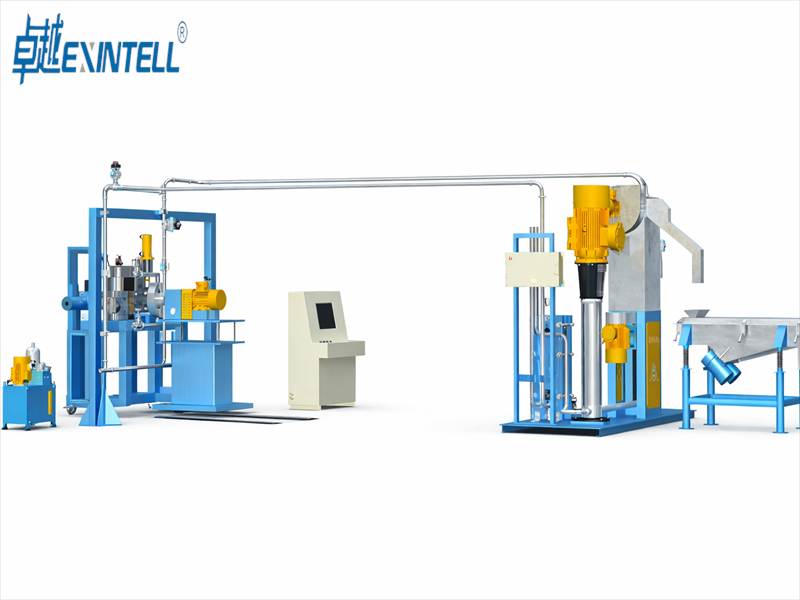
A tabela abaixo mostra como cada etapa afeta a qualidade do pellet:
|
Estágio |
Contribuição para a Qualidade do Pellet |
|---|---|
|
Alimentação |
Retira a água e deixa o material pronto para derreter. |
|
Fusão |
Derrete tudo uniformemente e remove a sujeira. |
|
Extrusão |
Mistura e remove o ar, tornando o plástico melhor. |
|
Corte |
Faz pelotas uniformes para muitos usos. |
|
Resfriamento |
Impede que os pellets grudem e mantém a sua forma. |
Saber como funcionam os sistemas de pelotização subaquática ajuda você a produzir bons pellets sempre.
Principais conclusões
-
É importante secar primeiro as matérias-primas. A secagem ajuda-os a derreter melhor. Isto também evita problemas nos pellets finais.
-
Mantenha o fluxo de materiais constante durante a pelotização. Um fluxo constante torna os pellets mais uniformes. Também diminui a chance de erros.
-
Assista o temperatura da placa de matriz com cuidado. A temperatura certa ajuda a moldar bem os pellets. Também torna os pellets de alta qualidade.
-
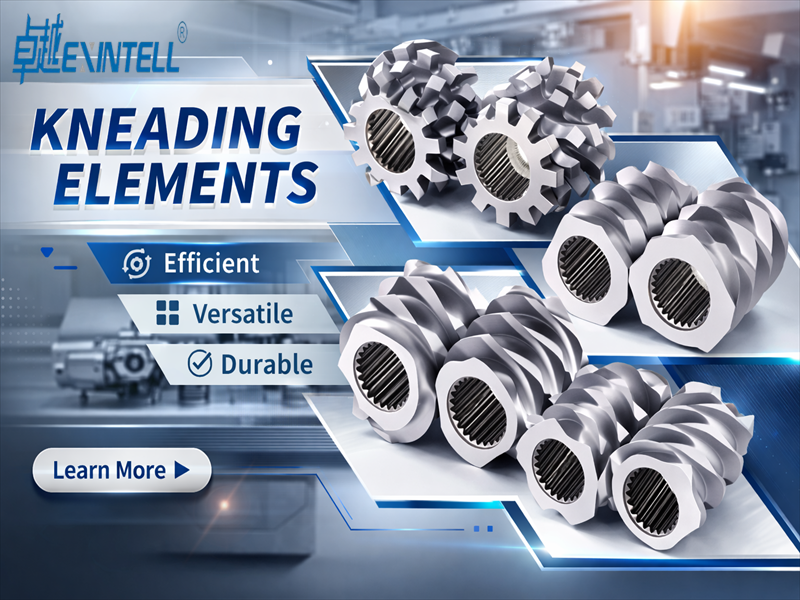
Verifique e troque as facas rotativas frequentemente na câmara de corte. Facas afiadas fazem cortes limpos. Eles também mantêm os tamanhos dos pellets iguais. Isso melhora a qualidade.
-
Controle a temperatura e o fluxo da água na câmara de resfriamento. Isso mantém os pellets em boa forma. Também os impede de grudar. Isso ajuda o processo a funcionar melhor.
Visão geral do processo de pelotização
O que é um peletizador subaquático?
Um peletizador subaquático transforma plásticos derretidos em pequenos pellets. Isto corta os fios de polímero enquanto eles estão debaixo d'água. A água esfria os pellets imediatamente. Isso os ajuda a manter sua forma e qualidade. Outros métodos de pelotização não cortam os pellets na face da matriz. O a câmara de corte permanece cheia de água. Isso torna cada pelota redonda e lisa. O processo de pelotização subaquática interrompe a oxidação. Também evita que os pellets grudem uns nos outros.
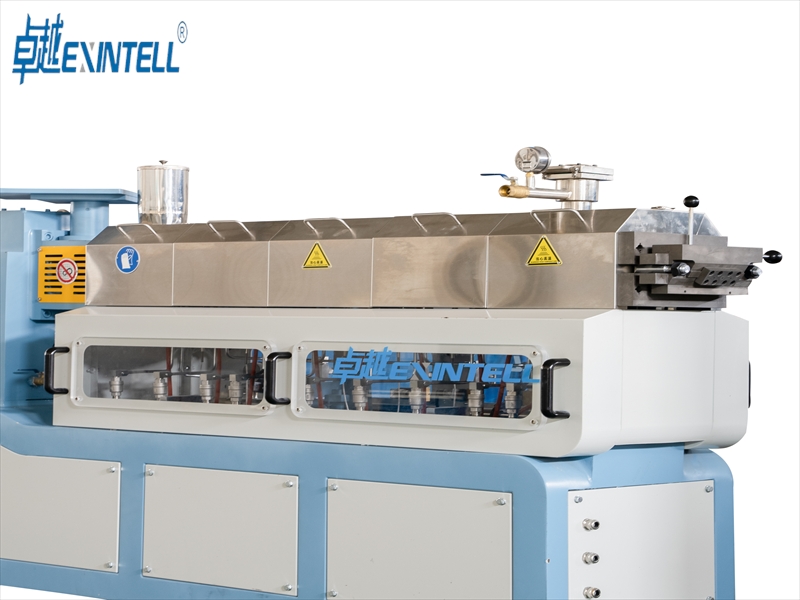
O partes principais de um peletizador subaquático são:
-
Uma extrusora derrete e empurra o plástico para frente.
-
Uma placa molda o polímero derretido em fios.
-
Uma câmara de corte possui lâminas que cortam os fios em pellets debaixo d'água.
Essas peças trabalham juntas para um processo de pelotização rápido. O material se move da placa de matriz. A água flui pela face da matriz. O peletizador inicia em uma sequência cronometrada. Isso evita que os pellets se aglomerem e os torna uniformes.
Como funciona o processo de pelotização
Você segue etapas no sistema de pelotização subaquática para fazer boas pelotas. Primeiro, você prepara os plásticos brutos e os alimenta no sistema de extrusão. A extrusora derrete, mistura, e torna o material uniforme. Próximo, o polímero derretido atravessa a placa de matriz e forma fios. O processo de pelotização subaquática continua à medida que os fios entram na câmara de corte. Lâminas rotativas cortam os fios em pellets debaixo d'água. A água resfria os pellets imediatamente e mantém sua forma.
O processo de pelotização corre o tempo todo. Isso ajuda as fábricas a produzir mais pellets. Você obtém alto rendimento, máquinas de longa duração, e fácil uso. O sistema de pelotização subaquático precisa de menos espaço e água de resfriamento. Isso economiza energia e ajuda o meio ambiente. O processo faz pouco barulho e mantém a área limpa. Você também gasta menos com mão de obra e manutenção.
A tabela abaixo mostra como o sistema de pelotização subaquática contínua ajuda as fábricas:
|
Beneficiar |
Descrição |
|---|---|
|
Eficiência |
Produz mais pellets para grandes produções de plásticos. |
|
Consumo de energia |
Usa menos energia e reduz custos. |
|
Qualidade do Pellet |
Torna os pellets mais uniformes e melhores. |
|
Sustentabilidade |
Lida com muitos plásticos, incluindo os reciclados. |
|
Automação |
Reduz o tempo de inatividade e melhora o desempenho com controles inteligentes. |
Você pode fazer até 77,000 lb/h com sistema de pelotização subaquática. Isso torna o processo ótimo para plásticos de alto índice de fusão e materiais especiais. O sistema mantém a oxidação baixa e fornece pellets de alta qualidade para muitos usos.
Alimentação e fusão de materiais
Alimentação de matérias-primas
Você inicia o processo de pelotização alimentando matérias-primas no sistema. A maioria dos sistemas de pelotização subaquática funciona com muitos tipos de plásticos. Estes incluem polímeros termoplásticos comuns como:
-
PEBD
-
PEBDL
-
PEAD
-
PP
-
EVA
-
PS
-
SAN
-
ABS
-
SB
-
PMMA
-
TPR
-
TPU
-
PC
-
TR
-
PVC
-
Policarbonato
-
PBT
-
PB1
-
BICHO DE ESTIMAÇÃO
-
SBS
-
SEBS
-
PA6
-
PA6.6
Você deve certificar-se de que os plásticos brutos estão limpos e secos antes de começar. A umidade pode causar problemas durante o processo. A secagem ajuda a evitar bolhas e defeitos nos pellets finais. A alimentação consistente é fundamental para uma boa qualidade do pellet. Se o fluxo de materiais mudar, você pode ver inconsistência do pellet. Isso pode acontecer se a matriz não estiver correta ou se a saída mudar muito. Uma alimentação constante ajuda você a obter pellets uniformes sempre.
Dica: Verifique sempre o seu sistema de alimentação para manter o processo estável e melhorar a consistência do pellet.
Fusão e Homogeneização
Depois de alimentar os plásticos, a rosca da extrusora ou bomba de fusão assume. O parafuso move os plásticos para frente e os aquece. À medida que os plásticos derretem, o parafuso os mistura em um suave, massa uniforme. Esta etapa é importante para o processo porque garante que todos os polímeros derretam da mesma maneira. O Mecanismo Maddock mostra que o derretimento acontece quando uma película fina se forma e é raspada. Isso ajuda você a obter uma fusão uniforme.
O design do parafuso afeta a forma como os plásticos se misturam. Um parafuso mais longo proporciona uma melhor mistura e uma fusão mais uniforme. Estudos mostram que o design do parafuso e da matriz controla o fluxo e a pressão. Isso é importante para garantir que o derretimento seja o mesmo em todo o processo.. Quando você consegue uma boa mixagem, você melhora a qualidade do pellet e torna o processo mais confiável.
|
Recurso de design de parafuso |
Efeito no processo e na qualidade |
|---|---|
|
Relação L/D mais longa |
Melhorar homogeneidade de mistura e fusão |
|
Mecanismo Maddock |
Derretimento uniforme e fluxo suave do polímero |
|
Projeto adequado da matriz e da bomba |
Fluxo estável e melhor consistência do pellet |
Você precisa de uma etapa de fusão bem projetada para manter o processo de pelotização suave. Isso ajuda você a atender necessidades rigorosas de qualidade da indústria de plásticos.
Operação de extrusão e placa de matriz
Extrusão de polímero fundido
Depois que os plásticos derreterem, você passa para a próxima etapa. O extrusora empurra plásticos derretidos em direção à placa de matriz. Isso molda o material derretido em fios finos. Veja como funciona o processo:
-
Coloque plásticos brutos no tremonha de alimentação.
-
Coloque plásticos na extrusora para que derretam.
-
A extrusora envia plásticos derretidos para a placa de molde.
-
Uma bomba de engrenagens pode ajudar a manter o fluxo constante.
-
Plásticos derretidos passam por furos na placa da matriz e formam fios finos.
-
Lâminas rotativas cortam os fios em pellets.
-
A água esfria os pellets imediatamente para que não grudem.
Você deve manter o processo estável para obter pellets uniformes. O corte utiliza altas taxas de cisalhamento. O fio da faca empurra o polímero e adiciona tensão. Quando o estresse é alto o suficiente, o fio quebra de forma limpa. Isso faz pellets lisos e redondos. Este processo funciona para muitos tipos de plásticos.
Função de placa de matriz na pelotização
A placa de matriz é muito importante na pelotização. Ele molda plásticos derretidos e controla o tamanho do pellet. Você deve manter a placa de matriz na temperatura certa. Se for muito legal, pellets podem não se formar bem. Se estiver muito quente, pellets podem grudar ou perder a forma. A placa de matriz também mantém o processo estável e torna os pellets uniformes.
Dica: Use aquecedores embutidos na placa de molde para manter a melhor temperatura para seus plásticos.
A tabela abaixo mostra como temperatura da placa afeta a qualidade do pellet:
|
Principais descobertas |
Descrição |
|---|---|
|
Influência da temperatura |
A temperatura da placa de matriz altera a forma como o material se liga e forma os pellets. |
|
Variabilidade de materiais |
Diferentes plásticos precisam de diferentes temperaturas de matriz para obter melhores resultados. |
|
Efeitos de baixa temperatura |
A baixa temperatura da matriz pode causar pellets ruins e problemas na máquina. |
|
Estratégias de otimização |
Aquecedores na placa de matriz melhoram a pelotização. |
Você deve observar a temperatura da placa de matriz durante o processo. Isso ajuda você a obter o melhor formato e tamanho de pellet. Um bom controle da placa de matriz proporciona pellets de alta qualidade sempre. Cada parte deve trabalhar em conjunto para que o processo de pelotização seja bem-sucedido.
Sistema de pelotização subaquática: Corte e resfriamento
Conjunto de faca rotativa
Você chega ao coração do sistema de pelotização subaquático quando vê o conjunto de facas rotativas em ação. Esta parte do processo corta o plástico fundido em pequenos, até mesmo pellets à medida que o material sai da placa de matriz. As facas giram rapidamente e ficam debaixo d'água o tempo todo. Este processo de pelotização subaquática oferece vários benefícios importantes:
-
A faca rotativa corta o plástico em pellets assim que entra na câmara de água.
-
A água esfria e endurece os pellets instantaneamente, o que ajuda a controlar seu tamanho.
-
A configuração subaquática evita que os pellets grudem uns nos outros e os torna redondos e lisos.
-
As facas sempre funcionam abaixo da água, para que cada pellet esfrie uniformemente.
Você precisa prestar atenção à nitidez e configuração das facas. Facas afiadas cortam o plástico de forma limpa, dando-lhe pelotas que são todas do mesmo tamanho. Se as facas ficarem cegas, você pode ver pelotas com caudas ou correntes, o que diminui a qualidade. A velocidade da faca importa menos que a nitidez, mas você ainda precisa equilibrar velocidade e pressão para obter os melhores resultados. Quando você ajusta o contato faca-matriz corretamente, você fica limpo, pelotas cilíndricas. Esta etapa do processo de pelotização ajuda você a manter a produção eficiente e seus pellets consistentes.
Dica: Verifique suas facas com frequência e substitua-as quando ficarem cegas. Isso mantém seu sistema de pelotização subaquática funcionando perfeitamente e seus pellets uniformes.
Câmara de Água e Resfriamento de Pellets
A câmara de água é uma parte fundamental do sistema de pelotização subaquática. Assim que a faca rotativa cortar os pellets, eles caem na câmara de água. A água esfria os pellets imediatamente, então eles mantêm sua forma e não ficam juntos. Você deve usar limpo, água desmineralizada para evitar deixar manchas ou marcas nos pellets. A água também ajuda a afastar os pellets da área de corte.
A tabela abaixo mostra como funciona a câmara de água no processo de pelotização subaquática:
|
Etapa |
Descrição |
|---|---|
|
Corte |
As lâminas rotativas cortam os fios em pellets à medida que saem da matriz. Isso acontece debaixo d'água para resfriar e endurecer os pellets instantaneamente. |
|
Resfriamento & Transporte |
O banho-maria esfria mais os pellets e os move para a próxima etapa de secagem e verificação. |
Você precisa controlar a temperatura da água e a vazão para obter o melhor resfriamento. A maioria dos sistemas de pelotização subaquática mantém a água entre 20°C e 40°C. Esta gama funciona para muitos tipos de plásticos. Se você usar polímeros semicristalinos, pode ser necessário ajustar a taxa de resfriamento para obter a estrutura cristalina correta. A água deve se mover rápido o suficiente para retirar o calor, mas não tão rápido que danifique os pellets. A maioria dos sistemas fornece aos pellets 10 para 30 segundos em banho-maria. Este tempo é suficiente para resfriá-los sem torná-los quebradiços.
Observação: Verifique sempre a temperatura e o fluxo da água no seu sistema de pelotização subaquático. Um bom controle significa melhor qualidade do pellet e menos problemas posteriores.
Transporte de Pellets em Água
Depois de esfriar, o sistema de pelotização subaquática utiliza a água para mover os pellets para a área de secagem. A água carrega os pellets em uma pasta, o que significa que os pellets flutuam e viajam com o fluxo de água. Este método evita que os pellets grudem ou acumulem poeira. A face da matriz e o cortador rotativo permanecem debaixo d'água, para que os pellets se movam rapidamente e permaneçam frios.
Você configura o sistema de água antes de iniciar o processo de pelotização. Você garante que a bomba d'água e os filtros funcionem bem. Você também verifica se a água permanece límpida e na temperatura certa. Os operadores monitoram o sistema durante a produção para manter tudo funcionando perfeitamente. A profundidade da água na câmara ajuda a controlar a rapidez com que os pellets se movem. Se a água for muito rasa, pellets podem não esfriar o suficiente. Se for muito profundo, eles podem ficar na água por muito tempo e ficar com muito frio.
-
A água transporta os pellets para as etapas de desidratação e secagem.
-
Você monitora o fluxo de água para garantir que os pellets se movam na velocidade certa.
-
Verificações regulares na bomba e nos filtros mantêm a água limpa e o processo eficiente.
O sistema de pelotização subaquática oferece uma maneira confiável de produzir pellets de alta qualidade. Você consegue esfriar ainda mais, transporte tranquilo, e menos chance de defeitos. Este processo ajuda você a atender às necessidades de muitos setores e mantém sua linha de produção funcionando bem.
Secagem, Embalagem, e Integração de Sistemas
Processo de secagem de pellets
Após o resfriamento dos pellets no sistema de pelotização subaquático, você deve secá-los. A secagem remove qualquer água deixada nos pellets. Isso ajuda você a cumprir as regras de qualidade e evita problemas mais tarde. A melhor maneira de secar pellets é com ar quente. O ar quente funciona melhor que o ar frio ou apenas deixa a água escorrer. Você também pode usar a desidratação com água quente para secar os pellets mais rapidamente.
Se os pellets ainda tiverem água, você pode conseguir temperaturas de transição vítrea mais baixas. Os pellets podem fluir de forma diferente e apresentar problemas de embalagem. Certifique-se sempre de que seu secador funciona bem para manter alta qualidade do pellet.
Aqui está uma tabela que mostra o que pode mudar a secagem após o resfriamento subaquático:
|
Fator |
Descrição |
|---|---|
|
Contato faca-matriz |
Mau contato pode causar defeitos e deixar mais água. |
|
Força axial |
Muda a forma como os pellets são cortados e a quantidade de água que permanece. |
|
Velocidade de corte |
Altera o tamanho do pellet e quanto tempo leva a secagem. |
|
Contagem de facas |
Mais facas podem ajudar a reduzir a água nos pellets. |
|
Uniformidade de fluxo |
Fluxo de água irregular significa que mais água permanece nos pellets. |
|
Controle de temperatura |
Um bom controle ajuda os pellets a secarem melhor. |
|
Desempenho do secador |
Melhores secadores tornam os pellets mais secos. |
Embalagem de pellets acabados
Quando os pellets estiverem secos, você os move para a embalagem. Sistemas de embalagem automatizados ajudá-lo a embalar pellets com rapidez e segurança. Essas máquinas pesam, preencher, selo, e empilhar sacolas com pouca ajuda. Você só precisa de uma ou duas pessoas para observar as máquinas. Isso economiza dinheiro e mantém sua planta funcionando bem. Você perde menos material e mantém alta qualidade do pellet.
Se você usar materiais higroscópicos, você deve controlar a umidade do ar. Você também precisa escolher a embalagem certa para evitar a entrada de água. Esta etapa mantém os pellets seguros e prontos para uso.
Integração e confiabilidade do sistema
Você deve conectar seu sistema de pelotização subaquática para outras máquinas em sua planta. Isso significa combinar a velocidade do peletizador com a extrusora e o secador. Você também precisa verificar a qualidade do pellet em cada etapa. Se você vir sujeira ou pellets irregulares, você pode ter problemas mais tarde. Esses problemas incluem secadores entupidos ou problemas para alimentar pellets.
Os pontos-chave para uma boa configuração do sistema são:
-
Conhecendo as propriedades do seu material
-
Combinando quanto você ganha com outras máquinas
-
Mantendo o tamanho e a forma do pellet iguais
-
Planejando soluções fáceis e custos baixos
Quando você cuida do seu sistema de pelotização subaquático, você obtém melhor qualidade do produto e mais pellets. Você também obtém menos defeitos e melhor automação do que com a pelotização de fios.
Aplicações típicas da indústria
Muitas indústrias usam sistemas de pelotização subaquática. O indústria automobilística usa-os para pellets leves e fortes. A indústria da construção necessita de bons pellets para isolamento e pisos. A indústria de embalagens utiliza esses sistemas para alimentos e outros bens. A indústria eletrônica os utiliza para peças e tampas.
Você vê os benefícios dos peletizadores subaquáticos em todos os setores. A tecnologia de pelotização subaquática oferece melhor qualidade, mais pelotas, e produção mais confiável. Esses sistemas ajudam você a cumprir regras rígidas e a permanecer à frente no mercado.
Quando você usa sistemas de pelotização subaquática, você segue passos simples. Cada etapa é importante para fazer bons pellets. Primeiro, você alimenta o plástico e o derrete. Então, você molda o plástico derretido em fios. Depois disso, você corte e esfrie os pellets na água. Próximo, você seca os pellets e os prepara para embalagem. Esses sistemas ajudam você a produzir pellets melhores, trabalhe mais rápido, e lidar com muitos tipos de plásticos. A tabela abaixo explica por que as fábricas gostam de sistemas de pelotização subaquática:
|
Beneficiar |
Descrição |
|---|---|
|
Faz muitos pellets rapidamente |
|
|
Economiza dinheiro em cada pelota |
|
|
Tecnologia mais recente |
Torna o processo melhor e os pellets com maior qualidade |
As fábricas podem contar com sistemas de pelotização subaquática para funcionar sempre bem.
Perguntas frequentes
Quais plásticos você pode usar em um peletizador subaquático?
Você pode usar muitos tipos de plásticos, como PE, PP, BICHO DE ESTIMAÇÃO, PVC, e ABS. A maioria dos termoplásticos funciona bem nesses sistemas. Sempre verifique o ponto de fusão e as propriedades de fluxo do seu material antes de começar.
Como você evita que os pellets grudem uns nos outros?
Você evita que os pellets grudem cortando-os e resfriando-os debaixo d'água. A água esfria os pellets rapidamente. Esta etapa ajuda cada pellet a manter sua forma e permanecer separado.
Por que secar pellets é importante?
A secagem remove a água da superfície do pellet. Se você pular a secagem, pellets podem se aglomerar ou causar problemas em etapas posteriores. Pellets secos armazenam e manuseiam melhor.
Com que frequência você deve verificar o conjunto da faca?
Você deve verificar o conjunto da faca a cada turno ou após um determinado número de horas. Facas cegas formam pelotas irregulares. Verificações regulares ajudam você a manter alta qualidade do pellet.