

Twin Screw Extruder versus Single Screw Extruder Key Differences and Applications
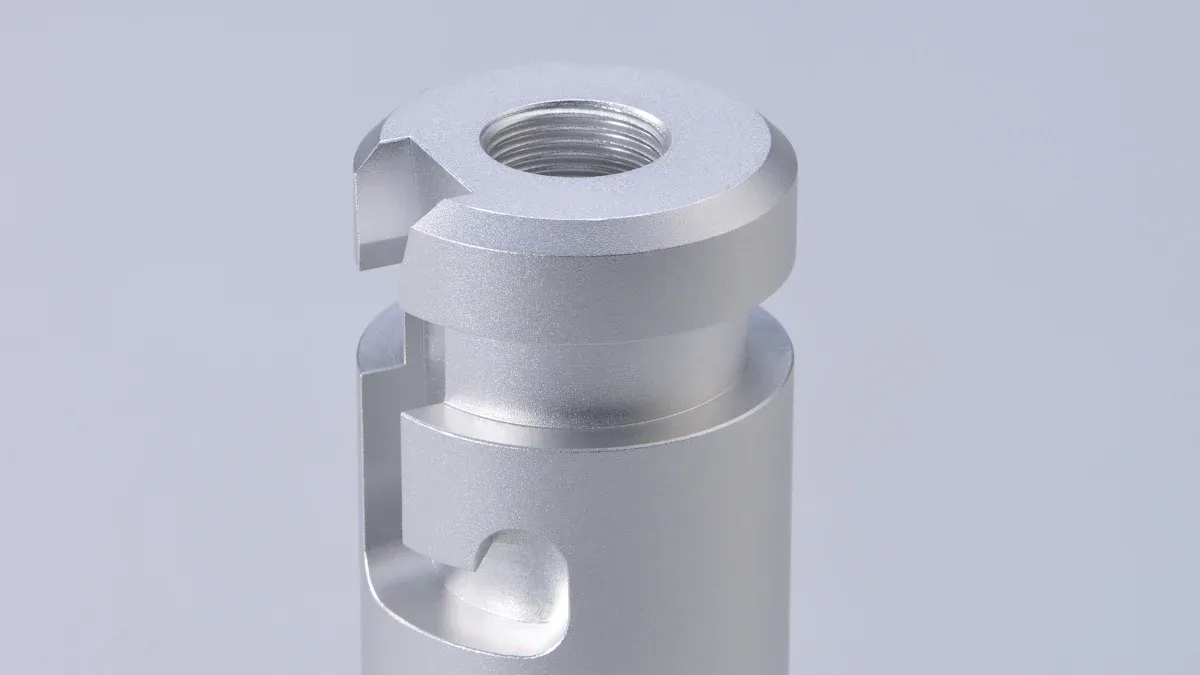
I see clear differences between a wytłaczarka dwuślimakowa i a wytłaczarka jednoślimakowa. Twin screw extruders deliver superior mixing, większa przepustowość, and consistent product quality. Single screw extruders often suit straightforward polymer processing and less complex applications. When I compare both types, I notice that advanced machines like Torontech’s Twin Screw Extruder use optimized screw profiles and viscous dissipation to reduce energy consumption by up to 50% in high-speed operations. Choosing the right extruder matters. I always recommend evaluating efficiency, kompatybilność materiałowa, i cele produkcyjne. Reliable Dostawca wytłaczarek dwuślimakowych I Single Screw Extruder Supplier options ensure access to modern solutions. As a Fabryka wytłaczarek dwuślimakowych, Torontech drives innovation in sustainable manufacturing.
Kluczowe dania na wynos
- Twin screw extruders offer superior mixing and higher throughput, making them ideal for complex applications.
- Single screw extruders are cost-effective and suitable for straightforward polymer processing and high-volume production.
- Evaluate your production goals and material compatibility when choosing between extruder types.
- Twin screw extruders excel in applications requiring precise control and uniformity, such as compounding and recycling.
- Consider energy efficiency; twin screw extruders can reduce energy consumption by up to 50% during high-speed operations.
- Regular maintenance and quality materials are essential for optimal performance and longevity of extruders.
- Use a structured checklist to assess extruder features, ensuring they align with your manufacturing needs.
- Investing in a twin screw extruder can lead to significant ROI through increased productivity and improved product quality.
Podstawy wytłaczarki
Co to jest wytłaczarka
When I work with manufacturing equipment, I often rely on an extruder to shape raw materials into continuous profiles. An extruder uses mechanical force to push material through a shaped die, creating products like pipes, prześcieradła, or food items. I see extruders as essential tools in industries that demand consistent shapes and high production rates. The design of an extruder focuses on efficiency, trwałość, and the ability to handle a wide range of materials.
Wskazówka: I always check the mechanical features of an extruder before choosing one for a specific application. The right configuration ensures smooth operation and long-term reliability.
Jak działają wytłaczarki
I find the operation of an extruder straightforward yet powerful. The process starts when I feed raw material—such as plastic pellets or food ingredients—into a hopper. The material enters a heated barrel, where rotating screws convey it forward. As the material moves, it melts due to friction and external heaters. The screw design plays a critical role in mixing and transporting the material. When the molten material reaches the end of the barrel, it passes through a die, forming the desired shape.
Oto tabela that highlights the fundamental mechanical principles that set extruders apart from other processing equipment:
| Funkcja | Opis |
|---|---|
| Co-rotating parallel screw | This configuration enhances material transport and mixing, crucial for continuous operation. |
| Mechanical robustness | Heavy-duty construction ensures durability and reliability during extended production cycles. |
| Gearbox design | High-precision gearboxes with hardened teeth support continuous operation without wear. |
| Torque capacity | Przekładnie przystosowane do wysokiego momentu obrotowego zapewniają mechaniczną rezerwę dla zmiennych warunków obciążenia. |
| Systemy smarowania | Wyspecjalizowane systemy utrzymują wydajność podczas długich okresów eksploatacji. |
Typowe zastosowania przemysłowe
Wytłaczarki widzę stosowane w wielu gałęziach przemysłu ze względu na ich wszechstronność. W produkcji tworzyw sztucznych, Często obrabiam materiały takie jak:
- Akrylonitryl-butadien-styren (ABS)
- Poliwęglan
- Polistyren wysokoudarowy (BIODRA)
- Glikol poli(tereftalanu etylenu). (PETG)
- Poliuretan
- Sztywny polichlorek winylu (RPVC)
- Nylon
Pracuję również z popularnymi polimerami, takimi jak:
- Polietylen (PE)
- Polipropylen (PP)
- Polichlorek winylu (PCV)
- Polistyren (PS)
- Tworzywa konstrukcyjne, takie jak ABS, ZWIERZAK DOMOWY, i komputer
W branży spożywczej, Do obróbki używam wytłaczarek materiały odporne na wielokrotne nagrzewanie, chłodzenie, i narażenie na działanie ostrych środków czyszczących. Materiały te muszą być łatwe do odkażania, aby zapobiec zanieczyszczeniu. Do produkcji przekąsek polegam na wytłaczarkach, zboża, a nawet produkty farmaceutyczne. Możliwość obróbki szerokiej gamy materiałów sprawia, że są one niezbędne w nowoczesnej produkcji.
Przegląd wytłaczarki jednoślimakowej
Struktura i funkcja
Kiedy pracuję z wytłaczarka jednoślimakowa, Zwracam uwagę na jego prosty design. Ta maszyna wykorzystuje jedną obracającą się śrubę wewnątrz podgrzewanej beczki do przetwarzania materiałów. Śruba popycha materiał do przodu, gdzie topi się i miesza przed opuszczeniem matrycy. Polegam na tym procesie w przypadku zastosowań wymagających spójnej wydajności i prostej obsługi.
Oto tabela, która przedstawia zarys główne elementy i ich funkcje w wytłaczarce jednoślimakowej:
| Część | Funkcjonować |
|---|---|
| Podajnik | Zapewnia stabilny przepływ materiału do wytłaczarki, za pomocą podajnika ślimakowego do transportu. |
| Silnik i skrzynia biegów | Dostarcza siłę napędową wytłaczarki, podłączenie do śruby w celu uruchomienia. |
| Cylinder | Mieści śrubę, ułatwia wymianę ciepła, i stabilizuje temperaturę materiału. |
| Zmieniacz ekranu | Filters out unwanted materials from the molten polymer flow using hydraulic force. |
| Electrical panel | Powers control and protection systems of the extruder. |
| Heating element | Heats the polymer inside the machine, typically using ceramic elements for high thermal flux. |
I often see this structure used in powder coating production. The single-screw extruder ensures the powder blends evenly and reaches the right temperature for high quality coatings.
Główne cechy
I appreciate the simplicity of the single screw extruder. Its design makes it easy to operate and maintain. I can quickly set up the machine for powder coating tasks. The single-screw extruder offers steady throughput, which helps me achieve uniform product quality. I find that it works best with materials that do not require complex mixing or compounding.
Niektóre funkcje, które cenię, obejmują:
- Niezawodny i spójny przepływ materiału
- Prosta kontrola temperatury
- Niskie wymagania konserwacyjne
- Wydajny przy malowaniu proszkowym i podobnych zastosowaniach
Często wybieram tę wytłaczarkę, gdy muszę wyprodukować powłokę proszkową w dużych ilościach. Wydajność maszyny i łatwość obsługi sprawiają, że jest ona podstawą mojej pracy.
Plusy i minusy
Kiedy porównuję wytłaczarkę jednoślimakową z innymi typami, Widzę wyraźne zalety i pewne ograniczenia. Oto tabela podsumowująca te punkty:
| Typ | Zalety | Wady |
|---|---|---|
| Wytłaczarka jednoślimakowa | Ekonomiczne, prostszy projekt, niższa konserwacja | Ograniczona możliwość mieszania, nie jest idealny do precyzyjnego miksowania |
Uważam, że wytłaczarka jednoślimakowa jest opłacalna w produkcji powłok proszkowych. Prosta konstrukcja oznacza mniej awarii i mniej przestojów. Jednakże, Zauważam, że nie radzi sobie ze skomplikowanym miksowaniem tak dobrze, jak inne maszyny. Do zastosowań wymagających precyzyjnego mieszania, takie jak specjalne malowanie proszkowe, Czasami muszę szukać bardziej zaawansowanych rozwiązań.
Notatka: Przed wyborem wytłaczarki zawsze oceniam specyficzne potrzeby mojego procesu malowania proszkowego. Wytłaczarka jednoślimakowa pozostaje moim ulubionym rozwiązaniem, produkcja wielkoseryjna.
Przegląd wytłaczarki dwuślimakowej
Struktura i funkcja
Kiedy obsługuję wytłaczarkę dwuślimakową, Zauważam jego wyjątkową strukturę. W maszynie zastosowano dwie równoległe śruby, które obracają się razem wewnątrz podgrzewanej beczki. Taka konstrukcja pozwala mi na obróbkę materiałów z większą precyzją. Mogę kontrolować prędkość i kierunek każdej śruby, co pomaga mi osiągnąć optymalne mieszanie i topienie. Śruby zazębiają się, tworzenie stref do ugniatania, przenoszenie, i dodatki dyspergujące. Polegam na tej konfiguracji, gdy muszę wytworzyć wysokiej jakości powłokę proszkową lub radzić sobie z wymagającymi mieszankami.
The Torontech twin screw extruder stands out because of its modular design. I can easily swap out screw elements and barrel sections to match different production needs. This flexibility lets me adapt the extruder for various materials, including heat-sensitive plastics and abrasive fillers. I often use this machine for plastic recycling, where I need to process post-consumer waste into reusable pellets. The modularity also supports quick changes in formulation, which is essential for industries with diverse requirements.
Here is a table that shows how modularity enhances performance in industrial applications:
| Aspekt | Korzyść |
|---|---|
| Personalizacja | Components can be tailored to specific material processing needs. |
| Elastyczność | Adaptable to various applications, including heat-sensitive compounds. |
| Quick formulation changes | Enables rapid adjustments for different production requirements. |
Główne cechy
I value several features in a twin-screw extruder. The advanced mixing capability ensures that additives and fillers disperse evenly throughout the material. This is crucial for powder coating and plastic recycling, where uniformity affects product quality. The machine offers precise temperature control with multiple heating and cooling zones. I can maintain stable processing conditions, which helps me avoid defects in the final product.
The Torontech twin screw extruder includes automation and sensor integration. I monitor real-time data and adjust parameters to optimize efficiency. AI integration allows me to reduce waste and improve energy usage. The extruder supports Industry 4.0 standardy, making my production environment smarter and more connected. I also appreciate the eco-friendly materials used in construction, which align with sustainability goals.
Here is a table that highlights the latest technological advancements and their impact:
| Technological Advancement | Wpływ na efektywność produkcji |
|---|---|
| Automation | Enhances operational efficiency and flexibility. |
| AI Integration | Optimizes process parameters, reduces waste, and improves energy efficiency. |
| Efektywność energetyczna | Lowers production costs and environmental impact. |
| Przemysł 4.0 Standards | Enables smarter, connected production environments. |
| Modular Extruder Designs | Provides greater flexibility in production. |
| Advanced Sensor Integration | Allows for real-time monitoring and control. |
| Eco-friendly Materials | Supports sustainability goals in manufacturing. |
Plusy i minusy
I see many advantages when I use a twin-screw extruder. The machine handles a wide variety of materials, making it ideal for powder coating, plastic recycling, and specialty applications. I can quickly adjust the setup for different production runs. The precise mixing and temperature control help me achieve consistent product quality. The extruder supports recycling initiatives by converting waste into valuable products.
Here are some key benefits:
- Handles diverse materials, including heat-sensitive and abrasive compounds.
- Enables rapid formulation changes for flexible production.
- Supports crossover applications like feed and fish feed extruders.
- Promotes sustainability through efficient plastic recycling.
I rely on the twin-screw extruder for complex tasks that require advanced mixing and adaptability. The Torontech model empowers me to innovate and meet industry standards in powder coating and recycling.
Wskazówka: I always choose a twin screw extruder when I need superior mixing, modularity, and sustainability in my manufacturing process.
Kluczowe różnice
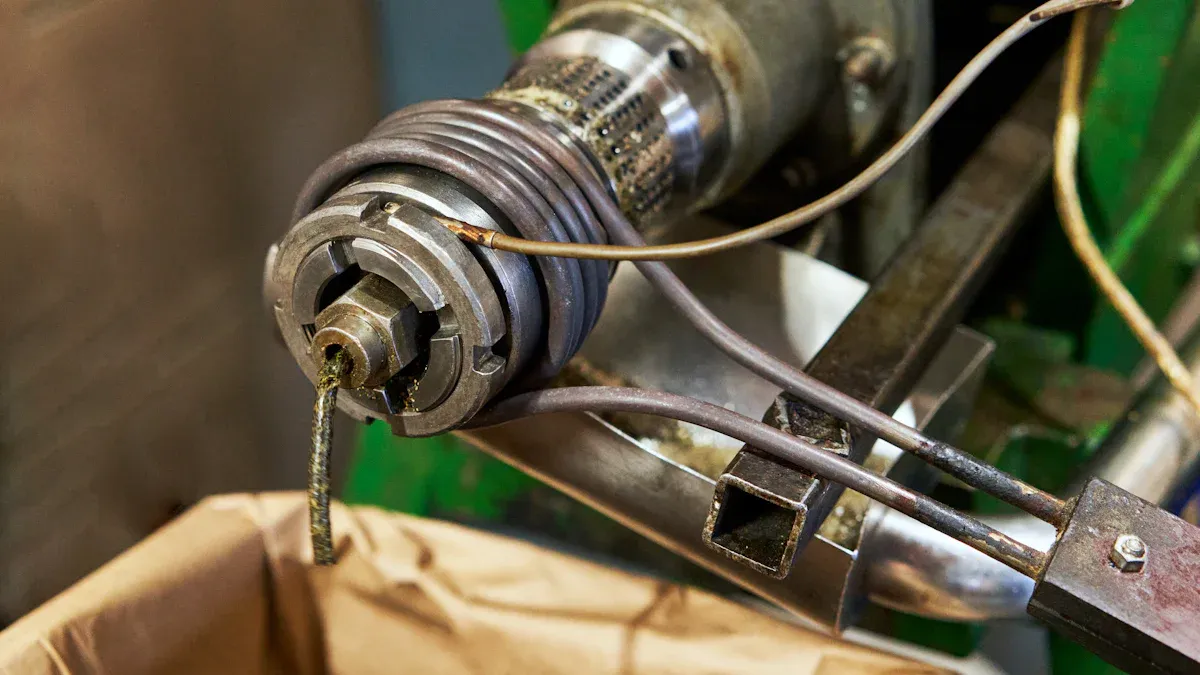
Konstrukcja śruby
When I compare the technical differences between single screw and twin screw extruders, I notice that the screw design plays a crucial role in performance. A single screw extruder uses one helical screw inside a simple, cylindrical barrel. This setup works well for straightforward processes, but I find that its efficiency depends heavily on the material properties. Dla kontrastu, a twin screw extruder features two intermeshing screws and a more complex, often segmented barrel. This design ensures stable conveying, regardless of whether I use powder coating materials in pellet, powder, or flake form.
Here is a table that highlights the main technical differences in screw design:
| Aspekt | Wytłaczarka jednoślimakowa | Wytłaczarka dwuślimakowa |
|---|---|---|
| Konstrukcja śruby | Single helical screw | Two intermeshing screws |
| Barrel Structure | Prosty, cylindrical | Bardziej złożone, often segmented |
| Kontrola temperatury | Basic heating/cooling | Zaawansowany, wiele stref |
I always pay attention to residence time distribution. Wytłaczarki jednoślimakowe mają szerszą dystrybucję, co może prowadzić do nierównomiernego uplastycznienia. Wytłaczarki dwuślimakowe utrzymują wąski rozkład, zapewniając mi spójne rezultaty na etapie mieszania. Ta konsystencja jest szczególnie ważna, gdy pracuję z recepturami powłok proszkowych, które wymagają precyzyjnej kontroli.
Wskazówka: Do zastosowań, w których krytyczny jest stabilny transport i zaawansowana kontrola temperatury, Wybieram wytłaczarkę dwuślimakową.
Mieszanie i łączenie
Mieszanie i łączenie składników to kolejny obszar, w którym widzę wyraźne kluczowe różnice. Wytłaczarka jednoślimakowa zapewnia głównie mieszanie dystrybucyjne, co często nie wystarcza w przypadku skomplikowanych receptur malowania proszkowego. Kiedy potrzebuję dużej homogenizacji, Polegam na wytłaczarce dwuślimakowej. Jego zazębiająca się konstrukcja śruby wzmacnia oba mieszanie dyspersyjne i dystrybucyjne, co pozwala mi uzyskać równomierny rozkład dodatków, nawet przy niskich stężeniach.
Here is a table that summarizes the technical differences in mixing and compounding:
| Funkcja | Single-Screw Extruder | Wytłaczarka dwuślimakowa |
|---|---|---|
| Możliwość mieszania | Niski (głównie dystrybucyjne) | Wysoki (Dyspersyjny & Dystrybucyjny) |
| Residence Time | Long / Broad distribution | Short / Narrow distribution |
| Venting/Degassing | Ograniczony | Exceptional |
I often use specialized mixing elements in the twin screw extruder to further improve efficiency. This capability is vital for powder coating production, where I must ensure that pigments and fillers disperse evenly. The twin screw extruder gives me precise control over material properties, which leads to better product quality and fewer defects.
Throughput and Output
Throughput and output rates show significant technical differences between these two types of extruders. Kiedy używam wytłaczarki jednoślimakowej, I achieve moderate output, which suits lower to moderate production volumes. Jednakże, when I need to meet high-volume powder coating demands, I turn to the twin screw extruder. Its design supports higher output capacity, allowing me to fulfill large orders efficiently.
Here is a table that compares output capacity:
| Typ wytłaczarki | Pojemność wyjściowa | Wielkość produkcji |
|---|---|---|
| Wytłaczarka jednoślimakowa | Umiarkowany | Lower to moderate |
| Wytłaczarka dwuślimakowa | Wysoki | High-volume production |
I find that the twin screw extruder enables me to scale up production without sacrificing quality. This advantage is essential when I work with powder coating lines that require consistent, high-throughput performance.
Notatka: For manufacturers aiming to boost productivity and maintain quality, the twin screw extruder stands out as the preferred choice.
Jakość produktu
When I evaluate product quality from extruders, I focus on consistency, wykończenie powierzchni, and the ability to meet tight specifications. I notice that single screw extruders often deliver reliable results for basic applications. These machines produce products with steady dimensions and acceptable surface quality when I use standard polymers. Jednakże, I see limitations when I need to incorporate additives or fillers. The single screw design sometimes leaves streaks or unmixed particles, which can lower the final product’s appearance and performance.
Dla kontrastu, I achieve superior product quality with a twin screw extruder. The intermeshing screws provide intense mixing and kneading. This action ensures that pigments, wypełniacze, and other additives disperse evenly throughout the material. I rarely see color streaks or unmixed clumps in the final product. The advanced temperature control in twin screw extruders also prevents overheating or burning, which helps me maintain the integrity of heat-sensitive compounds.
Here is a table that summarizes the impact of each extruder type on product quality:
| Funkcja | Wytłaczarka jednoślimakowa | Wytłaczarka dwuślimakowa |
|---|---|---|
| Mixing Uniformity | Umiarkowany | Doskonały |
| Surface Finish | Good for simple products | Superior, even with complex blends |
| Additive Dispersion | Ograniczony | Highly uniform |
| Control Over Product Properties | Podstawowy | Precise and customizable |
| Defect Rate | Higher with complex recipes | Niski, even with challenging mixes |
Wskazówka: I always choose a twin screw extruder when I need to meet strict quality standards or produce specialty products with demanding formulations.
I find that Torontech’s Twin Screw Extruder consistently delivers high-quality output. The machine’s precise control and advanced mixing capabilities help me exceed customer expectations, especially in industries where product quality cannot be compromised.
Aplikacje
Single Screw Extruder Uses
Polymer Processing
I often rely on single screw extruders for straightforward polymer processing. These machines handle basic thermoplastics like polyethylene and polypropylene. I use them to melt and shape raw polymers into pellets or granules. The process works well for standard materials that do not require complex mixing. I find this approach ideal for producing commodity plastics in high volumes.
Pipe and Profile Production
I choose single screw extruders when I need to manufacture pipes and profiles. The steady output and simple operation make them suitable for creating PVC pipes, window frames, and cable insulation. I can achieve consistent wall thickness and surface finish. This method fits the best applications where dimensional accuracy and reliability matter most.
Film and Sheet Extrusion
Single screw extruders excel in film and sheet extrusion. I produce packaging films, protective sheets, and laminates using this equipment. The process delivers uniform thickness and clarity. I recommend single screw extruders for best applications involving large-scale production of basic films and sheets.
Twin Screw Extruder Uses
Compounding and Blending
I turn to twin screw extruders for compounding and blending tasks in the chemical industry. The intermeshing screws provide thorough mixing and homogenization. I can incorporate fillers, pigmenty, and additives with precision. This capability supports best applications such as creating specialty polymer blends and advanced composites. The high efficiency and versatility allow me to adjust processing parameters for each formulation.
| Funkcja | Opis |
|---|---|
| Wysoka wydajność | Rapid processing and high throughput |
| Wszechstronność | Obsługuje szeroką gamę materiałów i procesów |
| Śruby łączące | Zapewnia dokładne wymieszanie i homogenizację |
| Precyzyjna kontrola | Dokładna regulacja temperatury, czas przebywania, i ścinać |
| Idealny do dodatków | Idealny do wprowadzania wypełniaczy, pigmenty, i inne dodatki |
Przetwórstwo spożywcze i farmaceutyczne
Wytłaczarki dwuślimakowe wykorzystuję w produkcji spożywczej i farmaceutycznej. Maszyny przetwarzają surowce w postaci proszku i mieszają wiele polimerów. Potrafię dodawać materiały wzmacniające takie jak włókna szklane lub przeprowadzać reakcje chemiczne podczas wytłaczania. Precyzyjna kontrola temperatury pozwala mi obchodzić się ze składnikami wrażliwymi na ciepło. Uważam, że wytłaczarki dwuślimakowe są idealne do najlepszych zastosowań, takich jak produkcja odżywczych przekąsek, granulki farmaceutyczne, i specjalistyczne produkty spożywcze.
I always select twin screw extruders for complex formulations and stringent quality requirements in food and pharma processing.
Recycling and Specialty Materials
Plastic recycling is a major focus in my workflow. Twin screw extruders play a key role in converting post-consumer waste into reusable pellets. I process highly viscous and abrasive compounds, ensuring uniform dispersion of recycled content. The modular design of Torontech’s twin screw extruder lets me adapt quickly to different materials. I support sustainable manufacturing by using this technology for plastic recycling, rubber reclamation, and specialty material processing.
- Twin screw extruders are crucial for compounding and blending in the chemical industry.
- Their design allows precise control over critical processing parameters.
- I rely on twin screw extruders for plastic recycling and specialty applications across plastics, guma, żywność, i farmaceutyki.
Torontech’s twin screw extruder empowers me to innovate and achieve sustainability goals in modern manufacturing.
Koszt i zwrot z inwestycji
Investment and Operating Costs
When I evaluate investment costs, I always compare the initial price and the total turnkey investment. Twin screw extruders require a higher upfront investment, but I see clear advantages in operational efficiency and flexibility. Single screw extruders cost less initially, which appeals to manufacturers with limited budgets. Jednakże, I notice that operational costs can rise over time due to less efficient mixing and higher maintenance needs.
Here is a table that summarizes the initial investment ranges:
| Typ wytłaczarki | Initial Cost Range | Additional Equipment Costs | Total Turnkey Investment Range |
|---|---|---|---|
| Wytłaczarka dwuślimakowa | $20,000 – $800,000 | $70,000 – $170,000 | $250,000 – $600,000 |
| Wytłaczarka jednoślimakowa | Ogólnie niższy niż bliźniak | Nie dotyczy | Nie dotyczy |
Często przypominam klientom, że wytłaczarki dwuślimakowe oferują większą wydajność operacyjną. Koszty tych maszyn mogą zaczynać się od $20,000 dla modeli laboratoryjnych i zasięgu $800,000 do produkcji na dużą skalę. Wytłaczarki jednoślimakowe mają zazwyczaj niższe koszty początkowe, ale zauważyłem, że nieefektywność może w dłuższej perspektywie prowadzić do wyższych kosztów operacyjnych.
💡 Zawsze polecam przed podjęciem decyzji rozważyć zarówno inwestycję początkową, jak i koszty bieżące.
Efektywność energetyczna
Efektywność energetyczna odgrywa główną rolę w moim procesie selekcji. Nowoczesne wytłaczarki jednoślimakowe zmniejszyły zużycie energii o 10-15% w porównaniu do starszych modeli. To ulepszenie pomaga obniżyć koszty operacyjne, ale uważam, że wytłaczarki dwuślimakowe zapewniają jeszcze większe oszczędności dzięki zoptymalizowanemu mieszaniu i precyzyjnej kontroli temperatury.
Kiedy używam wytłaczarki dwuślimakowej, Zauważam, że zużycie energii znacznie spada podczas pracy z dużą prędkością. Zaawansowana konstrukcja pozwala mi przetwarzać materiały szybciej i przy mniejszej ilości odpadów. Często osiągam lepszą przepustowość bez utraty jakości, co przekłada się na niższe rachunki za energię i mniejszy wpływ na środowisko.
- Wytłaczarki dwuślimakowe zapewniają doskonałą efektywność energetyczną, szczególnie w wymagających zastosowaniach.
- Wytłaczarki jednoślimakowe oferują ulepszenia, ale może nie dorównywać wydajnością zaawansowanym modelom dwuślimakowym.
Zwrot z inwestycji
Zwrot z inwestycji pozostaje dla mnie najwyższym priorytetem. Obliczam ROI, przyglądając się wzrostowi produktywności, ulepszenia jakości, i obniżki kosztów. Może dostarczyć wytłaczarka dwuślimakowa 20% większa przepustowość, do czego można dodać $1,800,000 w rocznych przychodach w oparciu o ostrożne szacunki sprzedaży. Enhanced product quality allows me to charge a price premium of 5-10%, potentially increasing revenue by $900,000 each year.
I also benefit from cost reductions. Energy savings of $0.01 per kilogram can save $60,000 rocznie. Maintenance savings and longer component life further boost ROI. I always consider these factors when recommending equipment to clients.
🚀 I find that investing in a twin screw extruder pays off quickly through increased productivity, improved product quality, and reduced operating costs.
Wybór odpowiedniego ekstrudera
Lista kontrolna wyboru
When I select an extruder for my operation, I always start with a clear checklist. This approach helps me avoid costly mistakes and ensures I match the equipment to my production needs. Here is a table I use to guide my decision:
| Kryteria | Opis |
|---|---|
| Screw Design and Size | The screw’s design is crucial for efficient melting and homogenization of plastics. |
| Temperature and Pressure Controls | Accurate control is essential to prevent material degradation during the extrusion process. |
| Output Capacity and Energy Efficiency | Determine expected output rates and look for energy-saving features to reduce operational costs. |
| Build Quality and Durability | High-grade materials and precision machining ensure longevity and reduce maintenance needs. |
| Control System and Automation Level | Modern systems enhance operation ease and reduce human error through automation. |
| Compatibility with Downstream Equipment | Ensure the extruder works well with other machinery to minimize downtime and waste. |
| Material Flexibility and Recycling Capabilities | Choose machines that can handle various materials and support recycling efforts. |
| Wsparcie posprzedażowe i dostępność części zamiennych | Dobre wsparcie i łatwy dostęp do części zamiennych są niezbędne do długotrwałej pracy. |
Zawsze analizuję każdy punkt przed podjęciem ostatecznej decyzji.
Kluczowe czynniki
Rodzaj materiału
W pierwszej kolejności biorę pod uwagę rodzaj materiału, który zamierzam obrabiać. Jeśli potrzebuję doskonałego mieszania pigmentów lub dodatków, Wybieram wytłaczarkę dwuślimakową. Do podstawowych polimerów, wytłaczarka jednoślimakowa często spełnia moje potrzeby. Sprawdzam także, czy maszyna poradzi sobie z materiałami pochodzącymi z recyklingu lub specjalnymi.
Jakość produktu
Jakość produktu pozostaje dla mnie najwyższym priorytetem. Wytłaczarki dwuślimakowe zapewniają równomierne rozprowadzanie dodatków, co jest niezbędne do uzyskania wysokiej jakości wykończeń. Gdy potrzebuję precyzyjnej kontroli nad produktem końcowym, Stawiam na zaawansowane możliwości miksowania.
Wielkość produkcji
Na mój wybór wpływa skala produkcji. Do operacji na dużą skalę używam wytłaczarek dwuślimakowych, ponieważ zapewniają one większą przepustowość. Dla mniejszych, consistent batches, I find single screw extruders more efficient.
Budżet
Budget always plays a role. While twin screw extruders require a higher initial investment, they often reduce costs per kilogram over time due to better efficiency. I weigh upfront costs against long-term savings and operational benefits.
Typowe błędy
I have seen many common mistakes during extruder selection. One frequent error involves choosing low-cost materials or equipment. This can lead to unreliable performance and poor product quality. I also notice issues like nozzle blockages and incorrect calibration, which disrupt production.
| Błąd | Opis | Rozwiązanie |
|---|---|---|
| Nozzle Blockage | Filament buildup causes partial blockages, affecting extrusion consistency. | Regular cleaning with a nozzle needle or cleaning filament prevents gaps. |
| Incorrect Calibration | Fluctuations in flow indicate calibration issues. | Mark and measure filament, then adjust settings for consistency. |
| Jakość materiału | Low-quality materials cause inconsistent output. | Invest in premium materials with strict tolerances. |
💡 I always invest in quality equipment and materials, and I schedule regular maintenance. This approach ensures smooth operation and consistent results.
By following a structured checklist and focusing on these key factors, I consistently achieve optimal production outcomes and avoid costly errors.
I see clear distinctions between single screw and twin screw extruders. The table below highlights their core differences and typical uses:
| Aspekt | Pojedyncza śruba | Podwójna śruba |
|---|---|---|
| Mieszanie | Podstawowy | Doskonały |
| Material Tolerance | Mundur | Złożony |
| Aplikacje | Simple molding | Mieszanie, recykling |
When I need innovation and sustainability, I rely on Torontech’s Twin Screw Extruder. It supports recycling and efficient processing. I recommend evaluating your material needs, production goals, i długoterminowy zwrot z inwestycji przed wyborem. Skontaktuj się z nami, aby poznać zaawansowane rozwiązania odpowiadające Twoim wyzwaniom produkcyjnym.
Często zadawane pytania
Jaka jest główna różnica między wytłaczarkami jednoślimakowymi i dwuślimakowymi?
Główną różnicę widzę w konfiguracji śrub. Wytłaczarki jednoślimakowe wykorzystują jedną obracającą się śrubę do podstawowego przetwarzania. Wytłaczarki dwuślimakowe wykorzystują dwa zazębiające się ślimaki w celu zapewnienia zaawansowanego mieszania i wyższej wydajności.
Kiedy wybrać wytłaczarkę dwuślimakową?
Kiedy potrzebuję doskonałego mieszania, wybieram wytłaczarkę dwuślimakową, precyzyjna kontrola, lub do obróbki złożonych materiałów. Ta maszyna najlepiej sprawdza się przy mieszaniu, recykling, and specialty applications.
Czy mogę używać wytłaczarki dwuślimakowej do recyklingu tworzyw sztucznych??
Tak, Do recyklingu tworzyw sztucznych używam wytłaczarek dwuślimakowych. Zaawansowane mieszanie i modułowa konstrukcja pozwalają mi przetwarzać odpady pokonsumenckie na wysokiej jakości pellet, wspieranie inicjatyw na rzecz zrównoważonego rozwoju.
W jaki sposób wytłaczarka dwuślimakowa Torontech poprawia efektywność energetyczną?
Wytłaczarka dwuślimakowa Torontech wykorzystuje zoptymalizowane profile ślimaków i precyzyjną kontrolę temperatury. Zauważam, że zużycie energii spada nawet o ok 50% during high-speed operations, co obniża koszty produkcji.
Jakie branże najbardziej korzystają z wytłaczarek dwuślimakowych?
Widzę wytłaczarki dwuślimakowe stosowane w tworzywach sztucznych, guma, żywność, i przemysłu farmaceutycznego. Maszyny te obsługują różnorodne materiały i wspierają innowacje w zrównoważonej produkcji.
Czy wytłaczarki dwuślimakowe są trudniejsze w utrzymaniu niż wytłaczarki jednoślimakowe??
Uważam, że konserwacja jest łatwiejsza dzięki modułowym wytłaczarkom dwuślimakowym. Potrafię szybko wymienić elementy śrubowe i sekcje lufy, ograniczenie przestojów i poprawę efektywności operacyjnej.
Jak wybrać wytłaczarkę odpowiadającą moim potrzebom produkcyjnym?
Oceniam rodzaj materiału, wymagania jakościowe produktu, wielkość produkcji, i budżet. Używam listy kontrolnej, aby dopasować funkcje wytłaczarki do moich celów produkcyjnych.
Czy mogę zaktualizować moją wytłaczarkę jednoślimakową do modelu dwuślimakowego??
Nie mogę przekształcić wytłaczarki jednoślimakowej bezpośrednio w model dwuślimakowy. Polecam zainwestować w nową wytłaczarkę dwuślimakową, jak Torontech, dla zaawansowanych możliwości przetwarzania.