Jak krok po kroku działają wytłaczarki do granulowania
Spis treści
Jak krok po kroku działają wytłaczarki do granulowania
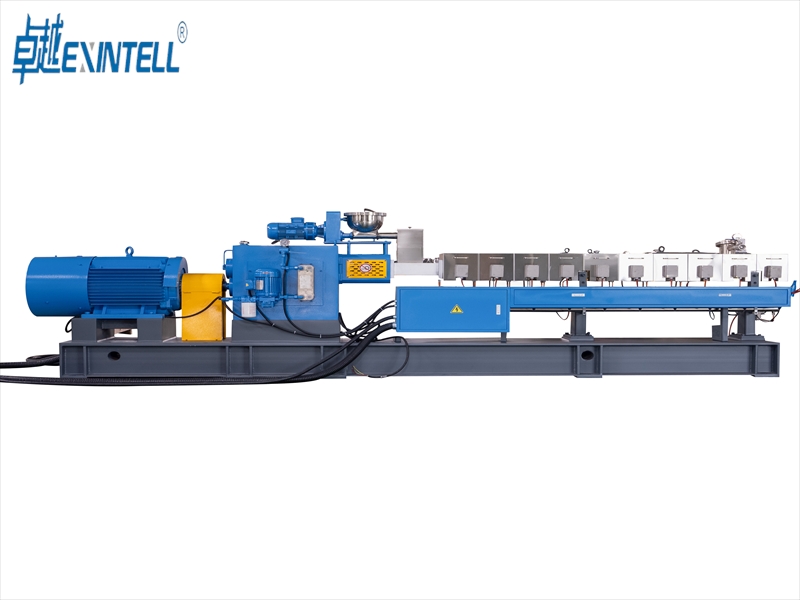
Kiedy używasz A wytłaczarka granulująca, postępując według przejrzystych kroków zmieniasz surowiec na pellet. Wkładasz materiał do wytłaczarki. Maszyna topi i miesza. Następnie, przepycha materiał przez matrycę, aby wytworzyć peletki. Każdy krok jest ważny dla uzyskania mocnych i równych peletek. Jeśli wiesz jak działa granulowanie, możesz ulepszyć swoją wytłaczarkę i szybciej rozwiązać problemy.
Check the material’s properties to make the pelletizing process work best for different plastics.
What Is A Pelletizing Extruder
Main Function
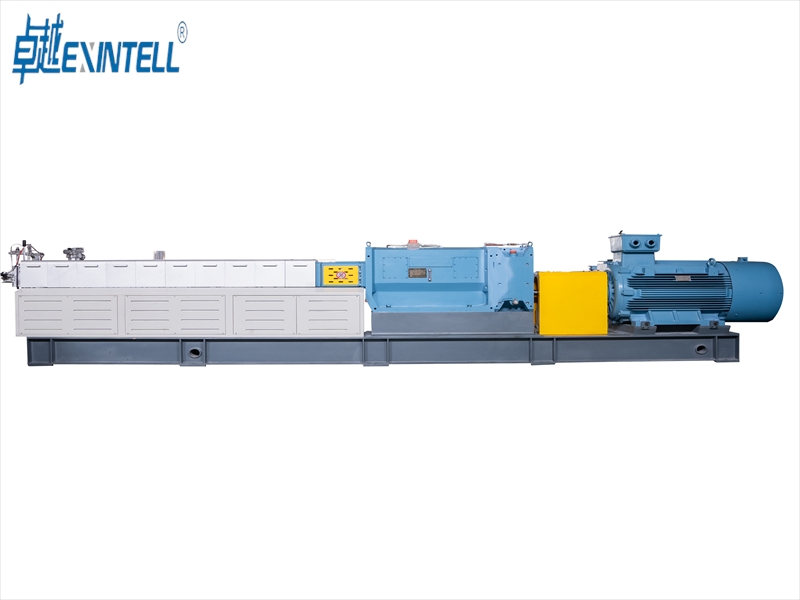
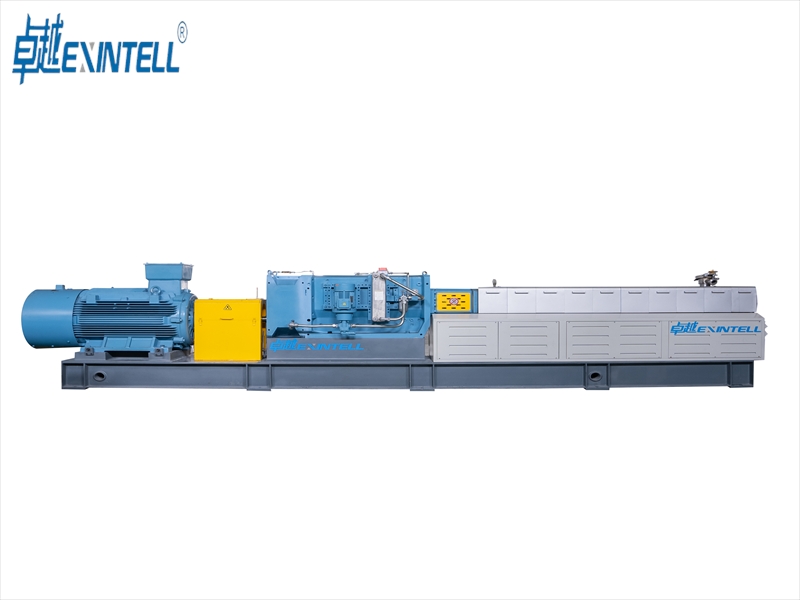
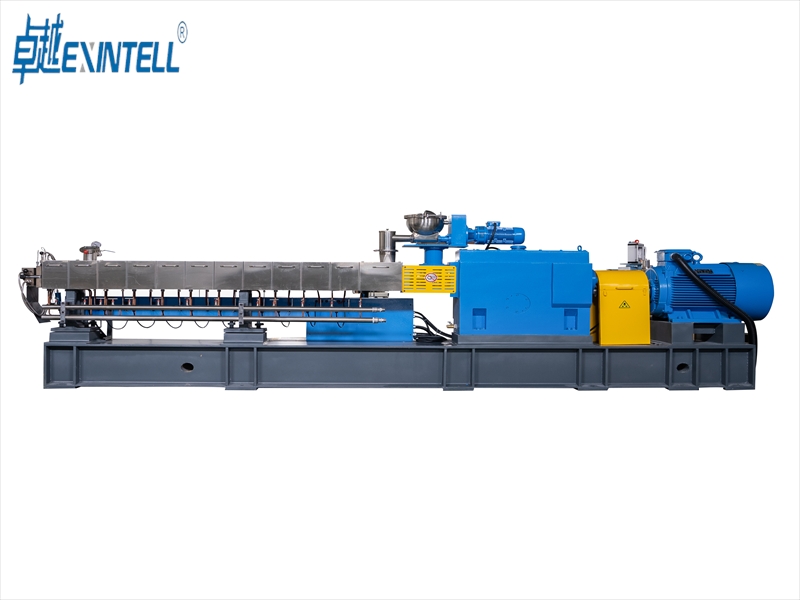
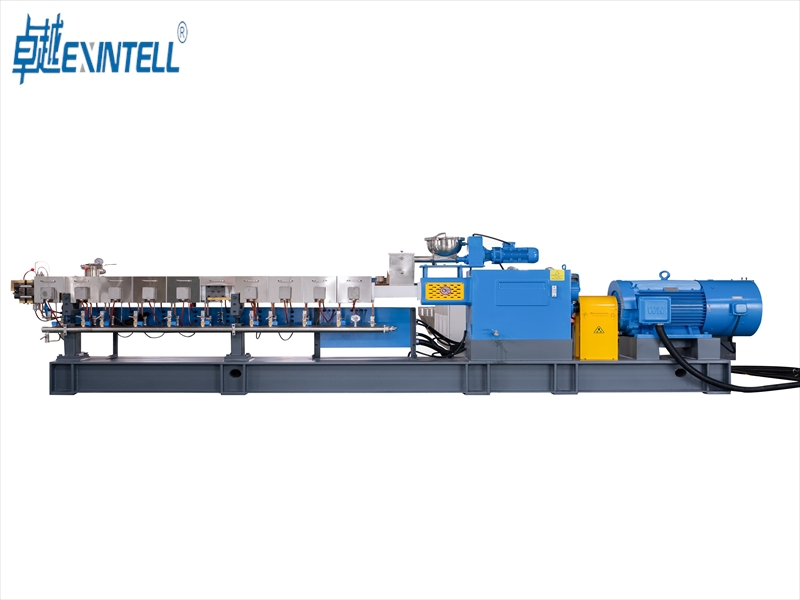
A wytłaczarka granulującaturns raw plastic or polymer into small pellets. The machine lets you control how big and round each pellet is. Manufacturers usepellet extrudersto make products that meet strict rules. You can change waste pieces or new resin into pellets that flow well and work in other machines.
Pelletizing extrudersare important in making plastic and polymer. They help you work faster, waste less, and get steady results.
Here is a table showing what awytłaczarka granulującadoes:
Shapes melted plastic, controls pellet thickness and pressure
Układ chłodzenia
Makes pellets hard, stops them from changing shape
Rotating Knife System
Cuts cooled pellets into the same size and shape
You can change the design of these parts to fit your needs. Automation systems help you control heat and warn you about problems. Cooling and drying systems keep pellets strong and protect their quality.
Pelletizing Extruder Process
The pelletizing extruder works in steps. Each step changes raw material into pellets that look the same. You need to know every stage to getgood pellets.
Podawanie materiału
Pierwszy, you put raw material into the extruder. The hopper holds the material. This material can be plastic flakes, granules, or powders. Some common materials are polyethylene, polipropylen, ABS, nylon, and PLA. Możesz użyć specjalnych podajników, aby kontrolować ilość wprowadzanego materiału. Czasami, musisz najpierw wysuszyć materiał. Suszenie jest ważne w przypadku tworzyw sztucznych wchłaniających wodę. Suszenie zatrzymuje powstawanie pęcherzyków i innych problemów w peletkach.
System podawania kontroluje ilość materiału trafiającego do środka. Jeśli za każdym razem podajesz tę samą ilość, pellety są lepsze. Rozmiar kawałków i ich wilgotność również mają znaczenie. Małe kawałki i odpowiednia ilość wody pozwalają uzyskać mocny pellet.
Topienie i homogenizacja
Następny, śruba popycha materiał do przodu. Beczka nagrzewa się i topi plastik. Kształt śruby ma tutaj znaczenie. Niektóre śruby lepiej mieszają materiał i utrzymują równomierne ciepło. Mieszanie pomaga w mieszaniu takich rzeczy, jak kolor lub stabilizatory.
Dla każdego plastiku musisz ustawić odpowiednią temperaturę. Na przykład, polypropylene melts between 200°C and 260°C. ABS melts between 210°C and 250°C. The table below shows melt temperatures for different plastics:
Plastic Polymer
Practical Melt Temperature Range (°C)
ABS (Akrylonitryl-butadien-styren)
210 – 250
Poliwęglan (komputer)
280 – 320
Polipropylen (PP)
200 – 260
Nylon 66 (PA66)
280 – 310
Polietylen (HDPE)
210 – 260
Polioksymetylen (POM)
190 – 220
Good melting and mixing make the melted plastic smooth. This step removes air bubbles and mixes everything together. Now the melted plastic is ready for the next step.
Extrusion Through Die
The melted plastic moves to the die system. The die shapes the plastic into strands or other forms. The die works like a mold. It controls the size and shape of the pellets. The shape of the die is important. It decides how thick and wide the pellets are. A good die gives you pellets that all look the same.
The pressure and speed here change how good the pellets are. You need to keep these steady for the best pellets.
Układ chłodzenia
After leaving the die, the plastic is still hot and soft. The cooling system makes the pellets hard and keeps their shape. Water cooling is used a lot because it cools fast and evenly. Some machines use air cooling for plastics that melt at lower heat. Underwater cutting cools the pellets right away. This is good for plastics that melt easily.
Metoda chłodzenia
Opis
Suitable Polymers
Water Cooling
Uses water to cool pellets fast and keep them good.
Many plastics that need even cooling.
Air Cooling
Not as fast, used for plastics that melt at low heat.
Plastics with low melt index.
Underwater Cutting
Cuts and cools pellets in water right away.
PP nonwoven, melt-blown fabrics.
Cooling must be even. If you cool too fast or too slow, pellets can break or change shape. Good cooling keeps pellets strong and looking right.
Cutting Into Pellets
When the pellets are cool, they go to the cutter. The rotating knife cuts the strands into pellets. The speed and type of blade change how long and thick the pellets are. More blades or faster cutting make shorter pellets. Where you put the cutter matters too. If it is too close to the die, it wears out fast. If it is too far, the pellets are not even.
You can cut pellets in different ways:
Pelletowanie nici: Cut after cooling in water.
Hot-cut pelletizing: Cut right at the die face.
Underwater pelletizing: Cut in water for fast cooling.
Each way works best for certain plastics and jobs.
Collection And Quality Control
You collect the finished pellets at the end. Czasami, należy je wysuszyć, aby usunąć wodę. Tutaj sprawdzasz wielkość pelletu, kształt, i czystość. Testujesz pellety i usuwasz te złe. Niektóre firmy stosują specjalne testy dla tworzyw sztucznych, które muszą być bardzo czyste.
Musisz przestrzegać światowych zasad, aby mieć pewność, że Twój pellet jest dobry. Dobre sprawdzenie oznacza, że pellet będzie dobrze działał w innych maszynach.
Wskazówka: Często sprawdzaj pellet podczas jego zbierania. Pomaga to wcześnie wykryć problemy i zapewnia dobrą pracę urządzenia.
Jeśli będziesz śledzić każdy krok, zamieniasz surowiec na dobry pellet. Każdy etap jest ważny dla powstania produktu końcowego.
Czynniki wpływające na granulowanie
Kiedy używasz wytłaczarki granulującej, musisz kontrolować pewne rzeczy. Te rzeczy pomogą Ci uzyskać mocny i równy pellet. Trzeba obserwować temperaturę, prędkość śruby, i właściwości Twojego materiału. Each one can change how your pellets look. They also affect how well your machine works.
Kontrola temperatury
You have to check the temperature all the time. The right temperature helps pellets stick together well. When the temperature is near a special point calledT*, time in the die matters. This time changes how tough your pellets are. If you go over T*, pellets stick faster but get weaker. Good temperature control makes pellets last longer and not break. It also keeps your pellets good and stops waste.
Wskazówka: Use sensors to check temperature often. This helps you fix problems fast.
Screw Speed
The screw’s speed changes how fast you make pellets. If the screw goes too fast, pellets may not look even. They can also get air bubbles. If the screw is too slow, you make fewer pellets. You need to find the best speed for your material and machine. Try different speeds and look at your pellets often. This helps you keep pellet quality the same and stop problems.
Właściwości materiału
The kind of material you use is important too. You should think about moisture and viscosity. Here is how these things change your pellets:
More water makes pellets wetter and stronger, but they look darker.
Smaller pieces make the material thicker and harder to push.
You can change your extruder for different materials. Na przykład, you can use a special die shape. The table below shows how you can change your process:
Use computer models to design dies for hard shapes.
Można także zastosować systemy współwytłaczania. Umożliwiają one mieszanie materiałów i wytwarzanie warstwowych pelletów do specjalnych zastosowań.
Jeśli kontrolujesz te rzeczy, robisz lepsze pellety. Utrzymujesz także sprawny proces granulowania.
Rozwiązywanie problemów z wytłaczarką do pelletu
Typowe problemy z jakością pelletu
Czasami, widzisz problemy ze swoimi pelletami. Problemy te mogą zmienić wygląd lub działanie pelletu. Oto kilka problemów, które możesz znaleźć:
Aglomeracja lub duże grudki powstają, jeśli pelety nagrzeją się zbyt mocno lub woda jest za niska.
Drobne i anielskie włosy pojawiają się, jeśli końcówki otworów pękają lub nóż nie porusza się prawidłowo.
Bliźnięta, trojaczki, i łańcuchy tworzą się, jeśli nóż jest zbyt szybki lub produkt jest zbyt gorący.
Kości psa i hantle pojawiają się, jeśli ostrza są zużyte lub materiał nie jest wystarczająco gruby.
Ogonki powstają, jeśli szczelina między nożem a matrycą jest zbyt duża lub matryca nie jest płaska.
Długie i łokciowe powstają, jeśli nóż jest zbyt wolny lub szybkość wytłaczania jest wysoka.
Jeśli polimer zawiera wodę lub stygnie zbyt szybko, mogą pojawić się wewnętrzne puste przestrzenie i popcorn.
Jeśli produkt kurczy się zbyt szybko lub jest kruchy, pojawiają się wgłębienia i kurz.
Pęknięcia powierzchni lub stopu oraz śmieci lub wióry powstają, jeśli szybkość wytłaczania jest wysoka lub nóż nie jest często regulowany.
Pelety, które nie wyglądają tak samo, mogą pochodzić ze zmian temperatury lub nierównomiernego nagrzewania matrycy.
Możesz użyć narzędzi takich jak Schemat ości Ishikawy lub 5 Jest to technika pozwalająca dowiedzieć się, co jest nie tak. Narzędzia te pomagają sporządzić listę przyczyn i przyjrzeć się głębiej problemowi.
Problemy mechaniczne i procesowe
Mechanical and process problems can also hurt pelletizing. You might see uneven output, low production, or bad pellets. Here are some problems and ways to fix them:
If pellet size and shape are not right, change the die temperature, keep blades sharp, and check the blade gap.
If you see less output or jams, look for blocked die holes and make sure material moves well in the hopper.
If the extruder or motor gets too hot, check the cooling system and look for friction or a motor working too hard.
If pellets are not good, check the temperature, handle materials with care, and dry materials that take in water.
You should also check for screw wear, strange sounds, and shaking. These signs can mean parts are worn or there is something in the material that should not be there. Checking and fixing things often keeps your pelletizing smooth and your pellets the same.
Wskazówka: Write down problems and how you fix them. This helps you see patterns and fix things faster next time.
You can learn each step of the pelletizing extruder process. Controlling temperature and cooling helps make strong, jednolite granulki. Improving how you run your machine reduces waste and saves money. When pellets flow smoothly, jams are less likely, and work stays steady. Proper melting and mixing create pellets that meet high standards. This also helps cut material loss and makes production faster. Whether you’re new or experienced, keep practicing to make the best pellets every time.
Even melting and mixing produce consistent pellets.
Pelletizing saves material and increases efficiency.
Często zadawane pytania
What materials can you use in a pelletizing extruder?
Możesz użyć many kinds of plastic. Some examples are polyethylene, polipropylen, ABS, nylon, and PLA. Some machines can also use recycled plastic or blends. Always make sure your extruder works with your material.
How do you keep pellets from sticking together?
Dry your material before you feed it in. Pick the best cooling method for your plastic. Keep the temperature the same. These steps help you getstrong pellets that do not stick.
Why do pellets sometimes have uneven shapes?
Pellets can look uneven if the die or cutter has issues. Check if the blades are worn out or if die holes are blocked. Wrong screw speed can also cause this. Fix these things to make pellets even.
How often should you clean your pelletizing extruder?
Clean your extruder after every time you finish making pellets.
Take out leftover material and look for any buildup.
Cleaning often keeps your pellets good and your machine working well.