

Comparing Recycled and Virgin Plastic Pellets for Cost and Benefits
You might ask if recycled plastic pellets or virgin plastics are better for your business. Many companies see that recycled plastic pellets cost 20–40% less than new ones. This lower price can help you save money. But you also need to think about how well they work and your sustainability goals. Some businesses use both types to get the best mix of cost, benefit, i zrównoważony rozwój.
Kluczowe dania na wynos
- Recycled plastic pellets can help your business save money. You might save 20-40% compared to using virgin plastics. This helps you lower your costs.
- Using recycled plastics is good for the environment. It helps you reach sustainability goals. It also cuts down on waste and lowers carbon emissions a lot.
- Virgin plastics have steady quality and strength. They are best for products that need strict safety rules.
- Think about what your product needs. You should look at performance and if it follows the rules. This will help you choose between recycled and virgin pellets.
- Mixing both types of pellets can help your business. You can save money and still have good product performance.
What Are Recycled and Virgin Plastic Pellets?
Recycled Plastic Pellets Defined
Recycled plastic pellets are small pieces made from old plastic things. These pellets come from items like bottles and containers people throw away. Factories gather these plastics and clean them. Następnie, they turn them into new pellets. Most recycled pellets are made from PET and HDPE. PET is used in water and soda bottles. HDPE is found in milk jugs and detergent bottles.
- Main sources of recycled plastics:
- PET bottles (woda, soda)
- HDPE bottles (milk, detergent)
- Other post-consumer and post-industrial plastic waste
When you pick recycled pellets, you help cut down on waste. You also help save resources. In the early 1990s, not much plastic waste was recycled. Teraz, more companies use recycled pellets. But they are still a small part of all plastic used.
Virgin Plastics Explained
Virgin plastic pellets are brand new and never used before. Factories make them from raw materials like oil or natural gas. These pellets are very pure and have steady quality. Virgin plastics are good for things that need to be strong and safe. You see them in food packaging and medical devices. They are also in other products that need strict safety rules.
Production Process Overview
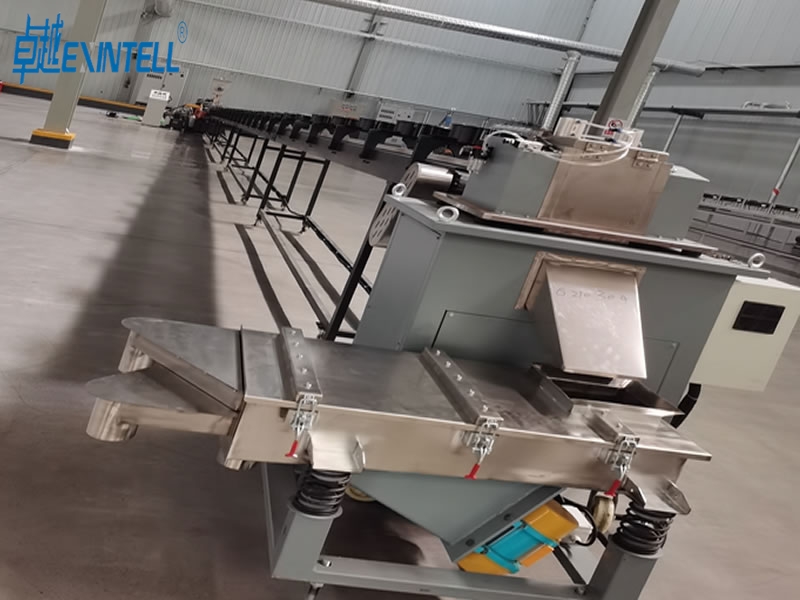
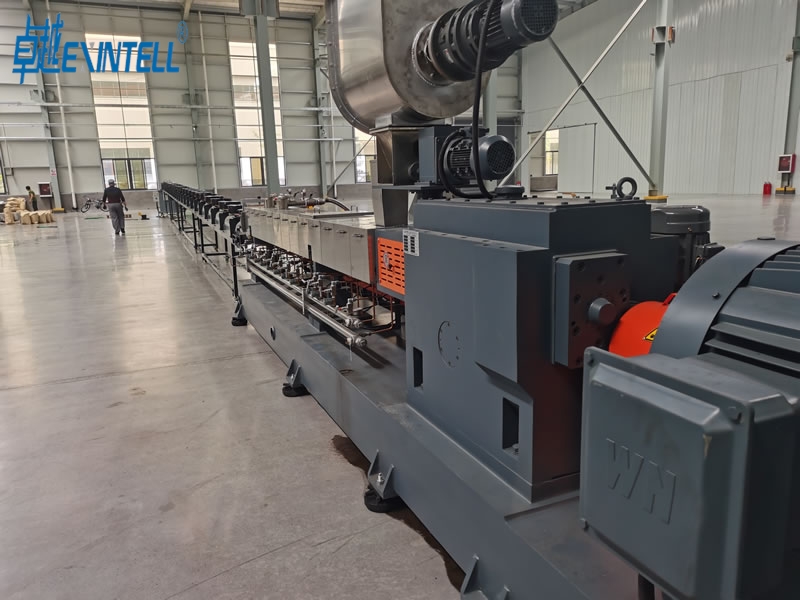
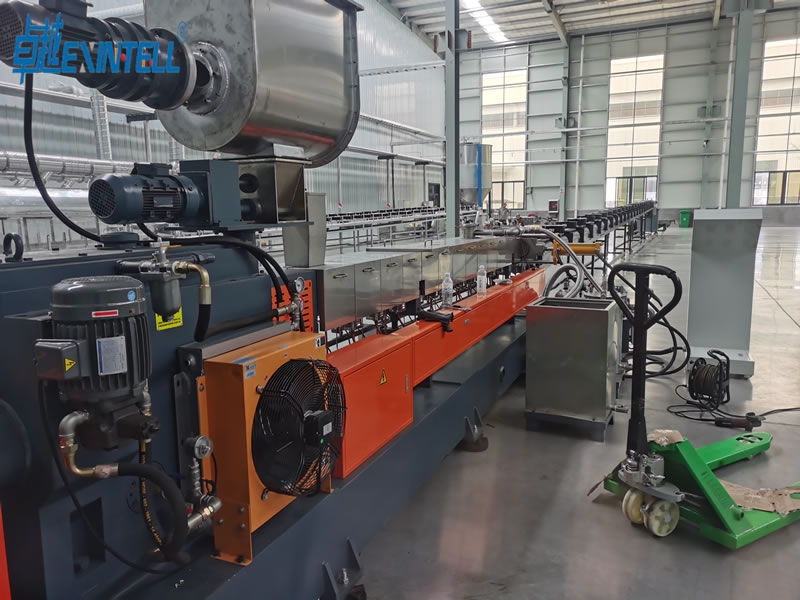
Factories use different ways to make recycled and virgin pellets. Dla recycled pellets, workers collect and sort old plastics. Machines wash, cięcie, and melt the plastics. The melted plastic turns into new pellets. Virgin pellets are made by turning oil or gas into plastic resin. This resin is shaped into pellets.
| Property | Recycled Plastic Pellets | Virgin Plastic Pellets |
|---|---|---|
| Mechanical Strength | Lower due to impurities and recycling effects | Higher due to greater purity and longer polymer chains |
| Trwałość | Stable and tough, but may vary | Tougher and longer-lasting |
| Purity | Varies based on source and process | High purity, stała jakość |
| Consistency | Can vary in color and toughness | Consistent in color and properties |
| Thermal Resistance | Lower melting point, degrades at lower temperatures | Higher melting point and better heat stability |
Wskazówka: If you need strong, pure, and steady material, virgin pellets may be best. If you want to save money and help the planet, Pellet z recyklingu to dobry wybór.
Analiza kosztów i korzyści granulatów tworzyw sztucznych
Recycled Plastic Pellets: Czynniki kosztowe
Możesz zaoszczędzić pieniądze, używając plastikowych granulatów pochodzących z recyklingu. Główne koszty powstają w kilku krokach. Pierwszy, pracownicy zbierać odpady plastikowe z domów i fabryk. Następny, sortują plastik według rodzaju, kolor, i jakie to jest czyste. Następnie, myją plastik i usuwają wszelkie etykiety i zabrudzenia. Potem, topią plastik i tworzą nowe granulki. Każdy krok dodaje się do ceny całkowitej. The wartość tworzyw sztucznych pochodzących z recyklingu może się zmienić jeśli więcej osób będzie ich chciało. Jeśli kupisz dużo granulatów tworzyw sztucznych pochodzących z recyklingu, zazwyczaj oszczędzasz więcej pieniędzy. Ale, jeśli potrzebujesz wysokiej jakości granulatu z tworzywa sztucznego pochodzącego z recyklingu lub nadającego się do kontaktu z żywnością, cena może być wyższa. PET z recyklingu, nadający się do kontaktu z żywnością kosztuje więcej, bo musi przejść trudne testy. Grupy takie jak FDA lub EFSA sprawdzają te materiały, aby upewnić się, że są bezpieczne. This makes food-grade recycled plastics cost more and harder to find.
Virgin Plastics: Rozważania dotyczące kosztów
Virgin plastics are made from oil or natural gas. Their price depends on how much these materials cost. If oil prices go up, virgin plastics get more expensive. This can make your production cost more. Czasami, there is too much virgin plastic, so the price drops. Other times, recycled plastic granules are a better deal, especially when oil is expensive. Virgin plastics give you steady quality and purity, but you pay more for these things. If you need strong and pure materials, like for medical devices, you might pick virgin plastics even if they cost more.
Comparing Long-Term Value
Recycled plastic pellets often help you save more money over time. Using recycled plastics can lower your costs and help the planet. Wiele firm wykorzystuje granulaty tworzyw sztucznych pochodzących z recyklingu, aby pokazać, że dbają o ziemię. Może to sprawić, że klienci bardziej polubią Twoje produkty. Ty także pomagasz ograniczyć emisję dwutlenku węgla przy użyciu tworzyw sztucznych pochodzących z recyklingu. To jest dobre dla środowiska. Analizując koszty i korzyści, powinieneś pomyśleć o potrzebach swojej firmy. If you want to save money and help the planet, Granulki z tworzyw sztucznych pochodzących z recyklingu to mądry wybór. Jeśli potrzebujesz najlepszej jakości i stałych dostaw, dziewicze tworzywa sztuczne mogą być dla Ciebie lepsze. Niektóre firmy stosują oba typy, aby uzyskać najlepszą kombinację oszczędności i wydajności.
Notatka: Twoje potrzeby i cele mają ogromne znaczenie w analizie kosztów i korzyści. Powinieneś pomyśleć o całym życiu materiału, jak dobrze to na ciebie działa, i Twoje długoterminowe plany.
Wydajność i jakość: Granulat dziewiczy vs granulat z recyklingu
Spójność materiału
Chcesz, aby Twoje produkty za każdym razem wyglądały tak samo. Dziewicze tworzywa sztuczne są wykonane z nowych materiałów. Oznacza to, że są bardzo jednolite. Ich struktura molekularna nie ulega zmianie. Więc, otrzymujesz stałe rezultaty dzięki dziewiczym granulkom. Granulki z recyklingu mogą być nieco inne. W procesie recyklingu mieszają się tworzywa sztuczne z wielu miejsc. Może to spowodować niewielkie zmiany w kolorze lub wytrzymałości. Możesz zauważyć, że granulaty pierwotne i pochodzące z recyklingu zachowują się inaczej podczas wytwarzania.
| Funkcja | Virgin Plastic Pellets | Recycled Plastic Pellets |
|---|---|---|
| Spójność materiału | Wysoka jednolitość ze względu na pierwotną strukturę molekularną | Nieznacznie zmienne w zależności od stopnia recyklingu i przetwarzania |
| Wytrzymałość & Jakość | Stała siła i jakość | Może się nieznacznie różnić, ogólnie niższe niż pierwotne ze względu na ponowne przetwarzanie |
| Kolor & Skończyć | Jasne, lśniący, i gładkie | Możliwe niewielkie różnice w kolorze ze względu na mieszane źródła |
Jeśli chcesz mieć ten sam kolor i wykończenie za każdym razem, wybierz dziewicze granulki. Recycled granules still work well, but you might see small changes.
Purity and Quality Control
Virgin plastics are very pure. You can trust them to meet strict rules. Factories test virgin granules for safety and quality. Recycled granules are cleaned and sorted. But sometimes, a little dirt stays in them. High-quality recycled granules use special ways to remove dirt and labels. These cost more money. Virgin and recycled granules are different in purity. You should check recycled granules before using them in important products.
Przydatność aplikacji
Musisz choose the right granules for your product. Virgin plastics are good for things that must be strong and pure. Medical devices and food packaging use virgin granules. It matters if you want the best performance. Recycled granules are fine for things like containers or outdoor furniture. Granulki pochodzące z recyklingu można wykorzystać do projektów ekologicznych. Niektóre firmy łączą oba typy, aby zaoszczędzić pieniądze i uzyskać dobre wyniki.
Wskazówka: Zawsze testuj swoje materiały przed wykonaniem wielu produktów. Pomoże Ci to znaleźć to, co będzie dla Ciebie najlepsze.
Wpływ na środowisko tworzyw sztucznych pochodzących z recyklingu w porównaniu z tworzywami pierwotnymi
Oszczędność emisji dwutlenku węgla
Wybór tworzyw sztucznych pochodzących z recyklingu bardzo pomaga środowisku. Używanie granulatów tworzyw sztucznych pochodzących z recyklingu zamiast pierwotnych tworzyw sztucznych obniża emisję dwutlenku węgla o 30% Do 80%. To jakby co roku usuwać z dróg miliony samochodów. IKEA odnotowała spadek swojego śladu węglowego związanego z tworzywami sztucznymi 33% po użyciu tworzyw sztucznych pochodzących z recyklingu. Oszczędzasz także energię, czasami setki kilogramów CO2 na każdą wyprodukowaną tonę. Oszczędności te pokazują, że tworzywa sztuczne pochodzące z recyklingu pomagają chronić planetę i walczyć ze zmianami klimatycznymi.
- Tworzywa sztuczne pochodzące z recyklingu mogą oszczędzać 30 Do 170 milionów ton węgla rocznie.
- Oszczędności energii wynikające z recyklingu tworzyw sztucznych są 30-60% w porównaniu do pierwotnych tworzyw sztucznych.
Efektywność zasobów
Zbieranie tworzyw sztucznych pochodzących z recyklingu pomaga chronić przyrodę i oszczędzać zasoby. Recykling zużywa mniej energii niż wytwarzanie nowego plastiku z ropy lub gazu. Ten proces oszczędza do 70%–80% energii potrzebnej do produkcji pierwotnych tworzyw sztucznych. Zużywasz także mniej surowców, więc potrzeba mniej ropy i gazu. Do pakowania można używać granulatów tworzyw sztucznych pochodzących z recyklingu, tekstylia, lub części samochodowe. Wykorzystywanie pokonsumenckich tworzyw sztucznych pochodzących z recyklingu tworzy ekologiczny cykl, który przekształca odpady w przydatne produkty. Zmniejsza to zużycie paliw kopalnych i wspiera produkcję przyjazną dla środowiska.
- Recykling zmniejsza zapotrzebowanie na ropę naftową i gaz ziemny.
- Tworzywa sztuczne pochodzące z recyklingu zmniejszają emisję gazów cieplarnianych i pomagają chronić przyrodę.
Trendy regulacyjne i rynkowe
There are more rules and changes that support recycled plastics. Many countries ban single-use plastics, which lowers the need for virgin plastics. Governments use programs that make companies manage their plastic waste. Circular economy plans push for more recycled content, and big brands want 30–50% recycled materials in their packaging by 2025. Tax breaks and incentives make recycled plastics a better choice. The table below shows some important trends:
| Regulatory Trend/Market Incentive | Opis |
|---|---|
| Single-use plastic bans | Nad 60 countries have bans, reducing virgin plastic demand. |
| Extended Producer Responsibility | Companies pay to manage waste, promoting recycled materials. |
| Circular Economy Initiatives | Demand for recycled pellets grows 9% each year. |
| Brand Commitments | Brands target 30-50% treści pochodzące z recyklingu autorstwa 2025. |
| Tax Incentives | Governments support domestic recycled plastic production. |
Teraz, caring for the environment and being sustainable matters to companies and customers. Choosing recycled plastics helps you meet these new standards and shows you care about a greener future.
Recycled Plastic Pellets: Plusy & Wady
Zalety
You should think about the good and bad sides before picking recycled plastic pellets. One big plus is that these pellets help cut down on plastic waste. When you use recycled plastics, fewer bottles and containers end up in landfills. This choice also helps lower carbon emissions, which is important for today’s factories. Machines like the JKM Two-Step Plastic Recycling Machine can make high-quality recycled pellets. These machines help companies spend less money and create less pollution. You can also do better in world markets.
Products made from recycled plastics use a lot less energy than new ones. This saves energy and lowers carbon emissions. Na przykład, using recycled resin can cut emissions by 67% for PET, 71% for HDPE, I 71% for PP. You also save money because you do not have to buy new materials. Recycled plastic pellets help save natural resources and support a cleaner future.
Limitations
You also need to think about the bad sides of using recycled plastic pellets. Some problems can make it harder to make your products.
- The quality of post-consumer recycled plastics can change. Czasami, brud, mixed plastics, or damage can change how the pellets work.
- The material may not be as strong. Recycling can make the plastic weaker, so it might break easier than virgin plastics.
- The color and look can be different. Recycled plastics can have small changes in color or finish.
- Nie wszystkie granulaty tworzyw sztucznych pochodzących z recyklingu są wystarczająco czyste, aby spełniać rygorystyczne zasady bezpieczeństwa. W przypadku produktów, które muszą być bardzo czyste, możesz potrzebować dodatkowych testów.
- Uzyskanie wystarczającej ilości pelletu z recyklingu w przypadku dużych zamówień może być trudne. Podaż nie zawsze jest stała.
- Niektóre tworzywa sztuczne pochodzące z recyklingu kosztują więcej, jeśli potrzebujesz pelletu spożywczego lub najwyższej jakości.
Powinieneś pomyśl o tych dobrych i złych stronach zanim wybierzesz. Twój wybór zależy od potrzeb Twojego produktu, jakie to musi być dobre, i Twoje zielone cele.
Virgin Plastics: Plusy & Wady
Zalety
Dziewicze tworzywa sztuczne mają wiele zalet. Dają te same wyniki za każdym razem. Granulki Virgin są bardzo czyste, aby Twoje produkty wyglądały podobnie. Materiały te są mocne i wytrzymują długo. Można je kształtować i kolorować na wiele sposobów. Pomaga to w tworzeniu wielu różnych rzeczy. Pierwotne tworzywa sztuczne są bezpieczne dla laboratoriów i opakowań chemicznych, ponieważ nie reagują łatwo. Można ich używać wieloma metodami fabrycznymi. Produkty wykonane z pierwotnych tworzyw sztucznych nie pękają ani nie zużywają się szybko. Oznacza to, że wyrzucasz mniej.
- Granulki Virgin są czyste i zawsze takie same.
- Otrzymujesz mocne i trwałe produkty.
- Można je kolorować i kształtować do wielu zastosowań.
- Są bezpieczne dla laboratoriów i opakowań chemicznych.
- Można je wykorzystać w wielu metodach fabrycznych.
- Wytrzymują dłużej, więc marnujesz mniej.
Wskazówka: Wybierz pierwotny granulat, jeśli potrzebujesz najwyższej jakości i stabilnych materiałów.
Limitations
Zanim wybierzesz dziewicze tworzywa sztuczne, powinieneś pomyśleć o dobrych i złych stronach. Czasami, kosztują mniej, jeśli podaż jest zbyt duża. Ale mogą bardziej zaszkodzić środowisku. Granulki Virgin produkowane są z ropy i gazu. This causes more pollution and carbon emissions. Governments are making new rules to protect nature. These rules can add taxes or extra costs for using virgin plastics. Companies may have to pay for the harm caused by these materials. You might feel more pressure to use recycled plastics instead.
| Aspekt | Virgin Plastics | Recycled Plastics |
|---|---|---|
| Koszt | Sometimes cheaper with too much supply | Often higher for food-grade |
| Wpływ na środowisko | High outside costs not included | Lower impact on the environment |
| Regulatory Pressure | More rules coming soon | Less pressure from rules |
- Governments add taxes and rules for carbon and waste.
- These rules try to make virgin plastics include their real costs.
- You may see even more rules for virgin granules soon.
Notatka: Think about now and the future when you look at the good and bad sides of virgin plastics and virgin granules.
Choosing the Right Pellets
Czynniki decyzyjne
You need to think about a few important things before picking between recycled plastics and virgin plastics. Each thing helps you figure out which plastic pellets are best for your products.
Here is a table that shows the main things to think about and what they mean for your business:
| Decision Factor | Opis |
|---|---|
| Performance Requirements | Look at how strong, elastyczny, and heat-resistant your product needs to be. |
| Zgodność z przepisami | Check rules for your industry, especially for food, medyczny, and kids’ products. |
| Aesthetic Considerations | Think about color and finish if your product’s look matters. |
| Supply Chain Stability | Make sure you can get enough recycled pellets with steady quality. |
| Cost-Benefit Analysis | Compare material costs and savings from being eco-friendly. |
Start by thinking about how your product must work. Some products need to be strong or bend easily. Others must handle heat. Virgin plastics usually give the best performance and purity. If your product must follow strict safety rules, like food packaging or medical devices, you may need virgin plastics. These products must pass tough tests to keep people safe.
If you want your products to look the same every time, check the color and finish. Recycled plastics can have small changes in color or texture. This might not matter for some things, but it can be important for products people see often.
Supply chain stability is another big thing. You need a steady supply of pellets to keep your factory working. Czasami, recycled plastics are harder to find in large amounts or with the same quality. Virgin plastics usually have a more stable supply.
Cost is always important. You can often save money by using recycled plastics, especially if you do not need the highest quality. Many companies also care about being green. Using recycled plastics can help you reach your eco goals and attract customers who care about the planet.
Wskazówka: Make a checklist of what your product needs. This will help you pick the right plastic pellets for your goals.
Przykłady branżowe
Different industries have their own needs when picking between recycled plastics and virgin plastics. You can see how companies in each area make choices based on cost, being green, and performance.
- Being green is changing the market. More companies want recycled and biodegradable materials.
- Cost matters a lot. Prices for raw materials can change fast, so companies look for the best deal.
- Each industry, like packaging, samochody, and building, has special needs that affect their choice.
Let’s look at some real-world examples:
| Firma | 2024 Recycled Content | 2025 Goal | Challenges |
|---|---|---|---|
| Colgate-Palmolive | 21% | 25% | Hard to get enough recycled content with good quality |
| Danone | 17% (overall), 29% (water bottles) | 25% (overall), 50% (water bottles) | Not enough collection and recycling, not enough recycled materials |
| Coca-Cola | 28% | 35-40% | Changed goals because it was hard to meet them |
| PepsiCo | Nie dotyczy | 40% | Updated goals for key markets and outside factors |
| Coca-Cola Hellenic Bottling | 46% | 35% | Went past its goal, showing good use of recycled content in Europe |
| PepsiCo Europe | 58% | 50% | Went past its goal, showing recycled materials work well in packaging |
You can see that companies like Coca-Cola and PepsiCo Europe already use lots of recycled plastics in their packaging. They set high goals for the future. Some companies, like Danone, have trouble getting enough recycled materials. Others, like Coca-Cola Hellenic Bottling, have gone past their targets.
Here is how different industries use recycled plastics:
| Przemysł | Benefits of Recycled Plastics |
|---|---|
| Automobilowy | Makes car parts strong, saves money, and helps the planet |
| Opakowania na żywność | Must use recycled materials that pass strict safety tests |
In the car industry, you can use recycled plastics to make car parts. These parts are strong and help lower costs. They also help car makers reach green goals. In food packaging, you must use recycled plastics that pass tough safety tests. This keeps food safe for people.
Notatka: Each industry has its own rules and needs. Always check what your industry needs before picking your plastic pellets.
You should also know the steps recycled plastics go through before they become pellets:
- Collection and sorting
- Czyszczenie i usuwanie zabrudzeń
- Recykling mechaniczny lub chemiczny
- Superczyste technologie
- Testy regulacyjne i zatwierdzenie
Te kroki pomogą zapewnić bezpieczeństwo i wysoką jakość tworzyw sztucznych pochodzących z recyklingu. Możesz wykorzystać te informacje, aby zdecydować, czy tworzywa sztuczne pochodzące z recyklingu, czy tworzywa sztuczne pierwotne są odpowiednie dla Twojej firmy.
Można dostrzec duże różnice pomiędzy granulatami z tworzyw sztucznych pochodzących z recyklingu i pierwotnymi. Pelety z recyklingu są tańsze i lepsze dla ziemi. Pellet Virgin jest mocny i zawsze tej samej jakości. Przyglądać się ten stół aby je szybko porównać:
| Aspekt | Recycled Plastics | Virgin Plastics |
|---|---|---|
| Koszt | Niżej | Wyższy |
| Środowiskowy | Mniejszy ślad | Większy ślad |
| Wydajność | Zmienny | Spójny |
Jeśli chcesz zaoszczędzić pieniądze i pomóc planecie, wybierz pellet z recyklingu. Jeśli potrzebujesz najlepszej wytrzymałości i jakości, wybierz pellet dziewiczy. Pamiętaj, aby zastanowić się, jakie znaczenie ma Twój wybór teraz i później.
Często zadawane pytania
What is the main difference between recycled and virgin plastic pellets?
Recycled pellets are made from old plastics. Virgin pellets are made from new materials. Recycled pellets are better for the earth. Virgin pellets are always the same quality.
Can you use recycled plastic pellets for food packaging?
You can use recycled pellets for food packaging if they pass safety rules. Look for food-grade recycled PET. Always check for safety labels before picking them.
Are recycled plastic pellets always cheaper than virgin pellets?
Most of the time, recycled pellets cost less money. Food-grade or very good recycled pellets can cost more. Check prices for what you need.
How do recycled pellets affect product quality?
Recycled pellets can change color or strength a little. Virgin pellets give you the same results every time. Test recycled pellets before making your products.
Why do companies choose recycled plastic pellets?
Companies use recycled pellets to save money and help the earth. People like products that are good for the planet. You can follow new rules and show you care about being green.