Kiko Ta un Fábrika di Pelletisadó di Plèstik i Kon E Ta Funshoná
Tabel di Kontenido
Kiko Ta un Fábrika di Pelletisadó di Plèstik i Kon E Ta Funshoná
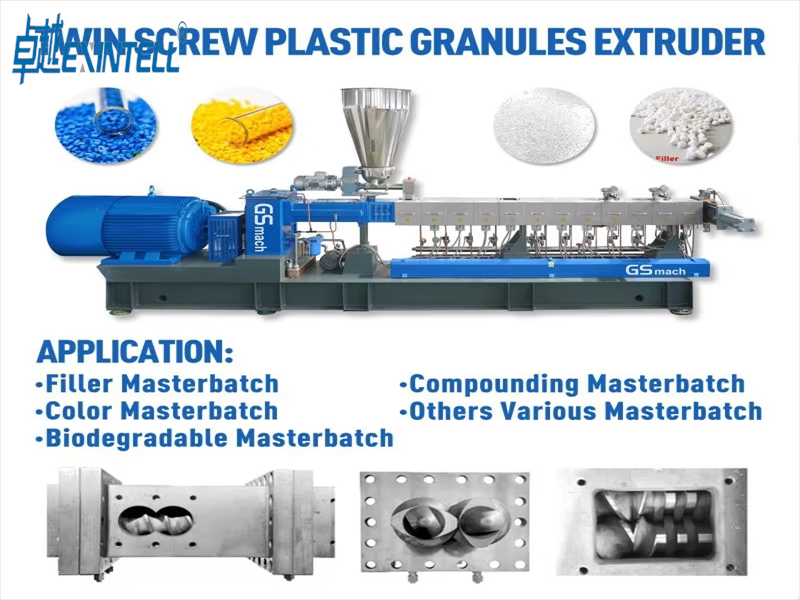
Un fábrika di pelletisadó di plèstik ta haña plèstik krudo òf resiklá. E ta kambia e plèstik den chikí, asta pèlèt di resina. E pèlètnan aki ta wòrdu usá pa traha hopi kos di plèstik ku bo ta usa diariamente. E proseso di fábrika ta hasi plèstik mas fásil pa move i usa atrobe. Trahamentu di pèlèt ta yuda resiklahe i ta pone fábrikanan funshoná mihó.
Puntonan Klave
Un fábrika di pelletisadó di plèstik ta kambia plèstik krudo òf resiklá den pèlèt chikitu. E pèlètnan aki tur ta di e mesun tamaño. Esaki ta hasié mas fásil pa reusá i resiklá plèstik.
E proseso di pelletisashon tin hopi paso. Prome, trahadónan ta limpia e plèstik. Despues, nan ta smelt’é. Siguiente, nan ta push'é dor di un mashin. Despues di esei, nan ta fria esaki. Delaster, nan ta kòrt’é den pèlèt. Esaki ta sòru pa e pèlètnan ta bon pa traha kosnan nobo.
Resiklahe di plèstik den fábrikanan di pelletisadó ta yuda medio ambiente. E ta spar energia tambe. Esaki ta bon pa tantu naturalesa komo ekonomia.
Kumpra kosnan trahá di pèlèt resiklá ta yuda baha desperdisio. Tambe e ta sostené bon kustumbernan pa e planeta. Esaki ta hasi un bon diferensia pa Tera.
Sabiendo tokante diferente sistema di peletisashon ta útil. Pelletisashon di strand i bou di awa ta dos tipo. Esaki ta yuda bo skohe e mihó manera pa bo nesesidatnan di plèstik.
Bista General di Fábrika di Pelletisadó di Plèstik
Kiko Ta un Fábrika di Pelletisadó di Plèstik
UN fábrika di pelletisadó di plèstik ta un luga cu ta cambia plastic. E ta tuma desperdisio di plèstik òf plèstik krudo i ta kombertí esaki den pèlèt chikí. E fábrika ta hasi esaki dor di sigui vários paso.
Prome, trahadónan ta limpia e plèstik. Despues nan ta sek’é i mul’é den pida chikitu.
Siguiente, e plèstik ta bai den un kamber di smelt. Heater òf ekstruder ta smelt e plèstik.
E plèstik smelt ta wòrdu pushá dor di un die. Esaki ta traha kabei largu.
E kabuyanan ta fria i ta wòrdu kòrtá den pèlèt.
E pèlètnan ta wòrdu fria i seku atrobe.
Na final, e pèlètnan ta wòrdu paketá pa almasenamentu òf envio.
Un fábrika di pelletisadó di plèstik no ta meskos ku otro fábrikanan di plèstik. Bo por mira kon nan ta diferente den e tabel aki:
Aspekto
Granuladó di plèstik
Pelletisadó di plèstik
Ophetivo
Ta hasi desperdisio di plèstik pida mas chikitu
Ta kombertí granulonan den pèlèt pareu
Material di Entrada
Desperdisio di plèstik manera bòter òf pelíkula
Granula òf plèstik smelt
Salida
Slaknan òf granulonan desigual (2–12 mm)
Asta pelletnan rondo (2–5 mm)
Proseso
Kòrtamentu òf molimentu
Smeltmentu, pushando, i kòrtamentu
Aplikashonnan
Promé paso den resiklahe
Ultimo paso promé ku traha produktonan
Papel den Fabrikashon di Plèstik
Pelletnan di resina for di un fábrika di pelletisadó di plèstik ta hopi importante.
Pelletnan di resina, tambe yamá nurdles, ta wòrdu usá pa traha kosnan di plèstik.
E pèlètnan aki ta fásil pa move, pakus, i uso den produktonan nobo òf resiklá.
Fábrikanan mester di e pèlètnan aki pa nan funshoná bon.
E industria di plèstik tin pasá 125,000 trahadónan. E ta agregá 2.3% na e GDP di e pais. Esaki ta mustra ku pèlètnan di resina ta yuda e ekonomia.
Tep: Si bo kumpra kosnan trahá di pèlèt resiklá, bo ta yuda e planeta dor di hasi ménos desperdisio.
Proseso di Mashin di Plètisashon di Plèstik
Alimentá i smelt
E proseso di peletisashon ta kuminsá ora bo hinka plèstik den e mashin di peletisashon di plèstik. Bo por usa hopi tipo di plèstik pa esaki.
Fábrikanan tambe ta usa kosnan resiklá manera Pelíkula PE/PP, slaknan rígido, BESTIA DI KAS, EPS foam, i no-wevennan smelt. Bo mester laba i sorteá esakinan promé ku hinka nan den e mashin.
E mashin di pelletisashon di plèstik tin un tolva ku ta move e plèstik den e kamber di smelt. E mashin ta keinta e plèstik te ora e smelt. Lo bo mira e plèstik kambia di pida duru pa un líkido diki. E paso aki ta pone e plèstik kla pa e siguiente parti di e proseso.
Nota: Plèstik limpi i seku ta yuda bo traha mihó pèlèt.
Ekstrushon i Friamentu
Despues ku e plèstik smelt, bo ta push'é dor di un ekstruder. E ekstruder ta meskla i forma e plèstik smelt. Un skru den e bari ta move e plèstik dilanti. E plèstik ta pasa dor di un kabes di matris i ta bira kabei largu.
Aki un tabel ku ta mustra e mashinnan prinsipal ku ta wòrdu usá pa ekstrushon i friamentu:
Tipo di Mashin
Deskripshon
Ekstruder
Keinta i meskla e plèstik. E ta hasi e plèstik kla pa forma i kòrta. E tin un sistema di alimentashon, bari, skruf, muri kabes, i sistema di friamentu.
Sistema di friamentu
Ta mantené e forma di e pèlètnan i ta kita awa. Esaki ta protehá e material durante trahamentu di pèlèt.
E sistema di friamentu ta hopi importante. Bo por usa baño di awa òf kama ku ta fria ku airu pa fria e kabei. E mòdul di friamentu tin un kas, suministro di awa, e sistema di deskarga. Friamentu ta stòp e kabuyanan di pega huntu òf kambia di forma. Despues di esaki, bo ta haña fuerte i asta pèlèt.
Pelletisashon i Kolekshon
Bo ta kòrta e kabuyanan ku a fria den pèlèt chikitu ku un sistema di kòrta. E mashin di pelletisashon ta kòrta e kabuyanan den pida pareu. Bo ta rekohé e pèlètnan i seka nan pa deshasí di kualke awa.
Bo ta usa e pèlètnan aki pa traha produktonan nobo. E proseso di peletisamentu ta yuda resiklá plèstik i ta traha material pa hopi industria. E mashin di pelletisashon di plèstik ta laga bo kontrolá e kalidat i tamaño di e pelletnan. Bo ta sòru pa e pèlètnan ta kla pa fábrika i fásil pa move.
Tep: Si bo ke mihó pèlèt, kontrolá e pasonan di seku i friamentu di aserka.
Resiklahe den Fábrikanan di Pelletisadó di Plèstik
Kombertí Desperdisio den Pèlèt
Bo ta yuda resiklahe ora bo ta sorteá desperdisio di plèstik. Trahadónan ta usa un mashin di resiklahe di plèstik pa traha pèlèt nobo for di e shushi aki. E proseso tin hopi paso pa hasi sigur ku e pèlètnan ta limpi i fuerte.
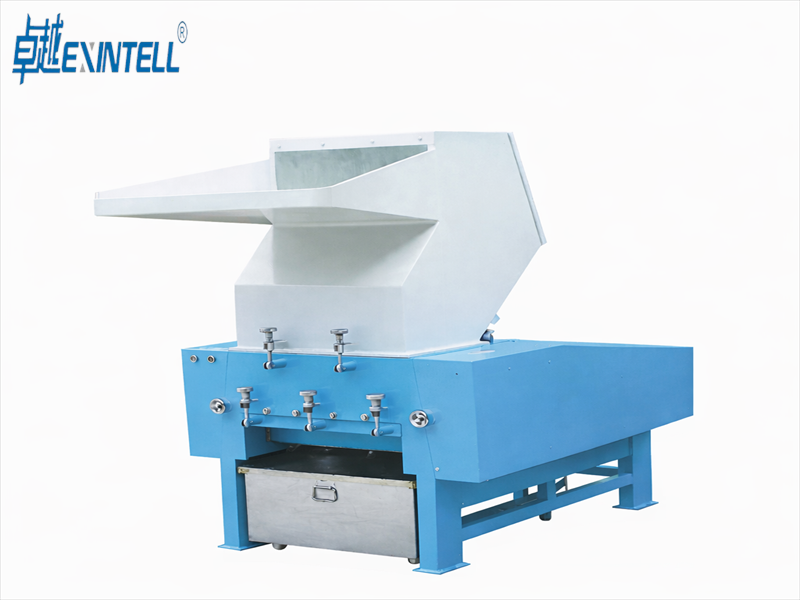
Prome, trituradó òf trituradó ta kibra shushi di plèstik den pida chikitu. Esaki ta hasi e plèstik mas fásil pa manehá.
Siguiente, liñanan di laba ta limpia e plèstik kòrtá. E mashinnan aki ta kita sushedad y otro cosnan.
Bo ta sorteá e plèstik pa tipo i kalidat. Algun fábrika ta usa mashinnan ku sensor pa klasifiká.
E plèstik limpi ta bai den un sistema di seku. Plèstik seku ta traha mihó pèlèt.
Bo ta hinka e plèstik seku den un mashin di resiklahe di plèstik, manera un ekstruder di dos schroef. E mashin aki ta smelt i meskla e plèstik bon.
E plèstik smelt ta bai na un mashin di pelletisashon. Akinan, bo ta kòrta e plèstik na chikitu, asta pèlèt.
Sistemanan di friamentu, manera baño di awa òf kama di aire, yuda e pèlètnan mantené nan forma. Nan ta stòp e pèlètnan di pega na otro.
Transportadornan i otro mashinnan ta move e pèlètnan pa almasenamentu òf empaketahe.
Nota: Kada paso den resiklahe ta yuda bo haña bon pèlèt, asta si e shushi di plèstik ta bini di diferente kaminda.
Fábrikanan ta kontrolá e pèlètnan ku kòntròl di kalidat. Nan ta sorteá i limpia e materia prima. Nan ta kontrolá koló i ta wak e mashinnan segun ku nan ta traha. Bo por mira e pasonan aki den hopi planta di resiklahe moderno.
Benefisionan Ambiental
Resiklahe den fábrikanan di pelletisadó di plèstik ta duna bo hopi benefisio pa medio ambiente:
Bo ta sostené kompanianan ku ke protehá medio ambiente i usa rekursonan na un manera sabí.
Fabrikantenan tambe ta haña benefisionan ekonómiko. Usando pèlètnan resiklá ta kosta ménos ku kumpra resina nobo. E ta yuda kompanianan yega na nan metanan di sostenibilidat i ta mustra ku nan ta preokupá pa e planeta.
Benefisio Ekonómiko
Deskripshon
Spaarmentu di gastu
Bo ta gasta ménos na material ora bo ta usa pèlètnan resiklá.
Bentahanan Ambiental
Bo ta yuda redusí desperdisio di plèstik i sostené práktikanan bèrdè.
Aliniashon di Sostenibilidat
Bo ta sostené metanan a largu plaso pa un mundu mas limpi.
Tep: Ora bo skohe produktonan trahá di pèlètnan resiklá, bo ta yuda resiklahe i protehá e tera pa futuro generashonnan.
Tipo di Sistemanan di Peletisashon di Plèstik
Peletisashon di strand
Peletisashon di strand ta komun den fábrikanan di plèstik. E sistema aki ta usa airu pa fria e kabuyanan di plèstik promé ku kòrta. Bo ta pusha plèstik smelt dor di un die. E kabuyanan ta fria den laira. Despues, kuchú ta kòrta e kabuyanan na chikitu, asta pèlèt. E pelletizer tin tantu kuchú ketu komo move. E pèlètnan ta rondo i lis. Teknologia spesial ta tene e pèlètnan di e mesun tamaño. Tambe ta kontrolá e temperatura pa yuda traha bon pelèt.
Pelletisashon di strand ta wòrdu usá pa traha polímero i resiklahe. E ta yuda traha pèlètnan pareu for di plèstik smelt. E sistema aki ta traha ku tantu un pelletisadó di plèstik komo un mashin di granuladó di plèstik.
Usá den fábrikanan di plèstik
Traha polímeronan
Ta yuda ku resiklahe
Pelletisashon bou di awa
Pelletisashon bou di awa ta traha hopi bon pellet. E plèstik ta wòrdu kòrtá bou di awa, ku ta tene tur kos den liña. E método aki ta funshoná ku hopi tipo di plèstik smelt. Bo por kontrolá e kalor, fluho, i preshon fásilmente. E pelletisadó por kòrta na diferente manera, pues bo tin eskoho.
Bo ta haña mihó pèlèt, ménos desperdisio, i trabou mas lihé. Ta fásil pa usa mashinnan pa e sistema aki. Pelletisashon bou di awa ta bon pa fábrikanan grandi di plèstik.
Pelletisashon di Die-Face
Pelletisashon di kara di morto ta funshoná pa hopi plèstik. E pèlètnan ta wòrdu kòrtá nèt na e kara di e matris, hopi bia ku renchi di awa. E sistema aki ta kuminsá lihé i no mester di muchu yudansa di trahadónan. E ta sigui kore sin ku e kabuyanan ta kibra. E ta fásil i barata pa drecha.
Fábrikanan ta pensa riba kosto i kon difísil e sistema ta pa usa. Pelletisashon di renchi di awa ta kosta mas na promé instante, pero ta traha hopi pellet y poco stof. Pelletisashon bou di awa ta kosta mas i ta traha mas stòf.
Teknologia di Peletisashon
Kosto Inisial
Kompleksidat Operashonal
Fleksibilidat di Material
Peletisashon di strand
Mas abou
Fásil
Ta traha ku hopi
Pelletisashon bou di awa
Mas haltu
Mas duru
Ta traha ku algun
Pelletisashon di Ring di Awa
Mas haltu
Mas duru
Ta traha ku algun
Tep: Skohe un sistema di pelletisadó dor di wak e tipo di plèstik, kuantu bo ke gana, kalidat di pèlèt, kaminda bo ta traha, kon fásil e ta pa drecha, e kosto.
Bo ta usa un pelletisadó di plèstik ku ta kuadra ku bo nesesidatnan. Kada sistema ta bon pa diferente trabou. Sabiendo kon un mashin di pelletisashon di plèstik ta funshoná ta yuda bo skohe esun korekto.
Bo por wak kon un fábrika di pelletisadó di plèstik ta kambia desperdisio di plèstik den pèlètnan útil. Esaki ta yuda resiklahe i ta laga bo yuda e medio ambiente. E fábrikanan aki ta importante pasobra nan ta traha bon material pa kosnan nobo. E mashinnan den e fábrikanan aki ta traha lihé i ta hasi ménos desperdisio. Leinan di gobièrnu i yuda hasi resiklahe mas simpel i mihó. Komo ku mas negoshi mester di plèstik, e fábrikanan aki lo importá mas pa un mundu mas limpi.
FAQ
Kiko ta pelletisashon di plèstik?
Pelletisashon di plèstik ta kambia plèstik den pèlèt chikitu. Bo por usa plèstik krudo òf resiklá pa esaki. E proseso ta hasié mas fásil pa move i reusá plèstik. Pelletisashon ta yuda fábrikanan funshoná mas lihé. E ta yuda tambe ku resiklahe.
Dikon peletisashon ta importante den resiklahe?
Peletisashon ta kombertí plèstik bieu den pèlèt nobo. Bo por usa e pèlètnan aki pa traha kosnan nobo. Esaki ta yuda tene plèstik den uso i ta baha desperdisio. E tambe ta yuda stòp polushon di plèstik.
Kon un fábrika di pelletisadó di plèstik ta sostené un proseso di resiklahe di buèlta será?
Un fábrika di pelletisadó di plèstik ta yuda resiklahe bai den un buèlta. E fábrika ta tuma plèstik di desperdisio i ta limpia esaki. Despues, e ta traha e plèstik den pèlèt. E pèlètnan aki por wòrdu usá bes tras bes. Esaki ta tene plèstik for di terenonan di destrukshon.
Ki tipo di plèstik bo por usa den teknologia di pelletisashon?
Bo por usa hopi plèstik den teknologia di pelletisashon. Algun tipo komun ta polietileno, polipropileno, i PET. Usando diferente plèstik ta yuda resiklá mas i hasi ménos desperdisio.
Kon pelletisashon di plèstik ta yuda medio ambiente?
Pelletisashon di plèstik ta yuda dor di hasi ménos desperdisio. E ta spar energia i ta usa ménos plèstik nobo. E proseso aki ta baha polushon i yuda naturalesa keda limpi.