Kon pa Skohe e Téknika di Ekstrushon di Blachi di Plèstik Korekto pa Bo Proyekto
Tabel di Kontenido
Kon pa Skohe e Téknika di Ekstrushon di Blachi di Plèstik Korekto pa Bo Proyekto
Bo por skohe e mihó ekstrushon di blachi di plèstik téknika dor di pensa riba kiko bo proyekto mester i no hasi erornan komun. Hopi proyekto industrial tin problemanan manera skohe e material robes, no ta kontrolá e temperatura bon, mal diseño di molde, saltando tratamentu di superfisie, i no ta pone e proseso drechi. Bo mester kuadra bo eskoho ku e tipo di produkto, área di industria, diki di blachi, e material ku bo ta piki. E guia aki ta yuda bo skohe sabiamente i hasi bo proseso mihó.
Puntonan Klave
Deskubrí kiko bo proyekto mester promé ku bo skohe un téknika di ekstrushon. Pensa riba kiko bo ta trahando i kon hende lo us’é.
Skohe e material korekto dor di wak kiko e por hasi. Materialnan manera polipropileno i polietileno ta wòrdu usá pa diferente kos.
Siña tokante e reglanan pa bo industria. Siguiendo e reglanan aki ta tene kuminda i artíkulonan médiko seif i di bon kalidat.
Sòru pa e diki di e blachi ta kuadra ku kon bo ta bai us’é. Diki ta kambia e preis, forsa, i kon dobla e ta, pues skohe kuidadosamente.
Usa un lista di kòntròl pa kompará e métodonan di ekstrushon. Esaki ta yuda bo skohe esun mihó pa loke bo proyekto mester.
Rekisitonan di Proyekto & Guia di Aplikashon
Tipo di produkto & Uso Final
Prome, pensa riba kiko bo ke traha i kon lo bo us’é. Diferente téknikanan di ekstrushon ta mihó pa sierto trabounan. Si bo mester di pakete di kuminda, bo mester tene kosnan limpi i blòkia bakteria. Produktonan médiko mester ta hopi eksakto i seif di kontaminashon. Artíkulonan industrial mester ta di e mesun diki i trahá lihé. E tabel aki bou ta mustra kon e uso final ta kambia loke bo mester:
Tipo di Aplikashon
Rekisitonan
Empaketamentu di kuminda
Hygiene standards, barrier properties
Medical Applications
Precision, contamination control
General Industrial Use
Thickness consistency, production efficiency
Siguiente, check the materials you plan to use. Each material has special features for different uses. Polypropylene can handle heat and is good for car trims. Polyethylene is strong and resists chemicals, so it works for protective sheets. Acrylic is clear and is used for display panels. The table below helps you compare materialsfor your project:
Tipo di Material
Key Properties
Aplikashonnan
Polipropileno (PP)
High heat resistance, stiffness-to-weight ratio
Automotive trims, pakete
Polietileno (PE)
Toughness, resistensia kímiko
Protective sheets, liners
Polistireno (PS)
Kosto-efektivo, easy-flowing
Food trays, kònteinernan
Akríliko (PMMA)
Transparency, Resistensia UV
Display panels, covers
Polikarbonat (PC)
Impact strength
Machine guards, panels
Industry Niche & Reglamentonan
You need to know your industry and follow the rules. Empaketamentu médiko i di kuminda mester kumpli ku normanan estrikto. FDA ta kontrolá resiklahe pa tene kuminda safe. Bo mester di un Karta di No-Opheshon pa mustra ku bo produkto ta safe pa kuminda. Papelnan di kadena di kustodia ta proba ku bo materialnan ta puru. Tèstnan ta mustra ku no ta sobra kontaminante. Plèstik resiklá mester ta mes bon ku esnan nobo. Na Europa, REACH ta stòp kímikonan tóksiko, i RoHS ta limitá metalnan pisá den elektróniko. E tabel aki bou ta lista reglanan importante:
Aspekto Regulatorio
Deskripshon
Aprobashon di FDA
Repasá resiklahe pa seguridat di kuminda
Karta di No Obheshon
Ta mustra kumplimentu ku kontakto ku kuminda
Kadena-di-Kustodia
Dokumentunan di puresa di material
Eliminashon di Kontaminante
Ta proba siguridat pa kuminda
Normanan di Material
Ta kuadra ku e normanan di material bírgen
Sertifikashon
Deskripshon
LOGRA
Ta restringí kímikonan tóksiko
Direktiva di RoHS
Ta limitá metalnan pisá den elektróniko
Tep: Semper kontrolá e reglanan promé ku bo kuminsá traha kosnan. Esaki ta yuda bo evitá erornan i ta sigurá ku bo proseso ta kumpli ku e normanan di industria.
Diki & Nesesidatnan Mekániko
Disidí kon diki bo laken mester ta i kiko e mester hasi. Diki ta kambia kosto, forsa, i fleksibilidat. Pa outo i edifisionan, normanan ta yuda bo skohe. Blachinan fini (1-2 mil) ta pa protekshon di lus. Blachinan mediano (3-6 mil) ta pa tapa i kurá. Lakennan diki (10-15 mil) ta pa tapa i barera pafó. Dashboard di outo ta usa blachi di 3-5mm pa fleksibilidat. Bumpernan ta usa blachinan di 5-10mm pa forsa. E tabel aki bou ta mustra diki i usonan komun:
Diki (Mil)
Usonan
1-2 mil
Protekshon di trabou lihé, tapa di pintura
3 mil
Plastiknan ku ta pega nan mes, kontadónan, pisonan
6 mil
Enklosuranan di konstrukshon, kontrol di eroshon
10 mil
Revestimentu di vijver, tapa pafó
12 mil
Tapa di landfill, tapa pafó
14 mil
Protekshon di dek, vloer komersial
15 mil
Bareranan di vapor, muraya di fundeshi
Bo mester kuadra ku e diki i nesesidatnan mekaniko pa e téknika di ekstrushon korekto. This helps you control costs and makes sure your sheet works for its job.
Nota: Picking the right thickness and material helps you make things faster and waste less.
Material Selection Guide
Thermoplastic Options
Bo mester pick your materialbefore starting your project. The right material helps your product work well and makes it easier to produce. Some materials are better for certain jobs. The most common materials used are:
Polipropileno (PP)
Polietileno (PE)
Polistireno (PS)
Akríliko (PMMA)
Polikarbonat (PC)
Each material has special features. Polypropylene can handle heat and is good for car parts. Polyethylene is tough and resists chemicals, so it works for liners and covers. Polystyrene is easy to shape and costs less, so you can use it for trays and containers. Acrylic is clear and blocks UV rays, so it is good for signs and displays. Polycarbonate is strong and can take hard hits, pues e ta wòrdu usá pa panelnan di seguridat.
Tep: Sòru pa bo material ta kuadra ku e nesesidatnan di bo produkto. Esaki ta yuda bo evitá problema ora di traha bo produkto.
Forsa, Fleksibilidat, Resistensia Kímiko
Bo mester kontrolá si e material ta fuerte, flèksibel, i ta resistí kímikonan. E karakterístikanan aki ta yuda bo blachi dura mas largu i funshoná mihó. Si bo ke un blachi ku ta dobla, skohe un material fleksibel manera polietileno. Si bo mester di bo blachi pa tuma hitnan fuerte, skohe polikarbonat.
Resistensia kímiko ta importante tambe. Algun material por wanta zeta, asidonan, òf limpiadónan. Esaki ta hasi nan bon pa lugánan difísil. Bo mester pensa tambe riba kon e material ta smelt i flui. Algun material mester di mas kalor òf mashinnan spesial. Esaki por kambia kua téknika di ekstrushon bo ta usa.
Aki un guia simpel pa kompará:
Material
Forsa
Fleksibilidat
Resistensia Kímiko
Polipropileno
Mediano
Haltu
Haltu
Polietileno
Mediano
Haltu
Hopi Haltu
Polistireno
Abou
Abou
Abou
Akríliko
Mediano
Mediano
Mediano
Polikarbonat
Haltu
Mediano
Mediano
Semper bo mester skohe bo material a base di kon bo ta bai usa bo blachi i unda e ta bai wòrdu usá.
Métodonan di Ekstrushon di Blachi di Plèstik
Bista General di Téknikanan Prinsipal
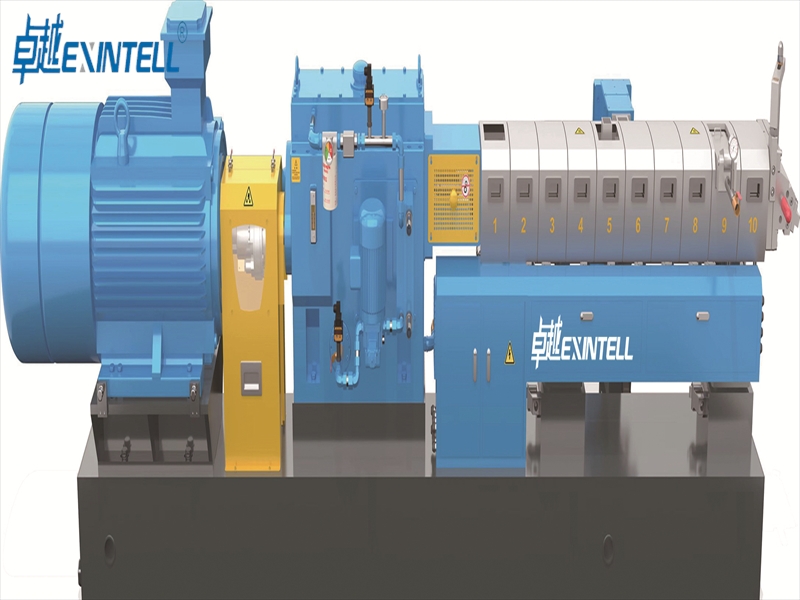
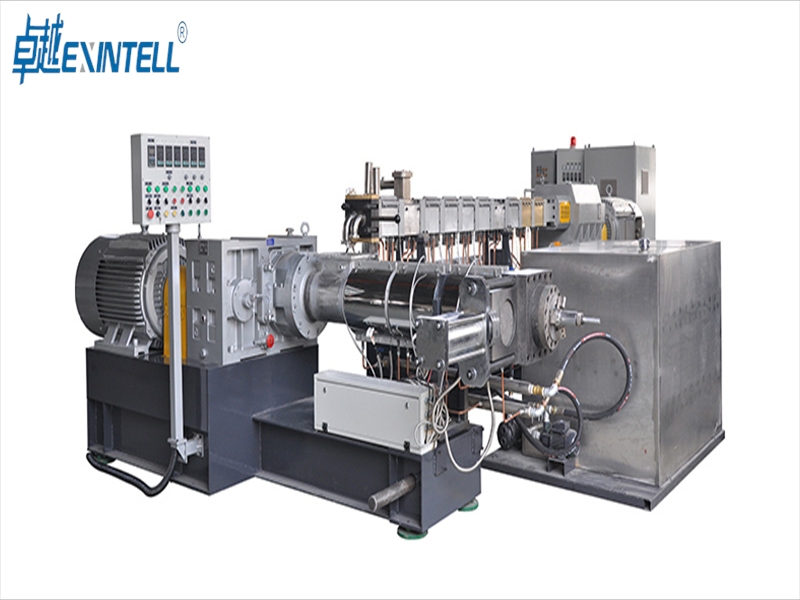
Tin diferente manera pa traha blachi di plèstik. Esunnan mas komun ta extrudernan di un solo schroef i di dos schroef. Extrudernan di un solo schroef tin un schroef cu ta pusha plastic smelt pafo. E manera aki ta bon pa trabounan simpel i pelètnan di plèstik limpi. Extrudernan di dos schroef tin dos schroef cu ta mescla cosnan miho. Nan ta funshoná bon pa materialnan difísil òf plèstik resiklá. Bo por usa nan ora bo ke blachinan di kalidat haltu.
Algun método ta usa ko-ekstrushon òf ekstrushon di vários kapa. Ko-ekstrushon ta laga bo hinka diferente material den un blachi. Ekstrushon multi-kapa ta traha blachinan ku kapanan pa nesesidatnan spesial. E kapanan aki por duna èkstra forsa òf resistensia kímiko. These methods help you keep the sheet size and quality just right.
Ideal for complex materials and high-filler formulas
Energy Consumption
Uses less energy due to simple structure
Consumes more energy but more efficient for complex materials
Tep: Twin-screw extruders help you add colors and fillers. They also make sheets clearer by removing water and gases.
Pros & Cons for Production
You need to pick the right method for your project. Single-screw extruders give strong pressure and steady sheets. They use less energy and are easy to set up. This makes themgood for big ordersand simple products. Twin-screw extruders mix things better and let you control the process more. You can use them for special jobs and custom sheets.
Ekstrushon di plèstikcosts less than other ways manera inyekshon di moldura. You spend less on materials and tools. The process is fast and lets you make long sheets without stopping. This helps you keep the quality the same every time.
Single-screw extrusion is good for thin sheets and easy jobs. Twin-screw extrusion is best for thick sheets and tough materials. Co-extrusion and multi-layer extrusion help you meet strict rules and keep the sheet size right.
Single-screw extruders are best for clean pellets and easy jobs.
Twin-screw extruders work with powders, recycled stuff, and special jobs.
Both ways help you make lots of sheets and get good results.
You should always look at what your project needs. Think about the material and how you want the sheet to work. This helps you choose the best extrusion method and find a good manufacturer.
Matching Needs & Karakterístikanan
Comparison Checklist
You need a simple checklist to compareextrusion techniques. This helps you see which method fits your project best. Use the table below to match your needs with each process. Check off each box as you look at your choices.
See how much power the machine uses. New machines can save energy and money.
Maintenance Needs
Check how often you must clean or fix the machine. Good care keeps things running well.
Impakto Ambiental
Choose ways that use recycled plastics or save energy. This helps you meet green goals.
Garantia & Support
Look for good warranty and help from the maker. This protects your money.
Tep: Use this checklist when you talk to suppliers or compare prices. It helps you focus on what matters most for your project.
Decision Criteria
You need to look at a few things before you pick. Start by thinking about what matters most for your project. These include:
Average Thickness: Check if the sheet is the right thickness. This saves material and money.
Standard Deviation: Look for even thickness. Less change means better quality and fewer mistakes.
Cpk (Process Capability Index): Make sure the process meets your needs every time. High Cpk means better results and less waste.
Match your batch size to the right extrusion method. For big jobs, single-screw extruders work well. They give steady output and lower costs. If you use many materials or extras, twin-screw systems give better control. For small jobs or special projects, ram extrusion or co-extrusion gives more options.
Ora bo skohe un téknika, evitá erornan komun. No lubidá reglanan básiko di diseño. Si bo hasi e diseño muchu duru, bo por haña eror òf desperdisio. Mantene e diki di e aletanan normal i no usa skinanan skèrpi. Traha ku bo proveedó trempan pa haña konseho.
Tene bo material limpi pa evitá problemanan di superfisie. Pone e proseso drechi pa haña e tamaño i forma korekto. Mantene e molde den bon kondishon pa stòp defektonan paden di e blachi.
Pensa riba e medio ambiente tambe. Bo por usa plèstiknan biodegradabel òf resiklá pa kòrta desperdisio. Usa mashinnan ku ta spar energia i resiklá shushi. Sistemanan di awa será i bon filternan di airu ta yuda protehá hende i naturalesa.
Plania pa kuido di largu plaso. Limpia i kontrolá e mashin tur dia. Plania pa kòntròlnan regular i kòntròlnan grandi anual. Bon kuido ta nifiká mihó kalidat i ménos stòp.
Train bo tim bon. Kontrolá nan abilidatnan i duna lèsnan práktiko. Sigui siña pa hasi kosnan mihó.
Garantia i sosten ta importante tambe. Garantianan mas largu i mihó yudansa ta nifiká ménos preokupashon si algu kibra. Hopi bia bon mashinnan ta bin ku mihó términonan.
Nota: Si bo no ta sigur, papia ku un eksperto di ekstrushon. Nan por yuda bo skohe e diseño korekto, material, e proseso. Nan por yuda bo tambe evitá erornan i hasi bo produkto mihó.
Bo por usa e guia aki pa kompará bo eskohonan i hasi un eskoho inteligente. Semper match bo nesesidatnan di proyekto ku e karakterístikanan di kada método di ekstrushon. Esaki ta yuda bo haña e mihó resultadonan, kalidat, i balor di bo trabou.
Bo por skohe e mihó téknika di ekstrushon di blachi di plèstik dor di usa pasonan simpel. Kuminsá pensando riba kiko bo proyekto mester. Skohe e material ku ta kuadra ku bo trabou. Match your material to the right extrusion method. Industry examples show you must keep the temperature steady. Use good molds and add the right extras. Pick the correct resin grade for your sheet. Ask experts for help early in your project. Use the comparison checklist to make your choice easier. Si bo no ta sigur, talk to an extrusion specialist. Di e manera aki, you get strong and reliable sheets for your project.
FAQ
What is plastic sheet extrusion?
Plastic sheet extrusion is a process where you melt plastic and push it through a mold to make flat sheets. You can use these sheets for packaging, signs, or building materials.
How do I choose the right extrusion method?
You should look at your project needs. Think about the material, thickness, and how you will use the sheet. Match these needs to the features of each extrusion method.
Mi por usa plèstik resiklá pa ekstrushon?
Si, bo por usa plèstik resiklá. Ekstrudernan di dos skru ta funshoná mihó pa materialnan resiklá. Sòru pa e plèstik resiklá ta kumpli ku e normanan di seguridat i kalidat.
Kiko ta ko-ekstrushon?
Ko-ekstrushon ta laga bo kombiná dos òf mas material den un blachi. Bo por agregá kapanan pa forsa, koló, òf resistensia kímiko. E método aki ta yuda bo kumpli ku nesesidatnan spesial di proyekto.
Mi mester di yudansa di eksperto pa mi proyekto?
Bo mester puntra un eksperto di ekstrushon si bo ta sinti bo insigur. Ekspertonan ta yuda bo skohe e material i método korekto. Nan ta yuda bo tambe evitá erornan i mehorá bo resultadonan.