

ਸਟ੍ਰੈਂਡ ਜਾਂ ਅੰਡਰਵਾਟਰ ਪੈਲੇਟਾਈਜ਼ਿੰਗ ਸਿਸਟਮ ਜੋ ਤੁਹਾਡੀ ਪਲਾਸਟਿਕ ਲਾਈਨ ਲਈ ਸਹੀ ਹੈ
I often see plastics producers ask which pelletizing system fits their line best. ਜਦੋਂ ਮੈਂ ਸਟ੍ਰੈਂਡ ਅਤੇ ਅੰਡਰਵਾਟਰ ਪੈਲੇਟਾਈਜ਼ਿੰਗ ਦੀ ਤੁਲਨਾ ਕਰਦਾ ਹਾਂ, ਮੈਨੂੰ ਗੋਲੀ ਦੀ ਗੁਣਵੱਤਾ ਅਤੇ ਲਾਗਤ ਵਿੱਚ ਸਪਸ਼ਟ ਅੰਤਰ ਨਜ਼ਰ ਆਉਂਦੇ ਹਨ. Take a look at this table:
| ਵਿਸ਼ੇਸ਼ਤਾ | Strand Pelletizing | ਅੰਡਰਵਾਟਰ ਪੈਲੇਟਾਈਜ਼ਿੰਗ (UWP) |
|---|---|---|
| ਗੋਲੀ ਦੀ ਗੁਣਵੱਤਾ | Good to Excellent, potential for fines | Excellent to Premium, highly uniform |
| ਸ਼ੁਰੂਆਤੀ ਲਾਗਤ | ਨੀਵਾਂ | ਉੱਚਾ |
| Ideal For | General-purpose, cost-sensitive operations | High-end applications, perfect consistency |
I recommend strand pelletizing for cost-sensitive operations. I choose the Underwater Pelletizing System when I need premium, highly uniform pellets for demanding applications.
ਕੁੰਜੀ ਟੇਕਅਵੇਜ਼
- Strand pelletizing is ideal for cost-sensitive operations, offering lower initial costs and simpler setups.
- Underwater pelletizing delivers premium pellet quality, ਮੰਗ ਕਰਨ ਵਾਲੀਆਂ ਐਪਲੀਕੇਸ਼ਨਾਂ ਲਈ ਉੱਚਿਤ ਇਕਸਾਰ ਗੋਲੀਆਂ ਦਾ ਉਤਪਾਦਨ ਕਰਨਾ.
- ਸਿਸਟਮ ਦੀ ਚੋਣ ਕਰਦੇ ਸਮੇਂ ਪੌਲੀਮਰ ਦੀ ਕਿਸਮ 'ਤੇ ਗੌਰ ਕਰੋ; ਸਟ੍ਰੈਂਡ ਸਖ਼ਤ ਸਮੱਗਰੀ ਲਈ ਵਧੀਆ ਕੰਮ ਕਰਦਾ ਹੈ, ਜਦੋਂ ਕਿ ਪਾਣੀ ਦੇ ਅੰਦਰ ਗੁੰਝਲਦਾਰ ਜਾਂ ਗਰਮੀ-ਸੰਵੇਦਨਸ਼ੀਲ ਪੌਲੀਮਰਾਂ ਨਾਲ ਉੱਤਮ ਹੁੰਦਾ ਹੈ.
- ਉਤਪਾਦਨ ਵਾਲੀਅਮ ਲੋੜਾਂ ਦਾ ਮੁਲਾਂਕਣ ਕਰੋ; ਸਟ੍ਰੈਂਡ ਪੈਲੇਟਾਈਜ਼ਿੰਗ ਛੋਟੀਆਂ ਤੋਂ ਦਰਮਿਆਨੀ ਦੌੜਾਂ ਦੇ ਅਨੁਕੂਲ ਹੈ, ਜਦੋਂ ਕਿ ਪਾਣੀ ਦੇ ਹੇਠਲੇ ਸਿਸਟਮ ਉੱਚ-ਆਵਾਜ਼ ਵਾਲੇ ਕਾਰਜਾਂ ਦਾ ਕੁਸ਼ਲਤਾ ਨਾਲ ਸਮਰਥਨ ਕਰਦੇ ਹਨ.
- ਨਿਯਮਤ ਦੇਖਭਾਲ ਮਹੱਤਵਪੂਰਨ ਹੈ; ਸਟ੍ਰੈਂਡ ਪ੍ਰਣਾਲੀਆਂ ਲਈ ਬੁਨਿਆਦੀ ਹੁਨਰ ਦੀ ਲੋੜ ਹੁੰਦੀ ਹੈ, ਜਦੋਂ ਕਿ ਪਾਣੀ ਦੇ ਅੰਦਰਲੇ ਸਿਸਟਮਾਂ ਨੂੰ ਸੰਭਾਲ ਲਈ ਉੱਨਤ ਤਕਨੀਕੀ ਗਿਆਨ ਦੀ ਲੋੜ ਹੁੰਦੀ ਹੈ.
- ਸਪੇਸ ਲੋੜਾਂ ਵੱਖਰੀਆਂ ਹਨ; ਸਟ੍ਰੈਂਡ ਸਿਸਟਮ ਸੰਖੇਪ ਹਨ, ਜਦੋਂ ਕਿ ਪਾਣੀ ਦੇ ਹੇਠਲੇ ਸਿਸਟਮਾਂ ਨੂੰ ਸਾਜ਼-ਸਾਮਾਨ ਅਤੇ ਰੱਖ-ਰਖਾਅ ਲਈ ਵਧੇਰੇ ਥਾਂ ਦੀ ਲੋੜ ਹੁੰਦੀ ਹੈ.
- ਹਮੇਸ਼ਾ ਕੁੱਲ ਲਾਗਤਾਂ ਦਾ ਮੁਲਾਂਕਣ ਕਰੋ, ਸ਼ੁਰੂਆਤੀ ਨਿਵੇਸ਼ ਸਮੇਤ, ਓਪਰੇਟਿੰਗ ਖਰਚੇ, ਅਤੇ ਰੱਖ-ਰਖਾਅ, ਤੁਹਾਡੇ ਬਜਟ ਲਈ ਸਭ ਤੋਂ ਵਧੀਆ ਫਿੱਟ ਲੱਭਣ ਲਈ.
- ਮਾਹਿਰਾਂ ਨਾਲ ਸਲਾਹ ਕਰੋ when facing complex decisions or new materials to ensure you choose the right pelletizing system for your needs.
Pelletizing Systems Overview
What Is Strand Pelletizing
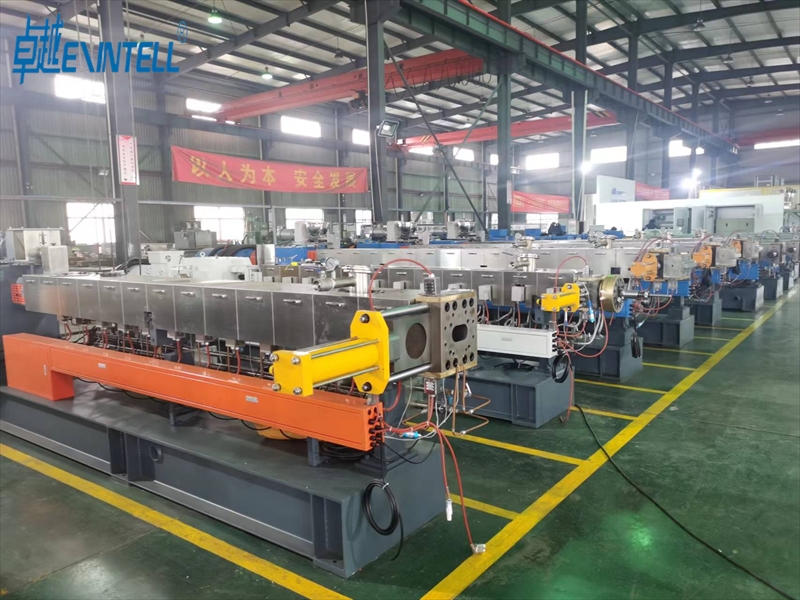
I often use strand pelletizing when I want a straightforward ਪੈਲੇਟਾਈਜ਼ਿੰਗ ਪ੍ਰਕਿਰਿਆ. In this method, I extrude molten polymer through a die plate to form long strands. I guide these strands over a cooling trough, usually filled with water, to solidify them. After cooling, I dry the strands and feed them into a cutter. The cutter chops the strands into uniform pellets. I find this pelletizing process works well for many general-purpose plastics. The strand pelletizing system offers a simple setup and allows me to adjust the pellet length easily. I can quickly change over to different materials or colors, which helps when I run smaller batches.
ਅੰਡਰਵਾਟਰ ਪੈਲੇਟਾਈਜ਼ਿੰਗ ਕੀ ਹੈ
ਜਦੋਂ ਮੈਨੂੰ ਬਹੁਤ ਜ਼ਿਆਦਾ ਇਕਸਾਰ ਗੋਲੀਆਂ ਦੀ ਲੋੜ ਹੁੰਦੀ ਹੈ, ਮੈਂ ਅੰਡਰਵਾਟਰ ਪੈਲੇਟਾਈਜ਼ਿੰਗ ਸਿਸਟਮ ਵੱਲ ਮੁੜਦਾ ਹਾਂ. ਇਸ pelletizing ਪ੍ਰਕਿਰਿਆ ਵਿੱਚ, ਮੈਂ ਪਿਘਲੇ ਹੋਏ ਪੌਲੀਮਰ ਨੂੰ ਸਿੱਧੇ ਪਾਣੀ ਦੇ ਚੈਂਬਰ ਵਿੱਚ ਬਾਹਰ ਕੱਢਦਾ ਹਾਂ. ਰੋਟੇਟਿੰਗ ਚਾਕੂ ਡਾਈ ਫੇਸ 'ਤੇ ਪੋਲੀਮਰ ਨੂੰ ਕੱਟ ਦਿੰਦੇ ਹਨ ਜਦੋਂ ਇਹ ਅਜੇ ਵੀ ਗਰਮ ਹੁੰਦਾ ਹੈ. ਪਾਣੀ ਤੁਰੰਤ ਠੰਡਾ ਹੋ ਜਾਂਦਾ ਹੈ ਅਤੇ ਗੋਲੀਆਂ ਨੂੰ ਮਜ਼ਬੂਤ ਕਰਦਾ ਹੈ. ਮੈਂ ਫਿਰ ਸੇਂਟਰੀਫਿਊਗਲ ਡ੍ਰਾਇਅਰ ਦੀ ਵਰਤੋਂ ਕਰਕੇ ਗੋਲੀਆਂ ਨੂੰ ਪਾਣੀ ਤੋਂ ਵੱਖ ਕਰਦਾ ਹਾਂ. ਇਹ pelletizing ਕਾਰਜ ਨਿਰਵਿਘਨ ਪੈਦਾ ਕਰਦਾ ਹੈ, ਘੱਟੋ-ਘੱਟ ਧੂੜ ਜਾਂ ਜੁਰਮਾਨੇ ਦੇ ਨਾਲ ਗੋਲ ਗੋਲੀਆਂ. ਮੈਂ ਮੰਗ ਕਰਨ ਵਾਲੀਆਂ ਅਰਜ਼ੀਆਂ ਲਈ ਪਾਣੀ ਦੇ ਹੇਠਾਂ ਪੈਲੇਟਾਈਜ਼ਿੰਗ 'ਤੇ ਭਰੋਸਾ ਕਰਦਾ ਹਾਂ, ਜਿਵੇਂ ਕਿ ਮੈਡੀਕਲ ਜਾਂ ਆਟੋਮੋਟਿਵ ਮਿਸ਼ਰਣ, ਜਿੱਥੇ ਪੈਲੇਟ ਇਕਸਾਰਤਾ ਸਭ ਤੋਂ ਵੱਧ ਮਾਇਨੇ ਰੱਖਦੀ ਹੈ. ਅੰਡਰਵਾਟਰ ਪੈਲੇਟਾਈਜ਼ਿੰਗ ਸਿਸਟਮ ਪੌਲੀਮਰਾਂ ਦੀ ਵਿਸ਼ਾਲ ਸ਼੍ਰੇਣੀ ਨੂੰ ਸੰਭਾਲਦਾ ਹੈ, ਸਟਿੱਕੀ ਜਾਂ ਭੁਰਭੁਰਾ ਸਮੱਗਰੀ ਸਮੇਤ ਜੋ ਕਿ ਸਟ੍ਰੈਂਡ ਪੈਲੇਟਾਈਜ਼ਿੰਗ ਕੁਸ਼ਲਤਾ ਨਾਲ ਪ੍ਰਕਿਰਿਆ ਨਹੀਂ ਕਰ ਸਕਦੀ.
ਮੁੱਖ ਅੰਤਰ
ਮੈਂ ਇਹਨਾਂ ਦੋ ਪੈਲੇਟਿਜ਼ਿੰਗ ਵਿਧੀਆਂ ਵਿੱਚ ਕਈ ਮਹੱਤਵਪੂਰਨ ਅੰਤਰ ਵੇਖਦਾ ਹਾਂ. ਸਟ੍ਰੈਂਡ ਪੈਲੇਟਾਈਜ਼ਿੰਗ ਸਿਸਟਮ ਕੂਲਿੰਗ ਟਰੱਫ ਦੀ ਵਰਤੋਂ ਕਰਦਾ ਹੈ ਅਤੇ ਕੱਟਣ ਤੋਂ ਪਹਿਲਾਂ ਸਟ੍ਰੈਂਡਾਂ ਨੂੰ ਹੱਥੀਂ ਸੰਭਾਲਣ ਦੀ ਲੋੜ ਹੁੰਦੀ ਹੈ. ਅੰਡਰਵਾਟਰ ਪੈਲੇਟਾਈਜ਼ਿੰਗ ਸਿਸਟਮ ਇੱਕ ਕਦਮ ਵਿੱਚ ਕੱਟਣ ਅਤੇ ਕੂਲਿੰਗ ਨੂੰ ਜੋੜਦਾ ਹੈ, ਜੋ ਹੱਥੀਂ ਦਖਲਅੰਦਾਜ਼ੀ ਨੂੰ ਘਟਾਉਂਦਾ ਹੈ. ਮੈਂ ਦੇਖਿਆ ਹੈ ਕਿ ਪਾਣੀ ਦੇ ਅੰਦਰ ਪੈਲੇਟਾਈਜ਼ਿੰਗ ਉੱਚ ਥ੍ਰੋਪੁੱਟ ਦਾ ਸਮਰਥਨ ਕਰਦੀ ਹੈ ਅਤੇ ਗੁੰਝਲਦਾਰ ਸਮੱਗਰੀ ਲਈ ਬਿਹਤਰ ਕੰਮ ਕਰਦੀ ਹੈ. ਹਾਲੀਆ ਤਕਨੀਕੀ ਤਰੱਕੀਆਂ ਨੇ ਪਾਣੀ ਦੇ ਅੰਦਰ ਪੈਲੇਟਾਈਜ਼ਿੰਗ ਨੂੰ ਹੋਰ ਵੀ ਆਕਰਸ਼ਕ ਬਣਾ ਦਿੱਤਾ ਹੈ. ਉਦਾਹਰਣ ਲਈ, ਦੀ ਸਥਿਰਤਾ ਲਈ ਗਲੋਬਲ ਪੁਸ਼ ਮੈਨੂੰ ਰੀਸਾਈਕਲਿੰਗ ਦਾ ਸਮਰਥਨ ਕਰਨ ਵਾਲੇ ਸਿਸਟਮਾਂ ਨੂੰ ਚੁਣਨ ਲਈ ਉਤਸ਼ਾਹਿਤ ਕਰਦਾ ਹੈ. ਅੰਡਰਵਾਟਰ ਪੈਲੇਟਾਈਜ਼ਿੰਗ ਪ੍ਰਦਾਨ ਕਰਦਾ ਹੈ ਉੱਚ ਕੁਸ਼ਲਤਾ, ਜੋ ਕਿ ਵਿਭਿੰਨ ਪੌਲੀਮਰ ਸਟ੍ਰੀਮਾਂ ਦੀ ਮੁੜ ਪ੍ਰਕਿਰਿਆ ਲਈ ਜ਼ਰੂਰੀ ਹੈ. ਜਦੋਂ ਮੈਂ ਗੁੰਝਲਦਾਰ ਮਿਸ਼ਰਿਤ ਸਮੱਗਰੀ ਨਾਲ ਕੰਮ ਕਰਦਾ ਹਾਂ, ਮੈਨੂੰ ਸਟੀਕ ਪੈਲੇਟ ਜਿਓਮੈਟਰੀ ਦੀ ਲੋੜ ਹੈ, ਅਤੇ ਪਾਣੀ ਦੇ ਅੰਦਰ ਪੈਲੇਟਾਈਜ਼ਿੰਗ ਇਸ ਨੂੰ ਪ੍ਰਦਾਨ ਕਰਦੀ ਹੈ. ਵਾਤਾਵਰਣ ਸੰਬੰਧੀ ਨਿਯਮ ਵੀ ਮੇਰੀ ਚੋਣ ਨੂੰ ਪ੍ਰਭਾਵਿਤ ਕਰਦੇ ਹਨ. ਅੰਡਰਵਾਟਰ ਪੈਲੇਟਾਈਜ਼ਿੰਗ ਧੂੜ ਨੂੰ ਘਟਾਉਂਦੀ ਹੈ ਅਤੇ ਬਹੁਤ ਸਾਰੀਆਂ ਸਮੱਸਿਆਵਾਂ ਨੂੰ ਦੂਰ ਕਰਦੀ ਹੈ ਜਿਨ੍ਹਾਂ ਦਾ ਮੈਨੂੰ ਰਵਾਇਤੀ ਸਟ੍ਰੈਂਡ ਪੈਲੇਟਾਈਜ਼ਿੰਗ ਨਾਲ ਸਾਹਮਣਾ ਕਰਨਾ ਪੈਂਦਾ ਹੈ.
ਇੱਥੇ ਇੱਕ ਸਾਰਣੀ ਹੈ ਜੋ ਸਾਰ ਦਿੰਦੀ ਹੈ ਕਿ ਇਹ ਕਾਰਕ ਮੇਰੇ ਫੈਸਲੇ ਨੂੰ ਕਿਵੇਂ ਪ੍ਰਭਾਵਤ ਕਰਦੇ ਹਨ:
| ਕਾਰਕ | ਵਰਣਨ |
|---|---|
| ਸਥਿਰਤਾ | ਇੱਕ ਸਰਕੂਲਰ ਆਰਥਿਕਤਾ ਲਈ ਵਿਸ਼ਵਵਿਆਪੀ ਦਬਾਅ ਰੀਸਾਈਕਲਿੰਗ ਬੁਨਿਆਦੀ ਢਾਂਚੇ ਵਿੱਚ ਨਿਵੇਸ਼ ਨੂੰ ਵਧਾਉਂਦਾ ਹੈ, ਸਥਿਰਤਾ ਦਾ ਸਮਰਥਨ ਕਰਨ ਵਾਲੇ ਸਿਸਟਮਾਂ ਦਾ ਸਮਰਥਨ ਕਰਨਾ. |
| ਕੁਸ਼ਲਤਾ | ਅੰਡਰਵਾਟਰ ਸਿਸਟਮ ਵਿਭਿੰਨ ਪੌਲੀਮਰ ਸਟ੍ਰੀਮਾਂ ਨੂੰ ਮੁੜ ਪ੍ਰੋਸੈਸ ਕਰਨ ਲਈ ਜ਼ਰੂਰੀ ਉੱਚ-ਥਰੂਪੁਟ ਸਮਰੱਥਾ ਪ੍ਰਦਾਨ ਕਰਦੇ ਹਨ. |
| ਪਦਾਰਥ ਦੀ ਗੁੰਝਲਤਾ | ਆਟੋਮੋਟਿਵ ਅਤੇ ਮੈਡੀਕਲ ਉਪਕਰਣਾਂ ਵਰਗੇ ਉਦਯੋਗਾਂ ਵਿੱਚ ਗੁੰਝਲਦਾਰ ਮਿਸ਼ਰਿਤ ਸਮੱਗਰੀ ਦੀ ਮੰਗ ਪਾਣੀ ਦੇ ਅੰਦਰ ਕੱਟਣ ਦੁਆਰਾ ਪ੍ਰਾਪਤ ਕੀਤੀ ਜਾ ਸਕਣ ਵਾਲੀ ਸਟੀਕ ਪੈਲੇਟ ਜਿਓਮੈਟਰੀ ਦੀ ਲੋੜ ਹੁੰਦੀ ਹੈ।. |
| ਵਾਤਾਵਰਣ ਸੰਬੰਧੀ ਨਿਯਮ | ਸਖ਼ਤ ਨਿਯਮ ਨਿਰਮਾਤਾਵਾਂ ਨੂੰ ਕਲੀਨਰ ਅਪਣਾਉਣ ਲਈ ਮਜਬੂਰ ਕਰਦੇ ਹਨ, ਹੋਰ ਕੁਸ਼ਲ ਢੰਗ, ਧੂੜ ਨੂੰ ਘਟਾਉਣਾ ਅਤੇ ਰਵਾਇਤੀ ਸਟ੍ਰੈਂਡ ਪ੍ਰਣਾਲੀਆਂ ਨਾਲ ਜੁੜੇ ਮੁੱਦਿਆਂ ਨੂੰ ਖਤਮ ਕਰਨਾ. |
ਟਿਪ: ਜੇਕਰ ਤੁਸੀਂ ਇੱਕ ਉੱਚ-ਪ੍ਰਦਰਸ਼ਨ ਪਾਲਤੂ ਬੋਤਲ ਰੀਸਾਈਕਲਿੰਗ ਸਿਸਟਮ ਚਲਾਉਂਦੇ ਹੋ, ਤੁਹਾਨੂੰ ਸੰਭਾਵਤ ਤੌਰ 'ਤੇ ਪਾਣੀ ਦੇ ਅੰਦਰ ਪੈਲੇਟਾਈਜ਼ਿੰਗ ਦੀ ਕੁਸ਼ਲਤਾ ਅਤੇ ਇਕਸਾਰਤਾ ਤੋਂ ਲਾਭ ਹੋਵੇਗਾ.
ਮੈਂ ਹਮੇਸ਼ਾ ਇੱਕ ਪੈਲੇਟਾਈਜ਼ਿੰਗ ਪ੍ਰਕਿਰਿਆ ਦੀ ਚੋਣ ਕਰਨ ਤੋਂ ਪਹਿਲਾਂ ਆਪਣੀ ਉਤਪਾਦਨ ਲਾਈਨ ਦੀਆਂ ਖਾਸ ਲੋੜਾਂ 'ਤੇ ਵਿਚਾਰ ਕਰਦਾ ਹਾਂ. ਸਟ੍ਰੈਂਡ ਪੈਲੇਟਾਈਜ਼ਿੰਗ ਸਾਦਗੀ ਅਤੇ ਘੱਟ ਲਾਗਤ ਦੀ ਪੇਸ਼ਕਸ਼ ਕਰਦੀ ਹੈ, ਜਦੋਂ ਕਿ ਅੰਡਰਵਾਟਰ ਪੈਲੇਟਾਈਜ਼ਿੰਗ ਪ੍ਰੀਮੀਅਮ ਪੈਲੇਟ ਕੁਆਲਿਟੀ ਪ੍ਰਦਾਨ ਕਰਦੀ ਹੈ ਅਤੇ ਆਧੁਨਿਕ ਸਥਿਰਤਾ ਟੀਚਿਆਂ ਦਾ ਸਮਰਥਨ ਕਰਦੀ ਹੈ.
ਪੈਲੇਟ ਗੁਣਵੱਤਾ ਅਤੇ ਇਕਸਾਰਤਾ
ਅੰਡਰਵਾਟਰ ਪੈਲੇਟਾਈਜ਼ਿੰਗ ਸਿਸਟਮ ਦੀ ਗੁਣਵੱਤਾ
ਜਦੋਂ ਮੈਨੂੰ ਉੱਚਤਮ ਪੈਲੇਟ ਕੁਆਲਿਟੀ ਦੀ ਲੋੜ ਹੁੰਦੀ ਹੈ, ਮੈਂ ਅੰਡਰਵਾਟਰ ਪੈਲੇਟਾਈਜ਼ਿੰਗ ਸਿਸਟਮ 'ਤੇ ਭਰੋਸਾ ਕਰਦਾ ਹਾਂ. ਇਹ ਸਿਸਟਮ ਪੋਲੀਮਰ ਨੂੰ ਕੱਟਦਾ ਹੈ ਜਦੋਂ ਕਿ ਇਹ ਅਜੇ ਵੀ ਨਰਮ ਹੁੰਦਾ ਹੈ, ਫਿਰ ਗੋਲੀ ਨੂੰ ਤੁਰੰਤ ਪਾਣੀ ਵਿੱਚ ਠੰਡਾ ਕਰੋ. ਮੈਂ ਦੇਖਿਆ ਹੈ ਕਿ ਇਹ ਪ੍ਰਕਿਰਿਆ ਨਿਰਵਿਘਨ ਸਤਹਾਂ ਅਤੇ ਲਗਭਗ ਸੰਪੂਰਨ ਗੋਲਾਕਾਰ ਆਕਾਰ ਦੇ ਨਾਲ ਗੋਲੇ ਬਣਾਉਂਦੀ ਹੈ. ਇਕਸਾਰਤਾ ਸਾਹਮਣੇ ਆਉਂਦੀ ਹੈ. ਜ਼ਿਆਦਾਤਰ ਗੋਲੀਆਂ ਵਿੱਚ ਏ ±5% ਤੋਂ ਘੱਟ ਦਾ ਆਕਾਰ ਪਰਿਵਰਤਨ. ਜਦੋਂ ਵੀ ਮੈਂ ਮੁਕੰਮਲ ਉਤਪਾਦ ਦਾ ਮੁਆਇਨਾ ਕਰਦਾ ਹਾਂ ਤਾਂ ਮੈਂ ਇਸ ਉੱਚ ਪੱਧਰ ਦੀ ਇਕਸਾਰਤਾ ਨੂੰ ਦੇਖਦਾ ਹਾਂ.
ਇੱਥੇ ਪੈਲੇਟ ਸ਼ਕਲ ਅਤੇ ਆਕਾਰ ਪਰਿਵਰਤਨ ਦੀ ਇੱਕ ਤੇਜ਼ ਤੁਲਨਾ ਹੈ:
| ਪੈਲੇਟਾਈਜ਼ਿੰਗ ਸਿਸਟਮ | ਪੈਲਟ ਸ਼ਕਲ | ਆਕਾਰ ਪਰਿਵਰਤਨ |
|---|---|---|
| ਪਾਣੀ ਦੇ ਅੰਦਰ | ਗੋਲਾਕਾਰ | < ±5% |
| ਸਟ੍ਰੈਂਡ | ਬੇਲਨਾਕਾਰ | < ±10-15% |
ਅੰਡਰਵਾਟਰ ਪੈਲੇਟਾਈਜ਼ਿੰਗ ਸਿਸਟਮ ਘੱਟ ਤੋਂ ਘੱਟ ਧੂੜ ਨਾਲ ਗੋਲੀਆਂ ਪੈਦਾ ਕਰਦਾ ਹੈ. ਮੈਨੂੰ ਅੰਤਿਮ ਉਤਪਾਦ ਵਿੱਚ ਘੱਟ ਹੀ ਜੁਰਮਾਨੇ ਮਿਲਦੇ ਹਨ. ਨਿਰਵਿਘਨ ਸਤਹ ਅਤੇ ਤੰਗ ਆਕਾਰ ਨਿਯੰਤਰਣ ਮੈਨੂੰ ਪ੍ਰਾਪਤ ਕਰਨ ਵਿੱਚ ਮਦਦ ਕਰਦੇ ਹਨ ਪ੍ਰੀਮੀਅਮ ਗੋਲੀ ਗੁਣਵੱਤਾ, ਜੋ ਅਰਜ਼ੀਆਂ ਦੀ ਮੰਗ ਲਈ ਜ਼ਰੂਰੀ ਹੈ. ਮੈਂ ਇਸ ਸਿਸਟਮ ਦੀ ਵਰਤੋਂ ਉਦੋਂ ਕਰਦਾ ਹਾਂ ਜਦੋਂ ਮੈਨੂੰ ਆਟੋਮੋਟਿਵ ਜਾਂ ਮੈਡੀਕਲ ਵਰਗੇ ਉਦਯੋਗਾਂ ਵਿੱਚ ਸਖ਼ਤ ਮਿਆਰਾਂ ਨੂੰ ਪੂਰਾ ਕਰਨ ਦੀ ਲੋੜ ਹੁੰਦੀ ਹੈ.
Strand Pelletizing ਸਿਸਟਮ ਗੁਣਵੱਤਾ
I often use the strand pelletizing system for general-purpose production. ਇਹ ਵਿਧੀ ਸਿਲੰਡਰ ਗੋਲੇ ਬਣਾਉਂਦੀ ਹੈ, ਪਰ ਮੈਂ ਪਾਣੀ ਦੇ ਅੰਦਰ ਪੈਲੇਟਾਈਜ਼ਿੰਗ ਦੇ ਮੁਕਾਬਲੇ ਆਕਾਰ ਵਿੱਚ ਵਧੇਰੇ ਪਰਿਵਰਤਨ ਵੇਖਦਾ ਹਾਂ. ਆਕਾਰ ਭਿੰਨਤਾ ±10-15% ਤੱਕ ਪਹੁੰਚ ਸਕਦੀ ਹੈ. ਮੈਨੂੰ ਪਤਾ ਹੈ ਕਿ ਸਹੀ ਡਾਈ-ਟੂ-ਬਲੇਡ ਅਲਾਈਨਮੈਂਟ ਮਹੱਤਵਪੂਰਨ ਹੈ. ਇੱਥੋਂ ਤੱਕ ਕਿ ਇੱਕ ਛੋਟੀ ਜਿਹੀ ਗੜਬੜ ਗੁਣਵੱਤਾ ਦੇ ਮੁੱਦਿਆਂ ਦਾ ਕਾਰਨ ਬਣਦੀ ਹੈ, ਜਿਵੇਂ ਕਿ ਵਧੀ ਹੋਈ ਧੂੜ ਜਾਂ ਅਸਮਾਨ ਗੋਲੀ ਦੀ ਲੰਬਾਈ.
ਸਟ੍ਰੈਂਡ ਪੈਲੇਟਾਈਜ਼ਿੰਗ ਦੇ ਨਾਲ ਇਕਸਾਰ ਪੈਲੇਟ ਦੀ ਗੁਣਵੱਤਾ ਨੂੰ ਬਣਾਈ ਰੱਖਣ ਲਈ, ਮੈਂ ਇਹਨਾਂ ਕਦਮਾਂ ਦੀ ਪਾਲਣਾ ਕਰਦਾ ਹਾਂ:
- ਮੈਂ ਨਿਯਮਿਤ ਤੌਰ 'ਤੇ ਡਾਈ ਅਲਾਈਨਮੈਂਟ ਦੀ ਜਾਂਚ ਕਰਦਾ ਹਾਂ.
- ਮੈਂ ਐਕਸਟਰੂਡਰ ਦੇ ਪ੍ਰਵਾਹ ਨਾਲ ਮੇਲ ਕਰਨ ਲਈ ਖਿੱਚਣ ਦੀ ਗਤੀ ਨੂੰ ਵਿਵਸਥਿਤ ਕਰਦਾ ਹਾਂ.
- ਮੈਂ ਕੂਲਿੰਗ ਟਰੱਫ ਵਿੱਚ ਪਾਣੀ ਦੇ ਤਾਪਮਾਨ ਦੀ ਨਿਗਰਾਨੀ ਕਰਦਾ ਹਾਂ.
- ਮੈਂ ਸਟ੍ਰੈਂਡ ਟੁੱਟਣ ਦਾ ਮੁਆਇਨਾ ਕਰਦਾ ਹਾਂ ਅਤੇ ਲੋੜ ਅਨੁਸਾਰ ਵਿਵਸਥਿਤ ਕਰਦਾ ਹਾਂ.
ਜੇਕਰ ਮੈਂ ਇਹਨਾਂ ਕਦਮਾਂ ਨੂੰ ਛੱਡ ਦਿੰਦਾ ਹਾਂ, ਮੈਨੂੰ ਜ਼ਿਆਦਾ ਧੂੜ ਅਤੇ ਘੱਟ ਇਕਸਾਰ ਗੋਲੀਆਂ ਦਿਖਾਈ ਦਿੰਦੀਆਂ ਹਨ. ਸਟ੍ਰੈਂਡ ਪੈਲੇਟਾਈਜ਼ਿੰਗ ਸਿਸਟਮ ਨੂੰ ਵੇਰਵੇ ਵੱਲ ਧਿਆਨ ਨਾਲ ਧਿਆਨ ਦੇਣ ਦੀ ਲੋੜ ਹੈ. ਜਦੋਂ ਮੈਂ ਸਭ ਕੁਝ ਠੀਕ ਕਰ ਲੈਂਦਾ ਹਾਂ, ਮੈਂ ਵਧੀਆ ਤੋਂ ਵਧੀਆ ਪੈਲੇਟ ਕੁਆਲਿਟੀ ਪੈਦਾ ਕਰ ਸਕਦਾ ਹਾਂ, ਪਰ ਇਸ ਨੂੰ ਹੋਰ ਮਿਹਨਤ ਕਰਨੀ ਪੈਂਦੀ ਹੈ.
ਉਤਪਾਦ ਦੀ ਕਾਰਗੁਜ਼ਾਰੀ 'ਤੇ ਪ੍ਰਭਾਵ
ਪੈਲੇਟ ਦੀ ਗੁਣਵੱਤਾ ਤਿਆਰ ਪਲਾਸਟਿਕ ਉਤਪਾਦਾਂ ਦੀ ਕਾਰਗੁਜ਼ਾਰੀ ਨੂੰ ਪ੍ਰਭਾਵਤ ਕਰਦੀ ਹੈ. ਮੈਂ ਸਿੱਖਿਆ ਹੈ ਕਿ ਐਕਸਟਰੂਡਰ ਪਲਾਸਟਿਕ ਨੂੰ ਪਿਘਲੇ ਹੋਏ ਰਾਜ ਵਿੱਚ ਬਦਲ ਦਿੰਦਾ ਹੈ, ਜੋ ਪੈਲੇਟ ਇਕਸਾਰਤਾ ਲਈ ਪੜਾਅ ਤੈਅ ਕਰਦਾ ਹੈ. ਫਿਲਟਰੇਸ਼ਨ ਅਤੇ ਸ਼ੁੱਧੀਕਰਨ ਅਸ਼ੁੱਧੀਆਂ ਨੂੰ ਦੂਰ ਕਰਦੇ ਹਨ, ਇਹ ਯਕੀਨੀ ਬਣਾਉਣਾ ਕਿ ਸਿਰਫ਼ ਉੱਚ-ਗੁਣਵੱਤਾ ਵਾਲੀਆਂ ਗੋਲੀਆਂ ਹੀ ਅੱਗੇ ਵਧਦੀਆਂ ਹਨ. ਪੈਲੇਟਾਈਜ਼ਿੰਗ ਯੂਨਿਟ ਫਿਰ ਇਕਸਾਰ ਪੈਲੇਟਸ ਬਣਾਉਂਦਾ ਹੈ. ਕੱਟਣ ਦਾ ਤਰੀਕਾ, ਭਾਵੇਂ ਪਾਣੀ ਦੇ ਅੰਦਰ ਹੋਵੇ ਜਾਂ ਸਟ੍ਰੈਂਡ, ਅੰਤਮ ਆਕਾਰ ਅਤੇ ਸ਼ਕਲ ਨਿਰਧਾਰਤ ਕਰਦਾ ਹੈ.
ਜਦੋਂ ਮੈਂ ਉੱਚ ਇਕਸਾਰਤਾ ਅਤੇ ਨਿਰਵਿਘਨ ਸਤਹਾਂ ਵਾਲੇ ਪੈਲੇਟਸ ਦੀ ਵਰਤੋਂ ਕਰਦਾ ਹਾਂ, ਮੈਂ ਮੋਲਡਿੰਗ ਮਸ਼ੀਨਾਂ ਵਿੱਚ ਬਿਹਤਰ ਪ੍ਰਵਾਹ ਦੇਖਦਾ ਹਾਂ. ਅੰਤਿਮ ਉਤਪਾਦ ਘੱਟ ਨੁਕਸ ਅਤੇ ਵਧੇਰੇ ਇਕਸਾਰ ਵਿਸ਼ੇਸ਼ਤਾਵਾਂ ਦਿਖਾਉਂਦੇ ਹਨ. ਜੇ ਗੋਲੀ ਦੀ ਗੁਣਵੱਤਾ ਘੱਟ ਜਾਂਦੀ ਹੈ, ਮੈਨੂੰ ਵਧੇਰੇ ਪ੍ਰੋਸੈਸਿੰਗ ਸਮੱਸਿਆਵਾਂ ਅਤੇ ਉਤਪਾਦ ਦੀ ਕਾਰਗੁਜ਼ਾਰੀ ਘੱਟ ਨਜ਼ਰ ਆਉਂਦੀ ਹੈ. ਮੈਂ ਹਮੇਸ਼ਾ ਪੈਲੇਟਾਈਜ਼ਿੰਗ ਸਿਸਟਮ ਦੀ ਚੋਣ ਕਰਦਾ ਹਾਂ ਜੋ ਮੇਰੇ ਗੁਣਵੱਤਾ ਦੇ ਟੀਚਿਆਂ ਨਾਲ ਮੇਲ ਖਾਂਦਾ ਹੈ.
ਕਾਰਜਸ਼ੀਲ ਜਟਿਲਤਾ
ਸੈੱਟਅੱਪ ਅਤੇ ਬਦਲਾਅ
ਮੈਨੂੰ ਲੱਗਦਾ ਹੈ ਕਿ ਸੈੱਟਅੱਪ ਅਤੇ ਬਦਲਾਅ ਮੇਰੇ ਰੋਜ਼ਾਨਾ ਦੇ ਕੰਮਕਾਜ ਵਿੱਚ ਵੱਡੀ ਭੂਮਿਕਾ ਨਿਭਾਉਂਦੇ ਹਨ. ਜਦੋਂ ਮੈਂ ਇੱਕ ਸਟ੍ਰੈਂਡ ਪੈਲੇਟਾਈਜ਼ਿੰਗ ਸਿਸਟਮ ਦੀ ਵਰਤੋਂ ਕਰਦਾ ਹਾਂ, ਮੈਂ ਜ਼ਿਆਦਾਤਰ ਕਦਮਾਂ ਨੂੰ ਹੱਥੀਂ ਸੰਭਾਲਦਾ ਹਾਂ. ਮੈਂ ਹਰ ਇੱਕ ਸਟ੍ਰੈਂਡ ਨੂੰ ਡਾਈ ਹੈਡ ਤੋਂ ਪਾਣੀ ਦੇ ਇਸ਼ਨਾਨ ਰਾਹੀਂ ਅਤੇ ਕਟਰ ਵਿੱਚ ਧਾਗਾ ਦਿੰਦਾ ਹਾਂ. ਇਹ ਹੈਂਡ-ਆਨ ਪਹੁੰਚ ਮੈਨੂੰ ਸਮੱਸਿਆਵਾਂ ਨੂੰ ਜਲਦੀ ਪਛਾਣਨ ਦਿੰਦੀ ਹੈ, ਜਿਵੇਂ ਕਿ ਸਟ੍ਰੈਂਡ ਟੁੱਟਣਾ ਜਾਂ ਅਸਮਾਨ ਕੂਲਿੰਗ. ਮੈਂ ਇਹਨਾਂ ਸਮੱਸਿਆਵਾਂ ਨੂੰ ਜਲਦੀ ਠੀਕ ਕਰ ਸਕਦਾ/ਸਕਦੀ ਹਾਂ. ਨਵੀਂ ਸਮੱਗਰੀ ਜਾਂ ਰੰਗਾਂ ਲਈ ਬਦਲਾਅ ਸਿੱਧੇ ਹਨ. ਮੈਂ ਟੋਆ ਸਾਫ਼ ਕਰਦਾ ਹਾਂ, ਕਟਰ ਨੂੰ ਅਨੁਕੂਲ ਕਰੋ, ਅਤੇ ਥੋੜੇ ਡਾਊਨਟਾਈਮ ਨਾਲ ਪ੍ਰਕਿਰਿਆ ਨੂੰ ਮੁੜ ਚਾਲੂ ਕਰੋ.
ਪਾਣੀ ਦੇ ਅੰਦਰ ਪੈਲੇਟਾਈਜ਼ਿੰਗ ਦੇ ਨਾਲ, ਮੈਂ ਇੱਕ ਵੱਖਰੀ ਤਸਵੀਰ ਵੇਖ ਰਿਹਾ ਹਾਂ. ਸਿਸਟਮ ਜ਼ਿਆਦਾਤਰ ਕਦਮਾਂ ਨੂੰ ਸਵੈਚਲਿਤ ਕਰਦਾ ਹੈ. ਮੈਂ ਇੱਕ ਕੰਟਰੋਲ ਪੈਨਲ 'ਤੇ ਪੈਰਾਮੀਟਰ ਸੈੱਟ ਕਰਦਾ ਹਾਂ, ਅਤੇ ਮਸ਼ੀਨ ਬਾਕੀ ਨੂੰ ਸੰਭਾਲਦੀ ਹੈ. ਦ closed-loop design ਮਤਲਬ ਕਿ ਮੈਂ ਸੈੱਟਅੱਪ ਦੌਰਾਨ ਉਤਪਾਦ ਨੂੰ ਨਹੀਂ ਛੂਹਦਾ. ਤਬਦੀਲੀਆਂ ਵਿੱਚ ਜ਼ਿਆਦਾ ਸਮਾਂ ਲੱਗਦਾ ਹੈ ਕਿਉਂਕਿ ਮੈਨੂੰ ਸਿਸਟਮ ਦੇ ਸਥਿਰ ਹੋਣ ਦੀ ਉਡੀਕ ਕਰਨੀ ਚਾਹੀਦੀ ਹੈ. ਮੈਨੂੰ ਵਾਟਰ ਲੂਪ ਨੂੰ ਫਲੱਸ਼ ਕਰਨ ਅਤੇ ਕਿਸੇ ਵੀ ਬਿਲਡਅੱਪ ਲਈ ਡਾਈ ਫੇਸ ਦੀ ਜਾਂਚ ਕਰਨ ਦੀ ਵੀ ਲੋੜ ਹੈ. ਇਹ ਪ੍ਰਕਿਰਿਆ ਮਨੁੱਖੀ ਗਲਤੀ ਨੂੰ ਘਟਾਉਂਦੀ ਹੈ ਪਰ ਹੋਰ ਯੋਜਨਾਬੰਦੀ ਦੀ ਲੋੜ ਹੁੰਦੀ ਹੈ.
ਸਫਾਈ ਅਤੇ ਰੱਖ-ਰਖਾਅ
ਸਫਾਈ ਅਤੇ ਰੱਖ-ਰਖਾਅ ਦੇ ਰੁਟੀਨ ਇਹਨਾਂ ਦੋ ਪ੍ਰਣਾਲੀਆਂ ਦੇ ਵਿਚਕਾਰ ਵੱਖਰੇ ਹਨ. ਇੱਥੇ ਮੈਂ ਉਹਨਾਂ ਦੀ ਤੁਲਨਾ ਕਿਵੇਂ ਕਰਦਾ ਹਾਂ:
- ਅੰਡਰਵਾਟਰ ਪੈਲੇਟਾਈਜ਼ਿੰਗ: ਮੈਂ ਦੇਖਿਆ ਕਿ ਇਹ ਸਿਸਟਮ ਬੰਦ ਲੂਪ ਵਿੱਚ ਚੱਲਦਾ ਹੈ ਅਤੇ ਆਟੋਮੇਸ਼ਨ ਦੀ ਵਰਤੋਂ ਕਰਦਾ ਹੈ. ਮੈਨੂੰ ਆਮ ਓਪਰੇਸ਼ਨ ਦੌਰਾਨ ਅਕਸਰ ਦਖਲ ਦੇਣ ਦੀ ਲੋੜ ਨਹੀਂ ਪੈਂਦੀ. ਹਾਲਾਂਕਿ, ਉਪਕਰਣ ਗੁੰਝਲਦਾਰ ਅਤੇ ਸੰਵੇਦਨਸ਼ੀਲ ਹੈ. ਮੈਨੂੰ ਸਮੱਸਿਆਵਾਂ ਤੋਂ ਬਚਣ ਲਈ ਐਕਸਟਰਿਊਸ਼ਨ ਪ੍ਰਕਿਰਿਆ ਨੂੰ ਸਥਿਰ ਰੱਖਣਾ ਚਾਹੀਦਾ ਹੈ. ਰੱਖ-ਰਖਾਅ ਅਤੇ ਸ਼ੁਰੂਆਤ ਲਈ ਉੱਨਤ ਤਕਨੀਕੀ ਹੁਨਰ ਦੀ ਲੋੜ ਹੁੰਦੀ ਹੈ. ਮੈਂ ਨਿਵਾਰਕ ਜਾਂਚਾਂ ਅਤੇ ਕੈਲੀਬ੍ਰੇਸ਼ਨਾਂ 'ਤੇ ਜ਼ਿਆਦਾ ਸਮਾਂ ਬਿਤਾਉਂਦਾ ਹਾਂ.
- Strand Pelletizing: ਮੈਂ ਸਫਾਈ ਅਤੇ ਰੱਖ-ਰਖਾਅ ਦੇ ਕੰਮਾਂ ਨੂੰ ਹੱਥੀਂ ਸੰਭਾਲਦਾ ਹਾਂ. ਸ਼ੁਰੂਆਤ ਦੇ ਦੌਰਾਨ, ਮੈਂ ਤਾਰਾਂ ਨੂੰ ਖੁਦ ਹੀ ਥਰਿੱਡ ਕਰਦਾ ਹਾਂ. ਇਹ ਹੈਂਡ-ਆਨ ਵਿਧੀ ਸਮੱਸਿਆ-ਨਿਪਟਾਰਾ ਆਸਾਨ ਬਣਾਉਂਦੀ ਹੈ. ਜੇ ਪਿਘਲਣ ਵਾਲੀ ਲੇਸ ਬਦਲਦੀ ਹੈ ਤਾਂ ਸਿਸਟਮ ਵਧੇਰੇ ਮਾਫ਼ ਕਰਨ ਵਾਲਾ ਹੁੰਦਾ ਹੈ. ਮੈਂ ਮੁਢਲੇ ਔਜ਼ਾਰਾਂ ਨਾਲ ਖੁਰਲੀ ਅਤੇ ਕਟਰ ਨੂੰ ਸਾਫ਼ ਕਰ ਸਕਦਾ ਹਾਂ. ਮੈਨੂੰ ਜ਼ਿਆਦਾਤਰ ਕੰਮਾਂ ਲਈ ਉੱਨਤ ਸਿਖਲਾਈ ਦੀ ਲੋੜ ਨਹੀਂ ਹੈ.
ਟਿਪ: ਮੈਂ ਹਮੇਸ਼ਾ ਦੋਵਾਂ ਪ੍ਰਣਾਲੀਆਂ ਲਈ ਨਿਯਮਤ ਜਾਂਚਾਂ ਨੂੰ ਤਹਿ ਕਰਦਾ ਹਾਂ. ਰੋਕਥਾਮ ਵਾਲੇ ਰੱਖ-ਰਖਾਅ ਮੈਨੂੰ ਮਹਿੰਗੇ ਡਾਊਨਟਾਈਮ ਤੋਂ ਬਚਣ ਵਿੱਚ ਮਦਦ ਕਰਦਾ ਹੈ.
ਆਪਰੇਟਰ ਹੁਨਰ ਪੱਧਰ
ਜਦੋਂ ਮੈਂ ਇੱਕ ਪੈਲੇਟਾਈਜ਼ਿੰਗ ਸਿਸਟਮ ਚੁਣਦਾ ਹਾਂ ਤਾਂ ਓਪਰੇਟਰ ਹੁਨਰ ਪੱਧਰ ਮਹੱਤਵਪੂਰਨ ਹੁੰਦਾ ਹੈ. ਸਟ੍ਰੈਂਡ ਪੈਲੇਟਾਈਜ਼ਿੰਗ ਦੇ ਨਾਲ, ਮੈਂ ਬੁਨਿਆਦੀ ਮਕੈਨੀਕਲ ਹੁਨਰਾਂ 'ਤੇ ਭਰੋਸਾ ਕਰਦਾ ਹਾਂ. ਮੈਂ ਨਵੇਂ ਆਪਰੇਟਰਾਂ ਨੂੰ ਜਲਦੀ ਸਿਖਲਾਈ ਦੇ ਸਕਦਾ ਹਾਂ. ਉਹ ਤਾਰਾਂ ਨੂੰ ਥਰਿੱਡ ਕਰਨਾ ਸਿੱਖਦੇ ਹਨ, ਕਟਰ ਨੂੰ ਅਨੁਕੂਲ ਕਰੋ, ਅਤੇ ਕੂਲਿੰਗ ਬਾਥ ਦੀ ਨਿਗਰਾਨੀ ਕਰੋ. ਪ੍ਰਕਿਰਿਆ ਮਾਫ਼ ਕਰਨ ਵਾਲੀ ਹੈ, ਇਸ ਲਈ ਛੋਟੀਆਂ ਗਲਤੀਆਂ ਸ਼ਾਇਦ ਹੀ ਵੱਡੀਆਂ ਸਮੱਸਿਆਵਾਂ ਪੈਦਾ ਕਰਦੀਆਂ ਹਨ.
ਅੰਡਰਵਾਟਰ ਪੈਲੇਟਾਈਜ਼ਿੰਗ ਵਧੇਰੇ ਮੁਹਾਰਤ ਦੀ ਮੰਗ ਕਰਦੀ ਹੈ. ਮੈਨੂੰ ਓਪਰੇਟਰਾਂ ਦੀ ਲੋੜ ਹੈ ਜੋ ਆਟੋਮੇਸ਼ਨ ਅਤੇ ਪ੍ਰਕਿਰਿਆ ਨਿਯੰਤਰਣ ਨੂੰ ਸਮਝਦੇ ਹਨ. ਉਹਨਾਂ ਨੂੰ ਇਹ ਪਤਾ ਹੋਣਾ ਚਾਹੀਦਾ ਹੈ ਕਿ ਬੰਦ-ਲੂਪ ਸਿਸਟਮ ਦਾ ਪ੍ਰਬੰਧਨ ਕਿਵੇਂ ਕਰਨਾ ਹੈ ਅਤੇ ਸੈਂਸਰਾਂ ਦਾ ਨਿਪਟਾਰਾ ਕਿਵੇਂ ਕਰਨਾ ਹੈ ਜਾਂ ਚਿਹਰੇ ਦੀਆਂ ਸਮੱਸਿਆਵਾਂ ਨੂੰ ਕਿਵੇਂ ਹੱਲ ਕਰਨਾ ਹੈ. ਸਿਖਲਾਈ ਜ਼ਿਆਦਾ ਸਮਾਂ ਲੈਂਦੀ ਹੈ. ਮੈਂ ਆਪਣੀ ਟੀਮ ਨੂੰ ਅਪ ਟੂ ਡੇਟ ਰੱਖਣ ਲਈ ਚੱਲ ਰਹੀ ਸਿੱਖਿਆ ਵਿੱਚ ਨਿਵੇਸ਼ ਕਰਦਾ ਹਾਂ.
| ਸਿਸਟਮ | ਸੈੱਟਅੱਪ ਮੁਸ਼ਕਲ | ਰੱਖ-ਰਖਾਅ ਦੀ ਜਟਿਲਤਾ | ਆਪਰੇਟਰ ਹੁਨਰ ਦੀ ਲੋੜ ਹੈ |
|---|---|---|---|
| Strand Pelletizing | ਘੱਟ | ਘੱਟ | ਮੂਲ |
| ਅੰਡਰਵਾਟਰ ਪੈਲੇਟਾਈਜ਼ਿੰਗ | ਮੱਧਮ-ਉੱਚਾ | ਉੱਚ | ਉੱਨਤ |
ਮੈਂ ਹਮੇਸ਼ਾਂ ਸਿਸਟਮ ਨੂੰ ਆਪਣੀ ਟੀਮ ਦੇ ਹੁਨਰ ਪੱਧਰ ਅਤੇ ਮੇਰੀ ਉਤਪਾਦਨ ਲਾਈਨ ਦੀ ਗੁੰਝਲਤਾ ਨਾਲ ਮੇਲ ਖਾਂਦਾ ਹਾਂ.
ਲਾਗਤ ਦੀ ਤੁਲਨਾ
ਸ਼ੁਰੂਆਤੀ ਨਿਵੇਸ਼
ਜਦੋਂ ਮੈਂ ਇੱਕ ਨਵੀਂ ਪਲਾਸਟਿਕ ਲਾਈਨ ਦੀ ਯੋਜਨਾ ਬਣਾਉਂਦਾ ਹਾਂ, ਮੈਂ ਹਮੇਸ਼ਾ ਸ਼ੁਰੂਆਤੀ ਨਿਵੇਸ਼ ਨੂੰ ਪਹਿਲਾਂ ਦੇਖਦਾ ਹਾਂ. ਸਟ੍ਰੈਂਡ ਪੈਲੇਟਾਈਜ਼ਿੰਗ ਸਿਸਟਮ ਆਮ ਤੌਰ 'ਤੇ ਖਰੀਦਣ ਅਤੇ ਸਥਾਪਤ ਕਰਨ ਲਈ ਘੱਟ ਖਰਚ ਕਰਦੇ ਹਨ. ਮੈਂ ਇੱਕ ਕੂਲਿੰਗ ਟਰੱਫ ਦੇ ਨਾਲ ਇੱਕ ਬੁਨਿਆਦੀ ਸਟ੍ਰੈਂਡ ਪੈਲੇਟਾਈਜ਼ਰ ਸਥਾਪਤ ਕਰ ਸਕਦਾ ਹਾਂ, ਹਵਾਈ ਚਾਕੂ, ਅਤੇ ਇੱਕ ਮਾਮੂਲੀ ਕੀਮਤ ਲਈ ਕਟਰ. ਸਾਜ਼-ਸਾਮਾਨ ਸਧਾਰਨ ਹੈ ਅਤੇ ਬਹੁਤ ਜ਼ਿਆਦਾ ਆਟੋਮੇਸ਼ਨ ਦੀ ਲੋੜ ਨਹੀਂ ਹੈ. ਜਦੋਂ ਮੈਨੂੰ ਆਪਣੇ ਪੂੰਜੀ ਖਰਚਿਆਂ ਨੂੰ ਘੱਟ ਰੱਖਣ ਦੀ ਲੋੜ ਹੁੰਦੀ ਹੈ ਤਾਂ ਮੈਨੂੰ ਇਹ ਪ੍ਰਣਾਲੀ ਚੰਗੀ ਤਰ੍ਹਾਂ ਫਿੱਟ ਲੱਗਦੀ ਹੈ.
ਅੰਡਰਵਾਟਰ ਪੈਲੇਟਾਈਜ਼ਿੰਗ ਪ੍ਰਣਾਲੀਆਂ ਲਈ ਇੱਕ ਉੱਚ ਅਗਾਊਂ ਨਿਵੇਸ਼ ਦੀ ਲੋੜ ਹੁੰਦੀ ਹੈ. ਸਿਸਟਮ ਵਿੱਚ ਇੱਕ ਗਰਮ ਡਾਈ ਫੇਸ ਸ਼ਾਮਲ ਹੈ, ਪਾਣੀ ਦਾ ਚੈਂਬਰ, ਪੈਲੇਟਾਈਜ਼ਰ, ਪਾਣੀ ਦੀ ਲੂਪ, ਅਤੇ ਸੈਂਟਰਿਫਿਊਗਲ ਡ੍ਰਾਇਅਰ. ਮੈਨੂੰ ਉੱਨਤ ਨਿਯੰਤਰਣ ਅਤੇ ਸੁਰੱਖਿਆ ਵਿਸ਼ੇਸ਼ਤਾਵਾਂ ਦੀ ਵੀ ਲੋੜ ਹੈ. ਇੰਸਟਾਲੇਸ਼ਨ ਪ੍ਰਕਿਰਿਆ ਨੂੰ ਲੰਬਾ ਸਮਾਂ ਲੱਗਦਾ ਹੈ ਅਤੇ ਅਕਸਰ ਵਧੇਰੇ ਥਾਂ ਦੀ ਲੋੜ ਹੁੰਦੀ ਹੈ. ਮੈਂ ਇਸਨੂੰ ਇੱਕ ਵੱਡੀ ਵਚਨਬੱਧਤਾ ਦੇ ਰੂਪ ਵਿੱਚ ਦੇਖਦਾ ਹਾਂ, ਪਰ ਇਹ ਉੱਚ-ਅੰਤ ਦੀਆਂ ਐਪਲੀਕੇਸ਼ਨਾਂ ਲਈ ਭੁਗਤਾਨ ਕਰਦਾ ਹੈ.
ਸ਼ੁਰੂਆਤੀ ਨਿਵੇਸ਼ ਦੀ ਤੁਲਨਾ ਕਰਨ ਲਈ ਇੱਥੇ ਇੱਕ ਤੇਜ਼ ਸਾਰਣੀ ਹੈ:
| ਸਿਸਟਮ | ਆਮ ਸ਼ੁਰੂਆਤੀ ਲਾਗਤ | ਇੰਸਟਾਲੇਸ਼ਨ ਜਟਿਲਤਾ |
|---|---|---|
| Strand Pelletizing | ਘੱਟ | ਸਧਾਰਨ |
| ਅੰਡਰਵਾਟਰ ਪੈਲੇਟਾਈਜ਼ਿੰਗ | ਉੱਚ | ਕੰਪਲੈਕਸ |
ਨੋਟ ਕਰੋ: ਮੈਂ ਹਮੇਸ਼ਾ ਕੋਈ ਫੈਸਲਾ ਲੈਣ ਤੋਂ ਪਹਿਲਾਂ ਲੰਬੇ ਸਮੇਂ ਦੇ ਲਾਭਾਂ ਨੂੰ ਧਿਆਨ ਵਿੱਚ ਰੱਖਦਾ ਹਾਂ. ਕਈ ਵਾਰ, ਇੱਕ ਉੱਚ ਸ਼ੁਰੂਆਤੀ ਲਾਗਤ ਬਿਹਤਰ ਰਿਟਰਨ ਵੱਲ ਖੜਦੀ ਹੈ.
ਓਪਰੇਟਿੰਗ ਲਾਗਤਾਂ
Operating costs ਮੇਰੇ ਰੋਜ਼ਾਨਾ ਦੇ ਬਜਟ ਵਿੱਚ ਇੱਕ ਵੱਡੀ ਭੂਮਿਕਾ ਨਿਭਾਓ. ਸਟ੍ਰੈਂਡ ਪੈਲੇਟਾਈਜ਼ਿੰਗ ਸਿਸਟਮ ਘੱਟ ਊਰਜਾ ਅਤੇ ਪਾਣੀ ਦੀ ਵਰਤੋਂ ਕਰਦੇ ਹਨ. ਪ੍ਰਕਿਰਿਆ ਸਿੱਧੀ ਹੈ, ਅਤੇ ਮੈਨੂੰ ਬਹੁਤ ਸਾਰੇ ਓਪਰੇਟਰਾਂ ਦੀ ਲੋੜ ਨਹੀਂ ਹੈ. ਮੈਂ ਬੁਨਿਆਦੀ ਉਪਯੋਗਤਾਵਾਂ ਅਤੇ ਘੱਟੋ-ਘੱਟ ਨਿਗਰਾਨੀ ਨਾਲ ਲਾਈਨ ਨੂੰ ਚਲਾ ਸਕਦਾ ਹਾਂ. ਇਹ ਮੇਰੇ ਚੱਲ ਰਹੇ ਖਰਚਿਆਂ ਨੂੰ ਘੱਟ ਰੱਖਦਾ ਹੈ.
ਅੰਡਰਵਾਟਰ ਪੈਲੇਟਾਈਜ਼ਿੰਗ ਸਿਸਟਮ ਜ਼ਿਆਦਾ ਪਾਵਰ ਅਤੇ ਪਾਣੀ ਦੀ ਵਰਤੋਂ ਕਰਦੇ ਹਨ. ਬੰਦ-ਲੂਪ ਵਾਟਰ ਸਿਸਟਮ ਅਤੇ ਡਾਈ-ਫੇਸ ਕਟਰ ਨੂੰ ਸਥਿਰ ਊਰਜਾ ਦੀ ਲੋੜ ਹੁੰਦੀ ਹੈ. ਮੈਨੂੰ ਪ੍ਰਕਿਰਿਆ ਦੀ ਨਿਗਰਾਨੀ ਕਰਨ ਲਈ ਹੁਨਰਮੰਦ ਓਪਰੇਟਰਾਂ ਦੀ ਵੀ ਲੋੜ ਹੈ. The system produces less waste, which saves money on material loss. ਹਾਲਾਂਕਿ, the higher utility bills and labor costs add up over time.
I use this checklist to track operating costs:
- Power consumption
- Water usage
- Labor requirements
- Waste and reprocessing rates
I always compare these factors to see which system fits my production goals.
ਰੱਖ-ਰਖਾਅ ਦੇ ਖਰਚੇ
Maintenance costs can surprise me if I do not plan ahead. Strand pelletizing systems have fewer moving parts. I can handle most repairs with basic tools. Spare parts are easy to find and affordable. I schedule routine checks and cleanings to keep the system running smoothly.
Underwater pelletizing systems need more specialized maintenance. The die face, ਪਾਣੀ ਦੀ ਲੂਪ, and dryer require regular inspections. I sometimes need factory-trained technicians for complex repairs. Replacement parts cost more, ਅਤੇ ਜੇਕਰ ਕੁਝ ਟੁੱਟਦਾ ਹੈ ਤਾਂ ਡਾਊਨਟਾਈਮ ਲੰਬਾ ਹੋ ਸਕਦਾ ਹੈ.
ਇੱਥੇ ਰੱਖ-ਰਖਾਅ ਦੀਆਂ ਲੋੜਾਂ ਦਾ ਸਾਰ ਹੈ:
| ਸਿਸਟਮ | ਰੱਖ-ਰਖਾਅ ਦੀ ਬਾਰੰਬਾਰਤਾ | ਹੁਨਰ ਪੱਧਰ ਦੀ ਲੋੜ ਹੈ | ਆਮ ਲਾਗਤ |
|---|---|---|---|
| Strand Pelletizing | ਘੱਟ | ਮੂਲ | ਘੱਟ |
| ਅੰਡਰਵਾਟਰ ਪੈਲੇਟਾਈਜ਼ਿੰਗ | ਮੱਧਮ ਤੋਂ ਉੱਚਾ | ਉੱਨਤ | ਉੱਚ |
ਟਿਪ: ਮੈਂ ਹਮੇਸ਼ਾ ਨਿਵਾਰਕ ਰੱਖ-ਰਖਾਅ ਲਈ ਬਜਟ ਰੱਖਦਾ ਹਾਂ. ਇਹ ਮੈਨੂੰ ਅਚਾਨਕ ਖਰਚਿਆਂ ਤੋਂ ਬਚਣ ਵਿੱਚ ਮਦਦ ਕਰਦਾ ਹੈ ਅਤੇ ਮੇਰੀ ਲਾਈਨ ਨੂੰ ਕੁਸ਼ਲਤਾ ਨਾਲ ਚੱਲਦਾ ਰੱਖਦਾ ਹੈ.
ਸਪੇਸ ਅਤੇ ਕੁਸ਼ਲਤਾ
ਉਪਕਰਣ ਦੇ ਪੈਰਾਂ ਦੇ ਨਿਸ਼ਾਨ
ਜਦੋਂ ਮੈਂ ਆਪਣੀ ਉਤਪਾਦਨ ਮੰਜ਼ਿਲ ਦੀ ਯੋਜਨਾ ਬਣਾਉਂਦਾ ਹਾਂ, ਮੈਂ ਹਮੇਸ਼ਾ ਹਰ ਸਿਸਟਮ ਨੂੰ ਲੋੜੀਂਦੀ ਥਾਂ ਮਾਪਦਾ ਹਾਂ. ਸਟ੍ਰੈਂਡ ਪੈਲੇਟਾਈਜ਼ਿੰਗ ਸਿਸਟਮ ਘੱਟ ਕਮਰਾ ਲਓ. ਮੈਂ ਕੂਲਿੰਗ ਟਰੱਫ ਨੂੰ ਫਿੱਟ ਕਰ ਸਕਦਾ ਹਾਂ, ਹਵਾਈ ਚਾਕੂ, ਅਤੇ ਇੱਕ ਸਿੱਧੀ ਲਾਈਨ ਵਿੱਚ ਕਟਰ. ਇਹ ਖਾਕਾ ਤੰਗ ਥਾਵਾਂ 'ਤੇ ਵਧੀਆ ਕੰਮ ਕਰਦਾ ਹੈ. ਮੈਂ ਅਕਸਰ ਬਿਨਾਂ ਕਿਸੇ ਪਰੇਸ਼ਾਨੀ ਦੇ ਸਟ੍ਰੈਂਡ ਸਿਸਟਮਾਂ ਨੂੰ ਹਿਲਾਉਂਦਾ ਜਾਂ ਮੁੜ ਸੰਰਚਿਤ ਕਰਦਾ ਹਾਂ.
ਅੰਡਰਵਾਟਰ ਪੈਲੇਟਾਈਜ਼ਿੰਗ ਸਿਸਟਮ ਹੋਰ ਜਗ੍ਹਾ ਦੀ ਲੋੜ ਹੈ. ਸਾਜ਼-ਸਾਮਾਨ ਵਿੱਚ ਪਾਣੀ ਦਾ ਚੈਂਬਰ ਸ਼ਾਮਲ ਹੈ, ਮਰਨ ਵਾਲਾ ਚਿਹਰਾ ਕੱਟਣ ਵਾਲਾ, ਪਾਣੀ ਦੀ ਲੂਪ, ਅਤੇ ਸੈਂਟਰਿਫਿਊਗਲ ਡ੍ਰਾਇਅਰ. ਮੈਨੂੰ ਰੱਖ-ਰਖਾਅ ਦੀ ਪਹੁੰਚ ਅਤੇ ਸੁਰੱਖਿਆ ਜ਼ੋਨ ਲਈ ਵਾਧੂ ਕਮਰੇ ਦੀ ਇਜਾਜ਼ਤ ਦੇਣੀ ਚਾਹੀਦੀ ਹੈ. ਸਿਸਟਮ ਨੂੰ ਅਕਸਰ ਇੱਕ ਸਮਰਪਿਤ ਖੇਤਰ ਦੀ ਲੋੜ ਹੁੰਦੀ ਹੈ, especially for larger lines.
Here is a quick comparison:
| ਸਿਸਟਮ | Typical Footprint | ਲਚਕਤਾ | ਸਪੇਸ ਦੀ ਲੋੜ ਹੈ |
|---|---|---|---|
| Strand Pelletizing | Compact | ਉੱਚ | ਘੱਟ |
| ਅੰਡਰਵਾਟਰ ਪੈਲੇਟਾਈਜ਼ਿੰਗ | ਵੱਡਾ | ਦਰਮਿਆਨਾ | ਉੱਚ |
ਟਿਪ: I always check my available floor space before choosing a system. A compact line saves money on building costs.
Power and Water Use
I track utility usage closely. Strand pelletizing systems use less power. The main energy draw comes from the extruder and the cutter. Water use stays low because the cooling trough only needs a steady flow, not a closed-loop system.
ਅੰਡਰਵਾਟਰ ਪੈਲੇਟਾਈਜ਼ਿੰਗ ਸਿਸਟਮ ਜ਼ਿਆਦਾ ਪਾਵਰ ਅਤੇ ਪਾਣੀ ਦੀ ਵਰਤੋਂ ਕਰਦੇ ਹਨ. The die-face cutter, water pumps, and centrifugal dryer all require electricity. The closed-loop water system keeps the pellets cool and clean, but it increases water consumption. I see higher utility bills with underwater systems, especially at high production rates.
Here is a summary of utility needs:
- Strand Pelletizing: Low power, low water use, simple utilities.
- ਅੰਡਰਵਾਟਰ ਪੈਲੇਟਾਈਜ਼ਿੰਗ: High power, high water use, advanced utilities.
ਨੋਟ ਕਰੋ: I always factor in local utility costs. High energy or water prices can affect my long-term savings.
Integration with Existing Lines
I often need to add pelletizing to an existing extrusion line. Strand pelletizing systems integrate easily. I connect the extruder to the die head, set up the cooling trough, and align the cutter. I can start production quickly with minimal changes.
Underwater pelletizing systems require more planning. I must ensure the extruder matches the die-face cutter. The water loop and dryer need proper plumbing and electrical connections. ਕਈ ਵਾਰ, I need to upgrade my controls or add safety features. Integration takes longer, but I get a more automated process.
Here is my checklist for integration:
- Check extruder compatibility.
- Plan for utilities and drainage.
- Ensure enough floor space.
- Update controls if needed.
I always consult with my equipment supplier before making changes. Good planning prevents costly mistakes.
Material and Application Fit
Best for Strand Pelletizing
When I select a pelletizing system, I always consider the type of polymer I plan to process. Strand pelletizing works best for certain materials and production goals. I often choose this method when I handle rigid or semi-crystalline polymers. These materials move smoothly through the cooling trough and rarely cause strand breakage. I also appreciate the lower investment and maintenance costs that come with strand systems. The operation stays simple, and I can switch between different polymers without much hassle.
Here are some plastics that perform well with strand pelletizing:
- ਪੌਲੀਪ੍ਰੋਪਾਈਲੀਨ (ਪੀ.ਪੀ)
- ਪੋਲੀਥੀਲੀਨ (ਪੀ.ਈ)
- ਐਕਰੀਲੋਨੀਟ੍ਰਾਈਲ ਬੁਟਾਡੀਨ ਸਟਾਈਰੀਨ (ABS)
- ਪੋਲੀਸਟੀਰੀਨ (PS)
- Polyamide (ਪੀ.ਏ, also known as Nylon)
- ਪੌਲੀਕਾਰਬੋਨੇਟ (ਪੀ.ਸੀ)
I find that strand pelletizing covers a wide range of general-purpose applications. I use it for compounding, ਮਾਸਟਰਬੈਚ ਉਤਪਾਦਨ, and recycling lines. The system handles most rigid and semi-crystalline polymers with ease. ਹਾਲਾਂਕਿ, I avoid using strand pelletizing for brittle materials. Brittle strands tend to break during cooling, which interrupts production and lowers yield. I also need to plan for the space required by the cooling tank. If I have limited floor space, I must consider this factor before choosing strand pelletizing.
ਟਿਪ: I always match the polymer type to the pelletizing system. This step helps me avoid unnecessary downtime and quality issues.
Best for Underwater Pelletizing
When I need to process complex or sensitive materials, I turn to underwater pelletizing. This system excels with polymers that require precise pellet shape and size. I rely on underwater pelletizing for both soft and rigid applications. The closed-loop water system cools the pellets instantly, which prevents sticking and ensures uniformity.
I use underwater pelletizing for these applications:
- Soft PVC extrusion for flexible tubing
- Automotive components that demand high consistency
- Flooring materials where surface quality matters
- Rigid products like pipes and profiles
I notice that underwater pelletizing handles sticky, brittle, or heat-sensitive polymers better than strand systems. The process produces smooth, round pellets with minimal dust. I often choose this system for high-value or specialty products. When my customers expect premium pellet quality, I trust underwater pelletizing to deliver.
ਨੋਟ ਕਰੋ: I always check the end-use requirements before selecting a pelletizing system. High-performance applications benefit most from the consistency of underwater pelletizing.
Production Volume Considerations
Production volume plays a key role in my decision. I match the system to my output goals to maximize efficiency and control costs. Strand pelletizing works well for small to medium production runs. The system starts up quickly and allows for frequent changeovers. I can run multiple batches in a single shift without major downtime. This flexibility helps when I produce custom compounds or specialty colors.
Underwater pelletizing shines in high-volume operations. The system supports continuous production and handles large throughputs with ease. I see fewer interruptions and less manual intervention. The automation reduces labor costs and improves consistency across long runs. When I need to scale up production, underwater pelletizing gives me the capacity I need.
Here is a quick table to help compare the fit for different production volumes:
| ਉਤਪਾਦਨ ਦੀ ਮਾਤਰਾ | Strand Pelletizing | ਅੰਡਰਵਾਟਰ ਪੈਲੇਟਾਈਜ਼ਿੰਗ |
|---|---|---|
| Low to Medium | ਸ਼ਾਨਦਾਰ | Good |
| ਉੱਚ | Fair | ਸ਼ਾਨਦਾਰ |
I always balance my production targets with the strengths of each system. This approach helps me achieve the best results for my plastics line.
Pros and Cons Summary
Strand Pelletizing Pros and Cons
I often choose strand pelletizing when I want a straightforward process. The system gives me flexibility and keeps my costs low. ਮੈਂ ਨਵੇਂ ਆਪਰੇਟਰਾਂ ਨੂੰ ਜਲਦੀ ਸਿਖਲਾਈ ਦੇ ਸਕਦਾ ਹਾਂ. I find that strand pelletizing works best for small and medium production runs. The equipment takes up less space and fits easily into most lines.
Here is a table that shows the main advantages and disadvantages:
| ਫਾਇਦੇ | Disadvantages |
|---|---|
| Lower cost | Challenges in managing high throughput |
| Simpler operation | Mixing efficiency issues |
| Best suited for lower throughputs | Less suitable for very large production lines |
I notice that strand pelletizing struggles with high-volume production. The system sometimes has trouble mixing materials evenly. I see that large lines need more advanced solutions. I always check my production goals before choosing strand pelletizing.
ਟਿਪ: I recommend strand pelletizing for cost-sensitive projects and flexible operations. I avoid it for very large or complex lines.
Underwater Pelletizing Pros and Cons
Underwater pelletizing gives me premium pellet quality. The system produces smooth, round pellets with tight size control. ਮੈਂ ਮੰਗ ਕਰਨ ਵਾਲੀਆਂ ਅਰਜ਼ੀਆਂ ਲਈ ਪਾਣੀ ਦੇ ਹੇਠਾਂ ਪੈਲੇਟਾਈਜ਼ਿੰਗ 'ਤੇ ਭਰੋਸਾ ਕਰਦਾ ਹਾਂ. The automation reduces manual labor and improves consistency. I see fewer defects in the final product.
Here are the main pros and cons I have experienced:
ਪ੍ਰੋ:
- Delivers highly uniform pellets
- Handles sticky, brittle, or heat-sensitive polymers
- Supports high-volume production
- Reduces dust and fines
ਵਿਪਰੀਤ:
- Requires higher initial investment
- Needs advanced operator skills
- Uses more power and water
- Maintenance can be complex
I find that underwater pelletizing fits best in high-end or specialty lines. The system pays off when I need consistent quality and large output. I invest more up front, but I get reliable performance.
ਨੋਟ ਕਰੋ: I always match the pelletizing system to my material and production needs. Underwater pelletizing works best for premium products and continuous operations.
ਫੈਸਲਾ ਗਾਈਡ
Quick Checklist
When I choose between strand and underwater pelletizing, I always review a checklist. This helps me avoid missing important details. I focus on the factors that impact my line’s performance, cost, and reliability. Here is a table I use to guide my decision:
| Key Factor | ਵਰਣਨ |
|---|---|
| Pressure behavior at the die | I check if the system stabilizes pressure for uniform strands and lower energy use. |
| Access to the cutting zone | I look for designs that let me reach the cutting area quickly for maintenance. |
| Restart and maintenance effort | I consider how fast I can restart or maintain the system to reduce downtime. |
| Operating economics as a system | I compare energy use, service needs, and investment to see the real cost of each option. |
I always match these factors to my production goals and team skills. This approach helps me select the right system for my needs.
Common Mistakes
I have seen many manufacturers make the same mistakes when choosing a pelletizing system. These errors can lead to wasted time and money. I keep a list of common pitfalls and their effects:
| Mistake Description | Implication |
|---|---|
| Choosing a machine based solely on throughput capacity | I find that performance drops with different materials, causing inefficiency. |
| Assuming harder blades last longer | Hard blades can chip if they hit contaminants, which leads to more downtime. |
| Installing the smallest screen mesh for finer output | Small screens slow production and can smear plastics, hurting pellet quality. |
I always remind myself to look beyond just capacity or blade hardness. I consider the whole process and the materials I plan to run.
ਟਿਪ: I review my material types, maintenance plan, and operator skills before making a final choice.
When to Consult an Expert
ਕਈ ਵਾਰ, I reach a point where I need outside help. I consult an expert when:
- I plan to process new or unusual polymers.
- My line must meet strict quality or regulatory standards.
- I see repeated downtime or quality issues I cannot solve.
- I need to scale up production or add automation.
An expert can analyze my process and recommend the best system for my goals. I find that early advice saves me money and prevents costly mistakes. I always prepare my production data and questions before the meeting. This helps the expert give me clear, actionable feedback.
ਨੋਟ ਕਰੋ: I never hesitate to ask for help when the stakes are high. The right advice can make all the difference in my pelletizing success.
I choose strand pelletizing for flexible, cost-sensitive lines and underwater pelletizing for high-volume, premium quality needs. I always review these points before deciding:
- Check material properties and throughput.
- Match pellet quality to end-use.
- Assess facility utilities and maintenance needs.
- Calculate total cost and ROI.
I consult with suppliers and engineers to tailor my system and ensure smooth startup and training.
FAQ
What plastics work best with strand pelletizing?
I use strand pelletizing for materials like polypropylene, ਪੋਲੀਥੀਨ, ABS, ਅਤੇ ਪੋਲੀਸਟਾਈਰੀਨ. These polymers run smoothly through the cooling trough and rarely break. I avoid brittle or sticky plastics because they cause strand breakage and lower yield.
Can I switch materials easily between batches?
ਹਾਂ, I can switch materials quickly with strand pelletizing. I clean the trough and cutter, then start the new batch. Underwater pelletizing takes longer to change over because I must flush the water loop and check the die face.
How do I reduce dust and fines in my pellets?
I check die alignment, adjust puller speed, and monitor cooling. ਪਾਣੀ ਦੇ ਅੰਦਰ ਪੈਲੇਟਾਈਜ਼ਿੰਗ ਦੇ ਨਾਲ, I see less dust because the system cuts and cools pellets instantly. I always keep equipment clean to maintain pellet quality.
Is underwater pelletizing safe for heat-sensitive polymers?
ਹਾਂ, I trust underwater pelletizing for heat-sensitive materials. The water cools pellets instantly, which prevents sticking and thermal degradation. I use this system for soft PVC, TPE, and specialty compounds that need gentle handling.
What maintenance tasks should I schedule?
I schedule regular checks for die wear, cutter sharpness, and water quality. I clean the cooling trough or water loop weekly. I inspect sensors and controls monthly. Preventive maintenance helps me avoid downtime and keeps my line running smoothly.
Does pellet shape affect my final product?
ਹਾਂ, pellet shape matters. I see better flow and fewer defects with round, uniform pellets from underwater systems. Cylindrical pellets from strand systems work well for general use, but I choose spherical pellets for high-performance applications.
How do I decide which system fits my budget?
ਮੈਂ ਸ਼ੁਰੂਆਤੀ ਨਿਵੇਸ਼ ਦੀ ਤੁਲਨਾ ਕਰਦਾ ਹਾਂ, operating costs, ਅਤੇ ਰੱਖ-ਰਖਾਅ. Strand pelletizing costs less up front and uses less power. Underwater pelletizing costs more but gives premium quality and supports high-volume production. I match the system to my goals and resources.
Can I automate both pelletizing systems?
I can automate both systems, but underwater pelletizing offers more advanced automation. The closed-loop design reduces manual steps. Strand pelletizing allows for basic automation, but I still handle some tasks by hand.