

ਪਲਾਸਟਿਕ ਪੈਲੇਟਾਈਜ਼ਰ ਪ੍ਰਣਾਲੀਆਂ ਦੀਆਂ ਵੱਖ ਵੱਖ ਕਿਸਮਾਂ ਦੀ ਤੁਲਨਾ ਕਿਵੇਂ ਕੀਤੀ ਜਾਂਦੀ ਹੈ
ਜਦੋਂ ਮੈਂ ਇੱਕ ਨਵੀਂ ਉਤਪਾਦਨ ਲਾਈਨ ਲਈ ਪਲਾਸਟਿਕ ਪੈਲੇਟਾਈਜ਼ਰ ਦੀ ਚੋਣ ਕਰਨ ਦੀ ਚੁਣੌਤੀ ਦਾ ਸਾਹਮਣਾ ਕਰਦਾ ਹਾਂ, ਮੈਂ ਆਪਣੇ ਆਪ ਨੂੰ ਪੁੱਛਦਾ ਹਾਂ ਕਿ ਕਿਹੜਾ ਸਿਸਟਮ ਸੱਚਮੁੱਚ ਮੇਰੇ ਕਾਰਜ ਨੂੰ ਅਨੁਕੂਲਿਤ ਕਰੇਗਾ. ਮੁੱਖ ਪਲਾਸਟਿਕ ਪੈਲੇਟਾਈਜ਼ਰ ਸਿਸਟਮ - ਪਾਣੀ ਦੇ ਅੰਦਰ, ਪਾਣੀ ਦੀ ਰਿੰਗ, ਅਤੇ ਸਟ੍ਰੈਂਡ—ਹਰੇਕ ਵਿਲੱਖਣ ਸ਼ਕਤੀਆਂ ਦੀ ਪੇਸ਼ਕਸ਼ ਕਰਦੇ ਹਨ. ਮੈਂ ਚੋਣ ਕਰਨ ਤੋਂ ਪਹਿਲਾਂ ਕਈ ਕਾਰਕਾਂ 'ਤੇ ਵਿਚਾਰ ਕਰਦਾ ਹਾਂ:
-
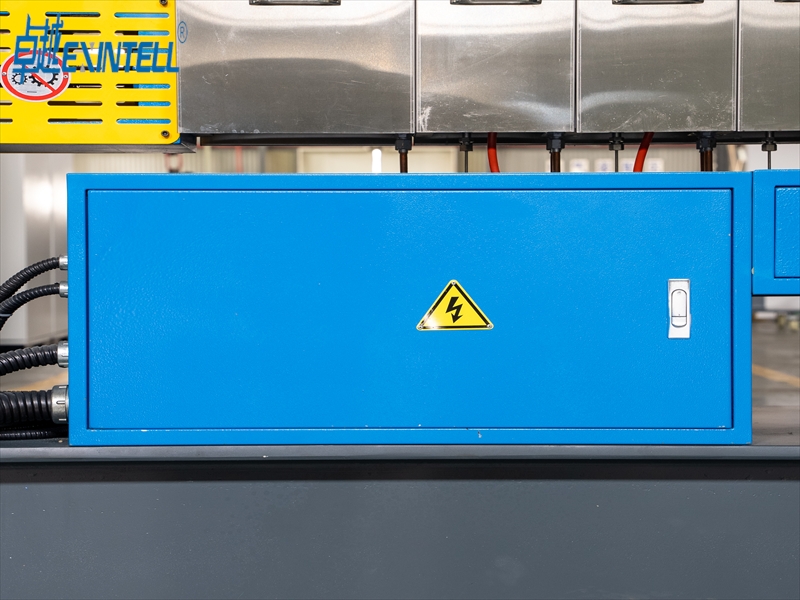
ਨਿਰਮਾਤਾ ਦੀ ਤਕਨੀਕੀ ਤਾਕਤ ਅਤੇ ਉਦਯੋਗ ਦੀ ਸਾਖ
ਪ੍ਰਦਰਸ਼ਨ, ਲਾਗਤ, ਗੋਲੀ ਦੀ ਗੁਣਵੱਤਾ, ਅਤੇ ਐਪਲੀਕੇਸ਼ਨ ਅਨੁਕੂਲਤਾ ਮੇਰੇ ਅੰਤਮ ਫੈਸਲੇ ਨੂੰ ਰੂਪ ਦਿੰਦੀ ਹੈ.
ਕੁੰਜੀ ਟੇਕਅਵੇਜ਼
-
ਅੰਡਰਵਾਟਰ ਪੈਲੇਟਾਈਜ਼ਰ ਉੱਚ ਆਉਟਪੁੱਟ ਪ੍ਰਦਾਨ ਕਰਦੇ ਹਨ ਅਤੇ ਇਕਸਾਰ ਪੈਦਾ ਕਰਦੇ ਹਨ, ਗੋਲ ਗੋਲੀਆਂ, ਉਹਨਾਂ ਨੂੰ ਵੱਡੇ ਪੈਮਾਨੇ ਲਈ ਆਦਰਸ਼ ਬਣਾਉਣਾ, ਲਗਾਤਾਰ ਉਤਪਾਦਨ.
-
ਵਾਟਰ-ਰਿੰਗ ਪੈਲੇਟਾਈਜ਼ਰ ਇੱਕ ਸੰਖੇਪ ਪੇਸ਼ ਕਰਦੇ ਹਨ, ਚੰਗੀ ਗੋਲੀ ਗੁਣਵੱਤਾ ਦੇ ਨਾਲ ਸੰਭਾਲਣ ਲਈ ਆਸਾਨ ਹੱਲ, ਮੱਧਮ-ਪੈਮਾਨੇ ਦੀ ਰੀਸਾਈਕਲਿੰਗ ਅਤੇ ਫਿਲਮ ਪ੍ਰੋਸੈਸਿੰਗ ਲਈ ਅਨੁਕੂਲ.
-
ਸਟ੍ਰੈਂਡ ਪੈਲੇਟਾਈਜ਼ਰ ਇੱਕ ਲਾਗਤ-ਪ੍ਰਭਾਵਸ਼ਾਲੀ ਪ੍ਰਦਾਨ ਕਰੋ, ਛੋਟੇ ਕਾਰਜਾਂ ਅਤੇ ਕਈ ਕਿਸਮਾਂ ਦੇ ਪਲਾਸਟਿਕ ਦੀ ਰੀਸਾਈਕਲਿੰਗ ਲਈ ਬਹੁਮੁਖੀ ਵਿਕਲਪ, ਹਾਲਾਂਕਿ ਗੋਲੀ ਦੀ ਗੁਣਵੱਤਾ ਘੱਟ ਇਕਸਾਰ ਹੈ.
-
ਸਹੀ ਪੈਲੇਟਾਈਜ਼ਰ ਦੀ ਚੋਣ ਕਰਨਾ ਤੁਹਾਡੇ ਉਤਪਾਦਨ ਦੀ ਮਾਤਰਾ 'ਤੇ ਨਿਰਭਰ ਕਰਦਾ ਹੈ, ਸਮੱਗਰੀ ਕਿਸਮ, ਬਜਟ, ਅਤੇ ਕੁਸ਼ਲ ਅਤੇ ਭਰੋਸੇਮੰਦ ਕਾਰਜ ਨੂੰ ਯਕੀਨੀ ਬਣਾਉਣ ਲਈ ਰੱਖ-ਰਖਾਅ ਦੀ ਸਮਰੱਥਾ.
-
ਨਿਯਮਤ ਰੱਖ-ਰਖਾਅ, ਸਹੀ ਸਮੱਗਰੀ ਮੇਲ, ਅਤੇ ਲੰਬੇ ਸਮੇਂ ਦੇ ਖਰਚਿਆਂ ਦਾ ਮੁਲਾਂਕਣ ਕਰਨਾ ਪੈਲੇਟਾਈਜ਼ਰ ਦੀ ਕਾਰਗੁਜ਼ਾਰੀ ਨੂੰ ਅਨੁਕੂਲ ਬਣਾਉਣ ਵਿੱਚ ਮਦਦ ਕਰਦਾ ਹੈ ਅਤੇ ਟਿਕਾਊ ਪਲਾਸਟਿਕ ਰੀਸਾਈਕਲਿੰਗ ਦਾ ਸਮਰਥਨ ਕਰਦਾ ਹੈ.
ਪਲਾਸਟਿਕ ਪੈਲੇਟਾਈਜ਼ਰ ਸਿਸਟਮ ਬਾਰੇ ਸੰਖੇਪ ਜਾਣਕਾਰੀ
ਪਲਾਸਟਿਕ ਪੈਲੇਟਾਈਜ਼ਰ ਕੀ ਹੈ
ਮੈਂ ਅਕਸਰ ਪਲਾਸਟਿਕ ਦੇ ਪੈਲੇਟਾਈਜ਼ਰ 'ਤੇ ਭਰੋਸਾ ਕਰਦਾ ਹਾਂ ਕੱਚੇ ਜਾਂ ਰੀਸਾਈਕਲ ਕੀਤੇ ਪਲਾਸਟਿਕ ਨੂੰ ਬਦਲੋ ਇਕਸਾਰ ਗੋਲੀਆਂ ਵਿੱਚ. ਇਹ ਪ੍ਰਕਿਰਿਆ ਰੀਸਾਈਕਲਿੰਗ ਅਤੇ ਕੰਪਾਊਂਡਿੰਗ ਉਦਯੋਗਾਂ ਵਿੱਚ ਮਹੱਤਵਪੂਰਨ ਭੂਮਿਕਾ ਨਿਭਾਉਂਦੀ ਹੈ. ਜਦੋਂ ਮੈਂ ਪਲਾਸਟਿਕ ਪੈਲੇਟਾਈਜ਼ਰ ਸਿਸਟਮ ਦੀ ਵਰਤੋਂ ਕਰਦਾ ਹਾਂ, ਮੈਂ ਰਹਿੰਦ-ਖੂੰਹਦ ਦੇ ਪਲਾਸਟਿਕ ਨੂੰ ਮੁੜ ਵਰਤੋਂ ਯੋਗ ਗੋਲੀਆਂ ਵਿੱਚ ਬਦਲ ਸਕਦਾ ਹਾਂ. ਇਹ ਗੋਲੀਆਂ ਨਿਰਮਾਣ ਪ੍ਰਕਿਰਿਆ ਵਿੱਚ ਵਾਪਸ ਆ ਜਾਂਦੀਆਂ ਹਨ, ਜੋ ਮੇਰੇ ਓਪਰੇਸ਼ਨ ਨੂੰ ਕੂੜੇ ਨੂੰ ਘਟਾਉਣ ਅਤੇ ਅੰਦਰੂਨੀ ਸਕ੍ਰੈਪ ਨੂੰ ਕੁਸ਼ਲਤਾ ਨਾਲ ਰੀਸਾਈਕਲ ਕਰਨ ਵਿੱਚ ਮਦਦ ਕਰਦਾ ਹੈ.
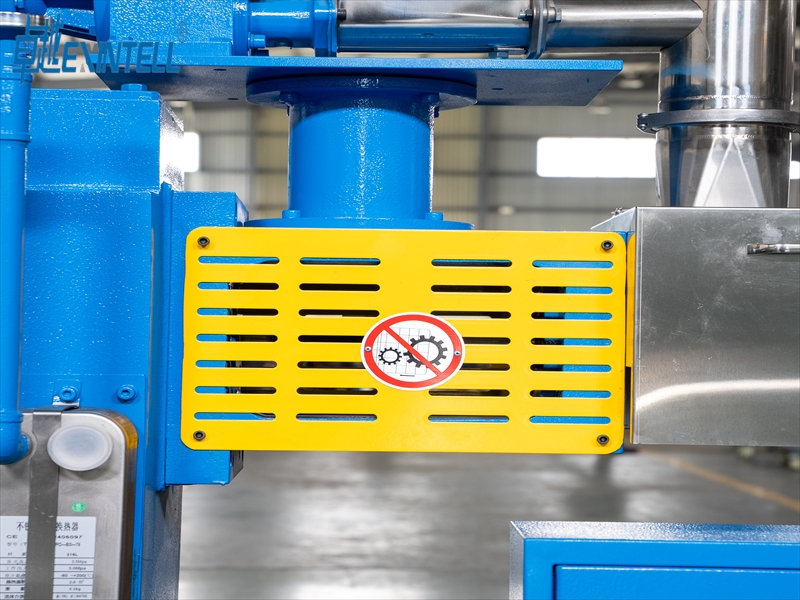
ਦ ਪਲਾਸਟਿਕ ਪੈਲੇਟਾਈਜ਼ਰ ਦੇ ਮੁੱਖ ਕਾਰਜ ਸ਼ਾਮਲ ਹਨ:
-
ਪਦਾਰਥ ਖੁਆਉਣਾ: ਮੈਂ ਇੱਕ ਫੀਡਰ ਰਾਹੀਂ ਕੱਚਾ ਪਲਾਸਟਿਕ ਮਸ਼ੀਨ ਵਿੱਚ ਖੁਆਉਂਦਾ ਹਾਂ, ਜੋ ਐਕਸਟਰਿਊਸ਼ਨ ਪ੍ਰੈਸ਼ਰ ਨੂੰ ਇਕਸਾਰ ਰੱਖਦਾ ਹੈ.
-
ਪਿਘਲਣਾ ਅਤੇ ਪਲਾਸਟਿਕੀਕਰਨ: ਘੁੰਮਦਾ ਪੇਚ ਪਲਾਸਟਿਕ ਨੂੰ ਸੰਕੁਚਿਤ ਅਤੇ ਗਰਮ ਕਰਦਾ ਹੈ ਜਦੋਂ ਤੱਕ ਇਹ ਇੱਕ ਸਮਾਨ ਪਿਘਲਦਾ ਨਹੀਂ ਹੈ.
-
ਫਿਲਟਰੇਸ਼ਨ: ਪਿਘਲ ਇੱਕ ਸਕਰੀਨ ਦੁਆਰਾ ਲੰਘਦਾ ਹੈ, ਬਾਹਰ ਕੱਢਣ ਵਾਲੇ ਨੂੰ ਛੱਡਣ ਤੋਂ ਪਹਿਲਾਂ ਅਸ਼ੁੱਧੀਆਂ ਨੂੰ ਹਟਾਉਣਾ.
-
ਡਾਈ ਰਾਹੀਂ ਬਾਹਰ ਕੱਢਣਾ: ਪਿਘਲਾ ਹੋਇਆ ਪਲਾਸਟਿਕ ਇੱਕ ਡਾਈ ਰਾਹੀਂ ਵਗਦਾ ਹੈ, ਲਗਾਤਾਰ ਤਾਰਾਂ ਬਣਾਉਣਾ.
-
ਕੂਲਿੰਗ ਅਤੇ ਕੱਟਣਾ: ਤਾਰਾਂ ਠੰਢੀਆਂ ਹੋ ਜਾਂਦੀਆਂ ਹਨ ਅਤੇ ਫਿਰ ਛੋਟੀਆਂ ਗੋਲੀਆਂ ਵਿੱਚ ਕੱਟੀਆਂ ਜਾਂਦੀਆਂ ਹਨ.
ਪੈਲੇਟਾਈਜ਼ਿੰਗ ਪ੍ਰਣਾਲੀਆਂ ਦੀਆਂ ਮੁੱਖ ਕਿਸਮਾਂ
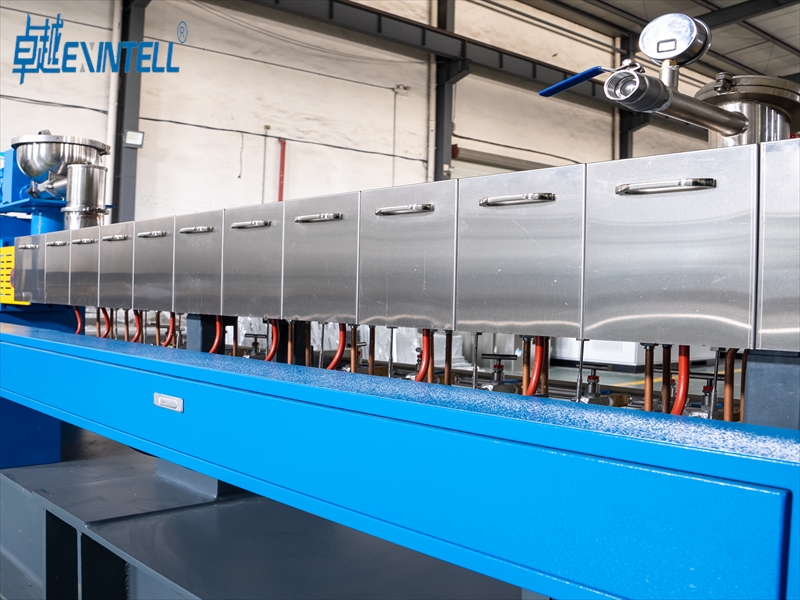
ਜਦੋਂ ਮੈਂ ਮੁਲਾਂਕਣ ਕਰਦਾ ਹਾਂ ਵੱਖ-ਵੱਖ ਪਲਾਸਟਿਕ ਪੈਲੇਟਾਈਜ਼ਰ ਸਿਸਟਮ, ਮੈਂ ਉਹਨਾਂ ਦੇ ਮੁੱਖ ਭਾਗਾਂ ਨੂੰ ਵੇਖਦਾ ਹਾਂ:
-
ਖੁਆਉਣਾ ਸਿਸਟਮ (ਗੰਭੀਰਤਾ ਜਾਂ ਫੋਰਸ ਫੀਡਿੰਗ)
-
ਪੇਚ ਅਤੇ ਬੈਰਲ ਐਕਸਟਰਿਊਸ਼ਨ ਸਿਸਟਮ
-
ਹੀਟਿੰਗ ਅਤੇ ਕੂਲਿੰਗ ਸਿਸਟਮ
-
ਫਿਲਟਰੇਸ਼ਨ ਲਈ ਸਕਰੀਨ ਚੇਂਜਰ
-
ਆਕਾਰ ਲਈ ਸਿਰ ਮਰੋ
-
ਦਬਾਅ ਸਥਿਰਤਾ ਲਈ ਪੰਪ ਪਿਘਲਾਓ
-
ਪੈਲੇਟਾਈਜ਼ਿੰਗ ਸਿਸਟਮ (ਸਟ੍ਰੈਂਡ, ਮਰਨ-ਚਿਹਰਾ ਕੱਟਣਾ, ਪਾਣੀ ਦੇ ਅੰਦਰ)
ਹਰੇਕ ਪੈਲੇਟਾਈਜ਼ਰ ਸਿਸਟਮ ਖਾਸ ਨਤੀਜੇ ਪ੍ਰਾਪਤ ਕਰਨ ਲਈ ਇਹਨਾਂ ਹਿੱਸਿਆਂ ਨੂੰ ਵਿਲੱਖਣ ਤਰੀਕਿਆਂ ਨਾਲ ਵਰਤਦਾ ਹੈ.
ਮੁੱਖ ਅੰਤਰ
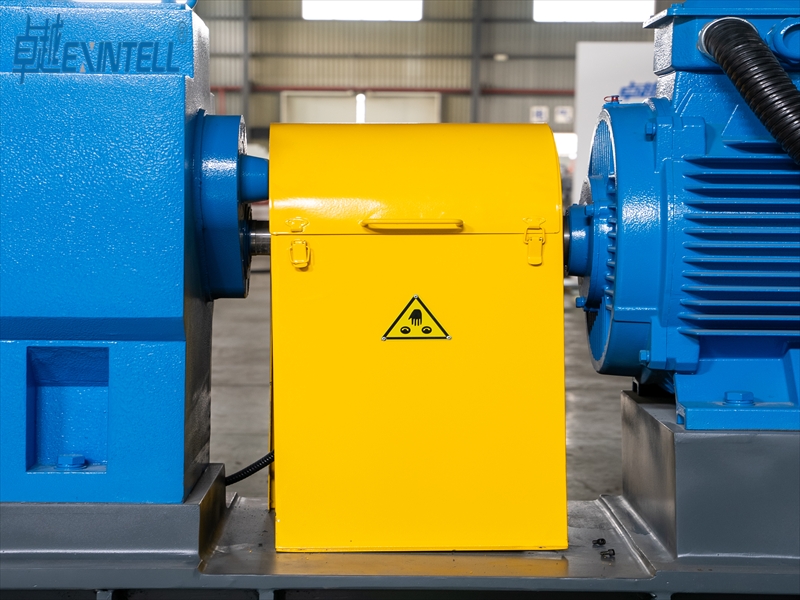
ਮੈਂ ਪਲਾਸਟਿਕ ਪੈਲੇਟਾਈਜ਼ਰ ਪ੍ਰਣਾਲੀਆਂ ਦੀਆਂ ਮੁੱਖ ਕਿਸਮਾਂ ਦੀ ਉਹਨਾਂ ਦੇ ਸੰਚਾਲਨ ਅਤੇ ਆਉਟਪੁੱਟ ਦੇ ਅਧਾਰ ਤੇ ਤੁਲਨਾ ਕਰਦਾ ਹਾਂ. ਦ ਹੇਠਾਂ ਦਿੱਤੀ ਸਾਰਣੀ ਸੰਖੇਪ ਹੈ ਉਹਨਾਂ ਦੀਆਂ ਸ਼ਕਤੀਆਂ ਅਤੇ ਵਧੀਆ ਵਰਤੋਂ ਦੇ ਕੇਸ:
|
ਪੈਲੇਟਾਈਜ਼ਿੰਗ ਸਿਸਟਮ |
ਲਾਭ |
ਵਧੀਆ ਵਰਤੋਂ ਦਾ ਕੇਸ |
|---|---|---|
|
Strand Pelletizing |
ਉੱਚ ਪਿਘਲਣ ਵਾਲੀ ਸਮੱਗਰੀ ਨਾਲ ਵਧੀਆ ਕੰਮ ਕਰਦਾ ਹੈ |
ਉੱਚ ਪਿਘਲਣ ਵਾਲੀ ਸੂਚਕਾਂਕ ਸਮੱਗਰੀ ਨੂੰ ਰੀਸਾਈਕਲਿੰਗ |
|
ਪਾਣੀ-ਰਿੰਗ Pelletizing |
ਵਰਤਣ ਲਈ ਸਧਾਰਨ, ਸਥਿਰ, ਬਰਕਰਾਰ ਰੱਖਣ ਲਈ ਆਸਾਨ |
ਪ੍ਰੋਸੈਸਿੰਗ ਫਿਲਮਾਂ, raffia, ਰੀਗ੍ਰਿੰਡ |
|
ਅੰਡਰਵਾਟਰ ਪੈਲੇਟਾਈਜ਼ਿੰਗ |
ਵੱਡੀਆਂ ਨੌਕਰੀਆਂ ਨੂੰ ਸੰਭਾਲਦਾ ਹੈ, ਗੋਲੀਆਂ ਵੀ ਬਣਾਉਂਦਾ ਹੈ |
ਵੱਡੇ ਪੱਧਰ 'ਤੇ ਪੋਲੀਮਰ ਉਤਪਾਦਨ |
ਇਹ ਸੰਖੇਪ ਜਾਣਕਾਰੀ ਮੇਰੀ ਉਤਪਾਦਨ ਲੋੜਾਂ ਦੇ ਨਾਲ ਸਹੀ ਪਲਾਸਟਿਕ ਪੈਲੇਟਾਈਜ਼ਰ ਸਿਸਟਮ ਨਾਲ ਮੇਲ ਕਰਨ ਵਿੱਚ ਮੇਰੀ ਮਦਦ ਕਰਦੀ ਹੈ.
ਅੰਡਰਵਾਟਰ ਪੈਲੇਟਾਈਜ਼ਿੰਗ ਸਿਸਟਮ
ਅੰਡਰਵਾਟਰ ਪੈਲੇਟਾਇਜ਼ਰ ਕਿਵੇਂ ਕੰਮ ਕਰਦੇ ਹਨ
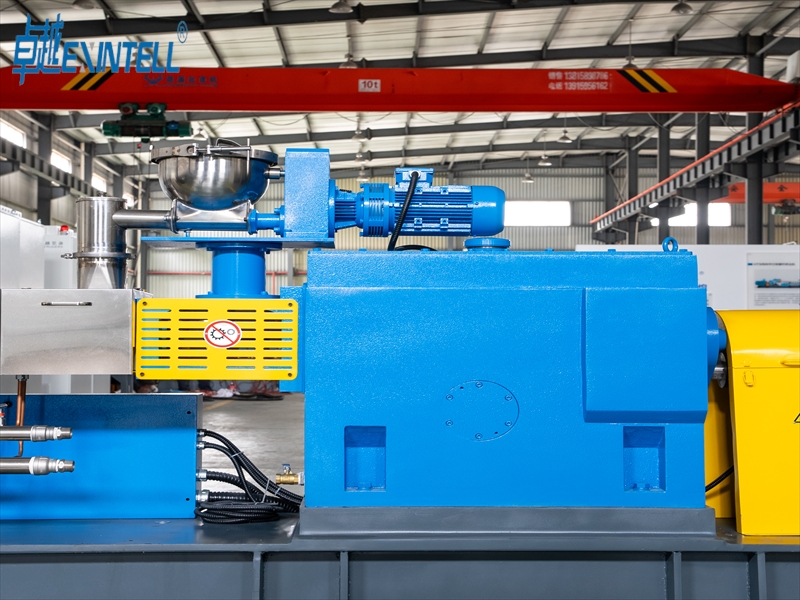
ਜਦੋਂ ਮੈਂ ਪਾਣੀ ਦੇ ਅੰਦਰ ਪੈਲੇਟਾਈਜ਼ਰ ਚਲਾਉਂਦਾ ਹਾਂ, ਮੈਂ ਇੱਕ ਡਾਈ ਪਲੇਟ ਰਾਹੀਂ ਪਿਘਲੇ ਹੋਏ ਪੌਲੀਮਰ ਨੂੰ ਖੁਆਉਣਾ ਸ਼ੁਰੂ ਕਰਦਾ ਹਾਂ. ਮਰਨ ਵਾਲਾ ਪਾਣੀ ਦੇ ਚੈਂਬਰ ਵਿੱਚ ਡੁੱਬ ਕੇ ਬੈਠਦਾ ਹੈ. ਜਿਵੇਂ ਕਿ ਪੌਲੀਮਰ ਡਾਈ ਤੋਂ ਬਾਹਰ ਨਿਕਲਦਾ ਹੈ, ਘੁੰਮਣ ਵਾਲੀਆਂ ਚਾਕੂਆਂ ਨੇ ਤਾਰਾਂ ਨੂੰ ਤੁਰੰਤ ਗੋਲੀਆਂ ਵਿੱਚ ਕੱਟ ਦਿੱਤਾ. ਪਾਣੀ ਠੰਢਾ ਹੋ ਜਾਂਦਾ ਹੈ ਅਤੇ ਗੋਲੀਆਂ ਨੂੰ ਕੱਟਣ ਵਾਲੀ ਥਾਂ ਤੋਂ ਦੂਰ ਪਹੁੰਚਾਉਂਦਾ ਹੈ. ਮੈਂ ਪੈਕਿੰਗ ਜਾਂ ਅੱਗੇ ਦੀ ਪ੍ਰਕਿਰਿਆ ਤੋਂ ਪਹਿਲਾਂ ਤਿਆਰ ਪੈਲੇਟਸ ਤੋਂ ਪਾਣੀ ਨੂੰ ਵੱਖ ਕਰਨ ਲਈ ਸੈਂਟਰਿਫਿਊਗਲ ਡ੍ਰਾਇਅਰ ਦੀ ਵਰਤੋਂ ਕਰਦਾ ਹਾਂ. ਇਹ ਵਿਧੀ ਇਕਸਾਰ ਗੋਲੀਆਂ ਬਣਾਉਂਦੀ ਹੈ ਅਤੇ ਨਿਰੰਤਰ ਉਤਪਾਦਨ ਦਾ ਸਮਰਥਨ ਕਰਦੀ ਹੈ. ਮੈਂ ਇਸ ਸਿਸਟਮ 'ਤੇ ਭਰੋਸਾ ਕਰਦਾ ਹਾਂ ਉੱਚ-ਆਉਟਪੁੱਟ ਓਪਰੇਸ਼ਨ ਅਤੇ ਜਦੋਂ ਮੈਨੂੰ ਇਕਸਾਰ ਪੈਲੇਟ ਕੁਆਲਿਟੀ ਦੀ ਲੋੜ ਹੁੰਦੀ ਹੈ.
ਅੰਡਰਵਾਟਰ ਸਿਸਟਮ ਦੇ ਫਾਇਦੇ
ਮੈਂ ਚੁਣਦਾ ਹਾਂ ਪਾਣੀ ਦੇ ਅੰਦਰ ਪੈਲੇਟਾਈਜ਼ਿੰਗ ਸਿਸਟਮ ਕਈ ਕਾਰਨਾਂ ਕਰਕੇ:
-
ਮੈਂ ਬਹੁਤ ਸਾਰੇ ਪੌਲੀਮਰਾਂ ਦੀ ਪ੍ਰਕਿਰਿਆ ਕਰ ਸਕਦਾ ਹਾਂ, ਘੱਟ ਪਿਘਲਣ ਦੀ ਤਾਕਤ ਵਾਲੀ ਸਮੱਗਰੀ ਸਮੇਤ.
-
ਸਿਸਟਮ ਨਿਰਵਿਘਨ ਪੈਦਾ ਕਰਦਾ ਹੈ, ਘੱਟੋ-ਘੱਟ ਧੂੜ ਦੇ ਨਾਲ ਇਕਸਾਰ ਗੋਲੀਆਂ.
-
ਮੈਂ ਉੱਚ ਥ੍ਰੁਪੁੱਟ ਪ੍ਰਾਪਤ ਕਰਦਾ ਹਾਂ, ਜੋ ਕਿ ਵੱਡੇ ਪੈਮਾਨੇ ਦੇ ਨਿਰਮਾਣ ਲਈ ਅਨੁਕੂਲ ਹੈ.
-
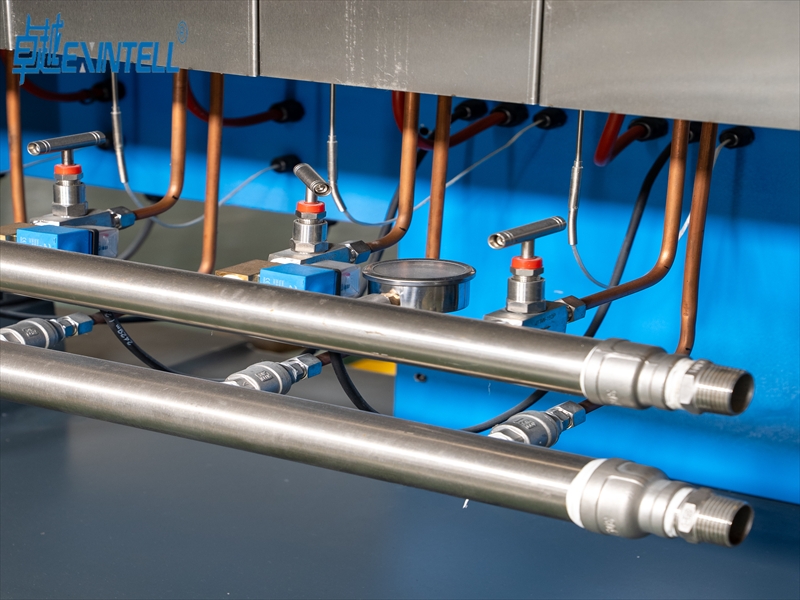
ਬੰਦ ਪਾਣੀ ਦੀ ਪ੍ਰਣਾਲੀ ਤਾਪਮਾਨ ਨੂੰ ਕੰਟਰੋਲ ਕਰਨ ਵਿੱਚ ਮਦਦ ਕਰਦੀ ਹੈ ਅਤੇ ਥਰਮਲ ਡਿਗਰੇਡੇਸ਼ਨ ਨੂੰ ਘਟਾਉਂਦੀ ਹੈ.
-
ਮੈਨੂੰ ਕੁਆਰੀ ਪੌਲੀਮਰ ਉਤਪਾਦਨ ਅਤੇ ਰੀਸਾਈਕਲਿੰਗ ਐਪਲੀਕੇਸ਼ਨਾਂ ਦੋਵਾਂ ਲਈ ਪ੍ਰਕਿਰਿਆ ਕੁਸ਼ਲ ਲੱਗਦੀ ਹੈ.
ਟਿਪ: ਜਦੋਂ ਮੈਨੂੰ ਸਟਿੱਕੀ ਜਾਂ ਗਰਮੀ-ਸੰਵੇਦਨਸ਼ੀਲ ਸਮੱਗਰੀਆਂ ਨੂੰ ਸੰਭਾਲਣ ਦੀ ਲੋੜ ਹੁੰਦੀ ਹੈ, ਜੋ ਕਿ ਇੱਕ ਸਟ੍ਰੈਂਡ ਪੈਲੇਟਾਈਜ਼ਿੰਗ ਸਿਸਟਮ ਨਾਲ ਚੰਗੀ ਤਰ੍ਹਾਂ ਕੰਮ ਨਹੀਂ ਕਰ ਸਕਦੀਆਂ ਹਨ, ਮੈਂ ਅਕਸਰ ਪਾਣੀ ਦੇ ਅੰਦਰ ਪੈਲੇਟਾਈਜ਼ਿੰਗ ਦੀ ਸਿਫਾਰਸ਼ ਕਰਦਾ ਹਾਂ.
ਅੰਡਰਵਾਟਰ ਸਿਸਟਮ ਦੀਆਂ ਸੀਮਾਵਾਂ
ਲਾਭਾਂ ਦੇ ਬਾਵਜੂਦ, ਮੈਨੂੰ ਅੰਡਰਵਾਟਰ ਪੈਲੇਟਾਈਜ਼ਰਾਂ ਨਾਲ ਕੁਝ ਚੁਣੌਤੀਆਂ ਦਾ ਸਾਹਮਣਾ ਕਰਨਾ ਪੈਂਦਾ ਹੈ:
-
ਪੈਲੇਟਾਈਜ਼ਰ ਦੀ ਮਿਸਲਾਇਨਮੈਂਟ ਮਰ ਜਾਂਦੀ ਹੈ ਅਤੇ ਚਾਕੂ ਜੁਰਮਾਨੇ ਅਤੇ ਗੰਦਗੀ ਨੂੰ ਹੇਠਾਂ ਵੱਲ ਲੈ ਜਾ ਸਕਦਾ ਹੈ.
-
ਤਾਪਮਾਨ ਦੇ ਭਿੰਨਤਾਵਾਂ ਕਾਰਨ ਕਈ ਵਾਰ ਮਰੇ ਹੋਏ ਚਿਹਰੇ ਝੁਕ ਜਾਂਦੇ ਹਨ, ਜੋ ਕਿ ਅਲਾਈਨਮੈਂਟ ਅਤੇ ਪੈਲੇਟ ਦੀ ਗੁਣਵੱਤਾ ਨੂੰ ਪ੍ਰਭਾਵਿਤ ਕਰਦਾ ਹੈ.
-
ਵੱਖ-ਵੱਖ ਸਮੱਗਰੀਆਂ ਨੂੰ ਖਾਸ ਡਾਈ ਸਪੈਸੀਫਿਕੇਸ਼ਨ ਦੀ ਲੋੜ ਹੁੰਦੀ ਹੈ. ਜੇ ਮੈਂ ਗਲਤ ਮਰਦਾ ਵਰਤਦਾ ਹਾਂ, ਮੈਂ ਮਾੜੀ ਗੋਲੀ ਦੀ ਸ਼ਕਲ ਅਤੇ ਬਹੁਤ ਜ਼ਿਆਦਾ ਜੁਰਮਾਨੇ ਦੇਖਦਾ ਹਾਂ.
ਮੈਂ ਨਿਯਮਤ ਰੱਖ-ਰਖਾਅ ਕਰਕੇ ਅਤੇ ਹਰੇਕ ਸਮੱਗਰੀ ਲਈ ਸਹੀ ਡਾਈ ਦੀ ਚੋਣ ਕਰਕੇ ਇਹਨਾਂ ਮੁੱਦਿਆਂ ਨੂੰ ਹੱਲ ਕਰਦਾ ਹਾਂ. ਮੈਂ ਅਲਾਈਨਮੈਂਟ ਸਮੱਸਿਆਵਾਂ ਨੂੰ ਰੋਕਣ ਲਈ ਤਾਪਮਾਨ ਦੀ ਨੇੜਿਓਂ ਨਿਗਰਾਨੀ ਕਰਦਾ ਹਾਂ. ਜਦੋਂ ਕਿ ਅੰਡਰਵਾਟਰ ਸਿਸਟਮ ਬਹੁਤ ਸਾਰੇ ਫਾਇਦੇ ਪੇਸ਼ ਕਰਦੇ ਹਨ, ਅੰਤਮ ਫੈਸਲਾ ਲੈਣ ਤੋਂ ਪਹਿਲਾਂ ਮੈਂ ਹਮੇਸ਼ਾਂ ਇਹਨਾਂ ਸੀਮਾਵਾਂ ਨੂੰ ਤੋਲਦਾ ਹਾਂ.
ਵਾਟਰ-ਰਿੰਗ ਪੈਲੇਟਾਇਜ਼ਰ ਸਿਸਟਮ
ਵਾਟਰ-ਰਿੰਗ ਪੈਲੇਟਾਇਜ਼ਰ ਕਿਵੇਂ ਕੰਮ ਕਰਦੇ ਹਨ
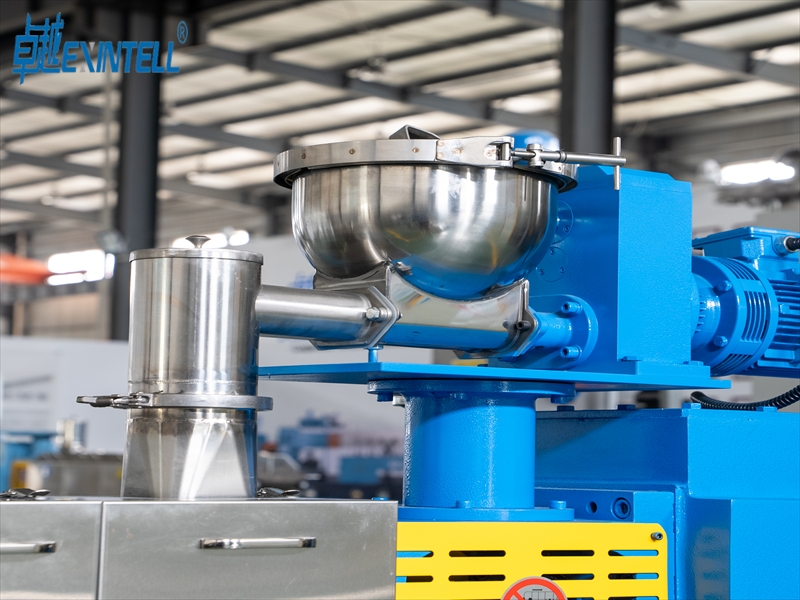
ਜਦੋਂ ਮੈਂ ਵਾਟਰ-ਰਿੰਗ ਪੈਲੇਟਾਈਜ਼ਿੰਗ ਸਿਸਟਮ ਚਲਾਉਂਦਾ ਹਾਂ, ਮੈਂ ਇੱਕ ਡਾਈ ਪਲੇਟ ਰਾਹੀਂ ਪਿਘਲੇ ਹੋਏ ਪੌਲੀਮਰ ਨੂੰ ਖੁਆਉਣਾ ਸ਼ੁਰੂ ਕਰਦਾ ਹਾਂ. ਪੌਲੀਮਰ ਸਟ੍ਰੈਂਡ ਡਾਈ ਤੋਂ ਬਾਹਰ ਨਿਕਲਦੇ ਹਨ ਅਤੇ ਤੁਰੰਤ ਇੱਕ ਘੁੰਮਦੇ ਚਾਕੂ ਦਾ ਸਾਹਮਣਾ ਕਰਦੇ ਹਨ. ਚਾਕੂ ਮਰਨ ਵਾਲੇ ਚਿਹਰੇ 'ਤੇ ਤਾਰ ਨੂੰ ਗੋਲੀਆਂ ਵਿੱਚ ਕੱਟ ਦਿੰਦਾ ਹੈ. ਕੱਟਣ ਵਾਲੀ ਥਾਂ 'ਤੇ ਪਾਣੀ ਦਾ ਛਿੜਕਾਅ ਕਰੋ, ਡਾਈ ਦੇ ਦੁਆਲੇ ਇੱਕ ਰਿੰਗ ਬਣਾਉਣਾ. ਇਹ ਪਾਣੀ ਗੋਲੀਆਂ ਨੂੰ ਠੰਢਾ ਕਰਦਾ ਹੈ ਅਤੇ ਉਨ੍ਹਾਂ ਨੂੰ ਕਟਿੰਗ ਚੈਂਬਰ ਤੋਂ ਦੂਰ ਲੈ ਜਾਂਦਾ ਹੈ. ਮੈਂ ਪੈਕਿੰਗ ਤੋਂ ਪਹਿਲਾਂ ਪਾਣੀ ਨੂੰ ਗੋਲੀਆਂ ਤੋਂ ਵੱਖ ਕਰਨ ਲਈ ਸੈਂਟਰਿਫਿਊਗਲ ਡ੍ਰਾਇਅਰ ਦੀ ਵਰਤੋਂ ਕਰਦਾ ਹਾਂ. ਇਹ ਪ੍ਰਕਿਰਿਆ ਲਗਾਤਾਰ ਚੱਲਦੀ ਹੈ ਅਤੇ ਕਈ ਕਿਸਮਾਂ ਦੇ ਪੌਲੀਮਰਾਂ ਦੇ ਅਨੁਕੂਲ ਹੁੰਦੀ ਹੈ. ਜਦੋਂ ਮੈਨੂੰ ਕੁਸ਼ਲਤਾ ਅਤੇ ਸਾਦਗੀ ਵਿਚਕਾਰ ਸੰਤੁਲਨ ਦੀ ਲੋੜ ਹੁੰਦੀ ਹੈ ਤਾਂ ਮੈਂ ਇਸ ਪ੍ਰਣਾਲੀ 'ਤੇ ਭਰੋਸਾ ਕਰਦਾ ਹਾਂ.
ਵਾਟਰ-ਰਿੰਗ ਸਿਸਟਮ ਦੇ ਫਾਇਦੇ
ਮੈਂ ਕਈ ਕਾਰਨਾਂ ਕਰਕੇ ਵਾਟਰ-ਰਿੰਗ ਪੈਲੇਟਾਈਜ਼ਿੰਗ ਸਿਸਟਮ ਨੂੰ ਤਰਜੀਹ ਦਿੰਦਾ ਹਾਂ:
-
ਮੈਨੂੰ ਸਿਸਟਮ ਨੂੰ ਚਲਾਉਣਾ ਅਤੇ ਸੰਭਾਲਣਾ ਆਸਾਨ ਲੱਗਦਾ ਹੈ.
-
ਸੰਖੇਪ ਡਿਜ਼ਾਈਨ ਮੇਰੀ ਸਹੂਲਤ ਵਿੱਚ ਜਗ੍ਹਾ ਬਚਾਉਂਦਾ ਹੈ.
-
ਇਹ ਪ੍ਰਕਿਰਿਆ ਘੱਟੋ-ਘੱਟ ਧੂੜ ਦੇ ਨਾਲ ਸਥਿਰ ਪੈਲੇਟ ਆਕਾਰ ਪੈਦਾ ਕਰਦੀ ਹੈ.
-
ਮੈਂ ਵੱਖ-ਵੱਖ ਸਮੱਗਰੀਆਂ ਵਿਚਕਾਰ ਤੇਜ਼ੀ ਨਾਲ ਬਦਲ ਸਕਦਾ/ਸਕਦੀ ਹਾਂ.
-
ਵਾਟਰ-ਰਿੰਗ ਪੈਲੇਟਾਈਜ਼ਿੰਗ ਸਿਸਟਮ ਫਿਲਮ ਲਈ ਵਧੀਆ ਕੰਮ ਕਰਦਾ ਹੈ, raffia, ਅਤੇ ਸਮੱਗਰੀ ਨੂੰ ਦੁਬਾਰਾ ਤਿਆਰ ਕਰੋ.
ਨੋਟ ਕਰੋ: ਮੈਂ ਅਕਸਰ ਛੋਟੇ ਤੋਂ ਦਰਮਿਆਨੇ ਪੈਮਾਨੇ ਦੇ ਕਾਰਜਾਂ ਲਈ ਇਸ ਪ੍ਰਣਾਲੀ ਦੀ ਸਿਫ਼ਾਰਸ਼ ਕਰਦਾ ਹਾਂ. ਇਹ ਰੀਸਾਈਕਲਿੰਗ ਲਾਈਨਾਂ ਨਾਲ ਚੰਗੀ ਤਰ੍ਹਾਂ ਫਿੱਟ ਬੈਠਦਾ ਹੈ ਜੋ ਕਈ ਤਰ੍ਹਾਂ ਦੇ ਫੀਡਸਟੌਕਸ ਨੂੰ ਸੰਭਾਲਦੀਆਂ ਹਨ.
ਵਾਟਰ-ਰਿੰਗ ਪ੍ਰਣਾਲੀਆਂ ਦੀਆਂ ਸੀਮਾਵਾਂ
ਇਸ ਦੀਆਂ ਸ਼ਕਤੀਆਂ ਦੇ ਬਾਵਜੂਦ, ਵਾਟਰ-ਰਿੰਗ ਪੈਲੇਟਾਈਜ਼ਿੰਗ ਸਿਸਟਮ ਵਿੱਚ ਕੁਝ ਕਮੀਆਂ ਹਨ. ਮੈਂ ਇਹ ਨੋਟਿਸ ਕਰਦਾ ਹਾਂ ਗੋਲੀ ਦੀ ਗੁਣਵੱਤਾ ਵੱਖ-ਵੱਖ ਹੋ ਸਕਦੀ ਹੈ ਜੇਕਰ ਪਾਣੀ ਦਾ ਵਹਾਅ ਜਾਂ ਚਾਕੂ ਦੀ ਗਤੀ ਬਦਲ ਜਾਂਦੀ ਹੈ. ਸਿਸਟਮ ਸਟਿੱਕੀ ਜਾਂ ਘੱਟ ਪਿਘਲਣ-ਸ਼ਕਤੀ ਵਾਲੇ ਪੌਲੀਮਰਾਂ ਨਾਲ ਸੰਘਰਸ਼ ਕਰ ਸਕਦਾ ਹੈ. ਮੈਂ ਕਈ ਵਾਰ ਅਸਮਾਨ ਕੂਲਿੰਗ ਦੇਖਦਾ ਹਾਂ, ਜੋ ਗੋਲੀ ਦੀ ਸ਼ਕਲ ਨੂੰ ਪ੍ਰਭਾਵਿਤ ਕਰਦਾ ਹੈ. ਰੱਖ-ਰਖਾਅ ਮਹੱਤਵਪੂਰਨ ਬਣ ਜਾਂਦਾ ਹੈ ਕਿਉਂਕਿ ਪਹਿਨੇ ਹੋਏ ਚਾਕੂ ਜਾਂ ਬੰਦ ਪਾਣੀ ਦੀਆਂ ਰਿੰਗਾਂ ਕੁਸ਼ਲਤਾ ਨੂੰ ਘਟਾਉਂਦੀਆਂ ਹਨ. ਮੈਂ ਪ੍ਰਕਿਰਿਆ ਦੀ ਨੇੜਿਓਂ ਨਿਗਰਾਨੀ ਕਰਕੇ ਅਤੇ ਨਿਯਮਤ ਰੱਖ-ਰਖਾਅ ਨੂੰ ਤਹਿ ਕਰਕੇ ਇਹਨਾਂ ਮੁੱਦਿਆਂ ਨੂੰ ਹੱਲ ਕਰਦਾ ਹਾਂ.
|
ਸੀਮਾ |
ਉਤਪਾਦਨ 'ਤੇ ਪ੍ਰਭਾਵ |
|---|---|
|
ਵੇਰੀਏਬਲ ਪੈਲੇਟ ਗੁਣਵੱਤਾ |
ਅਸੰਗਤ ਉਤਪਾਦ ਆਉਟਪੁੱਟ |
|
ਸਟਿੱਕੀ ਸਮੱਗਰੀ ਨਾਲ ਮੁਸ਼ਕਲ |
ਘਟਾਇਆ ਗਿਆ ਥ੍ਰੋਪੁੱਟ |
|
ਰੱਖ-ਰਖਾਅ ਦੀਆਂ ਲੋੜਾਂ |
ਡਾਊਨਟਾਈਮ ਵਧਾਇਆ ਗਿਆ |
ਆਪਣੇ ਆਪਰੇਸ਼ਨ ਲਈ ਪਲਾਸਟਿਕ ਪੈਲੇਟਾਈਜ਼ਰ ਦੀ ਚੋਣ ਕਰਦੇ ਸਮੇਂ ਮੈਂ ਹਮੇਸ਼ਾ ਇਹਨਾਂ ਕਾਰਕਾਂ ਨੂੰ ਤੋਲਦਾ ਹਾਂ. ਵਾਟਰ-ਰਿੰਗ ਪੈਲੇਟਾਈਜ਼ਿੰਗ ਸਿਸਟਮ ਬਹੁਤ ਸਾਰੀਆਂ ਐਪਲੀਕੇਸ਼ਨਾਂ ਲਈ ਇੱਕ ਵਿਹਾਰਕ ਹੱਲ ਪੇਸ਼ ਕਰਦਾ ਹੈ, ਖਾਸ ਕਰਕੇ ਰੀਸਾਈਕਲਿੰਗ ਵਿੱਚ, ਪਰ ਮੈਨੂੰ ਅੰਤਿਮ ਫੈਸਲਾ ਲੈਣ ਤੋਂ ਪਹਿਲਾਂ ਇਸ ਦੀਆਂ ਸੀਮਾਵਾਂ 'ਤੇ ਵਿਚਾਰ ਕਰਨਾ ਚਾਹੀਦਾ ਹੈ.
ਸਟ੍ਰੈਂਡ ਪੈਲੇਟਾਈਜ਼ਰ ਸਿਸਟਮ
ਸਟ੍ਰੈਂਡ ਪੈਲੇਟਾਇਜ਼ਰ ਕਿਵੇਂ ਕੰਮ ਕਰਦੇ ਹਨ
ਜਦੋਂ ਮੈਂ ਇੱਕ ਸਟ੍ਰੈਂਡ ਪੈਲੇਟਾਈਜ਼ਰ ਚਲਾਉਂਦਾ ਹਾਂ, ਮੈਂ ਇੱਕ ਸਿੱਧੀ ਪ੍ਰਕਿਰਿਆ ਦਾ ਪਾਲਣ ਕਰਦਾ ਹਾਂ ਜੋ ਲਗਾਤਾਰ ਨਤੀਜੇ ਪ੍ਰਦਾਨ ਕਰਦੀ ਹੈ. ਮੈਂ ਐਕਸਟਰੂਡਰ ਵਿੱਚ ਪਲਾਸਟਿਕ ਸਮੱਗਰੀ ਨੂੰ ਪਿਘਲ ਕੇ ਸ਼ੁਰੂ ਕਰਦਾ ਹਾਂ. ਪਿਘਲਾ ਹੋਇਆ ਪਲਾਸਟਿਕ ਫਿਰ ਲਗਾਤਾਰ ਤਾਰਾਂ ਵਿੱਚ ਬਣਦਾ ਹੈ ਕਿਉਂਕਿ ਇਹ ਡਾਈ ਤੋਂ ਬਾਹਰ ਨਿਕਲਦਾ ਹੈ. ਮੈਂ ਇਹਨਾਂ ਤਾਰਾਂ ਨੂੰ ਪਾਣੀ ਦੇ ਇਸ਼ਨਾਨ ਦੁਆਰਾ ਸੇਧ ਦਿੰਦਾ ਹਾਂ, ਜੋ ਉਹਨਾਂ ਨੂੰ ਤੇਜ਼ੀ ਨਾਲ ਠੰਡਾ ਕਰਦਾ ਹੈ. ਇੱਕ ਵਾਰ ਠੰਡਾ, ਤਾਰਾਂ ਕਟਿੰਗ ਚੈਂਬਰ ਵਿੱਚ ਚਲੀਆਂ ਜਾਂਦੀਆਂ ਹਨ, ਜਿੱਥੇ ਘੁੰਮਦੇ ਚਾਕੂ ਉਨ੍ਹਾਂ ਨੂੰ ਇਕਸਾਰ ਗੋਲੀਆਂ ਵਿੱਚ ਕੱਟ ਦਿੰਦੇ ਹਨ. ਇਹ ਕ੍ਰਮ ਇਹ ਸੁਨਿਸ਼ਚਿਤ ਕਰਦਾ ਹੈ ਕਿ ਅੰਤਮ ਗੋਲੀਆਂ ਅੱਗੇ ਦੀ ਪ੍ਰਕਿਰਿਆ ਲਈ ਲੋੜੀਂਦੇ ਗੁਣਵੱਤਾ ਦੇ ਮਿਆਰਾਂ ਨੂੰ ਪੂਰਾ ਕਰਦੀਆਂ ਹਨ.
ਸਟ੍ਰੈਂਡ ਪੈਲੇਟਾਈਜ਼ਿੰਗ ਪ੍ਰਣਾਲੀ ਦੇ ਮੁੱਖ ਕਦਮਾਂ ਵਿੱਚ ਸ਼ਾਮਲ ਹਨ:
-
ਪਿਘਲੇ ਹੋਏ ਪਦਾਰਥ ਨੂੰ ਤਾਰਾਂ ਵਿੱਚ ਬਣਾਓ.
-
ਠੰਡਾ ਕਰਨ ਲਈ ਇੱਕ ਪਾਣੀ ਦੇ ਇਸ਼ਨਾਨ ਦੁਆਰਾ ਤਾਰਾਂ ਨੂੰ ਪਾਸ ਕਰੋ.
-
ਠੰਢੇ ਹੋਏ ਤਾਰਾਂ ਨੂੰ ਗੋਲੀਆਂ ਵਿੱਚ ਕੱਟੋ.
ਇਹ ਵਿਧੀ ਮੈਨੂੰ ਗੋਲੀ ਦੇ ਆਕਾਰ ਅਤੇ ਆਕਾਰ 'ਤੇ ਨਿਯੰਤਰਣ ਦਿੰਦੀ ਹੈ, ਜਿਸ ਲਈ ਜ਼ਰੂਰੀ ਹੈ ਬਹੁਤ ਸਾਰੇ ਨਿਰਮਾਣ ਕਾਰਜ.
ਸਟ੍ਰੈਂਡ ਸਿਸਟਮ ਦੇ ਫਾਇਦੇ
ਮੈਂ ਅਕਸਰ ਇਸਦੀ ਬਹੁਪੱਖੀਤਾ ਅਤੇ ਵਾਤਾਵਰਣਕ ਲਾਭਾਂ ਲਈ ਇੱਕ ਸਟ੍ਰੈਂਡ ਪੈਲੇਟਾਈਜ਼ਰ ਦੀ ਚੋਣ ਕਰਦਾ ਹਾਂ. ਸਿਸਟਮ ਪਲਾਸਟਿਕ ਦੇ ਕੂੜੇ ਨੂੰ ਇਕਸਾਰ ਕੱਚੇ ਮਾਲ ਵਿਚ ਬਦਲ ਕੇ ਮੇਰੇ ਰੀਸਾਈਕਲਿੰਗ ਯਤਨਾਂ ਦਾ ਸਮਰਥਨ ਕਰਦਾ ਹੈ. ਇਹ ਪਹੁੰਚ ਲੈਂਡਫਿਲ ਰਹਿੰਦ-ਖੂੰਹਦ ਨੂੰ ਘਟਾਉਂਦੀ ਹੈ ਅਤੇ ਕੀਮਤੀ ਸਰੋਤਾਂ ਨੂੰ ਬਚਾਉਂਦੀ ਹੈ, ਜੋ ਇੱਕ ਸਰਕੂਲਰ ਆਰਥਿਕਤਾ ਦੇ ਸਿਧਾਂਤਾਂ ਨਾਲ ਮੇਲ ਖਾਂਦਾ ਹੈ. ਮੈਂ ਕਈ ਤਰ੍ਹਾਂ ਦੇ ਪੌਲੀਮਰਾਂ ਦੀ ਪ੍ਰਕਿਰਿਆ ਕਰ ਸਕਦਾ ਹਾਂ, ਜਿਵੇਂ ਕਿ HDPE, LDPE, ਅਤੇ ਪੀ.ਈ.ਟੀ, ਹਰ ਇੱਕ ਵਿਲੱਖਣ ਫਾਇਦੇ ਦੇ ਨਾਲ. ਉਦਾਹਰਣ ਲਈ, ਪੈਲੇਟਾਈਜ਼ਡ HDPE ਨਵੀਆਂ ਬੋਤਲਾਂ ਬਣ ਜਾਂਦੀ ਹੈ, ਪਾਈਪ, ਜਾਂ ਇਸਦੀ ਕਠੋਰਤਾ ਕਾਰਨ ਪਲਾਸਟਿਕ ਦੀ ਲੱਕੜ. LDPE ਪੈਲੇਟਾਈਜ਼ਿੰਗ ਮੈਨੂੰ ਪੋਸਟ-ਖਪਤਕਾਰ ਫਿਲਮਾਂ ਨੂੰ ਵਰਤੋਂ ਯੋਗ ਕੱਚੇ ਮਾਲ ਵਿੱਚ ਬਦਲਣ ਦੀ ਆਗਿਆ ਦਿੰਦੀ ਹੈ. ਪੀਈਟੀ ਦਾ ਘੱਟ ਪਿਘਲਣ ਵਾਲਾ ਬਿੰਦੂ ਇਸਨੂੰ ਪ੍ਰਕਿਰਿਆ ਕਰਨ ਲਈ ਊਰਜਾ-ਕੁਸ਼ਲ ਬਣਾਉਂਦਾ ਹੈ, ਅਤੇ ਰੀਸਾਈਕਲ ਕੀਤੇ PET ਪੈਲੇਟਸ ਕੱਪੜੇ ਅਤੇ ਪੈਕੇਜਿੰਗ ਲਈ ਫਾਈਬਰਾਂ ਵਿੱਚ ਨਵਾਂ ਜੀਵਨ ਲੱਭਦੇ ਹਨ.
ਕੁਝ ਮੁੱਖ ਲਾਭ ਜਿਨ੍ਹਾਂ ਦਾ ਮੈਂ ਅਨੁਭਵ ਕਰਦਾ ਹਾਂ, ਵਿੱਚ ਸ਼ਾਮਲ ਹਨ:
-
ਪੈਲੇਟਿਜ਼ਿੰਗ ਲੈਂਡਫਿਲ ਰਹਿੰਦ-ਖੂੰਹਦ ਨੂੰ ਘਟਾਉਂਦਾ ਹੈ ਅਤੇ ਸਰੋਤਾਂ ਨੂੰ ਬਚਾਉਂਦਾ ਹੈ, ਇੱਕ ਸਰਕੂਲਰ ਆਰਥਿਕਤਾ ਦਾ ਸਮਰਥਨ ਕਰਨਾ.
-
ਇਹ ਪਲਾਸਟਿਕ ਦੇ ਕੂੜੇ ਨੂੰ ਇਕਸਾਰ ਕੱਚੇ ਮਾਲ ਵਿਚ ਬਦਲ ਦਿੰਦਾ ਹੈ, ਪਲਾਸਟਿਕ ਜੀਵਨ ਚੱਕਰ ਵਿੱਚ ਲੂਪ ਨੂੰ ਬੰਦ ਕਰਨਾ.
-
ਐਚ.ਡੀ.ਪੀ.ਈ, ਜਦੋਂ ਗੋਲੀ ਮਾਰ ਦਿੱਤੀ ਜਾਂਦੀ ਹੈ, ਨਵੀਆਂ ਬੋਤਲਾਂ ਬਣਾਉਣ ਲਈ ਵਰਤਿਆ ਜਾਂਦਾ ਹੈ, ਪਾਈਪ, ਅਤੇ ਇਸਦੀ ਕਠੋਰਤਾ ਅਤੇ ਰਸਾਇਣਕ ਪ੍ਰਤੀਰੋਧ ਦੇ ਕਾਰਨ ਪਲਾਸਟਿਕ ਦੀ ਲੱਕੜ.
-
LDPE ਪੈਲੇਟਾਈਜ਼ਿੰਗ ਪੋਸਟ-ਖਪਤਕਾਰ ਫਿਲਮਾਂ ਨੂੰ ਨਵੇਂ ਉਤਪਾਦਾਂ ਲਈ ਵਰਤੋਂ ਯੋਗ ਕੱਚੇ ਮਾਲ ਵਿੱਚ ਬਦਲਦੀ ਹੈ.
-
ਪੀਈਟੀ ਦਾ ਘੱਟ ਪਿਘਲਣ ਵਾਲਾ ਬਿੰਦੂ ਇਸਨੂੰ ਪ੍ਰਕਿਰਿਆ ਕਰਨ ਲਈ ਊਰਜਾ-ਕੁਸ਼ਲ ਬਣਾਉਂਦਾ ਹੈ, ਅਤੇ ਰੀਸਾਈਕਲ ਕੀਤੇ PET ਪੈਲੇਟਾਂ ਦੀ ਵਰਤੋਂ ਕੱਪੜੇ ਅਤੇ ਪੈਕਿੰਗ ਲਈ ਫਾਈਬਰਾਂ ਵਿੱਚ ਕੀਤੀ ਜਾਂਦੀ ਹੈ.
ਸਟ੍ਰੈਂਡ ਪ੍ਰਣਾਲੀਆਂ ਦੀਆਂ ਸੀਮਾਵਾਂ
ਜਦੋਂ ਕਿ ਸਟ੍ਰੈਂਡ ਪੈਲੇਟਾਈਜ਼ਿੰਗ ਸਿਸਟਮ ਬਹੁਤ ਸਾਰੇ ਫਾਇਦੇ ਪੇਸ਼ ਕਰਦਾ ਹੈ, ਮੈਨੂੰ ਕਈ ਸੰਚਾਲਨ ਚੁਣੌਤੀਆਂ ਦਾ ਵੀ ਸਾਹਮਣਾ ਕਰਨਾ ਪੈਂਦਾ ਹੈ. ਕੀਮਤ ਅਸਥਿਰਤਾ ਮੇਰੇ ਕੱਚੇ ਮਾਲ ਦੀ ਲਾਗਤ ਅਤੇ ਊਰਜਾ ਖਰਚਿਆਂ ਨੂੰ ਪ੍ਰਭਾਵਿਤ ਕਰ ਸਕਦਾ ਹੈ, ਹਾਸ਼ੀਏ ਦਾ ਪ੍ਰਬੰਧਨ ਕਰਨਾ ਮੁਸ਼ਕਲ ਬਣਾਉਂਦਾ ਹੈ. ਮੈਨੂੰ ਸਪਲਾਈ ਚੇਨ ਫ੍ਰੈਗਮੈਂਟੇਸ਼ਨ ਨੂੰ ਨੈਵੀਗੇਟ ਕਰਨਾ ਚਾਹੀਦਾ ਹੈ, ਜੋ ਖਰੀਦਾਰੀ ਅਤੇ ਵਸਤੂ ਸੂਚੀ ਵਿੱਚ ਅਨਿਸ਼ਚਿਤਤਾ ਨੂੰ ਪੇਸ਼ ਕਰਦਾ ਹੈ. ਰੈਗੂਲੇਟਰੀ ਪਾਲਣਾ ਦੀਆਂ ਲਾਗਤਾਂ ਵਧਦੀਆਂ ਰਹਿੰਦੀਆਂ ਹਨ ਕਿਉਂਕਿ ਵਾਤਾਵਰਣ ਦੇ ਮਿਆਰ ਸਖ਼ਤ ਹੁੰਦੇ ਹਨ. ਮੈਂ ਘੱਟ ਲਾਗਤ ਵਾਲੇ ਉਤਪਾਦਕਾਂ ਅਤੇ ਨਵੀਆਂ ਤਕਨੀਕਾਂ ਤੋਂ ਤੀਬਰ ਪ੍ਰਤੀਯੋਗੀ ਦਬਾਅ ਵੀ ਦੇਖਦਾ ਹਾਂ. ਟੈਕਨੋਲੋਜੀਕਲ ਰੁਕਾਵਟ ਮੈਨੂੰ ਪ੍ਰਤੀਯੋਗੀ ਬਣੇ ਰਹਿਣ ਲਈ ਨਵੇਂ ਉਪਕਰਨਾਂ ਵਿੱਚ ਨਿਵੇਸ਼ ਕਰਨ ਦੀ ਲੋੜ ਹੈ. ਨਵੀਨਤਾ ਦੀਆਂ ਰੁਕਾਵਟਾਂ ਮੇਰੀ ਨਵੀਂ ਸਮੱਗਰੀ ਅਤੇ ਪ੍ਰਕਿਰਿਆਵਾਂ ਨੂੰ ਅਪਣਾਉਣ ਨੂੰ ਹੌਲੀ ਕਰ ਸਕਦੀਆਂ ਹਨ. ਉੱਚ ਦਾਖਲੇ ਦੀਆਂ ਰੁਕਾਵਟਾਂ, ਜਿਵੇਂ ਕਿ ਪੂੰਜੀ ਲੋੜਾਂ ਅਤੇ ਰੈਗੂਲੇਟਰੀ ਪ੍ਰਵਾਨਗੀਆਂ, ਸਥਾਪਿਤ ਖਿਡਾਰੀਆਂ ਵਿੱਚ ਮਾਰਕੀਟ ਸ਼ਕਤੀ ਨੂੰ ਕੇਂਦਰਿਤ ਕਰੋ.
|
ਚੁਣੌਤੀ |
ਵਰਣਨ |
|---|---|
|
ਕੀਮਤ ਅਸਥਿਰਤਾ |
ਕੱਚੇ ਮਾਲ ਦੀਆਂ ਕੀਮਤਾਂ ਅਤੇ ਊਰਜਾ ਦੀਆਂ ਕੀਮਤਾਂ ਵਿਚ ਉਤਰਾਅ-ਚੜ੍ਹਾਅ ਮਾਰਜਿਨ ਪ੍ਰਬੰਧਨ ਅਤੇ ਲੰਬੇ ਸਮੇਂ ਦੀਆਂ ਕੀਮਤਾਂ ਦੀਆਂ ਰਣਨੀਤੀਆਂ ਨੂੰ ਗੁੰਝਲਦਾਰ ਬਣਾਉਂਦੇ ਹਨ. |
|
ਸਪਲਾਈ ਚੇਨ ਫ੍ਰੈਗਮੈਂਟੇਸ਼ਨ |
ਖੇਤਰੀ ਅਸਮਾਨਤਾਵਾਂ ਅਤੇ ਆਵਾਜਾਈ ਦੀਆਂ ਰੁਕਾਵਟਾਂ ਖਰੀਦ ਅਤੇ ਵਸਤੂ ਪ੍ਰਬੰਧਨ ਵਿੱਚ ਅਸੰਭਵਤਾ ਪੇਸ਼ ਕਰਦੀਆਂ ਹਨ, ਵਧੀਆਂ ਲਾਗਤਾਂ ਅਤੇ ਦੇਰੀ ਵੱਲ ਅਗਵਾਈ ਕਰਦਾ ਹੈ. |
|
ਰੈਗੂਲੇਟਰੀ ਪਾਲਣਾ ਲਾਗਤਾਂ |
ਵਾਤਾਵਰਨ ਦੇ ਮਿਆਰਾਂ ਨੂੰ ਸਖ਼ਤ ਕਰਨ ਕਾਰਨ ਪਾਲਣਾ ਲਾਗਤਾਂ ਵਿੱਚ ਵਾਧਾ ਮਹੱਤਵਪੂਰਨ ਪੂੰਜੀ ਖਰਚੇ ਅਤੇ ਪ੍ਰਕਿਰਿਆ ਦੇ ਅਨੁਕੂਲਨ ਦੀ ਲੋੜ ਹੈ. |
|
ਤੀਬਰ ਪ੍ਰਤੀਯੋਗੀ ਦਬਾਅ |
ਘੱਟ ਲਾਗਤ ਵਾਲੇ ਉਤਪਾਦਕਾਂ ਅਤੇ ਟੈਕਨੋਲੋਜੀਕਲ ਇਨੋਵੇਟਰਾਂ ਦਾ ਦਾਖਲਾ ਹਾਸ਼ੀਏ ਨੂੰ ਸੰਕੁਚਿਤ ਕਰਦਾ ਹੈ ਅਤੇ ਨਿਰੰਤਰ ਨਵੀਨਤਾ ਦੀ ਜ਼ਰੂਰਤ ਨੂੰ ਵਧਾਉਂਦਾ ਹੈ. |
|
ਤਕਨੀਕੀ ਵਿਘਨ |
ਵਿਕਲਪਕ ਪੈਲੇਟਾਈਜ਼ਿੰਗ ਤਰੀਕਿਆਂ ਵਿੱਚ ਤਰੱਕੀ ਮੌਜੂਦਾ ਉਪਕਰਨਾਂ ਨੂੰ ਖਤਰੇ ਵਿੱਚ ਪਾਉਂਦੀ ਹੈ, ਪ੍ਰਤੀਯੋਗੀ ਬਣੇ ਰਹਿਣ ਲਈ ਕਾਫ਼ੀ ਨਿਵੇਸ਼ ਦੀ ਲੋੜ ਹੈ. |
|
ਨਵੀਨਤਾ ਰੁਕਾਵਟ |
ਨਵੀਂ ਸਮੱਗਰੀ ਅਤੇ ਪ੍ਰਕਿਰਿਆ ਦੇ ਸੁਧਾਰਾਂ ਦੀ ਹੌਲੀ ਗੋਦ ਲੈਣ ਨਾਲ ਵਿਭਿੰਨਤਾ ਅਤੇ ਵਿਕਾਸ ਦੀ ਸੰਭਾਵਨਾ ਨੂੰ ਸੀਮਤ ਕੀਤਾ ਜਾਂਦਾ ਹੈ, ਖਾਸ ਤੌਰ 'ਤੇ ਉੱਚ-ਪ੍ਰਦਰਸ਼ਨ ਵਾਲੇ ਹਿੱਸਿਆਂ ਵਿੱਚ. |
|
ਦਾਖਲਾ ਰੁਕਾਵਟਾਂ |
ਉੱਚ ਪੂੰਜੀ ਲੋੜਾਂ ਅਤੇ ਸਖ਼ਤ ਰੈਗੂਲੇਟਰੀ ਪ੍ਰਵਾਨਗੀਆਂ ਨਵੇਂ ਪ੍ਰਵੇਸ਼ ਕਰਨ ਵਾਲਿਆਂ ਨੂੰ ਪ੍ਰਤਿਬੰਧਿਤ ਕਰਦੀਆਂ ਹਨ, ਸਥਾਪਿਤ ਖਿਡਾਰੀਆਂ ਵਿਚਕਾਰ ਮਾਰਕੀਟ ਸ਼ਕਤੀ ਨੂੰ ਕੇਂਦਰਿਤ ਕਰਨਾ ਅਤੇ ਮੁਕਾਬਲੇ ਦੇ ਦਬਾਅ ਨੂੰ ਤੇਜ਼ ਕਰਨਾ. |
ਮੈਂ ਉਦਯੋਗ ਦੇ ਰੁਝਾਨਾਂ ਬਾਰੇ ਸੂਚਿਤ ਰਹਿ ਕੇ ਅਤੇ ਪ੍ਰਕਿਰਿਆ ਸੁਧਾਰਾਂ ਵਿੱਚ ਨਿਵੇਸ਼ ਕਰਕੇ ਇਹਨਾਂ ਚੁਣੌਤੀਆਂ ਦਾ ਹੱਲ ਕਰਦਾ ਹਾਂ. ਇਹ ਪਹੁੰਚ ਮੇਰੇ ਪਲਾਸਟਿਕ ਪੈਲੇਟਾਈਜ਼ਰ ਓਪਰੇਸ਼ਨਾਂ ਦੀ ਭਰੋਸੇਯੋਗਤਾ ਅਤੇ ਕੁਸ਼ਲਤਾ ਨੂੰ ਬਣਾਈ ਰੱਖਣ ਵਿੱਚ ਮੇਰੀ ਮਦਦ ਕਰਦੀ ਹੈ.
ਪਲਾਸਟਿਕ ਪੈਲੇਟਾਈਜ਼ਰ ਪ੍ਰਣਾਲੀਆਂ ਦੀ ਤੁਲਨਾ ਕਰਨਾ
ਪ੍ਰਦਰਸ਼ਨ ਅਤੇ ਕੁਸ਼ਲਤਾ
ਜਦੋਂ ਮੈਂ ਹਰੇਕ ਪੈਲੇਟਾਈਜ਼ਿੰਗ ਸਿਸਟਮ ਦੀ ਕਾਰਗੁਜ਼ਾਰੀ ਅਤੇ ਕੁਸ਼ਲਤਾ ਦਾ ਮੁਲਾਂਕਣ ਕਰਦਾ ਹਾਂ, ਮੈਂ ਥ੍ਰੁਪੁੱਟ ਦਰਾਂ ਅਤੇ ਊਰਜਾ ਦੀ ਖਪਤ 'ਤੇ ਧਿਆਨ ਕੇਂਦਰਤ ਕਰਦਾ ਹਾਂ. ਅੰਡਰਵਾਟਰ ਪੈਲੇਟਾਈਜ਼ਿੰਗ ਸਿਸਟਮ ਪ੍ਰਦਾਨ ਕਰਦੇ ਹਨ ਸਭ ਤੋਂ ਵੱਧ ਥ੍ਰੋਪੁੱਟ. ਮੈਂ ਇੱਕ ਮਸ਼ੀਨ ਨਾਲ ਕਈ ਟਨ ਪ੍ਰਤੀ ਘੰਟਾ ਪ੍ਰੋਸੈਸ ਕਰ ਸਕਦਾ ਹਾਂ, ਜੋ ਇਸ ਸਿਸਟਮ ਨੂੰ ਬਣਾਉਂਦਾ ਹੈ ਵੱਡੇ ਪੈਮਾਨੇ ਦੇ ਕਾਰਜਾਂ ਲਈ ਆਦਰਸ਼. ਵਾਟਰ-ਰਿੰਗ ਪੈਲੇਟਾਈਜ਼ਿੰਗ ਸਿਸਟਮ ਵੀ ਮਜ਼ਬੂਤ ਪ੍ਰਦਰਸ਼ਨ ਪੇਸ਼ ਕਰਦੇ ਹਨ, ਖਾਸ ਕਰਕੇ ਪੌਲੀਓਲਫਿਨ ਅਤੇ ਰੀਸਾਈਕਲ ਕੀਤੀ ਸਮੱਗਰੀ ਲਈ. ਉਹਨਾਂ ਦਾ ਸੰਖੇਪ ਡਿਜ਼ਾਈਨ ਅਤੇ ਕੁਸ਼ਲ ਕੂਲਿੰਗ ਮੈਨੂੰ ਸ਼ਾਨਦਾਰ ਊਰਜਾ ਕੁਸ਼ਲਤਾ ਪ੍ਰਾਪਤ ਕਰਨ ਵਿੱਚ ਮਦਦ ਕਰਦੀ ਹੈ. ਸਟ੍ਰੈਂਡ ਪੈਲੇਟਾਈਜ਼ਿੰਗ ਸਿਸਟਮ ਮੱਧਮ ਥਰੂਪੁੱਟ ਪ੍ਰਦਾਨ ਕਰਦੇ ਹਨ. ਮੈਂ ਦੇਖਿਆ ਹੈ ਕਿ ਸਟ੍ਰੈਂਡ ਟੁੱਟਣ ਨਾਲ ਸਮਰੱਥਾ ਸੀਮਤ ਹੋ ਸਕਦੀ ਹੈ, ਅਤੇ ਊਰਜਾ ਕੁਸ਼ਲਤਾ ਬਾਕੀ ਦੋ ਪ੍ਰਣਾਲੀਆਂ ਦੇ ਮੁਕਾਬਲੇ ਸਿਰਫ ਮੱਧਮ ਹੈ.
|
ਪੈਲੇਟਾਇਜ਼ਰ ਸਿਸਟਮ |
ਥ੍ਰੂਪੁੱਟ / ਸਮਰੱਥਾ |
ਊਰਜਾ ਕੁਸ਼ਲਤਾ |
|---|---|---|
|
Strand Pelletizing |
ਮੱਧਮ; ਸਟ੍ਰੈਂਡ ਟੁੱਟਣ ਦੁਆਰਾ ਸੀਮਿਤ |
ਦਰਮਿਆਨਾ |
|
ਵਾਟਰ ਰਿੰਗ ਪੈਲੇਟਾਈਜ਼ਿੰਗ |
ਮੱਧਮ; ਬਹੁਤ ਸਾਰੇ ਪੌਲੀਮਰਾਂ ਲਈ ਕੁਸ਼ਲ |
ਸ਼ਾਨਦਾਰ |
|
ਅੰਡਰਵਾਟਰ ਪੈਲੇਟਾਈਜ਼ਿੰਗ |
ਉੱਚ; ਕਈ ਟਨ ਪ੍ਰਤੀ ਘੰਟਾ ਸੰਭਵ ਹੈ |
ਸ਼ਾਨਦਾਰ |
ਨੋਟ ਕਰੋ: ਜਦੋਂ ਮੈਨੂੰ ਵੱਧ ਤੋਂ ਵੱਧ ਆਉਟਪੁੱਟ ਅਤੇ ਊਰਜਾ ਬਚਤ ਦੀ ਲੋੜ ਹੁੰਦੀ ਹੈ ਤਾਂ ਮੈਂ ਪਾਣੀ ਦੇ ਅੰਦਰ ਪੈਲੇਟਾਈਜ਼ਿੰਗ ਦੀ ਚੋਣ ਕਰਦਾ ਹਾਂ. ਮੱਧਮ ਉਤਪਾਦਨ ਲਈ, ਵਾਟਰ-ਰਿੰਗ ਸਿਸਟਮ ਕੁਸ਼ਲਤਾ ਅਤੇ ਸਮਰੱਥਾ ਨੂੰ ਸੰਤੁਲਿਤ ਕਰਦੇ ਹਨ. ਸਟ੍ਰੈਂਡ ਸਿਸਟਮ ਛੋਟੀਆਂ ਜਾਂ ਵਿਸ਼ੇਸ਼ ਦੌੜਾਂ ਦੇ ਅਨੁਕੂਲ ਹਨ.
ਲਾਗਤ ਅਤੇ ਰੱਖ-ਰਖਾਅ
ਮੇਰੇ ਫੈਸਲੇ ਵਿੱਚ ਲਾਗਤ ਅਤੇ ਰੱਖ-ਰਖਾਅ ਇੱਕ ਪ੍ਰਮੁੱਖ ਭੂਮਿਕਾ ਨਿਭਾਉਂਦੇ ਹਨ. ਸਟ੍ਰੈਂਡ ਪੈਲੇਟਾਈਜ਼ਿੰਗ ਪ੍ਰਣਾਲੀਆਂ ਵਿੱਚ ਸਭ ਤੋਂ ਘੱਟ ਸ਼ੁਰੂਆਤੀ ਨਿਵੇਸ਼ ਹੁੰਦਾ ਹੈ. ਮੈਨੂੰ ਉਹਨਾਂ ਨੂੰ ਚਲਾਉਣ ਅਤੇ ਸਾਂਭ-ਸੰਭਾਲ ਕਰਨਾ ਆਸਾਨ ਲੱਗਦਾ ਹੈ, ਜੋ ਮੇਰੇ ਲੰਬੇ ਸਮੇਂ ਦੇ ਖਰਚਿਆਂ ਨੂੰ ਘਟਾਉਂਦਾ ਹੈ. ਅੰਡਰਵਾਟਰ ਅਤੇ ਵਾਟਰ-ਰਿੰਗ ਪੈਲੇਟਾਈਜ਼ਿੰਗ ਪ੍ਰਣਾਲੀਆਂ ਲਈ ਉੱਚ ਸ਼ੁਰੂਆਤੀ ਲਾਗਤਾਂ ਦੀ ਲੋੜ ਹੁੰਦੀ ਹੈ. ਉਹਨਾਂ ਦੀ ਉੱਨਤ ਤਕਨਾਲੋਜੀ ਅਤੇ ਗੁੰਝਲਦਾਰ ਡਿਜ਼ਾਈਨ ਕਾਰਜਸ਼ੀਲ ਜਟਿਲਤਾ ਨੂੰ ਵਧਾਉਂਦੇ ਹਨ. ਮੈਂ ਇਹਨਾਂ ਪ੍ਰਣਾਲੀਆਂ ਦੇ ਰੱਖ-ਰਖਾਅ 'ਤੇ ਵਧੇਰੇ ਸਮਾਂ ਅਤੇ ਸਰੋਤ ਖਰਚਦਾ ਹਾਂ, ਖਾਸ ਤੌਰ 'ਤੇ ਜਦੋਂ ਵੱਖੋ-ਵੱਖਰੇ ਪੌਲੀਮਰਾਂ ਜਾਂ ਵਾਰ-ਵਾਰ ਸਮੱਗਰੀ ਤਬਦੀਲੀਆਂ ਨੂੰ ਸੰਭਾਲਣਾ ਹੋਵੇ.
|
ਪੈਲੇਟਾਈਜ਼ਿੰਗ ਤਕਨਾਲੋਜੀ |
ਸ਼ੁਰੂਆਤੀ ਲਾਗਤ |
ਕਾਰਜਸ਼ੀਲ ਜਟਿਲਤਾ |
ਸਮੱਗਰੀ ਲਚਕਤਾ |
|---|---|---|---|
|
Strand Pelletizing |
ਨੀਵਾਂ |
ਸਧਾਰਨ |
ਉੱਚ |
|
ਅੰਡਰਵਾਟਰ ਪੈਲੇਟਾਈਜ਼ਿੰਗ |
ਉੱਚਾ |
ਕੰਪਲੈਕਸ |
ਮੱਧਮ |
|
ਵਾਟਰ-ਰਿੰਗ ਪੇਲੇਟਿਜ਼ਿੰਗ |
ਉੱਚਾ |
ਕੰਪਲੈਕਸ |
ਮੱਧਮ |
ਮੈਂ ਅਕਸਰ ਤੰਗ ਬਜਟ ਵਾਲੇ ਓਪਰੇਸ਼ਨਾਂ ਲਈ ਜਾਂ ਸਾਦਗੀ ਨੂੰ ਤਰਜੀਹ ਦੇਣ ਲਈ ਸਟ੍ਰੈਂਡ ਪੈਲੇਟਾਈਜ਼ਿੰਗ ਦੀ ਸਿਫਾਰਸ਼ ਕਰਦਾ ਹਾਂ. ਜਦੋਂ ਮੈਨੂੰ ਉੱਨਤ ਵਿਸ਼ੇਸ਼ਤਾਵਾਂ ਜਾਂ ਉੱਚ ਆਉਟਪੁੱਟ ਦੀ ਲੋੜ ਹੁੰਦੀ ਹੈ, ਮੈਂ ਅੰਡਰਵਾਟਰ ਜਾਂ ਵਾਟਰ-ਰਿੰਗ ਪ੍ਰਣਾਲੀਆਂ ਦੀਆਂ ਉੱਚੀਆਂ ਲਾਗਤਾਂ ਨੂੰ ਸਵੀਕਾਰ ਕਰਦਾ ਹਾਂ.
ਗੋਲੀ ਦੀ ਗੁਣਵੱਤਾ
ਪੈਲੇਟ ਦੀ ਗੁਣਵੱਤਾ ਡਾਊਨਸਟ੍ਰੀਮ ਪ੍ਰੋਸੈਸਿੰਗ ਅਤੇ ਉਤਪਾਦ ਦੀ ਇਕਸਾਰਤਾ ਨੂੰ ਪ੍ਰਭਾਵਿਤ ਕਰਦੀ ਹੈ. ਅੰਡਰਵਾਟਰ ਪੈਲੇਟਾਈਜ਼ਿੰਗ ਸਿਸਟਮ ਉੱਚ ਇਕਸਾਰਤਾ ਦੇ ਨਾਲ ਗੋਲਾਕਾਰ ਗੋਲੀਆਂ ਪੈਦਾ ਕਰਦੇ ਹਨ. ਇਹ ਗੋਲੀਆਂ ਚੰਗੀ ਤਰ੍ਹਾਂ ਵਹਿ ਜਾਂਦੀਆਂ ਹਨ ਅਤੇ ਧੂੜ ਨੂੰ ਘਟਾਉਂਦੀਆਂ ਹਨ, ਜੋ ਮੇਰੀ ਮਿਸ਼ਰਣ ਅਤੇ ਮੋਲਡਿੰਗ ਪ੍ਰਕਿਰਿਆਵਾਂ ਨੂੰ ਲਾਭ ਪਹੁੰਚਾਉਂਦਾ ਹੈ. ਵਾਟਰ-ਰਿੰਗ ਪੈਲੇਟਾਈਜ਼ਿੰਗ ਸਿਸਟਮ ਥੋੜ੍ਹੇ ਜਿਹੇ ਚਪਟੇ ਗੋਲੇ ਬਣਾਉਂਦੇ ਹਨ. ਗੁਣਵੱਤਾ ਚੰਗੀ ਰਹਿੰਦੀ ਹੈ, ਪਰ ਮੈਂ ਪਾਣੀ ਦੇ ਹੇਠਲੇ ਪ੍ਰਣਾਲੀਆਂ ਦੇ ਮੁਕਾਬਲੇ ਘੱਟ ਇਕਸਾਰਤਾ ਦੇਖਦਾ ਹਾਂ. ਸਟ੍ਰੈਂਡ ਪੈਲੇਟਾਈਜ਼ਿੰਗ ਸਿਸਟਮ ਸਿਲੰਡਰ ਪੈਲੇਟਸ ਪੈਦਾ ਕਰਦੇ ਹਨ. ਮੈਨੂੰ ਹੋਰ ਧੂੜ ਅਤੇ ਜੁਰਮਾਨੇ ਨੋਟਿਸ, ਜੋ ਸਮੁੱਚੀ ਗੁਣਵੱਤਾ ਨੂੰ ਪ੍ਰਭਾਵਿਤ ਕਰ ਸਕਦਾ ਹੈ ਅਤੇ ਵਾਧੂ ਸਫਾਈ ਦੇ ਕਦਮਾਂ ਦੀ ਲੋੜ ਹੈ.
-
ਪਾਣੀ ਦੇ ਅੰਦਰ ਪੈਲੇਟਾਈਜ਼ਿੰਗ: ਗੋਲਾਕਾਰ, ਬਹੁਤ ਹੀ ਇਕਸਾਰ ਗੋਲੀਆਂ; ਵਧੀਆ ਵਹਾਅ ਗੁਣ.
-
ਵਾਟਰ-ਰਿੰਗ ਪੈਲੇਟਾਈਜ਼ਿੰਗ: ਥੋੜ੍ਹਾ ਜਿਹਾ ਚਪਟਾ, ਚੰਗੀ ਗੁਣਵੱਤਾ, ਦਰਮਿਆਨੀ ਇਕਸਾਰਤਾ.
-
Strand pelletizing: ਬੇਲਨਾਕਾਰ, ਹੋਰ ਧੂੜ ਅਤੇ ਜੁਰਮਾਨੇ, ਘੱਟ ਇਕਸਾਰਤਾ.
ਟਿਪ: ਜਦੋਂ ਪੈਲੇਟ ਦੀ ਇਕਸਾਰਤਾ ਅਤੇ ਵਹਾਅ ਨਾਜ਼ੁਕ ਹੋਵੇ ਤਾਂ ਮੈਂ ਪਾਣੀ ਦੇ ਅੰਦਰ ਪੈਲੇਟਾਈਜ਼ਿੰਗ ਦੀ ਚੋਣ ਕਰਦਾ ਹਾਂ. ਘੱਟ ਮੰਗ ਵਾਲੀਆਂ ਐਪਲੀਕੇਸ਼ਨਾਂ ਲਈ, ਵਾਟਰ-ਰਿੰਗ ਜਾਂ ਸਟ੍ਰੈਂਡ ਸਿਸਟਮ ਕਾਫੀ ਹੋ ਸਕਦੇ ਹਨ.
ਐਪਲੀਕੇਸ਼ਨ ਅਨੁਕੂਲਤਾ
ਮੈਂ ਹਰੇਕ ਪੈਲੇਟਾਈਜ਼ਿੰਗ ਸਿਸਟਮ ਨੂੰ ਉਹਨਾਂ ਦੀਆਂ ਸ਼ਕਤੀਆਂ ਦੇ ਆਧਾਰ 'ਤੇ ਖਾਸ ਐਪਲੀਕੇਸ਼ਨਾਂ ਨਾਲ ਮੇਲ ਕਰਦਾ ਹਾਂ. ਅੰਡਰਵਾਟਰ ਪੈਲੇਟਾਈਜ਼ਰ ਉੱਚ-ਆਉਟਪੁੱਟ ਵਿੱਚ ਉੱਤਮ ਹਨ, ਨਿਰੰਤਰ ਪੋਲੀਮਰ ਪ੍ਰੋਸੈਸਿੰਗ. ਮੈਂ ਇਹਨਾਂ ਦੀ ਵਰਤੋਂ ਵੱਡੇ ਪੈਮਾਨੇ ਦੇ ਮਿਸ਼ਰਣ ਅਤੇ ਵਿਸ਼ੇਸ਼ਤਾ ਵਾਲੇ ਪੌਲੀਮਰਾਂ ਲਈ ਕਰਦਾ ਹਾਂ. ਵਾਟਰ-ਰਿੰਗ ਪੈਲੇਟਾਈਜ਼ਿੰਗ ਸਿਸਟਮ ਪੌਲੀਓਲਫਿਨ ਅਤੇ ਰੀਸਾਈਕਲ ਕੀਤੀਆਂ ਸਮੱਗਰੀਆਂ ਲਈ ਵਧੀਆ ਕੰਮ ਕਰਦੇ ਹਨ. ਉਹਨਾਂ ਦੀ ਬਹੁਪੱਖੀਤਾ ਰੀਸਾਈਕਲਿੰਗ ਐਪਲੀਕੇਸ਼ਨਾਂ ਦੀ ਇੱਕ ਸੀਮਾ ਦਾ ਸਮਰਥਨ ਕਰਦੀ ਹੈ. ਸਟ੍ਰੈਂਡ ਪੈਲੇਟਾਈਜ਼ਿੰਗ ਸਿਸਟਮ ਉੱਚ ਸਮੱਗਰੀ ਲਚਕਤਾ ਦੀ ਪੇਸ਼ਕਸ਼ ਕਰਦੇ ਹਨ. ਮੈਂ ਕਈ ਤਰ੍ਹਾਂ ਦੇ ਪੌਲੀਮਰਾਂ ਦੀ ਪ੍ਰਕਿਰਿਆ ਕਰਦਾ ਹਾਂ, ਉੱਚ ਪਿਘਲਣ ਦੀ ਤਾਕਤ ਵਾਲੇ ਲੋਕਾਂ ਸਮੇਤ, ਅਤੇ ਮੈਂ ਅਕਸਰ ਇਸ ਸਿਸਟਮ ਦੀ ਵਰਤੋਂ ਛੋਟੇ ਬੈਚਾਂ ਲਈ ਕਰਦਾ ਹਾਂ ਜਾਂ ਜਦੋਂ ਮੈਨੂੰ ਲਾਗਤਾਂ ਨੂੰ ਘੱਟ ਕਰਨ ਦੀ ਲੋੜ ਹੁੰਦੀ ਹੈ.
-
ਅੰਡਰਵਾਟਰ ਪੈਲੇਟਾਇਜ਼ਰ: ਉੱਚ-ਆਉਟਪੁੱਟ ਲਈ ਵਧੀਆ, ਲਗਾਤਾਰ ਉਤਪਾਦਨ, ਅਤੇ ਵਿਸ਼ੇਸ਼ ਪੌਲੀਮਰ.
-
ਵਾਟਰ-ਰਿੰਗ ਪੈਲੇਟਾਈਜ਼ਿੰਗ ਸਿਸਟਮ: ਪੌਲੀਓਲਫਿਨ ਲਈ ਆਦਰਸ਼, ਰੀਸਾਈਕਲ ਕੀਤੀ ਸਮੱਗਰੀ, ਅਤੇ ਦਰਮਿਆਨੀ ਉਤਪਾਦਨ ਵਾਲੀਅਮ.
-
ਸਟ੍ਰੈਂਡ ਪੈਲੇਟਾਈਜ਼ਿੰਗ ਸਿਸਟਮ: ਉੱਚ ਪਿਘਲਣ ਵਾਲੀ ਤਾਕਤ ਵਾਲੀਆਂ ਸਮੱਗਰੀਆਂ ਲਈ ਉਚਿਤ, ਬਹੁਤ ਸਾਰੇ ਪੌਲੀਮਰਾਂ ਲਈ ਲਚਕਦਾਰ, ਅਤੇ ਛੋਟੇ ਕਾਰਜਾਂ ਲਈ ਲਾਗਤ-ਪ੍ਰਭਾਵਸ਼ਾਲੀ.
ਮੈਂ ਪੈਲੇਟਾਈਜ਼ਿੰਗ ਸਿਸਟਮ ਦੀ ਚੋਣ ਕਰਨ ਤੋਂ ਪਹਿਲਾਂ ਹਮੇਸ਼ਾ ਆਪਣੇ ਆਪਰੇਸ਼ਨ ਦੀਆਂ ਖਾਸ ਲੋੜਾਂ 'ਤੇ ਵਿਚਾਰ ਕਰਦਾ ਹਾਂ. ਉਦਾਹਰਣ ਲਈ, ਜੇਕਰ ਮੈਂ ਰੀਸਾਈਕਲਿੰਗ 'ਤੇ ਧਿਆਨ ਕੇਂਦਰਤ ਕਰਦਾ ਹਾਂ ਅਤੇ ਕਈ ਕਿਸਮਾਂ ਦੀਆਂ ਸਮੱਗਰੀਆਂ ਦੀ ਪ੍ਰਕਿਰਿਆ ਕਰਨ ਦੀ ਲੋੜ ਹੁੰਦੀ ਹੈ, ਸਟ੍ਰੈਂਡ ਪੈਲੇਟਾਈਜ਼ਿੰਗ ਮੈਨੂੰ ਲੋੜੀਂਦੀ ਲਚਕਤਾ ਪ੍ਰਦਾਨ ਕਰਦੀ ਹੈ. ਜਦੋਂ ਮੈਨੂੰ ਉੱਚ ਥ੍ਰਰੂਪੁਟ ਅਤੇ ਚੋਟੀ ਦੇ ਪੈਲੇਟ ਕੁਆਲਿਟੀ ਦੀ ਲੋੜ ਹੁੰਦੀ ਹੈ, ਮੈਂ ਪਾਣੀ ਦੇ ਹੇਠਾਂ ਪੈਲੇਟਾਈਜ਼ਿੰਗ 'ਤੇ ਭਰੋਸਾ ਕਰਦਾ ਹਾਂ.
ਅੰਤਰ ਨੂੰ ਉਜਾਗਰ ਕਰਨਾ: ਸਟ੍ਰੈਂਡ ਬਨਾਮ. ਅੰਡਰਵਾਟਰ ਪੈਲੇਟਾਈਜ਼ਿੰਗ
ਸਟ੍ਰੈਂਡ ਅਤੇ ਅੰਡਰਵਾਟਰ ਪੈਲੇਟਾਈਜ਼ਿੰਗ ਪ੍ਰਣਾਲੀਆਂ ਵਿਚਕਾਰ ਸਭ ਤੋਂ ਮਹੱਤਵਪੂਰਨ ਅੰਤਰ ਪ੍ਰਦਰਸ਼ਨ ਵਿੱਚ ਦਿਖਾਈ ਦਿੰਦੇ ਹਨ, ਲਾਗਤ, ਅਤੇ ਗੋਲੀ ਦੀ ਗੁਣਵੱਤਾ. Strand pelletizing ਪੇਸ਼ਕਸ਼ਾਂ ਘੱਟ ਸ਼ੁਰੂਆਤੀ ਲਾਗਤ ਅਤੇ ਸਧਾਰਨ ਕਾਰਵਾਈ. ਮੈਂ ਸਮੱਗਰੀ ਦੀ ਇੱਕ ਵਿਸ਼ਾਲ ਸ਼੍ਰੇਣੀ ਦੀ ਪ੍ਰਕਿਰਿਆ ਕਰ ਸਕਦਾ ਹਾਂ, ਪਰ ਮੈਂ ਅੰਤਮ ਉਤਪਾਦ ਵਿੱਚ ਮੱਧਮ ਥ੍ਰੋਪੁੱਟ ਅਤੇ ਵਧੇਰੇ ਧੂੜ ਸਵੀਕਾਰ ਕਰਦਾ ਹਾਂ. ਅੰਡਰਵਾਟਰ ਪੈਲੇਟਾਈਜ਼ਿੰਗ ਲਈ ਵਧੇਰੇ ਨਿਵੇਸ਼ ਅਤੇ ਵਧੇਰੇ ਗੁੰਝਲਦਾਰ ਕਾਰਵਾਈ ਦੀ ਲੋੜ ਹੁੰਦੀ ਹੈ. ਬਦਲੇ ਵਿੱਚ, ਮੈਂ ਉੱਚਤਮ ਥ੍ਰੁਪੁੱਟ ਪ੍ਰਾਪਤ ਕਰਦਾ ਹਾਂ, ਸ਼ਾਨਦਾਰ ਊਰਜਾ ਕੁਸ਼ਲਤਾ, ਅਤੇ ਸਭ ਤੋਂ ਇਕਸਾਰ ਪੈਲੇਟ ਗੁਣਵੱਤਾ. ਮੇਰੀ ਚੋਣ ਇਸ ਗੱਲ 'ਤੇ ਨਿਰਭਰ ਕਰਦੀ ਹੈ ਕਿ ਕੀ ਮੈਂ ਲਾਗਤ ਅਤੇ ਲਚਕਤਾ ਨੂੰ ਤਰਜੀਹ ਦਿੰਦਾ ਹਾਂ ਜਾਂ ਆਉਟਪੁੱਟ ਅਤੇ ਪੈਲੇਟ ਇਕਸਾਰਤਾ ਨੂੰ.
ਪਲਾਸਟਿਕ ਪੈਲੇਟਾਈਜ਼ਰ ਸਿਸਟਮ ਦੀ ਚੋਣ ਕਰਨਾ
ਉਤਪਾਦਨ ਦੀਆਂ ਲੋੜਾਂ ਦਾ ਮੁਲਾਂਕਣ ਕਰਨਾ
ਜਦੋਂ ਮੈਂ ਇੱਕ ਪੈਲੇਟਾਈਜ਼ਰ ਚੁਣਦਾ ਹਾਂ, ਮੈਂ ਹਮੇਸ਼ਾ ਆਪਣੀਆਂ ਉਤਪਾਦਨ ਲੋੜਾਂ ਨੂੰ ਪਰਿਭਾਸ਼ਿਤ ਕਰਕੇ ਸ਼ੁਰੂ ਕਰਦਾ ਹਾਂ. ਮੈਂ ਆਪਣੇ ਆਪ ਨੂੰ ਕਈ ਮੁੱਖ ਸਵਾਲ ਪੁੱਛਦਾ ਹਾਂ:
-
ਮੈਂ ਕਿਸ ਕਿਸਮ ਦੇ ਪਲਾਸਟਿਕ ਦੀ ਪ੍ਰਕਿਰਿਆ ਕਰਾਂਗਾ?
-
ਮੈਨੂੰ ਹਰ ਘੰਟੇ ਜਾਂ ਦਿਨ ਵਿੱਚ ਪੈਲੇਟਾਈਜ਼ ਕਰਨ ਲਈ ਕਿੰਨੀ ਸਮੱਗਰੀ ਦੀ ਲੋੜ ਹੈ?
-
ਕੀ ਭਵਿੱਖ ਵਿੱਚ ਮੇਰੇ ਉਤਪਾਦਨ ਦੀ ਮਾਤਰਾ ਵਧੇਗੀ??
-
ਕੀ ਮੈਨੂੰ ਅਕਸਰ ਵੱਖ-ਵੱਖ ਸਮੱਗਰੀਆਂ ਵਿਚਕਾਰ ਬਦਲਣ ਦੀ ਲੋੜ ਹੁੰਦੀ ਹੈ?
ਮੈਂ ਆਪਣੇ ਮੌਜੂਦਾ ਅਤੇ ਅਨੁਮਾਨਿਤ ਥ੍ਰੋਪੁੱਟ ਦੀ ਗਣਨਾ ਕਰਦਾ ਹਾਂ. ਇਹ ਕਦਮ ਸਾਜ਼-ਸਾਮਾਨ ਵਿੱਚ ਘੱਟ ਆਕਾਰ ਜਾਂ ਵੱਧ-ਨਿਵੇਸ਼ ਤੋਂ ਬਚਣ ਵਿੱਚ ਮੇਰੀ ਮਦਦ ਕਰਦਾ ਹੈ. ਉੱਚ-ਆਉਟਪੁੱਟ ਓਪਰੇਸ਼ਨ ਲਈ, ਮੈਂ ਪਾਣੀ ਦੇ ਹੇਠਾਂ ਪੈਲੇਟਾਈਜ਼ਿੰਗ ਪ੍ਰਣਾਲੀਆਂ ਵੱਲ ਝੁਕਦਾ ਹਾਂ ਕਿਉਂਕਿ ਉਹ ਵੱਡੀ ਮਾਤਰਾ ਨੂੰ ਕੁਸ਼ਲਤਾ ਨਾਲ ਸੰਭਾਲਦੇ ਹਨ. ਛੋਟੇ ਜਾਂ ਵਧੇਰੇ ਲਚਕਦਾਰ ਉਤਪਾਦਨ ਲਈ, ਸਟ੍ਰੈਂਡ ਜਾਂ ਵਾਟਰ-ਰਿੰਗ ਸਿਸਟਮ ਅਕਸਰ ਬਿਹਤਰ ਫਿੱਟ ਹੁੰਦੇ ਹਨ.
ਮੈਂ ਰੱਖ-ਰਖਾਅ ਦੀਆਂ ਲੋੜਾਂ ਅਤੇ ਬਲੇਡ ਦੀ ਟਿਕਾਊਤਾ 'ਤੇ ਵੀ ਵਿਚਾਰ ਕਰਦਾ ਹਾਂ. ਸਫਾਈ ਅਤੇ ਬਲੇਡ ਤਬਦੀਲੀਆਂ ਲਈ ਆਸਾਨ ਪਹੁੰਚ ਡਾਊਨਟਾਈਮ ਨੂੰ ਘਟਾਉਂਦੀ ਹੈ. ਮੈਂ ਜਾਂਚ ਕਰਦਾ ਹਾਂ ਕਿ ਕੀ ਪੈਲੇਟਾਈਜ਼ਰ ਮਜ਼ਬੂਤ ਕਟਰ ਅਸੈਂਬਲੀਆਂ ਦੀ ਪੇਸ਼ਕਸ਼ ਕਰਦਾ ਹੈ, ਖਾਸ ਕਰਕੇ ਜਦੋਂ ਮੈਂ ਘਬਰਾਹਟ ਜਾਂ ਭਰੇ ਹੋਏ ਮਿਸ਼ਰਣਾਂ ਦੀ ਪ੍ਰਕਿਰਿਆ ਕਰਨ ਦੀ ਯੋਜਨਾ ਬਣਾਉਂਦਾ ਹਾਂ.
ਸਮੱਗਰੀ ਅਨੁਕੂਲਤਾ
ਪਦਾਰਥਕ ਅਨੁਕੂਲਤਾ ਮੇਰੇ ਫੈਸਲੇ ਵਿੱਚ ਇੱਕ ਮਹੱਤਵਪੂਰਣ ਭੂਮਿਕਾ ਨਿਭਾਉਂਦੀ ਹੈ. ਵੱਖ-ਵੱਖ ਪੋਲੀਮਰ ਵਿਵਹਾਰ ਕਰਦੇ ਹਨ ਪ੍ਰੋਸੈਸਿੰਗ ਦੌਰਾਨ ਵਿਲੱਖਣ ਤਰੀਕਿਆਂ ਨਾਲ. ਉਦਾਹਰਣ ਲਈ, ਪੀ.ਈ, ਪੀ.ਪੀ, ਪੀ.ਈ.ਟੀ, ਅਤੇ ਭਰੇ ਹੋਏ ਕੰਪੋਜ਼ਿਟਸ ਲਈ ਹਰੇਕ ਨੂੰ ਖਾਸ ਪੈਲੇਟਾਈਜ਼ਰ ਵਿਸ਼ੇਸ਼ਤਾਵਾਂ ਦੀ ਲੋੜ ਹੁੰਦੀ ਹੈ. ਮੈਂ ਇਹਨਾਂ ਕਾਰਕਾਂ ਦੀ ਭਾਲ ਕਰਦਾ ਹਾਂ:
-
ਉੱਚ-ਲੇਸਣ ਵਾਲੀ ਸਮੱਗਰੀ ਨੂੰ ਉੱਚ ਟਾਰਕ ਗੇਅਰਮੋਟਰਾਂ ਅਤੇ ਪ੍ਰਬਲ ਕਟਰ ਅਸੈਂਬਲੀਆਂ ਵਾਲੇ ਪੈਲੇਟਾਈਜ਼ਰਾਂ ਦੀ ਲੋੜ ਹੁੰਦੀ ਹੈ.
-
ਘਬਰਾਹਟ ਭਰੇ ਮਿਸ਼ਰਣ ਟਿਕਾਊ ਸਮੱਗਰੀ ਤੋਂ ਬਣੇ ਡਾਈ ਪਲੇਟਾਂ ਅਤੇ ਕਟਰਾਂ ਦੀ ਮੰਗ ਕਰਦੇ ਹਨ, ਜਿਵੇਂ ਕਿ ਕਾਰਬਾਈਡ-ਟਿੱਪਡ ਬਲੇਡ.
-
ਕੁਝ ਪੈਲੇਟਾਈਜ਼ਰ ਸਟਿੱਕੀ ਜਾਂ ਘੱਟ ਪਿਘਲਣ-ਸ਼ਕਤੀ ਵਾਲੀ ਸਮੱਗਰੀ ਨੂੰ ਦੂਜਿਆਂ ਨਾਲੋਂ ਵਧੀਆ ਢੰਗ ਨਾਲ ਸੰਭਾਲਦੇ ਹਨ.
ਮੈਂ ਹਮੇਸ਼ਾਂ ਪੈਲੇਟਾਈਜ਼ਰ ਡਿਜ਼ਾਈਨ ਨੂੰ ਉਹਨਾਂ ਸਮੱਗਰੀਆਂ ਨਾਲ ਮੇਲ ਕਰਦਾ ਹਾਂ ਜਿਸਦੀ ਮੈਂ ਪ੍ਰਕਿਰਿਆ ਕਰਨ ਦੀ ਯੋਜਨਾ ਬਣਾ ਰਿਹਾ ਹਾਂ. ਇਹ ਪਹੁੰਚ ਬਹੁਤ ਜ਼ਿਆਦਾ ਪਹਿਨਣ ਨੂੰ ਰੋਕਦੀ ਹੈ, ਡਾਊਨਟਾਈਮ ਘਟਾਉਂਦਾ ਹੈ, ਅਤੇ ਇਕਸਾਰ ਗੋਲੀ ਦੀ ਗੁਣਵੱਤਾ ਨੂੰ ਯਕੀਨੀ ਬਣਾਉਂਦਾ ਹੈ. ਜਦੋਂ ਮੈਂ ਰੀਸਾਈਕਲਿੰਗ 'ਤੇ ਧਿਆਨ ਕੇਂਦਰਤ ਕਰਦਾ ਹਾਂ, ਮੈਂ ਇੱਕ ਸਿਸਟਮ ਚੁਣਦਾ ਹਾਂ ਜੋ ਫੀਡਸਟਾਕਸ ਦੀ ਇੱਕ ਵਿਸ਼ਾਲ ਸ਼੍ਰੇਣੀ ਨੂੰ ਸੰਭਾਲ ਸਕਦਾ ਹੈ, ਪੋਸਟ-ਖਪਤਕਾਰ ਅਤੇ ਪੋਸਟ-ਉਦਯੋਗਿਕ ਪਲਾਸਟਿਕ ਸਮੇਤ.
ਬਜਟ ਵਿਚਾਰ
ਮੇਰੀ ਚੋਣ ਪ੍ਰਕਿਰਿਆ ਵਿੱਚ ਬਜਟ ਇੱਕ ਪ੍ਰਮੁੱਖ ਕਾਰਕ ਬਣਿਆ ਹੋਇਆ ਹੈ. ਮੈਂ ਸ਼ੁਰੂਆਤੀ ਕੀਮਤ ਤੋਂ ਪਰੇ ਦੇਖਦਾ ਹਾਂ ਅਤੇ ਮਲਕੀਅਤ ਦੀ ਕੁੱਲ ਲਾਗਤ 'ਤੇ ਵਿਚਾਰ ਕਰਦਾ ਹਾਂ. ਬਹੁਤ ਸਾਰੇ ਨਿਰਮਾਤਾ ਸਿਰਫ ਖਰੀਦ ਮੁੱਲ 'ਤੇ ਧਿਆਨ ਕੇਂਦਰਤ ਕਰਨ ਦੀ ਗਲਤੀ ਕਰਦੇ ਹਨ. ਮੈਂ ਇਸ ਤੋਂ ਬਚਦਾ ਹਾਂ ਲੰਬੇ ਸਮੇਂ ਦੇ ਖਰਚਿਆਂ ਦਾ ਵਿਸ਼ਲੇਸ਼ਣ ਕਰਨਾ, ਜਿਵੇਂ ਕਿ ਊਰਜਾ ਦੀ ਖਪਤ, ਰੱਖ-ਰਖਾਅ, ਅਤੇ ਸਪੇਅਰ ਪਾਰਟਸ.
ਇੱਥੇ ਏ ਸ਼ੁਰੂਆਤੀ ਨਿਵੇਸ਼ ਲਾਗਤਾਂ ਦੀ ਤੁਲਨਾ ਵੱਖ-ਵੱਖ pelletizing ਸਿਸਟਮ ਲਈ:
|
ਪੈਲੇਟਾਈਜ਼ਿੰਗ ਸਿਸਟਮ |
ਸ਼ੁਰੂਆਤੀ ਨਿਵੇਸ਼ ਦੀ ਲਾਗਤ ਦਾ ਵੇਰਵਾ |
|---|---|
|
ਮਹੱਤਵਪੂਰਨ ਤੌਰ 'ਤੇ ਘੱਟ ਸ਼ੁਰੂਆਤੀ ਪੂੰਜੀ ਨਿਵੇਸ਼; ਮਸ਼ੀਨੀ ਤੌਰ 'ਤੇ ਸਰਲ ਉਪਕਰਣ. |
|
|
ਅੰਡਰਵਾਟਰ ਪੈਲੇਟਾਈਜ਼ਿੰਗ |
ਸ਼ੁੱਧਤਾ-ਇੰਜੀਨੀਅਰ ਵਾਲੇ ਹਿੱਸਿਆਂ ਦੇ ਕਾਰਨ ਉੱਚ ਸ਼ੁਰੂਆਤੀ ਨਿਵੇਸ਼; ਵਧੇਰੇ ਸੰਖੇਪ ਫੁੱਟਪ੍ਰਿੰਟ. |
ਮੈਂ ਓਪਰੇਟਿੰਗ ਖਰਚਿਆਂ ਵਿੱਚ ਵੀ ਕਾਰਕ ਰੱਖਦਾ ਹਾਂ. ਅੰਡਰਵਾਟਰ ਅਤੇ ਵਾਟਰ-ਰਿੰਗ ਪ੍ਰਣਾਲੀਆਂ ਦੀ ਕੀਮਤ ਪਹਿਲਾਂ ਨਾਲੋਂ ਜ਼ਿਆਦਾ ਹੋ ਸਕਦੀ ਹੈ, ਪਰ ਉਹਨਾਂ ਦੀ ਆਟੋਮੇਸ਼ਨ ਅਤੇ ਕੁਸ਼ਲਤਾ ਸਮੇਂ ਦੇ ਨਾਲ ਕਿਰਤ ਅਤੇ ਊਰਜਾ ਖਰਚਿਆਂ ਨੂੰ ਘਟਾ ਸਕਦੀ ਹੈ. ਮੈਂ ਹਮੇਸ਼ਾਂ ਨਿਰਮਾਤਾ ਪ੍ਰਮਾਣ ਪੱਤਰਾਂ ਅਤੇ ਗੁਣਵੱਤਾ ਪ੍ਰਮਾਣੀਕਰਣਾਂ ਦੀ ਪੁਸ਼ਟੀ ਕਰਦਾ ਹਾਂ. ਭਰੋਸੇਯੋਗ ਵਿਕਰੀ ਤੋਂ ਬਾਅਦ ਸਹਾਇਤਾ ਅਤੇ ਸਪੇਅਰ ਪਾਰਟਸ ਦੀ ਉਪਲਬਧਤਾ ਮੇਰੇ ਨਿਵੇਸ਼ ਦੀ ਰੱਖਿਆ ਕਰਦੀ ਹੈ ਅਤੇ ਡਾਊਨਟਾਈਮ ਨੂੰ ਘੱਟ ਕਰਦੀ ਹੈ.
ਟਿਪ: ਮੈਂ ਅੰਤਿਮ ਫੈਸਲਾ ਲੈਣ ਤੋਂ ਪਹਿਲਾਂ ਫੈਕਟਰੀ ਆਡਿਟ ਅਤੇ ਸਾਜ਼ੋ-ਸਾਮਾਨ ਦੀ ਜਾਂਚ ਕਰਦਾ/ਕਰਦੀ ਹਾਂ. ਇਹ ਕਦਮ ਮੈਨੂੰ ਮਹਿੰਗੀਆਂ ਗਲਤੀਆਂ ਤੋਂ ਬਚਣ ਵਿੱਚ ਮਦਦ ਕਰਦਾ ਹੈ.
ਹੋਰ ਵਿਹਾਰਕ ਕਾਰਕ
ਕਈ ਵਿਹਾਰਕ ਵਿਚਾਰ ਮੇਰੀ ਅੰਤਿਮ ਚੋਣ ਨੂੰ ਪ੍ਰਭਾਵਿਤ ਕਰਦੇ ਹਨ. ਮੈਂ ਸਪੇਸ ਲੋੜਾਂ ਦਾ ਮੁਲਾਂਕਣ ਕਰਦਾ ਹਾਂ, ਆਪਰੇਟਰ ਹੁਨਰ ਦਾ ਪੱਧਰ, ਅਤੇ ਆਟੋਮੇਸ਼ਨ ਲੋੜਾਂ. ਹੇਠਾਂ ਦਿੱਤੀ ਸਾਰਣੀ ਹਰੇਕ ਪੈਲੇਟਾਈਜ਼ਰ ਕਿਸਮ ਲਈ ਇਹਨਾਂ ਕਾਰਕਾਂ ਦਾ ਸਾਰ ਦਿੰਦੀ ਹੈ:
|
ਕਾਰਕ |
Strand Pelletizer |
ਵਾਟਰ-ਰਿੰਗ ਪੈਲੇਟਾਈਜ਼ਰ (ਡਬਲਯੂ.ਆਰ.ਪੀ) |
ਅੰਡਰਵਾਟਰ ਪੈਲੇਟਾਇਜ਼ਰ (UWP) |
|---|---|---|---|
|
ਸਪੇਸ ਲੋੜ |
ਕੂਲਿੰਗ ਟਰੱਫ ਅਤੇ ਸੁੱਕਣ ਵਾਲੇ ਭਾਗਾਂ ਕਾਰਨ ਵੱਡੇ ਪੈਰਾਂ ਦੇ ਨਿਸ਼ਾਨ |
ਸੰਖੇਪ ਫੁੱਟਪ੍ਰਿੰਟ |
ਮੁਕਾਬਲਤਨ ਸੰਖੇਪ ਫੁੱਟਪ੍ਰਿੰਟ |
|
ਆਪਰੇਟਰ ਹੁਨਰ ਪੱਧਰ |
ਲੇਬਰ ਤੀਬਰ; ਵਧੇਰੇ ਦਸਤੀ ਦਖਲ ਅਤੇ ਧਿਆਨ ਦੀ ਲੋੜ ਹੈ, ਖਾਸ ਕਰਕੇ ਸਟਾਰਟ-ਅੱਪ ਅਤੇ ਸਟ੍ਰੈਂਡ ਟੁੱਟਣ ਦੇ ਦੌਰਾਨ |
ਮੱਧਮ ਤੋਂ ਉੱਚ ਆਟੋਮੇਸ਼ਨ; ਘੱਟ ਹੱਥੀਂ ਕਿਰਤ ਦੀ ਲੋੜ ਹੈ |
ਉੱਚ ਆਟੋਮੇਸ਼ਨ; ਗੁੰਝਲਦਾਰ ਓਪਰੇਸ਼ਨ ਜਿਸ ਲਈ ਕੁਸ਼ਲ ਆਪਰੇਟਰਾਂ ਦੀ ਲੋੜ ਹੁੰਦੀ ਹੈ |
|
ਰੱਖ-ਰਖਾਅ ਦੀ ਜਟਿਲਤਾ |
ਮੱਧਮ; ਚਾਕੂ ਤਬਦੀਲੀ ਅਤੇ ਸਫਾਈ ਦੀ ਲੋੜ ਹੈ |
ਮੱਧਮ; ਪਾਣੀ ਦੀ ਰਿੰਗ ਅਤੇ ਕਟਰ ਦੀ ਸੰਭਾਲ |
ਵਧੇਰੇ ਗੁੰਝਲਦਾਰ; ਡਾਈ ਪਲੇਟ ਅਤੇ ਕਟਿੰਗ ਚੈਂਬਰ ਦੀ ਦੇਖਭਾਲ ਚੁਣੌਤੀਪੂਰਨ ਹੋ ਸਕਦੀ ਹੈ |
|
ਆਟੋਮੇਸ਼ਨ ਪੱਧਰ |
ਘੱਟ ਆਟੋਮੇਸ਼ਨ |
ਮੱਧਮ ਤੋਂ ਉੱਚ ਆਟੋਮੇਸ਼ਨ |
ਉੱਚ ਆਟੋਮੇਸ਼ਨ |
|
ਵਧੀਕ ਵਿਚਾਰ |
ਸਟ੍ਰੈਂਡ ਟੁੱਟਣ ਅਤੇ ਜੁਰਮਾਨੇ/ਧੂੜ ਲਈ ਸੰਭਾਵੀ ਜੇਕਰ ਚੰਗੀ ਤਰ੍ਹਾਂ ਸੰਭਾਲ ਨਹੀਂ ਕੀਤੀ ਜਾਂਦੀ |
ਸਮੱਗਰੀ ਸੀਮਾਵਾਂ (ਜਿਵੇਂ ਕਿ, ਗੁੰਝਲਦਾਰ ਸਮੱਗਰੀ ਲਈ ਆਦਰਸ਼ ਨਹੀਂ ਹੈ) |
ਉੱਚ ਸ਼ੁਰੂਆਤੀ ਲਾਗਤ ਅਤੇ ਗੁੰਝਲਦਾਰ ਕਾਰਵਾਈ |
ਮੈਂ ਵਰਕਸਪੇਸ ਸੀਮਾਵਾਂ 'ਤੇ ਵਿਚਾਰ ਕਰਦਾ ਹਾਂ, ਸ਼ੋਰ ਸੰਵੇਦਨਸ਼ੀਲਤਾ, ਅਤੇ ਧੂੜ ਕੰਟਰੋਲ ਲੋੜਾਂ. ਮੈਂ ਊਰਜਾ ਕੁਸ਼ਲਤਾ ਅਤੇ ਸੰਚਾਲਨ ਲਾਗਤਾਂ ਦਾ ਵੀ ਵਿਸ਼ਲੇਸ਼ਣ ਕਰਦਾ ਹਾਂ. ਮੈਂ ਕਦੇ ਵੀ ਵਿਕਰੀ ਤੋਂ ਬਾਅਦ ਸਹਾਇਤਾ ਜਾਂ ਸਪੇਅਰ ਪਾਰਟਸ ਦੀ ਉਪਲਬਧਤਾ ਨੂੰ ਨਜ਼ਰਅੰਦਾਜ਼ ਨਹੀਂ ਕਰਦਾ ਹਾਂ. ਇਹ ਕਾਰਕ ਨਿਰਵਿਘਨ ਸੰਚਾਲਨ ਅਤੇ ਲੰਬੇ ਸਮੇਂ ਦੀ ਭਰੋਸੇਯੋਗਤਾ ਨੂੰ ਯਕੀਨੀ ਬਣਾਉਂਦੇ ਹਨ.
ਨੋਟ ਕਰੋ: ਮੈਂ ਆਪਣੇ ਫੈਸਲੇ ਦੀ ਅਗਵਾਈ ਕਰਨ ਲਈ ਇੱਕ ਚੈਕਲਿਸਟ ਦੀ ਵਰਤੋਂ ਕਰਦਾ ਹਾਂ:
ਪ੍ਰਕਿਰਿਆ ਲਈ ਸਮੱਗਰੀ ਅਤੇ ਰੂਪਾਂ ਨੂੰ ਪਰਿਭਾਸ਼ਿਤ ਕਰੋ.
ਥ੍ਰੋਪੁੱਟ ਲੋੜਾਂ ਦੀ ਗਣਨਾ ਕਰੋ.
ਰੱਖ-ਰਖਾਅ ਅਤੇ ਬਲੇਡ ਬਦਲਣ ਦਾ ਮੁਲਾਂਕਣ ਕਰੋ.
ਵਰਕਸਪੇਸ ਅਤੇ ਆਟੋਮੇਸ਼ਨ 'ਤੇ ਵਿਚਾਰ ਕਰੋ.
ਲੰਬੇ ਸਮੇਂ ਦੇ ਖਰਚਿਆਂ ਦਾ ਵਿਸ਼ਲੇਸ਼ਣ ਕਰੋ.
ਨਿਰਮਾਤਾ ਸਮਰਥਨ ਦਾ ਮੁਲਾਂਕਣ ਕਰੋ.
ਇਸ ਢਾਂਚਾਗਤ ਪਹੁੰਚ ਦੀ ਪਾਲਣਾ ਕਰਕੇ, ਮੈਂ ਪਲਾਸਟਿਕ ਪੈਲੇਟਾਈਜ਼ਰ ਸਿਸਟਮ ਦੀ ਚੋਣ ਕਰਦਾ ਹਾਂ ਜੋ ਮੇਰੇ ਉਤਪਾਦਨ ਟੀਚਿਆਂ ਨਾਲ ਸਭ ਤੋਂ ਵਧੀਆ ਮੇਲ ਖਾਂਦਾ ਹੈ, ਸਮੱਗਰੀ ਲੋੜ, ਅਤੇ ਬਜਟ. ਇਹ ਵਿਧੀ ਮੈਨੂੰ ਆਮ ਕਮੀਆਂ ਤੋਂ ਬਚਣ ਵਿੱਚ ਮਦਦ ਕਰਦੀ ਹੈ ਅਤੇ ਇਹ ਯਕੀਨੀ ਬਣਾਉਂਦਾ ਹੈ ਕਿ ਮੇਰਾ ਆਪ੍ਰੇਸ਼ਨ ਆਉਣ ਵਾਲੇ ਸਾਲਾਂ ਤੱਕ ਕੁਸ਼ਲਤਾ ਨਾਲ ਚੱਲਦਾ ਰਹੇ.
ਮੈਂ ਪਲਾਸਟਿਕ ਪੈਲੇਟਾਈਜ਼ਰ ਪ੍ਰਣਾਲੀਆਂ ਦੀ ਉਹਨਾਂ ਦੀਆਂ ਸ਼ਕਤੀਆਂ ਅਤੇ ਪਲਾਸਟਿਕ ਫਿਲਮ ਲਈ ਅਨੁਕੂਲਤਾ ਦੁਆਰਾ ਤੁਲਨਾ ਕਰਦਾ ਹਾਂ, ਰੀਸਾਈਕਲਿੰਗ, ਅਤੇ ਮਕੈਨੀਕਲ ਰੀਸਾਈਕਲਿੰਗ. ਹੇਠਾਂ ਦਿੱਤੀ ਸਾਰਣੀ ਉਹਨਾਂ ਦੇ ਫਾਇਦਿਆਂ ਨੂੰ ਉਜਾਗਰ ਕਰਦੀ ਹੈ ਸਥਿਰਤਾ ਅਤੇ ਸਰਕੂਲਰ ਆਰਥਿਕਤਾ ਲਈ:
|
ਸਿਸਟਮ |
ਤਾਕਤ |
ਅਨੁਕੂਲਤਾ |
|---|---|---|
|
ਸਟ੍ਰੈਂਡ |
ਬਹੁਮੁਖੀ, ਲਾਗਤ-ਪ੍ਰਭਾਵਸ਼ਾਲੀ |
ਛੋਟੀਆਂ ਨੌਕਰੀਆਂ, ਰੀਸਾਈਕਲਿੰਗ ਲਾਈਨਾਂ |
|
ਜਲ-ਰਿੰਗ |
ਸੰਖੇਪ, ਚੰਗੀ ਗੋਲੀ ਸਤਹ |
ਕੁਸ਼ਲ ਪਲਾਸਟਿਕ ਰੀਪ੍ਰੋਸੈਸਿੰਗ ਸਿਸਟਮ, ਫਿਲਮ ਉਤਪਾਦਨ |
|
ਪਾਣੀ ਦੇ ਅੰਦਰ |
ਇਕਸਾਰ ਗੋਲੀਆਂ, ਉੱਚ ਆਟੋਮੇਸ਼ਨ |
ਵੱਡੀਆਂ ਫੈਕਟਰੀਆਂ, ਸਖ਼ਤ ਸਮੱਗਰੀ |
ਇਹਨਾਂ ਅੰਤਰਾਂ ਨੂੰ ਸਮਝਣਾ ਮੈਨੂੰ ਆਪਣੇ ਰੀਸਾਈਕਲਿੰਗ ਓਪਰੇਸ਼ਨ ਨੂੰ ਅਨੁਕੂਲ ਬਣਾਉਣ ਵਿੱਚ ਮਦਦ ਕਰਦਾ ਹੈ. ਮੈਂ ਹਮੇਸ਼ਾ ਭੌਤਿਕ ਲੋੜਾਂ ਦਾ ਮੁਲਾਂਕਣ ਕਰਦਾ ਹਾਂ, ਉਤਪਾਦਨ ਦੇ ਟੀਚੇ, ਅਤੇ ਸਿਸਟਮ ਦੀ ਚੋਣ ਕਰਨ ਤੋਂ ਪਹਿਲਾਂ ਸਥਿਰਤਾ ਦੀ ਪ੍ਰਕਿਰਿਆ ਕਰੋ.
-
ਮੈਂ ਲੰਬੇ ਸਮੇਂ ਦੀ ਸਫਲਤਾ ਲਈ ਟਿਕਾਊਤਾ ਅਤੇ ਊਰਜਾ ਕੁਸ਼ਲਤਾ 'ਤੇ ਧਿਆਨ ਕੇਂਦਰਤ ਕਰਦਾ ਹਾਂ.
ਮੈਂ ਇਹ ਸੁਨਿਸ਼ਚਿਤ ਕਰਨ ਲਈ ਤੁਹਾਡੀਆਂ ਜ਼ਰੂਰਤਾਂ ਦਾ ਧਿਆਨ ਨਾਲ ਮੁਲਾਂਕਣ ਕਰਨ ਦੀ ਸਿਫ਼ਾਰਸ਼ ਕਰਦਾ ਹਾਂ ਕਿ ਤੁਹਾਡੇ ਓਪਰੇਸ਼ਨ ਲਈ ਸਭ ਤੋਂ ਵਧੀਆ ਫਿੱਟ ਹੈ.
FAQ
ਸਟ੍ਰੈਂਡ ਅਤੇ ਅੰਡਰਵਾਟਰ ਪੈਲੇਟਾਈਜ਼ਿੰਗ ਵਿੱਚ ਮੁੱਖ ਅੰਤਰ ਕੀ ਹੈ?
ਮੈਂ ਪੈਲੇਟ ਸ਼ਕਲ ਅਤੇ ਸਿਸਟਮ ਦੀ ਗੁੰਝਲਤਾ ਵਿੱਚ ਸਭ ਤੋਂ ਵੱਡਾ ਅੰਤਰ ਦੇਖਦਾ ਹਾਂ. ਸਟ੍ਰੈਂਡ ਪੈਲੇਟਾਈਜ਼ਰ ਸਿਲੰਡਰ ਪੈਲੇਟਸ ਬਣਾਉਂਦੇ ਹਨ ਅਤੇ ਇੱਕ ਸਧਾਰਨ ਪ੍ਰਕਿਰਿਆ ਦੀ ਵਰਤੋਂ ਕਰਦੇ ਹਨ. ਅੰਡਰਵਾਟਰ ਪੈਲੇਟਾਈਜ਼ਰ ਗੋਲ ਗੋਲੇ ਬਣਾਉਂਦੇ ਹਨ ਅਤੇ ਵਧੇਰੇ ਉੱਨਤ ਉਪਕਰਣਾਂ ਦੀ ਲੋੜ ਹੁੰਦੀ ਹੈ.
ਰੀਸਾਈਕਲ ਕੀਤੇ ਪਲਾਸਟਿਕ ਲਈ ਮੈਂ ਸਹੀ ਪੈਲੇਟਾਈਜ਼ਰ ਦੀ ਚੋਣ ਕਿਵੇਂ ਕਰਾਂ??
ਮੈਂ ਹਮੇਸ਼ਾ ਸਮੱਗਰੀ ਦੀ ਕਿਸਮ ਦੀ ਜਾਂਚ ਕਰਦਾ ਹਾਂ, ਗੰਦਗੀ ਦਾ ਪੱਧਰ, ਅਤੇ ਆਉਟਪੁੱਟ ਲੋੜਾਂ. ਸਟ੍ਰੈਂਡ ਪੈਲੇਟਾਈਜ਼ਰ ਮਿਕਸਡ ਜਾਂ ਜ਼ਿਆਦਾ ਪਿਘਲਣ ਵਾਲੀਆਂ ਸਮੱਗਰੀਆਂ ਲਈ ਵਧੀਆ ਕੰਮ ਕਰਦੇ ਹਨ. ਵਾਟਰ-ਰਿੰਗ ਸਿਸਟਮ ਫਿਲਮਾਂ ਨੂੰ ਸੰਭਾਲਦੇ ਹਨ ਅਤੇ ਕੁਸ਼ਲਤਾ ਨਾਲ ਰੀਗ੍ਰਿੰਡ ਕਰਦੇ ਹਨ. ਅੰਡਰਵਾਟਰ ਸਿਸਟਮ ਸਾਫ਼ ਸੁਟਦੇ ਹਨ, ਉੱਚ-ਆਵਾਜ਼ ਰੀਸਾਈਕਲਿੰਗ.
ਮੈਨੂੰ ਆਪਣੇ ਪੈਲੇਟਾਈਜ਼ਰ 'ਤੇ ਕਿੰਨੀ ਵਾਰ ਦੇਖਭਾਲ ਕਰਨੀ ਚਾਹੀਦੀ ਹੈ?
ਮੈਂ ਪਹਿਨਣ ਅਤੇ ਅਲਾਈਨਮੈਂਟ ਲਈ ਹਫਤਾਵਾਰੀ ਆਪਣੇ ਪੈਲੇਟਾਈਜ਼ਰ ਦੀ ਜਾਂਚ ਕਰਦਾ ਹਾਂ. ਮੈਂ ਮਹੀਨਾਵਾਰ ਬਲੇਡ ਬਦਲਾਵ ਅਤੇ ਸਫਾਈ ਦਾ ਸਮਾਂ ਨਿਯਤ ਕਰਦਾ ਹਾਂ. ਪਾਣੀ ਦੇ ਅੰਦਰ ਸਿਸਟਮ ਲਈ, ਮੈਂ ਉੱਚੀ ਗੁੰਝਲਤਾ ਦੇ ਕਾਰਨ ਅਕਸਰ ਡਾਈ ਪਲੇਟਾਂ ਅਤੇ ਚਾਕੂਆਂ ਦੀ ਜਾਂਚ ਕਰਦਾ ਹਾਂ.
ਕੀ ਇੱਕ ਪੈਲੇਟਾਈਜ਼ਰ ਹਰ ਕਿਸਮ ਦੇ ਪਲਾਸਟਿਕ ਨੂੰ ਸੰਭਾਲ ਸਕਦਾ ਹੈ?
ਮੇਰੇ ਅਨੁਭਵ ਵਿੱਚ, ਕੋਈ ਵੀ ਇੱਕ ਪੈਲੇਟਾਈਜ਼ਰ ਹਰ ਪਲਾਸਟਿਕ ਵਿੱਚ ਫਿੱਟ ਨਹੀਂ ਹੁੰਦਾ. ਮੈਂ ਸਿਸਟਮ ਨੂੰ ਪੋਲੀਮਰ ਦੀ ਪਿਘਲਣ ਦੀ ਤਾਕਤ ਨਾਲ ਮੇਲ ਕਰਦਾ ਹਾਂ, ਚਿਪਕਣਾ, ਅਤੇ ਗੰਦਗੀ. ਮੈਂ ਵਧੀਆ ਨਤੀਜਿਆਂ ਲਈ ਨਿਰਮਾਤਾ ਨਾਲ ਸਲਾਹ ਕਰਦਾ ਹਾਂ.