

Extruder met dubbele schroef versus extruder met enkele schroef voor moderne productie
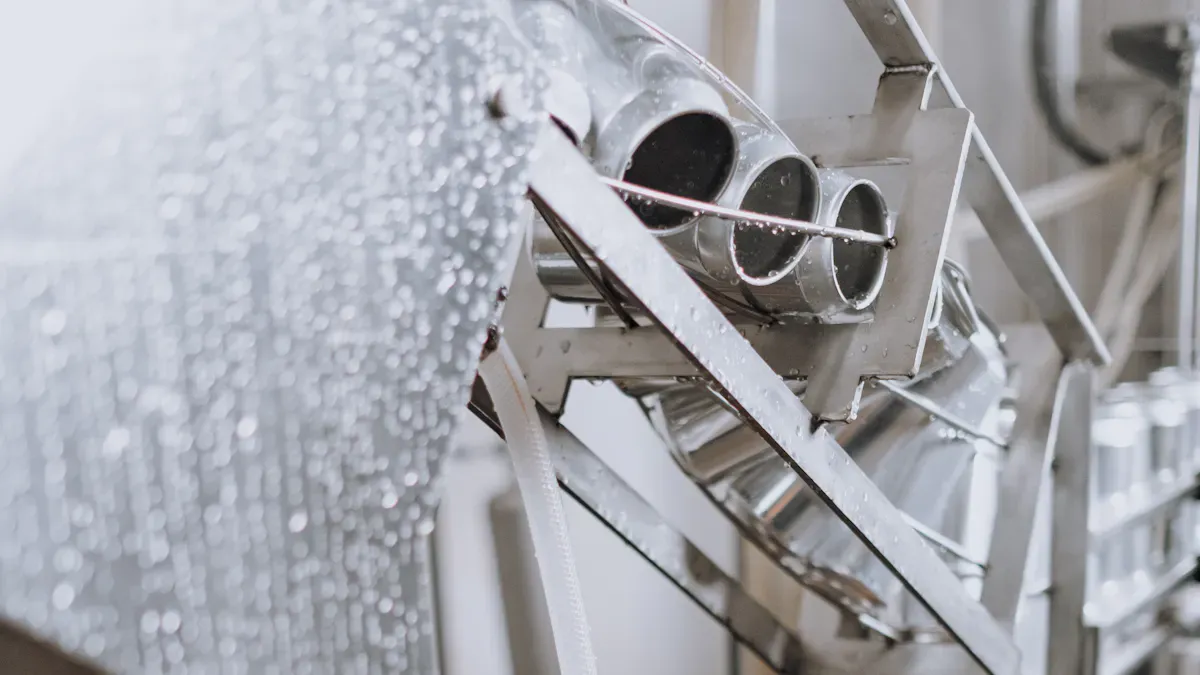
When I compare the options for modern manufacturing, I see that the extruder met enkele schroef works best for high-volume production of single, eenvoudige thermoplasten. Voor enkellaagse buizen raad ik vaak de enkelschroefsextruder aan, films, and sheets where single material consistency is key and single-process efficiency matters. For more complex jobs, I choose the Double Screw Extruder to handle single batches with multiple additives or challenging ingredients. Selecting the right extruder boosts efficiency, ensures single product quality, and reduces single manufacturing costs.
Belangrijkste afhaalrestaurants
- Single screw extruders work best for simple, high-volume production of uniform thermoplastics like pipes, films, en lakens.
- Twin screw extruders offer superior mixing, temperatuurregeling, en flexibiliteit voor complexe materialen met meerdere additieven of gevoelige verbindingen.
- Enkelschroefsextruders zijn energiezuinig, gemakkelijk te onderhouden, en kosteneffectief voor standaardproductie met consistente materialen.
- Dubbelschroefsextruders verwerken speciale kunststoffen, mengsels, en gevulde materialen beter, het verminderen van defecten en het verbeteren van de productkwaliteit.
- Het kiezen van de juiste extruder hangt af van de materiaalcomplexiteit, productievolume, kwaliteitsbehoeften, en budget om de efficiëntie en ROI te maximaliseren.
- Extruders met dubbele schroef vereisen hogere initiële investeringen en onderhoud, maar bieden voordelen op de lange termijn dankzij flexibiliteit en geavanceerde verwerking.
- Regelmatig onderhoud en controle helpen slijtage en defecten te voorkomen, waardoor een betrouwbare werking van beide extrudertypen wordt gegarandeerd.
- Upgraden naar een dubbelschroefsextruder is verstandig als u met frequente defecten wordt geconfronteerd, slechte menging, or new material challenges to stay competitive.
Technical Differences
Single Screw Extruder Structure
Basic Operation
I see the single screw extruder as a straightforward extrusion system. It uses één spiraalvormige schroef die in een cilindrische cilinder draait. De schroef duwt het materiaal naar voren, smelt het, en vormt het door middel van een matrijs. De enkelschroefsextruder genereert een hoge schuifkracht, voornamelijk in de smalle opening tussen de schroefvleugel en de cilinder. Ik vertrouw op dit ontwerp voor een consistente verwerking van uniforme materialen. Het extrusiesysteem biedt basisverwarming en -koeling, waardoor de bediening eenvoudig en betrouwbaar blijft.
- De extruder met enkele schroef werkt het beste als ik losse thermoplastische kunststoffen moet verwerken.
- Het extrusiesysteem handhaaft een constante druk en temperatuur voor standaard productielijnen.
- Ik vind het energiezuinig en gemakkelijk te onderhouden.
Toepassingen voor eenvoudigere materialen
Voor klussen waarbij enkellaagse buizen nodig zijn, kies ik voor de enkelschroefsextruder, films, en lakens. Het extrusiesysteem verwerkt gewone kunststoffen met minimale toevoegingen. Als ik productie in grote volumes en uniforme kwaliteit wil, Ik vertrouw op de enkelschroefsextruder.
Extruderstructuur met dubbele schroef
In elkaar grijpende schroeven
De dubbelschroefsextruder is voorzien van twee in elkaar grijpende schroeven die in een achtvormige cilinder draaien. Met dit extrusiesysteem kan ik de schuifsterkte controleren door verschillende schroefelementen te combineren. Het dubbele ontwerp geeft mij de flexibiliteit om het mengen en verwerken voor elke batch aan te passen.
- De dubbelschroefsextruder maakt gebruik van gesegmenteerde vaten voor geavanceerde temperatuurregeling.
- Ik kan meedraaiende of tegendraaiende schroeven selecteren op basis van de materiaal- en procesbehoeften.
- Het extrusiesysteem ondersteunt interne koelsystemen voor nauwkeurig thermisch beheer.
Veelzijdigheid voor complexe materialen
Ik vertrouw op de dubbelschroefsextruder als ik complexe materialen moet verwerken. Het extrusiesysteem blinkt uit in mengen, ontgassen, en het verwerken van batches met meerdere additieven. De dubbelschroefsextruder verbetert de smelthomogeniteit en vermindert het aantal niet-gesmolten deeltjes. Ik gebruik het voor speciale kunststoffen, mengsels, en gevoelige verbindingen.
Verschil tussen extruder met enkele en dubbele schroef
Meng- en afschuifmogelijkheden
Het belangrijkste verschil tussen extruder met enkele en dubbele schroef ligt in het mengen en afschuiven. De enkelschroefsextruder zorgt voor basismenging, geschikt voor eenvoudige materialen. De dubbelschroefsextruder zorgt voor superieure menging en afschuiving, die ik nodig heb voor het compounderen en blenden. Het extrusiesysteem met dubbele schroeven zorgt voor een stabiele druk en temperatuur, zelfs met uitdagende grondstoffen.
Modulariteit en efficiëntie
Ik vind de dubbelschroefsextruder modulairer dan de enkelschroefsextruder. Dankzij het extrusiesysteem kan ik schroefelementen en cilindersegmenten verwisselen om bij elk proces te passen. De dubbelschroefsextruder past zich snel aan nieuwe recepten en materialen aan. De enkelschroefsextruder blijft efficiënt voor standaardklussen, maar de dubbelschroefsextruder biedt meer flexibiliteit en controle.
Tip: Ik stem het extrusiesysteem altijd af op de materiële complexiteit en productiedoelen. De dubbelschroefsextruder biedt mij opties voor geavanceerde productie, terwijl de enkelschroefsextruder routineklussen eenvoudig en kosteneffectief houdt.
| Aspect | Extruder met enkele schroef | Extruder met dubbele schroef |
|---|---|---|
| Schroefontwerp | Eén spiraalvormige schroef die in de cilinder draait | Twee in elkaar grijpende schroeven (co- of tegengesteld draaiend) |
| Vatstructuur | Eenvoudige cilindrische loop | Complexer, vaak gesegmenteerd vat |
| Temperatuurregeling | Basis verwarming en koeling | Geavanceerde temperatuurregeling in meerdere zones met interne koelsystemen |
| Type extruder | Belangrijkste kenmerken | Prestatie-impact |
|---|---|---|
| Extruder met enkele schroef | Eenvoudig ontwerp, energiezuinig, betrouwbaar voor uniforme materialen | Efficiënt voor standaard recyclinglijnen met gecontroleerde grondstofkwaliteit |
| Extruder met dubbele schroef | Uitstekend geschikt voor mixen, ontgassen, en omgaan met complexe materialen | Verbeterde smelthomogeniteit, stabiele druk- en temperatuurregeling, minder ongesmolten deeltjes |
Prestatievergelijking
Doorvoer en consistentie
Wanneer ik de doorvoer evalueer, Dat merk ik extruders met enkele schroef leveren hoge uitvoersnelheden voor eenvoudige opdrachten. Ik vertrouw op hen voor continue productielijnen waar snelheid en volume het belangrijkst zijn. Het ontwerp met één schroef zorgt voor een constante druk en temperatuur, waardoor ik consistente productafmetingen en oppervlaktekwaliteit kan bereiken. Ik vind dit vooral handig als ik grote partijen basiskunststoffen verwerk.
Extruders met dubbele schroef bieden een iets lagere doorvoer vergeleken met machines met enkele schroef, maar ze compenseren dit met meer controle. Ik kan de verwerkingsparameters nauwkeurig afstemmen op de vereisten van elk materiaal. Dankzij deze flexibiliteit kan ik de consistentie behouden, zelfs als ik tussen recepten wissel of met uitdagende grondstoffen werk. Ik waardeer deze controle wanneer ik defecten moet minimaliseren en uniformiteit in speciale producten moet garanderen.
Mengen en homogeniseren
Mengen en homogeniseren spelen een cruciale rol bij extrusie. Ik zie op dit gebied een duidelijk verschil tussen enkelschroefs- en dubbelschroefsextruders.
- Dubbelschroefsextruders werken volgens het principe van positieve verplaatsing gecombineerd met intense mechanische afschuiving. Dit leidt tot betere mengefficiëntie.
- Enkelschroefsextruders zijn afhankelijk van chaotisch mengen, afhankelijk van turbulentie, wat minder effectief is voor het bereiken van homogeniteit.
Het ontwerp met dubbele schroef, met twee in elkaar grijpende schroeven, geeft mij superieure meng- en afschuifwerking. Ik kan schroefelementen aanpassen om de verspreiding en distributie van additieven te optimaliseren. Dit ontwerp maakt een betere controle over de verwerkingsparameters mogelijk, waardoor dubbelschroefsextruders bijzonder effectief zijn voor gevoelige materialen. Wanneer ik mengsels of verbindingen met uniforme eigenschappen moet produceren, Ik kies altijd voor de dubbelschroefsextruder.
Materiaalbehandeling
Thermoplastische kunststoffen
Ik gebruik hiervoor enkelschroefsextruders eenvoudigere thermoplastische materialen zoals polyethyleen (PE) en polypropyleen (PP). Deze materialen vereisen minimale menging en reageren goed op basistemperatuurregeling. De enkelschroefsextruder biedt een kosteneffectieve verwerking en een hoog rendement. Ik vertrouw erop voor banen waarbij materiaalzuiverheid en doorvoersnelheid de belangrijkste prioriteiten zijn.
Dubbelschroefsextruders kunnen complexere thermoplastische materialen verwerken, zoals PVC en technische polymeren. Ik profiteer van hun geavanceerde meng- en temperatuurregeling, wat degradatie voorkomt en een consistente smeltkwaliteit garandeert. Als ik met warmtegevoelige kunststoffen werk, Ik vertrouw op de dubbelschroefsextruder om de productintegriteit te behouden.
Gevulde of gevoelige materialen
Gevulde of gevoelige materialen vereisen een nauwkeurige verwerking. Ik vind dat dubbelschroefsextruders op dit gebied uitblinken. Ze bieden superieure meng- en temperatuurregeling, wat essentieel is voor warmtegevoelige en gevulde materialen zoals hout-kunststofcomposieten (WPC) of vlamvertragende verbindingen. Ik kan fillers gelijkmatig verspreiden en hotspots vermijden die defecten veroorzaken.
Enkelschroefsextruders hebben moeite met gevulde materialen omdat ze geen intensief mengvermogen hebben. Ik gebruik ze alleen als de formulering eenvoudig is en het vulmiddelgehalte laag is. Voor geavanceerde toepassingen, Ik selecteer altijd de dubbelschroefsextruder om de beste resultaten te bereiken.
Tip: Het type extruder stem ik af op de complexiteit van het materiaal en de gewenste productkwaliteit. Deze aanpak helpt mij de efficiëntie te maximaliseren en verspilling te minimaliseren.
Energie-efficiëntie
Wanneer ik extrusiesystemen evalueer, Ik beschouw energie-efficiëntie altijd als een sleutelfactor. Energiekosten kunnen een aanzienlijk deel van de totale productiekosten uitmaken. Ik heb gezien dat de keuze tussen extruders met één of twee schroeven rechtstreeks van invloed is op de energie die nodig is voor elke kilogram verwerkt materiaal.
In mijn ervaring, Enkelschroefsextruders onderscheiden zich door hun energie-efficiëntie. Het eenvoudige ontwerp, met slechts één roterende schroef, betekent minder mechanische wrijving en een lager stroomverbruik. Ik gebruik vaak enkelschroefsextruders voor productieruns met grote volumes waarbij het materiaal eenvoudig is en geen complexe verwerking vereist. Deze aanpak helpt mij het energieverbruik laag te houden en de bedrijfskosten voorspelbaar te houden.
Dubbelschroefsextruders, anderzijds, gebruik twee in elkaar grijpende schroeven. Dit ontwerp verhoogt de mechanische complexiteit en vereist meer kracht om te werken. Ik merk dat de configuratie met twee schijven en de behoefte aan nauwkeurige temperatuurregeling in meerdere zones hieraan bijdragen hoger energieverbruik. Wanneer ik geavanceerde materialen of mengsels verwerk die intensief mengen vereisen, Ik aanvaard de wisselwerking tussen een hoger energieverbruik en een betere productkwaliteit en procesflexibiliteit.
Opmerking: Ik weeg altijd de voordelen van geavanceerde verwerking af tegen de hogere energiekosten. Voor speciale toepassingen, de verbeterde menging en controle van een dubbelschroefsextruder rechtvaardigen vaak het extra energieverbruik.
Hier volgt een snelle vergelijking van de kenmerken van het energieverbruik:
- Enkelschroefsextruders verbruiken doorgaans minder energie per kilogram verwerkt materiaal.
- Dubbelschroefsextruders in het algemeen vereisen meer kracht vanwege hun ontwerp met dubbele schroef en hogere mechanische eisen.
- De geavanceerde kenmerken van dubbelschroefsextruders, zoals gesegmenteerde vaten en interne koeling, toevoegen aan het totale energieverbruik.
Ik heb ontdekt dat de daadwerkelijke energie-efficiëntie afhangt van de specifieke toepassing. Bijvoorbeeld, wanneer ik een extruder met enkele schroef gebruik met gewone kunststoffen, Ik realiseer een uitstekende energiebesparing. Als ik overstap op een dubbelschroefsextruder voor het compounderen of verwerken van gevulde materialen, Ik zie een stijging in het energieverbruik, maar ik krijg ook een betere productconsistentie en minder defecten.
Ik raad fabrikanten aan het volgende te overwegen bij het kiezen van een extruder op basis van energie-efficiëntie:
- Beoordeel de complexiteit van het materiaal en de behoefte aan geavanceerde verwerking.
- Bereken de verwachte energiekosten per productiebatch.
- Breng energiebesparingen in evenwicht met de kwaliteit en flexibiliteit die nodig zijn voor het eindproduct.
Toepassingsgeschiktheid
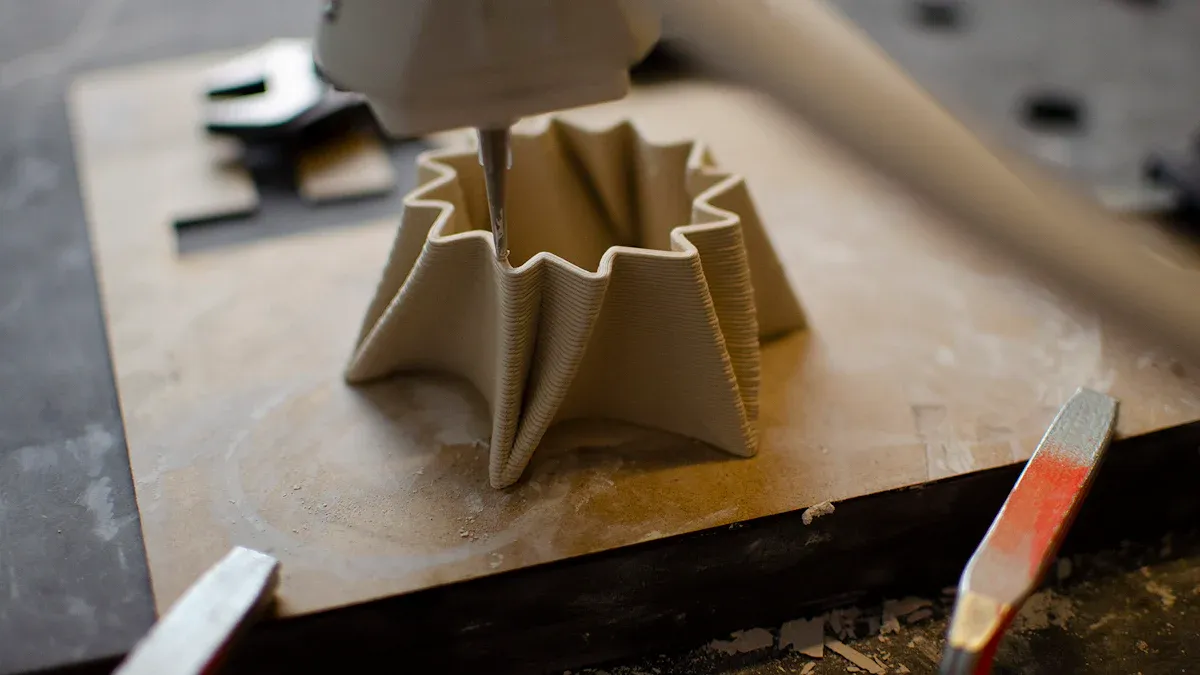
Extrudertoepassingen met enkele schroef
Basiskunststoffen
Ik kies vaak voor de enkelschroefsextruder als ik standaardkunststoffen moet verwerken. Deze extruder verwerkt met gemak materialen zoals polyethyleen en polypropyleen. Dankzij het eenvoudige ontwerp kan ik een hoge doorvoer en consistente kwaliteit bereiken. Ik zie de enkelschroefsextruder als de beste keuze voor eenvoudige klussen waarbij het materiaal geen complexe menging of meerdere additieven vereist.
Productie met hoog volume
Als ik grootschalige productie beheer, Ik vertrouw op de enkelschroefsextruder vanwege zijn efficiëntie. Het systeem ondersteunt continue productielijnen en levert een stabiele output. Ik gebruik het voor producten zoals pijpen, films, and sheets that require uniformity and speed. The single screw extruder also excels in recycling and food production. Ik heb de samenvatting samengevat main application areas in the table below:
| Toepassingsgebied | Industry Segment |
|---|---|
| Recycling | Plastics and biodegradable materials |
| Food Production | Snacks, breakfast cereals, instant pasta, noodles |
| Chemical Processing | Polymeren, thermoplasten, specialty chemicals |
Double Screw Extruder Applications
Compounding and Blending
I turn to the double screw extruder when I need advanced compounding and blending. The twin screw extruder design gives me precise control over mixing, which is essential for producing materials with multiple additives. I can adjust the screw configuration to match the requirements of each batch. This flexibility allows me to achieve uniform dispersion of fillers, kleurstoffen, en stabilisatoren.
Specialty and High-Performance Materials
The double screw extruder stands out in specialty and high-performance applications. I use it for engineering plastics, vlamvertragende verbindingen, and sensitive materials that demand exact temperature and shear control. The twin screw extruder also supports degassing and venting, which helps me maintain product quality. I have found that the double screw extruder adapts quickly to new formulations and complex recipes.
Here are the most common applications for the twin screw extruder in modern manufacturing:
- Kunststofindustrie: I use the twin screw extruder for compounding, smeltend, and shaping thermoplastic materials for products like pipes and films.
- Rubber- en elastomeerverwerking: The twin screw extruder processes rubber compounds for seals and hoses.
- Voedingsindustrie: I rely on the twin screw extruder for snacks and cereals, where efficient cooking and texturization matter.
- Pharmaceutical and biomedical applications: De dubbelschroefsextruder produceert systemen voor medicijnafgifte, zoals tabletten met verlengde afgifte.
- Recycling en herverwerking: Ik gebruik de dubbelschroefsextruder om plastic afval te recyclen tot bruikbare materialen, wat duurzaamheid ondersteunt.
Voorbeelden uit de sector
Ik heb gezien dat de enkelschroefsextruder domineert in de productie van plastic zakken, irrigatie pijpen, en eenvoudige verpakkingsfolies. Deze industrieën waarderen een hoge output en lage bedrijfskosten. De enkelschroefsextruder speelt ook een sleutelrol in de voedselproductie, vooral voor producten als pasta en ontbijtgranen.
In tegenstelling, de dubbelschroefsextruder blinkt uit in de automobiel- en elektronicasector. Ik gebruik de dubbelschroefsextruder om hoogwaardige verbindingen te produceren voor auto-onderdelen en elektrische isolatie. De farmaceutische industrie profiteert van het vermogen van de dubbelschroefsextruder om actieve ingrediënten met precisie te mengen. In recyclingfabrieken, de dubbelschroefsextruder transformeert post-consumer plastic in hoogwaardige pellets.
Tip: Het type extruder stem ik altijd af op de complexiteit van het materiaal en de prestatie-eisen van het eindproduct. Deze aanpak zorgt ervoor dat ik voor elk productiescenario de beste resultaten behaal.
Impact op productkwaliteit
Eigenschappen van eindproducten
Wanneer ik de eigenschappen van het eindproduct evalueer, Ik houd er altijd rekening mee hoe het type extruder de sterkte en uniformiteit beïnvloedt. Ik zie dat extruders met één schroef goed werken voor eenvoudige materialen, maar ze worstelen met complexe formuleringen. Dubbelschroefsextruders geven mij superieure menging en nauwkeurige controle over scheren. Dit leidt tot een betere uniformiteit en verbeterde mechanische eigenschappen in het eindproduct. Ik vertrouw op dubbelschroefsextruders als ik additieven of vulstoffen moet toevoegen, of wanneer ik de sterkte van het materiaal wil optimaliseren.
Hier is een snelle vergelijking:
| Extrudertype | Mengvermogen | Toepassingen |
|---|---|---|
| Enkele schroef | Beperkt mixen, worstelt met complexe formuleringen | Niet geschikt voor hoge homogenisatie, hoge vullerbelading, of vezelversterking |
| Dubbele schroef | Superieure menging, nauwkeurige controle over knippen en mengen | Ideaal voor het samenstellen en modificeren van kunststoffen, gaat effectief om met diverse materialen |
Ik kies voor dubbelschroefsextruders voor klussen die een hoge uniformiteit en sterkte vereisen. Hun vermogen om ermee om te gaan verbindingen met hoge viscositeit en warmtegevoelige materialen zorgen ervoor dat het eindproduct aan strenge kwaliteitsnormen voldoet. Ik profiteer ook van hun ontgassing- en devolatilisatie-eigenschappen, die mij helpen vol te houden consistente productkwaliteit.
Tip: Wanneer ik het hoogste niveau van productuniformiteit en sterkte moet bereiken, Ik kies altijd voor een dubbelschroefsextruder.
Tolerantie- en defectpercentages
Ik weet dat tolerantie- en defectpercentages een cruciale rol spelen in de productie. Dubbelschroefsextruders zorgen voor een betere meng- en granulatiecontrole, wat me helpt een uniforme pelletgrootte en -dichtheid te bereiken. Dit verkleint de kans op defecten in het eindproduct. Ik merk ook dat dubbelschroefsextruders bieden betere procesbeheersing en doorvoerstabiliteit. Dit betekent dat ik een stabiele uitgangsdruk en een verbeterde temperatuurregeling kan handhaven, die essentieel zijn voor de maatnauwkeurigheid.
- Dubbelschroefsextruders zorgen voor een betere meng- en granulatiecontrole.
- Ze bereiken een uniforme pelletgrootte en -dichtheid, waardoor defecten worden verminderd.
- Betere procescontrole en doorvoerstabiliteit.
- Verminderd risico op overbelasting en defecten tijdens het gebruik.
- Verbeterde temperatuurregeling en stabiele uitgangsdruk.
- Superieure menging en homogenisatie leiden tot een consistente productkwaliteit.
- Hoge tolerantie voor vulstoffen en gerecycled materiaal vergroot de veelzijdigheid van het materiaal.
Wanneer ik extruders met één schroef gebruik, Ik zie meer variatie in productafmetingen en een grotere kans op defecten, vooral bij complexe of gevulde materialen. Voor toepassingen die nauwe toleranties en lage defectpercentages vereisen, Ik geef altijd de voorkeur extruders met dubbele schroef.
Flexibiliteit voor productwijzigingen
Vaak moet ik mijn productielijnen aanpassen aan nieuwe formuleringen of veranderende markteisen. Extruders met dubbele schroef geven mij de flexibiliteit die ik nodig heb. Door hun modulaire ontwerp kan ik schroefelementen en tonsegmenten snel aanpassen. Ik kan de productie op- of uitschalen door meerdere identieke lijnen in te zetten. Deze flexibiliteit ondersteunt snelle productwijzigingen en helpt mij te reageren op de behoeften van de klant zonder grote downtime.
Met dubbelschroefsextruders kan ik efficiënt schakelen tussen recepten en materialen. Ik zie niet hetzelfde niveau van flexibiliteit bij extruders met één schroef. Wanneer ik moet innoveren of nieuwe producten wil introduceren, Ik vertrouw op het aanpassingsvermogen van dubbelschroefsystemen.
Opmerking: Als uw bedrijf regelmatig productwijzigingen of aangepaste formuleringen vereist, een dubbelschroefsextruder geeft u de flexibiliteit om concurrerend te blijven.
Kosten en ROI
Investering in apparatuur
Wanneer ik nieuwe extrusieapparatuur evalueer, Ik begin altijd met de initiële investering. Enkelschroefsextruders vereisen veel lagere initiële kosten. Meestal kan ik hiervoor een extruder met enkele schroef kopen $15,000 naar $50,000. Deze prijsklasse maakt het toegankelijk voor de meeste productieactiviteiten, vooral als ik snel moet opschalen. De kostenbesparingen ten opzichte van een dubbelschroefsextruder kunnen oplopen 60% naar 80%. Ik vind dit verschil aanzienlijk als ik kapitaaluitgaven plan.
| Type extruder | Initial Investment Cost | Cost Savings Compared to Twin-Screw |
|---|---|---|
| Extruder met enkele schroef | $15,000 – $50,000 | 60-80% |
| Extruder met dubbele schroef | N.v.t | N.v.t |
Twin screw extruders demand a higher initial investment. The advanced design, modulaire componenten, and automation features increase the price. I see many manufacturers hesitate because of the higher entry cost. Echter, I know that the extra investment often pays off when I need advanced processing capabilities.
Tip: I always match my equipment investment to the complexity of my products and the long-term goals of my business.
Operating and Maintenance Costs
I pay close attention to ongoing costs. Single screw extruders have a simple structure. This simplicity means lower manufacturing and maintenance costs. I spend less on spare parts and routine service. Energy consumption also stays relatively low, which helps me control utility bills.
Dubbelschroefsextruders, in contrast, come with higher operating expenses. Het complexe ontwerp vereist meer gespecialiseerd onderhoud. Ik heb bekwame technici nodig om reparaties en aanpassingen uit te voeren. De productiekosten stijgen vanwege de geavanceerde componenten. Het energieverbruik is groter, vooral als ik veeleisende recepten gebruik of gevulde materialen verwerk.
| Type | Structuurcomplexiteit | Productiekosten | Onderhoudskosten | Energieverbruik |
|---|---|---|---|---|
| Enkele schroef | Eenvoudig | Lager | Lager | Relatief lager |
| Dubbele schroef | Complex | Hoger | Hoger | Groter |
- Ik vind extruders met één schroef kosteneffectief voor de grootschalige productie van eenvoudige producten.
- Dubbelschroefsextruders bieden betere meng- en procescontrole, maar ik accepteer hogere kosten en complexiteit.
Downtime en betrouwbaarheid
Betrouwbaarheid heeft invloed op mijn bedrijfsresultaten. Enkelschroefsextruders gaan zelden kapot. Hun eenvoudige ontwerp betekent minder bewegende delen en minder risico op storingen. Ik kan mijn productielijnen draaiende houden met minimale onderbrekingen. Wanneer ik onderhoud nodig heb, I complete it quickly and return to full operation.
Extruders met dubbele schroef vereisen meer aandacht. The complex intermeshing screws and segmented barrels introduce more points of potential failure. I schedule regular maintenance to prevent unexpected downtime. When issues arise, repairs take longer and may require specialized parts. Despite these challenges, I value the advanced capabilities of twin screw extruders for demanding applications.
Opmerking: I always factor in downtime risk when I choose between extruder types. For routine jobs, I rely on the proven reliability of single screw extruders. For advanced manufacturing, I accept more maintenance in exchange for process flexibility.
Long-Term ROI
When I evaluate extrusion equipment, I always look beyond the initial price tag. Long-term ROI shapes my decision more than any other factor. I have learned that the right extruder pays for itself many times over, but only if it matches the production needs and business goals.
For single screw extruders, I see a fast payback period. The low upfront cost and minimal maintenance mean I recover my investment quickly, especially in high-volume, low-complexity operations. I often recommend single screw extruders to manufacturers who process commodity plastics or run continuous lines with little need for recipe changes. Over several years, the savings on energy and repairs add up. I notice that these machines rarely require major overhauls, which keeps my operating costs predictable.
Twin screw extruders tell a different story. The initial investment is higher, and the maintenance demands more attention. Echter, Ik heb gezien dat de ROI op de lange termijn die van machines met één schroef in de juiste toepassingen overtreft. Dankzij de geavanceerde menging en flexibiliteit kan ik producten met een hogere waarde produceren, nieuwe markten betreden, en reageer sneller op de wensen van de klant. Ik kan wisselen tussen materialen, nieuwe formuleringen toevoegen, en verminder de verspilling van batches die niet aan de specificaties voldoen. Deze voordelen vertalen zich vaak in hogere marges en een stabielere bedrijfsgroei.
Hier ziet u hoe ik de ROI op de lange termijn voor elk type vergelijk:
| Factor | Extruder met enkele schroef | Extruder met dubbele schroef |
|---|---|---|
| Terugverdientijd | Kort (1-3 jaar) | Middellang tot lang (3-7 jaar) |
| Assortiment | Beperkt | Breed en aanpasbaar |
| Vermogen om waarde toe te voegen | Laag | Hoog (specialiteit, aangepaste producten) |
| Flexibiliteit voor marktverschuivingen | Laag | Hoog |
| Onderhoudskosten | Laag | Hoger, maar beheersbaar |
| Potentieel voor innovatie | Beperkt | Sterk |
Tip: Ik stem mijn extruderkeuze altijd af op mijn bedrijfsstrategie voor de lange termijn. Als ik van plan ben uit te breiden naar speciale producten of me snel moet aanpassen, Ik investeer in een dubbelschroefsextruder. Als mijn focus op hoog volume blijft, standard products, I stick with single screw systems for the best ROI.
I have found that the most successful manufacturers revisit their ROI calculations every few years. Markets change, and so do material requirements. By staying proactive, I ensure my extrusion lines deliver maximum value year after year.
Enkele schroef versus dubbele schroef: How to Choose
Belangrijkste beslissingsfactoren
When I help manufacturers decide between a single screw extruder and a twin screw extruder, I always focus on four main factors. These include material complexity, productievolume, quality requirements, en begroting. I use a checklist to guide my decision and ensure I select the right extruder for each application.
Materiële complexiteit
I start by evaluating the complexity of the materials I need to process. If I work with clean, consistent, en stabiele materialen, Ik kies voor een extruder met enkele schroef. Deze machine verwerkt standaard thermoplasten en gerecyclede materialen met minimale toevoegingen. Als ik te maken krijg met complexe of vervuilde grondstoffen, Ik stap over op een dubbelschroefsextruder. Het dubbele ontwerp geeft mij flexibiliteit en superieure menging voor uitdagende formuleringen. Voor farmaceutische producten vertrouw ik op de dubbelschroefsextruder, geavanceerde recycling, en speciale kunststoffen. De dubbelschroefsextruder verwerkt ook gemakkelijk materialen zoals vernetbaar polyethyleen en gevulde verbindingen.
- Ik gebruik een enkele schroefextruder voor eenvoudig, uniforme materialen.
- Voor complex selecteer ik een dubbelschroefsextruder, meercomponenten, of gevoelige materialen.
- De dubbelschroefsextruder vermindert het afvalpercentage en zorgt voor consistente resultaten voor geavanceerde toepassingen.
Productievolume
Het productievolume bepaalt mijn keuze voor een extruder. Voor hoog volume, continue productie, I prefer a single screw extruder. This machine delivers stable pressure and consistent wall thickness, which is ideal for pipes, films, en lakens. When I need to change materials often or run smaller, specialized batches, I turn to a twin screw extruder. The twin screw extruder adapts quickly to new recipes and supports frequent material changes without sacrificing efficiency.
Kwaliteitseisen
Quality requirements drive my decision. If I need basic mixing and standard product quality, I use a single screw extruder. For applications that demand superior mixing, nauwkeurige temperatuurregeling, en uniformiteit, Ik kies voor een dubbelschroefsextruder. The twin screw extruder excels at dispersing additives, blending fillers, en verwerking van warmtegevoelige materialen. I rely on the twin screw extruder for products that require tight tolerances and low defect rates.
Begroting
Budget speelt altijd een rol in mijn selectieproces. De initiële kosten van een dubbelschroefsextruder kunnen veel hoger zijn dan die van een enkelschroefsextruder. Ik heb prijzen gezien voor een kwalitatief hoogstaand dubbelschroefsextruderbereik $150,000, terwijl een extruder met enkele schroef misschien zo weinig kost $60,000. Echter, Ik houd rekening met de totale eigendomskosten, niet alleen de aankoopprijs. Na verloop van tijd, de dubbelschroefsextruder kan mij geld besparen door een lager energieverbruik, minder onderhoud, en minder stilstand. Het investeren in een hoogwaardige dubbelschroefsextruder heeft mij een besparing opgeleverd $220,000 in sommige gevallen meer dan vijf jaar.
Hier is een tabel die ik gebruik om de belangrijkste factoren te vergelijken:
| Sleutelfactor | Extruder met enkele schroef | Extruder met dubbele schroef |
|---|---|---|
| Prestatiestatistieken | Stabiele druk, consistente wanddikte | Uitstekende menging, verwerkt warmtegevoelige materialen |
| Kosten | Kosteneffectief voor productie van grote volumes | Hogere initiële kosten, beter voor complexe processen |
| Materiële vormen | Beste voor gestandaardiseerde producten (HDPE, LDPE) | Ideaal voor PVC, materialen die gemengd moeten worden |
| Mengmogelijkheden | Beperkt mixen | Superieure meng- en dispergerende mogelijkheden |
| Operationele efficiëntie | Lagere onderhoudskosten | Beter voor veelvuldig wisselen en ontgassen |
Tip: Ik gebruik deze checklist altijd als ik moet antwoorden hoe ik moet kiezen kunststof extruder voor een nieuw project.
Veelvoorkomende fouten
Ik heb veel fabrikanten dure fouten zien maken bij het selecteren van een extruder. De meest voorkomende fouten zijn onder meer:
- Het kiezen van de Verkeerd materiaal voor de schroef of vat. Het gebruik van ongeschikte staalsoorten kan gaatjes en scheuren veroorzaken.
- Mechanische slijtage negeren. Slechte uitlijning en hoge drukomstandigheden verhogen de slijtage en leiden tot storingen.
- Met uitzicht op operationele omstandigheden. Onjuiste temperatuurregeling en het verwerken van schurende materialen kunnen de extruder beschadigen.
Ik adviseer altijd regelmatig onderhoud en een zorgvuldige materiaalkeuze. Ook houd ik temperatuur en druk nauwlettend in de gaten om onnodige slijtage te voorkomen.
Wanneer moet u upgraden?
Ik weet wanneer het tijd is om te upgraden van een extruder met één schroef naar een extruder met dubbele schroef. Ik zoek naar deze tekenen:
- Zichtbare oppervlakteschade op de extruder of het product
- Terugkerende verstoppingen of machinestoringen
- Inconsistente productkwaliteit of ongelijkmatig smelten
- Onvermogen om nieuwe materialen of additieven te verwerken
- Slechte menging en frequente defecten
Als ik deze problemen zie, Ik overweeg om te investeren in een dubbelschroefsextruder. Dankzij de dubbelschroefsextruder kan ik beter mengen, meer flexibiliteit, en hogere productkwaliteit. Door te upgraden kan ik concurrerend blijven en aan nieuwe markteisen voldoen.
Opmerking: Ik controleer mijn productielijnen altijd regelmatig. Als ik een van deze waarschuwingssignalen opmerk, Ik plan een upgrade naar een dubbelschroefsextruder voordat problemen mijn bedrijfsresultaten beïnvloeden.
Ik raad het aan enkelschroefsextruders voor eenvoudige materialen en lagere volumes. Extruders met dubbele schroef zijn geschikt voor verbindingen met een hoge viscositeit en complexe productiebehoeften. Dat adviseer ik fabrikanten altijd gebruik een checklist bij het kiezen van apparatuur:
- Vraag naar het aanbevolen type en formaat extruder.
- Vraag voorbeelden aan van soortgelijke toepassingen.
- Bevestig doorvoerschattingen.
- Controleer de beschikbaarheid van reserveonderdelen.
- Informeer naar de training van operators.
- Bekijk de garantie en ondersteuning.
- Vraag live demonstraties aan.
- Vraag naar cijfers over het energieverbruik.
- Controleer de integratie van het besturingssysteem.
Voor verdere begeleiding, Ik stel voor:
- Geef prioriteit aan energie-efficiëntie.
- Evalueer de kwaliteit van de versnellingsbak.
- Controleer de downstream-compatibiliteit.
- Zoek naar referenties uit de echte wereld.
- Overweeg after-sales ondersteuning.
Veelgestelde vragen
Wat is het belangrijkste voordeel van een dubbelschroefsextruder??
I see the twin screw extruder as the best choice for complex materials. It gives me superior mixing, nauwkeurige temperatuurregeling, and flexibility for recipe changes.
Can I use a single screw extruder for filled materials?
I avoid using single screw extruders for filled materials. They struggle with mixing and dispersion. I prefer twin screw extruders for filled or sensitive compounds.
How often should I maintain my extruder?
I schedule routine maintenance every three months. I check screw wear, barrel alignment, and temperature controls. Regular service keeps my production lines reliable.
Is a twin screw extruder worth the higher investment?
I invest in twin screw extruders when I need advanced processing. The higher cost pays off with better product quality, flexibiliteit, and fewer defects in specialty applications.
Which extruder is more energy efficient?
I find single screw extruders more energy efficient for simple, high-volume jobs. Twin screw extruders use more power but deliver better results for complex materials.
How do I choose the right extruder for my business?
I match the extruder to my material complexity, productievolume, kwaliteitsbehoeften, en begroting. I use a checklist and review similar applications before making a decision.
Can I upgrade from a single screw to a twin screw extruder?
I upgrade when I see frequent defects, slechte menging, or need to process new materials. Twin screw extruders help me stay competitive and meet changing market demands.
Welke industrieën profiteren het meest van dubbelschroefsextruders??
I see the automotive, elektronica, farmaceutisch, and recycling industries benefit most. Twin screw extruders handle specialty compounds and advanced formulations with ease.