

Pelletizing Extruders အဆင့်ဆင့်လုပ်ဆောင်ပုံ
သင်အသုံးပြုသောအခါ pelletizing extruder, ရှင်းရှင်းလင်းလင်း အဆင့်များကို လိုက်နာခြင်းဖြင့် ကုန်ကြမ်းကို အလုံးအဖြစ်သို့ ပြောင်းလဲပါ။. သင်ပစ္စည်းကို extruder ထဲသို့ထည့်ပါ။. စက်က အရည်ပျော်ပြီး ရောမွှေလိုက်ပါ။. ပြီးတော့, ၎င်းသည် အလုံးများပြုလုပ်ရန်အတွက် အသေပေါက်မှတဆင့် ပစ္စည်းကို တွန်းထုတ်သည်။. အဆင့်တစ်ဆင့်ချင်းစီသည် ခိုင်မာပြီး အစေ့များပင် ပြုလုပ်ရန်အတွက် အရေးကြီးပါသည်။. Pelletizing အလုပ်လုပ်ပုံကို သိရင်, သင်၏ extruder ကို ပိုကောင်းစေပြီး ပြဿနာများကို ပိုမိုမြန်ဆန်စွာ ဖြေရှင်းနိုင်ပါသည်။.
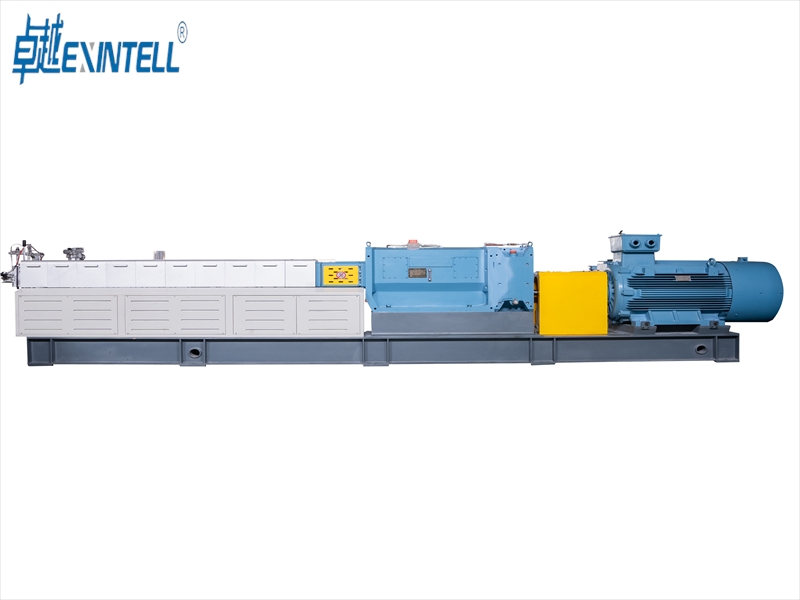
အောက်ဖော်ပြပါဇယားသည် အဆင့်တစ်ခုစီအတွက် အဘယ်ကြောင့်အရေးကြီးကြောင်း ရှင်းပြထားသည်။ ထိရောက်မှုနှင့် ပြဿနာများကို ပြုပြင်ပေးသည်။:
| အချက် | ထိရောက်မှုအပေါ်သက်ရောက်မှု | ပြဿနာဖြေရှင်းခြင်းတွင် အရေးကြီးသည်။ |
|---|---|---|
| ပစ္စည်းအရည်အသွေး | အစေ့အဆန်များ ကောင်းစွာစီးဆင်းသည်။, ချို့ယွင်းချက်နည်းသည်။, နှင့်ကုန်ထုတ်စွမ်းအားကိုကူညီ. | အရည်ပျော်စီးဆင်းမှုကို တည်ငြိမ်စေပြီး ပြောင်းလဲမှုများကို လျှော့ချပေးသည်။. |
| အပူချိန်ထိန်း | မှန်ကန်သောအပူချိန်သည် အရည်ပျော်မှုကို တည်ငြိမ်စေပြီး ပိုလီမာစီးဆင်းမှုကို ကူညီပေးသည်။. | ဂရုတစိုက်ထိန်းချုပ်မှုသည် အပူချိန်ပြောင်းလဲမှုမှ ချို့ယွင်းချက်များကို လျော့နည်းစေသည်။. |
| စက်ပစ္စည်းထိန်းသိမ်းခြင်း။ | ဝက်အူဝတ်ကို ကြည့်ခြင်းအားဖြင့် ထုတ်ကုန်အရည်အသွေး ကောင်းမွန်ပြီး သွင်းအားကို မြင့်မားစေသည်။. | မကြာခဏ စစ်ဆေးခြင်းသည် ပြုပြင်ထိန်းသိမ်းမှု အစီအစဉ်ကို အချိန်မီ ကူညီပေးသည်။. |
သော့သွားယူမှုများ
- လေ့လာပါ။ Pelletizing process ဘယ်လိုအလုပ်လုပ်လဲ။ ပိုကောင်းအောင်လုပ်ဖို့နဲ့ ပြဿနာတွေကို အမြန်ဖြေရှင်းပါ။.
- အလေးချိန်နှင့် ဝက်အူအမြန်နှုန်းကို ကြည့်ပြီး အလေးချိန်တူညီပြီး အမှားအယွင်းများကို တူညီနေစေရန်.
- အများကြီးလုပ်ရပြီး စက်ပြဿနာရပ်ဖို့ စက်ပစ္စည်းတွေကို မကြာခဏ ဂရုစိုက်ပါ။.
- ကိုသုံးပါ။ မှန်ကန်သော အခြောက်ခံခြင်းနှင့် အအေးခံခြင်း အဆင့်များ အစေ့များကို ပိုမိုခိုင်ခံ့စေရန်နှင့် ကပ်ခြင်းမှ ရပ်တန့်စေရန်.
- အမျိုးမျိုးသော ပလတ်စတစ်များအတွက် အမှုန့်ကြိတ်ခြင်းလုပ်ငန်းစဉ်ကို အကောင်းဆုံးဖြစ်အောင် ပြုလုပ်ရန် ပစ္စည်း၏ ဂုဏ်သတ္တိများကို စစ်ဆေးပါ။.
Pelletizing Extruder ဆိုတာဘာလဲ
ပင်မလုပ်ဆောင်ချက်
တစ် pelletizing extruder အကြမ်းပလတ်စတစ် သို့မဟုတ် ပိုလီမာကို အလုံးသေးလေးများအဖြစ်သို့ ပြောင်းလဲသည်။. စက်သည် အလုံးတစ်ခုစီ၏ မည်မျှကြီးမားပြီး အဝိုင်းကို ထိန်းချုပ်နိုင်သည်။. ထုတ်လုပ်သူတွေက သုံးတယ်။ pellet extruders တင်းကျပ်သော စည်းမျဥ်းစည်းကမ်းများနှင့် ကိုက်ညီသော ထုတ်ကုန်များ ပြုလုပ်ရန်. အမှိုက်အပိုင်းအစများ သို့မဟုတ် သစ်စေးအသစ်များကို ကောင်းစွာစီးဆင်းစေပြီး အခြားစက်များတွင် အလုပ်လုပ်နိုင်သော အလုံးများအဖြစ်သို့ ပြောင်းလဲနိုင်သည်။.
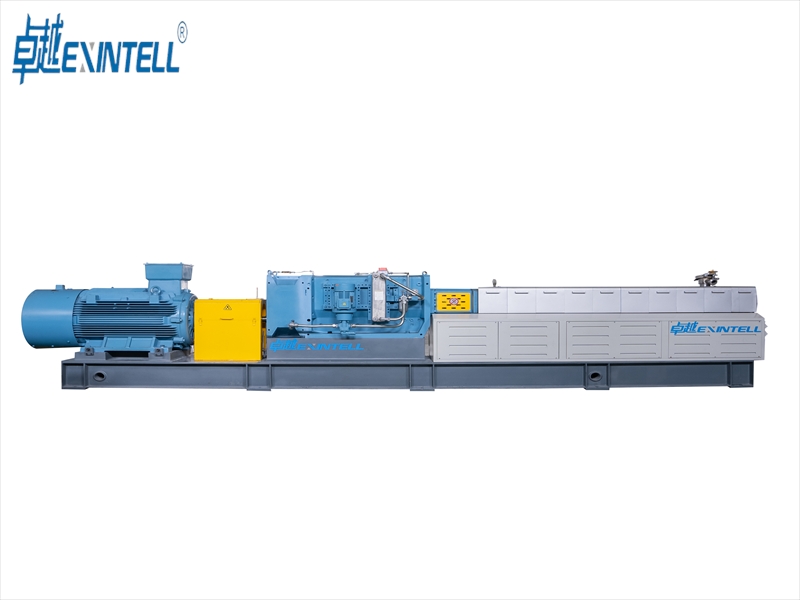
Pelletizing extruders များ ပလတ်စတစ်နှင့် ပိုလီမာများ ပြုလုပ်ရာတွင် အရေးကြီးပါသည်။. သူတို့က မင်းကို အလုပ်ပိုမြန်အောင် ကူညီပေးတယ်။, ဖြုန်းတီးမှုနည်းတယ်။, တည်ငြိမ်သောရလဒ်များကိုရယူပါ။.
ဒါက ဘာကိုပြတဲ့ ဇယားပါလဲ။ pelletizing extruder လုပ်တာ:
| လုပ်ဆောင်ချက် | ဖော်ပြချက် |
|---|---|
| တစ်သမတ်တည်းထုတ်ကုန် | အရွယ်အစားအားလုံးတူညီသော အလုံးများကို သင်ရရှိမည်ဖြစ်သည်။. ၎င်းသည် သင့်အား အရည်အသွေးစစ်ဆေးရန် ကူညီပေးသည်။. |
| အမှိုက်လျှော့ချရေး | ပစ္စည်းကို လျှော့သုံးပြီး အမှိုက်နည်းအောင် စွန့်ပစ်ပါ။. |
| စွမ်းဆောင်ရည်မြှင့်တင်ခြင်း။ | အချိန်တိုအတွင်း အလုံးများ များများလုပ်သည်။. |
| ဘက်စုံ | အထူးအင်္ဂါရပ်များဖြင့် မတူညီသောထုတ်ကုန်များကို သင်ပြုလုပ်နိုင်သည်။. |
အဓိကအစိတ်အပိုင်းများ
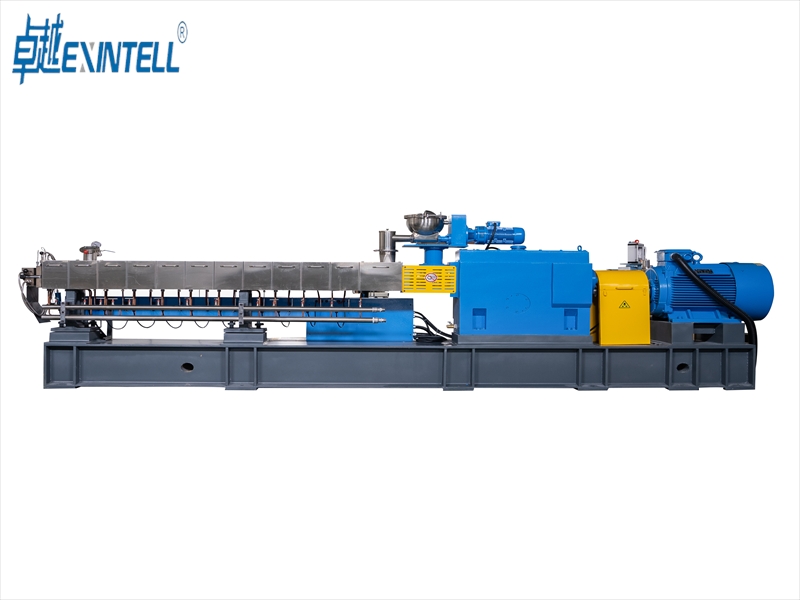
တစ် pellet extruder အလုံးများပြုလုပ်ရန် အစိတ်အပိုင်းများစွာ ပါဝင်ပါသည်။. အပိုင်းတစ်ခုစီတွင် ကိုယ်ပိုင်အလုပ်ရှိသည်။.
- Hopper: ကုန်ကြမ်းကို မီးဖိုထဲမှာ ထည့်ထားသလား. အရာအားလုံးကိုစတင်သည်။.
- ဝက်အူ: ဝက်အူသည် ပစ္စည်းကို ရှေ့သို့တွန်းပြီး ရောမွှေပါ။. ဝက်အူရှည်များသည် ပိုမိုကောင်းမွန်စွာ ရောနှောကာ ပလပ်စတစ်အရည်ပျော်မှုကို ပိုမိုမြန်ဆန်စေသည်။.
- စည်: စည်သည် ပစ္စည်းကို အပူပေးသည်။. ၎င်းသည် အရည်ပျော်မှုကို သေချာစေသည်။.
- Breaker Plate: ဤပန်းကန်ပြားသည် အညစ်အကြေးများကို စုပ်ယူနိုင်ပြီး ဖိအားကို တည်ငြိမ်စေသည်။.
- ဒပ်: အဒက်တာသည် အရည်ကျိုသောပစ္စည်းကို သေစေရန် ရွှေ့သည်။.
- သေစနစ်: အံစာတုံးသည် အရည်ပျော်သော ပလပ်စတစ်ကို ပုံသဏ္ဍာန်ပြုသည်။. ၎င်းသည် အလုံးများ မည်မျှထူပြီး တင်းကျပ်သည်ကို ထိန်းချုပ်သည်။.
- အအေးခံစနစ်: အအေးခံစနစ်များသည် ခဲများကို မာကျောစေသည်။ သူတို့ထွက်လာပြီးနောက်. လေကိုသုံးကြတယ်။, ရေ, သို့မဟုတ် ပုံသဏ္ဍာန်ပြောင်းလဲခြင်းမှ အလုံးများကို ရပ်တန့်ရန် ကုတင်များ.
- ဓားလှည့်စနစ် (ရှုး): ဖြတ်စက်သည် အအေးခံထားသော ပလပ်စတစ်များကို အလုံးလိုက်များအဖြစ် လှီးဖြတ်သည်။. အရွယ်အစားနှင့် ပုံသဏ္ဍာန်တူသော အလုံးများကို သင်ရရှိမည်ဖြစ်သည်။.
တချို့က pellet extruders အခြောက်ခံစနစ်များရှိသည်။. ဤစနစ်များသည် ရေကို ထုတ်ယူပြီး အစေ့များကို ကောင်းမွန်စွာ ထိန်းသိမ်းပေးသည်။.
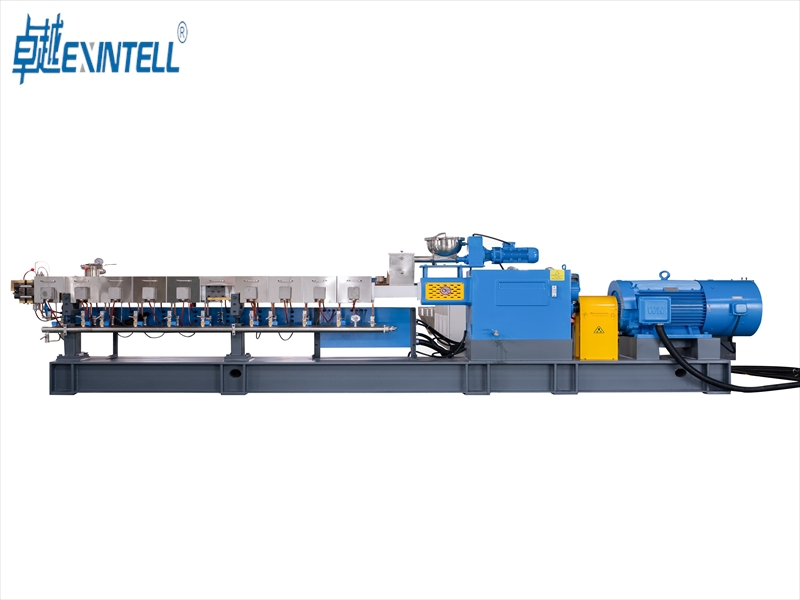
အောက်ဖော်ပြပါဇယားတွင် အဓိက အစိတ်အပိုင်းများနှင့် ၎င်းတို့လုပ်ဆောင်ပုံကို ပြသထားသည်။:
| အစိတ်အပိုင်း | အခန်းကဏ္ဍ |
|---|---|
| Hopper | ကုန်ကြမ်းကို extruder ထဲသို့ထည့်သည်။ |
| ဝက်အူ | တွန်းပြီး ပစ္စည်းကို ရောမွှေပါ။, ပလပ်စတစ် အရည်ပျော် |
| စည် | ချောမွေ့စွာ အရည်ပျော်ရန်အတွက် ပစ္စည်းကို အပူပေးပြီး ပျော့ပြောင်းစေသည်။ |
| Breaker Plate | အညစ်အကြေးတွေကို ဖမ်းတယ်။, ဖိအားကို တည်ငြိမ်စေတယ်။ |
| ဒပ် | အရည်ကျိုသောပစ္စည်းများကို သေသည်အထိ ရွှေ့ပါ။ |
| သေစနစ် | အရည်ကျိုပလပ်စတစ်ပုံစံများ, Pellet အထူနှင့် ဖိအားကို ထိန်းချုပ်သည်။ |
| အအေးခံစနစ် | အစေ့များကို မာကျောစေသည်။, သူတို့ကို ပုံသဏ္ဍာန်ပြောင်းလဲခြင်းမှ တားဆီးသည်။ |
| ဓားလှည့်စနစ် | အအေးခံထားသော အလုံးများကို အရွယ်အစားနှင့် ပုံသဏ္ဍာန်တူအဖြစ် ဖြတ်တောက်ပါ။ |
သင့်လိုအပ်ချက်များနှင့်ကိုက်ညီစေရန် အဆိုပါအစိတ်အပိုင်းများ၏ ဒီဇိုင်းကို သင်ပြောင်းလဲနိုင်သည်။. အလိုအလျောက်စနစ်များသည် အပူကို ထိန်းချုပ်ရန်နှင့် ပြဿနာများအကြောင်း သတိပေးရန် ကူညီပေးသည်။. အအေးခံခြင်းနှင့် အခြောက်ခံစနစ်များသည် အစေ့များကို ခိုင်ခံ့စေပြီး ၎င်းတို့၏ အရည်အသွေးကို ကာကွယ်ပေးသည်။.
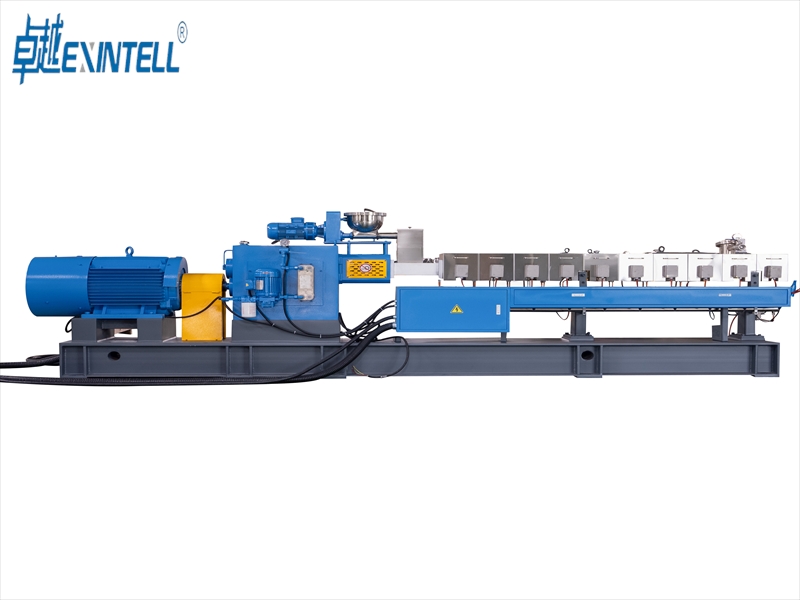
Pelletizing Extruder လုပ်ငန်းစဉ်
Pelletizing extruder သည် အဆင့်ဆင့်လုပ်ဆောင်သည်။. အဆင့်တစ်ဆင့်ချင်းစီသည် ကုန်ကြမ်းများကို တူညီသောပုံသဏ္ဍာန်ရှိသော အလုံးများအဖြစ်သို့ ပြောင်းလဲသည်။. အဆင့်တိုင်းကို သိထားဖို့ လိုပါတယ်။ ကောင်းသောအလုံးများ.
ပစ္စည်းကျွေးခြင်း။
ပထမ, ကုန်ကြမ်းကို extruder ထဲသို့ထည့်ပါ။. hopper သည် ပစ္စည်းကို ကိုင်ထားသည်။. ဤပစ္စည်းသည် ပလပ်စတစ်အမှုန်များ ဖြစ်နိုင်သည်။, granules များ, သို့မဟုတ် အမှုန့်များ. အချို့သော အသုံးများသောပစ္စည်းများမှာ polyethylene ဖြစ်သည်။, polypropylene, ABS, နိုင်လွန်, နှင့် PLA. ပစ္စည်းမည်မျှဝင်သည်ကို ထိန်းချုပ်ရန် အထူး feeders ကိုသုံးနိုင်သည်။. တခါတရံ, ပစ္စည်းကို အရင်ခြောက်အောင်ထားရပါမယ်။. ရေကိုစုပ်ယူတဲ့ ပလတ်စတစ်တွေအတွက် အခြောက်ခံဖို့ အရေးကြီးပါတယ်။. အခြောက်ခံခြင်းသည် အလုံးများအတွင်းရှိ ပူဖောင်းများနှင့် အခြားပြဿနာများကို ရပ်တန့်စေသည်။.
အစာကျွေးသည့်စနစ်သည် အတွင်းထဲသို့ ပစ္စည်းမည်မျှဝင်သည်ကို ထိန်းချုပ်သည်။. အကြိမ်တိုင်း ပမာဏတူ ကျွေးရင်, pellets တွေက ပိုကောင်းပါတယ်။. အပိုင်းအစ အရွယ်အစားနှင့် ၎င်းတို့သည် စိုစွတ်နေပုံမှာလည်း အရေးပါသည်။. သေးငယ်သော အပိုင်းအစများနှင့် ရေပမာဏ မှန်ကန်သော အစေ့များကို သန်မာစေရန် ကူညီပေးသည်။.
အရည်ပျော်ခြင်းနှင့် တစ်သားတည်းဖြစ်စေခြင်း။
နောက်တစ်ခု, ဝက်အူသည် ပစ္စည်းကို ရှေ့သို့တွန်းသည်။. ဗူးက ပူလာပြီး ပလပ်စတစ်ကို အရည်ပျော်သွားစေပါတယ်။. ဤနေရာတွင် ဝက်အူပုံသဏ္ဍာန်သည် အရေးကြီးပါသည်။. အချို့သောဝက်အူများသည် ပစ္စည်းကို ပိုကောင်းအောင် ရောမွှေပြီး အပူကို ထိန်းထားပေးသည်။. ရောစပ်ခြင်းသည် အရောင် သို့မဟုတ် တည်ငြိမ်ခြင်းကဲ့သို့သော အရာများတွင် ရောနှောရာတွင် ကူညီပေးသည်။.
ပလပ်စတစ်တစ်ခုစီအတွက် မှန်ကန်သောအပူကို သတ်မှတ်ရပါမည်။. ဥပမာအားဖြင့်, polypropylene သည် 200°C နှင့် 260°C အကြား အရည်ပျော်သည်။. ABS သည် 210°C နှင့် 250°C အကြား အရည်ပျော်သည်။. အောက်ဖော်ပြပါဇယားတွင် မတူညီသော ပလတ်စတစ်များအတွက် အရည်ပျော်သည့် အပူချိန်ကို ပြသထားသည်။:
| ပလတ်စတစ် ပိုလီမာ | လက်တွေ့ အရည်ပျော်မှု အပူချိန် အတိုင်းအတာ (°C) |
|---|---|
| ABS (Acrylonitrile Butadiene Styrene) | 210 – 250 |
| ပိုလီကာဗွန်နိတ် (ပီစီ) | 280 – 320 |
| Polypropylene (PP) | 200 – 260 |
| နိုင်လွန် 66 (PA66) | 280 – 310 |
| Polyethylene (HDPE) | 210 – 260 |
| Polyoxymethylene (POM) | 190 – 220 |
ကောင်းစွာ အရည်ပျော်ပြီး ရောစပ်ထားသော ပလပ်စတစ်ကို အရည်ပျော်အောင် ချောမွေ့စေသည်။. ဤအဆင့်သည် လေပူဖောင်းများကို ဖယ်ရှားပြီး အရာအားလုံးကို ရောနှောပါ။. ယခု အရည်ကျိုထားသော ပလပ်စတစ်သည် နောက်တစ်ဆင့်အတွက် အဆင်သင့်ဖြစ်နေပါပြီ။.
Extrusion through Die
အရည်ကျိုထားသော ပလပ်စတစ်သည် သေစနစ်သို့ ရွေ့လျားသည်။. သေတ္တာသည် ပလတ်စတစ်ကို ကြိုးများ သို့မဟုတ် အခြားပုံစံများအဖြစ် ပုံသွင်းသည်။. သေသည်မှိုကဲ့သို့ အလုပ်လုပ်သည်။. ၎င်းသည် အစေ့များ၏ အရွယ်အစားနှင့် ပုံသဏ္ဍာန်ကို ထိန်းချုပ်သည်။. အသေပုံသဏ္ဍာန်က အရေးကြီးတယ်။. အလုံးများ မည်မျှ အထူနှင့် ကျယ်သည်ကို ဆုံးဖြတ်သည်။. ကောင်းမွန်သောသေသည် သင့်အား လုံးလုံးတူသည့် အလုံးများကို ပေးသည်။.
ဤနေရာတွင် ဖိအားနှင့် အရှိန်သည် အလုံးများ မည်မျှ ကောင်းမွန်သည်ကို ပြောင်းလဲပါသည်။. အကောင်းဆုံးသော အစေ့အဆန်များ ရရှိရန်အတွက် သင်သည် ယင်းတို့ကို တည်ငြိမ်နေရန် လိုအပ်သည်။.
အအေးခံစနစ်
စွန့်ပြီးရင် အသေခံမယ်။, ပလပ်စတစ်သည် ပူပြီး ပျော့နေသေးသည်။. အအေးခံစနစ်သည် အစေ့များကို မာကျောစေပြီး ၎င်းတို့၏ပုံသဏ္ဍာန်ကို ထိန်းသိမ်းသည်။. အအေးမြန်ပြီး အညီအမျှ အအေးခံနိုင်သောကြောင့် ရေအအေးကို များစွာအသုံးပြုပါသည်။. အချို့သော စက်များသည် အပူနိမ့်ချိန်တွင် အရည်ပျော်သော ပလတ်စတစ်များအတွက် လေအေးကို အသုံးပြုကြသည်။. ရေအောက်ဖြတ်ခြင်းသည် အစေ့များကို ချက်ချင်းအေးစေသည်။. အရည်ပျော်လွယ်သော ပလတ်စတစ်များအတွက် ကောင်းမွန်သည်။.
| အအေးခံနည်း | ဖော်ပြချက် | သင့်လျော်သော ပိုလီမာများ |
|---|---|---|
| ရေအေး | အစေ့များကို လျှင်မြန်စွာ အေးစေရန် ရေကို အသုံးပြု၍ ကောင်းမွန်စွာ ထိန်းသိမ်းပါ။. | အအေးခံရန် လိုအပ်သော ပလတ်စတစ် အများအပြား. |
| လေအအေးခံခြင်း။ | မြန်သလောက် မဟုတ်ဘူး။, အပူနည်းနည်းနဲ့ အရည်ပျော်တဲ့ ပလတ်စတစ်တွေအတွက် သုံးတယ်။. | အရည်ပျော်အညွှန်းနည်းသော ပလတ်စတစ်များ. |
| ရေအောက်ဖြတ်တောက်ခြင်း။ | အမှုန်အမွှားများကို ရေထဲတွင် ချက်ချင်းဖြတ်ပြီး အအေးခံပါ။. | PP ယက်မ, အရည်ပျော်သောအထည်များ. |
အအေးလည်း ညီရမယ်။. အေးလွန်းရင် မြန်လွန်းရင် နှေးတယ်။, အလုံးများသည် ပုံသဏ္ဍာန် ကွဲနိုင်သည် သို့မဟုတ် ပြောင်းလဲနိုင်သည်။. ကောင်းသောအအေးပေးခြင်းဖြင့် အစေ့များကို ခိုင်ခံ့စေပြီး ပုံမှန်ကို ထိန်းသိမ်းပေးသည်။.
အလုံးများ လှီးဖြတ်ခြင်း။
အစေ့တွေ အေးသွားတဲ့အခါ, ခုတ်ထစ်ခြင်းသို့ သွားကြ၏။. လှည့်နေသောဓားသည် ကြိုးများကို အလုံးလိုက်အဖြစ် ဖြတ်သည်။. ဓါး၏ အရှိန်နှင့် အမျိုးအစားသည် အလုံးများ မည်မျှ အရှည်နှင့် အထူကို ပြောင်းလဲသည်။. ဓားသွားများ ပိုများသော သို့မဟုတ် ပိုမြန်သော ဖြတ်တောက်ခြင်းသည် အလုံးများ တိုသွားစေသည်။. ဖြတ်စက်ကို ဘယ်မှာထားရလည်း အရေးကြီးတယ်။. သေဖို့နီးလွန်းရင်, လျင်မြန်စွာ နွမ်းနယ်သည်။. ဝေးလွန်းလျှင်, အလုံးတွေတောင် မဟုတ်ဘူး။.
အစေ့များကို နည်းအမျိုးမျိုးဖြင့် ဖြတ်နိုင်သည်။:
- Strand pelletizing: ရေအအေးခံပြီး လှီးဖြတ်ပါ။.
- အပူပိုင်းဖြတ်တောက်ခြင်း: သေခါနီးမှာ မျက်နှာကို ဖြတ်လိုက်တယ်။.
- ရေအောက် pelletizing: အအေးမြန်စေရန် ရေကိုဖြတ်ပါ။.
နည်းလမ်းတစ်ခုစီသည် အချို့သော ပလတ်စတစ်များနှင့် အလုပ်များအတွက် အကောင်းဆုံးဖြစ်သည်။.
စုဆောင်းမှုနှင့် အရည်အသွေးထိန်းချုပ်မှု
အဆုံးမှာ အချောထည်တွေကို စုဆောင်းပါ။. တခါတရံ, ရေကိုဖယ်ရှားရန် ၎င်းတို့ကို ခြောက်ရန် လိုအပ်သည်။. ဤနေရာတွင် အစေ့များကို အရွယ်အစားစစ်ဆေးပါ။, ပုံသဏ္ဍာန်, သန့်ရှင်းစင်ကြယ်ခြင်း။. အစေ့တွေကို စမ်းသပ်ပြီး မကောင်းတာတွေကို ဖယ်ရှားလိုက်ပါ။. အချို့သော ကုမ္ပဏီများသည် အလွန်သန့်စင်ရန်လိုအပ်သော ပလတ်စတစ်များအတွက် အထူးစမ်းသပ်မှုများကို အသုံးပြုကြသည်။.
မင်းရဲ့ အမှုန်အမွှားတွေ ကောင်းနေဖို့ ကမ္ဘာ့စည်းကမ်းတွေကို လိုက်နာရမယ်။. ကောင်းမွန်သောစစ်ဆေးမှုများက သင့်အစေ့များသည် အခြားစက်များတွင် ကောင်းမွန်စွာအလုပ်လုပ်နိုင်သည်ဟု ဆိုလိုသည်။.
ထိပ်ဖျား: ၎င်းတို့ကို စုဆောင်းသောအခါတွင် အစေ့များကို မကြာခဏ စစ်ဆေးပါ။. ၎င်းသည် သင့်အား ပြဿနာများကို စောစီးစွာရှာဖွေရန် ကူညီပေးပြီး သင့်စက်ကို ကောင်းမွန်စွာအလုပ်လုပ်စေပါသည်။.
အဆင့်တစ်ဆင့်ချင်းစီ လိုက်လုပ်ပါ။, ကုန်ကြမ်းများကို ကောင်းမွန်သော အလုံးများအဖြစ်သို့ ပြောင်းလဲပေးသည်။. အဆင့်တိုင်းသည် နောက်ဆုံးထုတ်ကုန်ပြုလုပ်ရန် အရေးကြီးပါသည်။.
Pelletizing ကိုထိခိုက်စေသောအချက်များ
သင် pelletizing extruder ကိုအသုံးပြုသောအခါ, အချို့အရာများကို သင်ထိန်းချုပ်ရမည်။. ဤအရာများသည် သင့်အား သန်မာစေပြီး အလုံးလိုက်များပင် ရရှိစေရန် ကူညီပေးသည်။. အပူချိန်ကို စောင့်ကြည့်ရမယ်။, screw မြန်နှုန်း, နှင့် သင့်ပစ္စည်း၏ ဂုဏ်သတ္တိများ. တစ်ခုချင်းစီက မင်းရဲ့ အမှုန်အမွှားတွေရဲ့ အသွင်အပြင်ကို ပြောင်းလဲနိုင်ပါတယ်။. ၎င်းတို့သည် သင့်စက်၏ အလုပ်လုပ်ပုံကိုလည်း သက်ရောက်မှုရှိသည်။.
အပူချိန်ထိန်း
အပူချိန်ကို တစ်ချိန်လုံး စစ်ဆေးရပါမယ်။. မှန်ကန်သော အပူချိန်သည် အစေ့များကို ကောင်းစွာ ကပ်စေပါသည်။. အပူချိန်နီးသောအခါ အထူးအမှတ်ဟုခေါ်သည်။ T*, သေခါနီးအချိန်က အရေးကြီးတယ်။. ဒီတစ်ခါတော့ မင်းရဲ့ အစေ့တွေက ဘယ်လောက်မာကျောလဲဆိုတာကို ပြောင်းလဲပေးတယ်။. T* ကျော်သွားရင်, အစေ့များသည် လျင်မြန်သော်လည်း အားနည်းလာသည်။. ကောင်းသော အပူချိန်ကို ထိန်းညှိပေးခြင်းဖြင့် အစေ့များကို ကြာရှည်ခံစေပြီး မကွဲကွဲစေပါ။. ၎င်းသည် သင့်အစေ့များကို ကောင်းမွန်စေပြီး အမှိုက်များကို ရပ်တန့်စေသည်။.
ထိပ်ဖျား: အပူချိန်ကို မကြာခဏ စစ်ဆေးရန် အာရုံခံကိရိယာများကို အသုံးပြုပါ။. ၎င်းသည် သင့်အား ပြဿနာများကို အမြန်ဖြေရှင်းရန် ကူညီပေးသည်။.
ဝက်အူအမြန်နှုန်း
ဝက်အူ၏အမြန်နှုန်းသည် သင်အလုံးလိုက်လုပ်သည့်နှုန်းကို ပြောင်းလဲစေသည်။. ဝက်အူအရမ်းမြန်ရင်, အလုံးလေးတွေတောင် မကြည့်ဖြစ်ဘူး။. လေပူဖောင်းတွေလည်း ရနိုင်တယ်။. ဝက်အူက အရမ်းနှေးနေရင်၊, အစေ့နည်းနည်းလုပ်တယ်။. သင့်ပစ္စည်းနှင့်စက်အတွက် အကောင်းဆုံးအမြန်နှုန်းကို သင်ရှာဖွေရန်လိုအပ်သည်။. မတူညီသော အမြန်နှုန်းများကို စမ်းကြည့်ပြီး သင်၏ အလုံးများကို မကြာခဏ ကြည့်ရှုပါ။. ၎င်းသည် သင့်အား ခဲလုံးအရည်အသွေးကို တူညီစေပြီး ပြဿနာများကို ရပ်တန့်ရန် ကူညီပေးသည်။.
ပစ္စည်းဂုဏ်သတ္တိများ
သင်အသုံးပြုသည့် ပစ္စည်းအမျိုးအစားသည်လည်း အရေးကြီးပါသည်။. စိုစွတ်မှုနှင့် ပျစ်စွတ်မှုတို့ကို စဉ်းစားသင့်သည်။. ဤအရာများသည် သင့်အမှုန်အမွှားများကို မည်သို့ပြောင်းလဲစေသနည်း။:
- ရေများများ သည် အစေ့များကို ပိုစိုစေပြီး သန်မာစေသည်။, ဒါပေမယ့် သူတို့က ပိုမှောင်တယ်။.
- ရေပို viscosity လျော့နည်းစေသည်။, ဒါကြောင့် ပစ္စည်းက ပိုလွယ်တယ်။.
- သေးငယ်သောအပိုင်းများသည် ပစ္စည်းကို ပိုထူစေပြီး တွန်းရခက်စေသည်။.
မတူညီသောပစ္စည်းများအတွက် သင်၏ extruder ကို သင်ပြောင်းလဲနိုင်သည်။. ဥပမာအားဖြင့်, အထူးသေပုံစံကို သင်သုံးနိုင်သည်။. အောက်ပါဇယားသည် သင့်လုပ်ငန်းစဉ်ကို သင်မည်သို့ပြောင်းလဲနိုင်သည်ကို ပြသထားသည်။:
| ရှုထောင့် | ဖော်ပြချက် |
|---|---|
| Tool Design စဉ်းစားမှု | ယှဉ်ပါ။ မင်းရဲ့ပစ္စည်းကိုသေလိုက်ပါ။ နှင့် pellet အရွယ်အစား. |
| ရှုပ်ထွေးမှုကို ကိုင်တွယ်ခြင်း။ | ခက်ခဲသော ပုံသဏ္ဍာန်များအတွက် အသေများကို ဒီဇိုင်းထုတ်ရန် ကွန်ပျူတာ မော်ဒယ်များကို အသုံးပြုပါ။. |
co-extrusion စနစ်ကိုလည်း သင်သုံးနိုင်သည်။. ဤအရာများသည် သင့်အား အထူးအသုံးပြုရန်အတွက် ပစ္စည်းများကို ရောနှောပြီး အလွှာလိုက်အတုံးများပြုလုပ်နိုင်စေပါသည်။.
ဒါတွေကို ထိန်းရင်, ပိုကောင်းတဲ့ အလုံးတွေလုပ်တယ်။. သင်သည် သင်၏ pelletizing လုပ်ငန်းစဉ်ကို ကောင်းမွန်စွာ လုပ်ဆောင်နေပါသည်။.
Pellet Extruder ပြဿနာဖြေရှင်းခြင်း။
အဖြစ်များသော Pellet အရည်အသွေးပြဿနာများ
တခါတရံ, မင်းရဲ့ အမှုန်အမွှားတွေနဲ့ ပြဿနာတွေကို မင်းမြင်တယ်။. ဤပြဿနာများသည် သင့်အစေ့များ၏ပုံသဏ္ဍာန် သို့မဟုတ် အလုပ်လုပ်ပုံကို ပြောင်းလဲနိုင်သည်။. ဤသည်မှာ သင်တွေ့နိုင်သော ပြဿနာအချို့ဖြစ်သည်။:
- အလုံးများ ပူလွန်းလျှင် သို့မဟုတ် ရေနည်းလွန်းပါက စုပုံခြင်း သို့မဟုတ် ကြီးမားသော အဖုများ ဖြစ်ပေါ်တတ်သည်။.
- သို့မဟုတ် ဓားသည် ညာဘက်သို့မရွေ့ပါက ဒဏ်ငွေများနှင့် နတ်သမီးဆံပင်များ ပေါ်နေပါသည်။.
- အမွှာ, သုံးဆ, ဓားသည် မြန်လွန်းပါက သို့မဟုတ် ထုတ်ကုန်သည် ပူလွန်းပါက သံကြိုးများ ဖြစ်ပေါ်လာသည်။.
- ဓားသွားများ စုတ်ပြဲသွားပါက သို့မဟုတ် ပစ္စည်း မထူပါက ခွေးအရိုးများနှင့် နလပိန်းတုံးများ ပေါ်လာပါသည်။.
- ဓားနှင့်အသေကြား ကွာဟချက်ကြီးလွန်းလျှင် အမြီးများ ပေါက်တတ်သည် သို့မဟုတ် အသေသည် ပြားသွားခြင်းမရှိပေ။.
- ဓားသည် နှေးလွန်းခြင်း သို့မဟုတ် ထုတ်ယူမှုနှုန်း မြင့်မားပါက အရှည်နှင့် တံတောင်ဆစ်များ ဖြစ်ပေါ်နိုင်သည်။.
- ပေါ်လီမာတွင် ရေများ သို့မဟုတ် အအေးမြန်လွန်းပါက အတွင်းပိုင်းအပျက်အစီးများနှင့် ပေါက်ပေါက်များ ပေါ်လာနိုင်သည်။.
- ထုတ်ကုန်သည် အလွန်လျင်မြန်စွာ ကျုံ့သွားပါက သို့မဟုတ် ကြွပ်ဆတ်သွားပါက အမဲစက်များနှင့် ဖုန်မှုန့်များ ပေါ်လာပါသည်။.
- ထုတ်ယူမှုနှုန်း မြင့်မားပါက သို့မဟုတ် ဓားကို မကြာခဏ ချိန်ညှိမထားပါက မျက်နှာပြင် သို့မဟုတ် အရည်ပျော်ခြင်းနှင့် အမှိုက်များ သို့မဟုတ် မုတ်ဆိတ်ရိတ်ခြင်းများ ဖြစ်တတ်ပါသည်။.
- တူညီသောပုံမပေါ်သော အလုံးများသည် အပူချိန်ပြောင်းလဲမှု သို့မဟုတ် မညီမညာသော အပူပေးခြင်းဖြင့် သေဆုံးနိုင်သည်။.
အစရှိတဲ့ ကိရိယာတွေကို အသုံးပြုနိုင်ပါတယ်။ Ishikawa ငါးရိုးပုံကားချပ် သို့မဟုတ် 5 ဘာ့ကြောင့် မှားနေလဲ သိဖို့ နည်းစနစ်. ဤကိရိယာများက သင့်အား အကြောင်းတရားများကို စာရင်းပြုစုပြီး ပြဿနာကို ပိုမိုနက်ရှိုင်းစွာကြည့်ရှုရန် ကူညီပေးသည်။.
စက်ပိုင်းဆိုင်ရာနှင့် လုပ်ငန်းစဉ်ဆိုင်ရာ ပြဿနာများ
စက်ပိုင်းဆိုင်ရာနှင့် လုပ်ငန်းစဉ်ဆိုင်ရာ ပြဿနာများသည် pelletizing ကို ထိခိုက်နိုင်သည်။. အထွက်နှုန်း မညီတာကို တွေ့နိုင်တယ်။, ထုတ်လုပ်မှုနိမ့်, သို့မဟုတ် မကောင်းသော အလုံးများ. ဤသည်မှာ ပြဿနာများနှင့် ၎င်းတို့ကို ဖြေရှင်းရန် နည်းလမ်းအချို့ဖြစ်သည်။:
- ခဲလုံးအရွယ်အစားနှင့် ပုံသဏ္ဍာန်မမှန်ပါက၊, အသေအပူချိန်ကိုပြောင်းလဲပါ။, ဓားသွားများကို ထက်မြက်အောင်ထားပါ။, နှင့် blade gap ကိုစစ်ဆေးပါ။.
- အထွက်နည်းတာတွေ့ရင် ပိတ်ဆို့မှုတွေ များလာပါတယ်။, ပိတ်ဆို့ထားသော သေအပေါက်များကို ရှာဖွေပြီး ခုန်ပါအတွင်း ပစ္စည်း ကောင်းစွာ ရွေ့လျားကြောင်း သေချာပါစေ။.
- extruder သို့မဟုတ် motor သည် အလွန်ပူနေပါက၊, အအေးခံစနစ်ကို စစ်ဆေးပြီး ပွတ်တိုက်မှု သို့မဟုတ် မော်တာ အလုပ်အရမ်းလုပ်ခြင်းကို ရှာဖွေပါ။.
- အလုံးတွေ မပါရင် မကောင်းဘူး။, အပူချိန်ကိုစစ်ဆေးပါ။, ပစ္စည်းများကို ဂရုတစိုက်ကိုင်တွယ်ပါ။, ခြောက်သွေ့သောပစ္စည်းများ၊.
ဝက်အူအဝတ်အစားကိုလည်း စစ်ဆေးသင့်ပါတယ်။, ထူးဆန်းသောအသံများ, တုန်လှုပ်ခြင်း။. ဤလက္ခဏာများသည် အစိတ်အပိုင်းများ ပွန်းပဲ့သွားခြင်း သို့မဟုတ် ထိုနေရာ၌ မဖြစ်သင့်သော အရာတစ်ခုခုရှိနေသည်ဟု ဆိုလိုနိုင်သည်။. အရာများကို စစ်ဆေးခြင်းနှင့် ပြုပြင်ခြင်းသည် မကြာခဏ သင့်အစေ့အဆန်များကို ချောမွေ့စေပြီး သင့်အစေ့များကို တူညီစေသည်။.
ထိပ်ဖျား: ပြဿနာများကို ချရေးပြီး သင်မည်ကဲ့သို့ ဖြေရှင်းမည်နည်း။. ၎င်းသည် သင့်အား ပုံစံများကို မြင်နိုင်ပြီး နောက်တစ်ကြိမ်တွင် အရာများကို ပိုမိုမြန်ဆန်စွာ ပြုပြင်ရန် ကူညီပေးသည်။.
pelletizing extruder လုပ်ငန်းစဉ်၏ အဆင့်တိုင်းကို သင်လေ့လာနိုင်ပါသည်။. အပူချိန်နှင့် အအေးထိန်းပေးခြင်းသည် သန်မာစေရန် ကူညီပေးသည်။, ယူနီဖောင်းအလုံးများ. သင့်စက်ကို လည်ပတ်ပုံမြှင့်တင်ခြင်းက အမှိုက်ကို လျှော့ချပြီး ငွေကုန်သက်သာစေသည်။. အလုံးလေးတွေ ချောချောမွေ့မွေ့ စီးဆင်းသွားတဲ့အခါ, jams တွေက ဖြစ်နိုင်ခြေနည်းပါတယ်။, ပြီးတော့ အလုပ်က တည်ငြိမ်တယ်။. သင့်လျော်သော အရည်ပျော်ခြင်း နှင့် ရောစပ်ခြင်း သည် မြင့်မားသော စံနှုန်းများနှင့် ကိုက်ညီသော အစေ့များကို ဖန်တီးသည်။. ၎င်းသည် ပစ္စည်းဆုံးရှုံးမှုကို လျှော့ချရာတွင်လည်း ကူညီပေးပြီး ထုတ်လုပ်မှုကို မြန်ဆန်စေသည်။. အတွေ့အကြုံသစ်ပဲဖြစ်ဖြစ်၊, အချိန်တိုင်း အကောင်းဆုံး အလုံးဖြစ်အောင် လေ့ကျင့်ပါ။.
- တည်ငြိမ်သောအပူချိန် ပြီးလျှင် အအေးခံခြင်းသည် အရည်အသွေးမြင့် အလုံးများကို ပြုလုပ်သည်။.
- သင်၏ လုပ်ငန်းစဉ်ကို ပိုမိုကောင်းမွန်အောင် ပြုလုပ်ခြင်းဖြင့် ပဲတောင့်များကို ပိုမို တသမတ်တည်းဖြစ်စေပြီး စွန့်ပစ်ပစ္စည်းများကို လျော့နည်းစေသည်။.
- အမှုန်အမွှားများ အလွယ်တကူ စီးဆင်းသည်။, ၎င်းသည် ကိုင်တွယ်ရာတွင် ပိုမိုလွယ်ကူစေပြီး ပိတ်ဆို့မှုများကို ကာကွယ်ပေးသည်။.
- အရည်ပျော်ခြင်းနှင့် ရောစပ်ခြင်းသည်ပင် တစ်သမတ်တည်းရှိသော အလုံးများကို ထုတ်လုပ်သည်။.
- Pelletizing သည် ပစ္စည်းကို သက်သာစေပြီး ထိရောက်မှုကို တိုးစေသည်။.
အမြဲမေးလေ့ရှိသောမေးခွန်းများ
Pelletizing extruder တွင် မည်သည့်ပစ္စည်းများကို သင်သုံးနိုင်သနည်း။?
သုံးလို့ရတယ်။ ပလပ်စတစ်အမျိုးအစားများစွာ. အချို့သောဥပမာများသည် polyethylene ဖြစ်သည်။, polypropylene, ABS, နိုင်လွန်, နှင့် PLA. အချို့စက်များသည် ပြန်လည်အသုံးပြုထားသော ပလတ်စတစ် သို့မဟုတ် ရောနှောများကိုလည်း အသုံးပြုနိုင်သည်။. သင်၏ extruder သည် သင့်ပစ္စည်းနှင့် အလုပ်လုပ်ကြောင်း အမြဲသေချာပါစေ။.
အစေ့အဆန်တွေ မကပ်အောင် ဘယ်လိုကာကွယ်မလဲ။?
မကျွေးခင်မှာ သင့်ပစ္စည်းတွေကို အခြောက်ခံပါ။. သင့်ပလတ်စတစ်အတွက် အကောင်းဆုံး အအေးခံနည်းလမ်းကို ရွေးပါ။. အပူချိန်ကို အတူတူထားပါ။. ဒီအဆင့်တွေက သင့်အတွက် အထောက်အကူဖြစ်စေပါတယ်။ ခိုင်ခံ့သော အလုံးများ ကပ်မနေပါ။.
အစေ့များသည် တစ်ခါတစ်ရံ ပုံသဏ္ဍာန် မညီညာခြင်း အဘယ်ကြောင့် ရှိသနည်း။?
အသေ သို့မဟုတ် ဖြတ်စက်တွင် ပြဿနာများရှိလျှင် အလုံးလိုက်များသည် မညီမညာဖြစ်နေနိုင်သည်။. ဓါးများ စုတ်ပြဲသွားခြင်း ရှိ၊ မရှိ စစ်ဆေးပါ။. ဝက်အူအမြန်နှုန်းမှားခြင်းကိုလည်း ဖြစ်စေနိုင်သည်။. အလုံးလေးများ ညီညာစေရန် ဤအရာများကို ပြုပြင်ပါ။.
သင်၏ အမှုန့်ကြိတ်စက်ကို အကြိမ်မည်မျှ သန့်ရှင်းသင့်သနည်း။?
- အလုံးများပြုလုပ်ပြီးတိုင်း သင့် extruder ကို သန့်စင်ပါ။.
- လက်ကျန်ပစ္စည်းများကို ထုတ်ယူပြီး မည်သည့် အဆောက်အအုံကိုမဆို ရှာဖွေပါ။.
- မကြာခဏ သန့်ရှင်းရေးလုပ်ခြင်းသည် သင့်အစေ့များကို ကောင်းမွန်စေပြီး သင့်စက်ကို ကောင်းမွန်စွာအလုပ်လုပ်စေသည်။.